



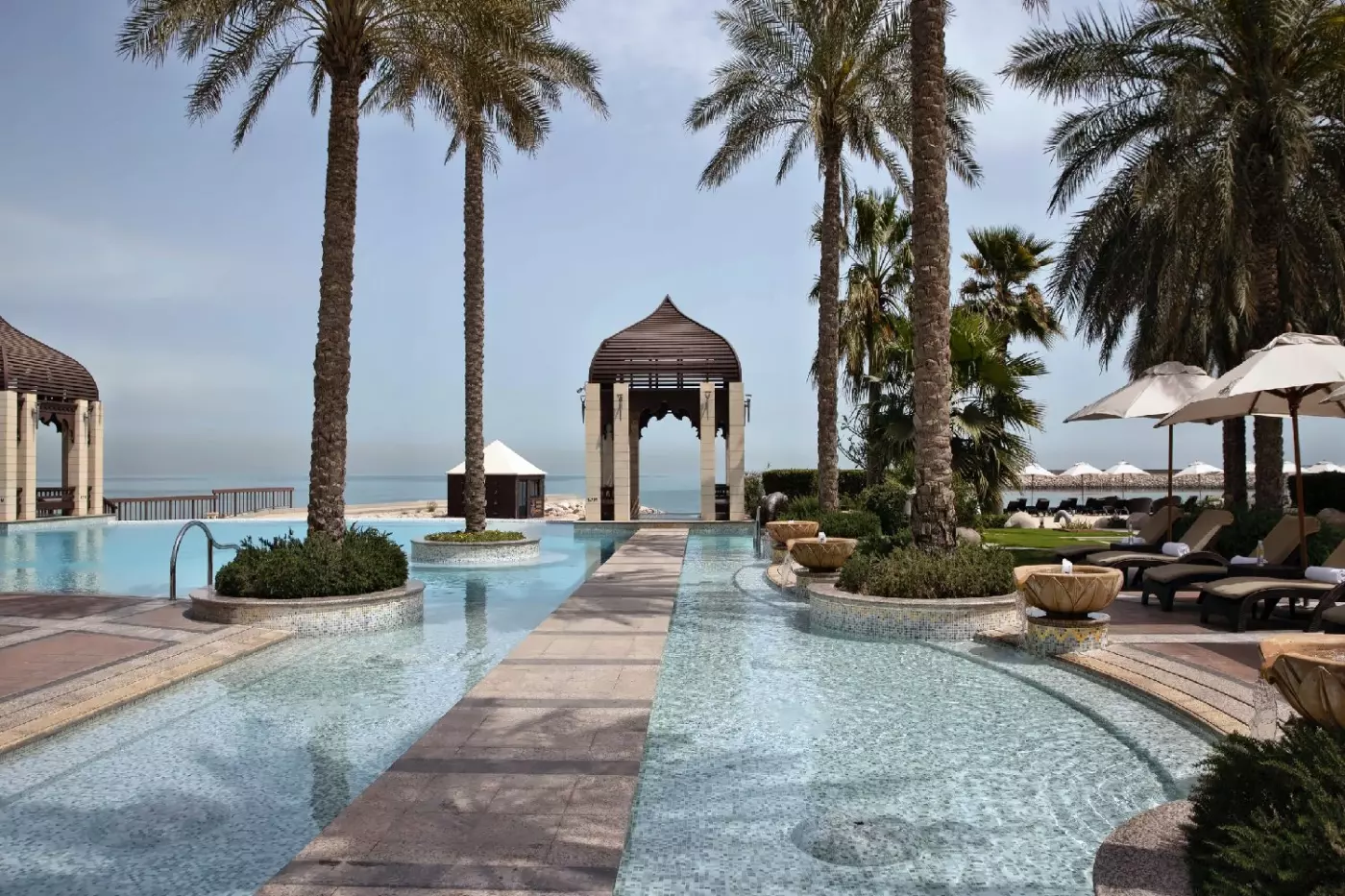
Jumeirah Messilah Beach Hotel & Spa
Prices From 382 USD
+3
More amenities
- Sauna
- Beach
- City Vibe
At Jumeirah Messilah Beach, water shapes the resort well before you reach the Arabian Gulf. It runs through channels in the g...
Please choose a hotel or destination from the list.
We couldn’t open your search results. Please try again.
Your private search
Finding exceptional stays
Kuwait combines a Gulf-facing capital with island heritage, inland landscapes and a national story shaped by trade and industry. Choose the hotel base around the days you want to spend there. The current collection provides central, shopping-led and coastal settings around Kuwait City, with visits beyond those bases arranged separately rather than assumed to form one continuous resort district.
Prices From 382 USD
More amenities
At Jumeirah Messilah Beach, water shapes the resort well before you reach the Arabian Gulf. It runs through channels in the g...
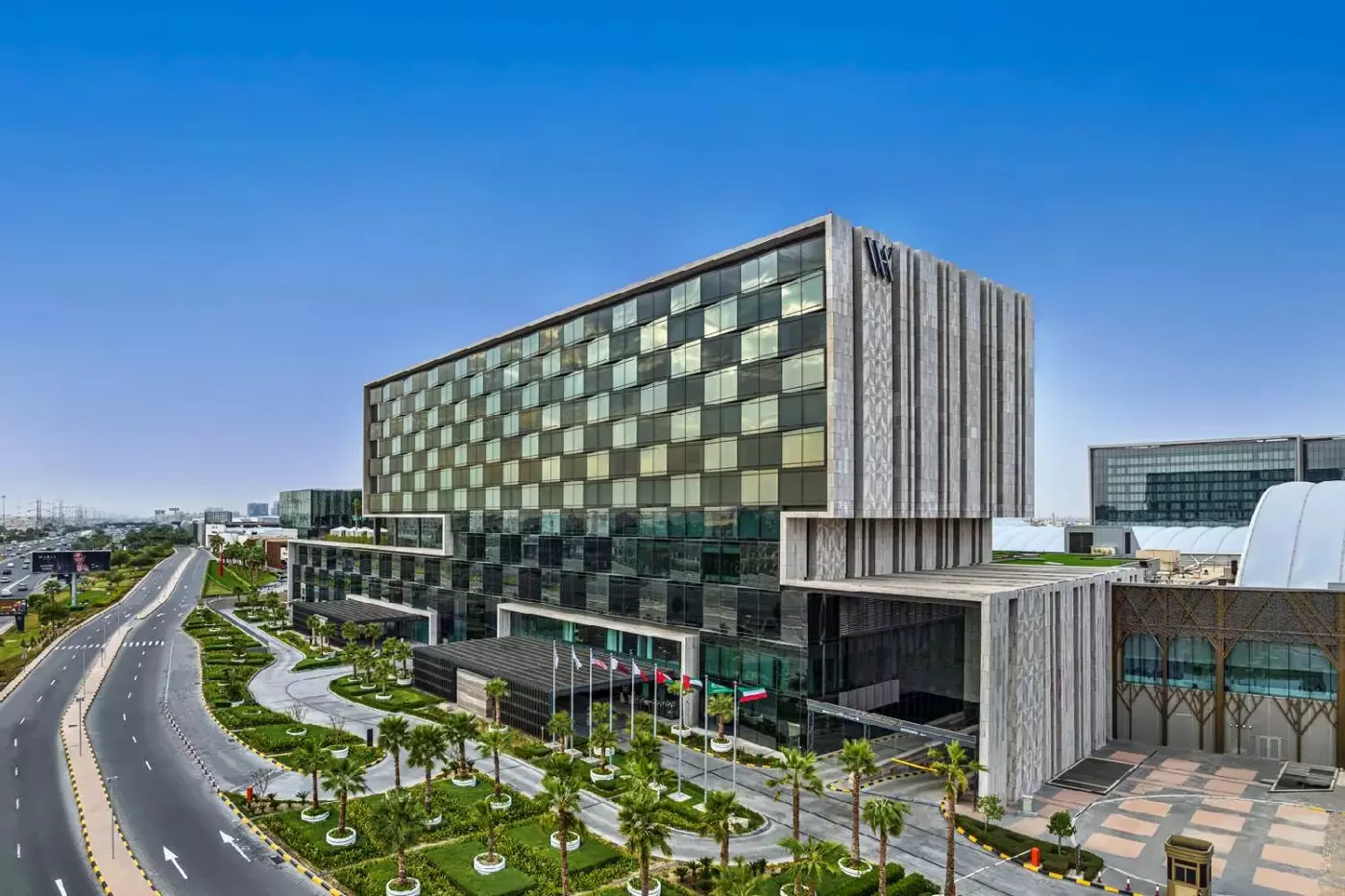
Prices From 472 USD
More amenities
Waldorf Astoria Kuwait brings the brand's polished city-hotel style to The Avenues, Kuwait's largest retail and dining distri...
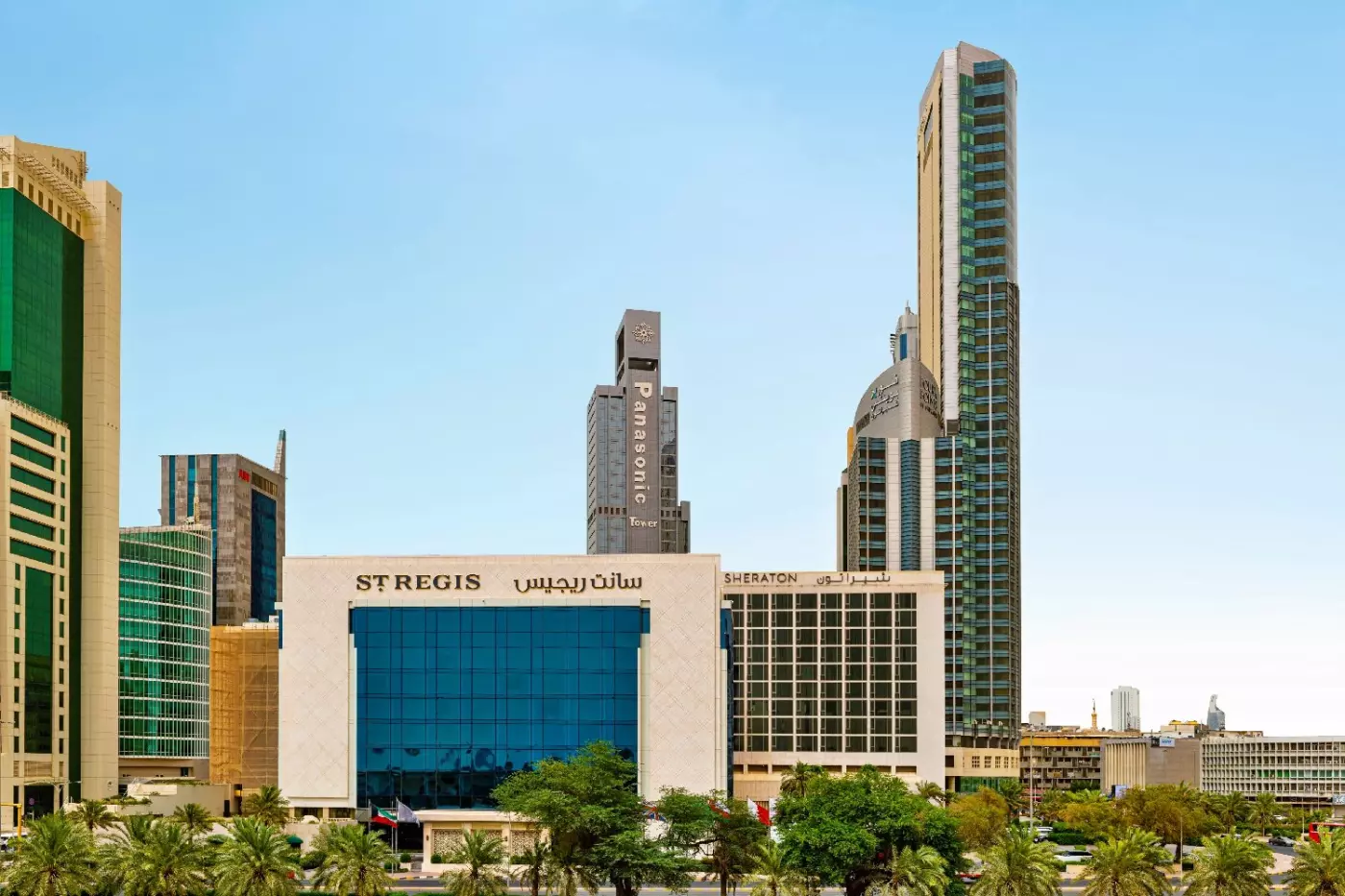
Prices From 475 USD
More amenities
The St. Regis Kuwait is a refined city hotel in the center of Kuwait City. It sits in the Assima district, close to offices,...
The St. Regis provides a central Fahd Al Salem Street address, Waldorf Astoria is at The Avenues, and Jumeirah Messilah Beach occupies the Messilah coast. Those settings serve different purposes: repeated city visits, a shopping-focused stay or substantial time at the coastal accommodation. They do not imply a hotel from this collection in every part of the country.
Use the Kuwait City guide to choose between the actual local bases and cultural institutions. At country level, decide which interests justify time beyond that city plan. Keep a visit to an island or an inland destination attached to its own arrangements, rather than selecting the hotel around an imagined uninterrupted sightseeing circuit.
Kuwait's landscape includes the shores of Kuwait Bay, desert terrain and offshore islands. Failaka adds a separate island interest to a mainland stay. Choose it because you want time in that particular place, not merely because a boat outing appears to complete a coastal holiday.
Before oil, Kuwait’s fortunes were tied to pearling, shipbuilding and trade. Imported materials supported boatbuilding, while trading dhows linked the port with India and goods continued inland by caravan. The Maritime Museum gives a national-history visit a seafaring focus. Choose this subject to understand the coast as a place of work and exchange, alongside an island journey or a stay by the Gulf. It offers a different perspective from the modern oil-industry story in Ahmadi.
Al Qurain Martyrs Museum occupies the house where members of the Al-Masila resistance group confronted Iraqi troops during the occupation. Weapons and personal belongings connect the national story with the people involved. Choose it for an interest in Kuwait’s occupation and liberation, with the house itself forming part of the historical evidence. This is a reflective modern-history visit, contrasting with Failaka’s older archaeological layers and the country’s maritime heritage.
No. Its archaeological record includes Bronze Age, Hellenistic and later settlement evidence. Choose a particular historical subject and establish which sites can form part of the proposed visit, rather than expecting a general island excursion to explain every period. Protected remains and an ordinary shore visit are different parts of the plan.
No. The Red Palace museum is in Al Jahra, giving it a separate regional place in a national itinerary. Keep the intended museum and its location explicit when arranging the visit, rather than treating every cultural attraction as part of one central-city walk. Check current visitor arrangements before making the journey.
The Ahmad Al-Jaber Oil & Gas Exhibition in Ahmadi explains the industry and Kuwait Oil Company's role. It provides an interpretive visit rather than permission to enter working installations. Choose it for that national economic story, with the actual exhibition and current visiting arrangements confirmed separately.
The Al-Khuwaisat reserve includes ponds and reed beds on sandy sabkha terrain near the western end of Kuwait Bay. It adds an environmental subject distinct from an ordinary city garden. Consult the Environment Public Authority about current visitor arrangements and observe its guidance, without assuming open entry or a particular wildlife encounter.
The country is largely an undulating desert landscape, rising inland from the Gulf shore and including ridges, depressions and dunes. Choose a particular organized landscape visit rather than expecting every desert area to offer the same outing. Establish the actual route and arrangements; a general map or hotel address does not define suitable access.