



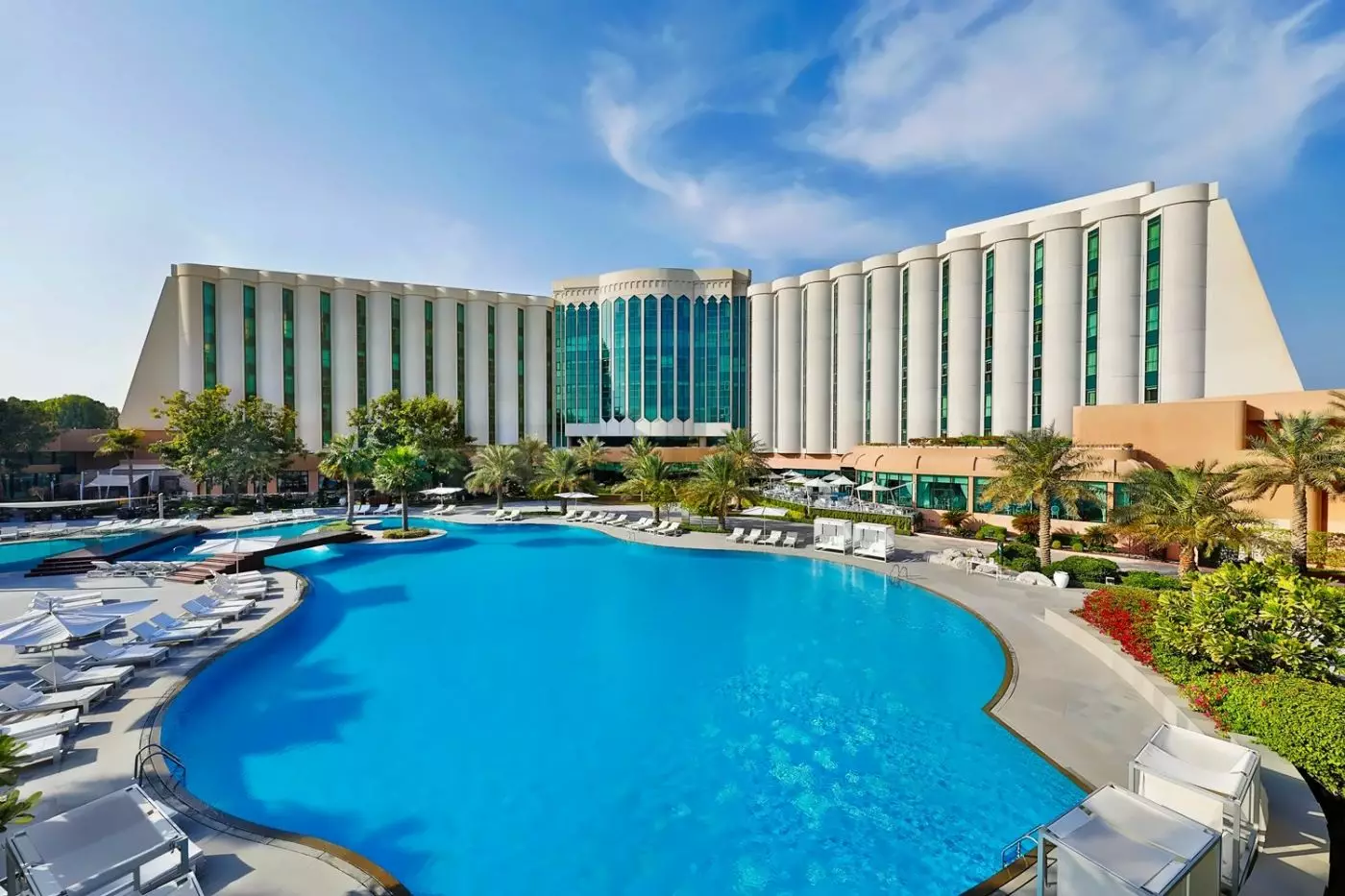
Ritz Carlton Bahrain
Prices From 564 USD
+3
More amenities
- Sauna
- Beach
- City Vibe
The Ritz Carlton Bahrain is a beachfront resort in Manama with a private beach setting, resort pools, villas, Club-level room...
Please choose a hotel or destination from the list.
We couldn’t open your search results. Please try again.
Your private search
Finding exceptional stays
Bahrain gives a luxury stay a compact national landscape with distinct purposes: the capital's urban life, Muharraq's pearling heritage, archaeological sites and a southern desert interval. Choose the hotel base around the part of that journey you want to return to each day. A city hotel, a coastal resort and a villa retreat need different plans, even within the same country.
Prices From 564 USD
More amenities
The Ritz Carlton Bahrain is a beachfront resort in Manama with a private beach setting, resort pools, villas, Club-level room...
Prices From 231 USD
More amenities
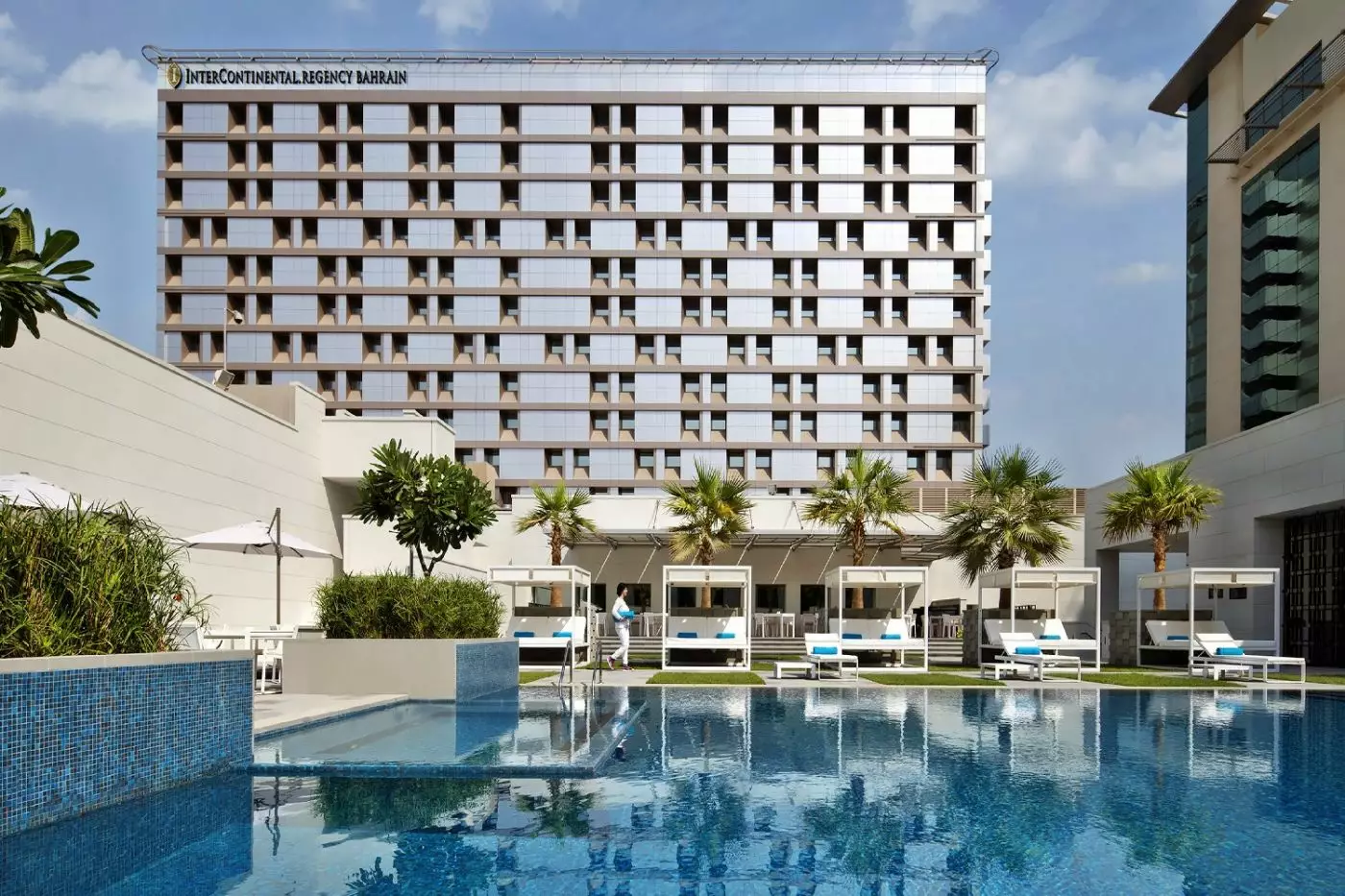
InterContinental Bahrain stands on King Faisal Highway in the heart of Manama. The souq, Bahrain Financial Harbour, the World...
Prices From 463 USD
More amenities
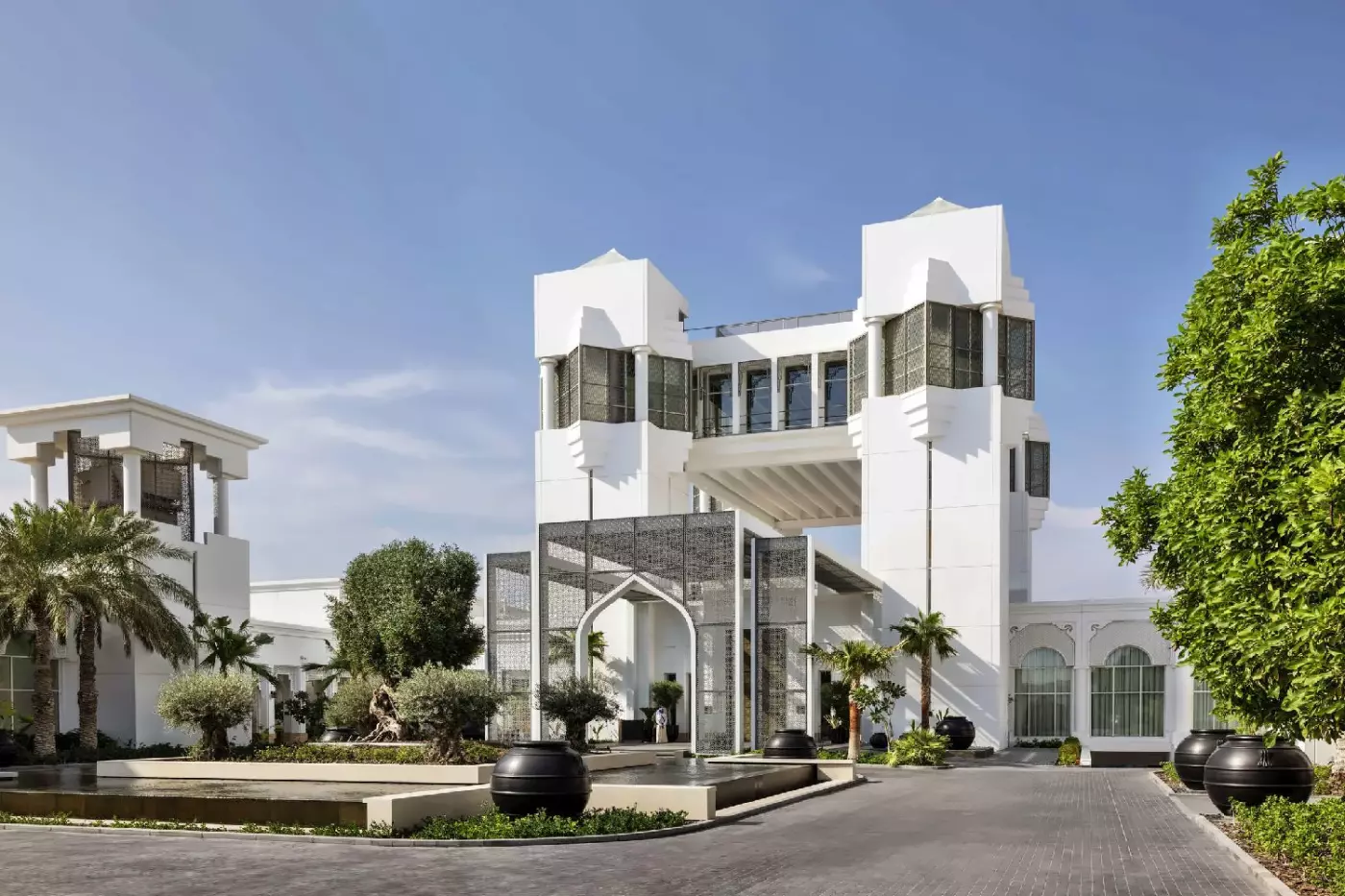
Raffles Al Areen Palace Bahrain is a resort with private-pool villas and suites in the south of Bahrain, built around privacy...
Reserved for You
The current collection concentrates on three settings. InterContinental Bahrain provides a central Manama base on King Faisal Highway. The Ritz-Carlton occupies the Seef coast, while Raffles Al Areen Palace Bahrain extends the choice south to Zallaq. These are illustrations of urban, coastal and retreat-led stays, rather than evidence of a hotel collection in every historic district.
Give the base a clear role. A capital-focused stay can keep repeated city appointments and restaurant evenings together; a southern villa setting makes more sense when substantial time at the accommodation belongs in the visit. The Manama guide develops the local hotel choices and city institutions. Keep national outings as separately arranged parts of the journey.
Muharraq's Pearling Path connects a former island economy with the buildings and urban fabric it shaped. Merchant houses, gathering spaces and the shoreline context make this more than a visit to admire individual pearls. Choose the particular buildings and interpretation that interest you, then organize the day around a coherent part of the route.
The visitor centers provide possible starting points, including the center near Suq Al Qaysariyyah. A focused heritage visit can leave room for observing the surrounding streets without turning every stop into a purchase. Check the current opening arrangements for the places you want; recognition as a heritage route does not establish simultaneous entry to every building.
For a southern journey with a modern-history focus, Oil Well Number One at Jebel Al Dukhan gives Bahrain’s industrial transformation a specific place. Oil was discovered here in 1932; the industry created new work as the pearl trade declined. Awali developed from worker housing into a dedicated company township. Read this landscape alongside Muharraq’s merchant houses to understand two different economic chapters of the country.
No. The World Heritage property comprises a series of archaeological sites in western Bahrain, including extensive burial fields and individual monuments. Choose the actual component you want to understand rather than relying on one general map pin. Check the current interpretation and visitor arrangements for that site, without assuming unrestricted entry across the protected landscape.
The temple site in northwestern Bahrain adds a religious and archaeological subject to a journey through the country's past. Its relationship with water is part of the interpretation. Choose it to understand an ancient sacred place rather than expecting a standing temple interior, and establish the current visitor arrangements before building the day around it.
A'ali is known for pottery, with workshops offering a practical encounter with the craft. Decide whether you want to observe, buy a finished piece or arrange a hands-on class. These are different visits; confirm a suitable session and any materials separately rather than assuming that entering a shop establishes participation.
The Tree of Life stands in the southern Sakhir desert, outside the capital's urban setting. Treat it as a particular landscape interest when organizing a southern outing, rather than another stop within a city walk. Confirm the approach and current visitor arrangements; the landmark's presence does not establish an organized tour or facilities for every activity.
No. Sheikh Salman bin Ahmed Al Fateh Fort, commonly called Riffa Fort, is a separate historic site. Its architecture and setting give a visit a different focus from the archaeological site associated with ancient Dilmun. Keep the intended fort clear in your arrangements and check its current visitor access rather than treating the names as interchangeable.