



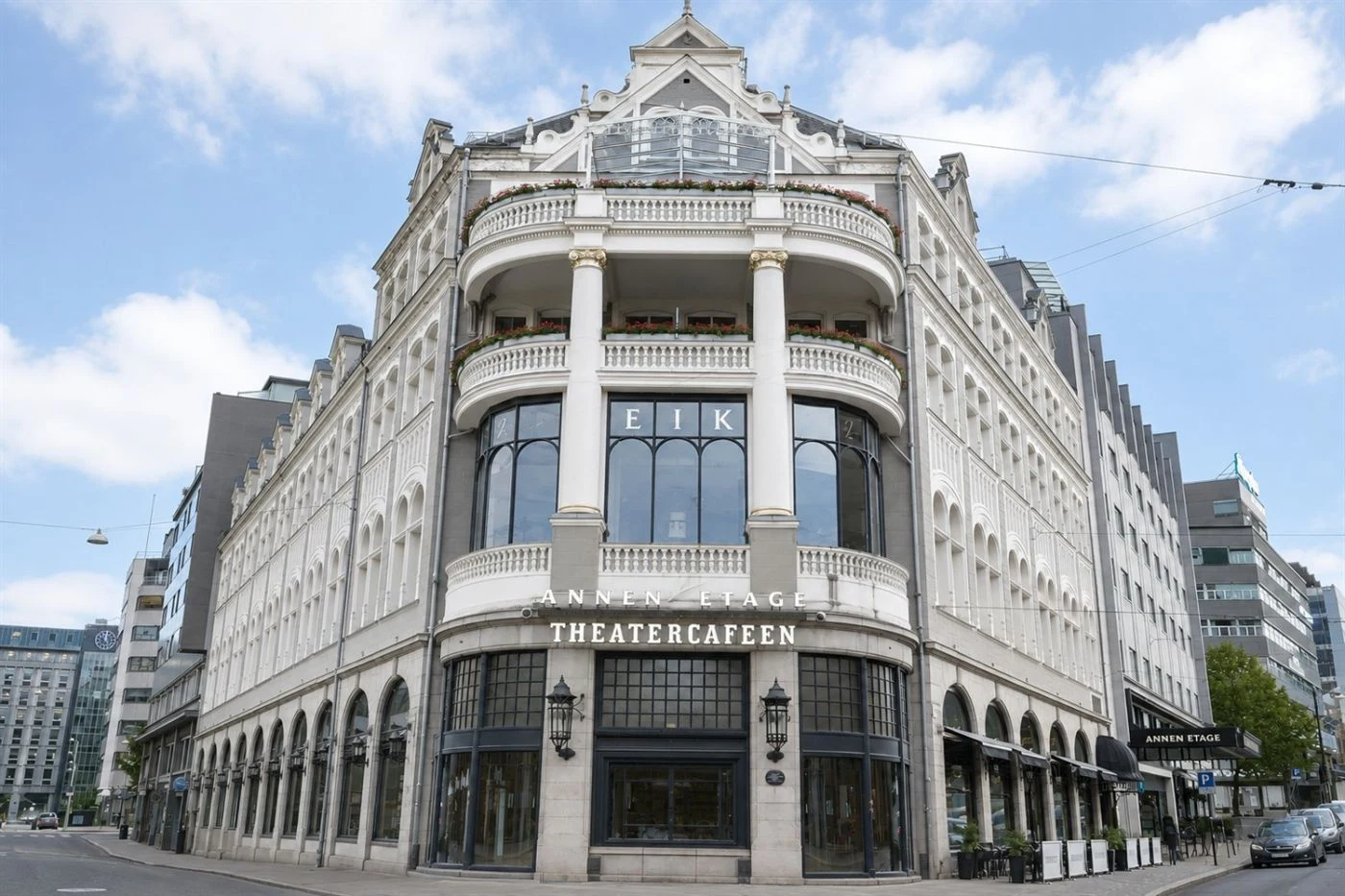
Hotel Continental Oslo
Prices From 516 USD
Hotel Continental Oslo stands on Stortingsgaten, opposite the National Theatre and close to the Royal Palace, Karl Johans gat...
Please choose a hotel or destination from the list.
We couldn’t open your search results. Please try again.
Your private search
Finding exceptional stays
Choose Norway for a journey that gives city life, coastal landscapes and mountain scenery their own space. Start with the kind of experience you want beyond the hotel, then decide how many regions deserve a separate stay. The current collection provides four Oslo hotels; fjord, mountain and northern extensions require their own accommodation arrangements.
Prices From 516 USD
Hotel Continental Oslo stands on Stortingsgaten, opposite the National Theatre and close to the Royal Palace, Karl Johans gat...

Prices From 341 USD
More amenities
The Thief Oslo is a design-led luxury hotel on Tjuvholmen, one of Oslo's most distinctive waterfront districts. The hotel sit...
Prices From 348 USD
More amenities
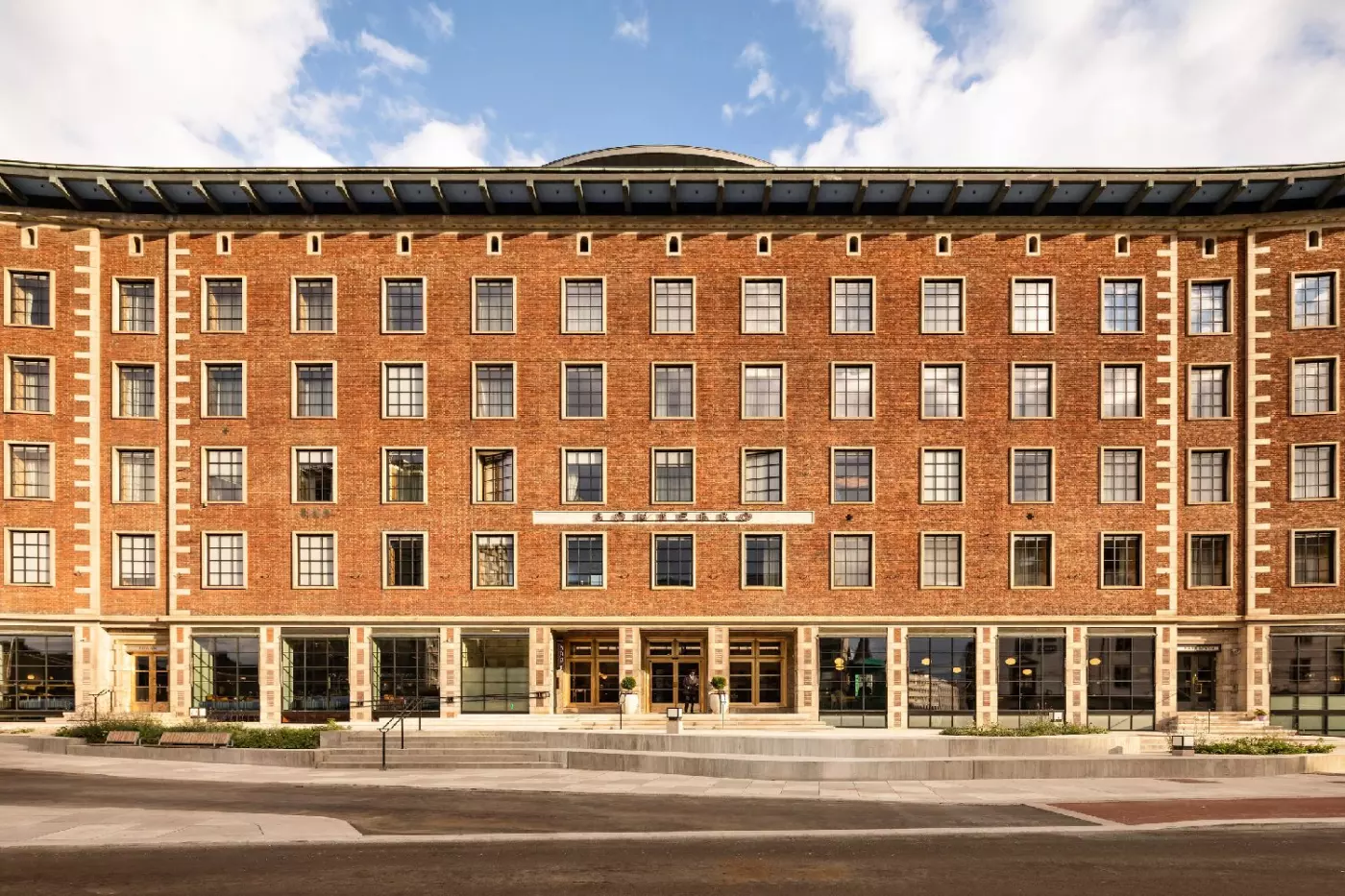
Sommerro gives Oslo a hotel with a public life of its own. Set at Solli Plass in Frogner, it occupies the former headquarters...
Prices From 301 USD
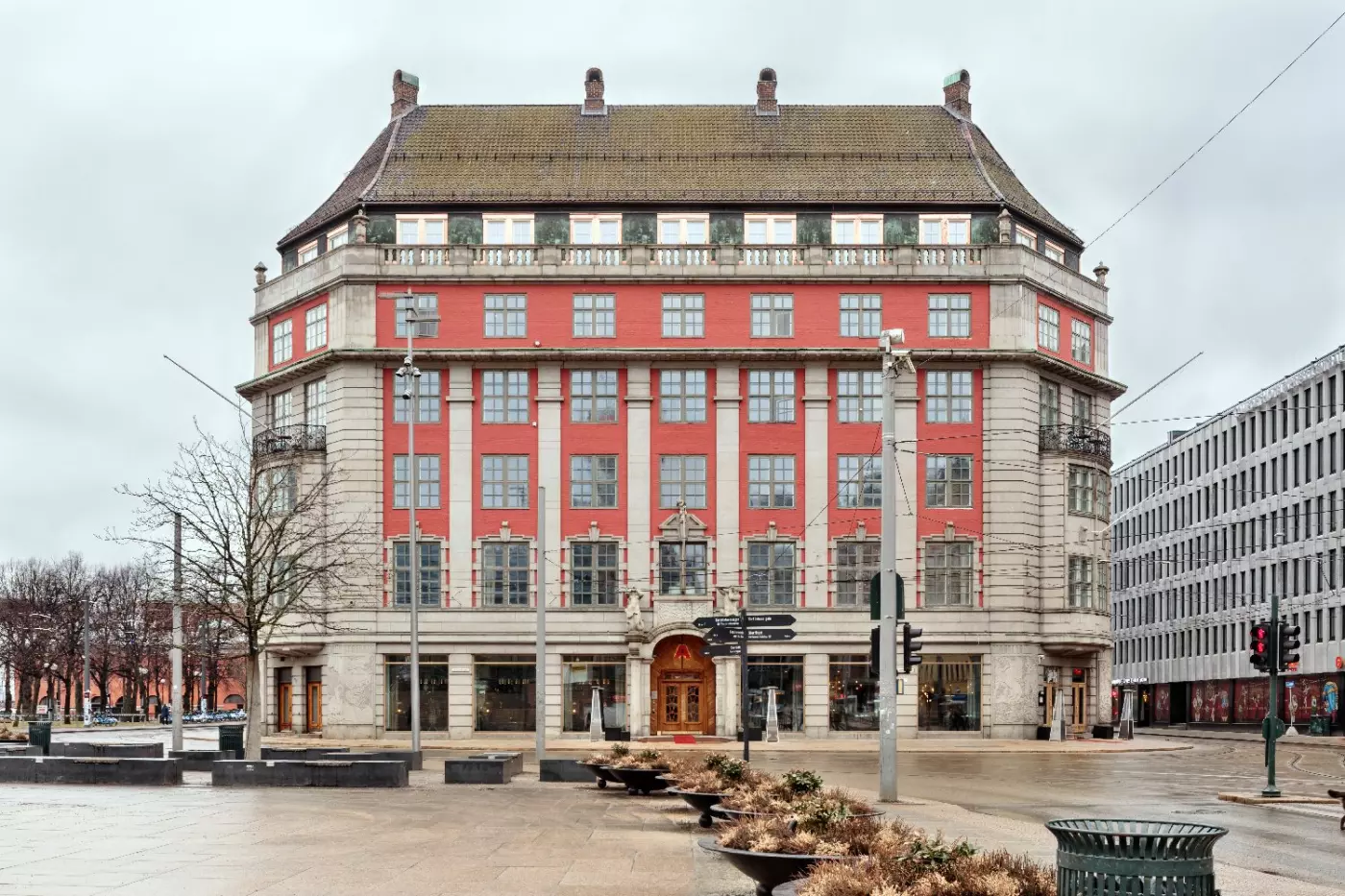
Amerikalinjen Hotel Oslo sits on Jernbanetorget, directly by Oslo Central Station, inside the former headquarters of the Norw...
The collection’s Norwegian hotels are all in Oslo. Within that city, the choice ranges from Hotel Continental’s central setting to The Thief on the Tjuvholmen waterfront, with Sommerro in Frogner and Amerikalinjen near the central station. These provide different urban starting points for a national journey, rather than a network of collection hotels across the country.
Use the Oslo guide for the detailed neighborhood and cultural choices. At country level, decide what you want that city stay to contribute: time for art and dining before a landscape-focused extension, a comfortable return after regional travel, or a city holiday in its own right. Give the hotel time a clear purpose instead of treating it as an incidental overnight.
Within the Sognefjord region, the narrow Naeroyfjord brings steep mountains, waterfalls and small farms close to the water. Choose this branch when the enclosed fjord landscape should lead the visit. It gives a landscape-focused stage a more precise destination than the broad name Sognefjord.
Hardanger adds a different relationship between farming and the fjord. Around Ulvik, the fruit farms at Lekve, Syse and Hakastad produce apple juice and cider. An individually arranged farm visit can give the region a food-growing purpose alongside its scenery. Choose this area when cultivation and local producers interest you, rather than selecting another fjord only for a different view.
Lofoten combines its island landscape with a specific Viking-age subject at Borg. The Lofotr Viking Museum has a reconstructed chieftain's longhouse and archaeological finds, adding architecture and material history to a northern stay. This gives the journey another cultural reason beyond its coastal scenery.
For an inland mountain stage, consider the Gjende area of Jotunheimen. The green lake and surrounding peaks give it a clear high-country focus. Besseggen is a steep, narrow ridge route for experienced hikers, so choosing the lake region need not mean choosing that particular walk. Arrange regional accommodation separately: the Oslo collection does not establish a hotel base in either Lofoten or Jotunheimen.
A rorbu is a traditional fisherman’s cabin, associated especially with the coastal fishing communities of Northern Norway. Converted cabins offer a different stay format from an urban full-service hotel. Compare the actual layout and services of the individual accommodation rather than assuming that the traditional name establishes a uniform level of luxury or facilities.
Choose the building and its historical character deliberately. Norway’s stave churches are a distinctive wooden architectural heritage, with Urnes in Luster among the notable examples. Decide whether that particular church fits the region you are visiting, and confirm its visitor arrangements rather than treating every church on a map as an interchangeable stop.
Choose an experience that gives Sámi hosts space to explain their own culture and contemporary life. Sámi culture is Indigenous and living, not simply a costume or a photograph to add to an excursion. Look at who is leading the encounter and what you will learn, without assuming that one activity represents every community.
The designated routes are selected for landscape and include places to stop, with architecture and viewpoints contributing to the journey. Choose a stretch because you want to spend time along it, rather than expecting it to be the quickest connection. Check its actual access and conditions for your travel dates before building the day around it.
Stockfish is dried fish, closely connected with Norway’s cod fisheries and coastal trade. It gives a food-focused visit a connection to the communities and working history of the coast. Choose a restaurant or cultural visit that explores that interest, and ask about the preparation rather than expecting one standard dish wherever you travel.