



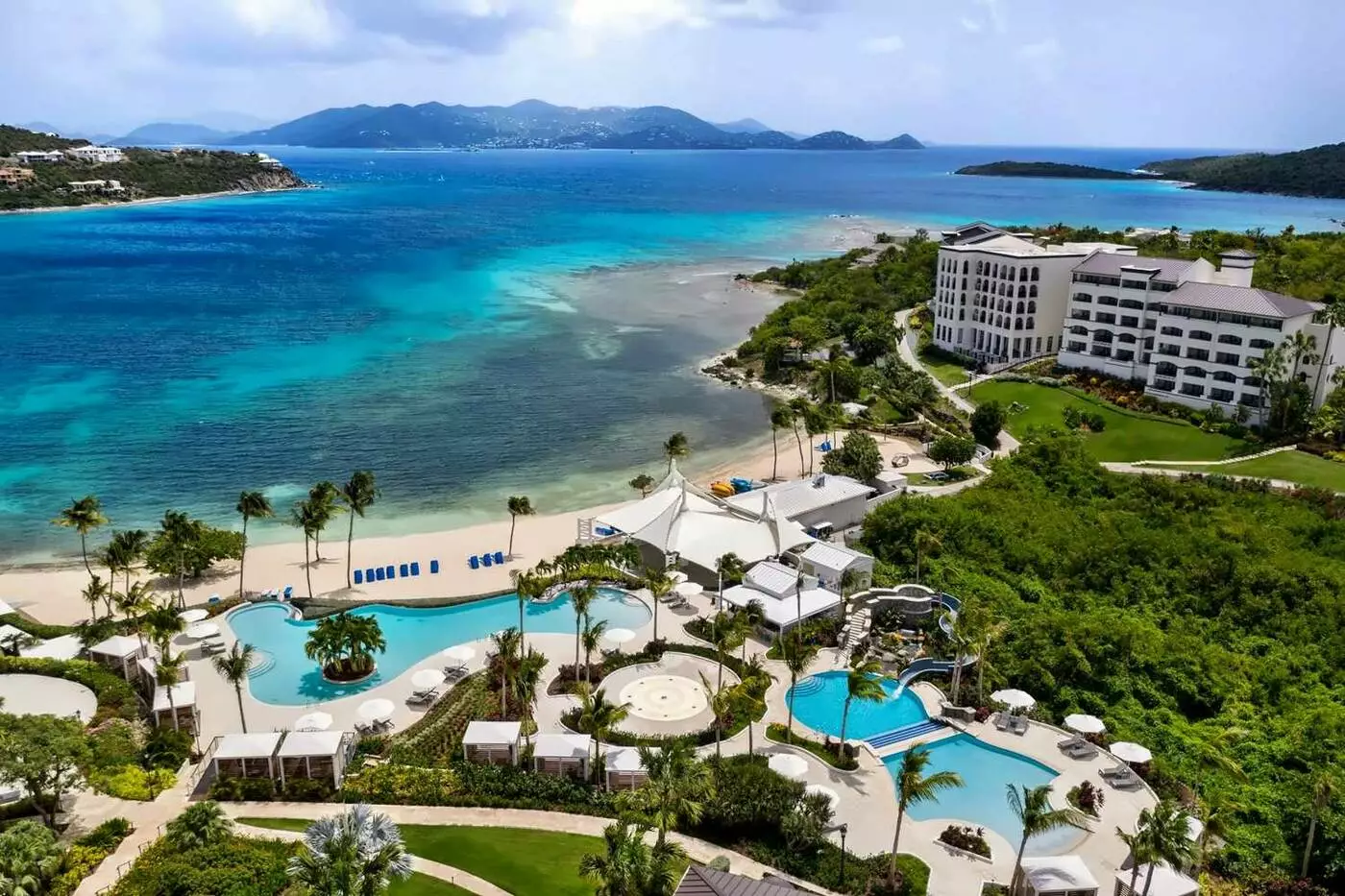
Ritz Carlton St Thomas
Prices From 1’763 USD
+3
More amenities
- Beach
- Adventure
- Sustainable
The Ritz-Carlton, St. Thomas occupies 30 oceanfront acres on Great Bay, where the island's east end looks toward St. John and...
Please choose a hotel or destination from the list.
We couldn’t open your search results. Please try again.
Your private search
Finding exceptional stays
The US Virgin Islands bring harbor life, protected shores and Caribbean cultural history into one island group. The hotels in this collection are on St. Thomas. St. John and St. Croix offer distinct wider island experiences, with protected landscapes and historic trading towns to consider as separate parts of a territorial journey.
Prices From 1’763 USD
More amenities
The Ritz-Carlton, St. Thomas occupies 30 oceanfront acres on Great Bay, where the island's east end looks toward St. John and...
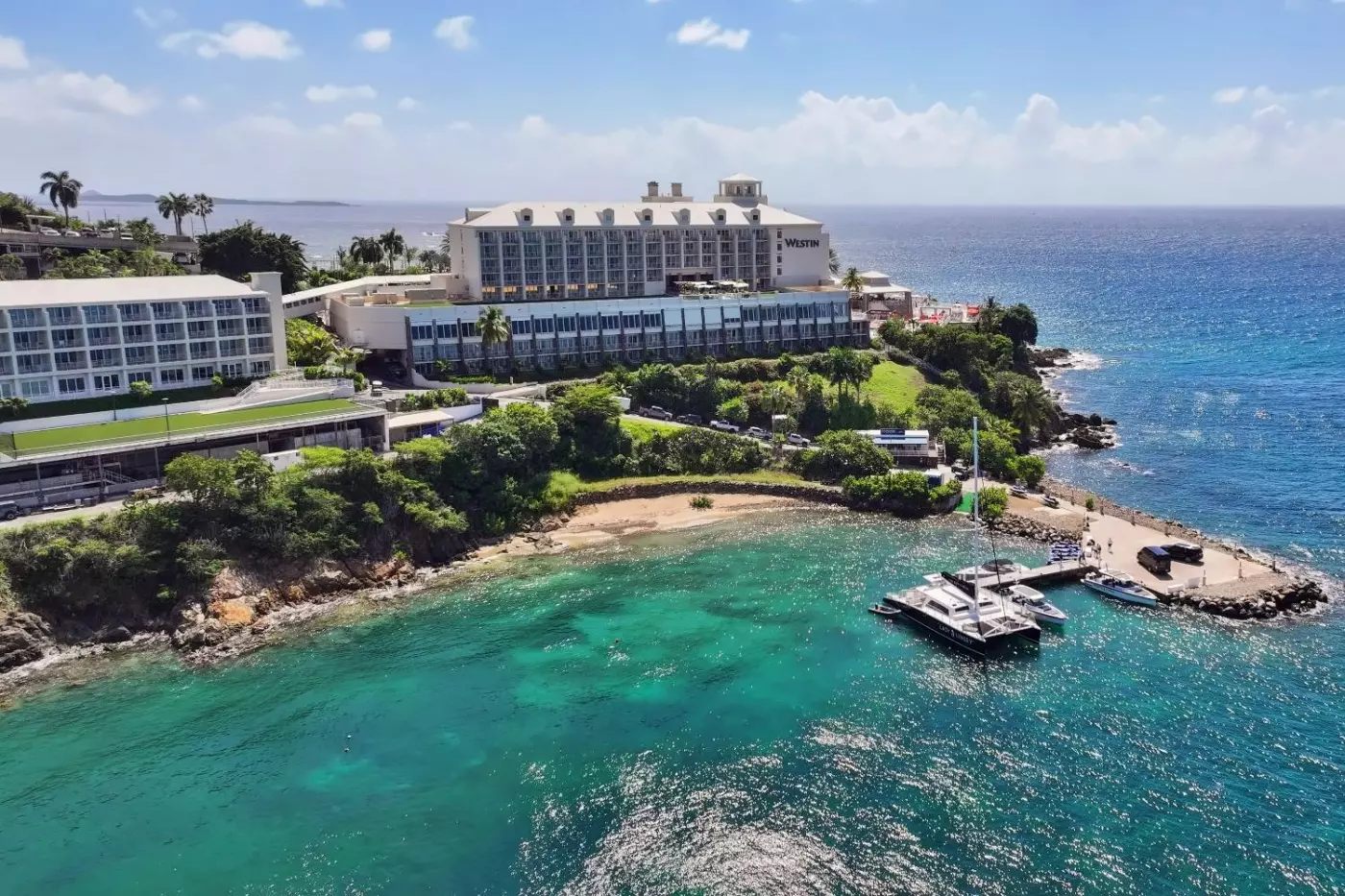
Prices From 1’089 USD
More amenities
Buoy Haus Beach Resort St. Thomas is a compact beachfront resort on Morningstar Beach at Frenchman's Reef. It belongs to Marr...
Reserved for You
St. Thomas combines an active island atmosphere with shopping, dining and water-based recreation. It suits travellers who want resort time without making the whole stay a retreat from activity. The St. Thomas hotel collection is a useful starting point for that balance.
St. John places protected landscape at the centre of the experience. Virgin Islands National Park includes beaches, trails, marine life and cultural sites. Choose it when time within the landscape is the priority. St. Croix adds historic harbor towns to the wider territory’s range.
On St. Thomas, The Ritz-Carlton occupies Great Bay towards the island’s east end. Buoy Haus sits on Morningstar Beach at Frenchman’s Reef. These are distinct coastal settings, so compare the actual shore and the way you want to spend each day, rather than treating all St. Thomas addresses as interchangeable.
Christiansted’s arcaded streets and waterfront square introduce an urban landscape distinct from the resort bays. Around the historic harbor, the Scale House, Customs House and warehouses explain different stages of maritime trade: weighing exports, collecting duties and storing goods before shipment. Sugar, rum, cotton and molasses connected the town to distant markets.
This is also a history of enslaved African labor, which produced much of the wealth that passed through the port. The buildings make that economy tangible; their purpose matters alongside their facades. Choose a St. Croix chapter when these Caribbean commercial and social histories are part of the journey you want, treating it as a separate island visit from the collection’s St. Thomas hotel bases.
The remains of a sugar plantation introduce the island’s colonial economy and the history of enslaved labour. Give the site that context rather than seeing it only as picturesque ruins. Its buildings tell a different story from the nearby beaches.
They are rock carvings associated with the island’s Indigenous past, found within the Reef Bay landscape on St. John. Choose a visit for that cultural subject as well as the setting; they are not modern decoration along a resort path.
Yes. Virgin Islands National Park includes marine environments as well as land. A reef-focused outing can complement a landscape visit, without assuming that every bay offers the same underwater experience or conditions.
At the western end of St. Croix, Fort Frederik overlooks Frederiksted’s harbor. The Danish fort served colonial shipping and control, and became a focal point of the 1848 emancipation revolt and the 1878 Fireburn labor uprising. It gives a western-island visit a subject in resistance and social change, beyond a waterfront view.
Fish and fungi pairs seafood with a creamy cornmeal preparation. Pates are fried turnovers with fillings such as meat or salt fish; Johnny cakes are slightly sweet fried dough. On St. Croix, mofongo brings another preparation through mashed, fried green plantains. These names help distinguish a substantial plate, a filled pastry and an accompaniment when exploring local cooking.