



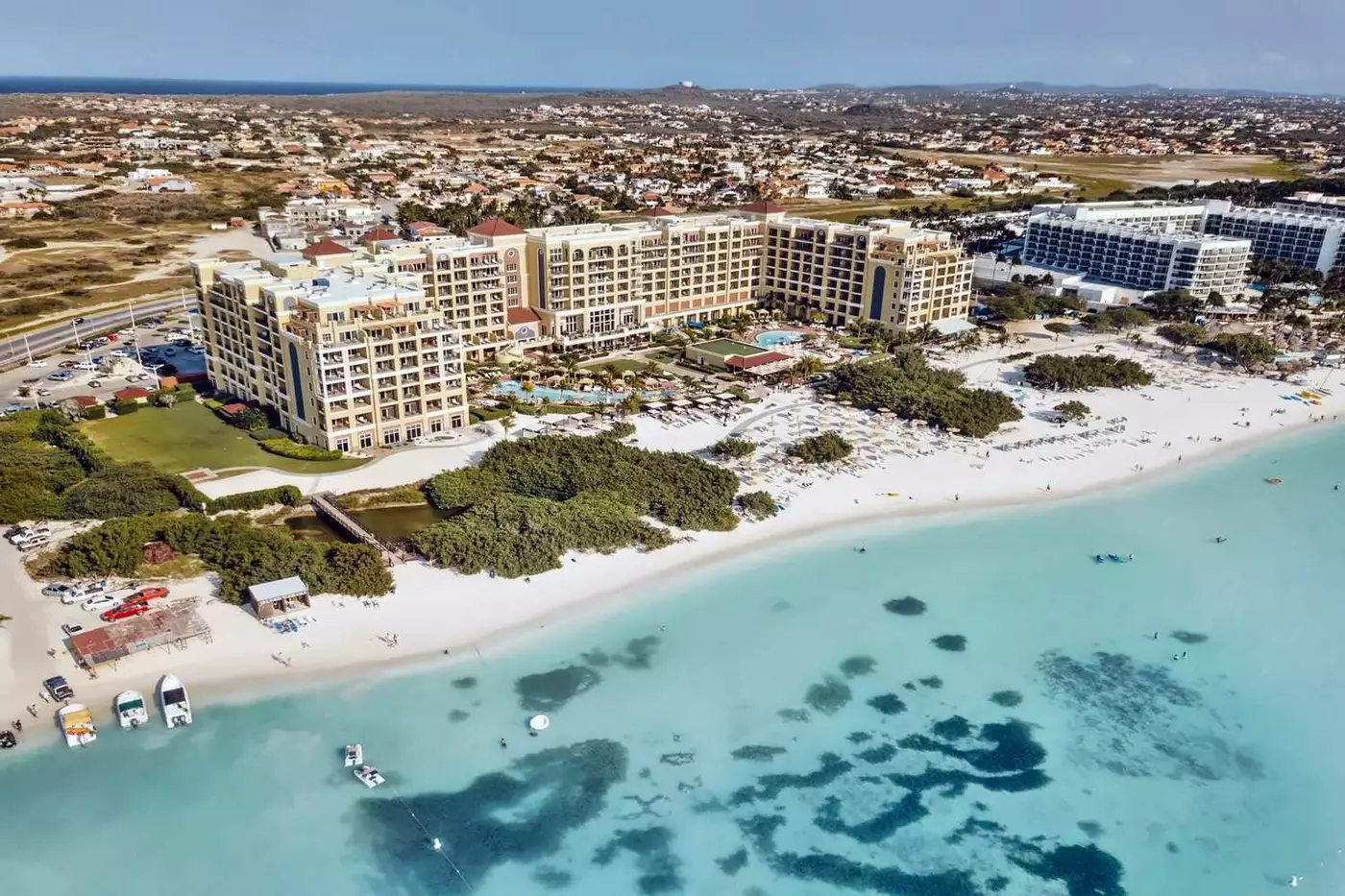
Ritz Carlton Aruba
Prices From 814 USD
+3
More amenities
- Sauna
- Wellness
- Beach
The Ritz Carlton Aruba occupies the northern end of Palm Beach, where a broad resort frontage meets the calm Caribbean Sea. I...
Please choose a hotel or destination from the list.
We couldn’t open your search results. Please try again.
Your private search
Finding exceptional stays
Aruba combines an established resort coast with a dry interior, a capital city and a southeastern art district. Our current luxury-hotel collection is entirely in Palm Beach; the island’s other settings add separately arranged experiences rather than another hotel base within this collection. Choose the accommodation for the coastal days you want, then give the wider island a few purposeful intervals of its own.
Prices From 814 USD
More amenities
The Ritz Carlton Aruba occupies the northern end of Palm Beach, where a broad resort frontage meets the calm Caribbean Sea. I...
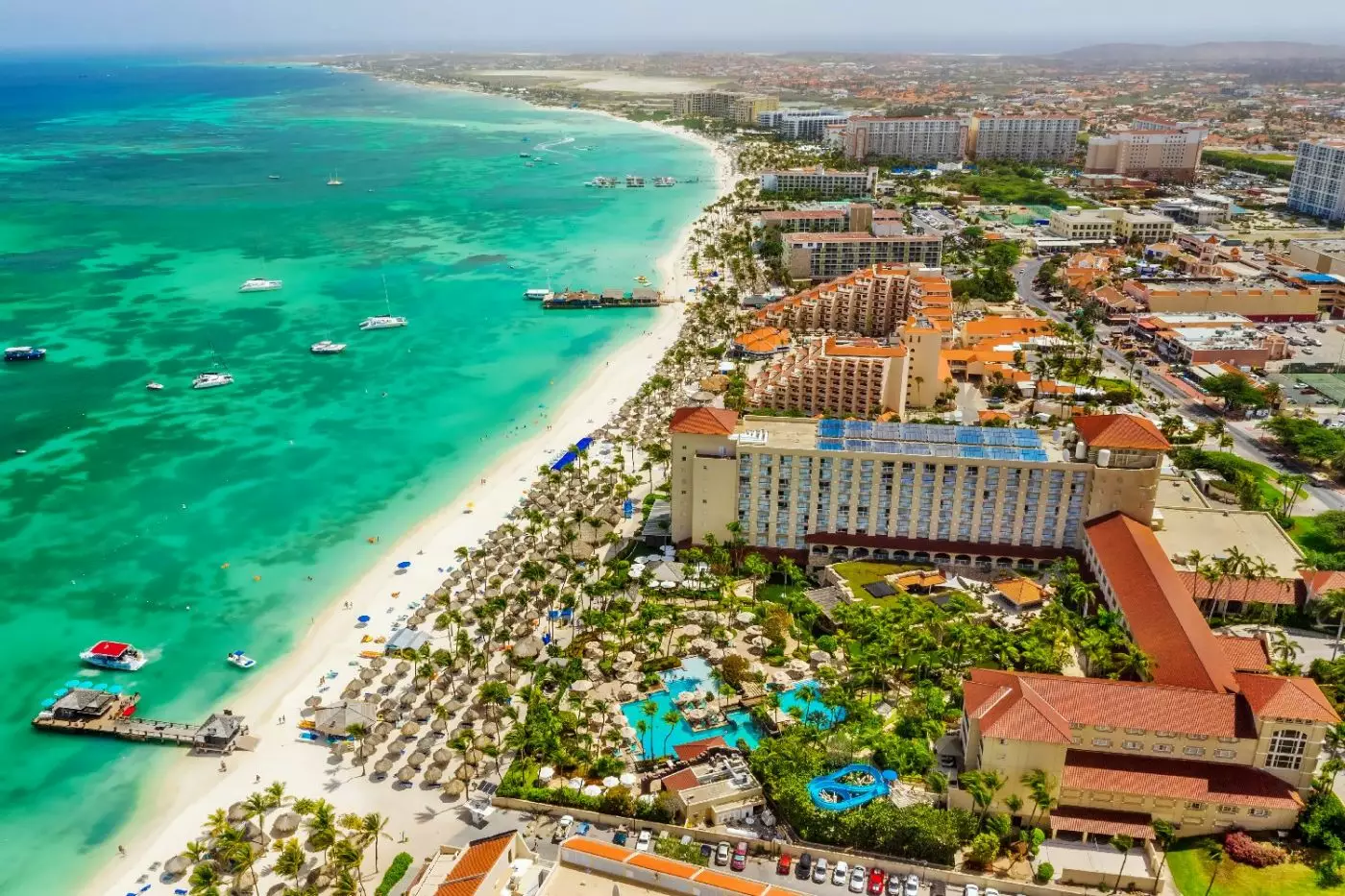
Prices From 560 USD
More amenities
Palm Beach runs along the front of Hyatt Regency Aruba Resort Spa and Casino. A lagoon and waterfalls sit behind the sand, wi...
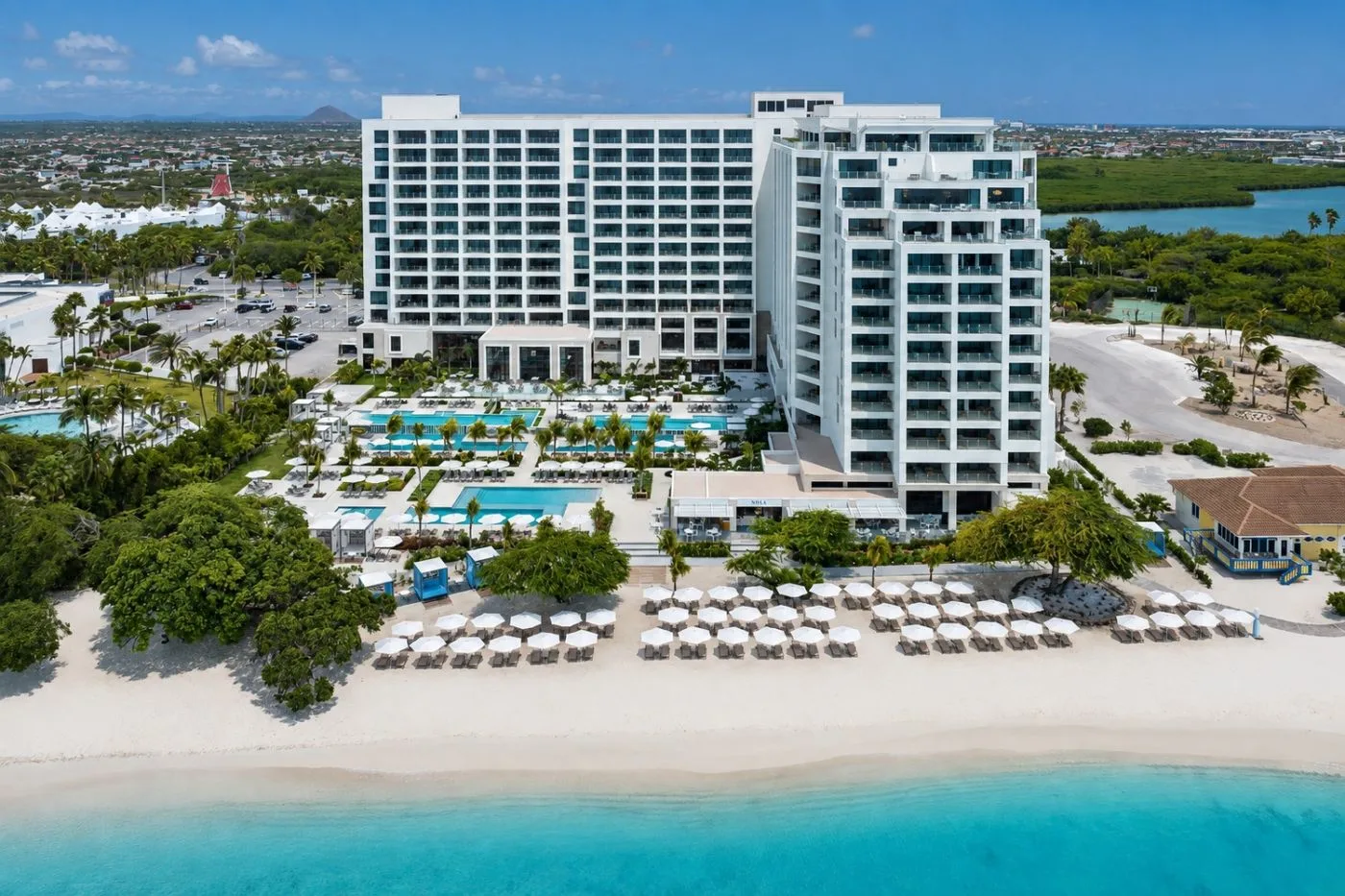
Prices From 760 USD
More amenities
The St. Regis Aruba Resort occupies a beachfront address on Palm Beach in Noord. The Caribbean Sea, a broad poolscape, dining...
Reserved for You
The Ritz-Carlton, Hyatt Regency and St. Regis in this collection all belong to Palm Beach. Their presence does not establish accommodation in Oranjestad, San Nicolas or Arikok. Use the Palm Beach destination guide for the local hotel-district choice, then decide what the rest of Aruba should contribute to the stay.
A coastal holiday can retain one suitable base while giving selected days to different parts of the island. There is no need to create a hotel move merely to describe a broader journey. Match the actual outing and return to your party, preserving time at the resort when that coastal setting is the reason for traveling.
Oranjestad adds a city chapter to a Palm Beach reservation. Choose a particular cultural interest and allow space for the surrounding streets and a meal, rather than treating the capital only as an arrival point or shopping errand. A focused visit helps connect the resort holiday with the island’s human history.
San Nicolas offers a different urban subject. Murals by local and international artists appear around its Main Street, bringing contemporary art into the townscape. Choose a considered art walk and time to look at individual works rather than rushing through a sequence of photographs. Arrange any guiding separately if the stories behind the pieces are important to you.
Aruba’s semi-arid environment includes cactus, aloe, sisal and agave, creating a landscape quite different from a tropical rainforest island. Arikok’s protected terrain adds a nature-focused reason to leave the hotel coast. Choose the actual landscape and route you want to experience, allowing for your party’s interest and the conditions for that particular visit.
Keep a substantial outdoor outing distinct from a casual town browse. Establish its current visitor arrangements and any guiding or vehicle requirements before assigning the day. Combining one cultural chapter with one landscape chapter can give the holiday range without making every afternoon another departure. Leave enough unplanned coastal time to enjoy the hotel base you chose.
The National Archaeological Museum in Oranjestad’s historic Ecury complex focuses on Amerindian cultural heritage. Choose it for the island’s early human story rather than expecting only the history of modern resort development. Consult the current exhibition and visiting arrangements, allowing time to consider how the objects relate to the people who used them.
No. Bushiribana stands on the northern coast, while Balashi lies by Spanish Lagoon. Both connect with nineteenth-century gold processing, but they are separate destinations. Choose the site around your interest in industrial history and the surrounding landscape; ruins visible in a photograph do not establish an unrestricted visitor route through the structures.
They are distinct rock formations within Aruba’s inland landscape, with large boulders offering a different subject from the resort beaches. Ayo also has associations with the island’s earlier inhabitants. Choose a particular site and confirm its current visitor route rather than assuming that every viewpoint, climb or rock surface is suitable for your party.
The Museum of Industry occupies San Nicolas’ historic Water Tower. Objects, records and personal accounts introduce the industries that shaped the island, giving a different perspective from its holiday image. Choose it for economic and social history, checking the actual presentation rather than assuming that a building visit includes every part of the tower.
Papiamento is Aruba’s local language and an official language alongside Dutch. English and Spanish are also widely used, but the local language gives everyday conversation and place names another cultural dimension. Ask about a word or expression that interests you, without assuming that every guide, performance or conversation will use the same language.