



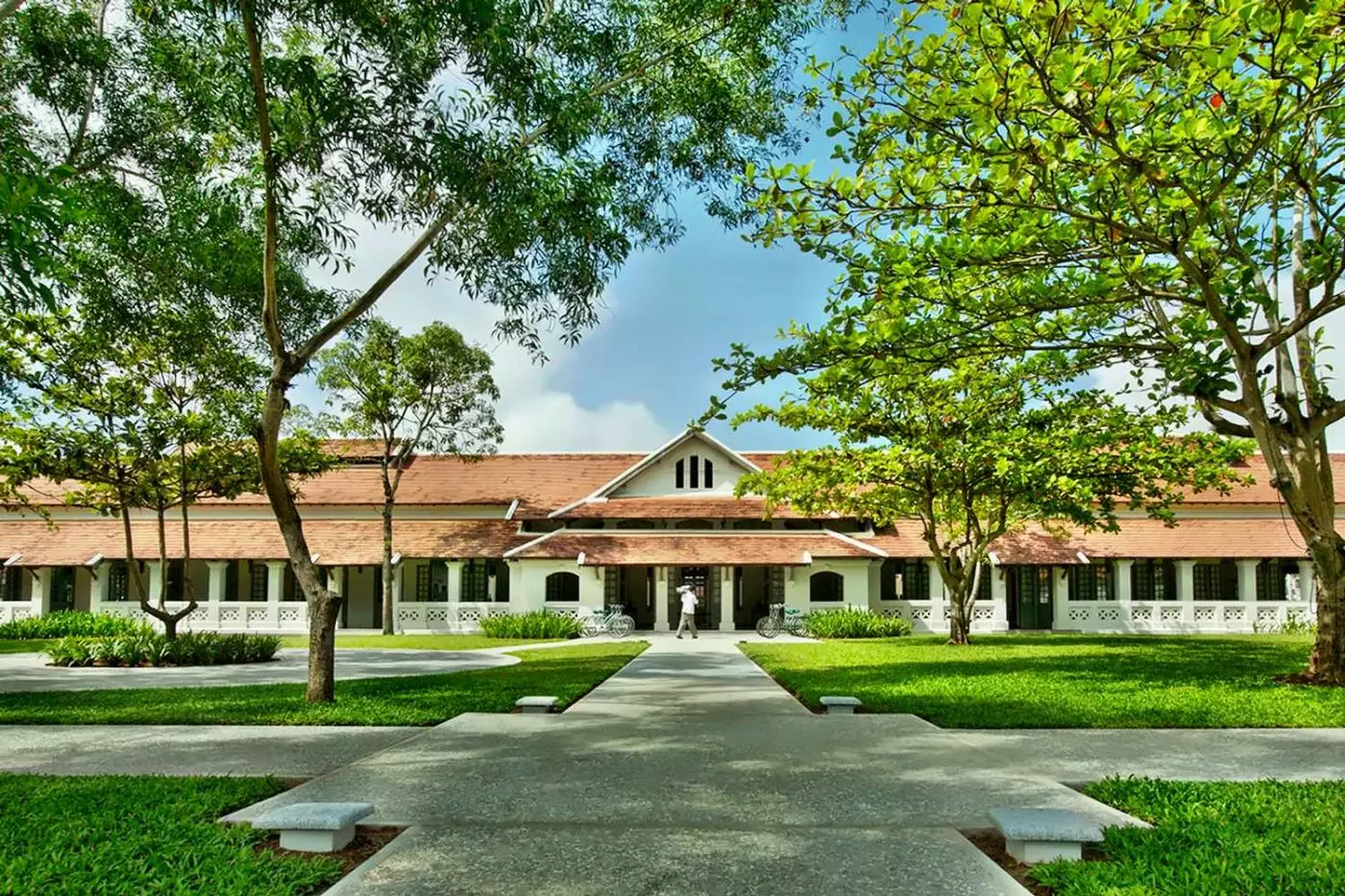
Amantaka
Prices From 1’620 USD
+3
More amenities
- Sauna
- Wellness
- Culture
Amantaka is a luxury hotel in Luang Prabang, Laos, set on a garden estate at the foot of Mount Phousi. Its 24 suites sit with...
Please choose a hotel or destination from the list.
We couldn’t open your search results. Please try again.
Your private search
Finding exceptional stays
Choose Luang Prabang luxury hotels around the relationship you want with the town. A garden estate in the central streets and a retreat in the surrounding valley offer different daily rhythms. Give the historic town, its cultural institutions and time at the accommodation their own place in the visit, rather than treating every Luang Prabang address as the same neighborhood.
Prices From 1’620 USD
More amenities
Amantaka is a luxury hotel in Luang Prabang, Laos, set on a garden estate at the foot of Mount Phousi. Its 24 suites sit with...
Prices From 840 USD
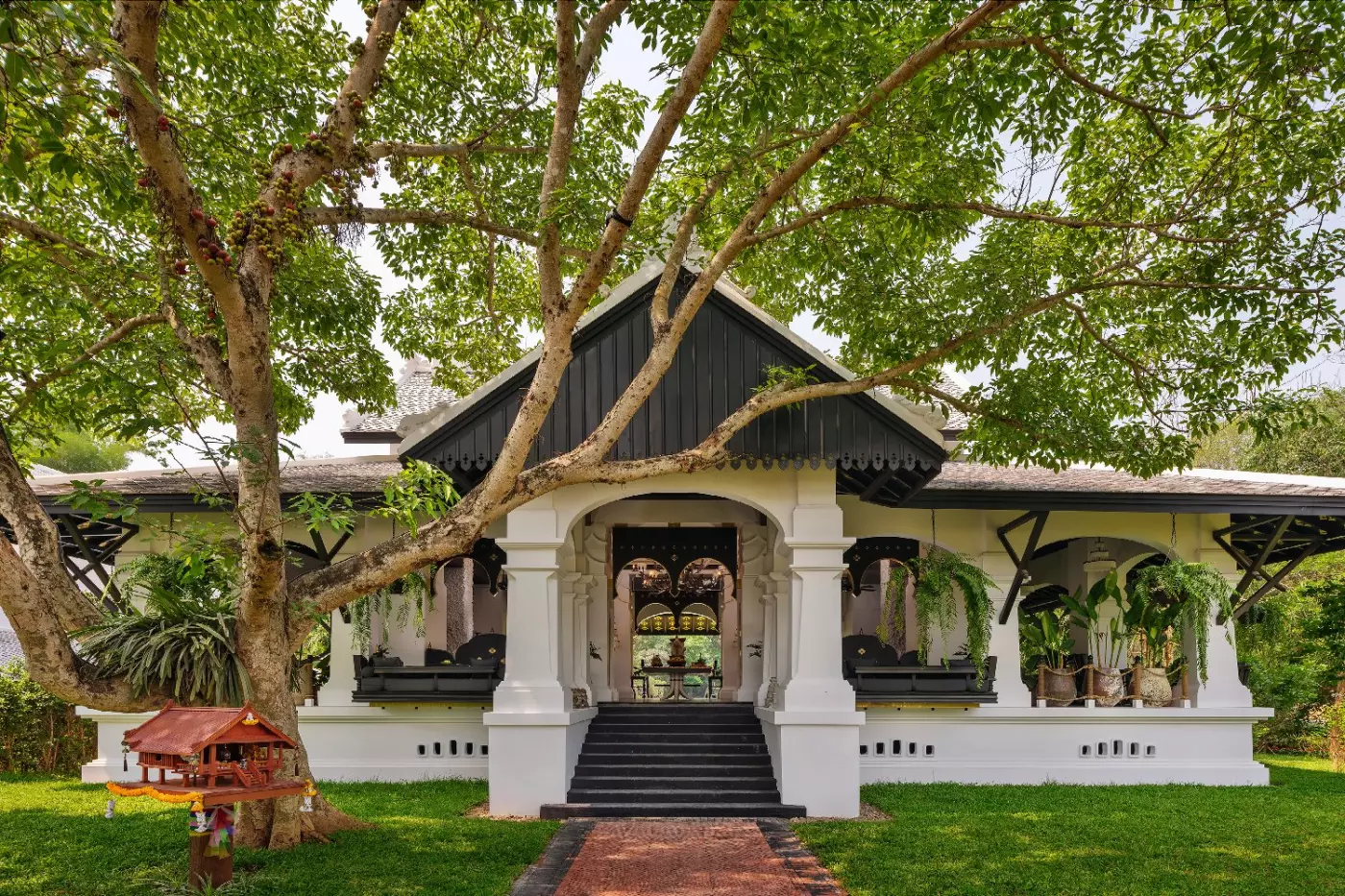
Rosewood Luang Prabang occupies a wooded valley outside the historic town, where the Nam Dong River and a natural waterfall r...
Prices From 435 USD
More amenities
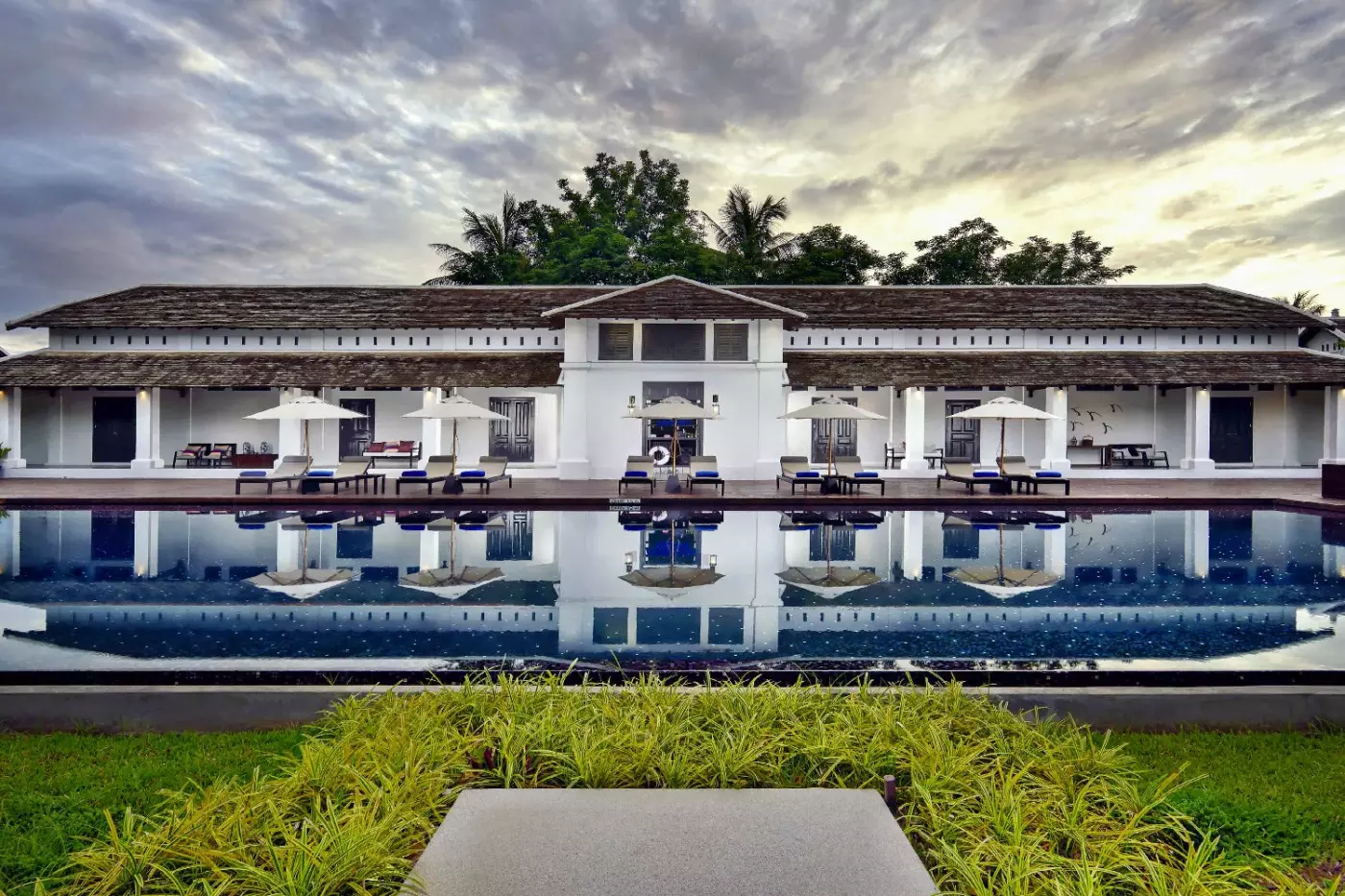
Sofitel Luang Prabang is temporarily closed from June 4 to December 15, 2026, for transformation. Confirm reopening and the r...
Reserved for You
Amantaka is on Kingkitsarath Road in Ban Thongchaleun, within the central town setting. Rosewood’s address is Ban Nadueay Village in the Nahm Dong Valley. Keep those locations beside the hotel names when comparing a visit that includes several departures and returns.
A central garden base suits travelers who want the town to remain a recurring part of the day. A valley retreat makes more sense when the accommodation and its surroundings should take a larger share of the holiday. Arrange the actual journeys to your chosen places rather than assuming that a town visit from the valley is simply another neighborhood stroll.
Luang Prabang’s heritage combines traditional Lao architecture with buildings shaped by European influence. Its setting on the peninsula between the Mekong and Nam Khan contributes to the relationship between streets, religious buildings and riverside life.
Ban Xang Khong and Ban Xieng Lek, north of town across the Nam Khan, give a craft outing a particular material and place. The villages produce Posa paper from mulberry bark as well as woven silk textiles. Paper seen in local markets and on restaurant menus has a practical connection to this production, beyond its appeal as a souvenir. Choose a village visit when understanding how such objects are made interests you, distinct from viewing a museum display about craft traditions.
The National Museum occupies the former royal palace and provides a setting for exploring Luang Prabang’s royal history and objects. Choose it for that particular subject rather than treating it as another temple visit. Check the museum’s current visitor guidance and accessible galleries before arranging the day; a palace exterior does not establish the same experience as its collections.
The Traditional Arts and Ethnology Centre combines exhibitions with research and artisan-linked handicraft work. It suits travelers who want context for the people and skills behind objects, rather than only a shopping stop. Arrange a guided visit or workshop separately when that is the experience you want, and consult the current programme.
The Heritage Information Center, known as Heuanchan, interprets subjects including family life, Buddhism and ceremonies within a historic wooden building. Use it for cultural context before deciding what you would like to observe elsewhere. Learning about a custom does not itself establish permission to join a ceremony or photograph its participants.
Wat Xieng Thong is a major example of Luang Prabang’s religious architecture and traditional decorative art. Choose it for a focused sacred-art visit rather than a promise of attending a ritual. Respect the current guidance for dress, conduct, photography and access, and keep worship distinct from the sightseeing schedule.
The center explains the legacy of unexploded ordnance in Laos and the work connected with its continuing impact. It provides a recent-history and humanitarian perspective that differs from the royal and artistic collections. Treat it as an educational visit; it is not a practical activity involving ordnance, and no such handling should be inferred.