



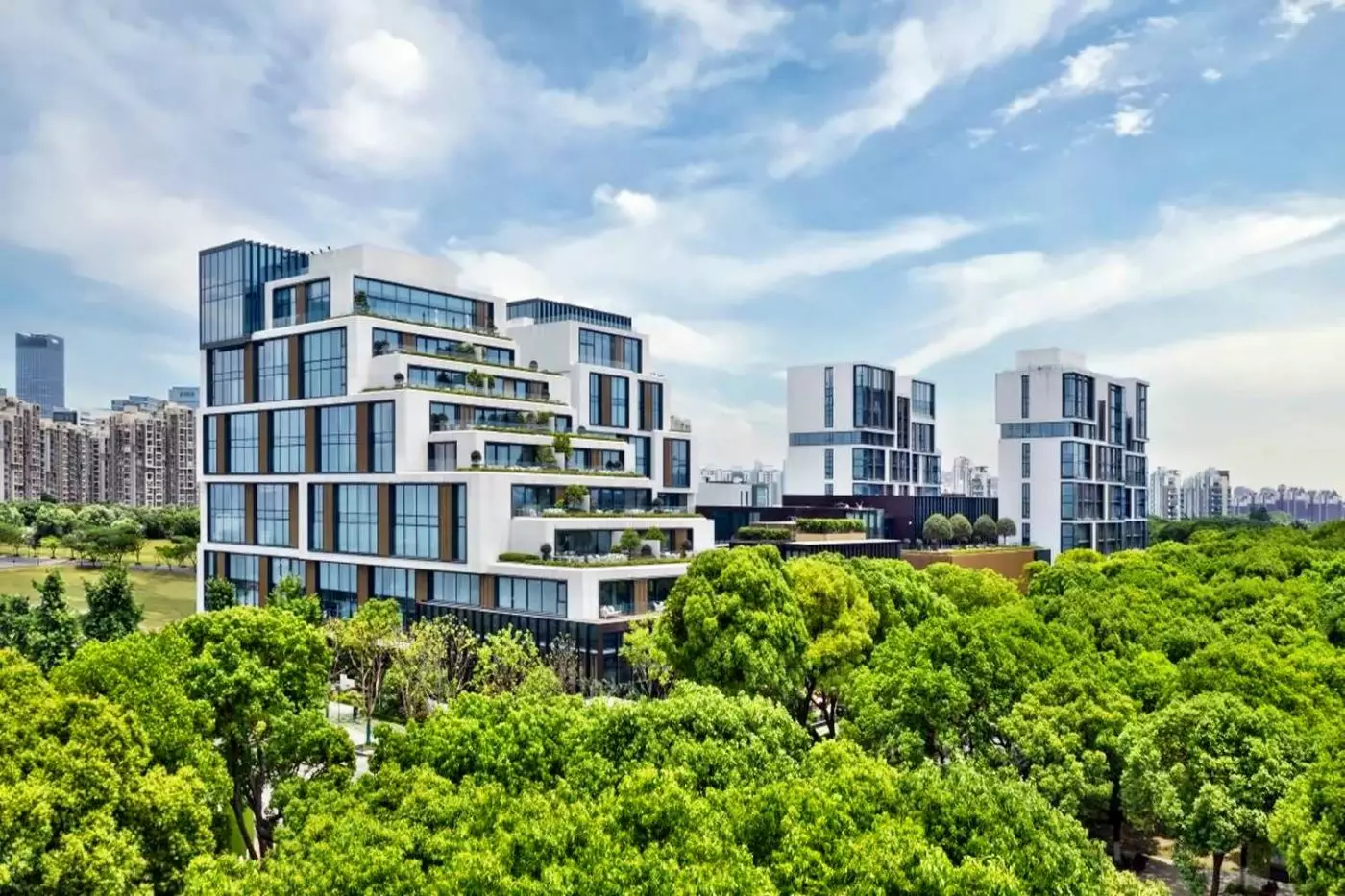
Park Hyatt Suzhou
Prices From 282 USD
+2
More amenities
- Culture
- City Vibe
Park Hyatt Suzhou is a luxury hotel beside Jinji Lake in Suzhou Industrial Park. Its address at 69 Xizhou Road places guests...
Please choose a hotel or destination from the list.
We couldn’t open your search results. Please try again.
Your private search
Finding exceptional stays
Suzhou puts classical gardens and canal-side streets beside the contemporary city around Jinji Lake. A luxury hotel here can support a heritage-focused visit, a working stay in Suzhou Industrial Park or a combination of both. Choose the base around those priorities rather than assuming that every Suzhou address belongs to the old city.
Prices From 282 USD
More amenities
Park Hyatt Suzhou is a luxury hotel beside Jinji Lake in Suzhou Industrial Park. Its address at 69 Xizhou Road places guests...
Prices From 196 USD
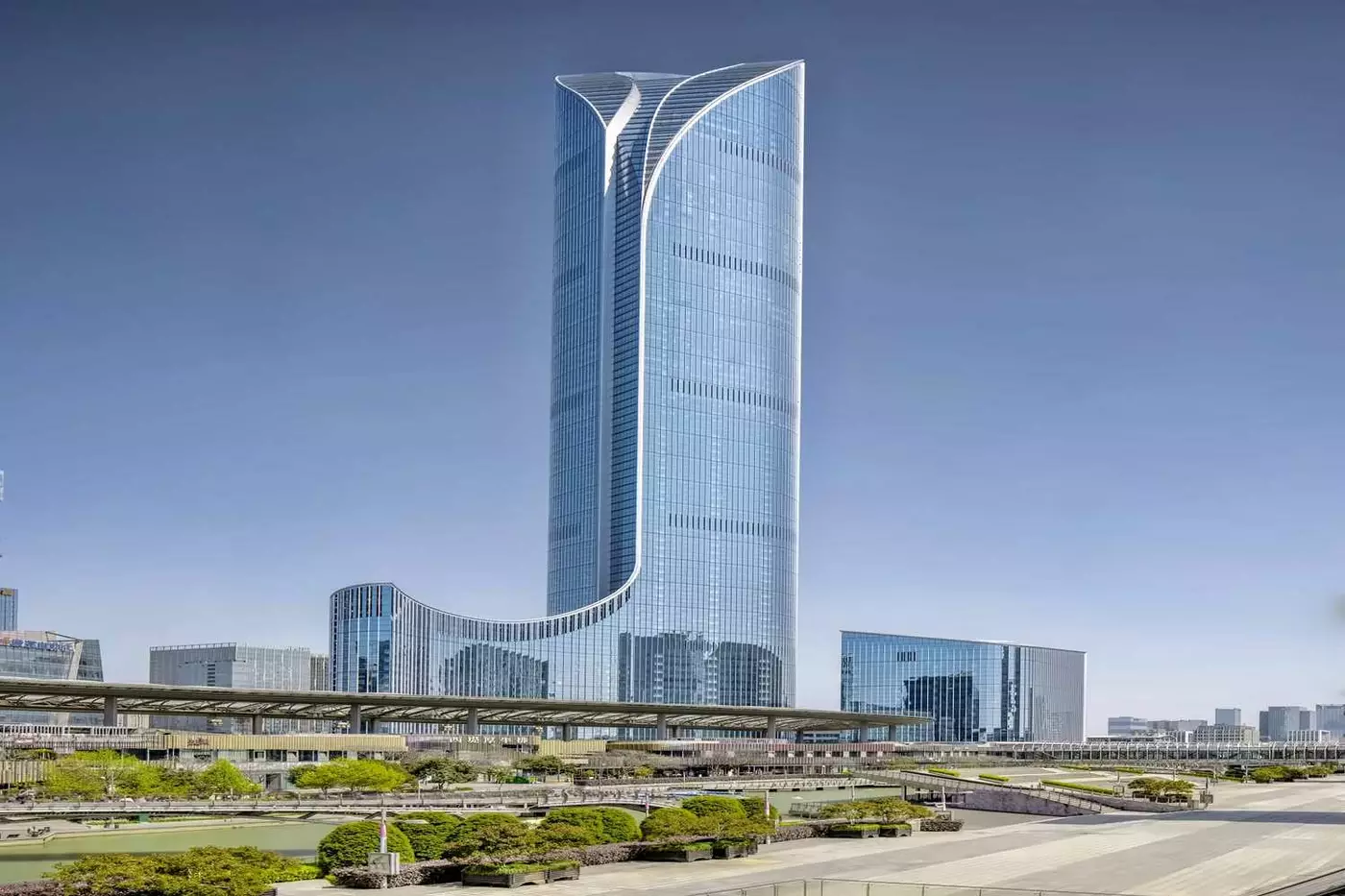
Suzhou's classical gardens are not outside the door at Niccolo Suzhou. The hotel belongs to the city's other landscape: Jinji...
Prices From 255 USD
More amenities
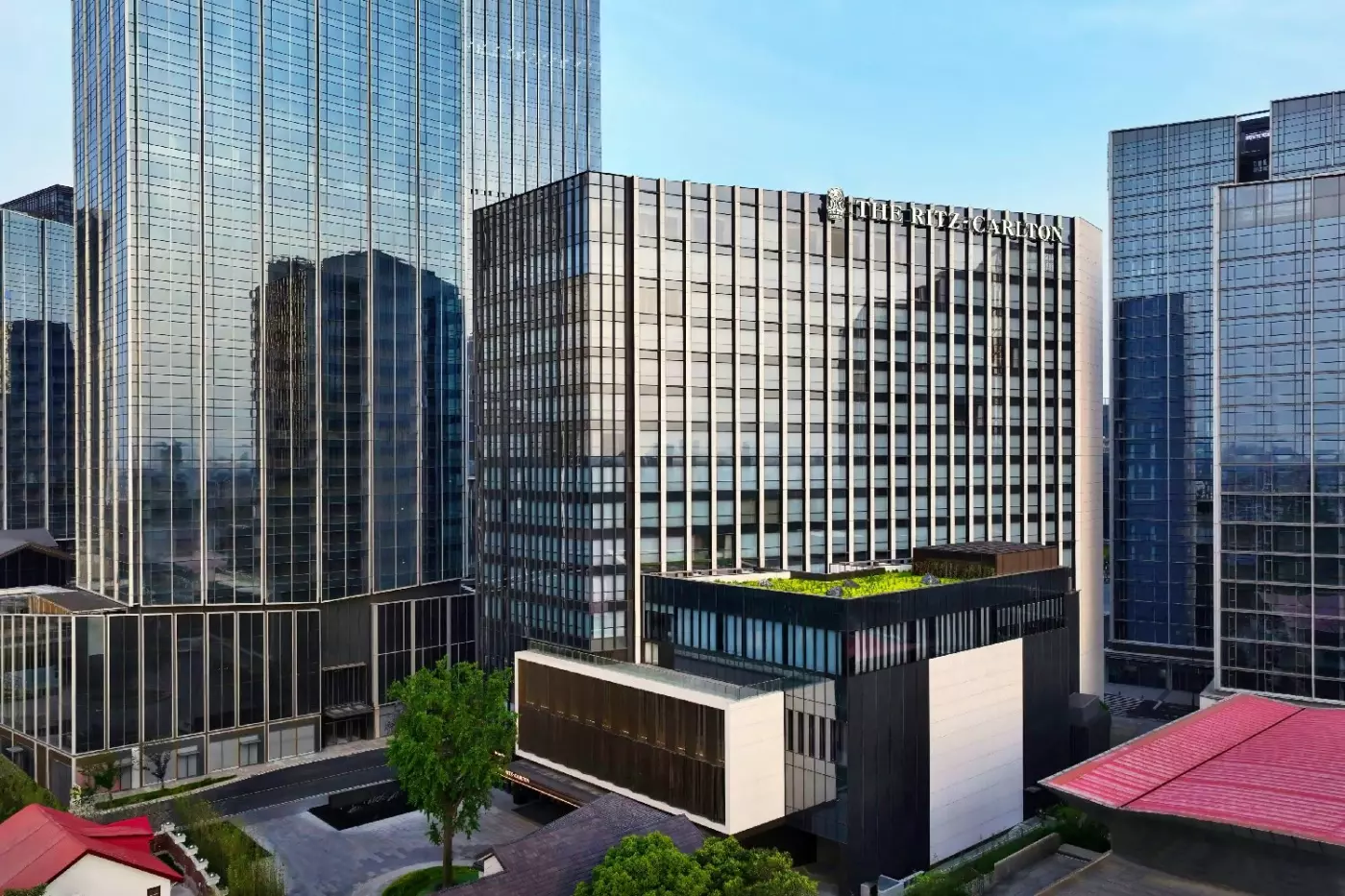
The Ritz Carlton Suzhou brings the brand into the city's historic Gusu District with a hotel shaped around gardens, tea cultu...
Gusu places the historic city at the center of the stay. The Ritz-Carlton, Suzhou is in China Central Place in Gusu District, giving the collection an alternative to the contemporary lake setting. This distinction matters when garden visits and time among older streets are the main reasons for coming. Compare the actual address with your chosen places rather than treating a district name as a promise of a walk from the entrance.
Park Hyatt Suzhou is on Xizhou Road in Suzhou Industrial Park, beside Jinji Lake. Niccolo occupies Suzhou International Finance Square on Suzhou Avenue East in the same wider modern district. These bases make a different proposition for appointments and evenings around the lake. A lake-facing stay and repeated visits into the historic city can work together, but they need a deliberate daily plan.
The UNESCO-listed Classical Gardens of Suzhou turn buildings, water, rocks and planting into carefully composed landscapes. Select a garden for sustained attention rather than trying to collect every famous name. The Humble Administrator's Garden and Lingering Garden are among the listed sites; neither needs to become merely a brief photograph between unrelated stops.
Within the Lingering Garden, the eastern section suits an interest in halls, a courtyard and rockery, while the northern section centres on bonsai. The central area gives water, a hill and mature trees a larger role; the west has a more rustic character. Choose the sections around those differences rather than treating the garden as one repeated pavilion view. This offers a concrete architectural or planting-led visit within a named garden, alongside Pingjiang’s separate street-and-waterway setting.
Pingjiang preserves a pattern of parallel streets and waterways in the northeastern part of ancient Suzhou. Give the neighborhood time as an urban landscape, with its bridges and smaller lanes, rather than assigning it only a shopping stop. Combine nearby interests around a coherent part of the old city, leaving the lake district for a different interval.
The wider China guide covers national journeys and planning.
The museum follows silk from mulberry growing and silkworm breeding to weaving and finished garments. It makes the production process a subject in its own right, rather than treating silk solely as a souvenir. Choose it for an understanding of the material and craft, leaving any purchase or workshop as a separate arrangement.
Suzhou Museum brings together objects associated with Wu culture, including ceramics, jade, painting and calligraphy. It suits a collection-led visit beyond a single craft or building. Select the subjects that interest you and check current exhibitions and visiting arrangements instead of expecting every historic object to be on display.
China Kunqu Opera Museum occupies the historic Quanjin Guild Hall site. It gives the art a museum context, distinct from reserving a seat at a live production. Choose the museum for cultural background; if a performance matters to the visit, establish its program and booking separately rather than assuming the museum visit includes one.
Pingtan is a Suzhou storytelling tradition that includes spoken narrative and singing in the local dialect. The Suzhou Pingtan Museum on Zhangjia Alley provides a focused place to explore that heritage. Consider the language and format before choosing a live session; an appealing setting does not establish that every listener will follow the narrative.
The Yunyan Temple Pagoda is the historic pagoda associated with Tiger Hill. Choose the visit for the relationship between the monument and its landscape, rather than expecting another enclosed garden of the same kind. Check the current visitor route and arrangements; seeing the pagoda does not imply that its interior or upper levels are accessible.