

Best for
Fairmont Tazi Palace Tangier is very good for couples who want a romantic Tangier hotel with palace style, gardens, spa time, and polished dining. Couples should consider a suite or view room for a more memorable stay.
Please choose a hotel or destination from the list.
Your private search
Finding exceptional stays
Best for
Fairmont Tazi Palace Tangier is very good for couples who want a romantic Tangier hotel with palace style, gardens, spa time, and polished dining. Couples should consider a suite or view room for a more memorable stay.
Room to consider
Book a view room or suite if you want the best sense of place. Views over Tangier, the gardens, or the surrounding hills are a big part of the hotel's appeal.
Insider tip
Fairmont Tazi Palace Tangier is a good base for sightseeing if you want to explore Tangier by day and return to a quieter luxury hotel afterward. It works well for visits to the medina, kasbah, Grand Socco, cafes, museums, and the wider Tangier coastline.
Free membership gives you access to preferred rates, exclusive benefits and current promotions for your stay.
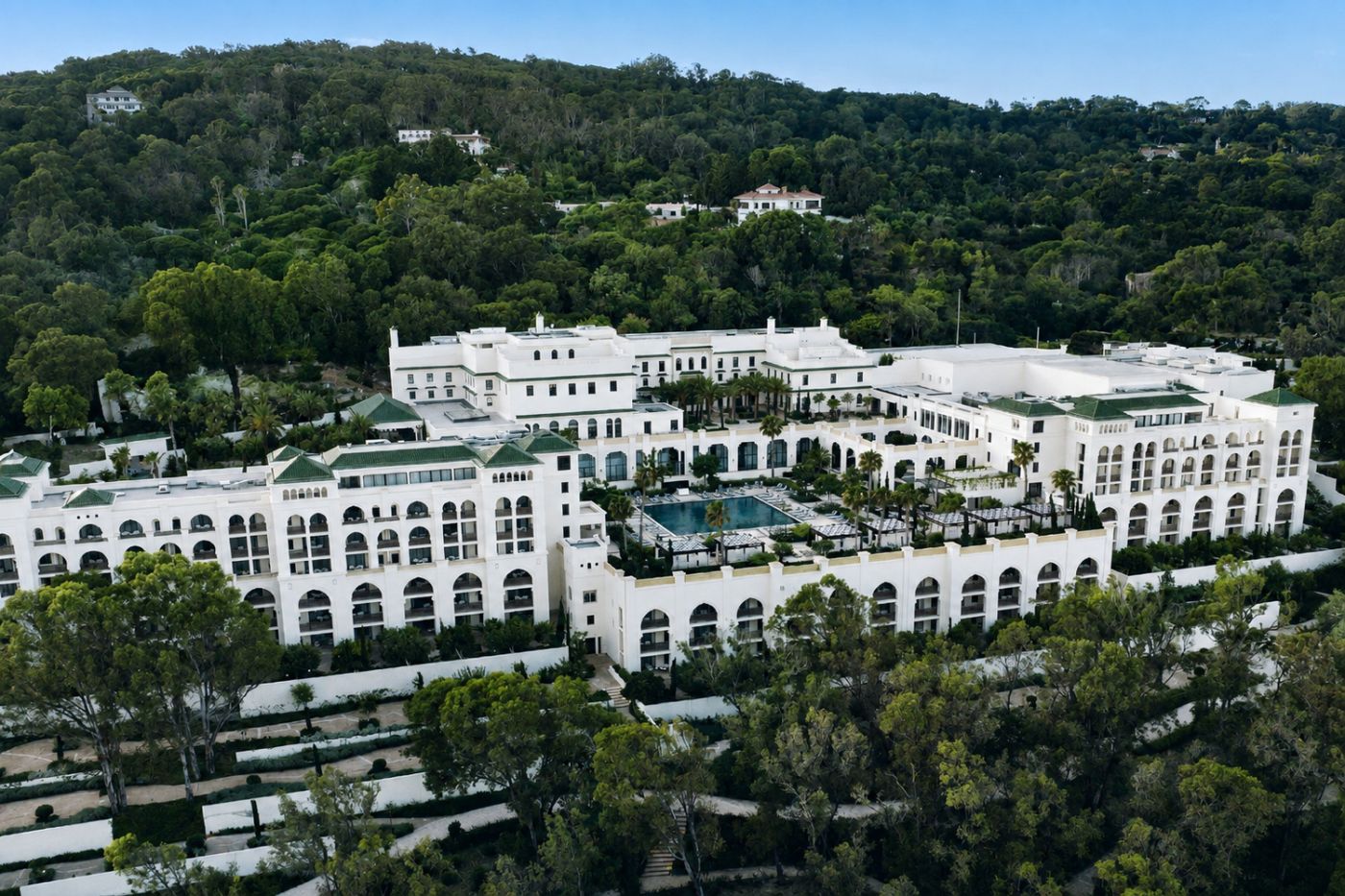
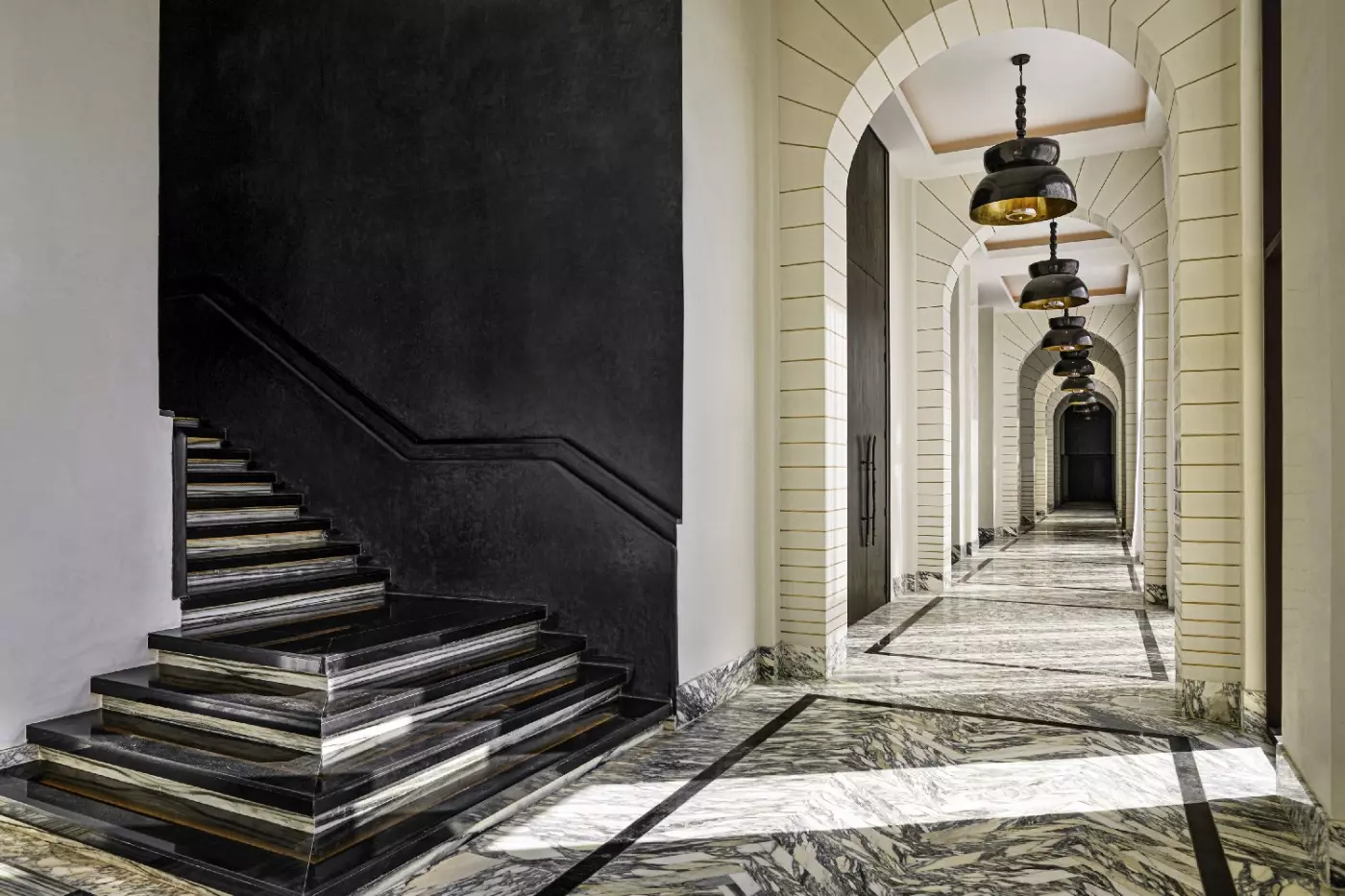
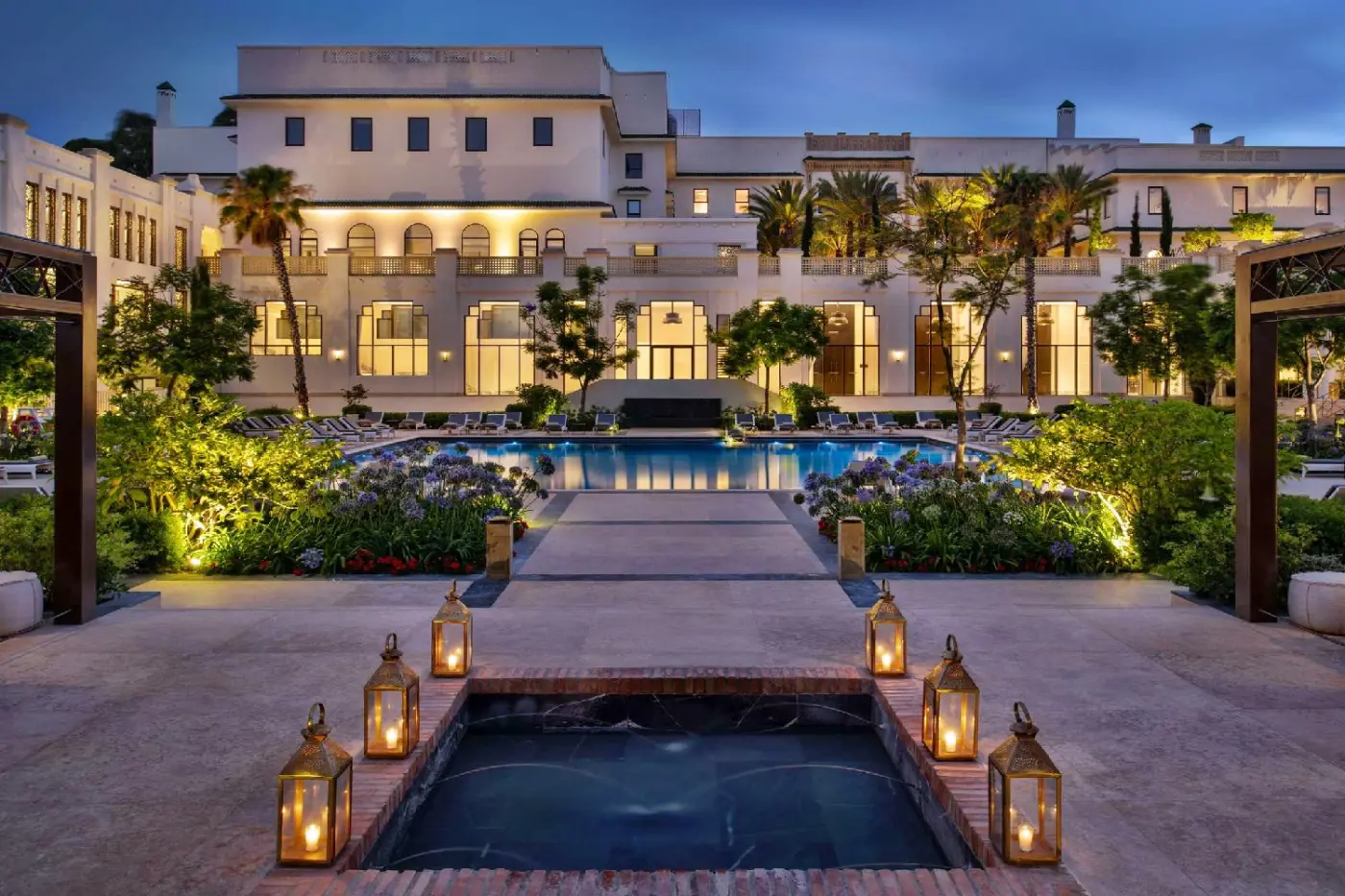
Fairmont Tazi Palace Tangier sits in the forested hills above the medina, where Andalusian gardens surround a palace conceived in 1926 as a private sanctuary for Ahmad Tazi. Its Arab-Andalusian architecture and Moroccan craftsmanship give the hotel a clear connection to the city below. Terraces face the eucalyptus-covered slopes or look across Tangier, with space to stay outdoors away from the busiest streets.
The setting is one of the main reasons to stay. Palm, olive, citrus, and fig trees grow among the gardens, softening the palace's substantial proportions. Tangier's cultural life remains close by, but the hotel has the grounds, pool, and spa for a visit that leaves room between excursions. It sits above the old city, so most sightseeing begins with a drive.
 133
133
 Relaxed
 Fitness
 Pool
Pool
 Spa
Spa
 Sauna
Sauna
 Wellness
 Golf
Golf
 Pet Friendly
 Connecting Rooms

They draw from Tangier's vibrant history. Their Deluxe Rooms blend traditional Moroccan flair with the lively colors of the Mediterranean. Each room boasts a balcony...

The Signature Garden Room, on the first or second floor, offers a tranquil escape for two adults and a child. Its doors open to a...

The Deluxe Panoramic View Rooms, nestled between the 5th and 7th floors, welcome two adults and a child into their embrace. Each room, spanning 44...

Perched between the 2nd and 5th floors, the Junior Suite is a serene retreat for two adults and one child. It overlooks the lush forest,...

The Junior Panoramic View Suite sits majestically on floors five to seven, designed for two adults and a child. Its essence captures tranquility with a...

One-bedroom Signature Suite on the top floor with stunning views of the city. This suite is elegantly appointed to ensure a perfect comfort and privacy...

This Penthouse Suite sits on the hotel's pinnacle, where the world seems just a glance away. This one-bedroom penthouse is a sanctuary for two adults...

Inspired by the Arab-Andalusian design elements, this two bedrooms suite is located on the top floor with stunning views of the city. One master bedroom...
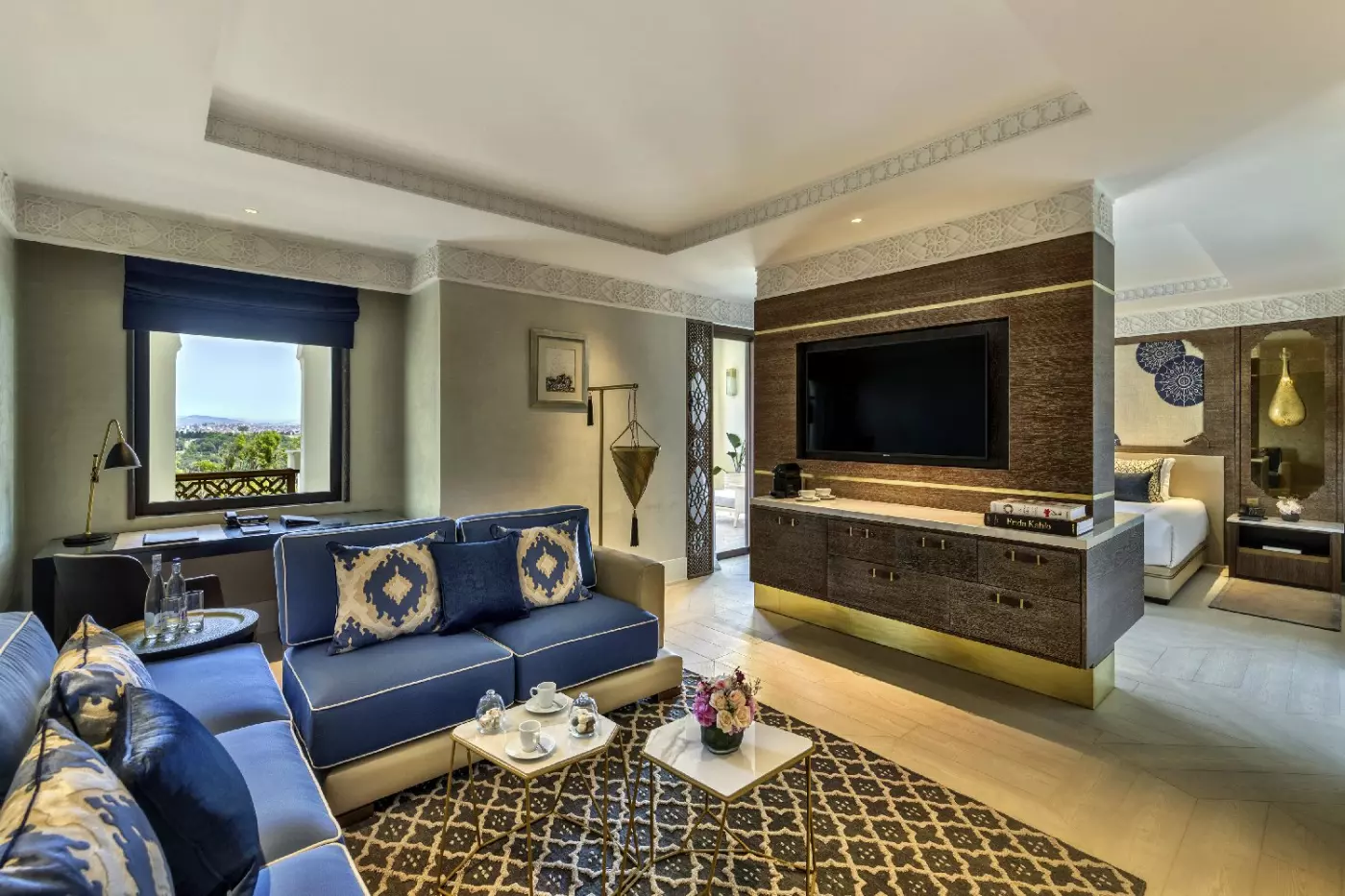
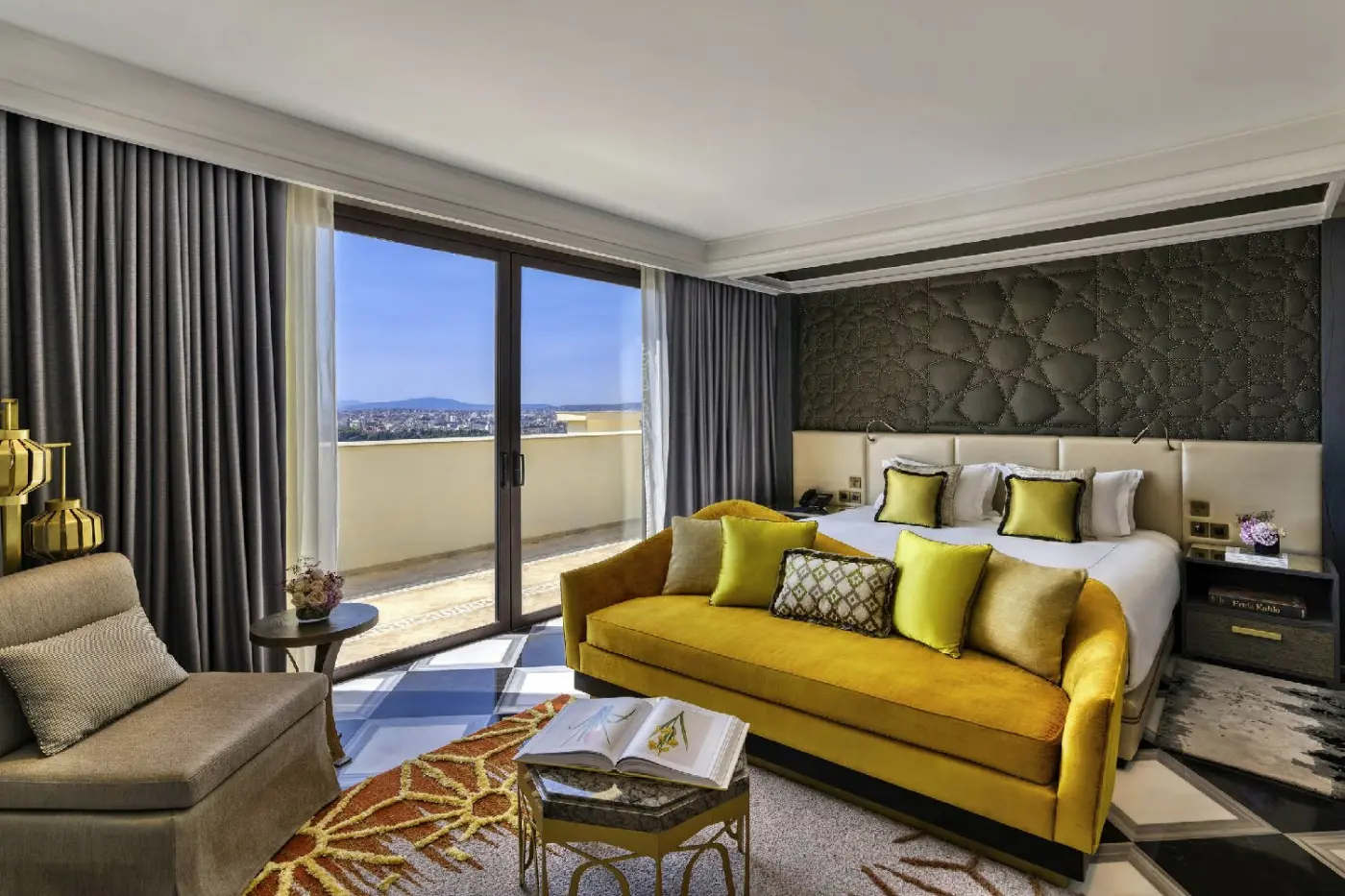
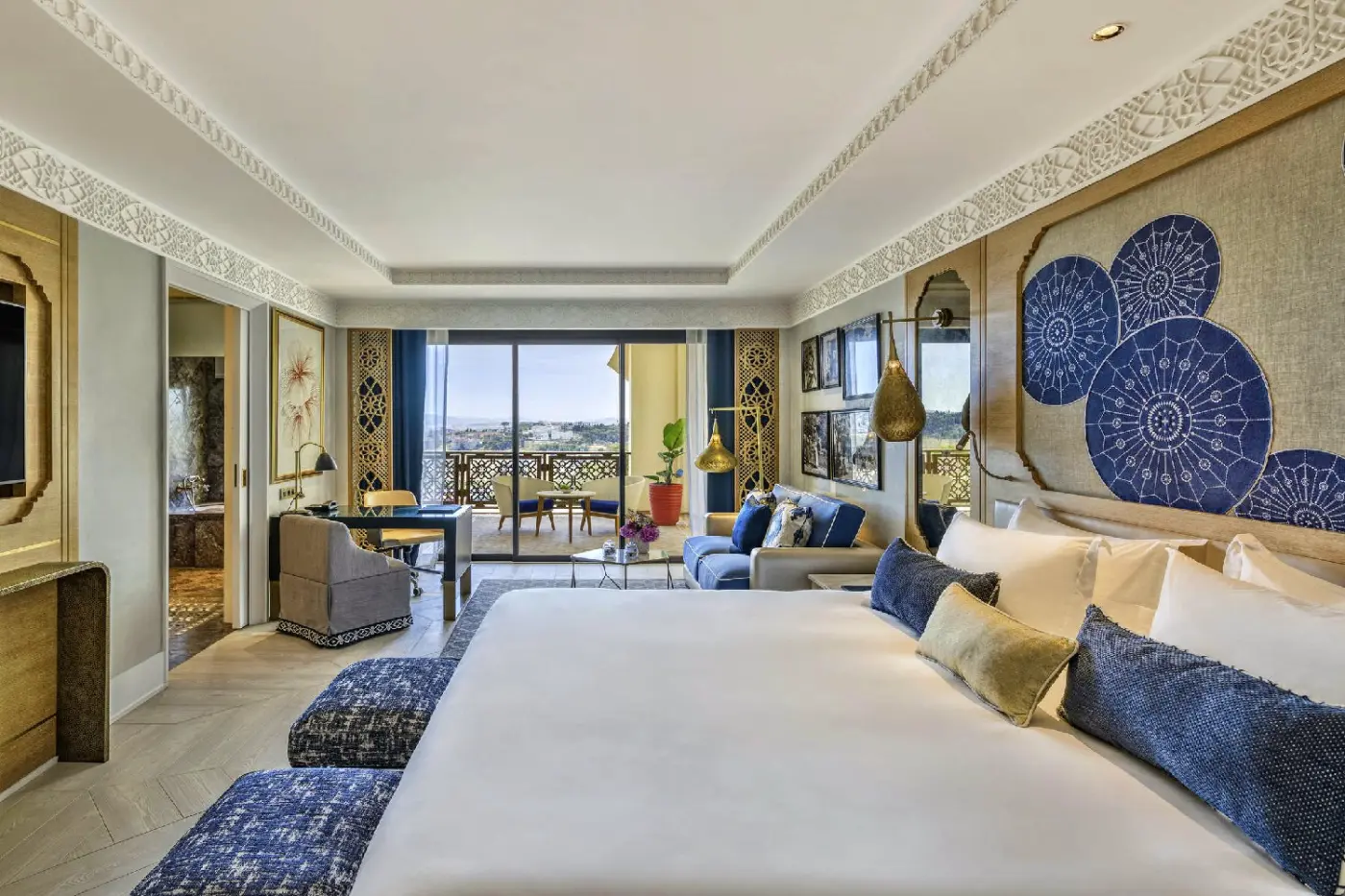
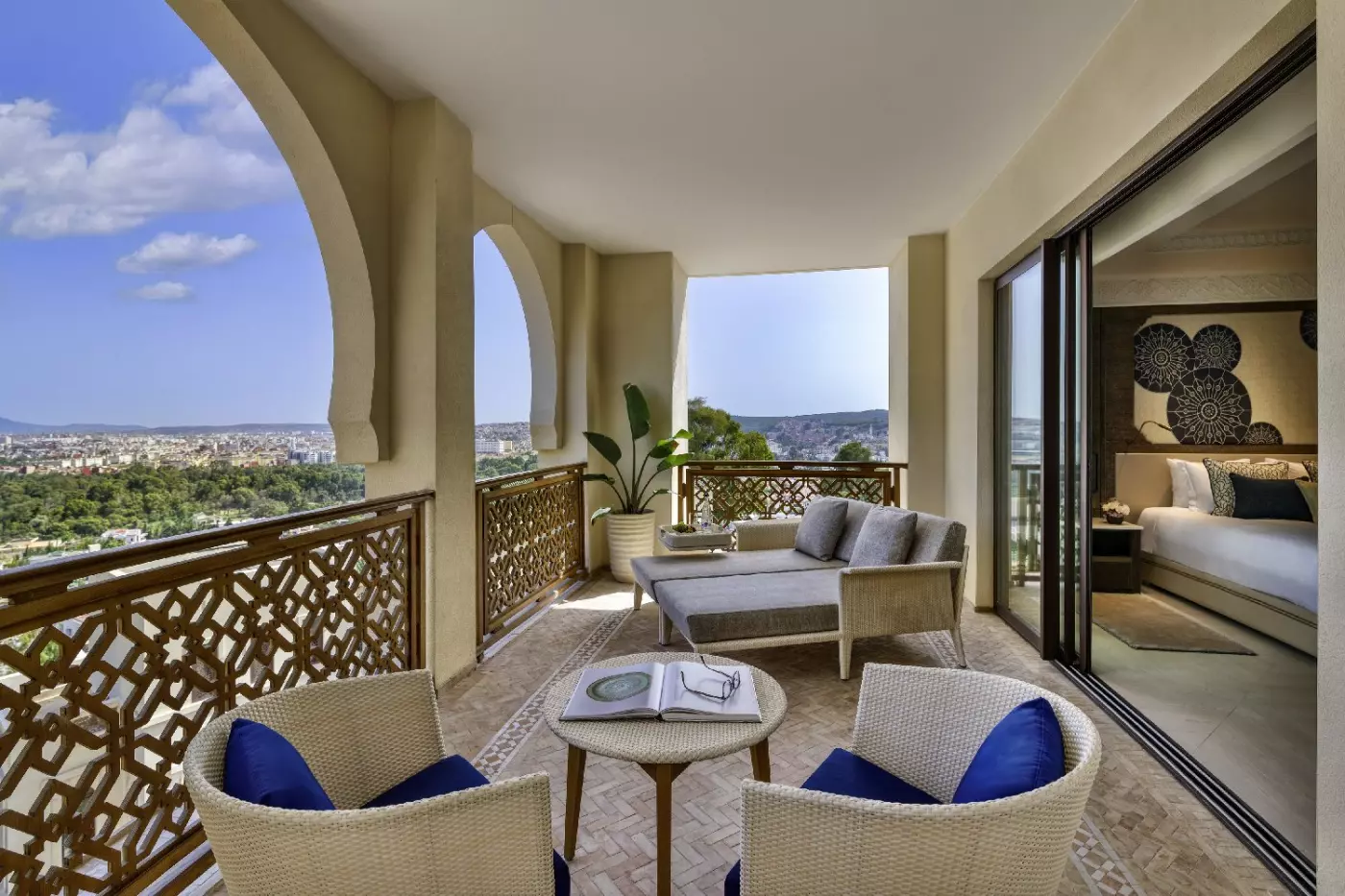
The hotel has 133 accommodations in total, including rooms, suites, and penthouses. Mosaics, rich fabrics, and carved moucharabieh screens give the interiors texture and detail. Balconies or terraces are part of the accommodation throughout, with outlooks toward the forest or over the old city and distant mountains.
Deluxe Rooms measure 44 square meters, while Junior Suites extend to 69 square meters. Both have panoramic-view categories as well as forest-facing options. That choice changes your connection to the setting: the trees give a green backdrop, while the city-facing rooms place Tangier's rooftops in view. The generous outdoor access is useful even on a short stay.
Signature Rooms with Private Garden also measure 44 square meters. Their garden terraces have sun loungers, while the interiors combine a bedroom and sitting area with a marble bathroom. King or twin beds are available. Blue-and-white colors, engraved brass lighting, and the patterned screens carry the local design into a room that opens directly onto its own outdoor space.
The one-bedroom penthouses have 117 square meters of interior space, full-height windows, and broad terraces overlooking Tangier. Marble floors and gold details give the rooms a more formal character. A freestanding bathtub faces the city, so the view remains part of the experience beyond the living area. A 24-hour butler service can help with restaurant reservations and childcare arrangements. These accommodations suit guests who expect to spend substantial time at the hotel.
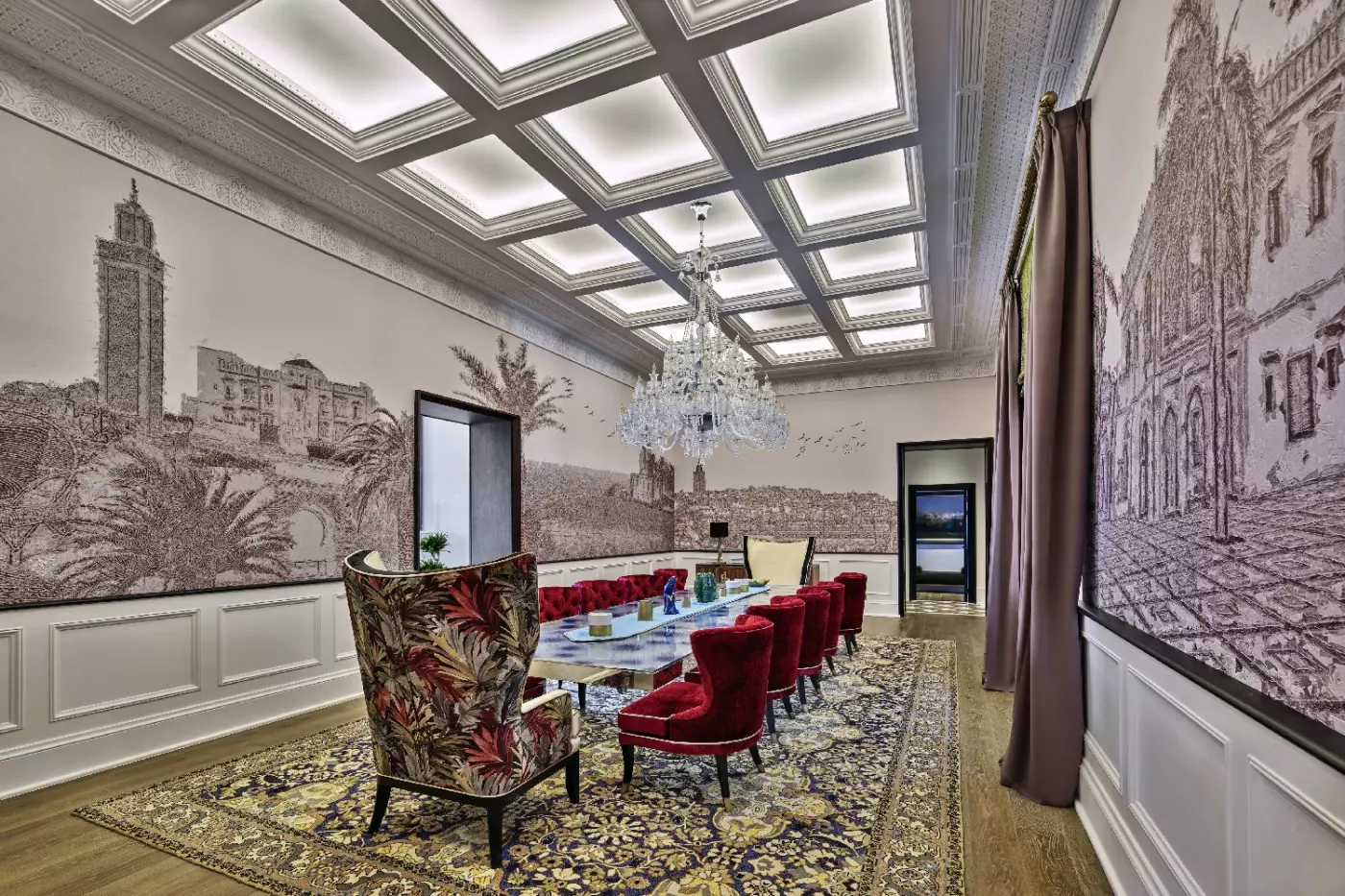
The Katara Suite has two bedrooms across 332 square meters, with a bathroom for each. Its separate living room and dining room give a family or traveling party space to gather, and the dining table seats 12. A large terrace extends the reception space outdoors. The layout is particularly relevant for guests entertaining during their stay, while the second bedroom keeps overnight accommodation separate from those shared rooms.
Families also have a connecting-room option in Tazi Two, which pairs a king bed with two single beds and opens onto a private garden terrace facing the eucalyptus trees. The hotel's Kids Club has supervised activities for younger guests, including arts and crafts, cultural workshops, gardening, and cooking classes.
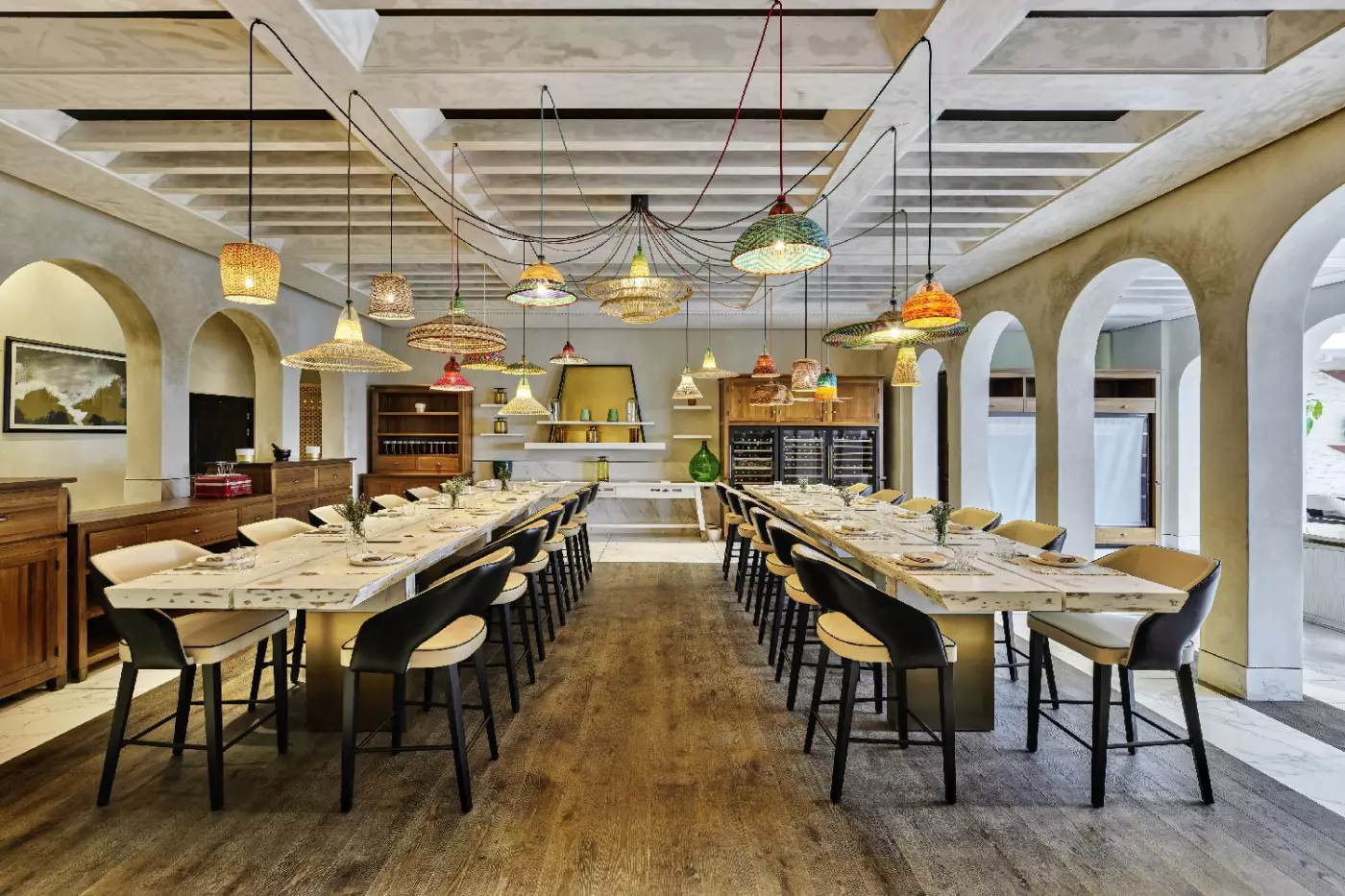
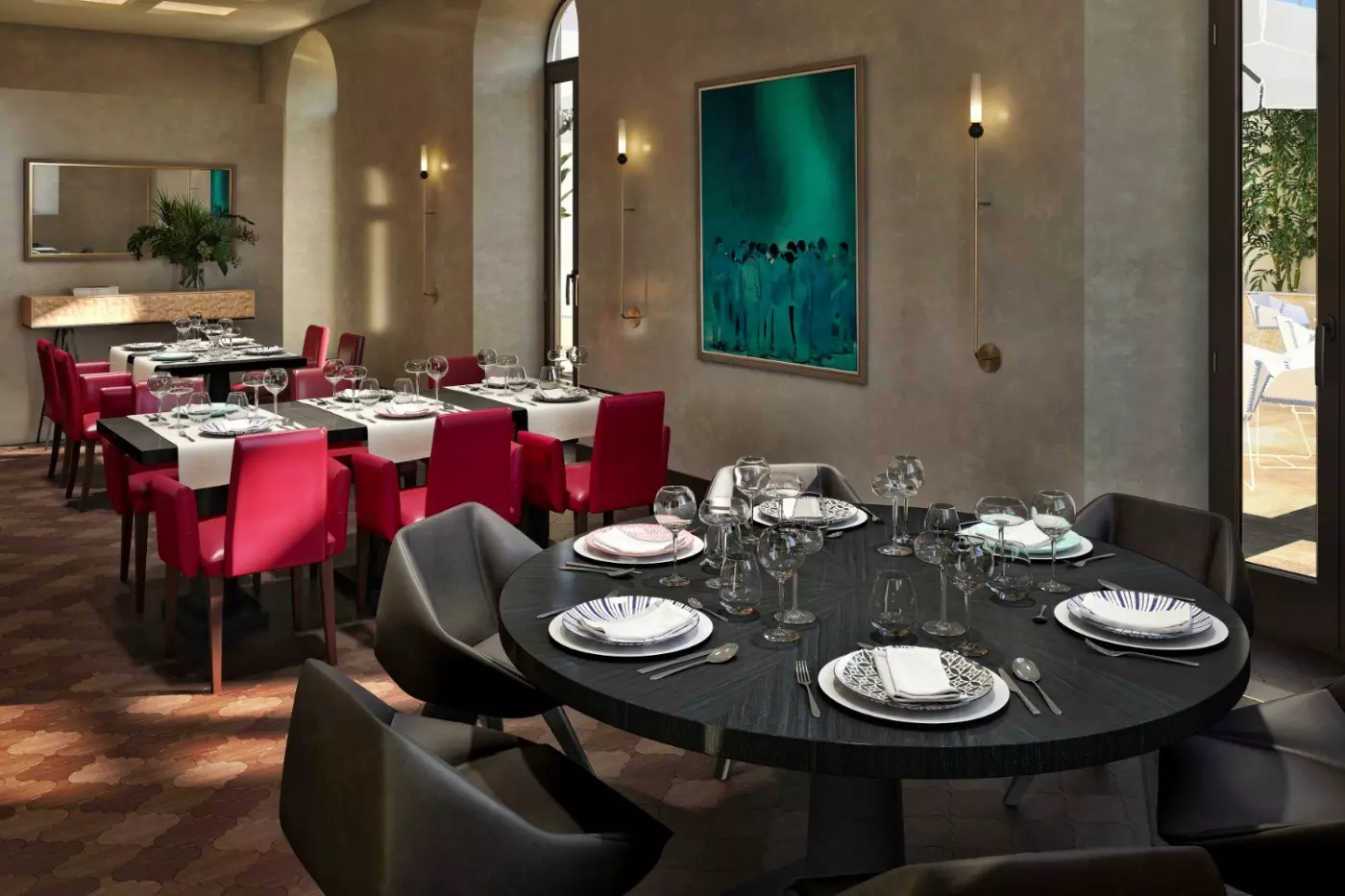
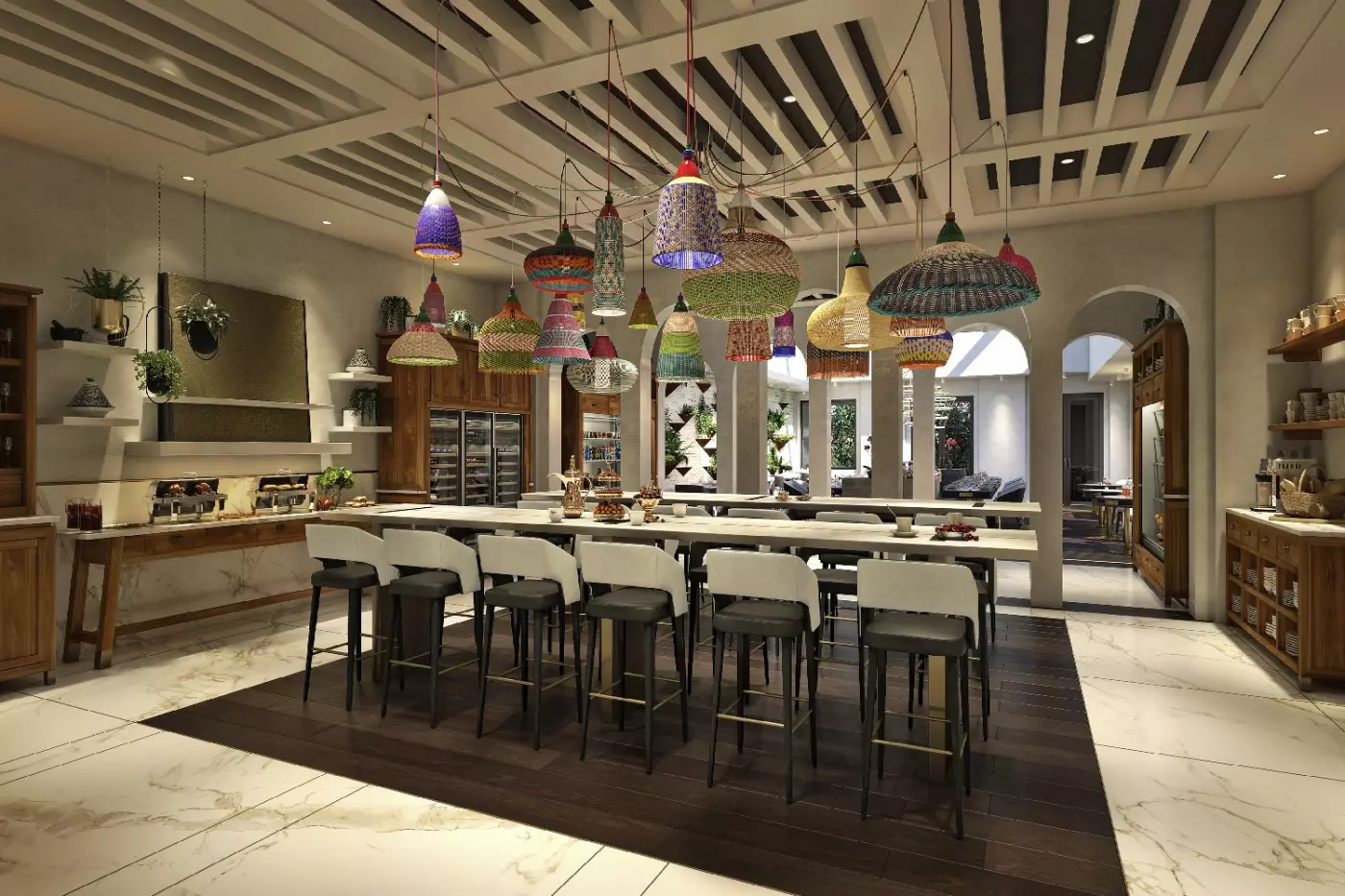
Crudo draws on Mediterranean cooking, with fish and seafood central to lunch and dinner. Its dining room is light and contemporary, and a shaded patio brings meals outside. Breakfast includes Moroccan regional specialties alongside breads, pastries, and produce, so there is a local thread to the first meal of the day as well as the later menus. The restaurant's name refers to freshness and simplicity, with ingredients shaping the cooking.
Parisa is Persian, with herbs and spices central to dishes made for sharing. The restaurant has an intimate indoor setting and an outdoor terrace for dinner. Its distinct culinary identity gives an evening here a different focus from Crudo's Mediterranean seafood, especially for a party keen to order several dishes for the table.
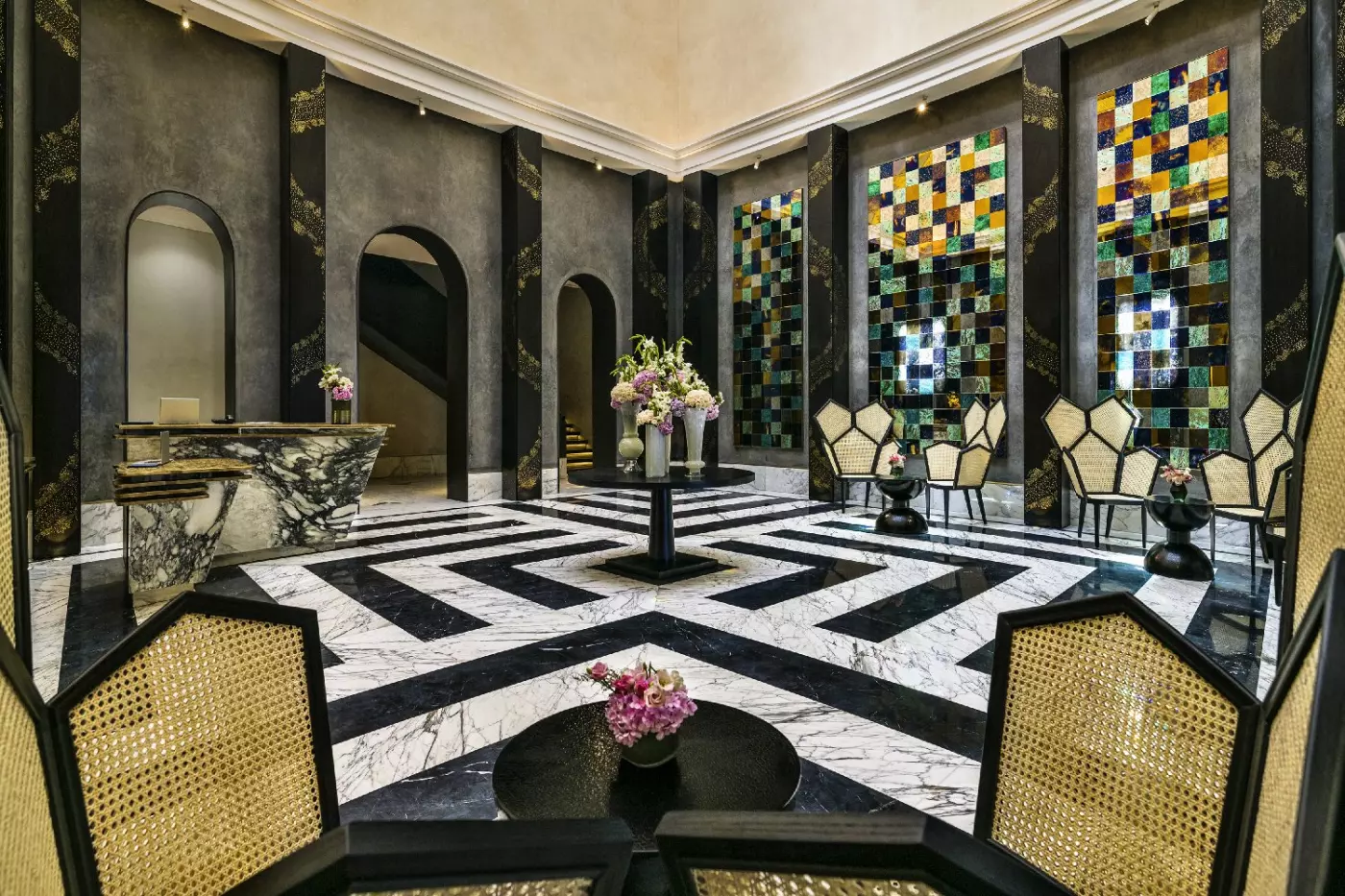
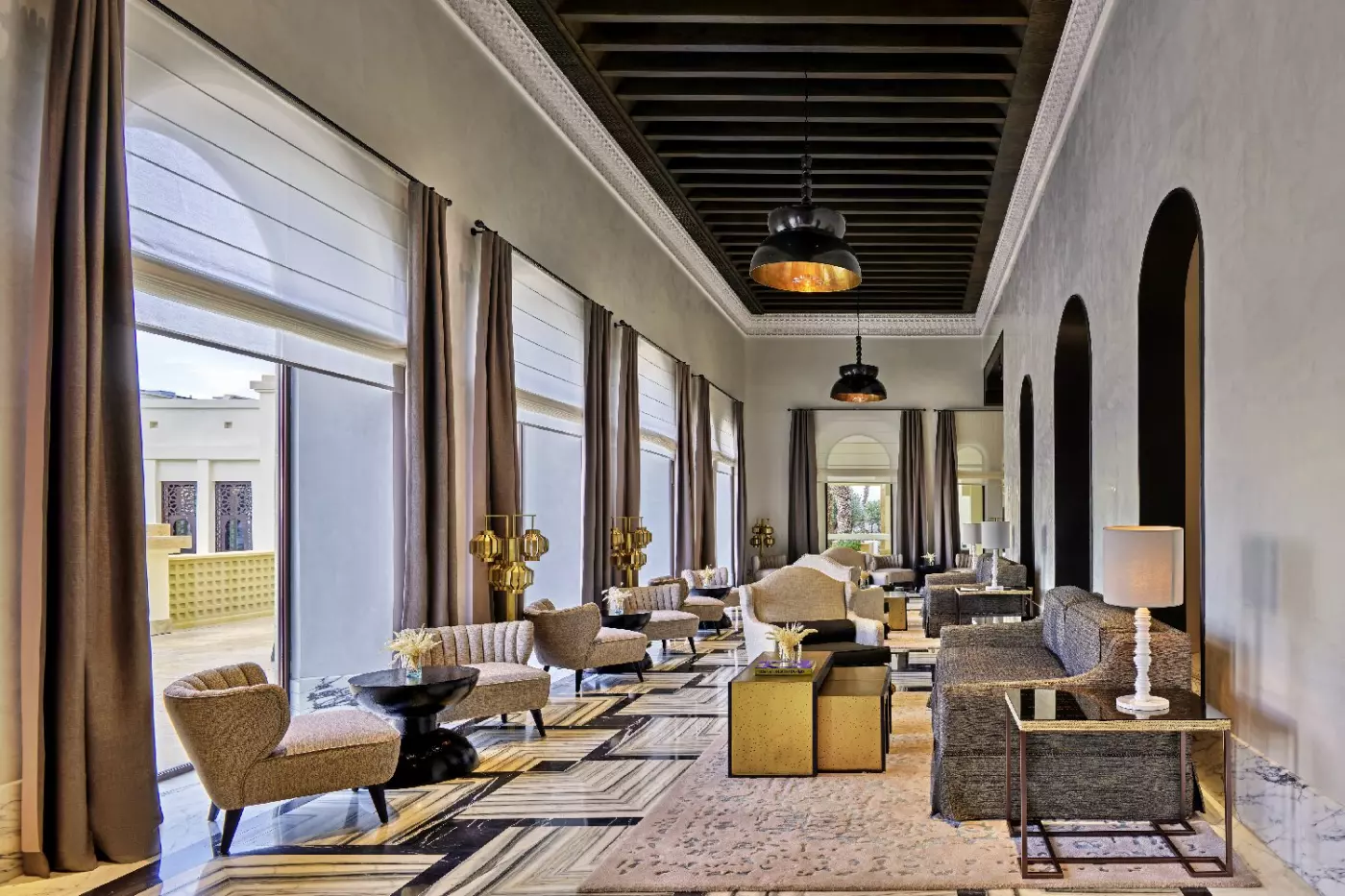
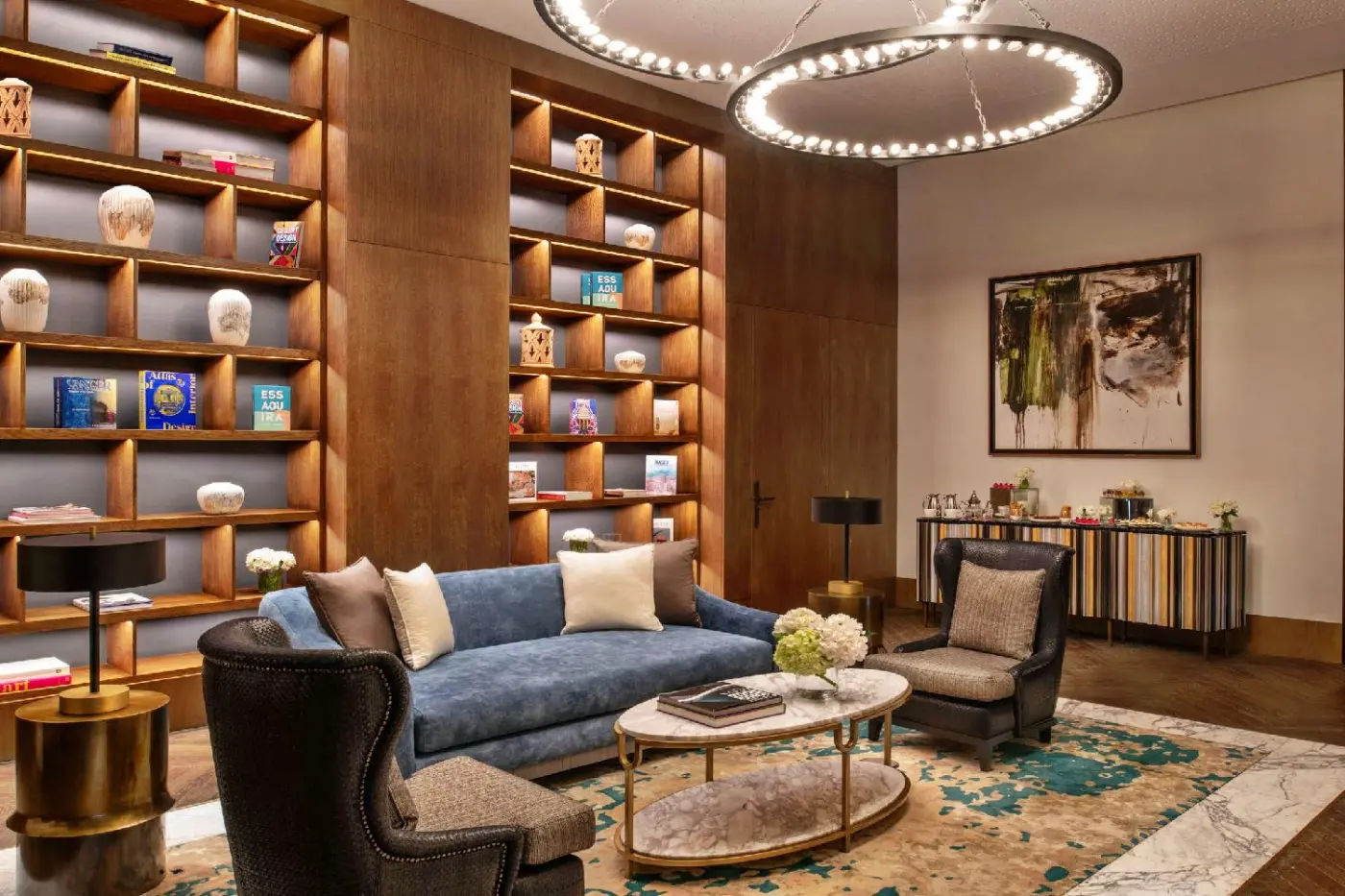
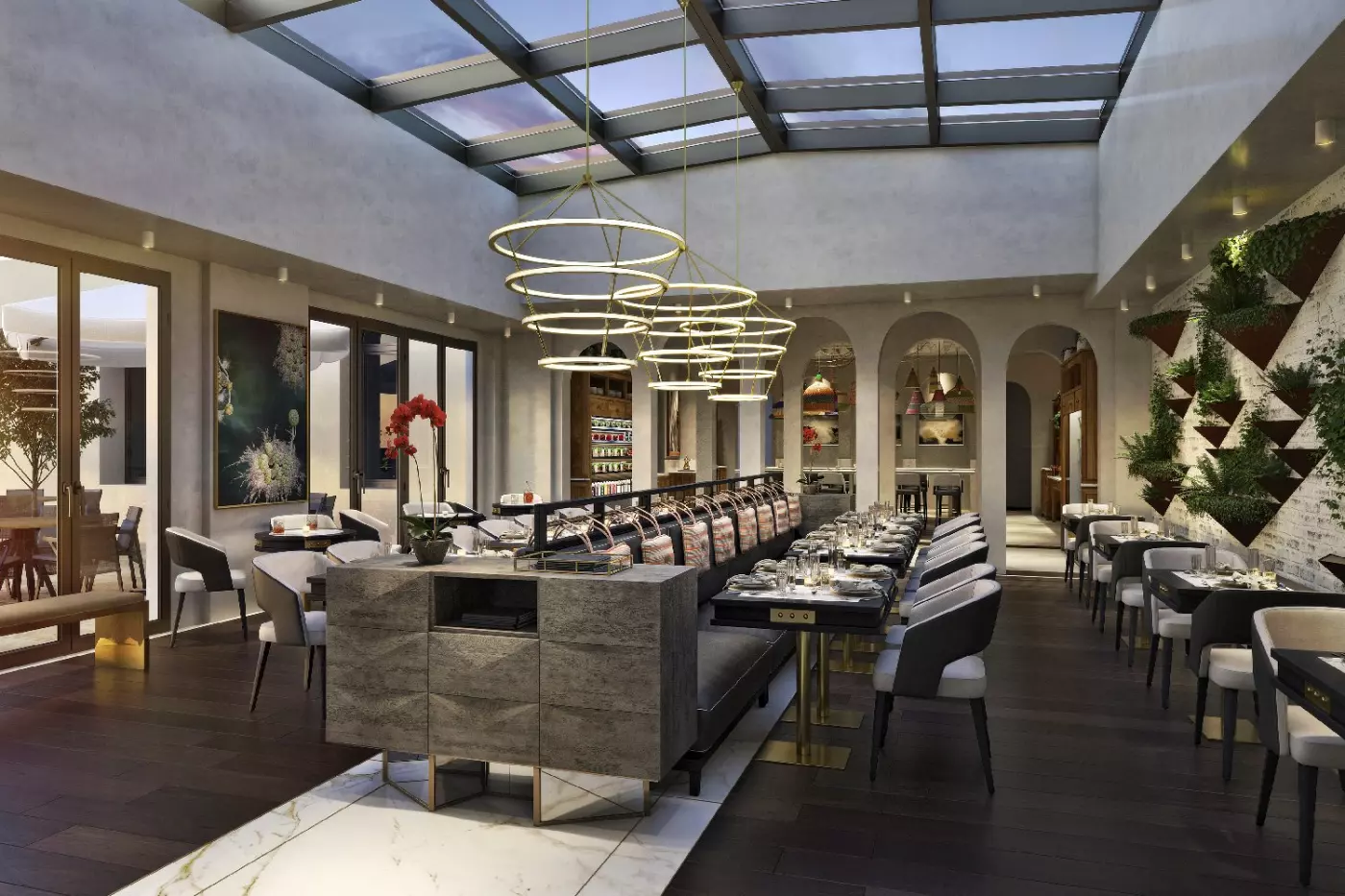
The Rose Room occupies the ground-floor atrium, where skylights bring daylight into the tall space. Tea, coffee, cocktails, and mocktails are served here, with afternoon tea a particular reason to settle in. The hotel's signature tea blend adds a small detail of its own to a familiar ritual. This is a public room with enough architectural presence to merit time beyond a passing visit.
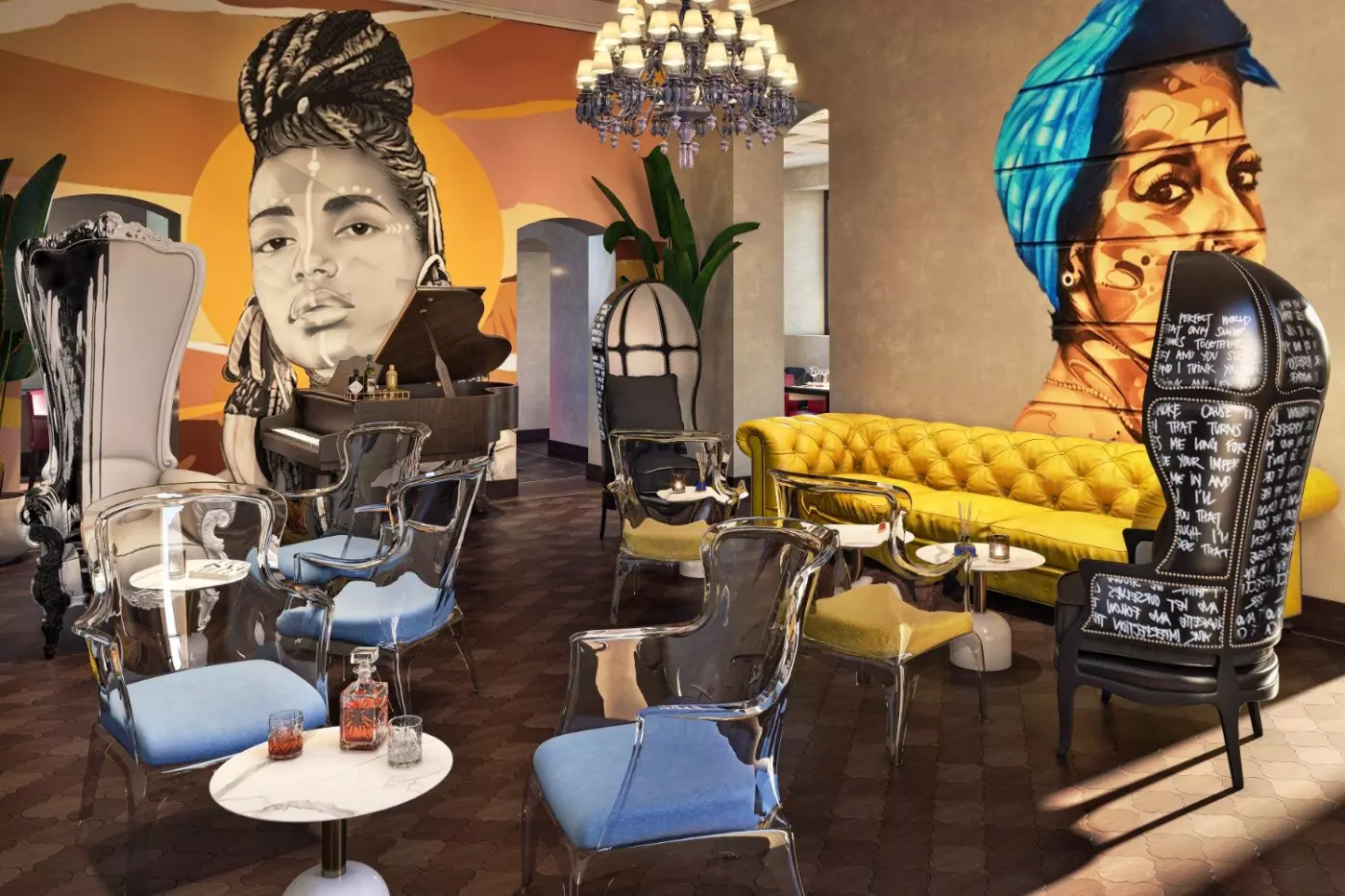
Origin Bar has dark timber paneling, leather club chairs, and an alabaster counter. Its emphasis is on cocktails and small-batch spirits, with food paired to the drinks. Innocents takes a more intimate, speakeasy approach behind an unmarked door, with mural artwork and live music contributing to its character.
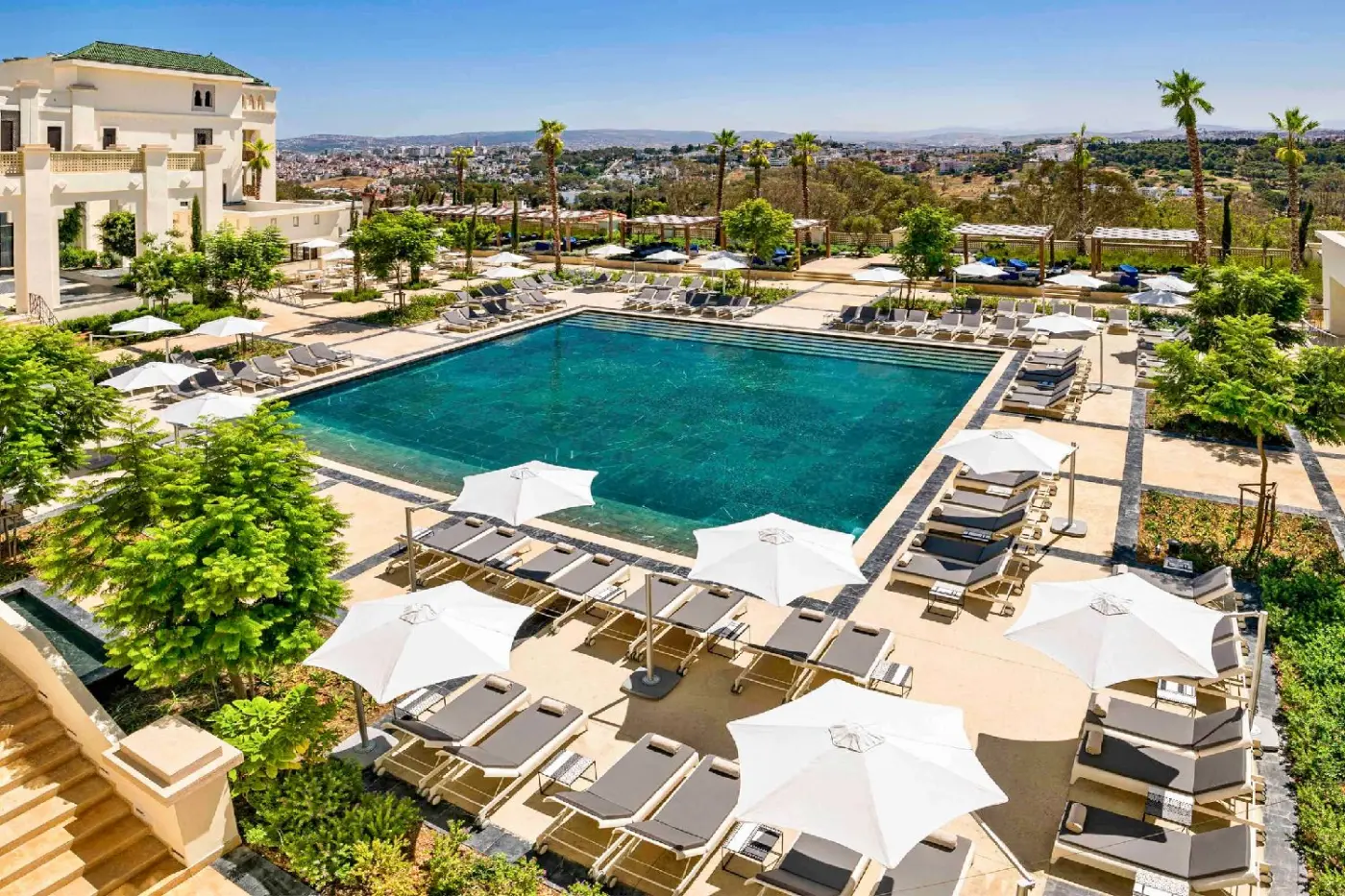
S-Lounge by Buddha-Bar is the poolside venue, with casual dishes, drinks, and views toward the city. In-room dining is available around the clock, with signature dishes and lighter meals, particularly useful when you would prefer to eat on your own terrace.
Fairmont Spa covers about 2,500 square meters and includes 10 treatment rooms, a traditional hammam, vitality pool, and solarium. Outdoor rest areas connect the treatment spaces to the Andalusian gardens. Moroccan wellness traditions inform the treatments, which are tailored to individual needs.
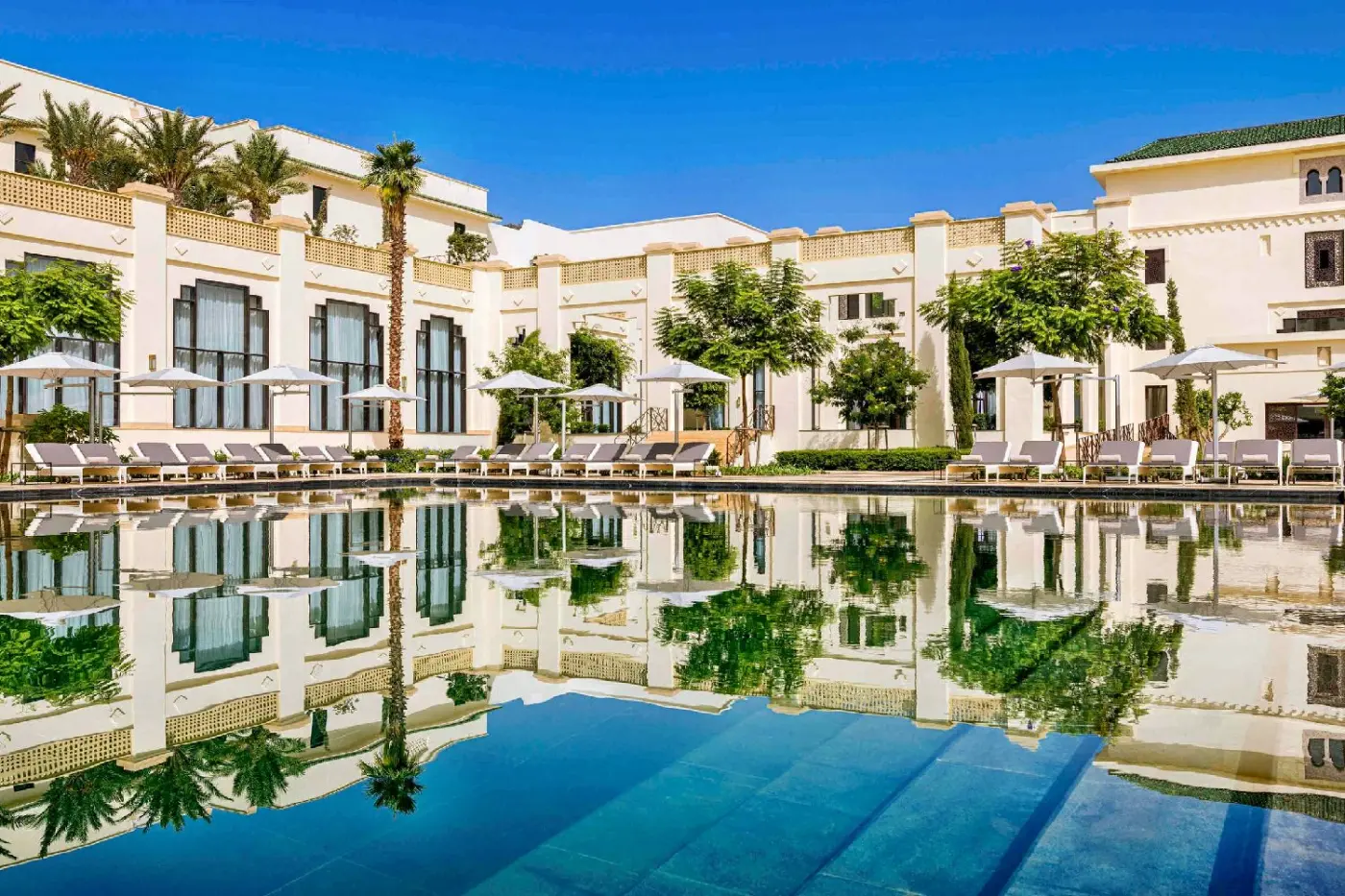
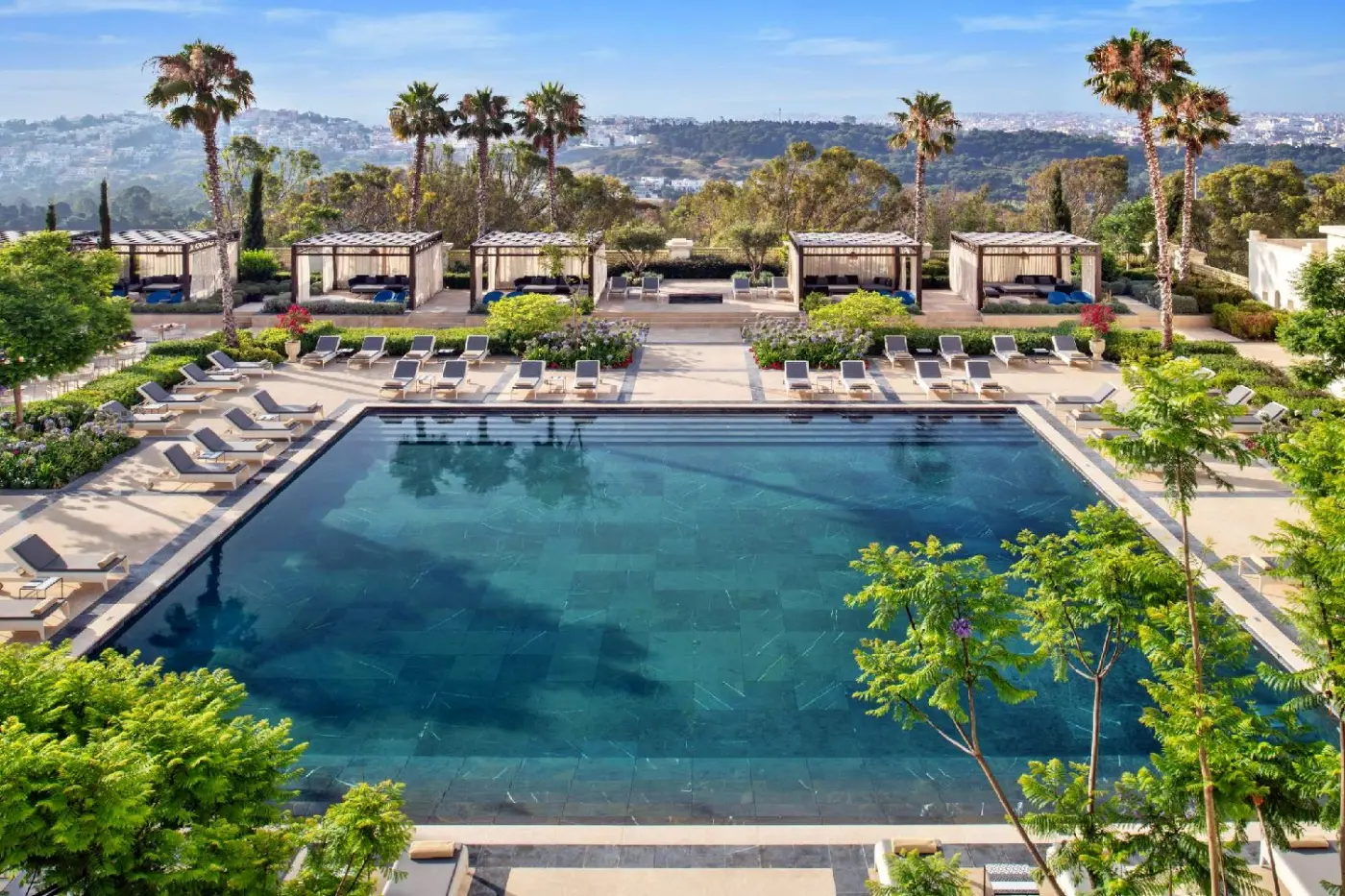
The main outdoor swimming pool is separate from the spa's vitality pool. Crafted in black marble, it sits among the palace architecture, gardens, and mature eucalyptus trees. That material gives the pool its distinctive appearance, while loungers make the surrounding area somewhere to remain after a swim.
A 100-square-meter fitness center provides another way to keep a routine during a longer visit. Personal training and yoga are part of the wellness program, with a dedicated pavilion among the settings used for yoga.
Tangier faces the Strait of Gibraltar at the meeting of Atlantic and Mediterranean influences. The medina's lanes, the Kasbah Museum of Mediterranean Cultures, and the American Legation Museum give different perspectives on its history. Cafe Hafa and the coastal viewpoints add places to pause outside the hotel. The palace's hillside position makes it sensible to group city visits together and arrange the return journey in advance.
The hotel places central Tangier at roughly a 10-minute drive and Tangier Ibn Battouta Airport at about 20 minutes by car, depending on traffic. The concierge can arrange transfers, taxis, and car rental. For a longer northern Morocco journey, Asilah and Chefchaouen are among the excursions suggested by the hotel, while the Atlantic and Mediterranean coasts extend the possibilities beyond the city. Staying at the palace gives those outings a spacious garden setting to return to.
Fairmont Tazi Palace gives Tangier a restored palace hideaway. The hilltop setting feels calm above the city.
Crudo is the terrace to remember. Seafood and Mediterranean light suit Tangier's edge-of-Europe mood.
Innocents keeps the evening sharper. Cocktails and music give the old palace a modern pulse.
PALAIS TAZI KSAR AL MANDOUB JA TANGIER 90000 MA MOROCCO
Playing this video may share data with YouTube. Please see our Privacy Policy.
Yes. Fairmont Tazi Palace Tangier is worth it for travelers who want a luxury palace hotel in Tangier with Moroccan character, calm gardens, a Fairmont Spa, refined dining, and views over the city. It is best for guests who prefer a quiet resort-style base above the medina. Choose it if you want space, service, and a polished stay rather than a small riad in the old town.
Fairmont Tazi Palace Tangier is in the hills above Tangier, Morocco, in the Boubana and Jbel Lekbir area. The hotel sits among gardens and eucalyptus trees above the medina. The setting feels private and residential, with city views instead of a dense city-center feel. Guests usually take a taxi or hotel car to the medina, kasbah, marina, and restaurants in town.
Fairmont Tazi Palace Tangier has 133 rooms and suites. The official room mix includes guest rooms, suites, and penthouse-style accommodation. This size gives the hotel a full-service resort feel while keeping a palace atmosphere. Book a higher room or suite if views and extra space matter for your stay.
The hotel is a restored 1920s palace linked to Ahmad Tazi, an adviser in Tangier's historic era. Its appeal comes from Moroccan architecture, high-ceilinged interiors, gardens, and modern Fairmont service. It stands out because it feels different from a standard city hotel. The experience is more about palace atmosphere, views, spa time, and a calm base for exploring Tangier.
Fairmont Tazi Palace Tangier is above the medina rather than inside it. This gives the hotel more space, quieter surroundings, and better views. It is still practical for sightseeing in Tangier. Plan to use a taxi, private transfer, or hotel car when going to the medina, kasbah, cafes, museums, and port area.
More amenities
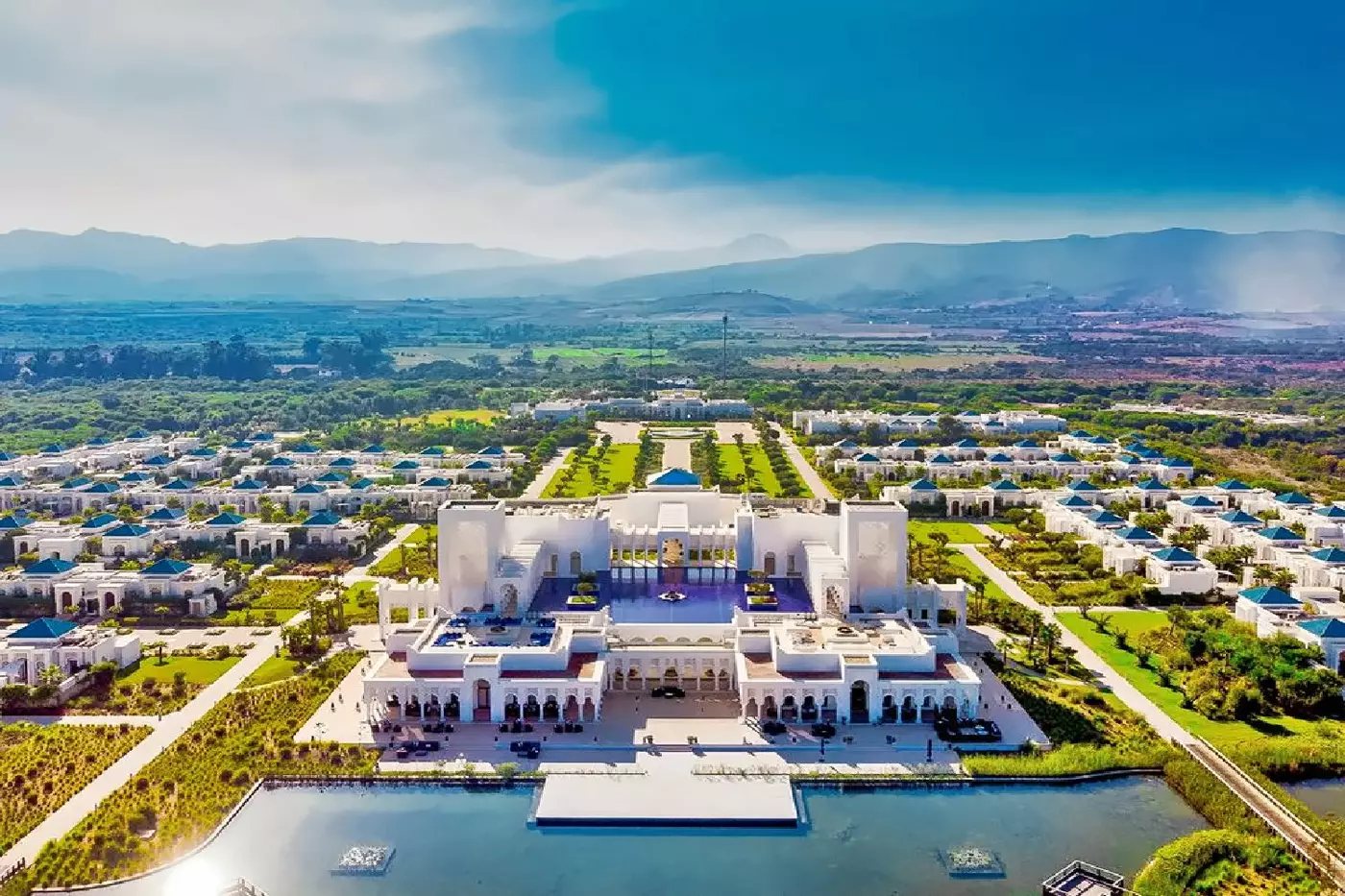
Banyan Tree Tamouda Bay is a luxury all-pool villa resort on Morocco's northern Mediterranean coast near Fnideq. Set between...
More amenities
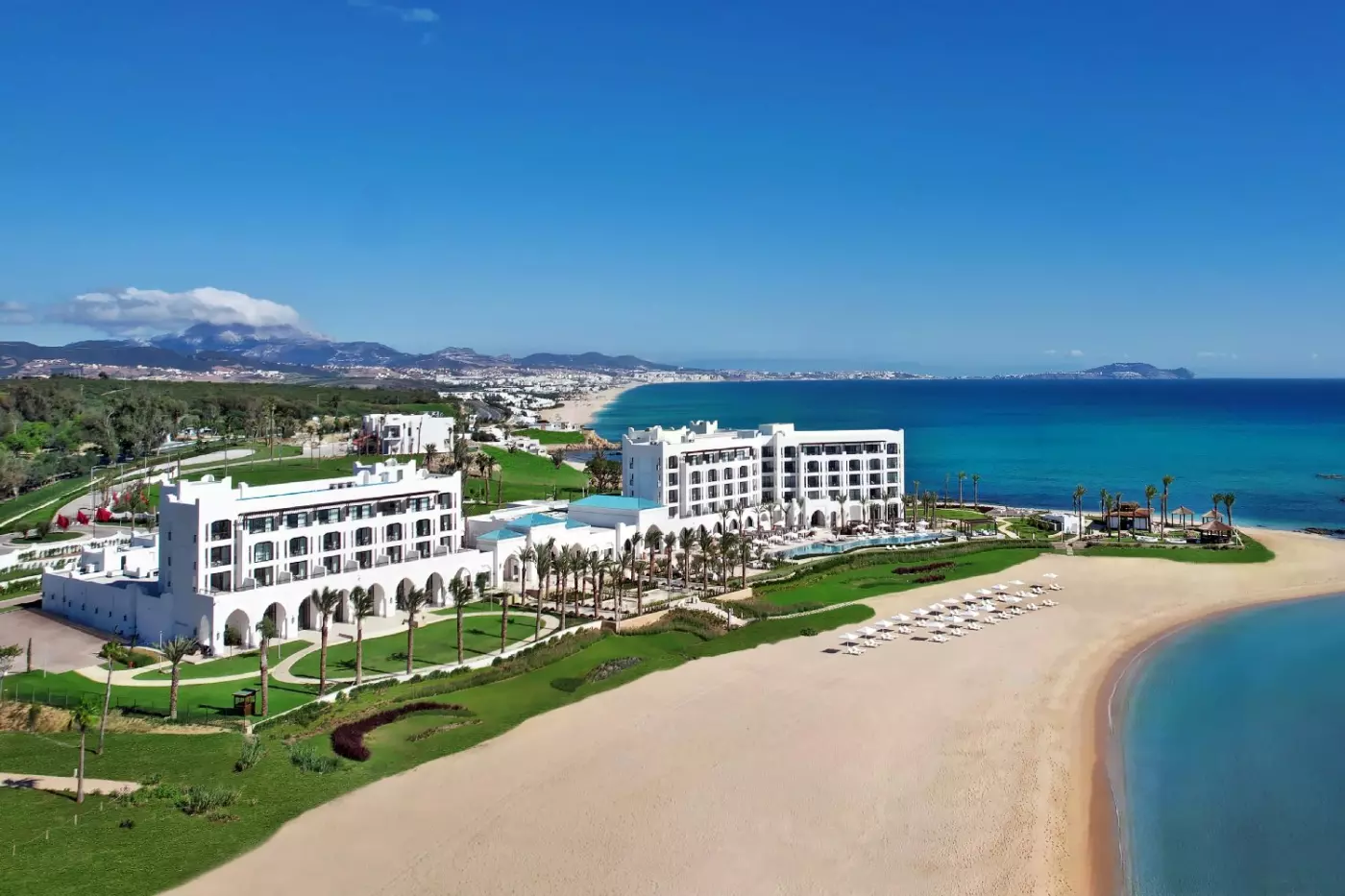
St Regis La Bahia Blanca Resort sits on Morocco's Mediterranean coast in Tamuda Bay, a seaside area known for clear water, so...
More amenities
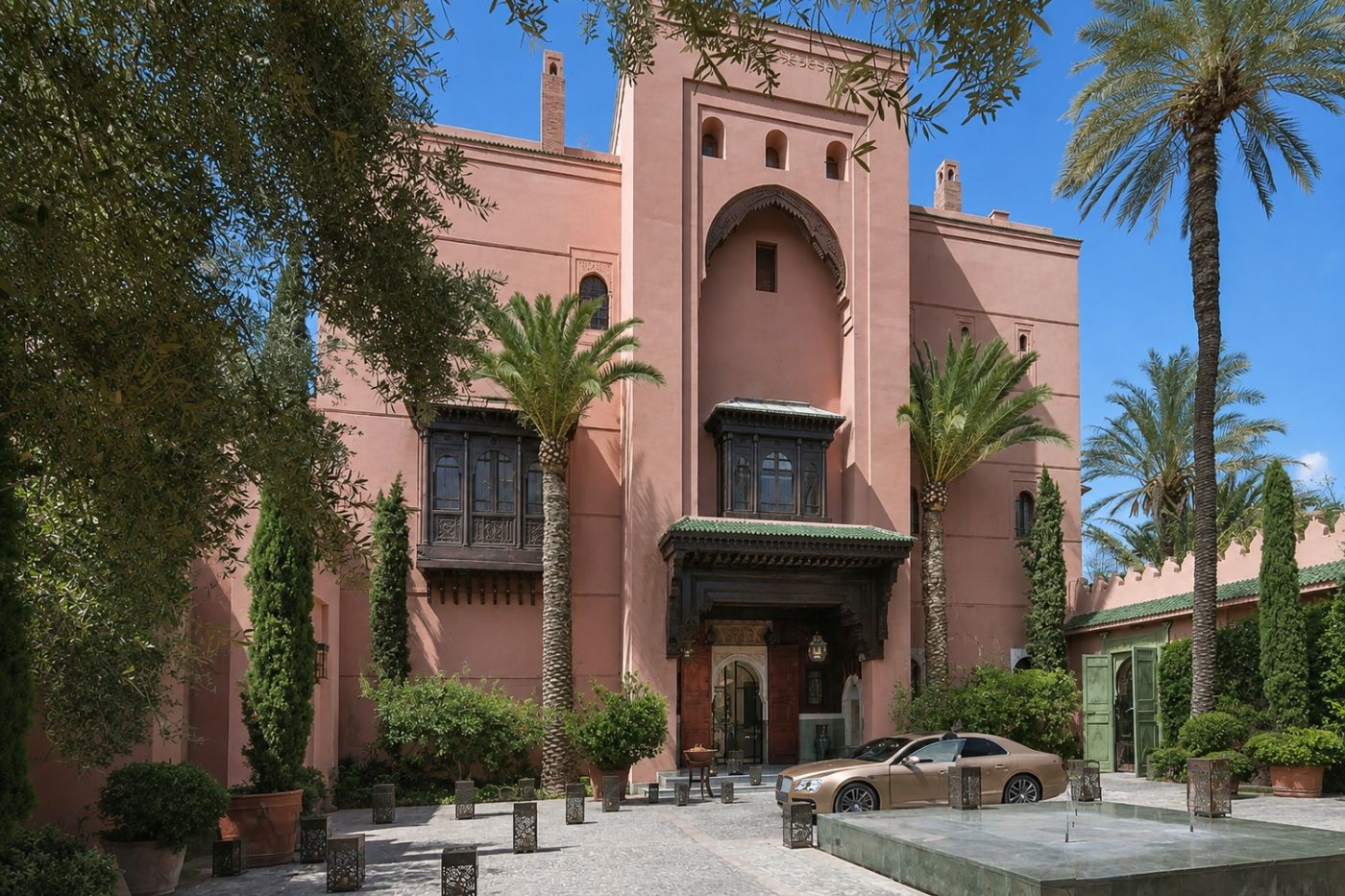
Royal Mansour Tamuda Bay brings the Royal Mansour name to Morocco's Mediterranean coast. The resort sits near Fnideq and M'di...