



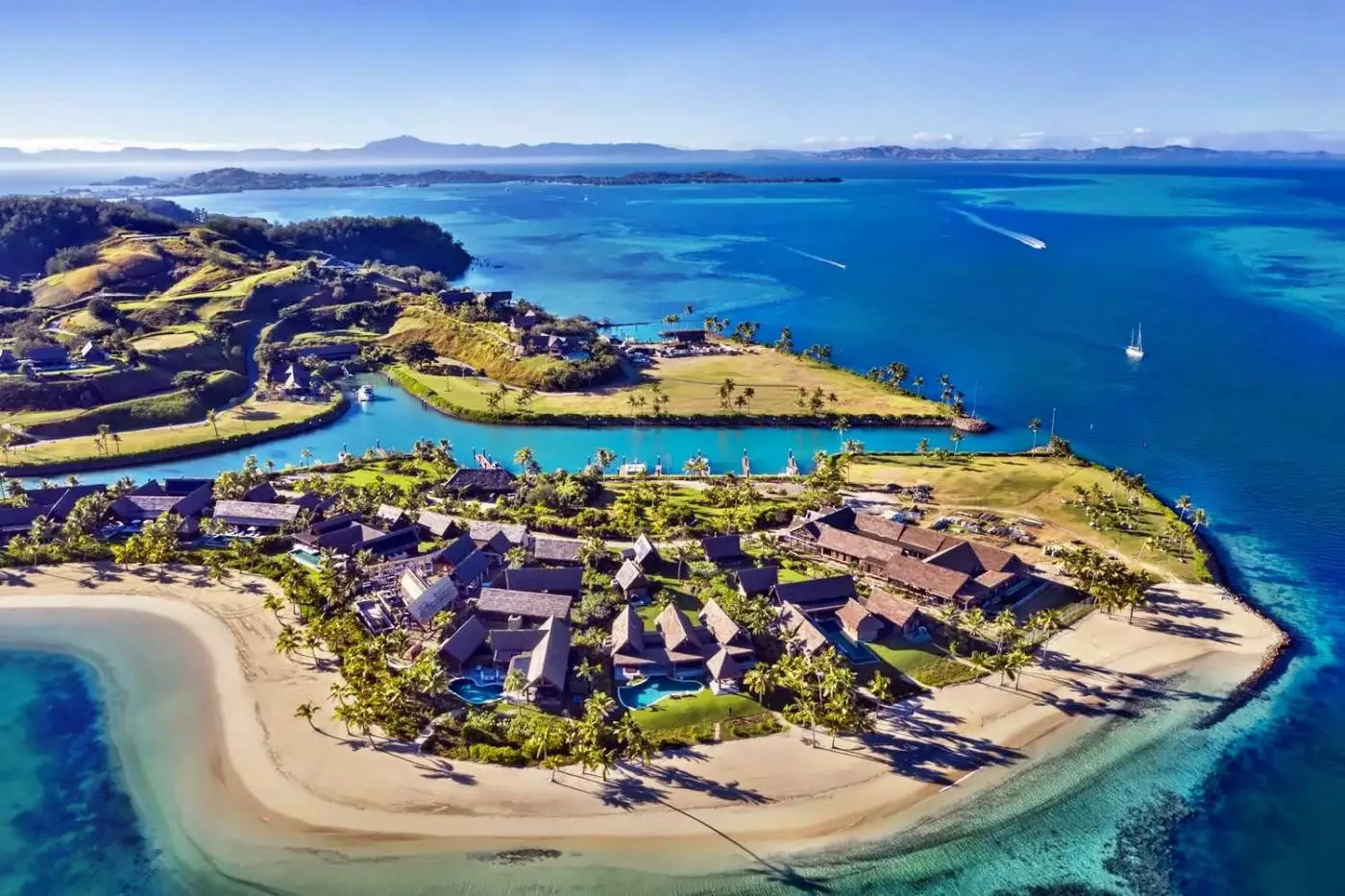
Six Senses Fiji
Prices From 2’875 USD
+4
More amenities
- Sauna
- Wellness
- Beach
- Sustainable
Six Senses Fiji sits on Malolo Island, where white sand, clear water, palms, reef life, and soft South Pacific light shape th...
Please choose a hotel or destination from the list.
We couldn’t open your search results. Please try again.
Your private search
Finding exceptional stays
Malolo Island brings coastal scenery and a living Fijian cultural setting to a luxury holiday. Alongside time on the water, make room for the island’s communities and the stories attached to its landscape. These give a stay a more particular identity than its beach photographs alone.
Prices From 2’875 USD
More amenities
Six Senses Fiji sits on Malolo Island, where white sand, clear water, palms, reef life, and soft South Pacific light shape th...
Reserved for You
Six Senses Fiji places villas and larger residences on Malolo Island. The accommodation is one part of the destination; the island also has a community life beyond its resort settings. Yaro is a chiefly village where local history concerns the people who live on Malolo and their relationship with the island.
A cultural interest here deserves the same attention as a marine one. If a hosted village visit forms part of your plans, follow the invitation and your hosts' guidance on dress and conduct. It is an opportunity to understand a living community. The arrangement should respect the people receiving visitors, including their choice of what to share.
Malolo's resting-sun tradition connects the island with the view west from the Fijian mainland. In the legend, the sun ends its daily journey by resting at Malolo. That association gives the evening landscape a cultural meaning alongside its visual appeal.
Take an interest in how local stories describe the sea and land. A familiar holiday scene can carry meanings that a visitor would otherwise miss. This is a different subject from choosing a water activity: it brings language, memory and the way a place is understood into the stay.
The surrounding water remains a central reason to choose Malolo. Decide which marine interest you actually want to pursue and give it a clear place in the holiday, with plans appropriate to your experience. The shore itself also provides a setting from which to observe the island environment.
Six Senses Fiji's conservation interest includes the Fijian crested iguana. Alongside Yaro's community history and the resting-sun tradition, this gives the island a land-based dimension to explore. Our Fiji destination guide places Malolo within the country's wider range of island settings.
Malolo belongs to the Mamanuca Islands. Keep that regional identity in mind when comparing accommodation with other parts of Fiji. The country name alone does not explain the setting or the daily feel of a particular island stay.
It is on Malolo Island, not a mainland Nadi hotel. Choose it for the island experience rather than assuming the broader arrival-region context means the same immediate surroundings. The individual resort island is the meaningful accommodation reference.
Kokoda is a Fijian seafood dish made with fish marinated in lemon or lime juice, then combined with coconut milk, chopped vegetables and herbs. The citrus and coconut give it a different character from a grilled fish meal.
Fijian crested iguanas live in trees and feed on leaves, buds, flowers and fruit. Their ecology is closely tied to tropical dry forest, making native vegetation an important part of the island's conservation story. Six Senses Fiji's work includes forest restoration alongside iguana protection; learning about that habitat does not depend on a particular sighting.
Six Senses Fiji works with Coral Gardeners on reef restoration. Coral fragments are grown in underwater nurseries before larger, established corals are transplanted onto reef areas. The method involves tending and monitoring living colonies over time.