



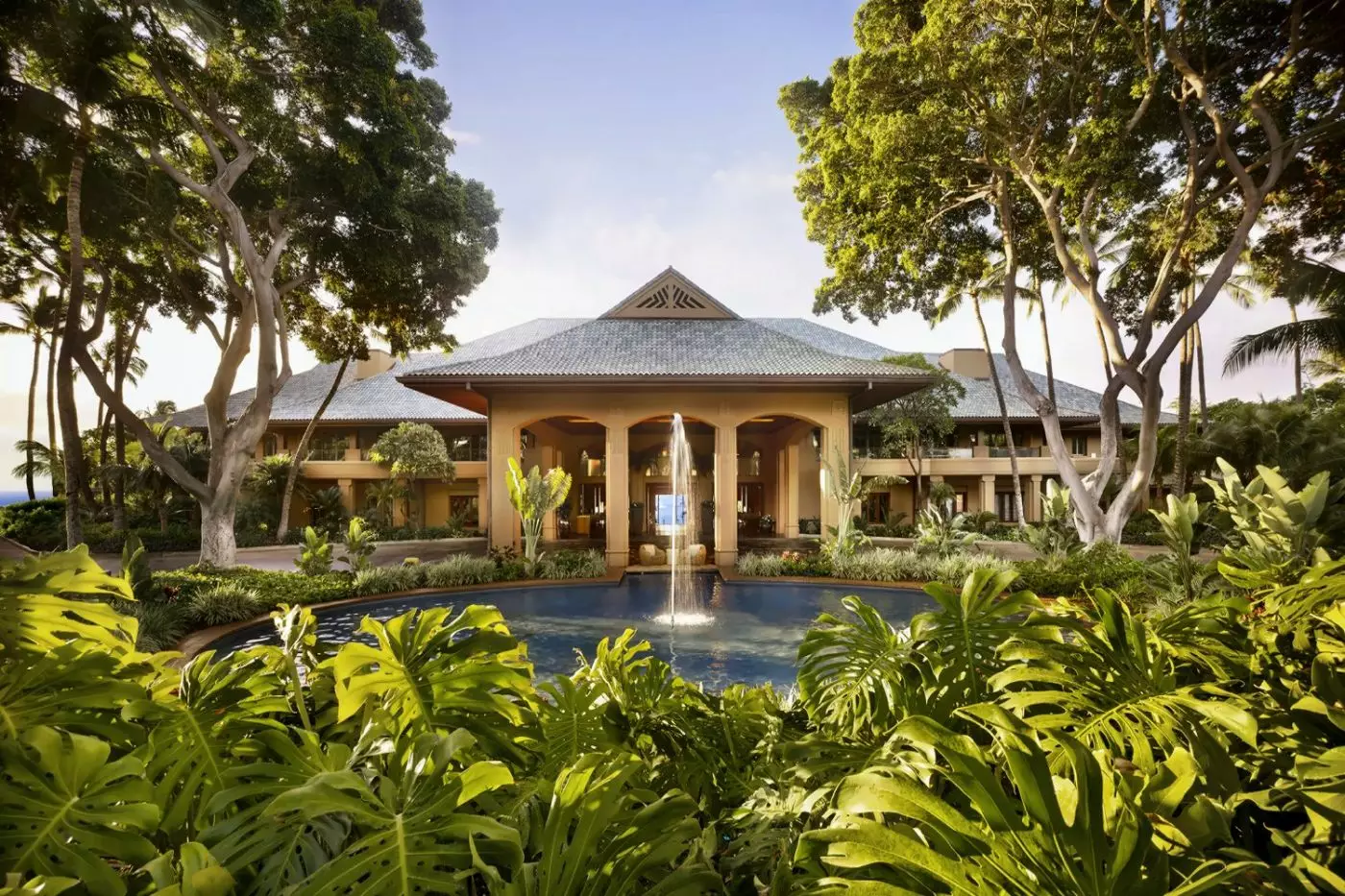
Four Seasons Resort Lanai
Prices From 1’343 USD
+4
More amenities
- Sauna
- Beach
- Golf
- Adventure
Four Seasons Resort Lanai sits above Hulopoe Bay on the island's southeastern shore, with a path down to the beach and the Pa...
Please choose a hotel or destination from the list.
We couldn’t open your search results. Please try again.
Your private search
Finding exceptional stays
Lanai offers two contrasting settings for a luxury stay: the southern coast and the pine-covered uplands near Lanai City. The right choice depends on whether you want the ocean to shape most of the day or prefer a quieter garden setting inland. Give the island time beyond its resort identity, with a few carefully chosen encounters with its landscape and history.
Prices From 1’343 USD
More amenities
Four Seasons Resort Lanai sits above Hulopoe Bay on the island's southeastern shore, with a path down to the beach and the Pa...
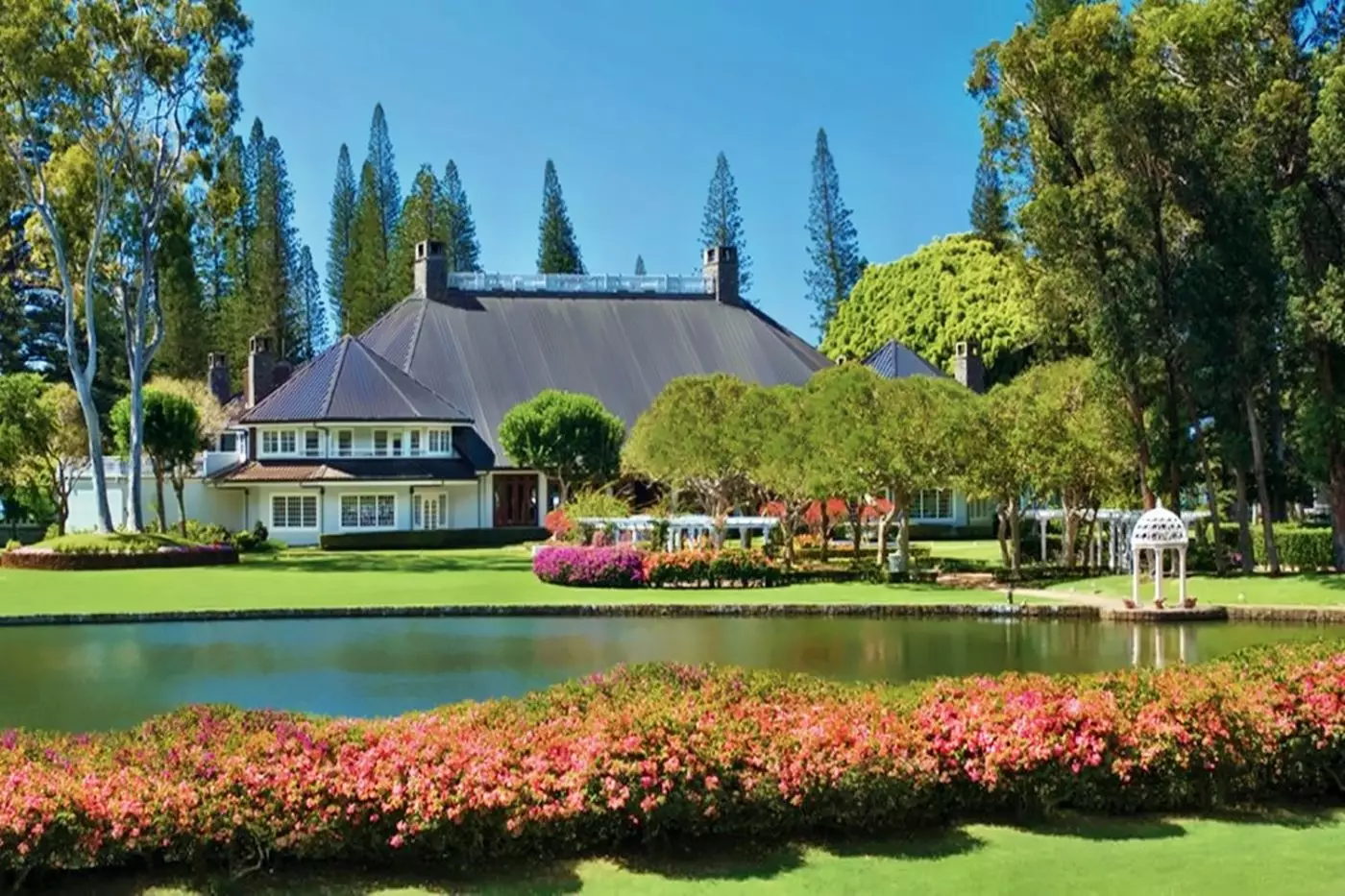
Prices From 944 USD
More amenities
Sensei Lanai, A Four Seasons Resort sits in the cool uplands of Lanai, away from the beach and surrounded by gardens and pine...
Reserved for You
Four Seasons Resort Lanai sits above Hulopoe Bay on the south of the island. Choose that setting for a holiday in which coastal scenery belongs to ordinary hours at the hotel, not only to an excursion. The relationship with the bay is a more useful starting point than treating an island address as a guarantee that every resort has the same relationship with the sea.
Sensei Lanai occupies a different environment, with gardens and pine-covered surroundings in the uplands. Its wellness identity makes it a distinct choice rather than simply another version of the coastal resort. Consider which atmosphere will support the stay you want, without assuming a change of scenery requires changing accommodation every few nights.
Lanai City provides a human scale alongside the resort landscapes. Dole Park, local shops and the art center give an outing a different focus from another scenic viewpoint. Visit with time for the town itself instead of using it merely as a place to pass through on the way elsewhere.
The island’s cultural history also deserves context. A visit to the Lanai Culture & Heritage Center can help connect what you see outside with Hawaiian traditions and the communities that have shaped the island. That is a useful foundation for a stay that values place as much as privacy.
Kānepuʻu Preserve, on the western plateau, protects a rare native dryland forest dominated by lama, a Hawaiian ebony, and olopua, a native olive. Sandalwood and Hawaiian gardenia also belong to this protected plant community. Choose this botanical outing for the island's native lowland forest, a different environment from the pine-covered surroundings of Lanai City.
A self-guided interpretive trail uses illustrated signs to explain the forest and its restoration. The subject is the survival of a threatened ecosystem: native plants face pressure from introduced animals, invasive weeds and erosion. This gives a walk a clear conservation focus, particularly for travelers interested in Hawaiian plants and how the island's vegetation has changed.
Ka Lanakila Church, built in 1903, preserves a specific chapter of life at Keōmoku. It served the coastal community until 1951, when residents moved upland. Interpretive signs explain the history of the village, while the wooden church gives the settlement a surviving focal point. Choose this cultural outing for the story of a community and its movement across the island, a different historical subject from Kaunolu's ancient fishing-village remains.
The Hawaii destination guide places Lanai within the wider islands.
Hulopoe and neighboring Manele Bay form a marine conservation area. Treat time here as an encounter with a protected coastal environment, respecting local guidance about wildlife and the shore. The designation adds substance to the scenery without promising particular marine sightings.
Keahiakawelo is a culturally sensitive rocky landscape in the western uplands. Its popular nickname, Garden of the Gods, should not displace its Hawaiian name and meaning. Leave stones where they are and follow local advice about the appropriate approach.
Kaunolu is an ancient fishing village and National Historic Landmark associated with King Kamehameha. Its remaining structures and interpretation offer a historical subject distinct from the resort experience. Approach it with the care due to a cultural site, rather than as an abandoned backdrop.
Kaiolohia, often called Shipwreck Beach, is a north-shore landscape known for wrecks along the coast. Choose it for its scenery and maritime history rather than assuming it offers the same experience as a developed resort bay. Plan the outing around that distinction.
Pu‘upehe is a natural coastal formation near Manele Bay, with a place in Hawaiian legend. It is a landmark in its own right. Understanding the name and cultural story gives a viewpoint visit more meaning than treating it simply as another photograph of the coast.