



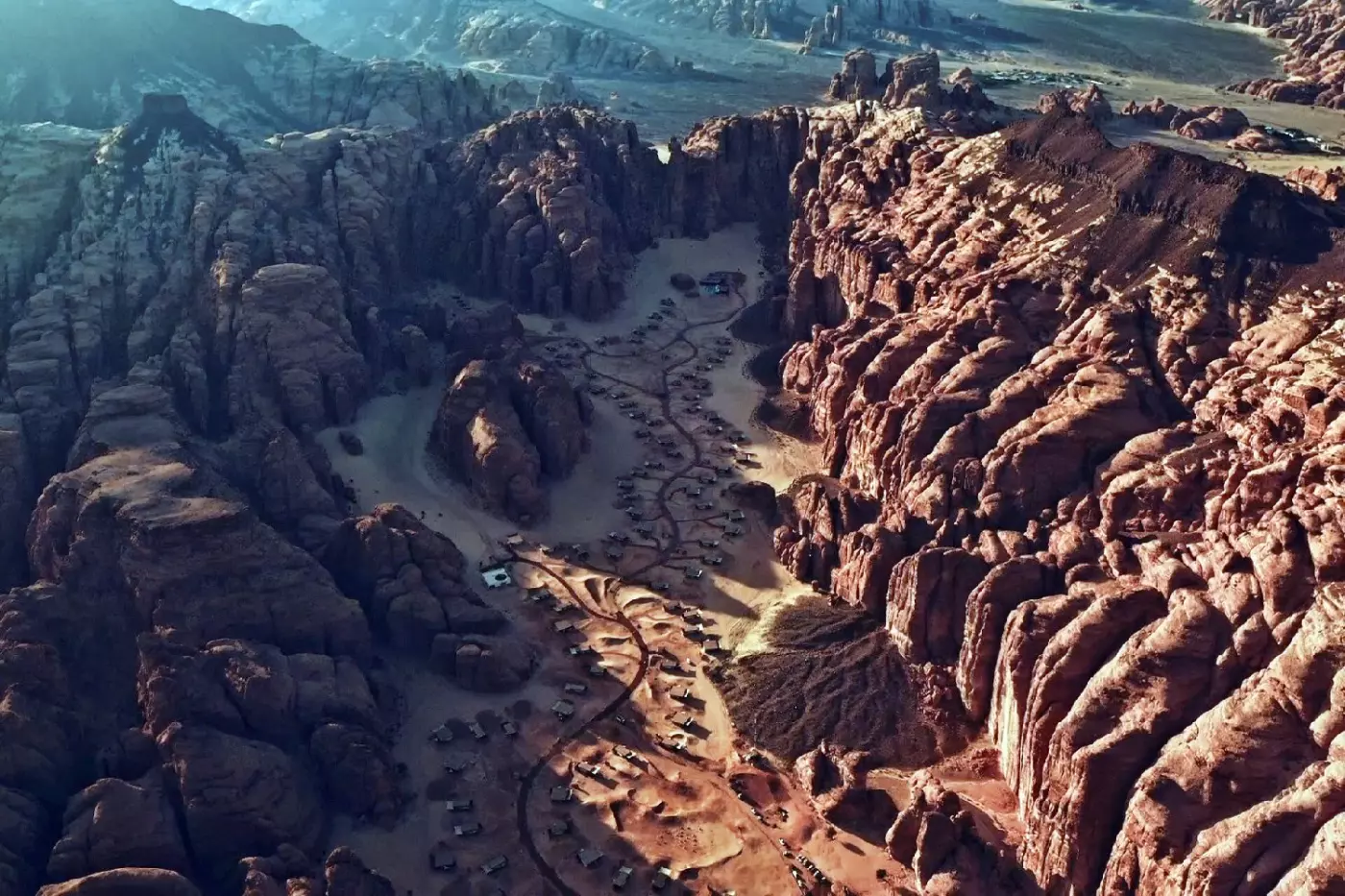
Our Habitas Alula
Prices From 627 USD
+2
More amenities
- Romantic
- Adventure
Sandstone walls set the scale of a stay at Our Habitas AlUla. The resort's villas are spread across the floor of Ashar Valley...
Please choose a hotel or destination from the list.
We couldn’t open your search results. Please try again.
Your private search
Finding exceptional stays
AlUla rewards a stay arranged around its landscape. Sandstone valleys, carved tombs and the oasis offer different ways to understand this part of Saudi Arabia. Give the hotel setting a clear role: a retreat among the rocks should contribute to the journey, with time to enjoy it between carefully chosen heritage visits.
Prices From 627 USD
More amenities
Sandstone walls set the scale of a stay at Our Habitas AlUla. The resort's villas are spread across the floor of Ashar Valley...
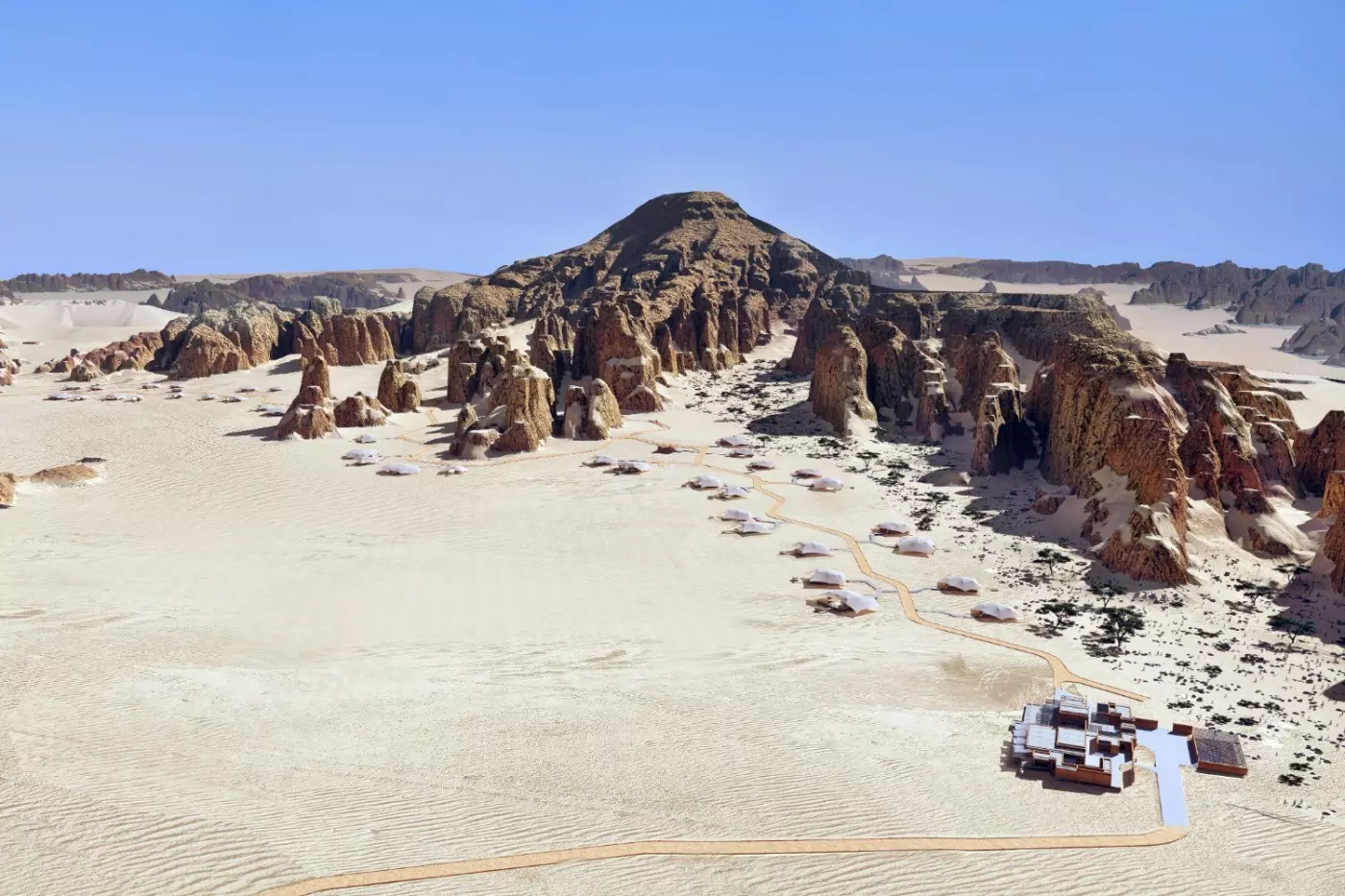
Prices From 794 USD
More amenities
Banyan Tree AlUla is an all-villa desert sanctuary in Ashar Valley. The resort sits among sandstone cliffs, open desert, and...
Ashar Valley makes the desert a daily presence rather than a backdrop seen only on excursions. Banyan Tree AlUla sits within this sandstone setting, where tented architecture keeps attention on the surrounding cliffs. Select this kind of stay when returning to the valley is part of the appeal.
At Hegra, Nabataean tomb façades turn a desert visit into an encounter with an ancient city. Plan a dedicated heritage outing with time to listen and look closely. The carved stone gives this visit a different subject from the surrounding natural landscape.
The oasis and Old Town offer a contrasting setting for understanding settlement and daily life. Monumental tombs, cultivated landscape and streets each explain something distinct. Give the oasis and town their own place in the plan rather than treating them as another archaeological stop.
In the oasis, date palms shelter citrus trees, which in turn protect herbs such as basil and mint. The contrast in height and shade makes this cultivated landscape a rewarding subject for a walk: the greenery has been arranged to sustain crops in the desert. Underground water supports this productive strip between the rocks.
A traveler interested in food traditions can focus on that relationship between cultivation and everyday materials. Dates provide nourishment, while the palms also supply material for baskets, rope, fencing and shelter. Citrus brings oranges, lemons and grapefruit into the agricultural story. This is a living farming landscape, with a reason to explore beyond the town's built heritage.
After choosing the setting, explore the AlUla hotel offers collection.
Jabal Ikmah is known for inscriptions and rock art, making it particularly rewarding for an interest in language and the records people left behind. Hegra’s monumental tombs answer a different cultural question. Choose the inscriptions visit for that subject rather than as a substitute photograph stop.
Dadan introduces the ancient kingdoms that preceded the Nabataean story associated with Hegra. It adds historical depth for travelers who want to understand several chapters of the region, rather than concentrating on a single archaeological period.
No. Elephant Rock is a natural sandstone formation shaped by erosion. Visit for the form of the rock and its desert setting, keeping the distinction clear from the carved architecture of the heritage sites. It is a place to observe rather than climb.
Maraya's mirrored exterior reflects Ashar Valley's sandstone cliffs, making a large contemporary building appear to merge with the desert around it. It is a venue for concerts, events and conferences, with the building's reflective surfaces providing an architectural subject of their own. Choose it for that relationship between a precise modern form and the irregular rock landscape.
Harrat Uwayrid is a volcanic mountain, offering an elevated perspective across the oasis, Old Town and wider valley. It brings the desert's volcanic landform into a journey otherwise concentrated on sandstone. Choose this viewpoint for the way it places the green oasis and settlement within the surrounding terrain, rather than another close view of carved stone.