



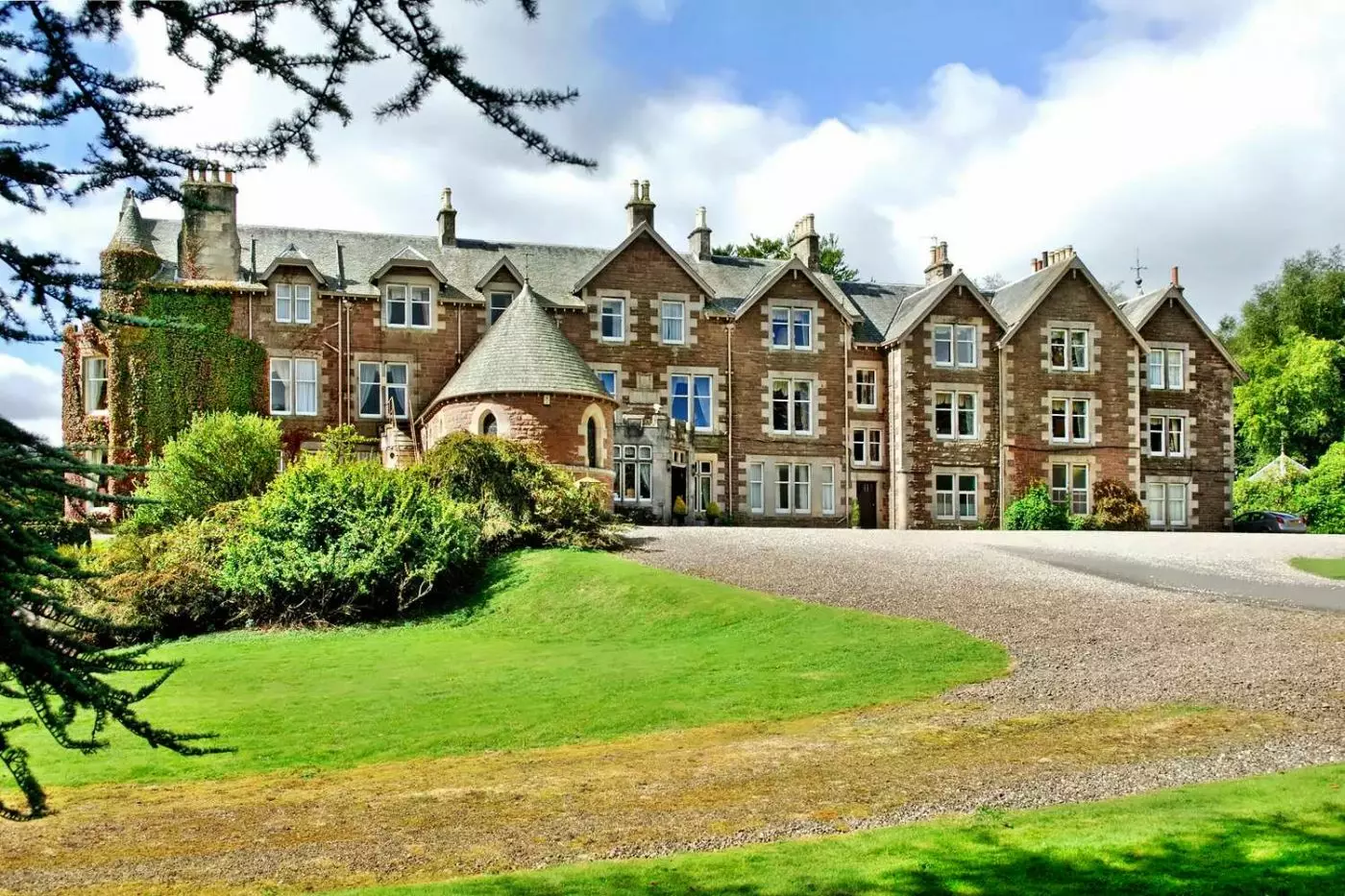
Cromlix
Prices From 402 USD
At Cromlix, the kitchen garden helps shape what comes to the table, and the woodland begins a short walk from the house. This...
Please choose a hotel or destination from the list.
We couldn’t open your search results. Please try again.
Your private search
Finding exceptional stays
Kinbuck suits travellers who want a Scottish country-house stay with cultural interests within the wider journey. Cromlix gives that accommodation search a setting of woodland, gardens and water.
Prices From 402 USD
At Cromlix, the kitchen garden helps shape what comes to the table, and the woodland begins a short walk from the house. This...
Cromlix, by Kinbuck, gives a clear example of the area's country-estate appeal. Woodland, landscaped gardens and a lochan form its rural surroundings.
Dunblane Museum’s communion tokens offer a material introduction to Presbyterian social and religious life. These small objects once identified people judged eligible to receive communion. Some carried a number assigning the holder to a particular sitting at the communion table.
The collection includes early tokens made from lead, copper or tin, in rectangular, circular and less usual shapes. Later examples carry biblical texts or symbols such as vines, lilies and fish. Their inscriptions trace connections with individual parishes, while tokens taken by emigrants link this Scottish tradition with communities overseas.
Deanston, across the River Teith from Doune, introduces a different historical landscape. Its village grew around the cotton mill built in 1785. Workers’ housing developed with the factory, and the surviving rows of houses help explain a settlement shaped by industrial employment.
A lade diverted water from the Teith to drive the mill’s machinery through large waterwheels. The wheels were replaced by other generating equipment in 1949; the cotton mill closed in 1965 and the site became a whisky distillery afterwards.
The wider United Kingdom destination guide places this Scottish country setting within a broader journey.
No. It is a separate village north of Dunblane. A Kinbuck country-hotel address and a room in the town center support different routines. Keep the actual property location in mind when planning outings, especially if the main reason to stay is the rural atmosphere.
The medieval building combines an earlier red-sandstone tower with the later church and surviving choir stalls. It rewards an architectural interest rather than a hurried exterior photograph. It remains a working church, so use current visitor information for the opportunity to explore inside.
Yes. The historic library near Dunblane Cathedral introduces a book-centered interest on a much smaller scale than a major museum. Choose it because that subject appeals to you, and arrange the visit using its current visitor information rather than assuming unrestricted access throughout the day.
It is associated with Robert Stewart, Duke of Albany, and the architecture of a medieval courtyard castle. Its great hall and domestic spaces help explain how power and hospitality were expressed. That historical subject gives the visit substance beyond recognizing a familiar filming location.
The Allan Water runs through Dunblane, with the cathedral on its eastern side. It gives a town visit a geographical reference beyond the buildings themselves. Select a particular walking route for the conditions of the day rather than assuming every riverside stretch is an identical outing.