



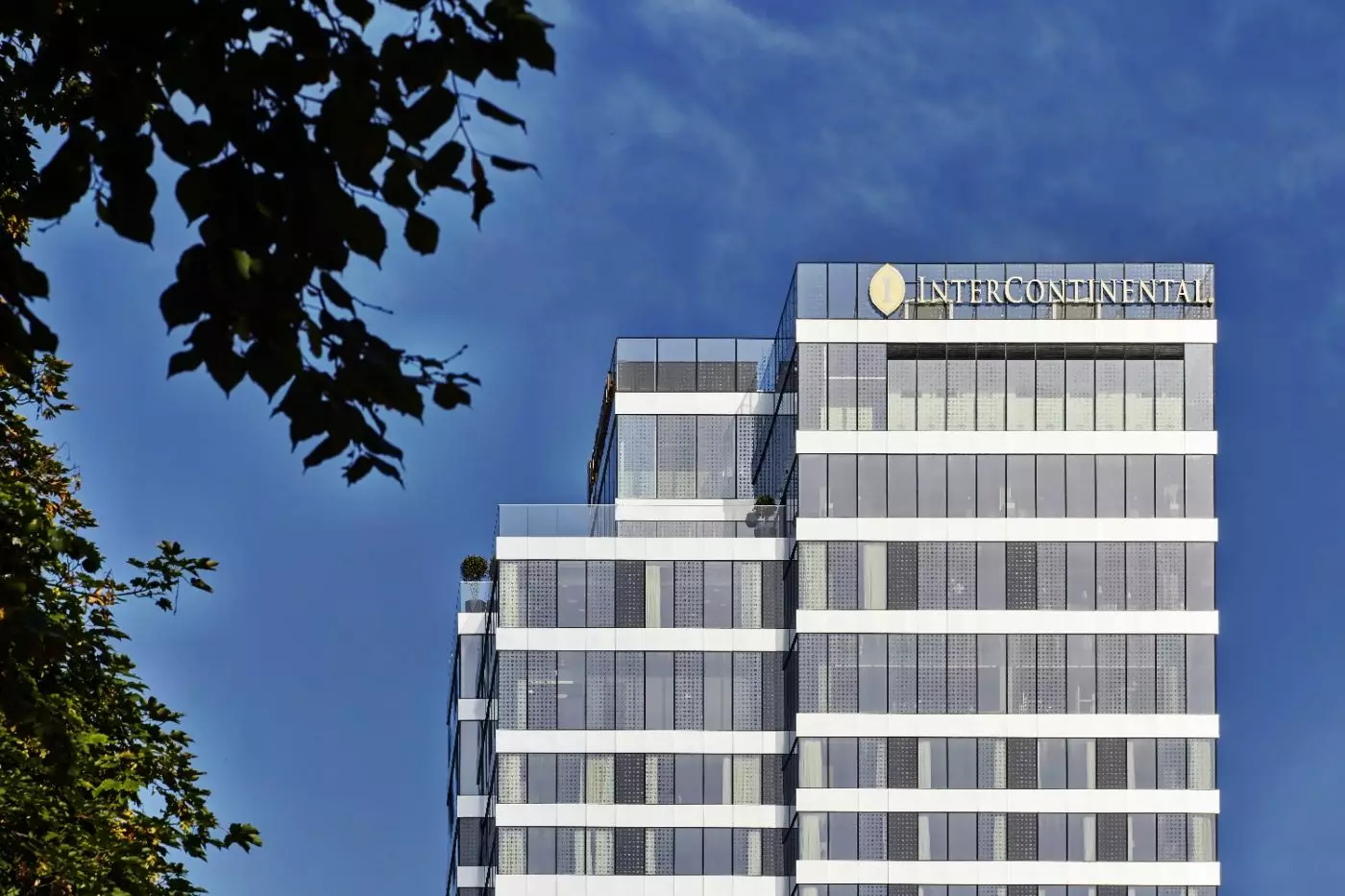
InterContinental Ljubljana
Prices From 246 USD
+3
More amenities
- Wellness
- Culture
- City Vibe
InterContinental Ljubljana changes the scale of a stay in Slovenia's capital. The city is known for river walks, small boutiq...
Please choose a hotel or destination from the list.
We couldn’t open your search results. Please try again.
Your private search
Finding exceptional stays
Slovenia brings together the Alps, the Adriatic and wine country. Ljubljana feels creative and relaxed, while Lake Bled and the Julian Alps open into clear air and green calm. Choose the contrast you want, then give each setting time to make its own impression.
Prices From 246 USD
More amenities
InterContinental Ljubljana changes the scale of a stay in Slovenia's capital. The city is known for river walks, small boutiq...
Alpine landscapes, the Mediterranean coast, the Karst and the eastern plains create different travel experiences. Ljubljana and Lower Carniola provide the hotel bases in our collection, with the lakes, coast and wine regions adding further directions for a wider Slovenian journey.
For an urban introduction, Ljubljana gives the holiday a lively centre. River walks and architecture make the capital a rewarding city stay. InterContinental Ljubljana offers a contemporary hotel base for these urban outings.
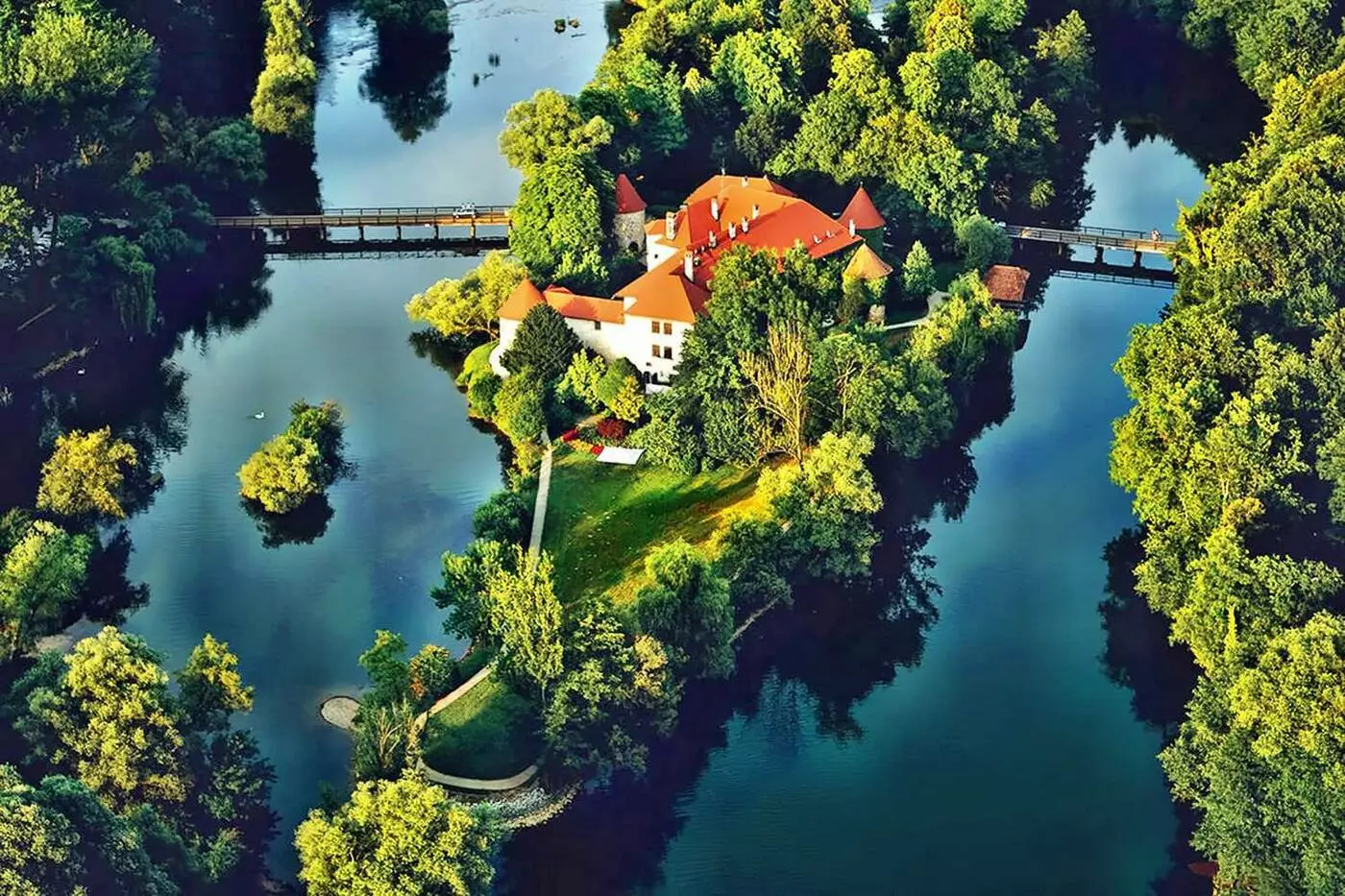
Otocec Castle Hotel presents a different idea of a Slovenian stay: a castle setting on an island in the Krka River, in the green Lower Carniola countryside. Pair it with the capital when the appeal lies in the change from urban culture to a quieter landscape. The Krka River and surrounding countryside become part of the stay itself.
For a journey led by outdoor scenery, Lake Bled, Lake Bohinj and the Julian Alps offer a further direction. An Alpine visit can focus on lakeside scenery or extend into a walking holiday in the surrounding mountains. The latter calls for a mountain-based itinerary beyond a brief excursion from the capital.
The coast introduces another mood. Piran’s historic streets and Portoroz’s resort atmosphere should not be treated as identical simply because they belong to Mediterranean Slovenia. Choose the former for a town-oriented cultural visit and consider the latter when a resort rhythm matters.
Goriska Brda and the Vipava Valley offer a wine-country subject distinct from the capital or coast. Include either for vineyard landscapes and local food, alongside the distinct urban, Alpine or coastal part of the trip.
Season shapes the balance between these regions. Mountain walking depends on Alpine conditions, while a city stay can give more time to architecture and food when outdoor plans change. A coastal visit brings another weather setting into the same national itinerary.
Joze Plecnik left a defining mark on the capital’s public spaces and architecture. Exploring his work gives a city walk a coherent subject. It is especially useful for travellers who prefer understanding a place through design rather than simply visiting a list of monuments.
They connect the coast with a tradition of salt production in a landscape-park setting. Choose the visit for the relationship between people, water and working landscape; it adds a different perspective from a historic town walk.
No. Slovenia’s Karst has a distinctive underground landscape, including Postojna and Skocjan caves. Give a cave experience its own place in the journey if geology interests you, rather than treating it as an incidental pause en route to the sea.
Bled combines its lake with an island church and a castle above the water, making architecture part of the lakeside experience. Bohinj lies within Triglav National Park in a basin shaped by a glacier. Bled suits an interest in monuments beside the lake; Bohinj places the surrounding mountain landscape at the centre of the visit.
Ptuj Castle houses collections of the Ptuj–Ormož Regional Museum, including musical instruments, traditional carnival masks and folk costumes. The instruments offer a specific cultural reason to explore this eastern Slovenian town. Its hilltop castle also looks over tiled roofs and streets, combining a museum visit with the town’s setting.