



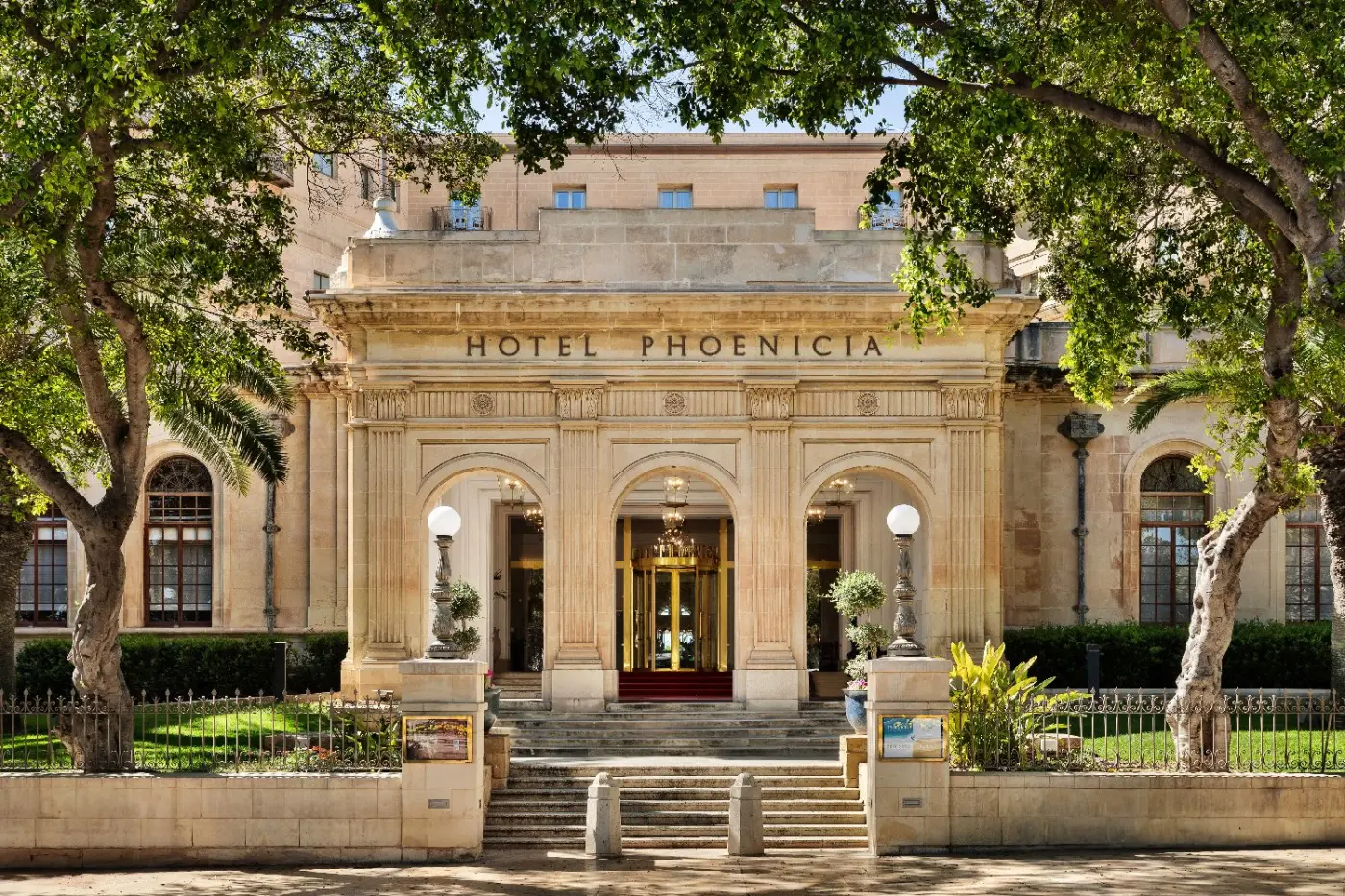
The Phoenicia Malta
Prices From 300 USD
+3
More amenities
- Sauna
- Culture
- City Vibe
The Phoenicia Malta is a landmark five-star hotel at the gateway to Valletta, set just outside the city walls in Floriana. It...
Please choose a hotel or destination from the list.
We couldn’t open your search results. Please try again.
Your private search
Finding exceptional stays
Valletta gives a hotel stay a strong city purpose: time among its streets, cultural interiors and harbour-facing edges. Choose the immediate setting as carefully as the accommodation. A Floriana address, a position above the Grand Harbour and a historic street inside the capital bring different surroundings into each return. Leave enough time in the city for those distinctions to matter.
Prices From 300 USD
More amenities
The Phoenicia Malta is a landmark five-star hotel at the gateway to Valletta, set just outside the city walls in Floriana. It...
Prices From 577 USD
More amenities
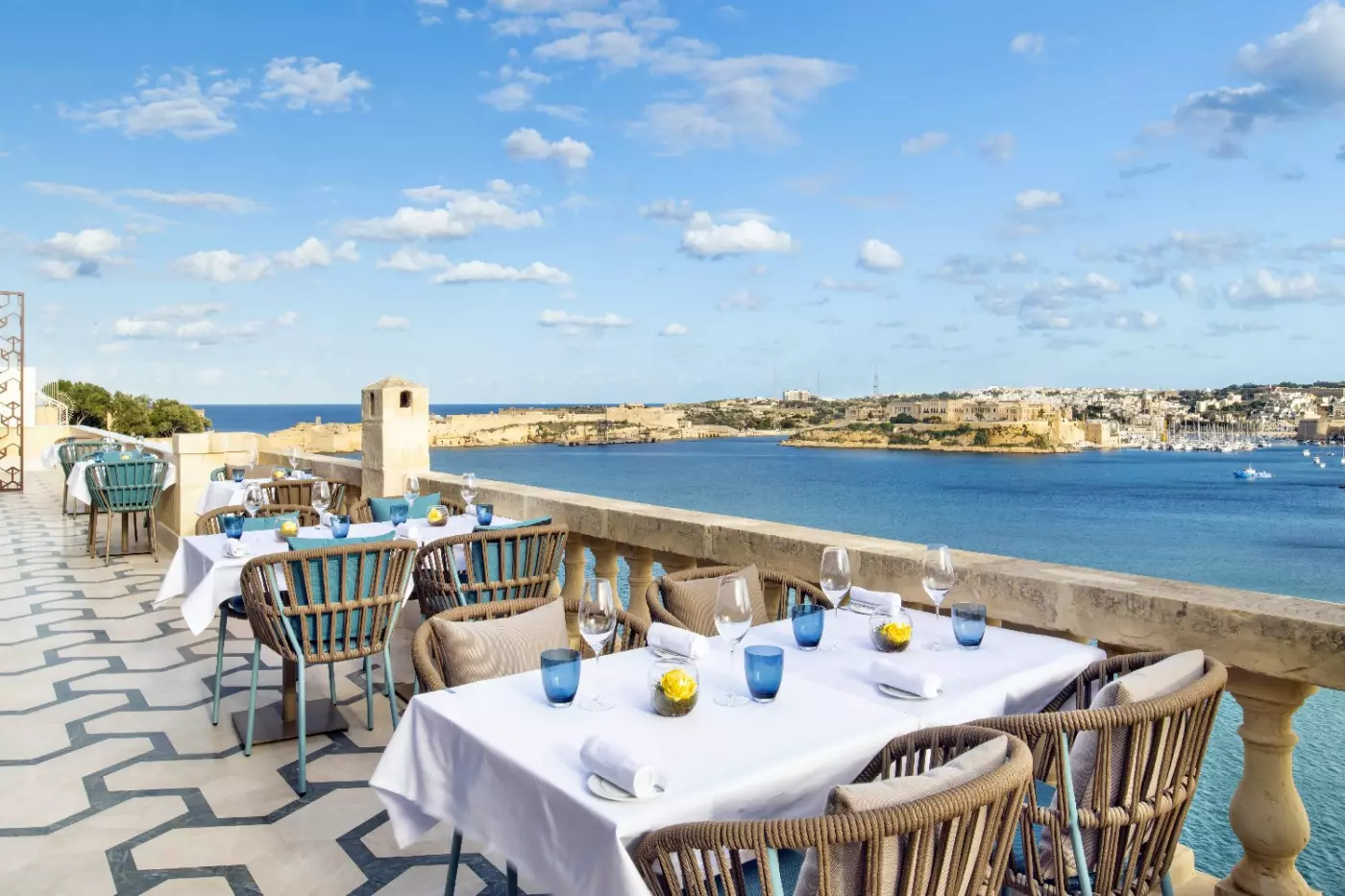
Iniala Harbour House sits on St Barbara Bastion in Valletta, looking across Malta's Grand Harbour toward the historic Three C...

Prices From 295 USD
Rosselli AX Privilege brings five-star boutique hospitality into one of Valletta's most atmospheric streets. The hotel occupi...
The Phoenicia Malta has its address at The Mall in Floriana. Iniala’s Harbour House occupies St Barbara Bastion above the Grand Harbour, while AX Rosselli stands on Merchants Street. These addresses do not give every hotel the same waterfront position. Confirm the actual building attached to the accommodation you select, especially where a hospitality collection extends across several properties.
For a cultural stay, decide whether a street within the city or a broader arrival-side setting best fits your plans. An outlook over the harbour may be central to how you want to enjoy the accommodation; a street address may appeal because the surrounding townscape belongs in each day. Keep that preference distinct from assuming a particular view from every room.
Upper Barrakka Gardens provide a perspective across the Grand Harbour and the Cottonera area. Give that outlook time: it helps make sense of the relationship between the fortified city and the settlements facing it. Choose it as a place to observe the larger setting, rather than treating every visit as a brief stop before another interior.
Keep the upper city and water level distinct when arranging the day. Transport Malta identifies the Barrakka Lift connection between Upper Barrakka and Lascaris Wharf. Check the current operation and the actual onward journey if that connection matters, without making a hotel choice around an assumed uninterrupted service.
Renzo Piano's Parliament building at the city entrance introduces a contemporary use of Malta's stone. Two large volumes clad in Gozitan natural stone stand above recessed supports, with a central courtyard between them. Openings and transparent glazing at street level retain views toward the older fortifications, including Saint James Cavalier.
The Malta destination guide covers national combinations and island choices.
St John’s Co-Cathedral is associated with Caravaggio’s The Beheading of St John the Baptist. Choose the visit for that painting and its religious setting rather than treating it as a general art-gallery stop. Consult the current collection and visitor arrangements, and allow time for the work instead of assuming every part of the complex is available without restriction.
The fort houses the National War Museum, which explores Malta’s military history from prehistory to the twentieth century. Choose it for that historical narrative, rather than only a coastal photograph. Decide how much of the museum’s subject interests your party and check the current route and presentation before building the surrounding day around it.
Teatru Manoel gives the city a historic performance setting with a continuing cultural role. Begin with the current programme and choose a production that interests you, confirming its language, format and venue before reserving. A wish to see the theatre interior is a different request from attending a performance; check those arrangements separately.
Casa Rocca Piccola is a sixteenth-century palace associated with the de Piro family, with rooms and collections that introduce a family perspective on Valletta. Choose it for that domestic scale of history rather than a state-palace presentation. Book the current visitor format without expecting a personal encounter with the family as part of every visit.
The Malta Postal Museum on Archbishop Street explores postal history through documents and objects. Stamps also provide a compact way to consider the islands’ art, architecture and historical themes. Choose it when communication and everyday connections interest you, checking the current presentation rather than assuming a particular collection item or temporary exhibition will be visible.