



Glenlo Abbey Hotel & Estate
Prices From 323 USD
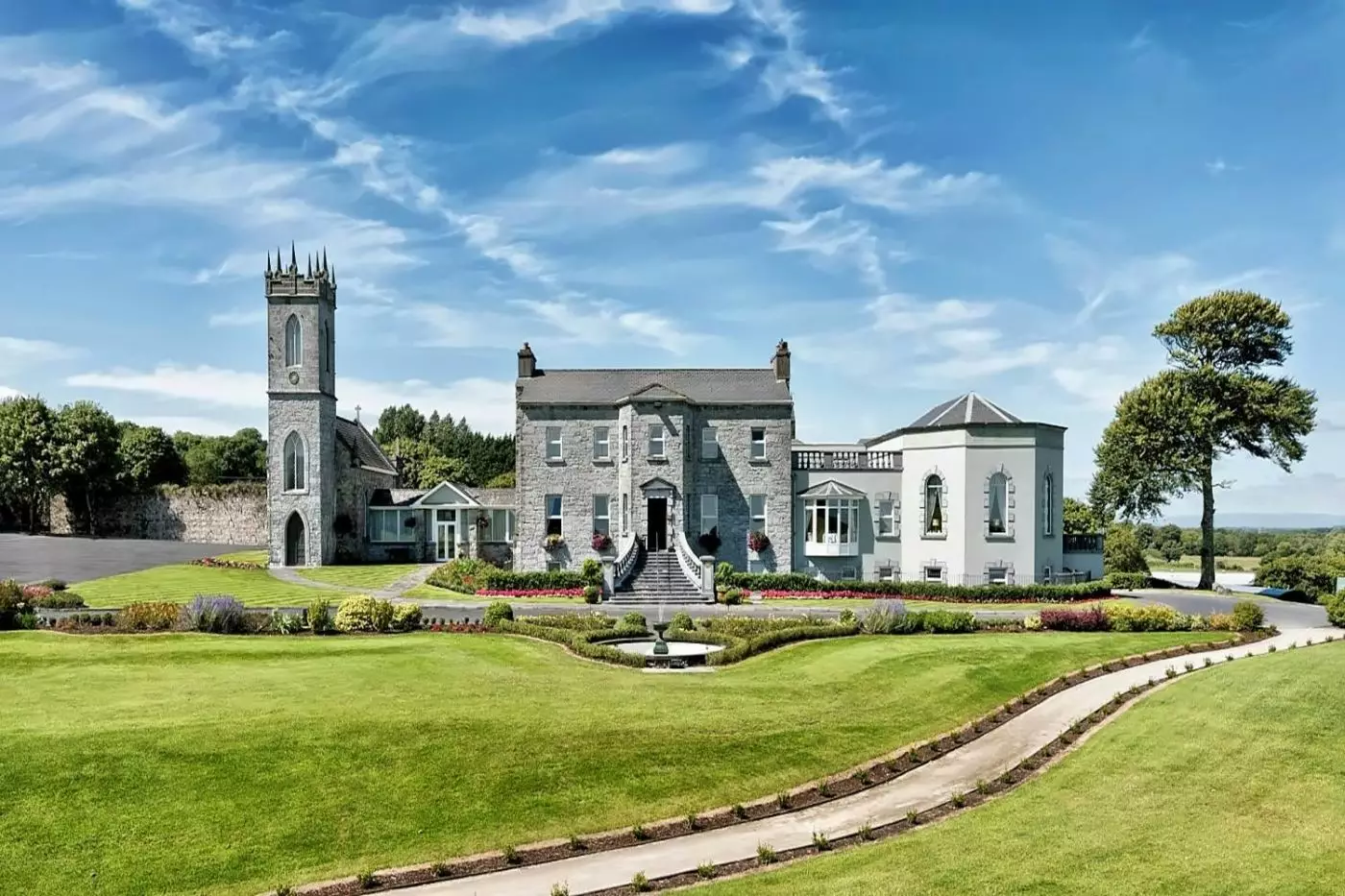
Glenlo Abbey Hotel & Estate brings a country-house stay within a short drive of Galway. In Bushypark, its 138 acres stretch t...
Please choose a hotel or destination from the list.
We couldn’t open your search results. Please try again.
Your private search
Finding exceptional stays
Choose Galway luxury hotels by the part of the west you want to inhabit. The city offers streets shaped by trade, a lively cultural scene and evenings around its central lanes. The wider collection reaches from the Lough Corrib edge to Galway Bay and deep into Connemara. These settings serve different visits; a county address does not make every hotel a city base.
Prices From 323 USD
Glenlo Abbey Hotel & Estate brings a country-house stay within a short drive of Galway. In Bushypark, its 138 acres stretch t...
Prices From 363 USD
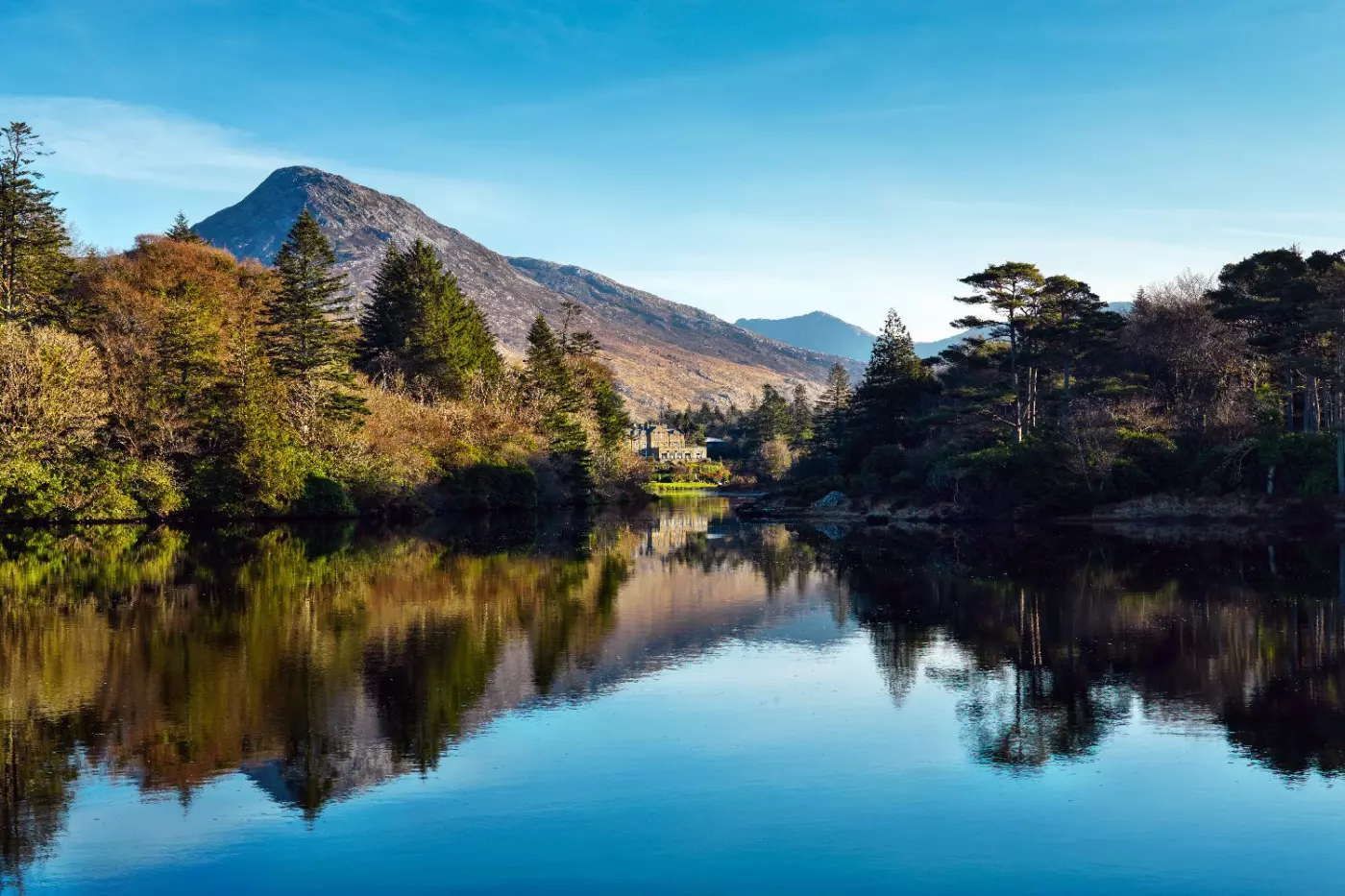
Ballynahinch Castle is a country house hotel in Connemara, set on a large private estate in County Galway. The house stands b...
Prices From 357 USD
More amenities
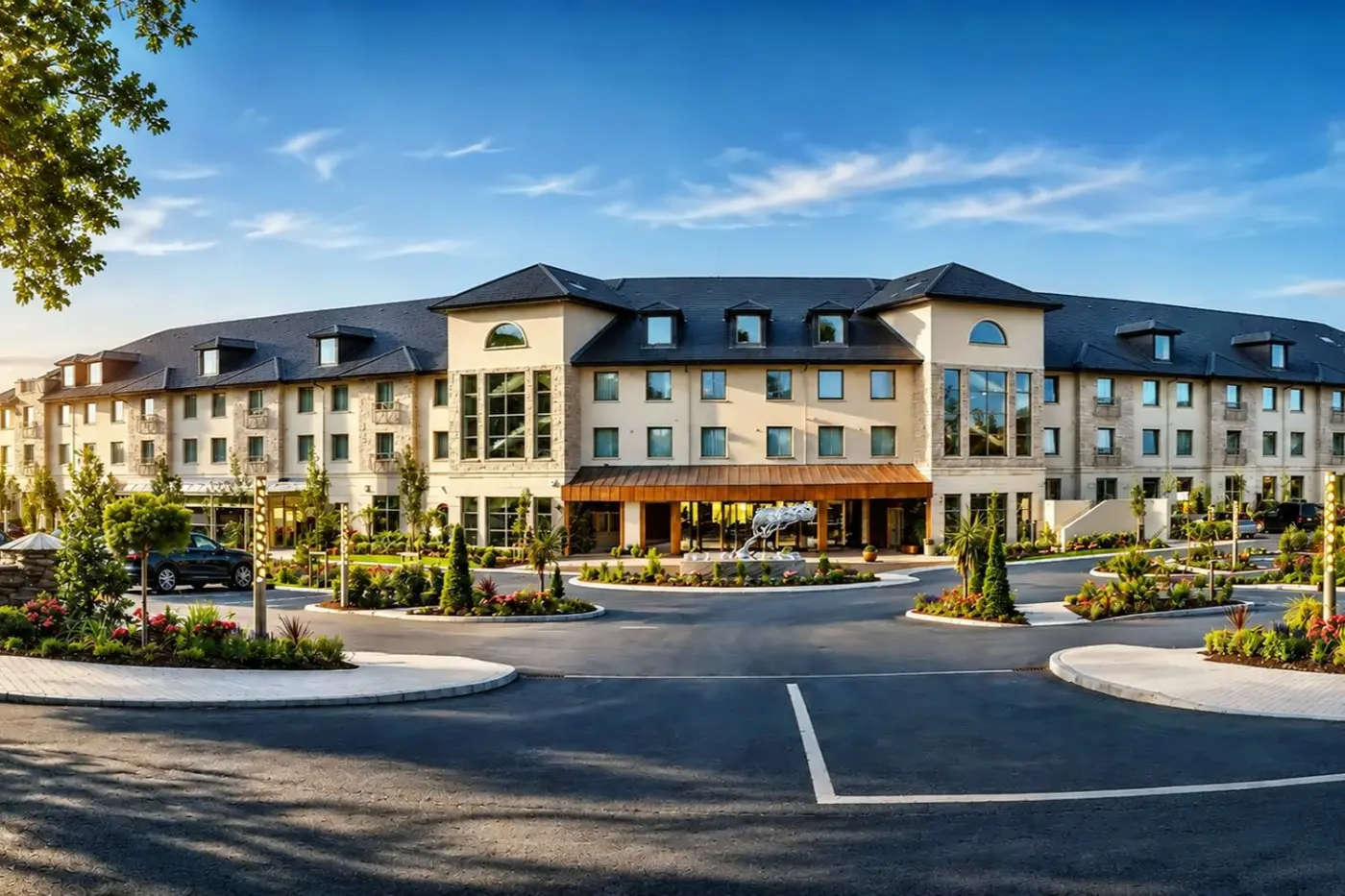
The Hawthorn by Galway Bay occupies a quiet headland at Renville Point in Oranmore, with the Atlantic, the Burren, and Galway...
Reserved for You
Quay Street and the surrounding central streets suit a visit built around browsing, restaurants and live culture. A county hotel and accommodation among the central streets are different purchases.
The River Corrib gives the city another orientation, connecting its urban character with the water. Combine time around the central lanes with a riverfront outing instead of treating Galway simply as a departure point for the west.
Bushypark lies on the Lough Corrib side of the Galway collection, with Glenlo Abbey illustrating an estate setting beside the lake. It suits a brief that combines a country atmosphere with a planned city visit. The Hawthorn by Galway Bay has a different address at Renville, Oranmore, on the bay side. Choose the waterside setting you want rather than assuming that lake and bay refer to the same place.
Recess places a stay within Connemara rather than within Galway city. Ballynahinch Castle illustrates this western estate choice, where the surrounding country setting can anchor the visit. Use it when the landscape should shape the day, with city culture arranged as a separate chapter rather than an assumed neighborhood outing.
Near Clifden, Derrigimlagh gives the Connemara landscape a particular technological history. The bog was the landing place of Alcock and Brown's first non-stop transatlantic flight. Beside the landing area, concrete foundations mark Marconi's former radio station, which sent early commercial wireless messages across the Atlantic.
The Ireland destination guide covers the broader regional journey.
Galway City Museum explores the former fishing community through its history and visual records. The Claddagh developed on the western shore of the Corrib mouth outside medieval Galway. Choose this subject when you want the people and working life behind the familiar name, rather than only a jewelry-shopping stop. Check the museum’s current displays when arranging the visit.
Brigit’s Garden at Rosscahill has four gardens representing the Celtic festivals of Samhain, Imbolc, Bealtaine and Lughnasa. Woodland and meadow surroundings make it a different outing from a formal house interior. Give the garden its own place in the day if planting and cultural symbolism interest you; confirm the visitor arrangements separately.
Kylemore combines Gothic-style abbey architecture with a Victorian walled garden in County Galway. It suits travelers who want built heritage and designed landscape together. Decide which parts interest your party before arranging the outing, and consult the current visitor information rather than assuming that every element follows the same access arrangements.
Dan O’Hara’s Heritage Centre at Lettershea near Clifden interprets the life of a nineteenth-century tenant farmer and his emigration. The homestead and historical presentation give human context to the landscape. Choose it for rural history rather than treating it as another scenic viewpoint; arrange any particular guided element separately.
Yes. Its interior brings together mosaics, sculpture and stained glass, including work by Patrick Pollen, Imogen Stuart and George Campbell. It offers a focused sacred-art subject alongside the city’s secular culture. Plan respectfully around worship and confirm visitor access for the intended time rather than assuming uninterrupted sightseeing access.