



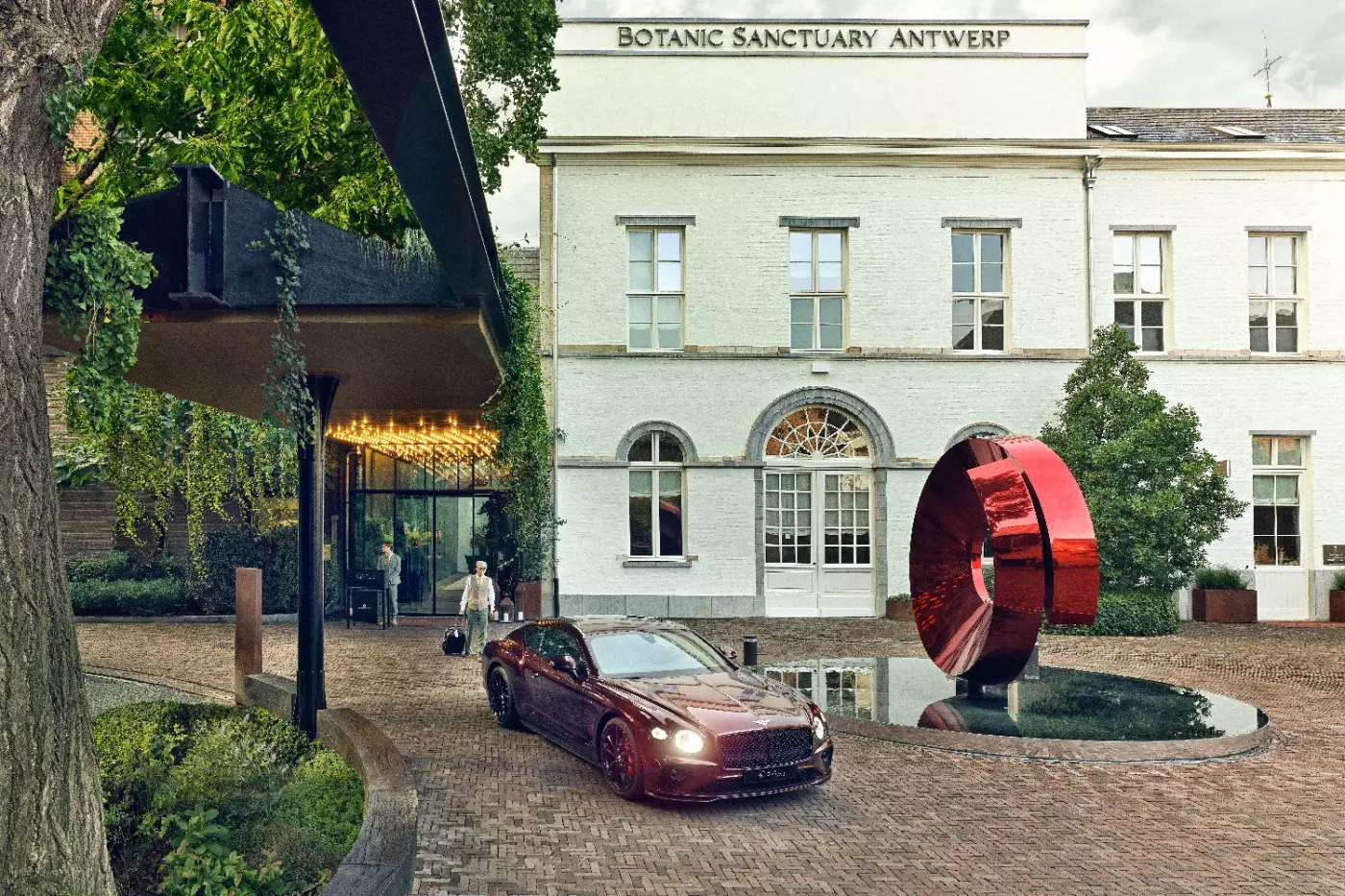
Botanic Sanctuary Antwerp
Prices From 467 USD
+2
More amenities
- Wellness
- City Vibe
Botanic Sanctuary Antwerp is a 5-star superior hotel in the historic heart of Antwerp, Belgium. It sits within restored herit...
Please choose a hotel or destination from the list.
We couldn’t open your search results. Please try again.
Your private search
Finding exceptional stays
Antwerp's historic centre gives a luxury city stay an architectural subject alongside its creative culture. Botanic Sanctuary Antwerp provides the accommodation reference. At the Grote Markt, the Town Hall and guild houses offer different details to examine within one public square.
Prices From 467 USD
More amenities
Botanic Sanctuary Antwerp is a 5-star superior hotel in the historic heart of Antwerp, Belgium. It sits within restored herit...
Reserved for You
Botanic Sanctuary Antwerp supplies the accommodation base on Lange Gasthuisstraat. Its retreat, gastronomy and spa character suits travellers who want the hotel to contribute to the city break, alongside Antwerp's architecture and creative culture. The Grote Markt gives the historic part of the visit a clear focus away from the hotel.
Build an old-town outing around the square's civic and guild history. Its Town Hall and guild houses tell different parts of that story within one setting, making this a coherent starting point before a separate museum or neighbourhood outing.
Antwerp's Town Hall was built in the sixteenth century. Architect Cornelis Floris de Vriendt combined traditional forms with innovative elements drawn from the Italian Renaissance. This gives an architectural visit a clear design subject within the larger scene of the Grote Markt.
Make the Town Hall the anchor for an interest in Renaissance architecture. The guild houses around the square add the commercial and trade organisations that helped shape Antwerp, rather than another version of the same civic building.
The houses around the Grote Markt belonged to guilds and trades, whose patron saints formed part of their identity. On the Pand van Spanje at number 7, Saint George is shown confronting a dragon. That figure supplies a particular detail to look for among the facades.
Include these houses for the city's trade history and decorated streetscape. This pairing of civic architecture and guild identity gives a historic-center visit substance without turning every outing into an architectural circuit. Return to the hotel for the retreat side of the stay, or extend the journey through our Belgium destination guide.
Its collection focuses on Belgian designers and alumni of Antwerp’s fashion academy, alongside clothing, textiles and material connected with their making. It offers context for the creative identity encountered in the city’s shops, rather than simply another shopping destination.
It centres on printing history and the family and business behind an important historic publishing house. Choose that subject if books, craft or the circulation of ideas appeal to you. Treat the museum’s current visiting arrangements separately from its enduring cultural significance.
The MAS connects Antwerp’s history with shipping, international trade and cultures around the world. Its maritime collections help explain the city through the movement of goods and its overseas connections. Choose it for that wider port-city story, alongside the guild and civic architecture around the Grote Markt.
Cogels-Osylei forms the central avenue of Zurenborg’s Berchem quarter. The houses, front gardens and matching iron railings create a residential streetscape with its own character. An outing here shifts attention from the Grote Markt’s public square to the way homes and gardens were arranged along a street.
It follows the people who travelled from Europe through Antwerp to North America. Passenger stories, letters, photographs and personal objects give migration a human scale, from departure to arrival in a new country. This is a different port-history interest from shipping and trade: the central question is what leaving home meant to the travellers.