



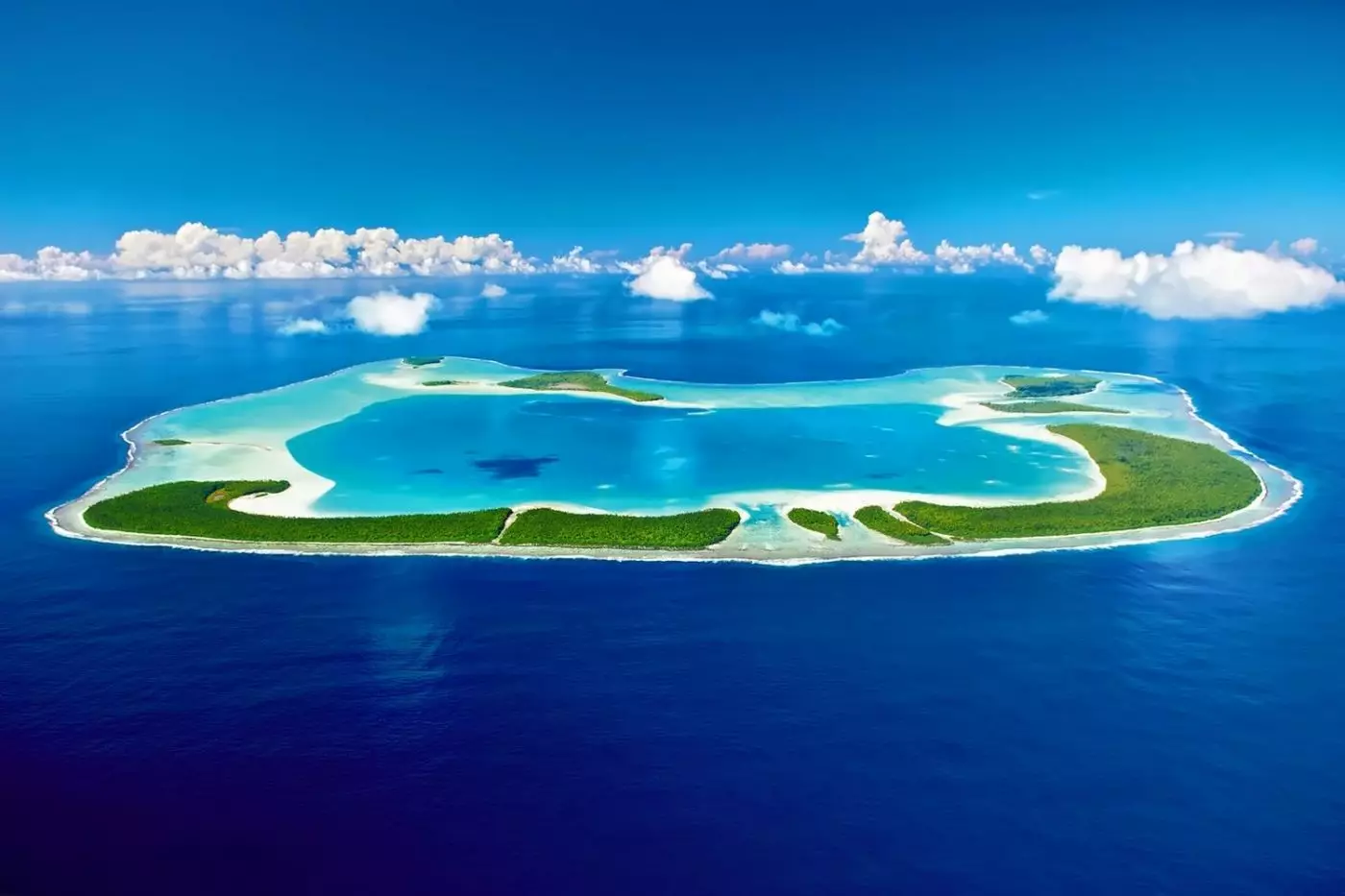
The Brando
Prices From 3’791 USD
+4
More amenities
- Sauna
- Beach
- Romantic
- Sustainable
The Brando occupies Onetahi, one of the motu around Tetiaroa's lagoon north of Tahiti. This is a French Polynesian stay shape...
Please choose a hotel or destination from the list.
We couldn’t open your search results. Please try again.
Your private search
Finding exceptional stays
Onetahi is a motu within Tetiaroa, giving a French Polynesian stay a low-lying atoll setting. The Brando places private villas within that landscape. The accommodation, lagoon and wider ecological context give the island several distinct subjects to consider when describing the visit you want.
Prices From 3’791 USD
More amenities
The Brando occupies Onetahi, one of the motu around Tetiaroa's lagoon north of Tahiti. This is a French Polynesian stay shape...
Reserved for You
The Brando supplies Onetahi's accommodation base. Tetiaroa's low islands and lagoon offer a very different landscape from the mountain interiors of Tahiti and Moorea. Choose this part of a French Polynesian journey for the reef, shore and island ecology, with natural history giving the stay substance beyond the beach.
The motu are formed from coral-reef material deposited on the reef flat. This gives a shore walk a geological dimension: the land is part of a living reef system, rather than the visible summit of a volcanic mountain. Tetiaroa's volcanic foundation lies underwater; the low islets and lagoon are the landscape experienced above it.
Coconut groves also record human use of the atoll. Former copra plantations left unusually dense stands of palms, and forest restoration considers how native trees can regain space. Reiono retains substantial native vegetation, including tall Pisonia grandis. A forest-focused interest here is about the difference between an agricultural legacy and native island woodland, not simply a green backdrop to the sand.
Tetiaroa Society's research connects land, lagoon and outer reef. Fish-community monitoring compares the lagoon with the outer reef slopes, while restoration research examines how removing invasive species affects island organisms and their environment. These are different strands of conservation, from underwater habitats to the land's ecological recovery.
The French Polynesia destination guide places this atoll stay alongside the archipelago's volcanic-island landscapes.
Onetahi is one motu within the Tetiaroa atoll. The names refer to different geographical scales. Understanding that relationship helps identify the accommodation location without treating every island or islet in the atoll as an interchangeable hotel address.
Choose the actual accommodation concept rather than a general French Polynesian image. The Brando’s beach-set villas offer an island retreat on land. If sleeping over the water is essential, compare that preference with other island accommodation before settling on the destination.
Yes. Tetiaroa supports important bird colonies, making the land habitat a worthwhile subject as well as the surrounding water. Approach observation patiently and without expecting a particular sighting. The ecological context is useful even when wildlife remains at a distance.
Ancient maite cultivation pits in the centre of the motu show that food production was part of life on Tetiaroa, alongside the use of marine resources. This adds a domestic and agricultural perspective to the atoll’s royal associations and sacred sites. It is a useful historical interest beyond the image of an uninhabited island retreat.
Polynesian weaving, music and cooking bring living traditions into the island experience. Weaving makes materials and hand skills the focus, while singing and playing instruments explore another form of cultural expression. Choose the tradition that interests you as a complement to natural history, without making a temporary event the reason for the trip.