



Thompson Seattle
Prices From 217 USD
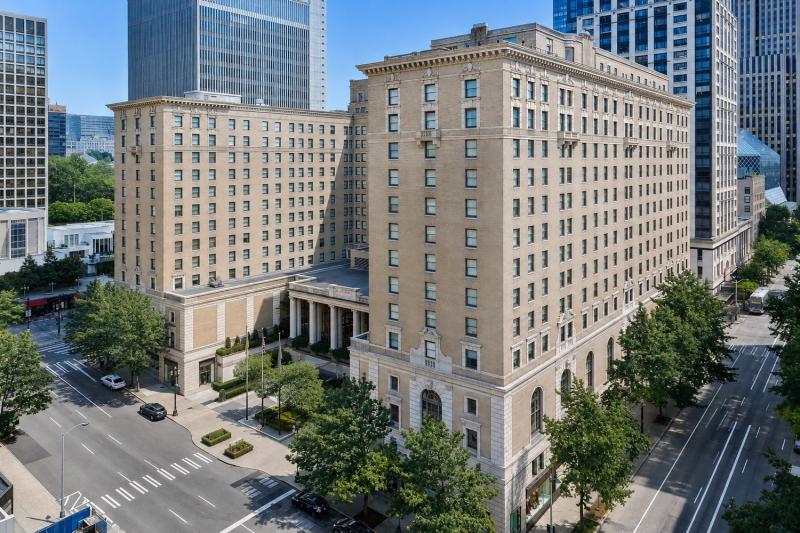
At 110 Stewart Street, Thompson Seattle is close enough to Pike Place Market that the neighborhood sets the day's rhythm. The...
Please choose a hotel or destination from the list.
We couldn’t open your search results. Please try again.
Your private search
Finding exceptional stays
Seattle and Bellevue provide the hotel bases in this Washington State collection. Seattle’s waterfront and cultural visits can begin a wider journey, while an island stay, an eastern wine-country trip and time in the mountains each call for a different route. Start with the city base that fits your plans, then choose the landscape or experience you want to give a separate stage.
Prices From 217 USD
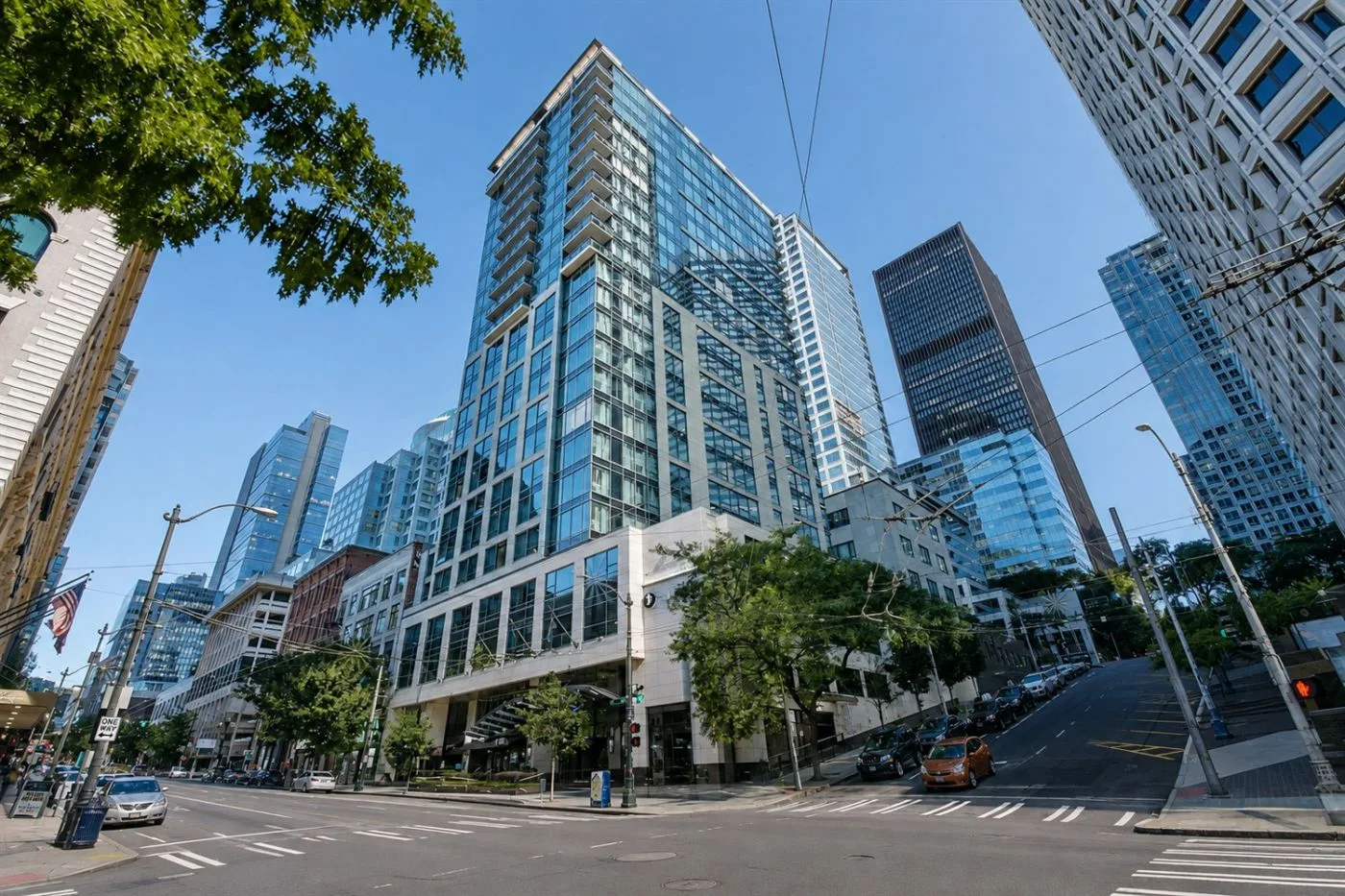
At 110 Stewart Street, Thompson Seattle is close enough to Pike Place Market that the neighborhood sets the day's rhythm. The...
Prices From 243 USD
Hotel 1000 Seattle sits at First Avenue and Madison Street, close to the waterfront, Pike Place Market, the Seattle Art Museu...

Prices From 324 USD
More amenities
Fairmont Olympic Hotel brings Seattle's grand-hotel tradition into the middle of a working downtown. Opened in 1924, the land...
Prices From 255 USD
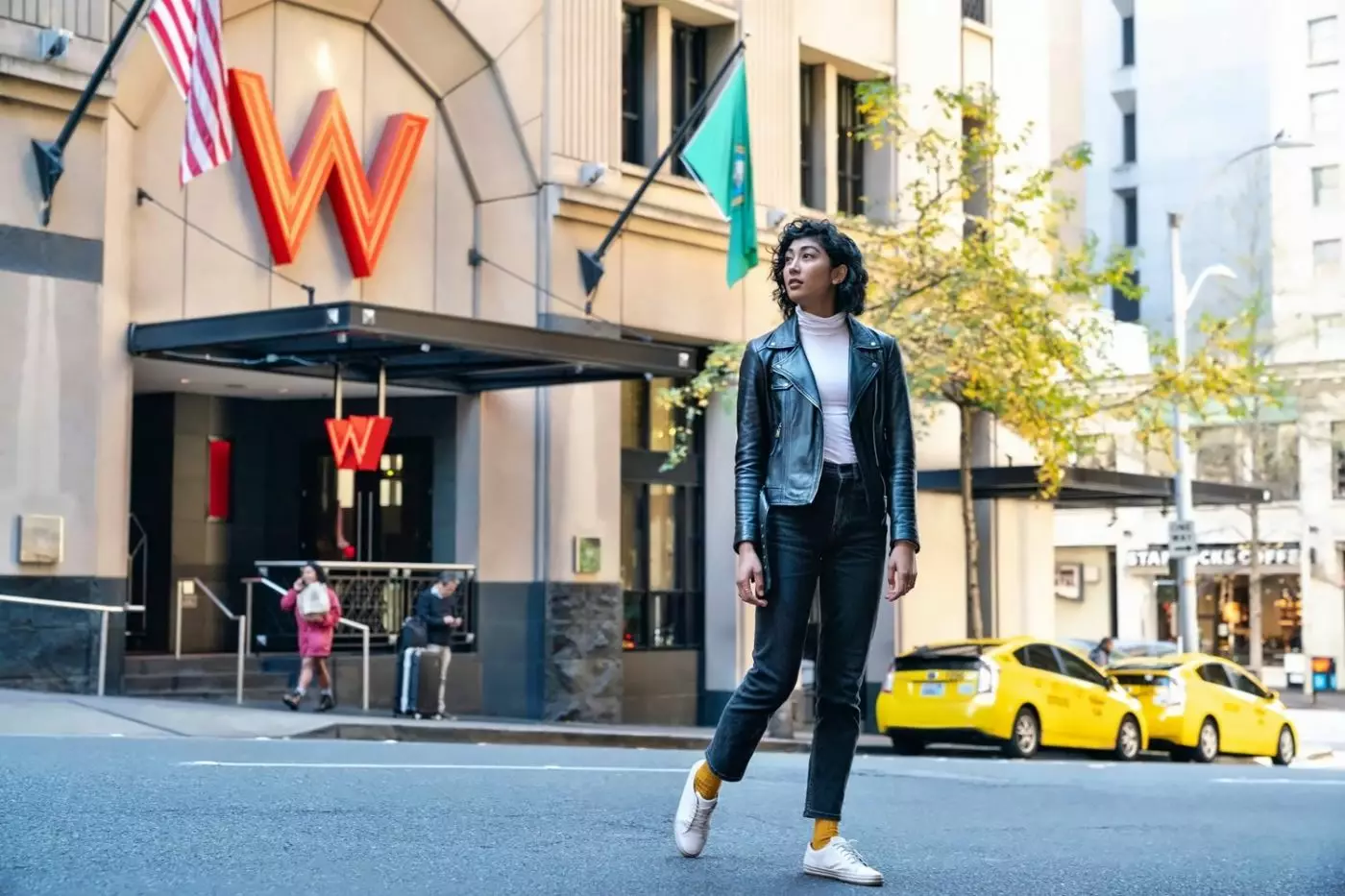
W Seattle sits at 1112 4th Avenue in the heart of downtown Seattle, close to the Seattle Central Library, Pike Place Market,...
Prices From 477 USD
More amenities
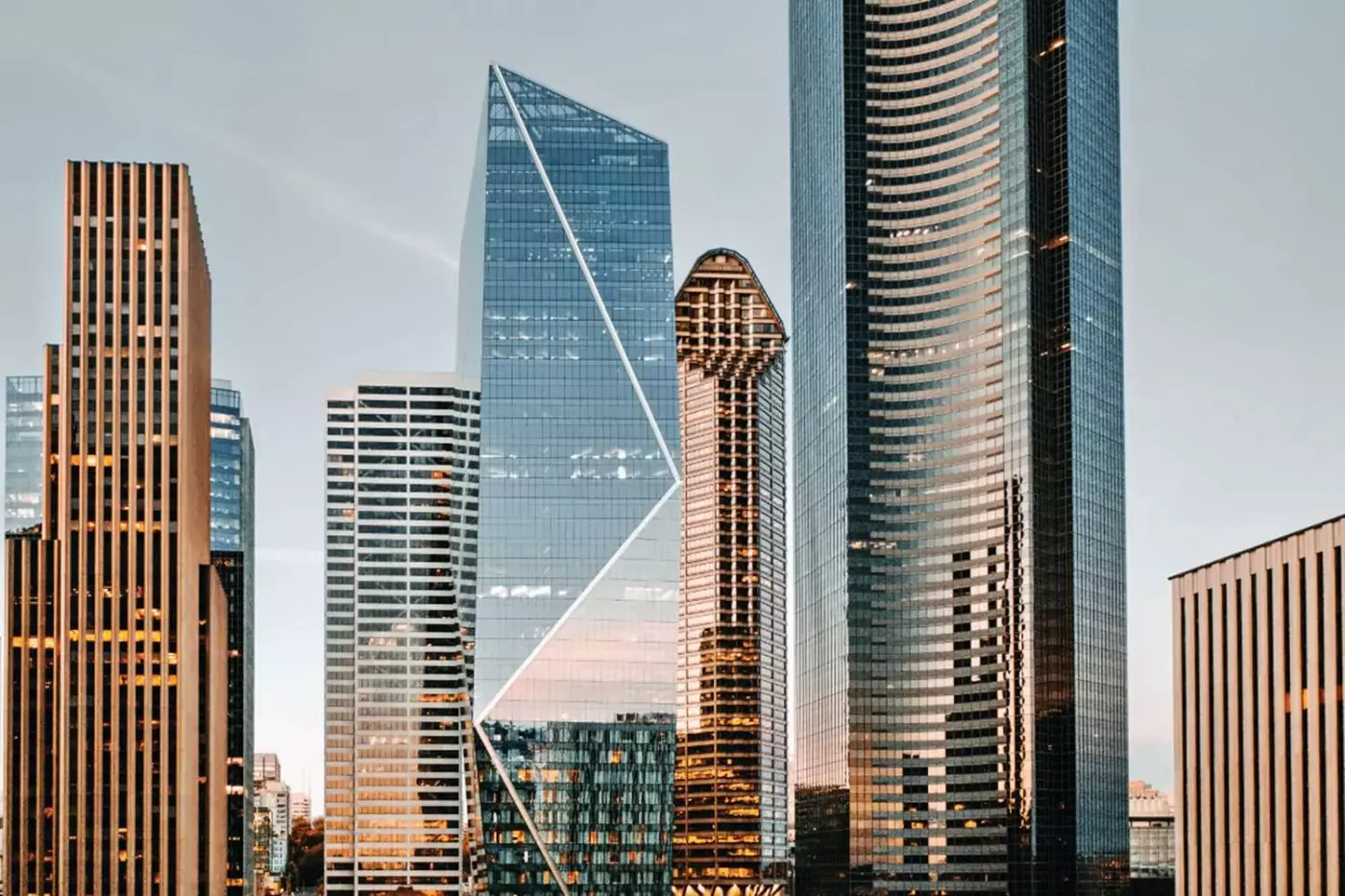
Lotte Hotel Seattle is the downtown choice for travellers who want Seattle to feel sharper than a standard business hotel sta...
Prices From 452 USD
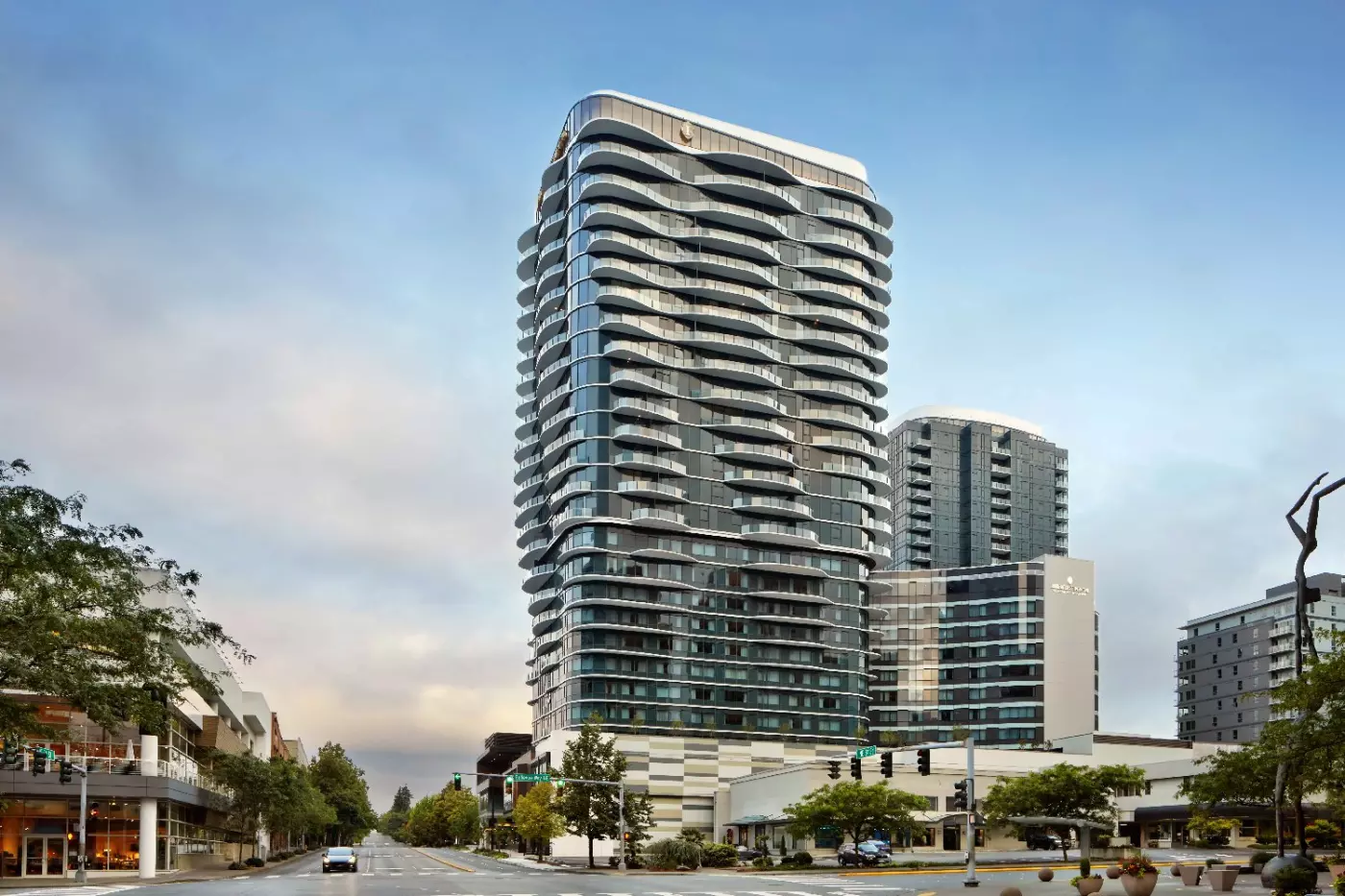
InterContinental Seattle Bellevue is best understood as an Eastside power address, not a classic Seattle sightseeing hotel. I...
Reserved for You
Build a Seattle visit around the relationship between downtown and the waterfront. Pike Place Market offers food, shops and a starting point for walks toward the water; stairs and elevators connect the market with the waterfront below.
Choose the hotel address around your actual days. Downtown Seattle suits plans concentrated on the city and departures across Puget Sound. Bellevue is a separate city on the Eastside, so it suits plans focused there. For a visit divided between the two, plan the crossing and the onward local journey before deciding where to spend the nights.
Washington's wine regions east of the Cascades add an agricultural landscape and a different dining focus. Yakima Valley provides vineyards and tasting opportunities, while Walla Walla combines wine-country outings with a downtown of restaurants and public art. This is a regional journey for travelers who want the food and wine to shape their days, rather than one tasting squeezed into a city visit.
A progression through Yakima Valley and the Tri-Cities toward Walla Walla follows the wine-country geography. You can also choose one region and spend more time there. The former suits a broader exploration; the latter leaves room for appointments and meals without packing up for another hotel each morning. Select the places you want to visit before arranging regional overnight accommodation separately from the Seattle and Bellevue collection.
For a maritime stage, look toward the San Juan Islands and a stay that gives shore walks and island communities their own time. A mountain or national-park journey puts a different priority on the accommodation: its relationship to the area you want to explore matters more than proximity to downtown Seattle. Keep the city stage and the landscape stage distinct when you compare hotels, because they serve different parts of the holiday.
A compact trip might combine Seattle with one island or mountain extension. A longer journey can instead make eastern wine country its second stage, with the regional meals and scenery carrying the route onward.
For the wider national itinerary, use the United States hotel guide. Compare individual reservation terms in Washington State hotel offers.
Plan a meadow-focused visit around the mountain's short summer rather than assuming that June brings clear trails. Snow can remain in the subalpine meadows into June or later. Wildflowers commonly become abundant around mid-July into early August, but weather and precipitation shift the peak. If the flowers are the reason for the stay, keep the itinerary responsive to the conditions in the area you intend to visit. This is a different seasonal choice from a trip centered on lower-elevation forest walks.
Yes. A ferry from downtown Seattle makes Bainbridge Island a separate outing while you keep a Seattle base. Bainbridge Island Museum of Art is a short walk from the island's ferry terminal, so the museum can anchor a visit without bringing a car solely for that stop. Allow time for the crossing and the return sailing when arranging the day. This works for a focused art outing; choose an island overnight when you want the stay itself, rather than a single visit, to shape the journey.
Olympic National Park combines temperate rain forests, a wild Pacific coast and glacier-capped mountains. Mount Rainier focuses the landscape around a glaciated volcano, with subalpine meadows and forest on its lower slopes. Choose Olympic for the contrast between coast and rain forest, or Rainier for a mountain-centered extension. Select the area you want to explore and its access route before adding nights; neither choice establishes that every part of the park is accessible in every season.
For the Anacortes–San Juan Islands route, decide whether you need a vehicle on the island. Vehicle reservations save a place for the car and are separate from ferry tickets; walk-on passengers and bicycles do not need those vehicle reservations. Arrange the onward travel for the island you choose, and check each direction of the journey. A ferry reservation covers one way, so it does not automatically secure the return crossing.
Bellevue Botanical Garden combines cultivated gardens, restored woodland and natural wetlands, with plants suited to the Pacific Northwest. Chihuly Garden and Glass at Seattle Center brings glass artworks together with indoor galleries, the Glasshouse and a garden designed to complement the art. Choose Bellevue for the region’s living landscape, or Chihuly for an encounter with color, form and glass sculpture. They offer different visits rather than interchangeable gardens.