



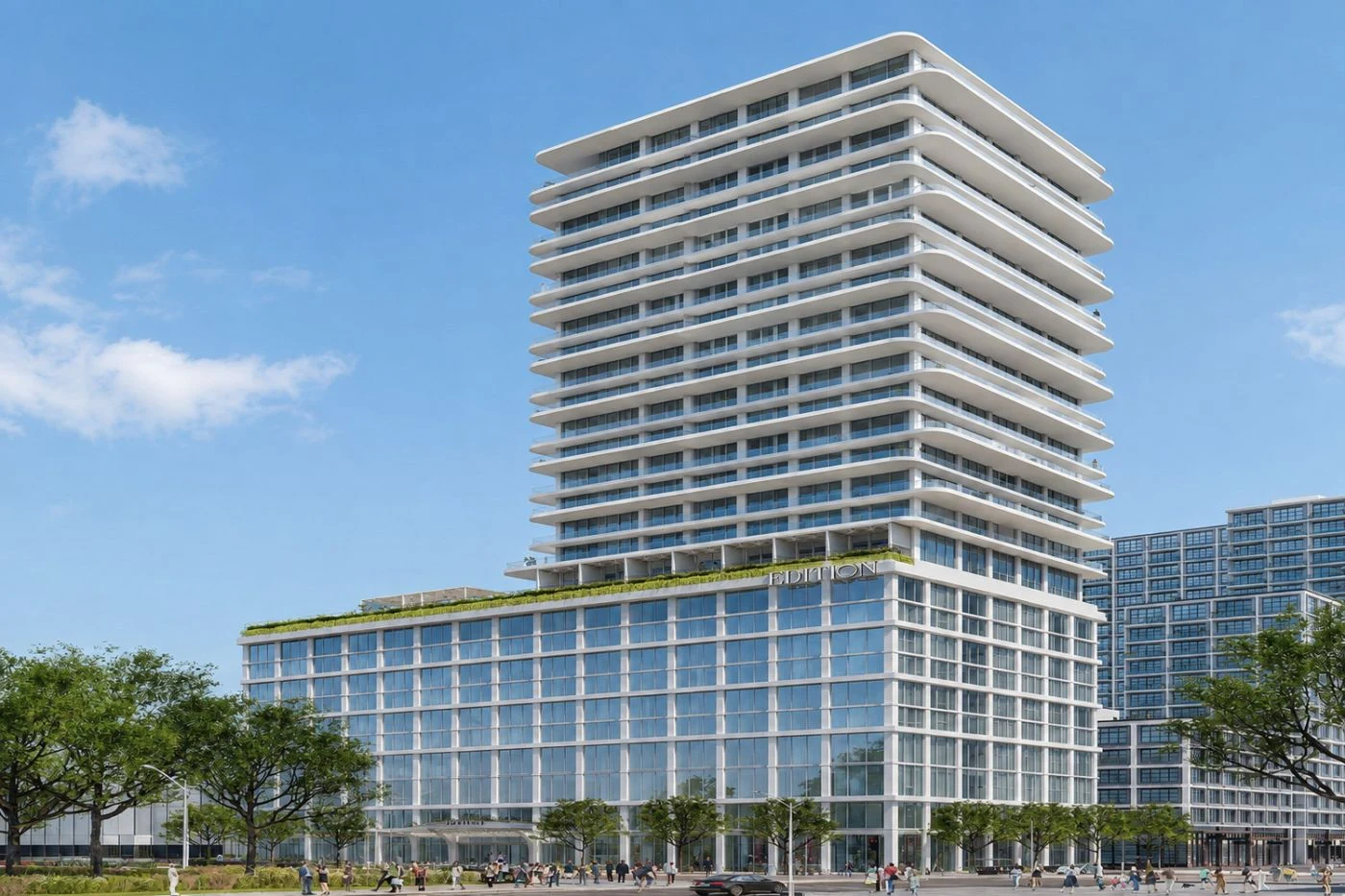
The Tampa EDITION
Prices From 534 USD
+2
More amenities
- Wellness
- City Vibe
The Tampa EDITION brings the EDITION style to Water Street Tampa. This downtown district sits close to Amalie Arena, Sparkman...
Please choose a hotel or destination from the list.
We couldn’t open your search results. Please try again.
Your private search
Finding exceptional stays
Tampa’s architectural history adds specific subjects to a Florida hotel search. The former Tampa Bay Hotel and Tampa Theatre show different approaches to creating elaborate interiors and public experiences, alongside the contemporary accommodation reference of the Tampa EDITION.
Prices From 534 USD
More amenities
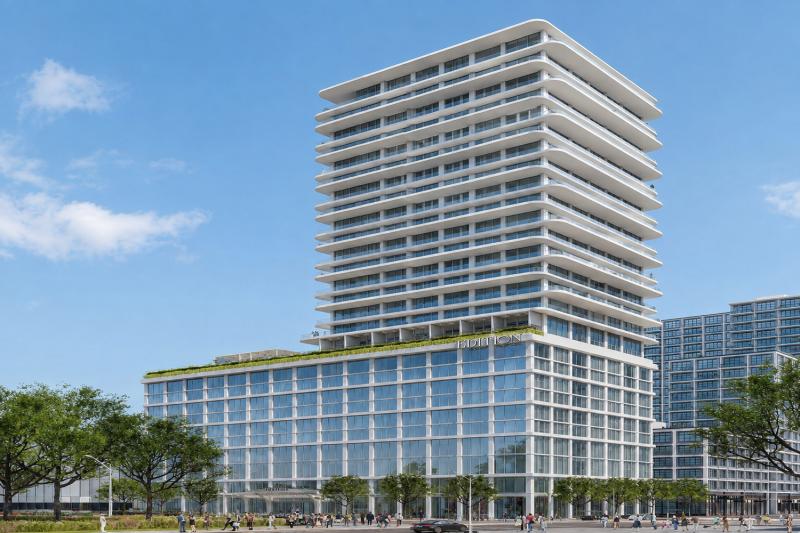
The Tampa EDITION brings the EDITION style to Water Street Tampa. This downtown district sits close to Amalie Arena, Sparkman...
Reserved for You
The Tampa Bay Hotel was constructed between 1888 and 1891 to a design by J. A. Wood. Its Moorish Revival architecture belonged to Henry Plant’s network of railroads, steamships and hotels. The building connects a local architectural interest with the transport and hospitality ambitions of that period.
John Eberson designed Tampa Theatre, which opened in 1926. Its atmospheric style was intended to evoke a moonlit courtyard, using a night-sky effect, clay-tile rooftops and statuary within the theater interior. This gives the city’s built history a performance-space subject different from the earlier hotel.
The Tampa EDITION provides a Water Street accommodation reference with a design-led indoor atmosphere. The Riverwalk and Ybor City remain further reference points within Tampa’s cultural geography. Our Florida destination guide provides the wider state context.
No. It is a downtown urban district. Choose the Tampa EDITION for that setting rather than expecting the immediate atmosphere of a coastal resort. A waterfront city description should not be treated as a guarantee of a beach beside the room.
No. They are distinct settings with different historical and urban contexts. Keep those identities clear when shaping outings. A meaningful city visit can include both without describing them as one immediate hotel neighborhood.
The Tampa Museum of Art has a strong classical-antiquities collection. Its Joseph Veach Noble Collection includes black- and red-figure pottery from Greece and South Italy, as well as marble sculptures of Aphrodite and Poseidon. Cycladic figurines, Etruscan bronzes and a Roman marble grave altar offer further material and historical contrasts within the collection.
Workers hired lectors to read newspapers and literature aloud while they rolled cigars. The workers selected the material and paid the reader themselves. Immigrant communities also formed mutual-aid societies, with clubhouses and cooperative medical and charitable services. These practices connect Ybor’s factories with education, political debate and community organisation.
The Touchton Map Library at the Tampa Bay History Center holds maps, charts and documents spanning early European exploration to the twenty-first century. John Jackson’s 1847 Plan of the Village of Tampa shows the early street grid and named property lots. The plan followed a reduction in Fort Brooke’s land to help fund a county courthouse.