



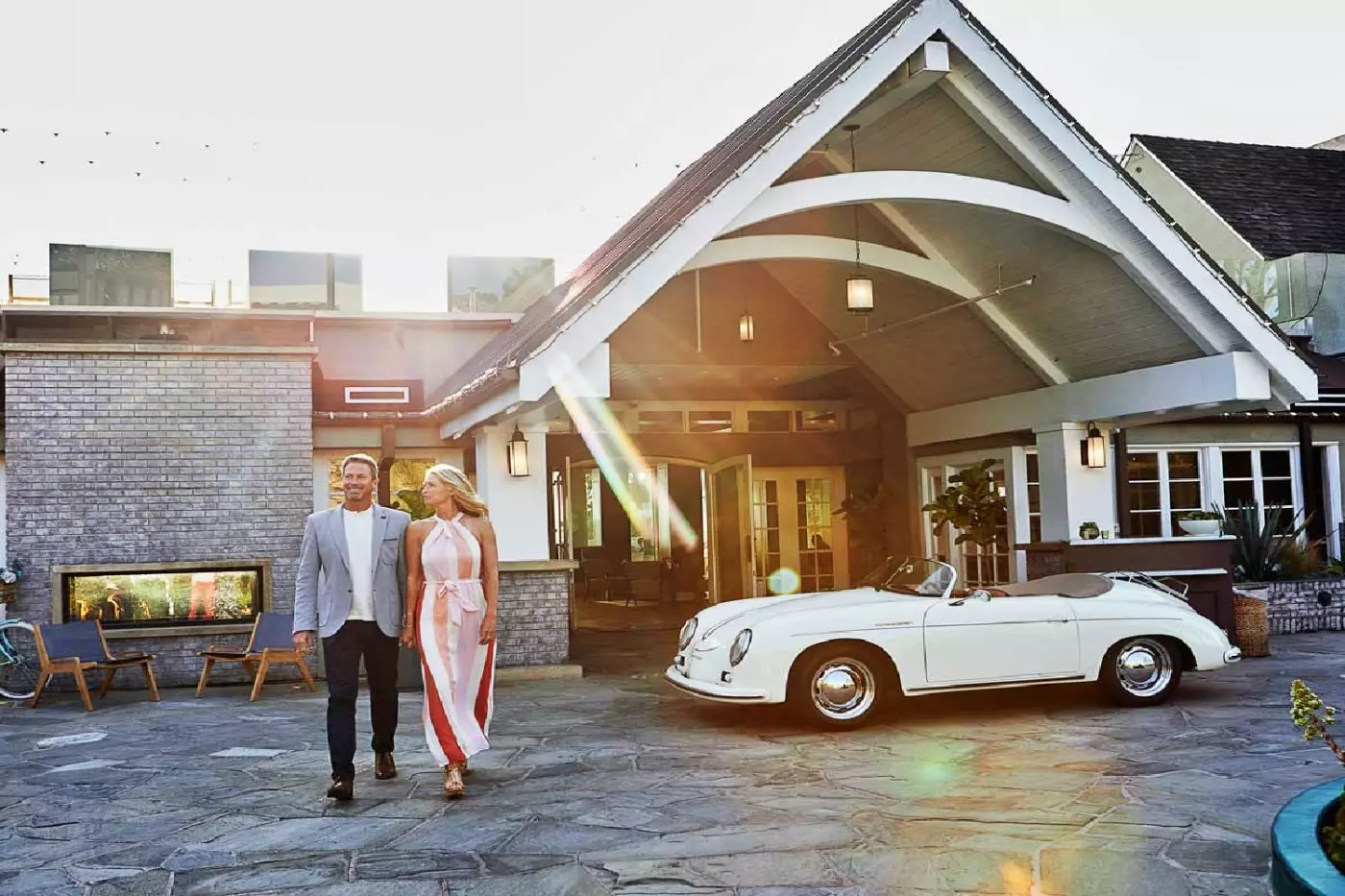
L'Auberge Del Mar
Prices From 868 USD
+3
More amenities
- Sauna
- Wellness
- Beach
L'Auberge Del Mar sits just above the Pacific in the center of Del Mar, where a morning by the water can lead naturally into...
Please choose a hotel or destination from the list.
We couldn’t open your search results. Please try again.
Your private search
Finding exceptional stays
L'Auberge Del Mar provides the collection's coastal-village hotel reference. For an interest beyond the accommodation, the Powerhouse gives Del Mar a particular history of changing uses, from hotel infrastructure to entertainment and water research.
Prices From 868 USD
More amenities
L'Auberge Del Mar sits just above the Pacific in the center of Del Mar, where a morning by the water can lead naturally into...
Reserved for You
L'Auberge Del Mar overlooks the Pacific from the coastal village, near shops, restaurants and galleries. This is a base for combining the town's dining streets with the beach around Powerhouse Park.
Del Mar's Powerhouse was built in 1928 to replace the Stratford Inn's earlier facility. Its boilers supplied hot water for the hotel, cottages, laundry and pool. This gives an interest in the village's history a subject in the infrastructure behind a holiday setting.
Consider the building through that original practical role. A resort's public image depends partly on less visible systems, and the Powerhouse offers a concrete example of that relationship.
The building became the Powerhouse Roaring 20s nightclub, operating from 1958 to 1962. In 1965, Universal Water Corporation took over the space to test the conversion of salt water into drinking water. Those different uses show how the same structure can acquire successive purposes.
Choose this interest for the story of adaptation. A traveler curious about industrial history may focus on the original service building, while someone interested in local social history may be drawn to its entertainment period.
Our Del Mar hotel-offer guide provides the related accommodation-comparison context.
No. It provides a separate coastal-village setting within the wider region. Choose it for that atmosphere rather than expecting an urban downtown stay outside the hotel door.
The lagoon north of Del Mar is a brackish estuary where river water mixes with the Pacific. Tidal wetlands provide nursery habitat for fish such as California halibut and topsmelt. On the mudflats, mussels, snails, clams and crabs feed shorebirds. It is a wetland ecology outing, with a different focus from the ocean beach.
The library occupies the former St. James Church, a Craftsman building designed by John Austin and built in 1914. Historic photographs trace its later restaurant and office uses.
It provides a distinct coastal-nature interest, including bluff and native pine landscapes. Choose it for that subject rather than treating it as another version of a village beach afternoon.
Alvarado House dates to the first lot sale in Jacob Taylor's new Del Mar in 1885. Don Diego de Jesus Alvarado bought the lot and house, which remained a residence for a century. The saved building was moved from its original 10th Street site to the fairgrounds; it should not be mistaken for a historic house still standing at its original village address.