



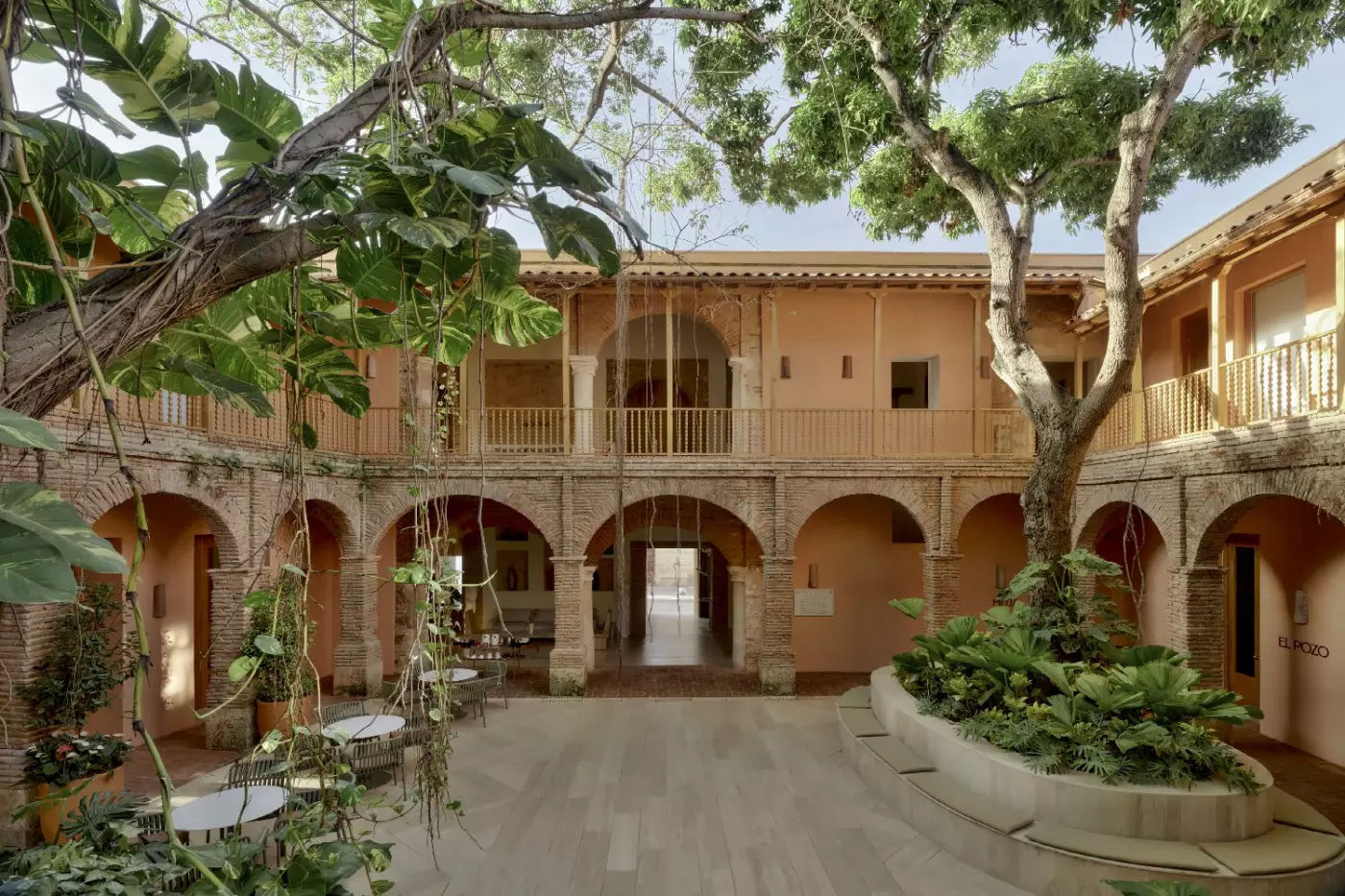
Kimpton Las Mercedes
Prices From 303 USD
Kimpton Las Mercedes gives Santo Domingo a polished boutique hotel inside the Colonial Zone, where the city is most walkable...
Please choose a hotel or destination from the list.
We couldn’t open your search results. Please try again.
Your private search
Finding exceptional stays
Santo Domingo's Colonial City offers historical residences and administrative architecture as particular subjects for a luxury stay. These buildings give the hotel search a local cultural setting.
Prices From 303 USD
Kimpton Las Mercedes gives Santo Domingo a polished boutique hotel inside the Colonial Zone, where the city is most walkable...
Kimpton Las Mercedes sits within the Colonial City, combining historical architectural character with contemporary accommodation. It provides a local hotel reference for an interest in the surrounding built environment.
Facing Plaza de España, the Alcázar de Colón was built between 1511 and 1514 as the residence of Viceroy Diego Colón. The palace also served a governmental role during the early Spanish conquest and became a historical museum. Its residential and official functions give an interest in architecture a particular question: how a seat of authority was expressed through a palace.
The Casas Reales complex has two architectural bodies connected internally. One was built as the Palacio de los Gobernadores, while the other served the Real Audiencia and Royal Chancery. Choose this subject for the relationship between the buildings and the institutions through which colonial government was organised.
The main stone-carved façade bears heraldic shields associated with Charles I of Spain, the island and Santo Domingo. Those details give architectural ornament a specific political meaning. An interest in insignia and stonework can lead the visit differently from attention to the former institutions inside.
Our Dominican Republic destination guide provides the wider country context.
No. The capital offers an urban and cultural experience. Choose the Colonial City for those interests, then plan a coastal chapter separately if beach time is important. A Dominican Republic address does not make every hotel a resort beside the sand.
Museo Bellapart offers an introduction to Dominican art through painting, sculpture, prints and drawings. Its collection reaches from the late nineteenth century into the twentieth, including works by Jaime Colson, Yoryi Morel and Darío Suro.
Its mouth provides the geographical context of the Colonial City, while the fortress reflects the importance of protecting the entrance and port. Understanding that relationship can make a historical outing more meaningful than treating each building as an isolated attraction.
Look beyond the individual monuments to the grid of streets and small blocks around Plaza Mayor. Nicolás de Ovando’s plan of 1502 became a model for later cities in the Americas, with adjustments for the terrain. The preserved street widths, plots and predominantly low-rise buildings help explain the scale of the historic centre.
KahKow on Calle Las Damas introduces cacao’s origins and the stages of chocolate production. The material process is worth following: fermentation and drying develop flavours after harvest, before the beans are transformed into chocolate. The educational setting uses sensory interpretation and chocolate-making machinery to explain that progression.