Best for
Families whose children enjoy exploring can ask about the Ritz Kids Scout Program, giving younger guests a structured way to engage with Oku-Nikko.
Please choose a hotel or destination from the list.
We couldn’t open your search results. Please try again.
Your private search
Finding exceptional stays
Best for
Families whose children enjoy exploring can ask about the Ritz Kids Scout Program, giving younger guests a structured way to engage with Oku-Nikko.
What makes it special
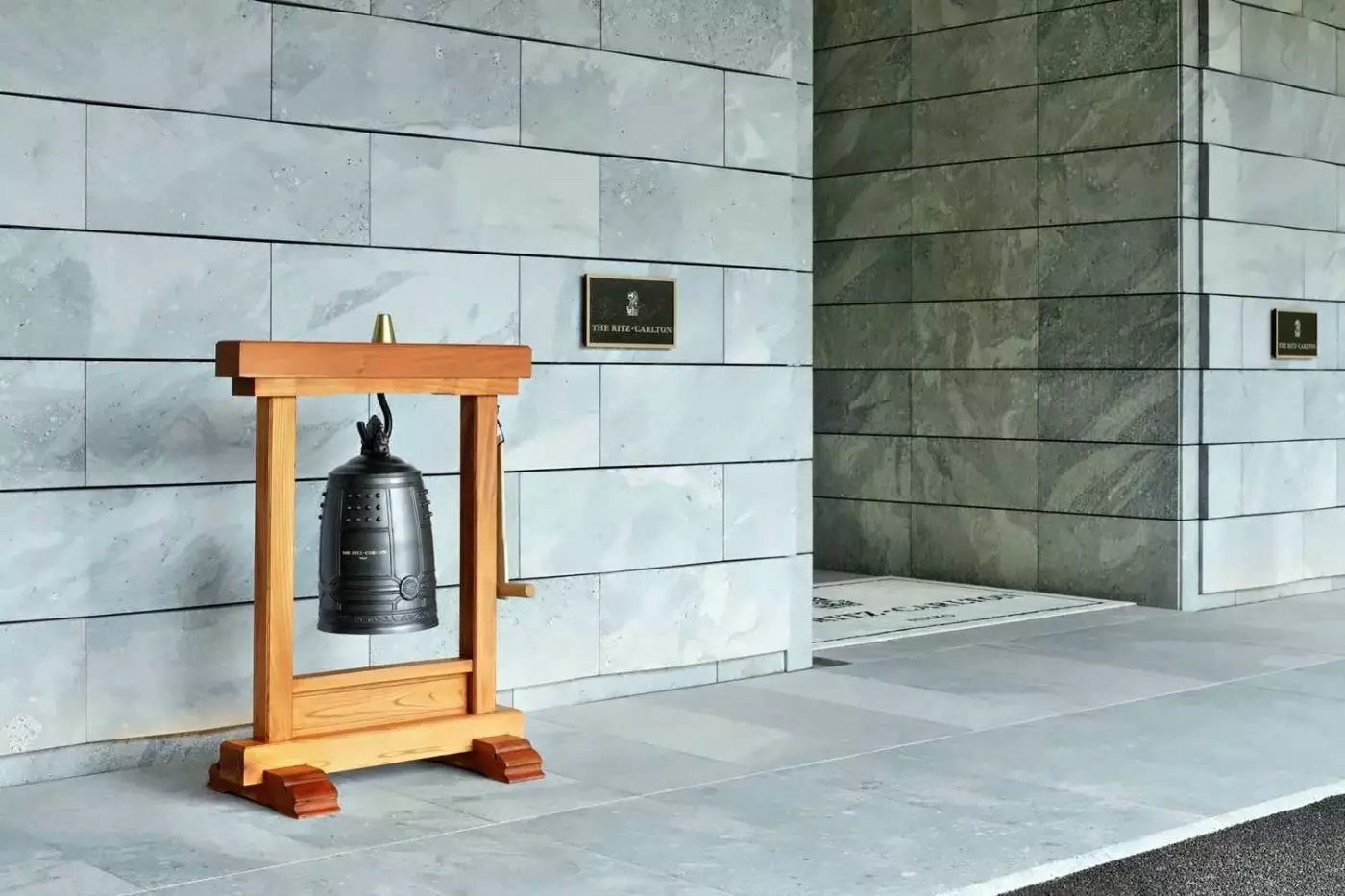
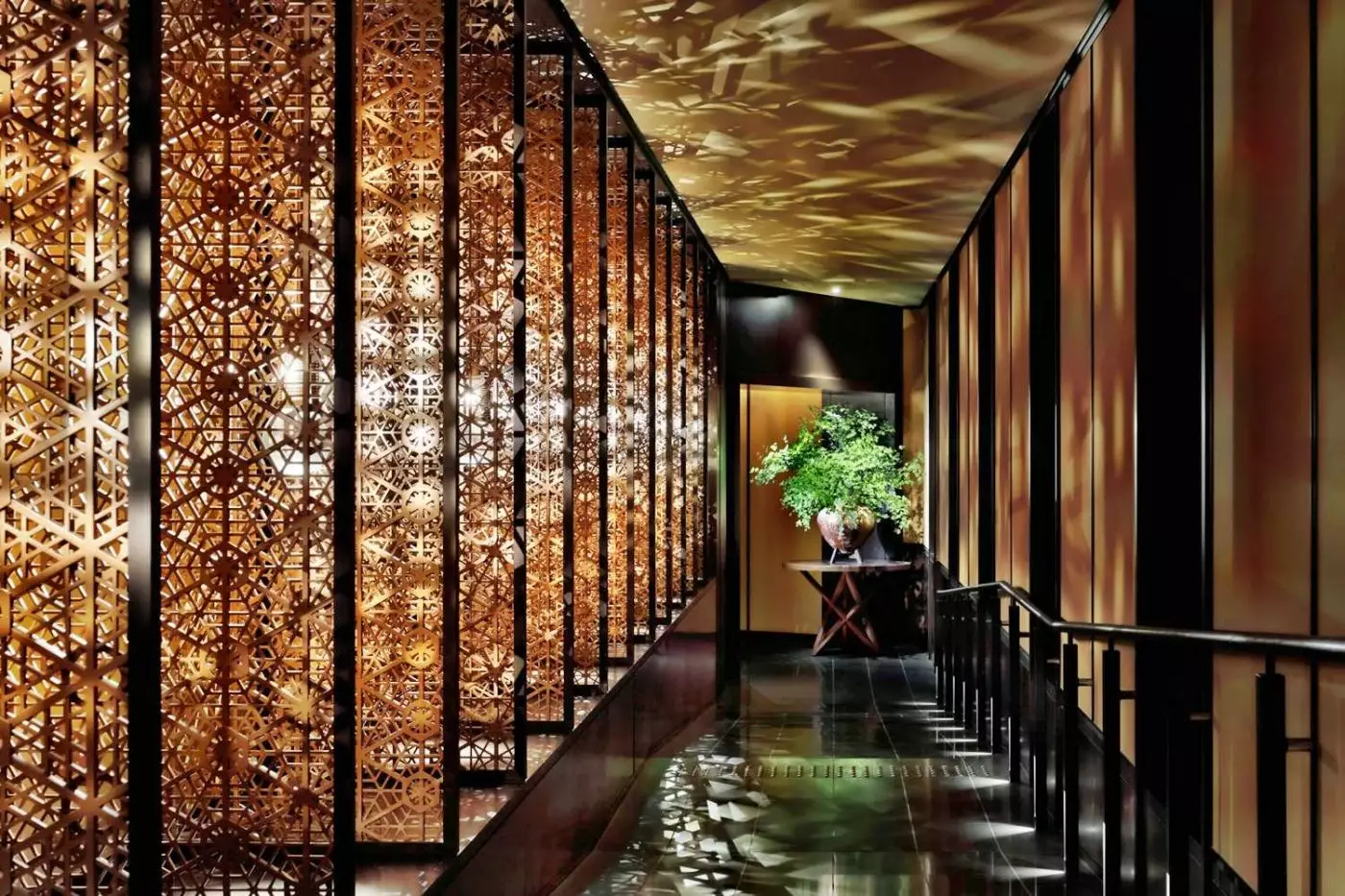
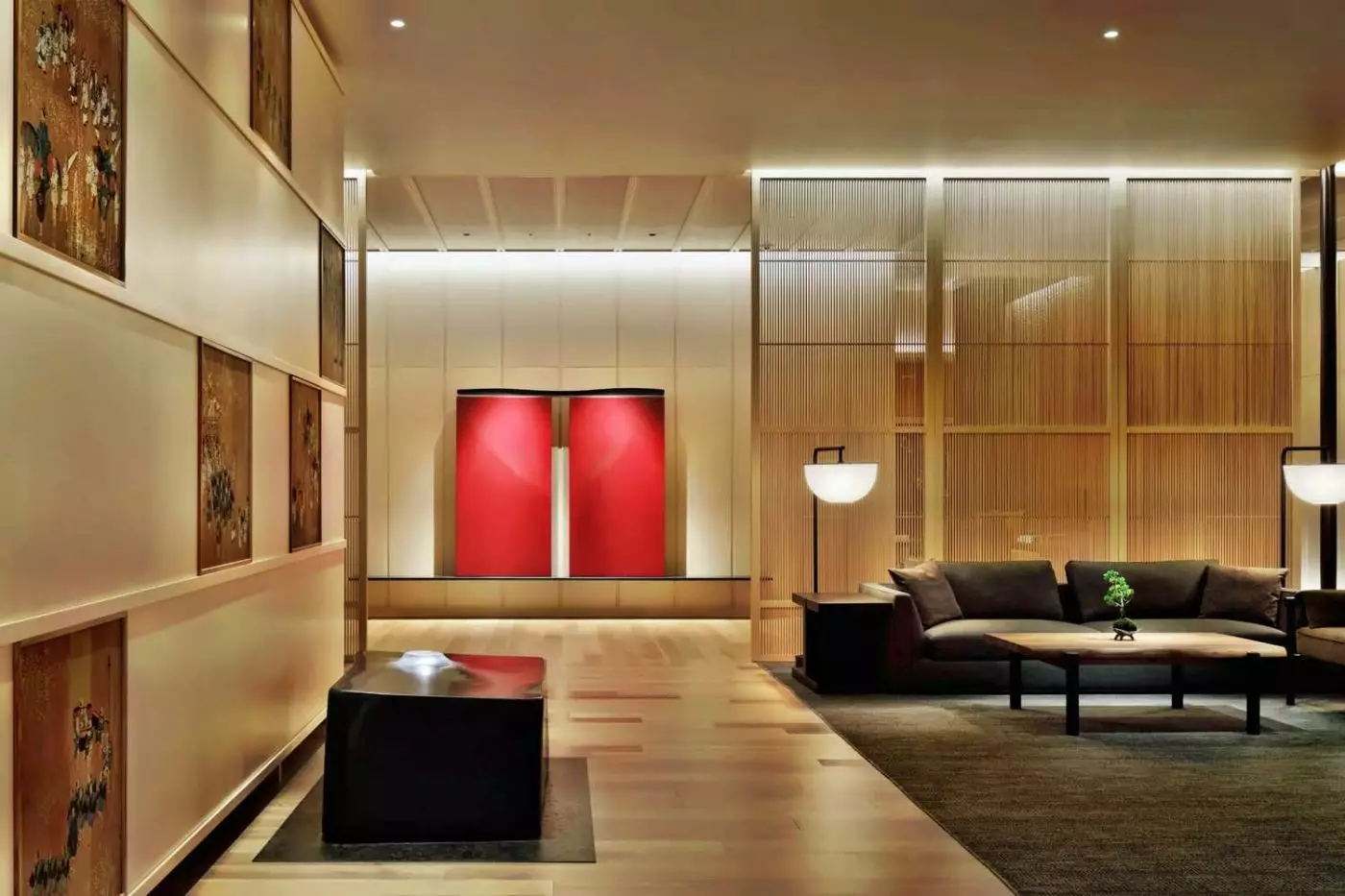
Vintage hand-painted panels in the arrival lobby depict Toshogu's grand procession, bringing the region's ceremonial traditions into focus as you arrive at the hotel.
Room to consider
For early starts on the trails, ask how the proposed room's layout accommodates hiking gear, particularly where you can keep boots and outer layers.
Insider tip
Pack a fleece or sweater even for summer outings, allowing for cooler highland temperatures when your day extends beyond the hotel's indoor spaces.
Free membership gives you access to preferred rates, exclusive benefits and current promotions for your stay.
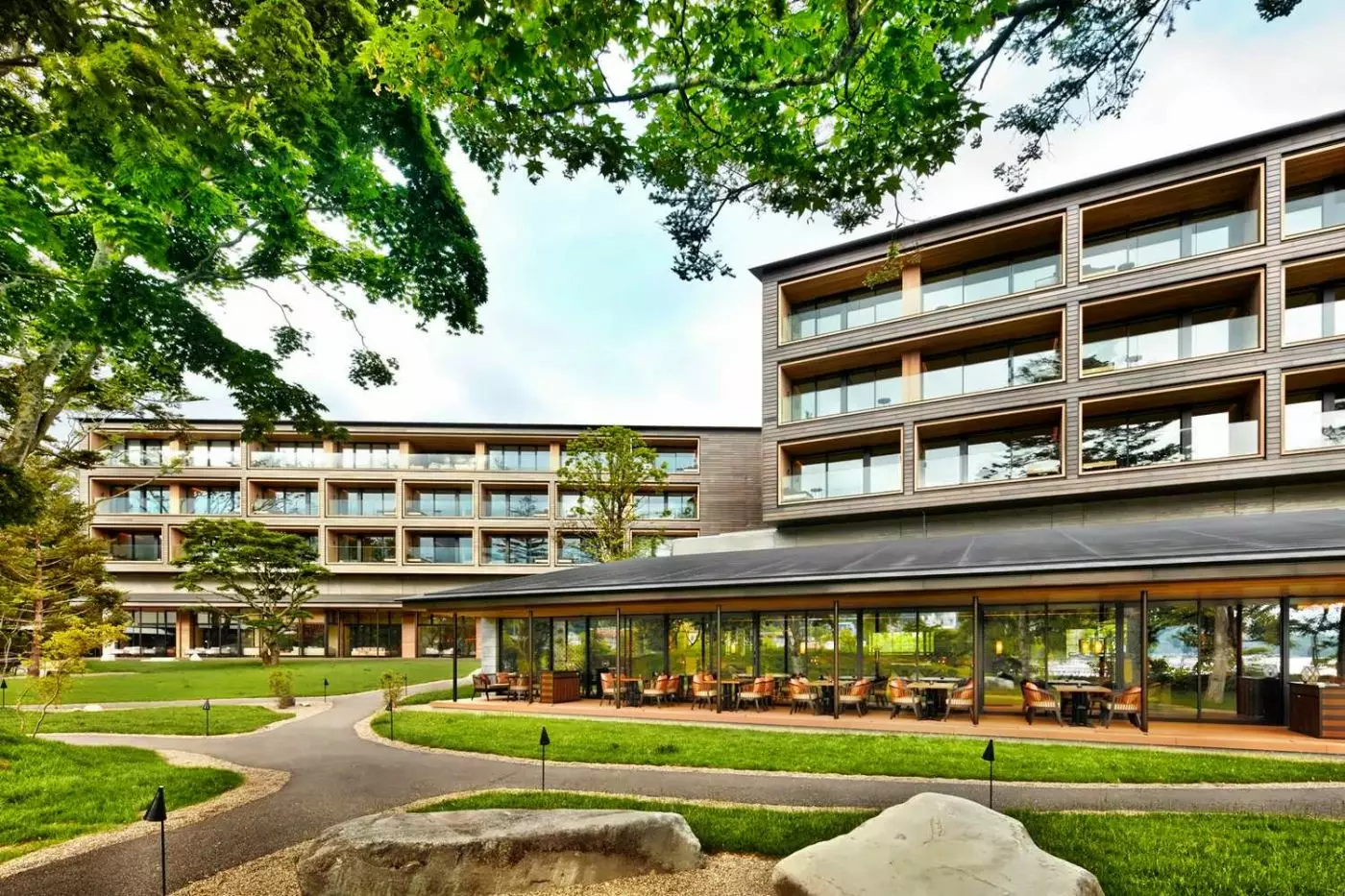
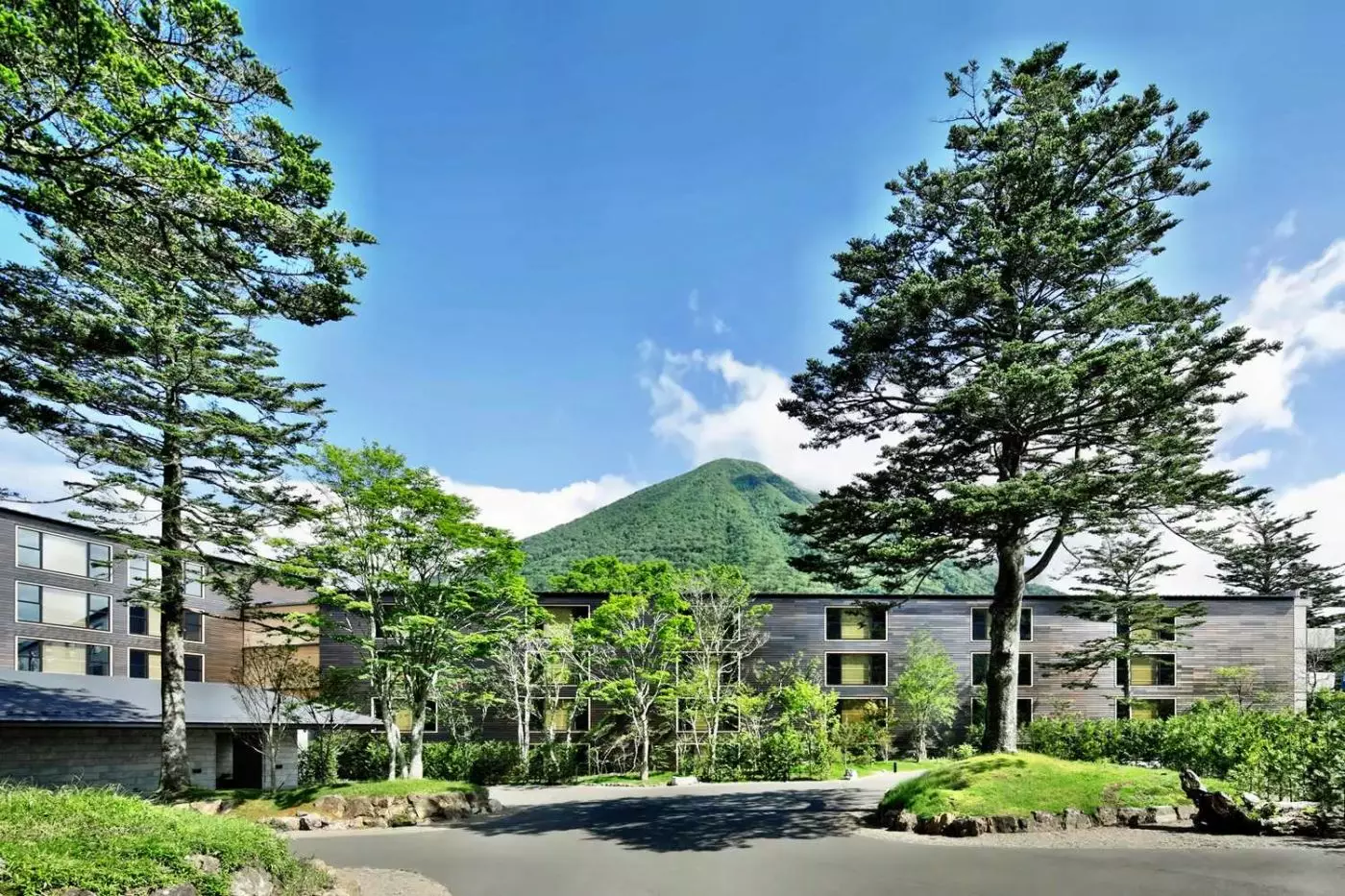
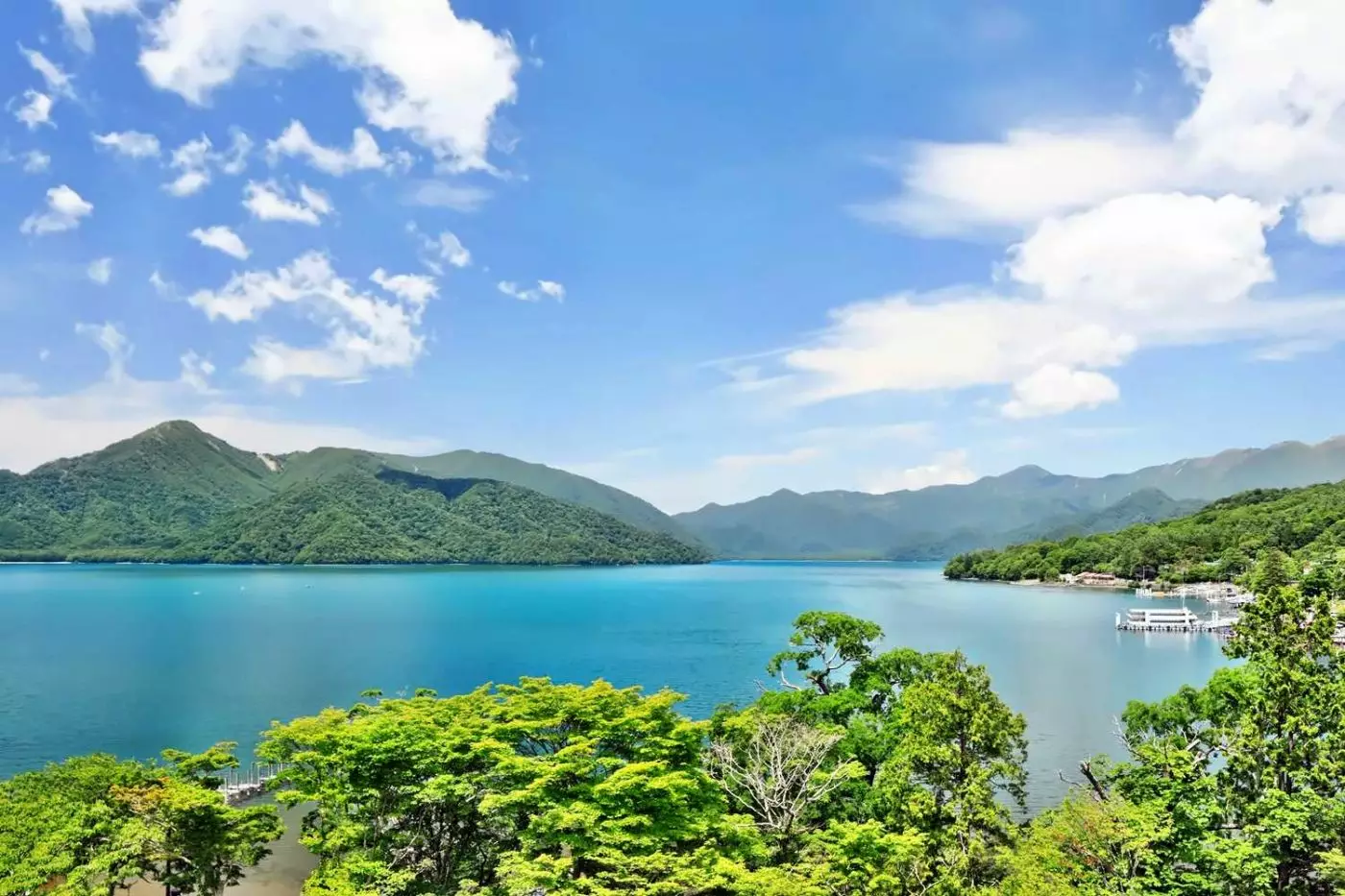
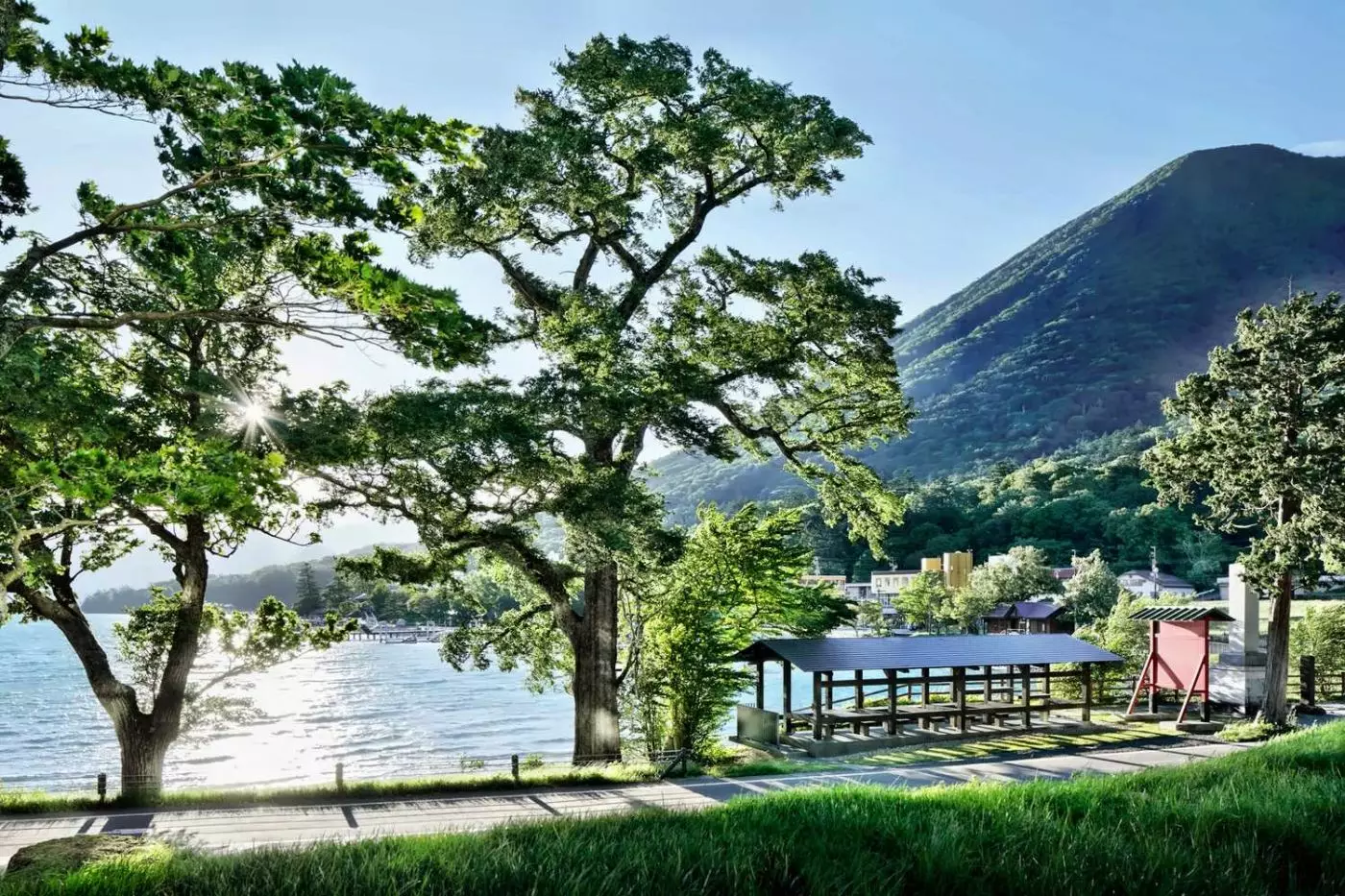
The Ritz-Carlton, Nikko occupies a rare position on the eastern shore of Lake Chuzenji, within the highland landscape of Nikko National Park. Mount Nantai rises beyond the water, forests press close around the property, and the cultural landmarks of Nikko sit within reach. This is a resort for travelers who want Japan's natural and spiritual character to shape the stay, rather than simply provide a backdrop. The setting feels removed from the pace of Tokyo, yet the hotel remains a polished base for exploring Oku-Nikko's lakes, waterfalls, wetlands, temples, and shrines.
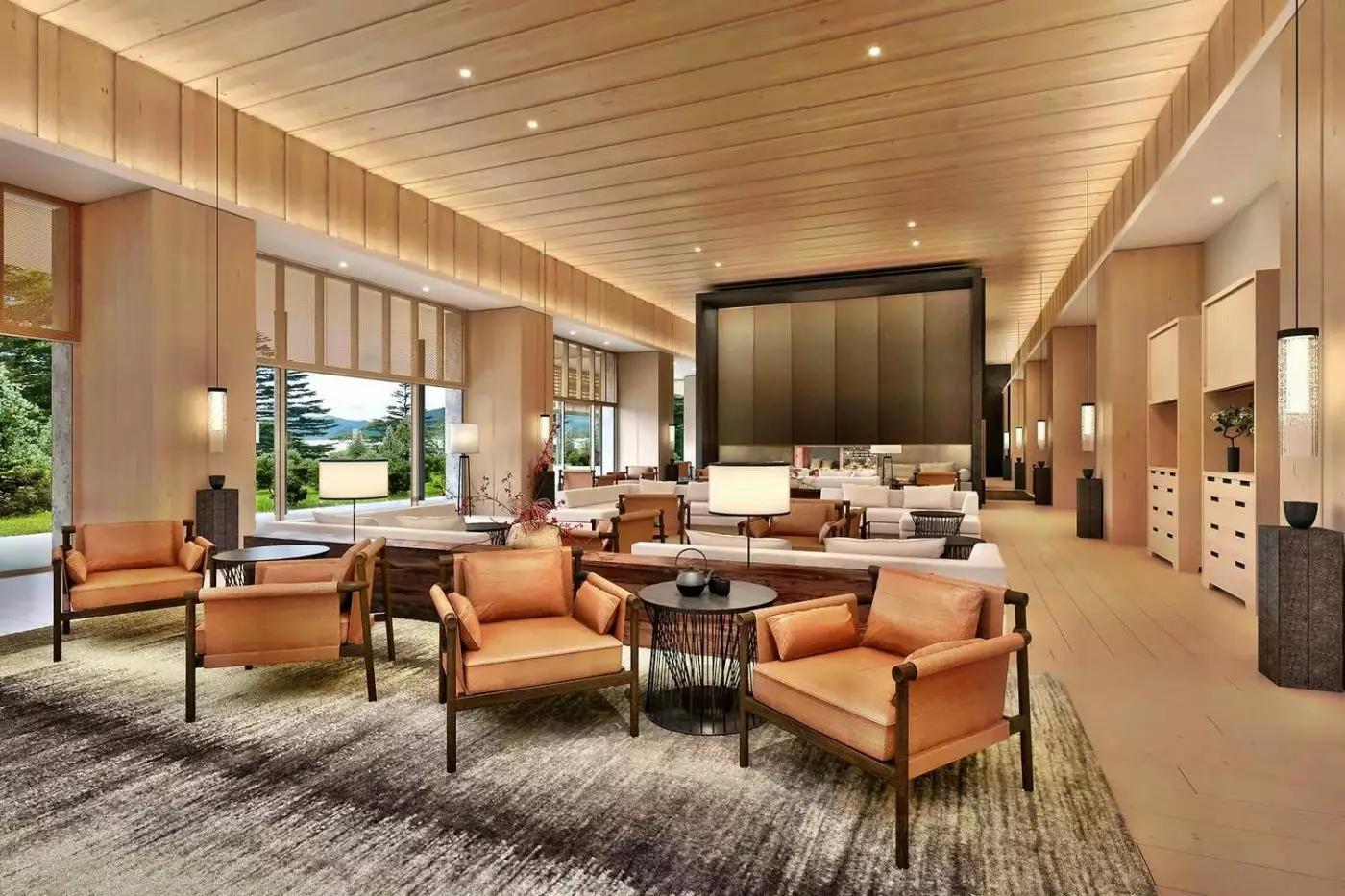
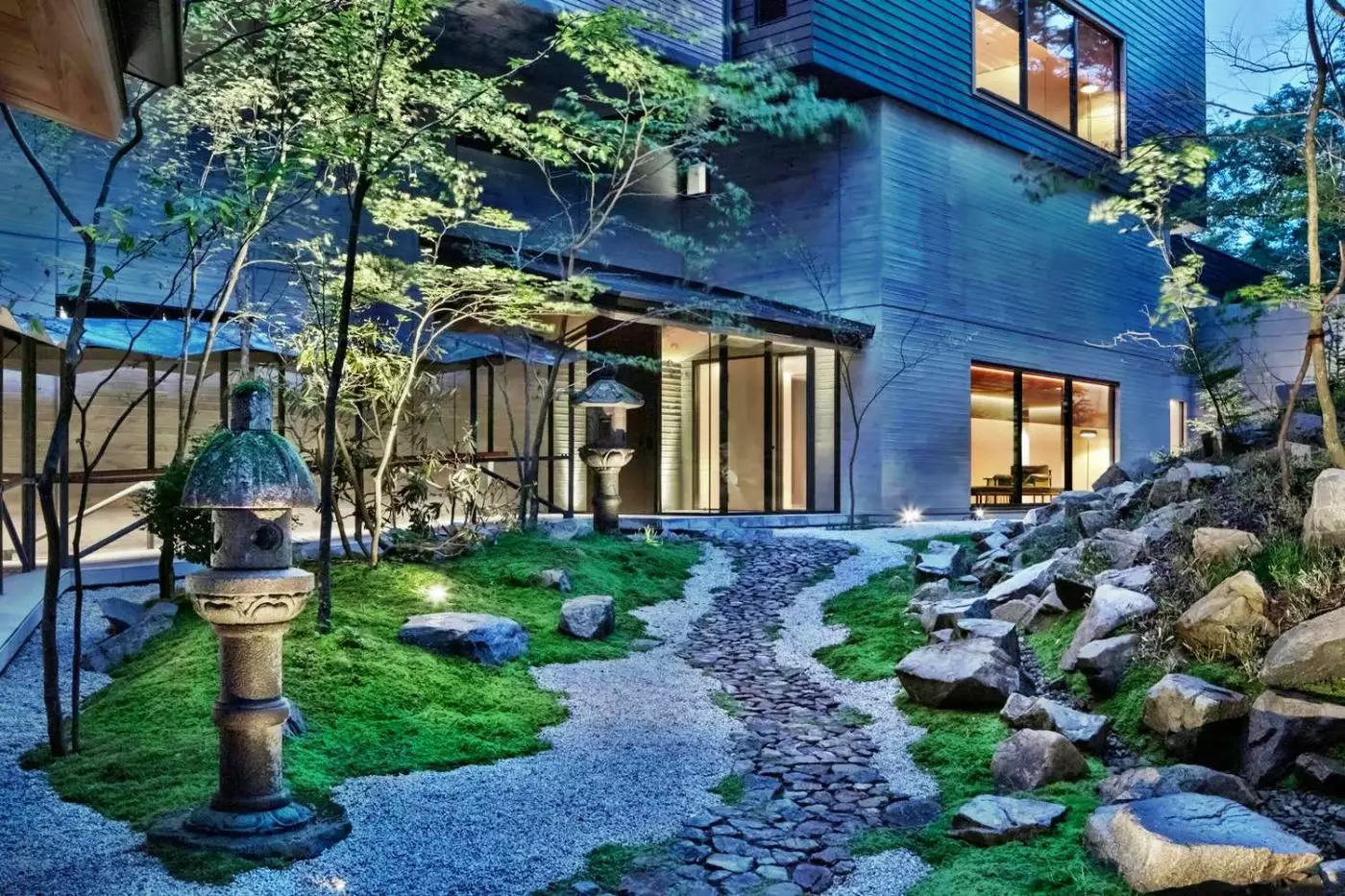
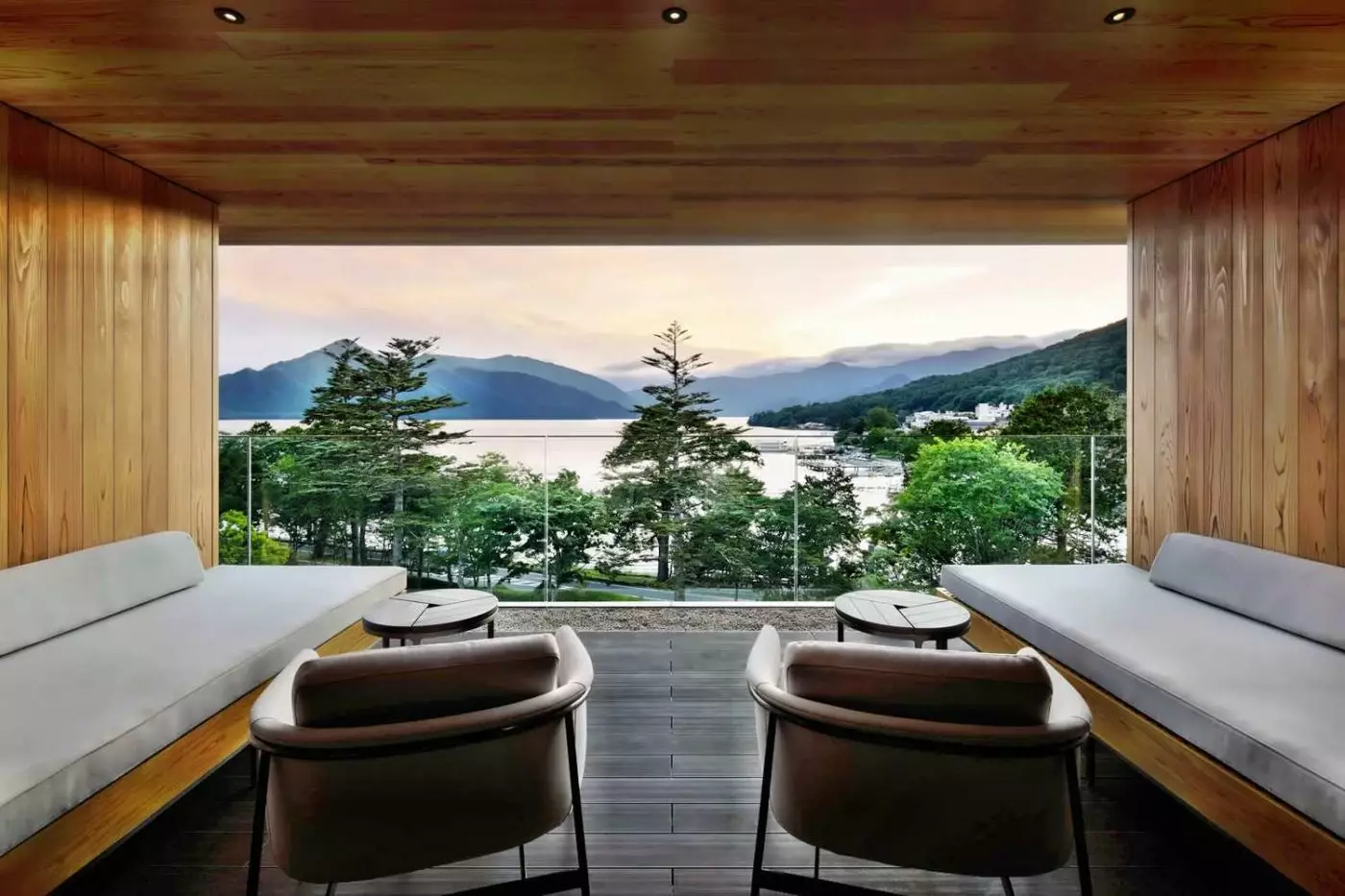
The architecture answers that setting with restraint. Wood, stone, broad windows, and quiet transitions between indoor and outdoor space keep attention on the landscape. Japanese references are integrated into the way guests use the hotel, from the genkan-style entrance in each accommodation to the engawa beside the windows. The result is contemporary rather than historicist: calm rooms, strong natural materials, and views that change noticeably with the weather and season.
A stay here works best when it is given time. Lake Chuzenji and Mount Nantai provide the visual focus, while the onsen, restaurants, and culturally grounded activities create a rhythm around mornings and evenings. Guests can spend an active day outdoors or among Nikko's sacred sites, then return for a hot-spring soak and dinner without leaving the property. That balance of landscape, wellness, and regional craft is the hotel's clearest point of distinction.
 94
 Charming
 Fitness
 Spa
 Sauna
 Wellness
 Adventure
 Wheelchair Accessible
 Connecting Rooms
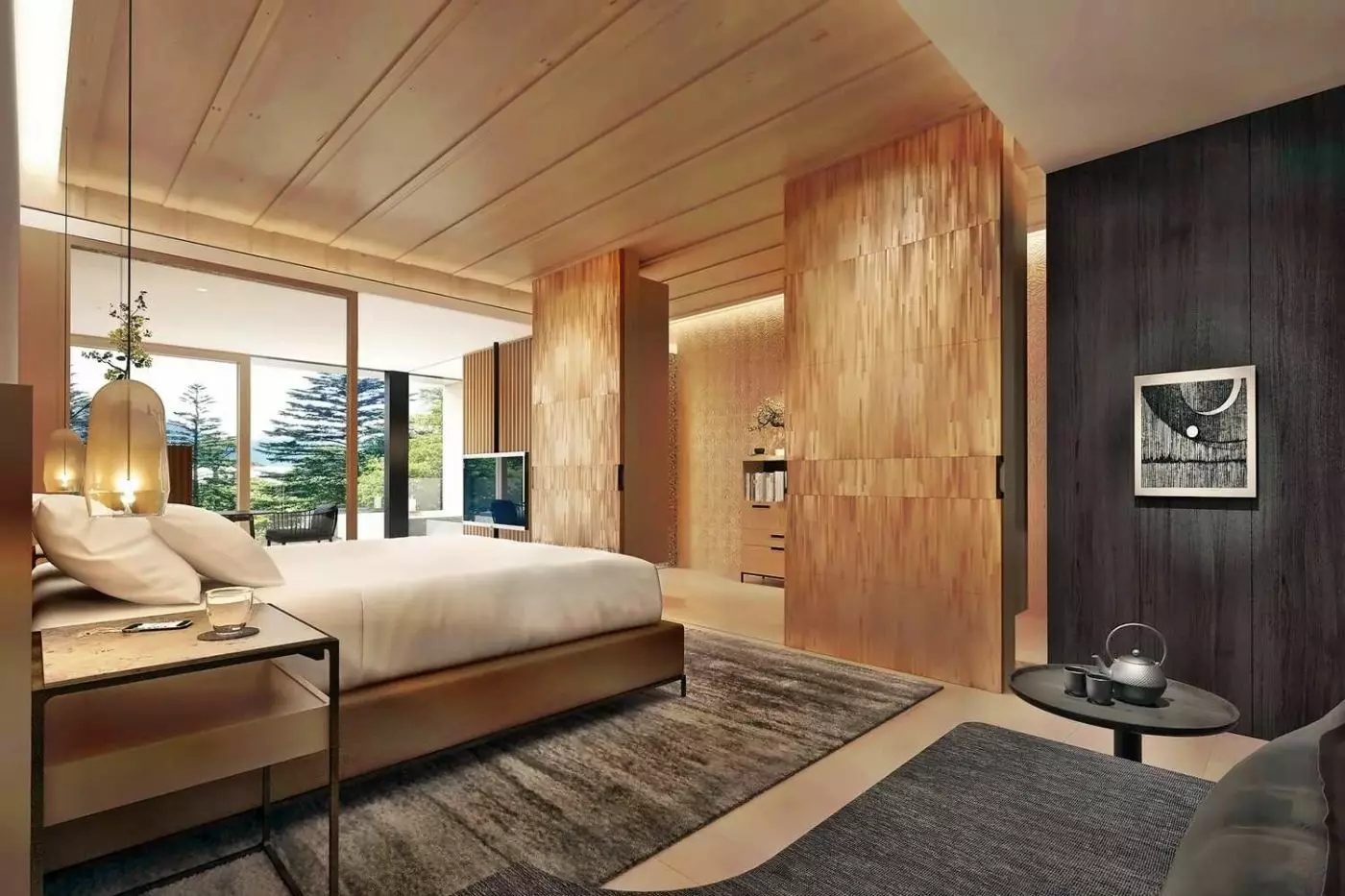
A genkan foyer leads into an open interior with floor-to-ceiling windows. Japanese details include Kanuma-kumiko motifs and a traditional engawa porch. A privacy wall separates the bed from the sitting space, where a sofa, chair and table for two are arranged. The room also includes a walk-in closet.
The standard stone bathroom has an oversized soaking tub and a separate shower; accessible layouts may differ. Double vanities, a bidet and a lighted makeup mirror complete the fittings. These are non-smoking rooms. A crib can be requested, with one permitted per room. Rollaway beds are unavailable, while some rooms can connect.

A genkan foyer leads into an open interior with floor-to-ceiling windows. Japanese details include Kanuma-kumiko motifs and a traditional engawa porch. A privacy wall separates...
Kanuma-kumiko motifs feature in the Japanese interior. The room has floor-to-ceiling windows and a sitting area divided from the bed by a privacy wall. Its furnishings include a sofa, chair and table with two seats, alongside a walk-in closet. A genkan at the entrance is used to remove shoes.
The stone bathroom pairs a large soaking tub with a separate shower. It also has double vanities, a lighted makeup mirror and a bidet. Both bed layouts can take one crib, but neither allows a rollaway. Some rooms have a connecting-room option, which should be requested when booking.

Kanuma-kumiko motifs feature in the Japanese interior. The room has floor-to-ceiling windows and a sitting area divided from the bed by a privacy wall. Its...
The entrance has a genkan, a foyer where shoes are removed before entering. Floor-to-ceiling windows run along an open layout, with a privacy wall between the bed and sitting area. A sofa, chair and table for two furnish this space. There is also a walk-in closet.
An oversized stone bathroom contains a Japanese-style soaking tub and a separate shower. Double vanities, a bidet and a lighted makeup mirror are among its fittings. One crib is permitted, while rollaway beds are not offered. Selected rooms can connect; this arrangement needs to be requested.

The entrance has a genkan, a foyer where shoes are removed before entering. Floor-to-ceiling windows run along an open layout, with a privacy wall between...
Sofa bed available on request.
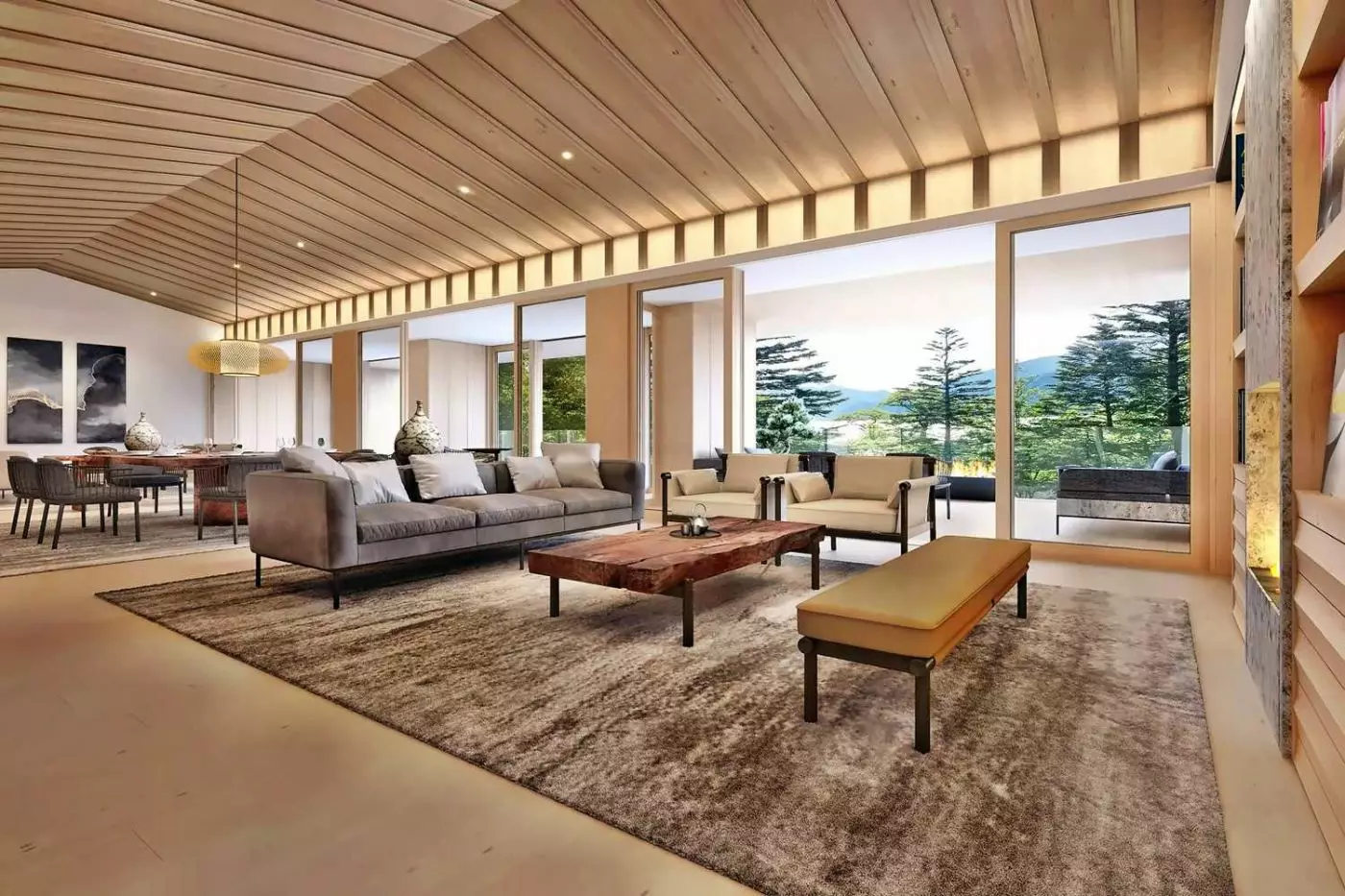
A separate living room and a walk-in closet are part of the layout, with a privacy wall dividing the sleeping and sitting spaces. The furnishings include a sofa, chair and a table for two. Floor-to-ceiling windows and a traditional engawa porch continue the suite’s open Japanese style.
The bathroom features a soaking tub and a separate shower, plus double vanities and a bidet. There is a separate powder room. At the entrance, shoes are removed in the genkan foyer. One crib or one charged rollaway may be added, with a combined limit of one. Some suites can connect to another room.

A separate living room and a walk-in closet are part of the layout, with a privacy wall dividing the sleeping and sitting spaces. The furnishings...
A fireplace, telescope and in-room spa table are among the suite’s distinctive features. Separate living, dining and office rooms accompany a walk-in closet and a kitchen. A sofa and chair furnish the lounge, and a table seats three. High ceilings and floor-to-ceiling windows frame the Japanese-style interior.
The suite has two bathrooms. The bathing area includes an oversized soaking tub, a separate shower, double vanities and a bidet. Shoes are removed in the genkan foyer, and a traditional engawa porch is also included. One crib is permitted, and a rollaway is available for a charge. Connecting rooms may be requested for selected suites.

A fireplace, telescope and in-room spa table are among the suite’s distinctive features. Separate living, dining and office rooms accompany a walk-in closet and a...
The hotel stands at 2482 Chugushi in Nikko, Tochigi, beside Lake Chuzenji and within Nikko National Park. The highland setting gives it a markedly different atmosphere from Japan's urban luxury hotels. Spring brings fresh color, summer deep green, autumn a dramatic change in the forest, and winter snow. Floor-to-ceiling windows throughout the property keep those shifts present indoors, while the lake and Mount Nantai orient the experience from arrival onward.
Its location also makes the hotel useful for travelers combining nature with culture. Kegon Falls, the Senjo-Gahara marshland, Lake Chuzenji, and the area's hiking routes are part of the wider Oku-Nikko landscape. Farther toward central Nikko, the UNESCO-listed shrines and temples add a very different layer to the trip. The distance from the city is part of the appeal, but it should be understood as a resort stay in the mountains rather than a conventional sightseeing hotel beside a rail station.
The hotel's 94 rooms and suites are generous in scale and arranged around either Lake Chuzenji or Mount Nantai views. Each includes an engawa, a traditional porch-like space that creates a pause between the main room and the scenery. A genkan provides a place to remove shoes on entry, while a small Zen rock garden and Japanese craft references bring local design principles into the interior. These details are functional as well as decorative, giving the accommodations a residential calm that suits the mountain setting.
Bathrooms follow an open Japanese-inspired layout with an oversized stone bath and a separate shower. The soaking tub is not supplied with hot-spring water; the authentic onsen experience is reserved for the spa facilities. This distinction matters for travelers choosing a room primarily for bathing. In the accommodations, the strongest decision is the outlook: lake-facing categories emphasize water and changing light, while Mount Nantai views place the mountain more directly within the room's composition.
Suites add separate living space while keeping the same connection to the landscape. The Ritz-Carlton Suite expands that idea substantially with living and dining areas, a service kitchen, its own fitness area, a treatment room, and broad views across Lake Chuzenji. For most stays, however, the value of the room comes less from excess space than from the engawa, the natural materials, and the ability to sit quietly with the view.
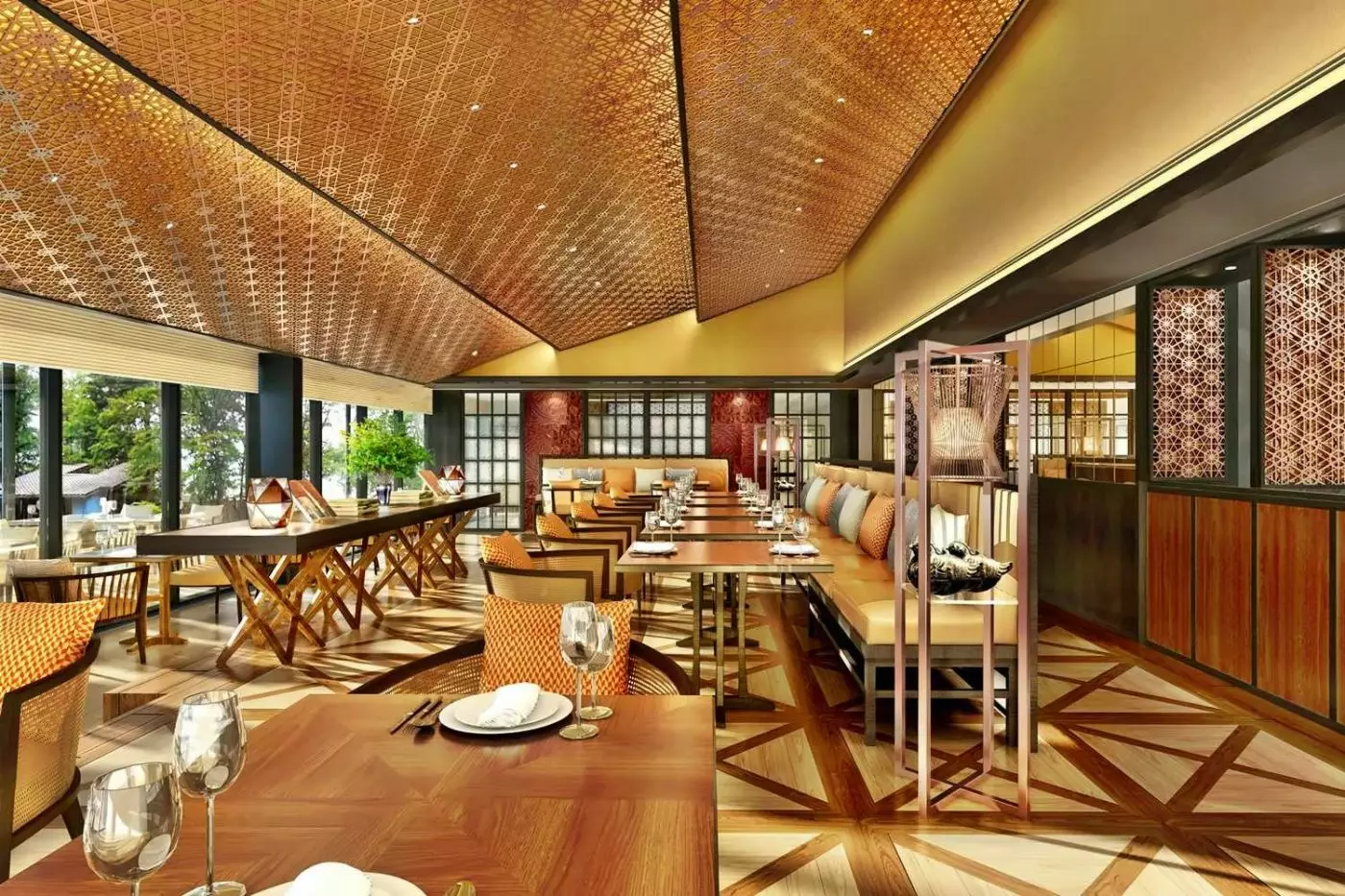
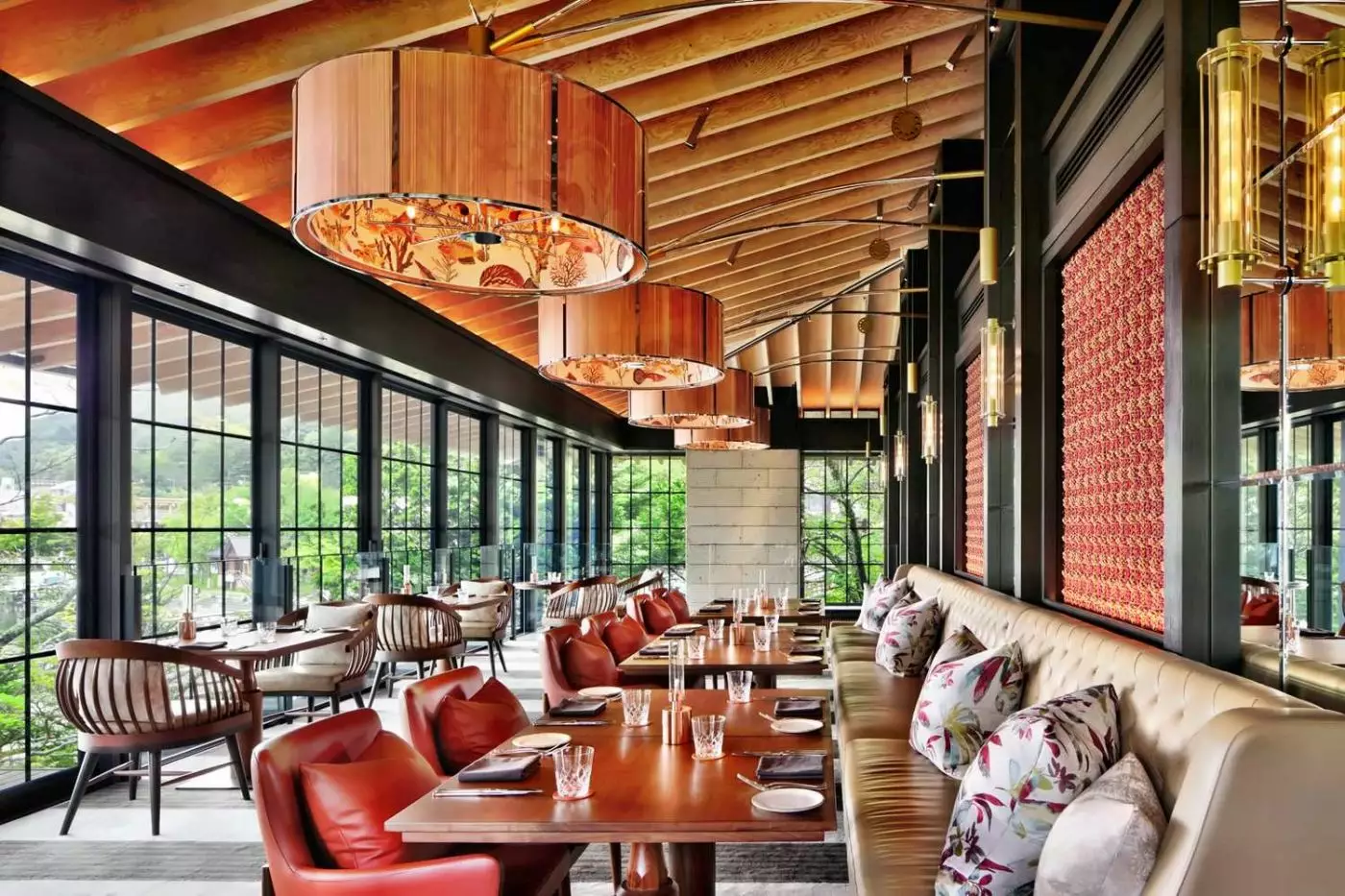
Dining is divided among two restaurants, a lounge, and a bar, each with a distinct role. The Japanese Restaurant by The Ritz-Carlton, Nikko draws on ingredients from Tochigi and presents three established forms of Japanese dining: kaiseki, sushi, and teppanyaki. This range allows the experience to move from a composed multi-course meal to counter dining, while the emphasis on regional produce, meat, fish, and sake keeps the restaurant connected to place.
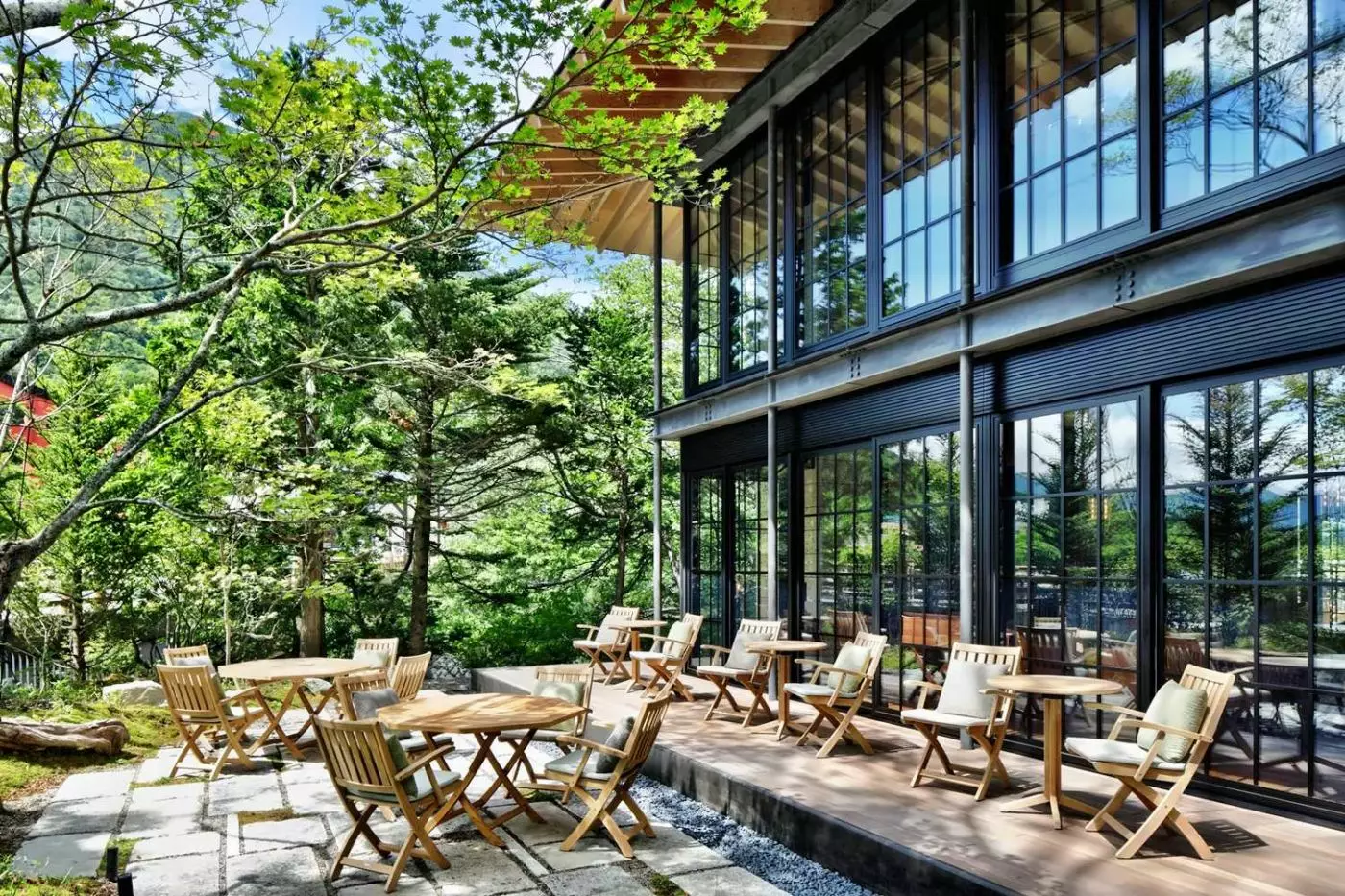
Lakehouse serves Western-style dishes in a lakeside setting, using locally harvested produce and the seasonal output of Tochigi's farms. Its relaxed boathouse character offers a useful contrast to the precision of the Japanese restaurant. Large windows and views toward Lake Chuzenji make it particularly suited to daylight meals, and the focus on vegetables and regional agriculture gives the menu more identity than a generic international hotel restaurant.
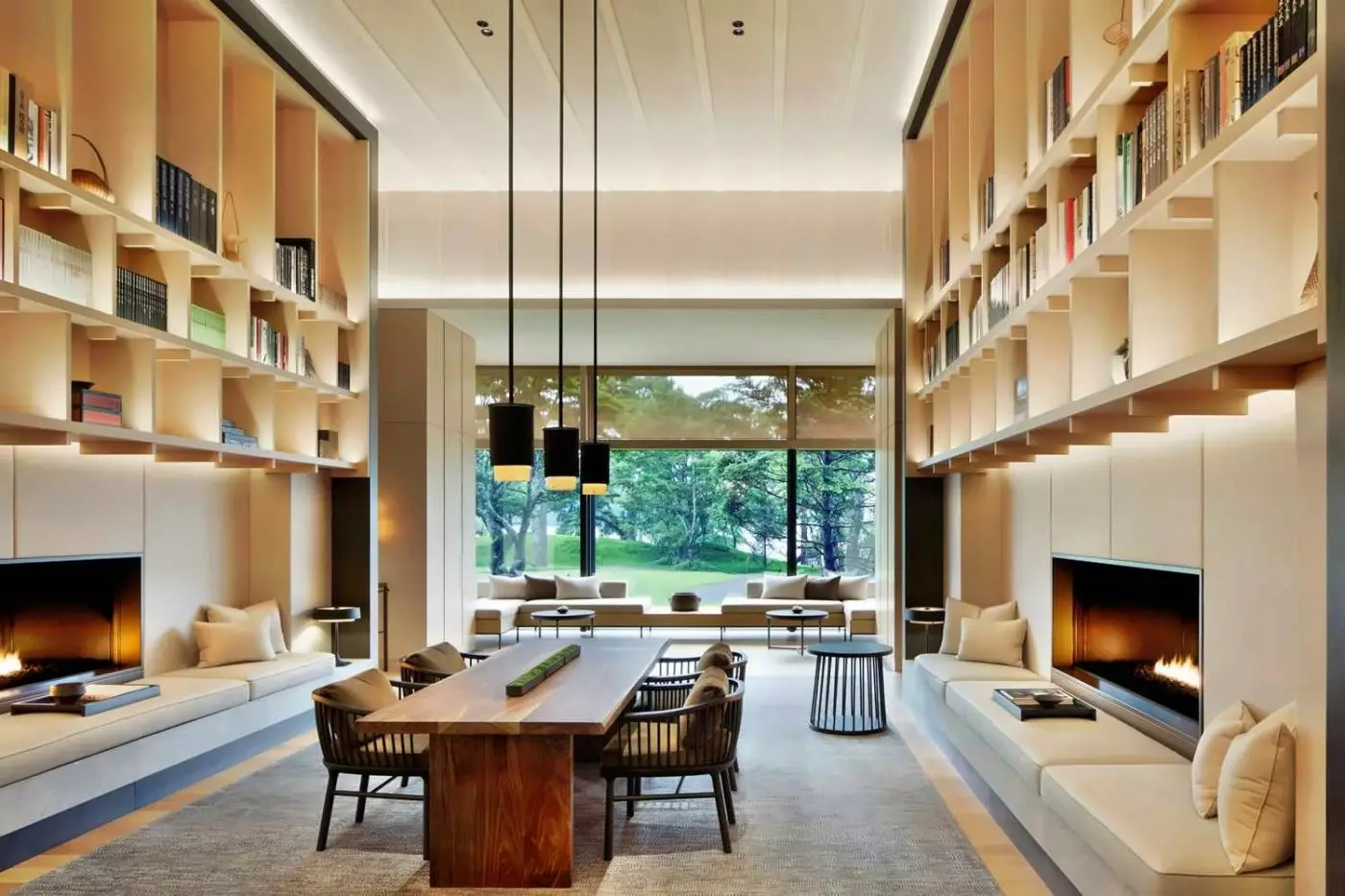
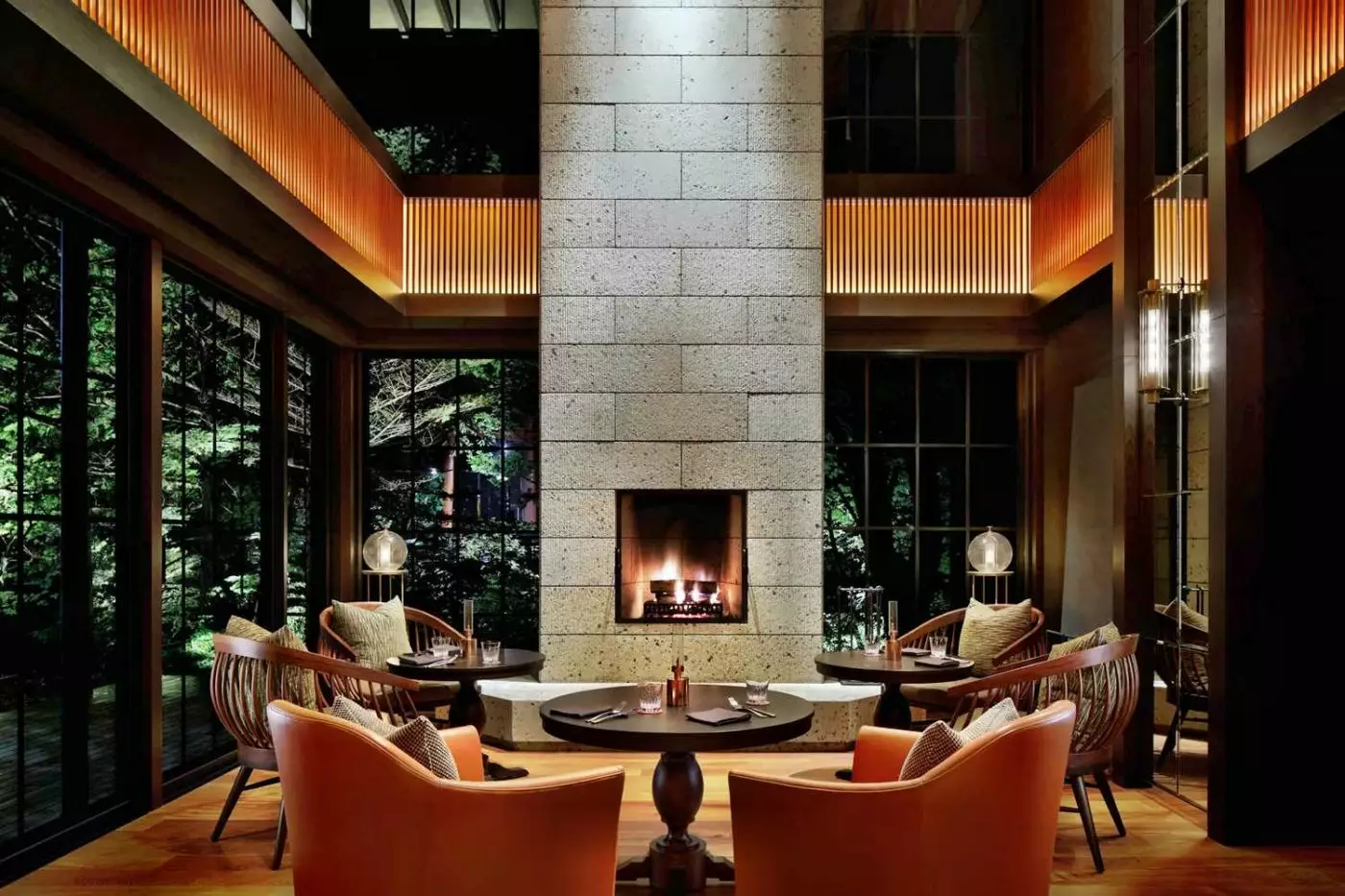
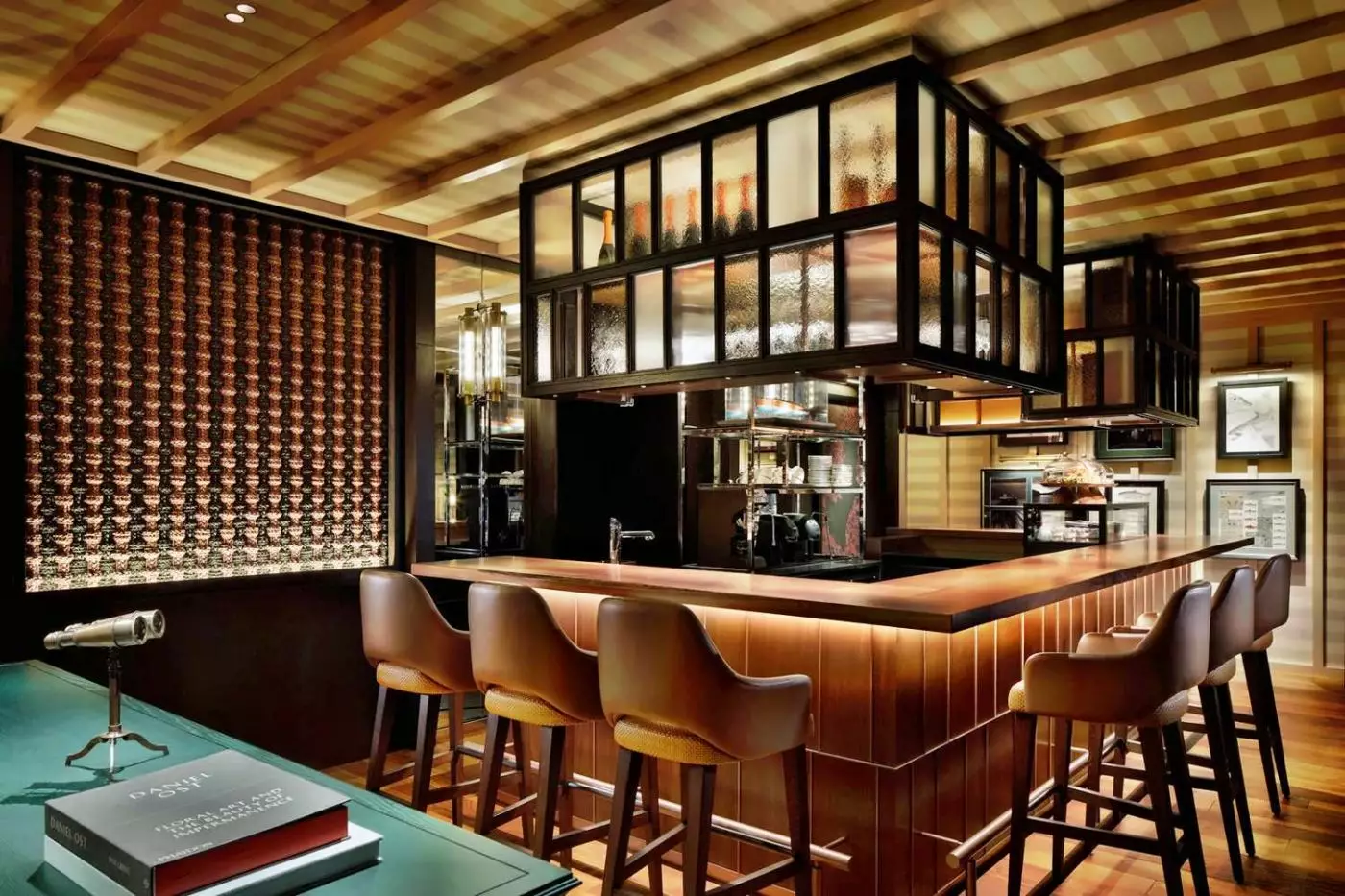
The Lobby Lounge looks across the garden and combines comfortable seating, books, artwork, a fireplace, and afternoon tea. Seasonal ingredients from Tochigi and Japanese tea give that ritual a local frame. The Bar shifts the mood later in the day with Japanese and international whiskies, cocktails using Tochigi ingredients, and natural highland ice from Nikko's Tokujiro Ice Farm. Together, these spaces make it possible to eat and drink differently across a multi-night stay without losing the hotel's sense of place.
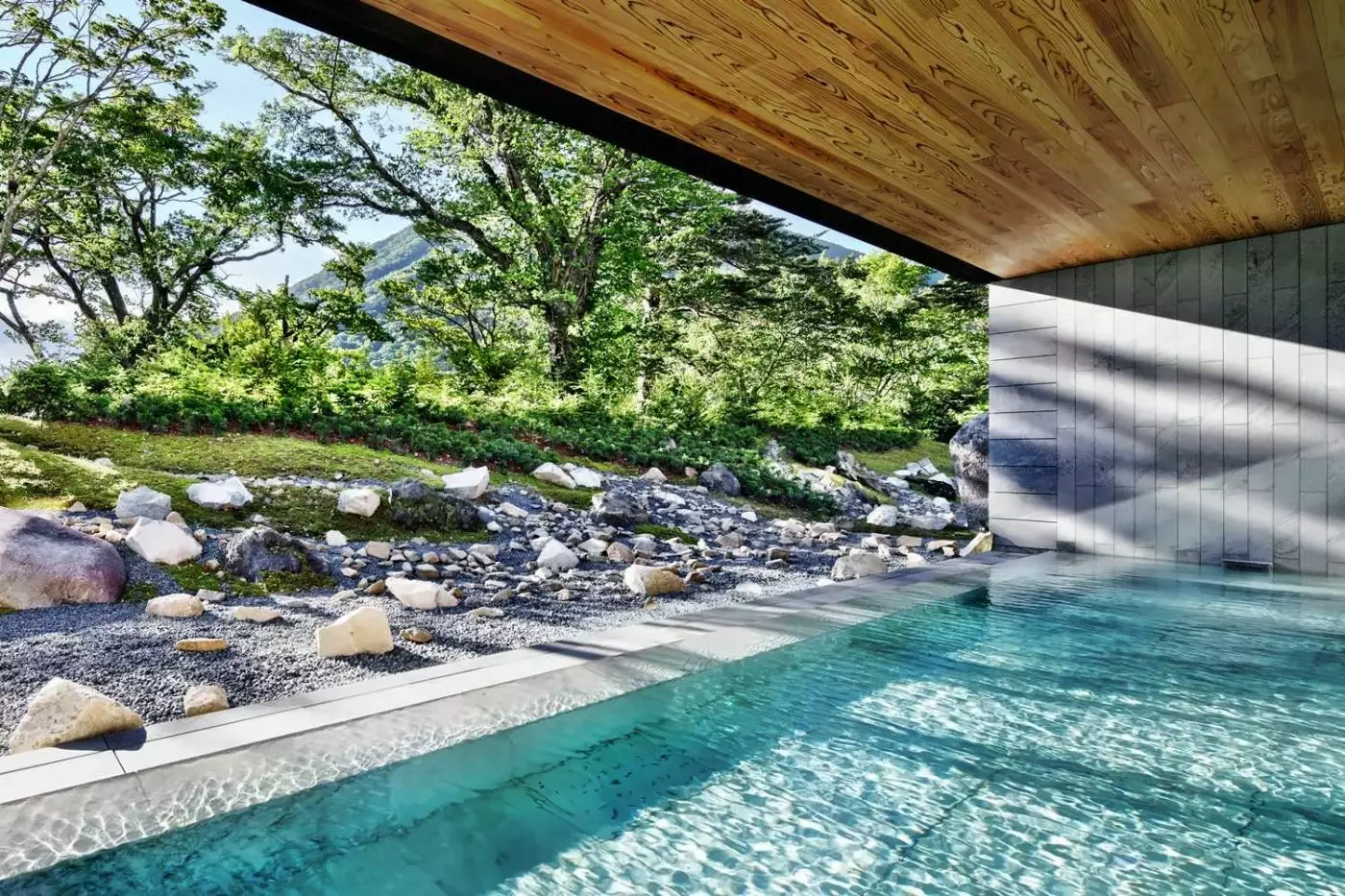
The spa contains The Ritz-Carlton brand's first onsen, with natural hot-spring water drawn from Nikko Yumoto Onsen. Guests encounter the mineral water in both indoor and open-air bathing areas, framed by the landscape for which the hotel is best known. The water is clear at its source and turns milky white when exposed to air, with the natural sulfur scent associated with the spring. Separate bathing areas, a dry sauna scented with cypress, and a quiet spa lounge support the onsen ritual.
Spa treatments and a fitness studio broaden the wellness offering, but the onsen remains the defining element. Guests should approach it as a Japanese communal bathing experience, with washing before entering the water and a quieter etiquette than a leisure pool. A private open-air bath is used for selected spa treatments, while the main onsen provides the communal hot-spring experience for staying guests. This distinction preserves the cultural character of the facility rather than treating it as a conventional resort pool.
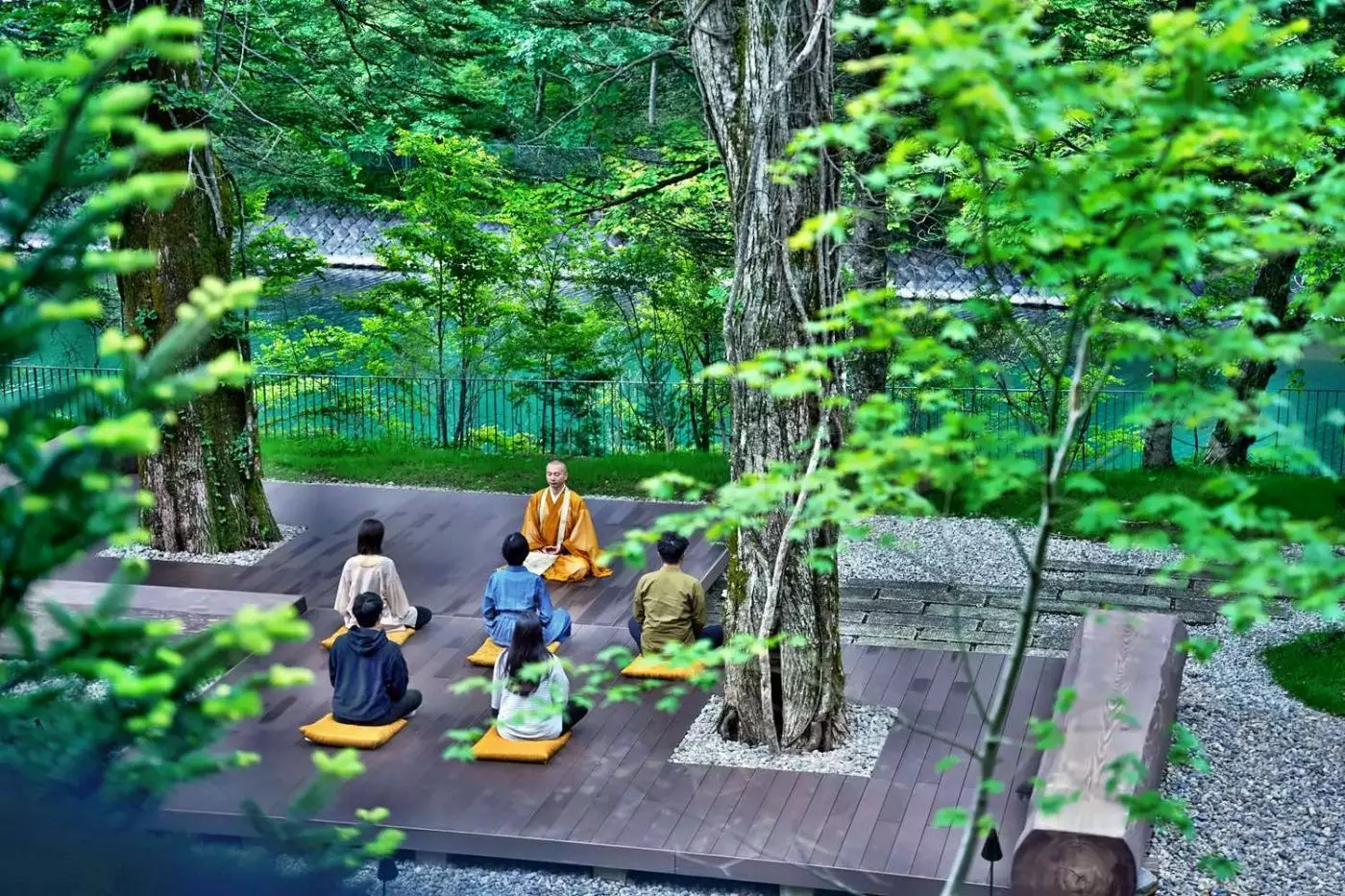
The hotel's activities reflect its position between national park landscapes and Nikko's religious heritage. Hiking, cycling, fishing, paddleboarding, snowshoeing, and skiing all belong to the broader seasonal setting. Hotel programming also draws on local practices such as zazen meditation, Nikko-bori woodcarving, and visits connected to nearby temples and shrines. These experiences give the stay depth when treated as more than a checklist; they explain how craft, worship, and the natural environment remain closely linked in Nikko.
The Ritz-Carlton, Nikko is therefore most compelling for couples, families, and culturally curious travelers who want quiet evenings and a strong connection to landscape. It is less about nightlife or urban convenience than about the contrast between active days and measured returns to the hotel. The best version of the stay leaves room for an unhurried breakfast, time on the engawa, a walk beside the lake, and an onsen soak before dinner. In Oku-Nikko, those simple intervals are not secondary to the experience. They are what allow the setting to register.
The Japanese Tea Experience pairs two regional teas with wagashi, helping you compare aromas over a considered pause in the day.
A yoga mat provided in your room lets you stretch when it suits you, adding a simple way to ease into the morning.
A guided Toshogu visit with a shrine maiden adds personal interpretation to the ornate complex, helping you understand more than its architecture alone.
2482 Chugushi, Nikko, Tochigi, 321-1661, Japan
Playing this video may share data with YouTube. Please see our Privacy Policy.
Yes. The Ritz-Carlton, Nikko is a strong choice for travelers who want Japanese nature, hot springs, and quiet luxury. The hotel has 94 rooms and suites, Lake Chuzenji views, Mount Nantai views, dining, spa, and an onsen experience.
The hotel is in Chugushi, beside Lake Chuzenji and near Mount Nantai in Nikko National Park. This setting works well for travelers who want mountain scenery, temples, waterfalls, hiking, and a slower resort pace.
The Ritz-Carlton, Nikko has 94 spacious rooms and suites. Each accommodation is designed around either lake or mountain views, with a calm Japanese residential feel.
Rooms are spacious and include an engawa, a traditional porch-style space for viewing the landscape. The design blends minimalist lines, warm wood, stone, Japanese craft details, and a close connection to nature.
Lake Chuzenji and Mount Nantai views are the main scenic draws at this hotel. Travelers who care most about outlook should compare lake-view rooms, mountain-view rooms, and suite categories before booking.
More amenities
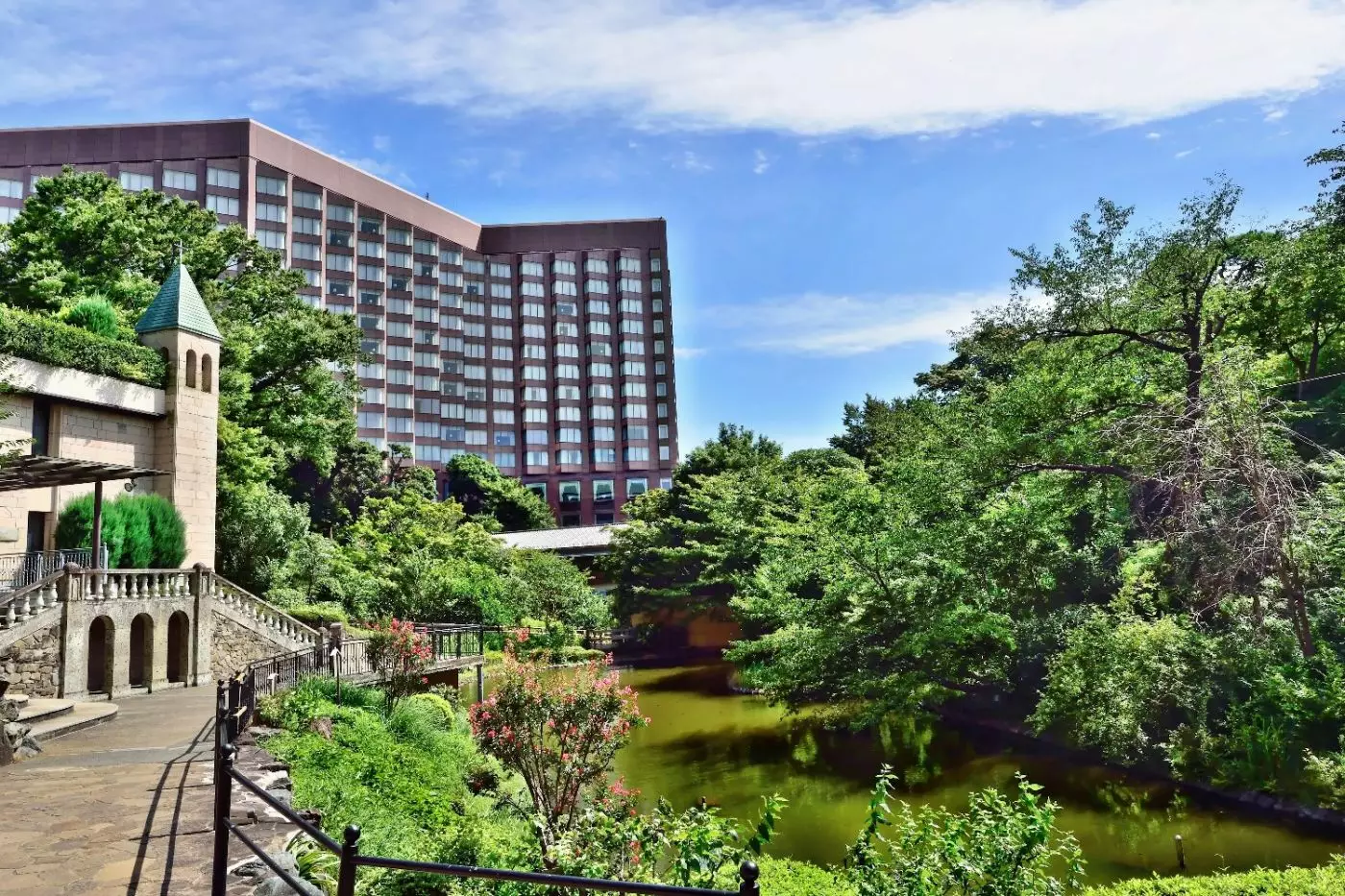
Hotel Chinzanso Tokyo takes its identity from the garden below its windows. In Bunkyo, wooded slopes, ponds, and a three-stor...
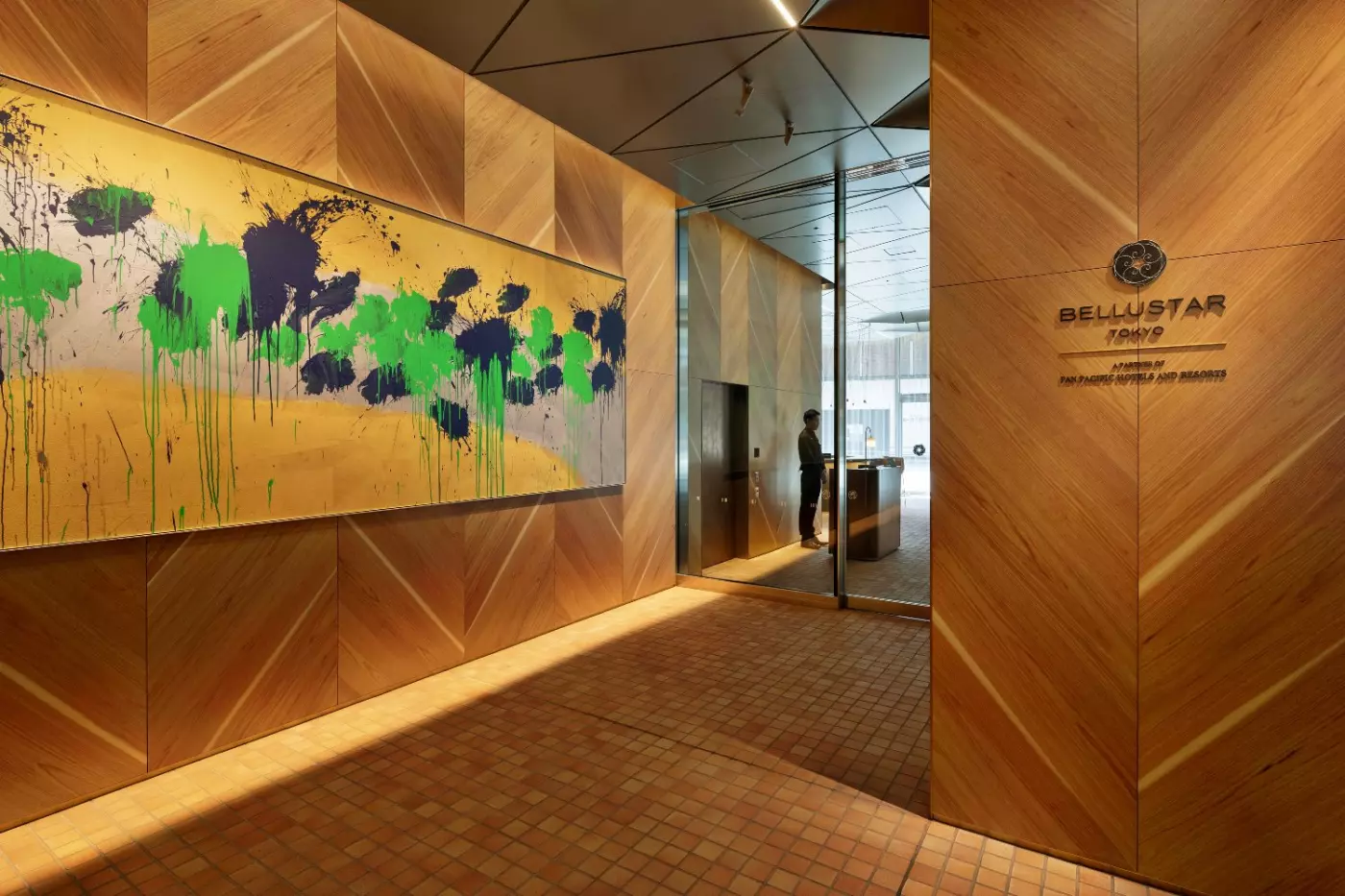
Bellustar Tokyo, A Pan Pacific Hotel is a luxury sky hotel in Shinjuku, set high inside Tokyu Kabukicho Tower. Its 97 rooms o...
More amenities
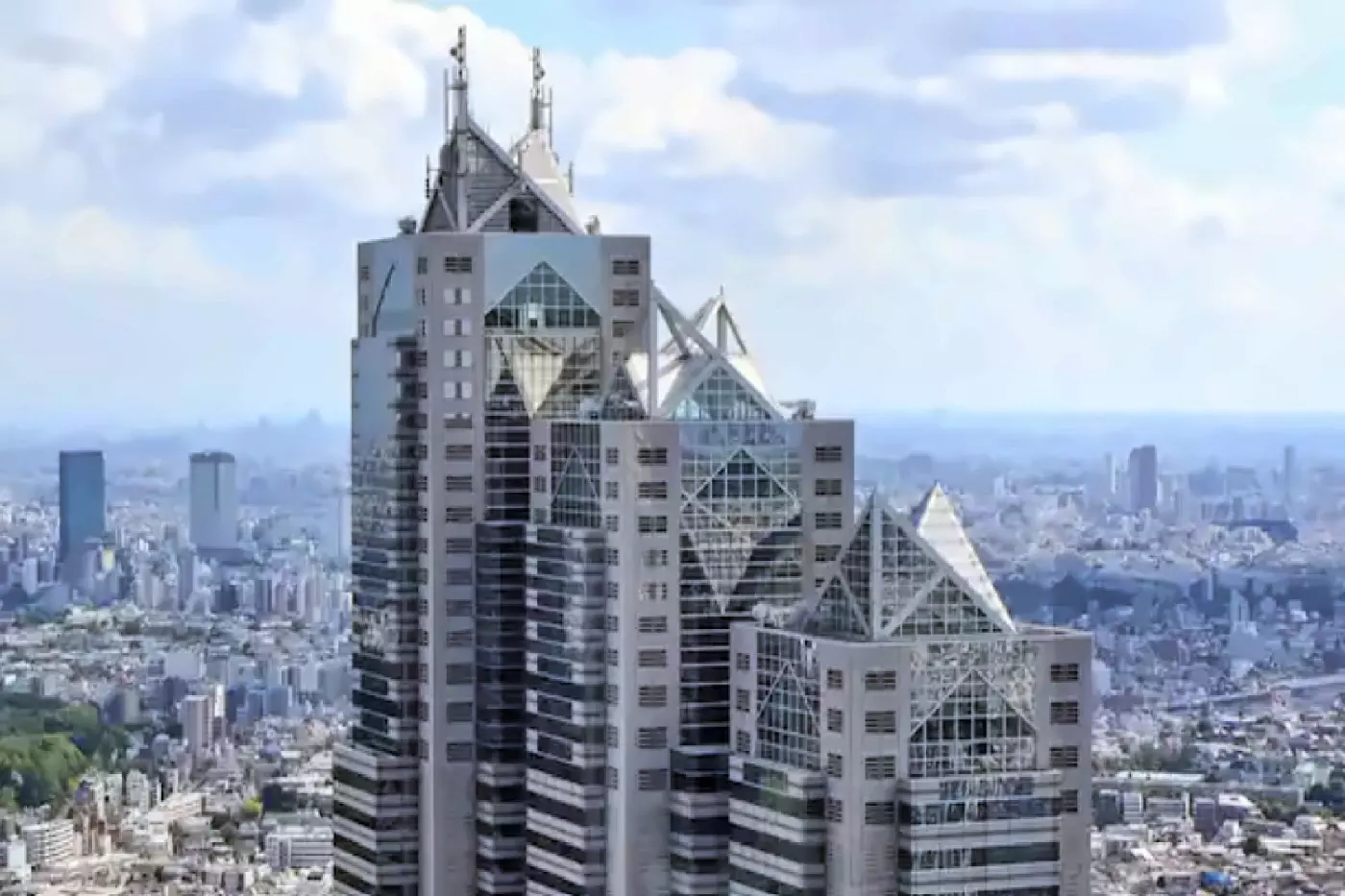
Park Hyatt Tokyo occupies the upper floors of Shinjuku Park Tower, where the city's scale comes into focus from rooms, restau...