Best for
Round-the-clock concierge support with bilingual staff makes Chinzanso worth considering when you want help navigating reservations and travel arrangements during a Tokyo stay.
Please choose a hotel or destination from the list.
We couldn’t open your search results. Please try again.
Your private search
Finding exceptional stays
Best for
Round-the-clock concierge support with bilingual staff makes Chinzanso worth considering when you want help navigating reservations and travel arrangements during a Tokyo stay.
What makes it special
Japanese language lessons taught by the concierge and staff introduce greetings and everyday phrases, offering a cultural foothold for overseas guests.
Room to consider
Ask about the six pillow types available through equipment rental when planning your room, especially if your usual sleeping setup matters.
Insider tip
Arrange electric bicycle rental through the concierge if cycling fits your plans, so you can explore on two wheels during your stay.
Free membership gives you access to preferred rates, exclusive benefits and current promotions for your stay.
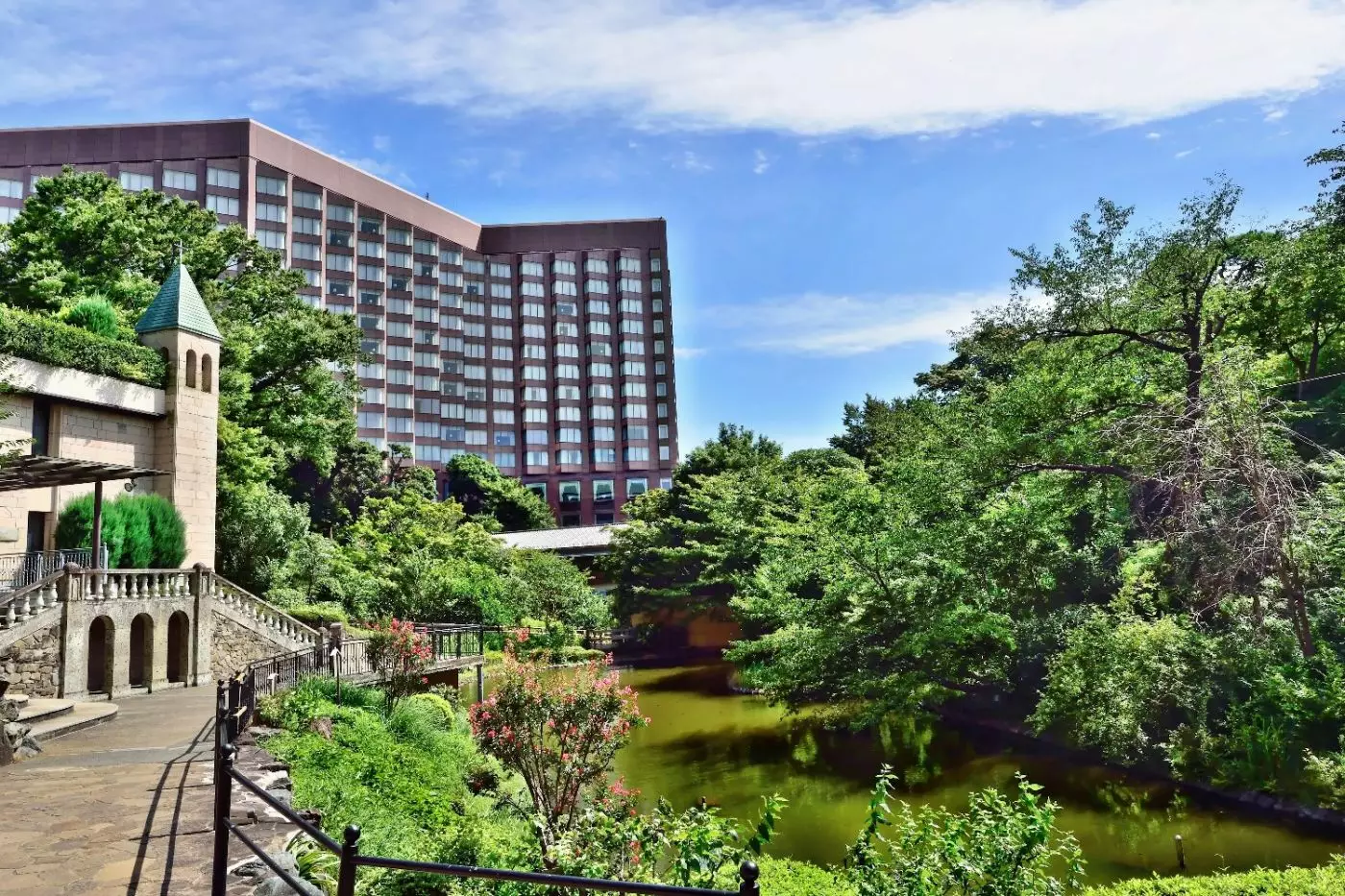
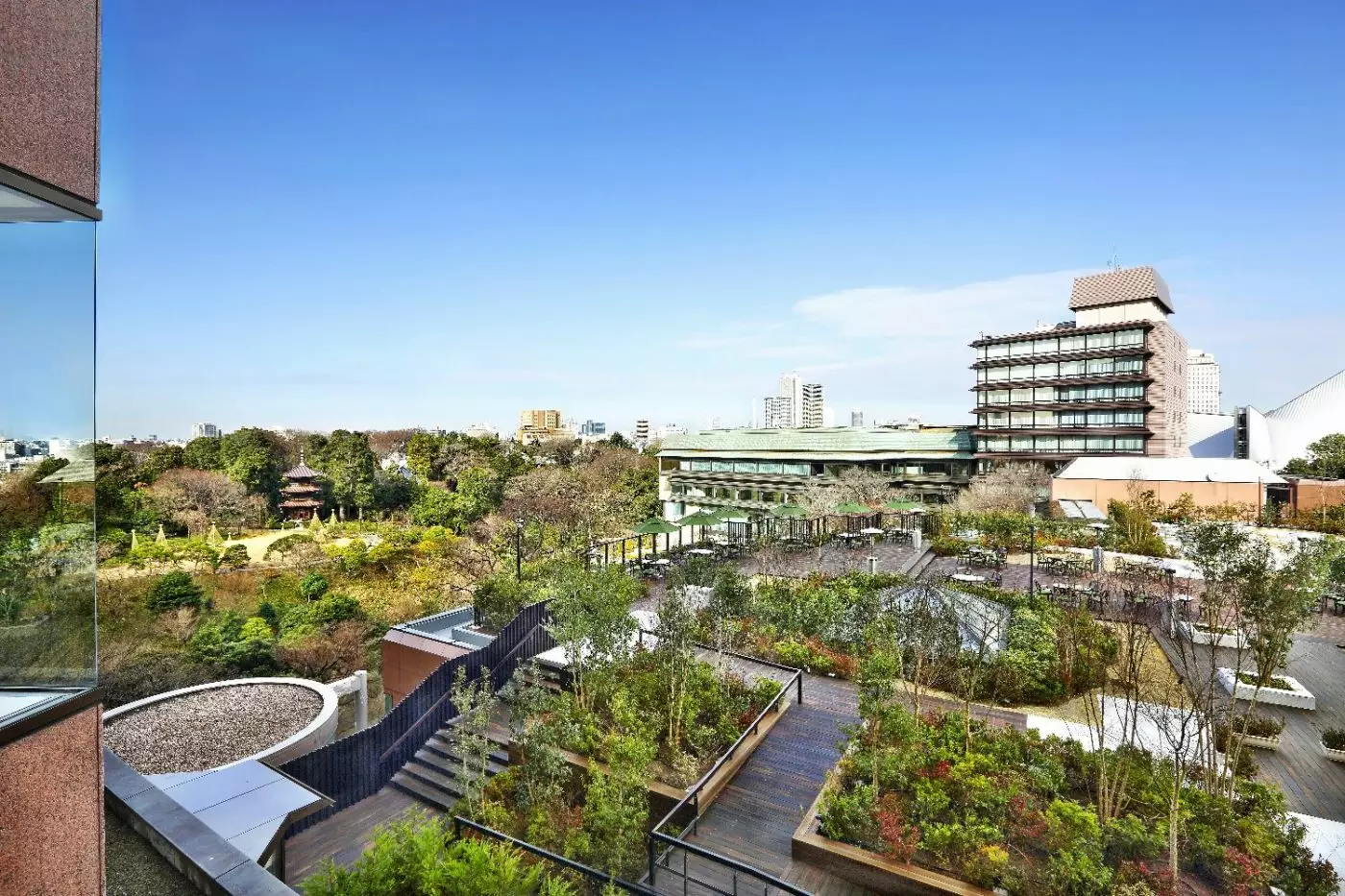
Hotel Chinzanso Tokyo takes its identity from the garden below its windows. In Bunkyo, wooded slopes, ponds, and a three-story pagoda form the setting for a stay shaped by Japan's seasons. Paths lead from the hotel into the grounds, where restaurants occupy traditional buildings and camellias recall the history behind the Chinzanso name.
 267
 Charming
 Fitness
 Pool
 Spa
 Sauna
 Wellness
 Culture
 Pet Friendly
 Wheelchair Accessible
 Connecting Rooms
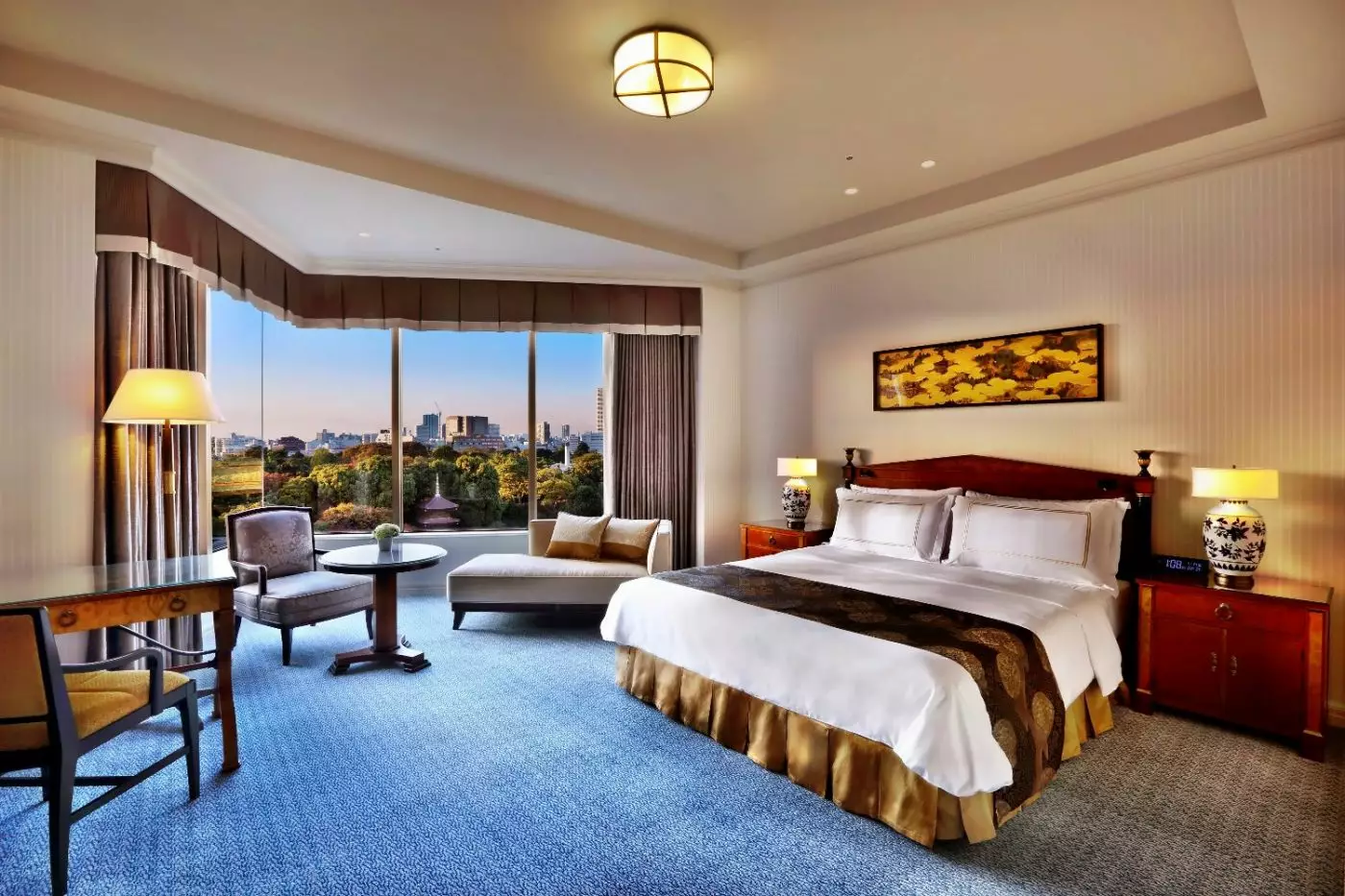
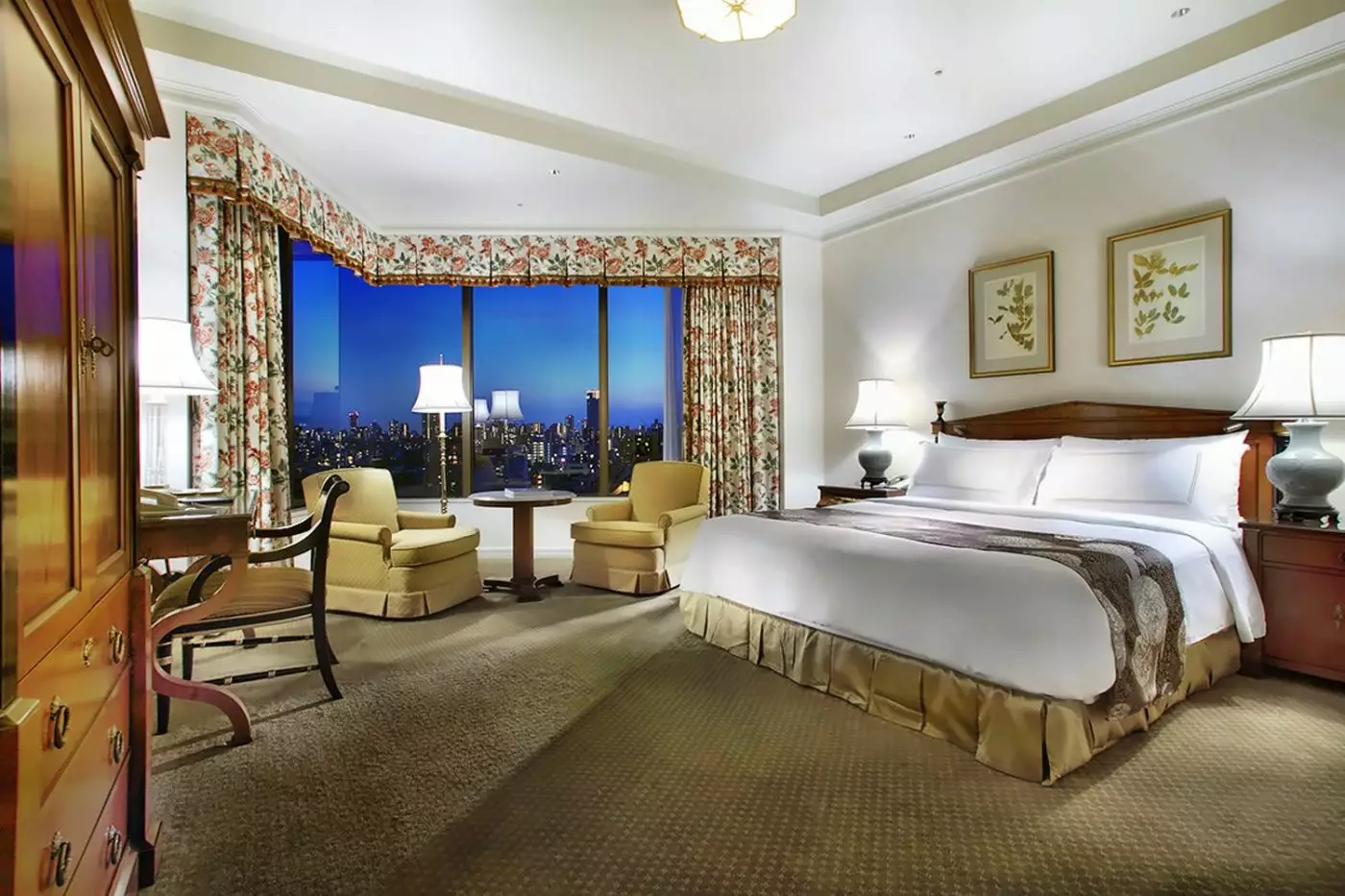
A broad window overlooks Tokyo’s skyline from the bedroom and its seating corner. The desk stands beside the window, with a round table and padded chairs nearby. Classic designs use floral curtains, while modern rooms pair striped walls with long gold-toned artwork above the bed.
Dark wood runs through the headboard, bedside furniture and storage, with ceramic lamps beside the bed in both styles. The entrance leads past the wardrobe and bathroom into the main room. This places them apart from the seating by the window.

A broad window overlooks Tokyo’s skyline from the bedroom and its seating corner. The desk stands beside the window, with a round table and padded...
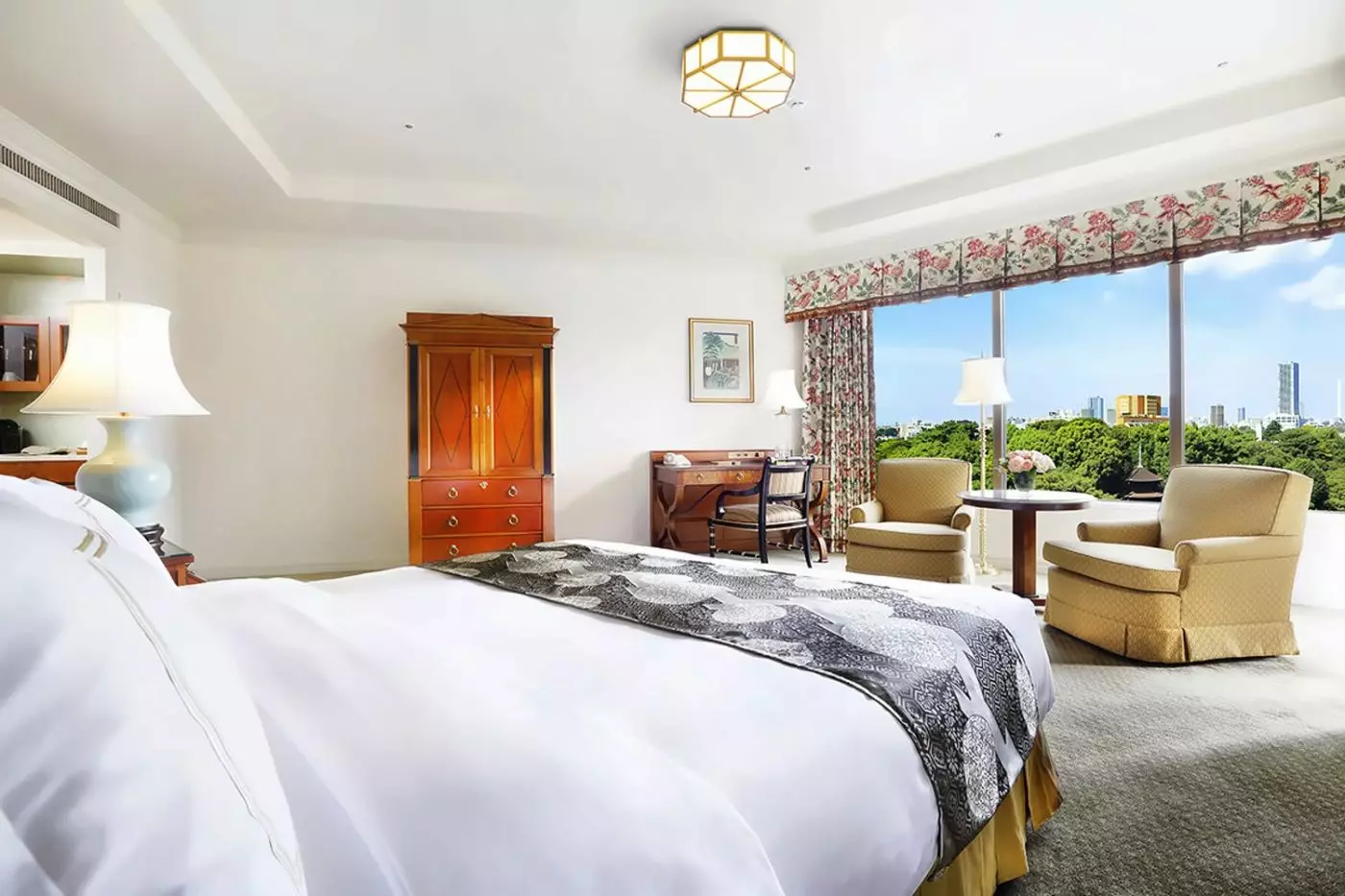
In one garden-facing design, the wide window looks toward mature trees and the pagoda. Seating lies close to this view, with a desk at one side and space to read or have a drink at the table. The bedroom remains open to this sitting area, while the bathroom and wardrobe sit nearer the entrance.
A classic design pairs floral curtains with cream seating and traditional wood furniture. Modern versions use a chaise, a separate armchair and artwork with gold-toned details above the headboard. Ceramic bedside lamps and a patterned throw add smaller accents to the sleeping area.

In one garden-facing design, the wide window looks toward mature trees and the pagoda. Seating lies close to this view, with a desk at one...
Lounge access is free for adults staying in the suite; children aged 4–12 are charged separately.
French doors separate the bedroom from the living room and can be closed. A sofa and armchairs gather around the coffee table, while a writing desk stands by the corner windows. The sitting and working areas look out over Tokyo’s buildings.
Floral curtains and blue seating define classic designs. A modern version uses dark wood, striped walls and patterned fabrics. The bedroom has its own window, with padded benches in one twin layout. The marble bathroom has a bathtub and separate shower, with the toilet set apart from the main bathing area.

French doors separate the bedroom from the living room and can be closed. A sofa and armchairs gather around the coffee table, while a writing...
Lounge access is free for adults staying in the suite; children aged 4–12 are charged separately.
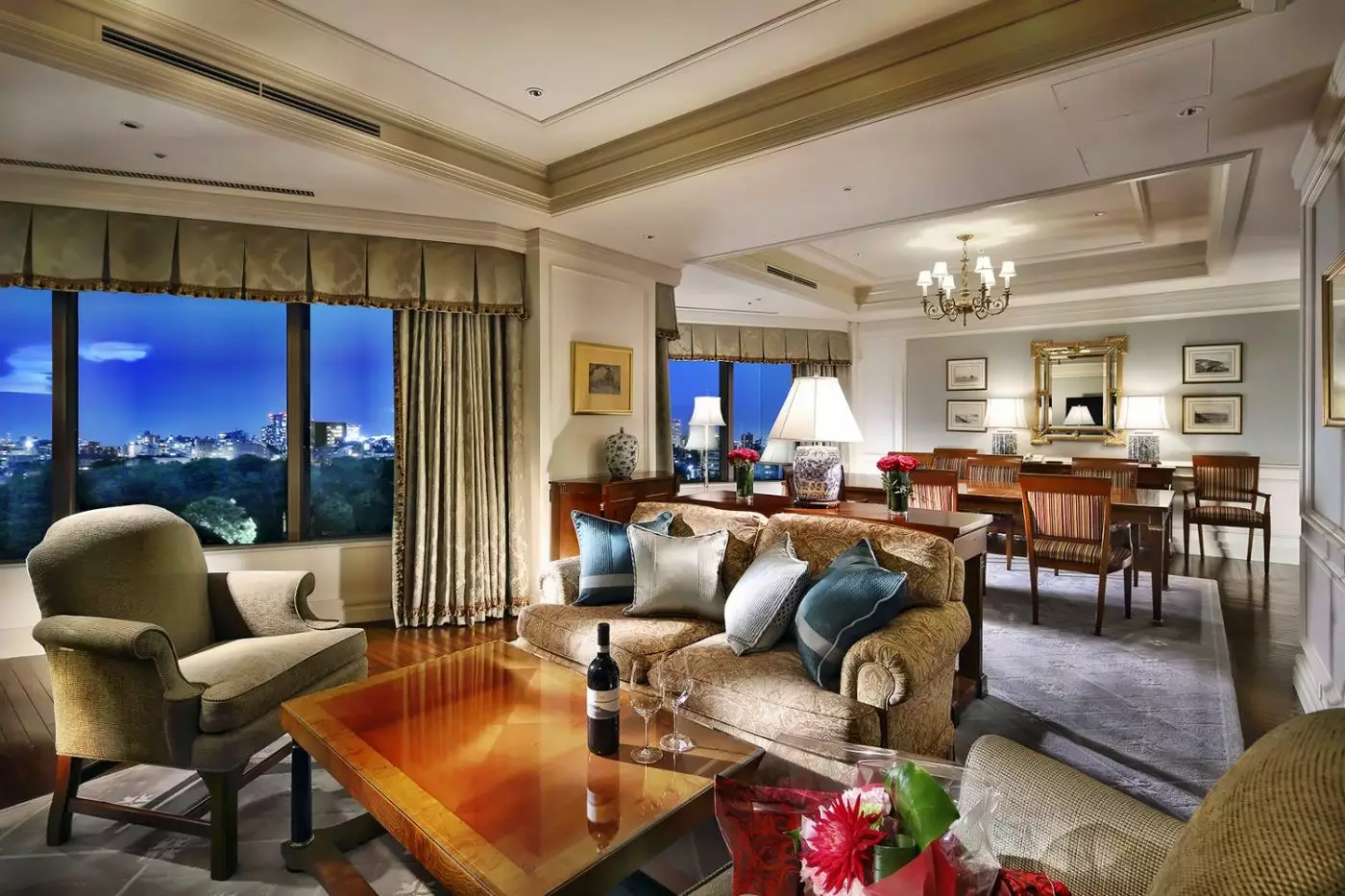
Greenery fills the view beyond the living room’s large windows. A desk stands at the glass, while a sofa and armchairs gather around the coffee table farther inside. French doors separate this area from the bedroom and can be closed.
Warm patterned fabrics and floral curtains define a classic arrangement. Modern interiors combine dark wood furniture, striped walls and gold-toned artwork, with seating beside the bedroom window. The bathroom brings a bathtub and separate shower together in a marble setting; the toilet has its own enclosed space. A wardrobe stands near the entrance.

Greenery fills the view beyond the living room’s large windows. A desk stands at the glass, while a sofa and armchairs gather around the coffee...
Lounge access is free for adults staying in the suite; children aged 4–12 are charged separately.
A door links the bedroom to a separate living room overlooking the garden. The lounge has a sofa and armchairs around a low table, with another table near the windows. A writing desk stands at the outer wall.
Classic designs use red patterned upholstery and floral curtains. Modern versions pair dark wood furniture with framed art and simpler fabrics. In the bedroom, a chaise stands beside the window, and benches sit at the foot of the twin beds in one design. A powder space with a vanity sits near the entrance, beside the marble bathroom with its bathtub and separate shower.

A door links the bedroom to a separate living room overlooking the garden. The lounge has a sofa and armchairs around a low table, with...
Lounge access is free for adults staying in the suite; children aged 4–12 are charged separately.
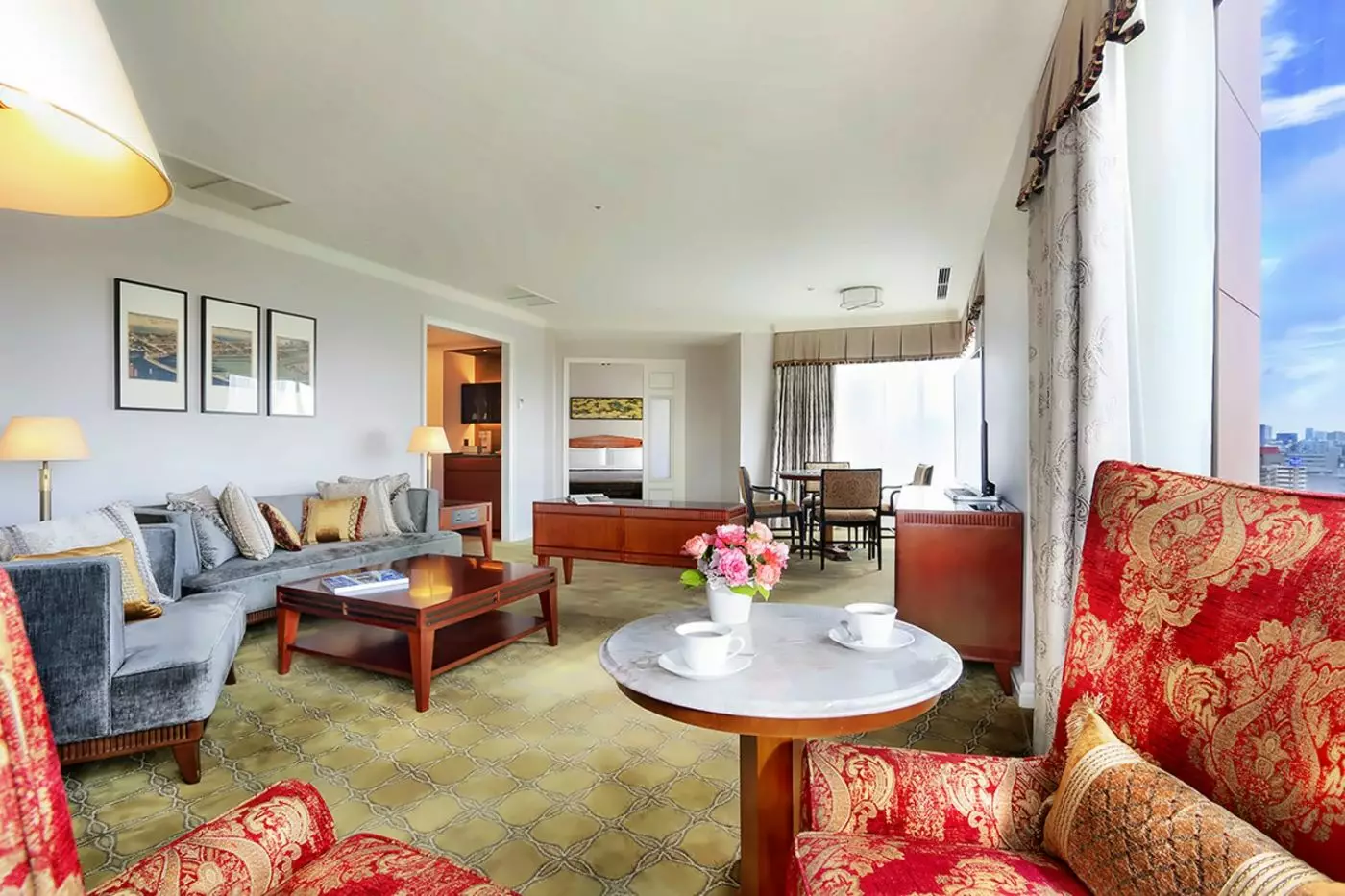
Corner windows follow the living room’s broad outer wall, with garden views from the sitting area. A sofa and armchairs form one gathering space around the coffee table, while a round marble table offers another place to sit. The writing desk stands beside the windows, away from the main seating group.
Double doors lead to the separate bedroom. Classic interiors bring red patterned fabrics and floral curtains into the lounge; modern designs use a long gray sofa, dark wood pieces and framed prints. The main bathroom has a bathtub and shower, and a wardrobe lines the entrance hall.

Corner windows follow the living room’s broad outer wall, with garden views from the sitting area. A sofa and armchairs form one gathering space around...
Sleeping and sitting space share one open room, with a generous window at the far end. A desk provides a place to write, while the sofa and a marble side table form the seating area. The entrance is set apart from this main space, with the wardrobe and bathroom along the way.
The two design families give the room a different character. Floral curtains and traditional wood furniture appear in classic interiors; modern designs use striped walls and artwork above the headboard. Lamps sit beside the bed and on the desk, with upholstered seating near the window.

Sleeping and sitting space share one open room, with a generous window at the far end. A desk provides a place to write, while the...
Wild camellias grew on this land centuries before it became a hotel garden. Known as Tsubakiyama, or Camellia Mountain, the site became the estate of statesman Yamagata Aritomo in 1878. He named it Chinzanso and worked with gardener Iwamoto Katsugoro on its landscape. That history remains legible in the grounds, where a monument records Yamagata's words about protecting the hills and water.
The garden unfolds along slopes and steps. Red Benkei Bridge crosses near Yusuichi Pond, while a passage runs behind Gojo Waterfall. Stone figures based on painter Ito Jakuchu's Rakan drawings stand along one walking route. Above the pond rises Entsukaku, the three-story pagoda brought here from Hiroshima Prefecture in 1925. Bamboo rails made by the gardeners line the steps descending from it. These are places to discover on foot, with paths linking water, woodland, and historic structures.
The Tokyo Sea of Clouds adds a contemporary layer to this landscape. At scheduled intervals, artificial mist spreads across the garden, gathering around trees and water before dispersing. Wind and humidity affect its appearance; the pond-side paths and hotel terraces give different perspectives. Camellias and cherry blossoms mark the flowering seasons, followed by fresh green leaves and autumn color. Early summer also brings the hotel's firefly-viewing season, with garden entry managed during those evenings.
The hotel has 267 rooms and suites. Prime Superior Rooms measure 45 square meters and come with either a king bed or twin beds, plus a sofa and writing desk. Their marble bathrooms have a separate bathtub, shower, and toilet. Garden and city views are distinct booking choices. Prime Classic interiors draw on European decoration, while Prime Modern rooms introduce Japanese design influences. The garden is not visible from every room.
The 60-square-meter Prime Executive Suite has city views and a living room apart from the bedroom. The two-bedroom Prime Premier Garden Suite measures 138 square meters and accommodates up to six adults. Each bedroom can have a king bed or twins, and the connecting arrangement gives the group two sleeping spaces alongside the living room.
The Japanese Suite has two tatami rooms across 83 square meters. It accommodates up to six adults, with staff preparing futon bedding for the night. A traditional tearoom includes a sunken hearth, and calligraphy by Yamagata Aritomo occupies the alcove. The bathroom uses wood and stone, while the windows look onto the garden. This suite is reserved directly with the hotel by phone.
Connecting Prime Superior Rooms are available with either garden or city views, joining two 45-square-meter rooms through a lockable door. Universally designed rooms can also connect to an adjacent room for a family member or caregiver. These arrangements must be requested and confirmed. Children are welcome at the hotel, though restaurant and spa rules vary: Il Teatro admits children from age six at dinner, and Miyuki's dinner sushi counter has a minimum age of seven.
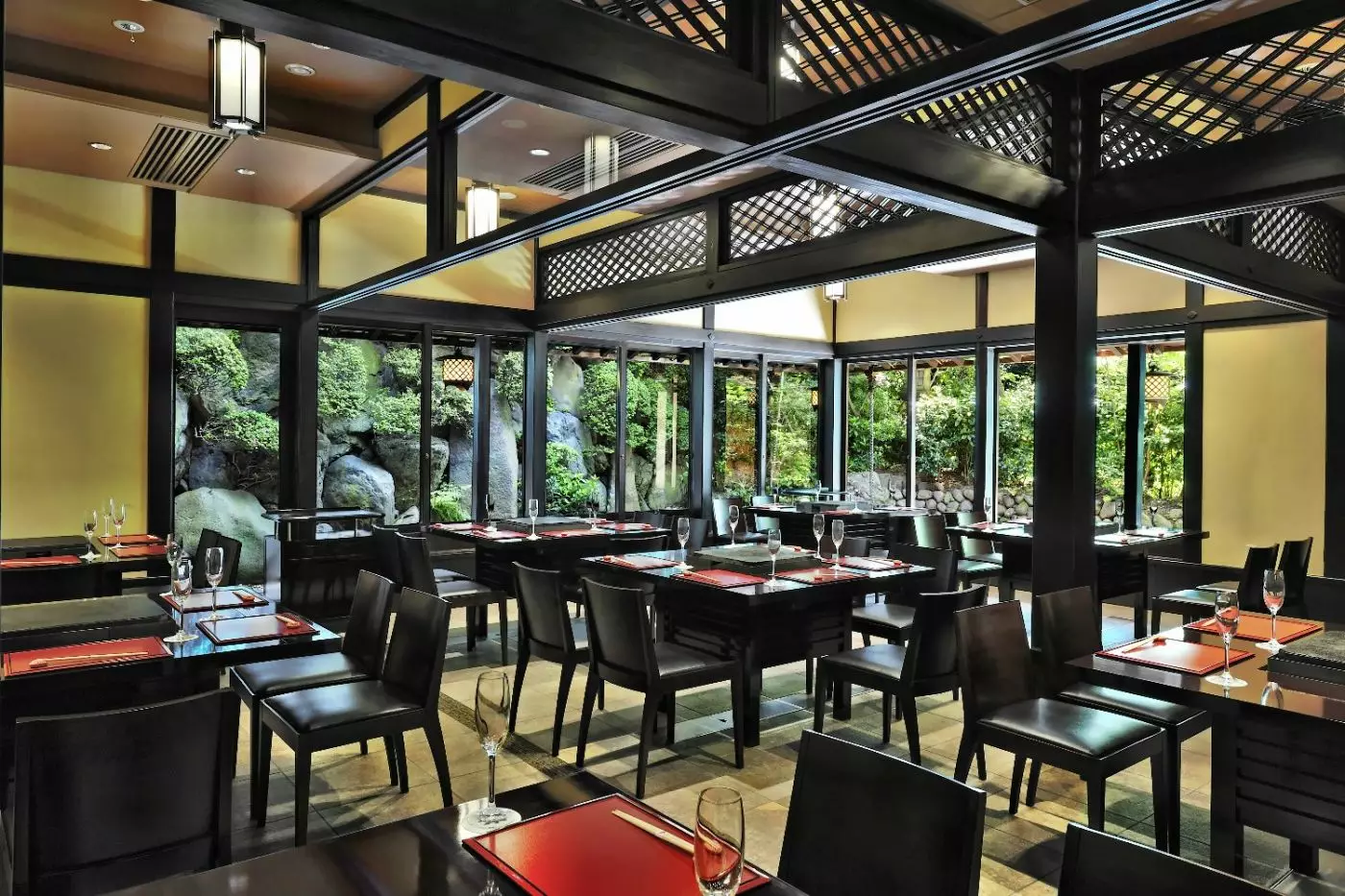
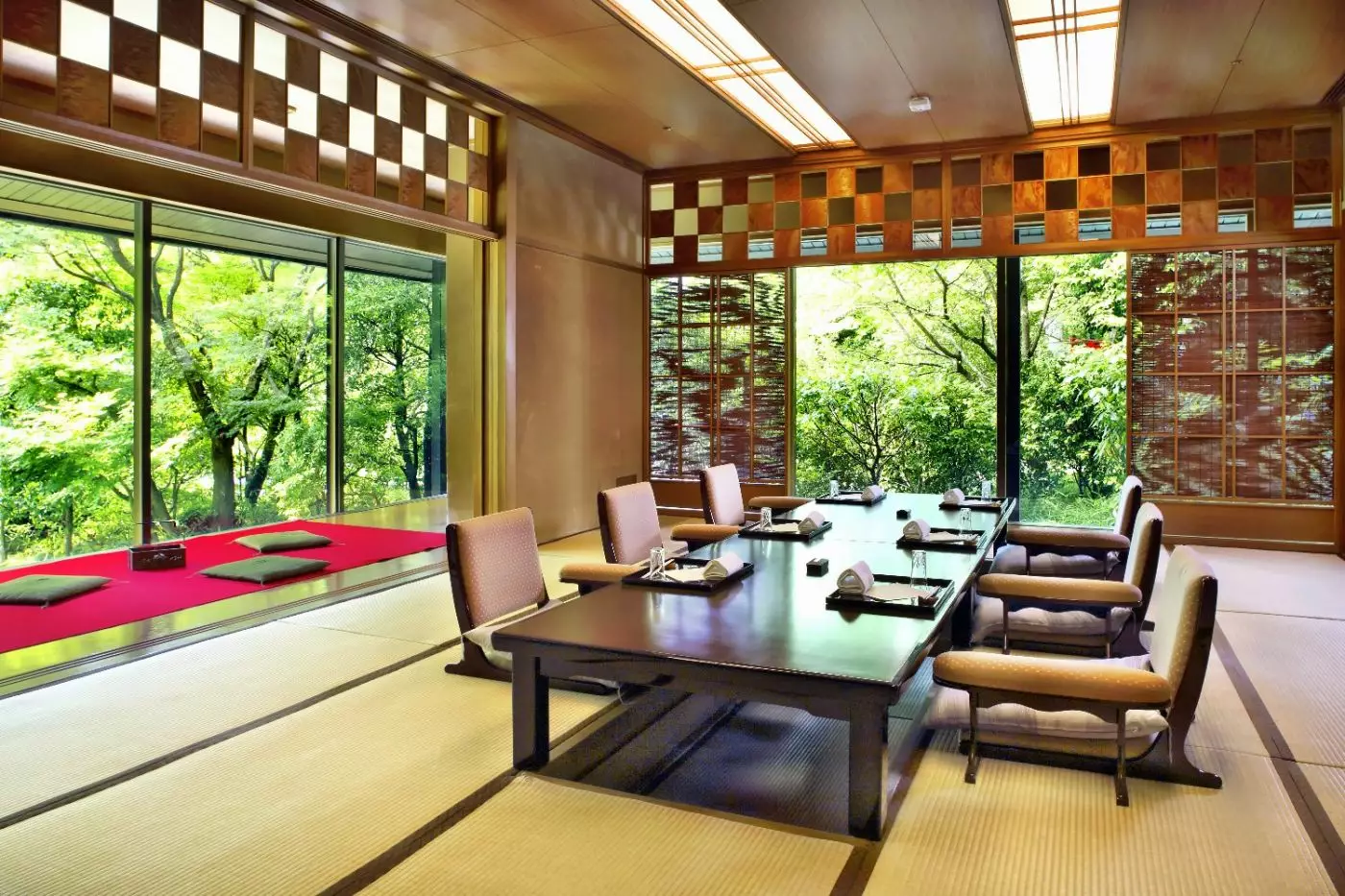
Ryotei Kinsui occupies a traditional Sukiya-style building beside Unkinchi Pond. Meals follow the seasons through kaiseki courses, served in private rooms overlooking the garden. Some rooms have tables and chairs, while others use sunken seating. Reservations are required in advance, and private-room use carries a separate charge. The setting has its own architectural detail, including delicate kumiko woodwork that echoes ripples on the pond. Vegetarian and Muslim-friendly kaiseki menus are available by arrangement.
Farther into the grounds, Mokushundo serves stone-grilled kaiseki in a Showa-era building. Its cooking centers on lava stones from Mount Fuji. Neighboring old houses provide private dining rooms, extending the restaurant into the garden's older buildings. Inside the hotel, Miyuki serves Japanese cuisine with garden views and a choice of tables, a sushi counter, and a teppanyaki counter. Teppanyaki is prepared at its dedicated counter rather than at the regular tables.
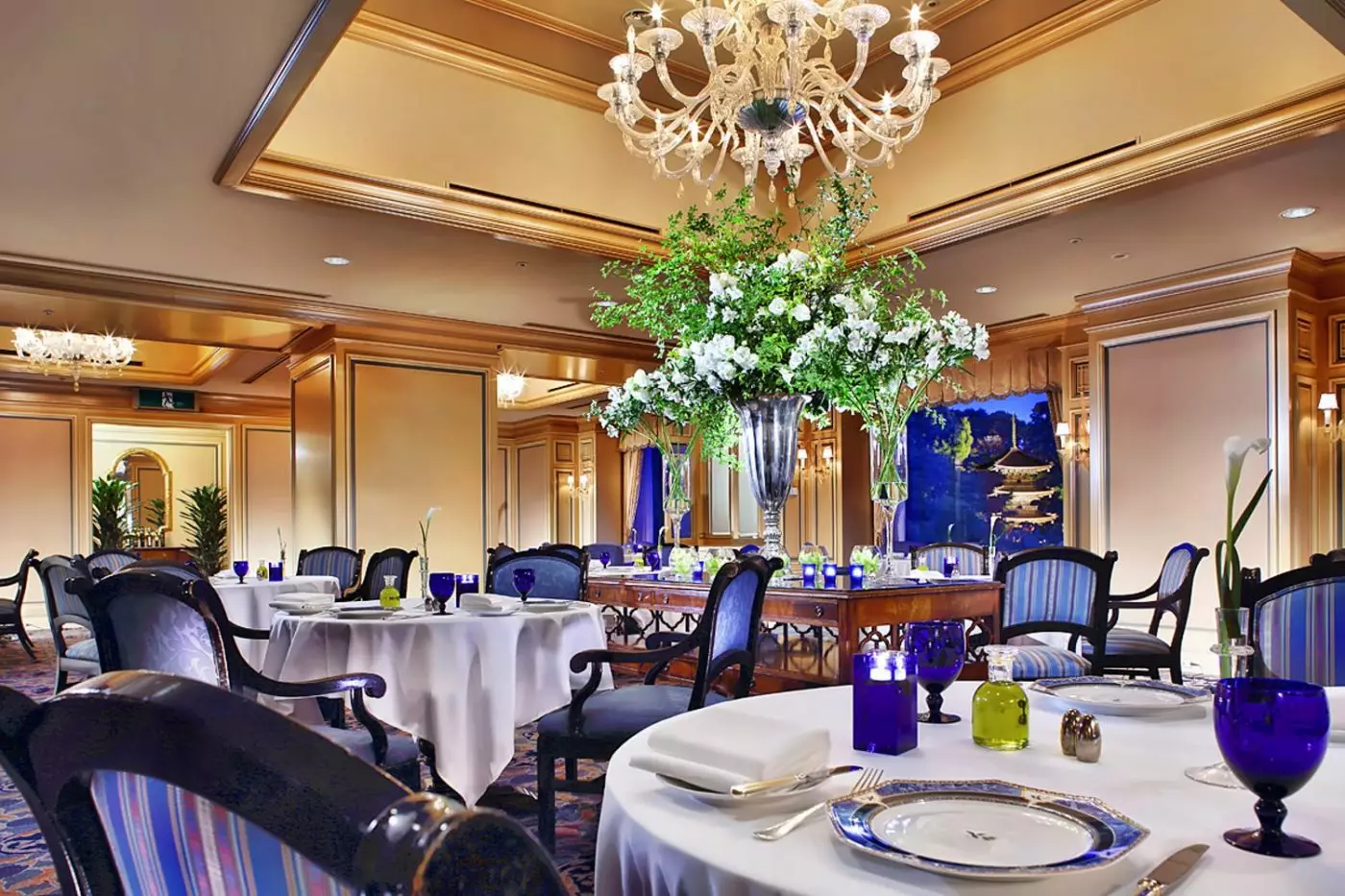
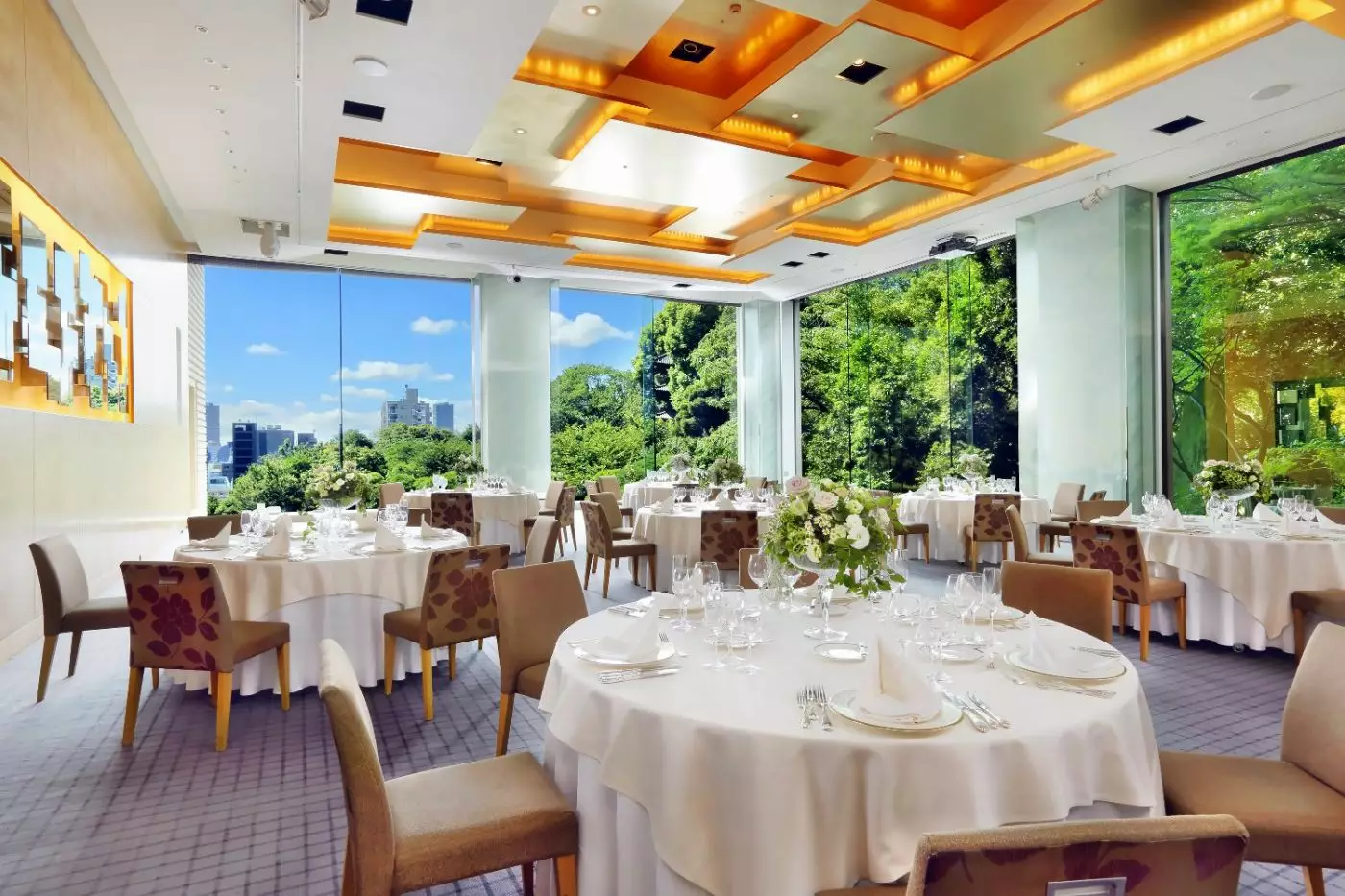
Il Teatro brings Italian cooking to a dining room lit by Venetian glass chandeliers, with the wooded garden beyond its windows. Chef Forcolin Alberto leads the kitchen, drawing on his roots in Italy's Veneto region. The restaurant serves breakfast, lunch, and dinner, and its wine selection emphasizes Italian producers. Private rooms are available for a meal with a smaller group, away from the main dining room.
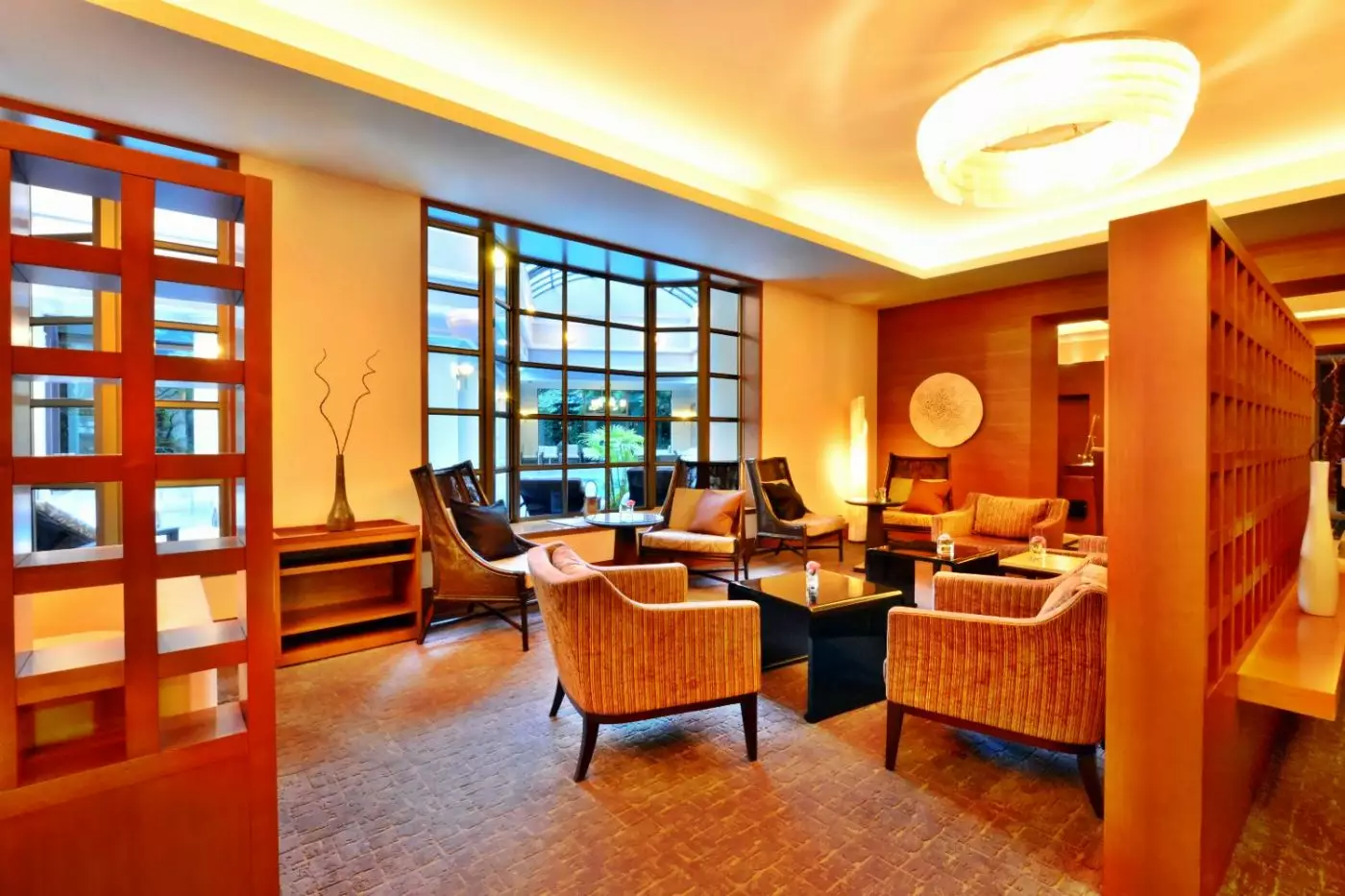
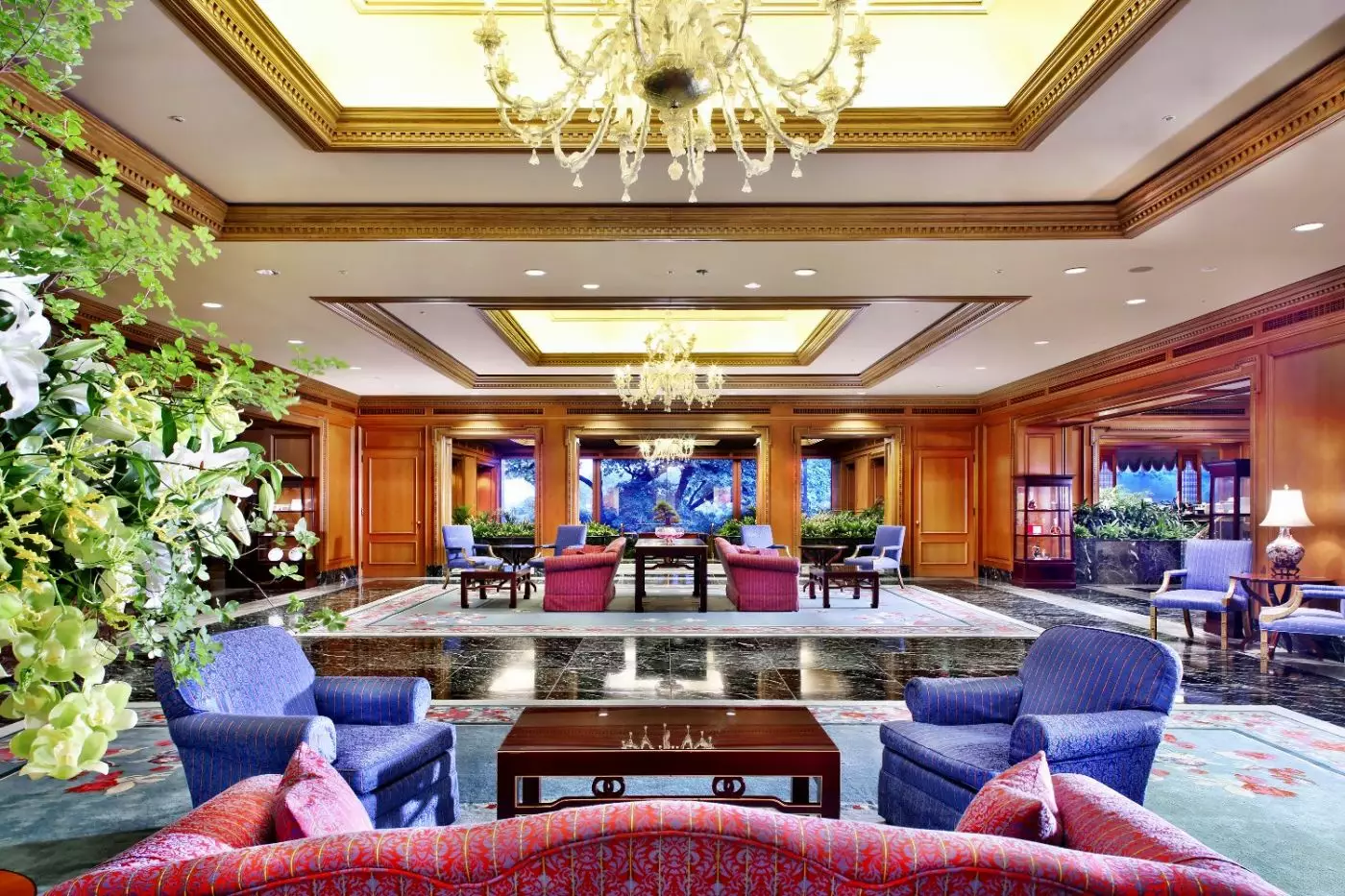
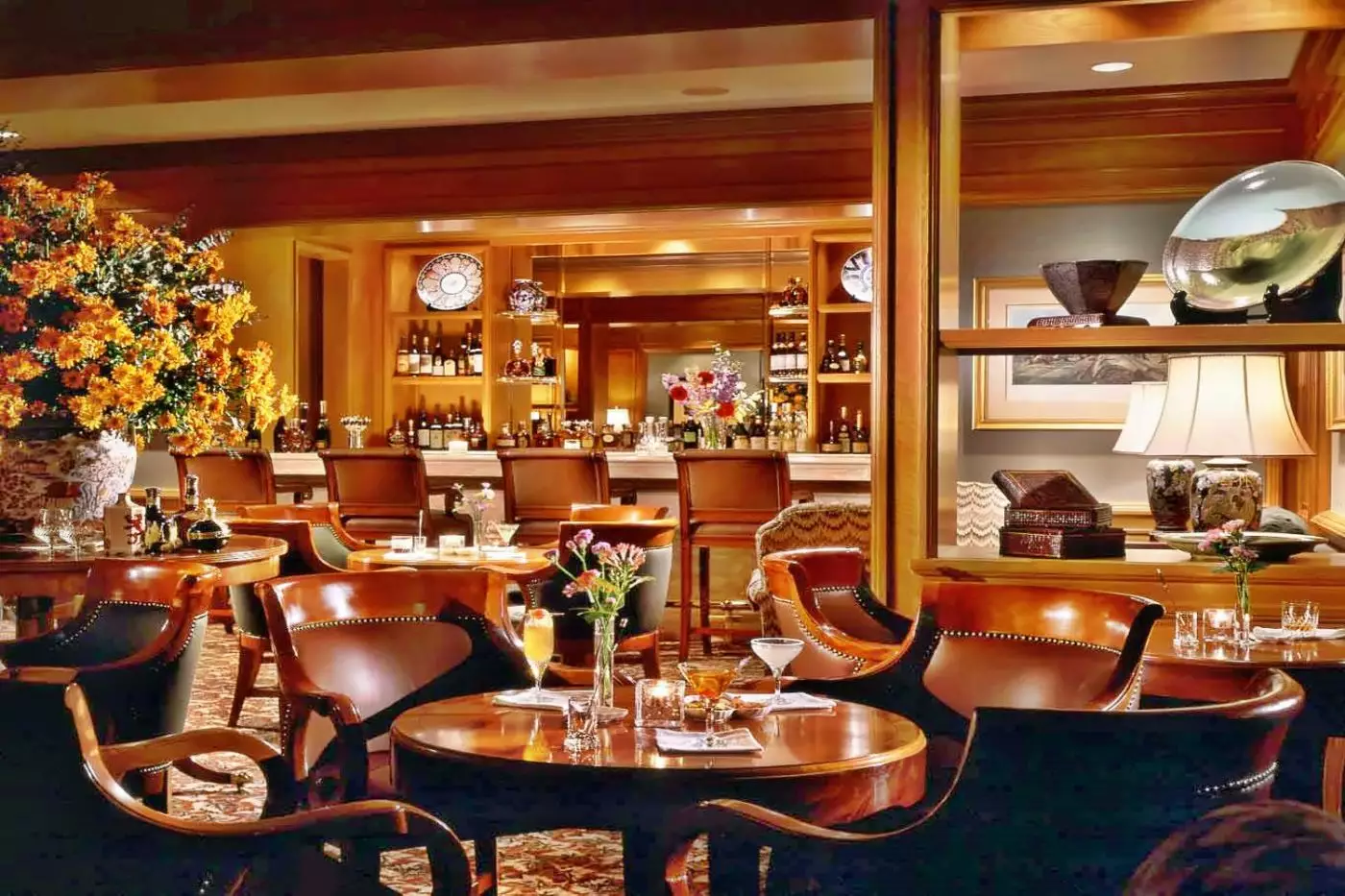
Le Jardin is the hotel's lobby lounge, furnished with European-style seating and views of the greenery. English-style afternoon tea pairs homemade scones and clotted cream with seasonal sweets and savory food. Tea service requires a reservation. The lounge also serves lunch, dinner, and evening cocktails, so its role extends beyond afternoon tea. Sofas and tables face the garden, continuing the connection between the hotel's interiors and the landscape outside.
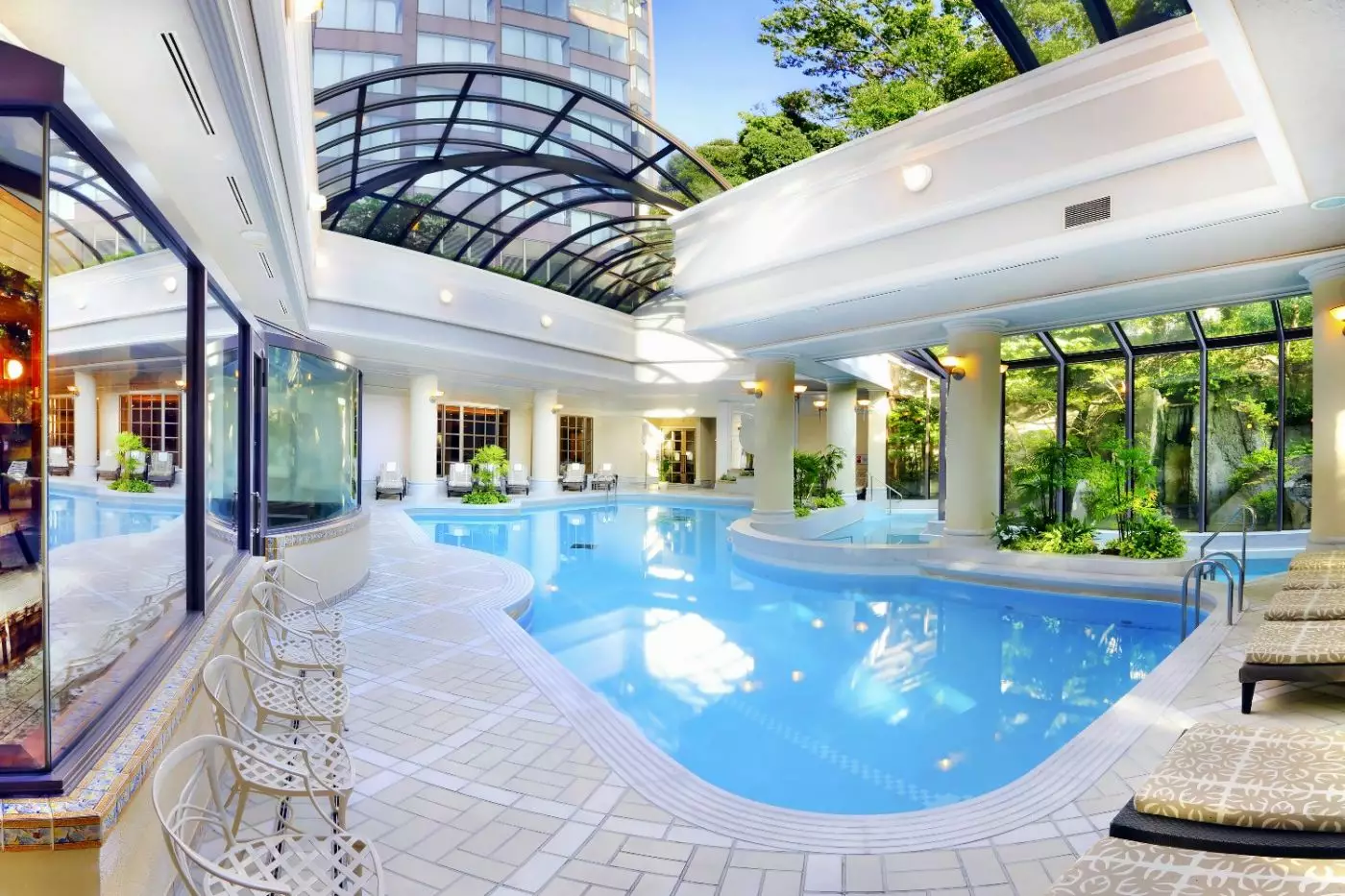
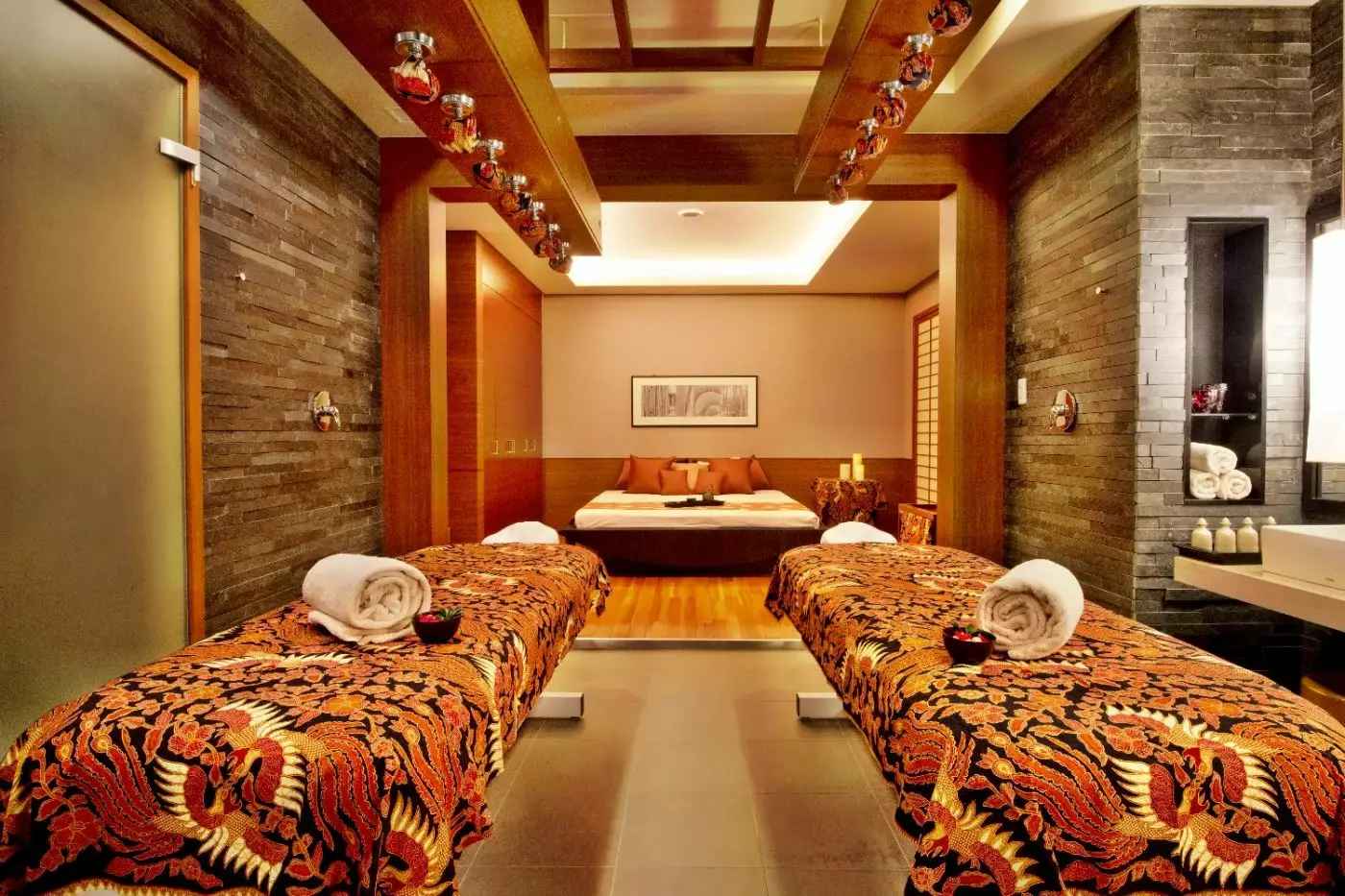
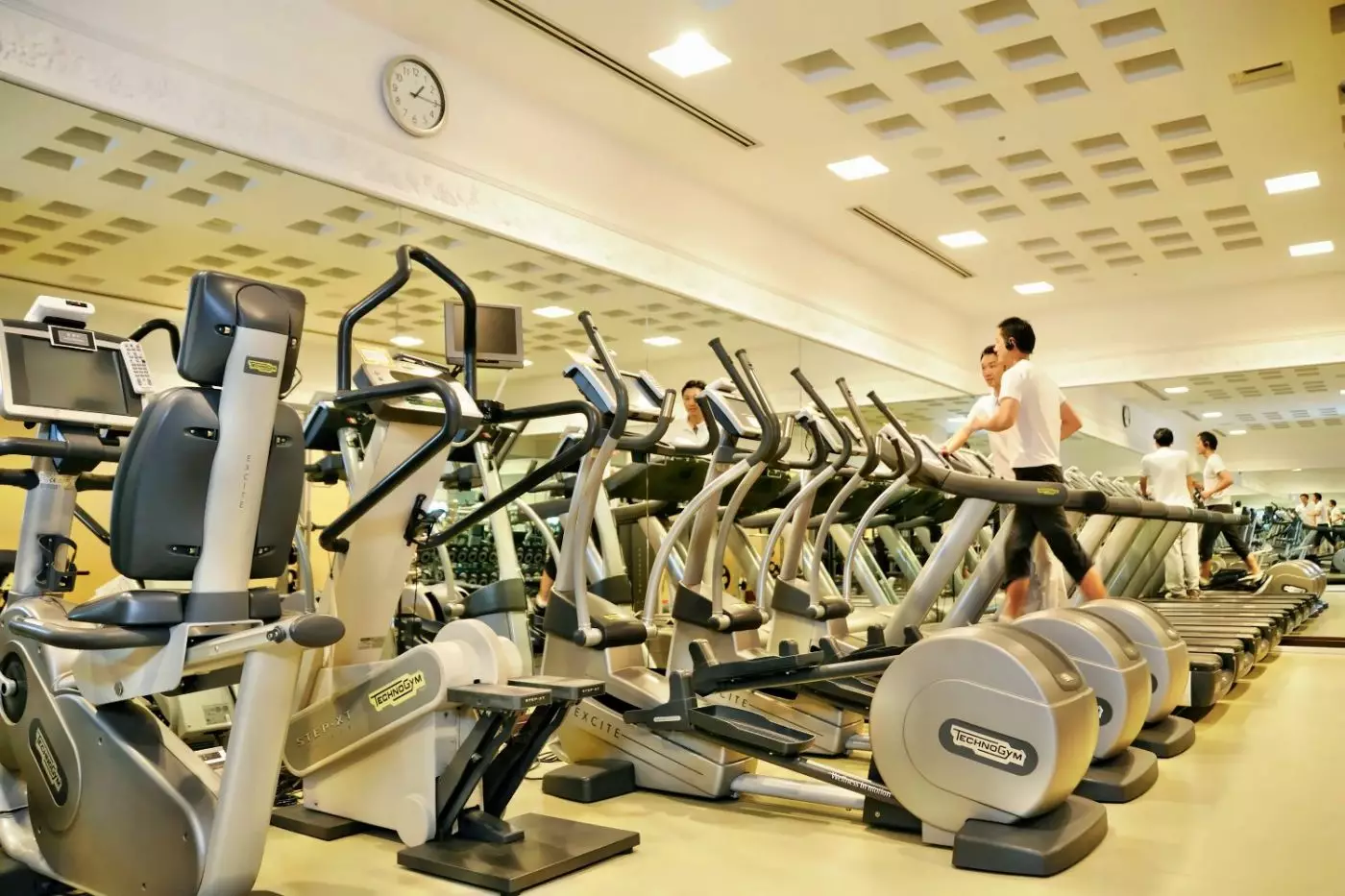
YU, THE SPA has a heated pool beneath a retractable roof, allowing natural light into the swimming area. A jet bath, sauna, and onsen baths accompany it. The onsen water comes from Ito on the Izu Peninsula; it is brought to the hotel, not drawn from a spring beneath the grounds. The fitness room is available around the clock. Spa admission depends on the room plan, with separate charges where access is not included.
Children must be at least four to enter the spa, and those ages four to twelve have designated daytime hours with a guardian. The gym is for ages thirteen and older. Swimming caps are required in the pool. Guests with tattoos must wear a swim shirt in the pool; visible tattoos are not permitted in the onsen area.
Treatments are booked separately and are available from age sixteen, with body treatments, facials, and Vichy shower rituals on the menu. The hotel's camellia theme appears in its Japoneira body treatment, which uses oil pressed from Japanese camellia seeds. YU, THE SPA by L'OCCITANE adds a dedicated treatment menu. Its Garden Secret Signature Treatment combines a facial with body care using products selected to reflect the seasons in the hotel garden.
Edogawabashi Station on the Tokyo Metro Yurakucho Line is about a ten-minute walk from the hotel, with an uphill approach. From JR Mejiro Station, the hotel's taxi estimate is roughly seven minutes, depending on traffic. The main entrance is the practical arrival point with heavy luggage or a wheelchair, since the riverside garden approach involves steep paths and steps. Airport transfers can be arranged from Haneda or Narita, and valet parking is available for guests arriving by car.
The jogger service provides a complimentary hand towel and mineral water, a useful touch when a morning run is part of your routine.
Rental umbrellas are available at hotel entrances and the garden exit, helping you continue your plans when rain catches you on the grounds.
One-hour quick pressing is available for a fee during laundry service hours, useful when travel leaves your clothing needing attention before an appointment.
2-10-8 Sekiguchi, Bunkyo City, Tokyo, 112-8680, Japan
Yes. Hotel Chinzanso Tokyo is worth it for travelers who want a quiet luxury hotel with a major Japanese garden, spa facilities, and a slower Tokyo atmosphere. It is especially strong for guests who prefer garden views and calm service over nightlife, shopping crowds, or a train-station hotel.
Hotel Chinzanso Tokyo is located at 10-8 Sekiguchi 2-chome, Bunkyo-ku, Tokyo 112-8680, Japan. The hotel sits in Bunkyo, a historic and green district north of central Tokyo's busiest shopping and entertainment areas.
Hotel Chinzanso Tokyo has 267 guestrooms and suites, according to Preferred Hotels & Resorts information. Room categories include city-view and garden-view options, with some suites and Japanese-style layouts available.
Hotel Chinzanso Tokyo is special because of its large historic garden, which gives guests a rare resort-like feeling inside Tokyo. The garden, pagoda, seasonal flowers, restaurants, spa, and Sea of Clouds experience make the hotel feel different from a typical city stay.
The Tokyo Sea of Clouds is a mist performance that fills Chinzanso Garden several times a day. Guests can experience it from the garden paths, select restaurants, or garden-view rooms, depending on timing and room position.
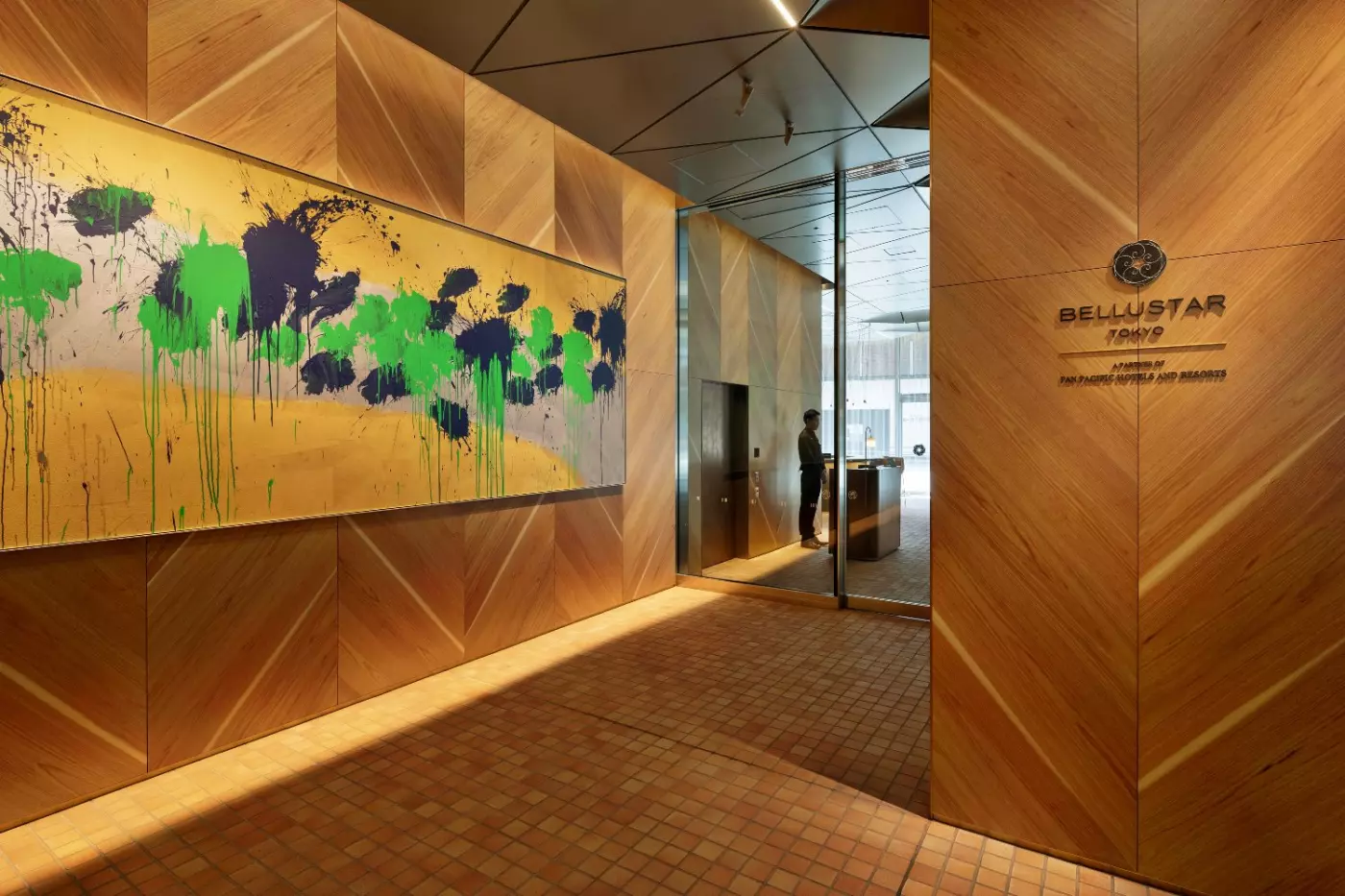
Bellustar Tokyo, A Pan Pacific Hotel is a luxury sky hotel in Shinjuku, set high inside Tokyu Kabukicho Tower. Its 97 rooms o...
More amenities
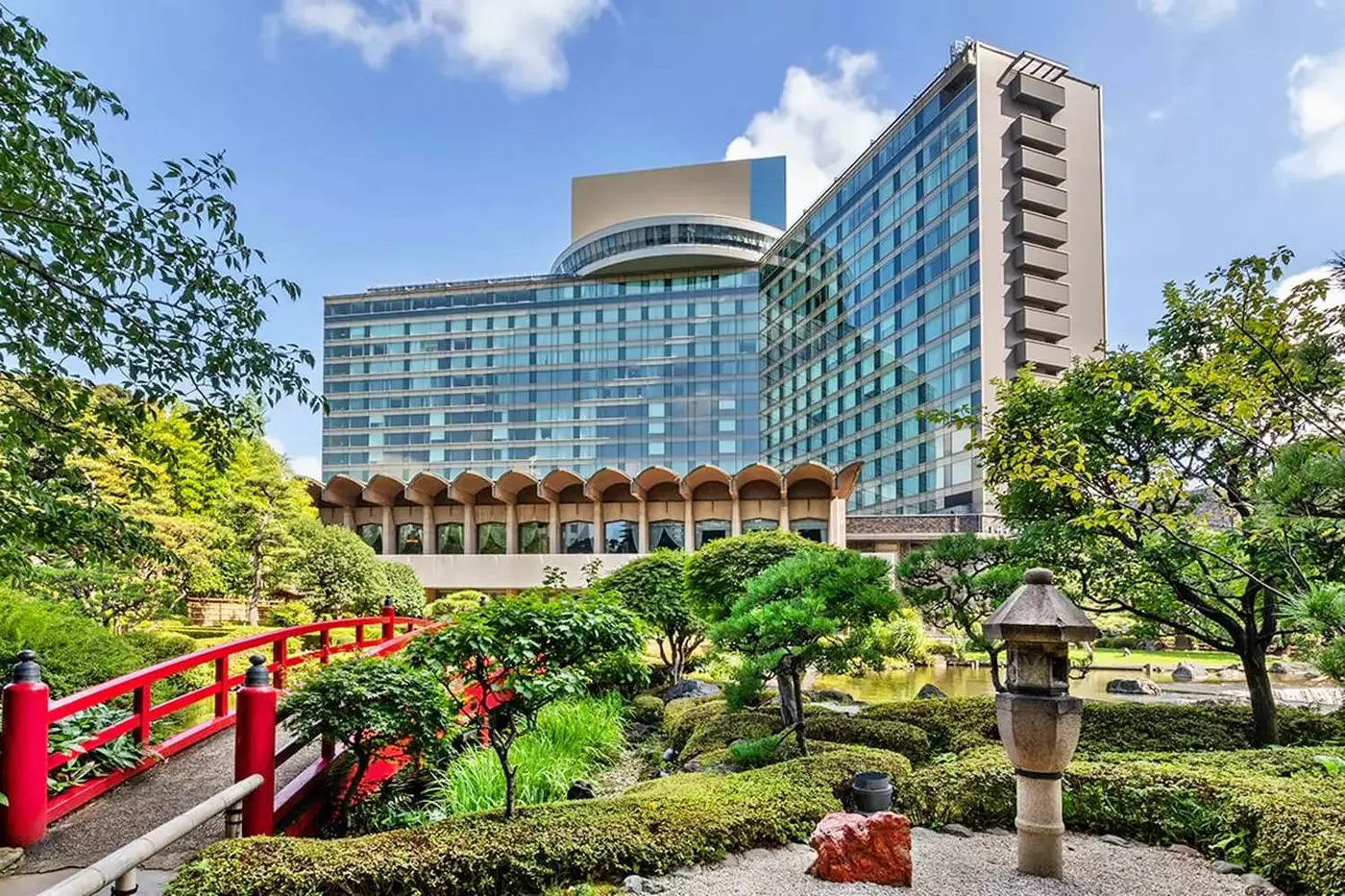
Hotel New Otani Tokyo Executive House Zen occupies two floors within a much larger Tokyo landmark. This hotel-in-hotel brings...
More amenities
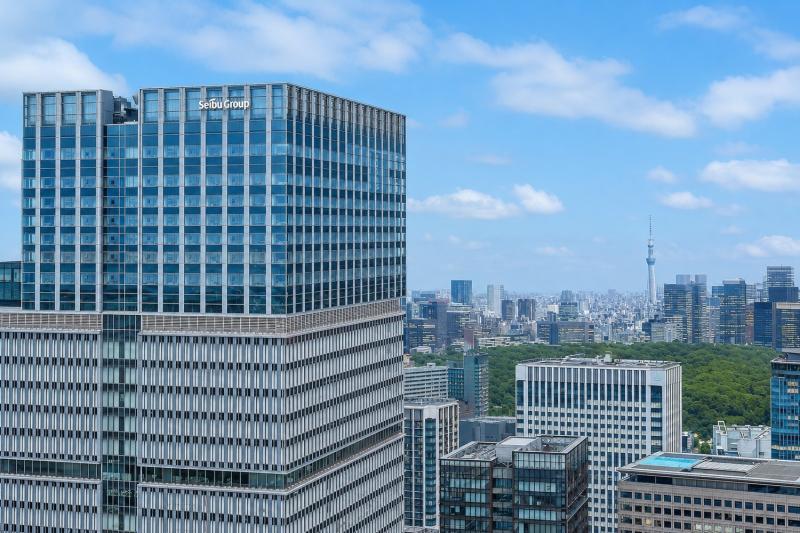
The Prince Gallery Tokyo Kioicho is a high-floor luxury hotel in Tokyo's Kioicho district, between Akasaka, Nagatacho, and Ko...