

Best for
Book Palazzo Portinari Salviati if you want a Florence palace stay with suites, history, spa, dining, and Duomo access. Choose another hotel if you prefer a countryside villa, budget stay, or modern business hotel outside the center.
Please choose a hotel or destination from the list.
Your private search
Finding exceptional stays
Best for
Book Palazzo Portinari Salviati if you want a Florence palace stay with suites, history, spa, dining, and Duomo access. Choose another hotel if you prefer a countryside villa, budget stay, or modern business hotel outside the center.
What makes it special
Palazzo Portinari Salviati is a strong Florence choice for history, suites, dining, spa, and Duomo access. It suits couples, art lovers, food travelers, families needing space, and guests who want Renaissance atmosphere.
Insider tip
Palazzo Portinari Salviati is located on Via del Corso in the historic center of Florence. The hotel is close to the Duomo, Piazza della Repubblica, Uffizi Gallery, shops, churches, and major sights.
Free membership gives you access to preferred rates, exclusive benefits and current promotions for your stay.
Palazzo Portinari Salviati is one of the most atmospheric hotel addresses in Florence because it is not merely near history. It is inside it. The palazzo stands on Via del Corso, a short walk from the Duomo, Piazza della Signoria, and the city's main cultural core.
Its story reaches back to the Portinari family, to Beatrice Portinari, Dante's muse, and to Cosimo I de' Medici. After a careful restoration, the building has become a small hotel with grand rooms, frescoed halls, a Michelin-starred restaurant, and a spa set within its historic walls.
This is a strong choice for travelers who want Florence to feel immersive rather than convenient alone. Many hotels in the city offer easy walking access to museums and churches. Far fewer let guests sleep in a palace that has been part of Florentine civic and private life for centuries. Palazzo Portinari Salviati gives the stay a sense of weight. It is refined, quiet, and intensely local, with just enough modern comfort to make the history livable.
 14
14
 Charming
 Fitness
 Spa
Spa
 Sauna
Sauna
 Culture
 City Vibe
 Wheelchair Accessible
 Gourmet Restaurant
 Connecting Rooms

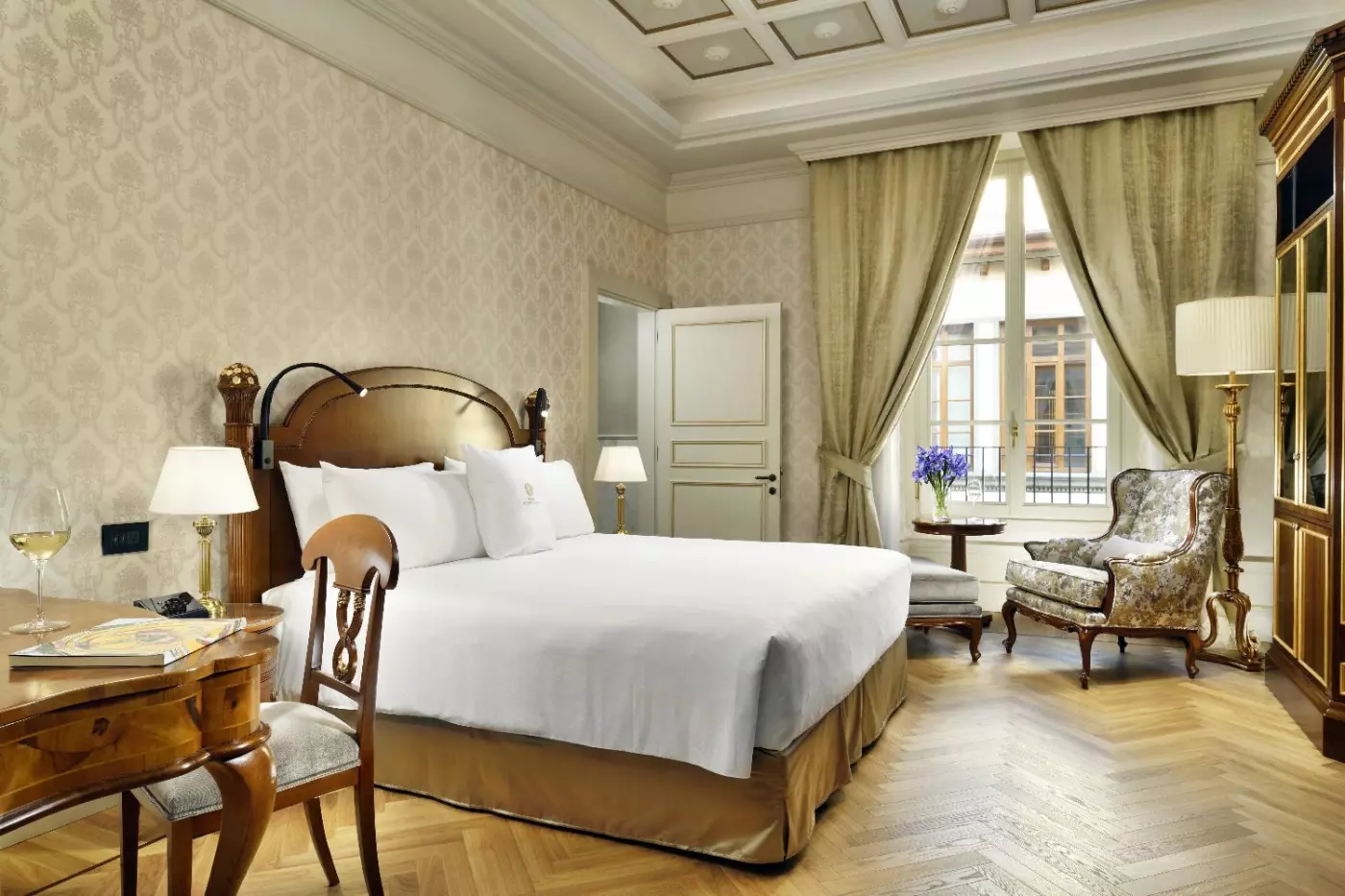
The Prestige Rooms at the Palazzo Portinari shine with elegance. Each detail reflects Florence's rich history. Guests find themselves surrounded by classic furniture in soothing...

The City View Junior Suite, named after Giovanni Salviati, is perched in the vibrant heart of Florence. It overlooks the bustling Via del Corso. This...

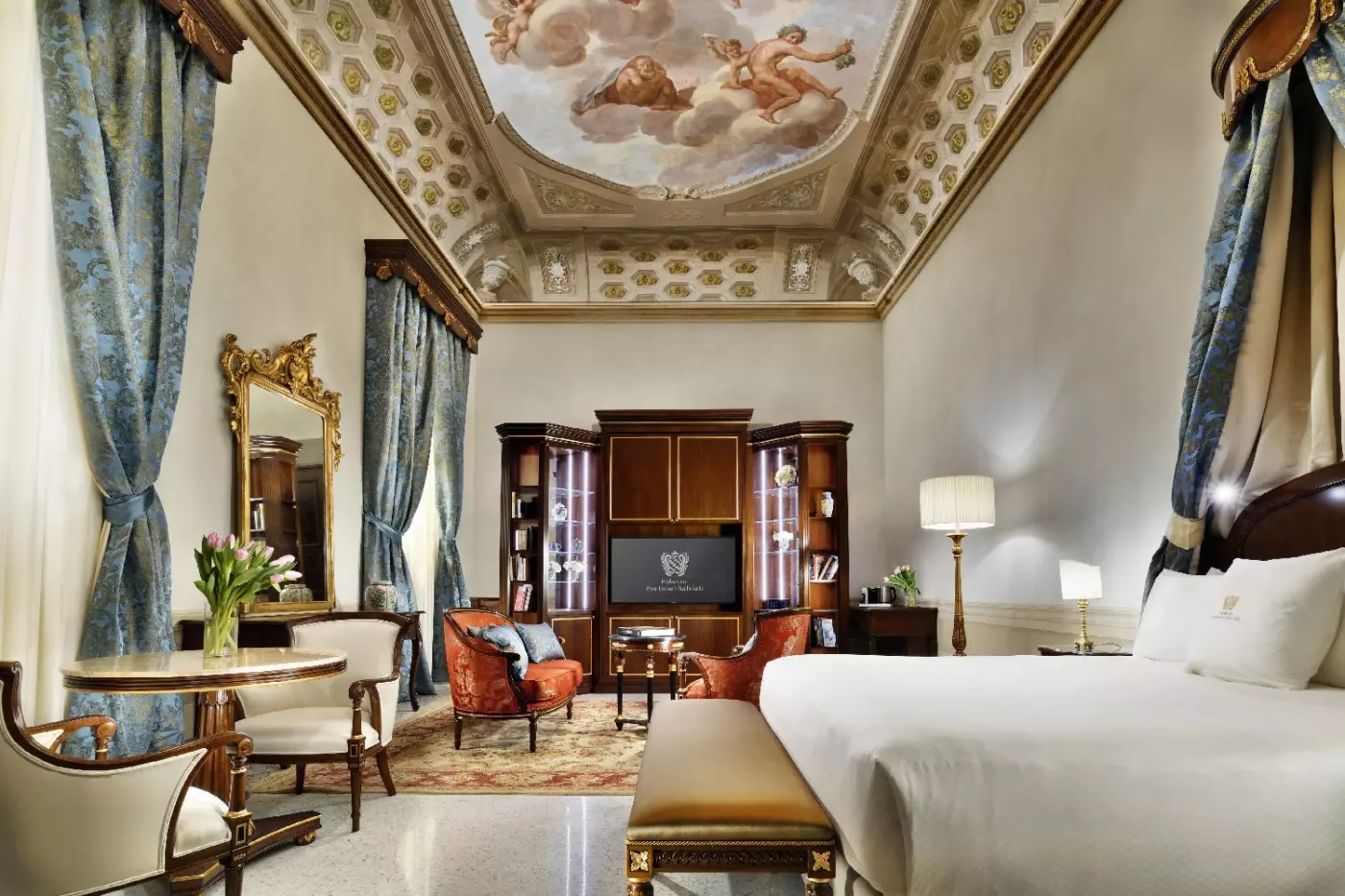
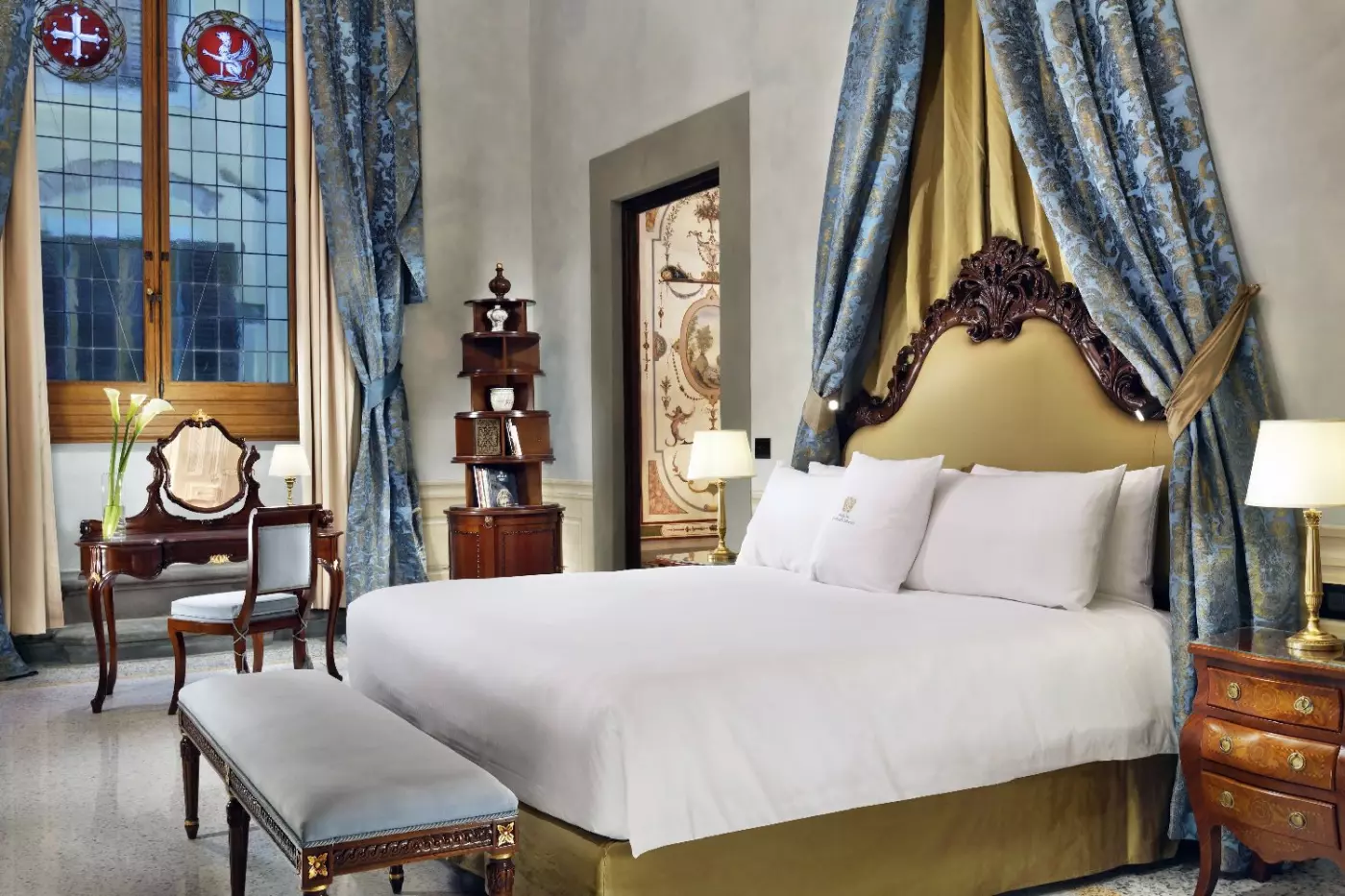
Located in a historic Florentine palace, the Frescoed Junior Suite exudes grandeur. It rests on the main floor, formerly inhabited by illustrious families. The suite...

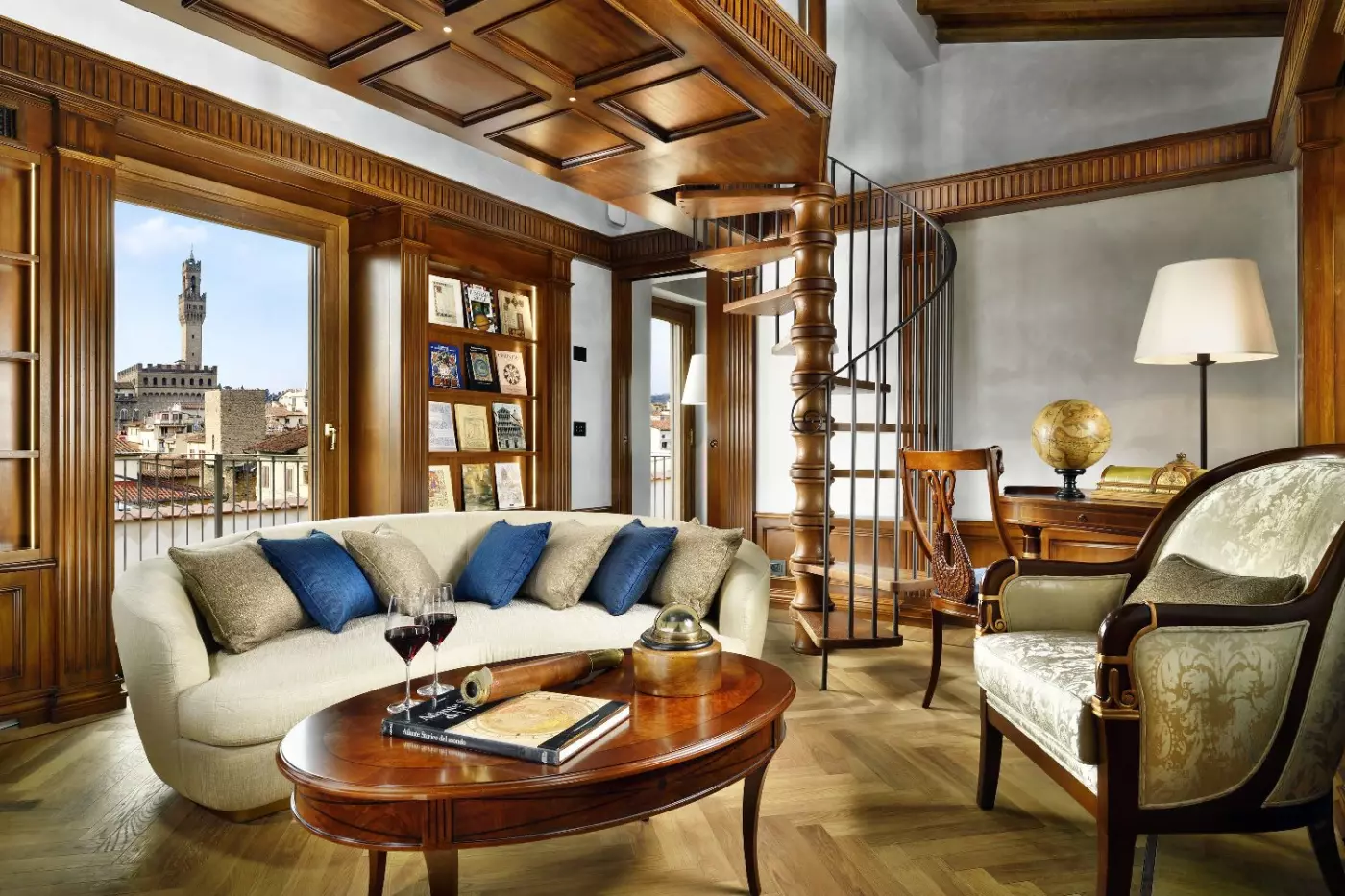
The Deluxe Suites, bathed in natural light, are laid out on two levels. On the lower floor, guests find a comfortable living room. It includes...

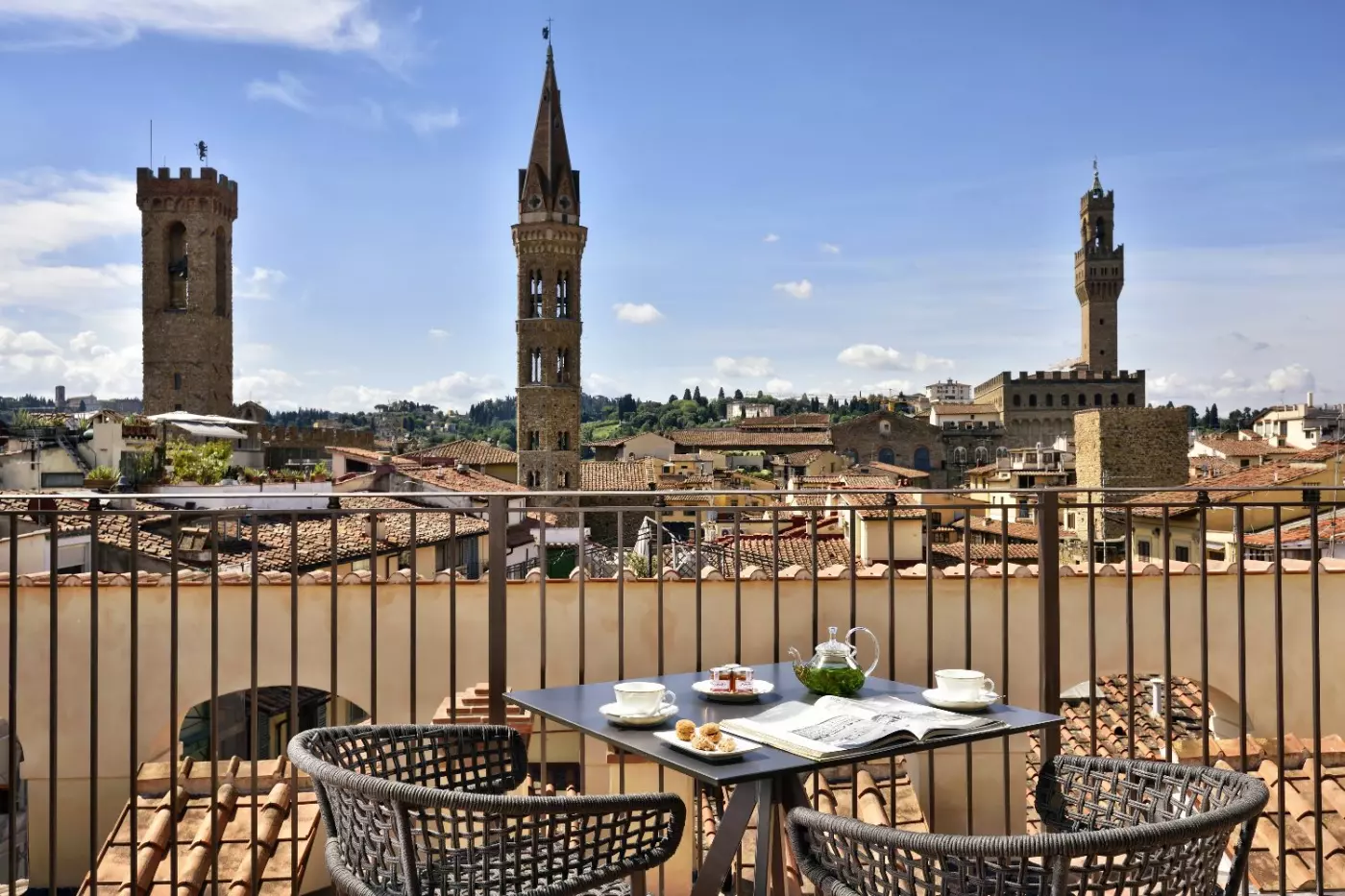
The Rooftop Terrace Junior Suite nestles within an exclusive enclave of the building. The Junior Suite, known as “Galileo,” commands the adoration of its visitors....

The Lionardo Salviati Duomo Executive Grand Suite offers a glimpse into Florence's heart. It has a breathtaking view of the Duomo. This suite merges elegance...

The Galileo Duomo Executive Grand Suite sits majestically. It defines elegance and sophistication. Its windows frame Brunelleschi’s dome, bringing the grandeur of the Duomo into...

The Dante Alighieri Suite is a tribute to the great poet. It serves as a sumptuous setting for a celebrated love story in literature. The...

The Francesco I De Medici Master Suite celebrates a mysterious and controversial figure. It stands grandly, basking in history. Its windows, ancient and luminous, face...

The Frescoed Master Suite envelops guests in the artistry of the Italian Renaissance. It lies in Florence, inviting a unique encounter with history. The walls...
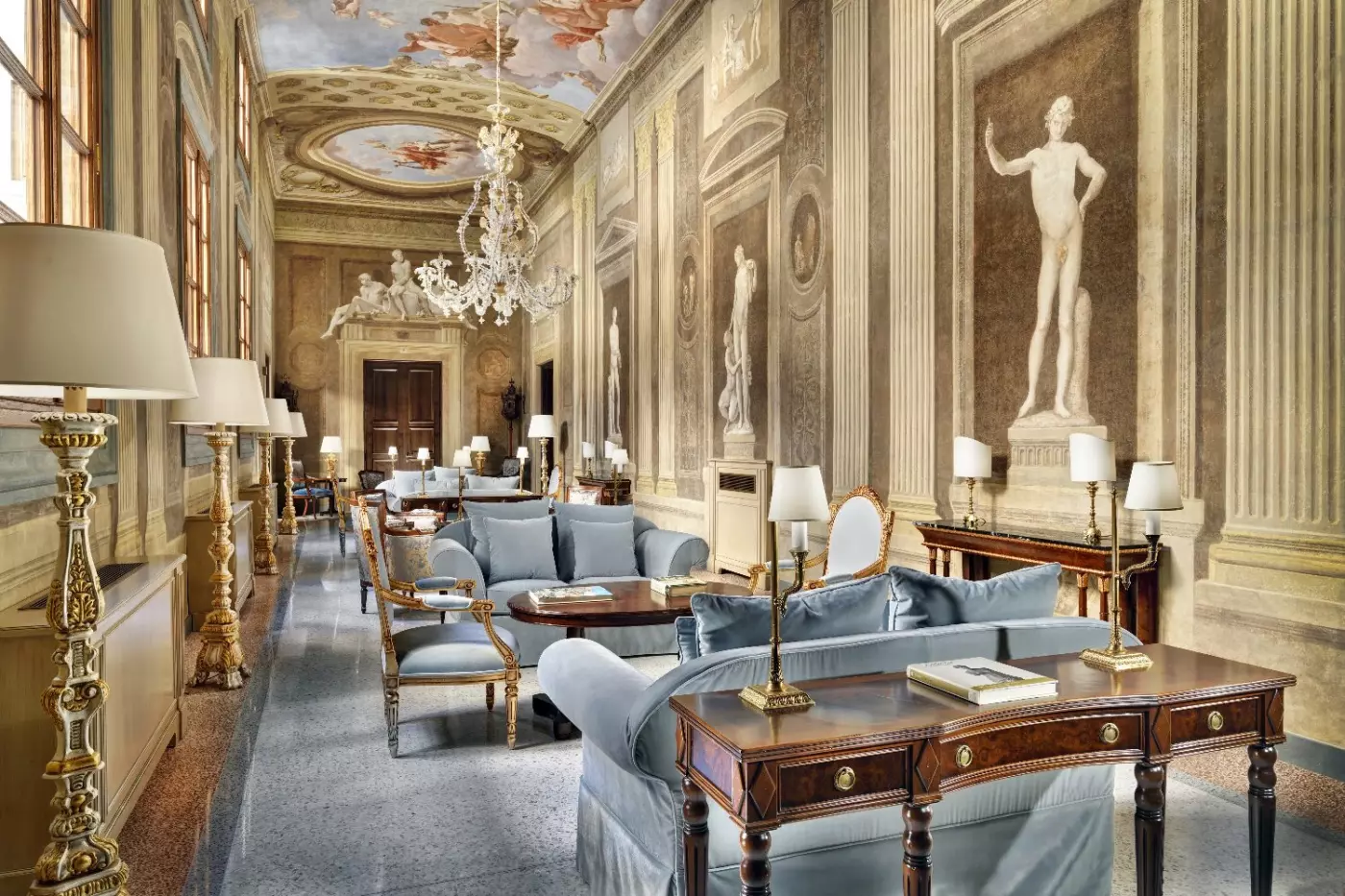
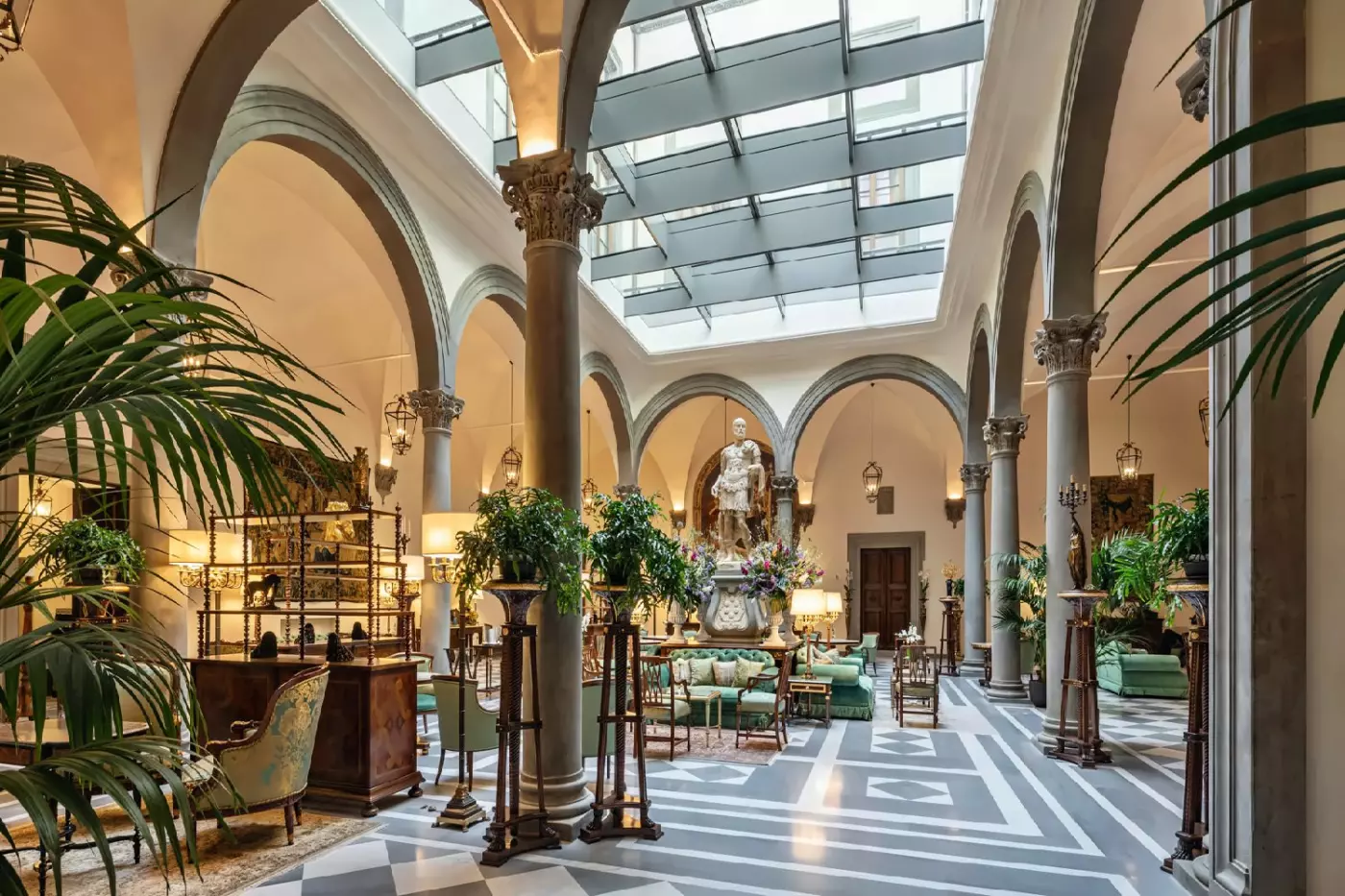
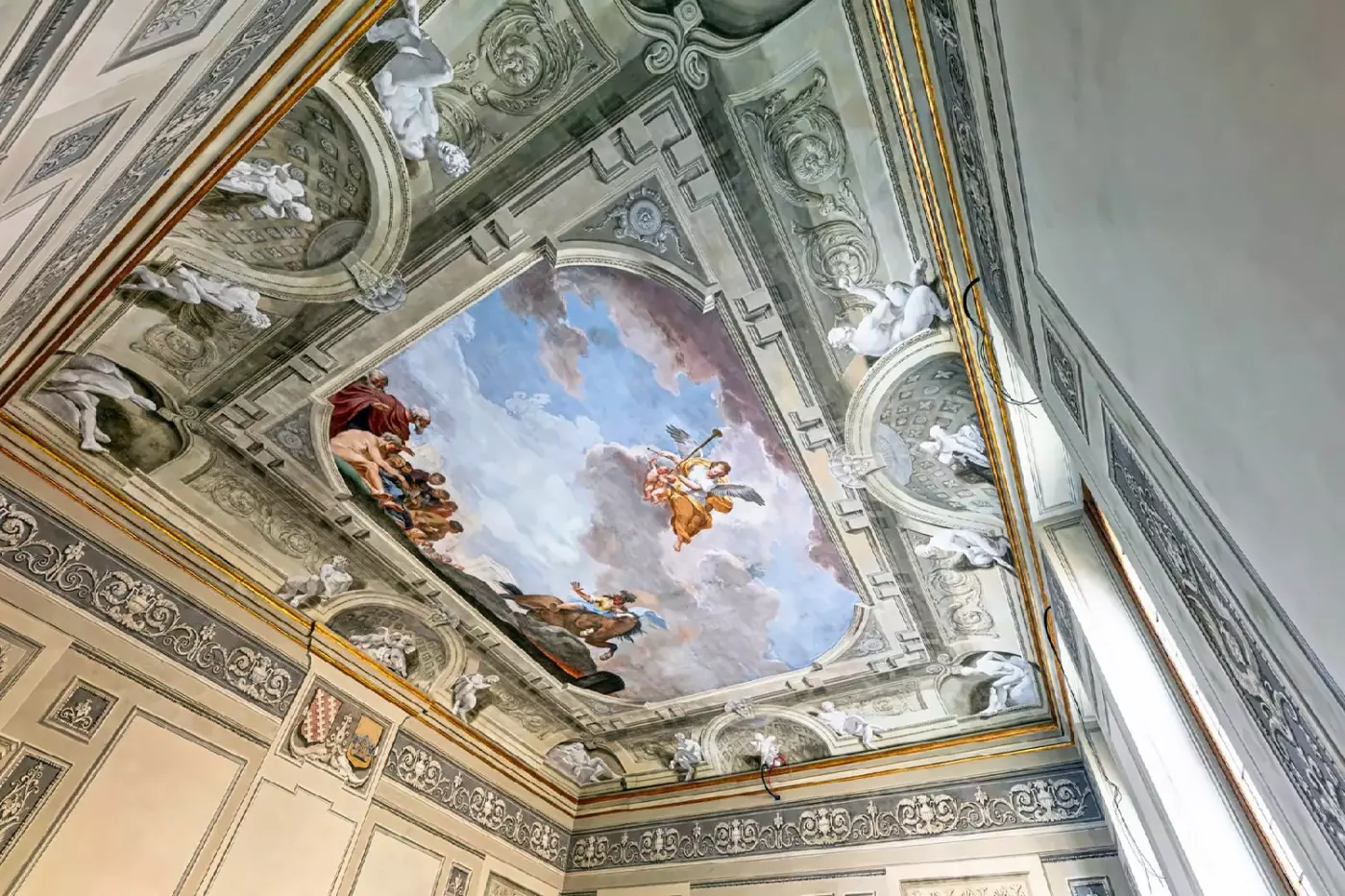
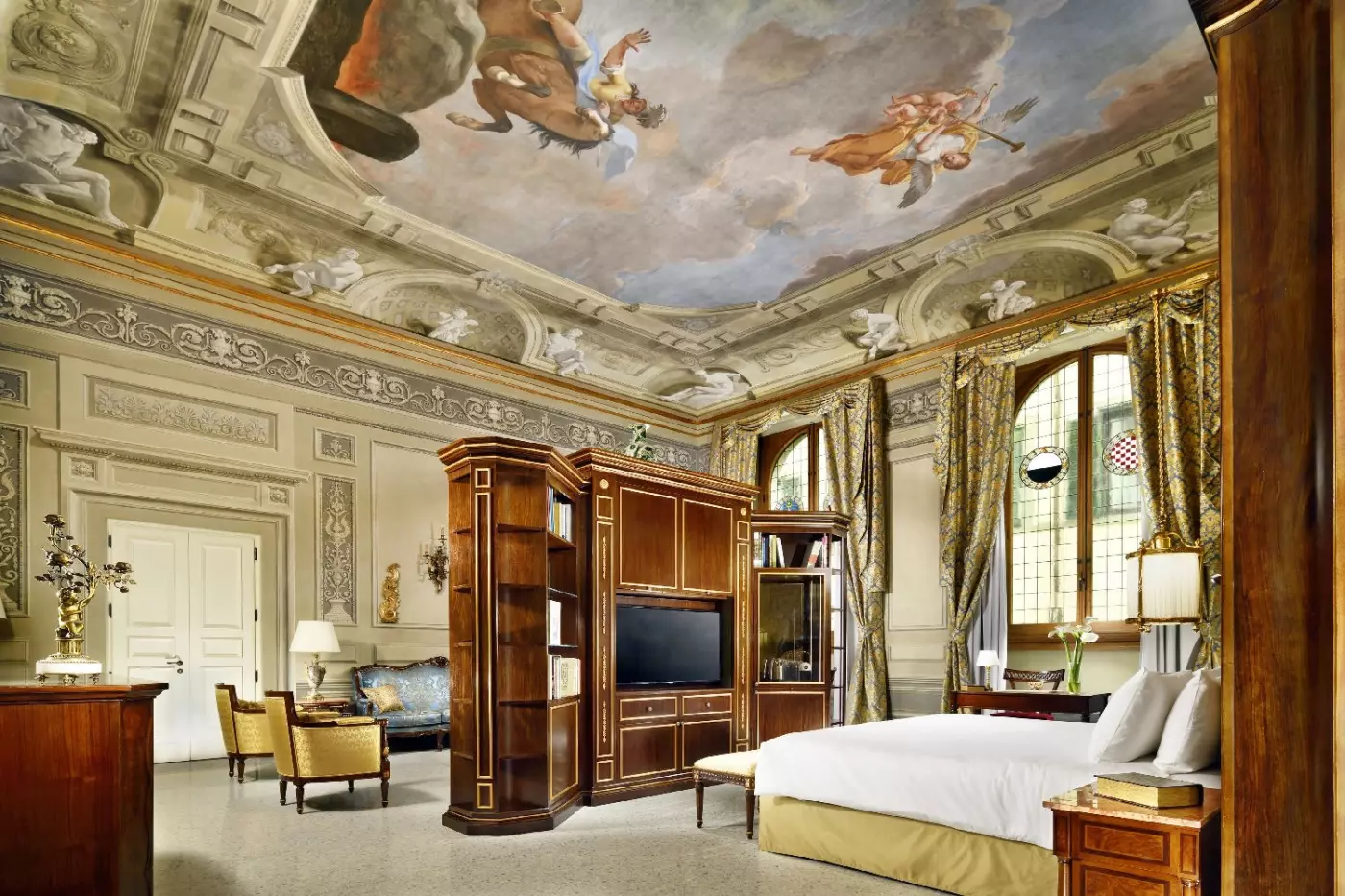
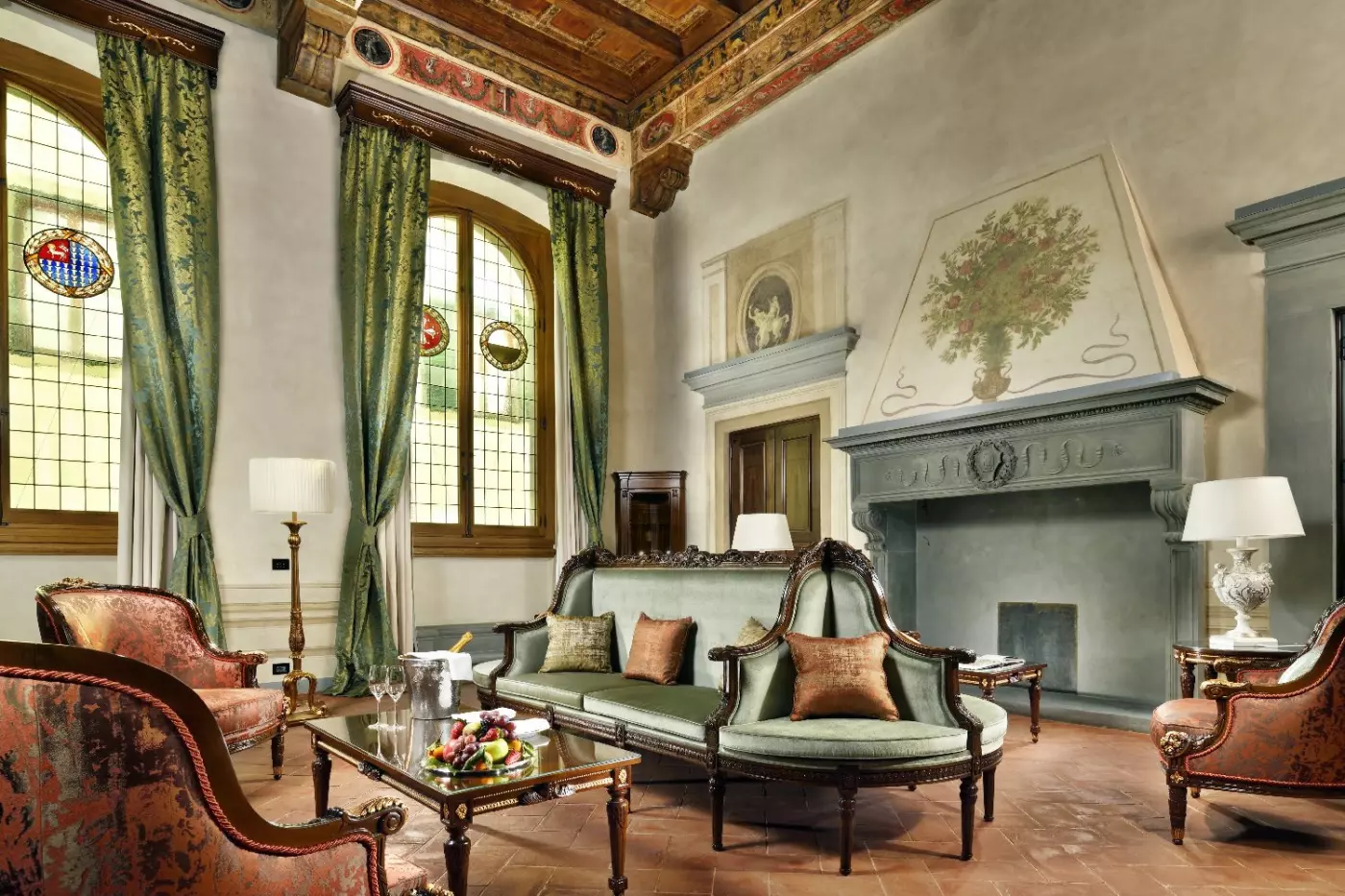
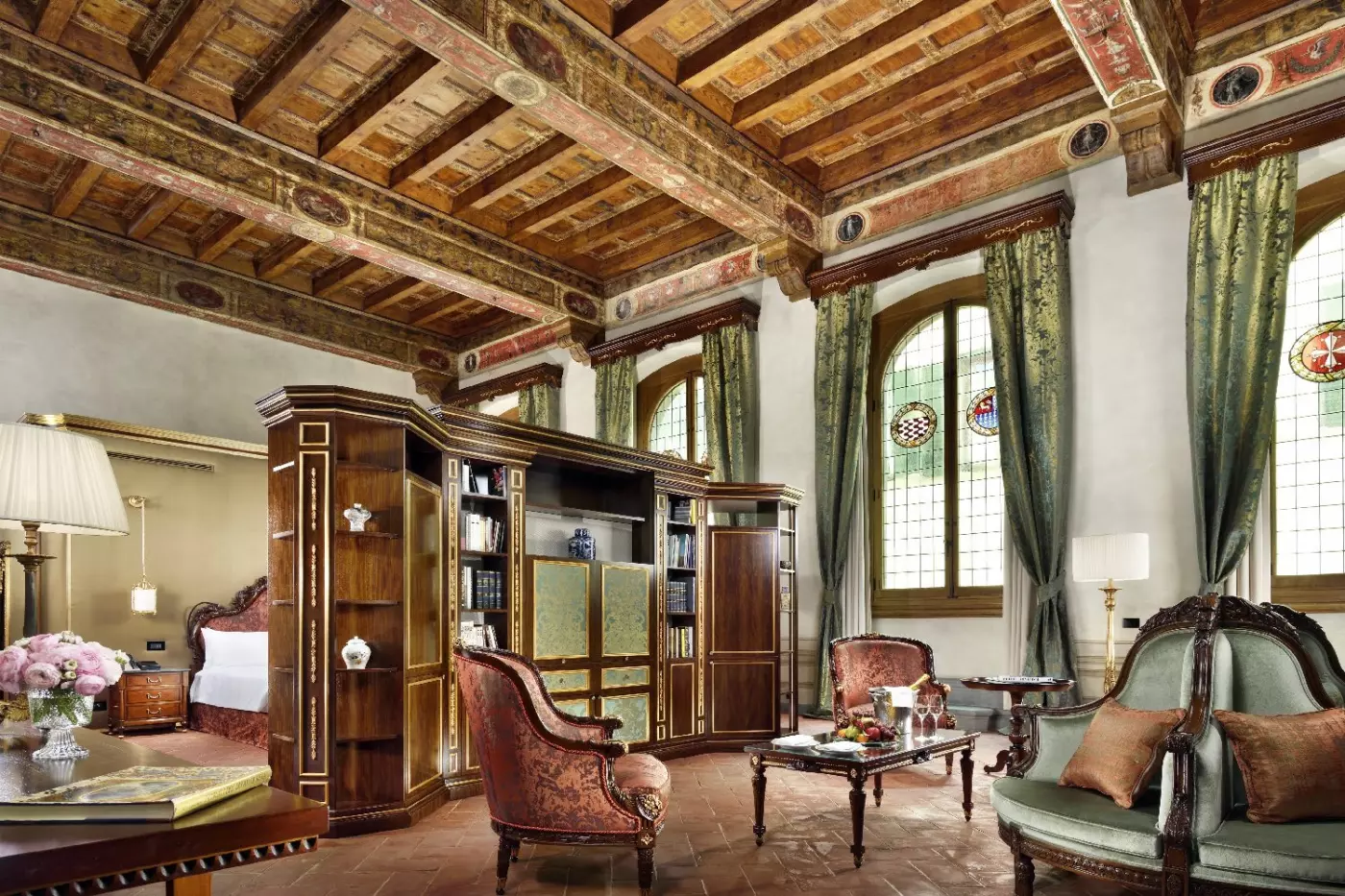
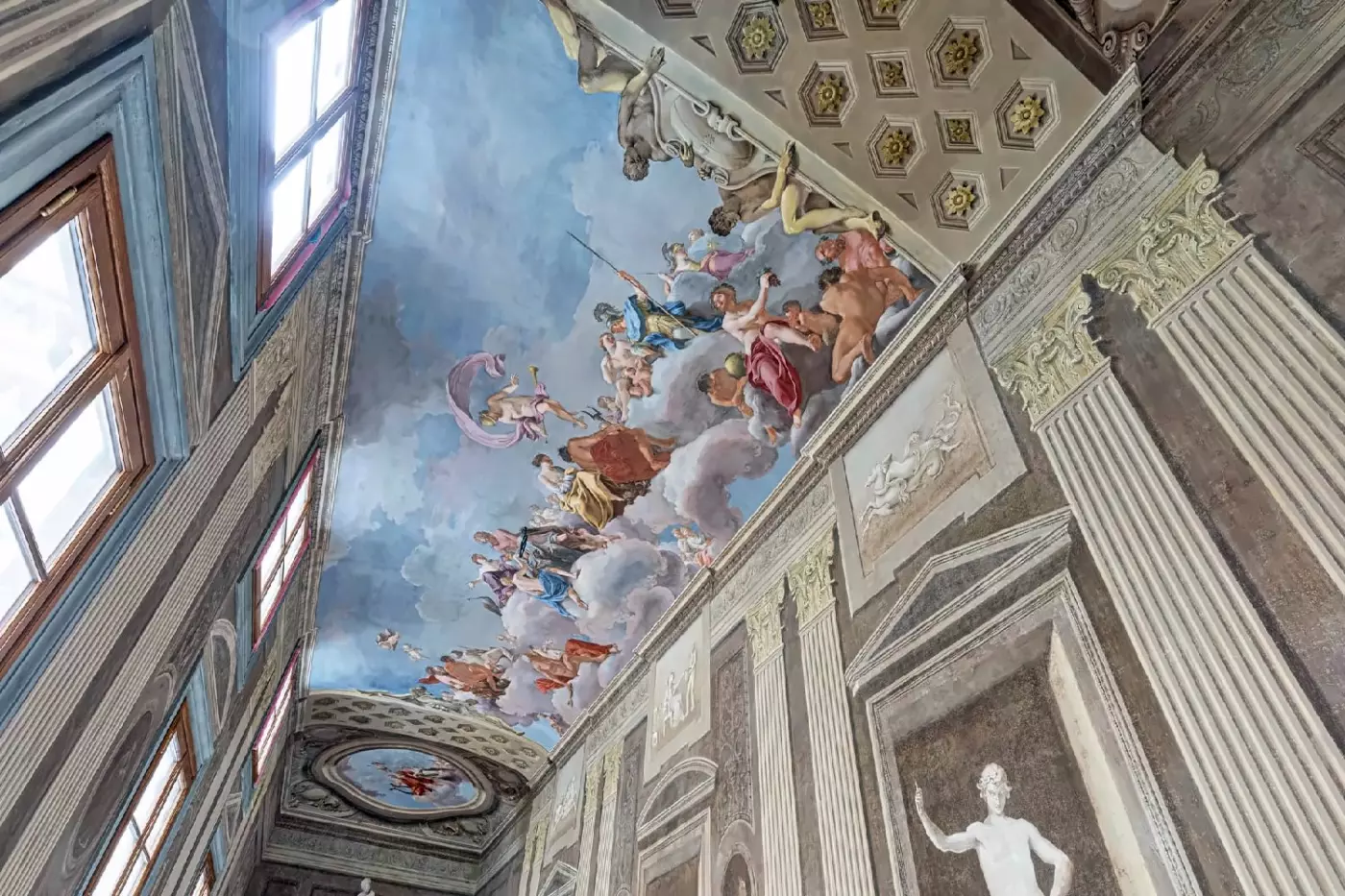
The palazzo has the drama of a Renaissance residence, but the restoration avoids making it feel like a cold museum. Original frescoes, vaulted ceilings, stone, marble, mosaic floors, private salons, and historic rooms are paired with contemporary Italian service.
The scale of the building is far larger than the number of hotel keys, which gives guests a rare feeling of space in central Florence.
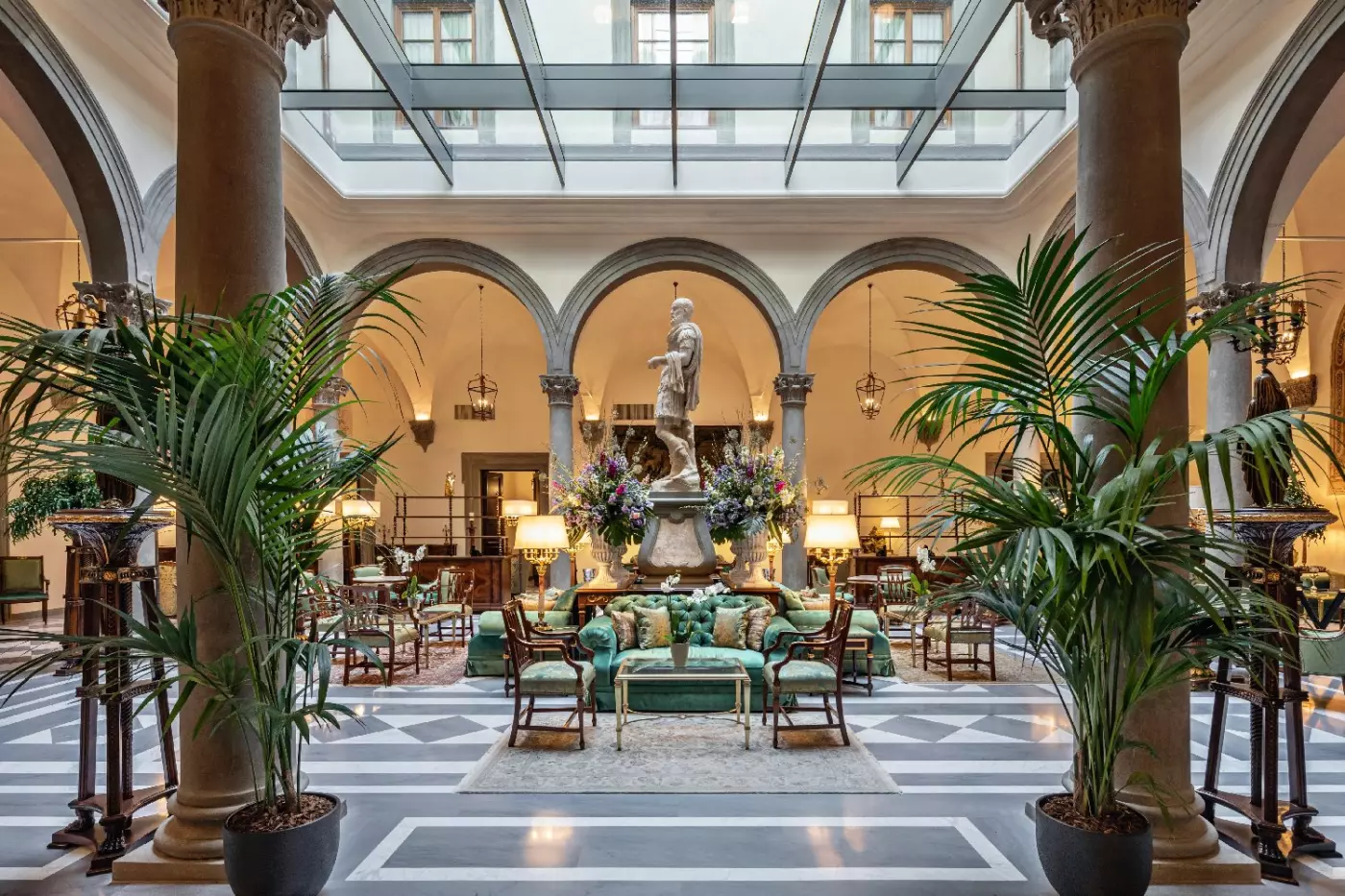
Public areas are part of the experience. The Corte degli Imperatori, frescoed rooms, private chapel, and salons remind guests that this was once a house of real status. Yet the hotel is not showy in a modern resort way.
The mood is discreet, almost hushed, as if the building sets the tone and everyone else follows. Guests who enjoy architecture, art, and layered interiors will find plenty to notice before even leaving for the Uffizi or the Duomo.
The atmosphere is also shaped by the small room count. Palazzo Portinari Salviati does not feel busy in the way a larger city hotel can. It is best when guests move slowly through it: breakfast, a walk through Florence, a spa hour, a drink, dinner, and a return through quiet corridors. The hotel rewards attention. It is not simply a place to sleep between museum visits.
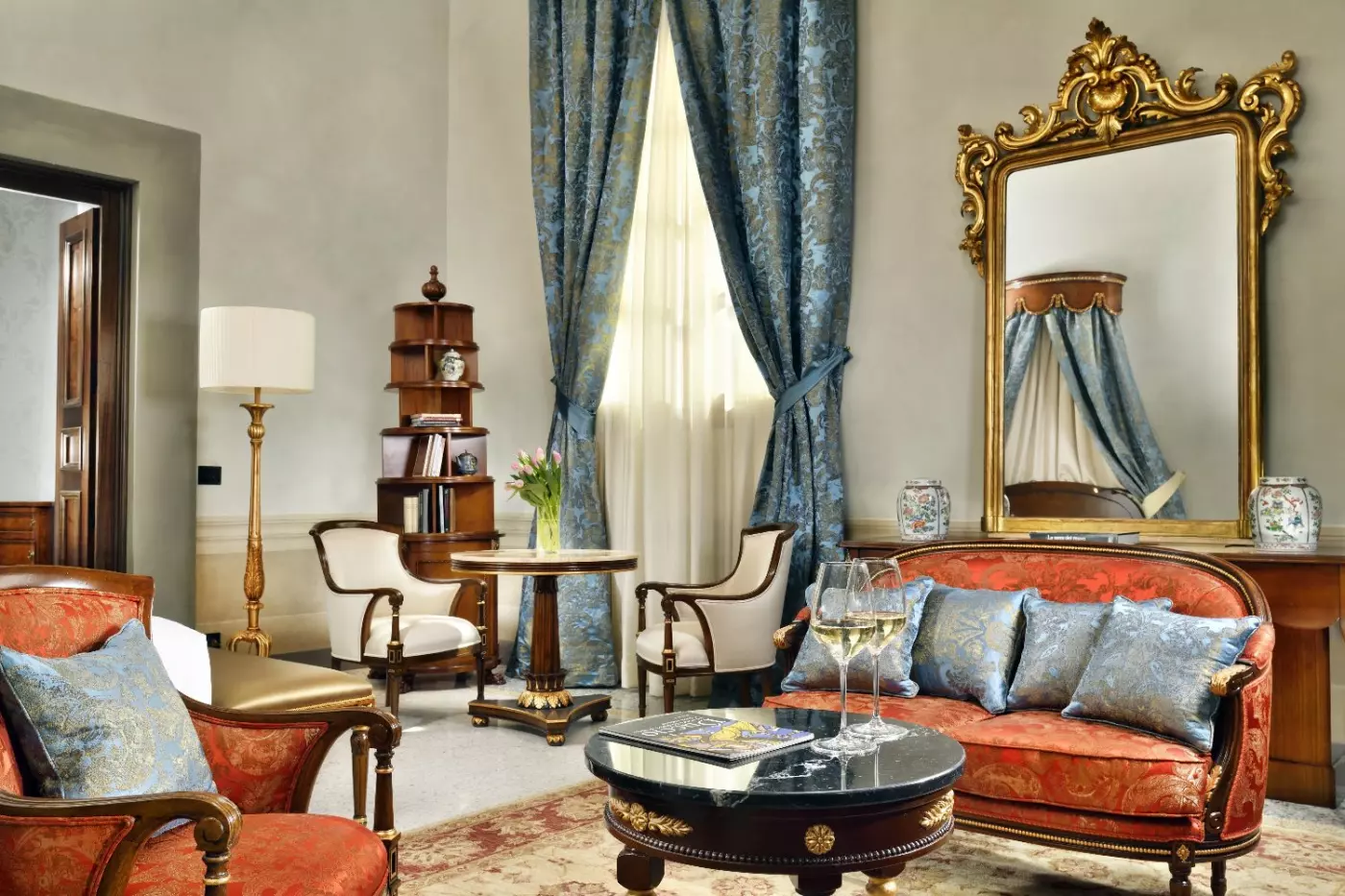
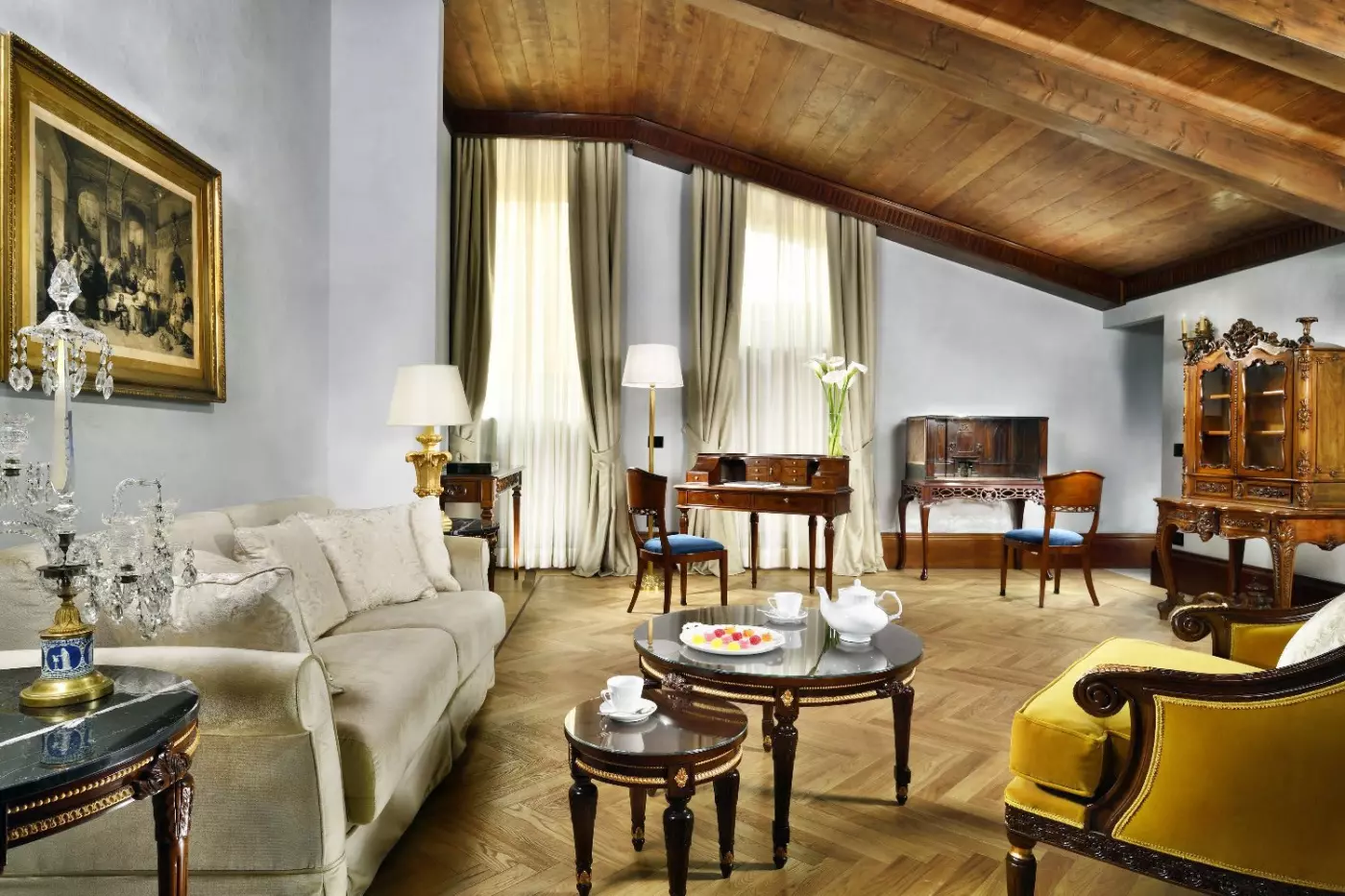
The hotel has a very limited collection of rooms and suites. Several categories feel closer to private residences than standard hotel rooms. Many spaces are large by Florence standards.
Some carry original frescoes, coffered ceilings, antique detail, marble bathrooms, and views over the city. The contrast between preserved architecture and modern comfort is the core of the room experience.
Guests should choose categories carefully. Some suites are grand and historic, with a strong sense of ceremony. Others are calmer and more pared back, but still spacious and elegant. This is not a hotel where the smallest room and the top suite tell the same story at different sizes.
The character can change meaningfully by category, especially for guests who care about frescoes, ceiling height, separate living space, or views.
For longer stays, the residential feel is useful. Florence can be intense during the day, especially around major sights. Returning to a suite with space to sit, read, unpack, and breathe changes the pace.
Couples may appreciate the romance of the historic rooms. Families or guests traveling with companions may prefer larger layouts or connected spaces where the palazzo feels more like a private Florentine home.
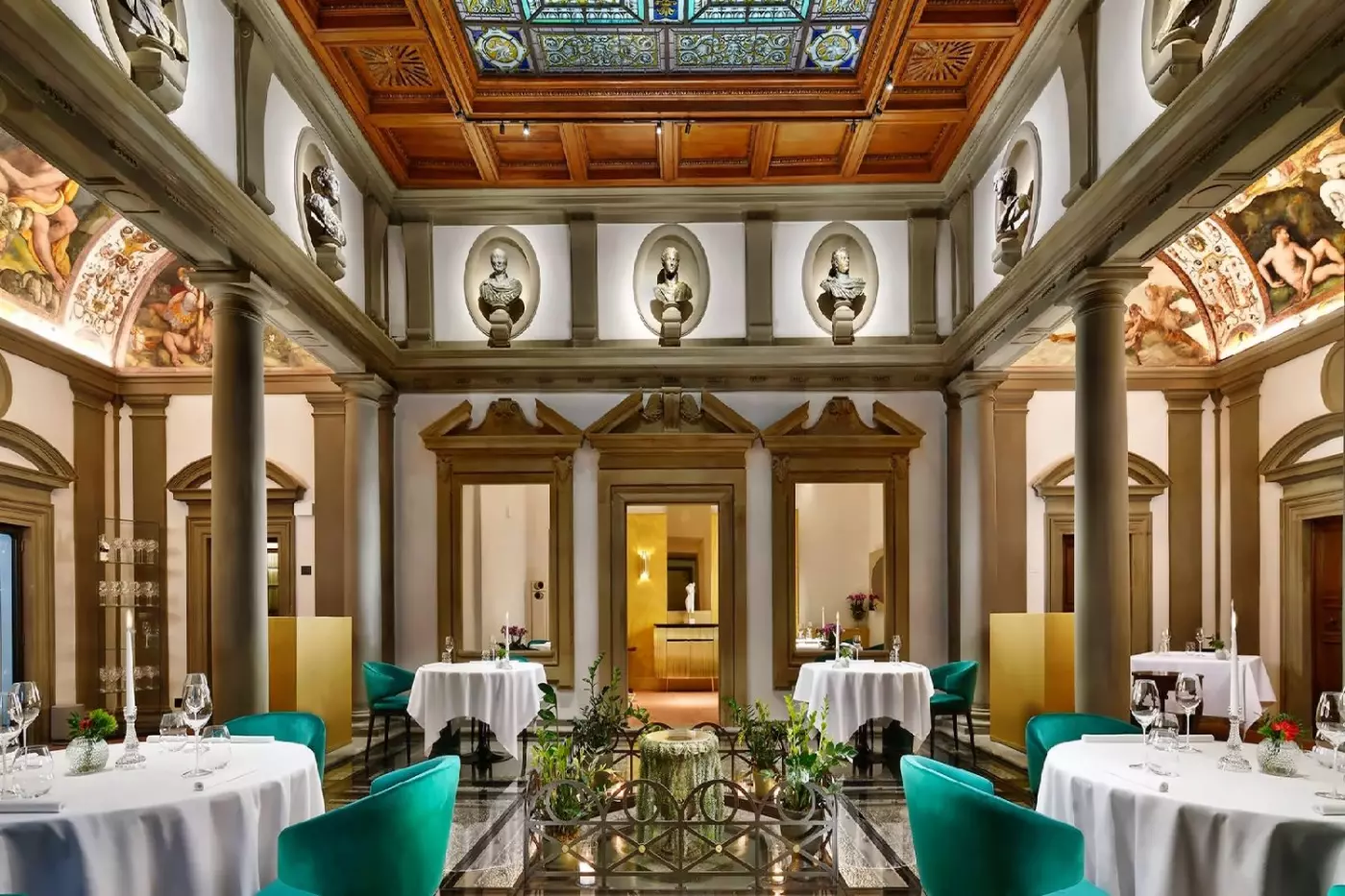
ATTO di Vito Mollica is one of the hotel's defining features. The Michelin-starred restaurant is set within the palazzo and led by Chef Vito Mollica, whose cooking brings a refined Italian voice to the building's historic rooms.
The restaurant opens onto the Corte degli Imperatori and uses the setting as part of the mood without relying on it completely. It is a serious dining choice for Florence, not just a hotel convenience.
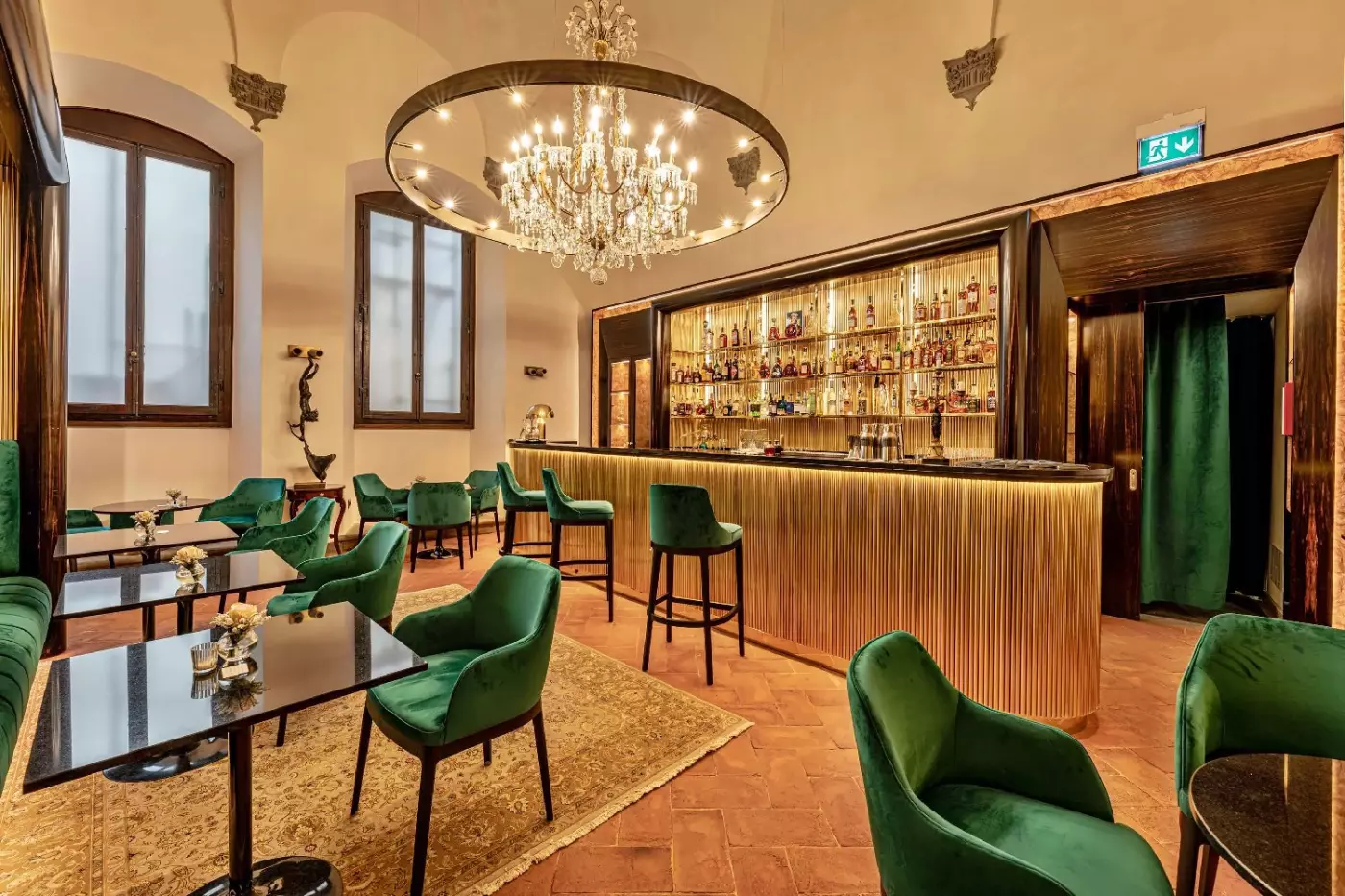
Salotto Portinari gives the hotel a more relaxed all-day rhythm. It works for breakfast, coffee, lunch, dinner, or a pause between visits to churches and galleries. The Eye Cocktail Bar adds a smaller, more evening-focused address, with a polished counter, wines, cocktails, champagne, and aperitif-style bites. Together, the food and drink spaces make the hotel feel like a private city house with several moods rather than a single formal restaurant.
The dining program matters because Florence is full of excellent restaurants. Guests do not need to eat every meal at the hotel, and many will want to explore trattorias, wine bars, and modern Tuscan kitchens around the city. Palazzo Portinari Salviati works best when its restaurants are used as anchors: one special dinner, a quiet breakfast, a late drink, and a place to retreat when the city feels crowded.
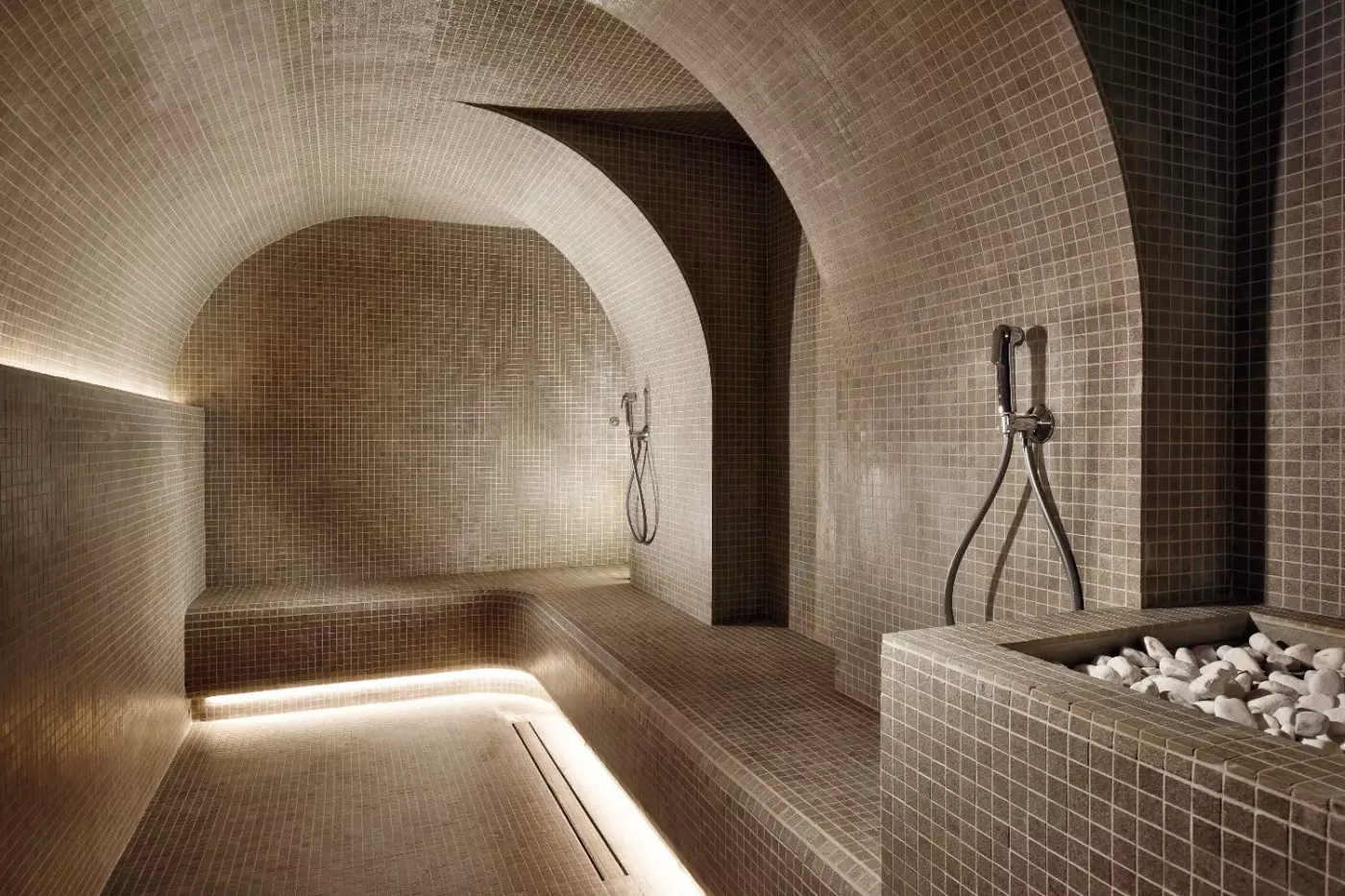
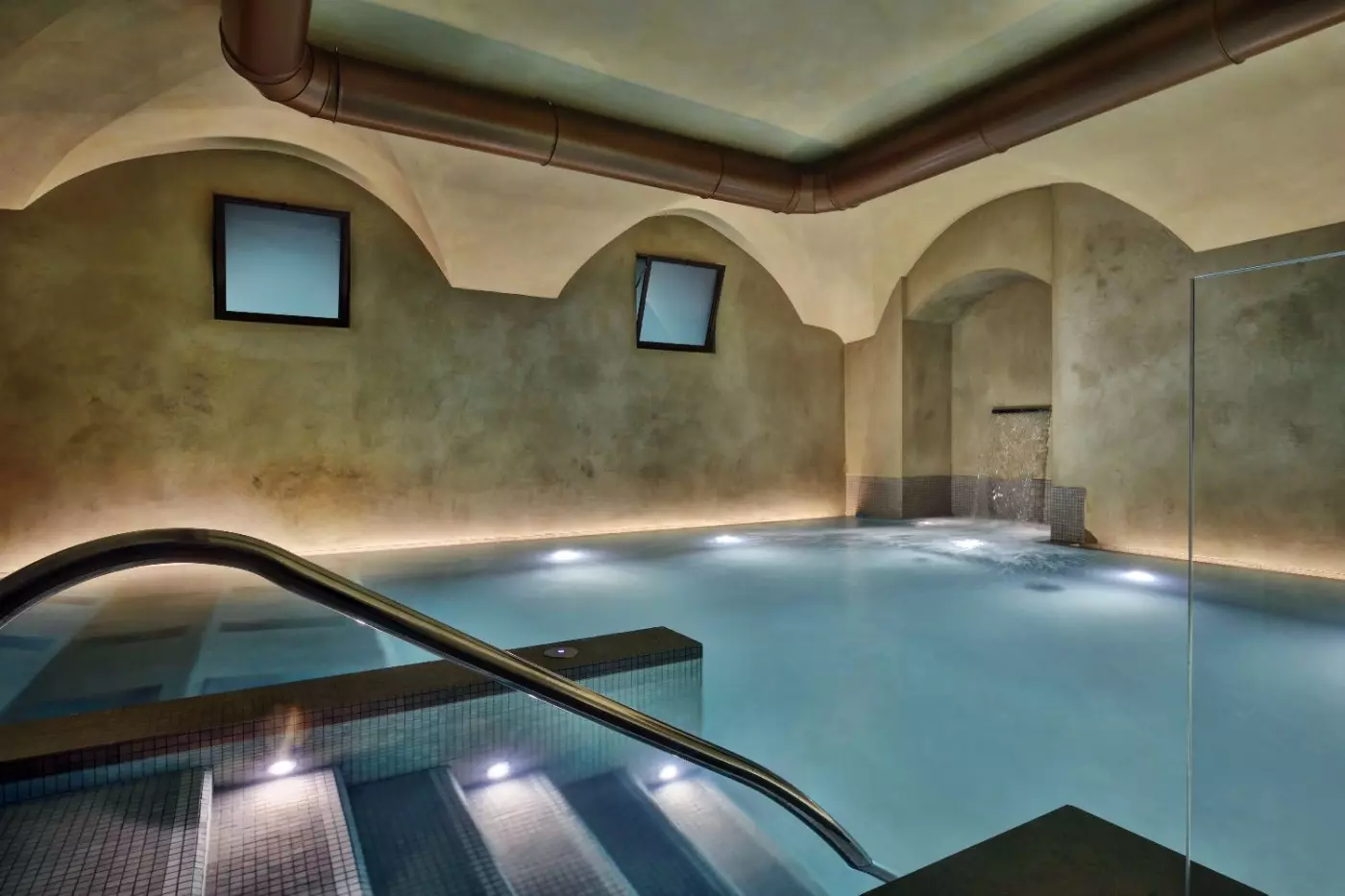
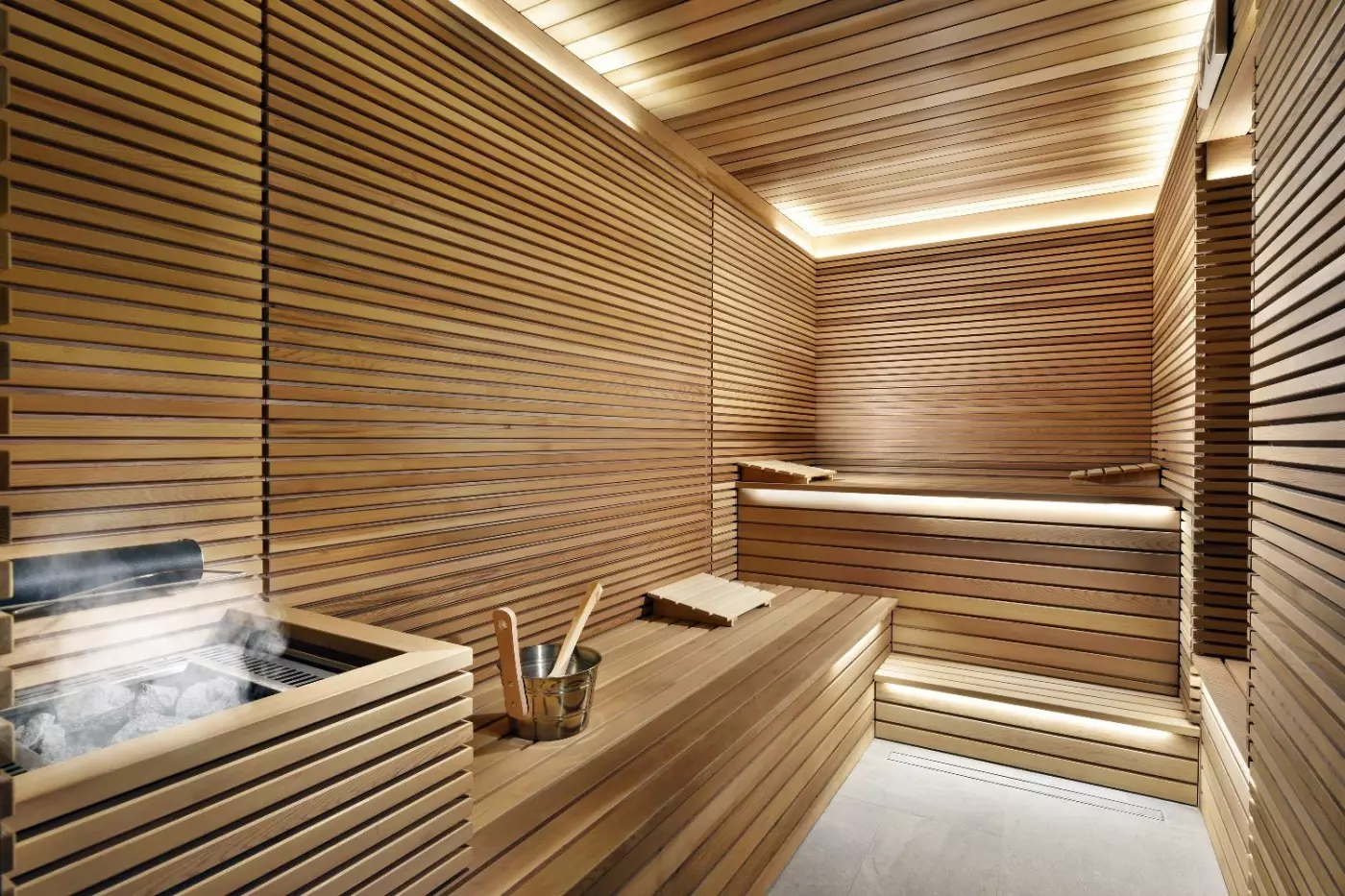
Vita Nova Spa gives the palazzo a wellness dimension that many historic Florence hotels lack. Set within the building's lower levels, it includes an indoor heated pool, sauna, Turkish bath, relaxation areas, treatment rooms, and a fitness area.
The spa is not vast in a resort sense, but it is substantial for the city and particularly valuable after long days on stone streets.
The appeal is partly practical. Florence is a walking city, and guests often underestimate how tiring full museum days can be. A real spa helps turn the hotel into a retreat rather than just a beautiful room. The indoor pool is especially useful in cooler months or during busy travel days when guests want a pause without leaving the building.
Service is concierge-led and discreet. The team can arrange guides, museum timing, restaurant bookings, transfers, and local experiences. The hotel also lends itself to private events and full-palazzo moments, thanks to its salons, chapel, and historic reception spaces. Even for ordinary stays, those event spaces add to the sense that guests are living inside a significant Florentine house.
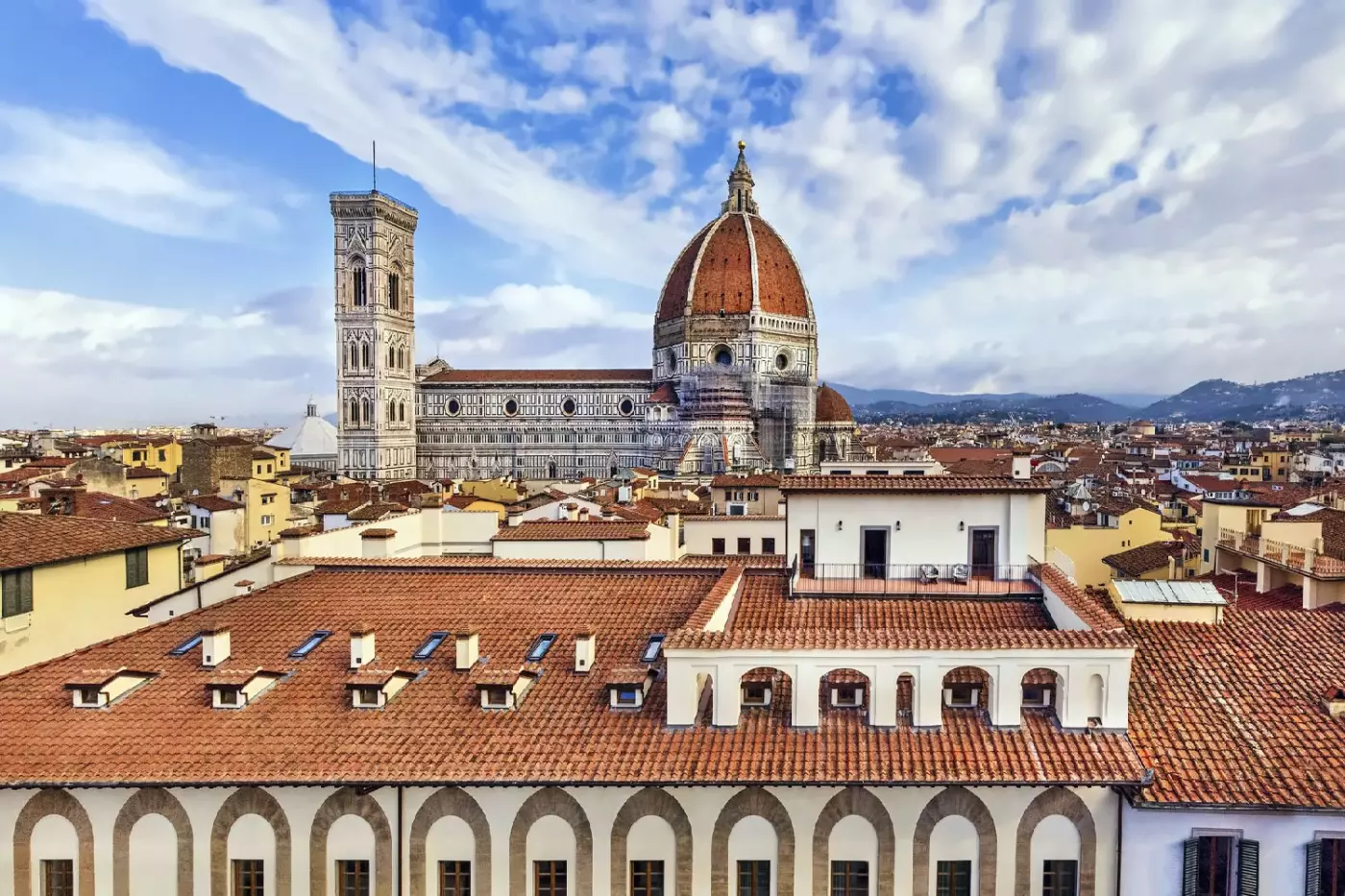
The location is one of the clearest reasons to book. Palazzo Portinari Salviati sits on Via del Corso, in the heart of Florence's historic center. The Duomo is a short walk away. Piazza della Signoria, the Uffizi, Palazzo Vecchio, Santa Croce, and the Arno are all within easy reach. Guests can structure days in small loops rather than long journeys.
This matters in Florence because timing changes the city. Staying this central makes it easier to visit major sights early, return to the hotel during the busiest midday hours, and go back out in the evening. It also supports a more natural rhythm: coffee, museum, rest, shopping, dinner, walk. The hotel is central enough for first-time visitors, but layered enough for guests who already know Florence and want a deeper base.
The trade-off is that Florence's historic center is busy. Travelers who want gardens, resort space, or a quieter hillside setting may prefer staying outside the core. Palazzo Portinari Salviati is for guests who want the city around them. It offers calm inside the building, but it does not remove guests from Florence's density. That is part of its appeal.
Palazzo Portinari Salviati competes with several of Florence's strongest hotels, but it has a distinct identity. Four Seasons Hotel Firenze offers a larger resort-like setting, major gardens, a pool, and a broader facility list.
It is better for guests who want space and greenery within the city. Hotel Savoy, a Rocco Forte hotel, has a prime Piazza della Repubblica location and a more fashion-forward city feel.
Helvetia & Bristol is another historic central option, with a strong spa and a classic grand-hotel mood. The St. Regis Florence and The Westin Excelsior sit along the Arno and offer river-facing grandeur. Portrait Firenze is more discreet and contemporary, with a residential feel near Ponte Vecchio. Palazzo Portinari Salviati stands apart for the depth of its building, the small number of rooms, the frescoed interiors, and the sense of sleeping inside a restored Renaissance residence.
Compared with Il Salviatino in the hills, Palazzo Portinari Salviati is much more urban. Il Salviatino offers gardens and views outside the center, while Portinari Salviati offers immediate access to the historic core.
The better choice depends on whether the trip should feel like a city immersion or a retreat above Florence. For travelers who want to step from their hotel into the heart of the city, Portinari Salviati has the advantage.
Book Palazzo Portinari Salviati if you want a small, historic, high-comfort Florence hotel with serious architectural presence. It is especially strong for couples, art-focused travelers, food lovers, and guests who want a central base without giving up space or spa time. It also suits repeat visitors who want Florence to feel less like a checklist and more like a private stay inside the city's fabric.
Think twice if you prefer a large garden, an outdoor pool, a lively lobby scene, or a more modern design hotel. Palazzo Portinari Salviati is calm, historic, and inward-looking. For the right guest, that is its power. It lets Florence remain the main event while making the hotel feel like part of the city's story rather than a pause outside it.
The boutique hotel with 13 exclusive suites offers easy access to all attractions. It is housed in a prestigious 15th-century Renaissance home in the city center.
Savor Michelin-starred cuisine at Atto di Vito Mollica! Every dish is a Italian love letter to tradition and flavor.
Relax fully at the 500-sqm Spa. It offers a holistic journey with a heated pool, sauna, fitness area, and serene treatment rooms.
VIA DEL CORSO 6 FLORENCE 50122 IT ITALY
Playing this video may share data with YouTube. Please see our Privacy Policy.
Yes. Palazzo Portinari Salviati is a strong Florence choice for history, suites, dining, spa, and Duomo access. It suits couples, art lovers, food travelers, families needing space, and guests who want Renaissance atmosphere.
Palazzo Portinari Salviati is located on Via del Corso in the historic center of Florence. The hotel is close to the Duomo, Piazza della Repubblica, Uffizi Gallery, shops, churches, and major sights.
Palazzo Portinari Salviati has 13 exclusive suites in a restored Renaissance palace. The small number of suites gives the hotel a private, residential feel in the heart of Florence.
Palazzo Portinari Salviati is a 15th-century Renaissance palace with deep Florence history. It was linked to Beatrice Portinari, Dante's muse, and later to Cosimo I de' Medici.
Yes. Palazzo Portinari Salviati is very close to Florence Cathedral and Brunelleschi's dome. This makes it a practical base for guests who want the historic center directly outside the door.
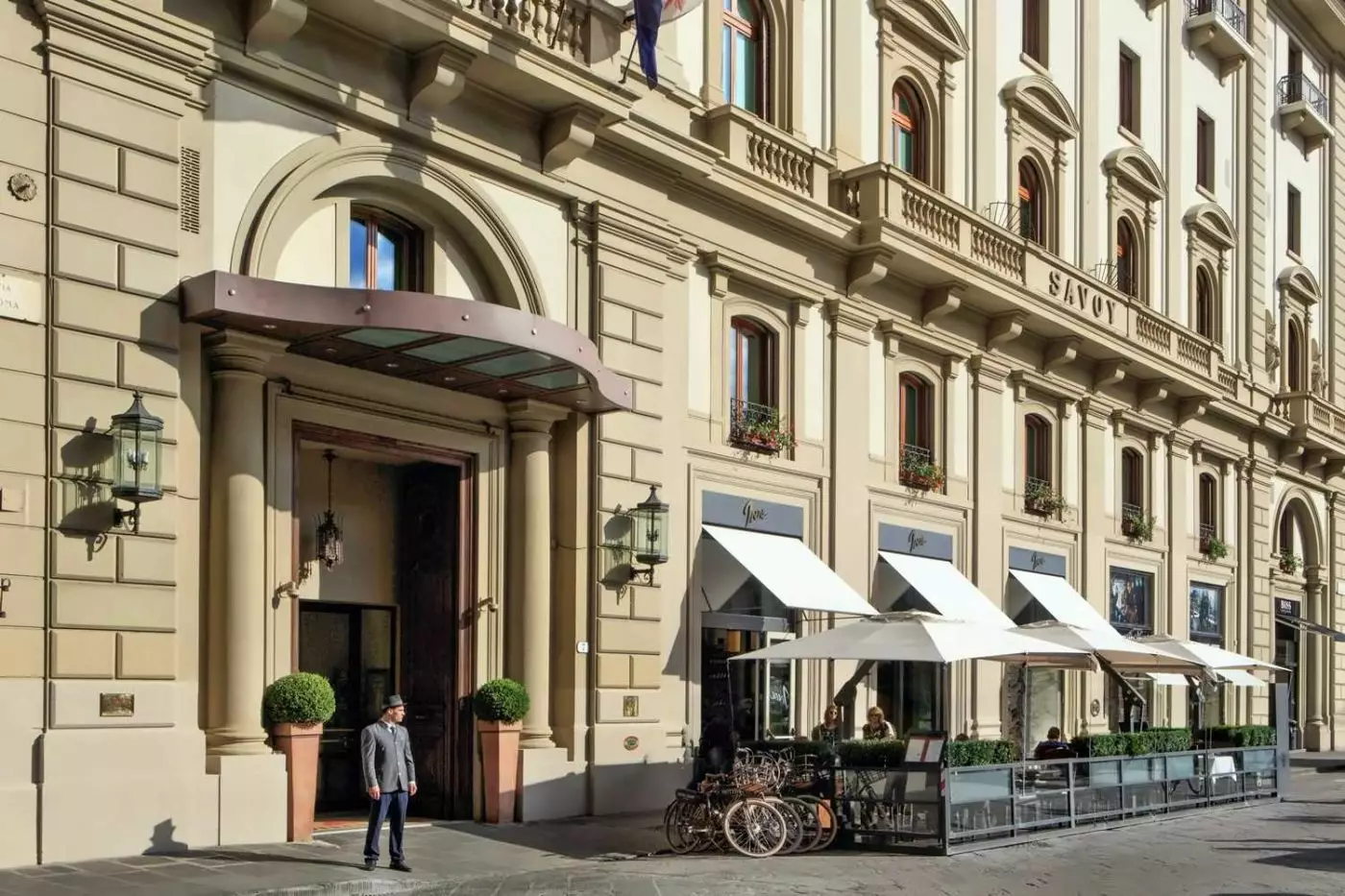
Hotel Savoy Florence sits directly on Piazza della Repubblica, one of the most central addresses in the city. The Duomo, Pont...
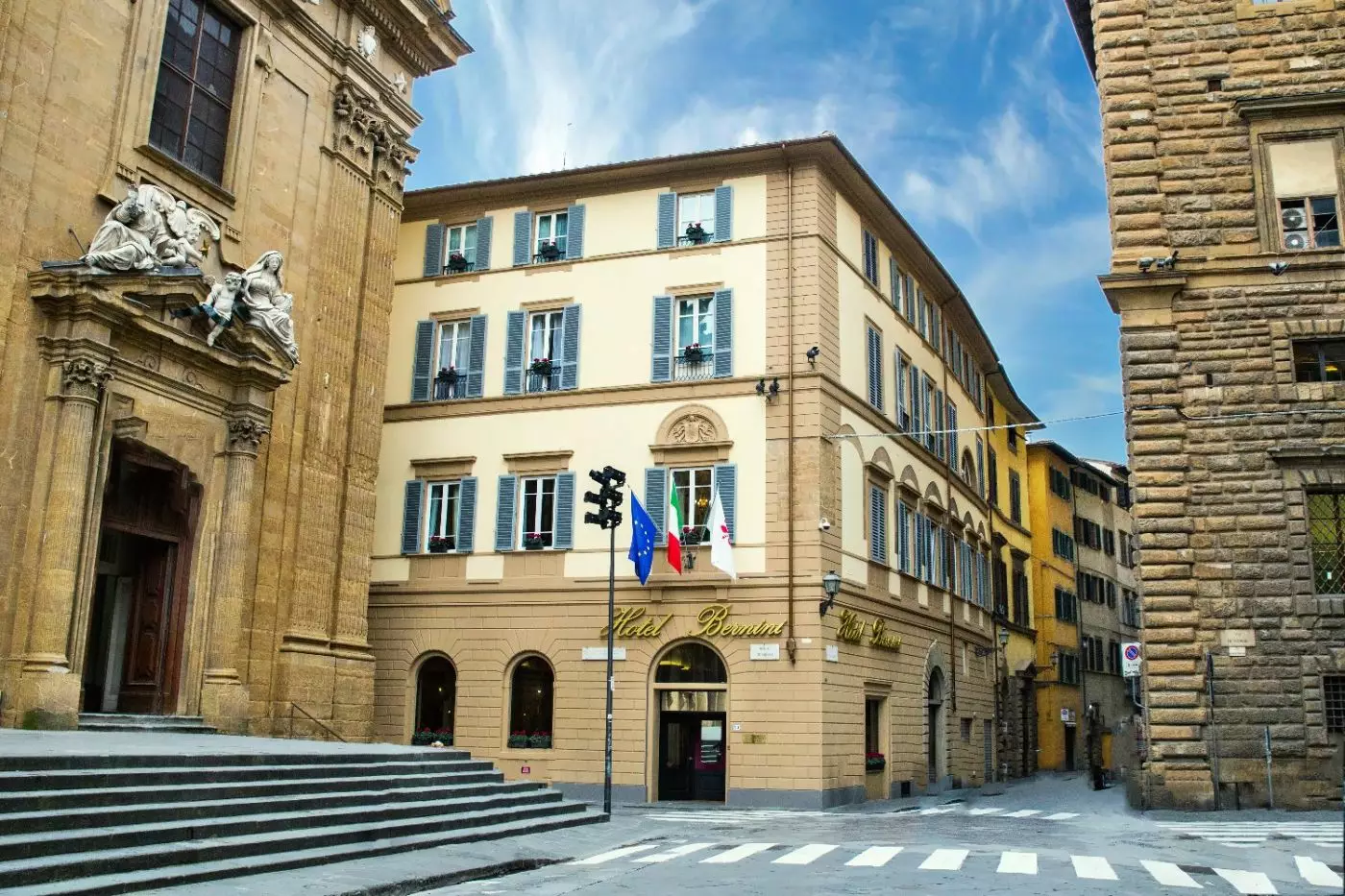
Hotel Bernini Palace is a historic five-star hotel in central Florence, set in a 15th-century building behind Piazza della Si...
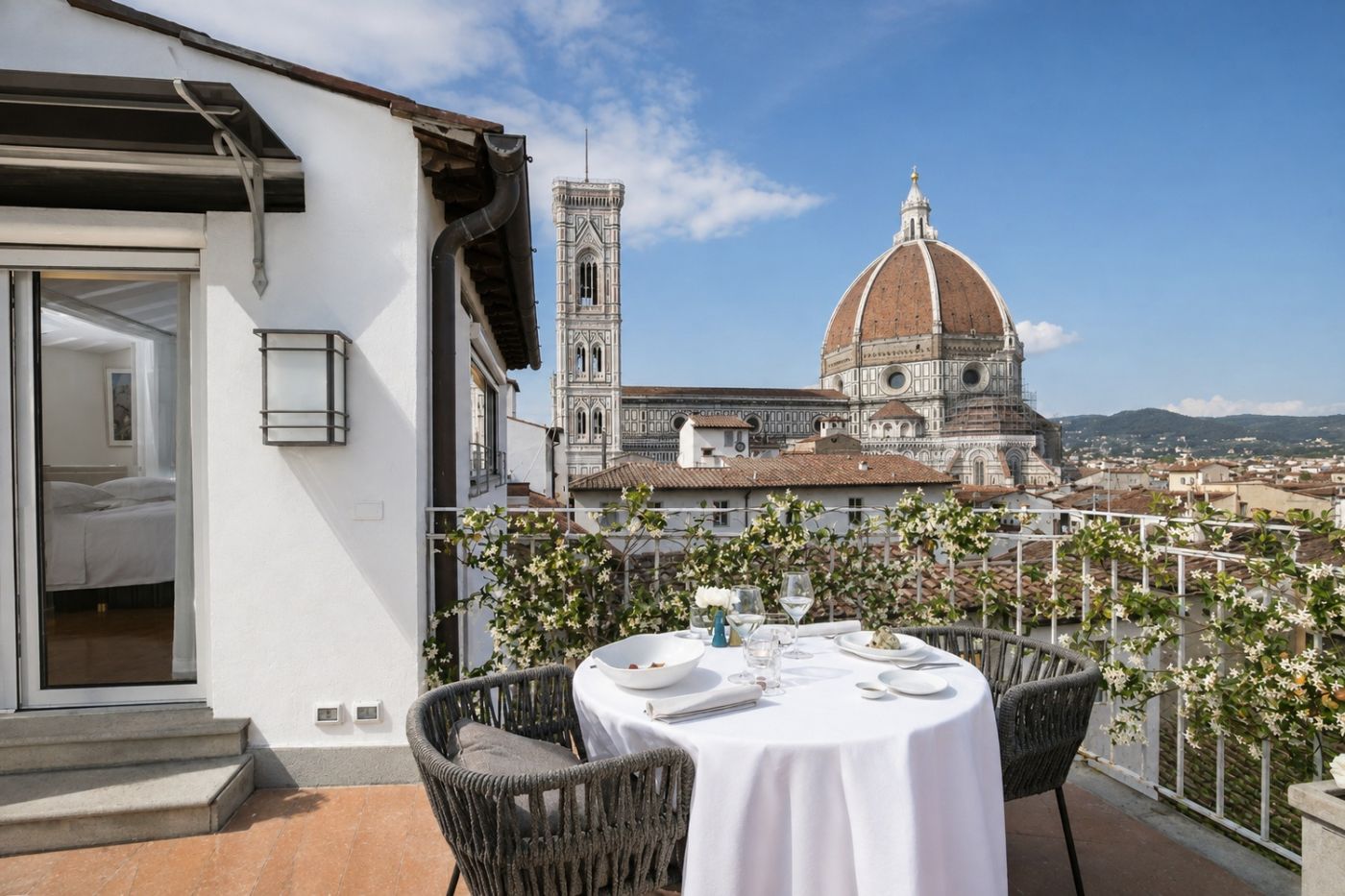
The round Pagliazza Tower gives Hotel Brunelleschi Florence its unmistakable profile on Piazza Santa Elisabetta. The hotel si...