Best for
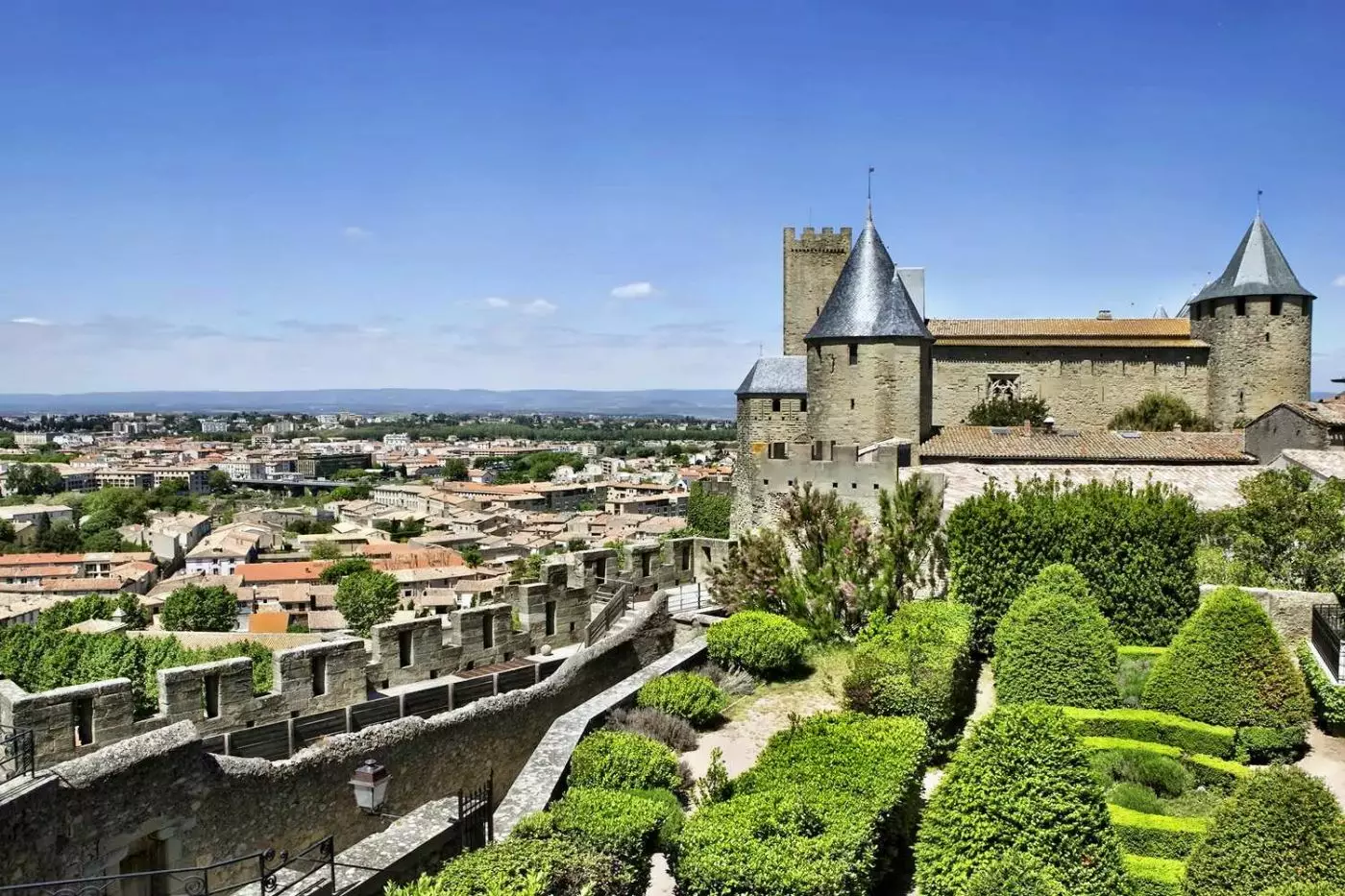
History lovers can explore Carcassonne's fortified lanes on foot from the hotel, with Château Comtal and Saint-Nazaire Basilica close by.
Please choose a hotel or destination from the list.
We couldn’t open your search results. Please try again.
Your private search
Finding exceptional stays
Best for
History lovers can explore Carcassonne's fortified lanes on foot from the hotel, with Château Comtal and Saint-Nazaire Basilica close by.
What makes it special
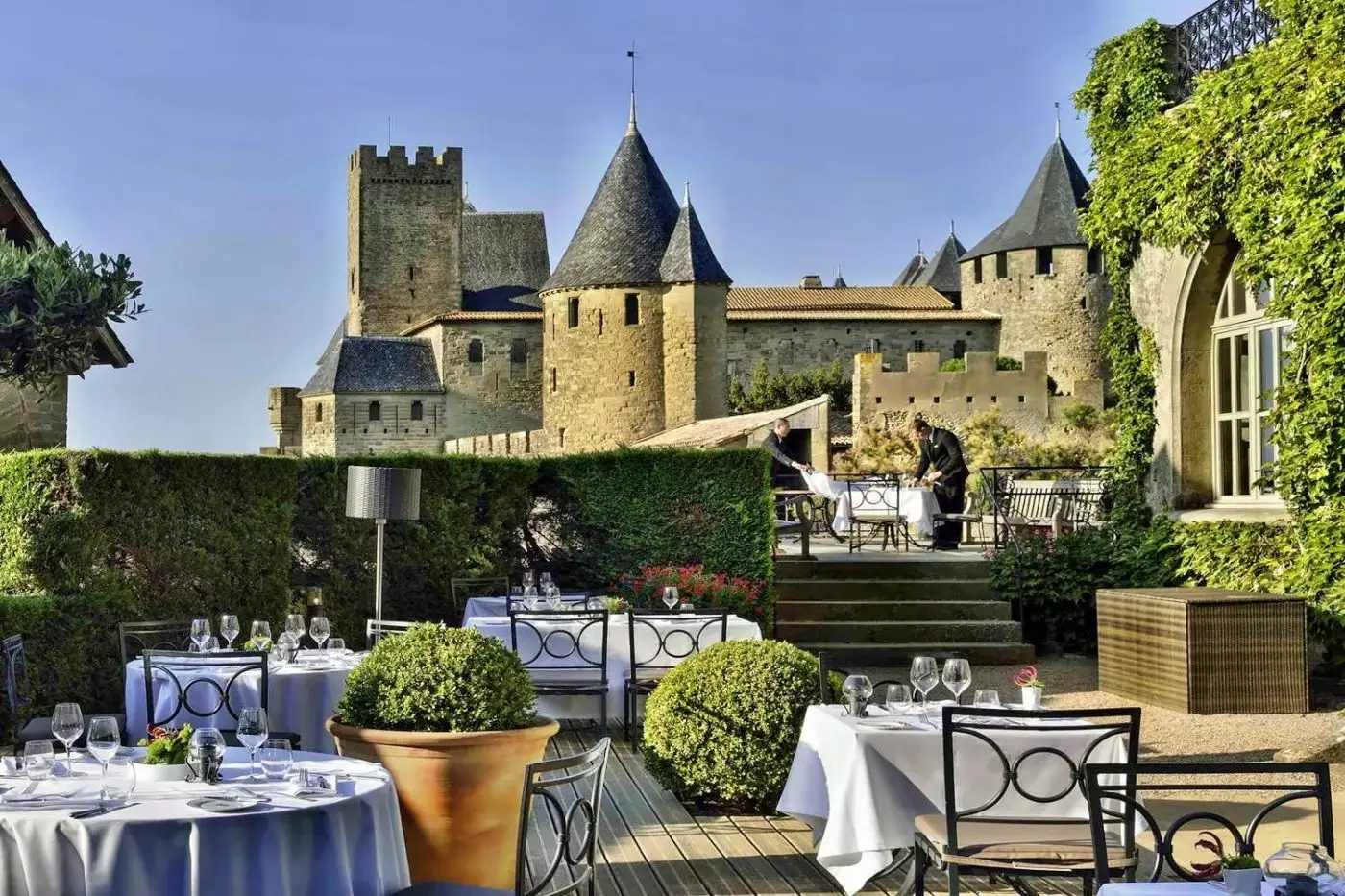
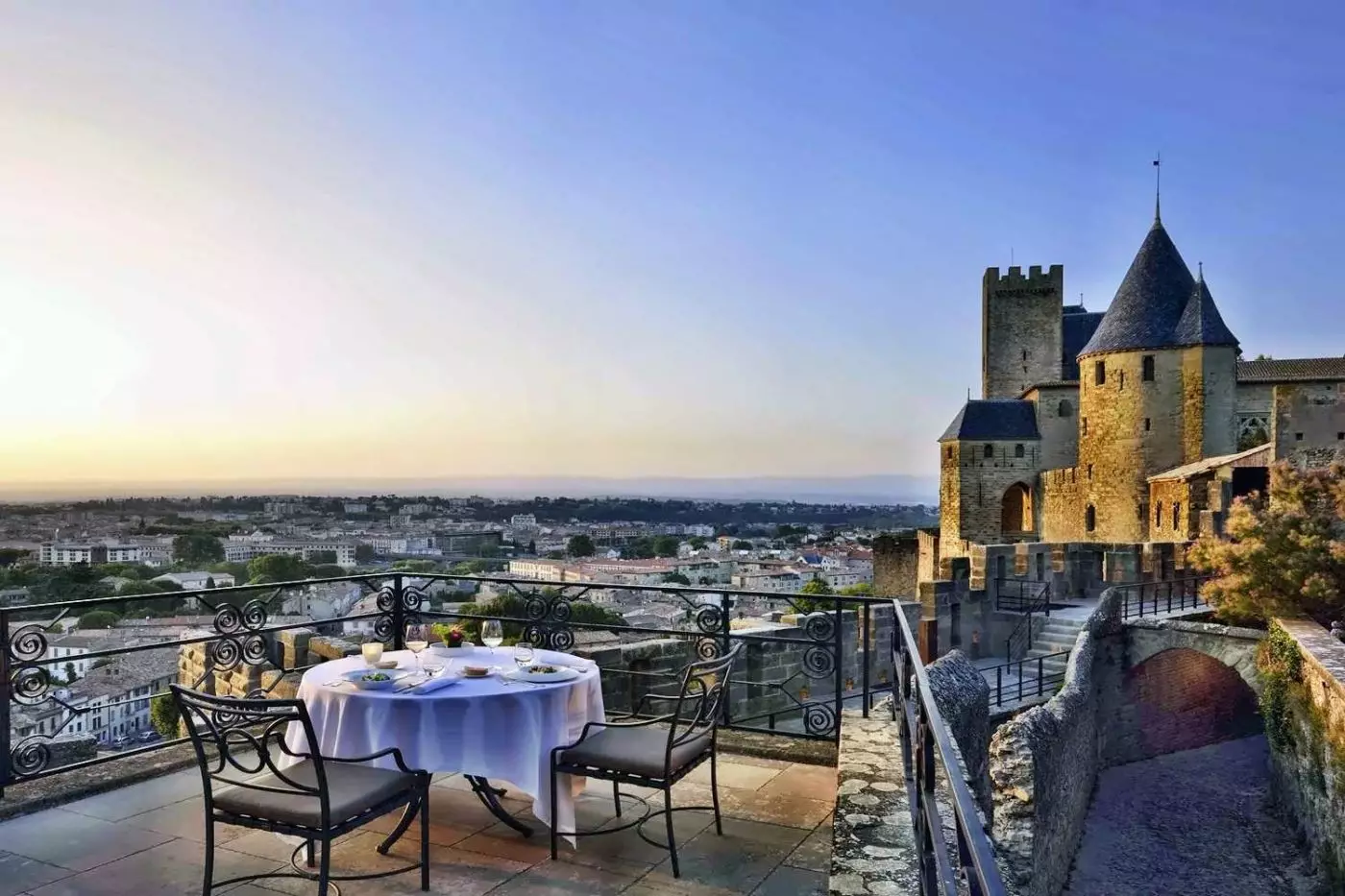
Enjoy a summer aperitif on the Library Bar terrace, pairing regional wines with views of the ramparts and Château Comtal.
Room to consider
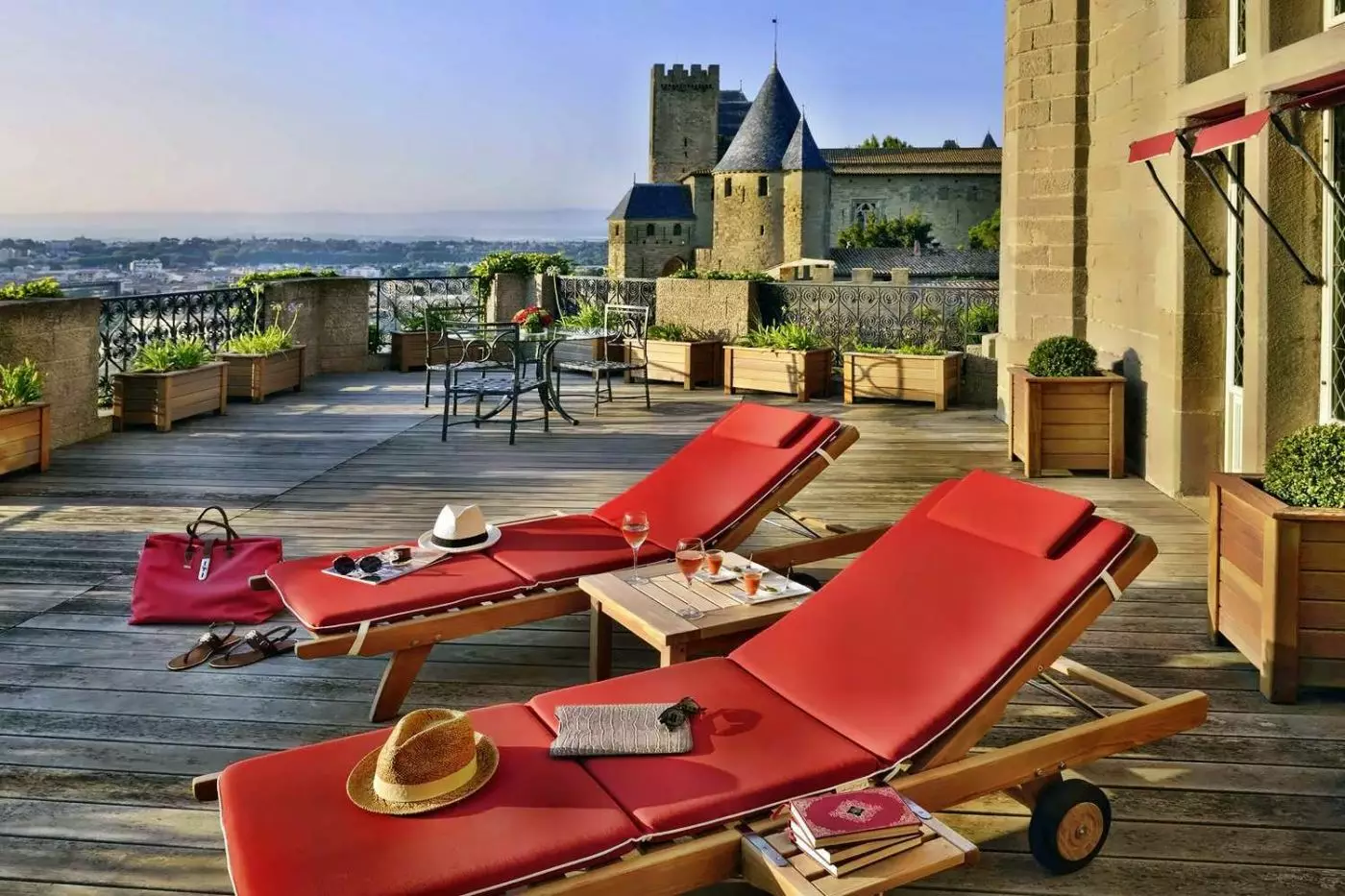
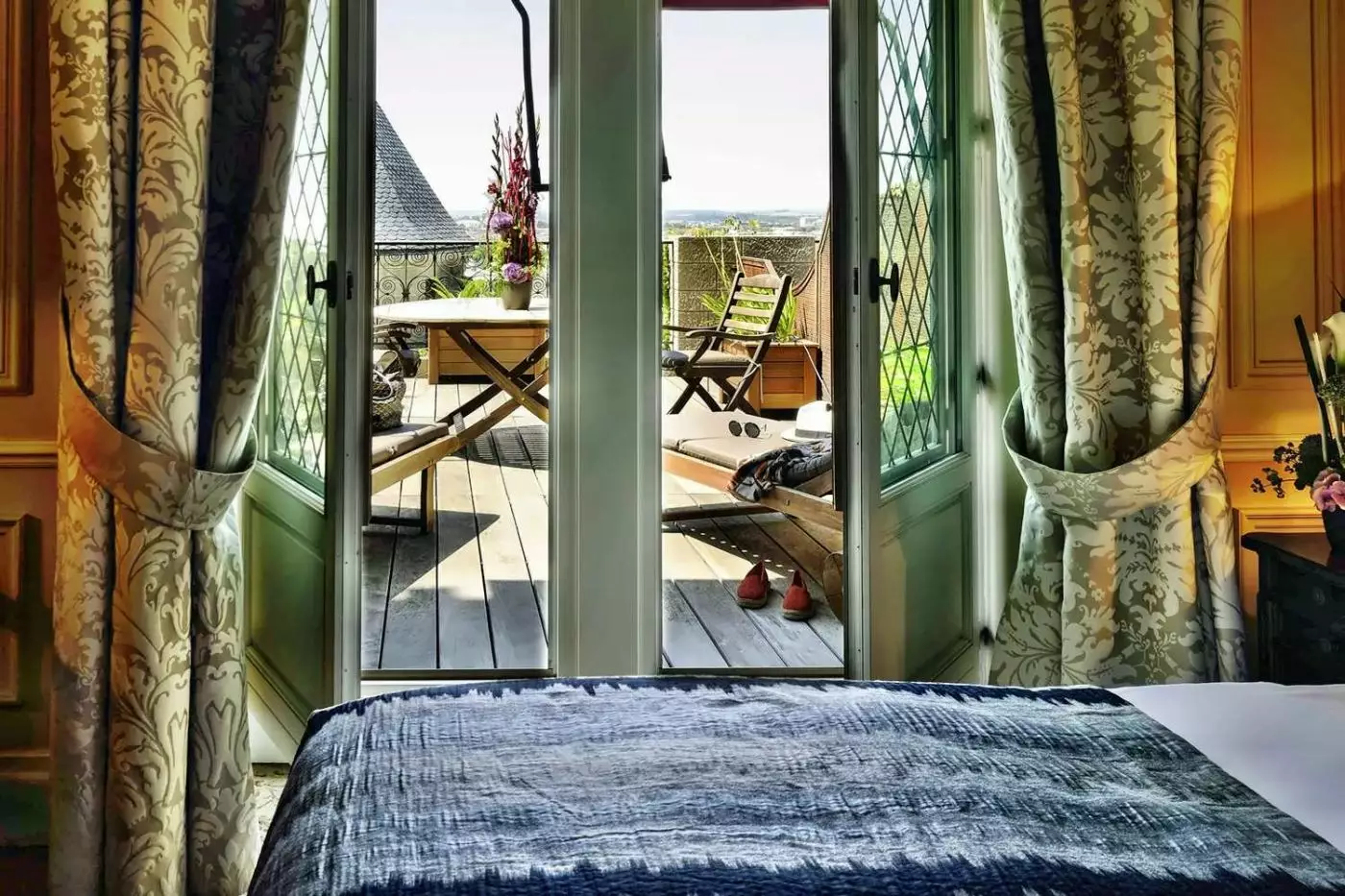
Choose a suite with a 40-square-meter terrace to enjoy château views from your own outdoor space within the fortified city.
Insider tip
Take the hotel's private citadel tour to understand its fortress connection, then finish with an aperitif and signature cocktail.
Free membership gives you access to preferred rates, exclusive benefits and current promotions for your stay.
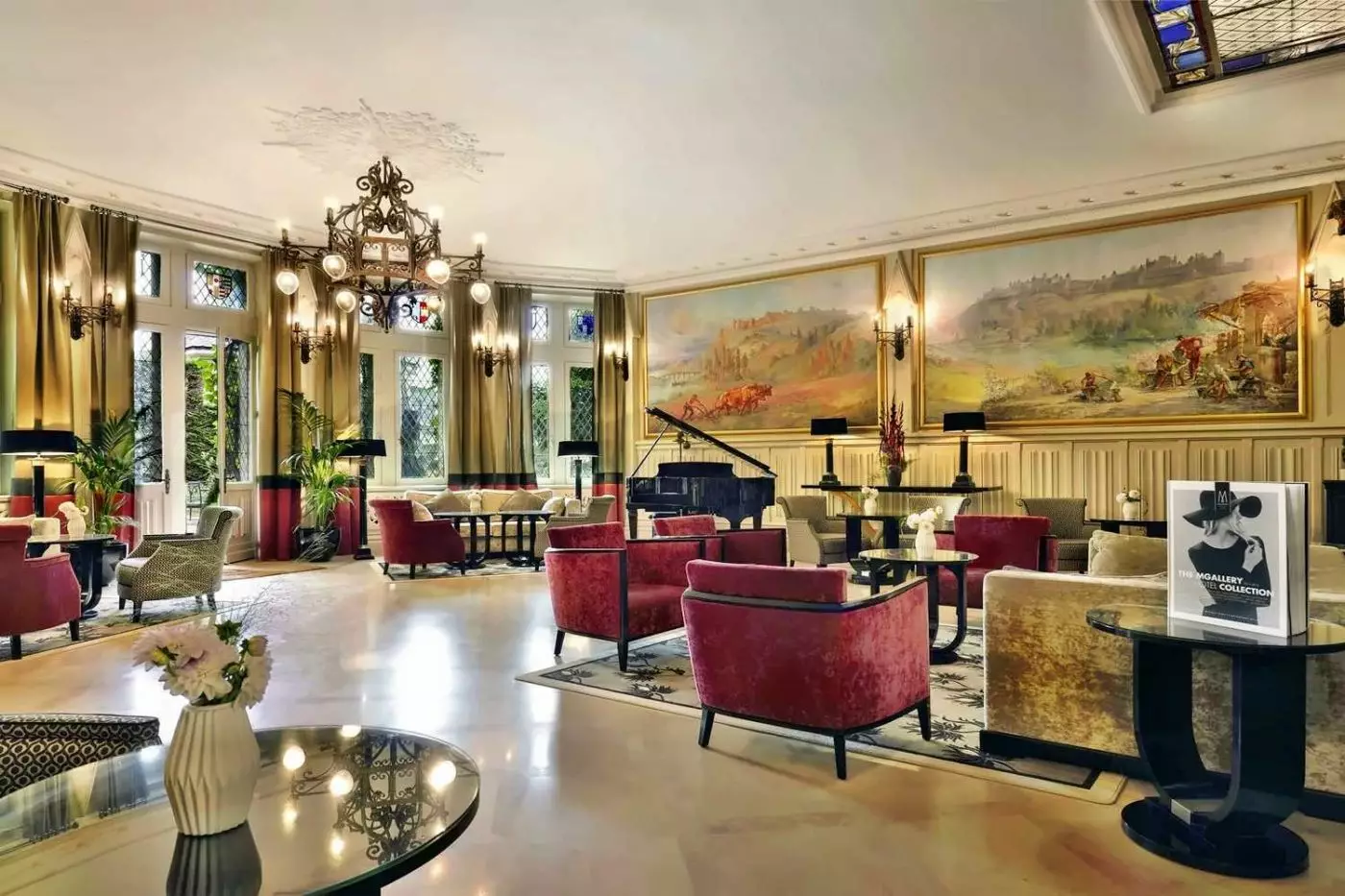
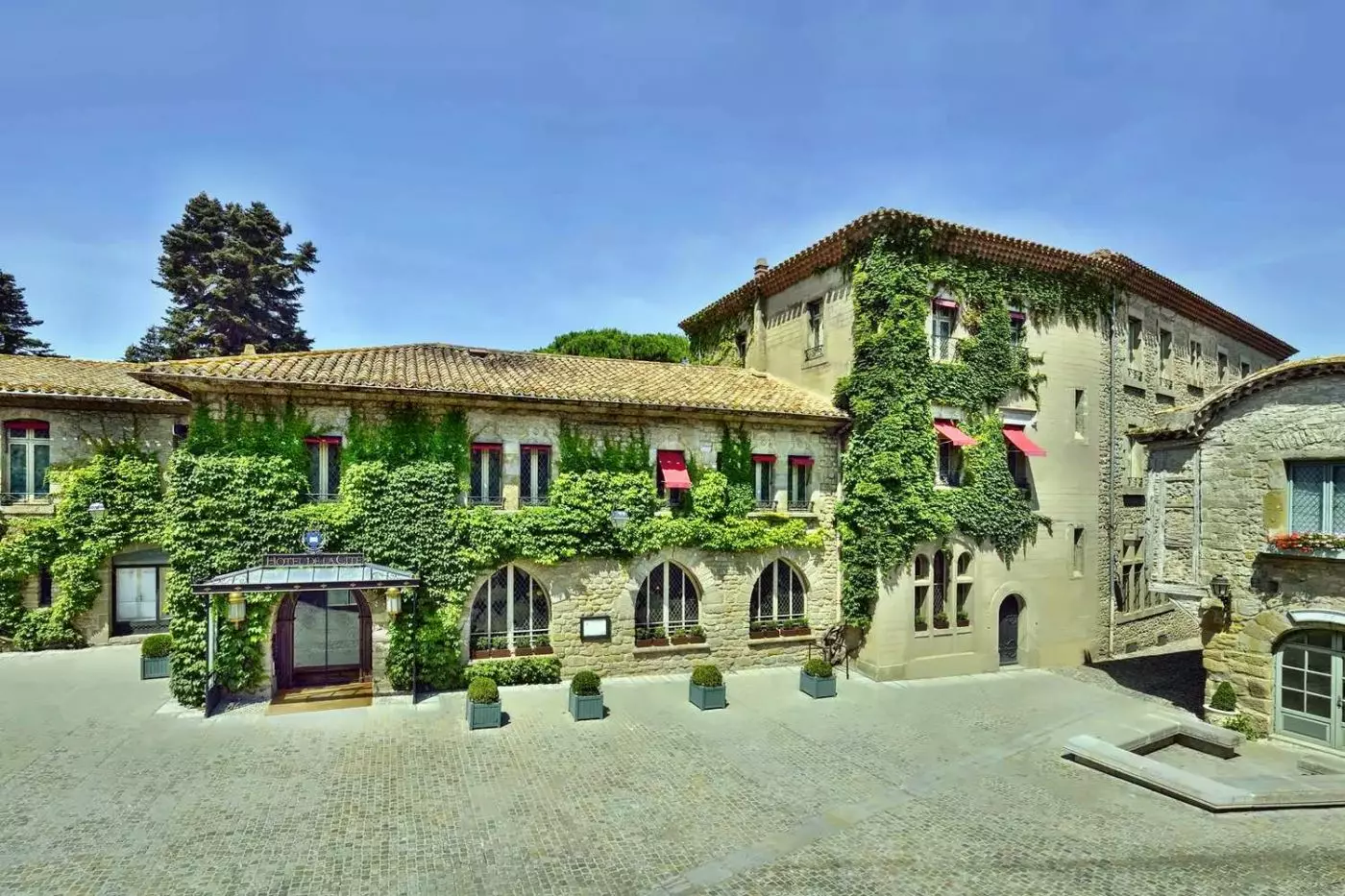
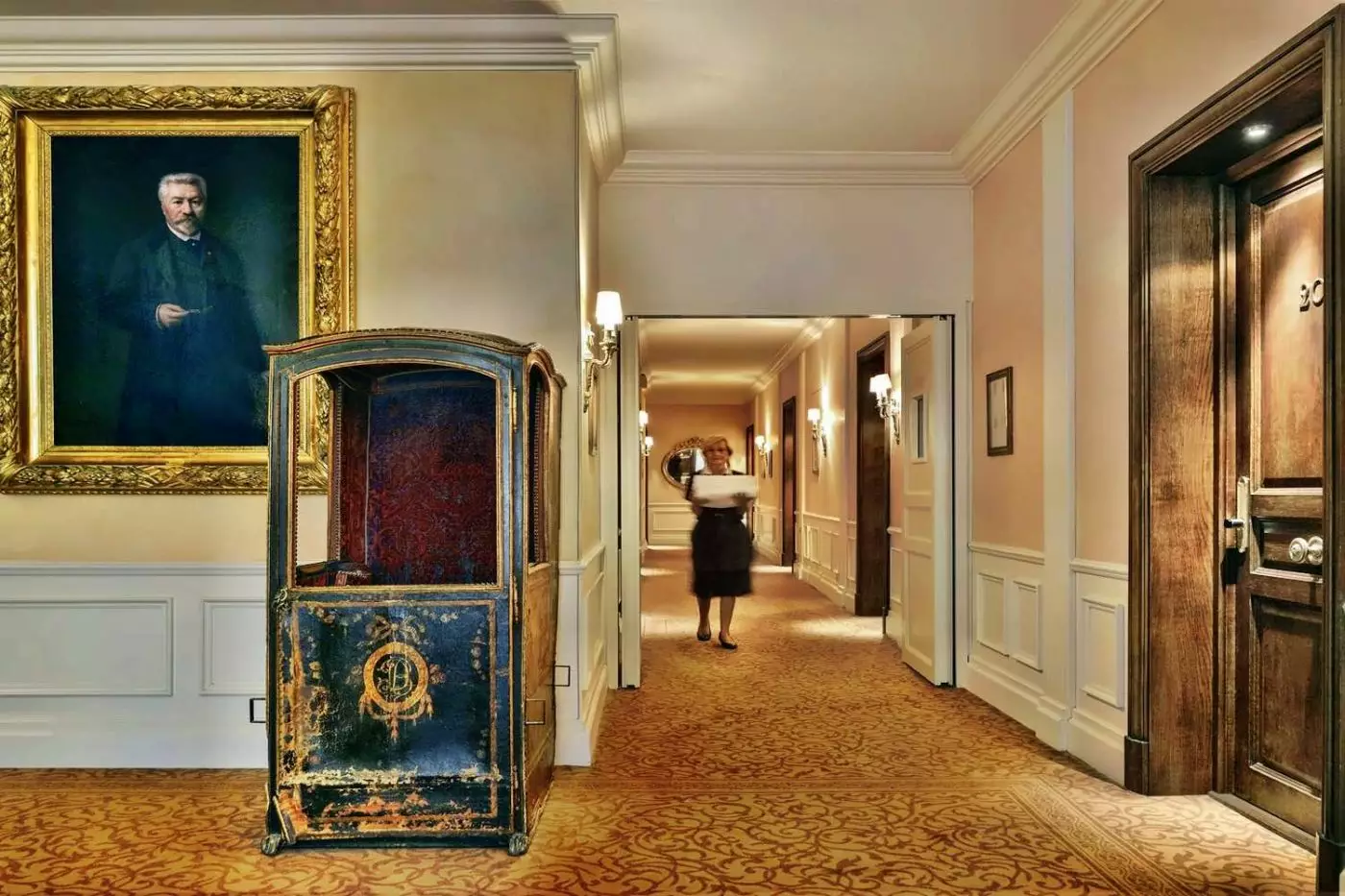
At Hôtel de la Cité Carcassonne, the location is the story. The hotel stands inside the medieval citadel, adjoining the Basilica of Saint-Nazaire, with gardens looking beyond the ramparts toward the lower town. Narrow streets begin at the door. Within the hotel, wood paneling, coats of arms, and generous lounges bring a different scale to life behind the walls. This five-star MGallery address occupies the site of a former bishop's palace.
 59
 Charming
 Pool
 Spa
 Wellness
 Culture
 Pet Friendly
Two single beds are available on request.
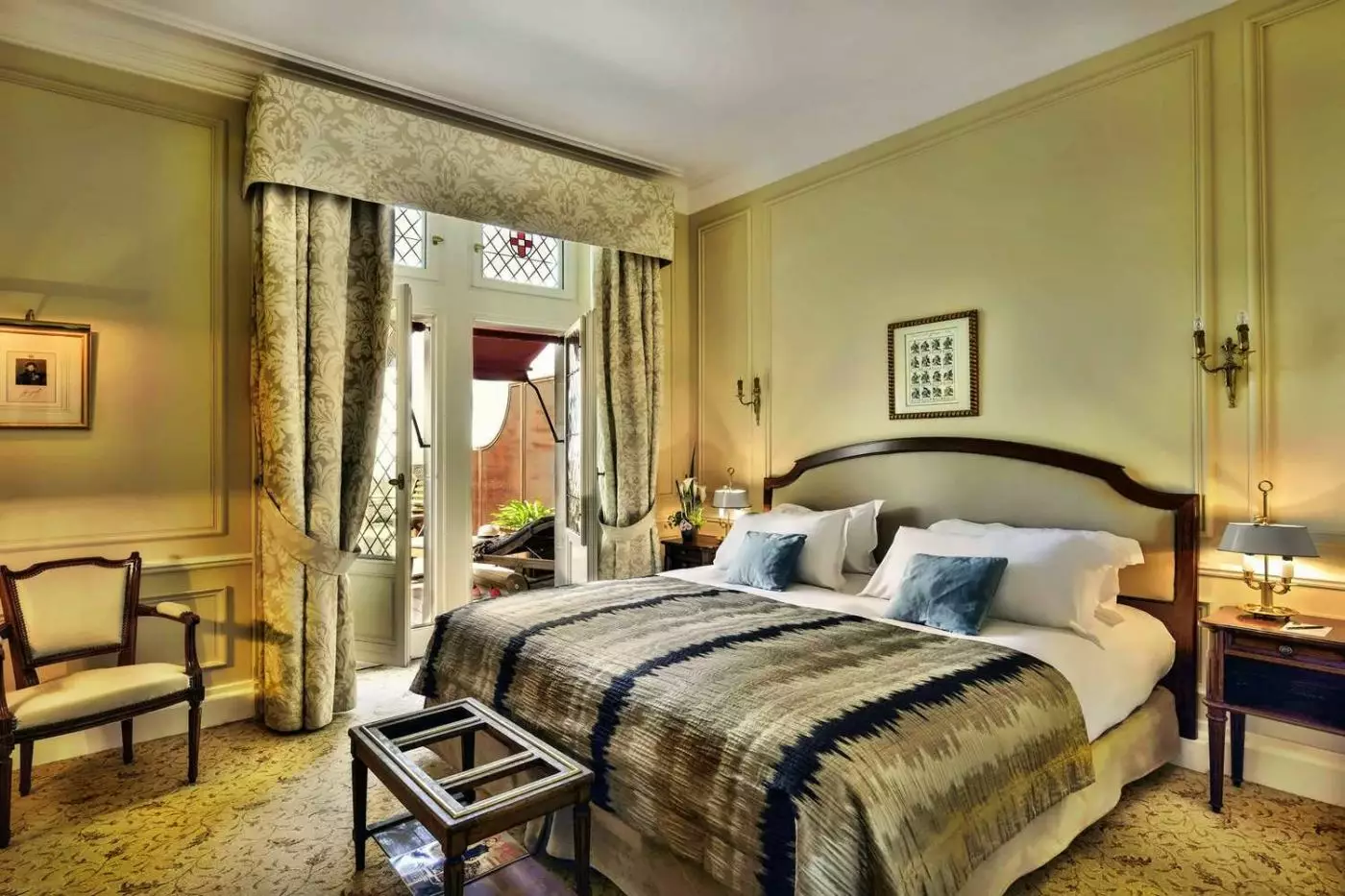
French and Provençal designs give these rooms different characters, with floral motifs or paneled walls around the sleeping area. A pair of armchairs offers a place to sit away from the bed. In a cream-paneled design, tall leaded windows stand beside a low table, and long patterned curtains frame the glass. Other rooms have darker headboards and striped curtains.
Each room has a private marble bathroom. Selected bathrooms pair a fitted bathtub with a wall-mounted shower and a glass screen.

French and Provençal designs give these rooms different characters, with floral motifs or paneled walls around the sleeping area. A pair of armchairs offers a...
Some rooms have a mezzanine reached by stairs inside the room.
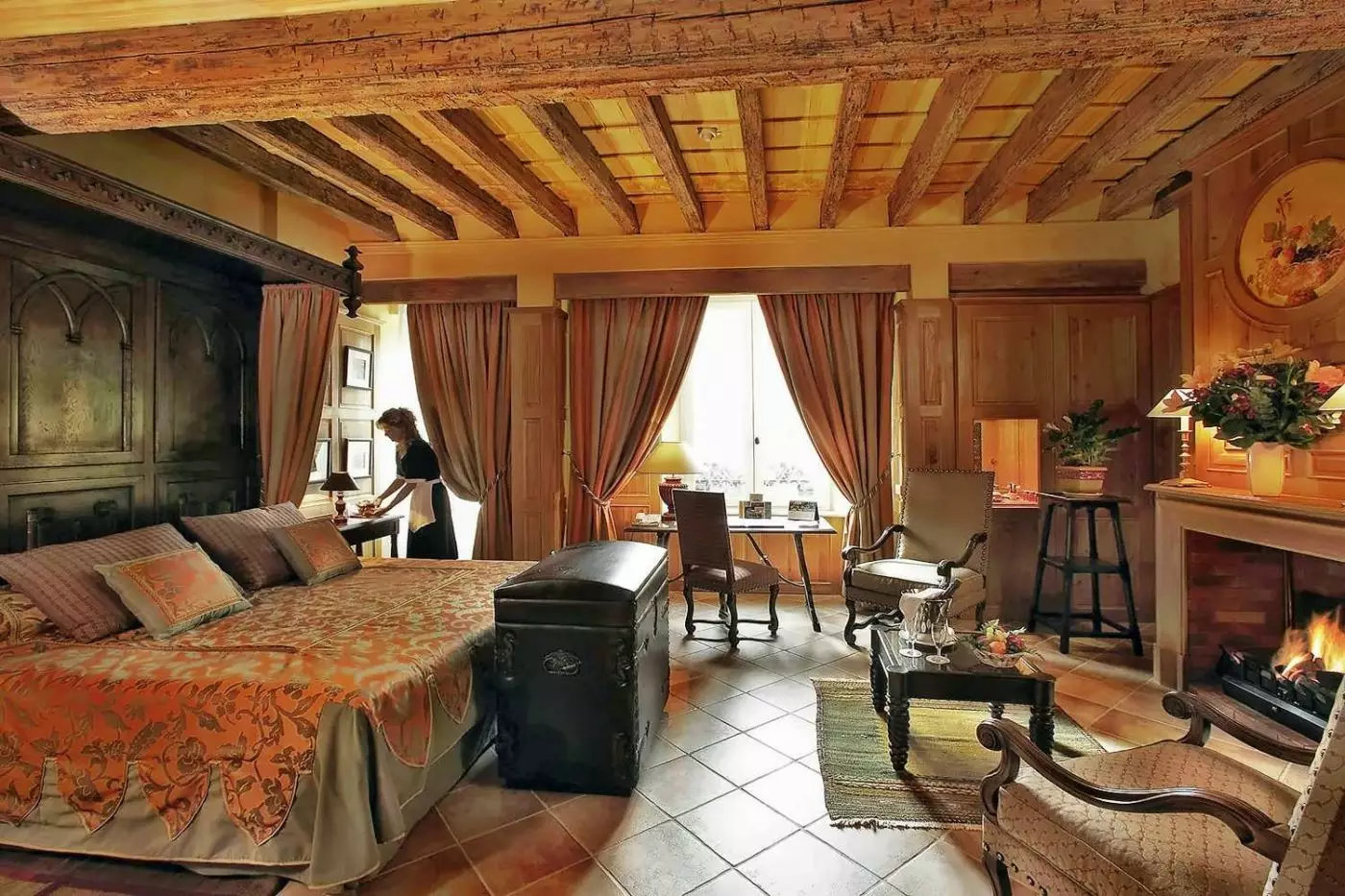
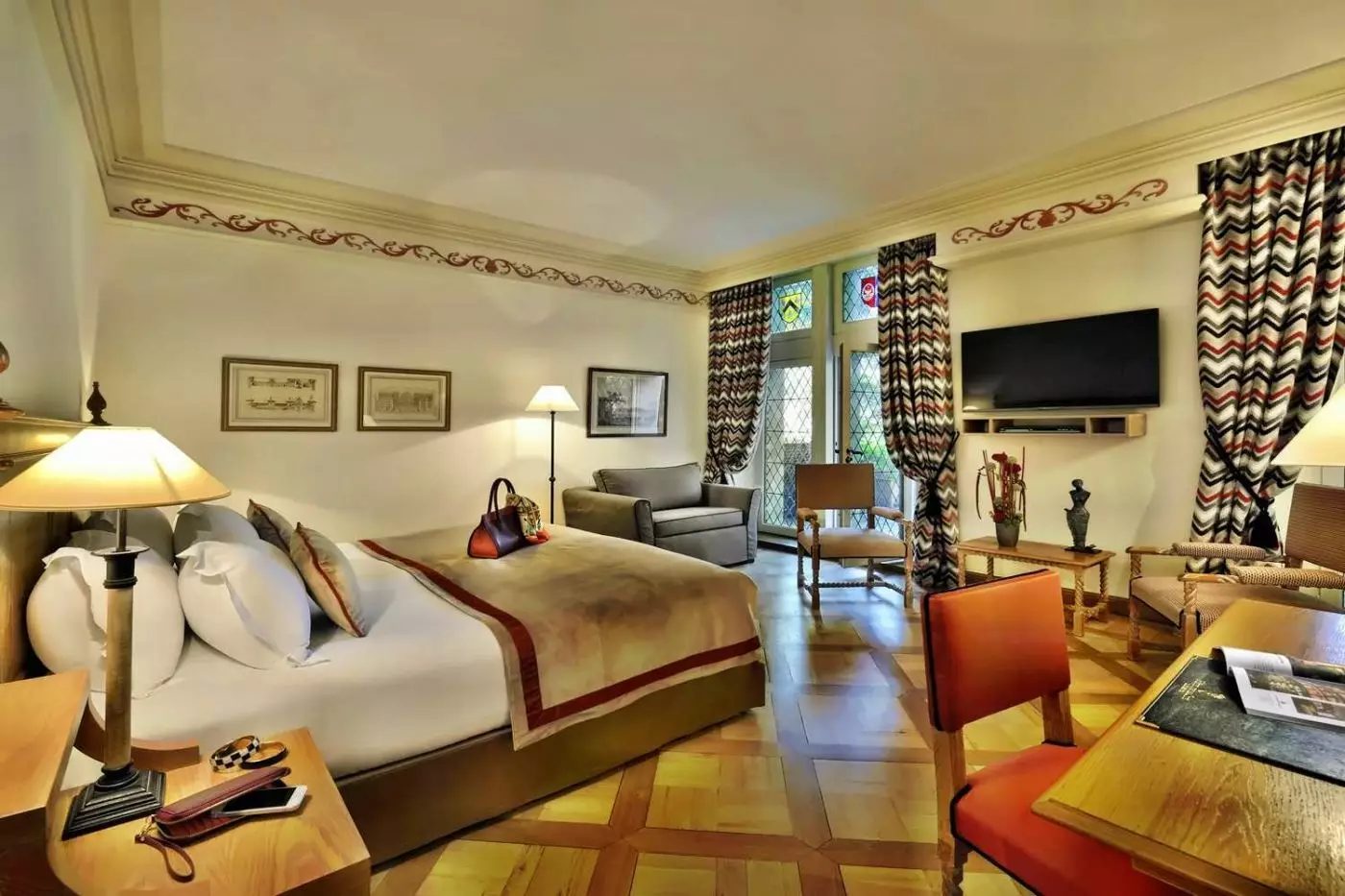
The sleeping and sitting areas share a room, with upholstered chairs and a small table beside the windows in selected designs. Traditional wood furniture and framed pictures give the interiors a distinct character. Some rooms use cream and yellow tones with floral borders, while another design pairs pale walls with dark curtains and a larger sitting area.
The private marble bathroom has a bathtub. One design combines the fitted tub with a wall-mounted shower and a pedestal basin. A cot can be requested, and the windows can be opened. The room also has soundproof walls.

The sleeping and sitting areas share a room, with upholstered chairs and a small table beside the windows in selected designs. Traditional wood furniture and...
Some rooms have a terrace; two single beds are available on request.
Windows look toward gardens, ramparts or the citadel’s interior, depending on the room’s position. Traditional furnishings and paneled walls frame the bedroom. In selected layouts, chairs and a small table sit near the windows, beside the sleeping area. Room styles include a shaped wood headboard with pale curtains or a padded headboard with patterned fabrics and tall leaded glass.
The private bathroom is finished in marble and has a bathtub. The tub stands near a leaded window in one layout, with a basin on a broad stone counter alongside. The windows can be opened, and the room has soundproof walls.

Windows look toward gardens, ramparts or the citadel’s interior, depending on the room’s position. Traditional furnishings and paneled walls frame the bedroom. In selected layouts,...
Terraces and twin beds are subject to availability.
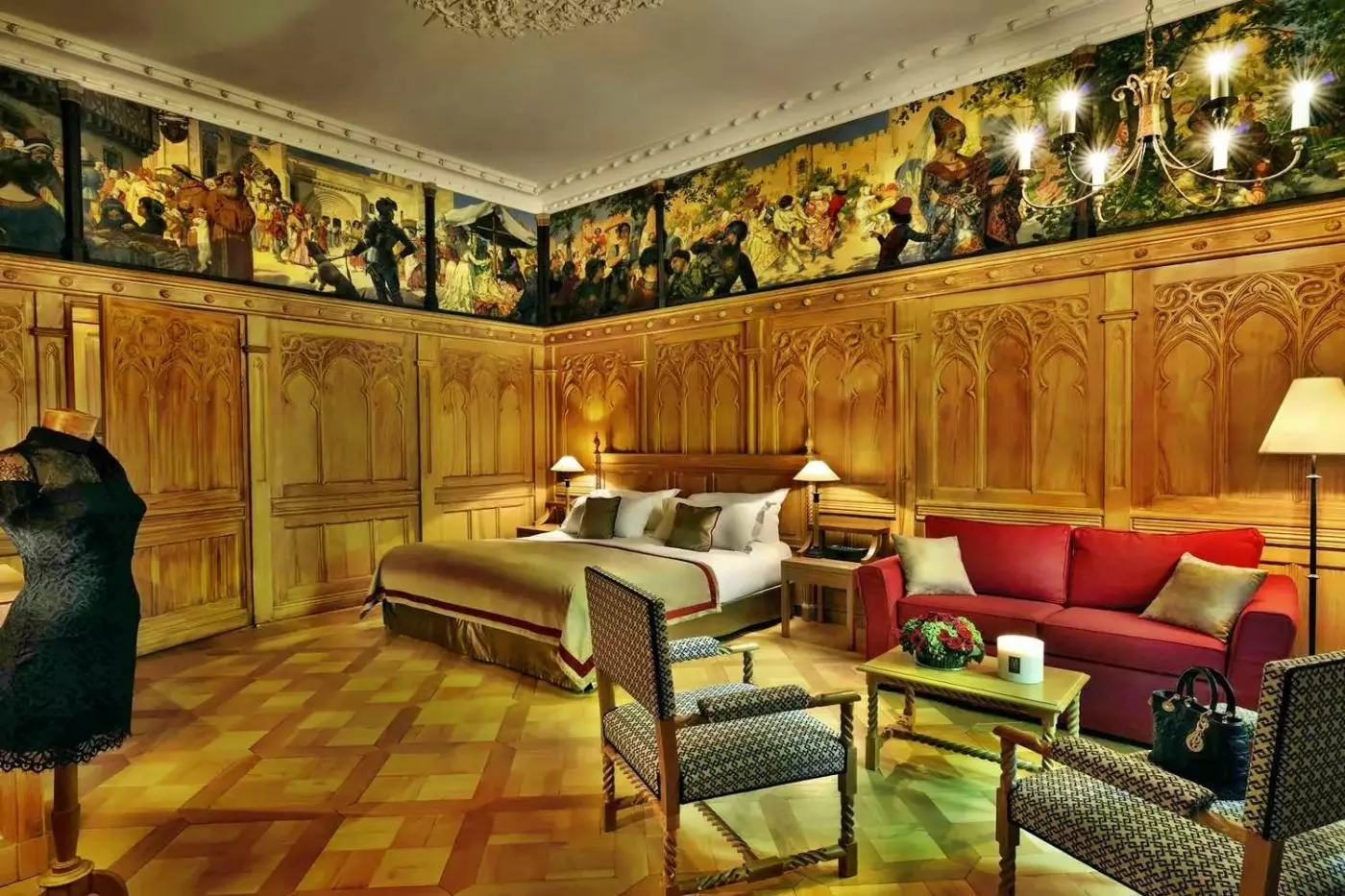
Fabrics and furnishings made by local craftsmen give the sleeping and sitting areas an individual character. Some designs have carved wood panels and a painted mural above the seating, with a red sofa facing upholstered chairs across a low table. A chandelier hangs above this paneled interior. Other designs pair pale walls with a metal headboard and carved chairs around a round table.
Marble bathrooms have a bathtub and a separate shower. A selected design places the glass shower beside wood storage, while another bathroom has two basins along a shared counter. The suite has soundproof walls.

Fabrics and furnishings made by local craftsmen give the sleeping and sitting areas an individual character. Some designs have carved wood panels and a painted...
The bedroom is separate from the living room, which is furnished with traditional armchairs, an upholstered sofa and a low table. In one design, pale paneled walls and framed artwork surround the seating, while patterned curtains hang beside tall leaded windows. The bedroom has its own chair and a small table near the glazing.
The marble bathroom contains a bathtub and a separate shower. Selected layouts place the tub near a window, with a long stone vanity on the adjacent wall. The suite is soundproofed, and its windows can be opened.

The bedroom is separate from the living room, which is furnished with traditional armchairs, an upholstered sofa and a low table. In one design, pale...
The bedroom and lounge are separate, with a sofa bed in the sitting area. The outlook takes in the château and valley or the gardens and ramparts, depending on the suite’s position. Some designs have woodwork, patterned fabrics and stained-glass details.
The marble bathroom has a bathtub and a separate shower. A magnifying mirror and flexible showerhead are included, along with bath products. Both the bedroom and lounge have soundproof walls.

The bedroom and lounge are separate, with a sofa bed in the sitting area. The outlook takes in the château and valley or the gardens...
The hotel's neo-Gothic architecture and Art Deco details belong to its own history, distinct from the medieval defenses around it. Reception rooms have a formal, richly decorated character, while the gardens open the building toward the surrounding landscape. The contrast between enclosed streets and open views is immediate: a walk through the citadel can end at a garden table overlooking the town below.
Carcassonne's fortified city is a UNESCO World Heritage Site, set on a rocky height above the Aude. Its double ring of defenses encloses streets, houses, the basilica, and the count's castle. The hotel places guests within that historic street plan. Saint-Nazaire is particularly close, with its Gothic architecture and remarkable medieval stained glass forming part of the immediate neighborhood.
The 59 rooms and suites have varied outlooks. Classic Rooms average 20 square meters, with a king bed or twins, marble bathrooms, and views of the citadel's narrow streets. Their decor ranges from traditional French furnishings to Provençal floral patterns. Superior Rooms have king beds and face the ramparts, gardens, or citadel, depending on orientation. One accessible Classic Room is available.
Family Rooms measure 35 square meters and contain a king bed and two singles, with a crib on request. They overlook the lower town. The 55-square-meter Suite has a king bedroom and a separate lounge with a sofa bed. The Terrace Suite combines 50 square meters indoors with a 40-square-meter terrace overlooking the castle and valley. It also has a separate lounge, a sofa bed, and a marble bathroom with a bathtub and separate shower.
La Barbacane is the hotel's gastronomic restaurant, led by Jérôme Ryon. His cooking draws on regional growers, farmers, and fishermen, with menus that change according to their produce. The approach is rooted in French technique and the ingredients of Occitania. Lunch menus, tasting menus, and a vegetarian menu give the kitchen several ways to express that regional focus, without tying dinner to a single set format.
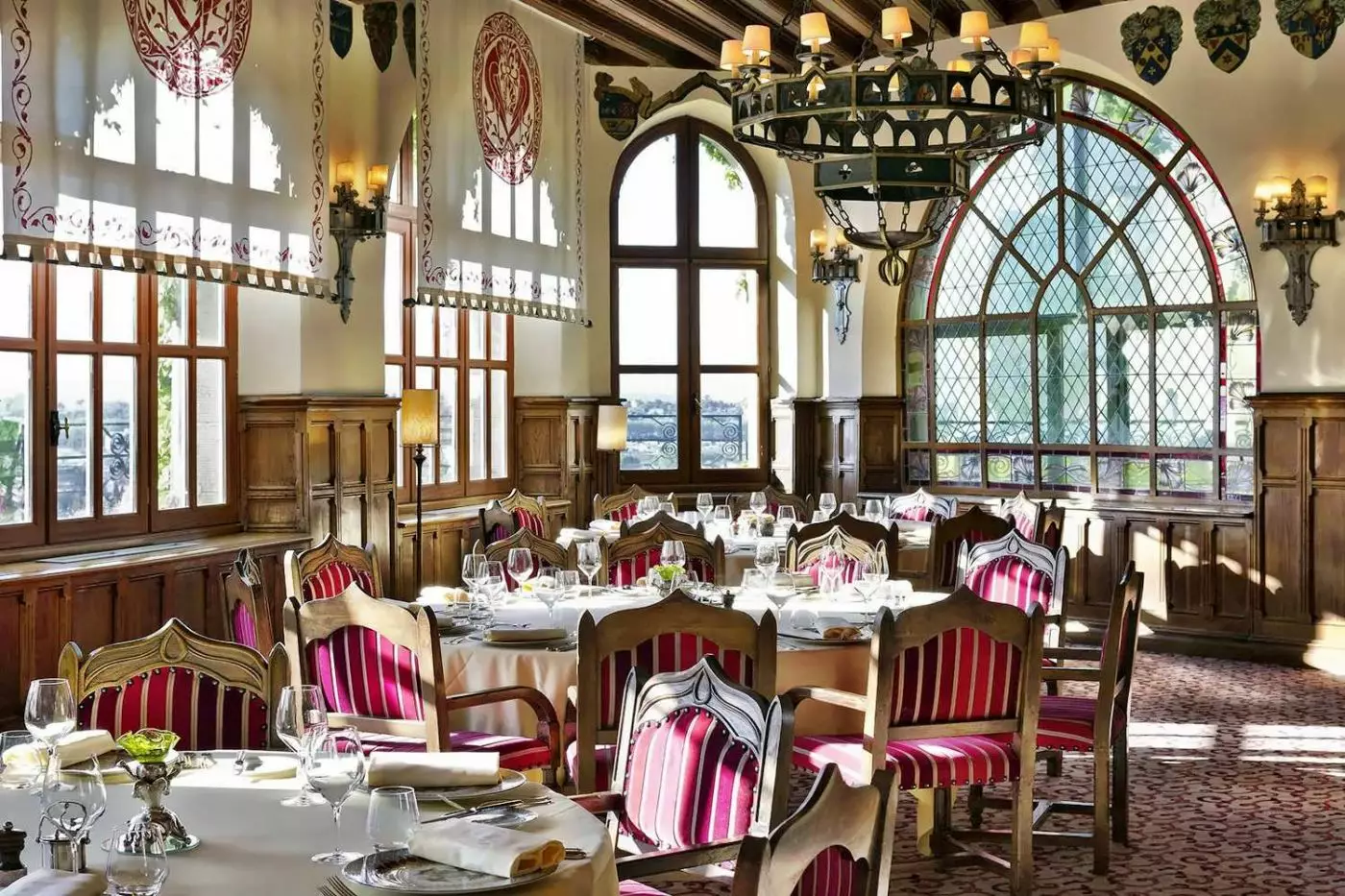
The dining room is as much a part of the experience as the cooking. Stained glass, heraldic decoration, and wood paneling frame a formal setting within the hotel. The cuisine ranges across Mediterranean fish and seafood, with game and mushrooms entering the picture in autumn. It is a restaurant closely connected to its surroundings, both through the view beyond the gardens and through the produce brought into the kitchen.
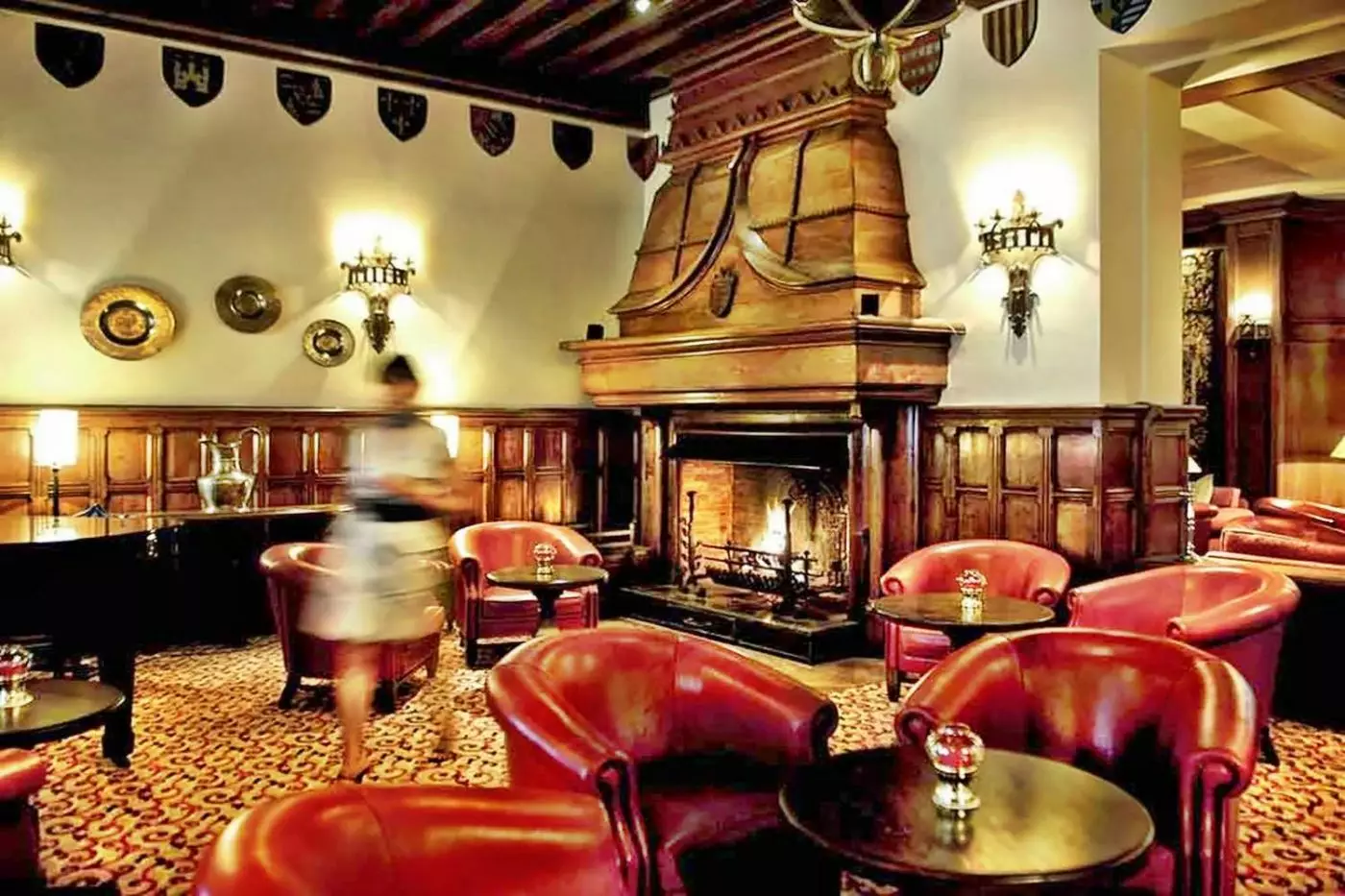
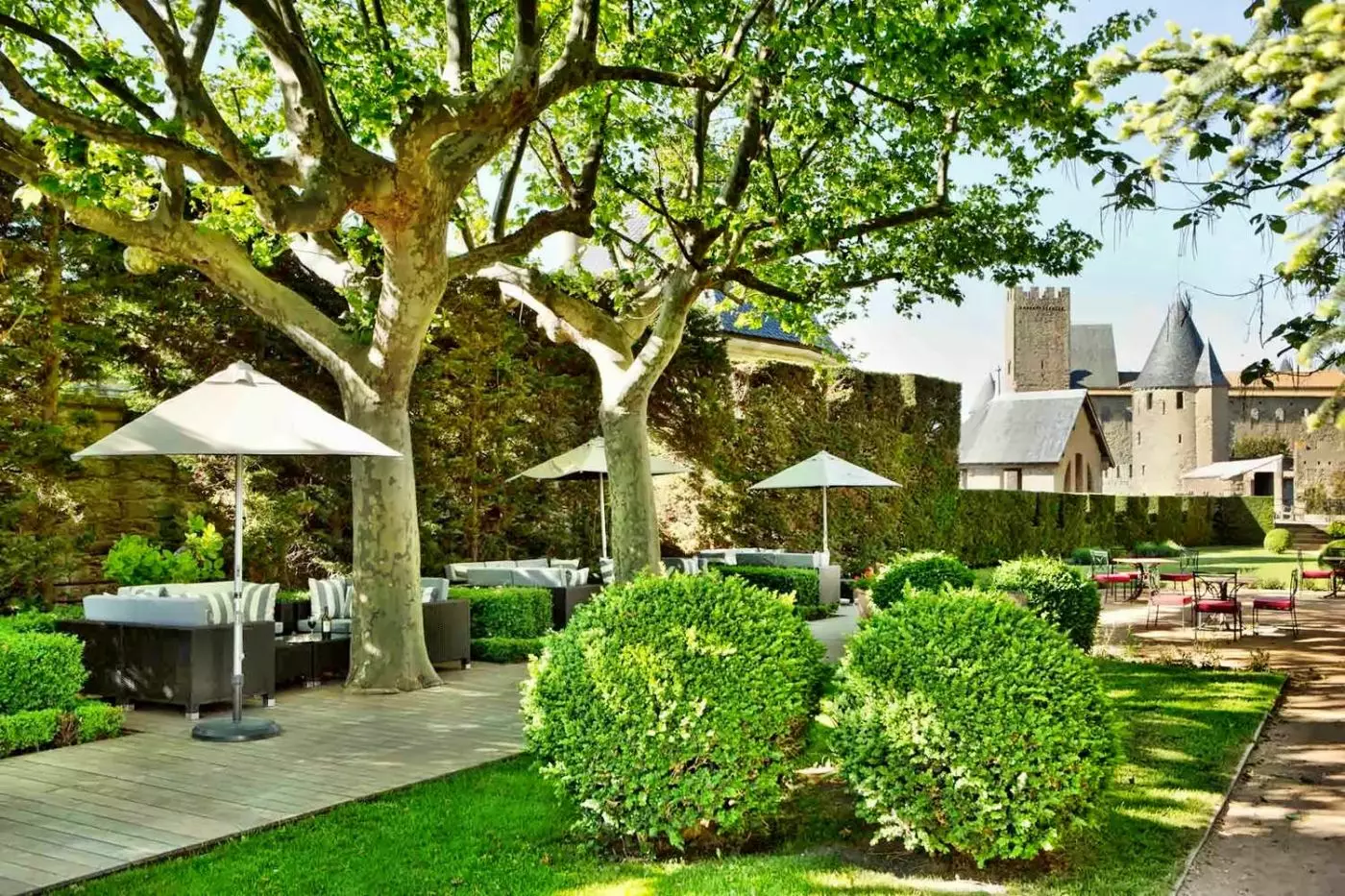
The Bar Bibliothèque has an intimate indoor setting for cocktails and wine. In fine weather, service extends into the gardens, where terrace armchairs face the fortress walls and Château Comtal. Regional wines accompany small plates and boards to share. The indoor bar and outdoor belvedere give an aperitif two quite different settings: one enclosed and warmly furnished, the other open to the stone defenses and evening sky.
Chez Christine is a separate bistro in the citadel, associated with the hotel group rather than housed in the main hotel. Its cooking looks to southwestern France and the Mediterranean. Jean-Philippe Nuel's interiors use pale walls, natural materials, found objects, and wine shelves; outside, a wisteria pergola shelters the terrace. The menu includes the region's cassoulet alongside a changing selection of meat, fish, and vegetable dishes. It brings a less formal dining room into the hotel's wider collection of addresses within the walls.
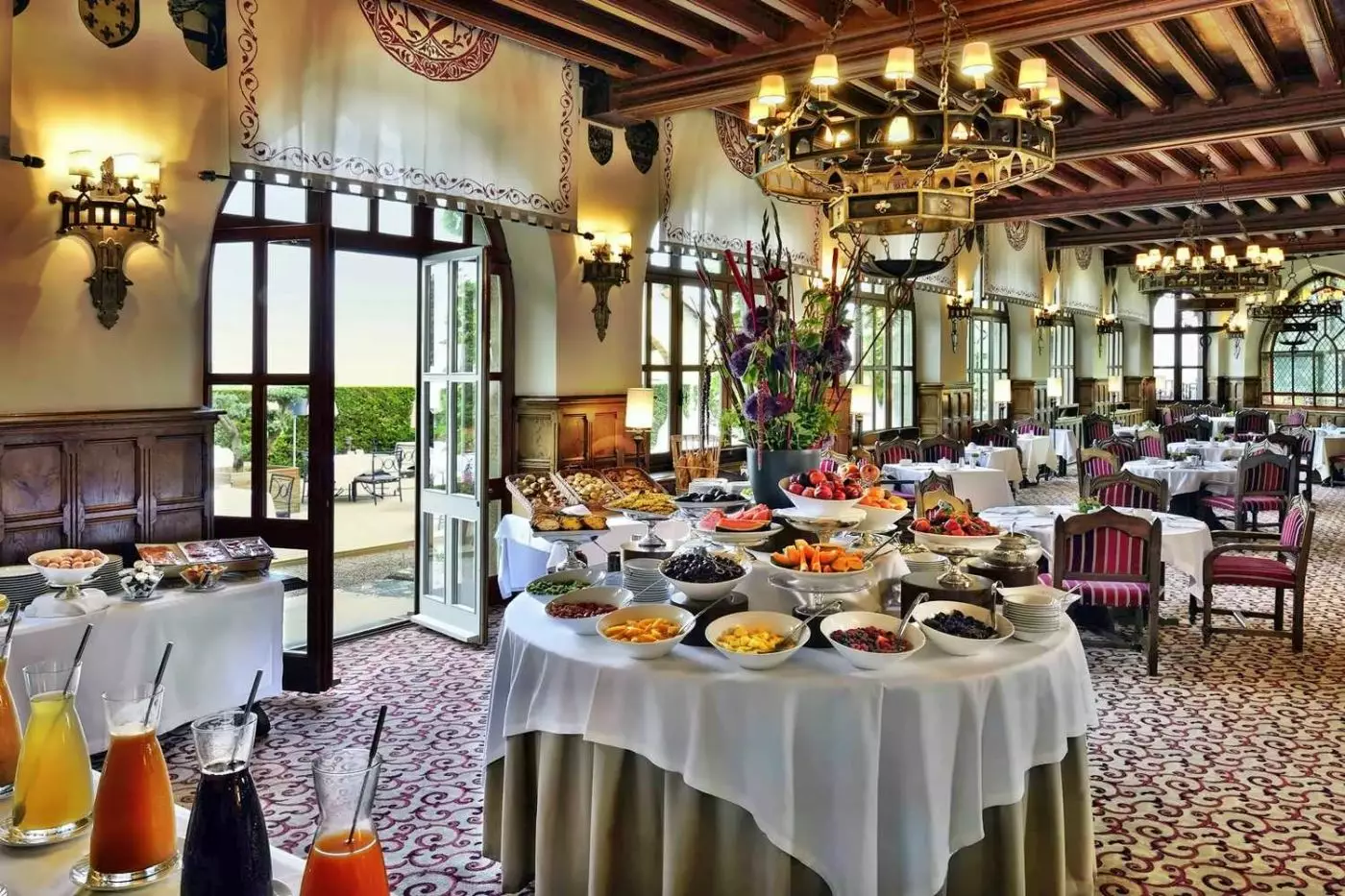
Opposite the hotel, the Boulangerie de la Cité occupies a late-15th-century corbelled house facing Saint-Nazaire. It combines a bakery, pastry shop, tearoom, and delicatessen, with interiors by Studio Jean-Philippe Nuel. Bread and pastries are made by the hotel's baking and pastry team. A terrace and garden extend the seating outdoors, while the shop carries local specialties. Its connection to the hotel is practical as well as architectural: the same craft supplies the homemade breads and viennoiseries served at breakfast, where the outlook takes in the lower town.
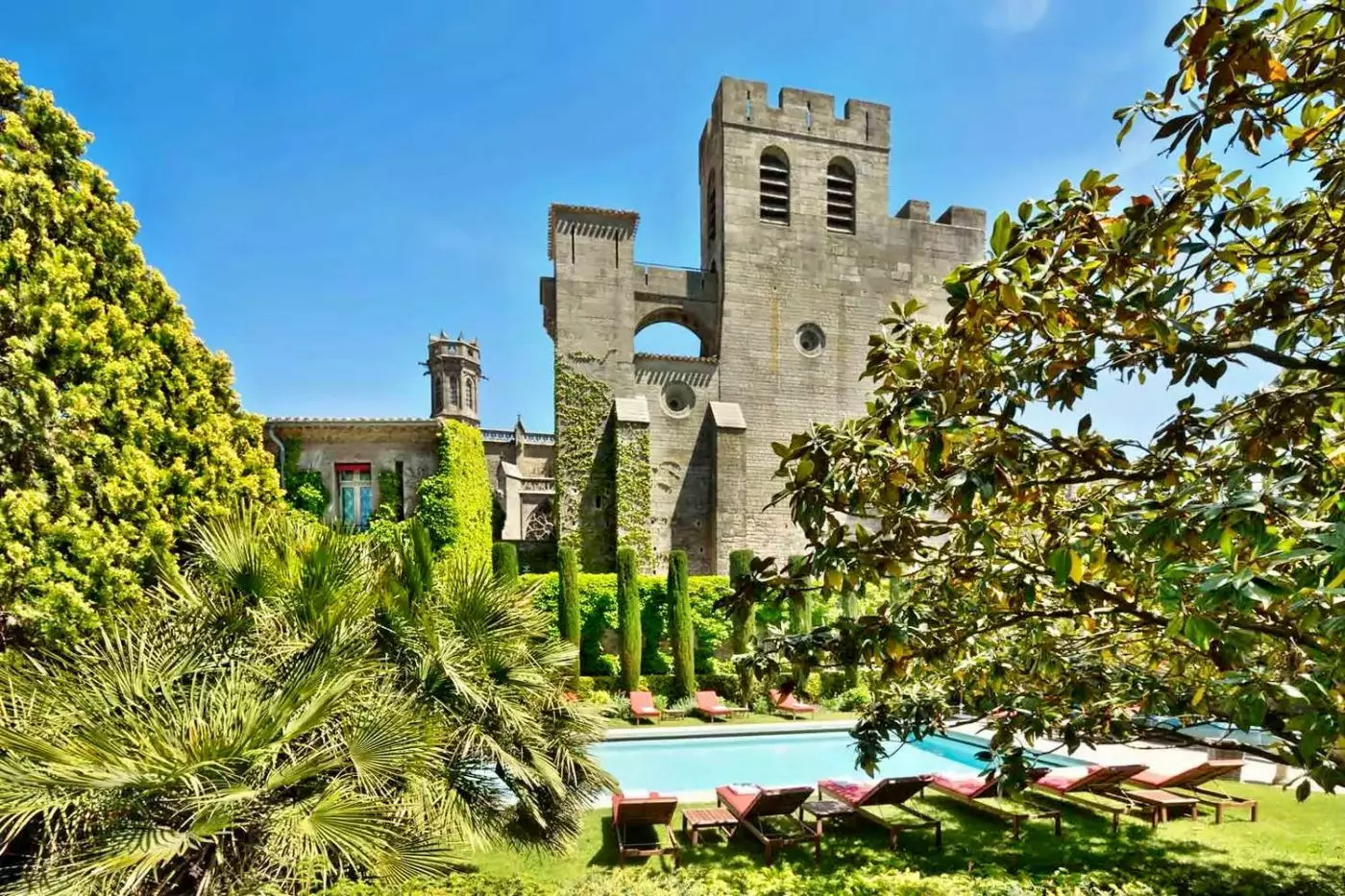
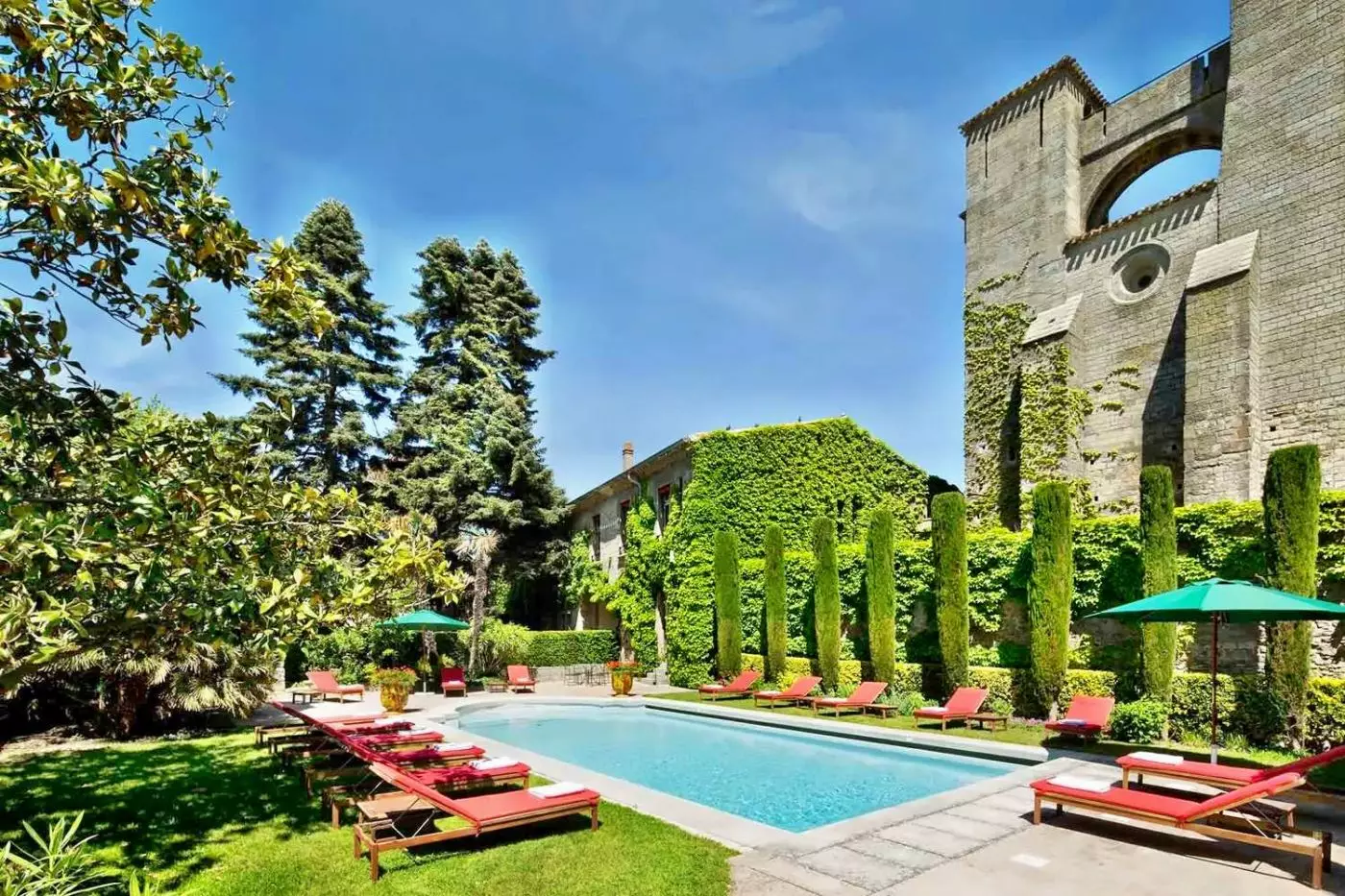
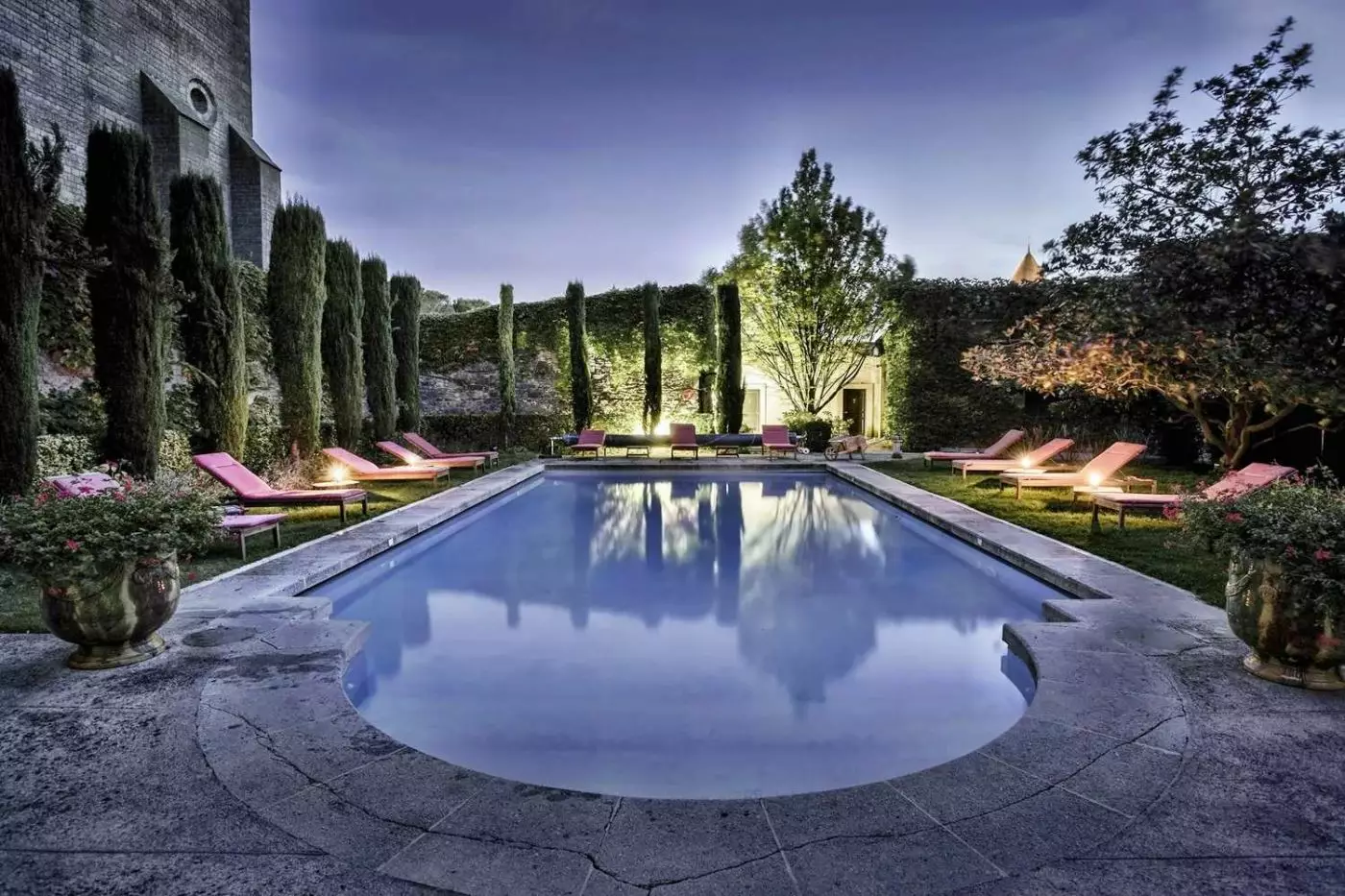
The heated outdoor pool sits in the hotel gardens at the foot of the basilica. It operates seasonally during the warmer part of the year, with a summer bar in fine weather. Swimming here comes with an unusually close architectural backdrop: the basilica rises beside the garden, and the medieval city remains just beyond it. The pool is reserved for hotel guests. Its setting keeps a swim within the property, without a journey beyond the citadel between sightseeing and time outdoors.
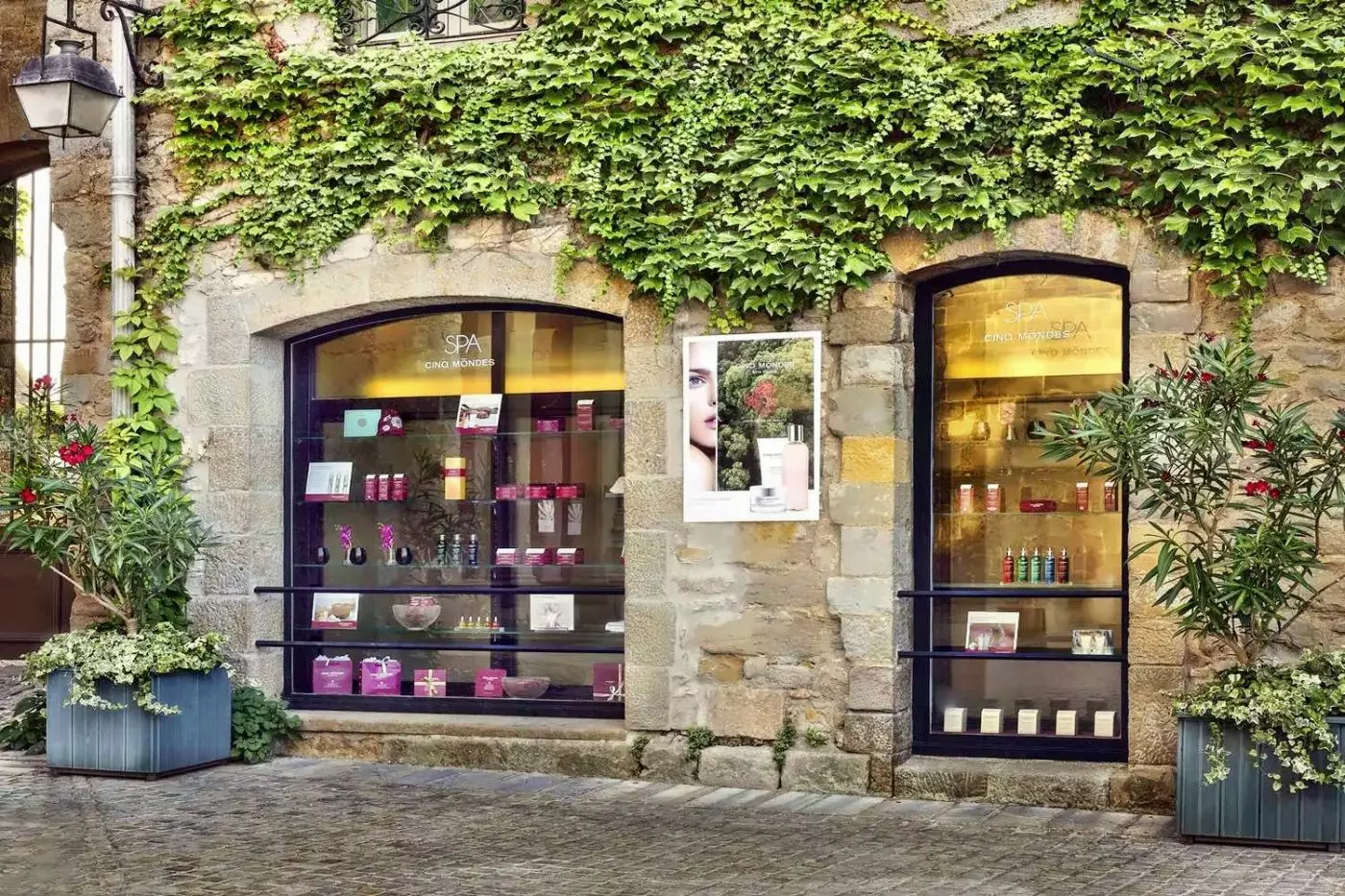
The spa adjoins the pool and works with Cinq Mondes. Its treatment menu includes facials, body scrubs, and massage rituals, with a duo cabin for treatments together. An experience shower has three water programs, and a relaxation area looks directly toward the pool. A phytoaromatic whirlpool bath adds another element to the spa. These are intimate treatment spaces, with appointments arranged through the spa team. The menu draws on techniques associated with Asia, including facial massage and body rituals.
A longer stay allows time for the Bastide Saint-Louis and the Canal du Midi as well as the citadel. Boat trips offer another perspective on the waterway. Beyond Carcassonne, the vineyards of Cabardès, Minervois, and Limoux provide distinct directions for exploring the region's wines. These outings take the itinerary beyond the walls, while retaining the hotel as a base for evenings in the medieval city.
The hotel's enclosed parking is at the foot of the ramparts, outside the citadel's interior streets. Arrival arrangements therefore begin there, rather than with an assumed drive to the front door. Transfers from Carcassonne station or the airport can be arranged in advance. The hotel estimates about ten minutes by car from Carcassonne Airport and about an hour from Toulouse-Blagnac, with actual road times depending on traffic. The address is Place Auguste Pierre Pont, within the historic city.
The nearby Château Comtal and its rampart routes are managed as a visitor attraction, with tickets and opening hours separate from a hotel stay. Self-guided visits and guided tours explore the fortifications, while a children's audio tour is available in English. The route includes historic surfaces and changes of level; only parts of the monument are accessible to visitors with reduced mobility. The main courtyard and barbican have accessible sections.
We value the hotel's nineteenth-century neo-Gothic character, which gives a stay within Carcassonne's medieval walls a distinct architectural identity.
La Barbacane brings seasonal regional cooking into a dining room adorned with Languedoc family coats of arms, extending the citadel's historical atmosphere.
The garden pool sits at the foot of Saint-Nazaire Basilica, adding a green outdoor setting to a stay inside Carcassonne's walls.
Place Auguste Pierre Pont, 11000 Carcassonne, France
Playing this video may share data with YouTube. Please see our Privacy Policy.
Yes. Hotel de la Cite Carcassonne is a strong choice for travelers who want to sleep inside the medieval citadel. It suits guests who want history, fortress walls, fine dining, spa time, garden views, and easy walks through old Carcassonne.
Hotel de la Cite Carcassonne is inside the fortified medieval city of Carcassonne. The hotel sits within the ramparts, close to Chateau Comtal, Basilica of Saint-Nazaire, old lanes, restaurants, and panoramic viewpoints.
The hotel is a 19th-century neo-Gothic landmark set within a UNESCO-listed medieval fortress. Its atmosphere combines carved wood, stone walls, gardens, historic details, and views over the lower town of Carcassonne.
Hotel de la Cite Carcassonne has 59 rooms and suites. The collection is often described as 46 rooms and 13 suites, with classic style and a strong sense of place.
Rooms and suites feel historic, elegant, and intimate, with rich fabrics, period details, and warm colors. Some categories add balconies, terraces, garden views, or outlooks toward the ramparts and lower town.

More amenities
Sport Hotel Hermitage & Spa is a five-star mountain hotel in Soldeu, Andorra, set high in the Pyrenees beside one of the coun...
More amenities
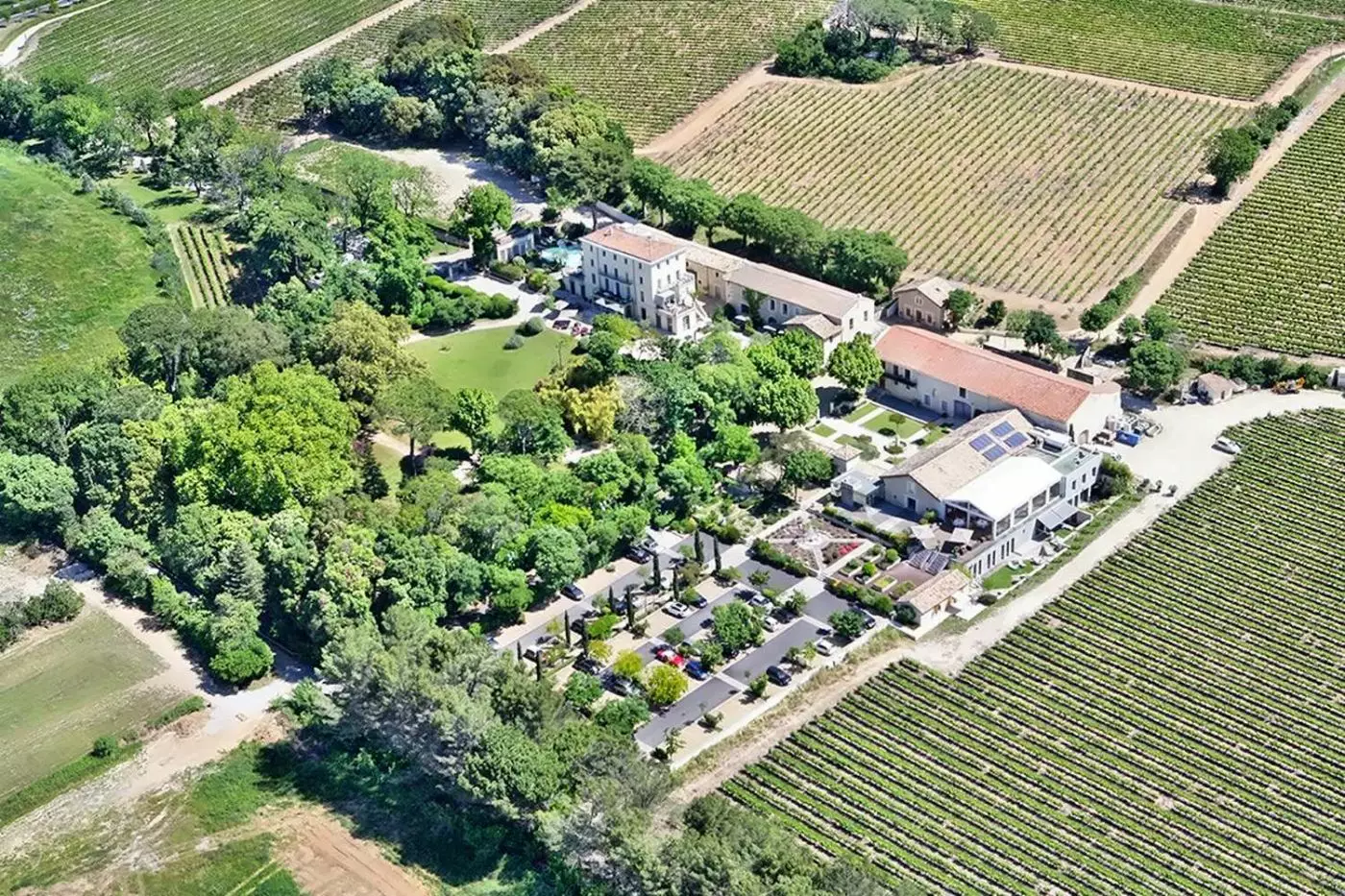
Domaine de Verchant is a five-star vineyard hotel in Castelnau-le-Lez, just outside Montpellier in southern France. A member...
More amenities
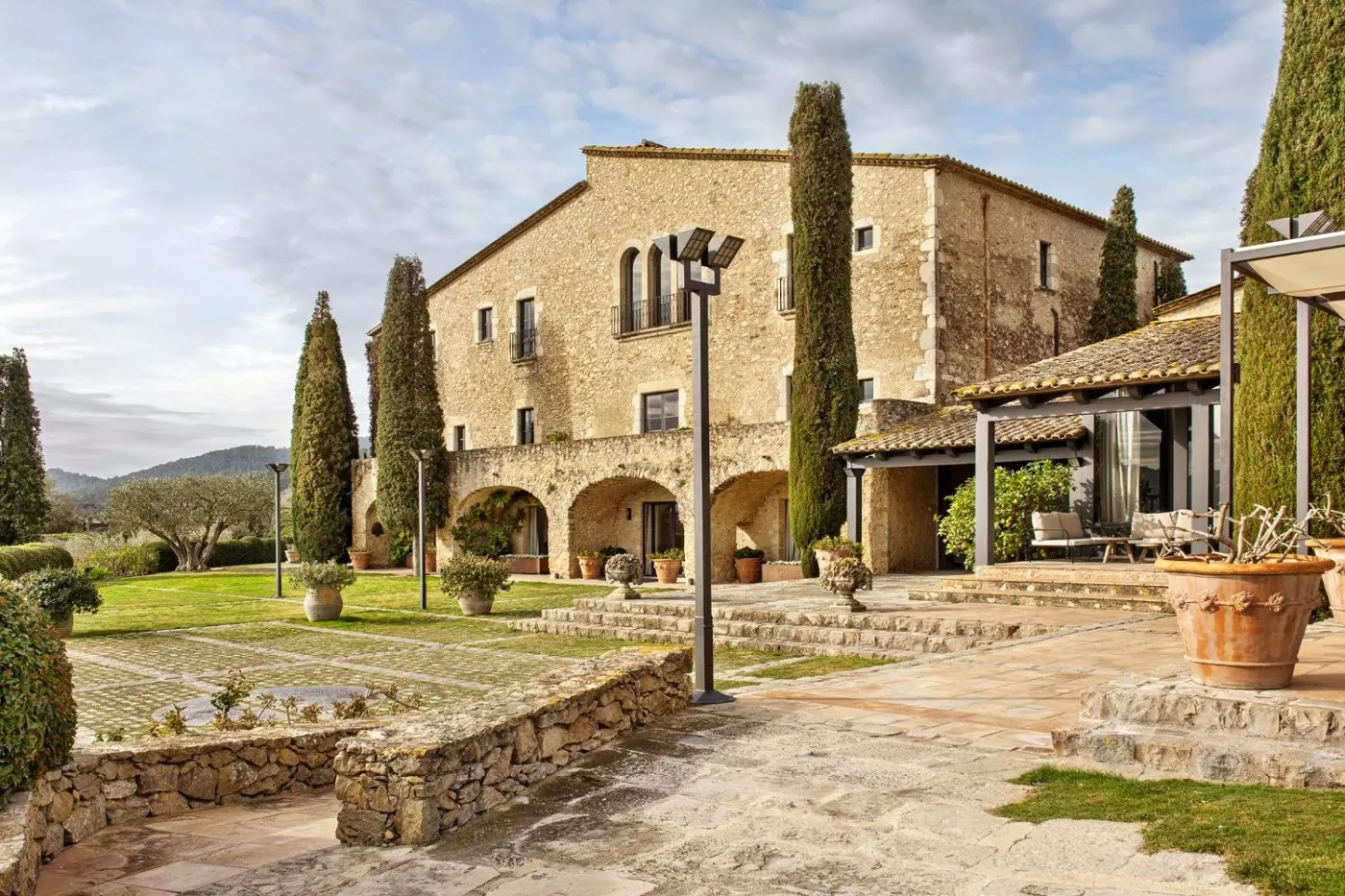
Mas de Torrent Hotel & Spa is a countryside hotel in the Emporda, not a beachfront Costa Brava resort. Set in an 18th-century...