

Best for
If your New York plans mix meetings and sightseeing, this Park Avenue base puts Grand Central, Rockefeller Center, and Fifth Avenue within walking reach.
Please choose a hotel or destination from the list.
We couldn’t open your search results. Please try again.
Your private search
Finding exceptional stays
Best for
If your New York plans mix meetings and sightseeing, this Park Avenue base puts Grand Central, Rockefeller Center, and Fifth Avenue within walking reach.
What makes it special
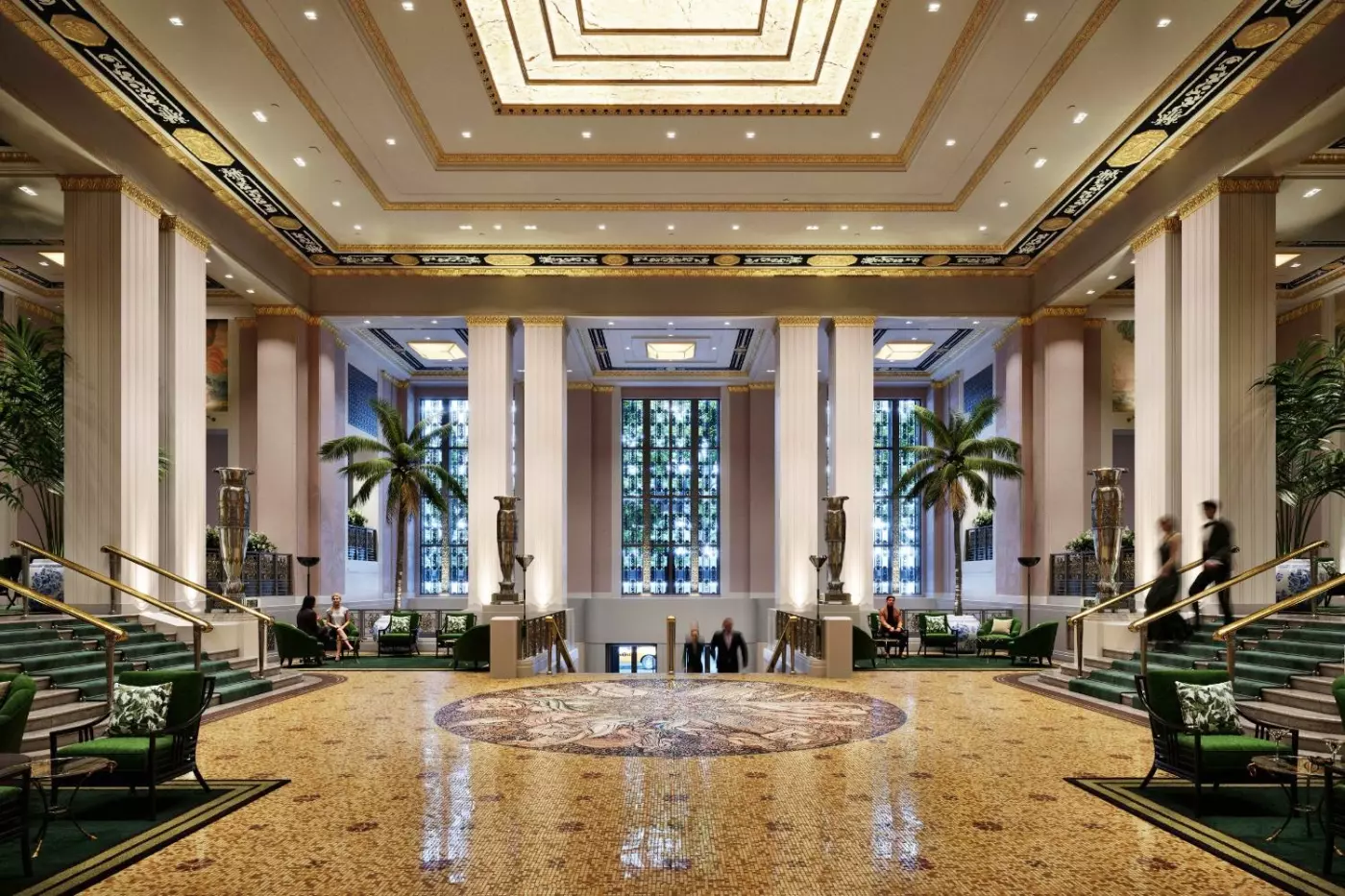
Restored Art Deco public rooms and the landmark lobby clock give even a brief return to the hotel a distinct New York setting.
Room to consider
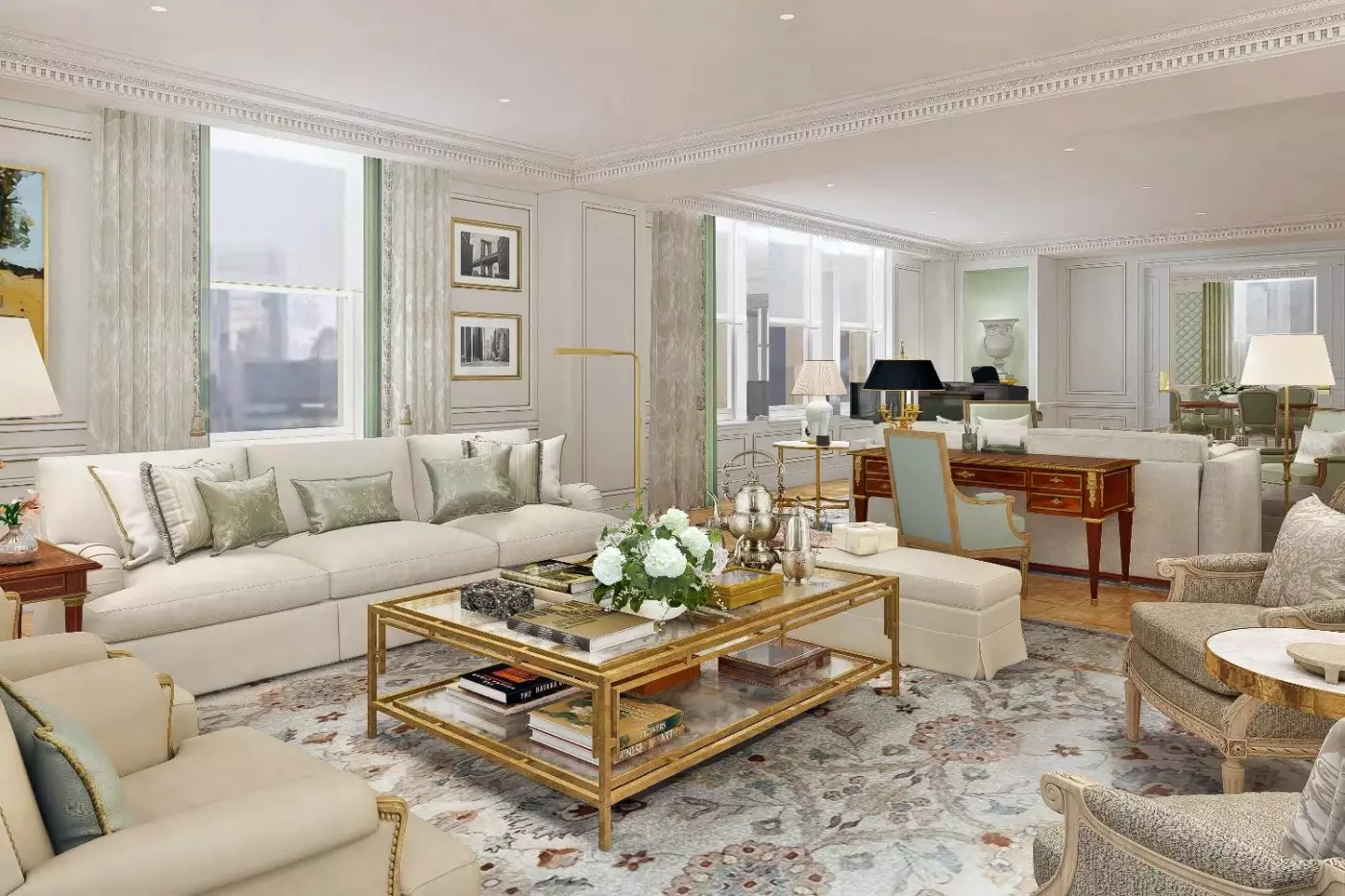
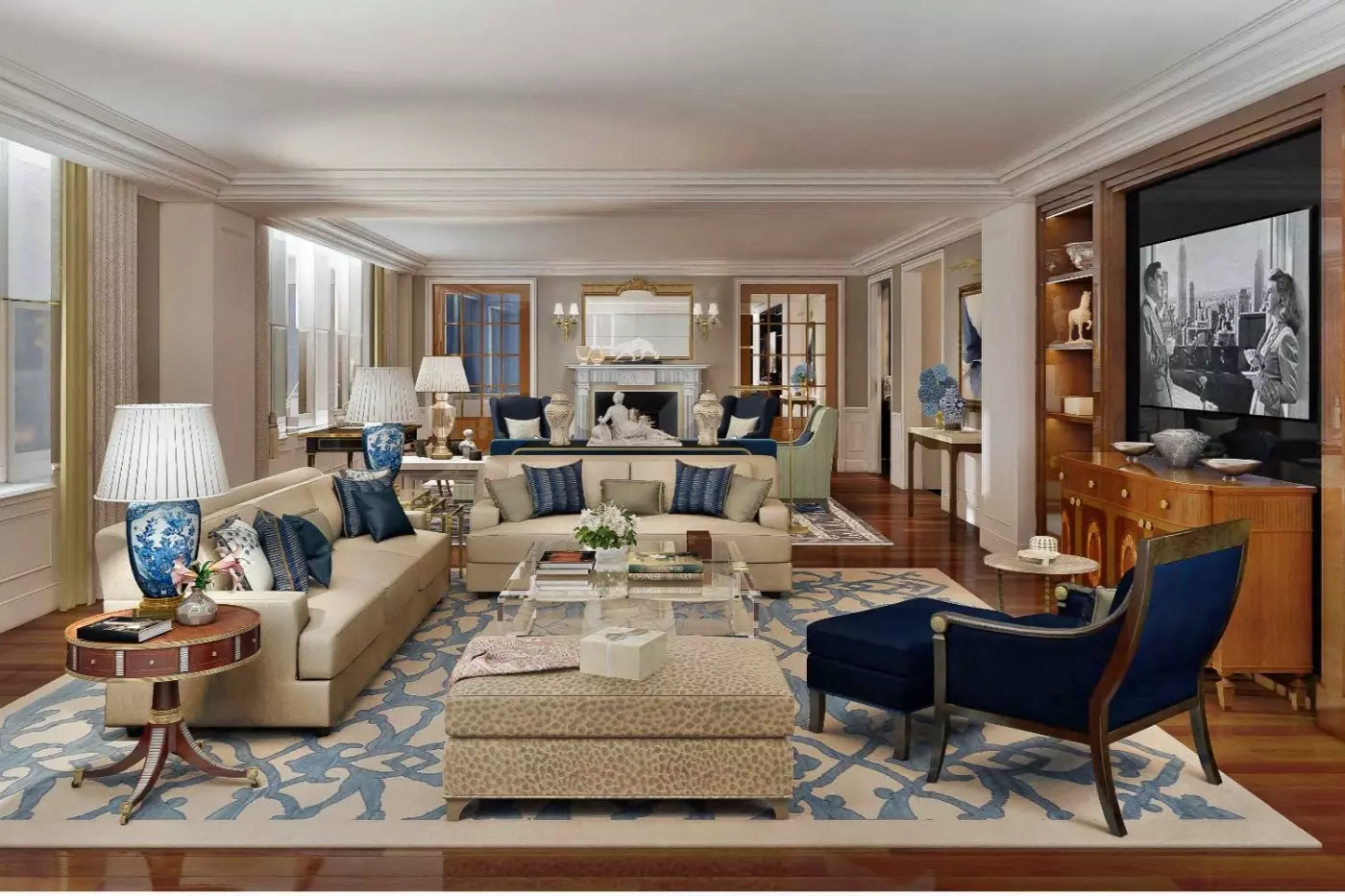
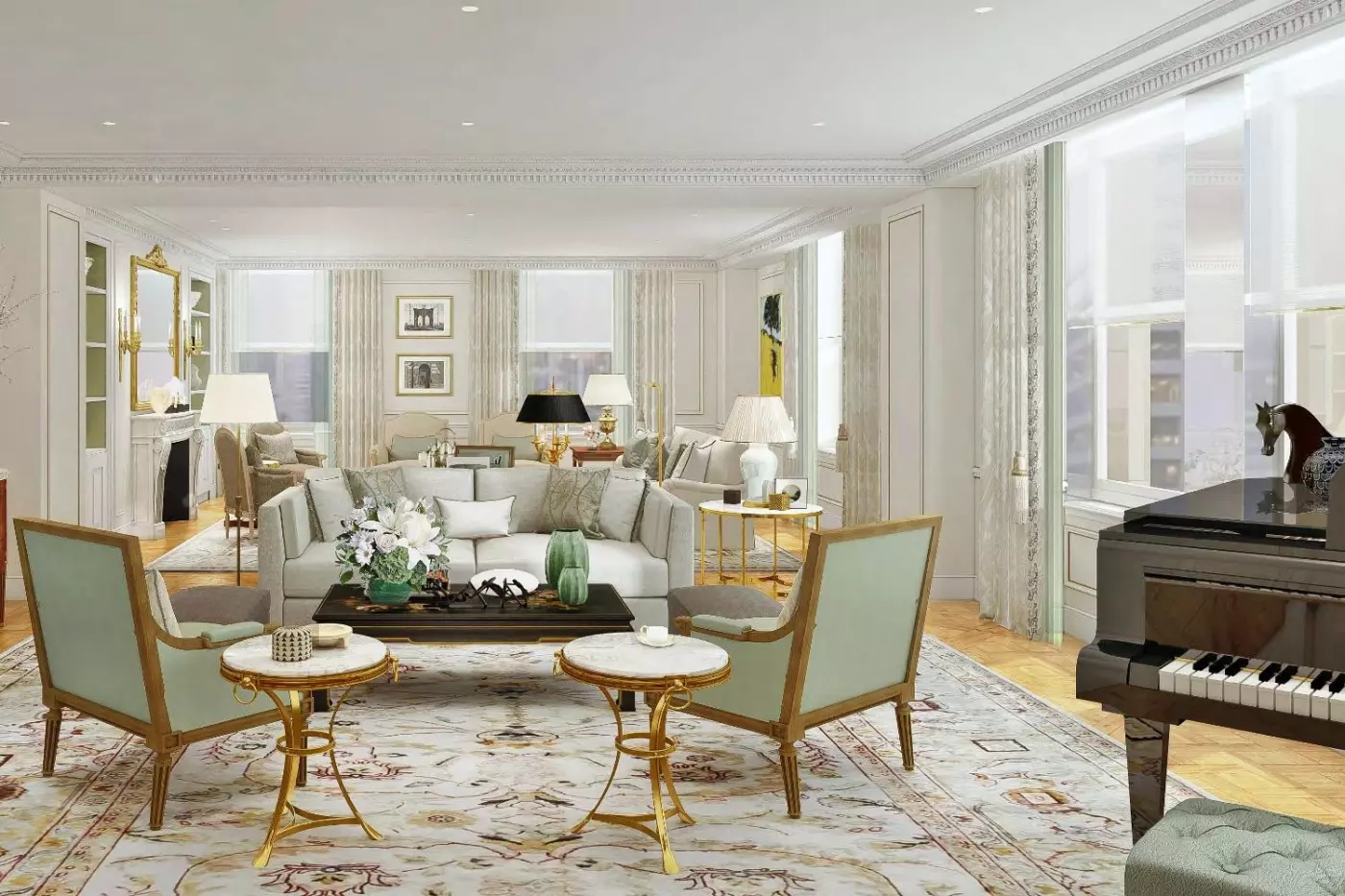
For more room to work or unwind, ask about a suite with separate living and sleeping spaces; confirm your preferred outlook before booking.
Insider tip
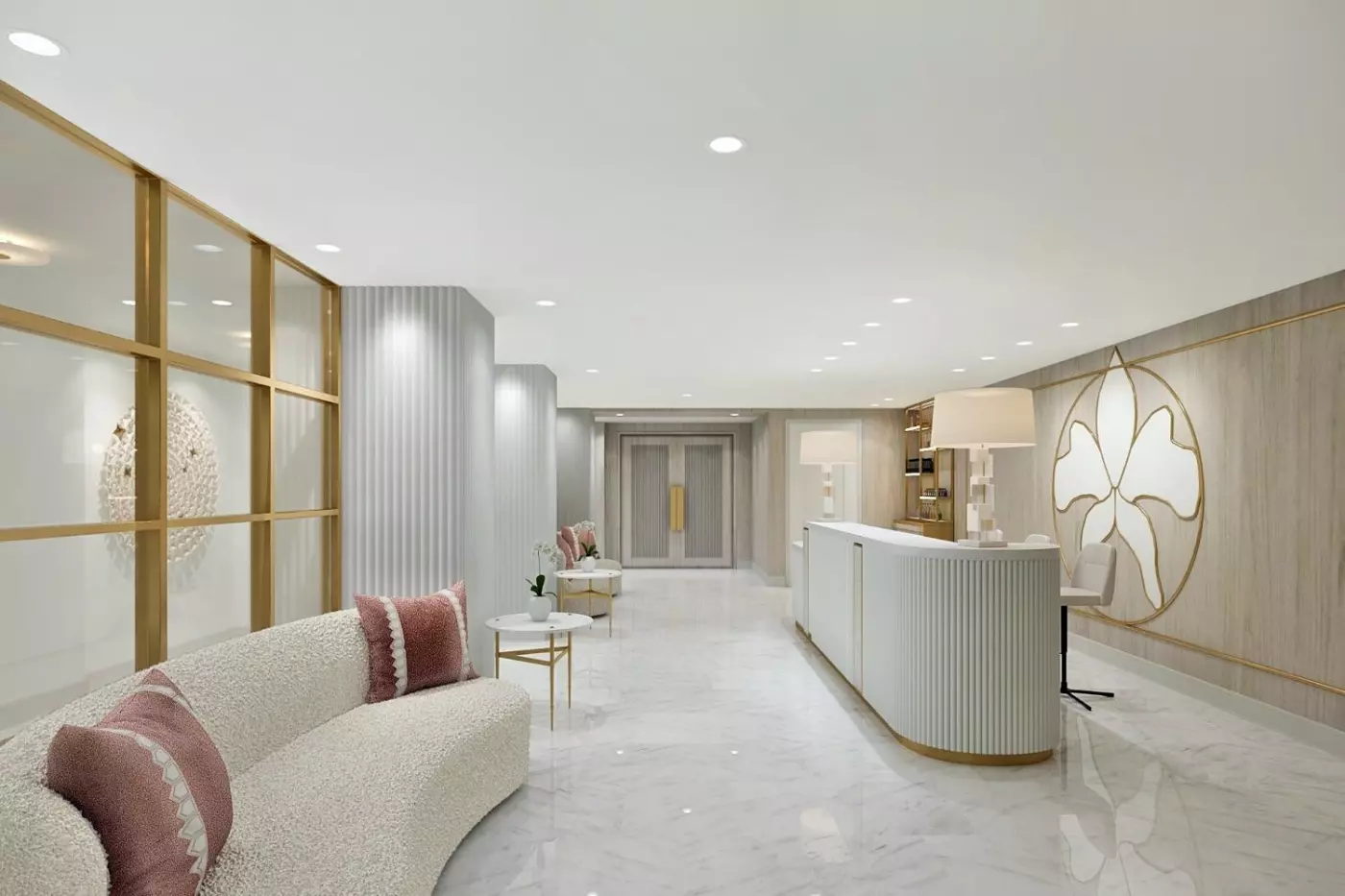
Ask the Guerlain spa how early to arrive for a treatment if you want time in the Moroccan hammam and relaxation lounges.
Free membership gives you access to preferred rates, exclusive benefits and current promotions for your stay.
Waldorf Astoria New York has returned to Park Avenue as one of Manhattan's great hotel landmarks. The building first opened on this site in 1931 and became part of the city's social, political, and cultural memory. After a long restoration, it now reappears with 375 redesigned rooms and suites, restored Art Deco interiors, renewed dining rooms, and a calmer scale than the vast hotel it once was.
The address places the hotel in Midtown East, close to Grand Central Terminal, Fifth Avenue, Rockefeller Center, St. Patrick's Cathedral, and the Museum of Modern Art. It is a classic New York location, useful for culture, shopping, business, and nights out across the city. Yet the hotel itself has always been more than a place to sleep. It is a New York stage, shaped by arrivals, departures, events, dinners, and stories that stretch across generations.
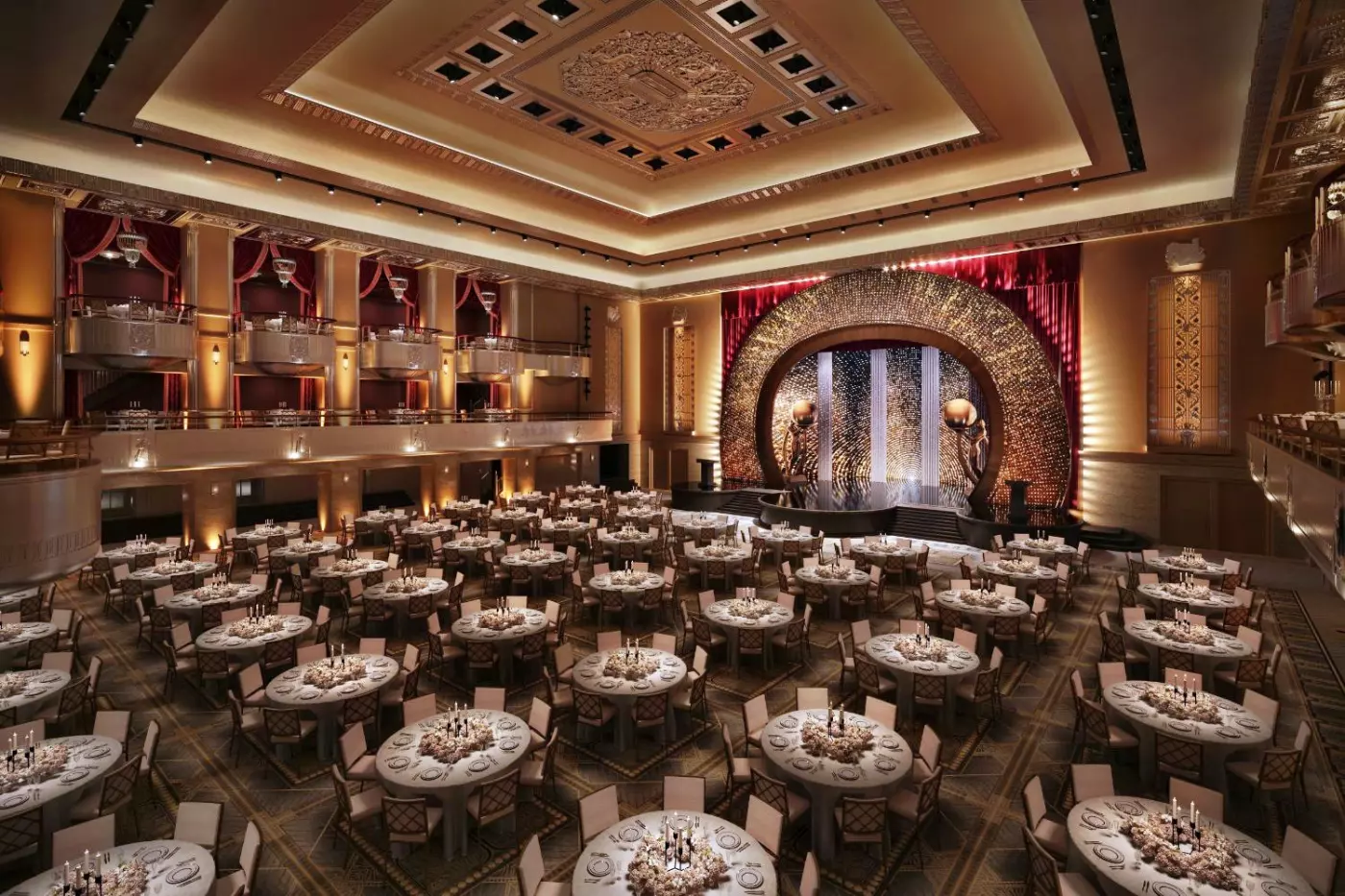
The restoration gives the hotel a new chapter without cutting away its memory. The famous 1893 World's Fair Clock has returned to the lobby. Peacock Alley has been brought back as a social room. The grand event spaces and Art Deco details remain central to the atmosphere. The result is not a replica of the past. It is a historic hotel made quieter, more residential, and more suited to the way luxury travel works now.
 375
375
 Charming
 Fitness
 Spa
Spa
 Sauna
Sauna
 Wellness
 Culture
 Pet Friendly
 Wheelchair Accessible
 Connecting Rooms

The Deluxe Room offers a peaceful escape high above the busy streets of New York City. It measures between 445 and 575 square feet, providing...

The Junior Suite is a spacious retreat in the heart of Manhattan, offering 640 square feet of comfort and style. Guests may choose a king-size...

The Lexington Avenue Junior Suite is a 610-square-foot retreat in Manhattan. It has a large king bed with soft linens for restful sleep. Elegant furniture...

The Terrace View Junior Suite is a stylish space with views of the garden terrace and the city skyline. It measures 615 square feet and...

The Park Avenue Junior Suite is a large and elegant retreat in Manhattan, offering 640 square feet of comfort and style. It features a soft...

The Premier Suite is a spacious 950-square-foot retreat with sweeping city views that make every stay feel exceptional. It features a large living room with...

The 1 Bedroom Suite is 900 square feet and sits high above the city, offering expansive views and a calm space away from the busy...

The Lexington Avenue Suite is a spacious and elegant retreat in the heart of Manhattan. It measures 950 square feet and is designed for comfort...

The Park Avenue Suite is a serene retreat offering stunning views of Park Avenue. It covers 975 square feet and feels both spacious and elegant....

The Park Avenue Premier Suite is a spacious retreat of 965 square feet, designed for comfort and style. Large corner windows fill the living room...

Discover the 2 Bedroom Suite, an urban retreat in the heart of Manhattan. The 1475 sq. ft. layout feels open and well-balanced. Two guest rooms...

Discover a peaceful urban oasis in the heart of Manhattan. The 2 Bedroom Premier Suite offers a rare blend of space and tranquility. This expansive...

The 3 Bedroom Park Avenue Premier Suite spans 1925 sq. ft. in the heart of Manhattan, set above Park Avenue with a calm, spacious feel....

The Manhattan Suite is 1,550 sq. ft. This one-bedroom suite opens onto a marble entry foyer that leads into a calm, spacious layout. A separate...

Empire Suite. This 2,240 sq. ft. sanctuary can seamlessly transform from one to two bedrooms with an optional connecting room. The Presidential Suite features expansive...
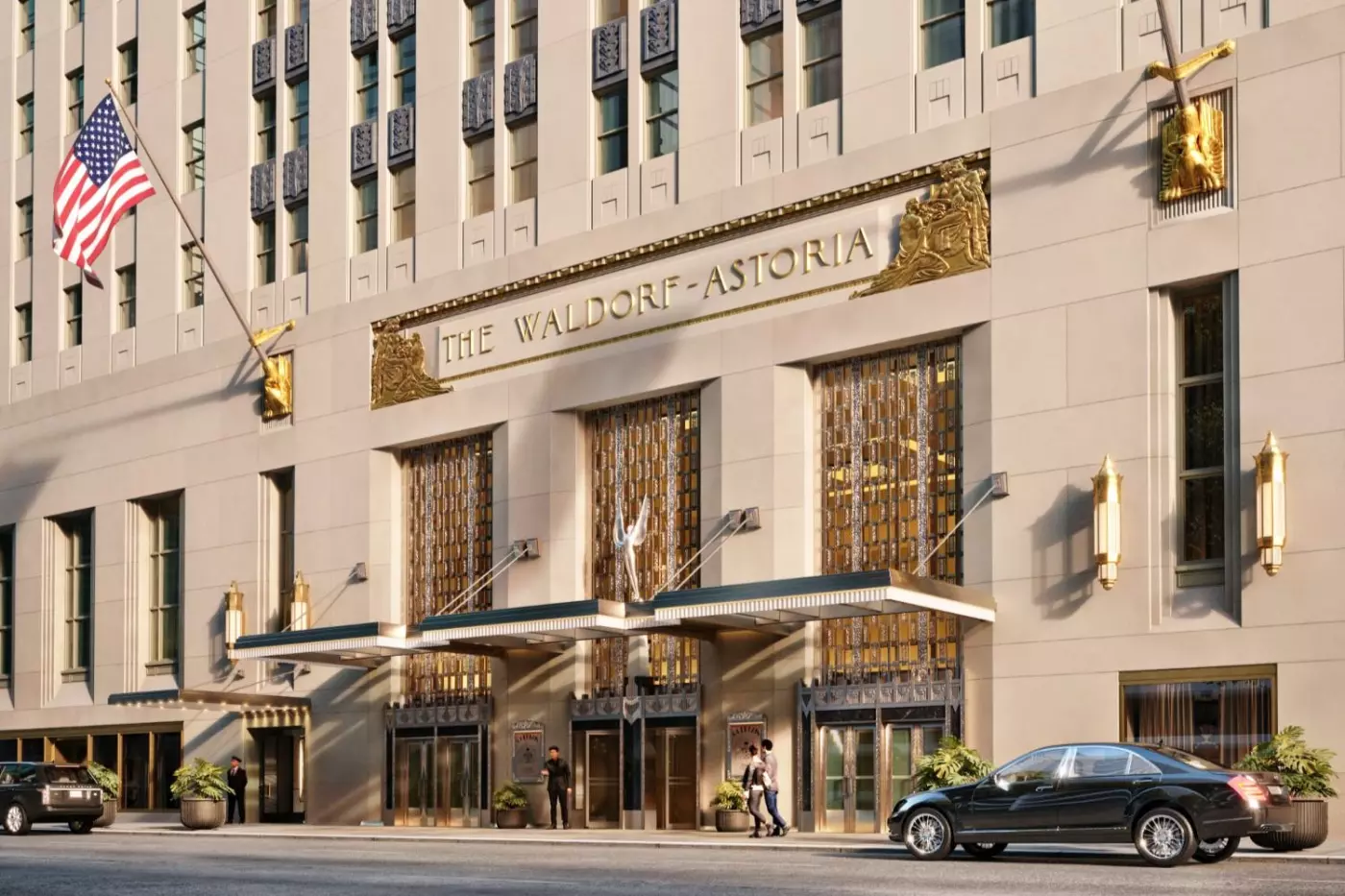
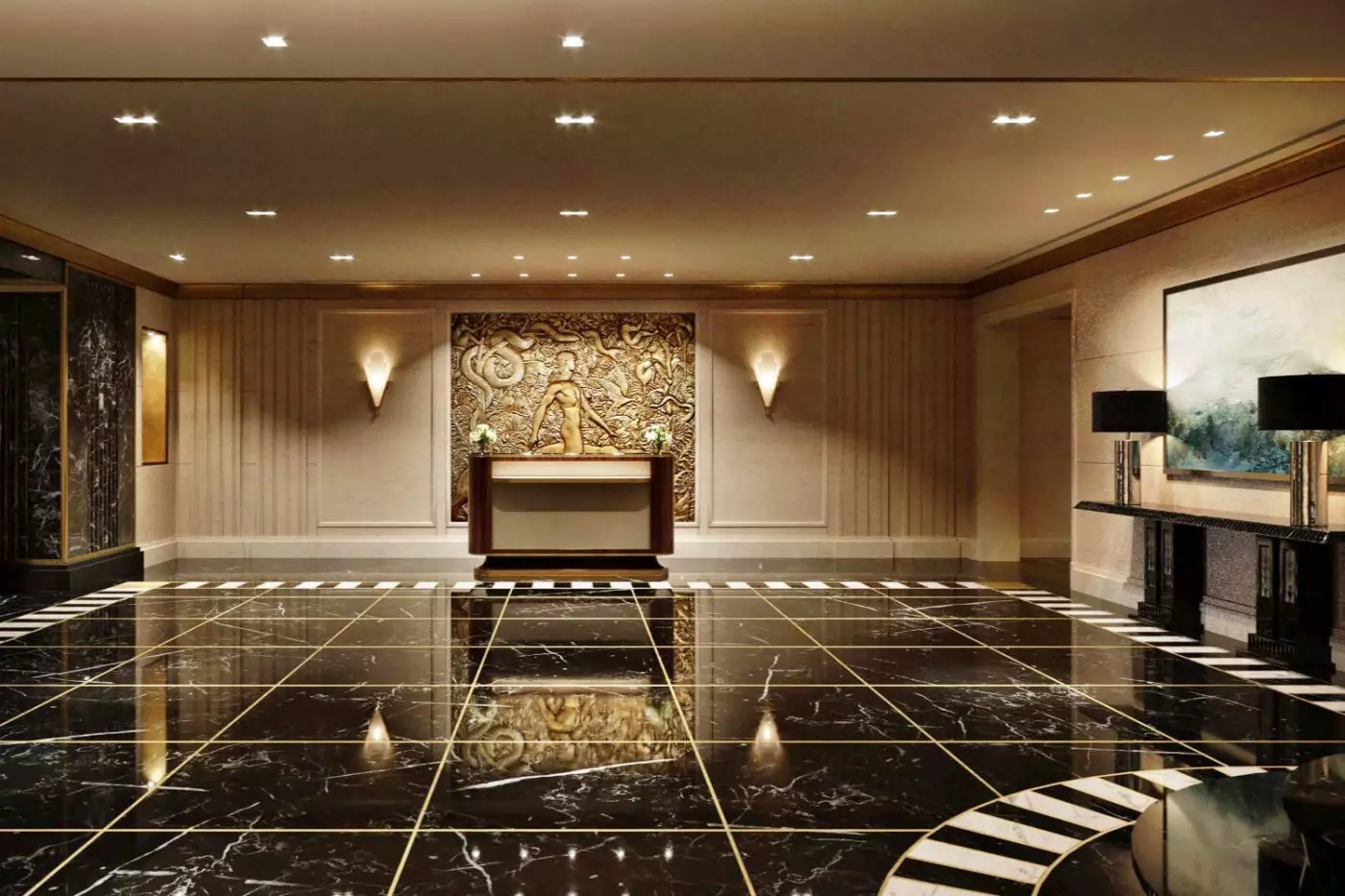
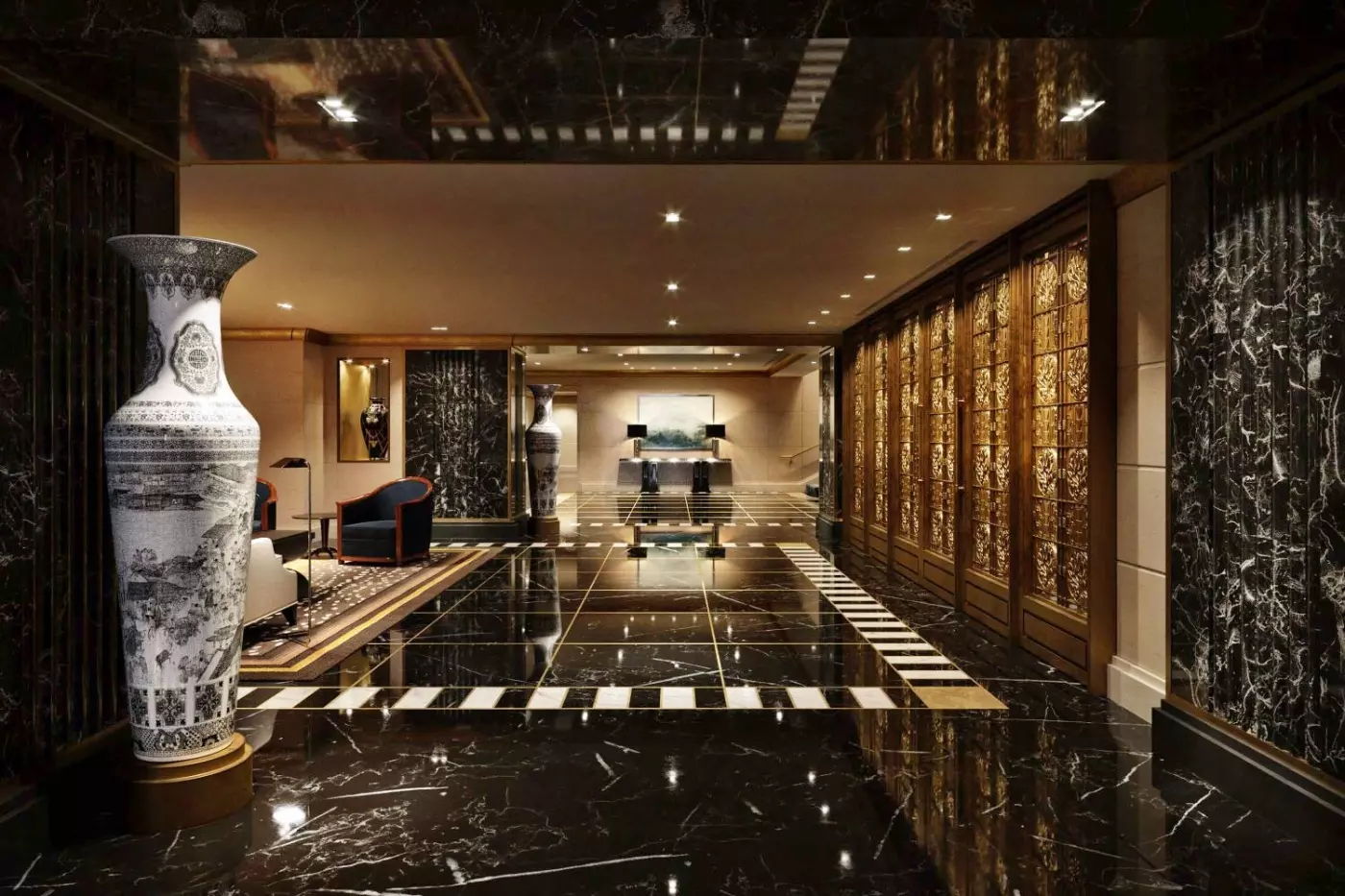
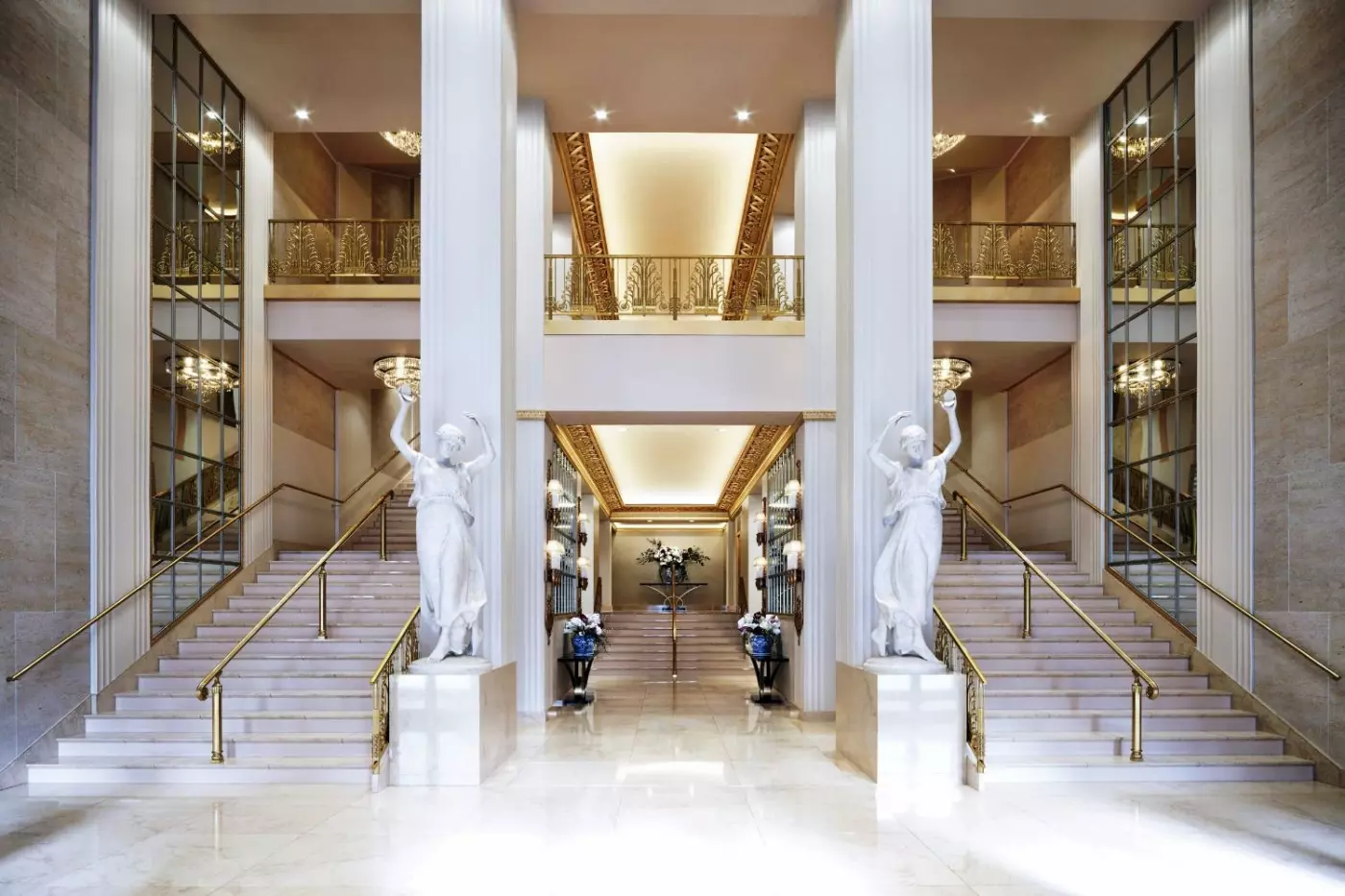
The Waldorf Astoria New York is one of the city's defining Art Deco hotels. Its scale, Park Avenue presence, bronze tones, stonework, murals, and restored public rooms give it a sense of ceremony from the moment guests arrive. The building still feels monumental, but the new interiors soften that grandeur with warmer materials, better light, and a more composed rhythm.
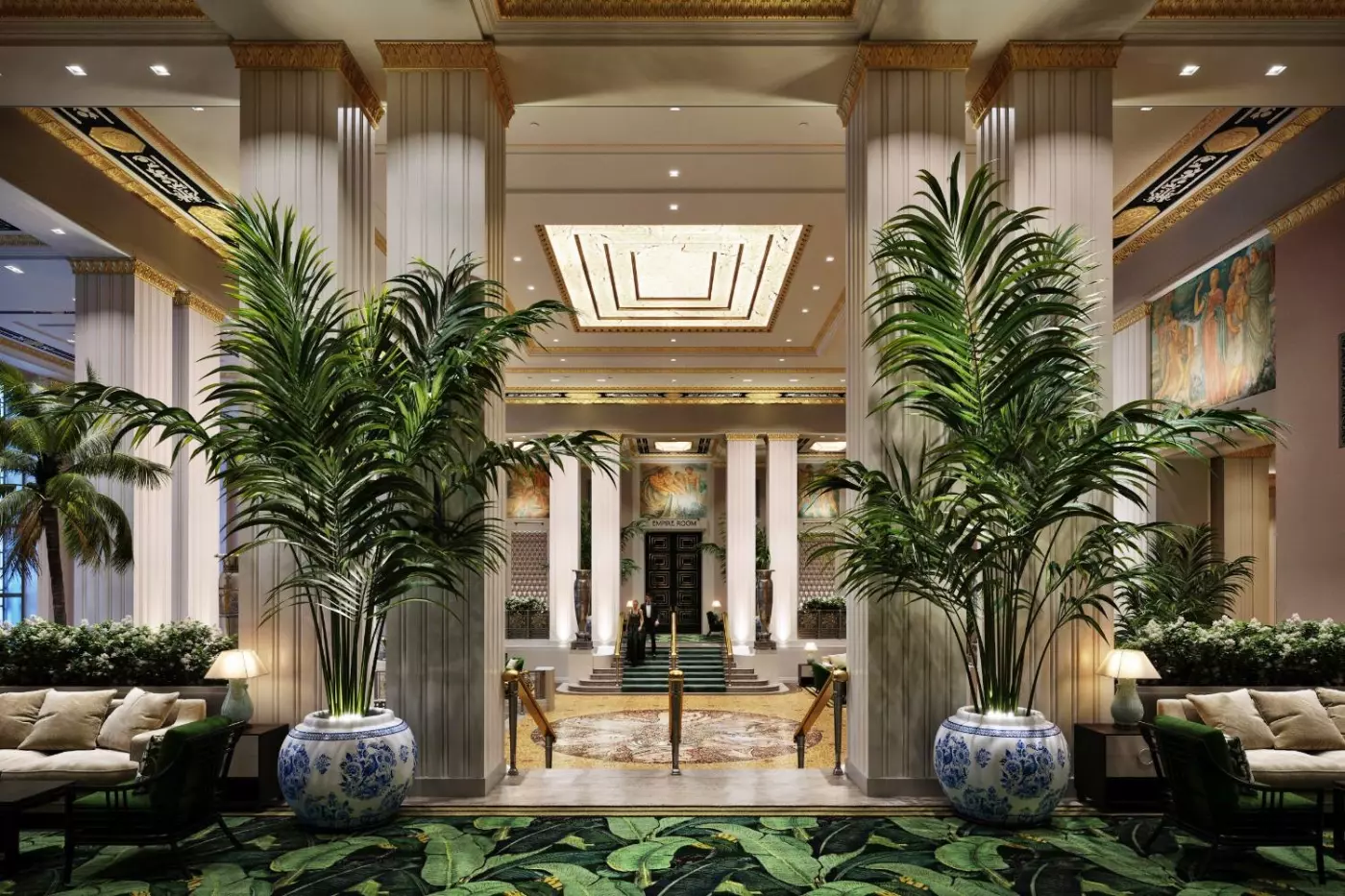
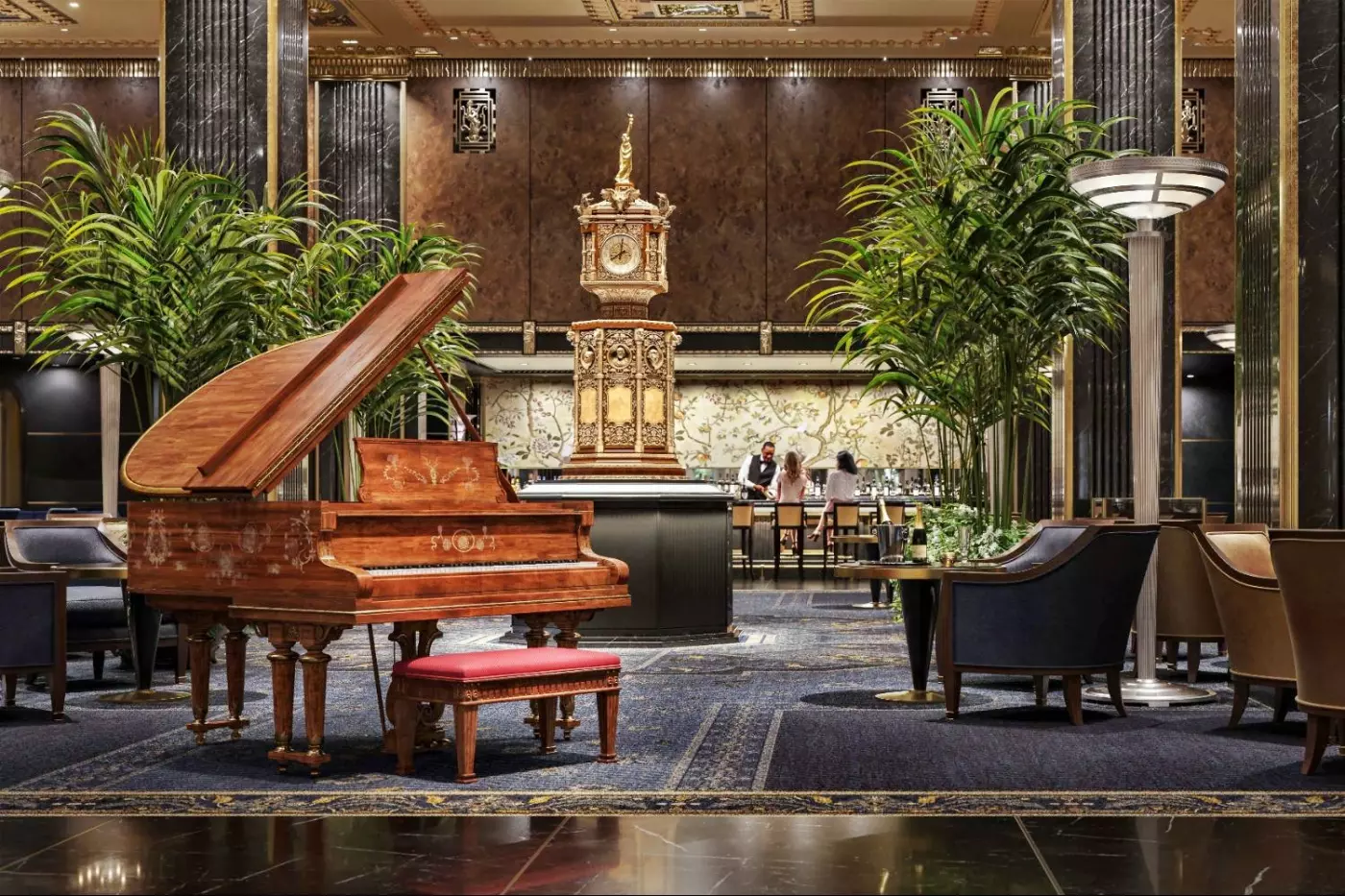
The lobby is once again a focal point. The restored clock, polished surfaces, and layered historic details create a clear link to the hotel's earlier life. This is where the Waldorf's identity is strongest: not in nostalgia alone, but in the feeling that New York's past is still visible inside a working modern hotel.
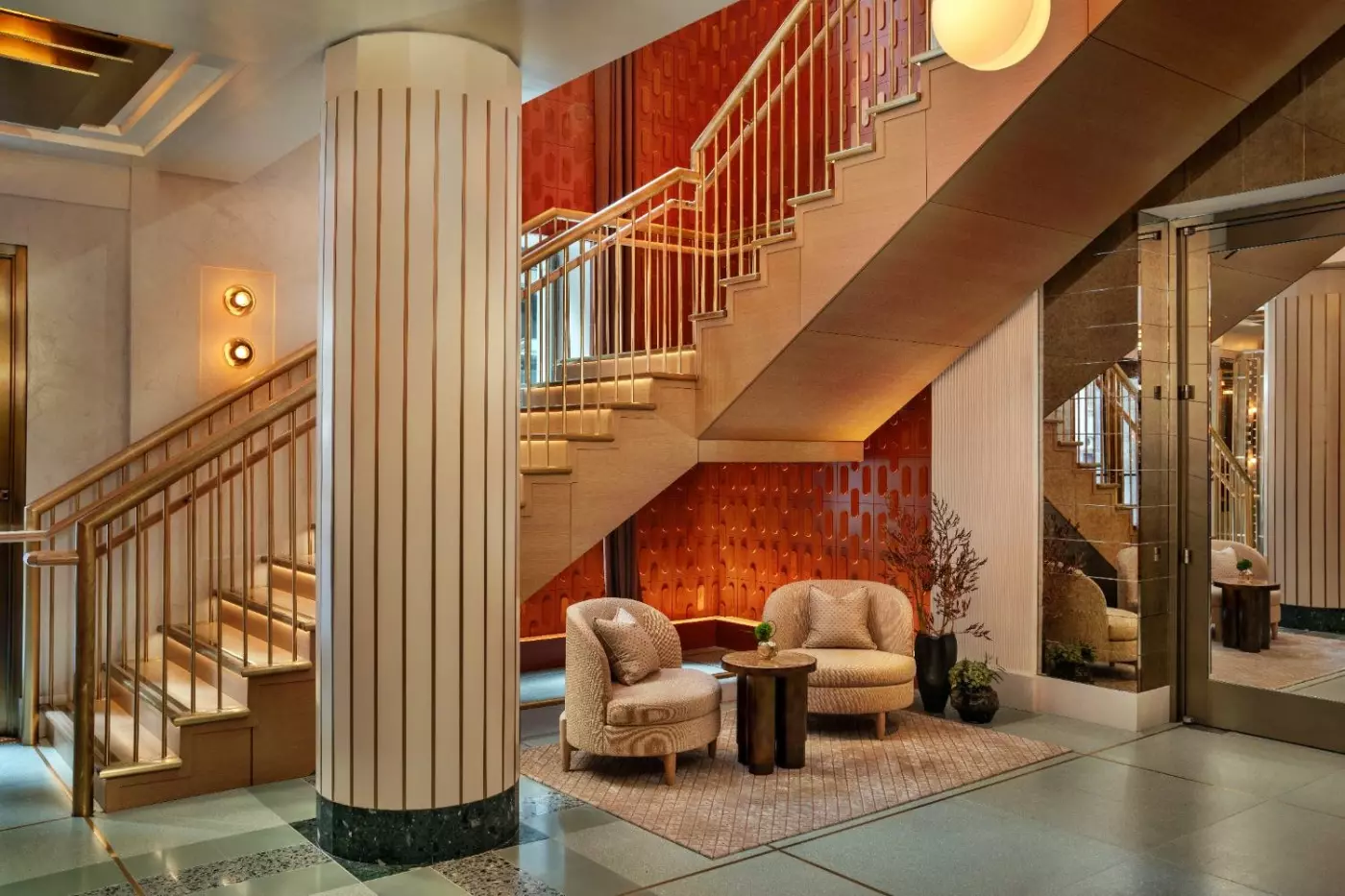
Design throughout the property balances preservation and restraint. The rooms and public areas use Art Deco references without turning them into costume. Lines are clean, textures are rich, and the mood is quieter than many visitors may remember. The hotel feels grand, but no longer overwhelming.
The renewed hotel has 375 rooms and suites, a major change from the former 1,400-room scale. This smaller room count gives the property a more residential character. Standard rooms are unusually generous for Manhattan, with many layouts built around space, calm, and a sense of arrival after the intensity of the city.
Guest rooms use soft colors, natural materials, Art Deco details, and modern technology in a restrained way. The mood is elegant but not heavy. Many rooms feel more like refined New York apartments than conventional hotel rooms, with seating areas, strong lighting, and bathrooms designed for slower mornings and quieter evenings.
Suites extend that residential idea. Some layouts work well for longer stays, families, or travelers who need separate living space. Signature suites carry more of the hotel's historic character, with grand proportions, dining areas, libraries, and views into the rhythm of Midtown. The sense of space is one of the hotel's clearest strengths.
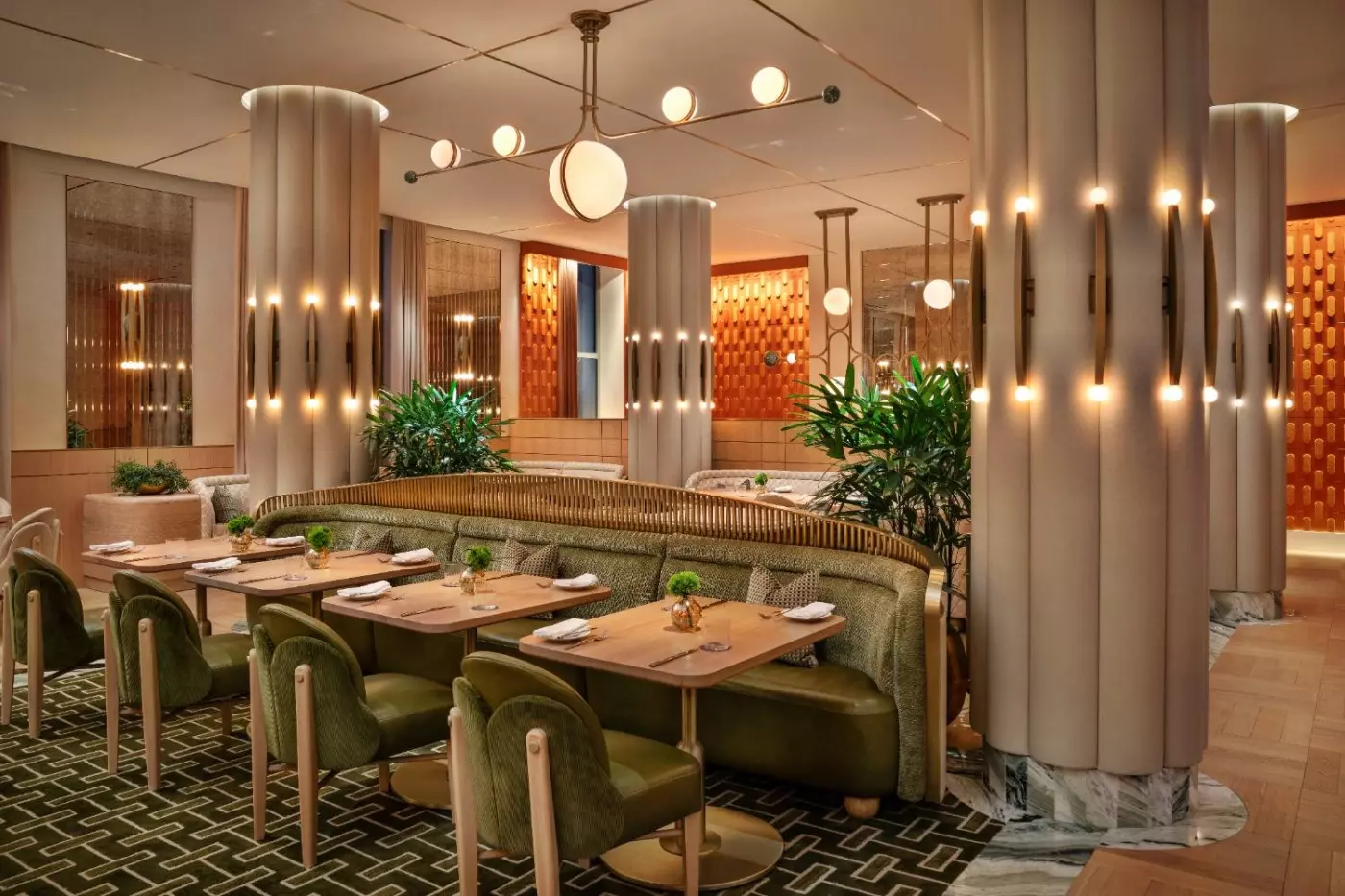
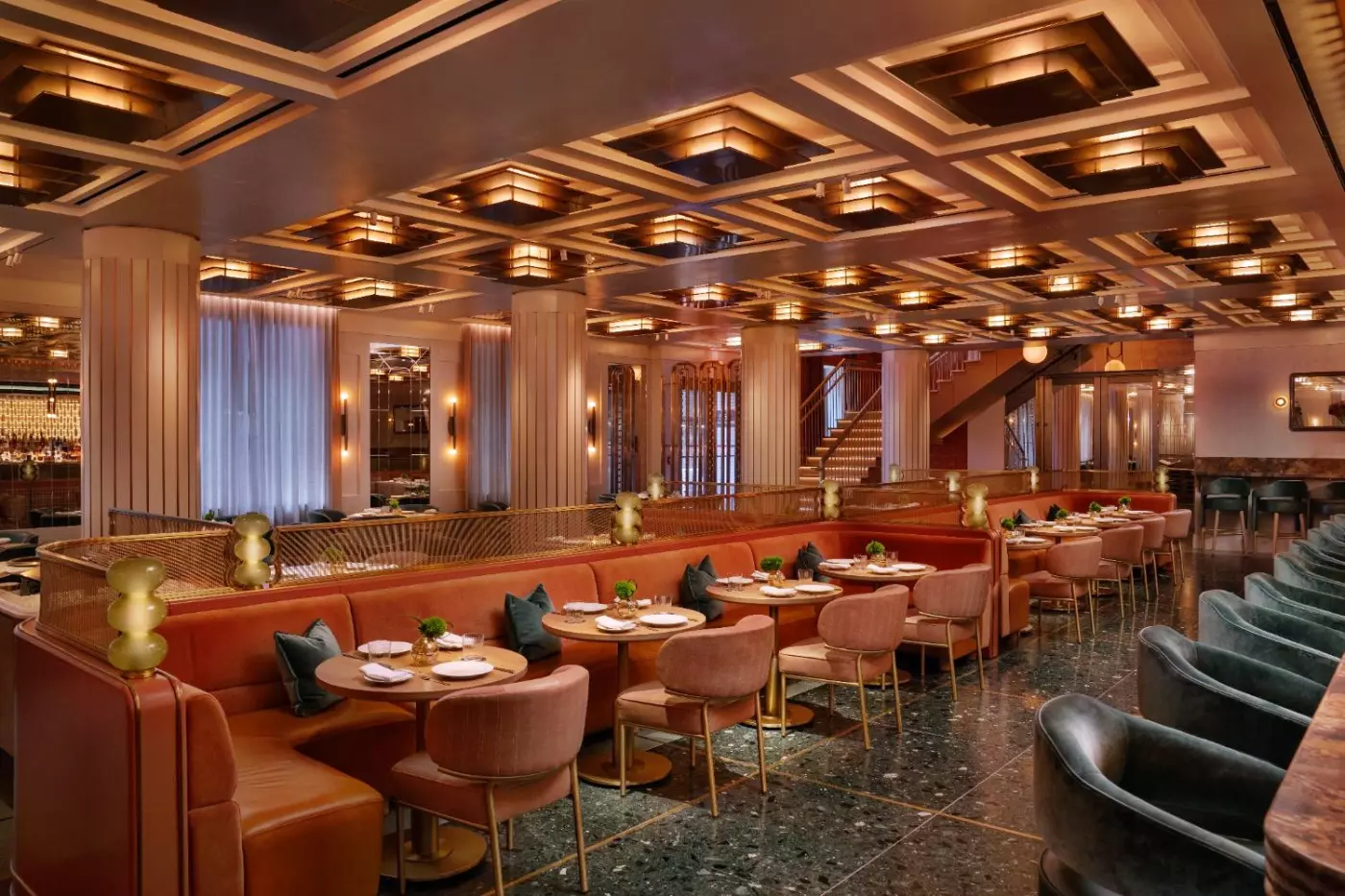
Dining is central to the new Waldorf Astoria New York. Lex Yard is the signature restaurant, led by chef Michael Anthony, and brings a polished American brasserie mood to the hotel. The restaurant connects New York energy with seasonal cooking, breakfast, lunch, dinner, and a room that nods to the building's Art Deco heritage.
The food has a strong New York frame. Familiar hotel classics sit beside contemporary American dishes, market ingredients, seafood, salads, and refined comfort food. The room works for business meals, celebratory dinners, and guests who want to stay inside the hotel without losing a sense of the city outside.
Yoshoku adds another dining voice, drawing on Japanese technique and a quieter atmosphere. It gives the hotel a more intimate counterpoint to the brasserie mood of Lex Yard and the social energy of Peacock Alley. Together, the restaurants help the Waldorf feel active again, not just restored.
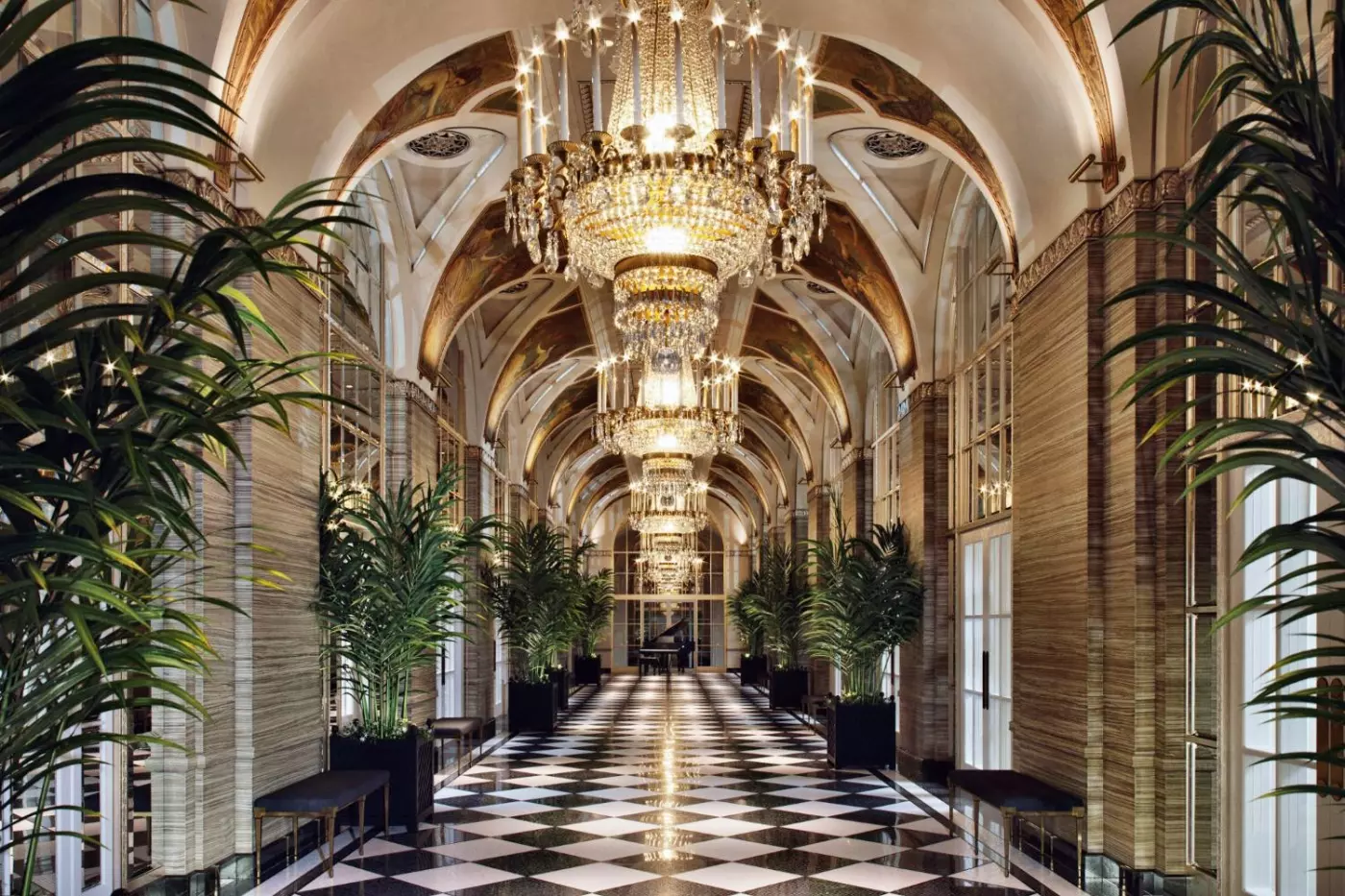
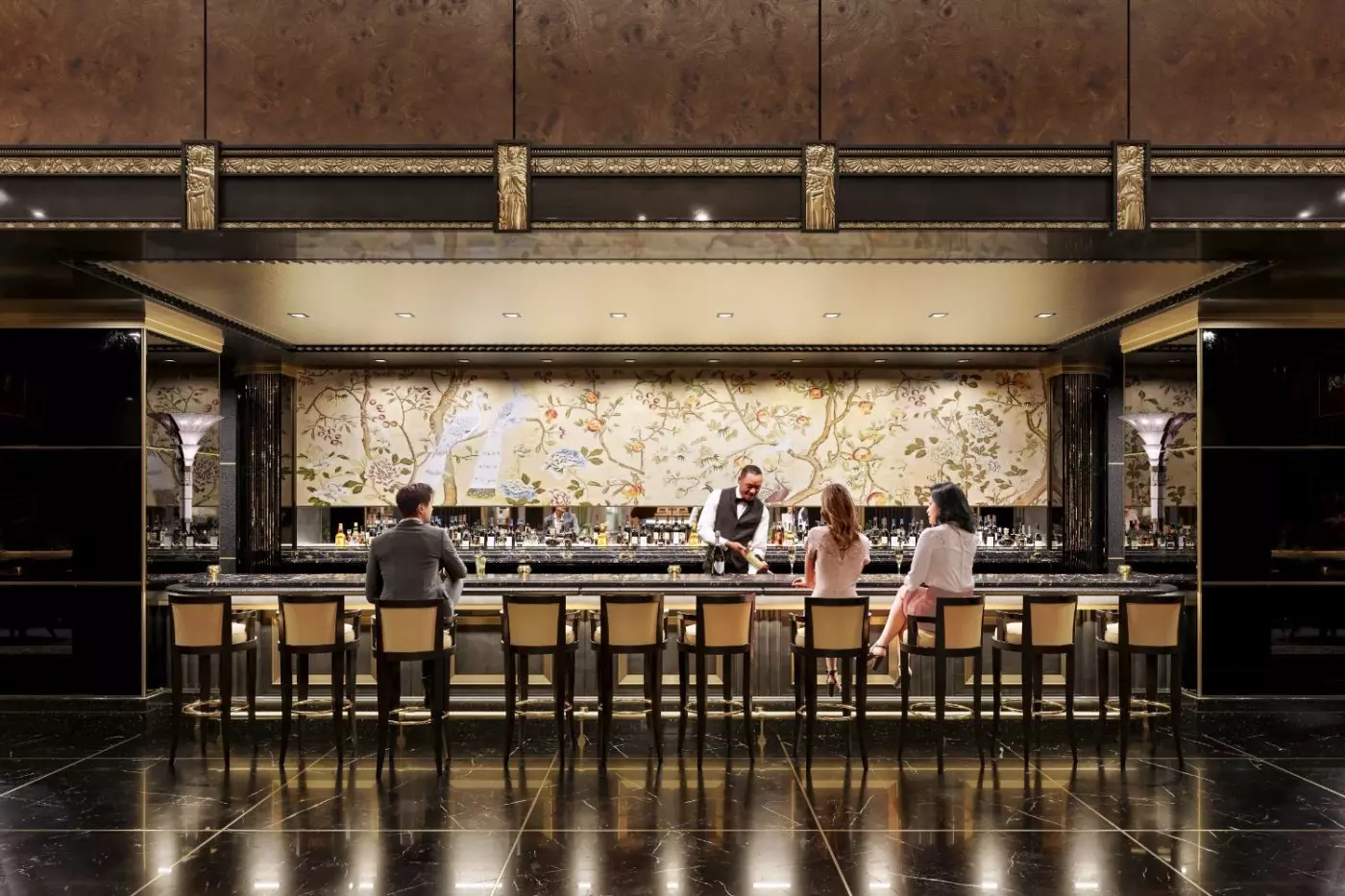
Peacock Alley is one of the hotel's most important restored spaces. Historically, it was the promenade where the Waldorf and Astoria identities met, a place for seeing and being seen. In its new form, it returns as a bar, lounge, and social room that moves naturally from daytime meetings to evening cocktails.
The atmosphere matters here. Peacock Alley gives the hotel a center that is both public and intimate. It is suited to breakfast, a late afternoon pause, a drink before dinner, or a final nightcap. The design carries the room's history without making it feel sealed behind glass.
The bar program brings another link to New York's cocktail culture. The Waldorf has always had a culinary and social legacy, and Peacock Alley is where that legacy feels most immediate. It is less about spectacle than about the return of a room that once helped define the hotel's daily life.
The restored hotel also places stronger emphasis on wellness. The spa and fitness areas create a calmer layer inside the building, with treatment rooms, relaxation spaces, and a setting designed to slow the pace after meetings, shopping, museums, or long walks through Manhattan.
This is useful in Midtown, where days can move quickly and distances can feel compressed. A strong spa gives the hotel another way to function as a city residence rather than only a historic address. Guests can move from Park Avenue energy to a quiet indoor world without leaving the building.
The wellness spaces are part of the hotel's broader shift. The Waldorf remains formal where it should be formal, but the new version also understands privacy, recovery, and room to breathe. That softer side makes the restoration feel current.
Staying at Waldorf Astoria New York is partly about the hotel itself. The rooms, restaurants, lobby, clock, corridors, and restored public spaces carry a history few Manhattan hotels can match. The property has hosted heads of state, performers, business leaders, families, and generations of New Yorkers who treated it as a place for occasions.
The renewed hotel now suits travelers who want that history with more space and a quieter level of comfort. It works for a classic Midtown stay, a special trip, a cultural weekend, or a business visit where the hotel should feel like part of the New York experience. The Waldorf is once again a hotel with its own gravity on Park Avenue.
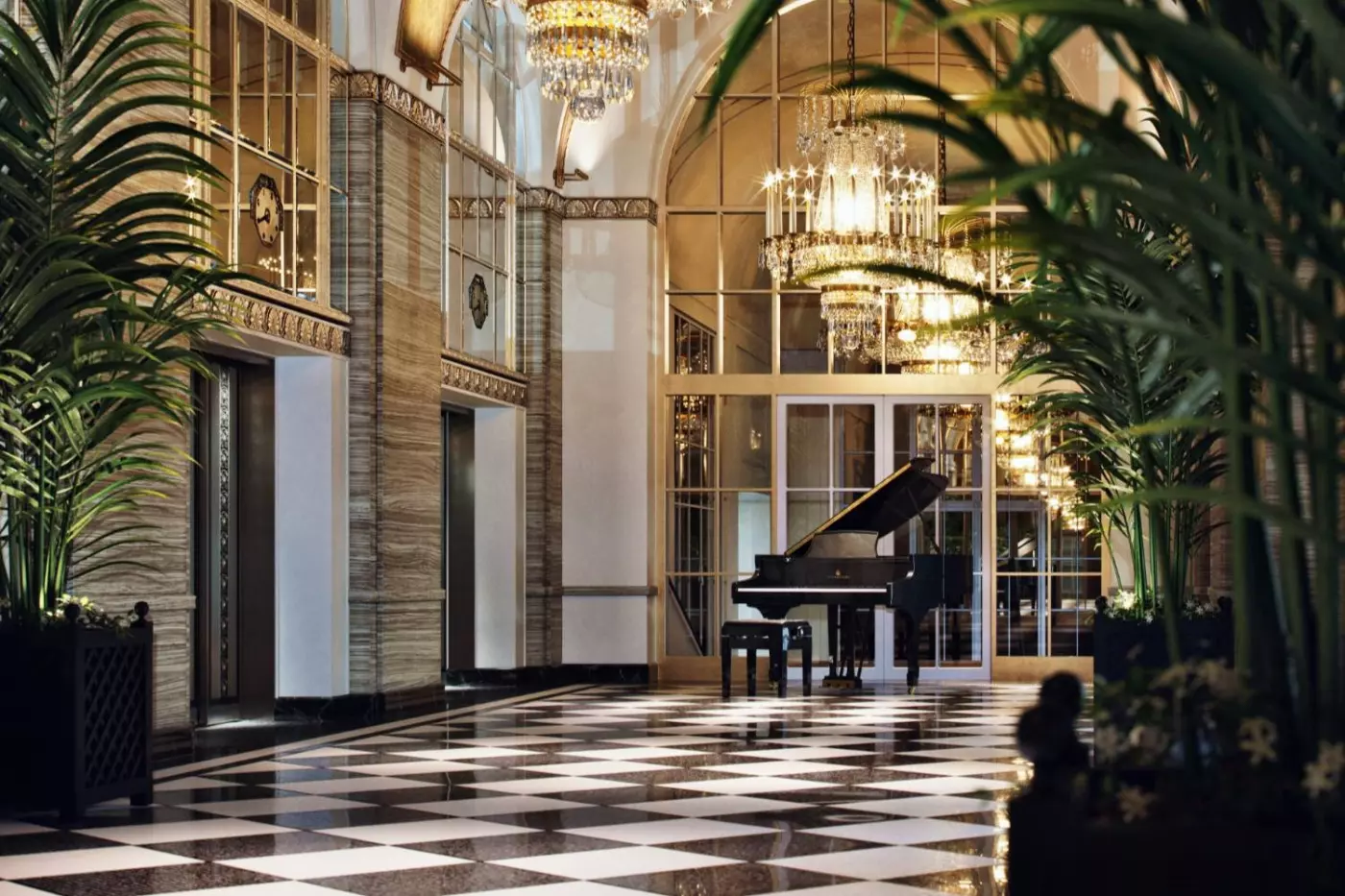
Peacock Alley remains a natural meeting place, with cocktails and all-day dining in a restored space tied to the hotel's social history.
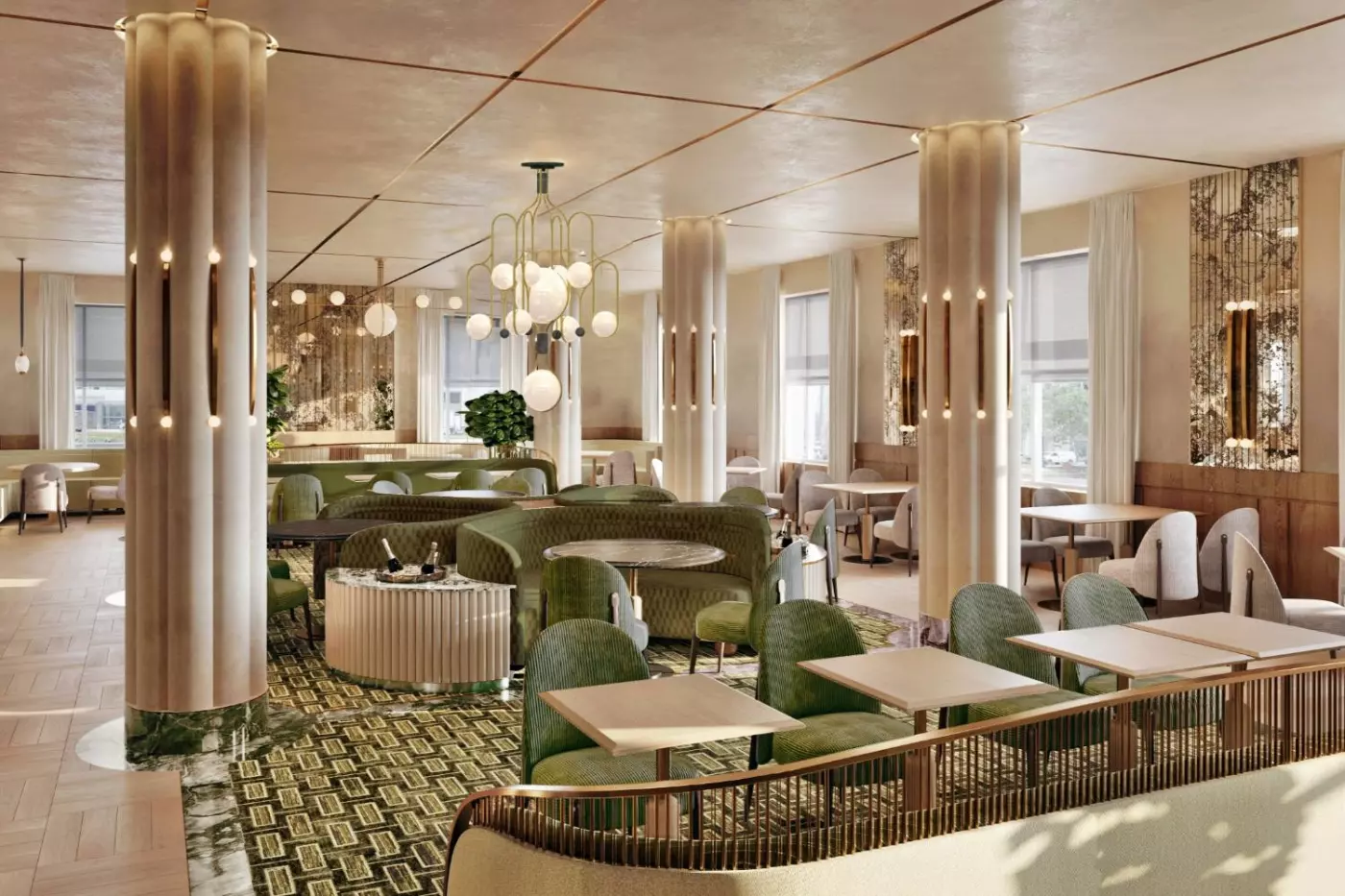
Lex Yard's American brasserie pairs seasonal cooking with fluted columns and parquet floors, making dinner feel connected to the hotel's Art Deco character.
Yoshoku's kaiseki-inspired sushi, hot dishes, and small plates offer a distinct Japanese dining choice just inside the Park Avenue entrance.
301 Park Ave, New York, NY 10022, United States
Cars should use the hotel's porte-cochère on East 49th Street between Park and Lexington Avenues, rather than stopping at the main Park Avenue facade. This covered arrival point handles valet service and guest pick-up or drop-off, giving drivers a precise destination within the full city block occupied by the hotel.
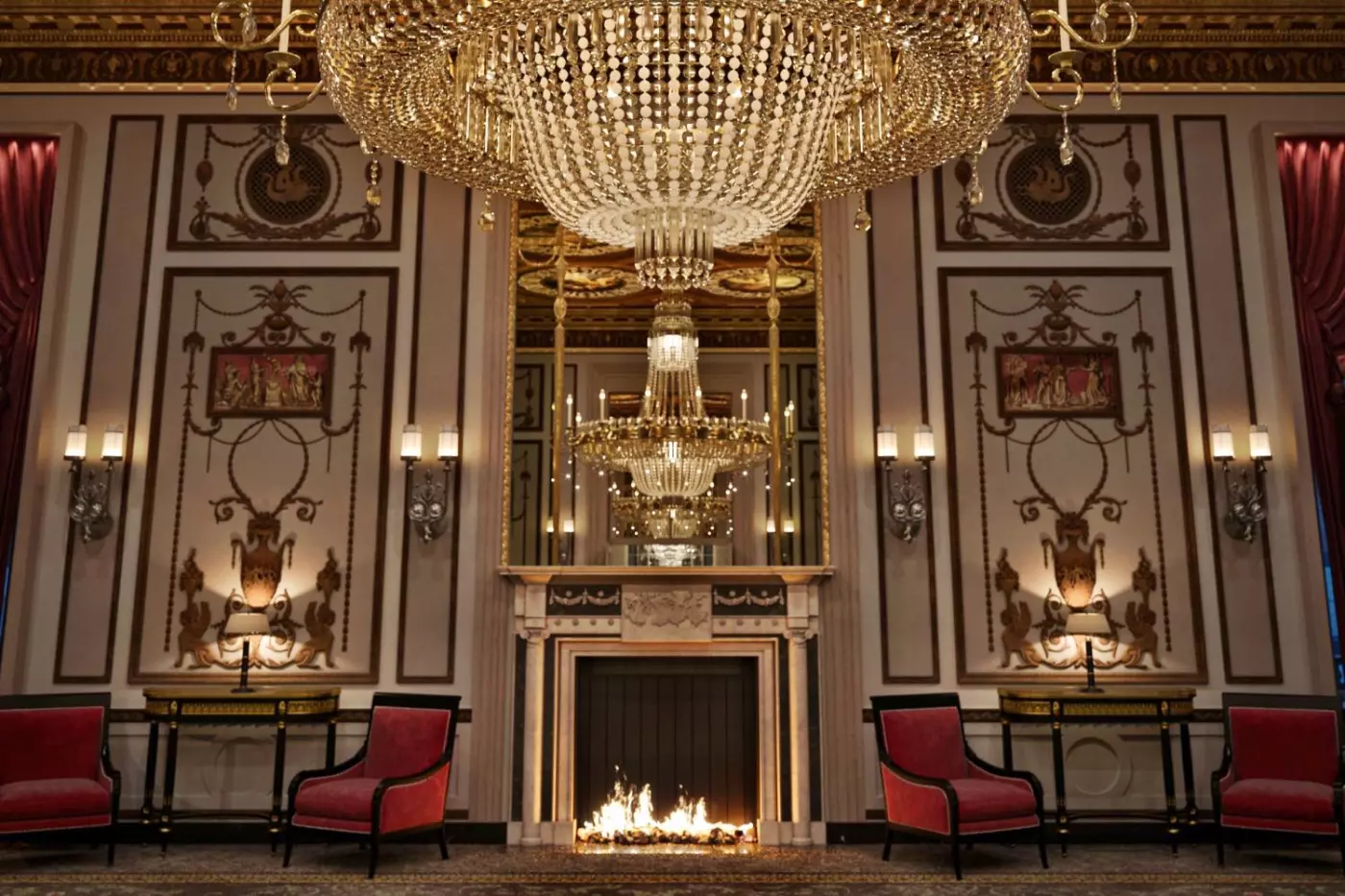
Preservation teams restored Peacock Alley, the Grand Ballroom and key Art Deco interiors alongside individual artefacts. These include the 1893 World's Fair Clock, the Spirit of Achievement statue and Cole Porter's piano. The exterior received landmark status in 1993, while several important public interiors were designated in 2017.
Yes. Waldorf Astoria New York introduced room service in 1931, a concept that later became standard across international hospitality. The tradition continues in the restored hotel with 24-hour in-room dining, covering breakfast, dinner, late-night dishes and beverages without limiting service to conventional restaurant hours.
Peacock Alley takes its name from the promenade that once connected the original Waldorf and Astoria hotels. The restored space now offers breakfast, all-day dining, cocktails and evening music. Performances use Cole Porter's 1907 Steinway grand piano, returned to the hotel after the restoration.
Yoshoku presents kaiseki-inspired Japanese dining through a distinctly New York lens. Guests can choose sushi, hot dishes and small plates à la carte or a multi-course tasting menu. The restaurant also serves a Japanese afternoon tea from Wednesday to Sunday and dinner from Wednesday through Sunday.
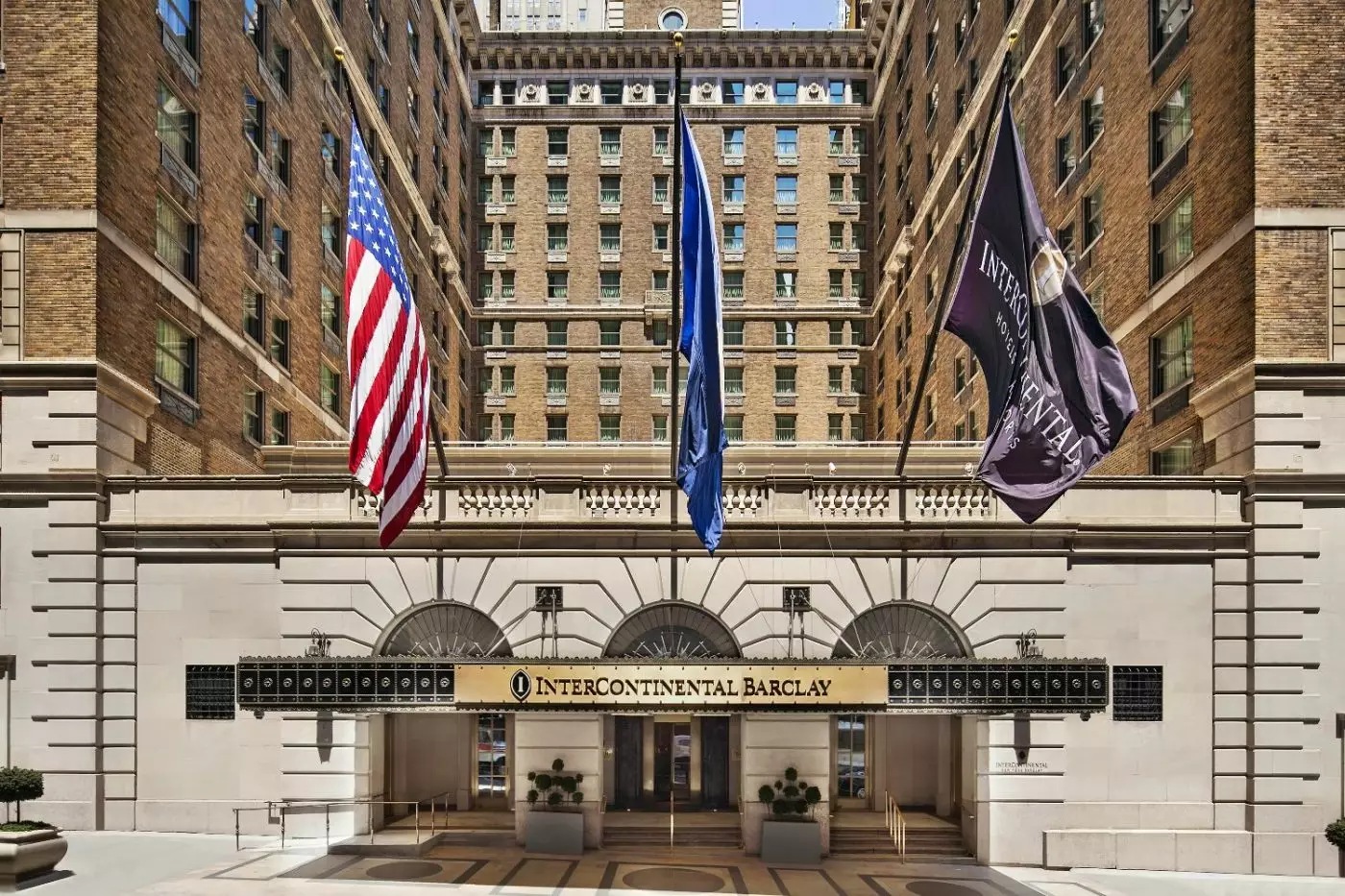
At 111 East 48th Street, InterContinental New York Barclay gives a Midtown stay an unusually residential frame. Grand Central...

More amenities
The Towers at Lotte New York Palace is the more private side of one of Midtown Manhattan's landmark hotels. It rises above Ma...
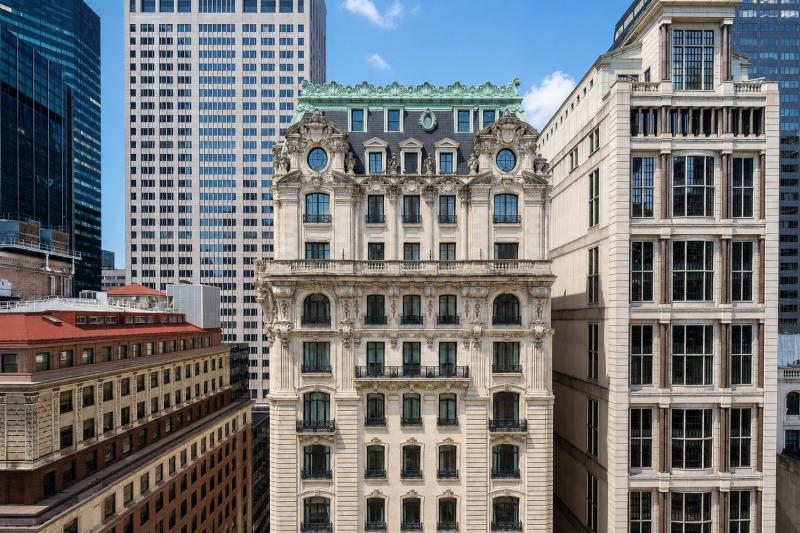
The St. Regis New York is one of Manhattan's classic grand hotels, set on East 55th Street just off Fifth Avenue. The hotel o...