



Auberge Saint-Antoine
Prices From 393 USD
+2
More amenities
- Wellness
- City Vibe
Auberge Saint-Antoine is a historic hotel in Quebec City's Old Port, where archaeology is part of the stay. It does not treat...
Please choose a hotel or destination from the list.
We couldn’t open your search results. Please try again.
Your private search
Finding exceptional stays
Québec City’s hotel choice follows the height of Cap Diamant as well as its historic streets. An Upper Town address beside the river viewpoints creates a different daily walk from an Old Port base. Choose for the part of the city you expect to return to, with the St. Lawrence landscape and Lower Town streets both given a place in the visit.
Prices From 393 USD
More amenities
Auberge Saint-Antoine is a historic hotel in Quebec City's Old Port, where archaeology is part of the stay. It does not treat...
Prices From 356 USD
More amenities
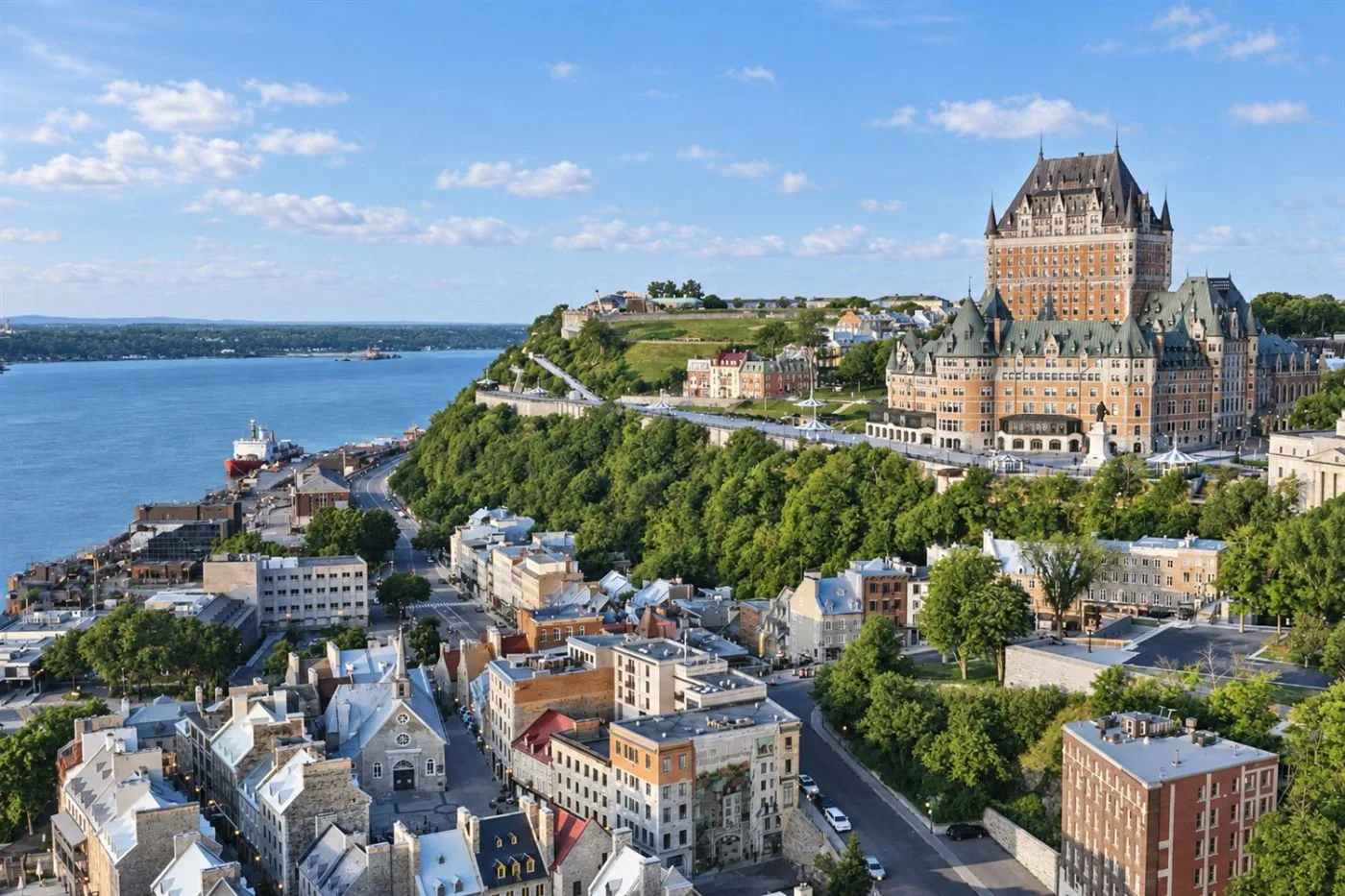
Fairmont Le Château Frontenac rises above Old Québec on Cap Diamant, with the St. Lawrence River below and Dufferin Terrace a...
Québec City's changes in level matter when choosing a hotel. An upper-town setting gives a different daily perspective from the streets near the Old Port. Consider which walks you expect to make repeatedly, and how you want to return after dinner or a museum. A close-looking position on the map does not explain the climb between two places.
Fairmont Le Château Frontenac rises on Cap Diamant above the river, while Auberge Saint-Antoine offers an Old Port setting with an archaeological character. These examples illustrate different ways to inhabit the historic city. Choose the relationship with the place that interests you, rather than comparing only the appearance of the buildings or the size of the room.
Petit-Champlain and Place Royale form a distinct Lower Town part of the visit. An Old Port base can make these streets a recurring part of the day rather than a single descent from Upper Town. Combine browsing and a meal with an interest in the buildings and public spaces, keeping the return to the hotel in view when choosing where to dine.
Dufferin Terrace is the wooden promenade beside Château Frontenac, overlooking the St. Lawrence. It provides a clear place to observe the relationship between the headland, river and surrounding landscape. Give the walk its own time, especially if most of the day otherwise involves museum interiors or the narrower streets below.
The funicular connects the terrace area with Petit-Champlain in Lower Town. Consider that connection when planning the day’s movement, using current operating information for the actual journey. For a wider route, the Canada destination guide places this Québec City stay within a national trip, with a separate reason for any further base.
No. They are also a substantial urban park. Their historical significance and open landscape can suit different interests within the same outing, rather than requiring everyone to approach the visit solely as military history.
It explores Québec culture and history through historical and contemporary subjects, using interactive displays as well as objects and exhibitions. At 85 rue Dalhousie in the Old Port, it gives a city visit a social and cultural focus beyond the architecture of the historic streets. Choose it when understanding the people and society of Québec interests you.
No. Parc Montmorency is an urban park in Old Québec, associated with the fortifications and views toward Lower Town. The falls are a separate regional landscape outing, so keep the two names distinct when planning.
The island offers a different regional setting beyond the historic center, near the St. Lawrence and opposite the Montmorency Falls area. Consider it when you want a countryside chapter rather than another day of urban sightseeing.
The surviving defenses help explain the town's layout and historic importance. Notice them as part of walking through the city, alongside its houses and public spaces, rather than treating them as a decorative boundary around the visitor area.