



The Xara Palace
Prices From 296 USD
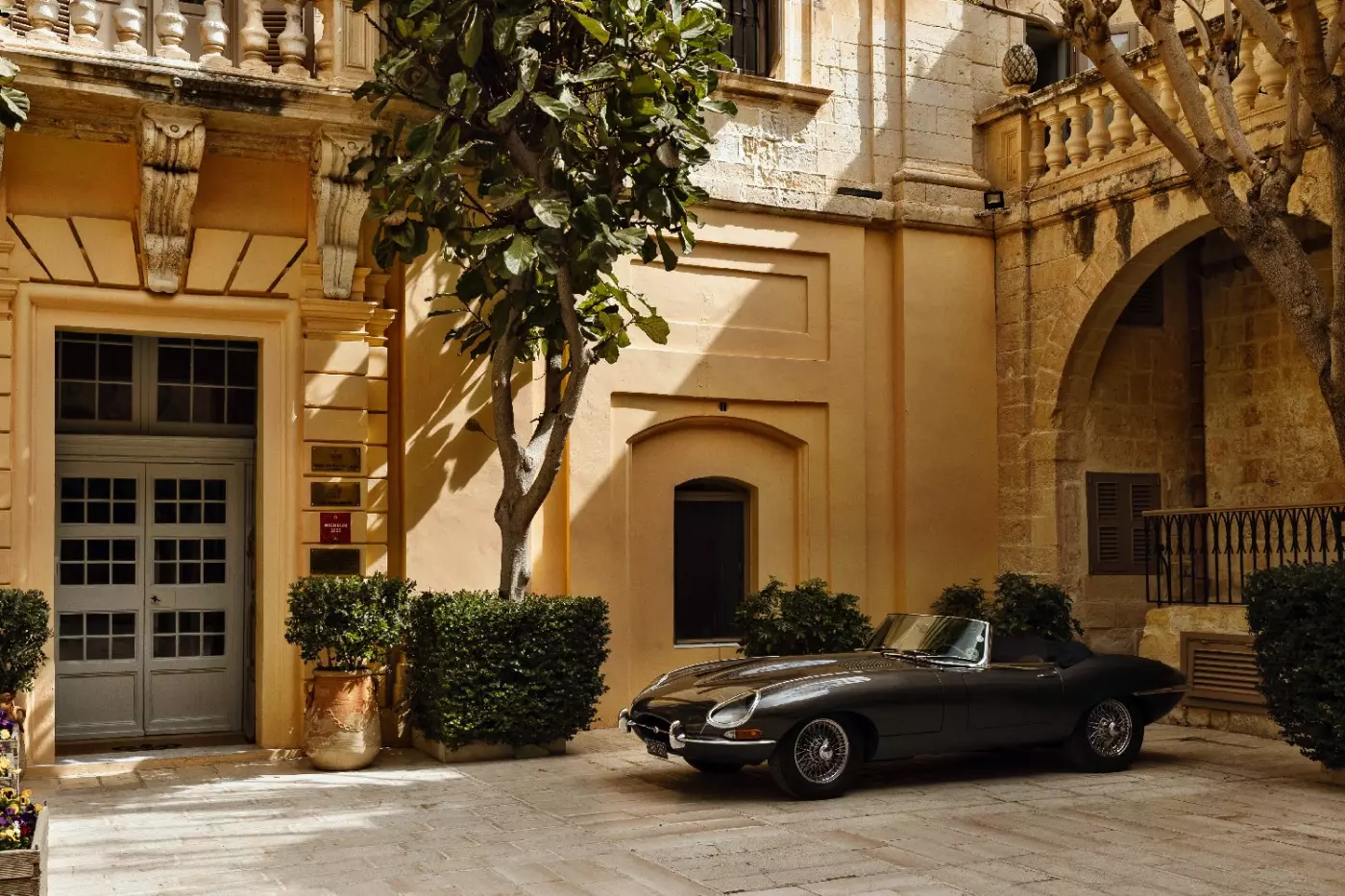
The Xara Palace is a small historic hotel inside Mdina, Malta's walled Silent City. Set in a restored 17th-century palazzo, t...
Please choose a hotel or destination from the list.
We couldn’t open your search results. Please try again.
Your private search
Finding exceptional stays
Mdina offers an intimate way to experience Malta: old streets, substantial walls and the atmosphere of the island's former capital. Choose a luxury hotel here when the historic setting is a reason to stay, not simply a sightseeing stop. This is an inland base, with a different daily rhythm from a holiday built around a seaside resort or a busy harbor district.
Prices From 296 USD
The Xara Palace is a small historic hotel inside Mdina, Malta's walled Silent City. Set in a restored 17th-century palazzo, t...
Reserved for You
The Xara Palace occupies a seventeenth-century palace within Mdina's fortified city. Its relationship with the bastions gives the local luxury choice a strong sense of place. Staying here means spending time inside a historic urban setting, with the pleasure of returning to familiar lanes after the busiest part of an outing.
Mdina and neighbouring Rabat are closely related but distinct places. Keep their identities clear within a heritage-led stay, allowing time for the smaller details around the base as well as a principal visit.
Palazzo Vilhena houses the National Museum of Natural History. Commissioned in 1724 by Grand Master Antonio Manoel de Vilhena, the building was designed by Charles François de Mondion in the Parisian Baroque style. It gives an architectural interest a specific example beyond the broad idea of staying in an old city.
Consider the palace as a building before turning to the collection inside. Architecture and natural history ask different kinds of attention, bringing two subjects together without making them the same experience.
The museum focuses on Malta's endemic and indigenous plants and animals, with displays spanning palaeontology and marine biology. The Lewis Mizzi Hall presents part of a historic mineralogical collection. These subjects give a city visit a way into the wider island environment.
For a traveller drawn to landscapes, specimens introduce detail that a distant view may not explain. A mineral and an animal specimen raise different questions about the place they came from. Choose that natural-history interest when it would deepen the way you look at Malta beyond the walls.
The Malta destination guide provides the wider context. Give another base its own purpose while leaving Mdina time for both its built setting and the subjects held within it.
The museum in Rabat interprets a Roman household and its daily life. It gives an outing a domestic and archaeological subject, distinct from Mdina's palatial streetscape.
They are in Rabat. Keep the two places clear when planning a heritage visit, and treat the underground cemetery as its own subject rather than another stop within the walled city.
St Paul's Cathedral and the cathedral museum give Mdina a religious and artistic focus. Choose them for that interest instead of expecting every historic interior to tell the same story.
Dingli's cliffs introduce a coastal landscape west of the inland heritage area. A cliff viewpoint is a different experience from a beach outing, so choose according to the kind of day you want.
Yes. Mdina is Malta's former capital, while Valletta offers another urban chapter. Giving them separate time is more useful than treating the island's historic cities as interchangeable scenery.