



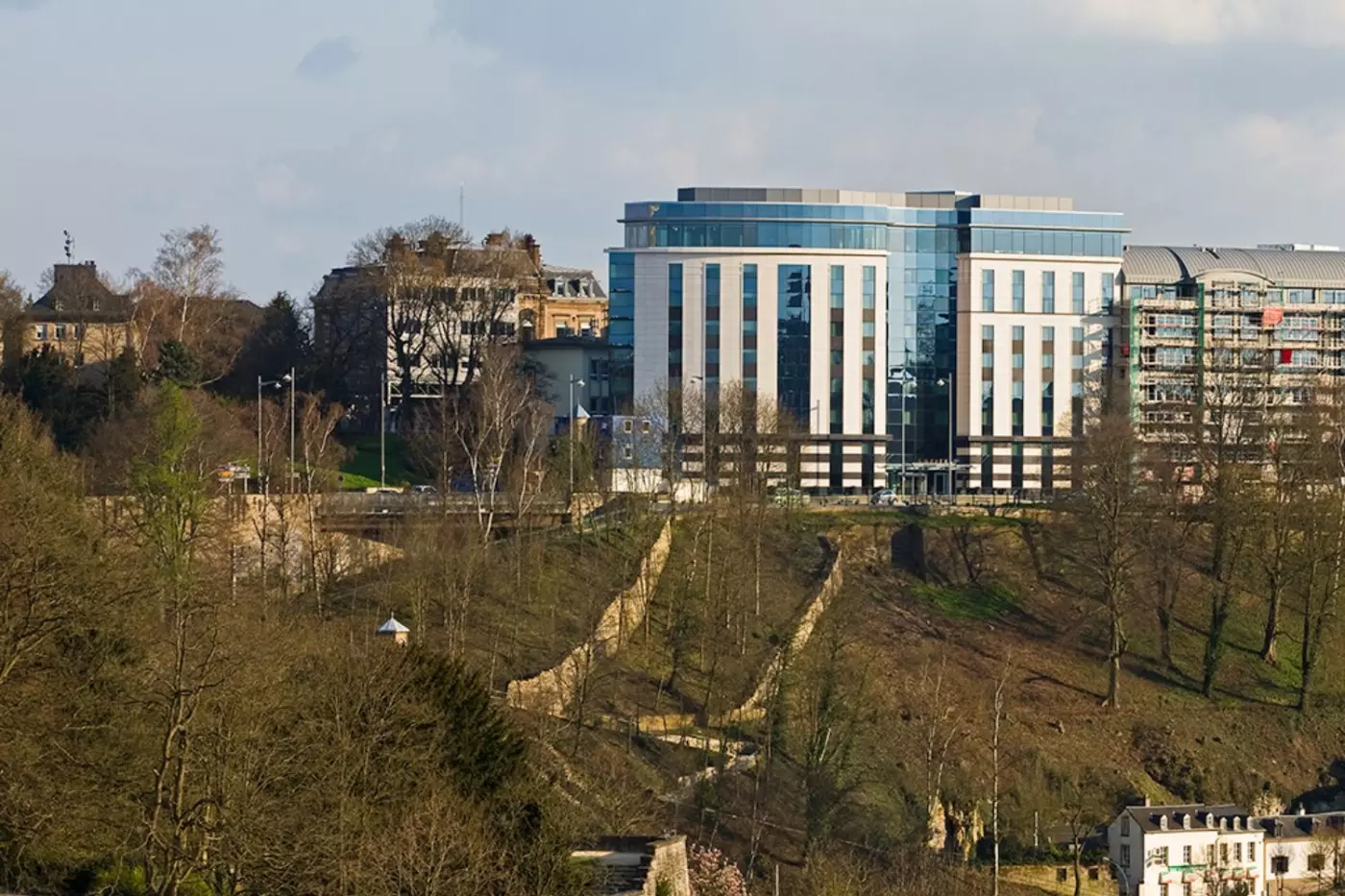
Sofitel Luxembourg Le Grand Ducal
Prices From 281 USD
Sofitel Luxembourg Le Grand Ducal is a refined city hotel in Luxembourg City, known for its elevated views toward the old tow...
Please choose a hotel or destination from the list.
We couldn’t open your search results. Please try again.
Your private search
Finding exceptional stays
Luxembourg brings old stone, green valleys and quiet confidence together. The capital rises above deep gorges, while vineyards follow the Moselle. Choose a luxury hotel for the part of the country you want to enjoy most, then give the surrounding regions a clear purpose in the journey.
Prices From 281 USD
Sofitel Luxembourg Le Grand Ducal is a refined city hotel in Luxembourg City, known for its elevated views toward the old tow...
Prices From 179 USD
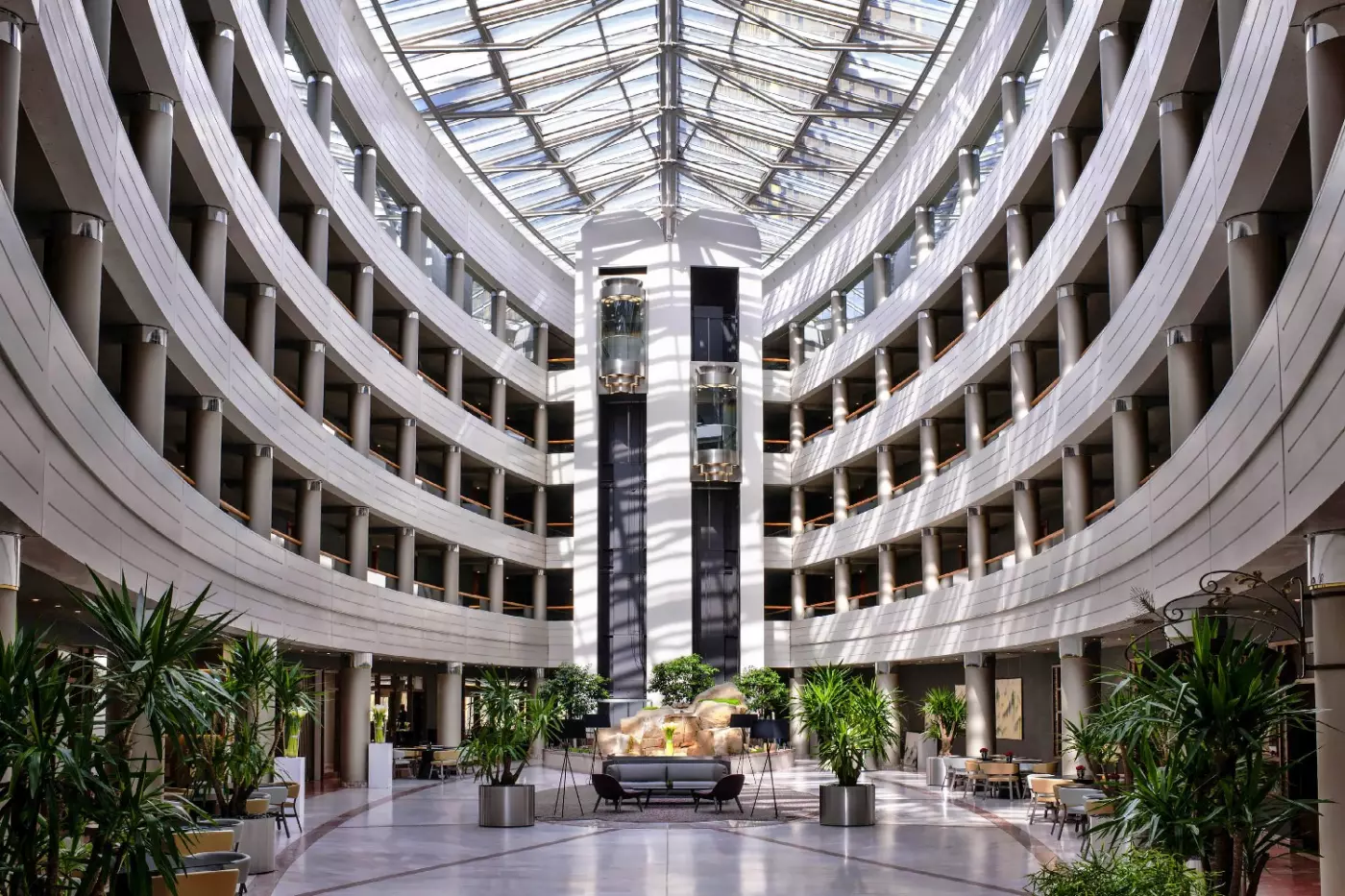
Sofitel Luxembourg Europe is a polished city hotel in the Kirchberg district of Luxembourg City. The property sits close to E...
Luxembourg City combines its fortified historic setting with contemporary architecture and cultural venues. A hotel here can suit a short break focused on the capital or a longer stay with selected outings elsewhere. Decide how much time belongs to the city itself before assuming that a country visit should involve leaving town every day.
The collection's two Sofitel addresses illustrate different capital settings. Le Grand Ducal offers an elevated relationship with the historic city, while Sofitel Luxembourg Europe is in Kirchberg, with a more contemporary district around it. Choose the surroundings that fit your days and evenings. For more detail on those choices, explore our Luxembourg City guide.
The Moselle vineyards offer a different landscape from the capital, making a food-and-wine interest a natural reason for an outing. Mullerthal provides rocky cliffs and forest, while the Éislek in the north has rugged hills. Pick the contrast you want rather than trying to combine every landscape within one short visit.
A country break can be satisfying with the capital and one substantial regional chapter. Travelers interested in walking may give more time to a landscape route; others may prefer a wine-led day followed by an evening in town. The useful question is what each part adds, not whether you have collected all the regional names. Keep room for a meal and the hotel setting too.
Castles, fortified places and industrial heritage create different ways into Luxembourg's story. Choose a subject that interests you instead of treating every historic-looking building as an equivalent sightseeing stop. A focused visit can reveal how people used the land and built the country, providing depth beyond a scenic drive.
For a longer stay, arrange the route around those interests and the actual hotel base. The country offers considerable variety, but a compact map is not a reason to fill each day with repeated changes of direction. A few well-chosen outings can give a clearer sense of place than an itinerary dominated by movement. Let time in the capital, countryside and accommodation contribute to one balanced trip rather than competing for the same hours.
It is Luxembourg's sparkling wine, associated with the Moselle wine region. It offers a specific local subject for a food-and-wine interest, rather than treating the country's vineyards as merely scenery between other visits.
It is housed at Clervaux Castle. The photographic exhibition gives a northern-country visit a distinct cultural focus, separate from choosing a castle only for its architecture or outlook.
Its red-earth and iron-industry heritage is central to its identity. Places such as Belval reveal that industrial story alongside a different modern use, offering a contrast with vineyard and forest outings.
No. Vianden lies in the northern Éislek or Luxembourg Ardennes region. Keep that geography clear when planning; a visit there is a distinct country outing rather than another neighborhood walk in the capital.
Echternach is a town associated with the wider eastern region, on the Sûre at the German border. It gives an outing an urban and historic point of focus, rather than describing the same thing as a forest walking route.