



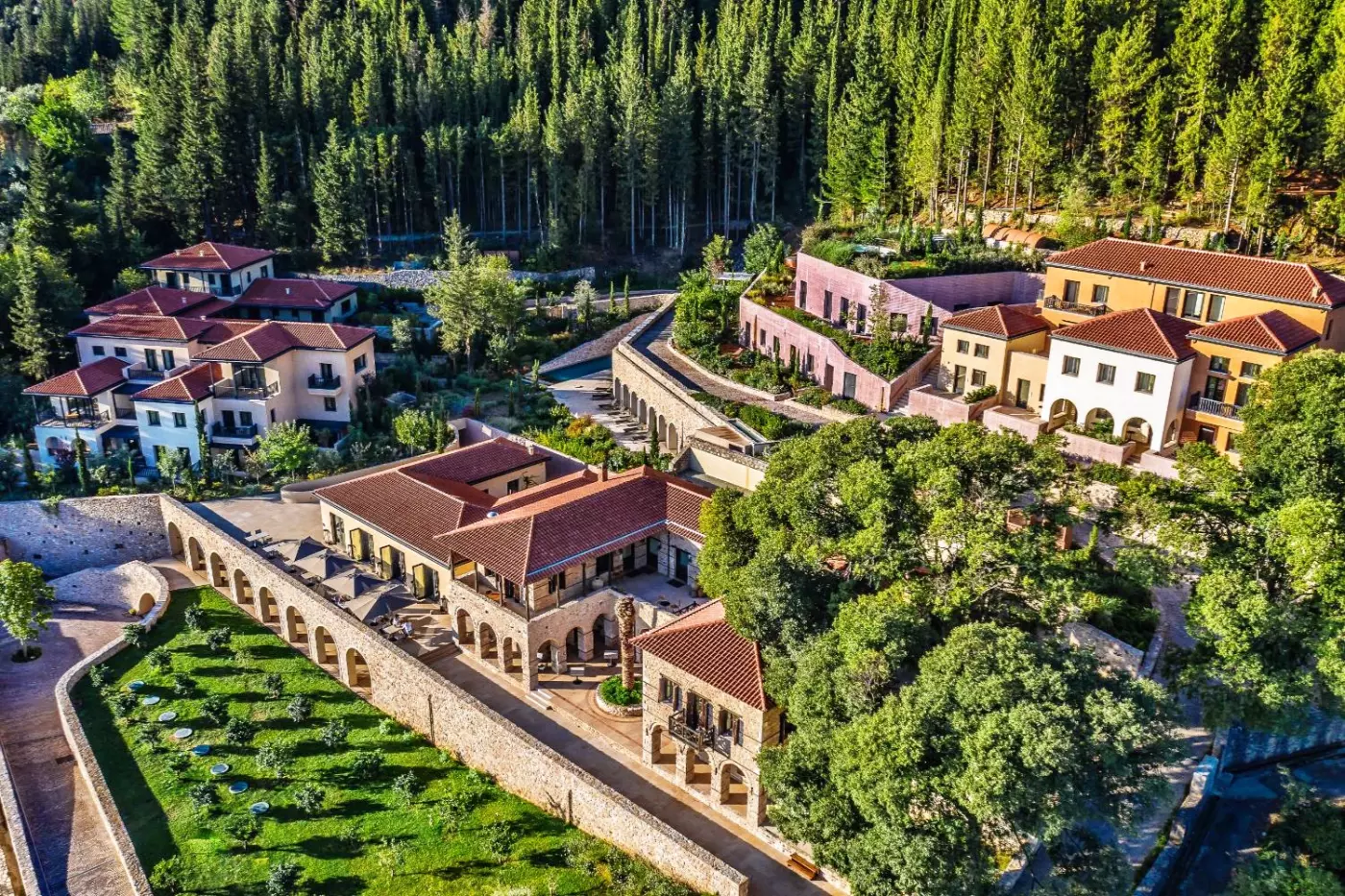
Euphoria Retreat
Prices From 695 USD
+3
More amenities
- Sauna
- Wellness
- Culture
The domed Sphere Pool and hillside setting give Euphoria Retreat its particular identity. This 45-room wellness hotel in Myst...
Please choose a hotel or destination from the list.
We couldn’t open your search results. Please try again.
Your private search
Finding exceptional stays
A Sparta-area stay can combine a quieter Peloponnese retreat with some of Greece’s most absorbing cultural landscapes. The collection here features Euphoria Retreat in Mystras, near Sparta, rather than a hotel in the modern city centre. Choose the base for that setting, with time for the surrounding heritage and an unhurried return to the accommodation.
Prices From 695 USD
More amenities
The domed Sphere Pool and hillside setting give Euphoria Retreat its particular identity. This 45-room wellness hotel in Myst...
Euphoria Retreat occupies a Mystras setting with Mount Taygetus as a backdrop. This provides a specific landscape context for the accommodation. Choose it when the landscape and a wellness-focused rhythm are central to the reason for traveling, not merely attractive details around a busy sightseeing schedule.
The archaeological site of Mystras brings churches, palaces and other buildings together across the hill. Choose a visit for the way they form a settlement rather than approaching each building as an unrelated monument. The relationship between the streets, fortifications and architecture gives the site a character beyond its most familiar views.
Frescoes and the surviving urban layout offer reasons to look closely rather than simply seek a panorama. A focused visit can reveal how the settlement worked as a city, not just as a collection of picturesque ruins.
The mountain backdrop gives the area a strong sense of place even on quieter days. Choose an outdoor outing for its particular route and level of effort, rather than assuming that every walk from a retreat is gentle. Scenic appreciation and a more ambitious hike are different ways to engage with the same landscape.
For a wider Greece itinerary, choose onward places for the particular cultural or landscape interest they add. Keep Mystras’s urban fabric and the Taygetus backdrop a defined part of that wider journey.
The museum in Sparta explores olive culture, history and production technology. It provides a different subject from Byzantine architecture, helping connect the region with an enduring part of Greek life and food.
No. Mystras is associated with the Byzantine period, while ancient Sparta belongs to a different historical chapter. Keep the subjects distinct when choosing visits rather than expecting one site to stand for both.
Yes. A slower rhythm, the landscape and time at the accommodation can be reasons in themselves. Keep the holiday experience separate from individual medical needs or assumptions about guaranteed health outcomes.
The Archaeological Museum of Sparta holds finds from Laconia spanning prehistory to Roman times. Votive masks from the Sanctuary of Artemis Orthia are thought to imitate wooden masks used in rituals honouring the goddess. Roman mosaic floors come from residences and public buildings. These objects offer evidence of religious practice and domestic decoration alongside the better-known warrior sculptures.
The Koumantareios Gallery, a branch of the National Gallery, occupies an early-twentieth-century neoclassical mansion. Its permanent collection follows nineteenth- and twentieth-century Greek art through historical painting, portraits, everyday-life scenes and abstraction. Paintings and sculptures sit alongside a donated group of Western European oil paintings dating from the late sixteenth to the early twentieth century.