Best for
Explore Osaka Castle Park's plum grove during its winter-to-early-spring flowering season, discovering a seasonal display beyond the cherry blossoms near Patina's doorstep.
Please choose a hotel or destination from the list.
We couldn’t open your search results. Please try again.
Your private search
Finding exceptional stays
Best for
Explore Osaka Castle Park's plum grove during its winter-to-early-spring flowering season, discovering a seasonal display beyond the cherry blossoms near Patina's doorstep.
What makes it special
Visit the Osaka Museum of History's tenth-floor Naniwa Palace exhibition to understand the ancient capital whose archaeological landscape surrounds your stay at Patina.
Room to consider
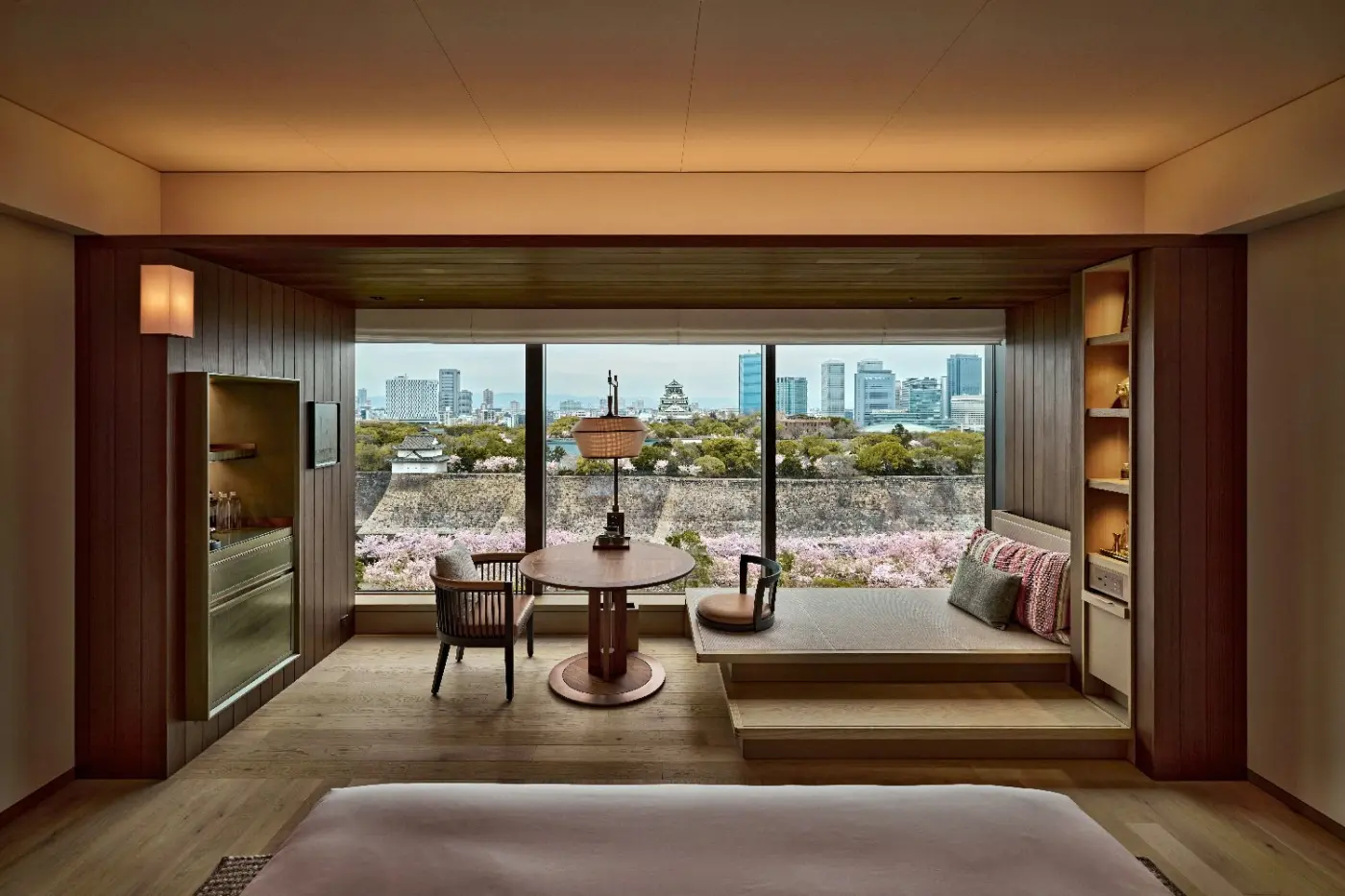
Choose an Urban Suite for a castle view through full height windows and a tatami daybed where you can take in the outlook.
Insider tip
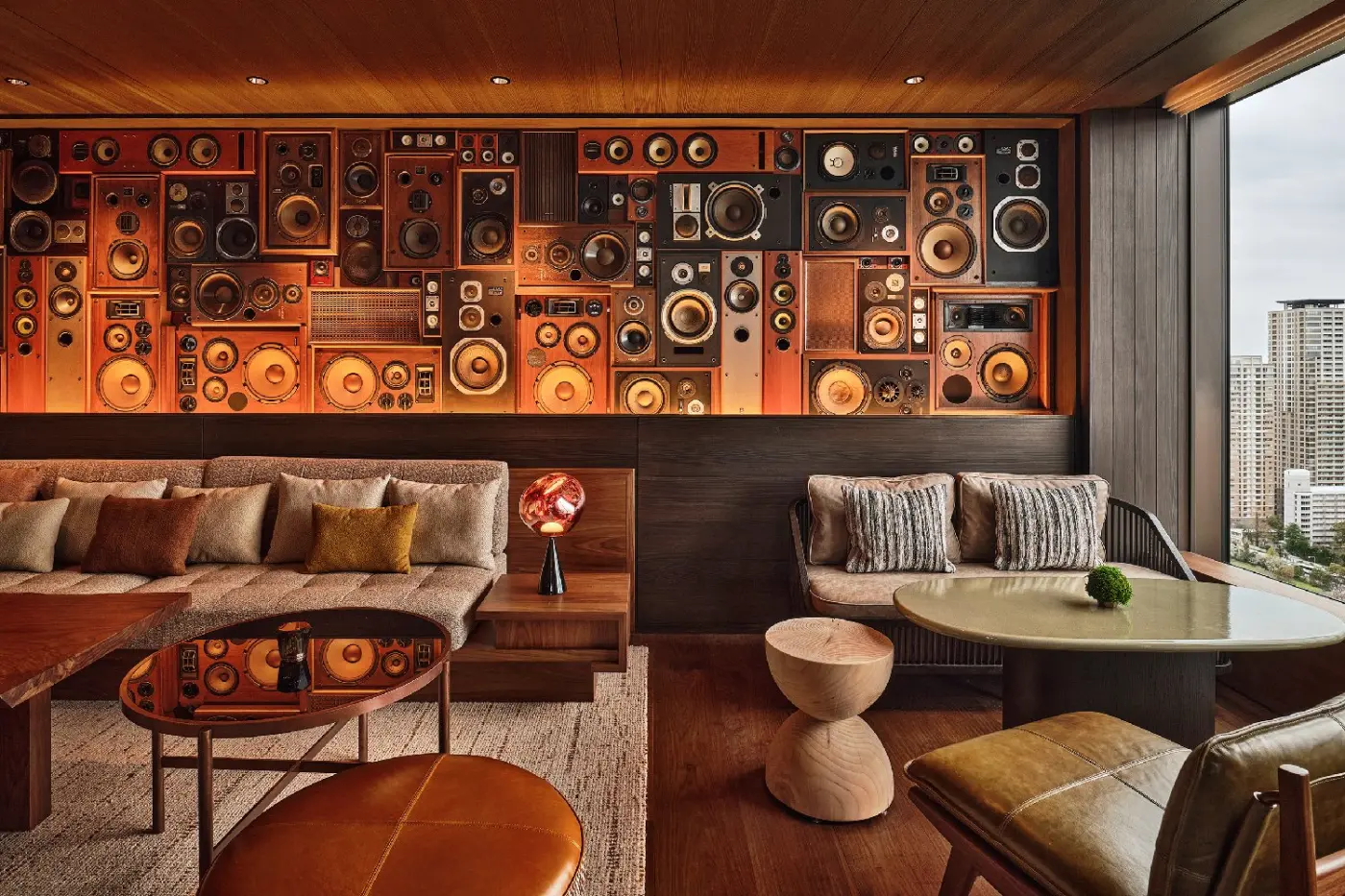
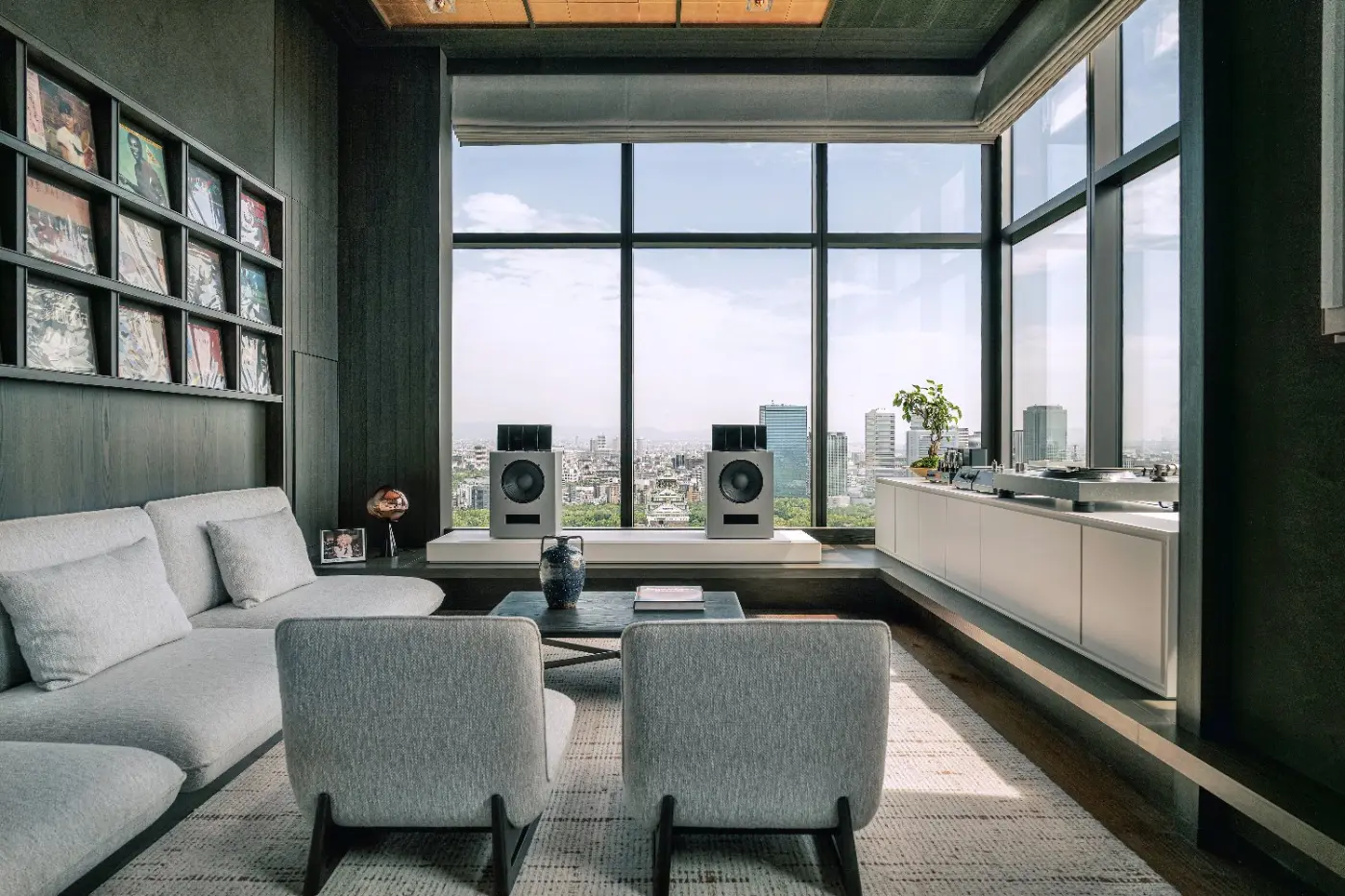
Book a private session in the Listening Room by OJAS to hear a curated selection on the hotel’s dedicated sound system.
Free membership gives you access to preferred rates, exclusive benefits and current promotions for your stay.
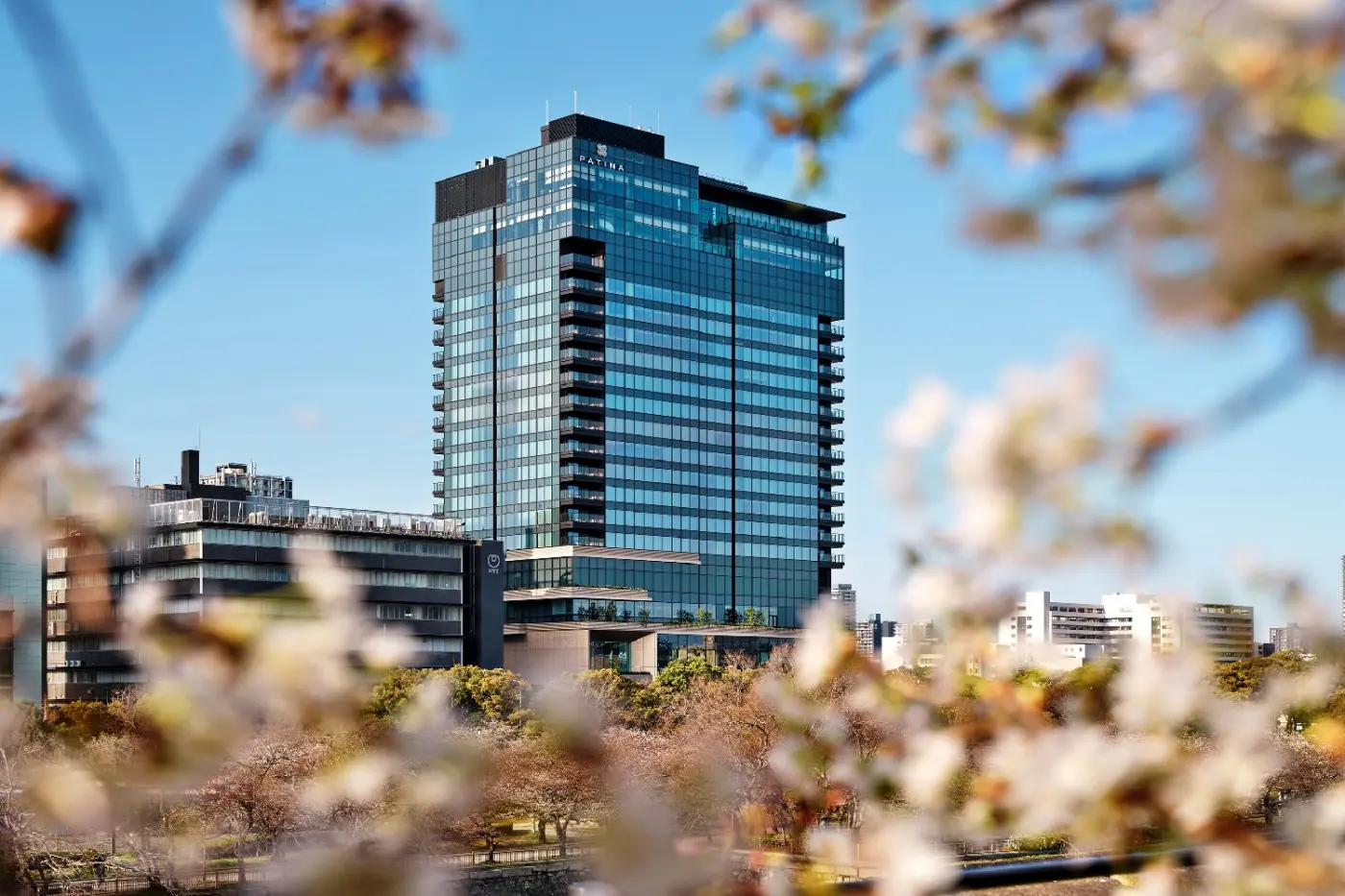
Patina Osaka occupies an unusual position in the city: Osaka Castle Park is across the way, while the grounds of the former Naniwanomiya Palace lie nearby. The hotel gives you green space and a major historic landmark at your doorstep, without placing you in Osaka's busiest shopping districts. Its contemporary tower makes that contrast part of the stay. Castle and park views shape some rooms and shared spaces; elsewhere, the outlook is over the city. For travelers who want to explore Osaka but return to a calmer address, the location is the point.
Patina is part of Capella Hotel Group, and this Osaka property carries the brand's interest in design, music, food and wellbeing into a distinctly urban setting. There are 221 rooms and suites in the 20-storey building. The scale allows for several restaurants and a substantial wellness floor, yet the hotel is most persuasive in the quieter details: natural materials, generous windows and a close visual connection to the parks outside.
 221
 Charming
 Fitness
 Pool
 Spa
 Sauna
 Wellness
 City Vibe
 Pet Friendly
 Wheelchair Accessible
 Connecting Rooms
Wood surfaces and the fine grain of washi paper set the tone inside this room. Floor-to-ceiling windows span the main space.
The room combines its sleeping area with places to sit, including a daybed within the tatami nook. Italian Frette linen covers the bed, and soft finishes continue through the interior. Stone and hand-finished plaster also feature in the room design. In one Premier layout, a round table and two different seats stand by the window, with a separate cushioned armchair beside the sliding doors.
The bathroom has a deep bathtub alongside a rain shower. A pair of basins is also provided within the bathroom.
Extra sleeping space can be arranged on the tatami daybed, subject to a fee. A child’s bed or crib is available for children aged twelve and below. Your dedicated Patina Essentialist provides a personal point of contact during the stay. Evening turndown is provided, and in-room dining is available twenty-four hours a day.

Wood surfaces and the fine grain of washi paper set the tone inside this room. Floor-to-ceiling windows span the main space. The room combines its...
Full-height windows line the room, with a tatami seating area adding a distinct place to sit away from the bed. Soft finishes and warm tones run through the open interior, where Japanese craft shapes the choice of materials.
Wood, hand-finished plaster, washi paper and stone are part of the rooms’ design. Italian Frette linen dresses the bed. A dedicated Patina Essentialist is your personal contact during the stay.
The bathtub sits beside a rain shower in a bathroom with twin basins. Clean lines carry through the fittings and the rest of the bathing space.
For an extra sleeping place, the daybed can be arranged at a charge. A child’s bed or crib is also available for children aged twelve and under. Evening turndown is provided. Meals can also be ordered through the twenty-four-hour in-room dining service.

Full-height windows line the room, with a tatami seating area adding a distinct place to sit away from the bed. Soft finishes and warm tones...
A tatami nook gives the open bedroom its Japanese character, with broad windows extending from floor to ceiling. The seating and sleeping areas share the main room, rather than forming separate enclosed rooms.
The interior uses warm tones and soft finishes, with Italian Frette linen on the bed. Wood and stone sit alongside washi paper and hand-finished plaster in the room design, drawing on Japanese craft. In-room dining is available twenty-four hours a day. Your dedicated Patina Essentialist serves as a personal point of contact during the stay.
In the bathroom, double basins accompany a bathtub and a separate rain shower.
The tatami daybed is available as an additional sleeping arrangement for a fee. Families may also request a child’s bed or crib for children up to twelve years old. An evening turndown service is included.

A tatami nook gives the open bedroom its Japanese character, with broad windows extending from floor to ceiling. The seating and sleeping areas share the...
Living and dining space extends the sleeping area, with a tatami nook creating a further place to sit or recline. Floor-to-ceiling windows line the suite, and the daybed is part of this open arrangement.
Japanese craft informs the design, which combines soft finishes with wood, stone, washi paper and hand-finished plaster. The bed is dressed in Italian Frette linen.
The bathroom has a bathtub alongside a rain shower and double basins. Smooth finishes and warm lighting carry through the bathing space.
An additional sleeping arrangement on the tatami daybed carries a charge. A child’s bed or crib can be provided up to age twelve. A dedicated Patina Essentialist is your personal contact, with evening turndown and round-the-clock in-room dining also available.

Living and dining space extends the sleeping area, with a tatami nook creating a further place to sit or recline. Floor-to-ceiling windows line the suite,...
On an upper floor, the suite has a separate living area and a table for meals. A tatami seating area and daybed add another place to recline.
Natural wood textures give the interior its character. Floor-to-ceiling windows run along the suite, and a closet provides storage for clothes and luggage. The bed is made with Italian Frette linen. Your dedicated Patina Essentialist provides a personal point of contact, and in-room dining is available at any hour.
A bathtub and rain shower are both available in the bathroom, together with double basins.
A child’s bed or crib can be arranged for children aged twelve and under. Use of the tatami daybed as an extra sleeping place is charged separately. Evening turndown is included during the stay.

On an upper floor, the suite has a separate living area and a table for meals. A tatami seating area and daybed add another place...
Warm wood textures carry through the living area of this upper-floor suite. A dining table provides a place for meals, with the bedroom separate from the lounge and a tatami seating area alongside it.
Large windows extend from floor to ceiling, and a closet adds storage space within the suite. The bed is made up with Italian Frette linen. Hand-finished plaster, stone and washi paper are also used in the room design.
The bathroom pairs a bathtub with a rain shower, and has double basins.
For families, a child’s bed or crib is available for children aged twelve and below. The daybed can serve as an additional sleeping place for a fee. A dedicated Patina Essentialist is available as a personal contact. Evening turndown is provided, with in-room dining available around the clock.

Warm wood textures carry through the living area of this upper-floor suite. A dining table provides a place for meals, with the bedroom separate from...
A living room leads into the dining area, where a table forms part of the shared space. The kitchenette provides a further practical area, while a walk-in closet holds clothes apart from the main living spaces.
Floor-to-ceiling windows run through this upper-floor suite. A tatami seating area contains a daybed, and Italian Frette linen is used on the bed. Wood, washi paper, stone and hand-finished plaster reflect the rooms’ Japanese craft influences. A dedicated Patina Essentialist is available as your personal contact during the stay.
The bathroom offers a bathtub, rain shower and double basins.
A child’s bed or crib can be arranged for children up to twelve years old. The tatami daybed may be used for extra sleeping at a charge, and evening turndown is provided.

A living room leads into the dining area, where a table forms part of the shared space. The kitchenette provides a further practical area, while...
A separate living room and dining area occupy part of the hotel’s highest guest floor, level seventeen. Floor-to-ceiling windows line the suite, while the sleeping area includes a tatami daybed. Wood, washi paper, stone and hand-finished plaster form part of the room design.
There is a dedicated working room as well as a partitioned room for meditation. The bedroom has a headboard inspired by Japanese tradition.
The bathroom includes a deep bathtub, a rain shower and double basins. The suite combines Japanese craft references with a modern interior.
Non-alcoholic drinks in the minibar are complimentary. A child’s bed or crib can be arranged for children aged twelve and below. Your Patina Essentialist is a personal contact during the stay, and evening turndown is included.

A separate living room and dining area occupy part of the hotel’s highest guest floor, level seventeen. Floor-to-ceiling windows line the suite, while the sleeping...
Accommodation begins with the 50-square-metre Deluxe Room, a generous starting point for a city hotel. Premier Rooms extend to 63 square metres, followed by 75-square-metre Junior Suites. Across the categories, wood, stone, hand-finished plaster and washi paper bring texture to otherwise restrained interiors. Window-side seating makes the view part of the room rather than a backdrop glimpsed on arrival. Ask about the outlook when choosing a category: the castle, park and city perspectives are different experiences, and a castle view should never be assumed for every room.
For more space, the 103-square-metre Deluxe Suite has a separate living room. The Urban Suite adds a larger residential setting at 127 square metres, while the single 233-square-metre Patina Suite is the most expansive option and includes a turntable and sound system. These distinctions matter more than a generic suite label. A couple spending most days out in the city may find the entry rooms ample; a longer stay or a trip with time to work and relax indoors gives the living areas greater value.
Families can make use of the larger room and suite options, and the hotel offers children's in-room amenities on request. Room occupancy and bedding should be confirmed for the specific party rather than inferred from floor area. That is especially important when choosing between a king room, a double room and a suite. The hotel also welcomes pets in selected accommodation, subject to its policy; travelers bringing an animal should arrange the appropriate room with reservations in advance.
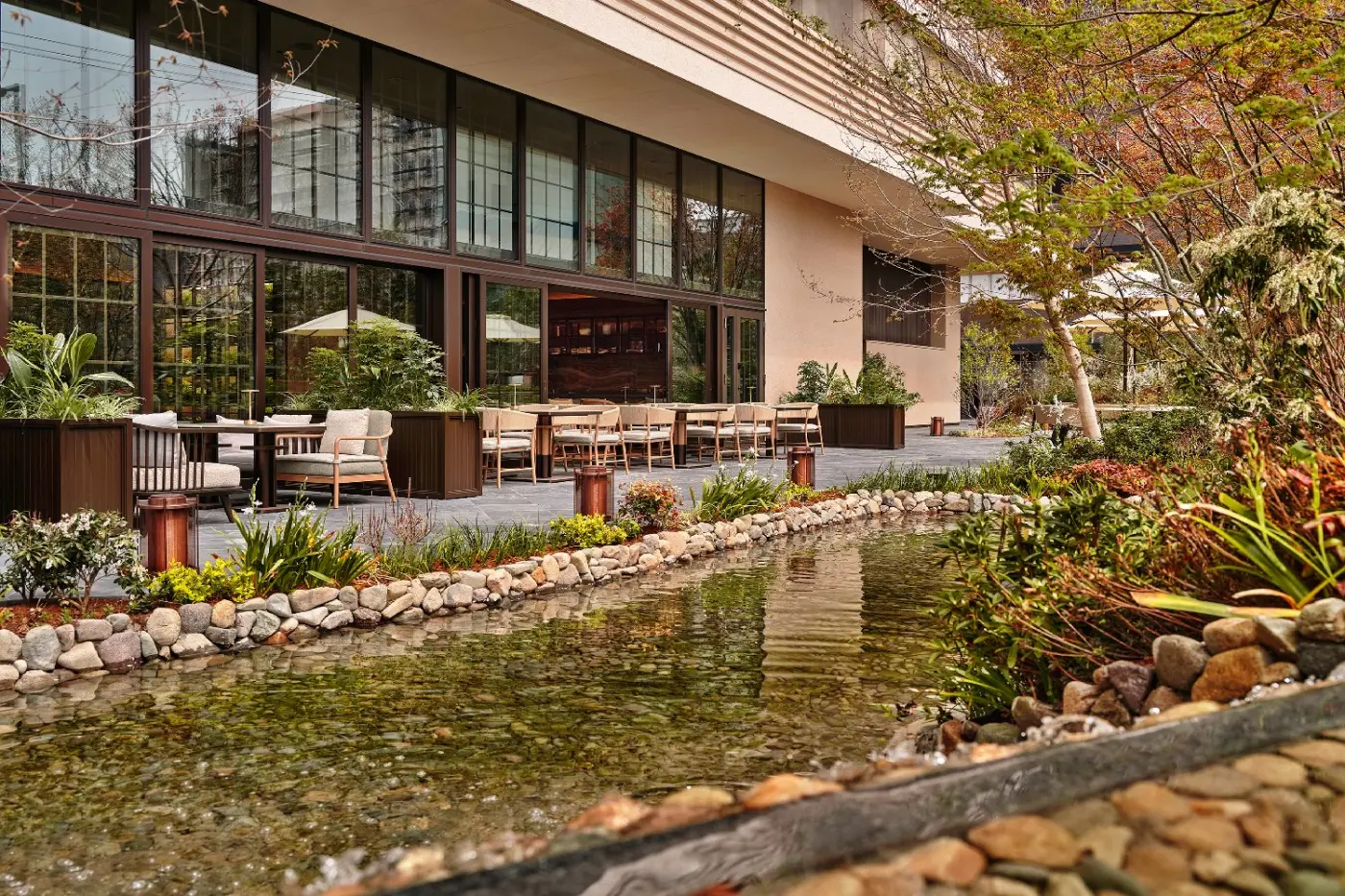
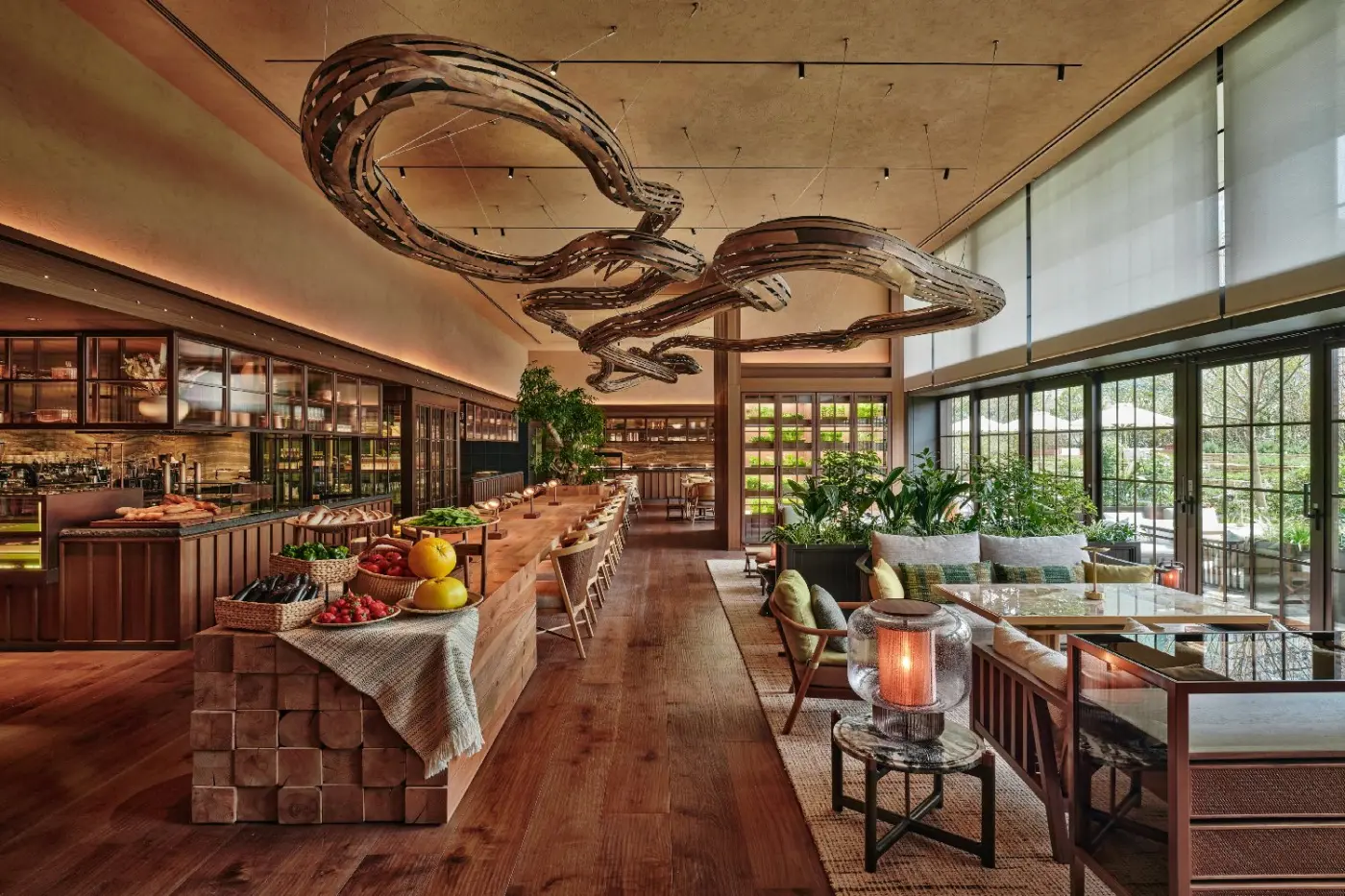
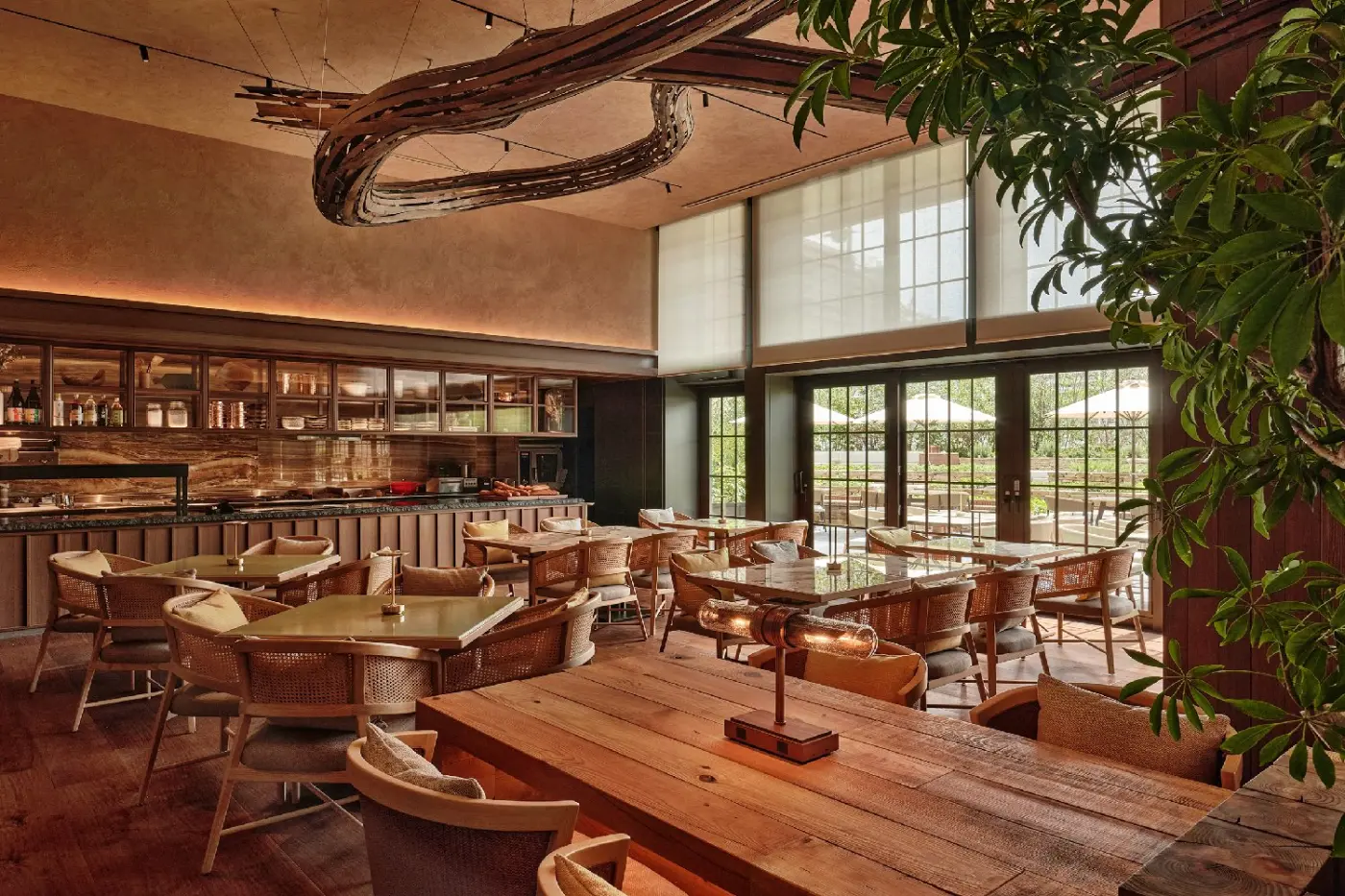
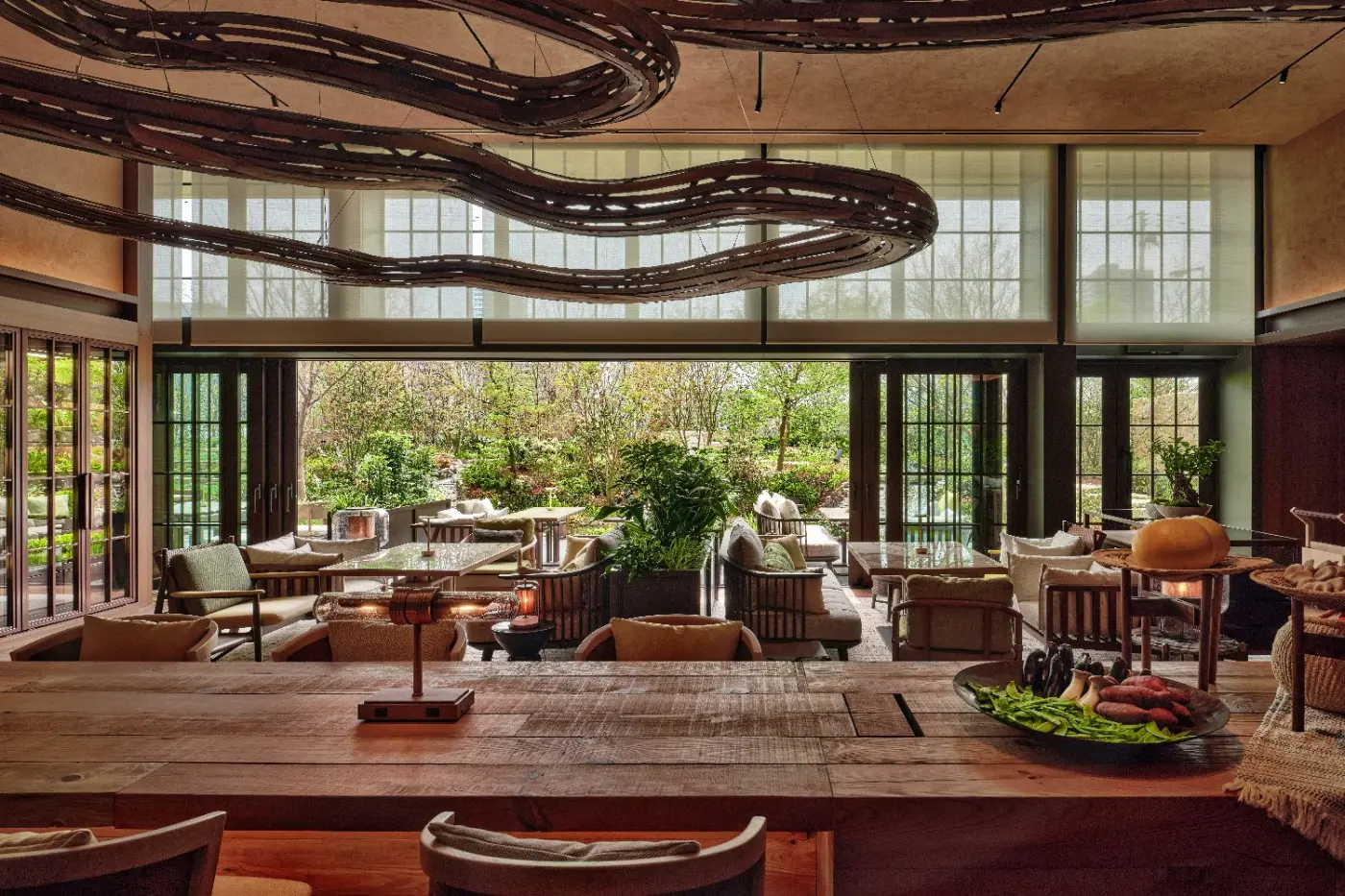
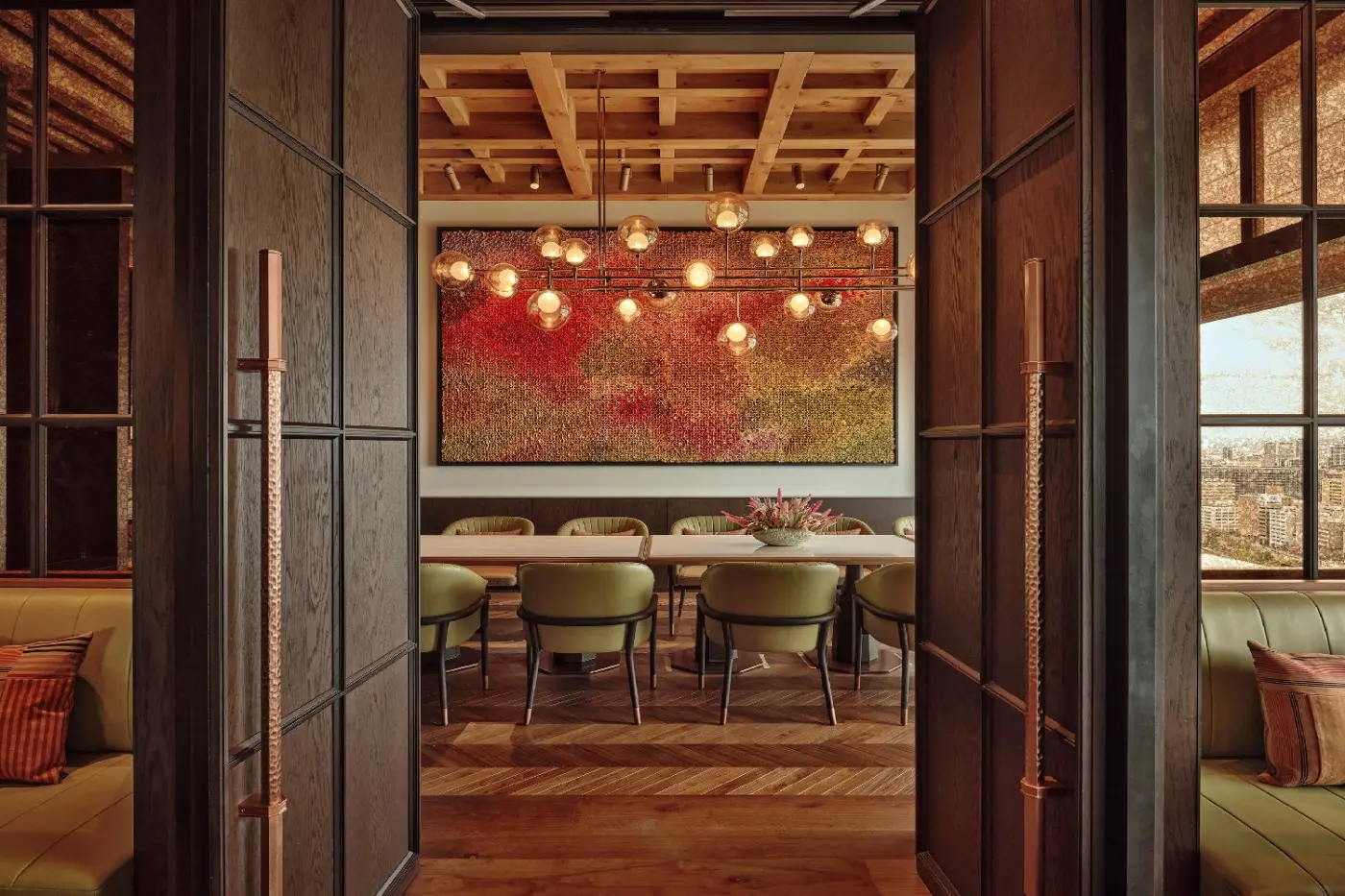
P72 provides the clearest expression of the hotel's food philosophy. Its name refers to the 72 micro-seasons of the traditional Japanese calendar, and the kitchen uses produce grown at the hotel alongside other ingredients. The result is a restaurant built around close attention to what is available now, rather than a fixed idea of seasonal dining. A terrace and a long sculptural installation made from reclaimed wood give the ground-floor space its own identity. It is a good choice when you want a slower meal without leaving the property.
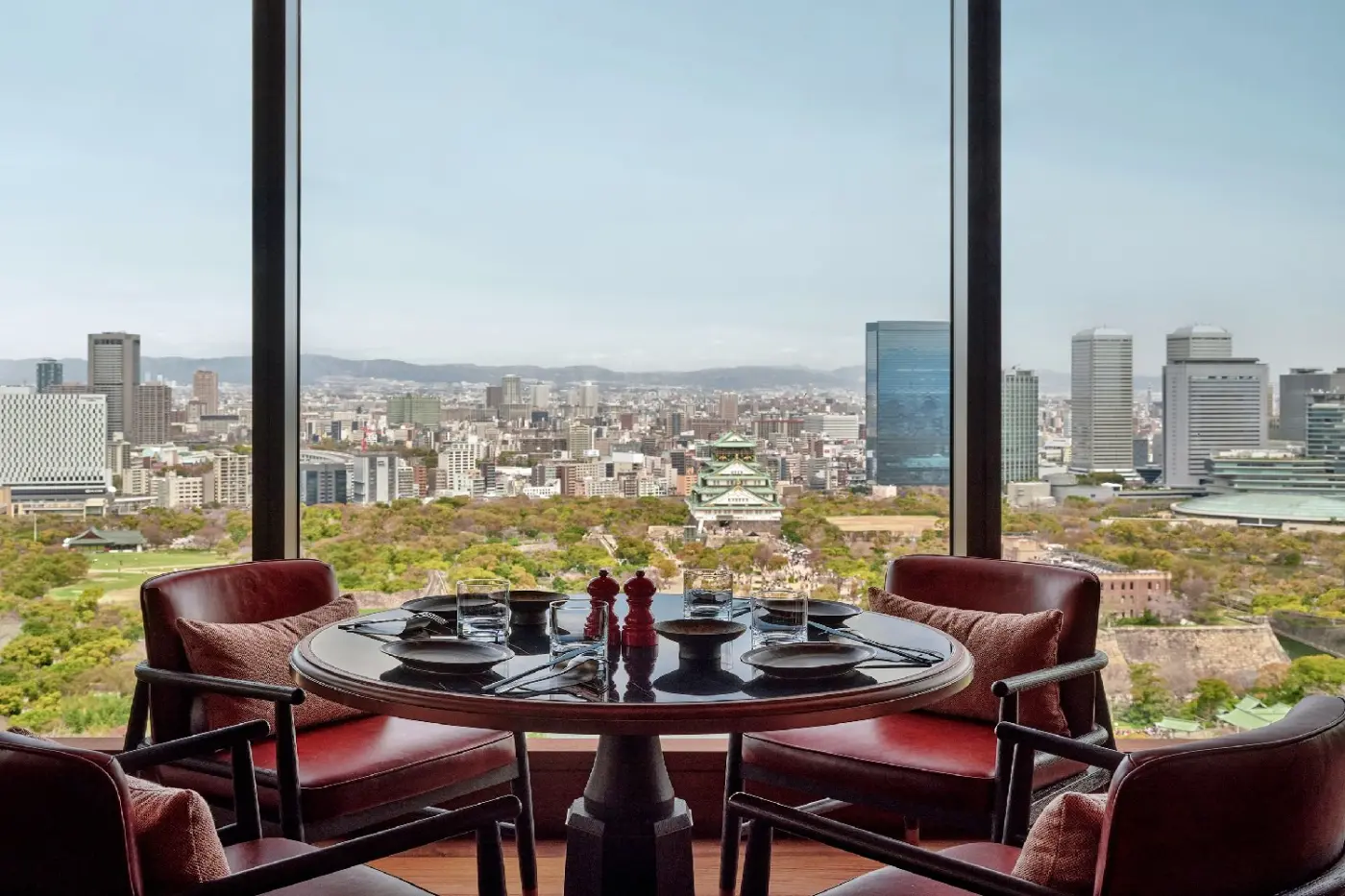
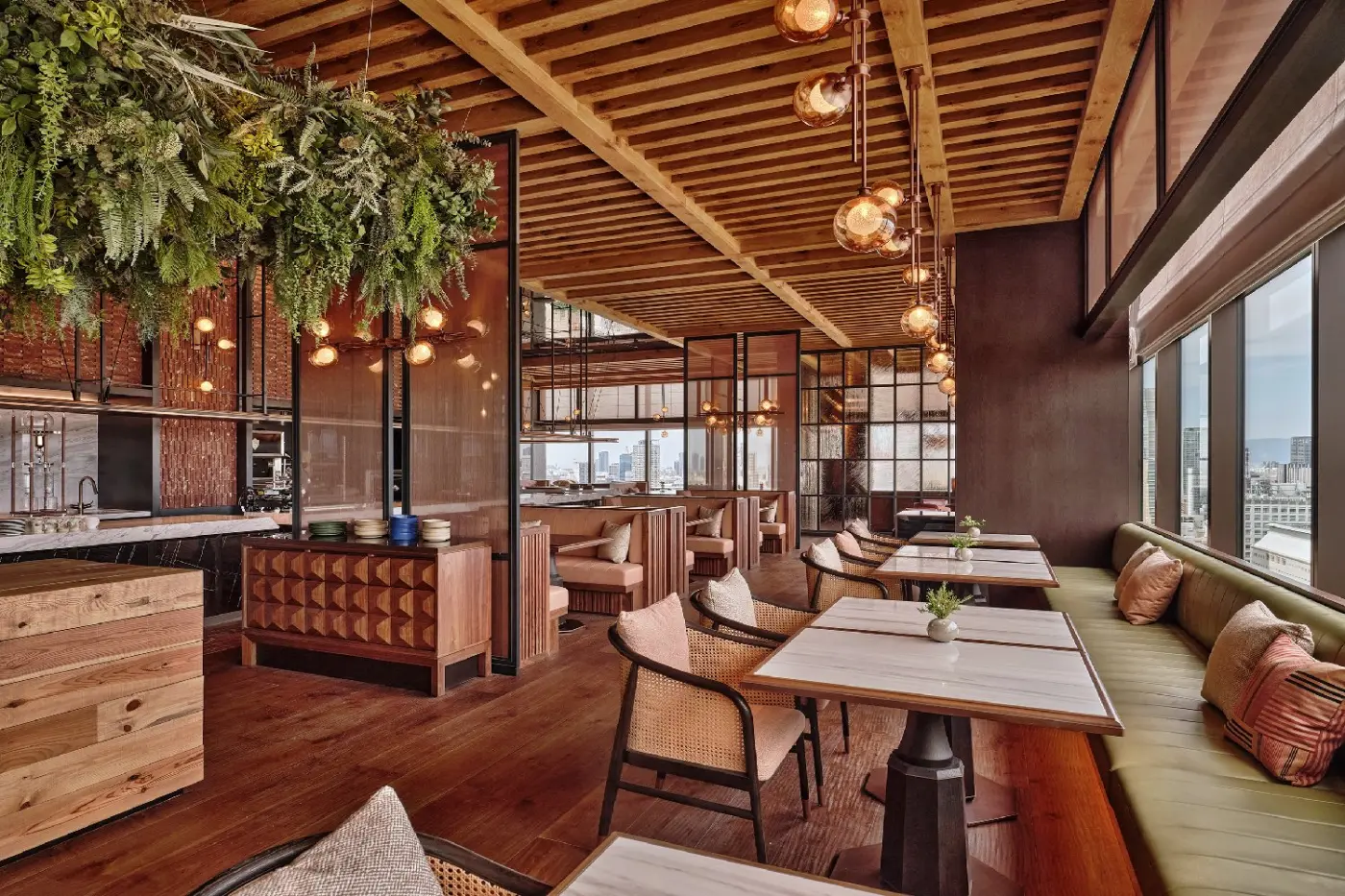
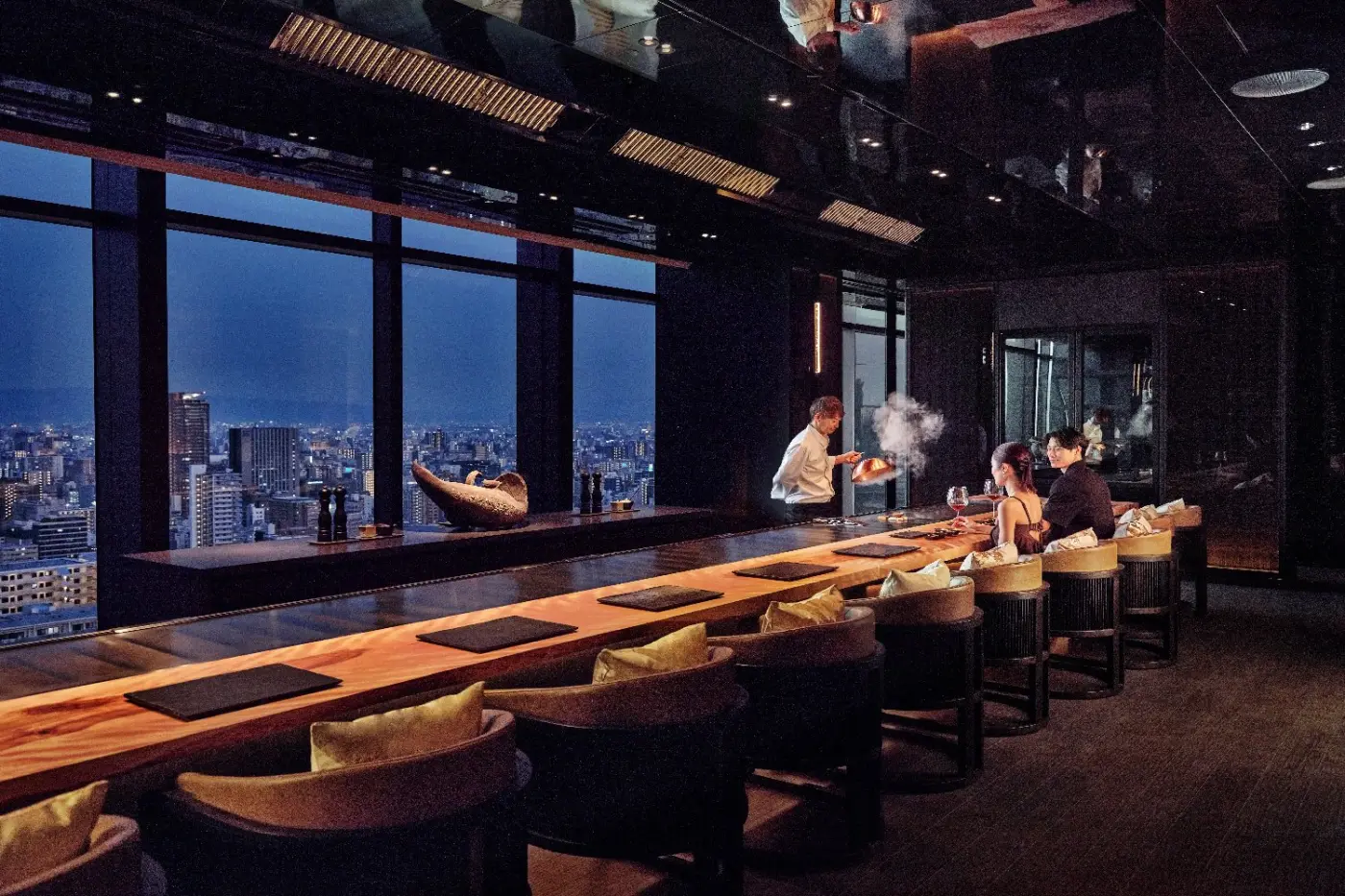
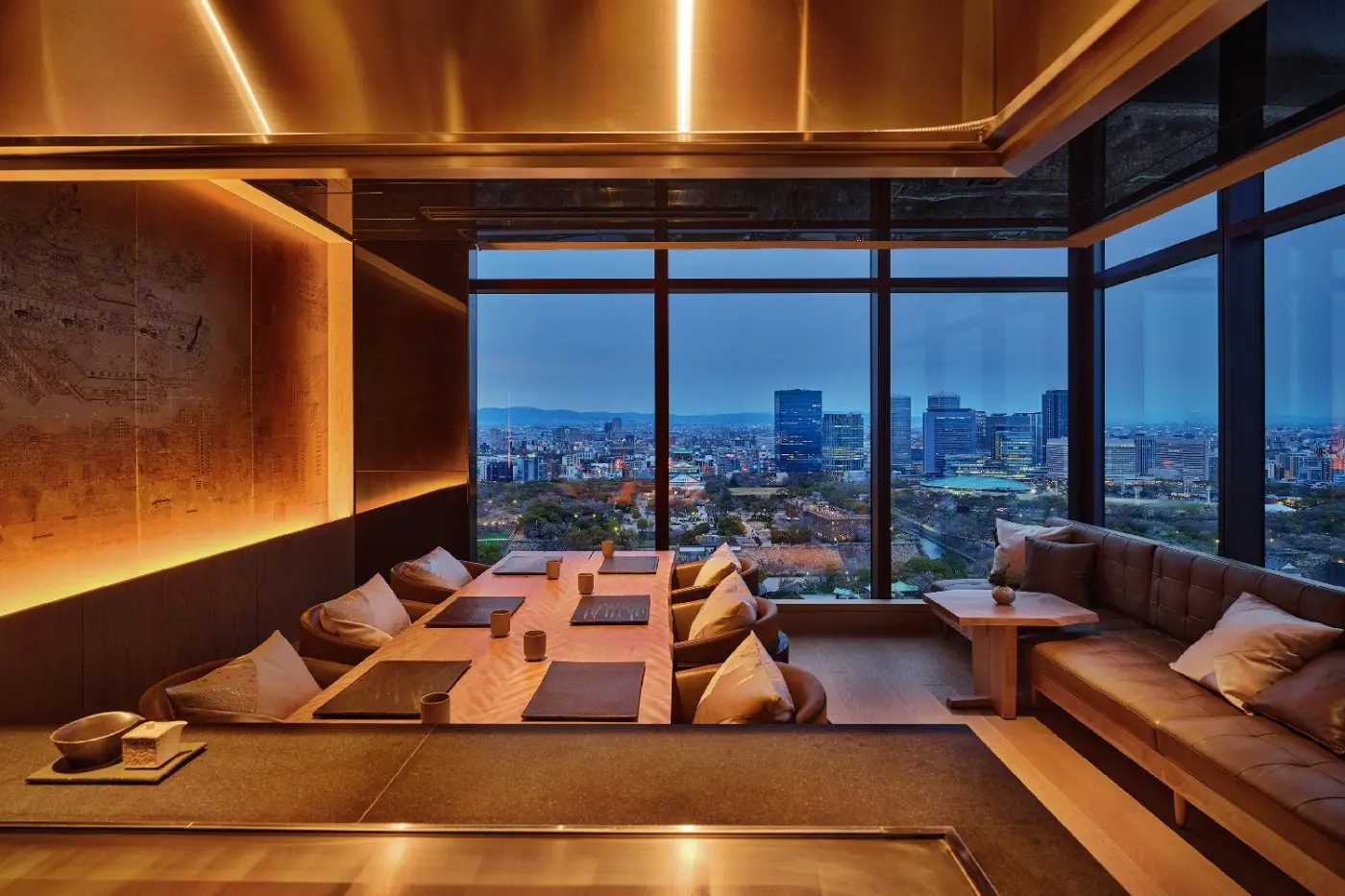
Upstairs, IÑAKI takes a different route, cooking over a Basque grill and wood-fired oven with Osaka Castle in view. Barin focuses on teppanyaki prepared in front of guests. The distinction is useful when planning an evening: IÑAKI has the energy of flame and an open kitchen, while Barin centers on the measured pace of the grill. Both offer more of an occasion than a quick meal after sightseeing.
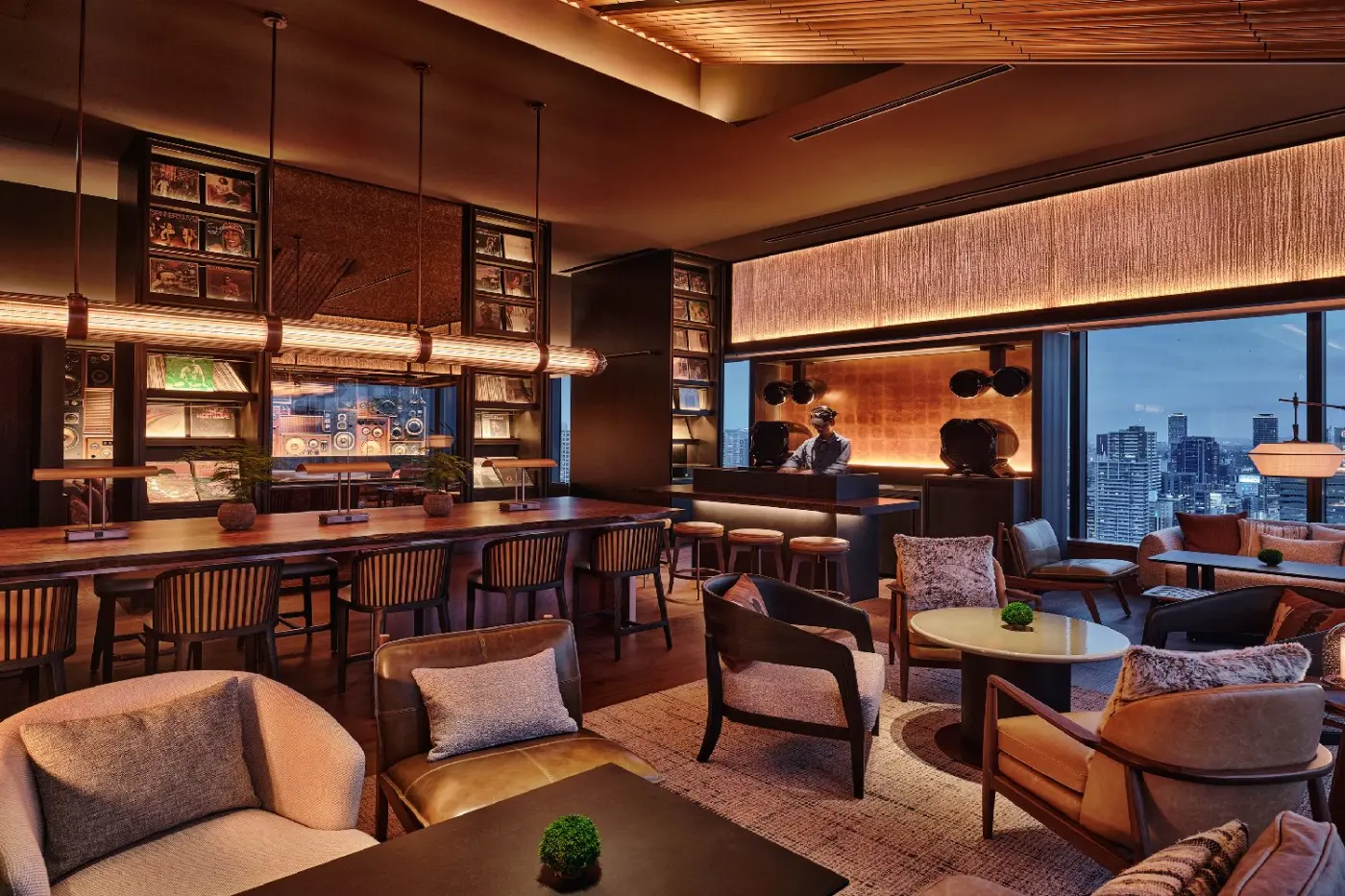
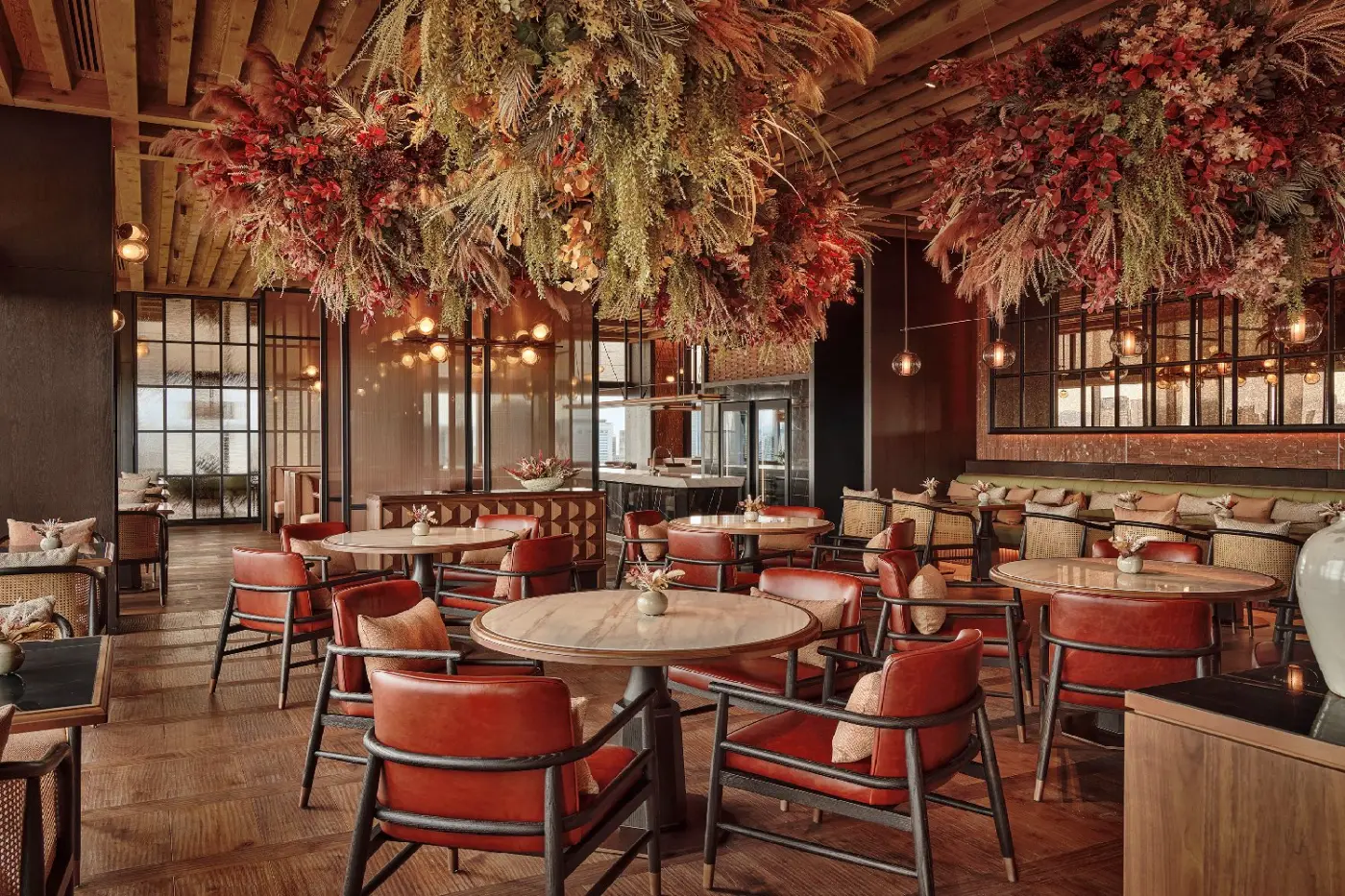
NIJIRI turns to Japanese tea and seasonal sweets in a more reflective setting. Sonata Bar & Lounge brings cocktails and music to the upper floors, with an open-air terrace overlooking the castle. Together, the five dining venues cover very different moods without asking guests to leave the hotel for variety.
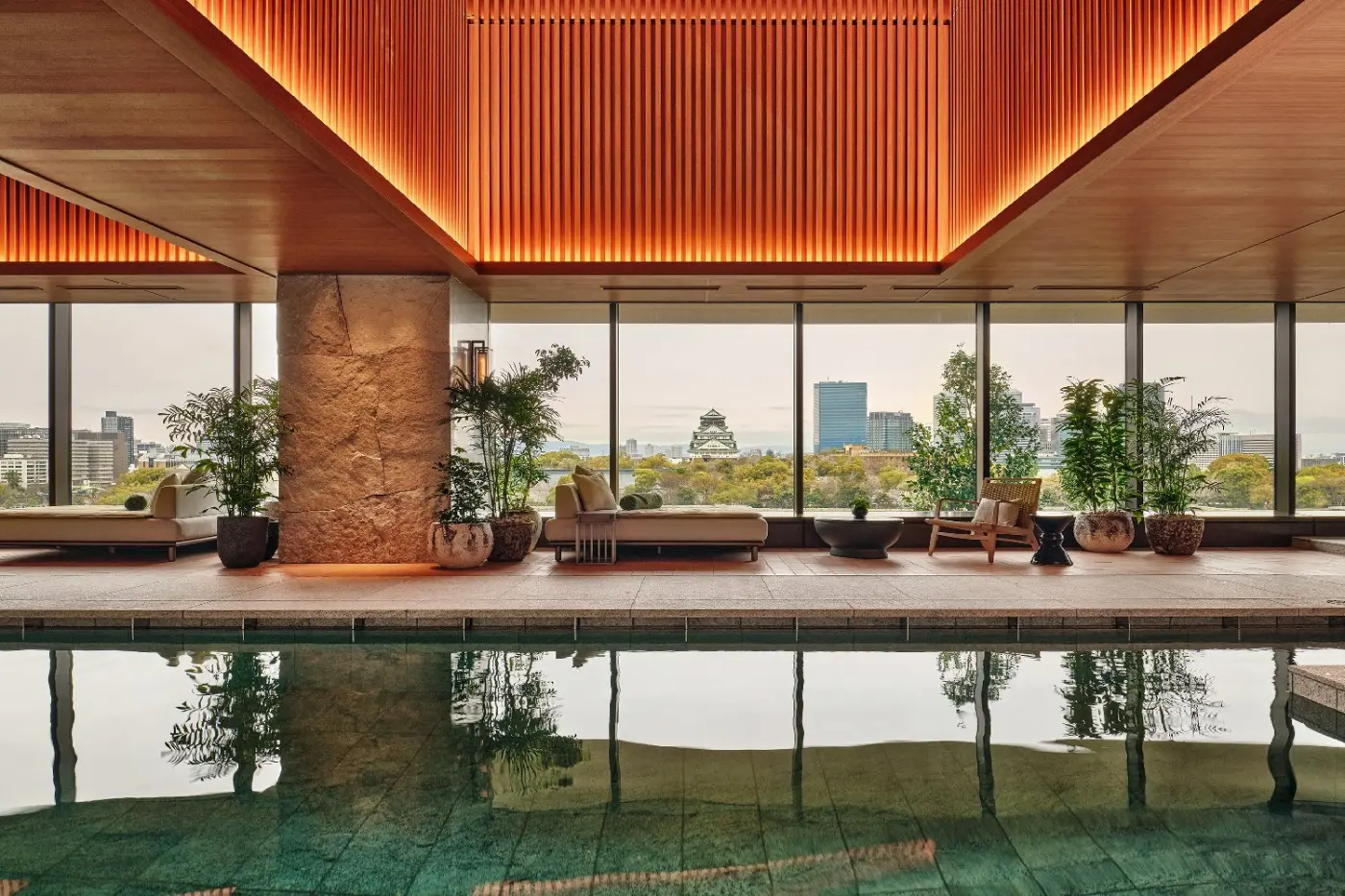
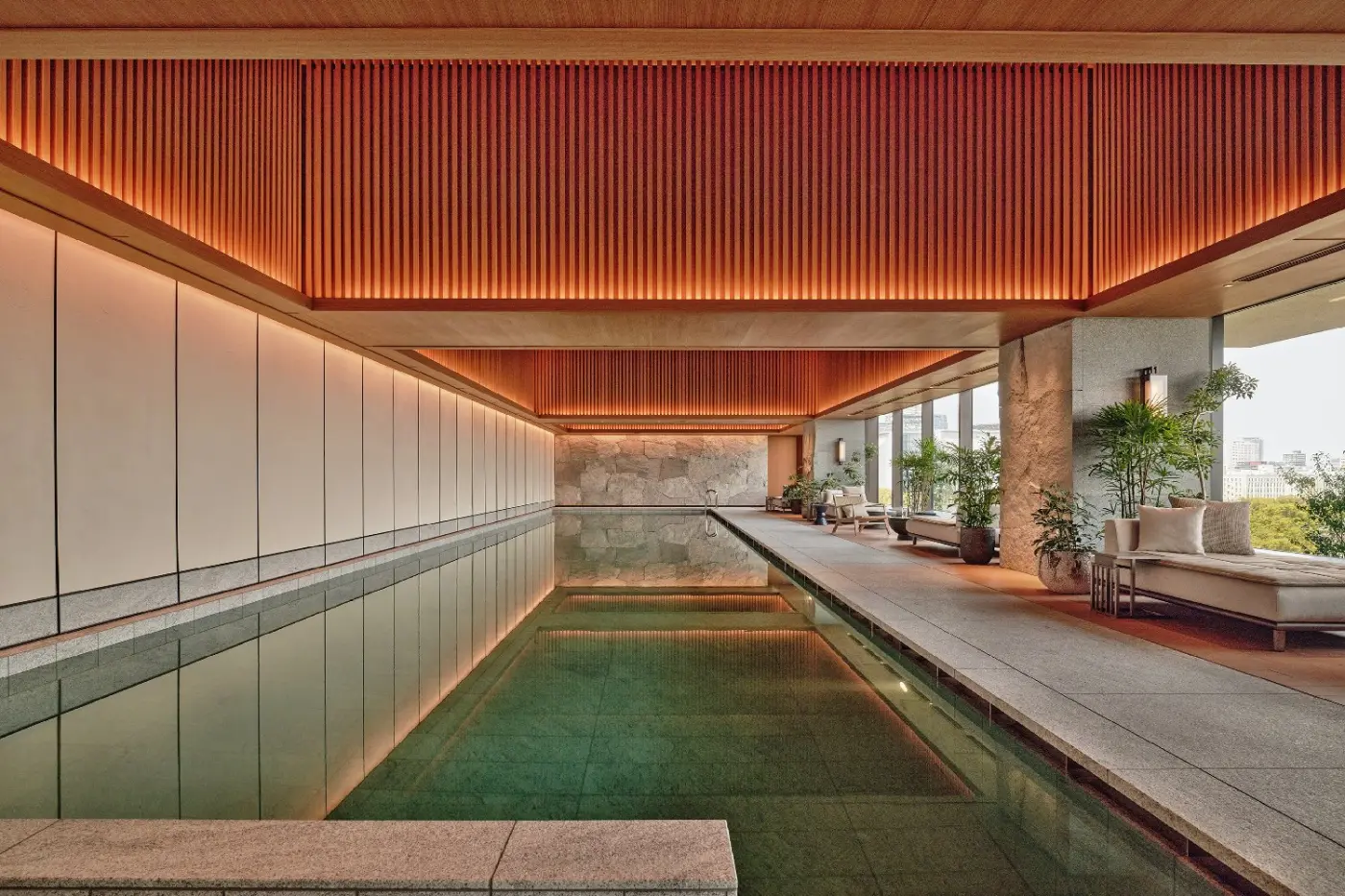
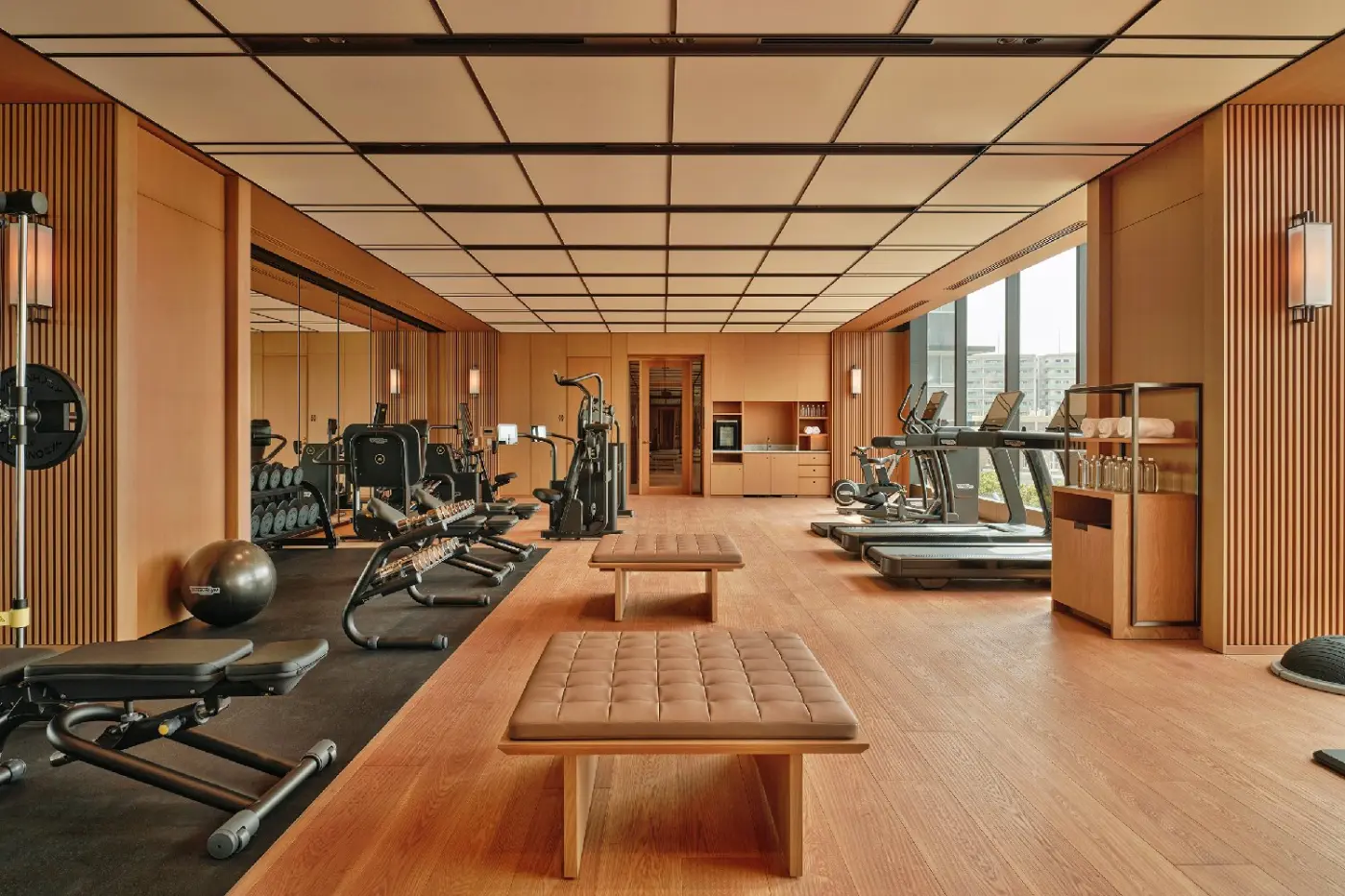
Patina Wellness occupies a 1,400-square-metre floor. Its heated indoor pool is 20 metres long and looks toward Osaka Castle, a rare setting for a city swim. There is also a fitness studio, treatment rooms and a sauna. A visit can be as straightforward as a swim and time to rest, while guests interested in the fuller program can explore spa treatments and the hotel's HealthTech facilities. These include cryotherapy, LED treatment and hyperbaric oxygen and hydrogen therapy.
Families should note the distinction within the wellness facilities. Children may use the pool under the hotel's supervision rules, but spa treatments and the fitness center are for guests aged 16 and above. The pool's castle outlook and the proximity of the park also mean that a quieter day need not be spent entirely indoors.
Music has a dedicated place at Patina Osaka. The Listening Room by OJAS, developed with sound designer Devon Turnbull, uses a handcrafted audio system and curated vinyl for focused listening. It is separate from the hotel's bars and restaurants. For someone drawn to Osaka's design and music culture, this small room may be as memorable as the larger facilities; the hotel offers scheduled listening sessions and private bookings.
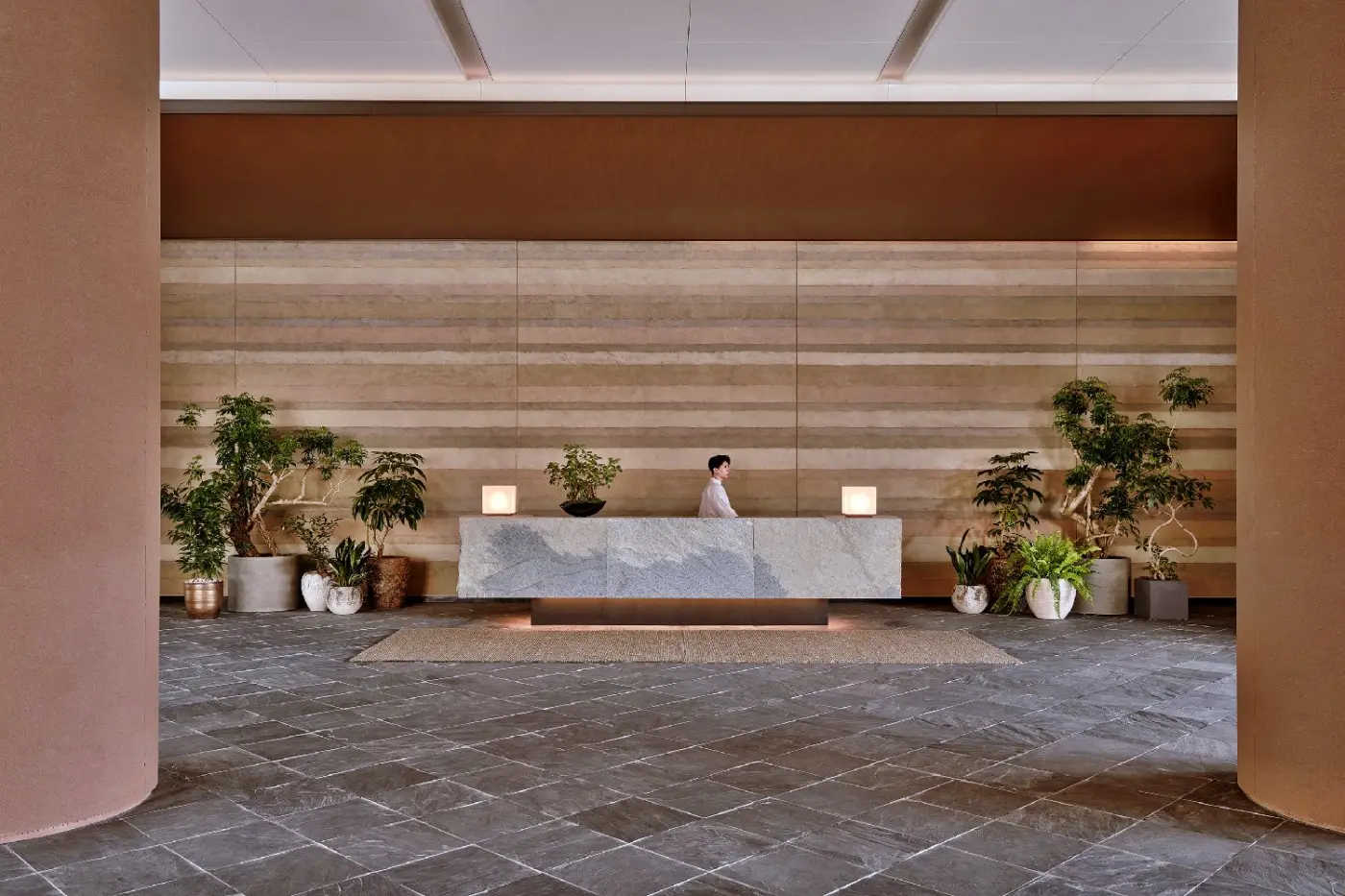
The building's exterior is by Jun Mitsui & Associates Architects, with interiors by Strickland. Rather than recreate a historic style, the design responds to the setting through materials, views and references to the castle landscape. Stone, wood and carefully framed light appear throughout the hotel. The surrounding parks do much of the work: they give the contemporary tower a sense of place that a similar building in a denser commercial block would not have.
Osaka Castle Park is close enough for an easy walk before breakfast or after dinner. The neighboring Naniwanomiya-Ato Park adds another layer of history, marking the former palace grounds. Neither makes the hotel remote. Tanimachi 4-chome and Morinomiya stations provide routes into the wider city, so days can move between the castle district and Osaka's busier neighborhoods. It is worth allowing for train connections if most of your plans are concentrated around Namba or Umeda; this address favors the castle and park setting over immediate access to those districts.
Patina Osaka works best for travelers who will use more than its location. The rooms give you space to pause, the dining venues have distinct purposes, and the pool makes wellness a practical part of a city itinerary. Art and music are present as experiences rather than decorative claims. A stay here can be outward-looking, with walks through the castle grounds and days across Osaka, or deliberately slower, with time for tea, a swim and an evening upstairs.
If nightlife and shopping directly outside the door are the priority, another Osaka district may be more convenient. If you would rather begin with a park and return to a view of the castle, Patina Osaka offers a compelling balance. Its rooms, restaurants and wellness spaces all make more sense in this particular corner of the city.
At P72, plant focused cooking follows Japan’s 72 microseasons, giving guests a taste of the way ingredients change throughout the year.
The heated indoor pool looks toward Osaka Castle, so a swim between outings comes with a view of the city’s most recognizable landmark.
NIJIRI pairs tea with carefully prepared sweets and savory bites, making an afternoon pause at Patina Osaka a chance to explore Japanese tea culture.
3-91, Banba-cho, Chuo-ku, Osaka-shi, Osaka, 540-0007, Japan
Patina Osaka is located at 3-91 Banbacho, Chuo-ku, Osaka, close to Osaka Castle Park and Naniwa Palace Ruins Park. The setting is quieter and greener than Osaka's main nightlife and shopping districts, while still giving guests access to the city's transport network and cultural landmarks.
Yes. Patina Osaka is positioned near Osaka Castle Park, with the hotel describing the park as a one-minute walk away. This is one of the hotel's strongest reasons to stay: guests can pair luxury city-hotel comfort with immediate access to one of Osaka's most important historic landscapes.
Yes. Patina Osaka is known for views toward Osaka Castle from selected rooms, suites, and wellness spaces. Guests who care about the castle outlook should choose a castle-view category rather than assuming every room has the same view, since orientation matters in a city tower.
Patina Osaka has 221 rooms and suites in a 20-story building. Standard rooms start at around 50 square meters, which is generous for Osaka. This makes the hotel especially relevant for travelers who want more space, calm interiors, and a less crowded feeling in the city.
Patina Osaka is built around wellness, art, music, seasonal awareness, and views of Osaka Castle rather than only business convenience or shopping access. It feels like a modern urban sanctuary, with HealthTech, dining, a heated indoor pool, and quiet park-side surroundings shaping the stay.

More amenities
The St. Regis Osaka occupies a Midosuji Avenue address in Honmachi, where Osaka's business streets meet one of its main north...

More amenities
W Osaka stands on Midosuji Boulevard in Shinsaibashi, one of Osaka's strongest city addresses for shopping, dining, and late-...
More amenities
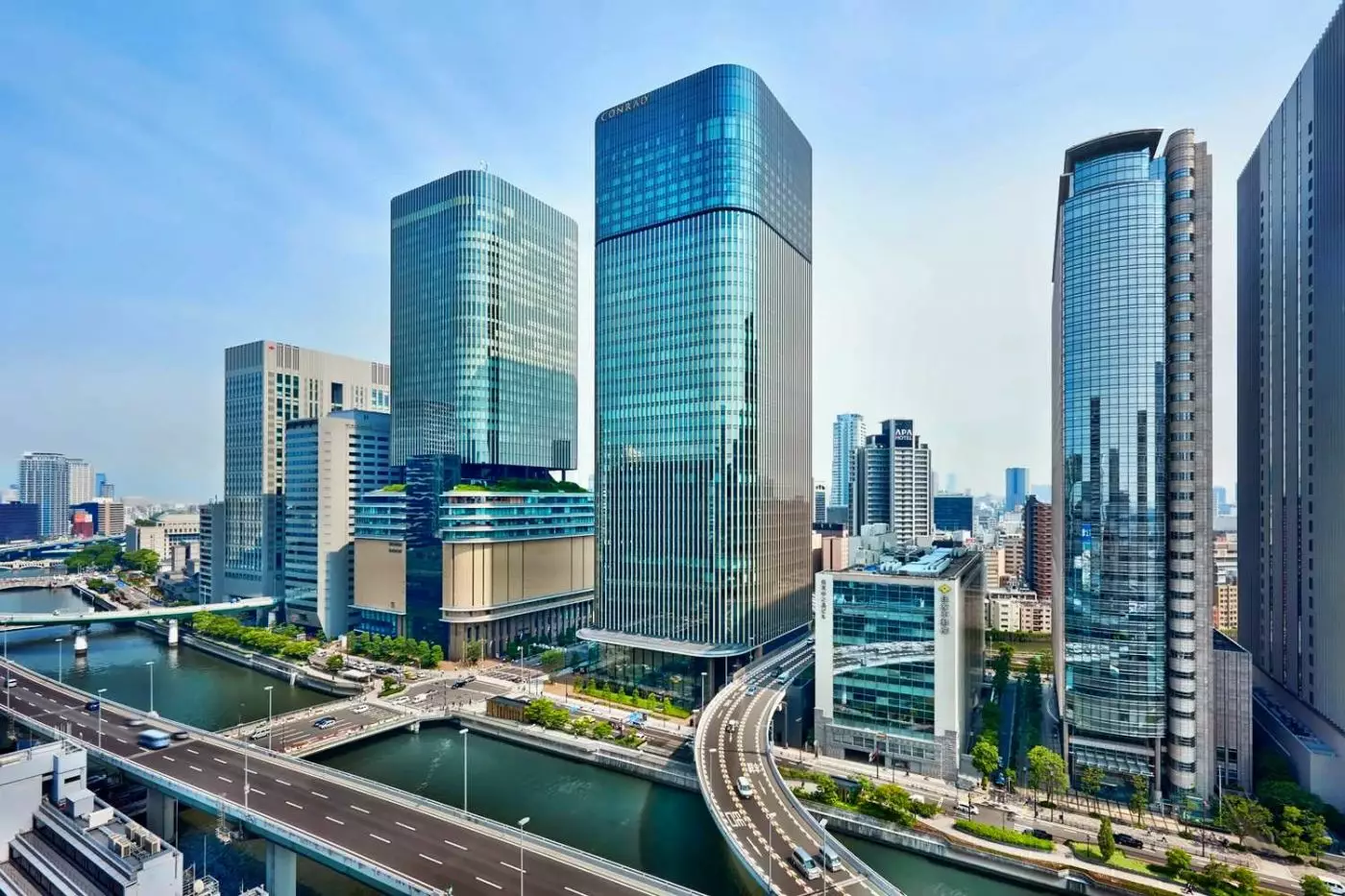
The 40th-floor lobby at Conrad Osaka has its own landmark: Fu/Rai, an artwork inspired by the Japanese gods of wind and thund...