

Best for
For a Hokkaido mountain break beyond skiing, stay here for access to green-season hiking and cycling around Niseko Village.
Please choose a hotel or destination from the list.
We couldn’t open your search results. Please try again.
Your private search
Finding exceptional stays
Best for
For a Hokkaido mountain break beyond skiing, stay here for access to green-season hiking and cycling around Niseko Village.
What makes it special
Use your Do San's local knowledge to shape outings around your interests, with one contact coordinating requests throughout your stay.
Room to consider
Select a Mount Yotei outlook if you want to watch Hokkaido's landmark mountain from your room during quiet mornings.
Insider tip
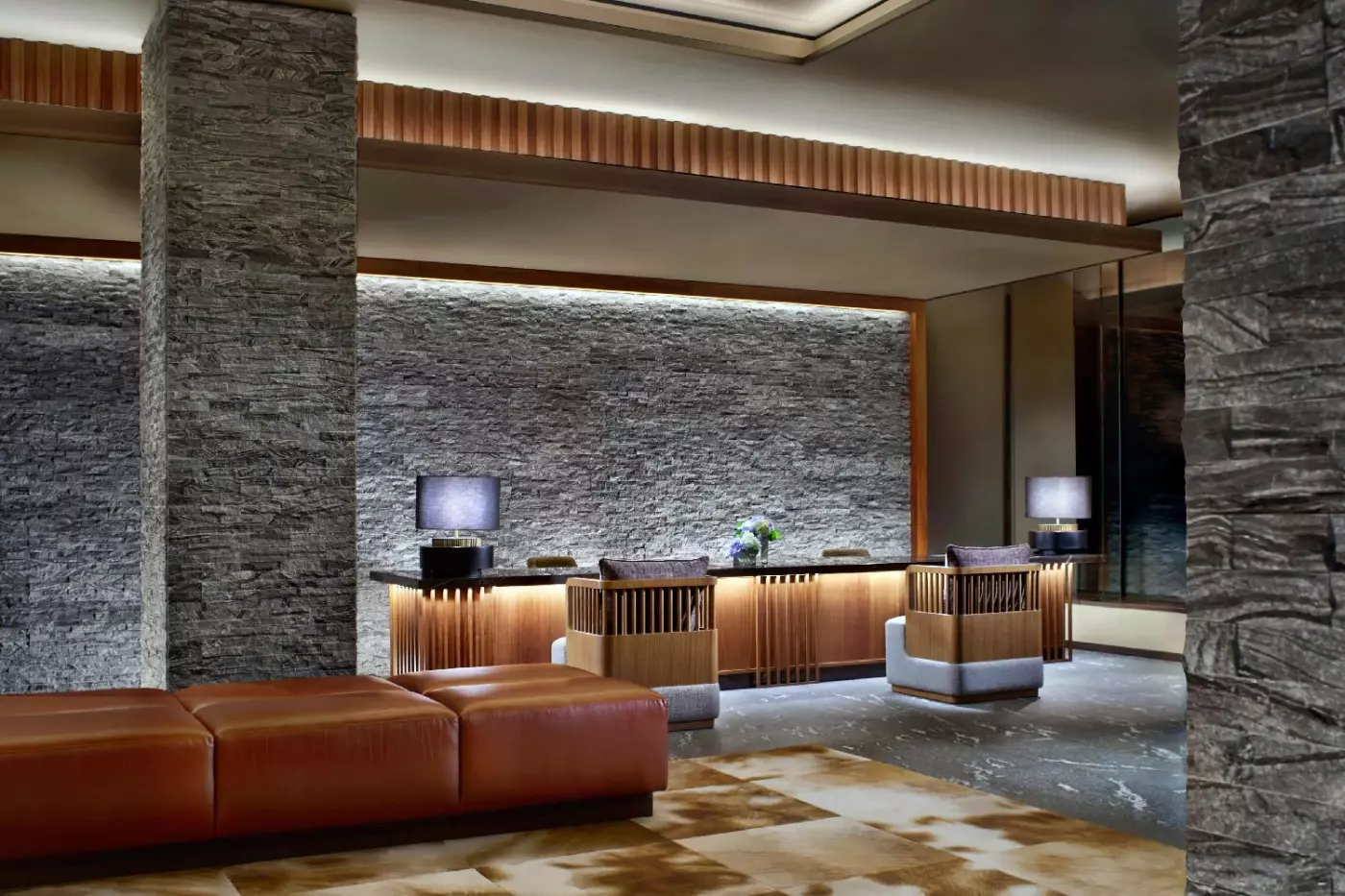
Before heading to village restaurants by gondola, obtain a boarding pass at reception and check operations; this service excludes skis.
Free membership gives you access to preferred rates, exclusive benefits and current promotions for your stay.
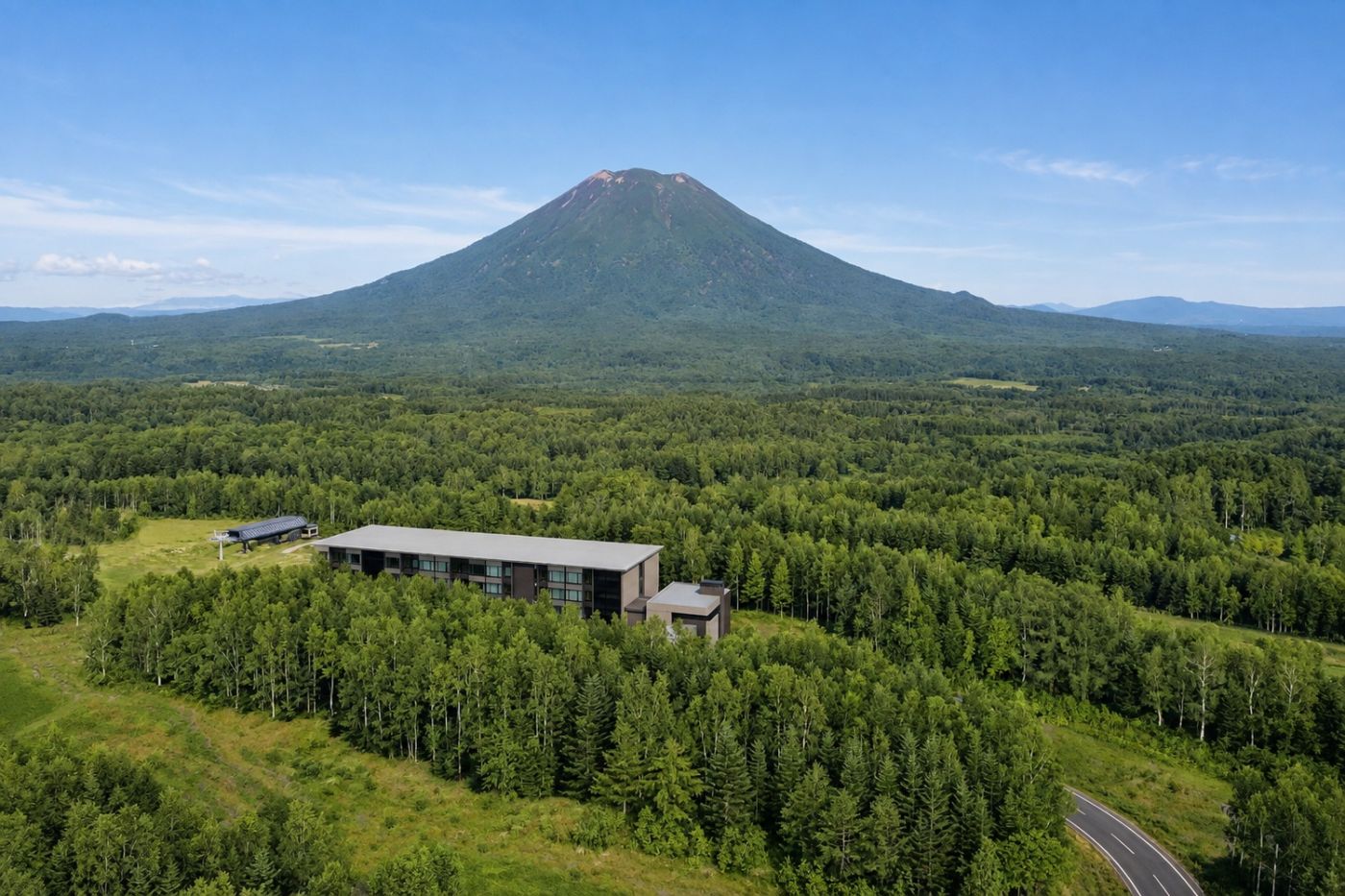
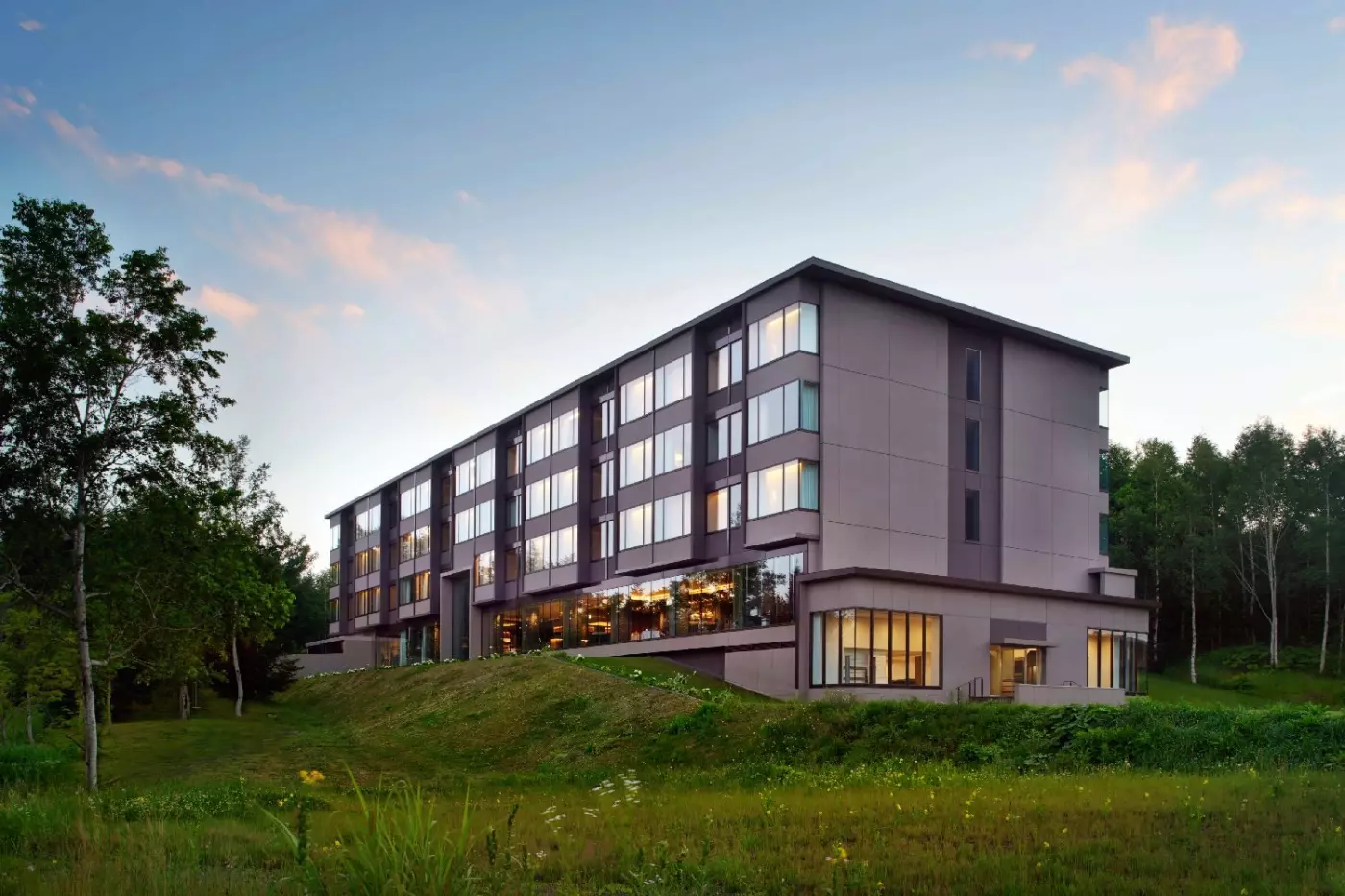
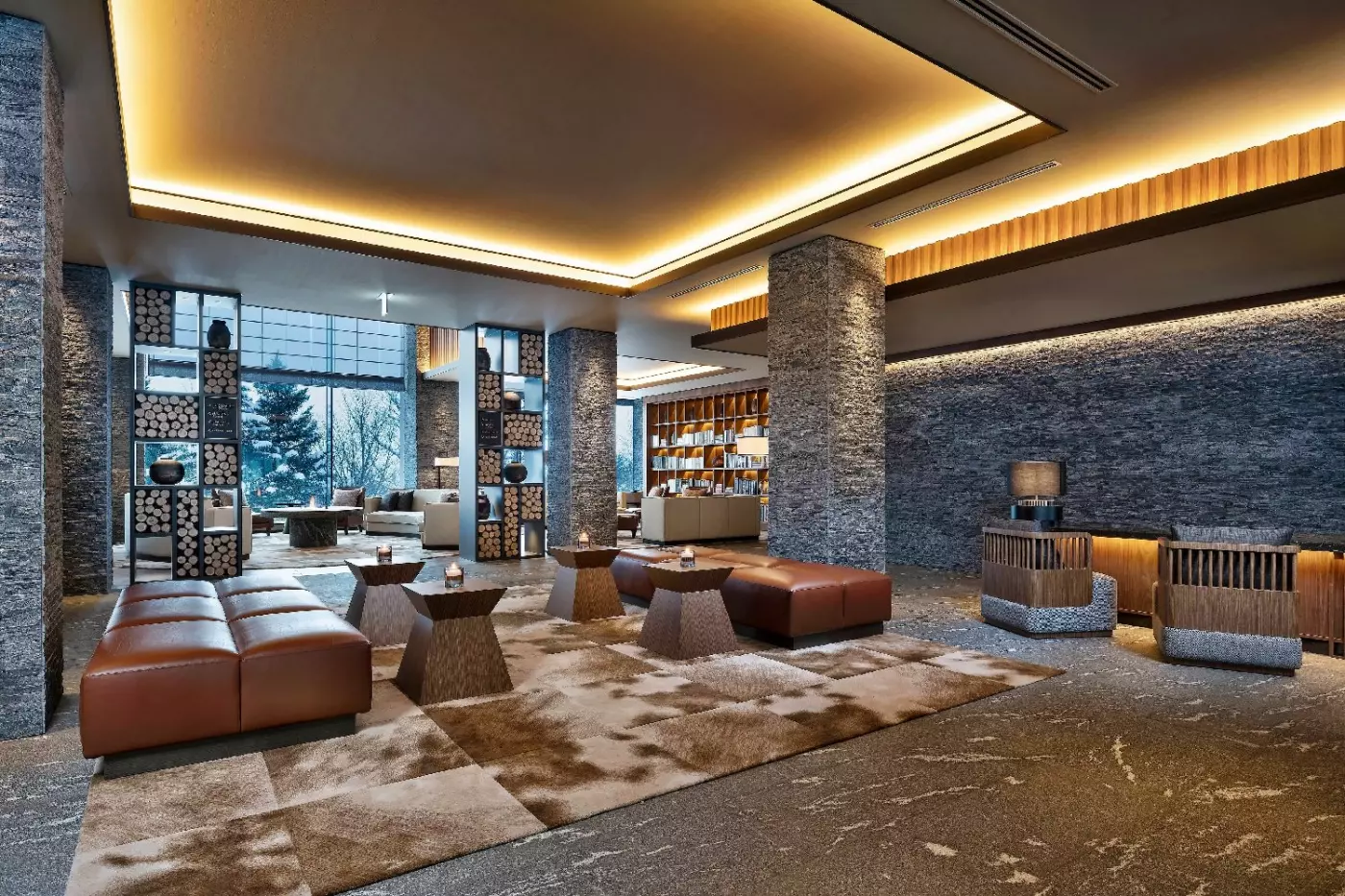
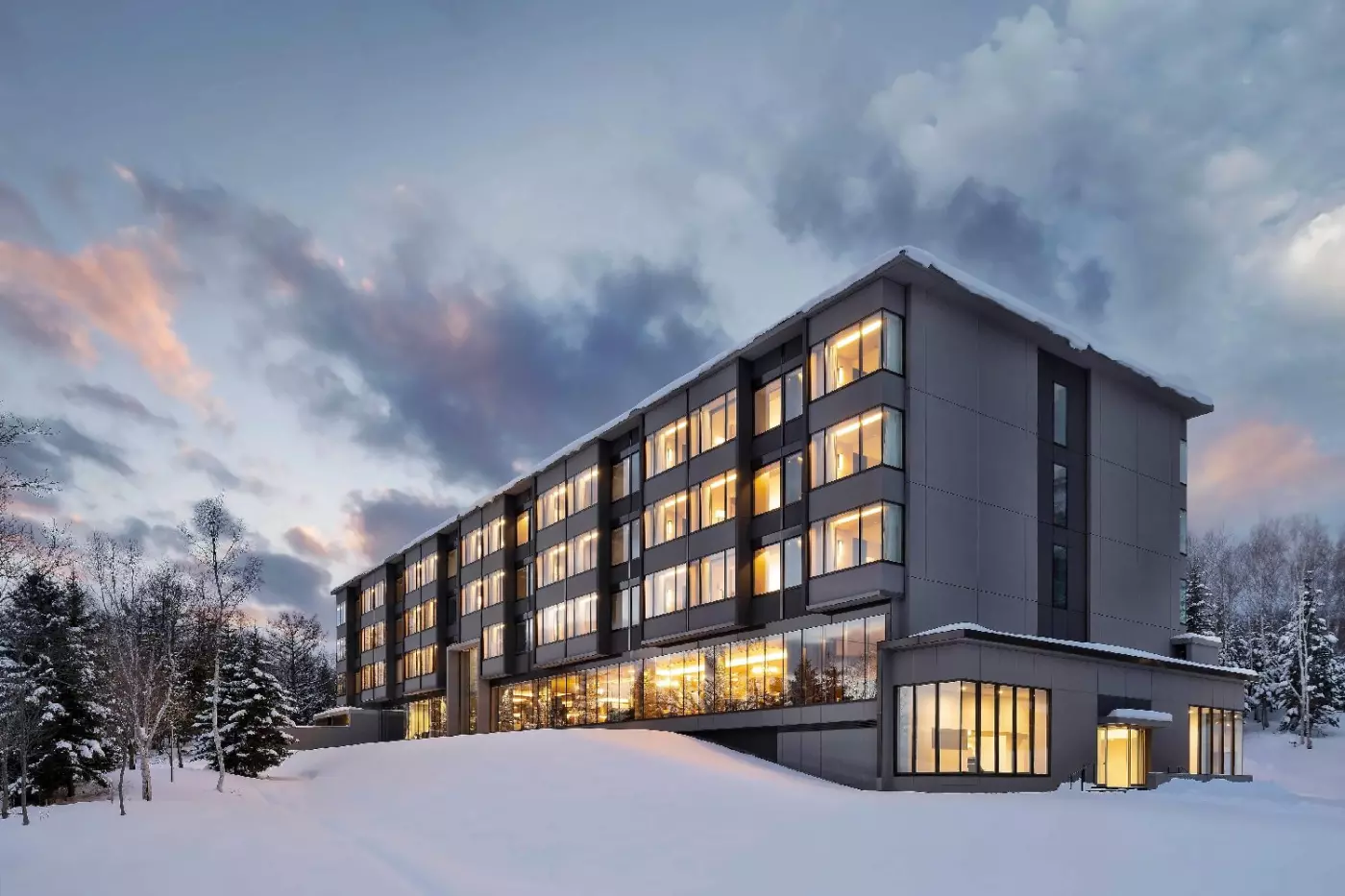
Higashiyama Niseko Village, a Ritz-Carlton Reserve is a small alpine resort in Hokkaido, set within Niseko Village with views toward Mount Yotei and Niseko Annupuri. Its 50 rooms and suites bring the mountains into view through large windows, while hot-spring baths and Hokkaido produce give the stay a local character beyond the ski slopes. The landscape changes markedly through the year: snow surrounds the hotel in winter, and forest greens take over as the mountain's walking and cycling season begins.
 49
49
 Charming
 Fitness
 Spa
Spa
 Sauna
Sauna
 Mountain
 Adventure
 Wheelchair Accessible
 Connecting Rooms
Connecting rooms are available in some layouts. Rollaway beds are not allowed.
The cushioned sofa and table sit by a broad window overlooking wooded slopes. Dark slatted panels frame a pale wall with a fine branch pattern. Open shelves beside the bed hold pottery, and a patterned carpet runs beneath the furniture. There is also a writing desk.
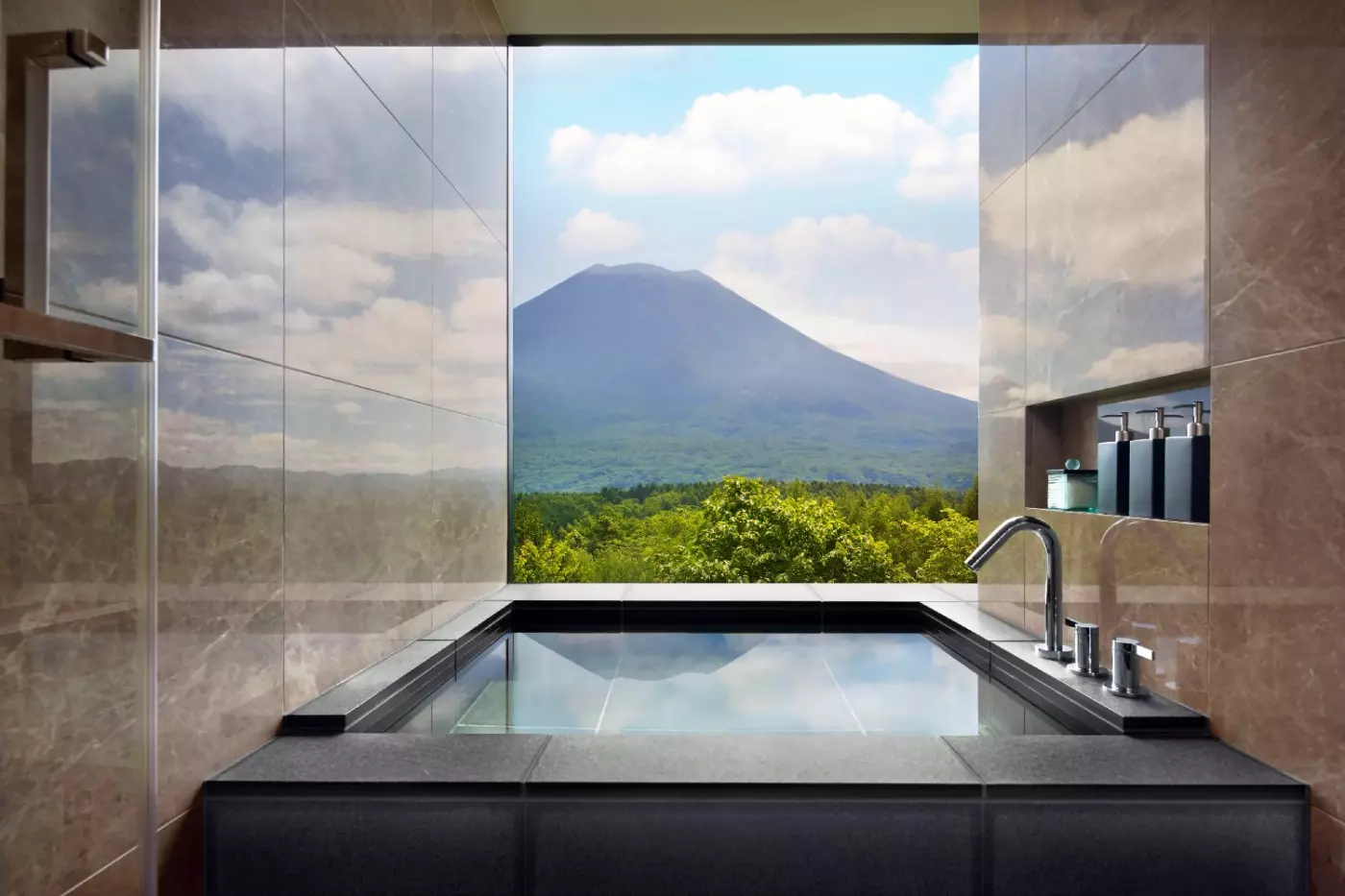
The marble bathroom has an oversized onsen-style soaking tub and a separate rain shower. Two basins sit below a broad mirror, with a lighted makeup mirror alongside them. A large bathroom window frames the landscape outside.

The cushioned sofa and table sit by a broad window overlooking wooded slopes. Dark slatted panels frame a pale wall with a fine branch pattern....
Connecting rooms are available in some layouts. Rollaway beds are not allowed.
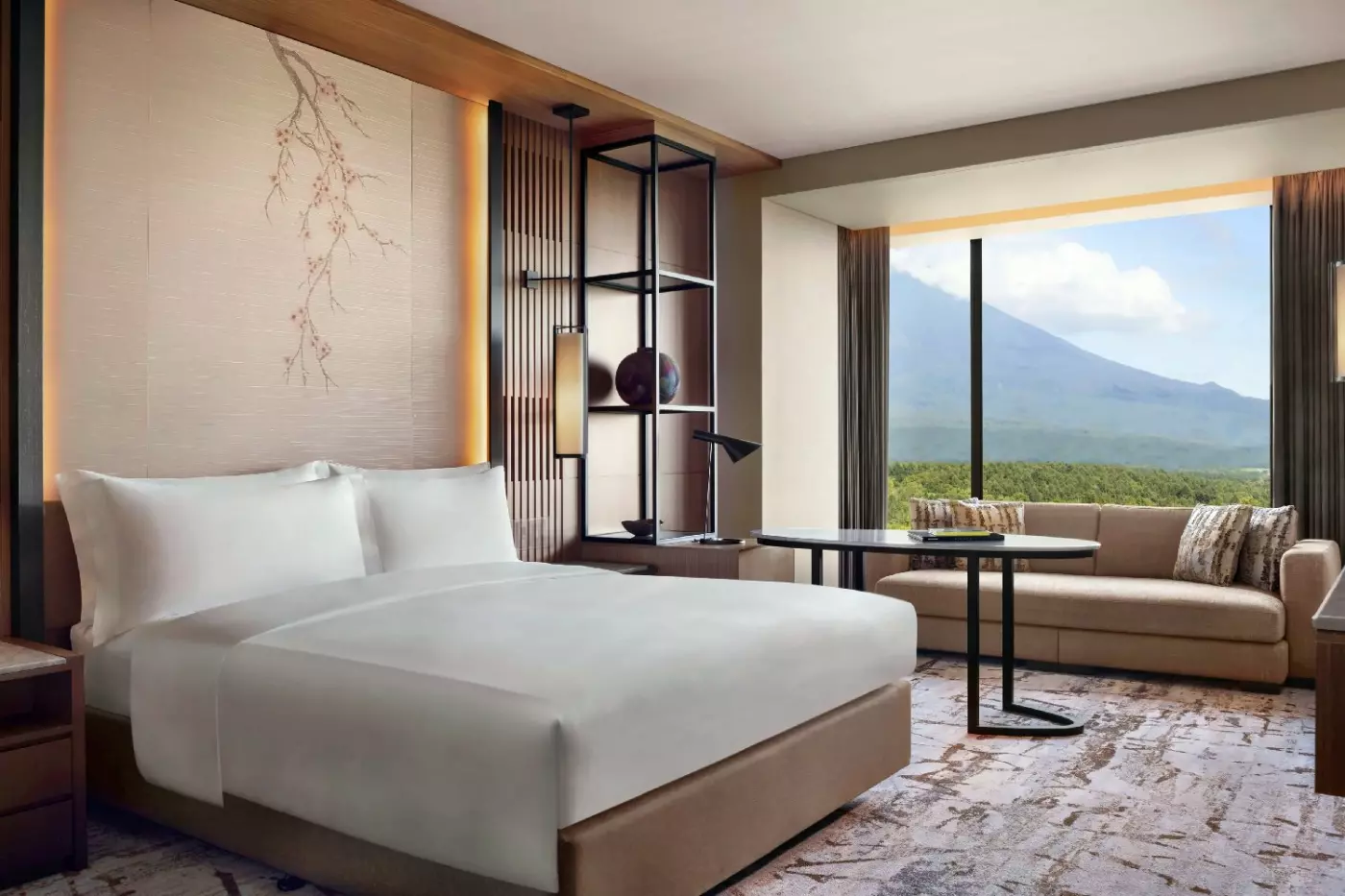
Floor-to-ceiling glass brings the mountain landscape into a bedroom finished with dark slatted panels and a softly patterned carpet. A sofa stands by the window, beside a table and chair. Tall open shelves display pottery beside the sleeping area, and a pale panel with a branch motif forms the backdrop to the bed.
The marble bathroom has an oversized tub inspired by Japanese onsen, plus a separate rain shower. Its large window continues the connection with the landscape. Twin basins sit along a vanity beneath a broad mirror, and a writing desk is also provided in the bedroom.

Floor-to-ceiling glass brings the mountain landscape into a bedroom finished with dark slatted panels and a softly patterned carpet. A sofa stands by the window,...
Connecting rooms are available in some layouts. Rollaway beds are not allowed.
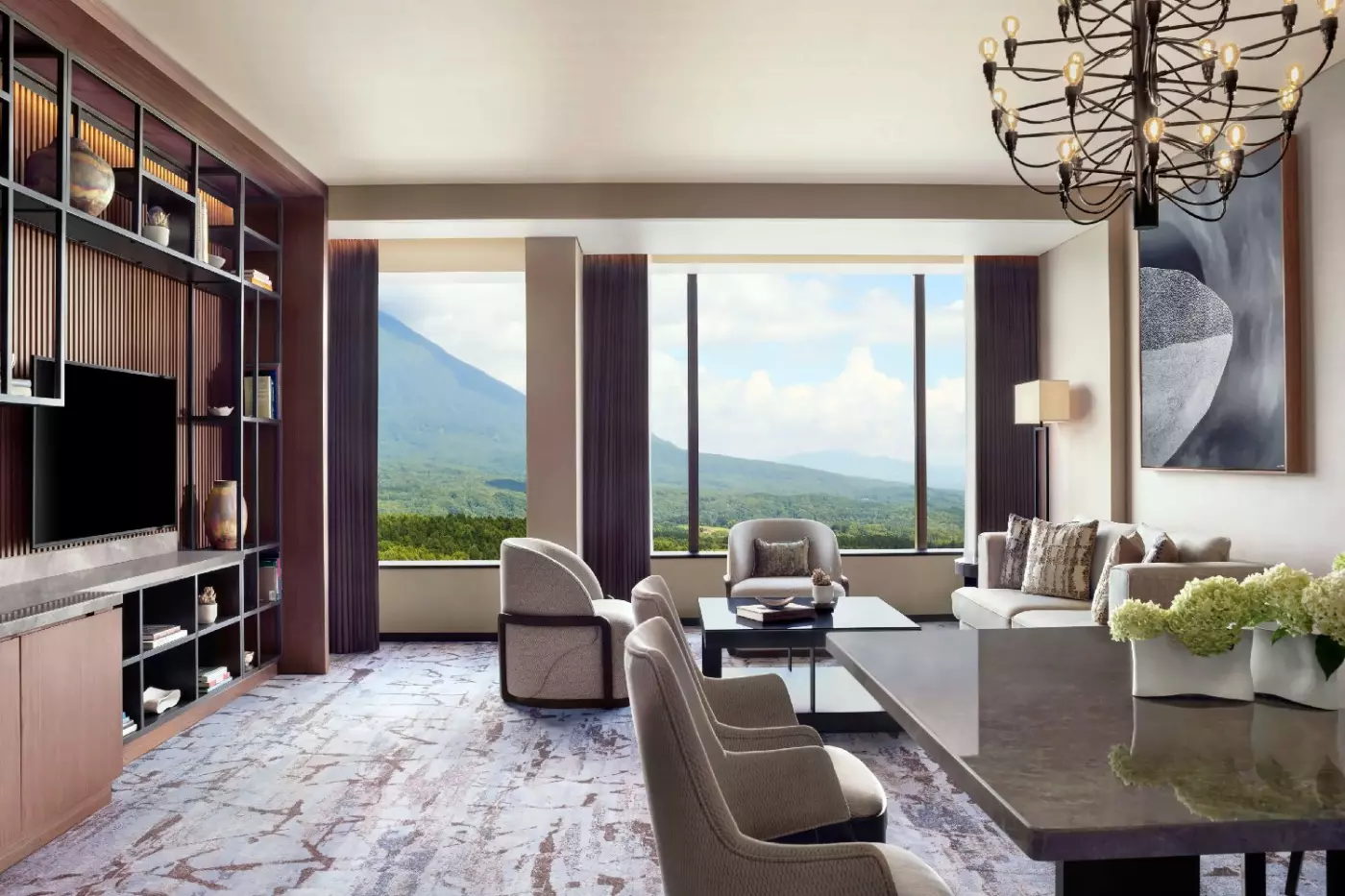
The bedroom sits apart from the lounge and dining area. Upholstered chairs surround the dining table beneath a chandelier, with open shelves along the wall. Broad windows run through the living space, and a sofa and table also sit within the bedroom.
Dark vertical panels frame a pale backdrop with a branch motif behind the bed. The carpet below has an abstract pattern. Marble finishes line the bathroom, where a large soaking tub is set apart from the rain shower. Double vanities and a lighted makeup mirror complete the bathroom.

The bedroom sits apart from the lounge and dining area. Upholstered chairs surround the dining table beneath a chandelier, with open shelves along the wall....
The living room has a dining table, while each bedroom has its own seating area and walk-in closet. A guest powder room serves the lounge, and broad windows frame the mountain landscape. Bedroom sofas stand beside tables; the suite also has a writing desk.
Tall slatted panels frame the sleeping areas, alongside open shelves and pale panels with a delicate branch design. Patterned carpets run beneath the furniture. The marble bathrooms have oversized tubs and separate showers. They also have double vanities and lighted makeup mirrors.

The living room has a dining table, while each bedroom has its own seating area and walk-in closet. A guest powder room serves the lounge,...
Niseko Reserve rooms face Niseko Annupuri, while Yotei Reserve rooms look toward Mount Yotei. Both categories measure approximately 52 square meters. King and twin configurations appear in the accommodation selection, with desks and seating areas inside. Bathrooms draw on the onsen tradition through deep soaking tubs, double vanities, and separate rain showers. These are guest-room baths, distinct from the resort's shared hot-spring facilities.
The one-bedroom Yotei Suite adds a living room, dining table, powder room, and walk-in closet. At 163 square meters, the Higashiyama Suite has two bedrooms, one king and one twin, each with its own bathroom and seating area. Its shared living and dining space has an additional powder room.
A Do San is the guest's personal point of contact throughout the stay. The role brings local knowledge into arrangements for dining and exploring the area, with one host coordinating requests across the resort.
The hotel has direct access to the Niseko Village ski area, with ski lockers and boot warmers supporting the daily routine. Its Higashiyama Reservists are mountain specialists who help shape outings around the surrounding slopes. Skiing and snowboarding are central to winter here, but snowshoeing also opens up the landscape beyond the downhill runs. These activities take place in the wider mountain environment, with access dependent on snow, weather, and lift operations.
Niseko Village is one of four resorts in Niseko United, alongside Grand Hirafu, Hanazono, and Annupuri. A Niseko Village lift ticket covers the local lifts and terrain; the Niseko United All Mountain pass covers all four areas. The broader pass also provides access to the inter-mountain shuttle. Upper-mountain connections link the resorts when the relevant runs and lifts are open. Lessons, rentals, and lift passes are booked separately from accommodation unless specified in the selected rate.
Niseko-Yo adds restaurants, bars, and shops beyond the hotel's own dining rooms. This is the village's dining and retail area, separate from Hirafu. Village Sports handles ski and snowboard gear and custom boot fitting, while other shops carry clothing and travel essentials. The collection of venues extends an evening out without making a trip to Hirafu part of every dinner plan.
Local gondolas connect The Reserve Station with other village stops for dining and leisure when operating. Guest access for this purpose is specifically non-ski transport, with no skis permitted; a boarding pass is obtained through the hotel. This connection is separate from mountain lift access. Hirafu and Kutchan are reached by road, with scheduled village transport and taxis providing alternatives to driving yourself.
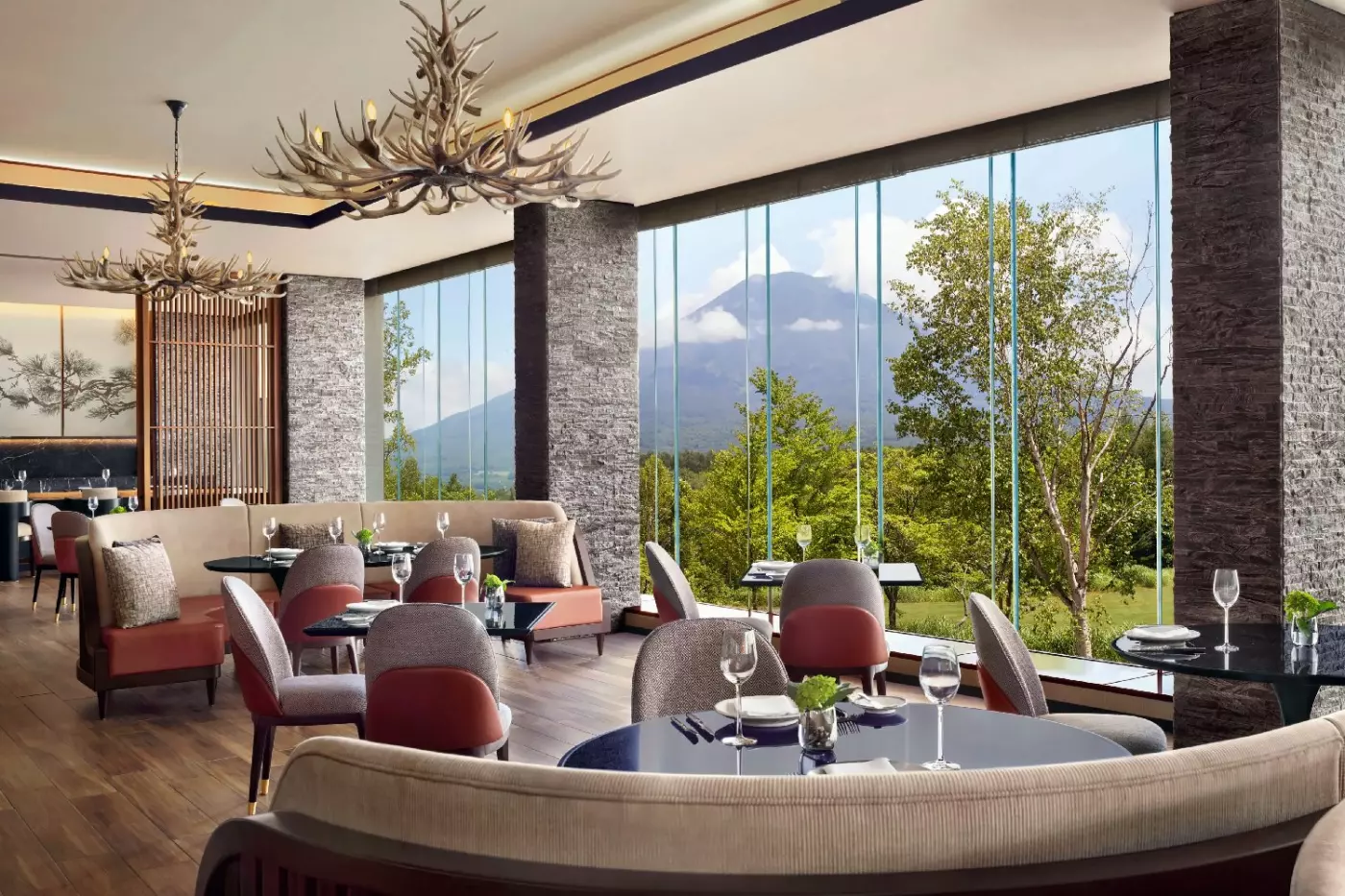
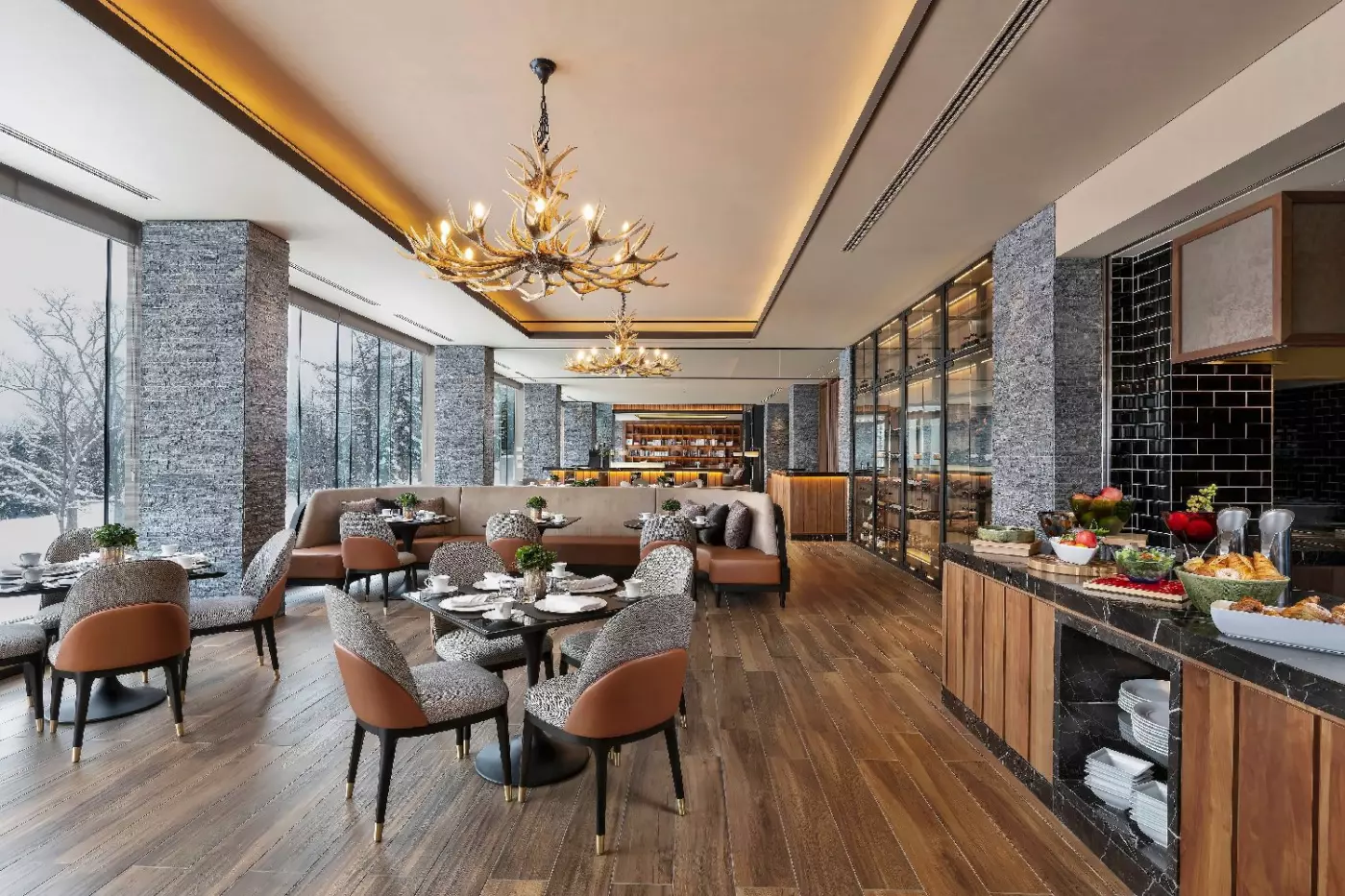
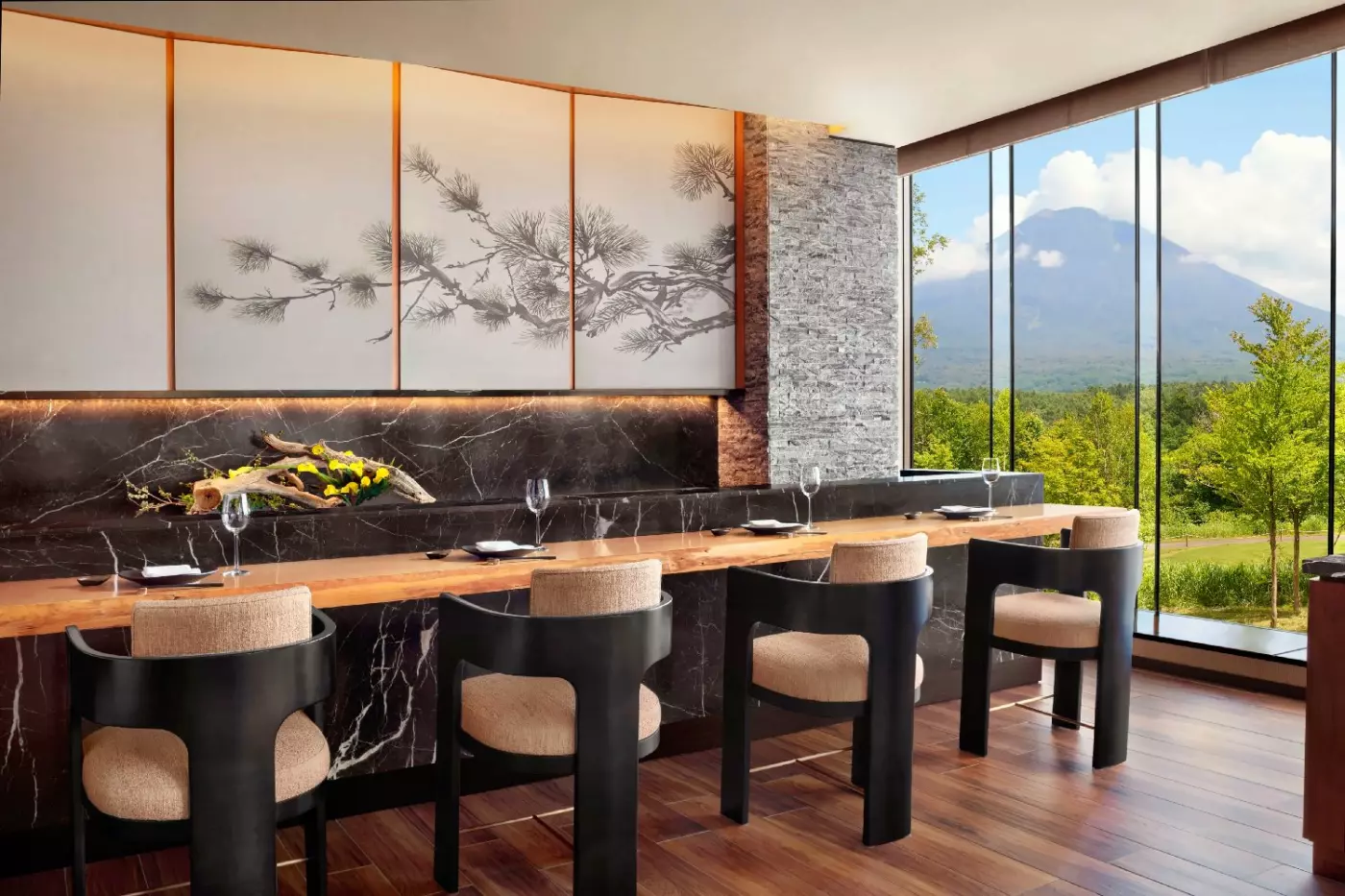
Yukibana serves breakfast, lunch, and dinner overlooking Mount Yotei. Its international menu includes Asian cooking and draws on produce selected from local farms. The dining room combines the scale of a lounge with a mountain-lodge setting. Smart-casual dress applies, and ski boots and hotel robes are not permitted at the table.
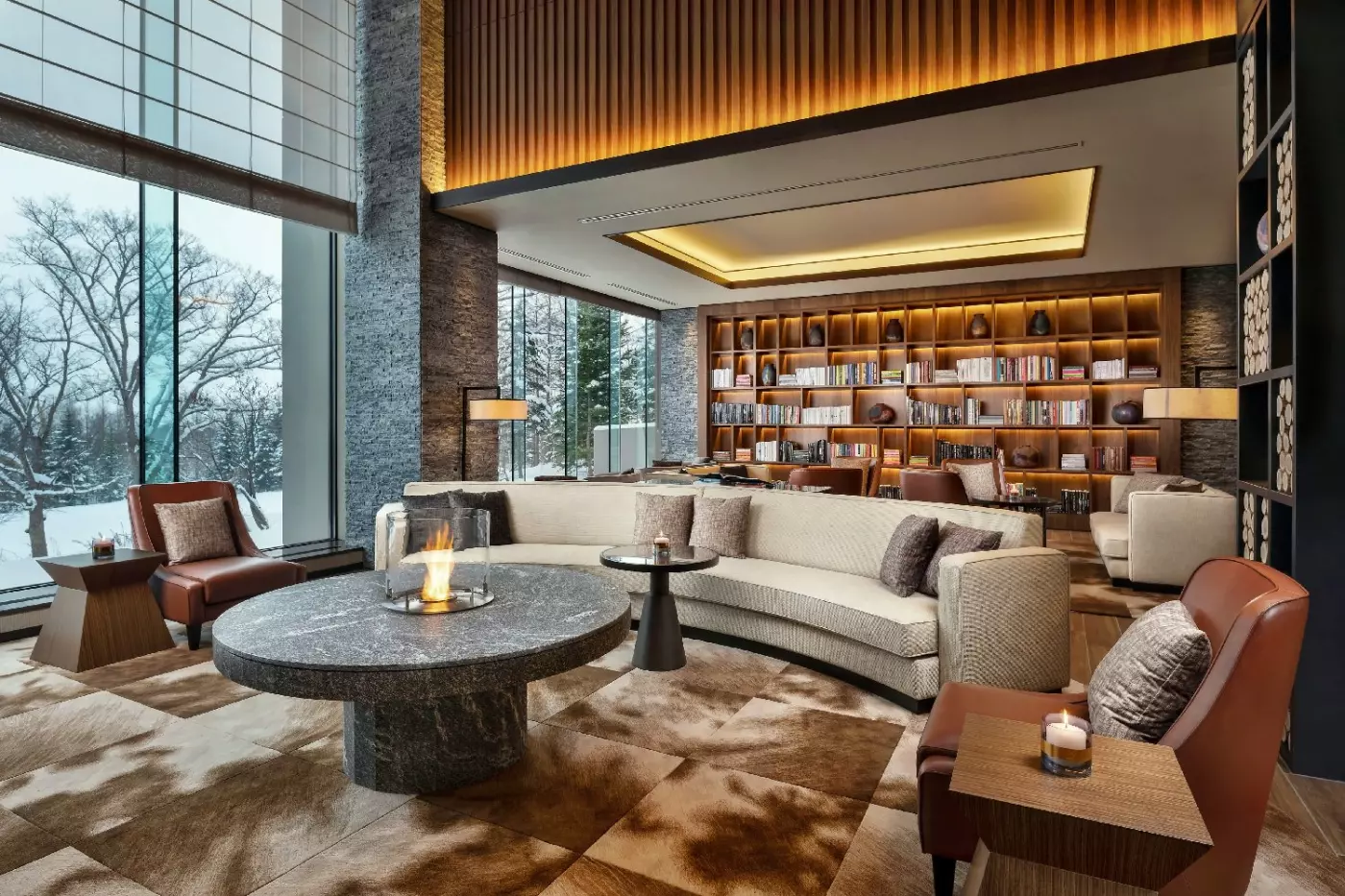
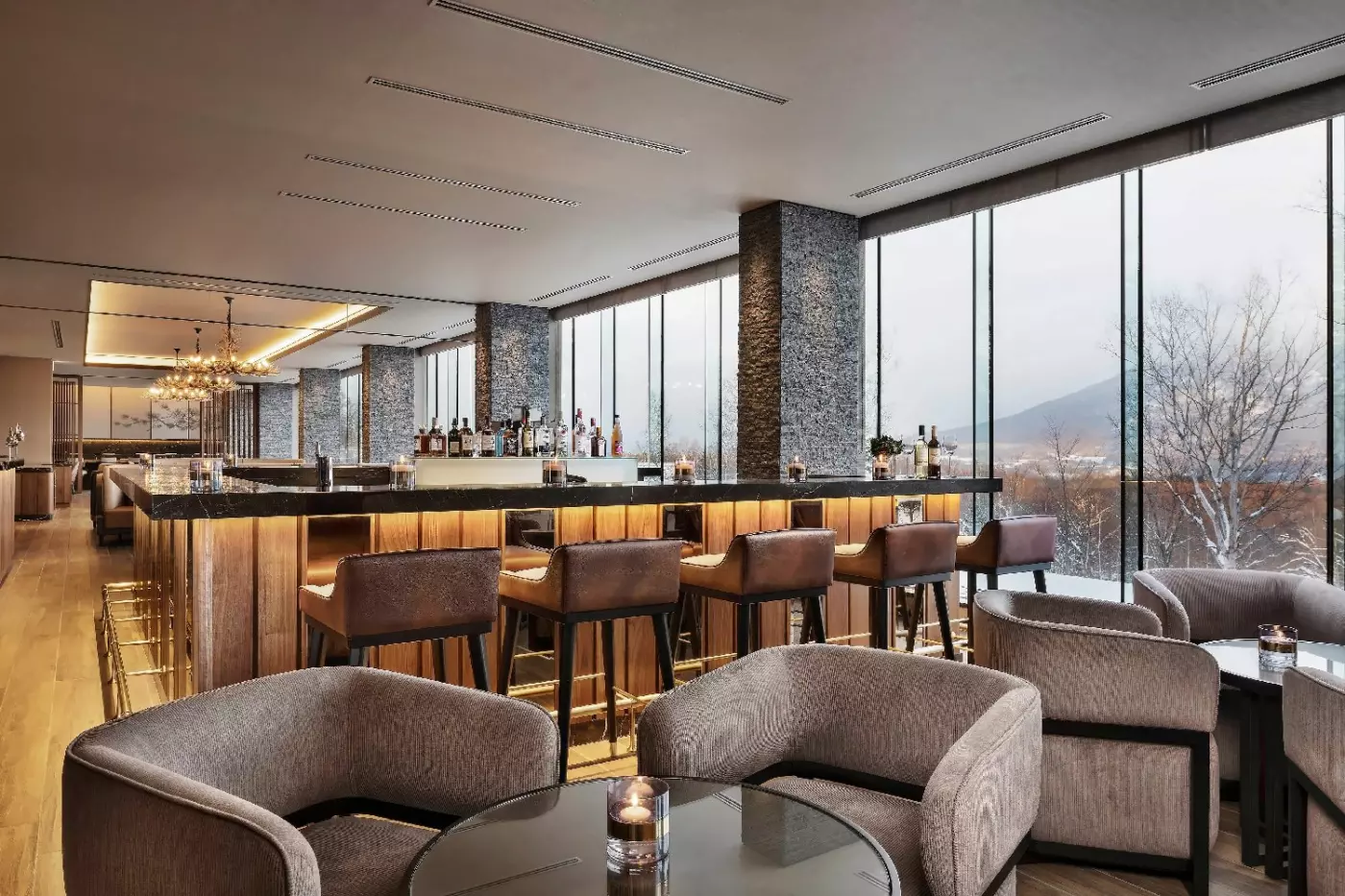
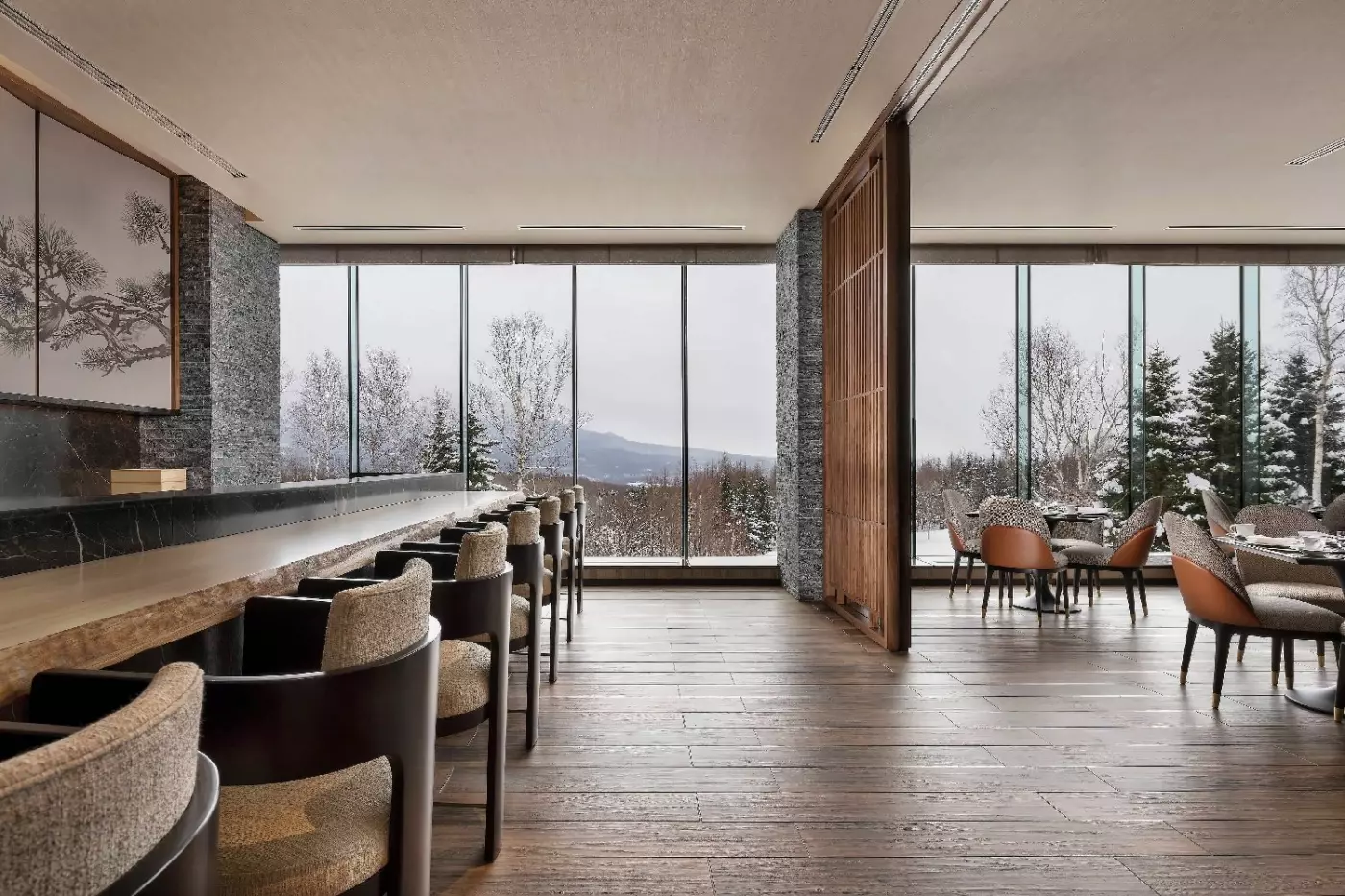
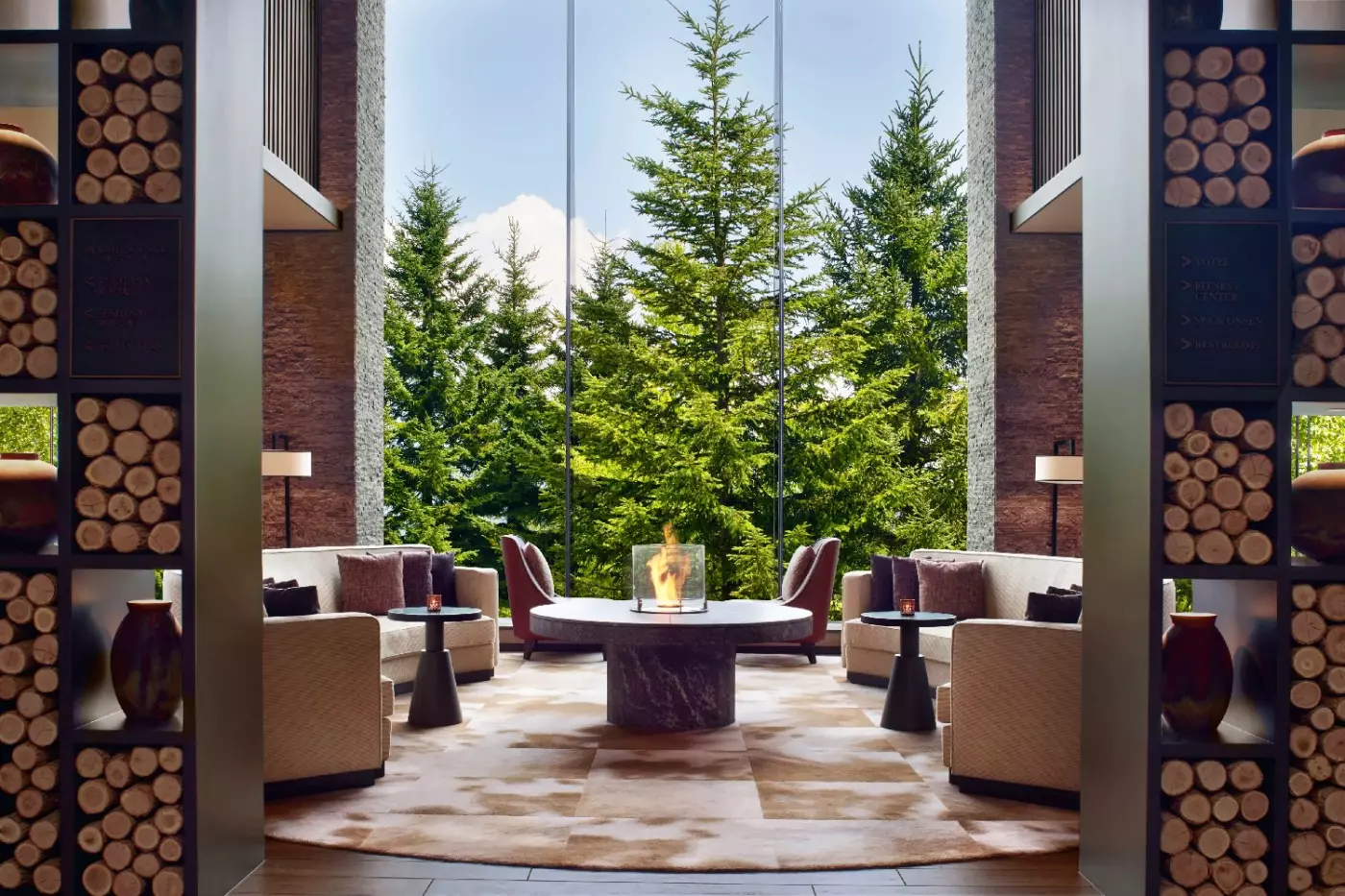
Sushi Nagi offers omakase dining led by the sushi chef, with local seafood and farm ingredients shaping the meal. The sequence extends beyond sushi to cooked dishes, sashimi, soup, and dessert, and sake pairings are available. At Ume Lounge, the fireplace anchors an evening space for cocktails, locally brewed beer, and Japanese whisky. Room service is also available for meals upstairs.
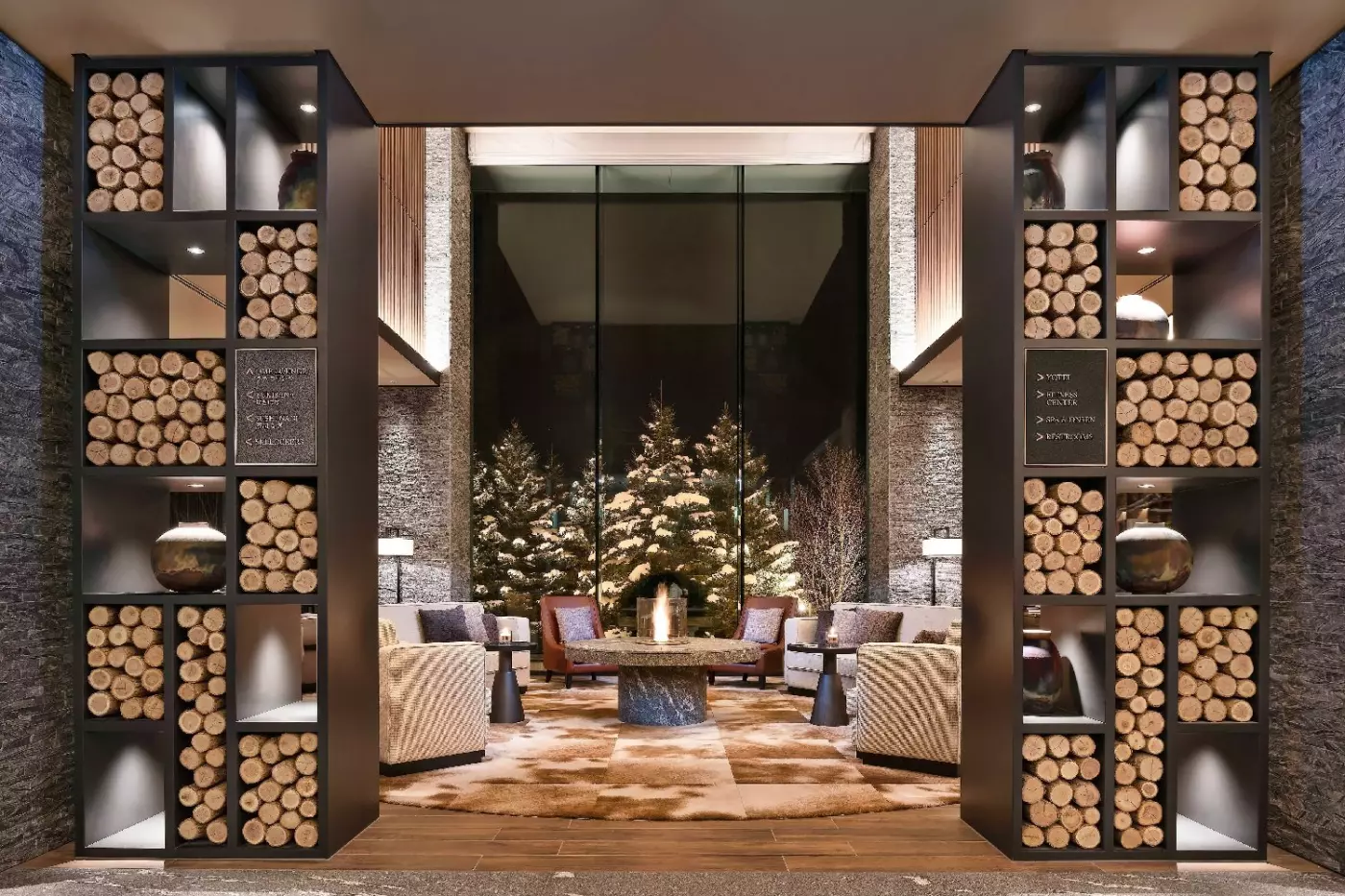
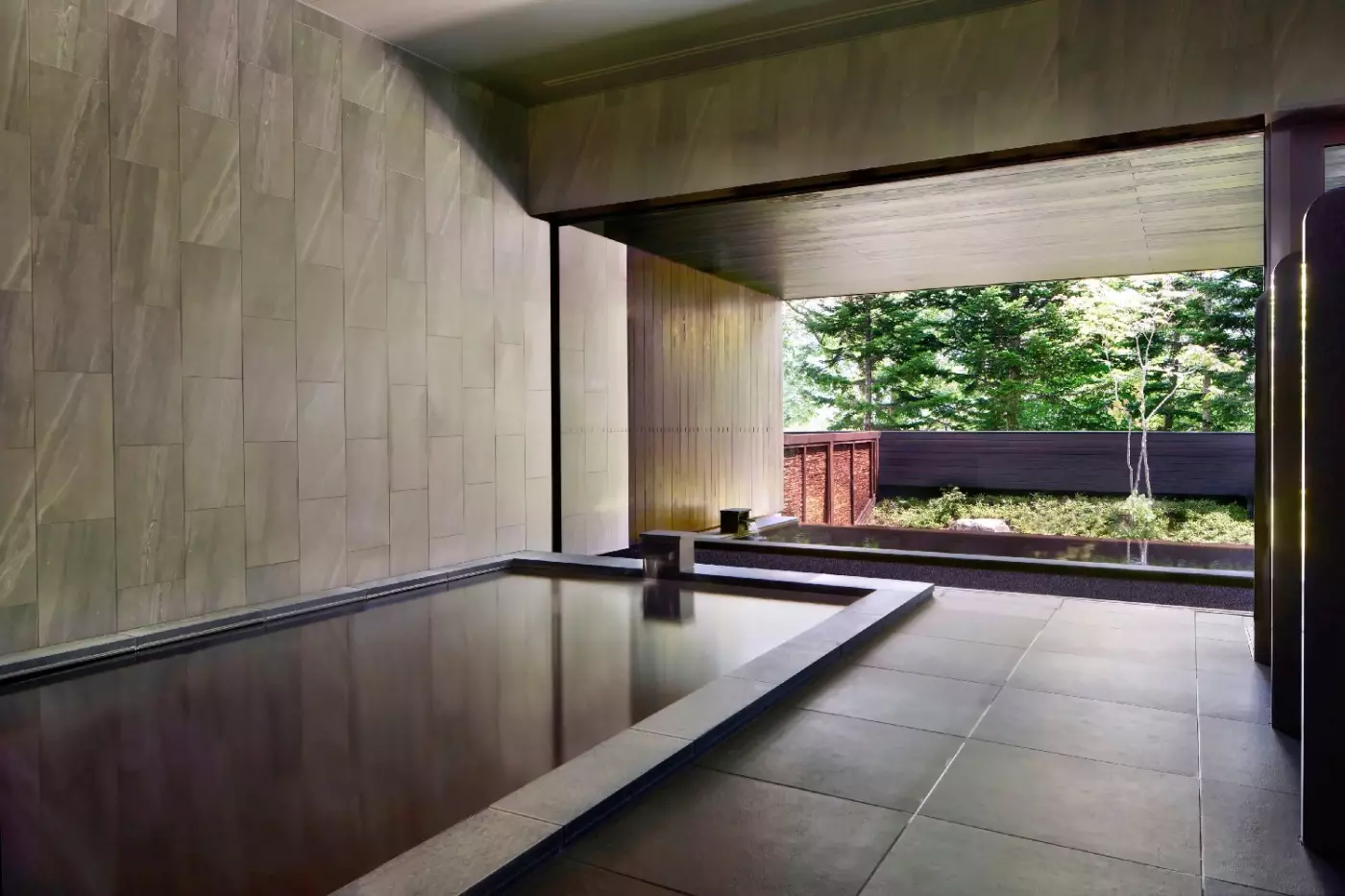
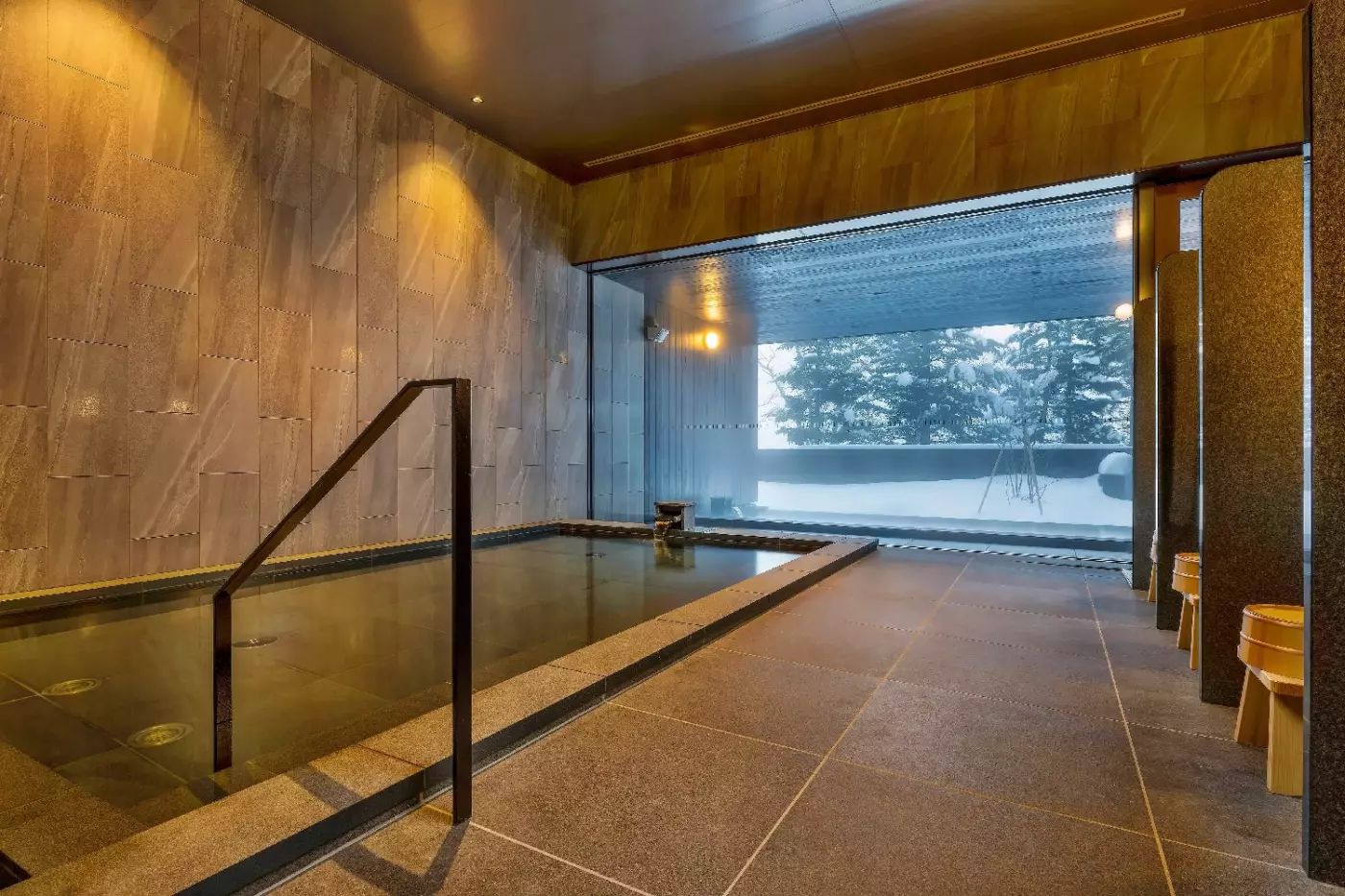
The onsen has indoor and outdoor hot baths separated for women and men, with gardens and saunas forming part of the bathing areas. There is also a private onsen. These are hot-spring bathing spaces, not a conventional swimming pool. Outdoors, the setting changes from snow-covered surroundings to green foliage, while the indoor baths retain a view of the mountain landscape.
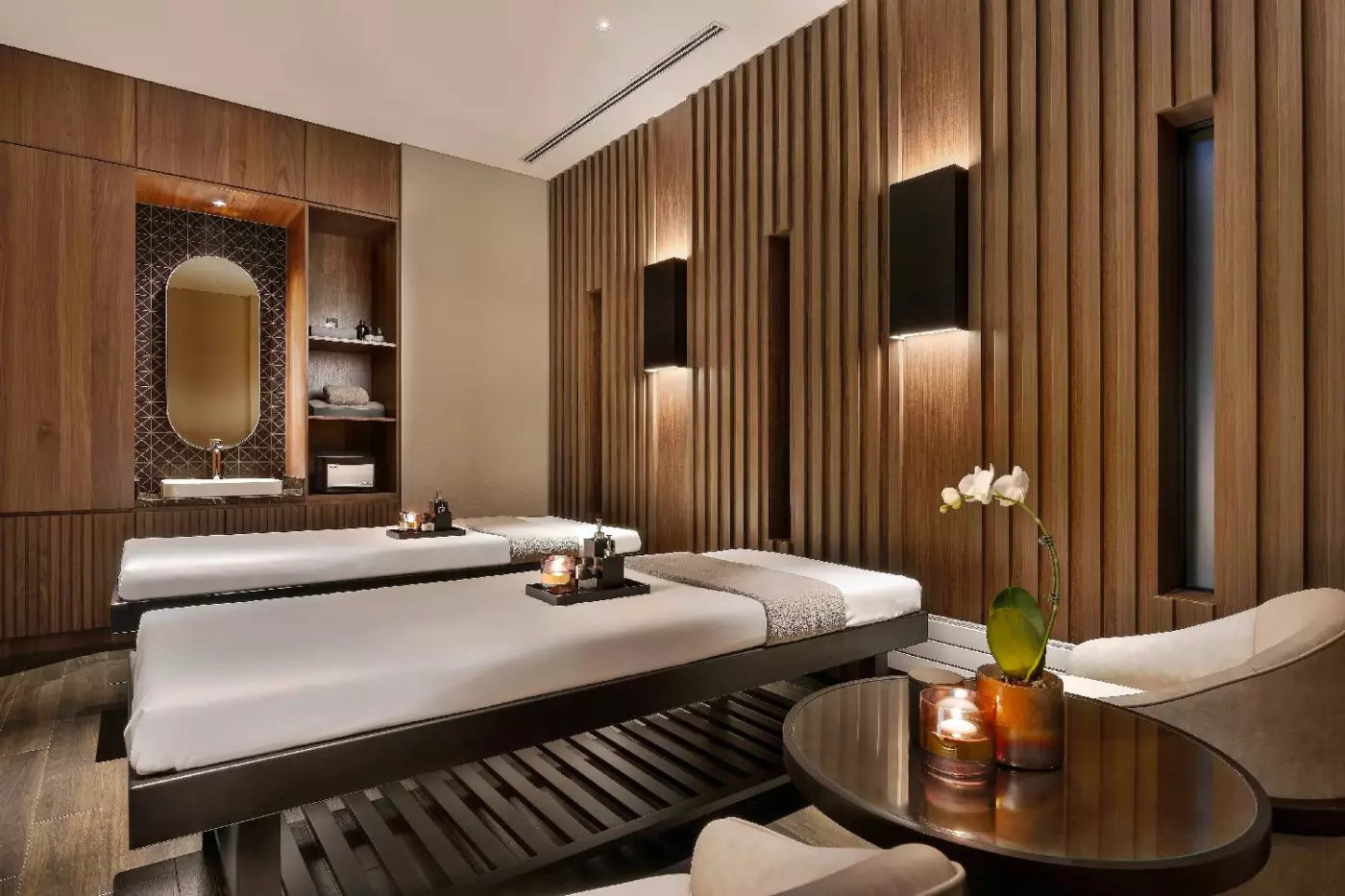
Spa Chasi La Sothys combines Japanese treatment traditions with the French skincare brand Sothys. Its appointment-based menu includes facials, massages, treatments for couples, and scalp care. Three treatment suites house the spa's face and body services. The fitness center is open 24 hours and faces the surrounding landscape, with cardio and strength equipment, free weights, and yoga mats.
The seasonal Niseko Village Kids Club welcomes children aged 18 months to nine years. English- and Mandarin-speaking coaches lead activities including art, storytelling, cultural learning, and outdoor snow play. This is a village program with its own reservations and charges, not an unrestricted drop-in service inside Higashiyama. Half-day and full-day arrangements are available, and ski lessons are a distinct part of selected programs. Equipment and any required lift pass are not included in the lesson package.
When the snow retreats, the surrounding countryside opens to cycling and hiking. E-bikes can be rented within Niseko Village, and routes lead toward places such as the Kaributo Shrine and Milk Kobo. Guided rafting and paddleboarding use the Shiribetsu River, while local farm visits introduce Hokkaido's agricultural side. These are outings into the surrounding region, arranged with activity operators rather than facilities contained within the hotel's grounds.
Summer also brings golf on two separate 18-hole courses. Niseko Village Golf Course runs through forest with mountain views. Niseko Golf Course, designed by Arnold Palmer, lies beyond the village and threads between white birch and pine trees. Both are seasonal venues with their own tee-time arrangements. On the Palmer course, the fifth hole plays toward a raised green guarded by bunkers and water.
New Chitose Airport is the main airport for the journey, approximately 114 kilometers from the hotel. The village operator estimates around two hours by car in suitable conditions; winter weather and traffic can extend the drive. Private airport transport can be arranged, while seasonal coaches provide another route into Niseko Village. Rail arrivals through Kutchan or Niseko require onward road transport. The hotel is in the Soga area at the base of Niseko Annupuri, not in central Hirafu.
Indoor and outdoor onsen baths bring hot-spring bathing into the stay, with separate women's and men's areas and mountain surroundings.
Sushi Nagi's chef-led omakase gives seafood-focused guests a structured Japanese dining experience, with local ingredients shaping what arrives at the table.
Boot warmers and ski lockers simplify the daily equipment routine, leaving winter guests less to organize between outings on the slopes.
919-28 Soga, Abuta District, Niseko, Hokkaido, 048-1522, Japan
Playing this video may share data with YouTube. Please see our Privacy Policy.
Yes. Higashiyama Niseko Village, a Ritz-Carlton Reserve is worth it for travelers who want intimate alpine luxury, ski access, mountain views, and Japanese-style wellness. It is especially strong for guests who prefer a quieter Niseko Village base over the busier restaurant and nightlife scene in Hirafu.
Higashiyama Niseko Village is located at 919-28 Aza Soga, Niseko-cho, Abuta-gun, Hokkaido, Japan 048-1522. The hotel sits in Niseko Village, with views toward Mount Yotei and Niseko Annupuri and access to Hokkaido's alpine landscape.
Higashiyama Niseko Village has 50 rooms and suites, giving the resort a small and highly personal feel. Rooms and suites feature floor-to-ceiling windows, mountain views, deep soaking tubs, and a warm design inspired by Hokkaido nature.
Higashiyama Niseko Village is the first Ritz-Carlton Reserve in Japan and one of Niseko's most refined luxury mountain hotels. The appeal comes from its Reserve-level service, compact scale, ski setting, onsen-inspired bathrooms, spa, and close connection to the mountains.
Yes. Higashiyama Niseko Village is considered a ski-in ski-out hotel within the Niseko Village area. This makes it a convenient choice for winter travelers who want quick slope access without giving up a quiet luxury hotel atmosphere.
More amenities
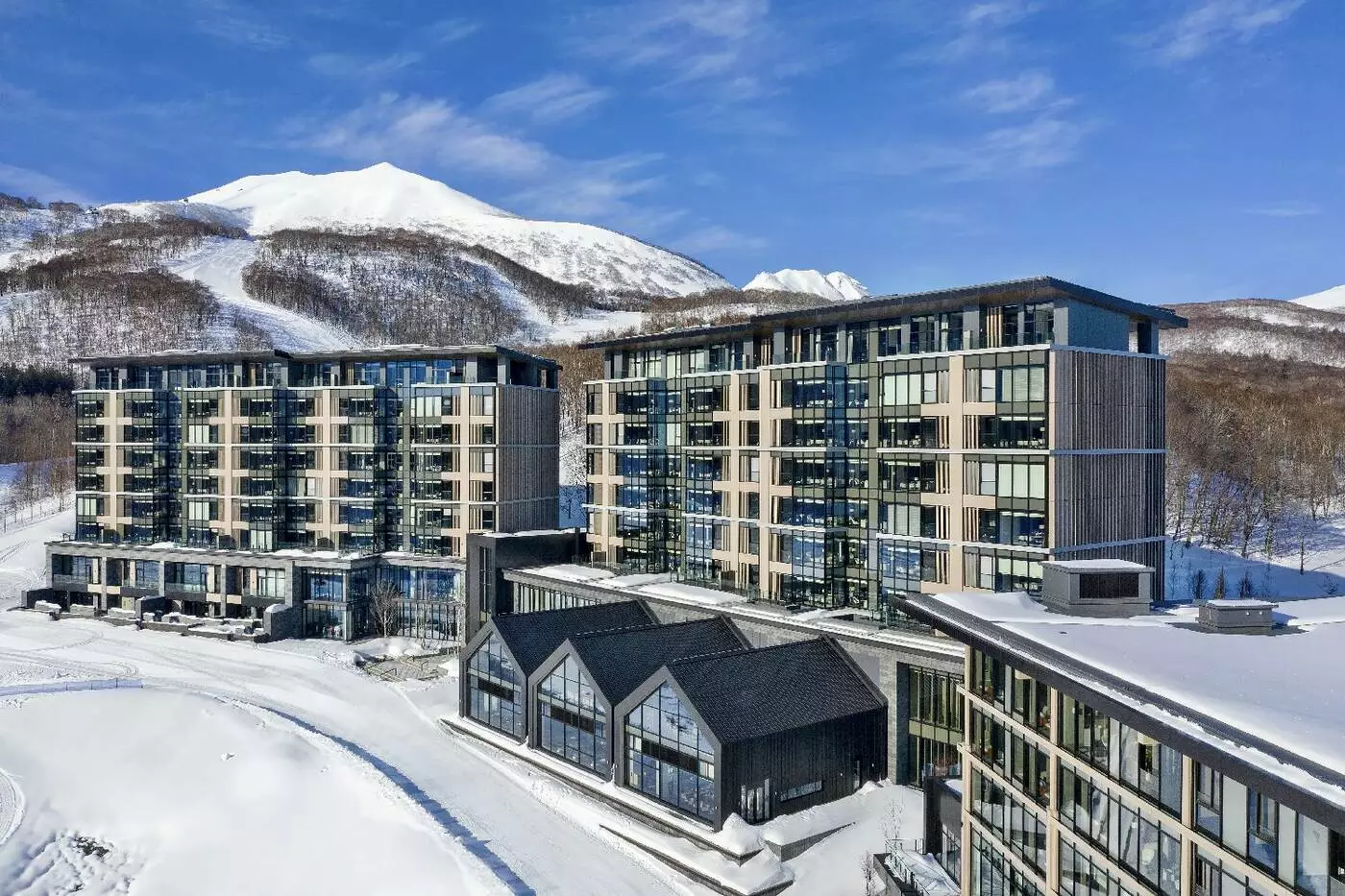
Park Hyatt Niseko Hanazono puts a full-service mountain resort at the base of Hanazono's ski terrain in Hokkaido. Its appeal...
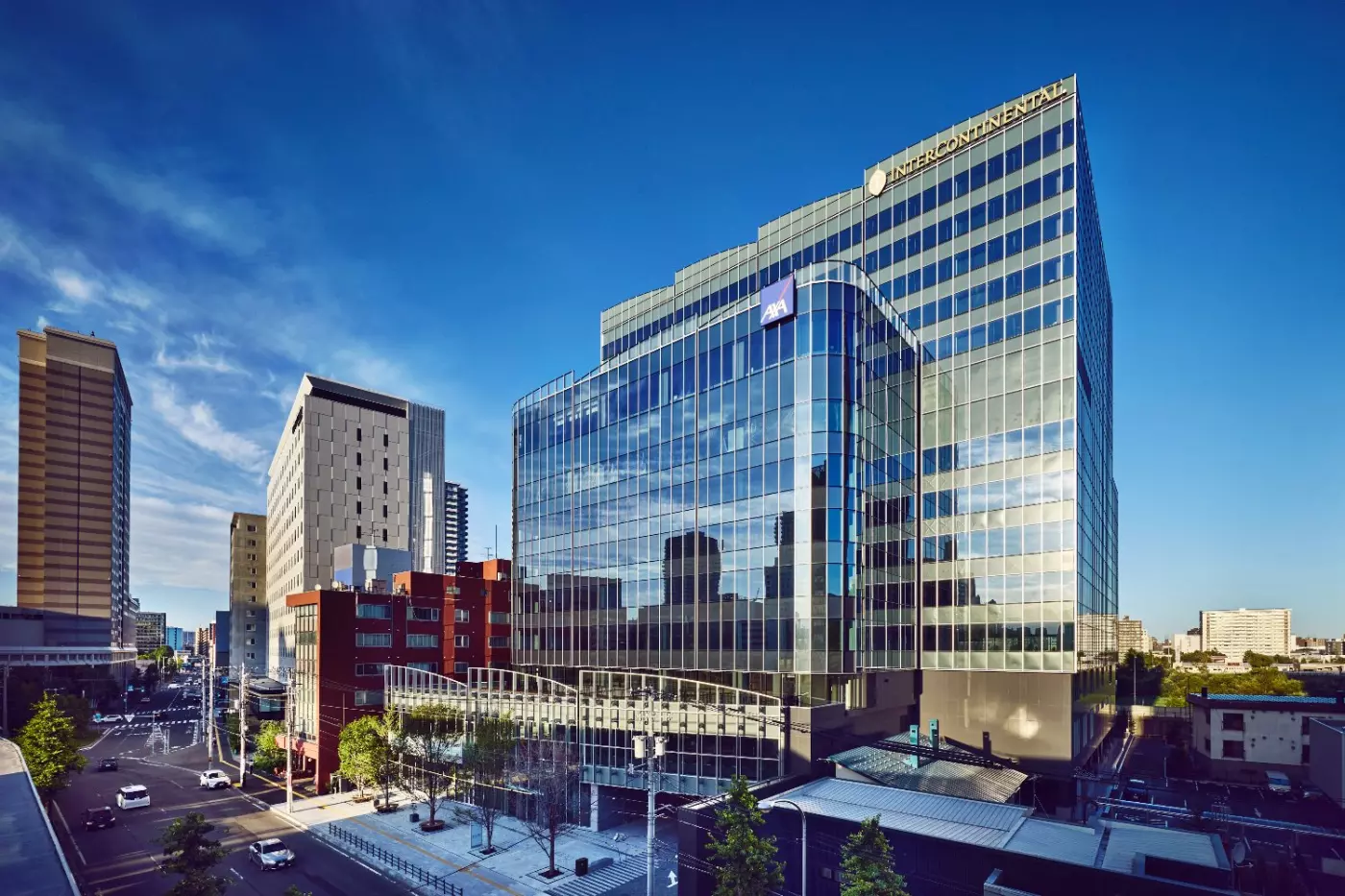
InterContinental Sapporo is the right choice for travelers who want Sapporo to feel quieter, greener, and more residential th...
More amenities
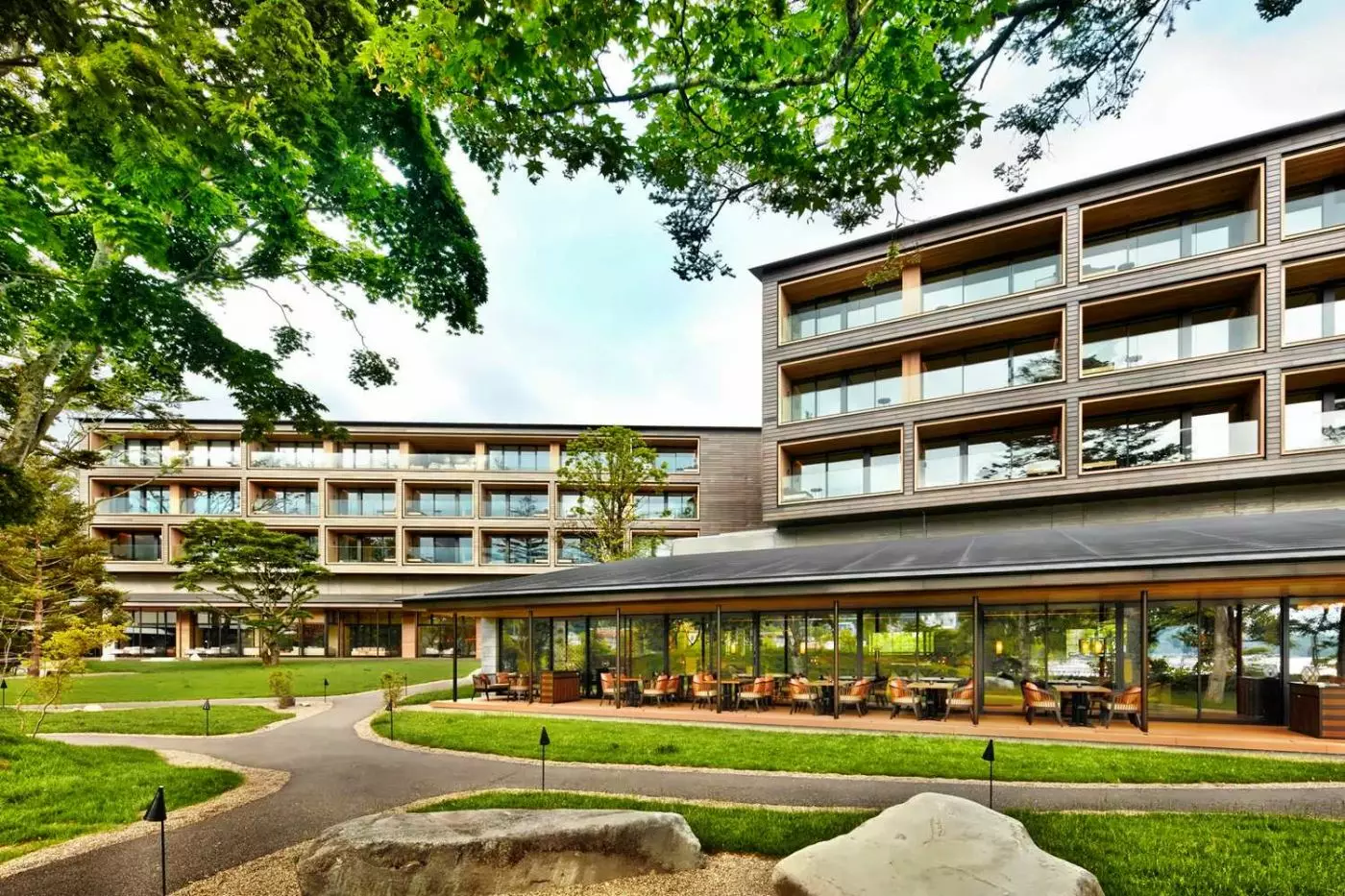
The Ritz-Carlton, Nikko occupies a rare position on the eastern shore of Lake Chuzenji, within the highland landscape of Nikk...