



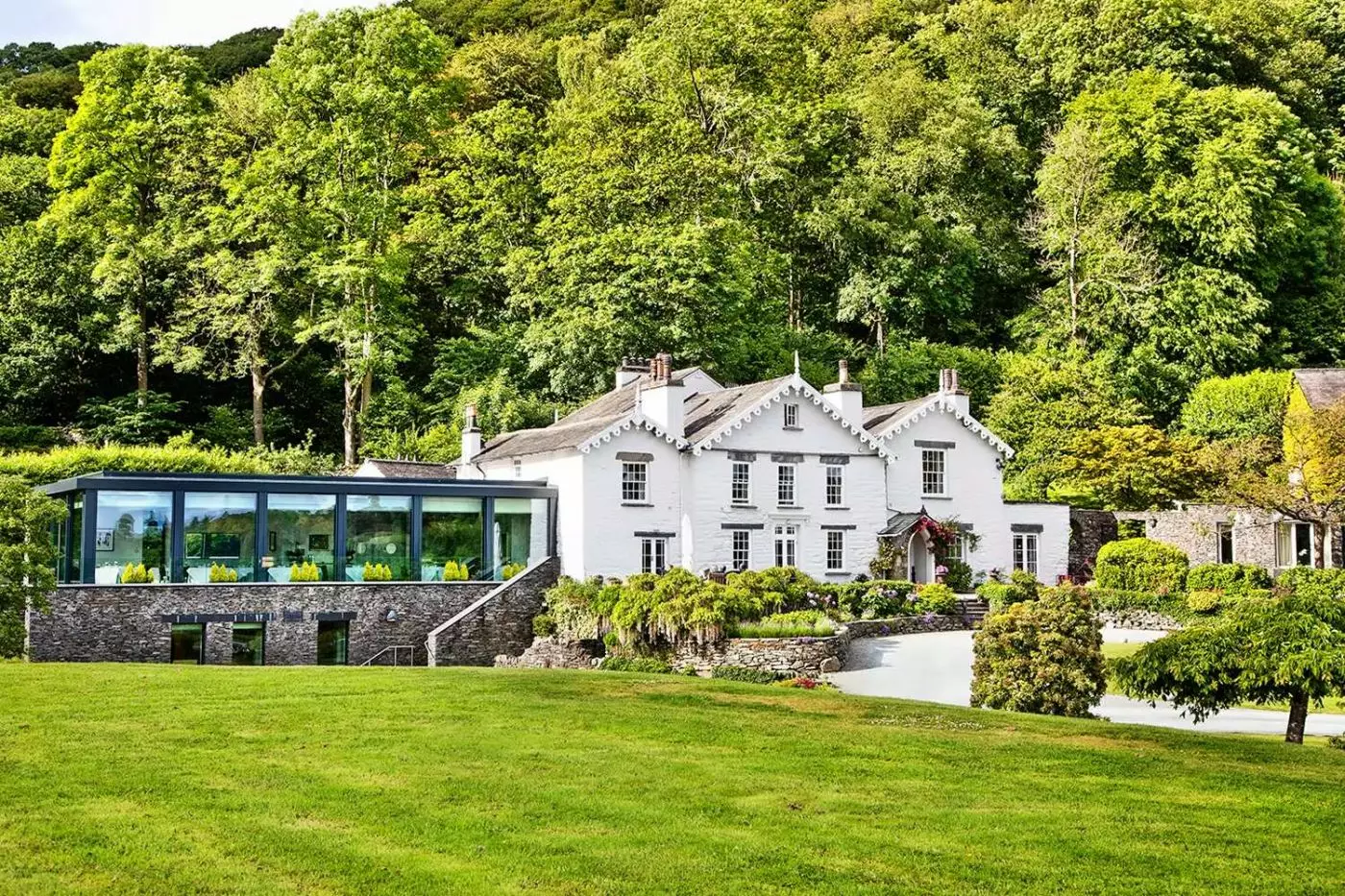
The Samling Hotel
Prices From 455 USD
The Samling Hotel occupies a fellside above Lake Windermere, with the water stretching south and the Coniston range visible t...
Please choose a hotel or destination from the list.
We couldn’t open your search results. Please try again.
Your private search
Finding exceptional stays
Windermere gives a Lake District stay both a landscape and a cultural history. Country-house architecture and the craft traditions within it add another subject to the lake and fells. Choose a hotel base with those interests in mind, alongside the local geography of the settlements around the water.
Prices From 455 USD
The Samling Hotel occupies a fellside above Lake Windermere, with the water stretching south and the Coniston range visible t...
Windermere, Bowness and Ambleside are separate places within the lake's wider visitor landscape. Lakeside, at the southern end, gives another geographical reference. Keep these locations distinct when relating the hotel address to a particular interest around the water.
The Samling occupies a Lakeland fellside setting, with views south along Windermere and west toward the Coniston Old Man range. This gives the landscape a clear direction: the lake extending south and another group of fells to the west. Its country-house setting belongs within that broader Lake District picture.
Blackwell adds a specific architectural interest to Windermere. Mackay Hugh Baillie Scott designed it as a rural holiday retreat for Manchester brewer Sir Edward Holt and his family. The house connects the area's attraction as a place of leisure with the ambitions of the Arts and Crafts movement.
That history offers a useful way to understand a country-house holiday beyond the view from its windows. At Blackwell, domestic space was itself a subject for design: light, texture and craftsmanship helped shape the experience of living in the landscape. Choose this cultural thread when architecture and the history of leisure interest you.
Local slate and sandstone form part of Blackwell's architecture. Within the house, carved stone and wood, stained glass and the White Drawing Room's plasterwork make craftsmanship part of the building. The details belong to the rooms themselves, giving a design-focused visit a different purpose from simply looking at a collection of objects.
Pay attention to the relationship between those materials and the surrounding landscape. This is a reason to give the Lake District a cultural role alongside its scenery in a wider United Kingdom journey. The interest lies in how a place influenced architecture and domestic life, adding depth to the country-house setting you choose for the stay.
The name is used for both, so the exact address matters. A hotel described under Windermere may have a different relationship with the water from the town itself. Read the setting as carefully as the destination label when choosing your base.
No. Elevation gives a broader landscape perspective, while a shorefront setting creates a more immediate relationship with the water. Choose according to the atmosphere you want during the quiet hours, rather than assuming every lake-oriented hotel offers the same experience.
No. Lake, garden and woodland relationships vary across the accommodation. Choose the orientation that matters to you rather than transferring a single panoramic image to every room. The room should support the particular version of a country stay you have in mind.
Windermere Jetty Museum holds historic steam launches and other boats associated with the lake. Branksome, built in 1896 for Edna Howarth of Langdale Chase, was fitted with leather seating, walnut panelling, velvet upholstery and a marble basin. The vessel brings the lake's history of private leisure afloat into focus, down to the furnishings inside a Victorian launch.
Stott Park Bobbin Mill at Finsthwaite made wooden bobbins for Lancashire's cotton industry. Coppiced woodland supplied poles that were cut and turned into these small but essential factory components. The belt-driven machinery and workshops give the wooded landscape an industrial history, including the demanding work of the mill's young bobbin makers.