Best for
Set out early from Six Senses Bumthang for Membertsho, the river pool known as the Burning Lake through the story of Pema Lingpa.
Please choose a hotel or destination from the list.
We couldn’t open your search results. Please try again.
Your private search
Finding exceptional stays
Best for
Set out early from Six Senses Bumthang for Membertsho, the river pool known as the Burning Lake through the story of Pema Lingpa.
What makes it special
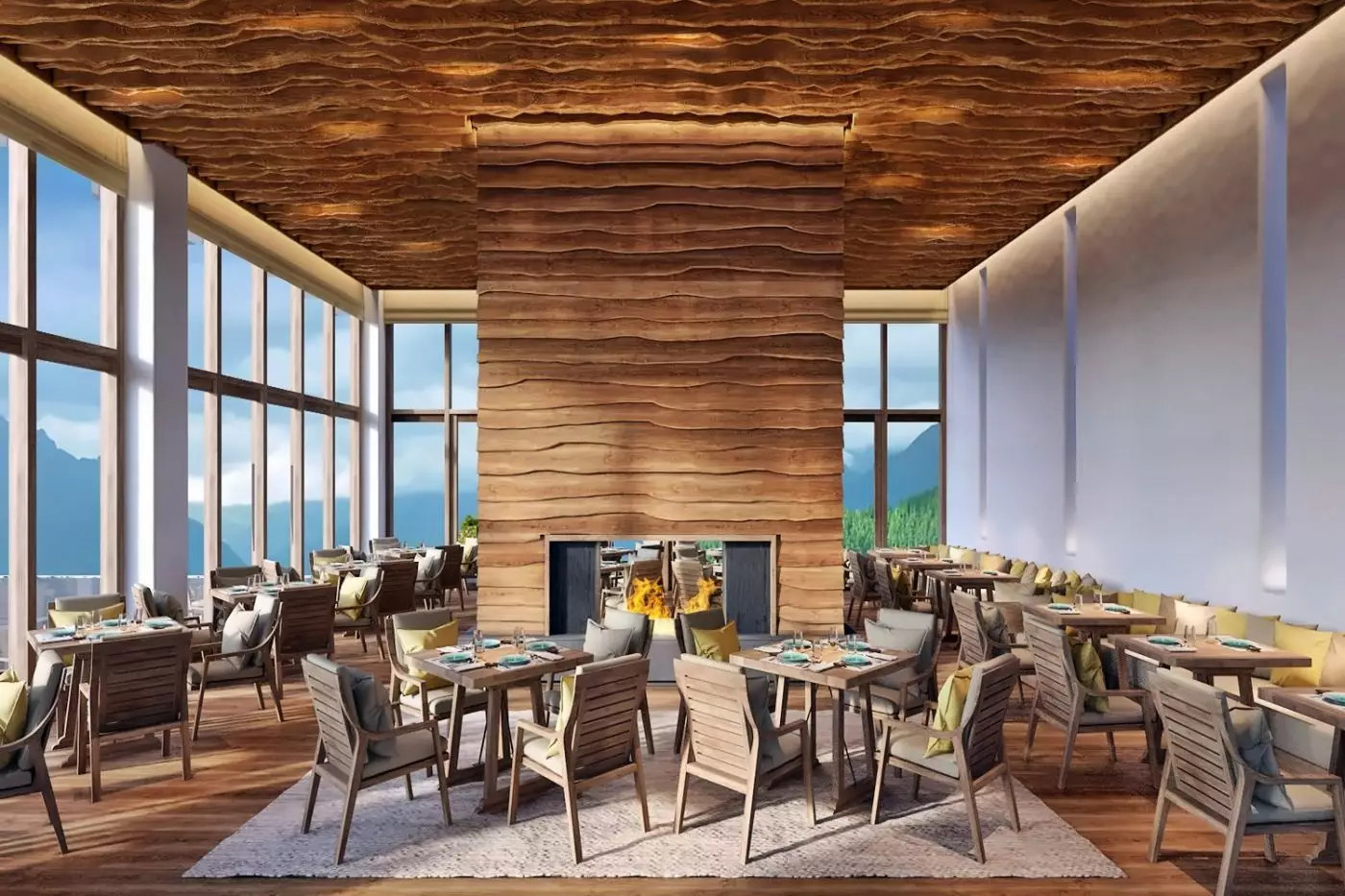
Light a butter lamp during evening prayers at Damchen Lhakhang before a candlelit Cow Shed dinner cooked over a traditional clay stove.
Room to consider
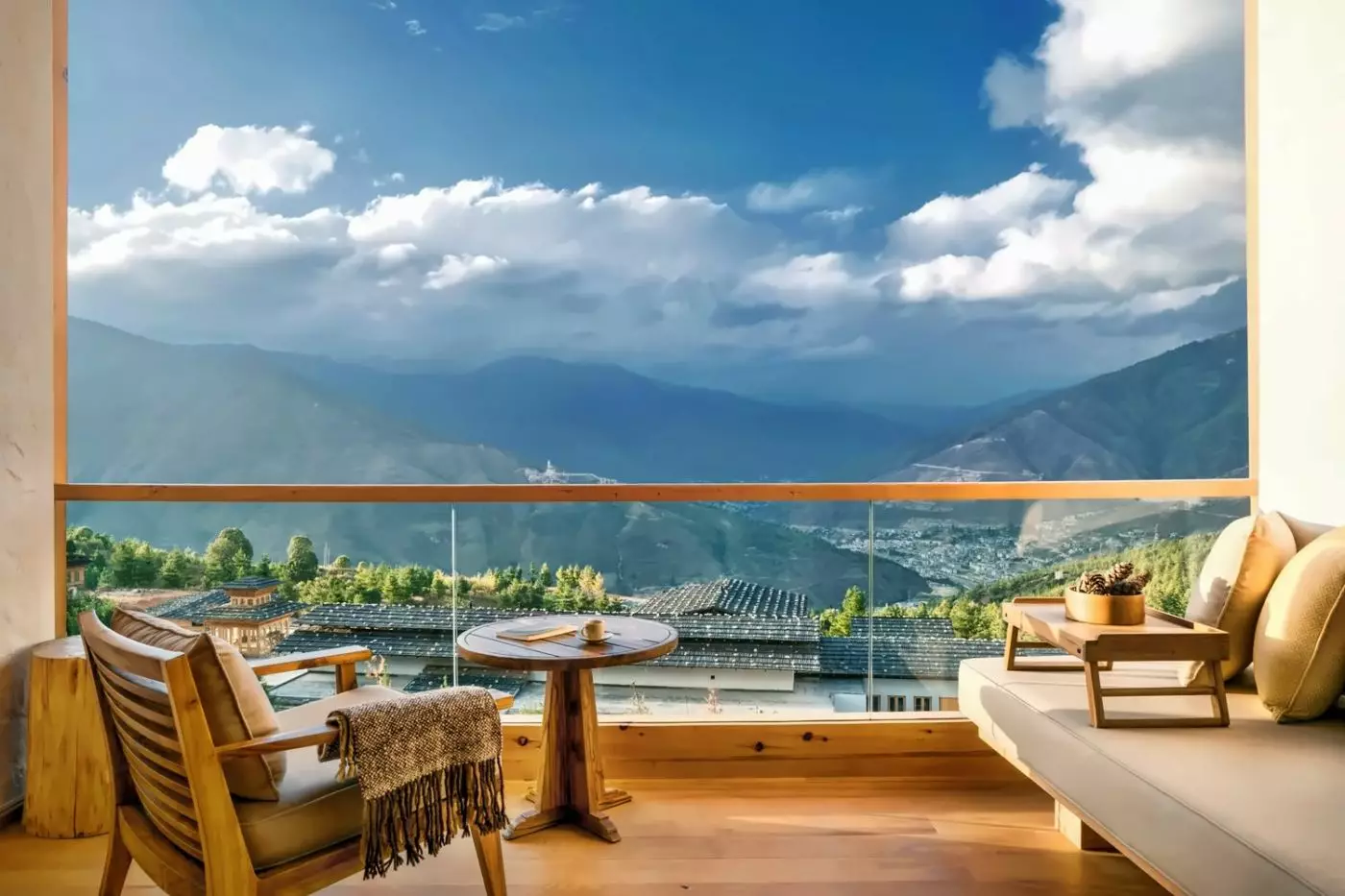
Choose a Lodge Suite at Six Senses Punakha for its oversized deck, where you can sit outside and look across the valley.
Insider tip
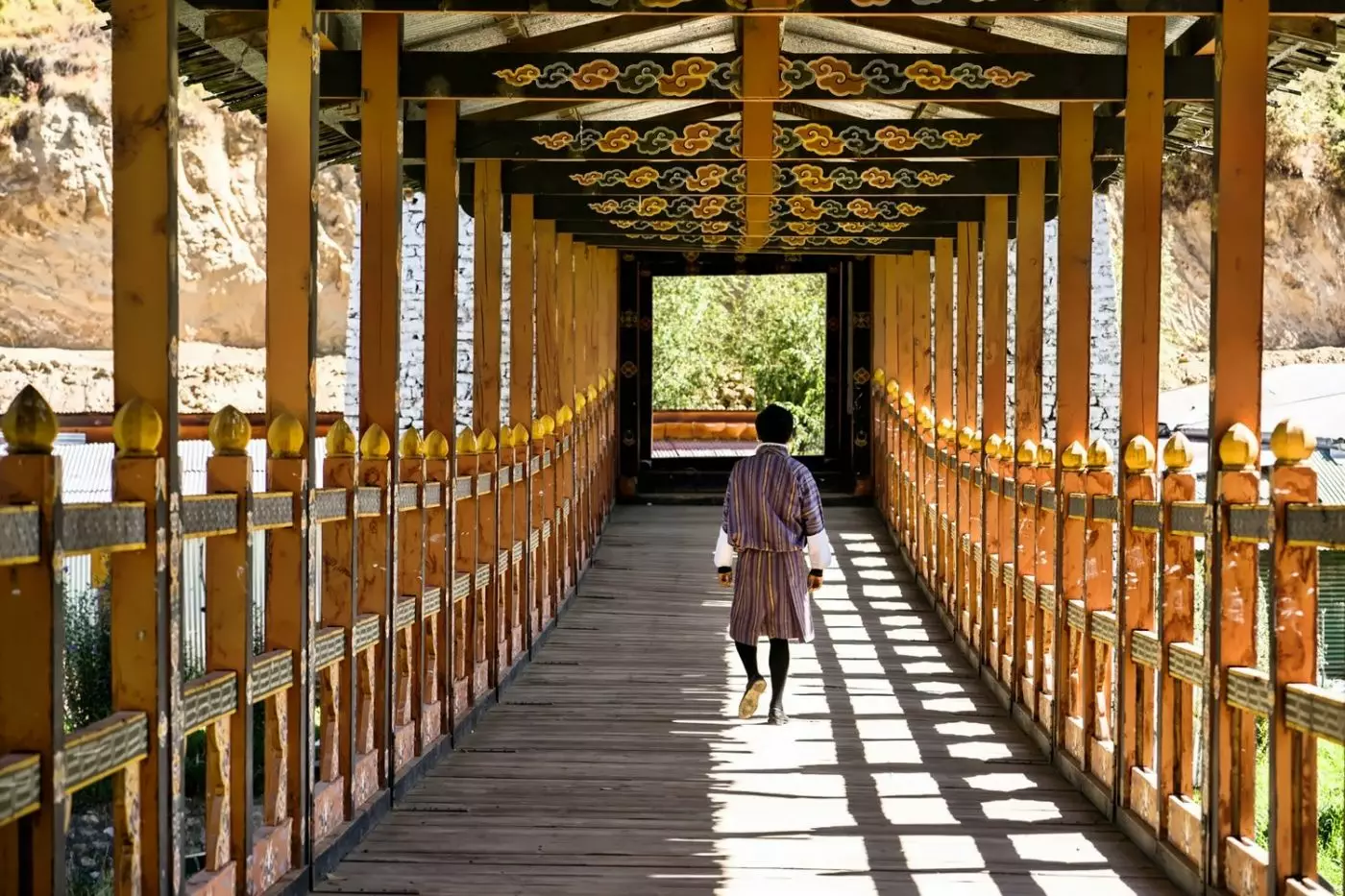
Spend time on Gangtey's Birdwatching Bridge in winter, when black-necked cranes return to the Phobjikha Valley and can be seen from the lodge.
Free membership gives you access to preferred rates, exclusive benefits and current promotions for your stay.
Six Senses Bhutan is a collection of five separate lodges in the Himalayan kingdom's western and central valleys. Thimphu, Punakha, Gangtey, Bumthang and Paro share a name on this listing, but each is a different place to stay. The choice is between settings as distinct as an orchard hillside above the capital, an open glacial valley and a forest slope above a stream.
 82
 Relaxed
 Fitness
 Pool
 Spa
 Sauna
 Wellness
 Sustainable
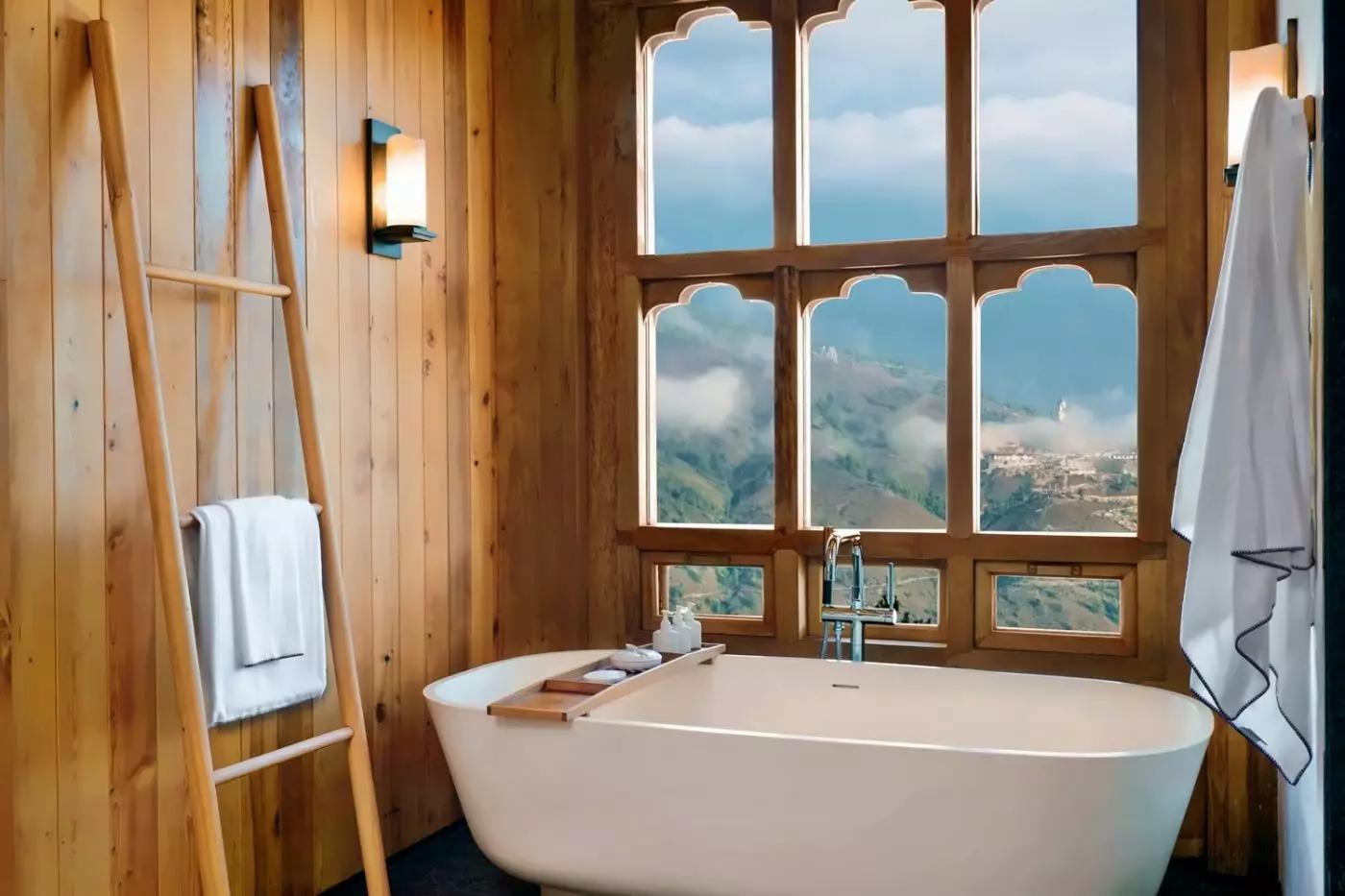
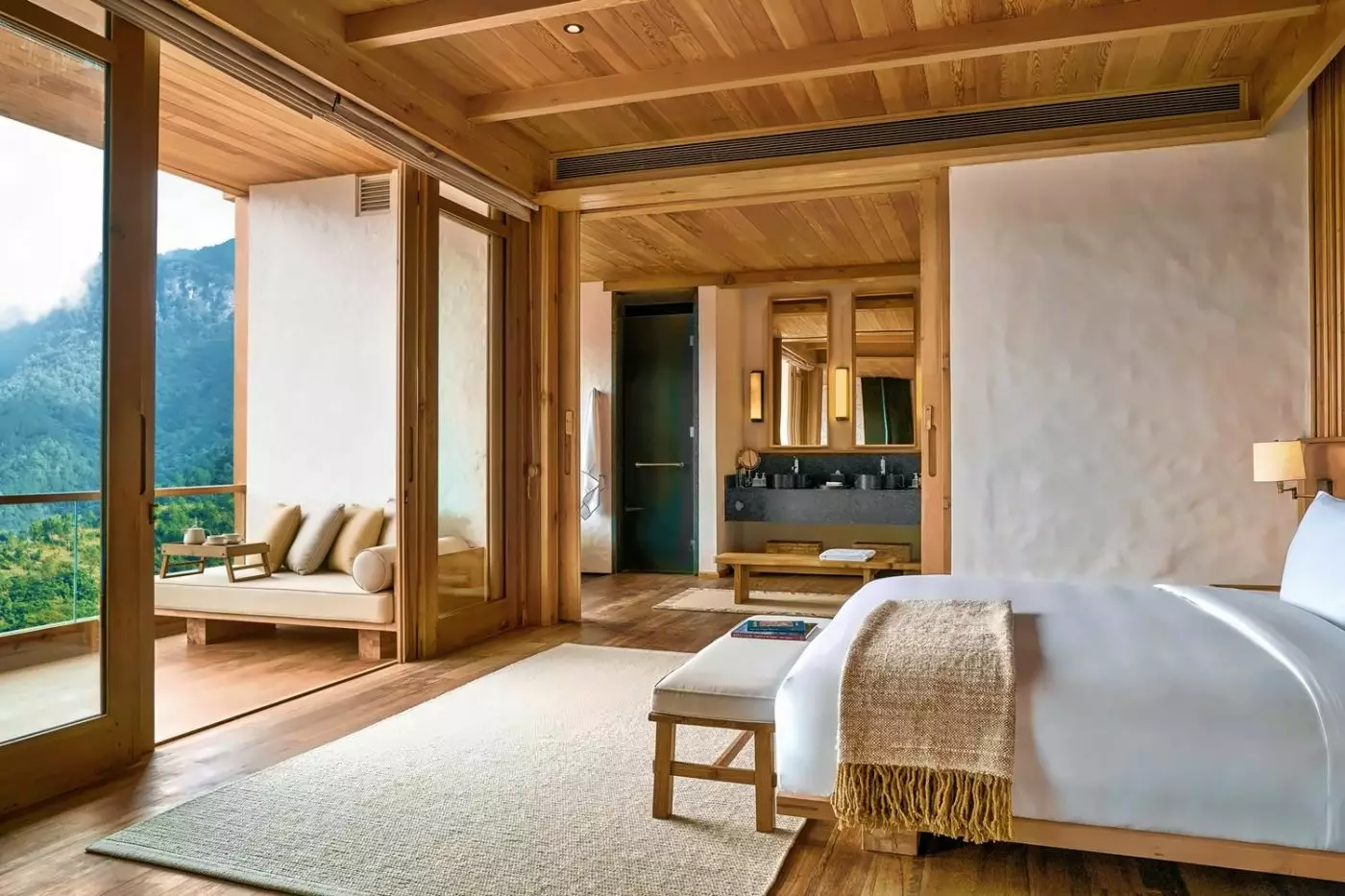
Across all five Six Senses Bhutan lodges, the Lodge Suite offers 60–73 square meters indoors. Your sleeping setup is one King bed or two Twin beds, with Twins available on request. It can host up to three guests.
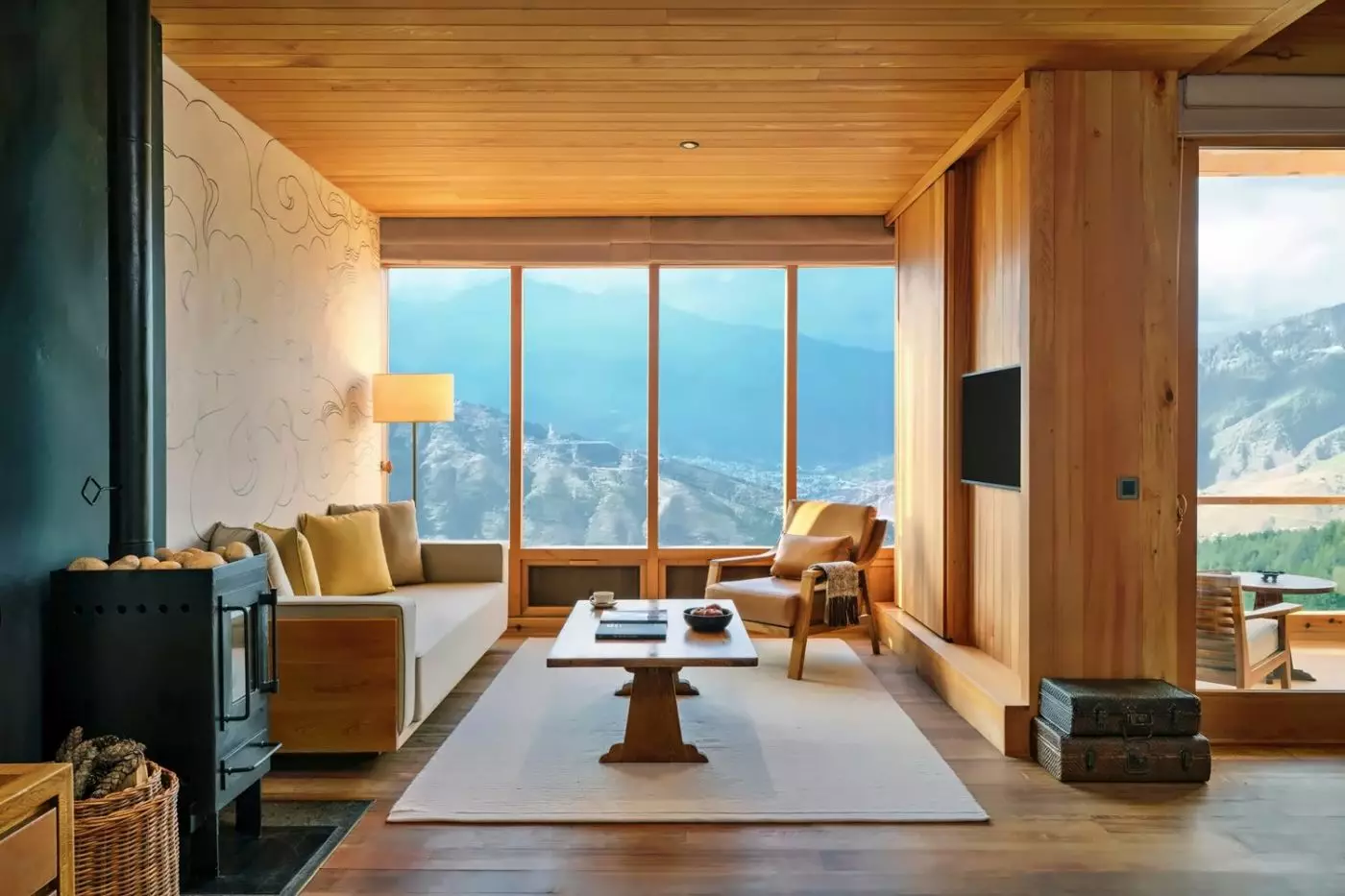
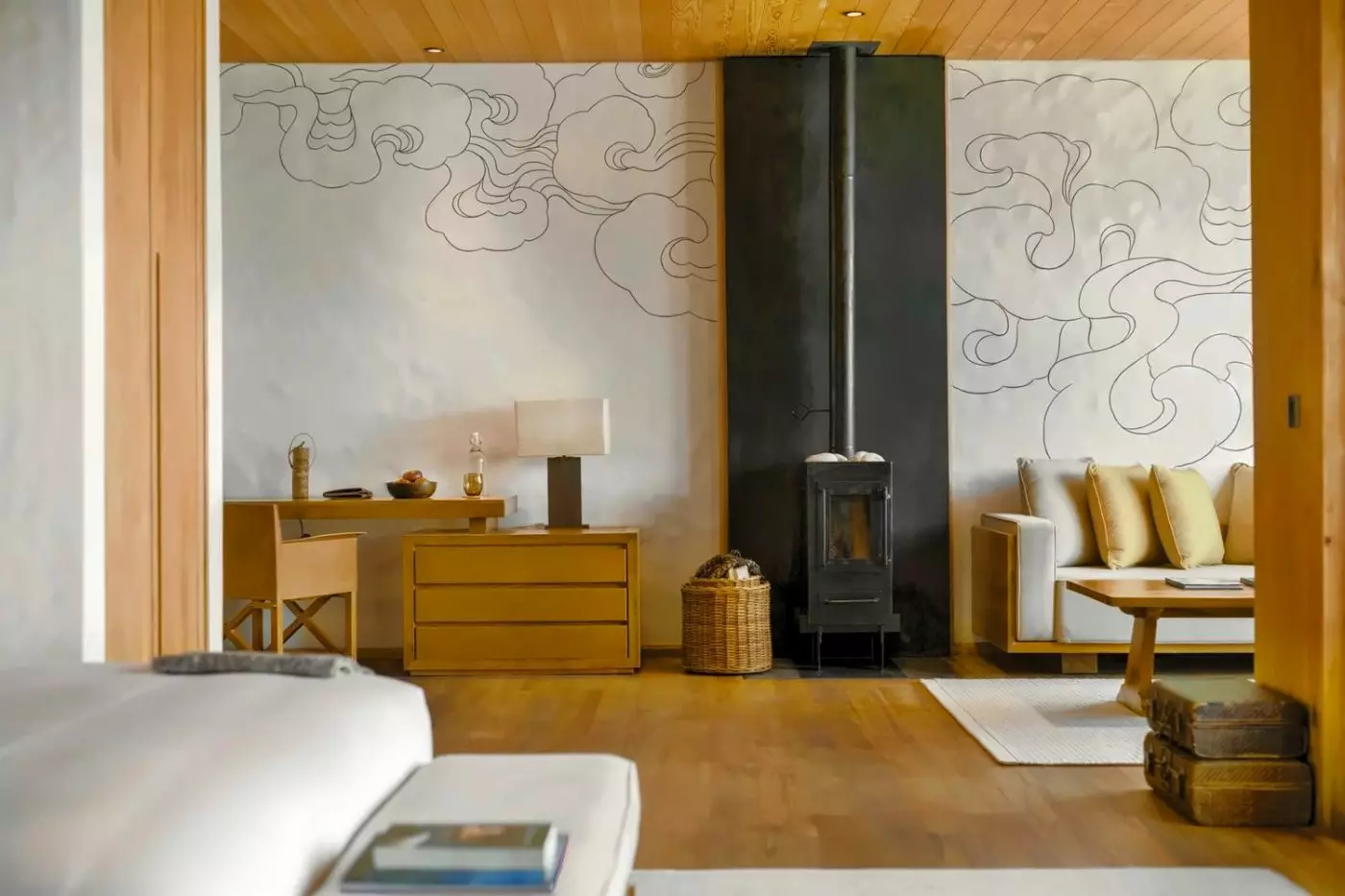
Views vary with your chosen lodge, taking in valleys, forest or mountains. Each suite has an indoor sitting area and a bukhari, the traditional Bhutanese wood stove.
The bathroom pairs a bathtub with a separate shower. Coffee and tea facilities are provided, along with a minibar. An in-room safe stores valuables, and wireless internet is available within the suite.
Outdoor sitting space is offered at Thimphu, Punakha, Gangtey and Bumthang. Paro's Lodge Suites have no outdoor area. Certain King-bed bookings specify a lower floor, so check the room option attached to your stay.

Across all five Six Senses Bhutan lodges, the Lodge Suite offers 60–73 square meters indoors. Your sleeping setup is one King bed or two Twin...
Upper Lodge Suites provide 60–73 square meters of indoor space at the five Six Senses Bhutan lodges. They sleep up to three guests. Choose one King bed or two Twin beds, with the Twin setup on request.
At most lodges, this category occupies a top floor for views over the valley, forest or mountains. Bumthang is the exception. Its Upper Lodge Suites share the Lodge Suite level and have superior river views.
Inside, the sitting area comes with a bukhari, a traditional wood-burning stove. Coffee and tea facilities, a minibar and an in-room safe form part of the room fittings. WiFi is also provided.
The bathroom has a separate shower as well as a bathtub. Outdoor sitting areas feature at Thimphu, Punakha, Gangtey and Bumthang. At Paro, this suite has indoor space only.

Upper Lodge Suites provide 60–73 square meters of indoor space at the five Six Senses Bhutan lodges. They sleep up to three guests. Choose one...
This two-bedroom villa is available at each of the five Six Senses Bhutan lodges. Layouts span 259–358 square meters, depending on the lodge, and combine indoor and outdoor areas. King bedding is offered, with Twins on request.
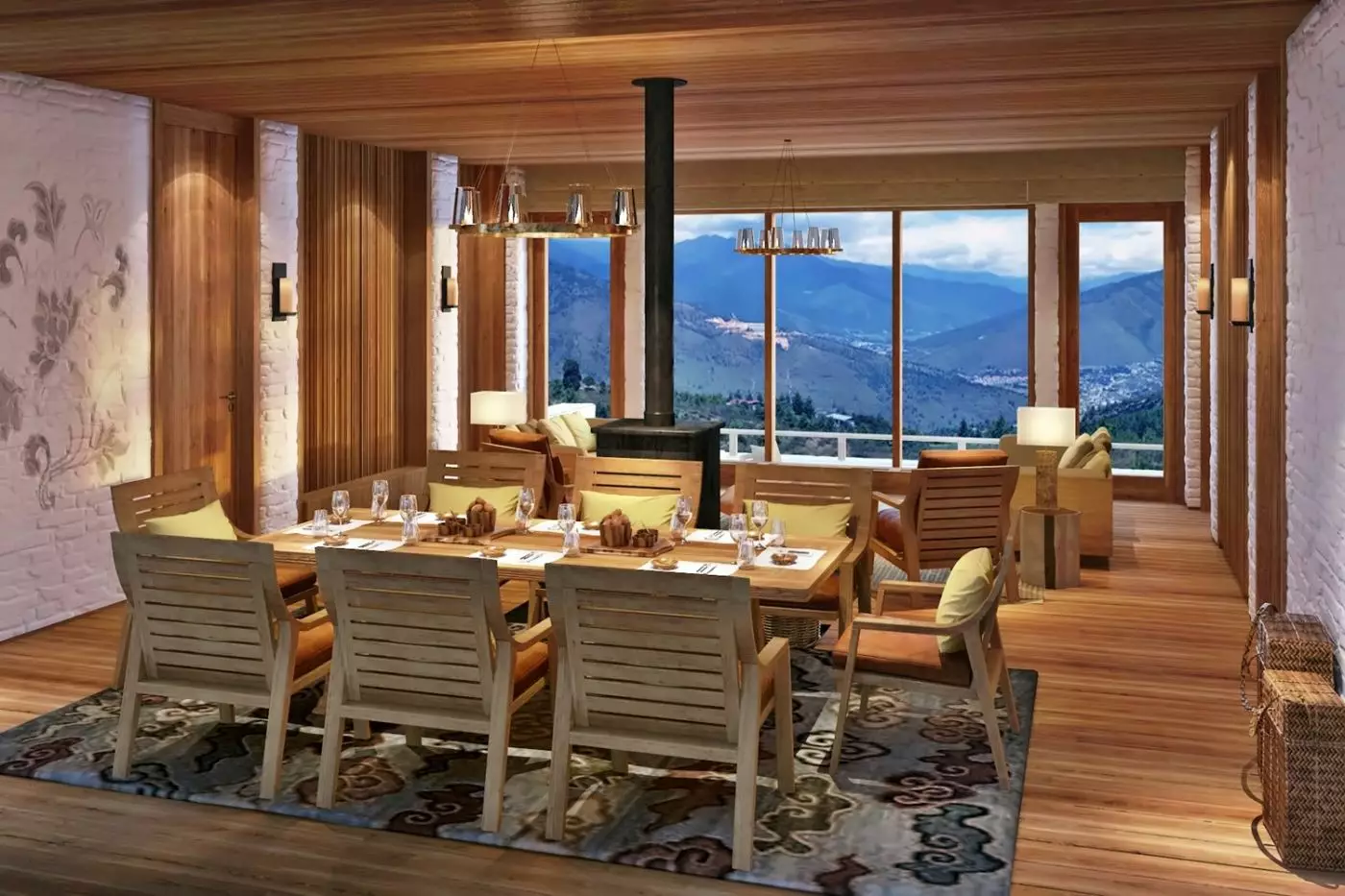
Each bedroom has its own bathroom, while a living and dining area links the sleeping spaces. The villa also has a bukhari, the traditional Bhutanese wood stove. A pantry area, tea and coffee facilities and an espresso machine are also provided.
The room fittings include a private wine fridge and minibar. Bathroom facilities pair a bathtub with a rain shower. Organic bedding and linens cover the beds, with organic pillows and duvet covers.
A dedicated Guest Experience Maker is available 24 hours a day. WiFi, cable TV and a Bose Bluetooth speaker are supplied, along with a yoga mat, hairdryer and safe. The villa accepts up to eight guests.

This two-bedroom villa is available at each of the five Six Senses Bhutan lodges. Layouts span 259–358 square meters, depending on the lodge, and combine...
The lodges can be considered one at a time or in combination. There is no need to treat the five as a circuit. If you're drawn to Bhutan's architecture, the stonework at Paro and the hillside setting above the capital at Thimphu suggest different starting points. For a stay shaped more by the landscape, compare the farmland of Punakha with the open valley at Gangtey.
Ridges divide these valleys, and the settings differ enough that the decision is worth making before looking at rooms. A lodge with a long view over fields serves a different purpose from one where the trees are part of the foreground. The distinction matters most if you want to spend part of the trip at the lodge itself.
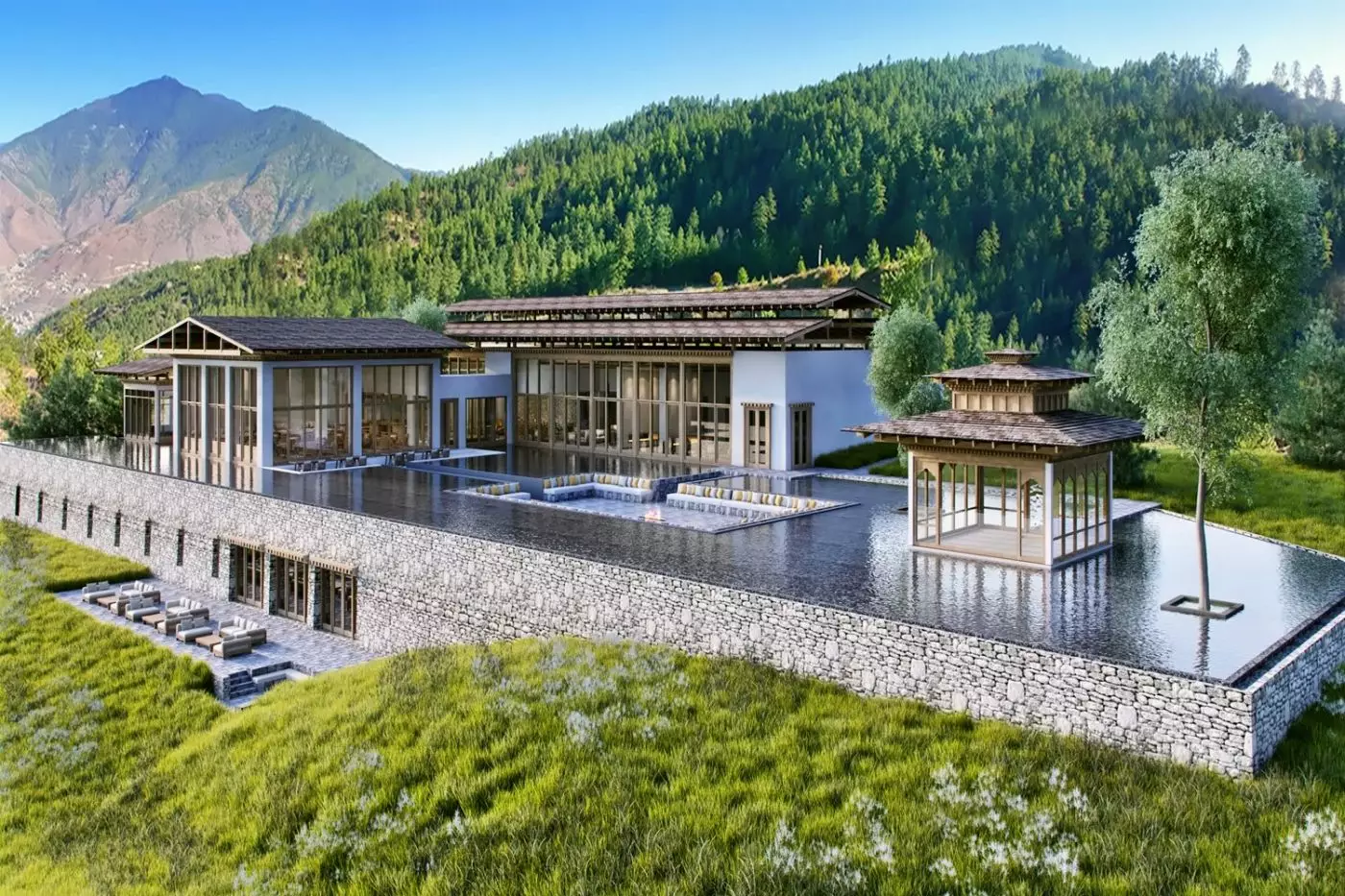
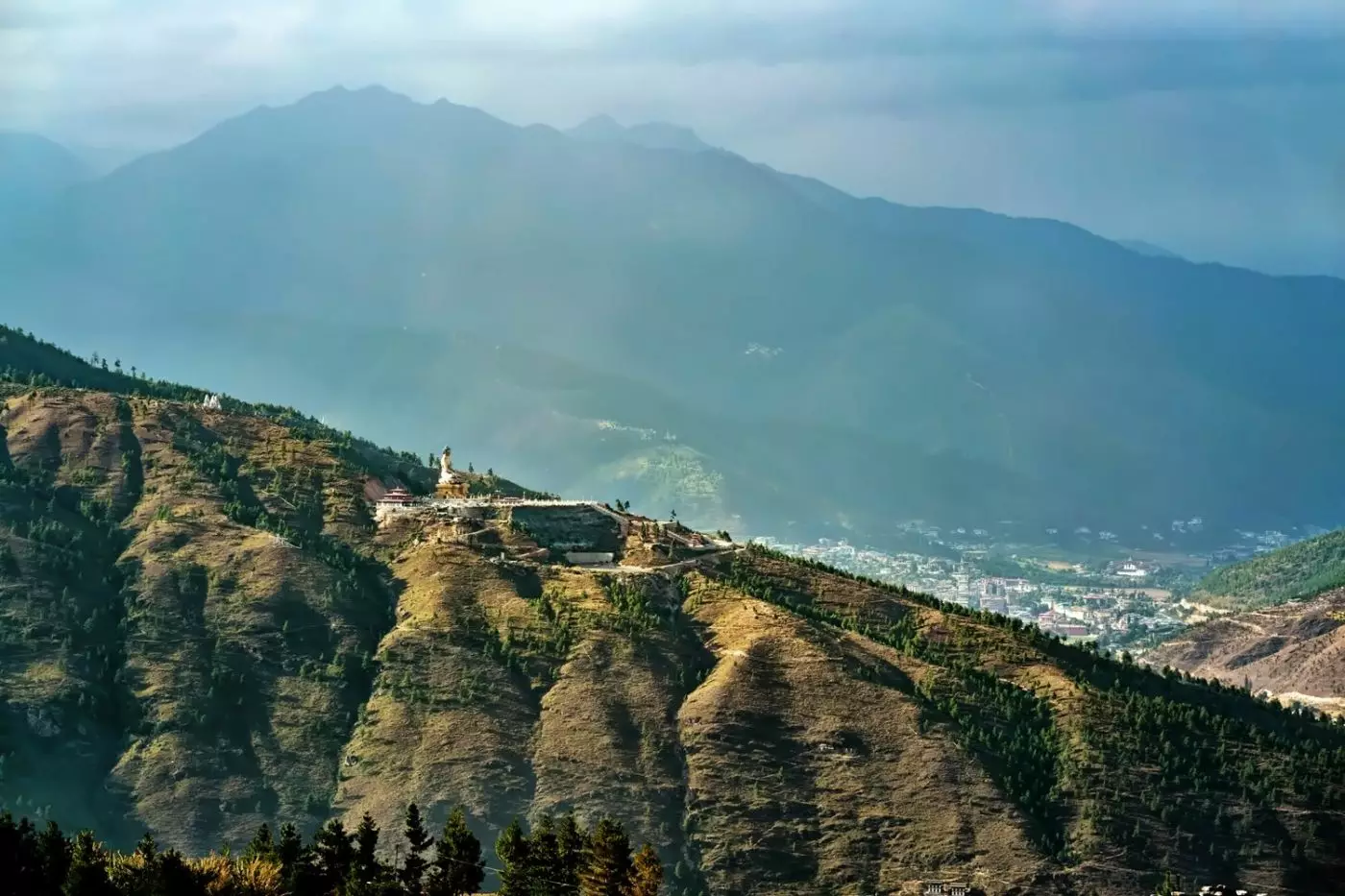
Six Senses Thimphu sits on a hillside south of Bhutan's capital, among apple orchards and young pines. The view takes in Buddha Dordenma. At the lodge, tall windows and ponds by the lobby give the hillside setting its character. On a cloudy day, the reflections in the water can be as striking as the view out.
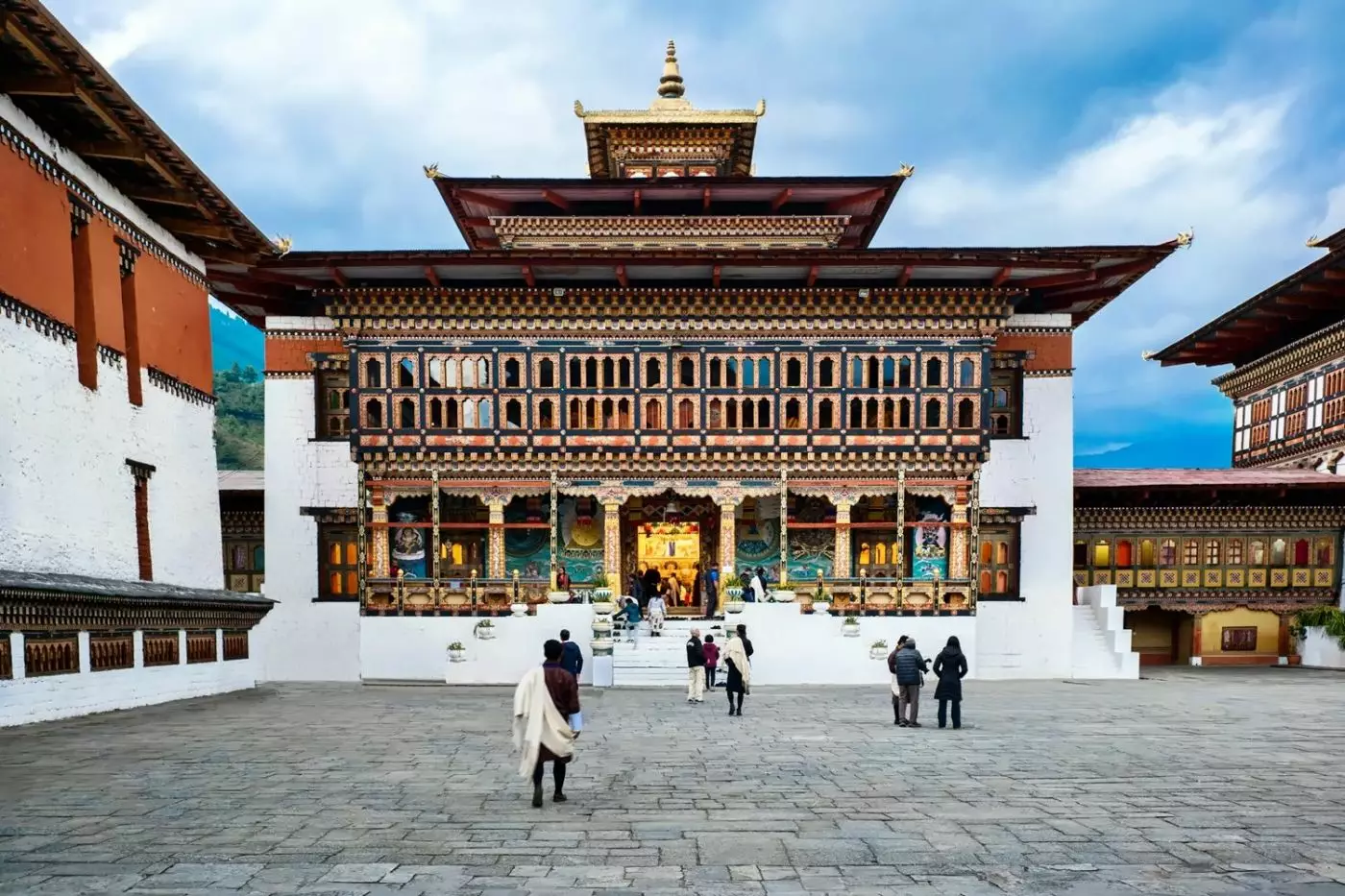
The capital is an interesting counterpart to that setting. The National Textile Museum puts a particular Bhutanese craft in focus, while Tashichho Dzong belongs to the city's civic and religious life. If those are the aspects of Bhutan that most interest you, Thimphu gives the collection a city dimension without putting the lodge in the center of town.
Punakha lies lower than Thimphu and has a warmer, more agricultural setting. Six Senses Punakha sits above the valley floor along the Mo Chhu, with rice fields around it. The farmhouse reference in the lodge's design makes sense here. Its rural character comes from the working landscape as much as from the building itself.
Punakha Dzong provides a different point of reference. Punakha was once Bhutan's capital, and its dzong gives that history a visible presence amid the farmland. The lodge and the dzong are separate places. If both the building traditions and the cultivated landscape interest you, Punakha gives each a place in the same stay.
At Six Senses Gangtey, the view is across Phobjikha, a broad glacial valley. The lodge stands above the Crane Conservation Center. The valley is a winter roost for black-necked cranes, and that habitat gives the open ground a significance beyond the view. The landscape is the reason to choose Gangtey; seeing the birds need not be the measure of the stay.
Gangtey Goemba, the monastery in the village, adds another point of interest to a place often described through its wildlife. The monastery is part of village life, distinct from the winter habitat on the valley floor. For travelers deciding between Gangtey and Bumthang, that sense of open country is the clearest distinction. In Bumthang, the immediate setting is woodland.
Six Senses Bumthang occupies a pine-covered hillside above a stream. The forest is close enough to define the setting of the lodge, including the outlook from its balconies. Instead of looking first for a sweep of farmland or a town below, the eye goes to the trees across the valley. That is a good reason to favor Bumthang if you prefer a sheltered setting.
There is a cultural reason to consider this part of Bhutan, too. The Kurjey and Jambay temples are among Bumthang's pilgrimage sites. The woodland around the lodge and the region's religious buildings are distinct draws, so a stay here needn't be defined by the forest alone.
Local stone gives Six Senses Paro a different character from the other lodges. It stands on the hillside above the Paro National Museum, looking across a valley of terraced fields and villages. The Paro Chhu runs through the valley below. That relationship between the slope, the fields and the river is part of what makes the lodge's position worth considering.
Taktsang, better known as Tiger's Nest, is the cliffside monastery associated with Paro. It is a landmark of the valley, separate from the lodge and the museum. The monastery may be what first brings Paro to mind, but the stone architecture and agricultural landscape give the valley an identity of its own.
The collection includes suites and villas, but the setting can be a better guide to the choice of lodge than the room type. At Gangtey, the main building is known as the Traditional Bird Watching Bridge. The name tells you how central the outlook is to the lodge's design. Paro is more readily understood through its walls and the locally cut stone that gives the building a connection to the valley.
Wellness is part of the Six Senses approach across the lodges. The useful question here is how much time you want to spend in one setting. If rest matters as much as seeing the country, leave some time unplanned. A quiet afternoon above the stream in Bumthang or looking out over Phobjikha gives the choice of lodge a purpose of its own.
For a stay that takes in more than one lodge, start with what you want each place to add. Thimphu and Punakha, for example, bring the present and former capitals into the same stay. Gangtey and Paro make for a different comparison, between a protected valley and one where stone architecture is a prominent part of the landscape. The point is to choose a combination for its contrasts, not for the number of lodges on the list.
Six Senses Bhutan makes sense for travelers who want the place they stay to tell them something about the part of Bhutan they're in. If one setting already stands out, give it the time it deserves. A second lodge is worth considering when there is a different side of Bhutan you want to get to know.
Vegetable-dyed Himalayan rugs and locally inspired interiors carry Bhutanese craft into the lodges, giving time indoors its own connection to the country.
Thimphu's hillside lodge sits among apple orchards and pine forests, combining views over the capital with a setting beyond its streets.
At Paro, dining among stone ruins brings the valley's historic setting into the meal, adding another reason to spend time at the lodge.
Chunimeding, Babesa, Chang Gewog, Thimphu 11001, Bhutan
Playing this video may share data with YouTube. Please see our Privacy Policy.
Yes. Six Senses Bhutan is a strong choice for travelers who want a luxury journey across several Bhutan valleys. It suits guests who value wellness, culture, nature, design, guided travel, and a slower Himalayan pace.
Six Senses Bhutan is spread across five lodges in Thimphu, Punakha, Gangtey, Bumthang, and Paro. This makes it different from a single hotel, since guests can build a full Bhutan circuit around the lodges.
Six Senses Bhutan has 82 villas and suites across its five lodges. The accommodation style changes by valley, while the overall feel stays calm, spacious, and connected to the landscape.
The resort combines five intimate lodges with wellness, culture, mountain views, and tailored Bhutan experiences. Guests can move between valleys instead of staying in one place, which makes the trip feel deeper and more varied.
The five lodges are Six Senses Thimphu, Punakha, Gangtey, Bumthang, and Paro. Each lodge has its own setting, design mood, wellness spaces, dining, and access to local cultural experiences.
More amenities
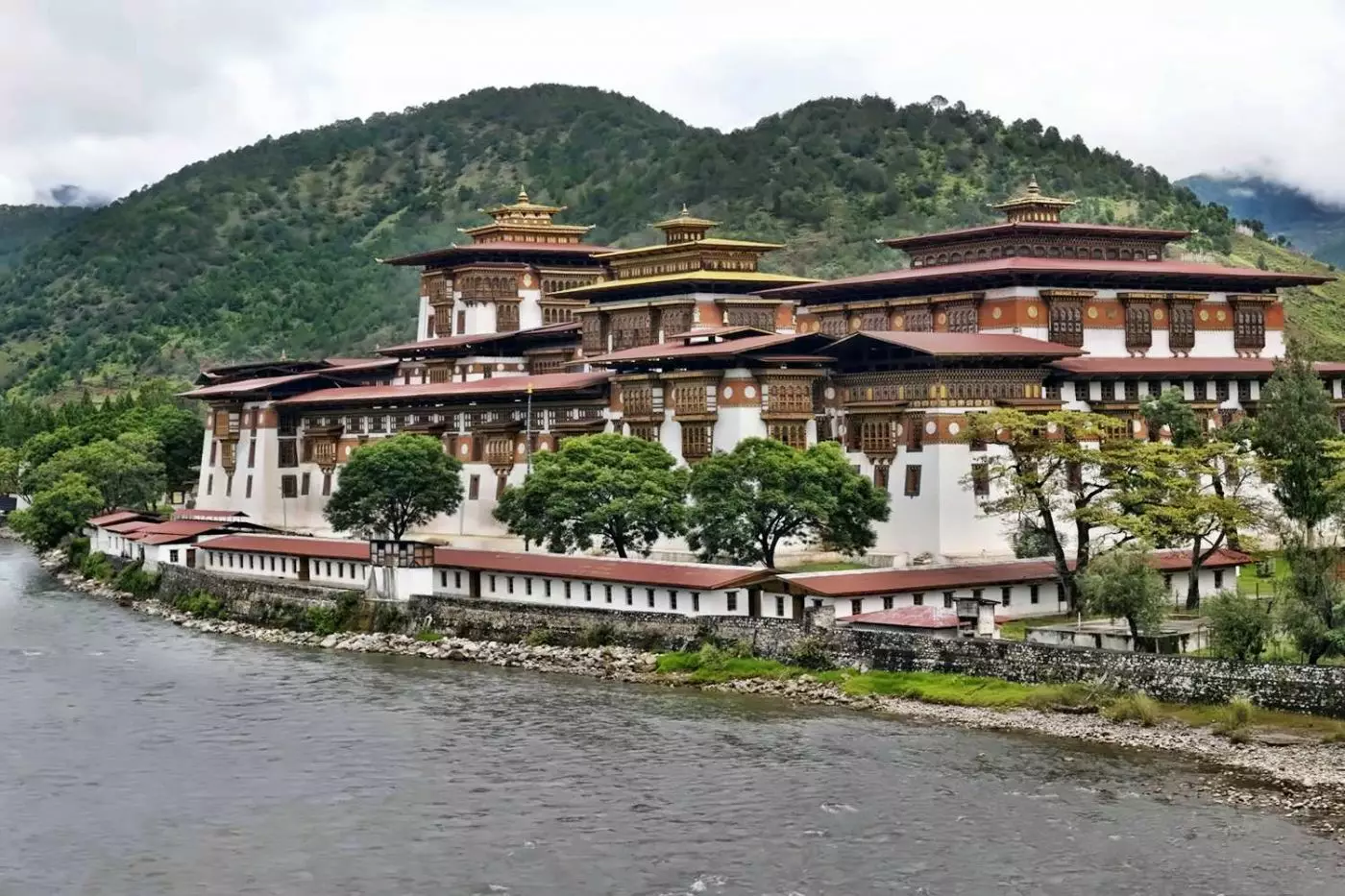
COMO Uma Paro is a small luxury lodge on a blue-pine hillside above Bhutan's Paro Valley. Its calm setting feels removed from...
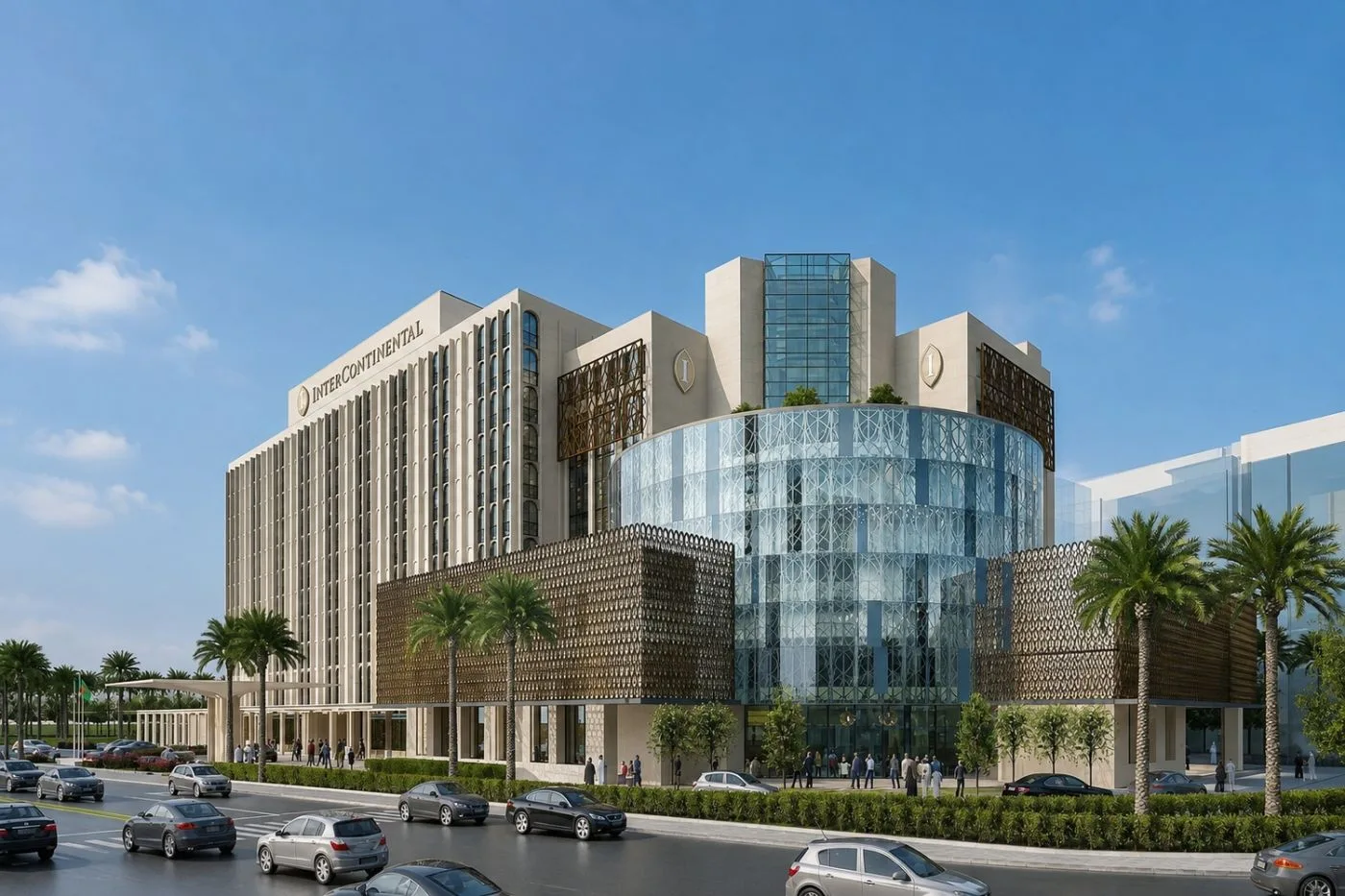
InterContinental Dhaka is a five-star hotel in Dhaka for guests who need the capital to feel workable. The address is central...
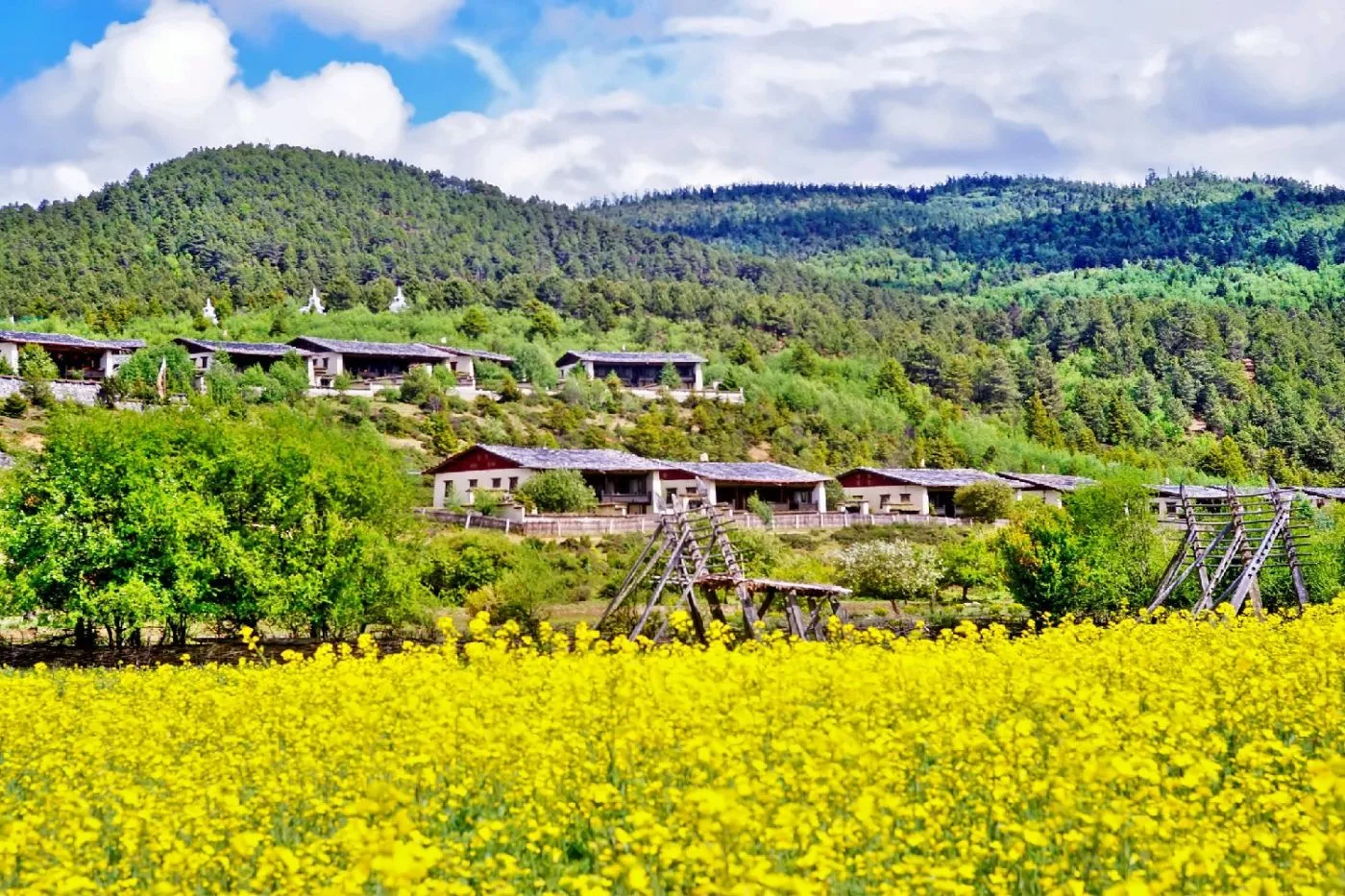
In Ringha Valley, Banyan Tree Ringha occupies 32 lodges rebuilt from traditional Tibetan farmhouses. Colored wooden posts, ca...