Call your Travel Designer +1 617 778 2318
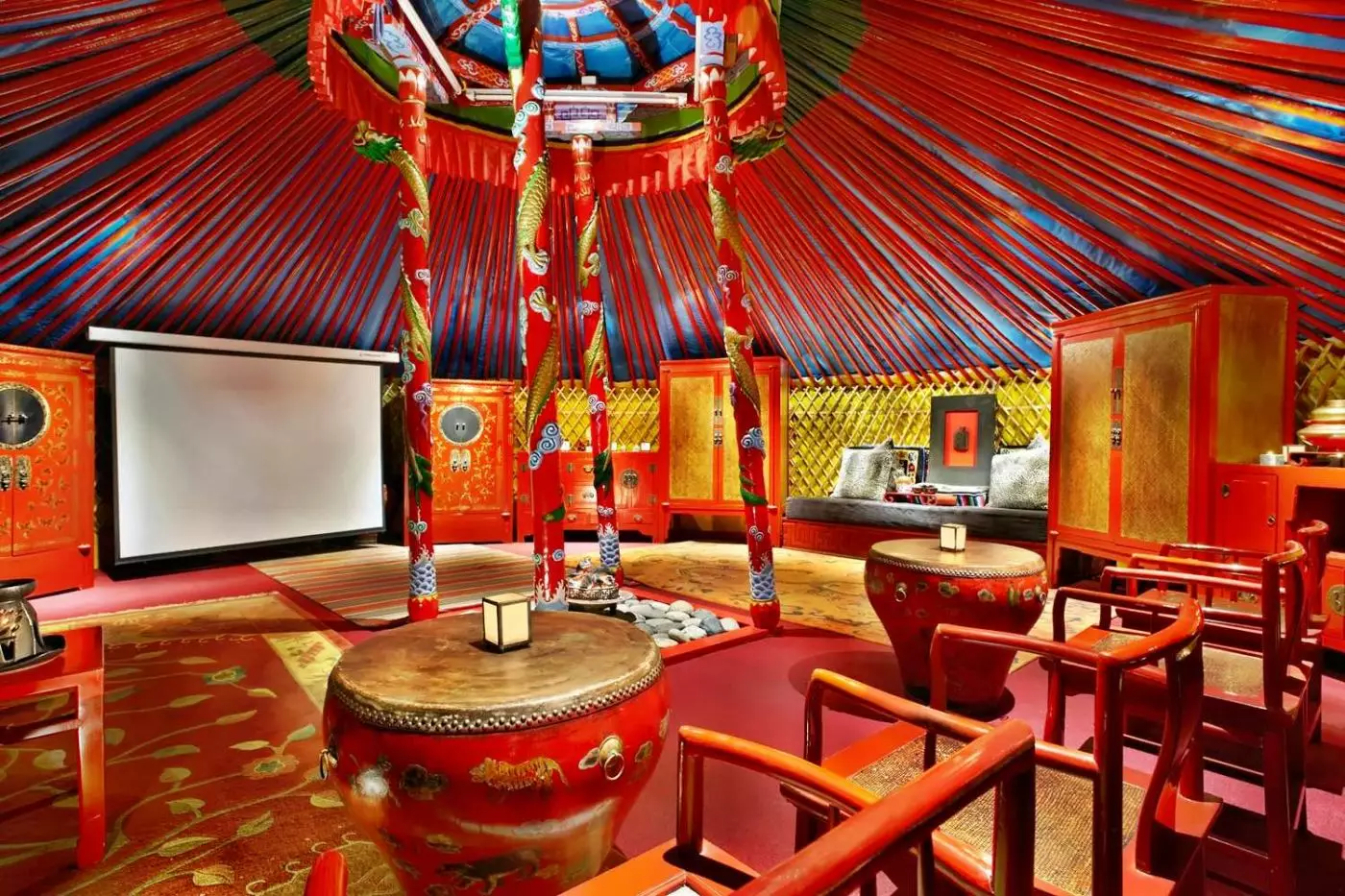
The Tibetan Farmhouse is a unique, immersive experience. It is perfect for connecting with nature and Tibet's rich heritage. The farmhouse is in a serene
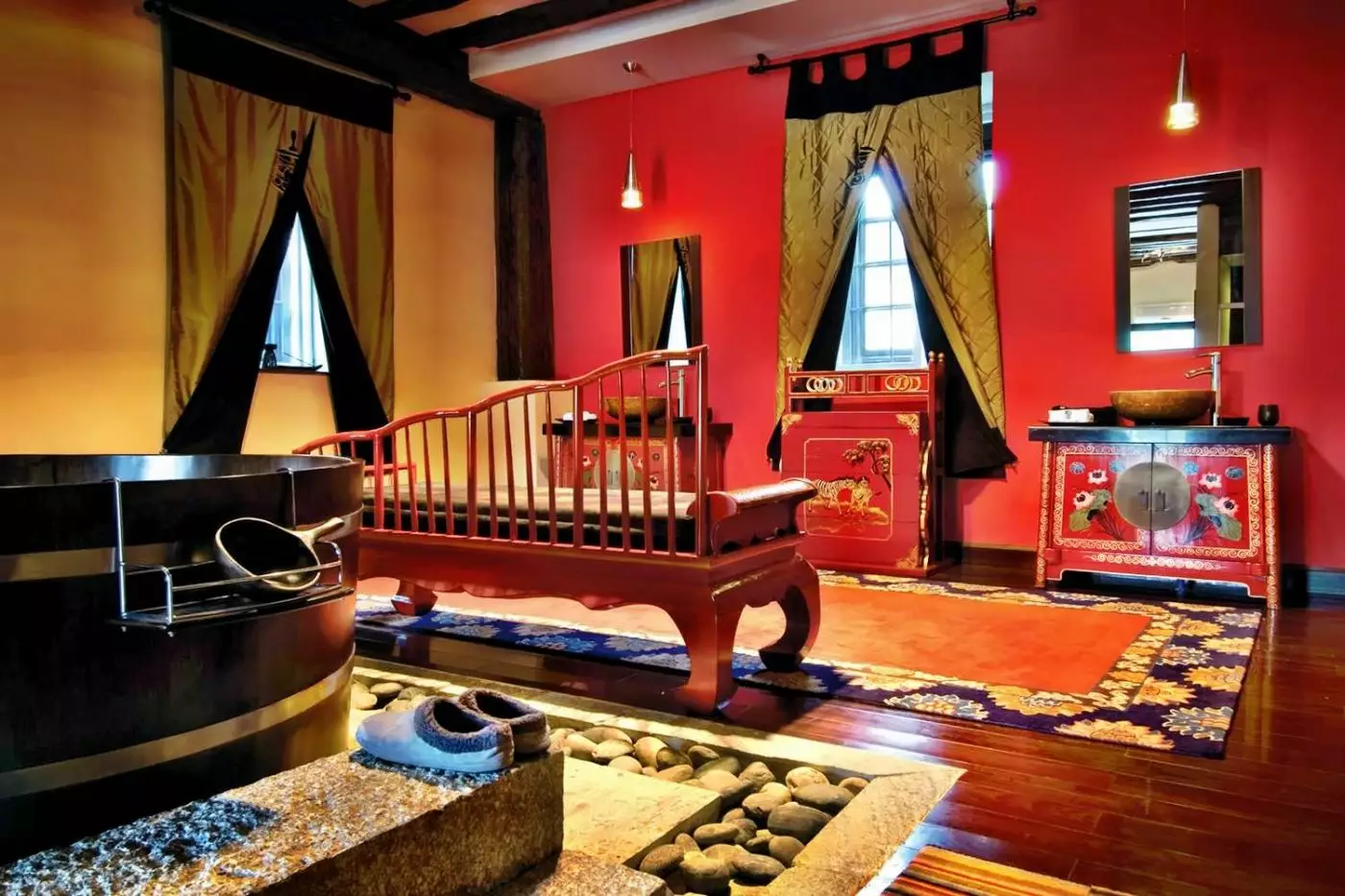
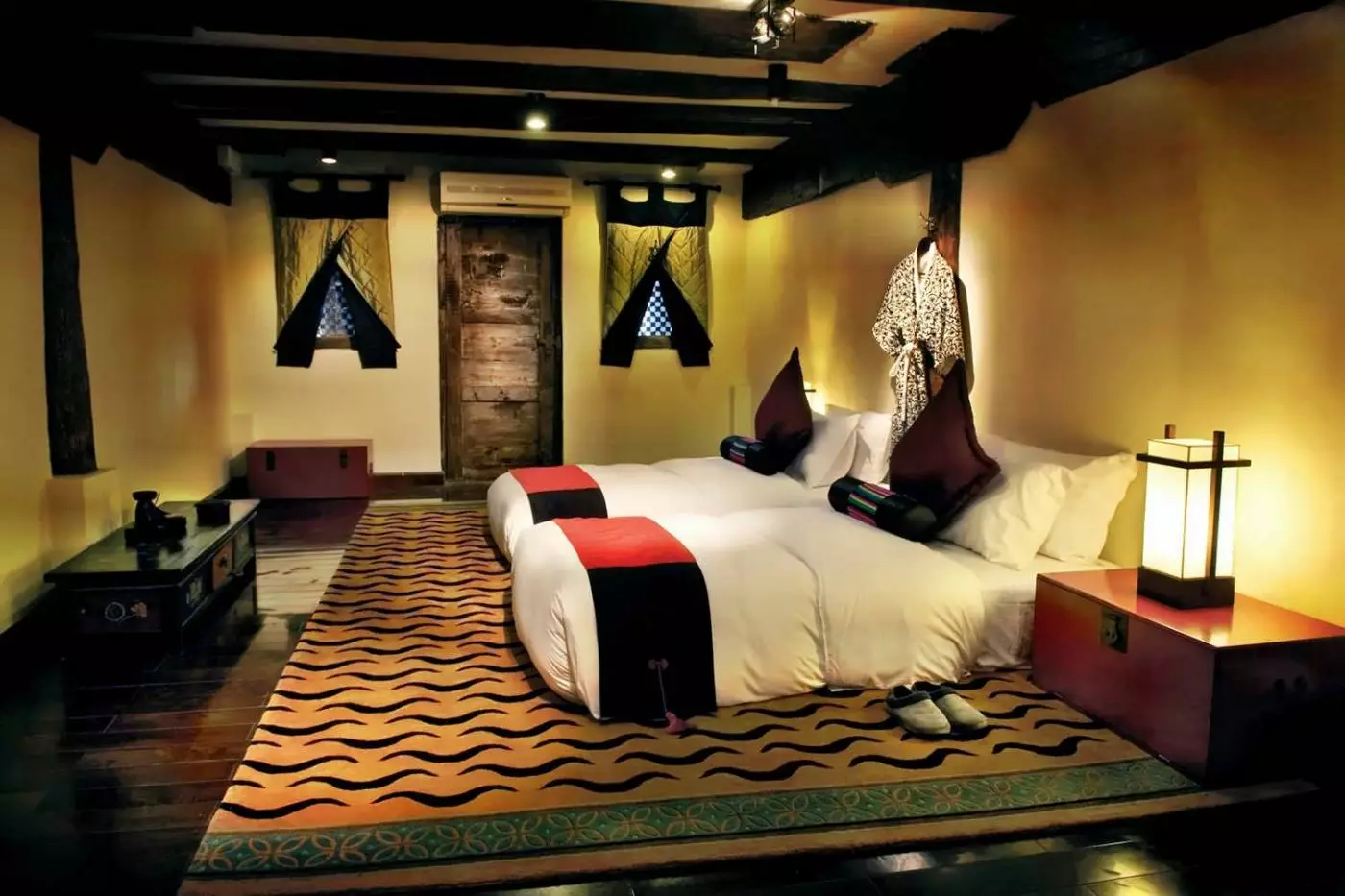
The Tibetan Spa Sanctuary Suite offers an exceptional experience designed specifically for couples. The room features a beautiful traditional Tibetan interior that radiates calmness and
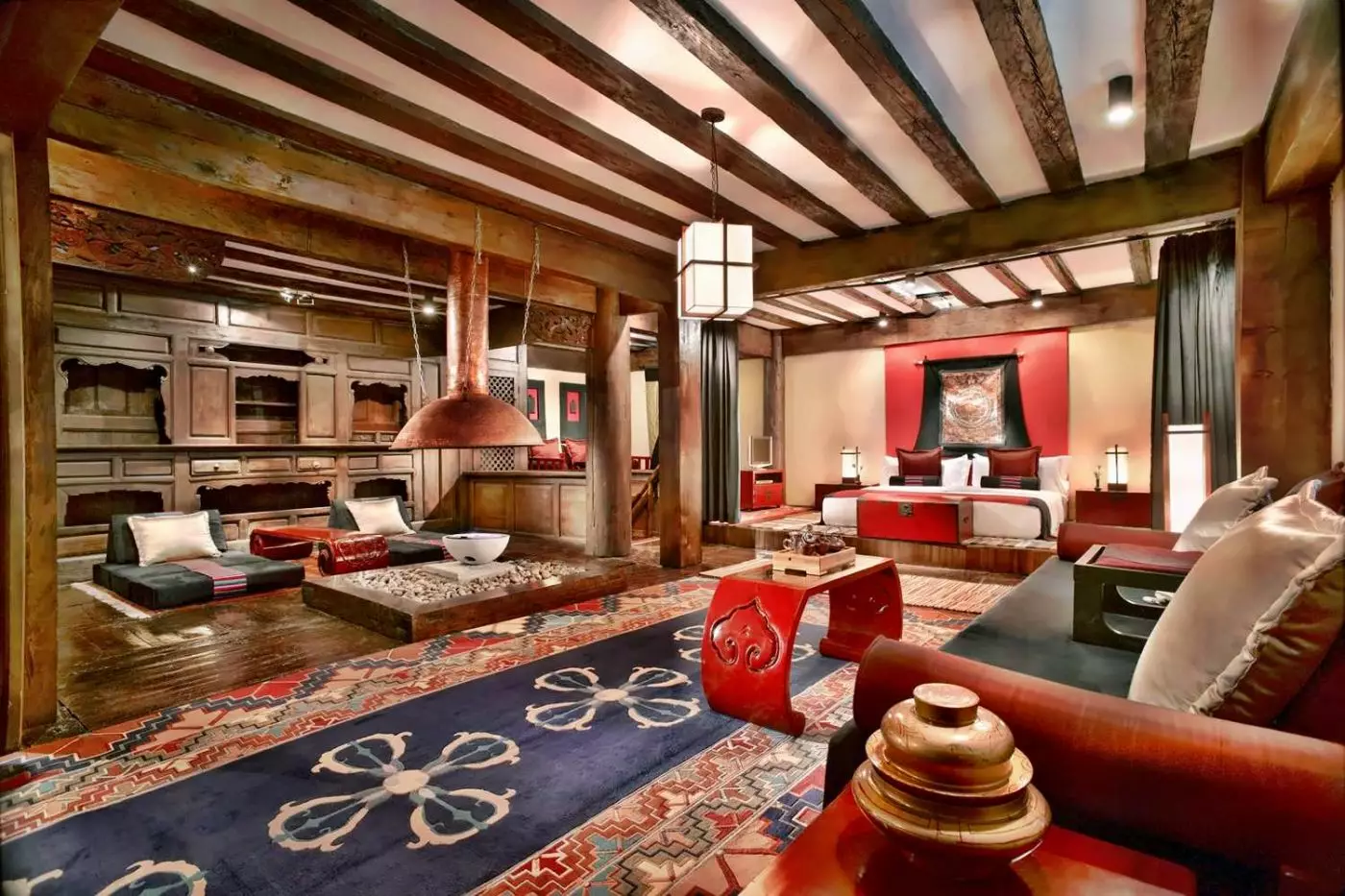
The 2 Bedroom Tibetan Lodge offers a unique blend of tradition and comfort. With two well-appointed bedrooms, it provides a warm, inviting space. The lodge
The 2 Bedroom Ringha Lodge offers a unique experience with authentic Tibetan charm. It has been carefully restored once home to a Tibetan villager and
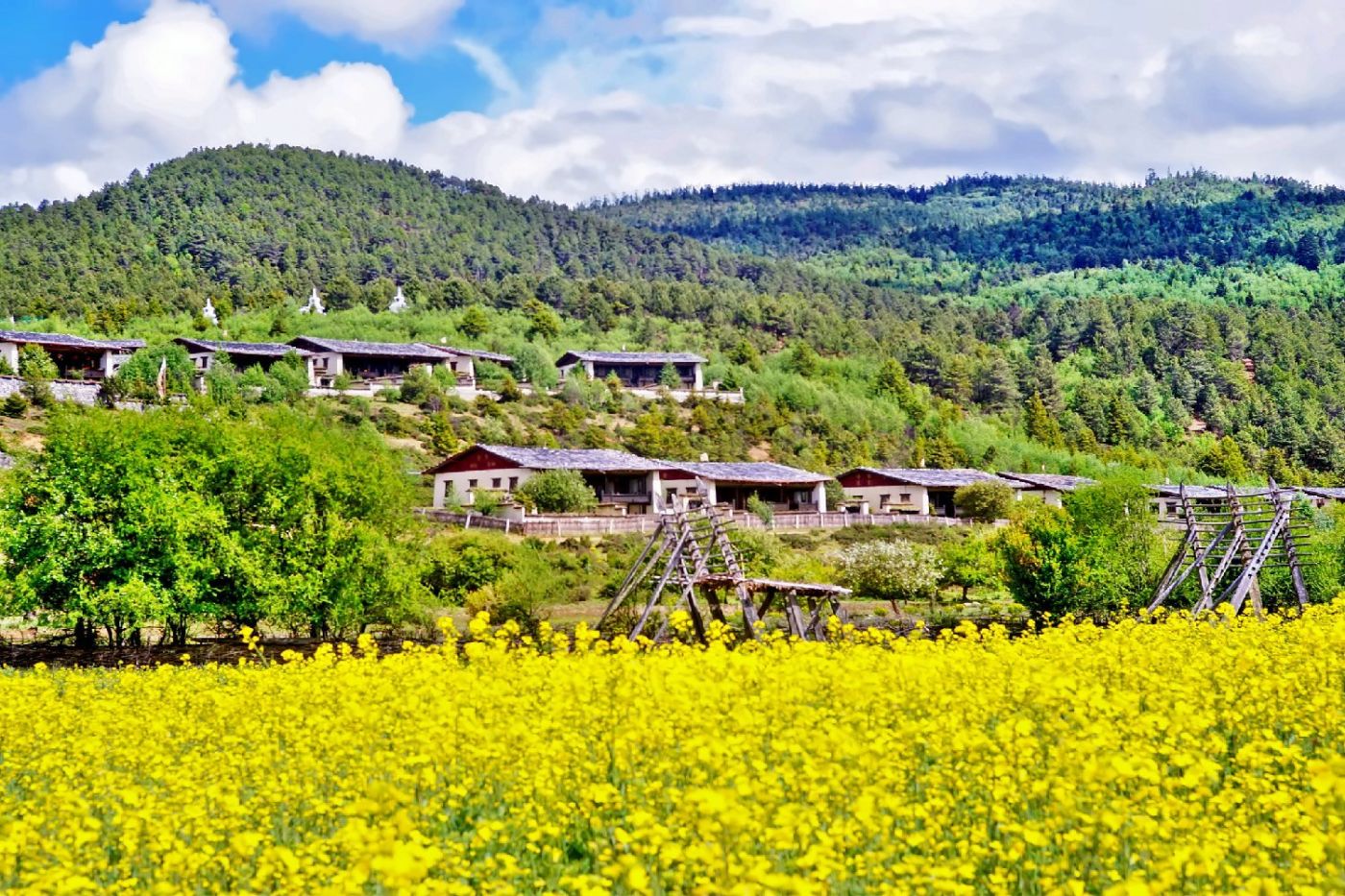
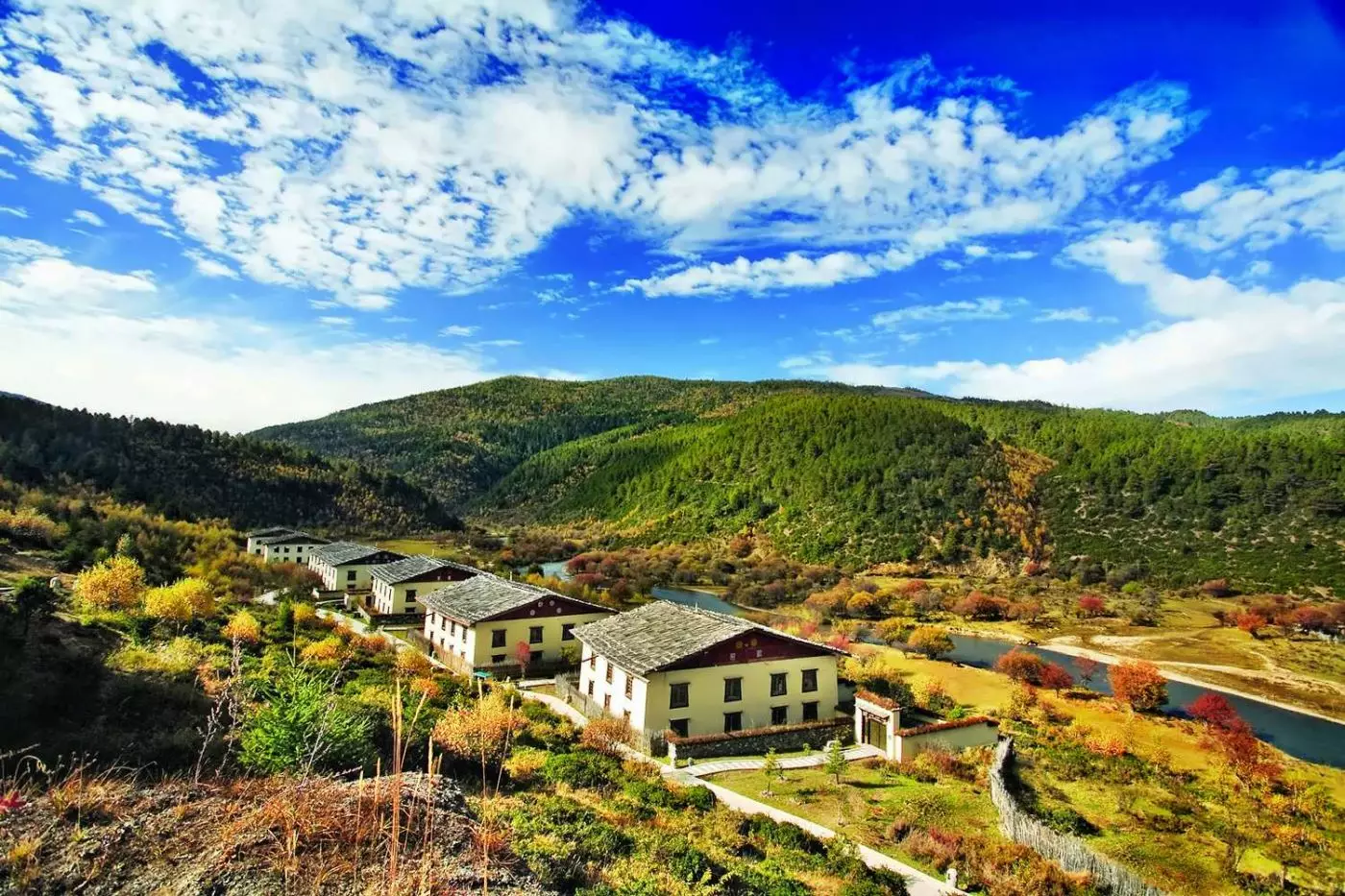
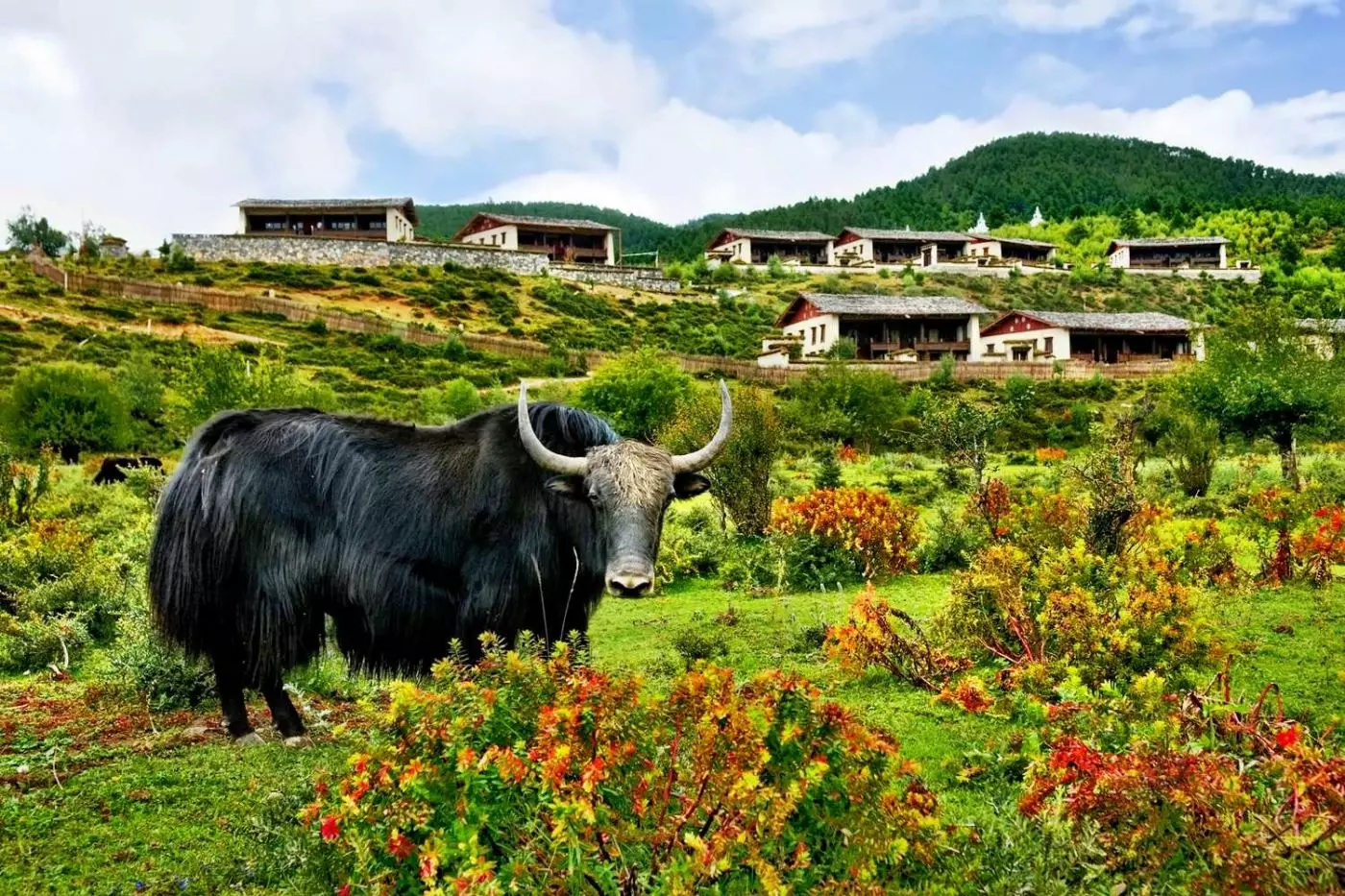
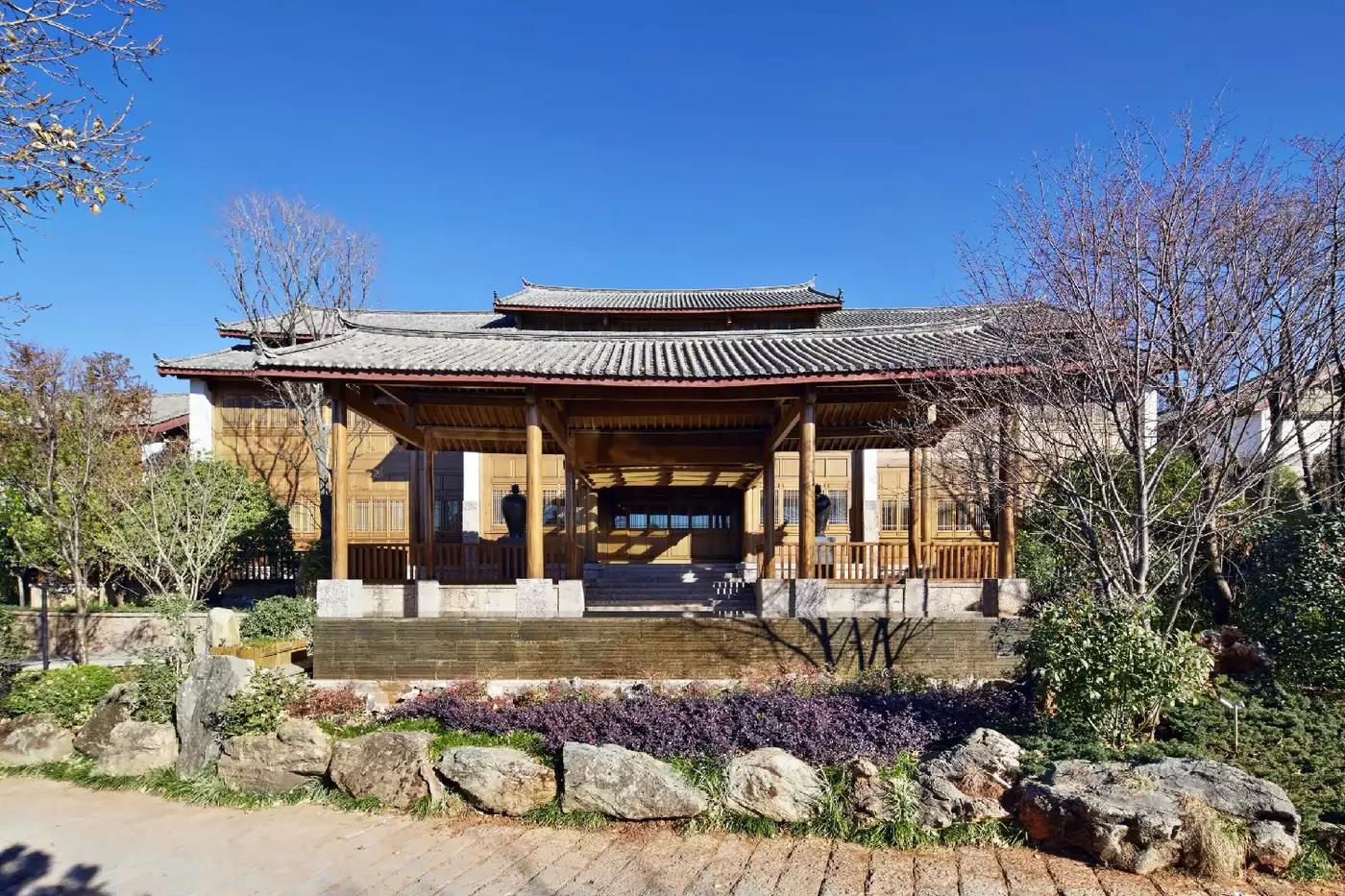
Banyan Tree Ringha sits in the Ringha Valley near Shangri-La, in Yunnan's Diqing Tibetan Autonomous Prefecture. The resort is far from the usual city-hotel pattern. It is a highland retreat of dark timber, stone, open pasture, mountain air, and traditional village architecture. Guests come here for landscape, culture, quiet, and a slower way of seeing this part of China.
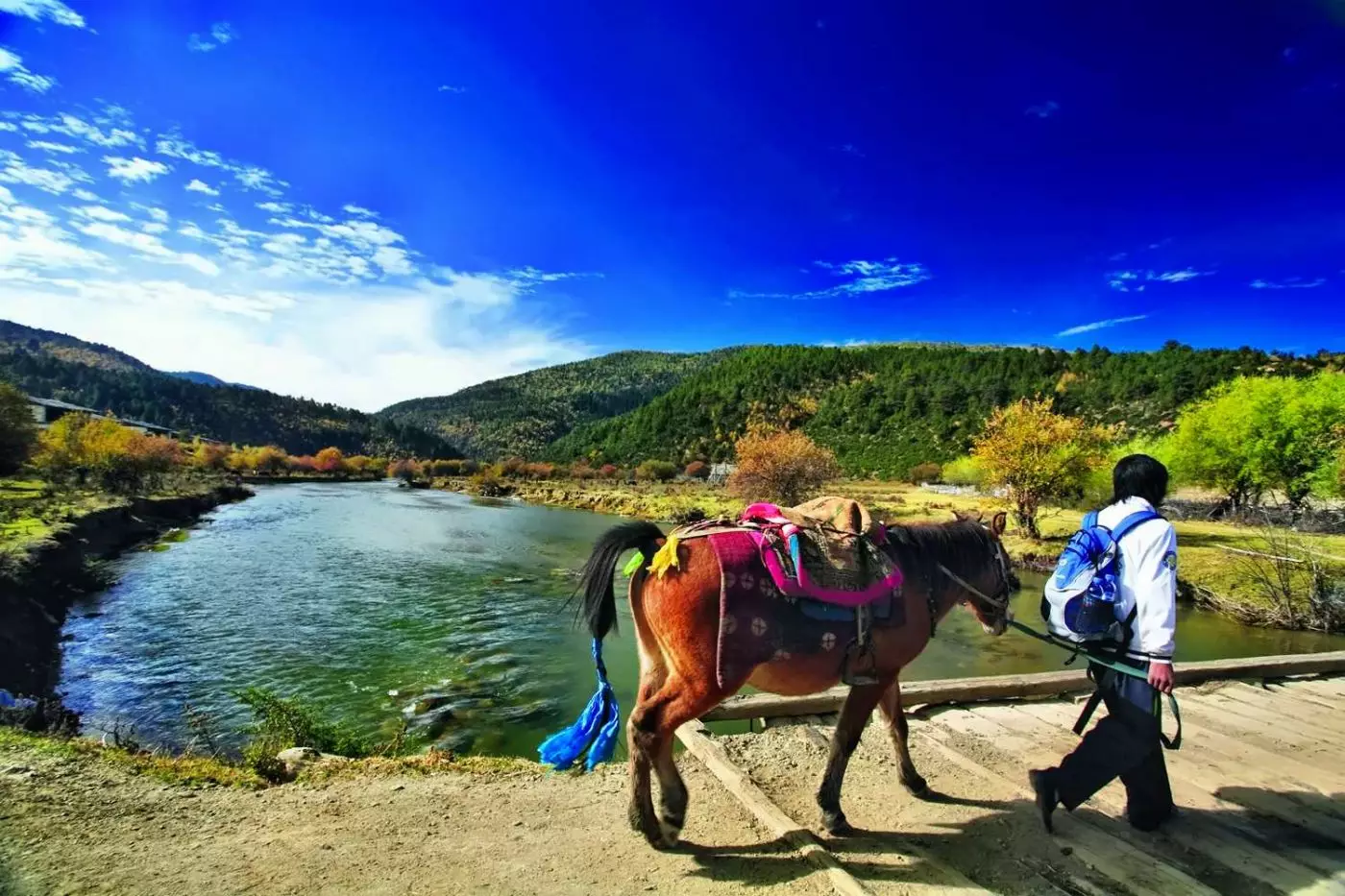
The setting is the main reason to choose the hotel. Shangri-La is not a quick beach escape or a polished urban stop. It is a place of altitude, wide views, monasteries, rural roads, and changing weather. Banyan Tree Ringha gives that environment a comfortable base without making it feel anonymous. The resort is remote, but the remoteness is part of the appeal.
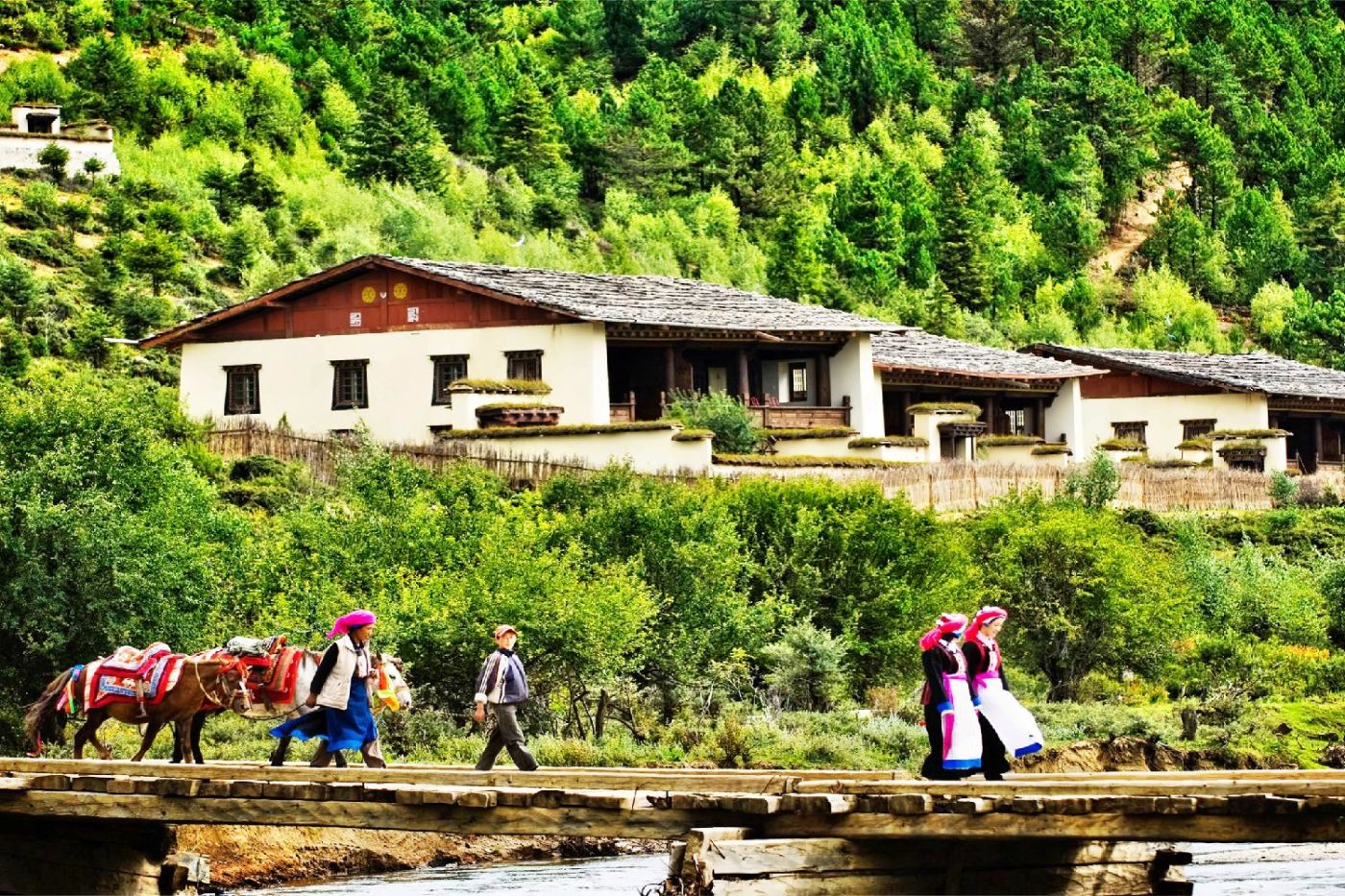
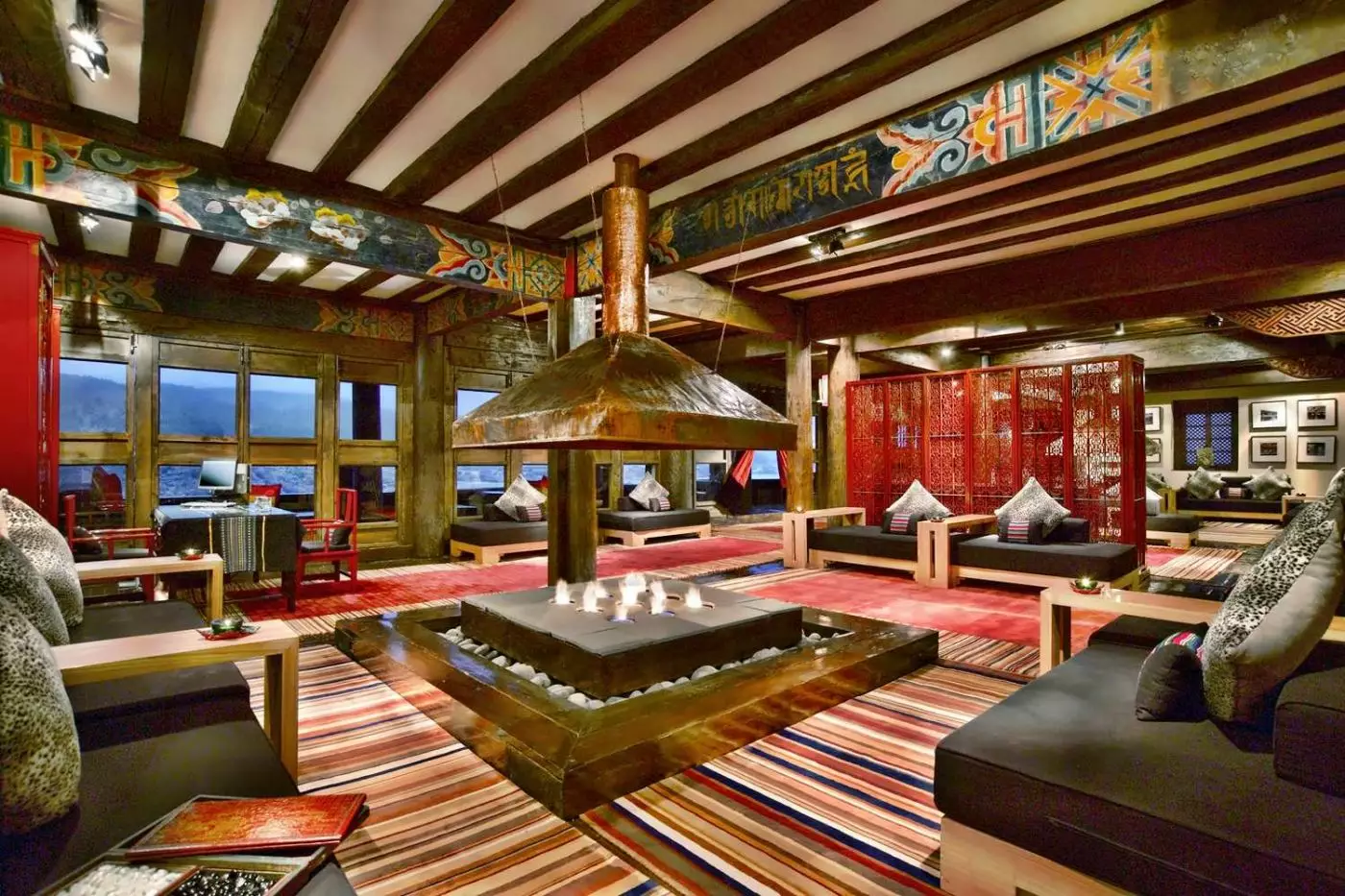
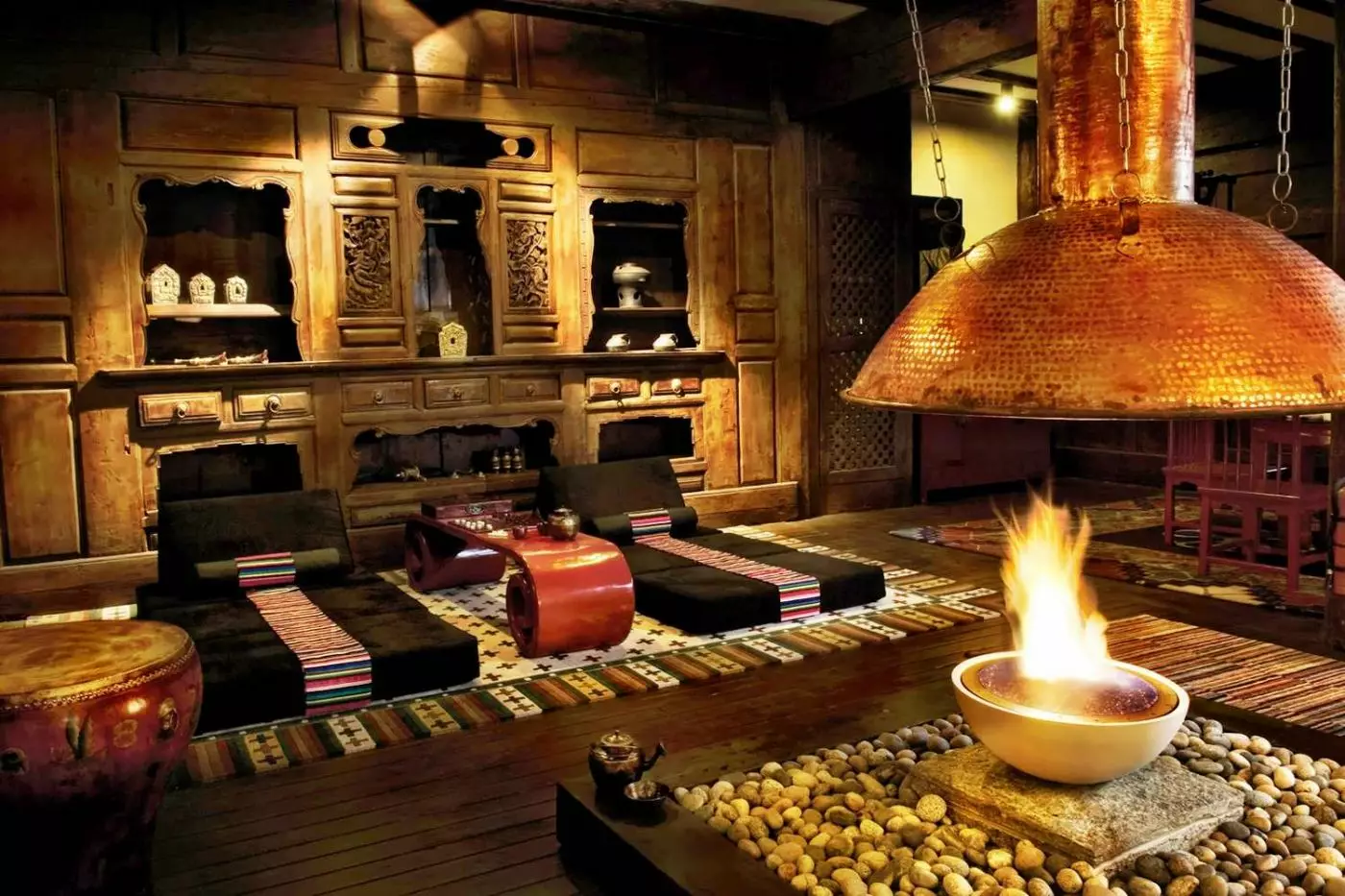
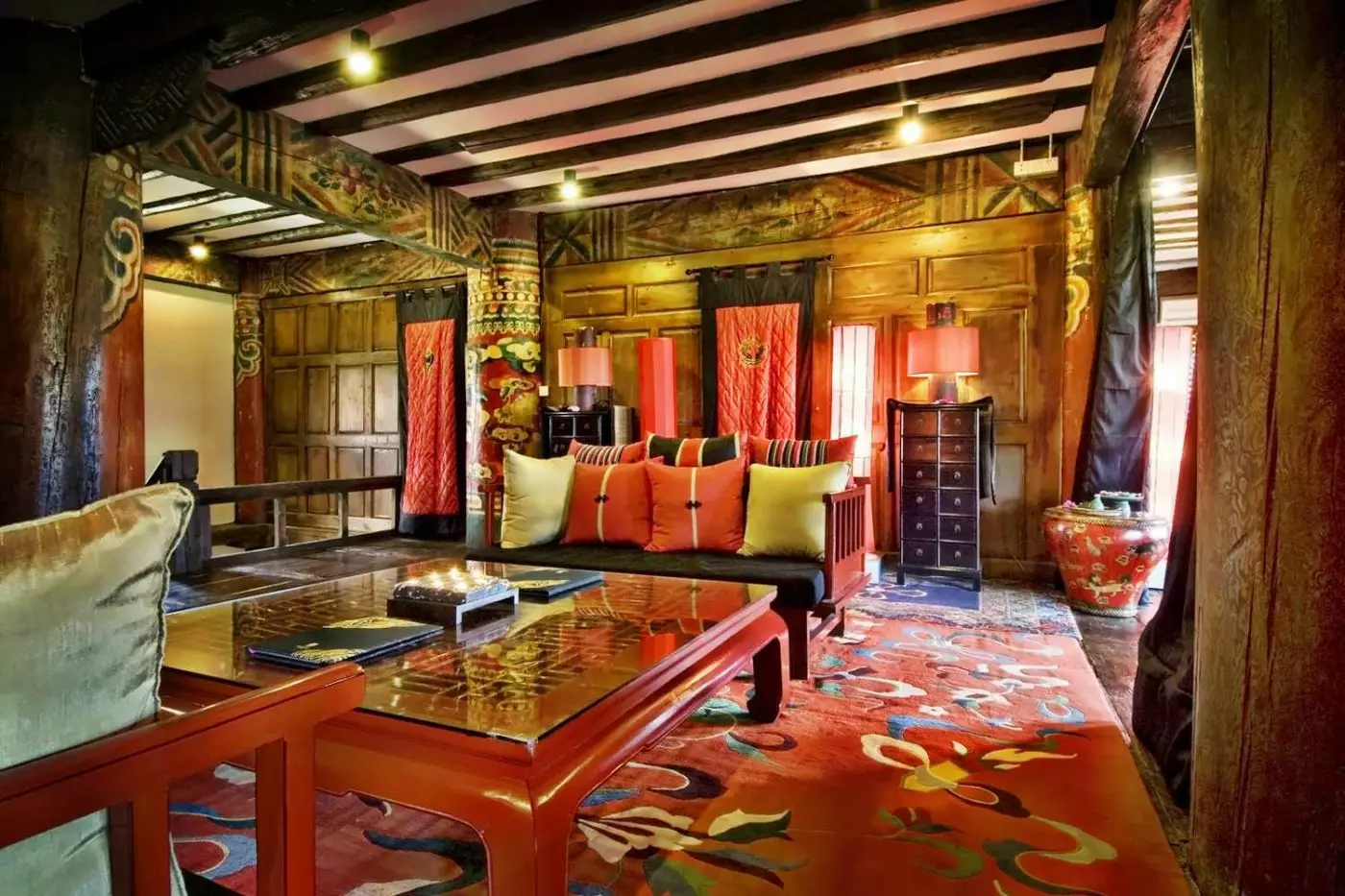
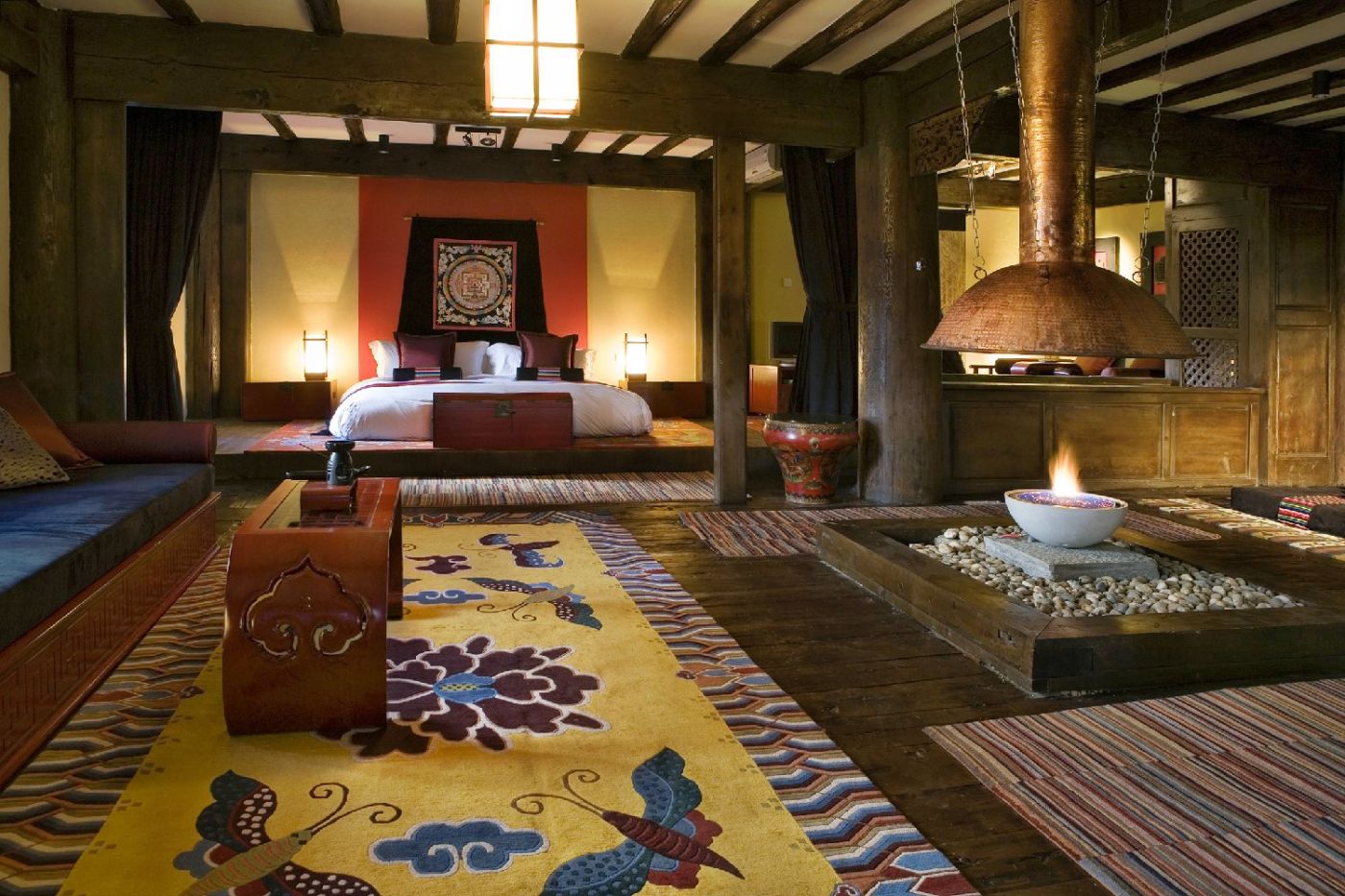
The property is built from 32 exclusive villas created from old Tibetan-style farmhouses. This gives Banyan Tree Ringha a character that is difficult to copy. The lodges do not feel like standard hotel rooms with regional decoration added later. They feel rooted in the building traditions of the valley, with heavy timber, generous interior space, and a strong sense of place.
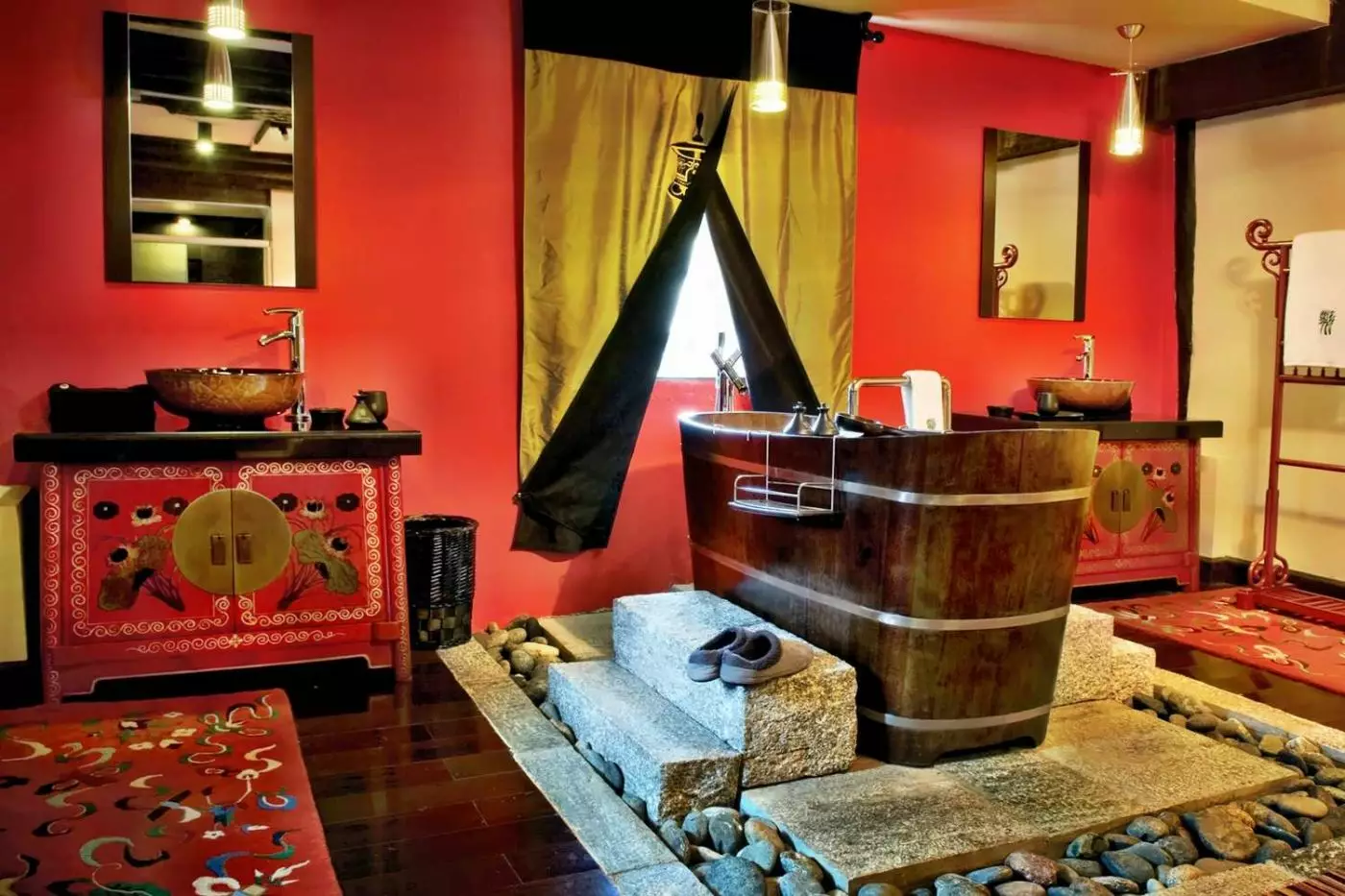
Some lodges are especially large, including two-bedroom options that suit families or travelers who want more room. Courtyards, living areas, fireplaces, and deep bathtubs help the villas work in a cool highland climate. The mood is warm and grounded rather than glossy. That is important because a property in this location should not feel like it could stand anywhere else.
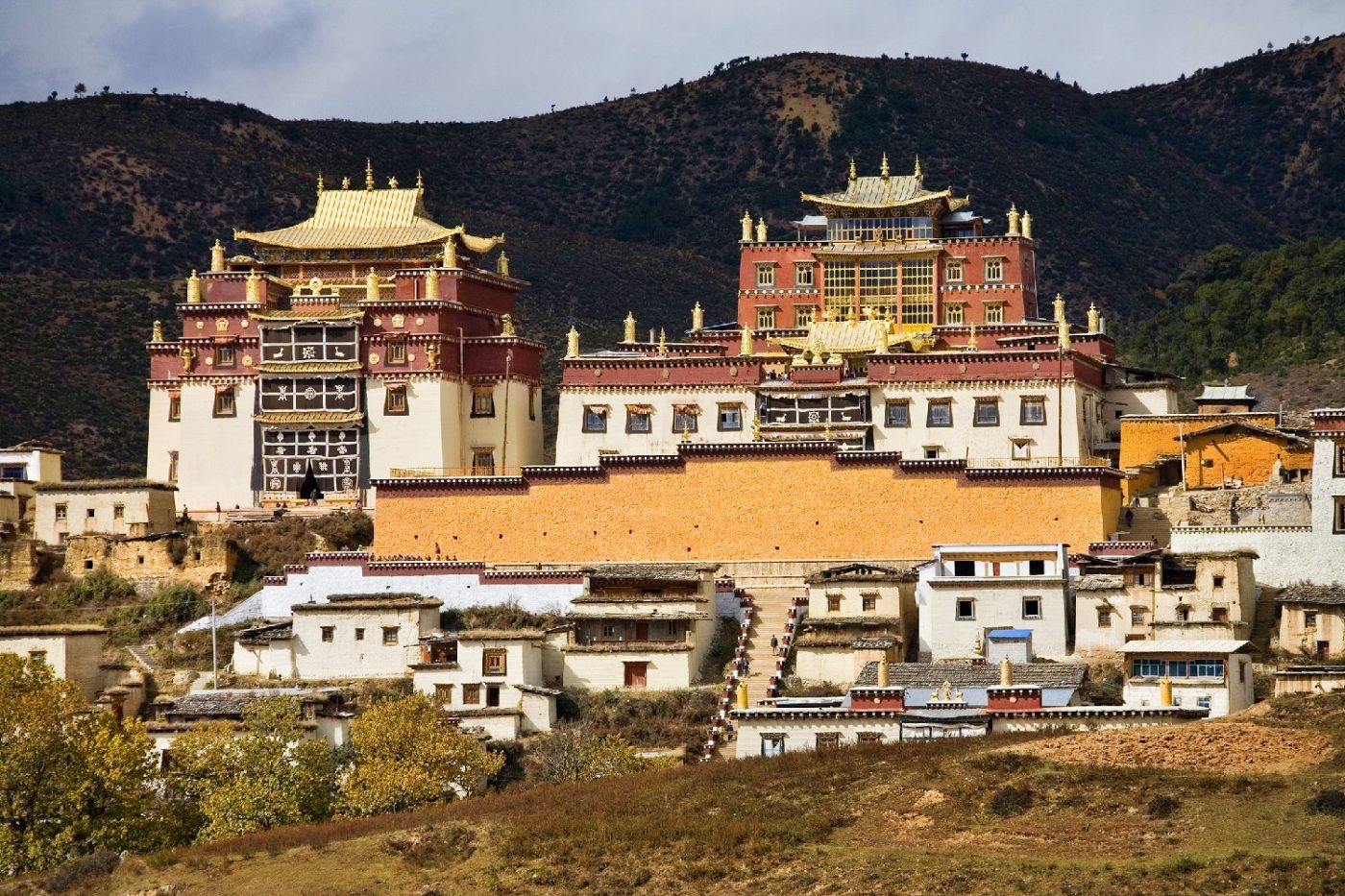
Staying here is also about the wider high country around Shangri-La. The roads, villages, valleys, and mountain views create a travel experience that feels closer to a journey than a resort stay. Guests may explore local viewpoints, walk in the landscape, visit cultural sites, or spend time learning how the valley has shaped local life.
Because the altitude and weather can affect energy, good pacing matters. A first day should not be overloaded. It is better to arrive, settle in, drink water, rest, and let the body adjust before planning longer outings. This practical detail is part of good travel in Shangri-La. The destination rewards curiosity, but it also rewards patience.
The Banyan Tree Spa gives the resort a calmer interior rhythm. In a destination where days can involve altitude, cool air, walking, and road travel, a strong spa is not just an extra amenity. It helps guests recover and enjoy the stay at a slower pace. Treatments can be planned around excursions, rest days, or evenings after time outside.
The spa fits the hotel because the whole property is built around retreat rather than spectacle. Guests can spend a morning in the valley, return for lunch, book a treatment, and finish the day by the fire. That kind of rhythm suits Ringha more than a packed checklist. It makes the stay feel restorative without losing its sense of destination.
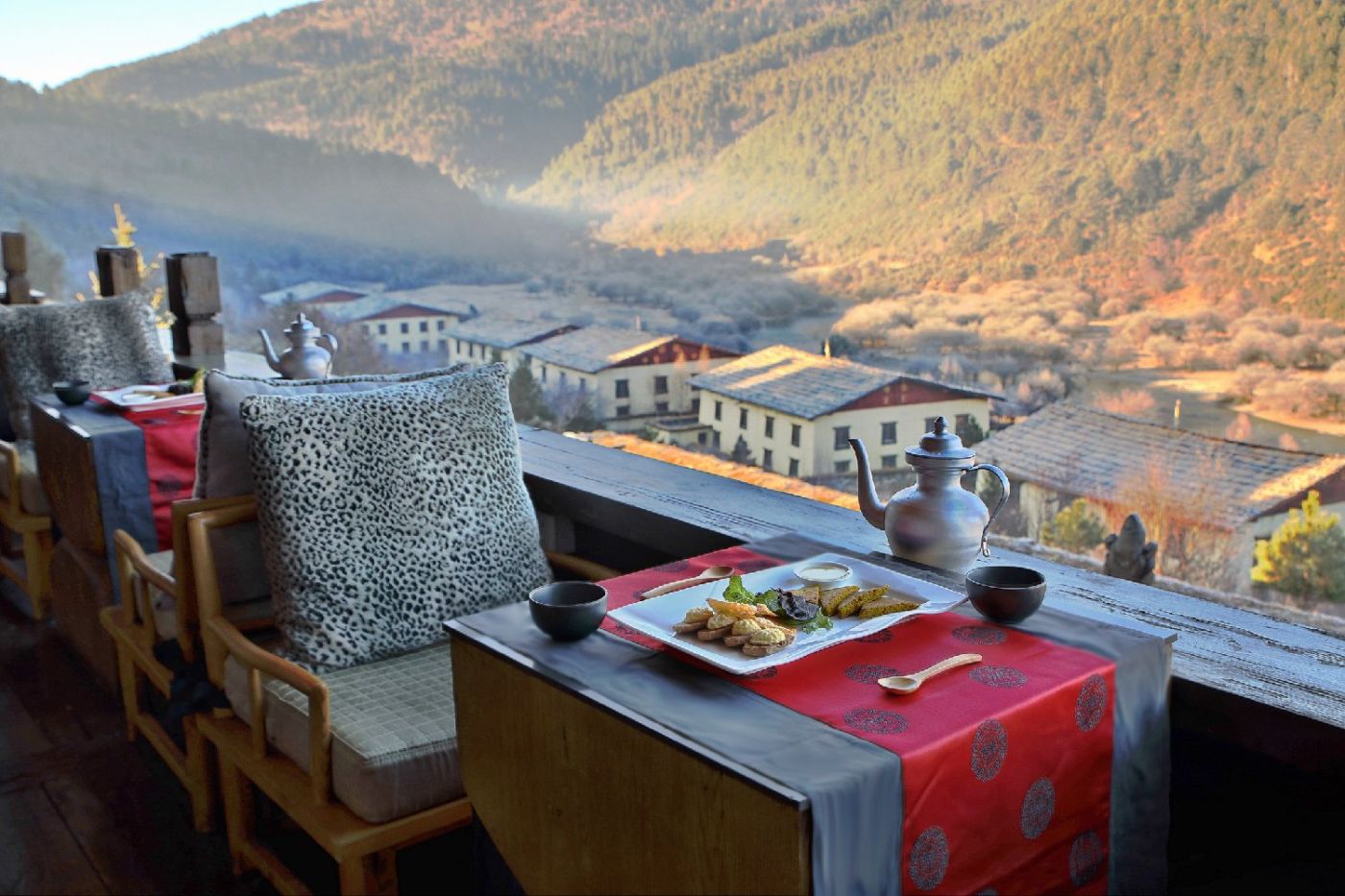
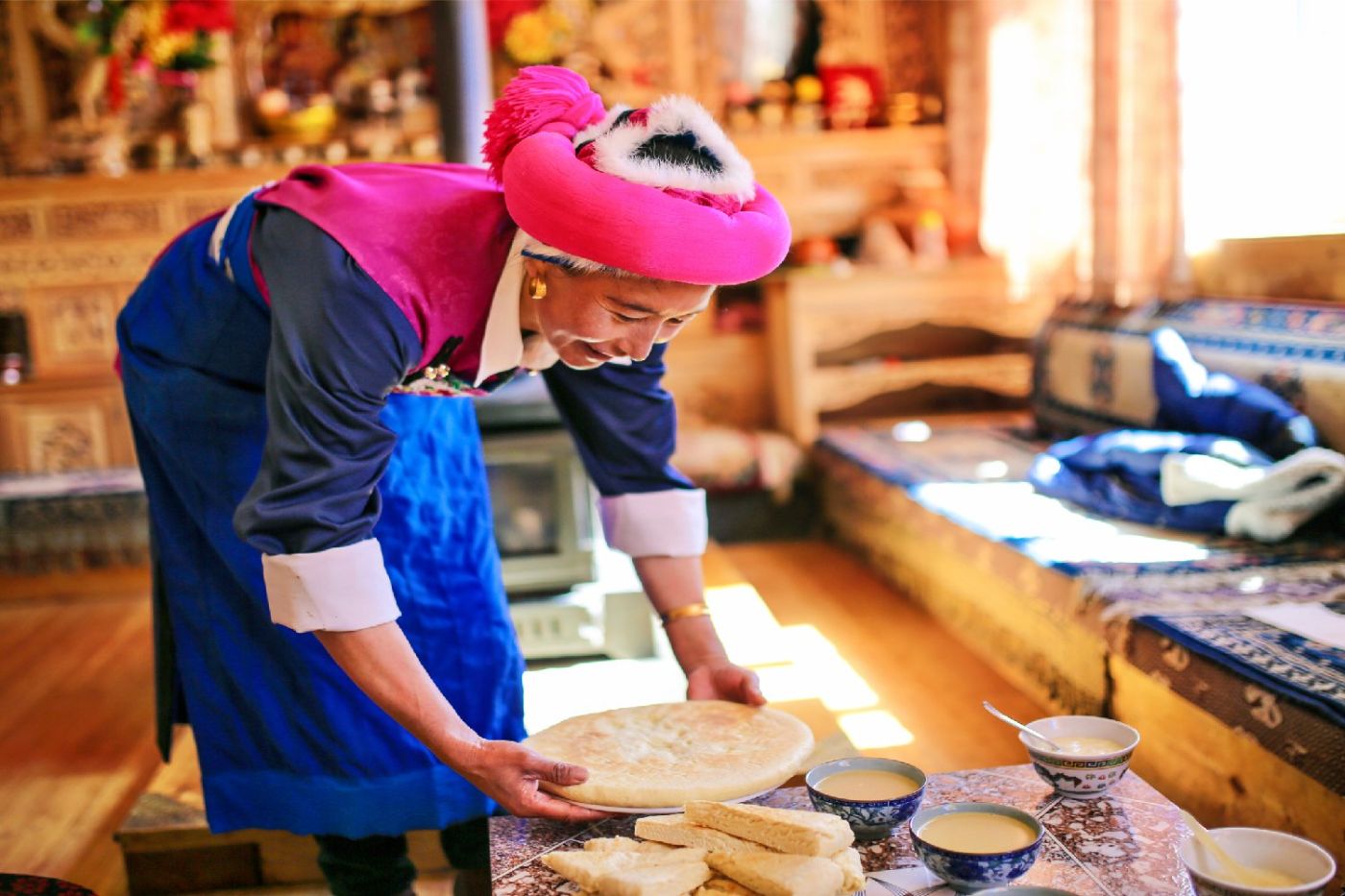
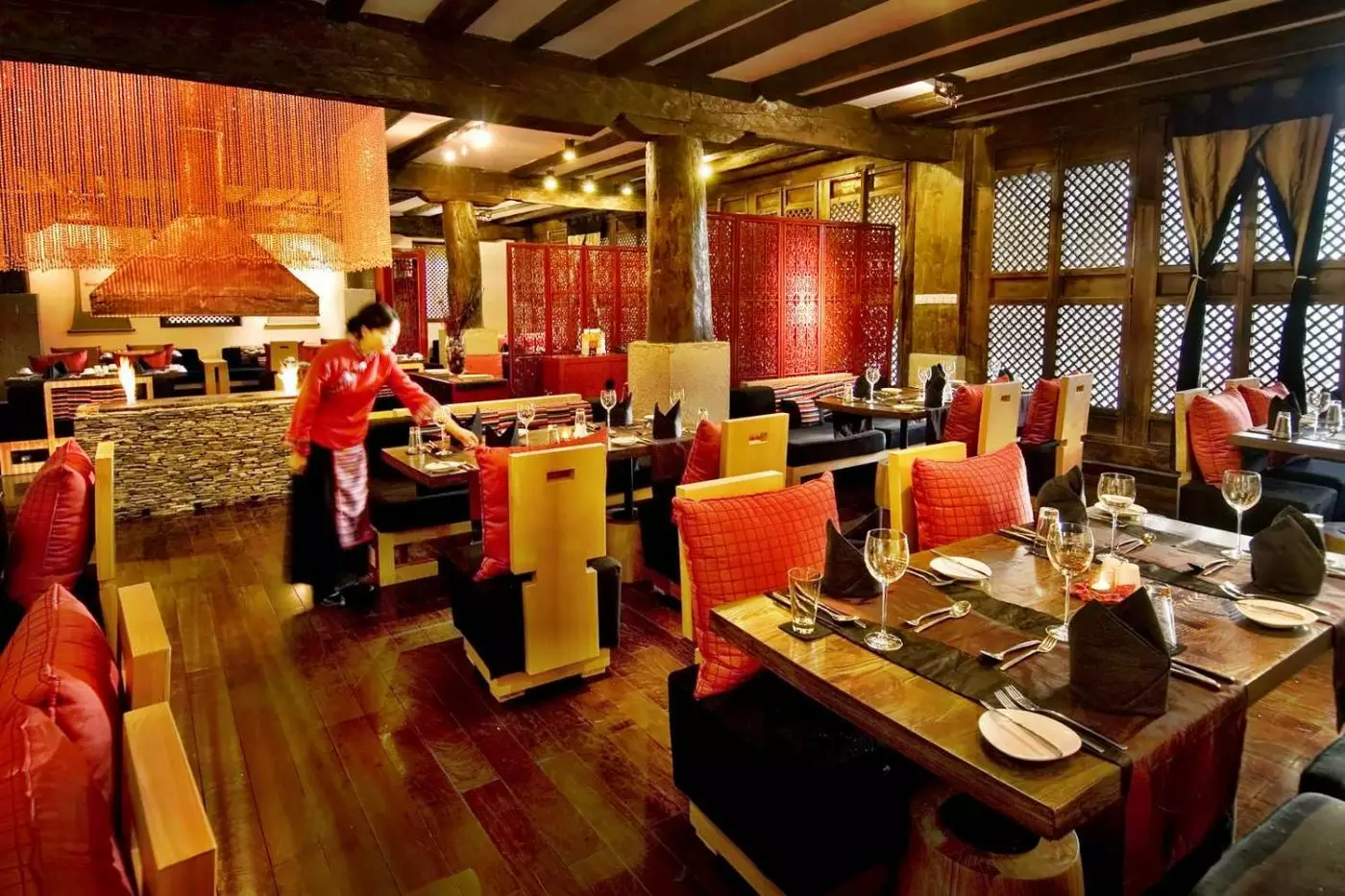
Llamo Restaurant is the main dining point at Banyan Tree Ringha. It brings together local flavors, Chinese cooking, and international comfort in a setting that feels connected to the lodge. In a remote resort, dining must do more than fill a schedule. It has to give guests a dependable, warm place to return to after time in the highlands.
The best meals here are part of the setting: hot dishes after a cool day, tea in a quiet room, and food that recognizes where the guest is. Travelers should expect a remote-resort dining style rather than a city restaurant scene. That is not a weakness. It is part of the experience of staying in a high valley where the landscape sets the tone.
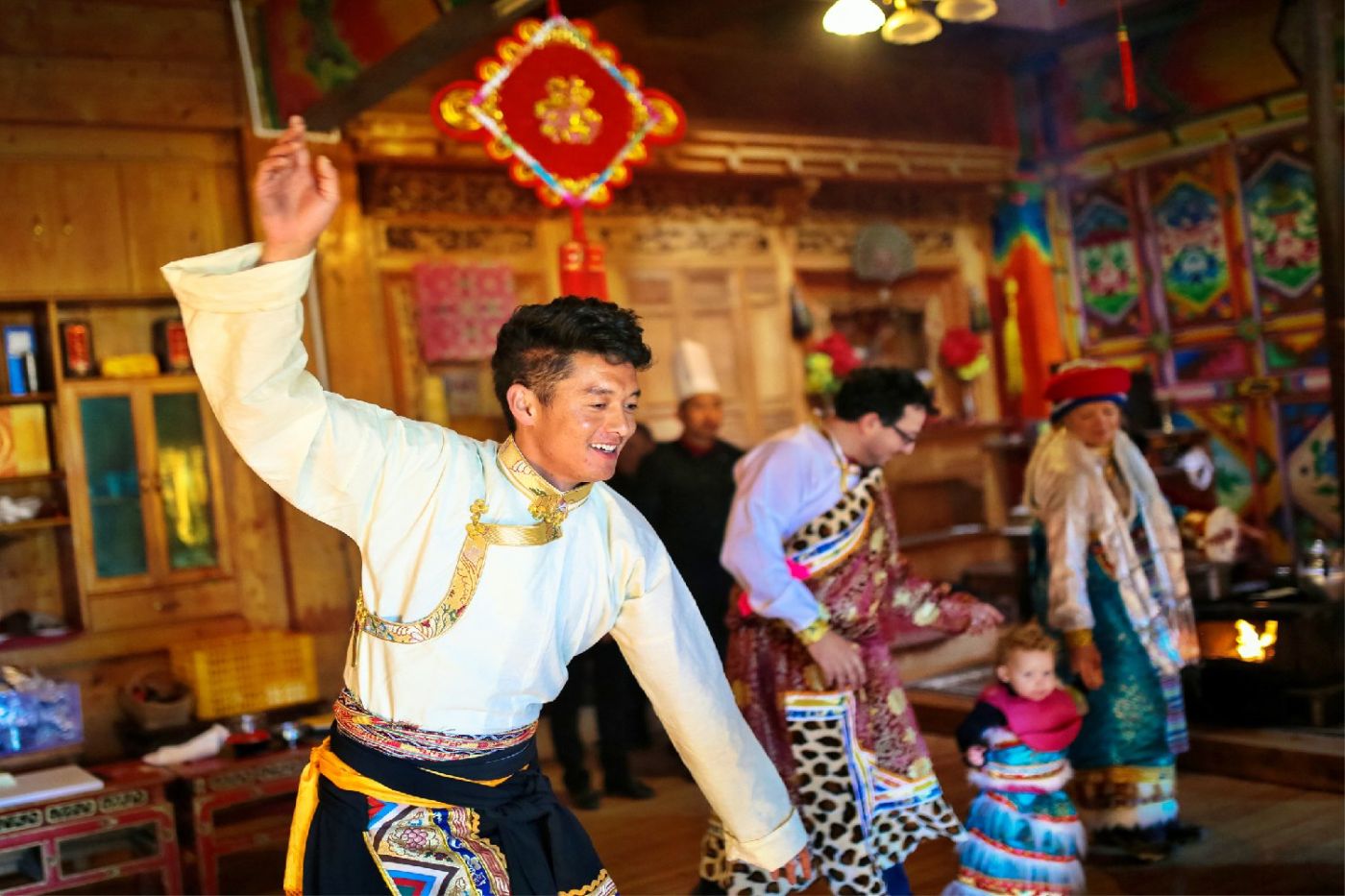
Banyan Tree Ringha is strongest when it is approached with respect for local culture. The architecture, village location, and Tibetan-influenced setting are not background props. They are part of the reason the resort exists. Guests who take time to understand the area will get more from the stay than those who only want a room with a view.
That does not mean the experience has to be formal. It can be as simple as noticing how homes are built, how courtyards are used, how prayer flags move in the wind, or how the valley changes between morning and evening. The hotel works best as a bridge into the place, not as a barrier from it.
Outdoor time is an important part of a stay at Banyan Tree Ringha. Hiking trails, valley walks, and scenic drives give guests access to the surrounding landscape. The pace can be gentle or more active, depending on fitness, weather, and altitude. This flexibility is valuable because not every traveler will respond to the highland environment in the same way.
The resort is a good fit for guests who like nature but do not need every day to be extreme. A short walk, a monastery visit, a quiet viewpoint, and an afternoon at the lodge can be more rewarding than trying to cover too much ground. Ringha is a destination for attention, not speed.
Travel to Banyan Tree Ringha requires more planning than a city hotel in Beijing, Shanghai, or Chengdu. Guests usually connect through regional air routes and then continue by road to the resort. Flight timing, weather, altitude, and road conditions should be considered carefully, especially for first-time visitors to northwest Yunnan.
A two-night stay can work for a brief taste, but three nights or more gives the destination room to open. Extra time helps with altitude adjustment, slower excursions, spa time, and unplanned weather. It also lets guests enjoy the villas properly. A property built from old farmhouses should not be treated like a one-night transit hotel.
Banyan Tree Ringha is a strong choice for travelers looking for a luxury Shangri-La resort with traditional villa-style lodges, mountain atmosphere, cultural depth, spa, hiking, and a quiet highland setting. It suits couples, culturally curious travelers, families in larger lodges, and guests who want Yunnan to feel personal and specific.
The resort is less suited to travelers who want nightlife, dense shopping, or a highly polished city-hotel experience. Its value is more distinctive: space, altitude, architecture, landscape, and calm. For guests who want to experience Shangri-La through a remote and characterful base, Banyan Tree Ringha remains one of the clearest luxury choices in the region.

Sign up now and benefit from VIP Status, Room Upgrades, free daily breakfast, 100 USD Hotel credit with every booking. Best Available Rates & Free Membership!
By watching the video, you agree that your data will be transmitted to YouTube and that you have read the privacy policy.
The information provided is circumstantial - and is not indefinite in accuracy. Changes may have occurred.
Amandayan sits on Lion Hill above Lijiang's UNESCO-protected Old Town, one of the most atmospheric historic districts in Yunnan. From this high positi...

Waldorf Astoria Chengdu rises in Chengdu Financial City, in the heart of South Chengdu and close to Jiaozi Park, the Twin Tower of Tianfu, and the in9...
At the foot of Qing Cheng Mountain lies Six Senses Qing Cheng Mountain. This sanctum of nature and Chinese charm is a refuge of peace. The resort's de...