Gran Hotel Miramar
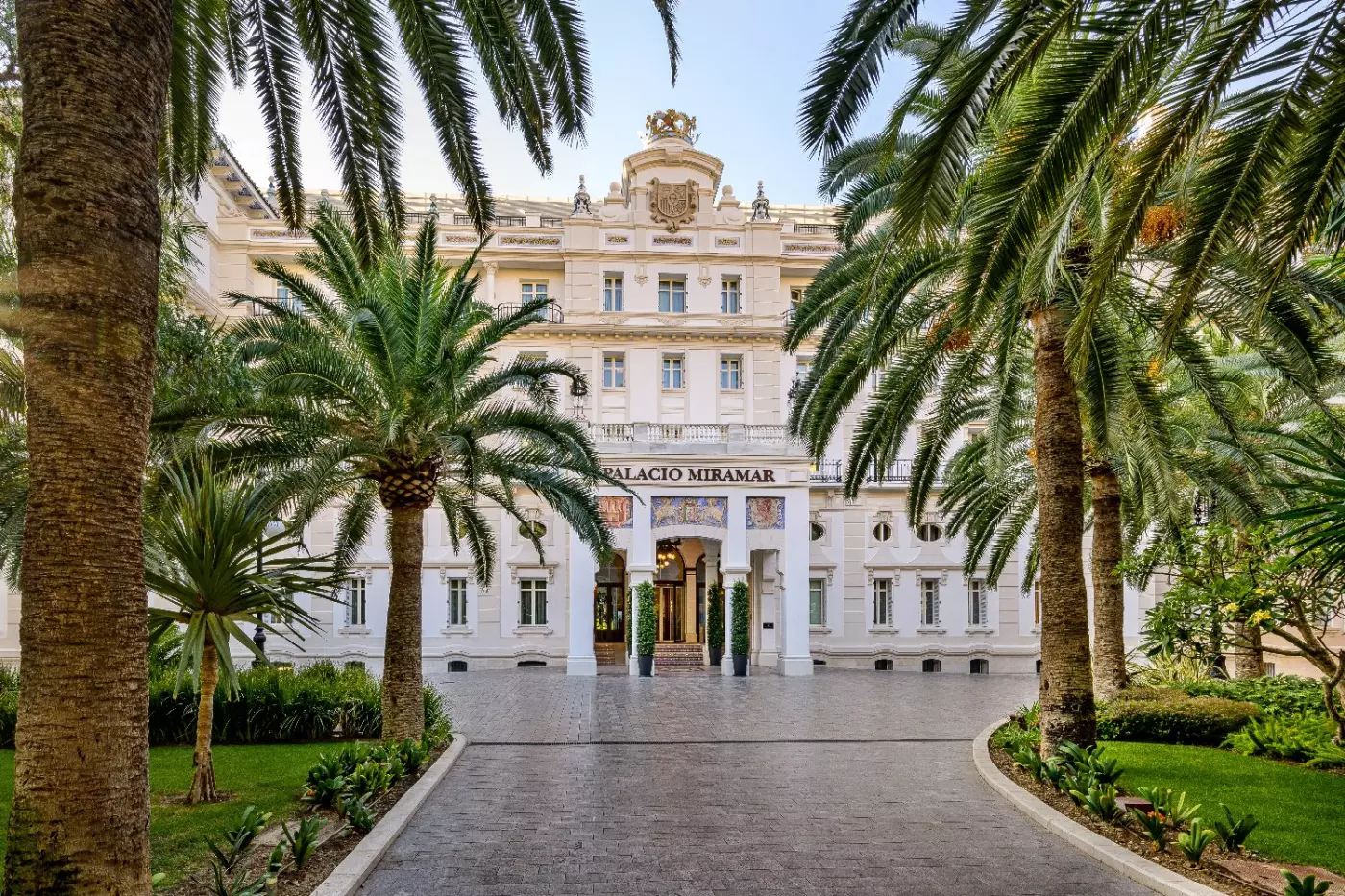
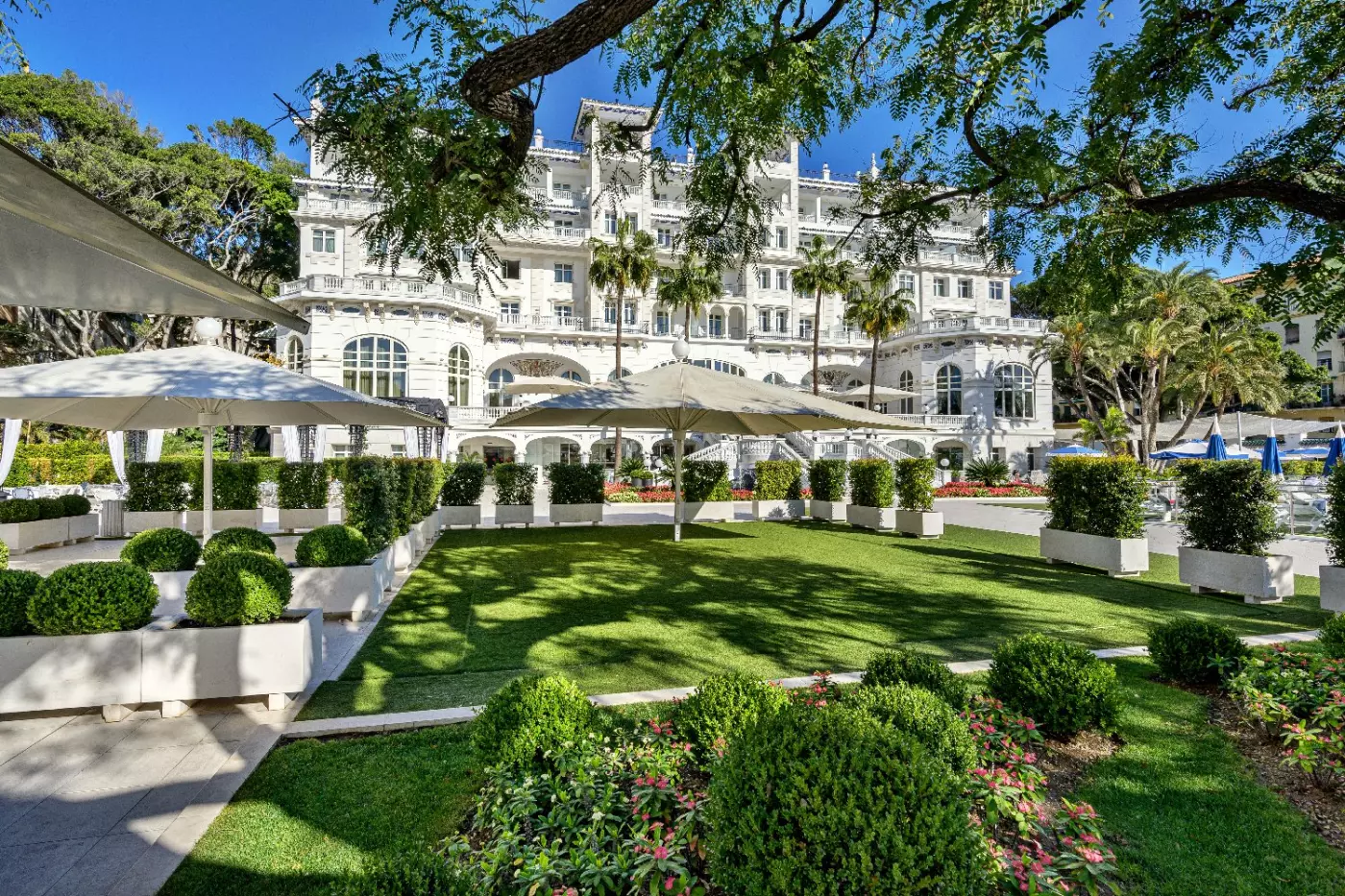
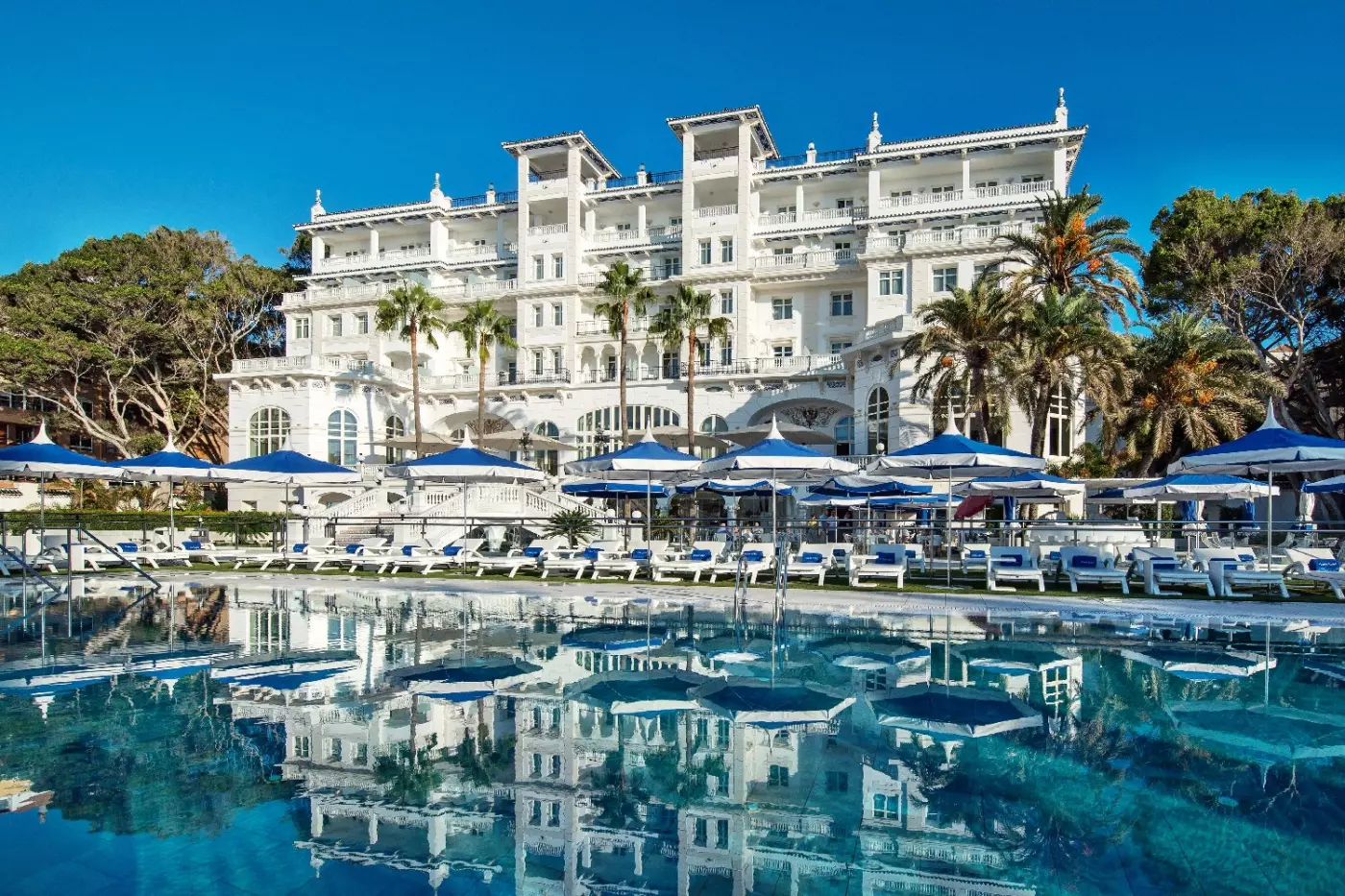
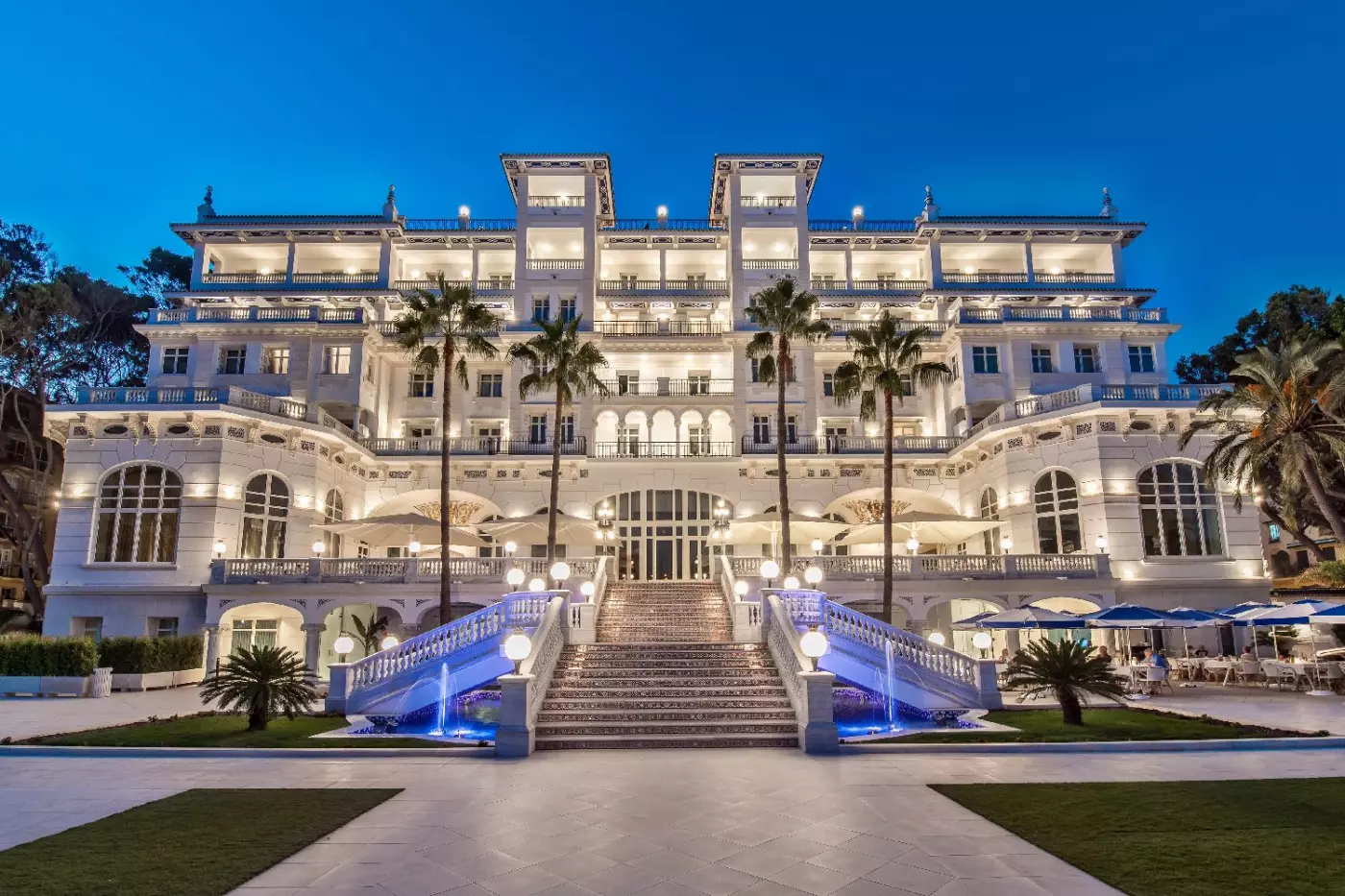
Gran Hotel Miramar is one of Malaga's landmark addresses. It stands on Paseo de Reding, close to La Malagueta Beach and La Caleta, with the Mediterranean in front and the historic centre within walking distance. The hotel matters because it is not a new luxury project trying to borrow history. It is part of the city's own story. The hotel is active and operating. Current official information presents it as Gran Hotel Miramar Resort & Spa, a five-star Gran Lujo hotel and a member of The Leading Hotels of the World. It occupies the restored former Hotel Principe de Asturias. That building first opened in 1926 and has returned to hotel life after a major renovation. This is a strong choice for travelers who want beach access without leaving the city. It also works for guests who want heritage architecture without old-fashioned service. Museums, restaurants, shopping, the waterfront, and day trips across Andalusia all fit easily into the stay. The mood is polished but not remote. Guests can feel the formality of a grand hotel, then walk to the promenade in a few minutes. That contrast is the appeal.
La Malagueta & City Access
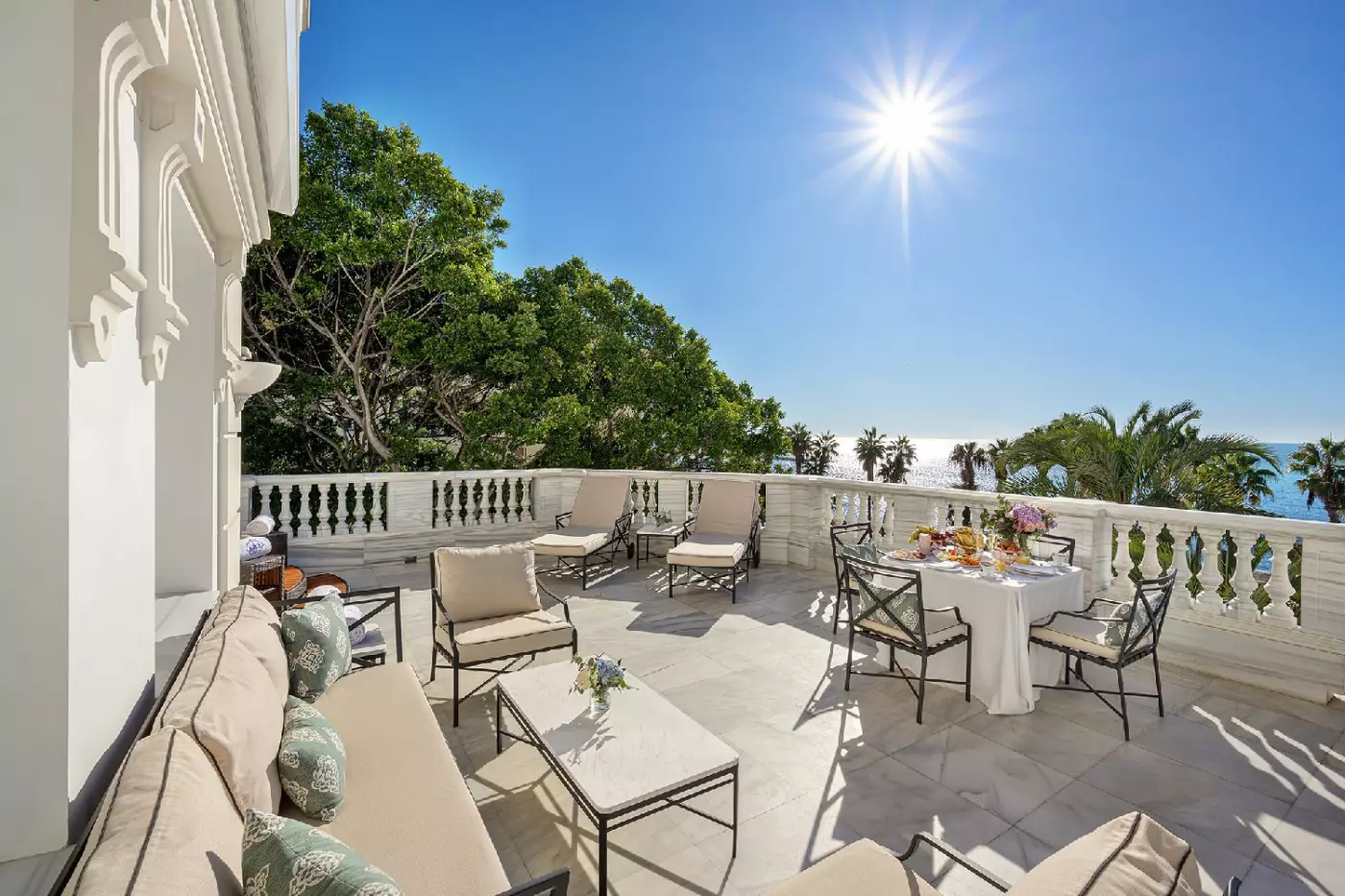
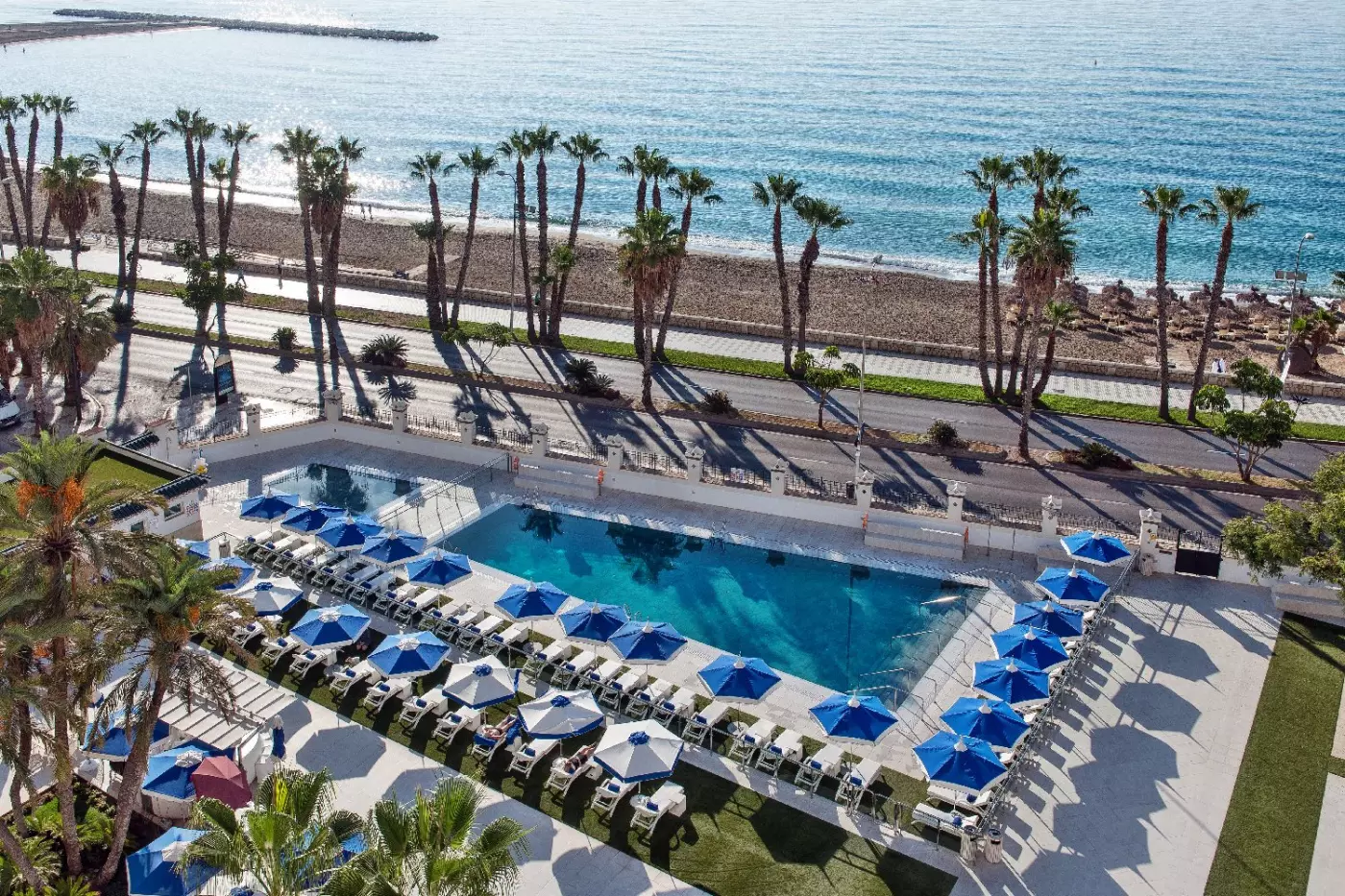
The location is one of the hotel's strongest arguments. Gran Hotel Miramar sits between Paseo de Reding and the seafront. It is close to La Malagueta Beach, the bullring, the port, the Alcazaba area, the Picasso Museum, the Cathedral, Calle Larios, and the city's growing museum circuit. That balance is useful. Many city hotels in Malaga give easy access to the old town but no real sea feeling. Beach hotels often push guests away from the historic centre. Gran Hotel Miramar sits between both worlds. It gives guests the beach, gardens, a pool, spa facilities, and a city address in the same stay. The neighbourhood feels more open than the tight lanes of the old town. That makes the hotel a good choice for travelers who want space, sea air, and a quieter return after busy days. For longer stays, it can also work as a base for Ronda, Granada, Marbella, the Axarquia, or the white villages of Andalusia. Short stays work well here too. Guests can arrive, walk by the sea, visit a museum, and return for dinner without needing a car. That makes the hotel practical as well as grand. Principe de Asturias History
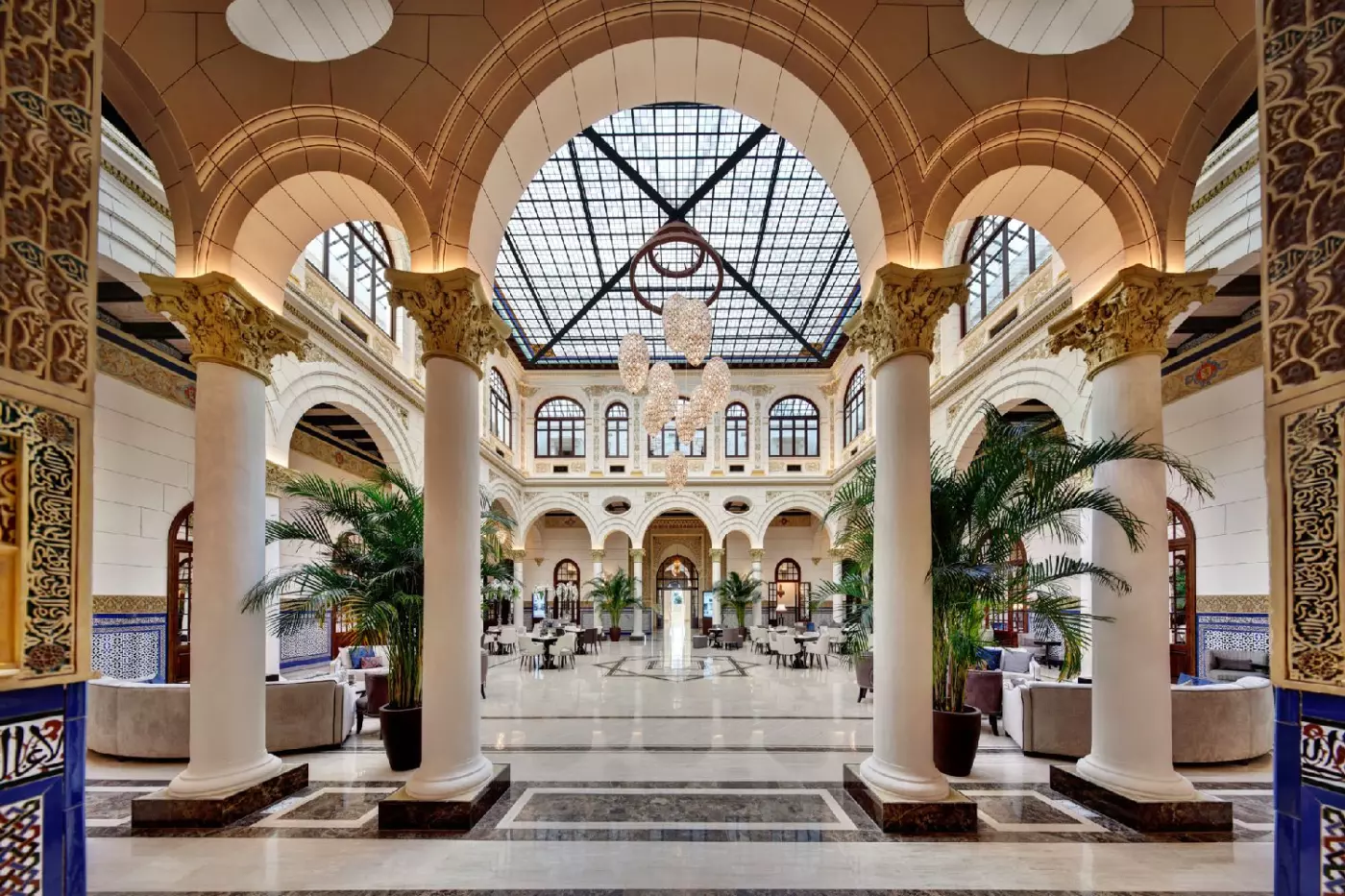
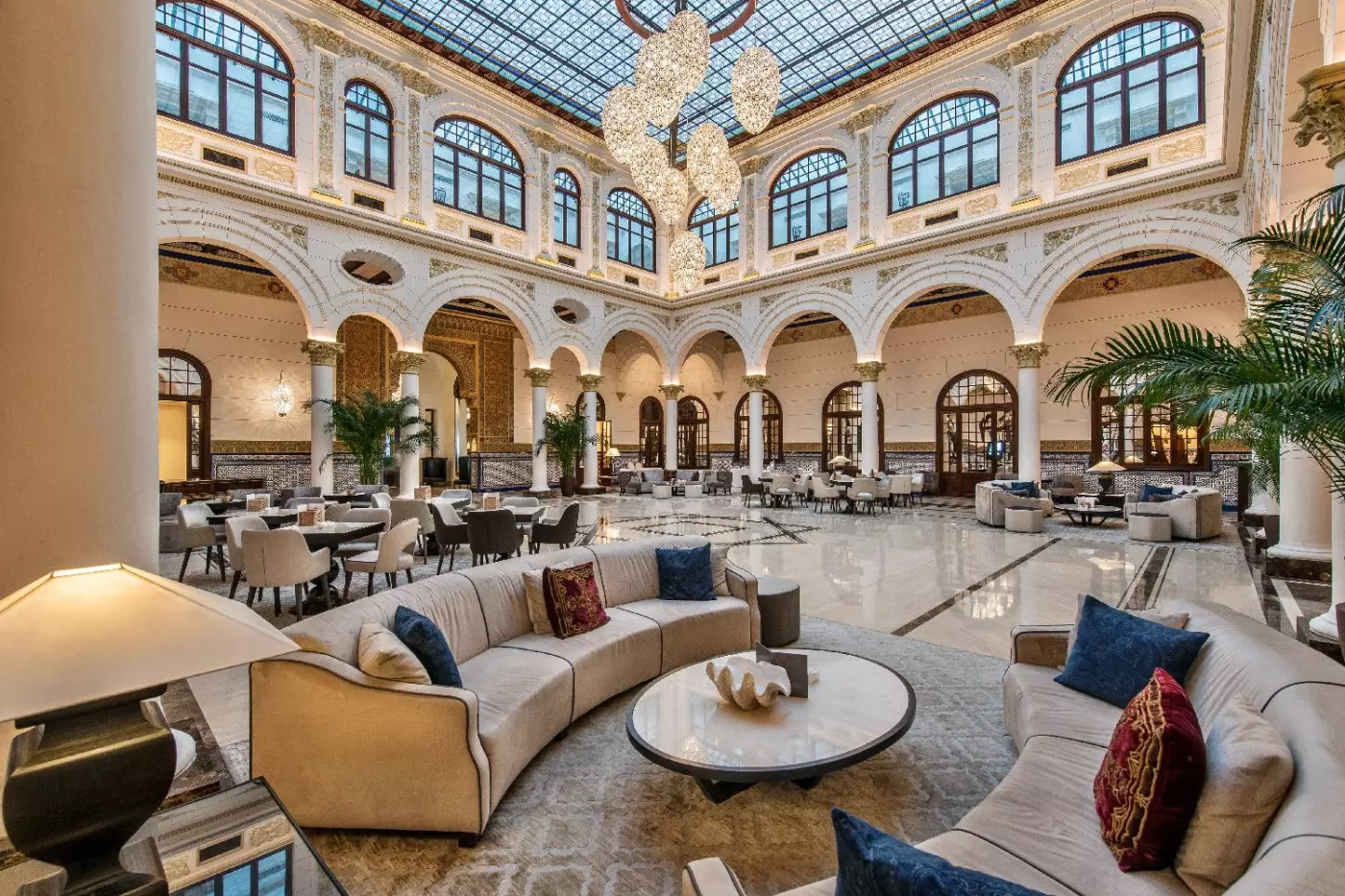
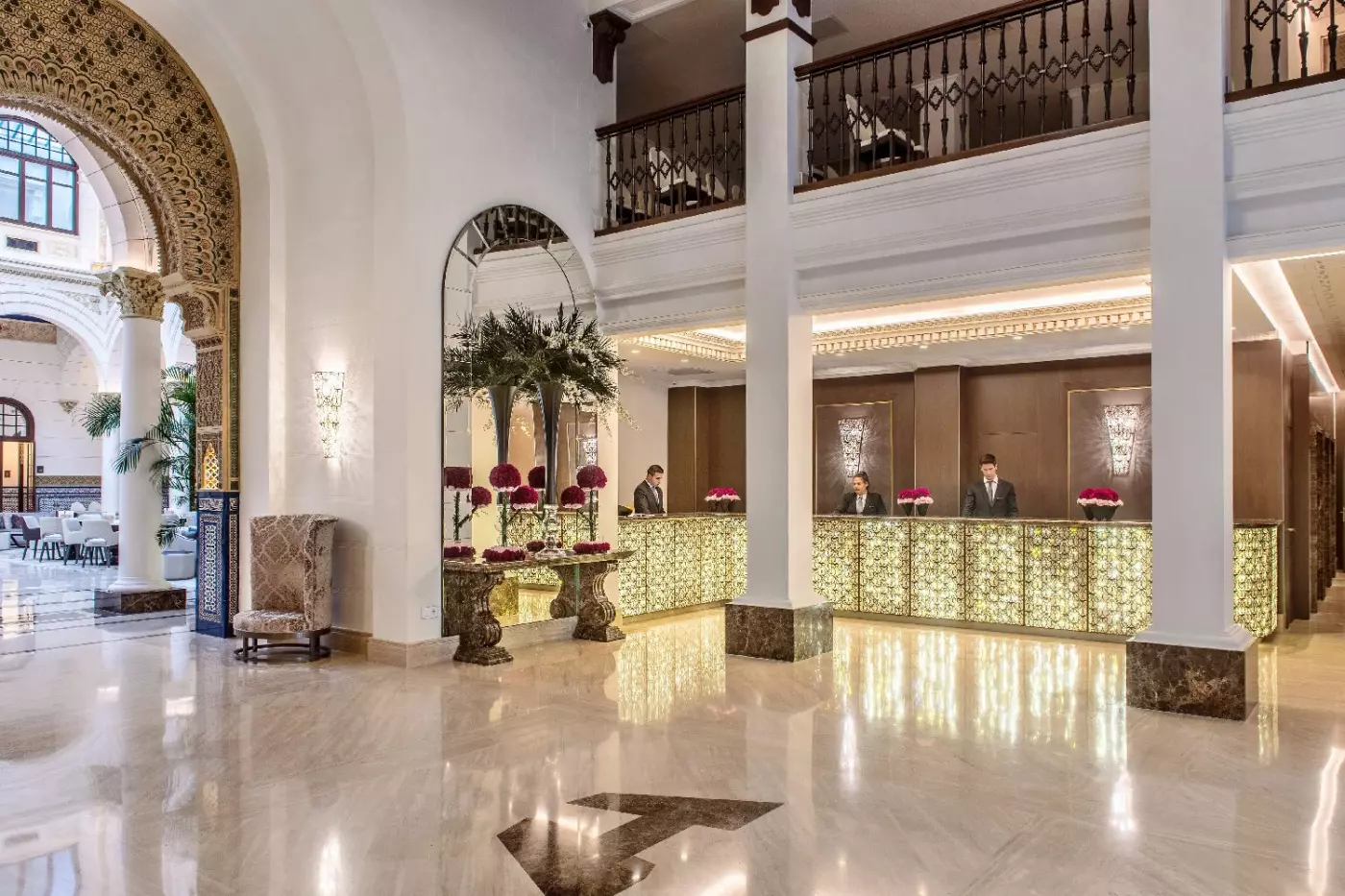
The building was designed by Fernando Guerrero Strachan and opened as Hotel Principe de Asturias in 1926. Its history includes illustrious guests from European royalty, politics, culture, and Malaga society. Over time, the building also served other civic uses before returning to its original hotel purpose. The architecture mixes regional, Andalusian, Neo-Arabic, Mediterranean, Nasrid, and classical references. Arches, courtyards, decorative ceilings, tilework, gardens, and broad public rooms give the hotel a strong sense of occasion. This is not a minimal city hotel. It has scale and ceremony. That history could have made the hotel feel heavy. Instead, the restoration gives it a cleaner rhythm. Public spaces are bright. The sea brings air into the stay. The gardens soften the formality of the facade. The result feels grand without being frozen in the past. The building also gives Malaga a rare true grand-hotel address. It is not only a place to sleep. It is part of the city's seafront identity. Rooms, Suites & Sea Views
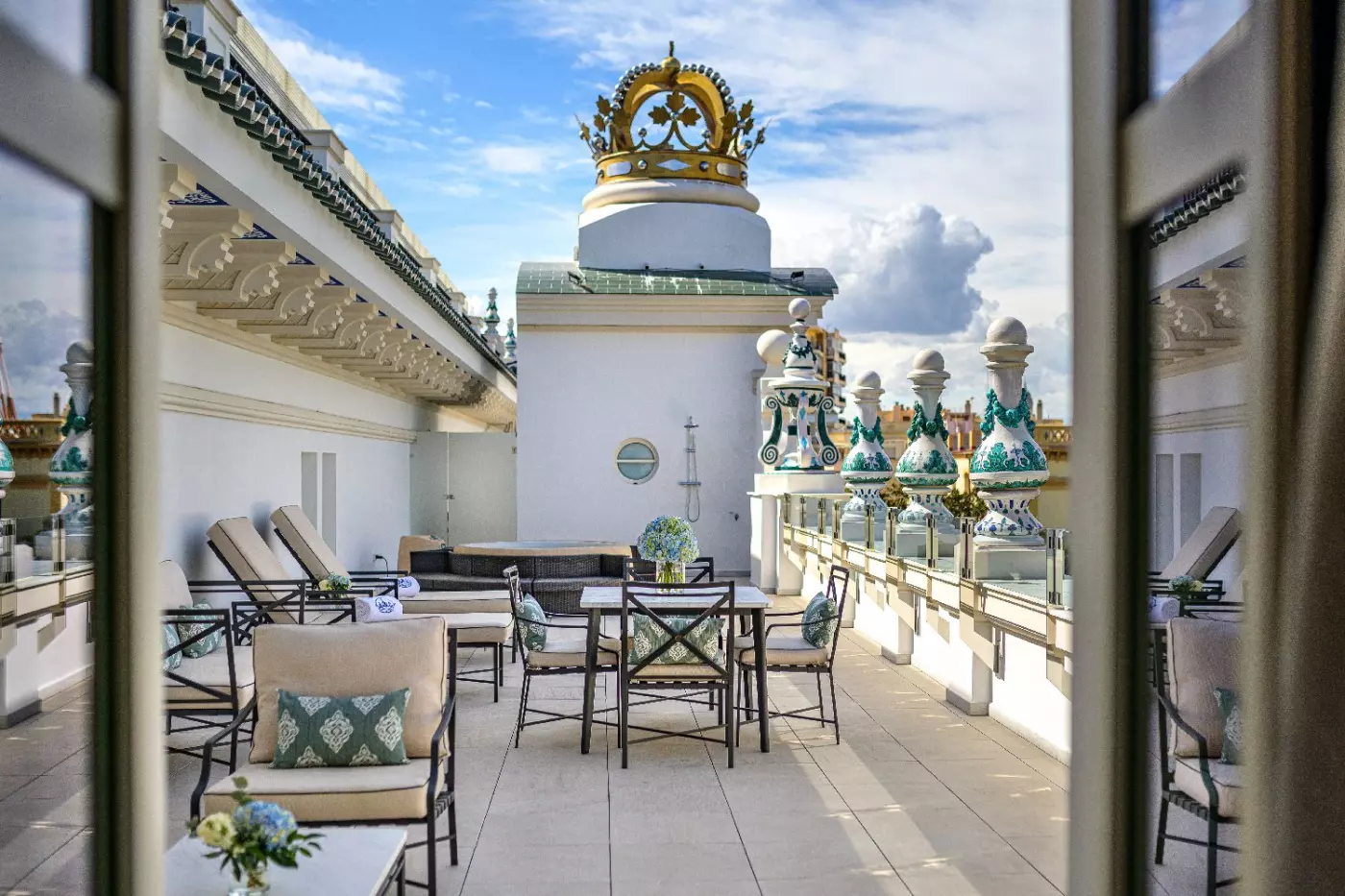
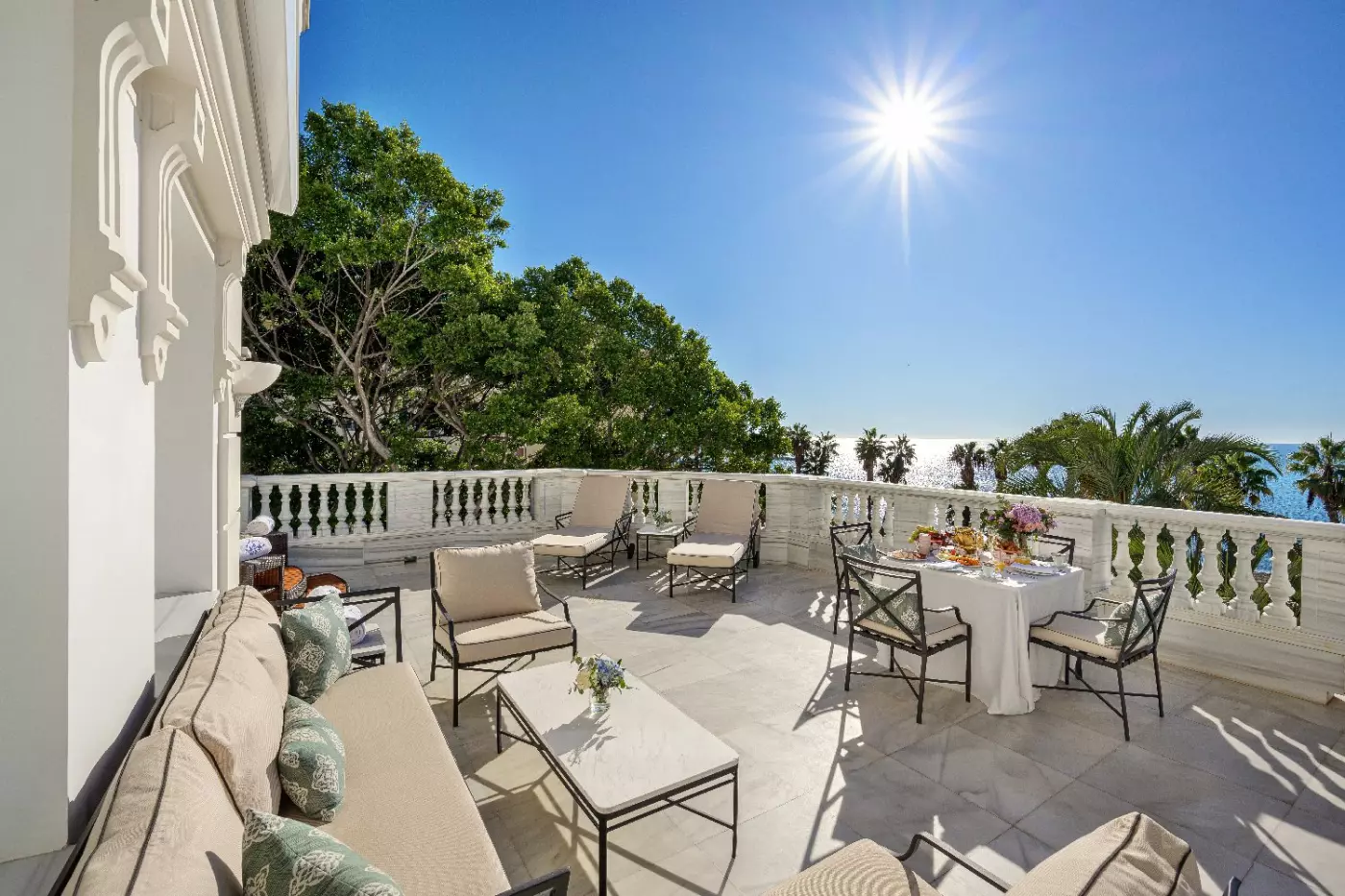
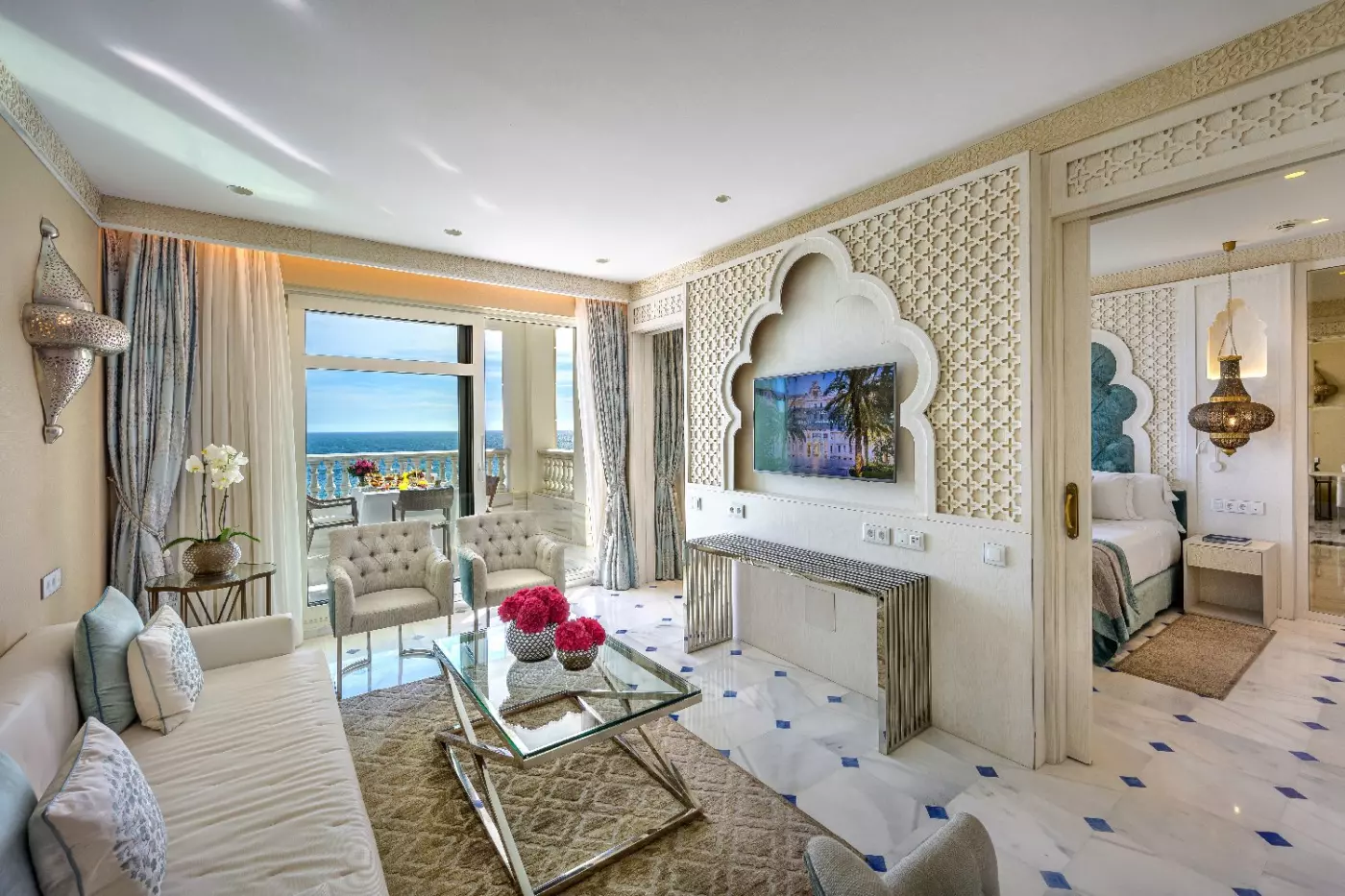
Official hotel information describes 200 rooms, including 28 suites with sea views. Room categories draw on different styles of the Miramar Palace, including Arab, Mediterranean, Nasrid, and classic influences. Many rooms offer city, garden, or sea outlooks, and some categories include terraces. Room choice matters here. A city or garden-view room can work well for short stays focused on Malaga's museums and restaurants. A sea-view room gives the hotel its full Mediterranean identity. Suites are stronger for special occasions, longer stays, and guests who want more space. The best booking decision depends on how guests plan to use the hotel. If the beach and morning light matter, choose a sea-facing category. If the stay is more about city exploring, a garden or city room can be practical. For celebrations, the grander suites fit the building's mood. Families should look closely at size and layout. Couples should think about the view. Business travelers may value a quiet room and easy access to meeting areas. The hotel has enough range to serve each style well. Botanic Spa, Pool & Dining
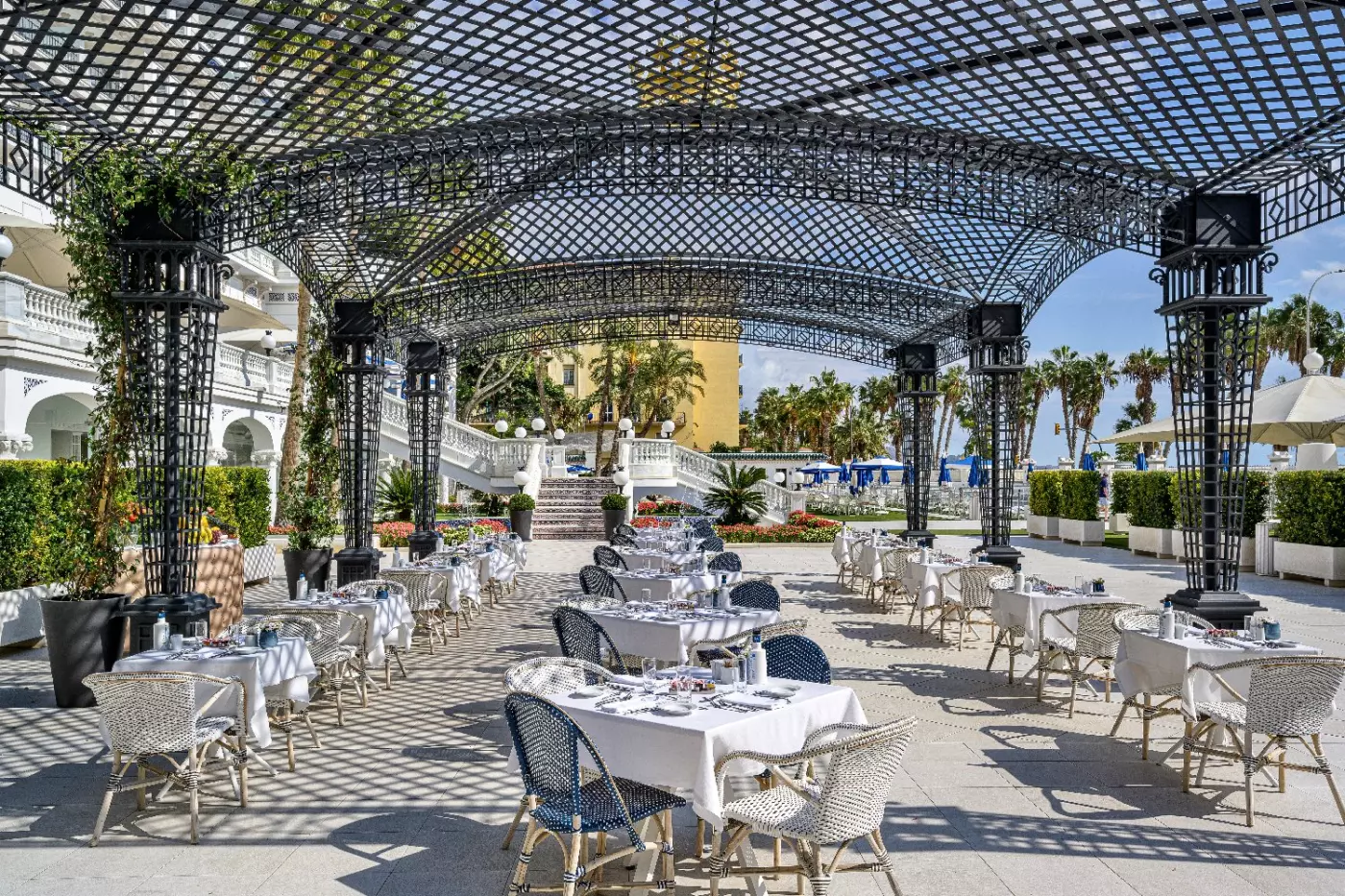
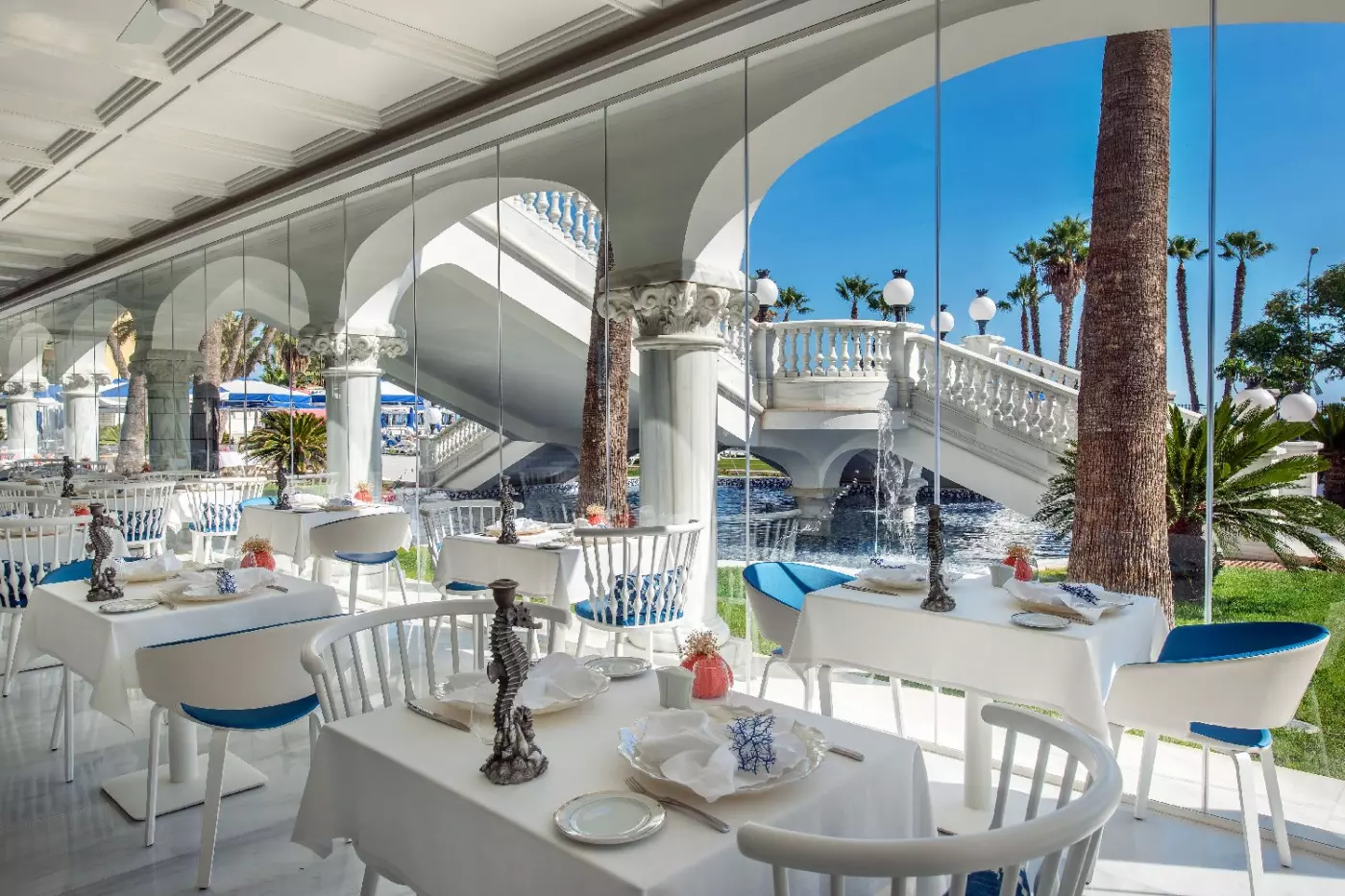
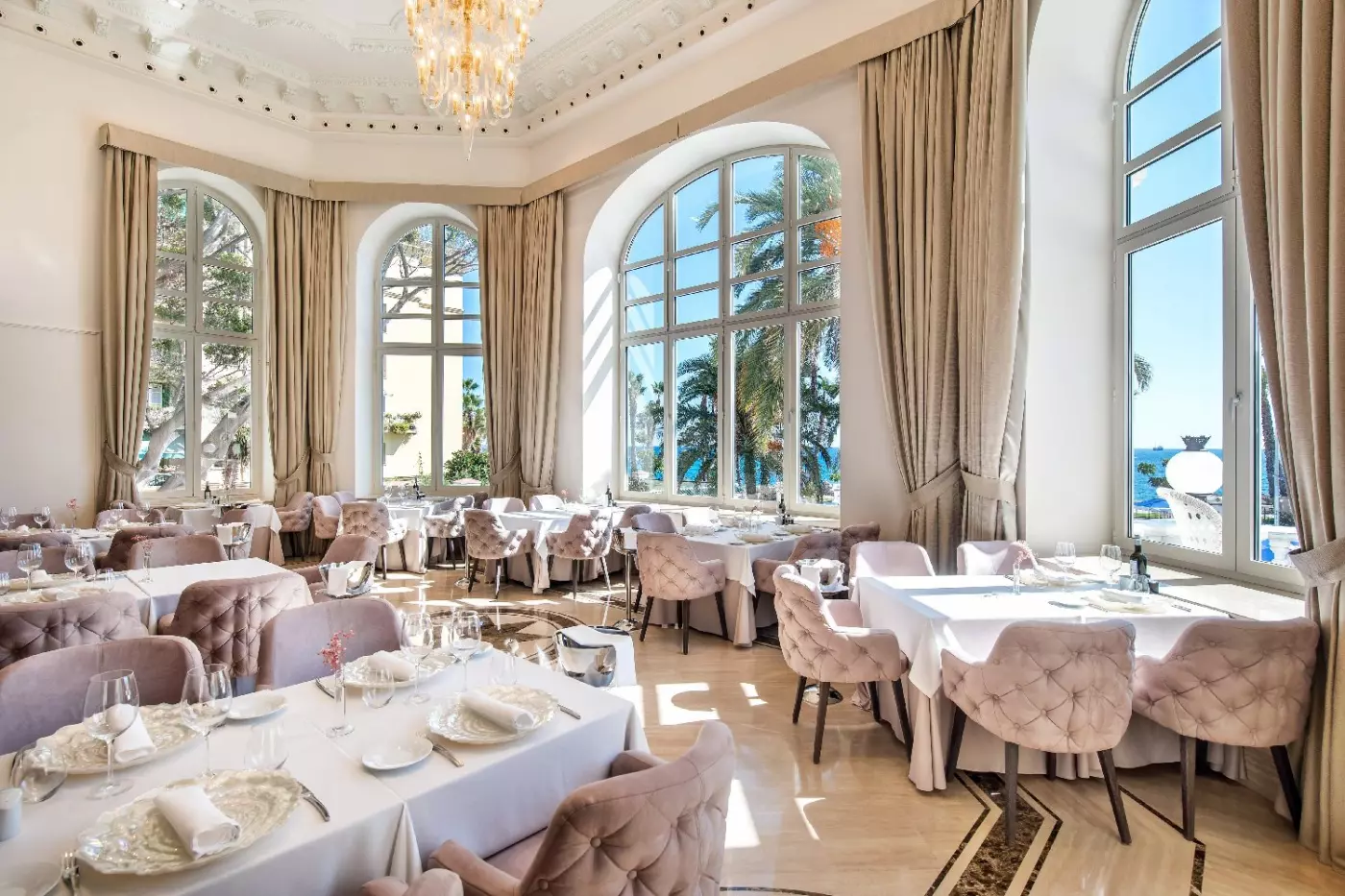
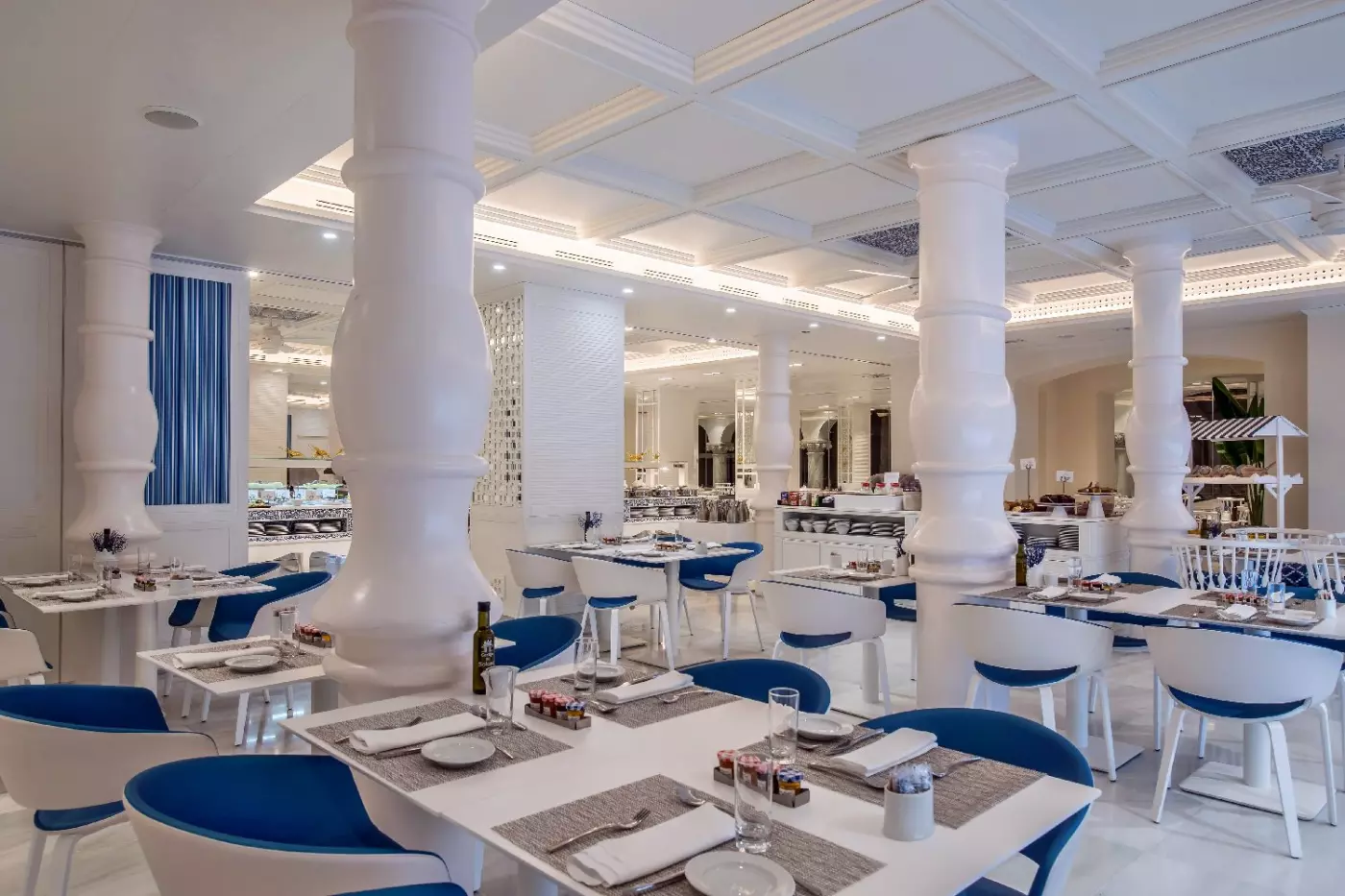
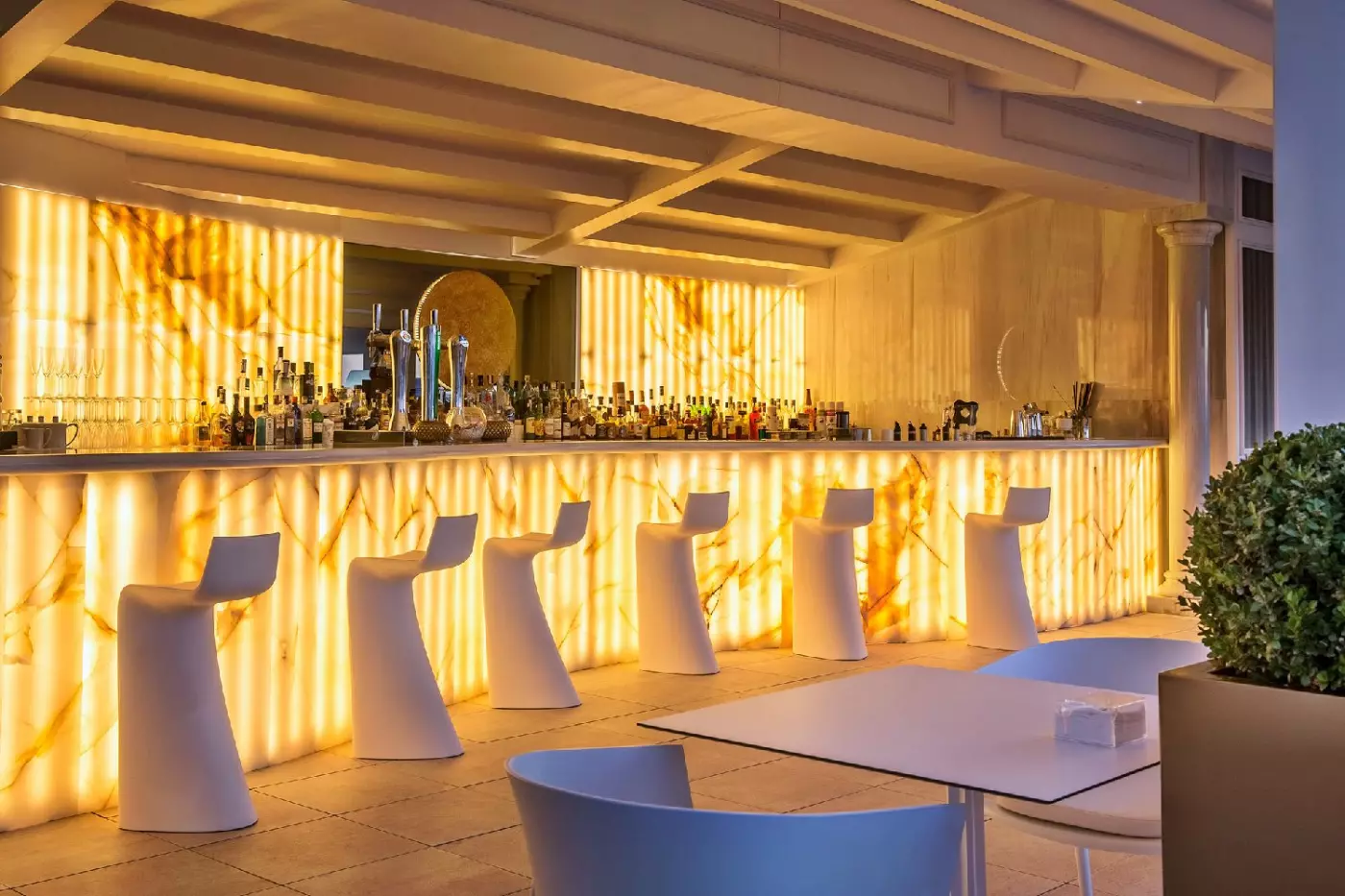
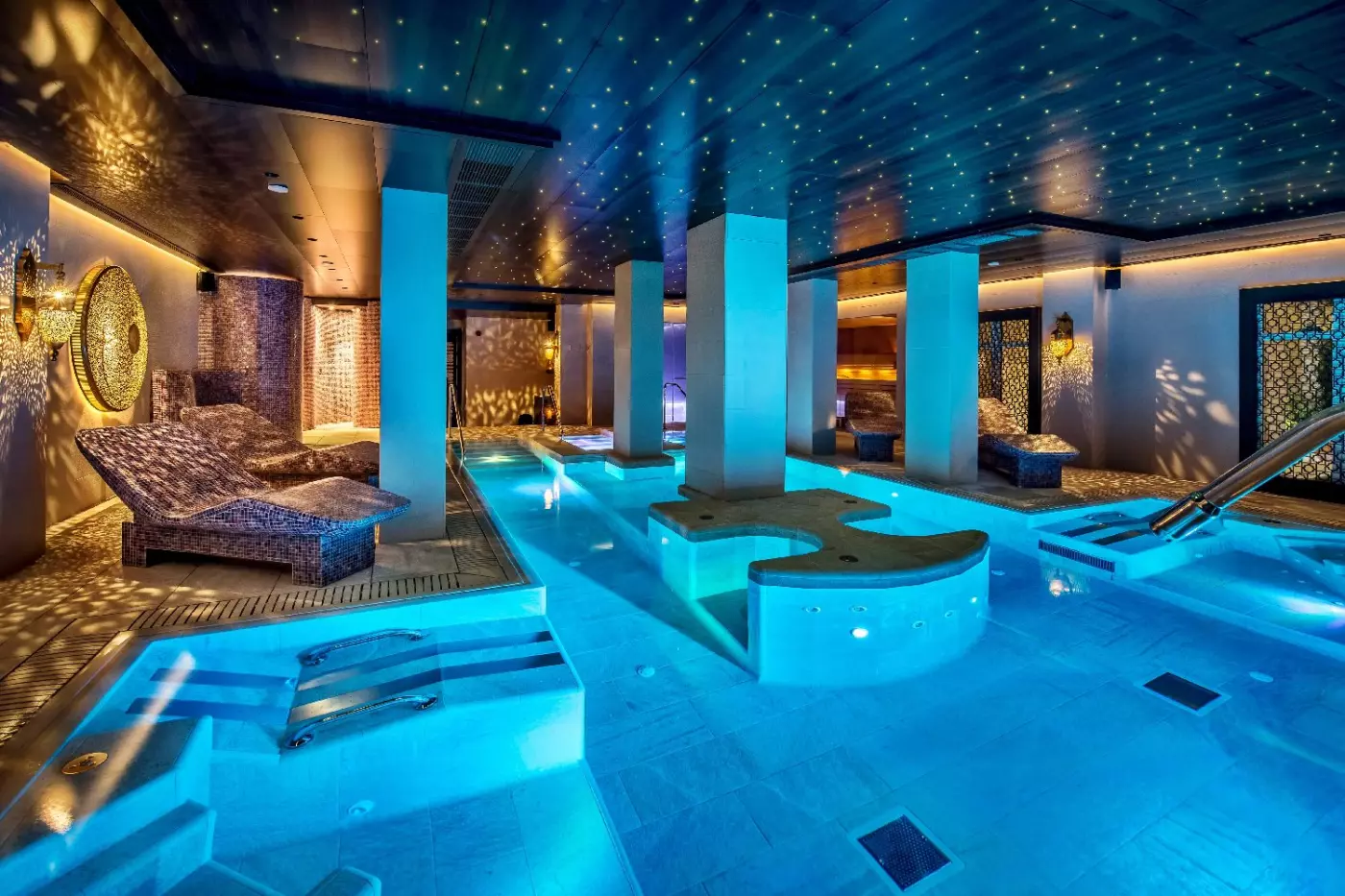
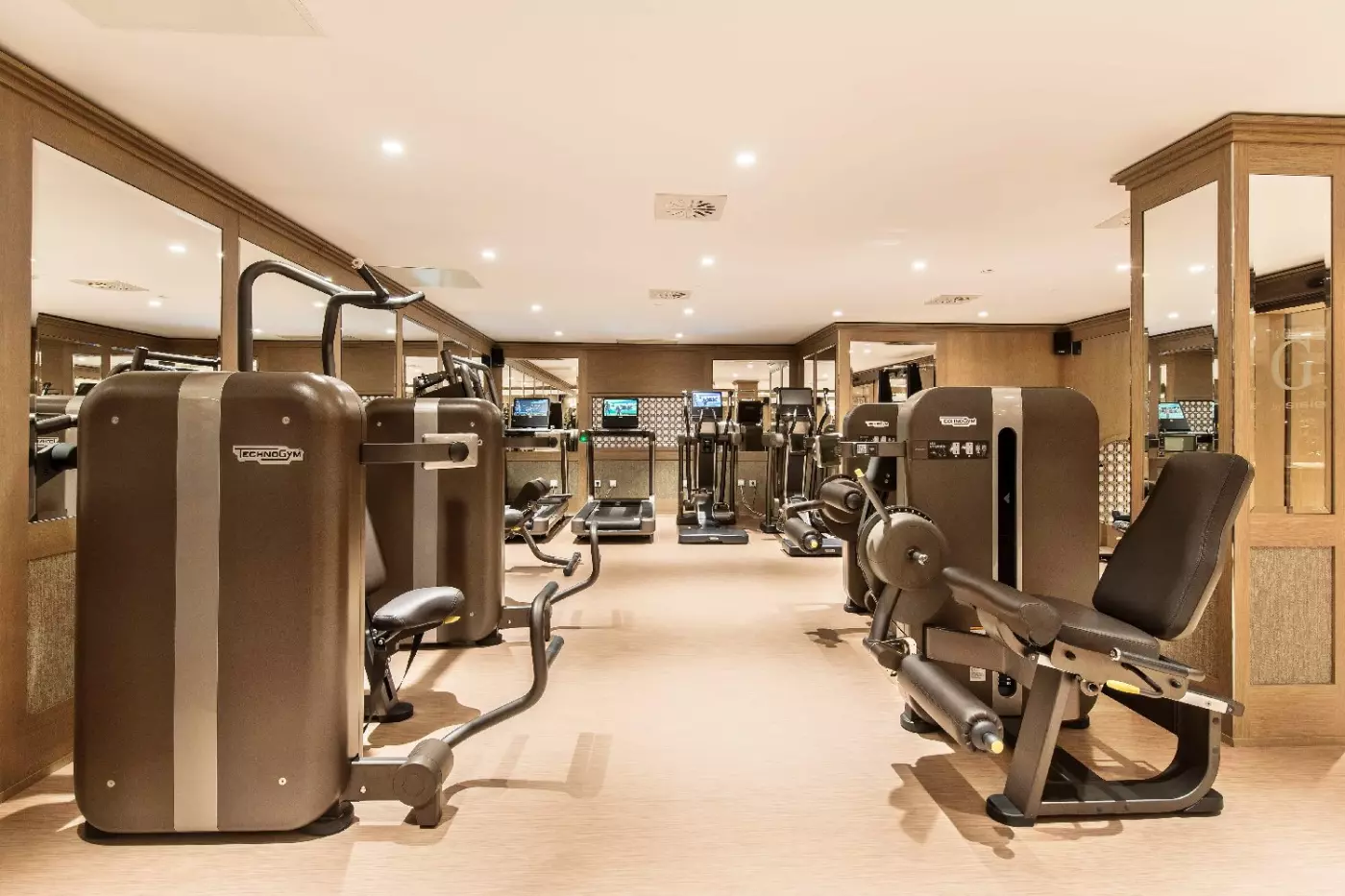
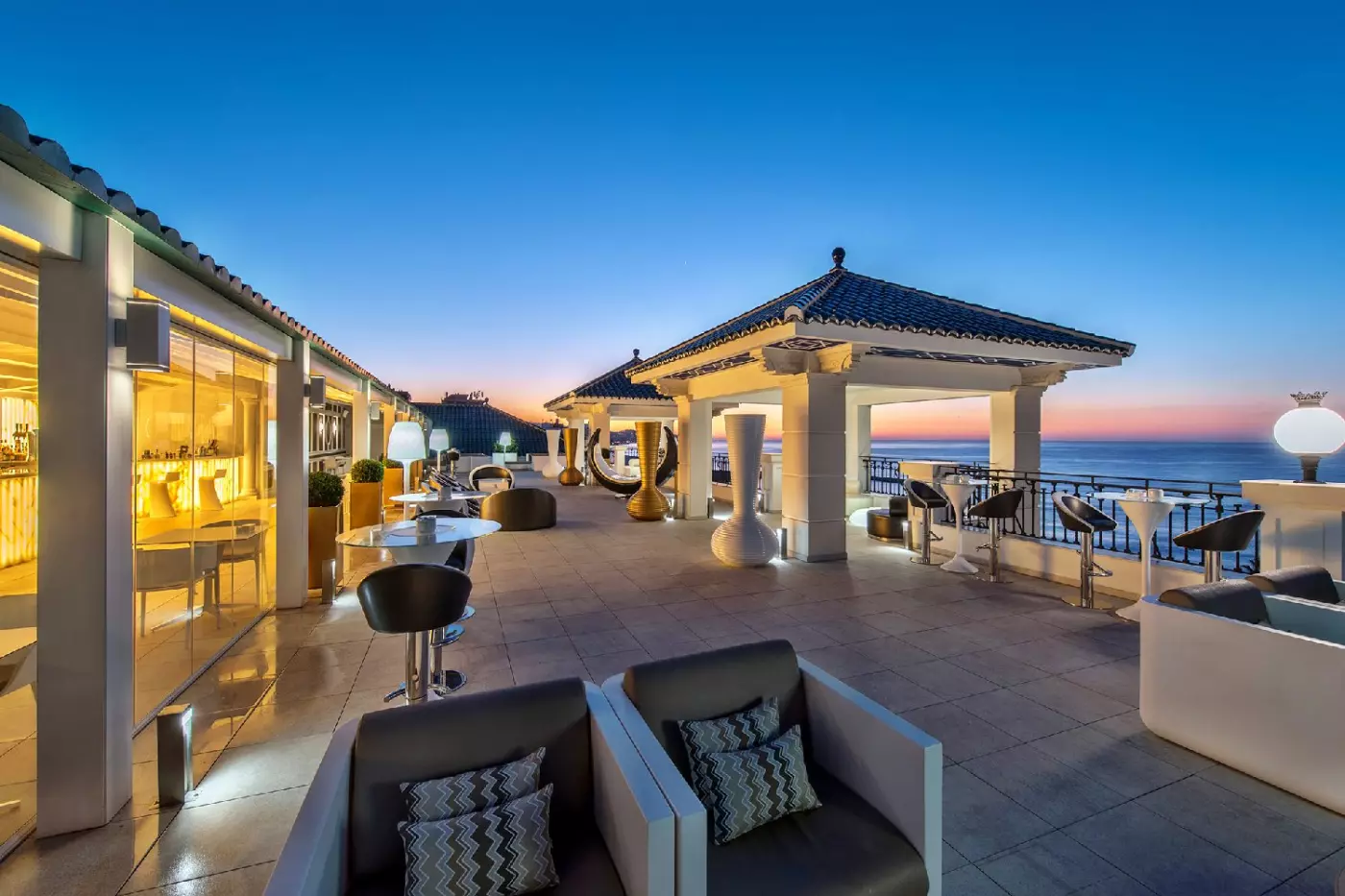
Gran Hotel Miramar has the infrastructure expected of a serious city resort. Official information highlights five restaurants with different styles of cuisine, Botanic Spa, an outdoor pool, gardens, a convention centre for up to 700 people, 15 independent event rooms, and private gardens for outdoor events. That range is important. The hotel can support leisure stays, spa breaks, weddings, conferences, and city weekends without feeling like a pure business hotel. Guests can spend the morning in the city, return for pool time, book a spa treatment, and still walk out for dinner or the promenade. Dining should be used with Malaga's food scene, not instead of it. The hotel gives elegant options on property, but guests should also leave time for tapas, seafood, market visits, and local restaurants. The strongest stays combine the hotel's grand setting with the city's more informal Andalusian energy. The pool is especially useful in warmer months. Malaga can be bright and busy by midday. A swim, shade, and a slow afternoon help the city feel easier. Who Should Book
Gran Hotel Miramar is best for travelers who want a five-star Malaga hotel with heritage, Mediterranean views, beach access, gardens, pool, spa, Leading Hotels recognition, large rooms and suites, event spaces, and easy access to the historic centre. Book it for a polished Malaga stay with both city and seafront character. Choose a sea-view room or suite if the Mediterranean is central to the trip. Choose it for special occasions, museum weekends, beach-city combinations, and upscale events. Avoid it if the goal is a small boutique hotel hidden in the old town. Gran Hotel Miramar works because it gives Malaga a proper grand-hotel address by the sea.