Book the InterContinental Amstel Amsterdam with VIP Benefits
- VIP Experience
- Room Upgrades
- Free Breakfast
- Personal Travel Designer
Member Promotions at InterContinental Amstel Amsterdam

- Europe
- Netherlands
- Amsterdam
- InterContinental Amstel Amsterdam
Rooms and Suites at InterContinental Amstel Amsterdam

Classic Room ( 334ft2 - 366ft2 )
The Classic Rooms offer a simple mix of comfort and French charm. Each room has two big windows that bring in lots of natural light.

Premium City View Room ( 334ft2 - 377ft2 )
The Premium City View Room is a bright and comfortable place to stay. It measures between 31 and 35 square meters, giving enough space without

Premium River View Room ( 366ft2 - 538ft2 )
The Premium River View Room is large, bright, and very comfortable. It gives a choice of views, either the lively square or the calm Amstel

Junior City View Suite ( 495ft2 - 624ft2 )
The Junior City View Suite is a spacious and elegant place to stay. It measures between forty-six and fifty-eight square meters, giving guests plenty of

Penthouse City View Balcony Suite ( 721ft2 )
The Penthouse City View Balcony Suite is a spacious and elegant area designed for ultimate comfort. It is sixty-seven square meters and gives plenty of

1 Bedroom Suite ( 592ft2 )
The 1 Bedroom Suite is designed with French style and comfort in mind. It measures fifty square meters and gives a relaxing space to enjoy.

Junior River View Suite ( 517ft2 - 549ft2 )
The Junior River View Suite is a bright and comfortable place to stay. It measures between forty-eight and fifty-one square meters, providing ample space. The

Penthouse River View Suite ( 700ft2 - 732ft2 )
The Penthouse River View Suite is a large and elegant place to stay. It covers seven hundred square feet, giving plenty of room to relax.

City View Balcony Suite ( 570ft2 )
The City View Balcony Suite is a large and comfortable room made for rest and enjoyment. It has 53 square meters of space, giving guests

Rembrandt Suite ( 592ft2 )
The Rembrandt Suite is a unique room made with the Rembrandt House Museum. It offers guests a memorable stay in Amsterdam. When someone enters, the

Presidential River View Suite ( 1475ft2 )
The Presidential River View Suite is large, stylish, and made for comfort. It is formed from three connected suites that flow together as one. The

Dom Perignon Champagne Suite ( 1098ft2 )
The Dom Pérignon Champagne Suite is an elegant space. It was created with help from Dom Pérignon, the Rijksmuseum, Fendi Furniture, and Dutch designers Piet

Royal River View Balcony Suite ( 1238ft2 )
The Royal River View Balcony Suite is large, elegant, and very comfortable. It covers 115 square meters and gives guests a true sense of luxury.

Classic River View Room ( 334ft2 - 366ft2 )
The Classic River View Room is a cozy and stylish place to stay, perfect for anyone who enjoys comfort and a beautiful view. It measures
InterContinental Amstel Amsterdam
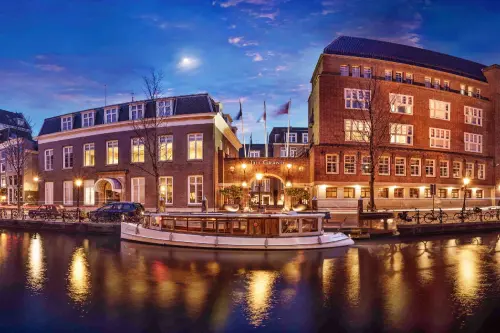
InterContinental Amstel Amsterdam stands on the bank of the Amstel River. It has watched the city change since 1867. It is often called the Amstel Hotel, and the name still carries weight in Amsterdam. The building has grandeur, but the stay works best in smaller details: river light through tall windows, Dutch period furniture, quiet service, and the pleasure of returning to a landmark that feels like a grand residence.
Amstel River & Amsterdam Access
The hotel sits in a central yet composed part of Amsterdam, close to the Amstel, the canals, theatres, museums, and shopping streets. Weesperplein station is nearby, making tram and metro travel simple, while taxis and private transfers remain easy for airport arrivals or formal evenings.
This location suits guests who want Amsterdam without sleeping in the busiest tourist lanes. Rembrandt Square, the Flower Market, ARTIS, the Rijksmuseum area, and the canal belt can be reached without turning the stay into a transport puzzle. The river setting also gives the hotel a sense of air and pause that many central addresses lack.
Amsterdam is best explored in layers. From the Amstel, guests can move toward galleries and old merchant houses, book a boat, walk to restaurants, or cross into quieter residential streets. Returning to the hotel then feels like coming back to a steadier version of the city, with the water outside setting the pace.
Rooms, Suites & Dutch Detail
InterContinental Amstel Amsterdam offers 55 guestrooms and 24 suites. The rooms have Dutch period furniture, plush drapes, delicate wall patterns, and handcrafted Delft blue pottery. The result is classic, not trendy. Modern comfort sits inside a setting that respects the hotel's history.
Rooms face either the city side or the Amstel River. River-facing rooms and suites are especially atmospheric, with views over the water and the daily movement of Amsterdam beyond the glass. City-facing rooms still carry the hotel's residential calm, with high ceilings, soft fabrics, and a sense of privacy that suits both leisure and business stays.
The best suites let the building breathe. Sitting areas, large windows, marble bathrooms in selected categories, and formal proportions make them suitable for special occasions, longer stays, or guests who want Amsterdam with a stronger sense of occasion. The design does not chase trends. It relies on history, light, and careful upkeep.
Dining, Bar & River Rituals
Dining is centered on the hotel's restaurant and social spaces, including The Dining Room, Amstel Bar, and Amstel Lounge. Breakfast can be a slow start before a museum day, while lunch, afternoon tea, or an evening drink fit naturally into the rhythm of the building.
The Amstel Bar gives the hotel a more relaxed tone, with cocktails, conversation, and riverfront poise rather than heavy formality. The lounge is useful for quieter pauses: coffee, a light bite, or an hour between appointments. These spaces matter because they let guests enjoy the hotel even outside the room.
Dining here should feel tied to Amsterdam rather than separated from it. Some evenings may call for a canal-side restaurant in the city. Others are better spent staying in, watching the river darken, and letting the hotel carry the night. That choice is part of the appeal.
Spa, Pool & Health Club
The health club, indoor pool, spa, sauna, steam facilities, and fitness centre add real value in a city where days can involve long walks, damp weather, and busy schedules. A swim overlooking the river or time in the wellness area gives the stay a softer rhythm.
These facilities make the hotel more than a historic address. Guests can begin the morning with fitness, recover after sightseeing, or pause before dinner without leaving the property. For a compact city hotel, that range is especially useful.
The wellness tone is discreet. It does not try to become a full destination spa. Instead, it supports the stay with calm, water, heat, and movement. That fits the Amstel well: refined, practical, and quietly restorative.
History, Architecture & Amsterdam Memory
The Amstel Hotel welcomed its first guests in 1867. It remains one of Amsterdam's key hospitality landmarks. Its riverside facade, ceremonial interiors, and long association with visiting dignitaries and cultural figures give it a strong place in the city's memory.
Yet history alone would not be enough. What keeps the hotel relevant is the way those old bones are maintained for present-day travel. Guests still want excellent beds, reliable service, strong bathrooms, good connectivity, and a calm place to work or rest. The Amstel combines those needs with a building that has its own voice.
The mood is formal enough for important occasions, but not cold. That balance matters. A hotel with this much heritage can easily feel like a museum. Here, the better moments feel lived in: a concierge arranging a boat, a quiet breakfast near the river, a return through the lobby after a rainy walk.
Meetings, Occasions & City Stays
The hotel is well suited to weddings, private dinners, board meetings, and high-level city stays. Its riverfront setting gives events a strong backdrop, while the smaller room count keeps the property from feeling anonymous. Guests who gather here tend to remember both the address and the view.
For business travelers, the value lies in central access, privacy, service, and easy hosting. For leisure guests, the same qualities create ease. A museum visit, canal cruise, shopping afternoon, or theatre night can all fit around a stay that feels calm at the edges.
Couples will find the hotel especially suited to milestone trips. Families may prefer the larger rooms and suites for space. Solo travelers who enjoy historic hotels will appreciate the sense of continuity, especially in a city where many accommodations feel newer and smaller.
Who Should Stay Here
InterContinental Amstel Amsterdam is a strong match for guests who want Amsterdam with heritage, river views, and polished service. It suits travelers who value classic design over trend-driven interiors and who want a hotel that feels deeply tied to the city.
The property is not the most casual choice in Amsterdam. That is part of its identity. It is best for guests who enjoy a sense of occasion: a grand lobby, attentive service, a riverfront room, a proper breakfast, and a bar that invites a slower evening.
Come for the address and the history, but stay for the atmosphere. The Amstel turns Amsterdam into something more measured and graceful, with the river outside, the city close by, and a building that still knows how to receive guests well.
Your Member Benefits

Sign up now and benefit from VIP Status, Room Upgrades, free daily breakfast, 100 USD Hotel credit with every booking. Best Available Rates & Free Membership!

Why we love this hotel
- Even he hotels look massive; it has only 79 rooms and a great location to explore Amsterdam.
- Have a lunch at Amstel Brasserie. The restaurant is on the terrace on the canal and offers wonderful views.
- Make a canal tour with the hotel´s vintage boat from 1920.
- 79
- 79
InterContinental Amstel Amsterdam Video
By watching the video, you agree that your data will be transmitted to YouTube and that you have read the privacy policy.
InterContinental Amstel Amsterdam Location
InterContinental Amstel Amsterdam Weather Forecast
Good to know about InterContinental Amstel Amsterdam
The information provided is circumstantial - and is not indefinite in accuracy. Changes may have occurred.
Luxury Hotels Nearby

WALDORF ASTORIA AMSTERDAM
- 93


Waldorf Astoria Amsterdam sits on the Herengracht Canal in Amsterdam's UNESCO-listed city centre, spread across six canal palaces from the 17th and 18...
SOFITEL AMSTERDAM LEGEND THE GRAND
- 179
-
-
-
-
-

-
There are many luxurious hotels all over Amsterdam to facilitate tourists. However, Sofitel Amsterdam Legend The Grand stands out for its convenient l...

DE L'EUROPE AMSTERDAM
- 107
-
-
-
-
-
-
De L'Europe Amsterdam sits on the Amstel near the city's historic centre, with 107 rooms and suites, 't Huys, Flore, Brasserie Marie, Freddy's Bar, an...

