



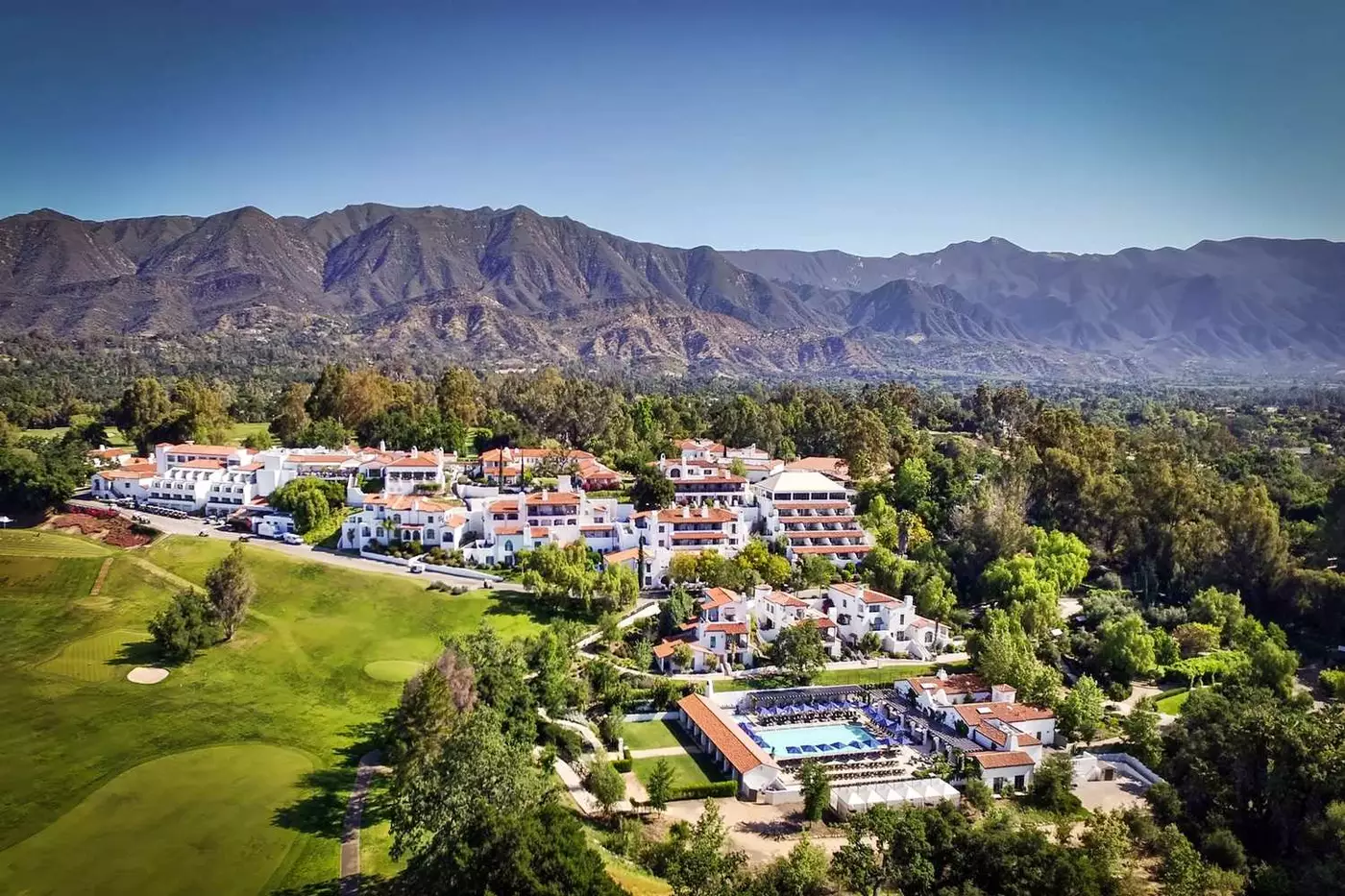
Ojai Valley Inn
Prices From 897 USD
+4
More amenities
- Sauna
- Wellness
- Golf
- Adventure
Ojai Valley Inn spreads across 220 acres of oak trees, gardens, and fairways in California's Ojai Valley. Its scale gives gue...
Please choose a hotel or destination from the list.
We couldn’t open your search results. Please try again.
Your private search
Finding exceptional stays
Ojai offers an inland California stay shaped by a small town, a green valley and time outside. The most useful hotel decision is how closely you want the retreat and the town to connect: a spacious resort setting can be a major part of the visit, while galleries and local streets give the journey another dimension.
Prices From 897 USD
More amenities
Ojai Valley Inn spreads across 220 acres of oak trees, gardens, and fairways in California's Ojai Valley. Its scale gives gue...
Ojai Valley Inn illustrates the destination’s resort character, with oak-lined grounds, golf and dining within a valley setting. Those grounds give the accommodation an immediate landscape of its own, alongside the town’s cultural places.
Downtown Ojai has a village scale, with galleries and local cultural institutions offering reasons to explore beyond the resort. Libbey Park provides a natural reference point for understanding this part of town. Build an outing around looking carefully, rather than trying to turn the streets into a checklist.
The Ojai Valley Museum and Ojai Art Center give different cultural interests a place in the itinerary. Choose the subject that appeals to your party, rather than expecting every institution to provide the same kind of visit.
Our Malibu destination guide explores a California chapter centred on the Pacific. Consider that landscape when planning the contrast you want within a wider state journey.
For time outdoors in Ojai, choose the activity before committing a whole day. A scenic outing and a demanding walk make different requirements of your party. Keep enough flexibility for the weather and for the interests of everyone traveling.
No. Ojai is an inland valley destination. Choose it for that atmosphere, and plan a coastal stay separately if spending time beside the Pacific is a central reason for your California trip. A hotel’s California address alone does not establish a beach setting.
The Chumash Interpretive Garden behind the Ojai Valley Museum connects native plants with the ways local people used them. Basket bush supplied stems for baskets and seed beaters; deer-grass flowering stalks were used in coiled basketry. This is a cultural interest rooted in materials and making, distinct from the contemporary galleries in town.
Ojai Meadows Preserve is a restored wetland, where returning water flows helped bring wildlife back to previously disturbed land. Native live oaks, sycamores and cottonwoods form part of the restoration. Choose it for an interest in habitat recovery and the relationship between water and vegetation, rather than a mountain summit or a resort garden.
Edward Drummond Libbey worked with architects Frank Mead and Richard Requa on a village-wide design in 1916. The Arcade, Pergola and Post Office Tower belong to that architectural vision. Looking at them together reveals a planned streetscape, giving a downtown walk a subject beyond the shops themselves.
Harvest generally starts in March and continues towards early summer, depending on the crop. These sweet, seedless tangerines come from small family farms in the valley. Look for the fruit through local sellers rather than assuming the orchards are visitor attractions: the growers do not offer public farm visits.