



The Ritz-Carlton, Amelia Island
Prices From 962 USD
+4
More amenities
- Sauna
- Beach
- Romantic
- Golf
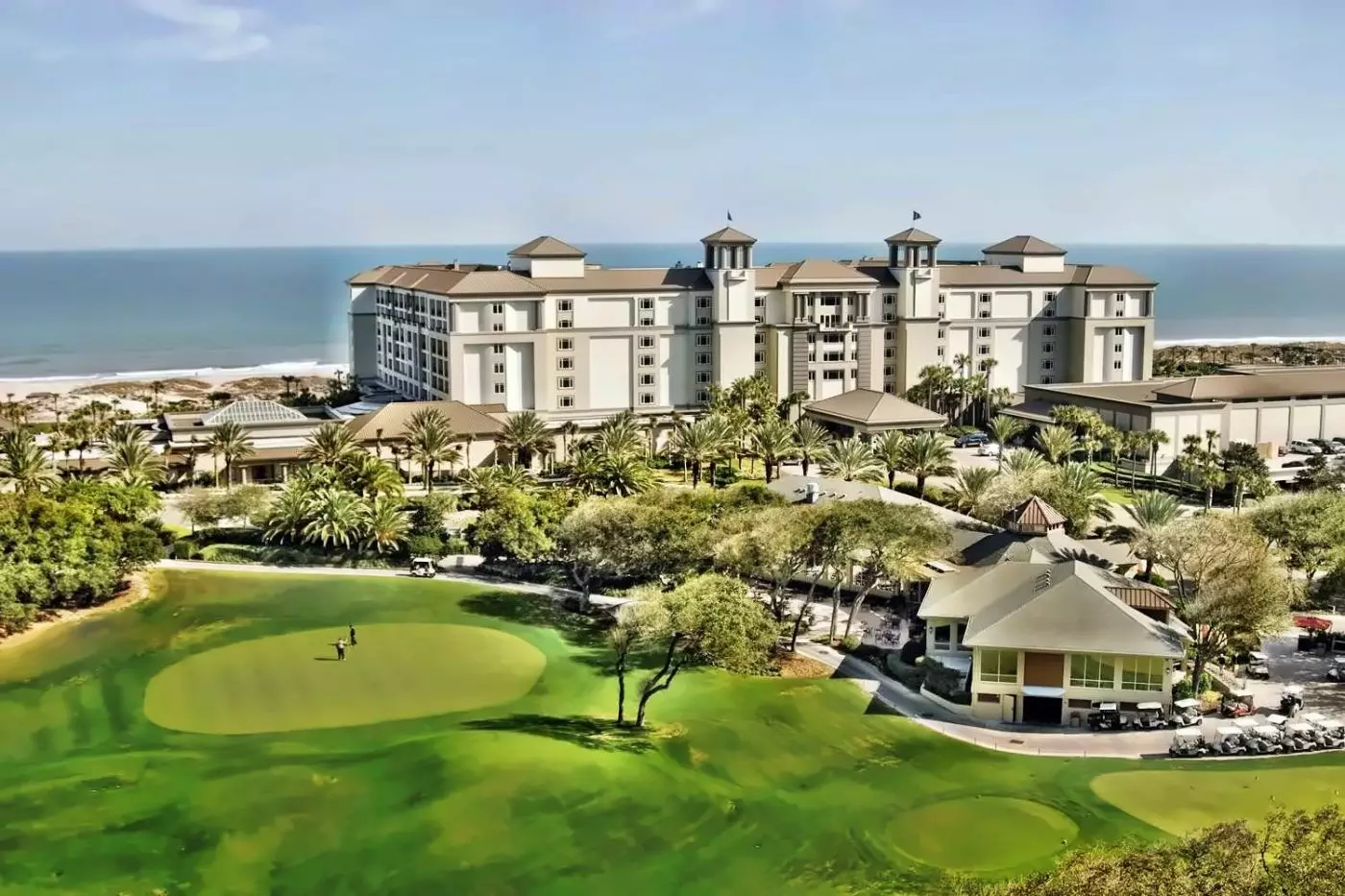
The Ritz-Carlton, Amelia Island stands behind dunes and sea oats on Florida's northeastern Atlantic coast. It has 446 rooms a...
Please choose a hotel or destination from the list.
We couldn’t open your search results. Please try again.
Your private search
Finding exceptional stays
Amelia Island brings a quieter Atlantic setting to northeastern Florida. Dunes and open beach form one side of the holiday; Fernandina Beach’s historic streets add another. Choose it for a coastal stay that can include local history and nature without losing time to relax.
Prices From 962 USD
More amenities
The Ritz-Carlton, Amelia Island stands behind dunes and sea oats on Florida's northeastern Atlantic coast. It has 446 rooms a...
The Ritz-Carlton, Amelia Island sits behind dunes on the Atlantic coast. An oceanfront base puts that landscape at the centre of the stay. It is a different choice from an address selected primarily for frequent restaurant outings and time among town streets.
The Nassau County Courthouse on Centre Street gives a historic-town walk a specific architectural landmark. Completed in 1891, the brick Italianate building has a prominent clock tower. Nearby civic architecture reflects Fernandina's development as a railroad town and county seat. This part of the visit suits an interest in the town's built fabric, with its public buildings supplying subjects around a meal or a browse through the streets.
The Golf Club of Amelia Island lies beside the Ritz-Carlton. Designed by Mark McCumber and Gene Littler, its front nine passes among established oaks, while marshes and more water shape the back nine. The distinction matters to a golfer choosing an island stay: the sporting landscape includes wooded fairways and wetland edges as well as proximity to the ocean.
The sixteenth is a par three with marsh around the green. The fifteenth brings marshes into both the tee shot and the approach-or-layup decision. Those holes give the round a placement and water-carry interest, making course design a more useful reason to consider this base than a general promise of coastal golf.
Boneyard Beach on Big Talbot Island, beyond Amelia's southern bridge, introduces a separate coastal landscape. Erosion has cut back wooded bluffs and left fallen trees along the sand. Salt and sun bleach the trunks, while the remaining roots and timber help break up wave energy. It is a shoreline for an interest in coastal landforms and the relationship between forest and sea. The eroding bluff and driftwood make it a different outing from time on the resort's open Atlantic beach.
The Florida destination guide places Amelia's northeastern Atlantic setting within a wider state journey.
The fort provides a military-history subject distinct from the beach. Its bastions, barracks and other spaces help explain the island’s strategic past. Choose it as a considered cultural outing rather than simply another scenic viewpoint.
The A. L. Lewis Museum tells the story of American Beach and its founders. It adds an important perspective on the island’s social history, giving a coastal visit more context than the resort landscape alone can provide.
The Amelia Island Museum of History explores the people and events that shaped the island. It is useful when you want to connect the historic streets with the stories behind them, rather than relying only on architectural impressions.
Salt-marsh estuaries support a different natural environment from the open Atlantic shore. A locally guided outing can help you notice that distinction. Choose it for the habitat and landscape, without expecting a particular wildlife encounter.
The Amelia Island Lighthouse preserves a maritime landmark from Florida's Territorial Period, before statehood. Its story concerns the sea approach to Fernandina Harbor and the navigation of ships along this coast. Choose it for that seafaring history and the surviving tower, giving a historic visit a different subject from town government or the island's military past.