

Best for
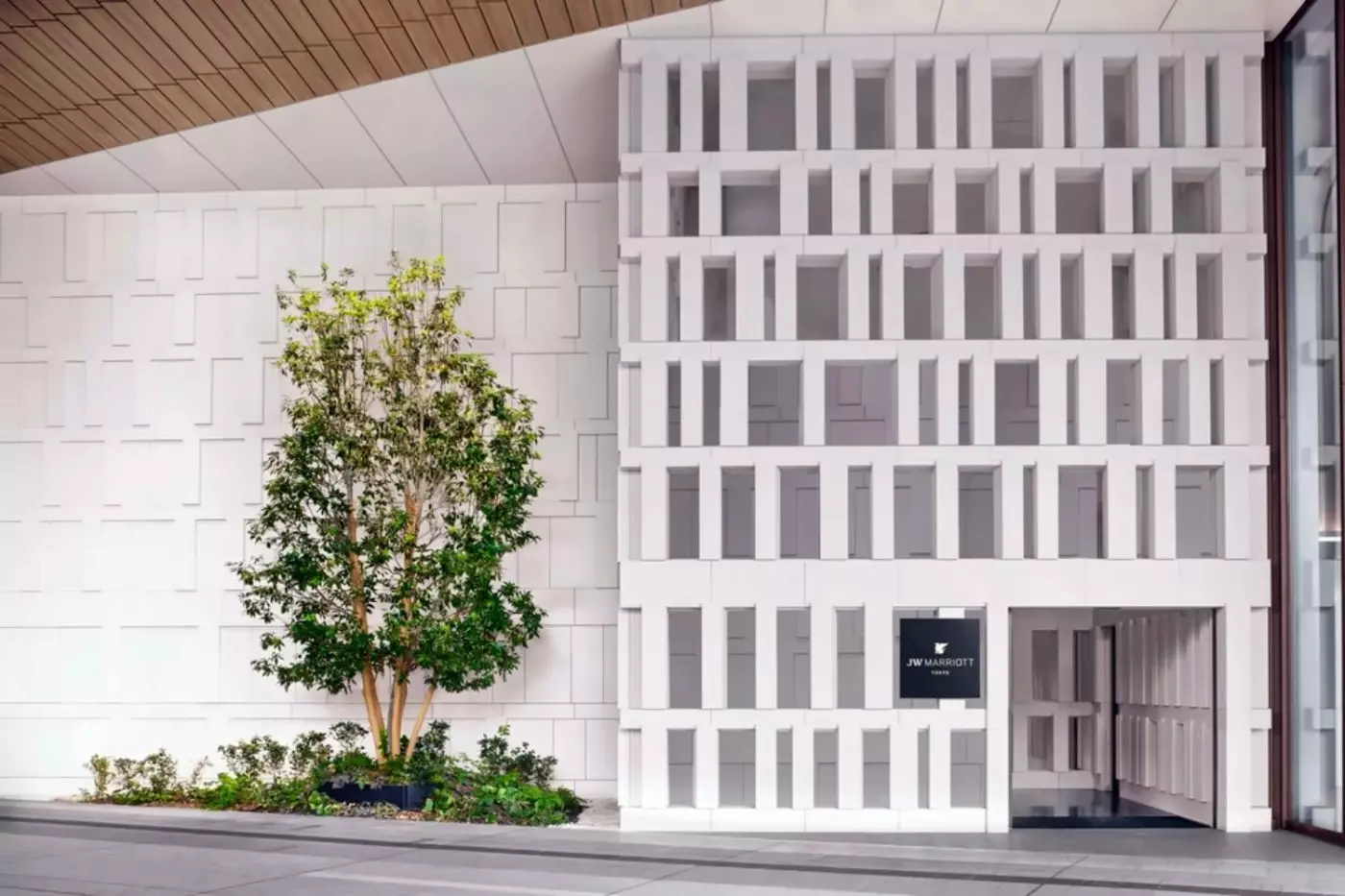
Choose this hotel for rail-based Tokyo plans, using Takanawa Gateway's South Gate walkway to approach with luggage above street level.
Please choose a hotel or destination from the list.
We couldn’t open your search results. Please try again.
Your private search
Finding exceptional stays
Best for
Choose this hotel for rail-based Tokyo plans, using Takanawa Gateway's South Gate walkway to approach with luggage above street level.
What makes it special
LE CRES's takeaway sweet treats turn the hotel's pastry selection into a small gift you can carry to your next meeting.
Room to consider
For work calls while someone rests, request a suite with separate living space and confirm the layout before booking.
Insider tip
Ask about morning yoga when checking in, then reserve an available session before fitting sightseeing or meetings around your morning.
Free membership gives you access to preferred rates, exclusive benefits and current promotions for your stay.
JW Marriott Hotel Tokyo is one of the most useful new luxury openings in the city because it does not try to be in Ginza, Marunouchi or Shinjuku. It sits inside Takanawa Gateway City, just a one-minute walk from Takanawa Gateway Station and about seven minutes from Sengakuji Station. Haneda Airport is listed at about 20 minutes away. That makes the hotel practical for travelers who want Tokyo access without sleeping in the older hotel clusters.
The hotel occupies the upper floors of a tower in the new Takanawa district. It has 200 rooms and suites, wide city views and interiors by Yabu Pushelberg. This is a 5-star hotel in Tokyo for guests who want a high-rise stay with rail convenience, strong wellness facilities and a quieter base near Shinagawa. It is less obvious than Palace Hotel Tokyo or Mandarin Oriental Tokyo, but that is part of the point.
 200
200
 Charming
 Fitness
 Pool
Pool
 Spa
Spa
 Sauna
Sauna
 Culture
 City Vibe
 Wheelchair Accessible

The Urban Deluxe Room offers generous space, calm style, and wide views across Tokyo’s skyline. The layout spans 43 to 47 sqm and feels open...

A calm setting defines the Mindful Skyline View Room on a high floor. This 47 sqm space offers a clear layout and gentle light. A...

Calm elegance defines the Deluxe Bay View Club Room with refined comfort. The space measures 47 sqm, with a clear, balanced layout. A king bed...

The Junior Corner Suite offers a calm corner setting with wide city outlooks. This 60 sqm suite presents expansive windows that frame the Tokyo skyline....

A refined stay unfolds within the Executive Club Suite, offering calm, elegant comfort. The suite spans 88 to 95 sqm with a balanced open layout....

A stay in the Executive Premium Club Suite reveals calm and refined luxury. The suite spans 95 sqm and features a clear, open layout. A...

The Presidential Bay View Club Suite spans a generous 235 sqm, creating a sense of comfort from the moment of arrival. Large interiors frame calm...
Takanawa Gateway is a new urban district built around rail, offices, culture, retail and public space. For a first-time Tokyo visitor, that may feel less iconic than Marunouchi, Ginza or Roppongi. For a repeat visitor, it can be a smart choice. The hotel puts guests close to the Yamanote Line and near Shinagawa. It also works well for Haneda flights, business meetings and cross-city days.
The area does not yet have the same street life as Aoyama or Ginza. That is the honest trade-off. Guests choose JW Marriott Hotel Tokyo for transport logic, new-build comfort and skyline views. They do not choose it for old neighborhood texture. If the goal is a walk-out dining and fashion district, Bulgari Hotel Tokyo or The Tokyo EDITION Ginza may feel more immediate. If the goal is calm access, Takanawa becomes more persuasive.
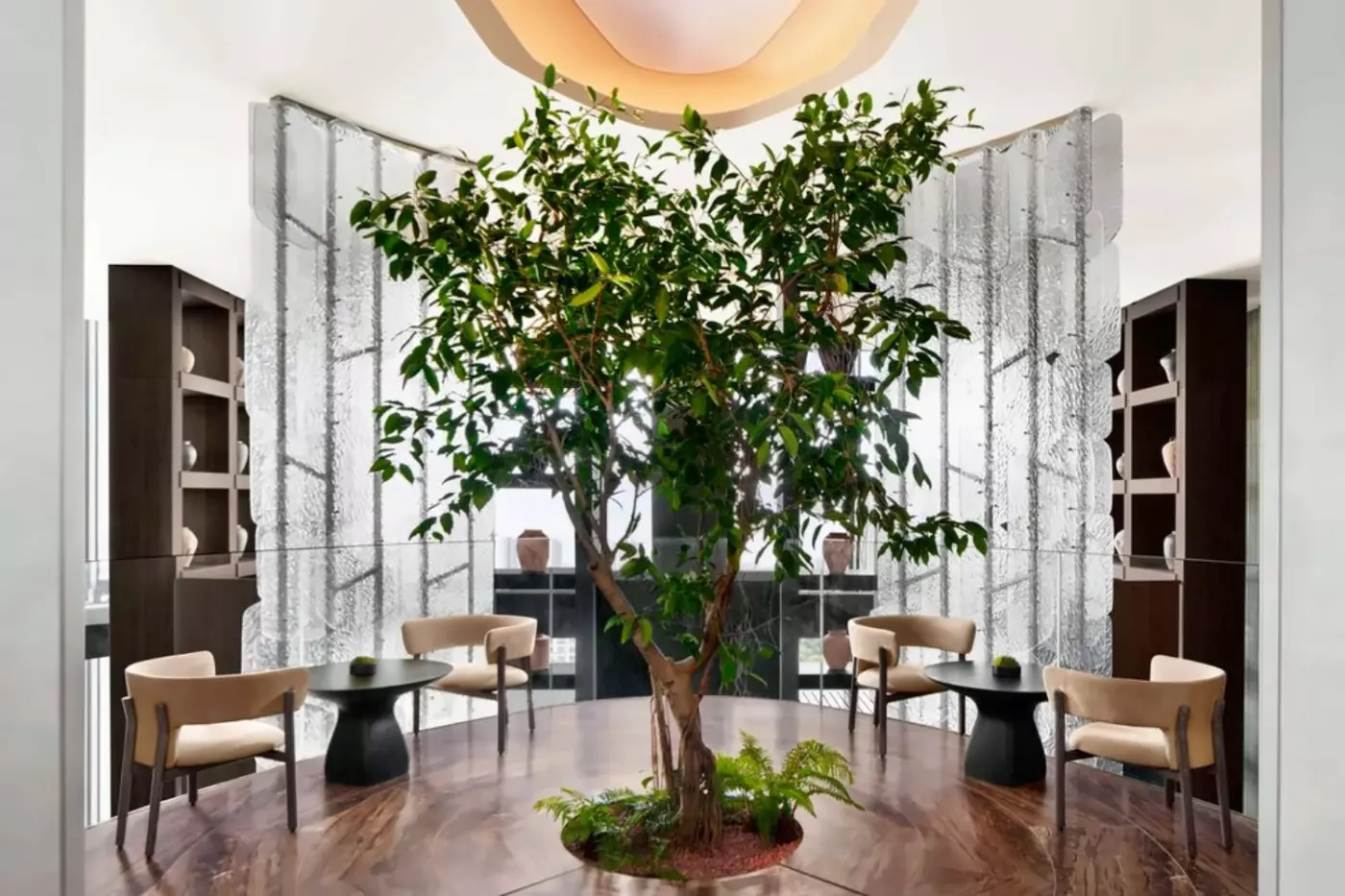
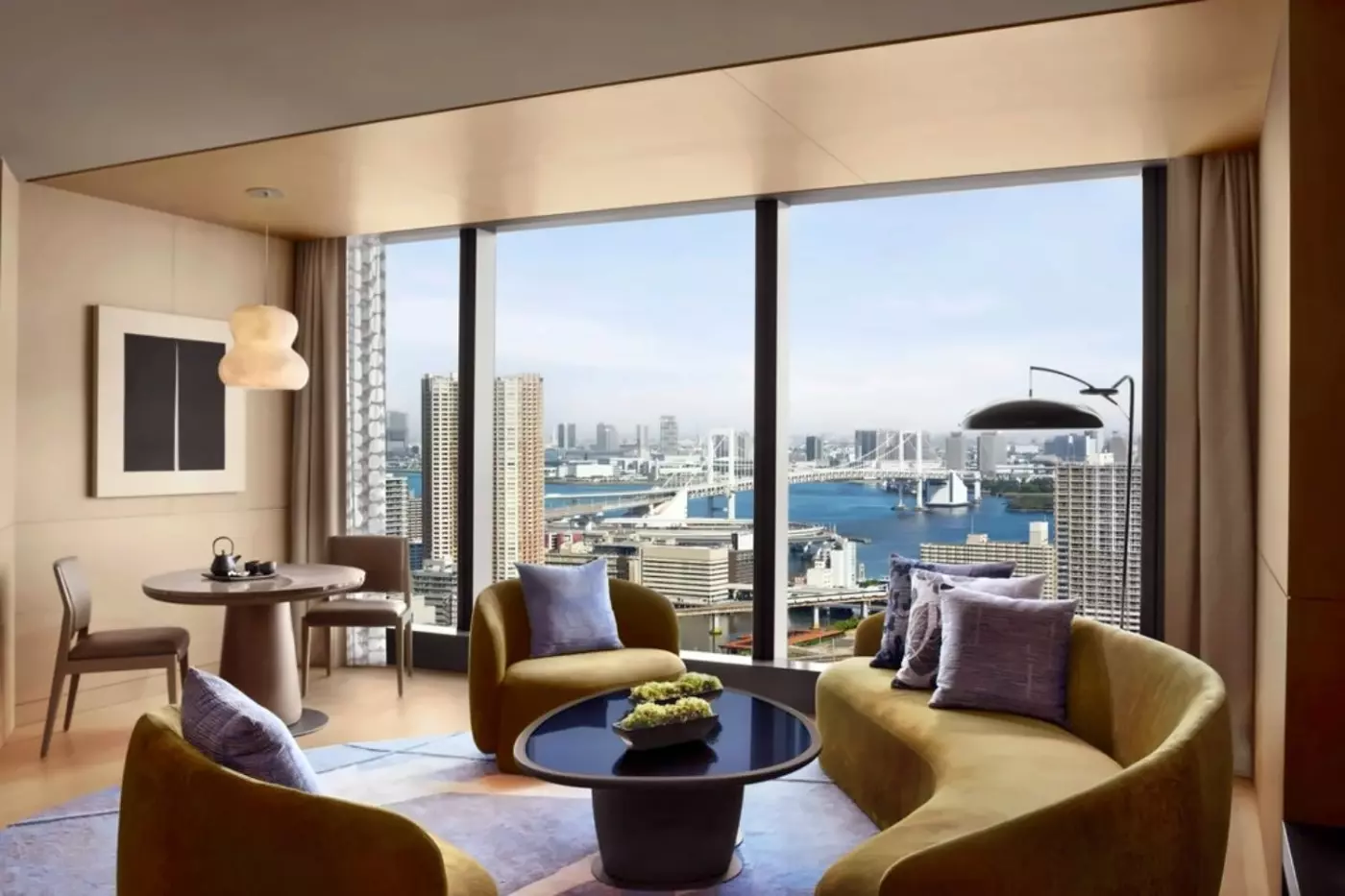
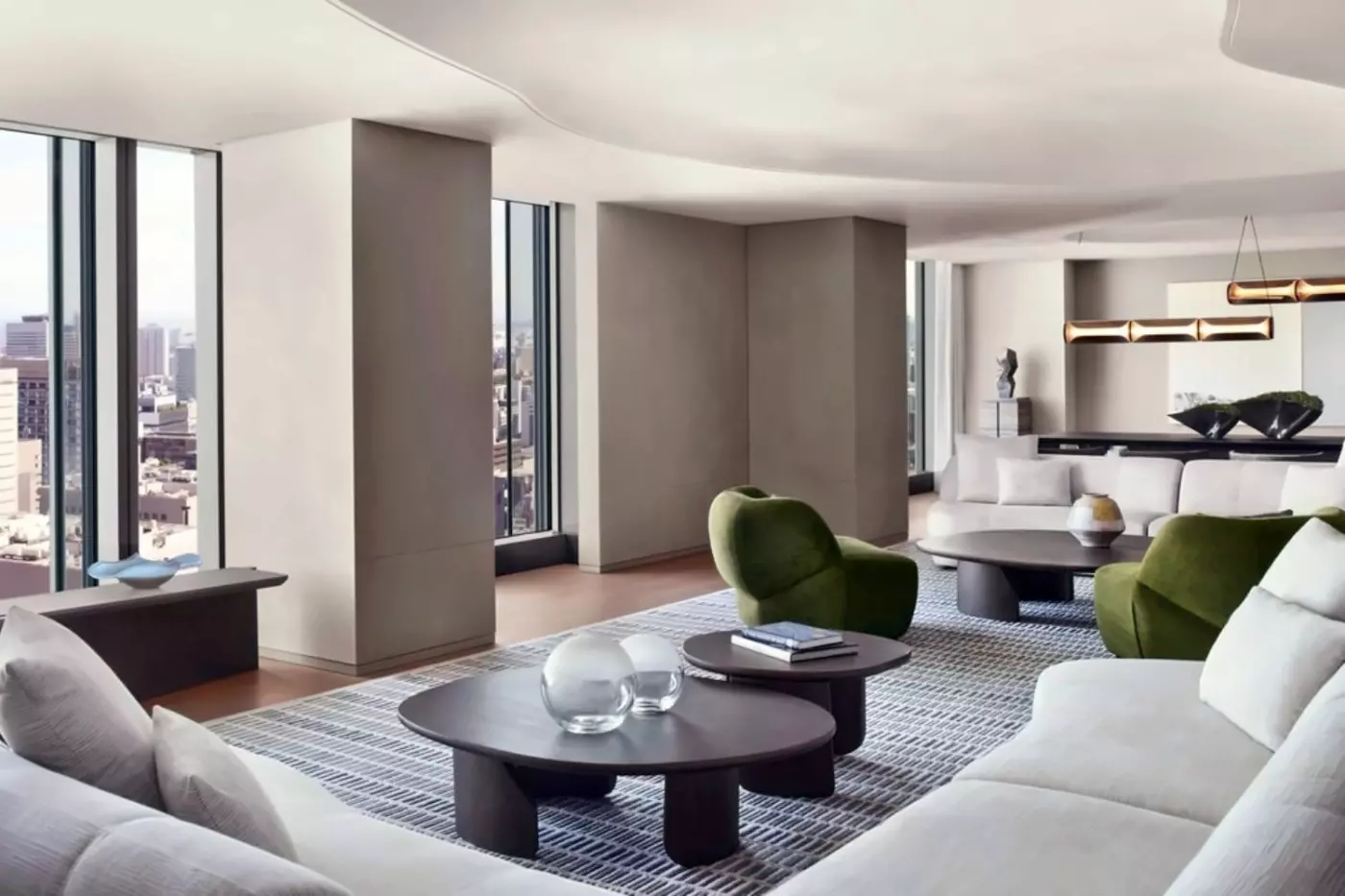
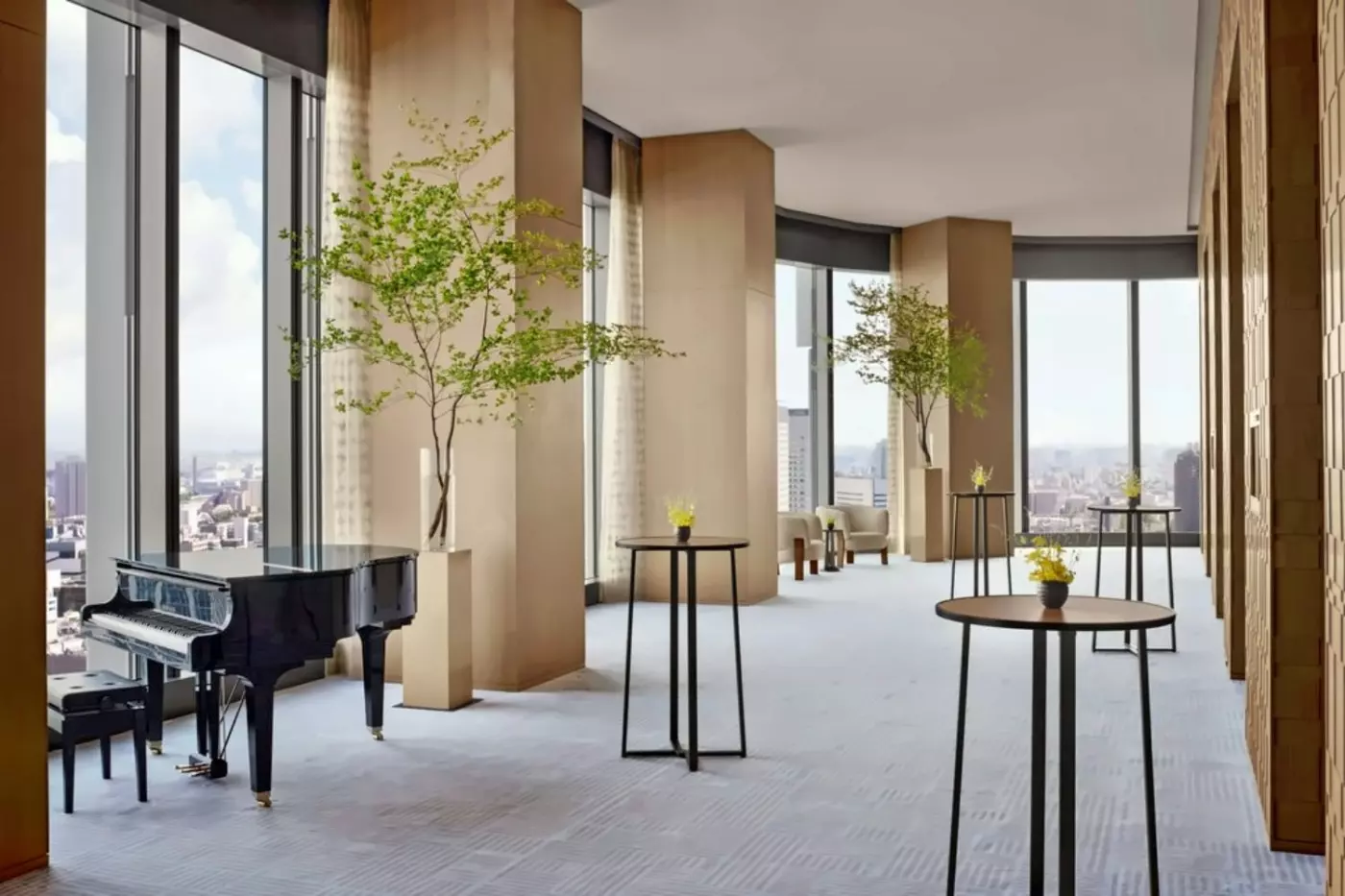
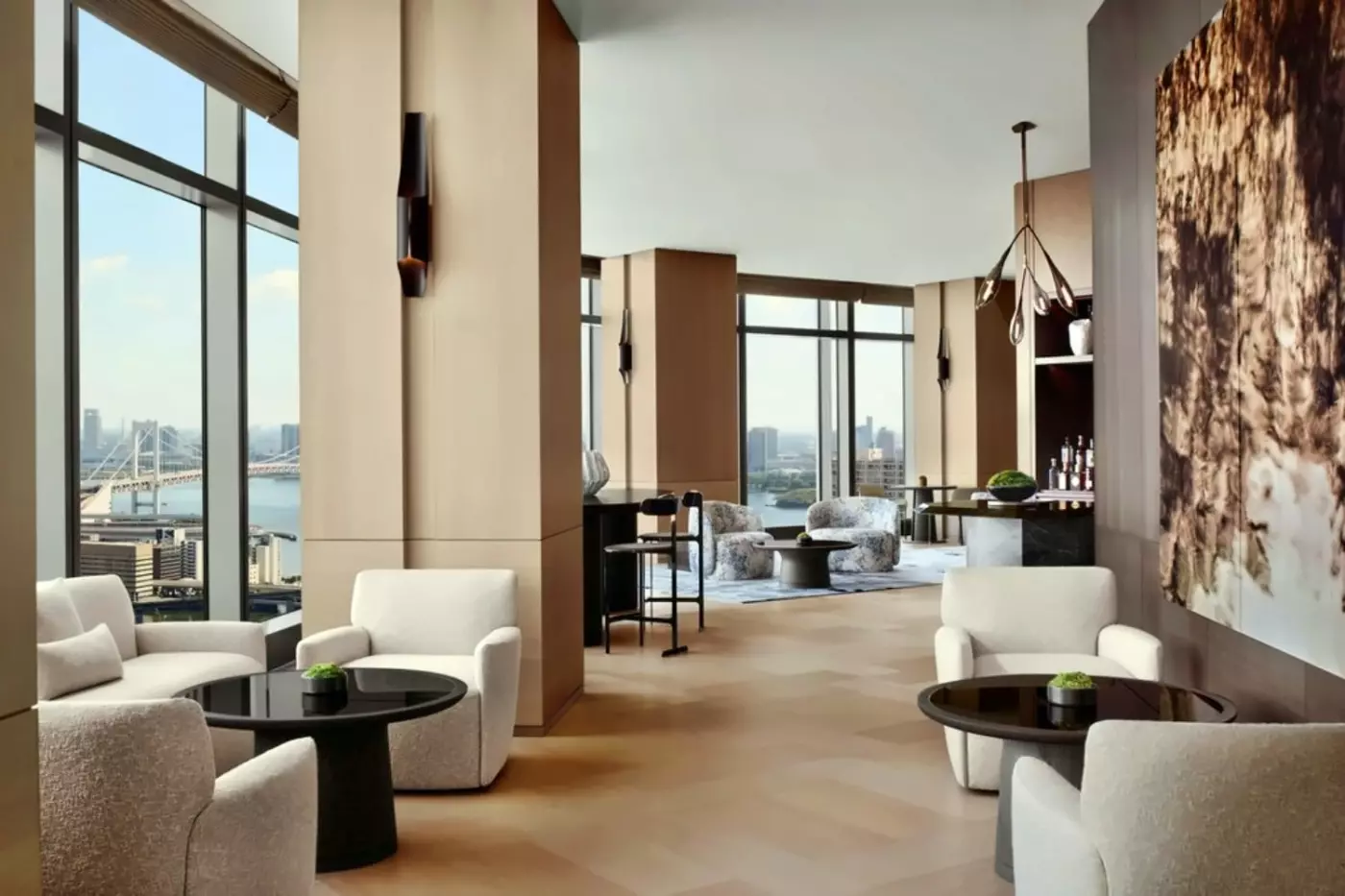
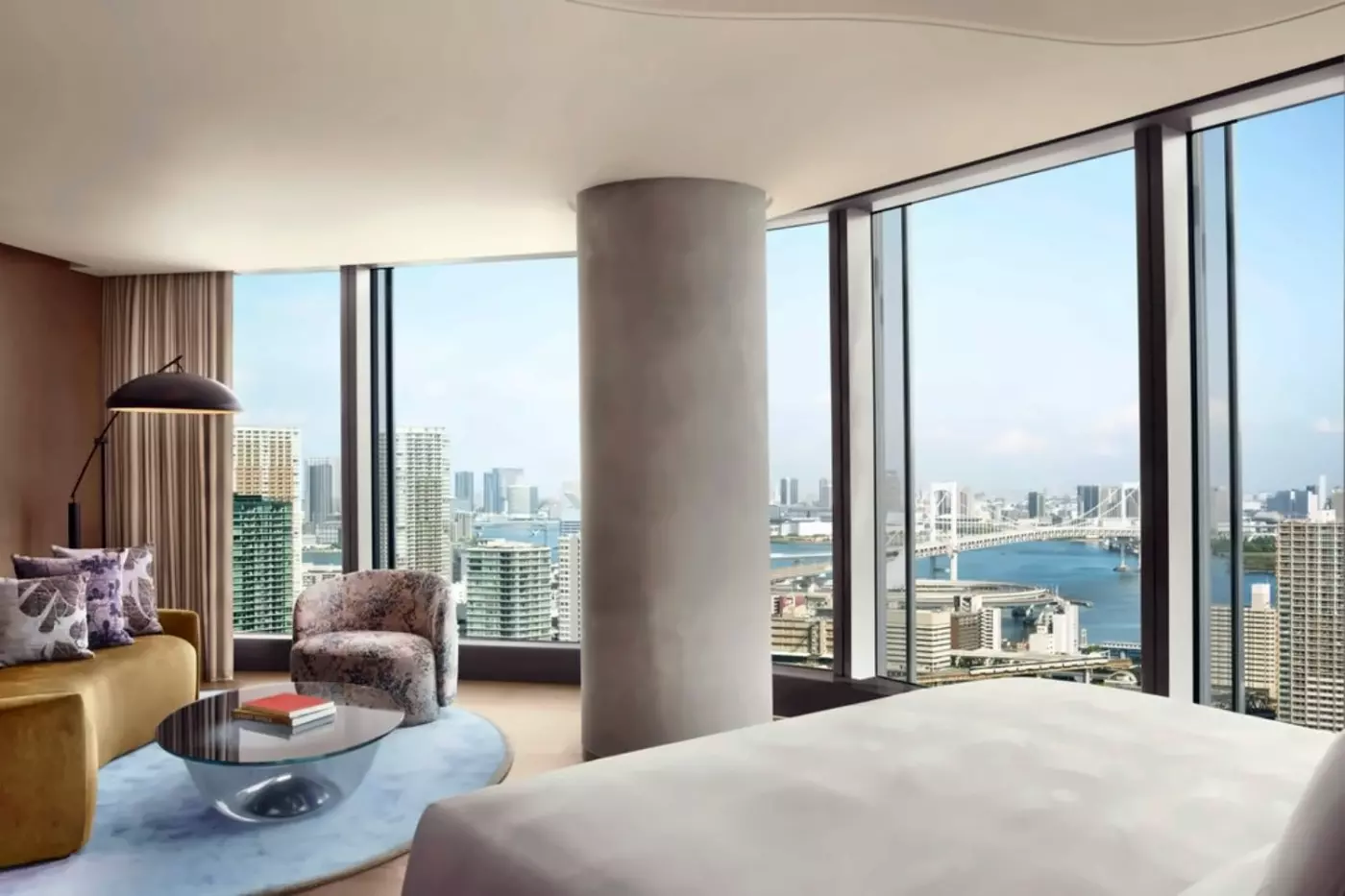
The 200 rooms and elevated suites use floor-to-ceiling windows, warm natural materials and soft tones. Many rooms look toward the city skyline, Tokyo Bay, Rainbow Bridge or, on clear days, more distant landmarks. The design language is quiet, with Zen-garden references rather than heavy decoration. It works well for guests who want a reset after crowded stations, flights or long workdays.
Room categories include Urban Deluxe rooms, Bay View Deluxe rooms, Junior Suites, Executive Suites and the Presidential Suite. The hotel also lists JW Mindful Rooms, designed for rest and renewal, with details such as yoga mats, meditation tools, organic herbal teas and private check-in and check-out at Spa by JW. Guests staying in Executive-level rooms and suites can use the Executive Lounge, subject to eligibility and booking conditions.
The room product is important because Tokyo luxury hotels often compete on views and calm. Aman Tokyo has a grander emotional scale. Mandarin Oriental Tokyo has a stronger Nihonbashi perch. Palace Hotel Tokyo has the Imperial Palace setting. JW Marriott Hotel Tokyo answers with a newer district, rail access, wellness-led room thinking and a softer stay style. It is not the most theatrical choice, but it is highly functional.
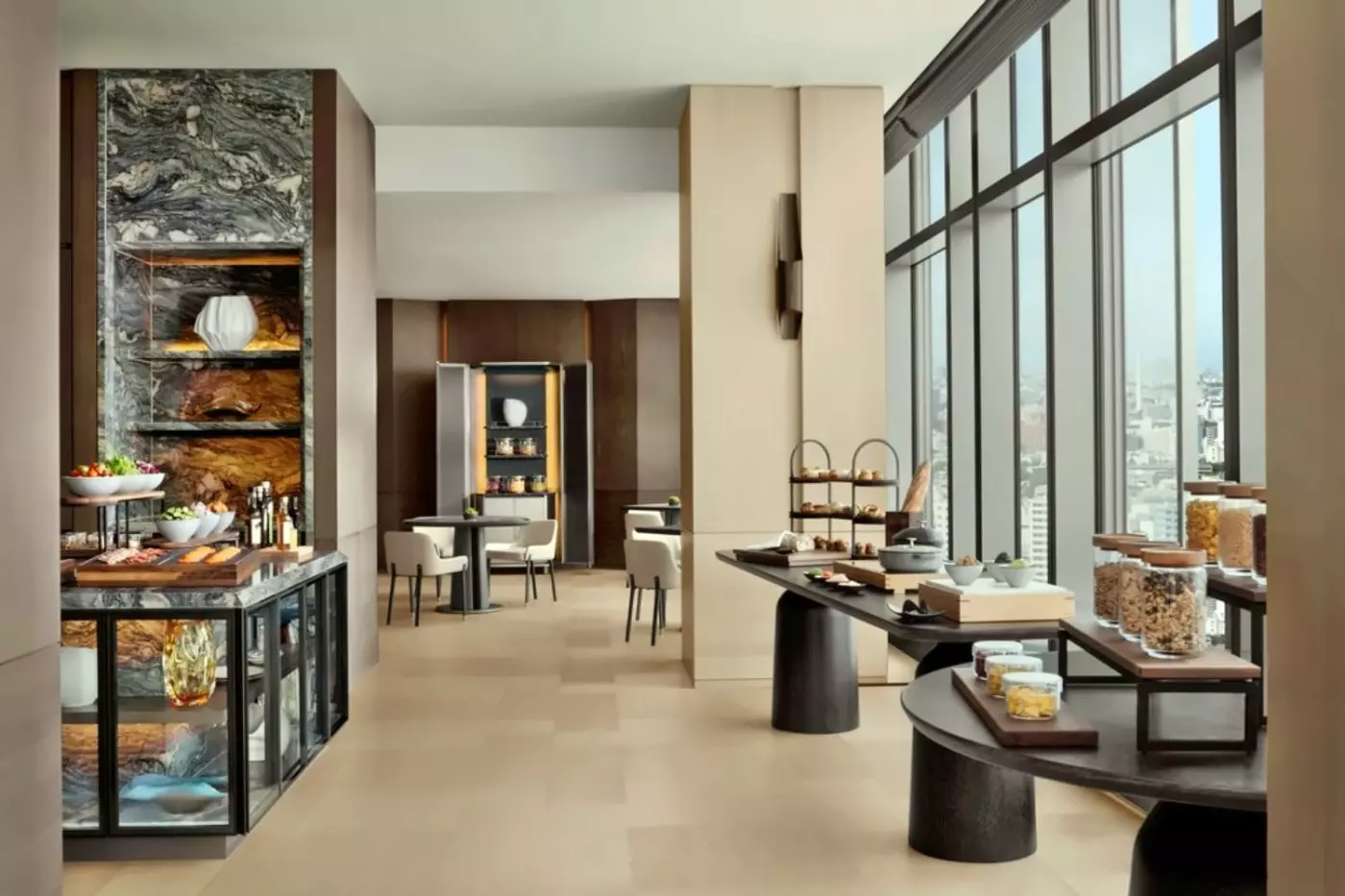
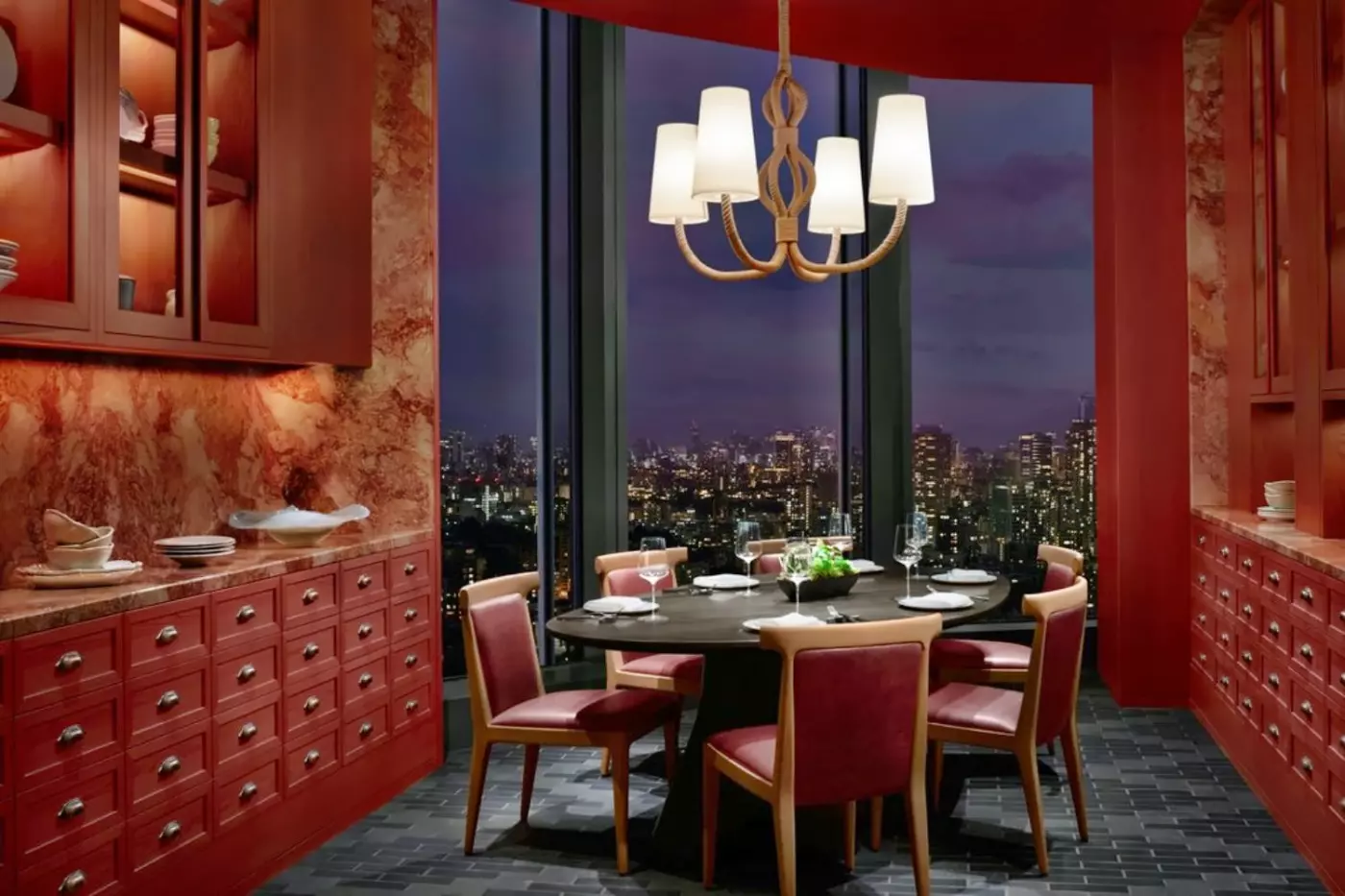
Dining is one of the hotel's strongest assets. Marriott lists six distinctive dining venues, led by Kappo Omakase SAKI and Modern Mediterranean SEFINO. SAKI is an eight-seat kappo counter shaped by Michelin-starred chefs Emmanuel Stroobant and Kazumine Nishida. It focuses on Japanese ingredients, seasonality and a close-up chef experience. SEFINO is led by chef Agustin Balbi and blends South American and European influences into Mediterranean cooking.
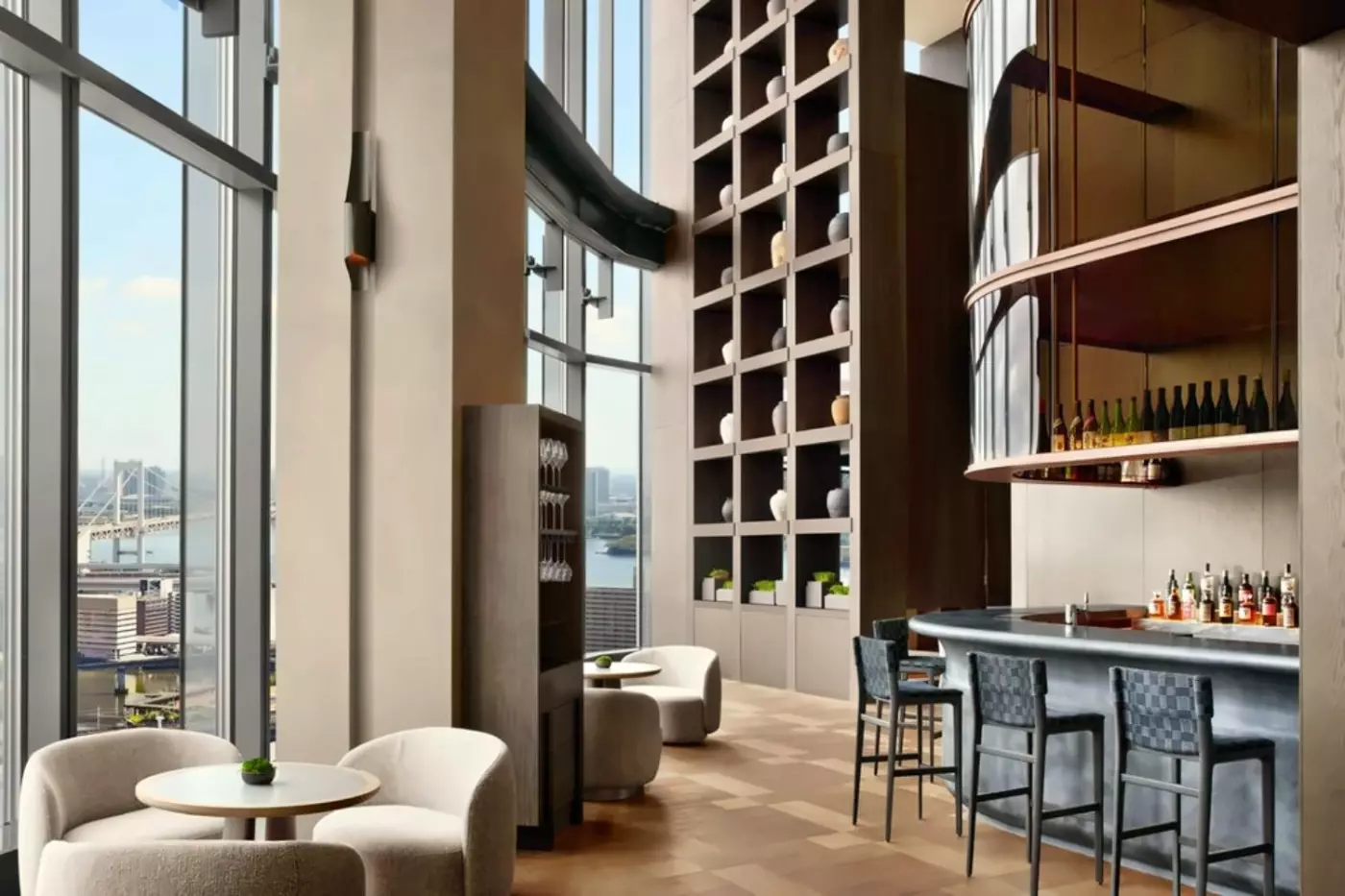
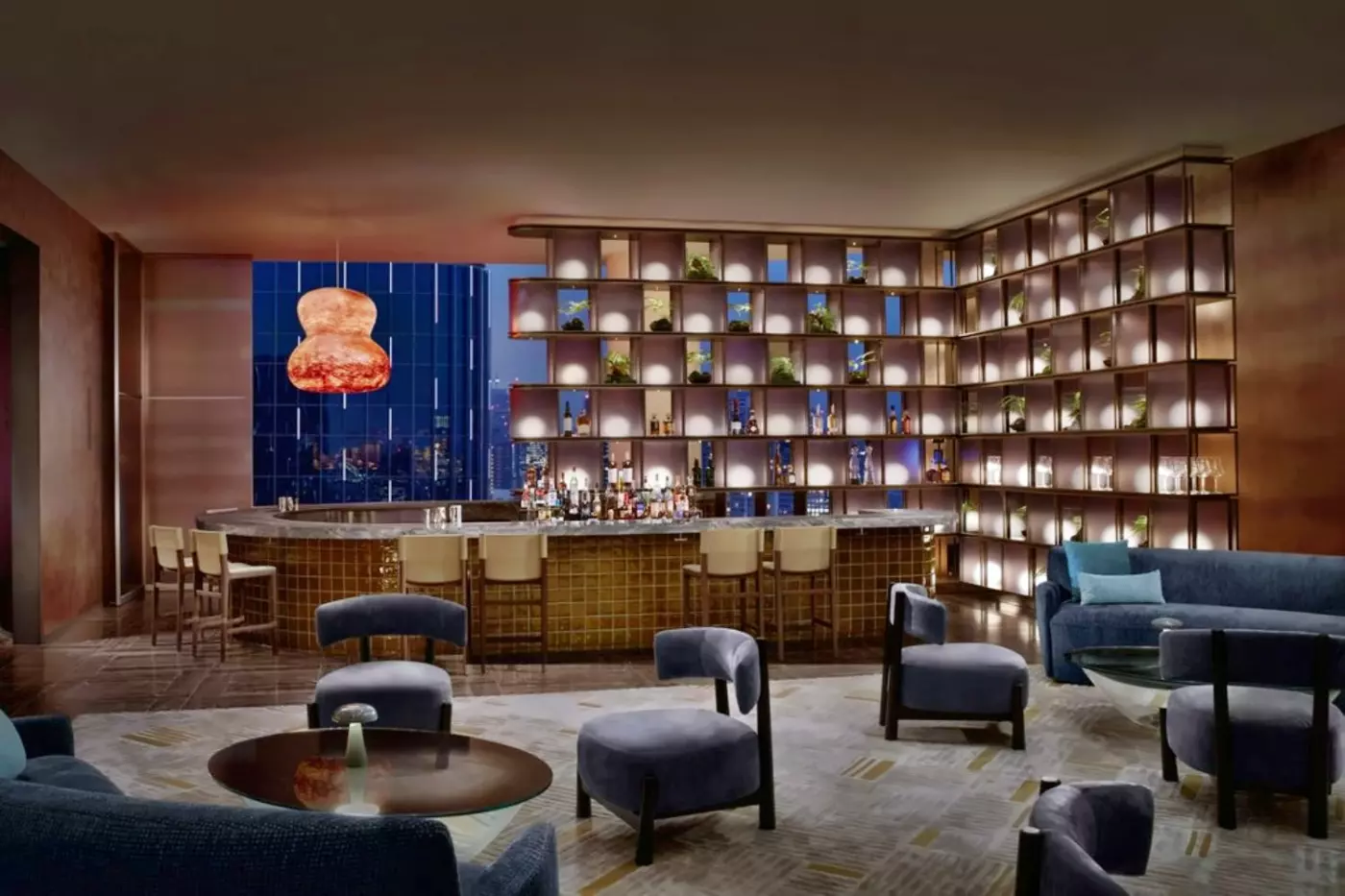
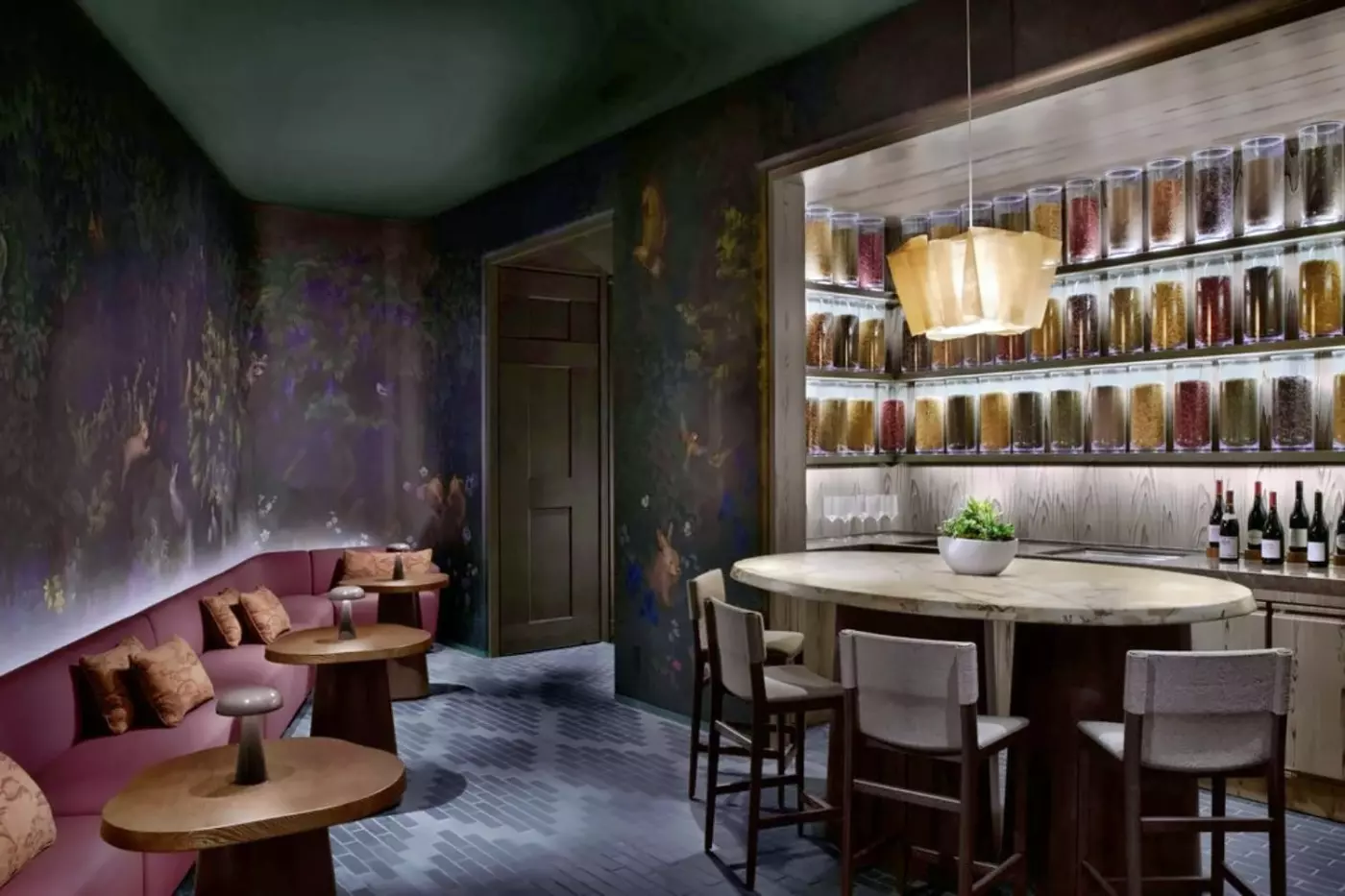
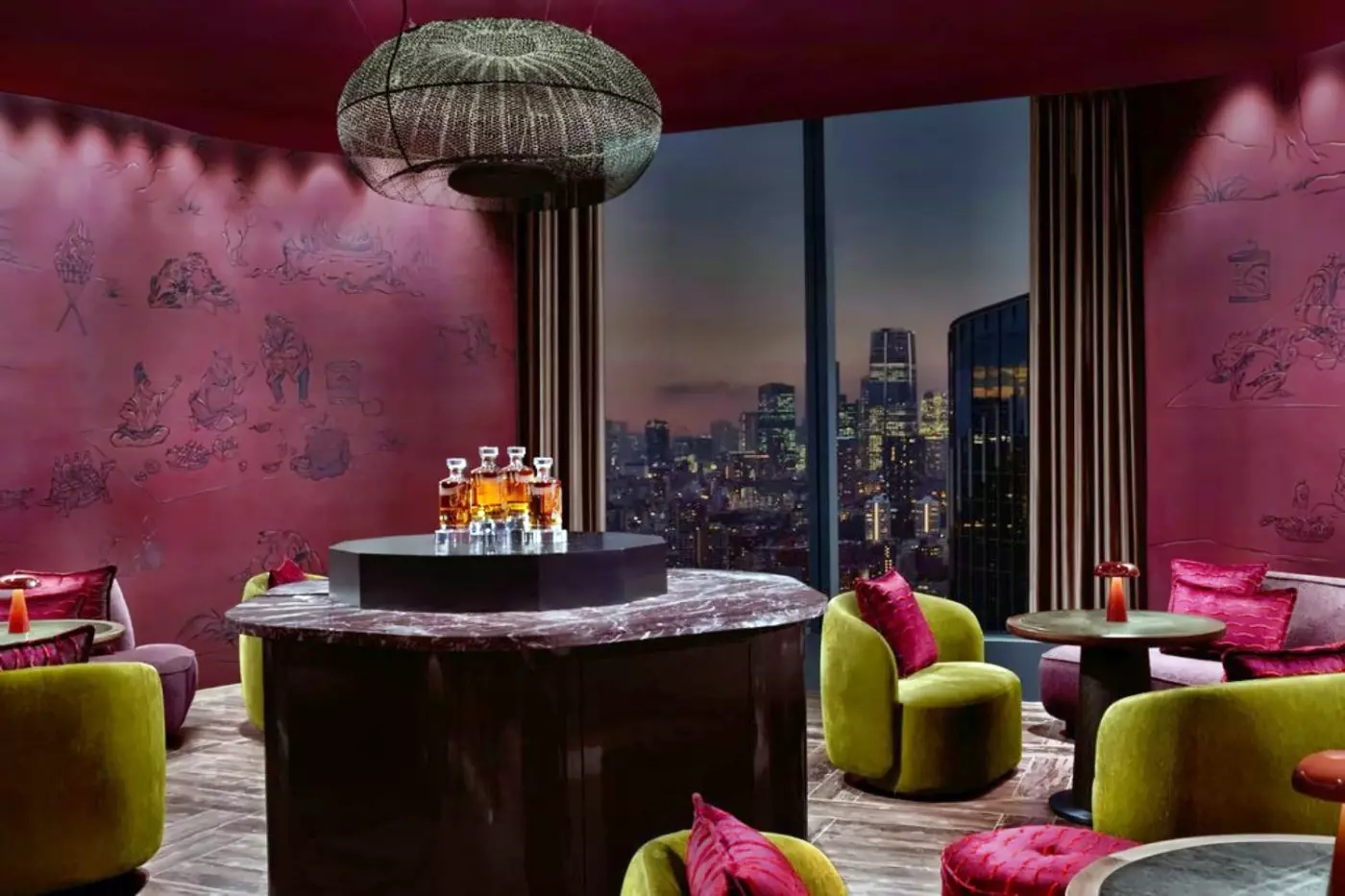
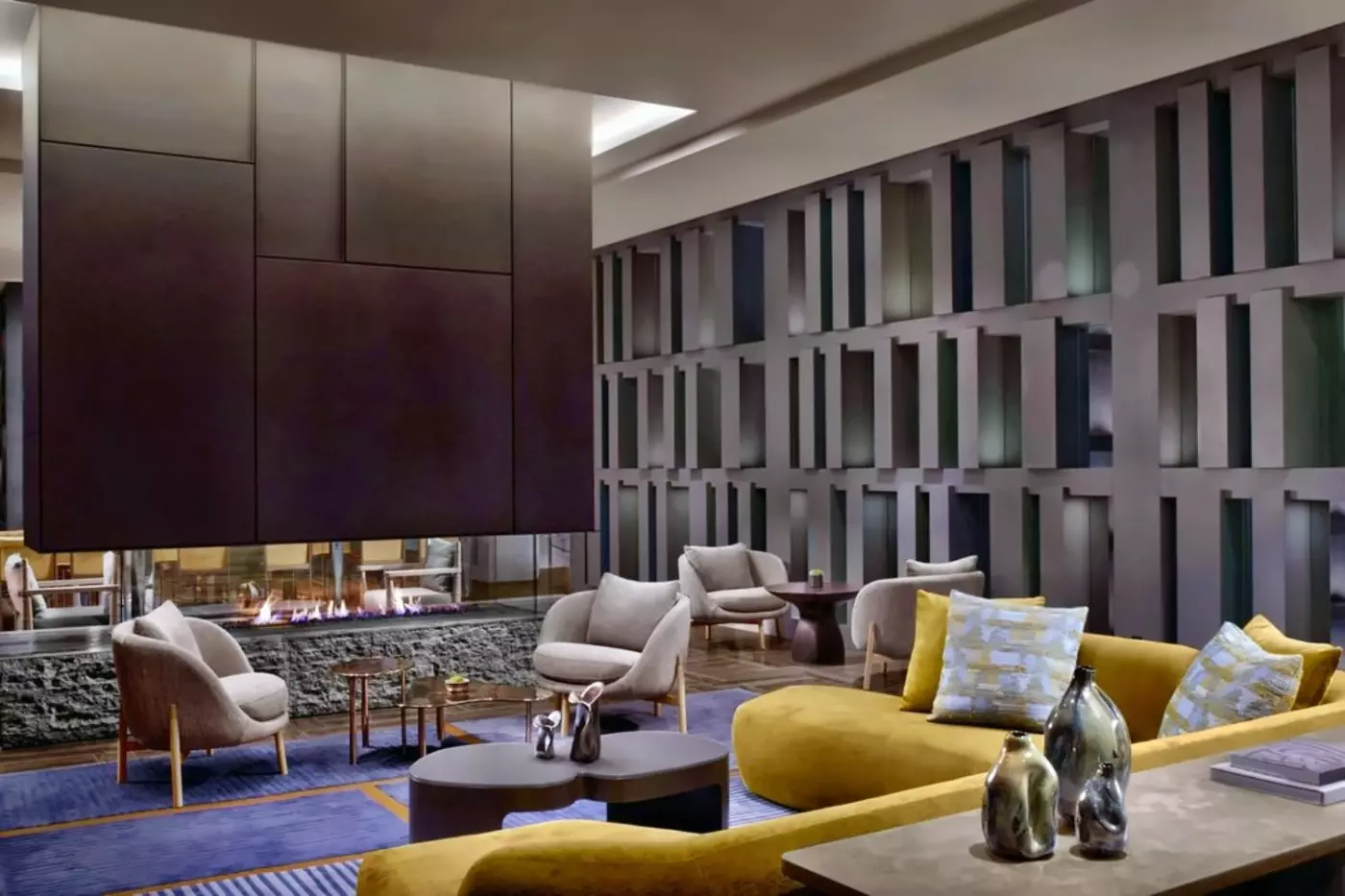
LE CRES adds an artisanal croissant bar with Japanese flavors such as matcha and citrus. JW Lounge handles drinks, light bites and afternoon tea. JW Bar sits on the 30th floor with classic cocktails, boutique champagnes by the glass and skyline views. The 4-0-3 pop-up beverage concept gives the hotel one more flexible drinks space. Together, these venues make the hotel more than a room-and-breakfast tower.
The dining story is polished, but it is not a reason to ignore Tokyo outside the hotel. Guests should still plan sushi, izakaya, ramen, kappo, tempura and coffee around the city. The strength here is not that every meal must happen in the building. The strength is that the hotel has enough serious choices for arrival nights, business dinners, rainy evenings or a quieter day above the district.
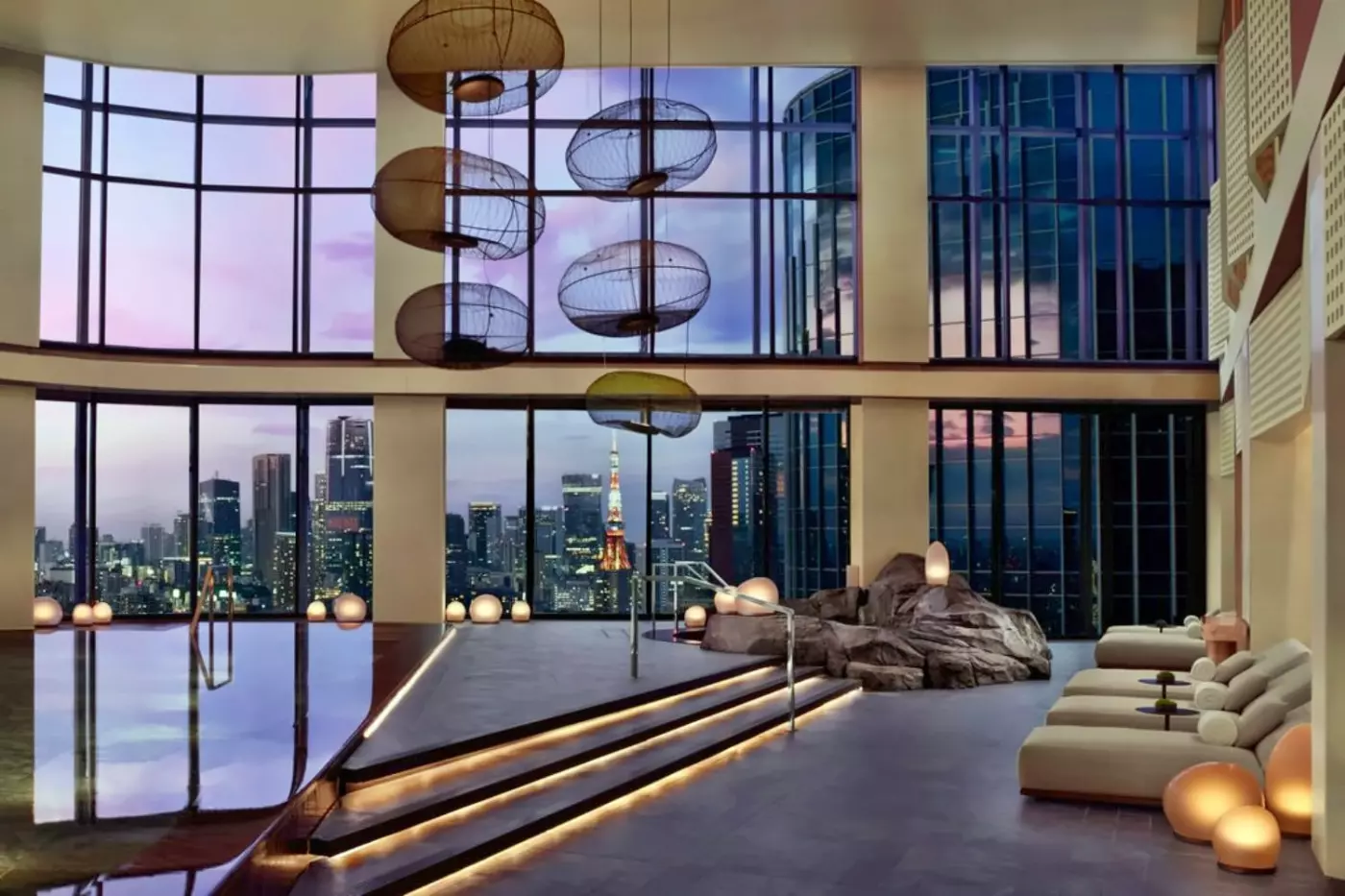
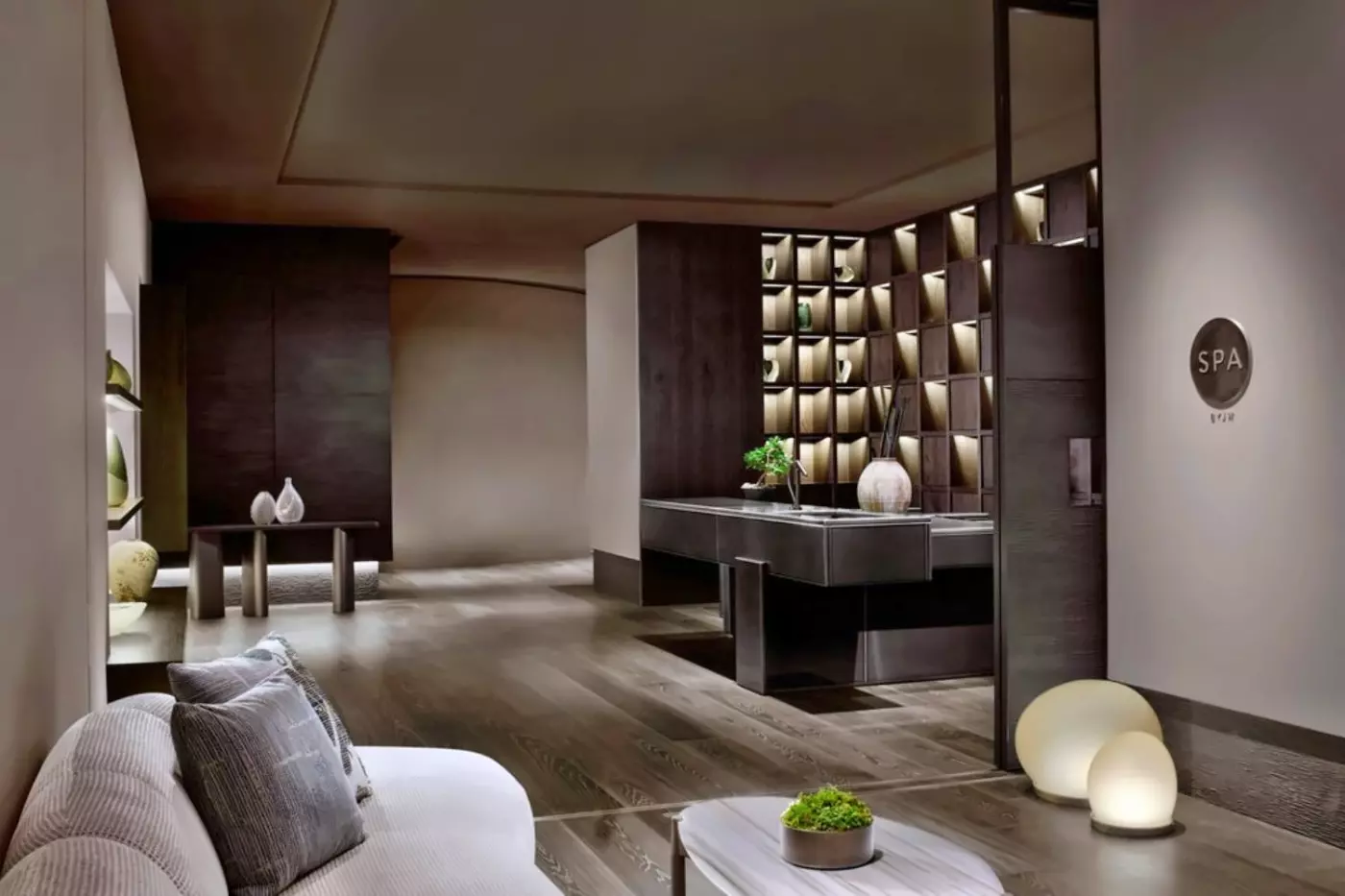
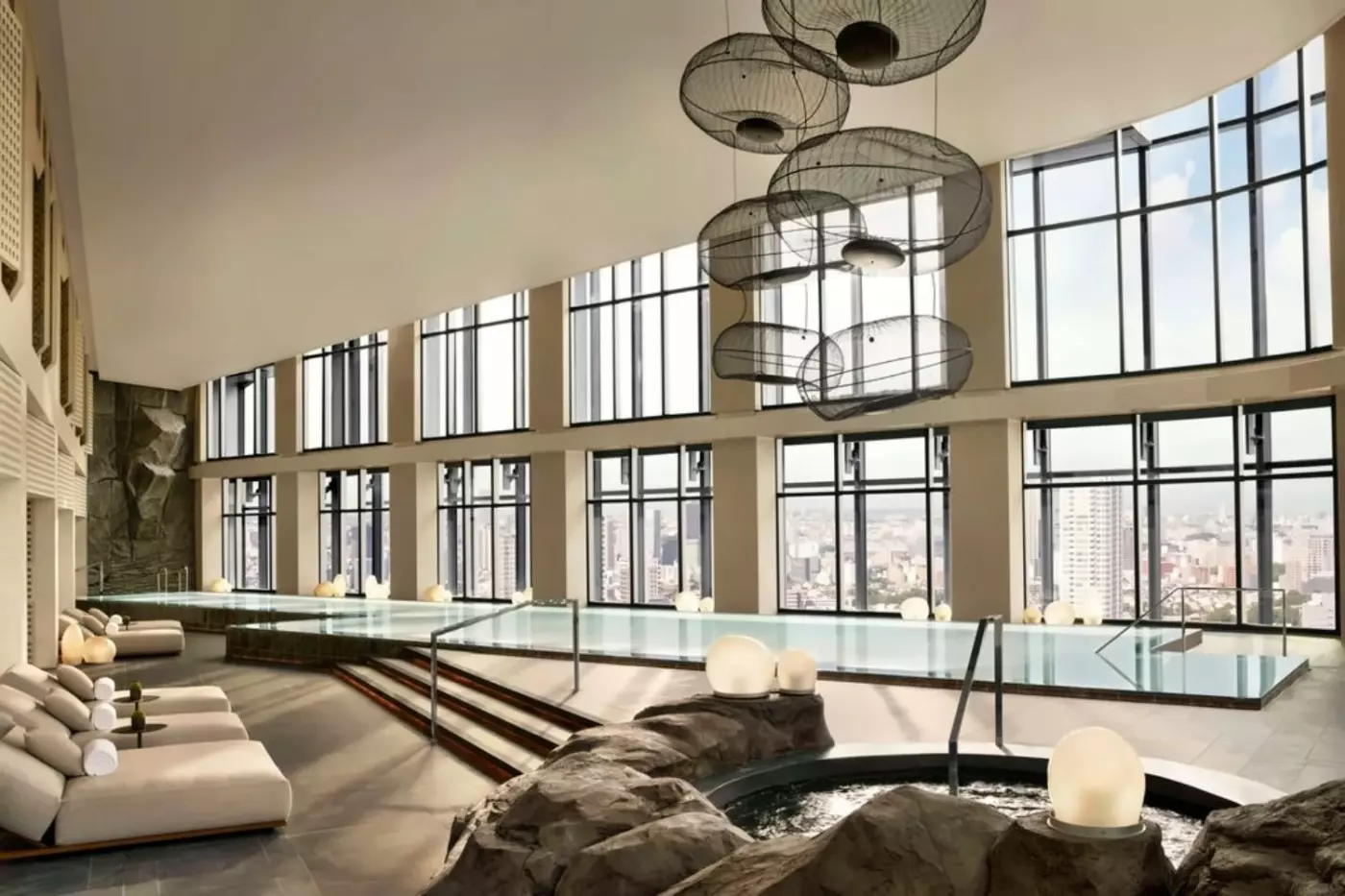
Wellness is central to the property. Spa by JW is open daily from 10:00 AM to 9:00 PM by appointment. Services include massages, scalp and hair treatments, therapy baths and in-suite massage options. The fitness center is open 24 hours and includes cardio machines, weights, studio space, sauna rooms and steam rooms. The indoor heated pool is open daily and sits on property with towels provided.
This is where the hotel separates itself from many business-led tower hotels. A traveler can arrive from Haneda, work near Shinagawa or Tokyo Station, return for a swim, and still feel that the stay has a calm center. The pool is not simply a checklist item. With city views and a quieter tone, it supports the hotel's whole idea. This is a high-rise Tokyo base with recovery built into the rhythm.
Guests should not expect a resort hidden from the city. Trains, towers and new development define the setting. The wellness value is about control: better sleep, a quieter room, a treatment between appointments, and space to reset before moving back into Tokyo. That makes the hotel a strong fit for business travelers who also care about health, and for leisure guests who want modern comfort without a party atmosphere.
Tokyo has some of Asia's toughest hotel competition. Aman Tokyo is more dramatic and more rarefied. Janu Tokyo is more social and Azabudai-focused. Bulgari Hotel Tokyo is stronger for Ginza and jewelry-box glamour. Palace Hotel Tokyo wins for Imperial Palace views and classic city prestige. Mandarin Oriental Tokyo has the Nihonbashi address and a long-established culinary reputation. The Ritz-Carlton Tokyo brings Roppongi and Midtown height.
JW Marriott Hotel Tokyo is not trying to beat each of them on their home ground. Its advantage is different. It offers a newer Takanawa Gateway location, direct station access, 200 rooms and suites, six dining venues, a full wellness floor, an indoor pool and a service style familiar to Marriott loyalists. For guests who use Tokyo as a connected city, not just a sightseeing postcard, that package is strong.
JW Marriott Hotel Tokyo is ideal for travelers who want a luxury hotel in Tokyo with easy rail access, calm design, strong wellness facilities and a new-district outlook. It suits repeat visitors, business travelers, wellness-minded couples and guests arriving through Haneda. It also suits Marriott Bonvoy members who want a high-end Tokyo stay with Executive Lounge options and a room product that feels new.
It is less ideal for guests who want to step straight into Ginza nightlife, Marunouchi history or Roppongi dining. It is also not the obvious choice for travelers who want a ryokan-like stay or a tiny boutique hotel. The main reason to book is the mix of Takanawa Gateway convenience, skyline rooms, Spa by JW, indoor pool, SAKI, SEFINO, LE CRES and rail access that keeps Tokyo wide open.
The hotel is most convincing when judged on its own terms. It is a calm tower above a new transport district, not a palace beside a garden or a nightlife hotel in a fashionable quarter. Guests who understand that will get the best from it: quick movement, quiet rooms, serious food, recovery space and a polished base for a city that rarely moves slowly.
Zen-inspired interiors, warm natural materials and floor-to-ceiling windows give city-focused travelers an uncluttered setting with Tokyo's skyline still part of the stay.
SEFINO brings South American and European influences to Mediterranean cooking, adding a different culinary direction when you want a change from Japanese dining.
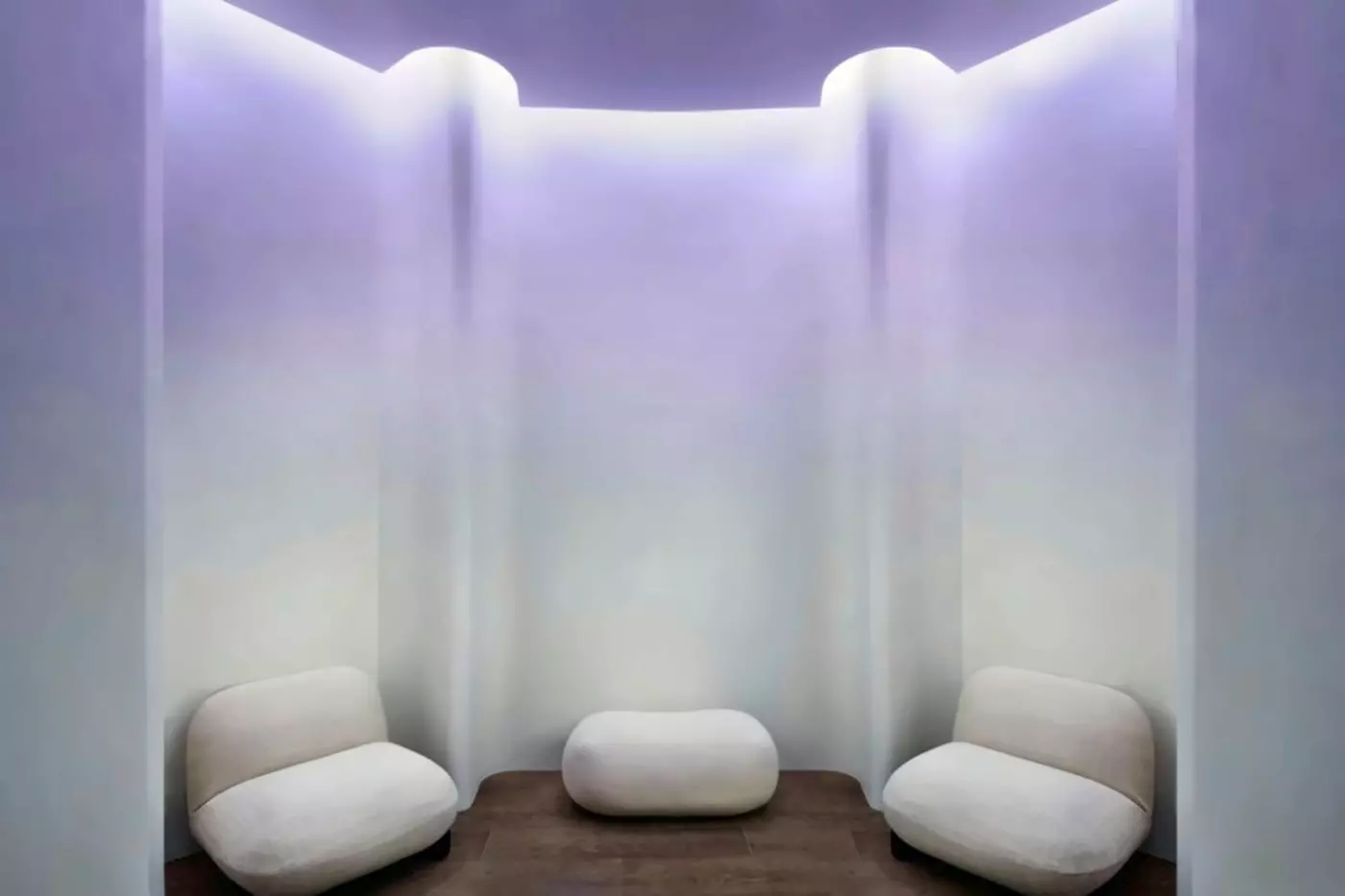
Spa by JW offers couples massages and facials in a private setting, giving two travelers a way to share wellness time beyond sightseeing.
2-21-2 Takanawa, Minato-ku Tokyo 13 108-0074 JP JAPAN
Playing this video may share data with YouTube. Please see our Privacy Policy.
Yes. JW Marriott Hotel Tokyo is worth it if you want a new luxury hotel in Takanawa Gateway City. The hotel has 200 rooms, 28 suites, SPA by JW, a 25-metre indoor pool, seven restaurants and bars, and direct station access.
JW Marriott Hotel Tokyo is located in Takanawa Gateway City in Minato, Tokyo. The setting connects well to Takanawa Gateway Station, Shinagawa, Haneda Airport routes, Tokyo Station, and central Tokyo districts.
JW Marriott Hotel Tokyo has 200 rooms, including 28 suites, set high above Takanawa Gateway City. Rooms use floor-to-ceiling windows, calm materials, and city views to create a quieter Tokyo luxury base.
Book a higher room or suite if views of Tokyo Bay, Tokyo Tower, or the skyline matter most. Executive rooms and suites can be useful if lounge access and a more elevated stay are priorities.
Yes. JW Marriott Hotel Tokyo has direct access to Takanawa Gateway Station. This is one of the hotel's strongest advantages for guests who want smooth rail links across Tokyo.
More amenities
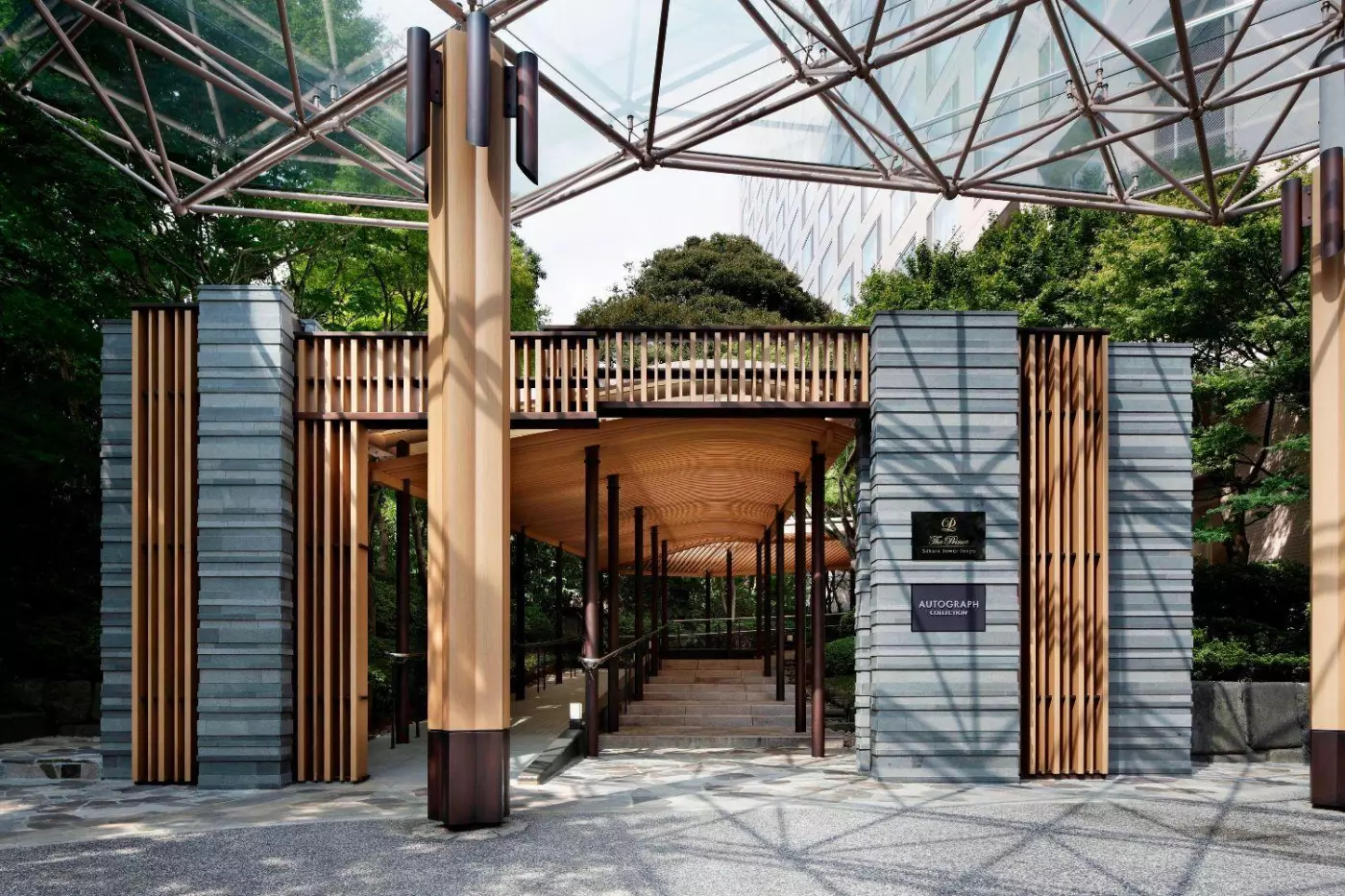
The Prince Sakura Tower Tokyo is a luxury hotel in Takanawa, a short walk from Shinagawa Station. It gives guests a quieter T...
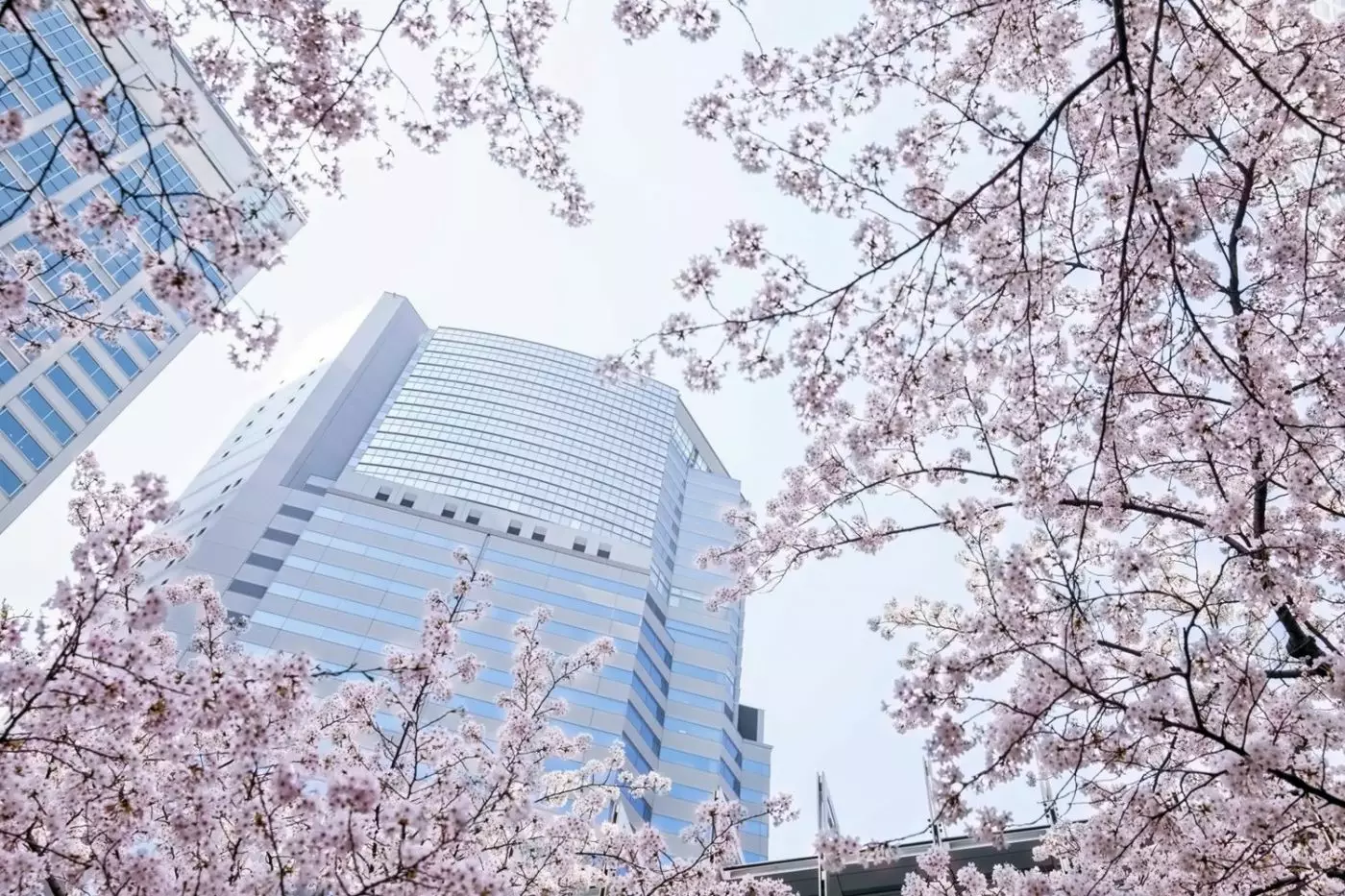
The Strings InterContinental sits in Shinagawa East One Tower, directly connected to Shinagawa Station by an internal walkway...
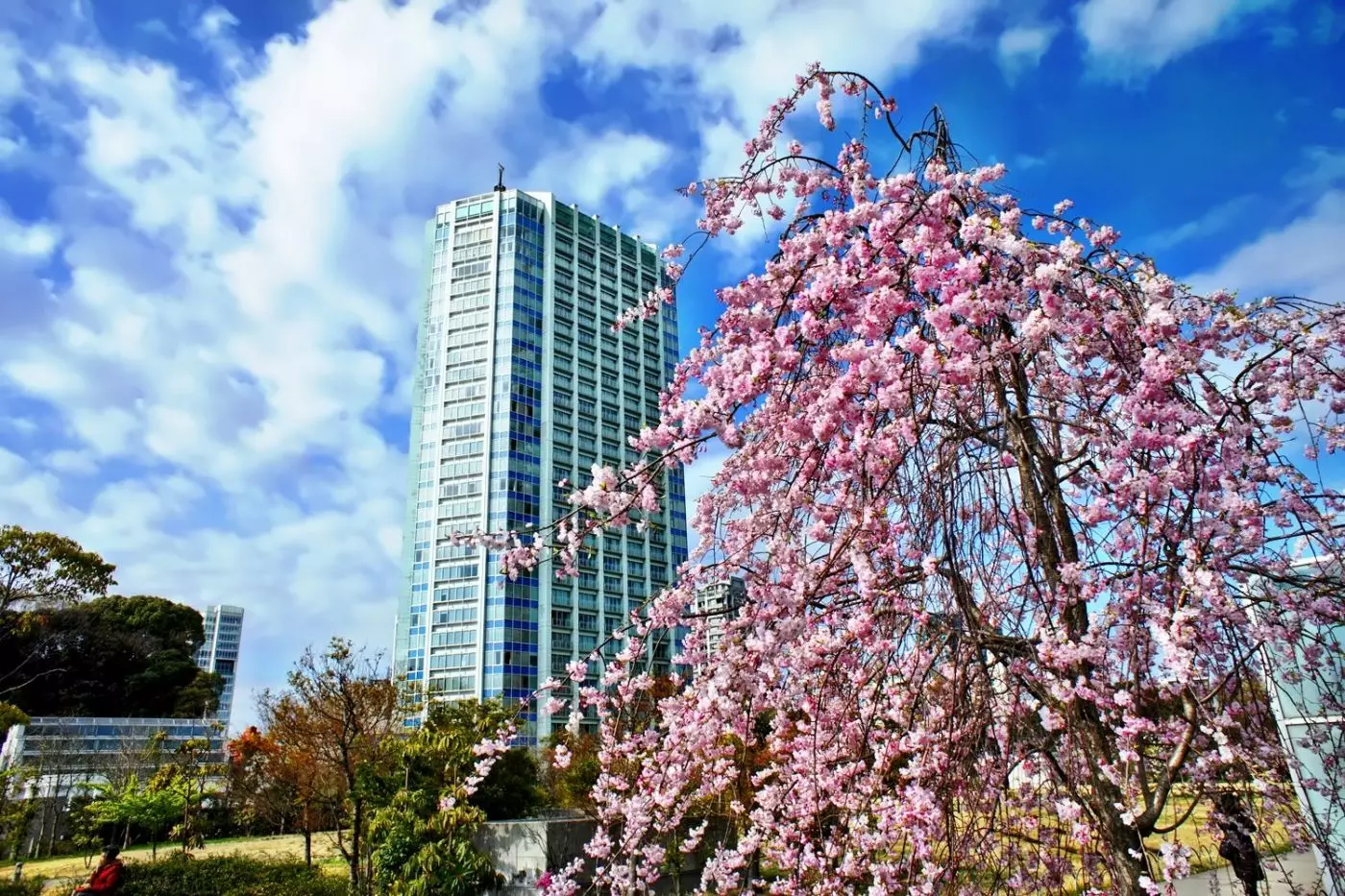
The Prince Park Tower Tokyo is a large luxury hotel beside Shiba Park, close to Tokyo Tower and Zojoji Temple. It gives guest...