

Best for
Book InterContinental Dublin if you want spacious rooms, a quieter Ballsbridge address, gardens, spa facilities, and an indoor pool. Choose another hotel if you want nightlife outside the door or the densest possible city-center location.
Please choose a hotel or destination from the list.
Your private search
Finding exceptional stays
Best for
Book InterContinental Dublin if you want spacious rooms, a quieter Ballsbridge address, gardens, spa facilities, and an indoor pool. Choose another hotel if you want nightlife outside the door or the densest possible city-center location.
Room to consider
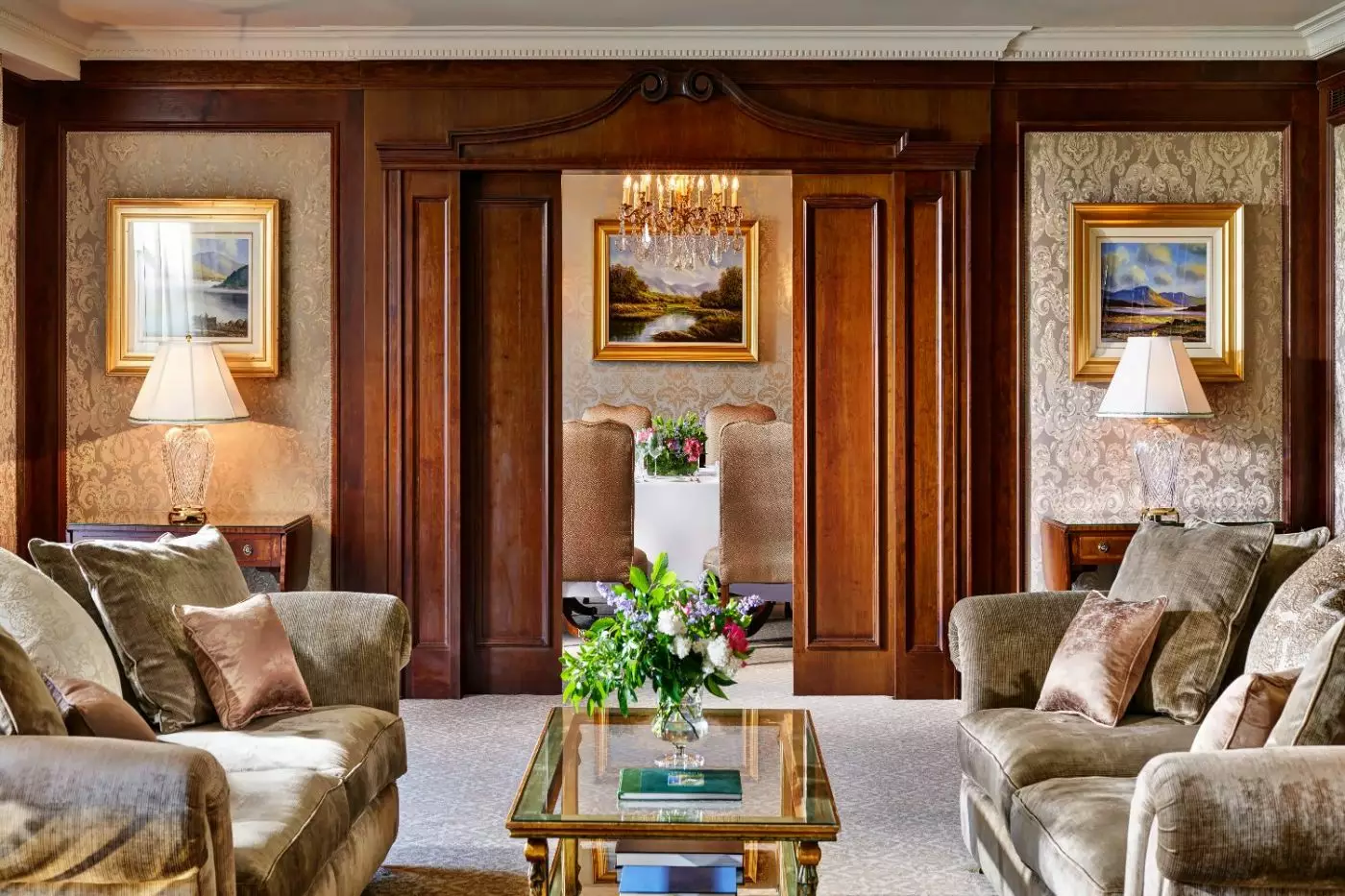
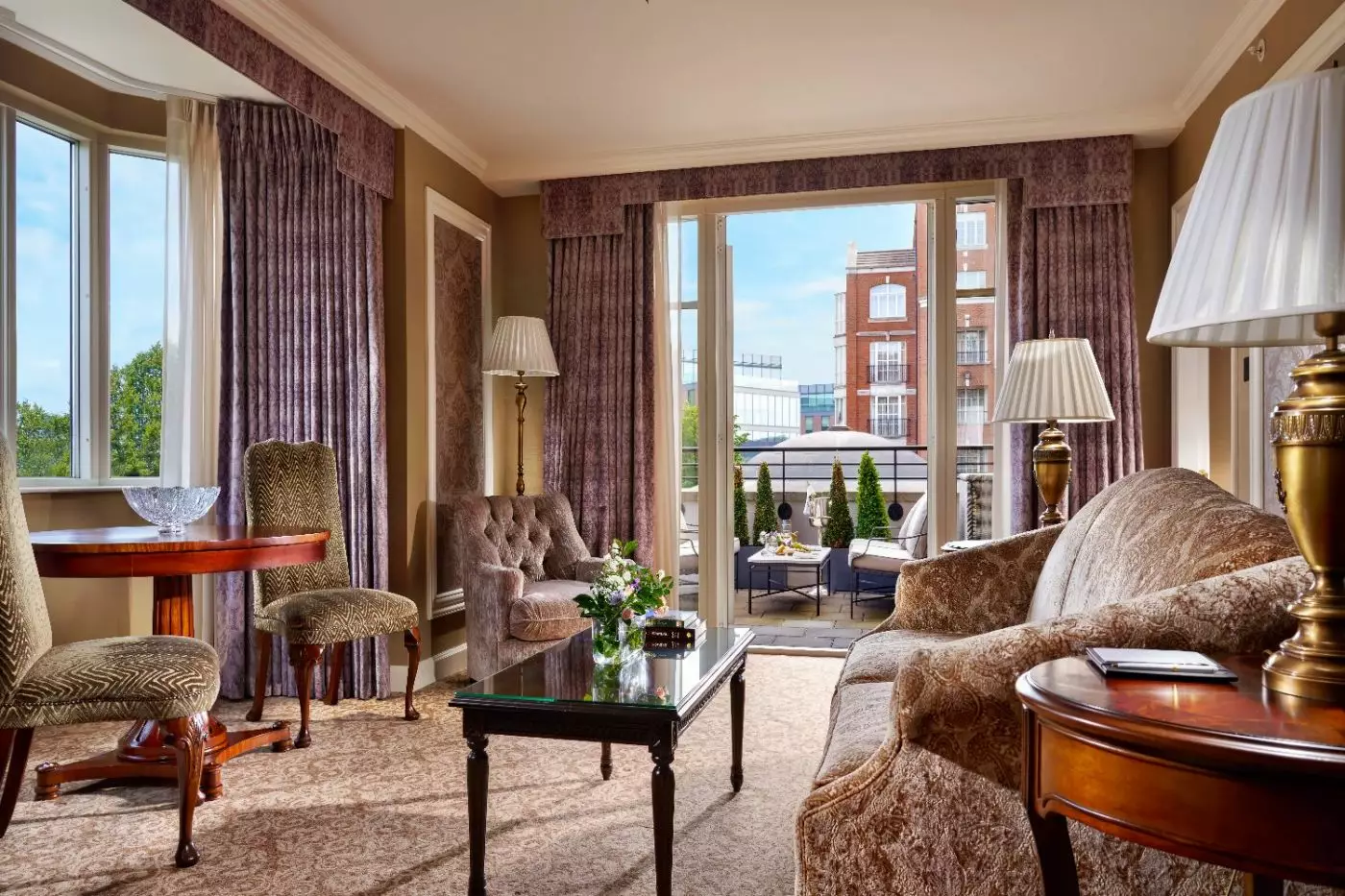
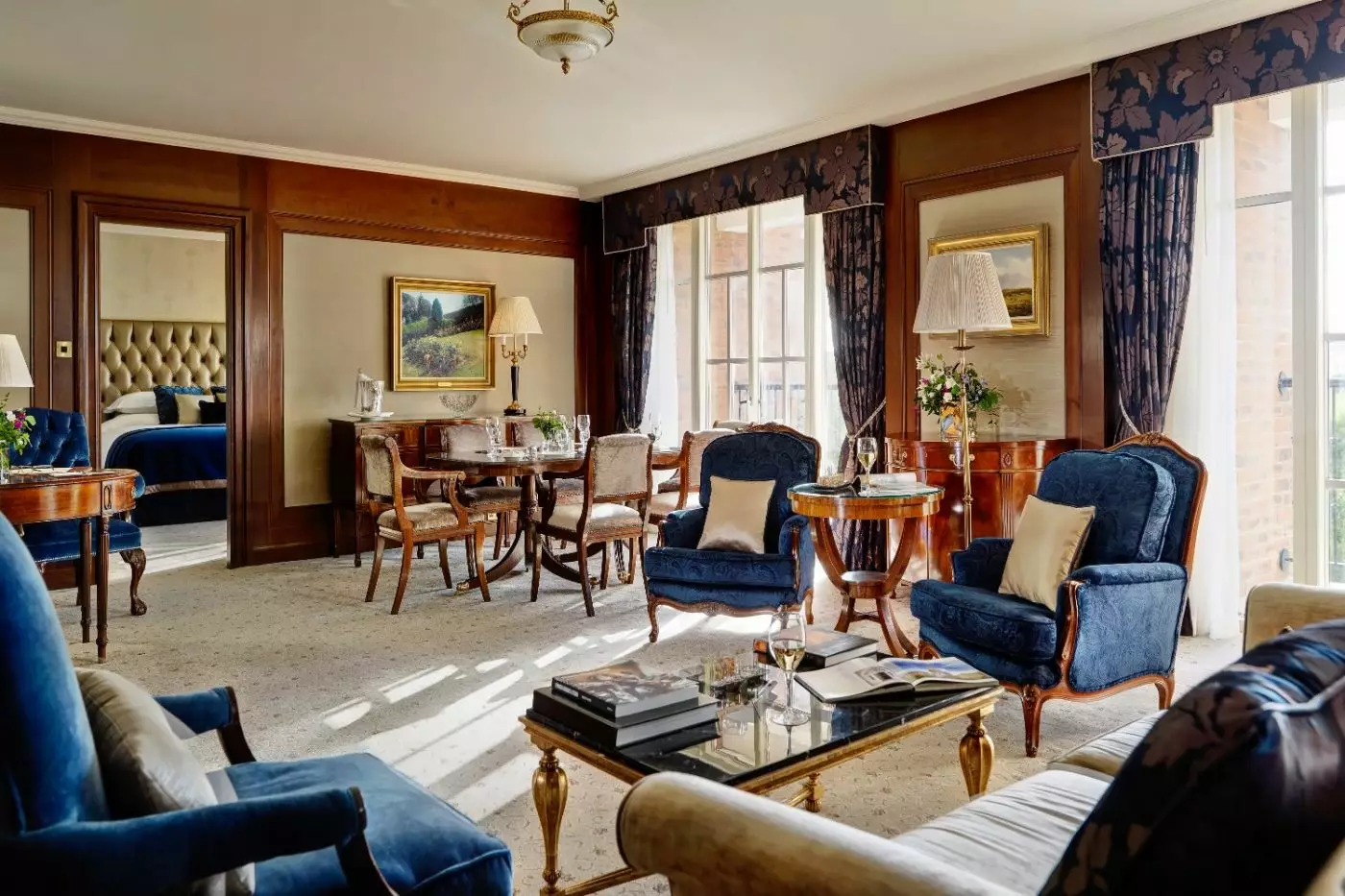
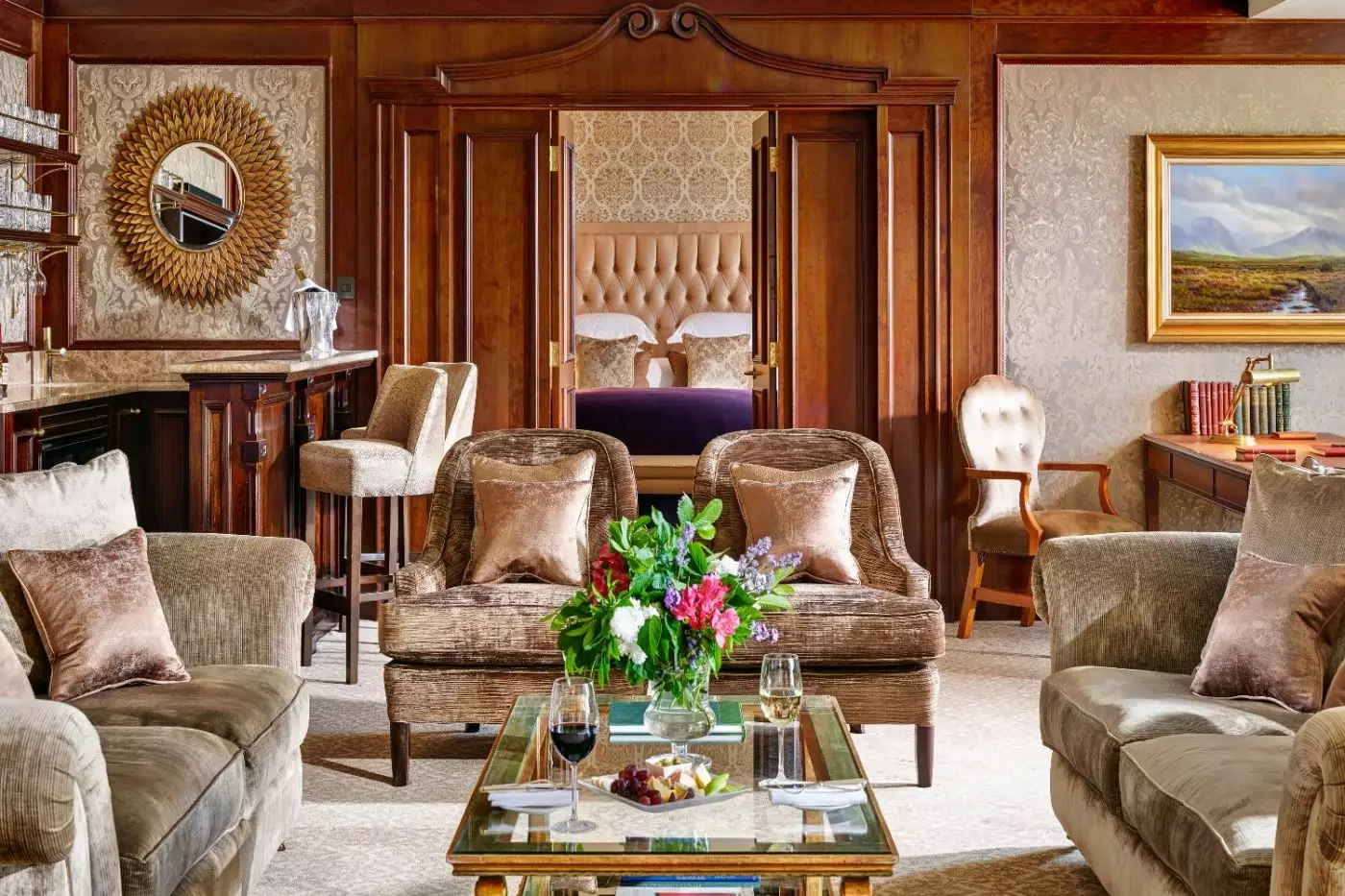
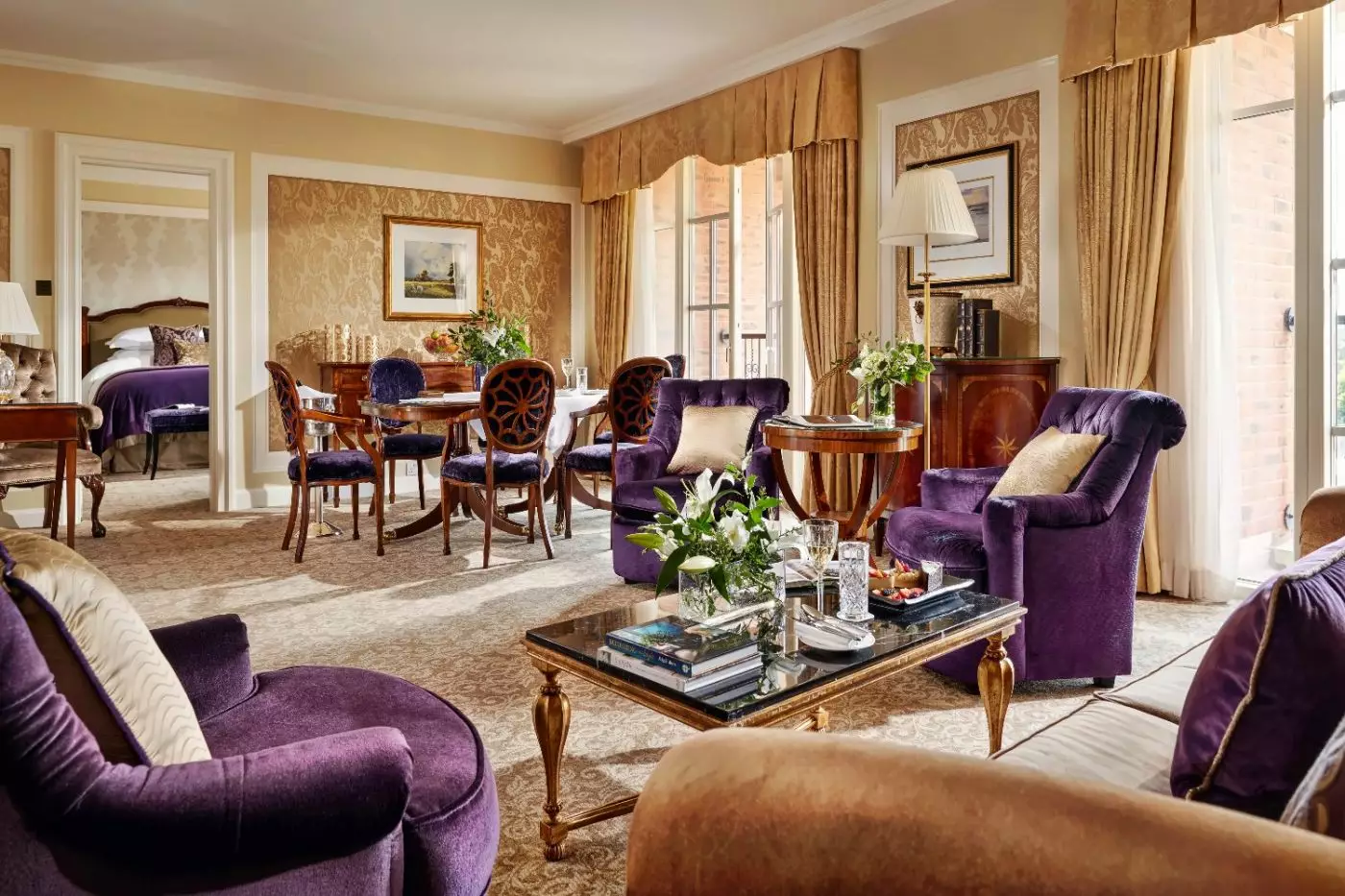
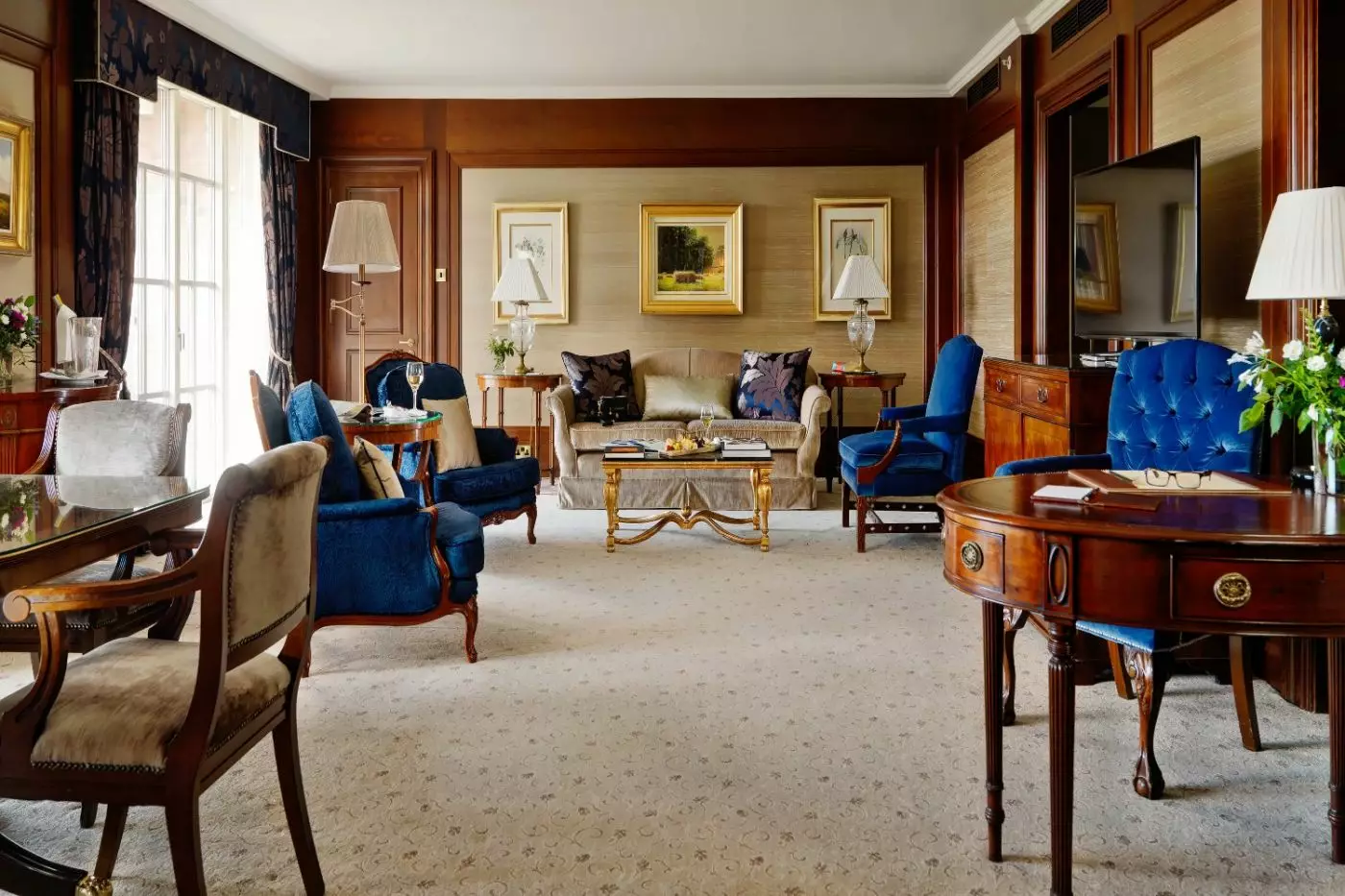
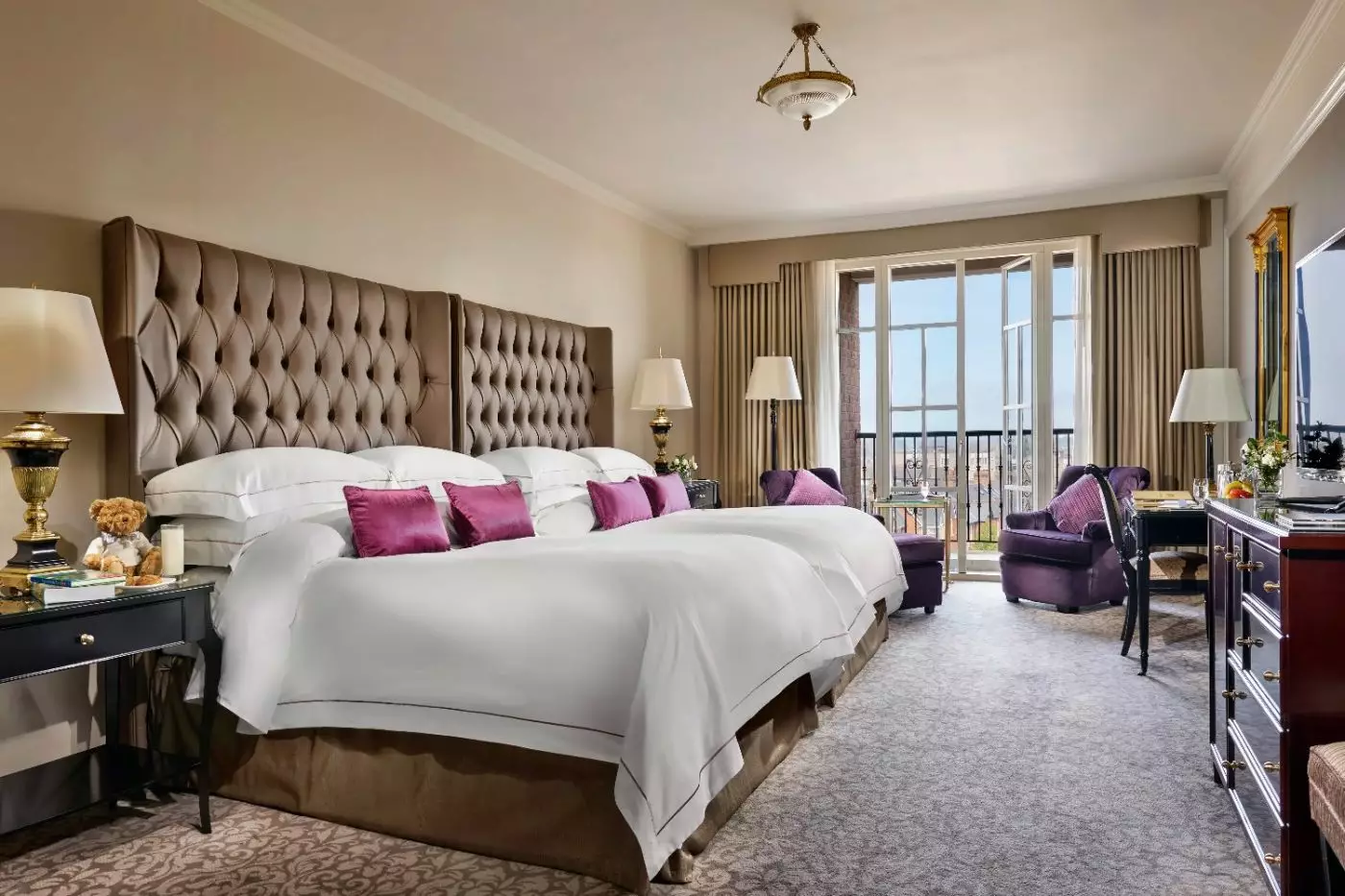
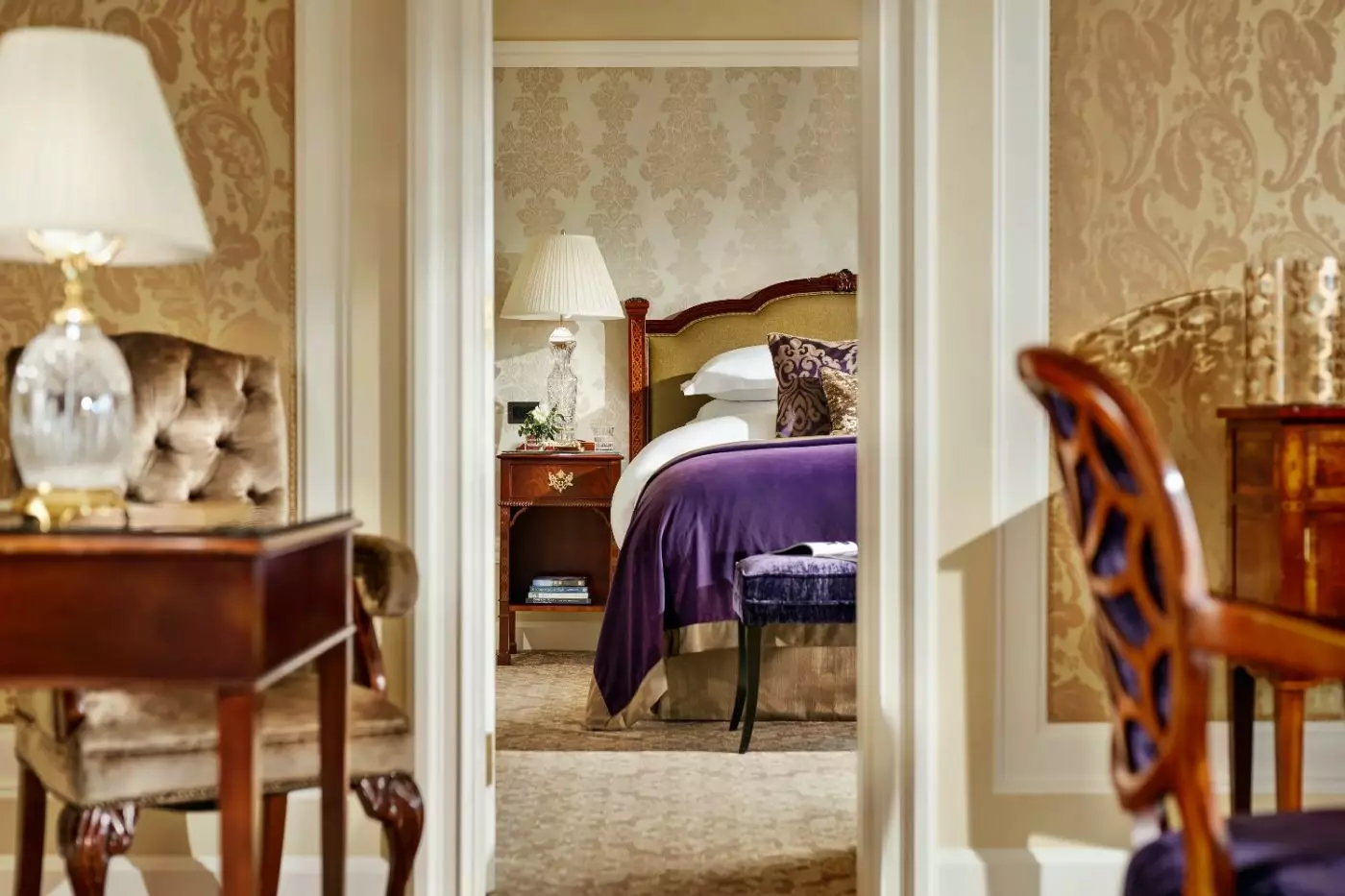
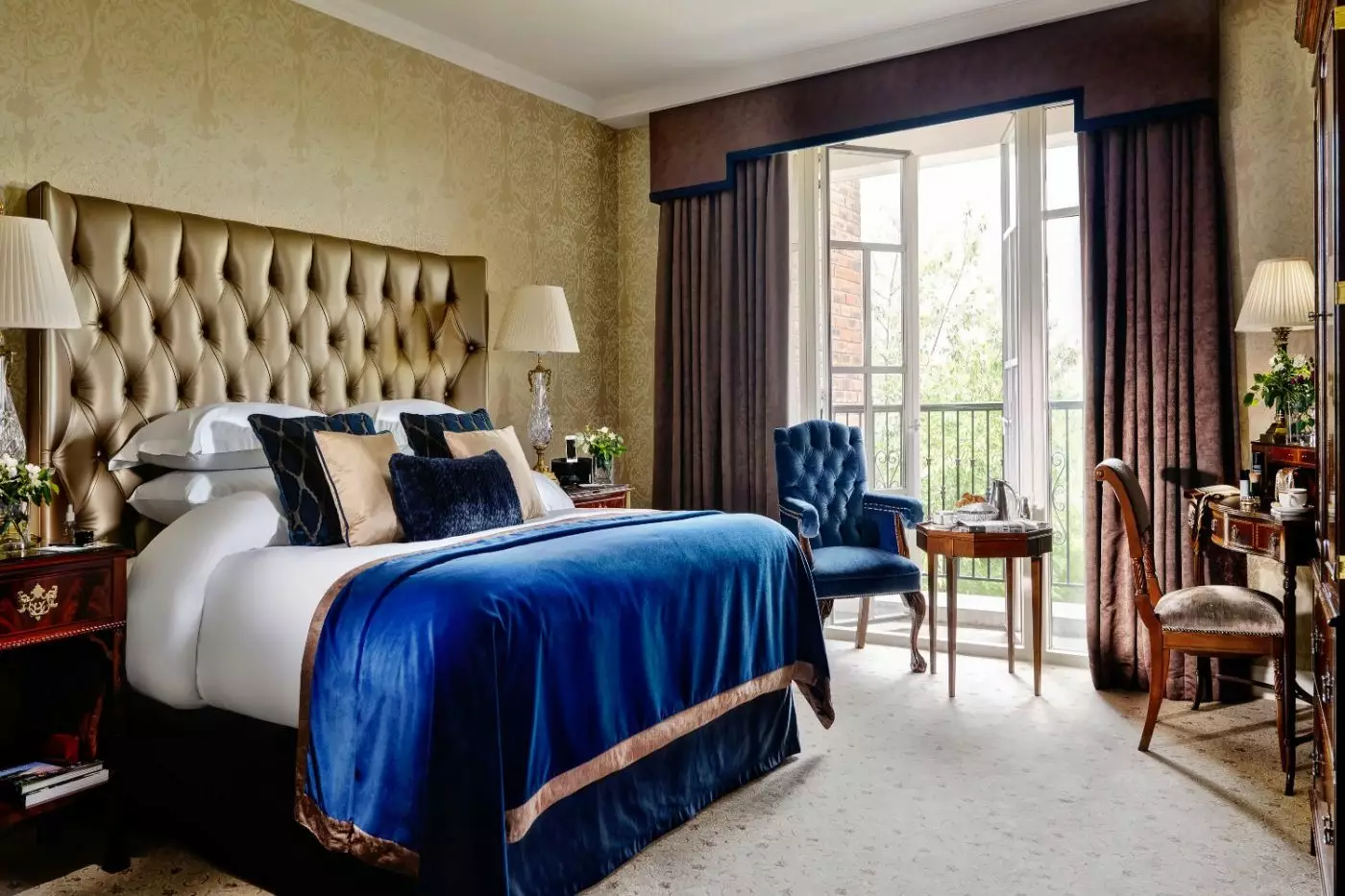
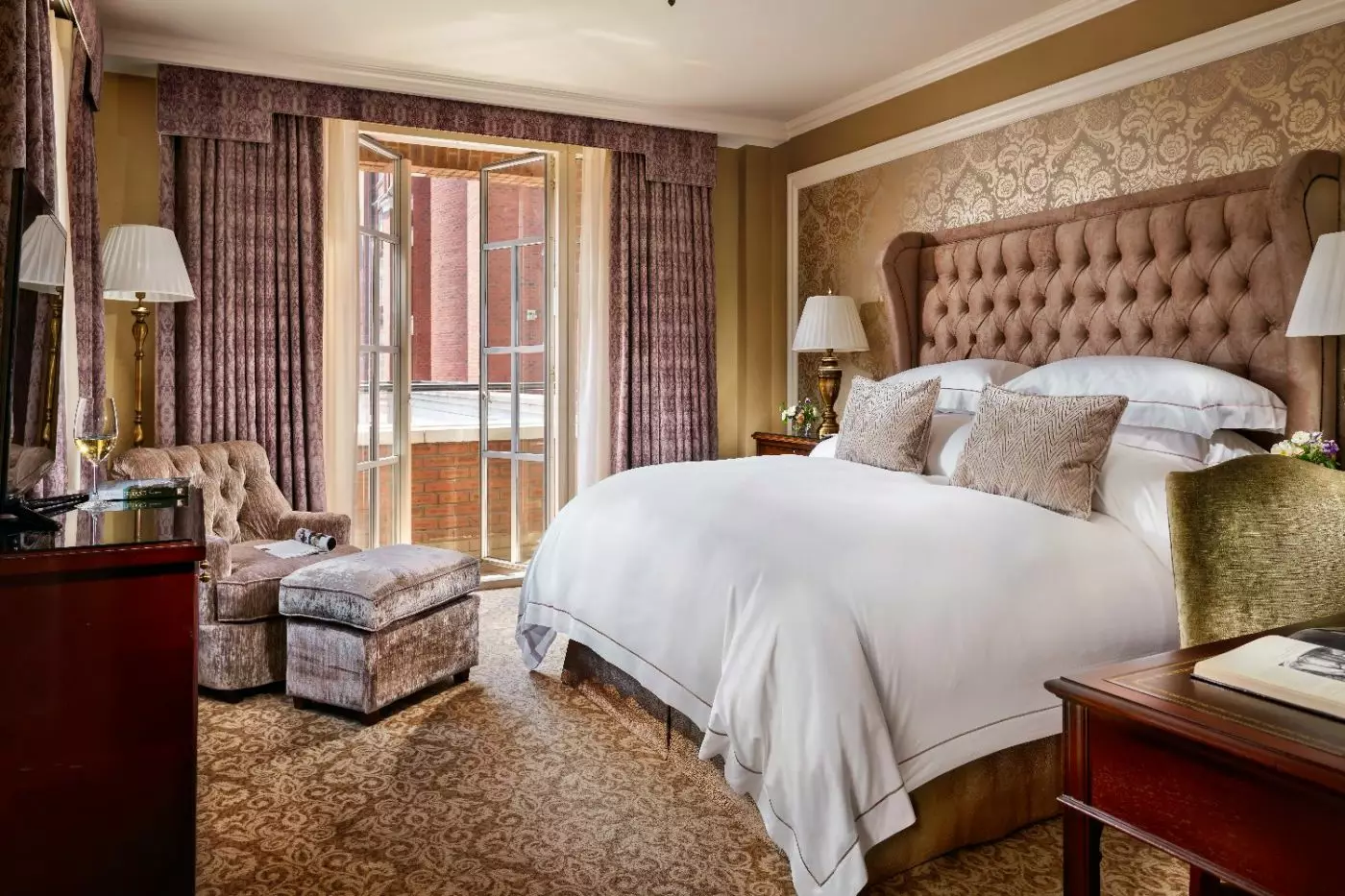
Rooms and suites are classic, generous, and comfortable, with large windows and a calmer feel than many city-center hotels. Many guests choose this hotel for space, marble bathrooms, garden or city views, and a more residential Dublin setting.
Insider tip
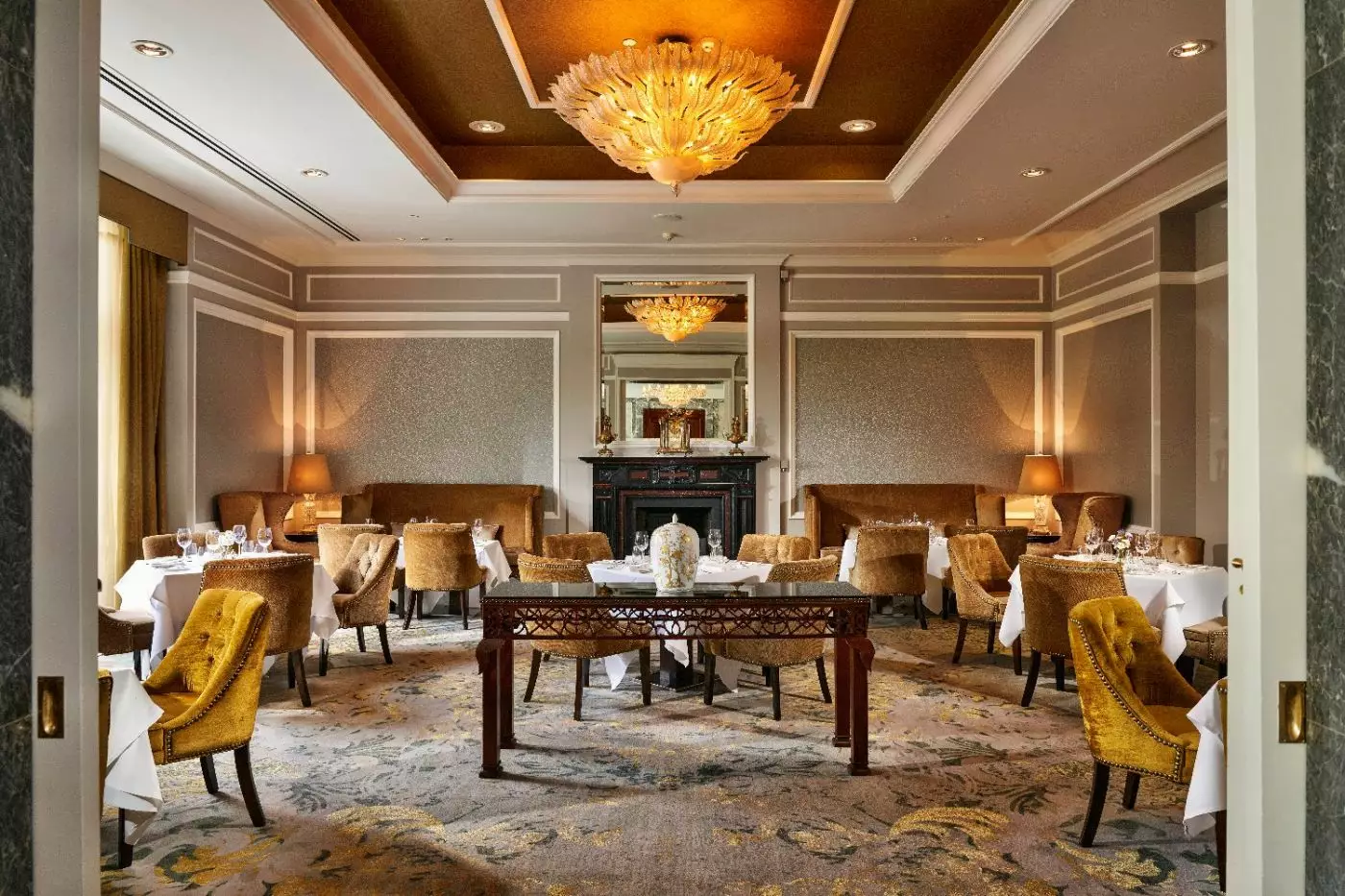
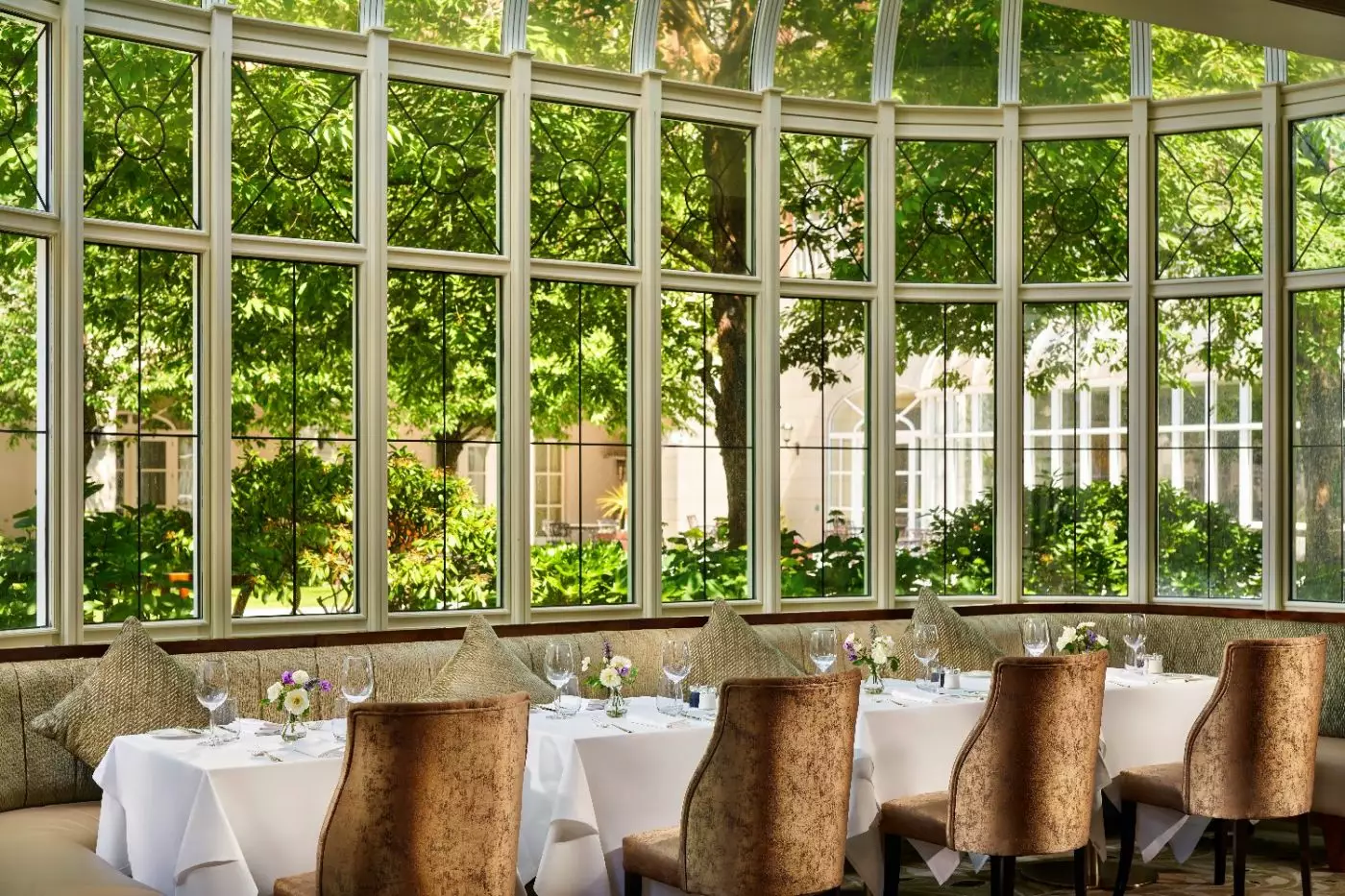
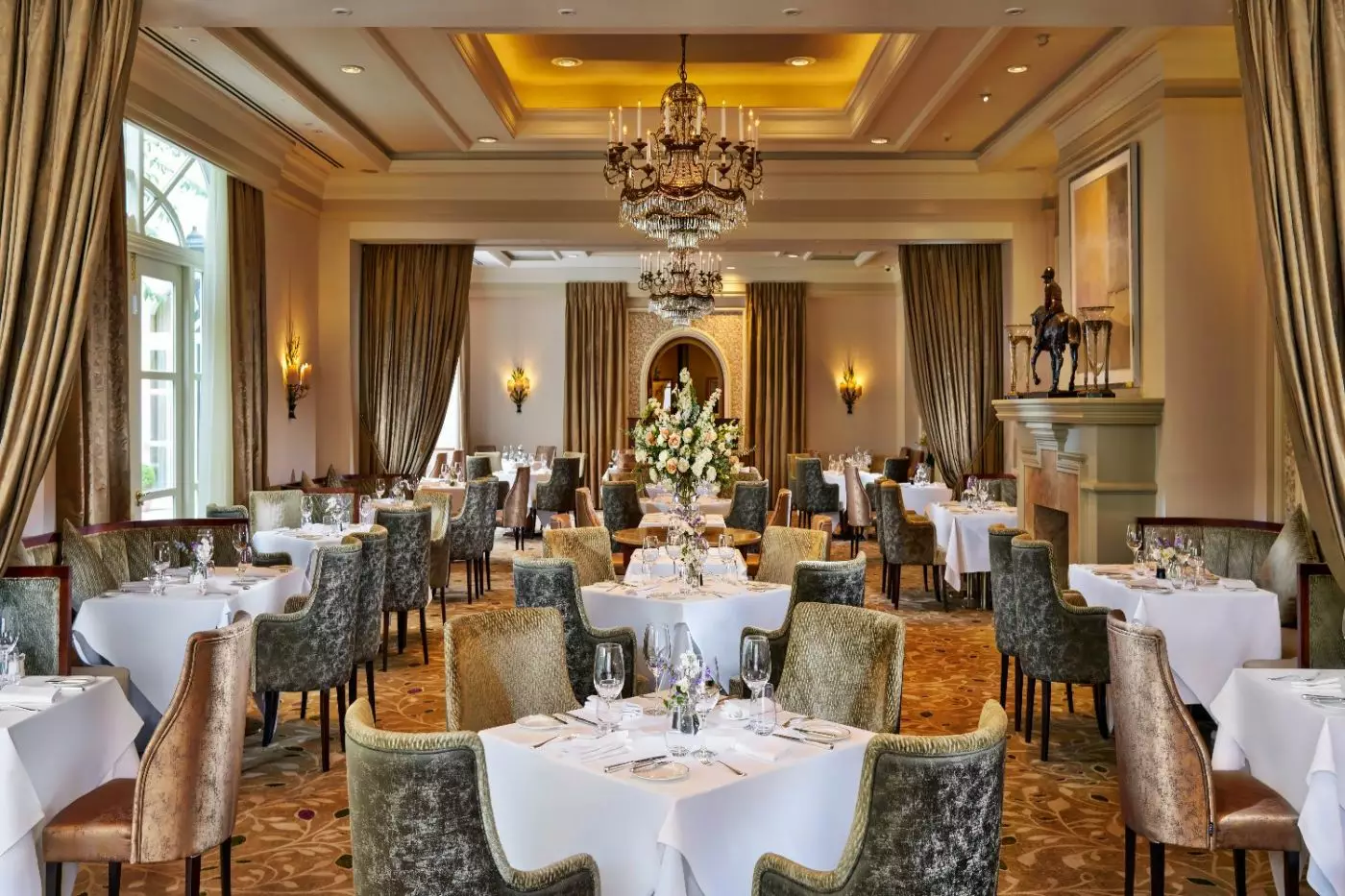
Dining options include Seasons Restaurant, The Reading Room, The Lobby Lounge, and The Whiskey Bar. Guests can use the hotel for breakfast, afternoon tea, casual meals, drinks, and relaxed evenings without crossing town.
Free membership gives you access to preferred rates, exclusive benefits and current promotions for your stay.
InterContinental Dublin is not the hotel for guests who want Dublin at its loudest. Its strength is the opposite: space, gardens, polished service, and a Ballsbridge address that gives the city room to breathe. Set near embassies, the RDS, Aviva Stadium, and the residential streets south of the Grand Canal, it works best for travelers who want a 5-star hotel in Dublin with more calm than the central tourist core can usually offer.
 208
208
 Charming
 Fitness
 Pool
Pool
 Spa
Spa
 Culture
 City Vibe

The Classic Room opens to wide views of Dublin’s skyline, green gardens, and the nearby mountains. Soft natural light fills the space throughout the day....

The Classic Courtyard View Rooms offer a calm and spacious stay overlooking the inner courtyard garden. The 42-square-meter layout feels open and comfortable from the...

The Classic Balcony Room feels calm and bright after the recent renovation. Soft colors create a relaxed mood throughout the spacious 42-square-meter layout. Floor-to-ceiling windows...

The Premium Family Room offers a calm and spacious stay for families seeking comfort and ease. More than 52 square meters of space creates an...

The Junior Suite blends generous space with a calm and welcoming atmosphere across 77 square meters. Warm lighting and soft textures create a relaxed mood...

The 1 Bedroom Suite offers 83 square meters of calm and easy comfort. A separate living area creates a relaxed setting for quiet mornings or...

The 1 Bedroom Balcony Suite is a roomy one-bedroom getaway at InterContinental Dublin. It features stunning city views, and some suites even have private balconies....

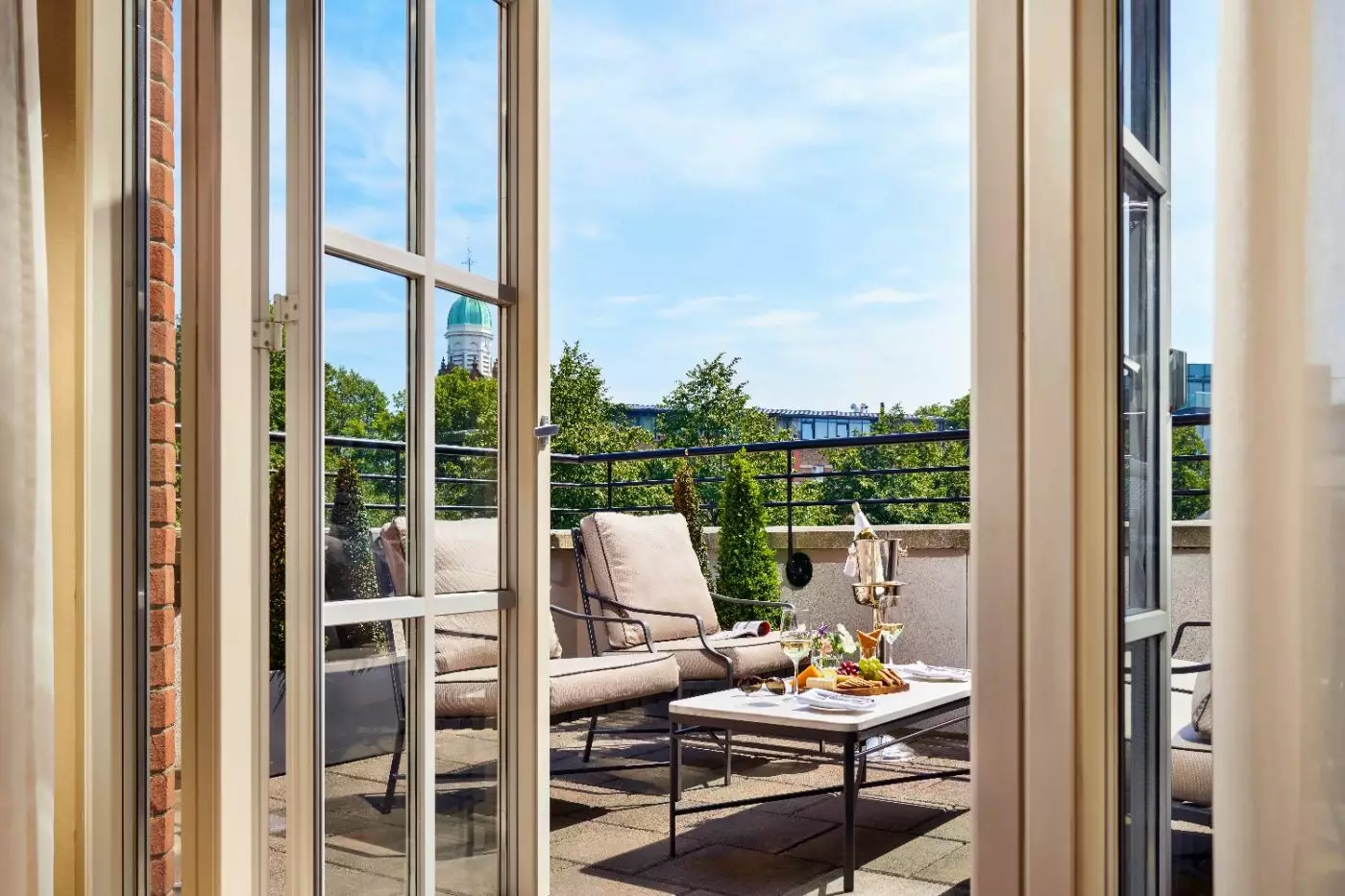
The 1 Bedroom Terrace Suites offer 90 square meters of calm, residential-style space in Dublin. A private terrace extends from the suite, creating a relaxed...

Welcome to the W.B Yeats Signature Suite! This suite is named after the famous Irish poet, W.B Yeats, who was born in 1865 just a...

The Lady Gregory Signature Suite is a luxurious and spacious accommodation inspired by the influential Irishwoman, Lady Augusta Gregory. Lady Gregory was a renowned figure...

The Pembroke Suite opens onto a calm courtyard and generous living spaces. The 65-square-meter layout includes a living area, dining space, and kitchenette. Multiple balconies...

The James Joyce Presidential Penthouse Suite is Dublin's biggest 5-star suite. It's named after James Joyce, a famous Irish writer. In 1904, Joyce lived in...
Ballsbridge changes the rhythm of a Dublin stay. Trinity College, Grafton Street, St Stephen's Green, the National Gallery, and the Georgian core are still within reach, but they are not pressing against the front door.
That distance is a choice. Guests staying at The Westbury or The Shelbourne gain a more immediate central position. Guests staying here gain larger rooms, gardens, easier access to the RDS and Aviva Stadium, and a softer return after meetings, museums, shopping, or late dinners.
The setting is especially useful for business travelers, families, event guests, and anyone arriving after a long flight. Dublin can be sociable, compact, rainy, and busy. InterContinental Dublin gives it a composed edge.
The hotel also has a history that explains its scale. It opened in the former Four Seasons Dublin era and still feels larger and more resort-like than many city hotels in Ireland.
The hotel has around 215 guest rooms and suites, a large number for a property that still feels residential in mood. The rooms are among the main reasons to book.
Many Dublin hotels trade on heritage, centrality, or nightlife access. InterContinental Dublin competes with size. Rooms feel generous, with marble bathrooms, separate tubs and showers in many categories, good storage, and a softer classic style.
That matters on trips with more than one purpose. A guest may be attending a conference at the RDS, hosting family, seeing a match at Aviva Stadium, shopping in the city, and recovering from jet lag. A small room can make that schedule feel tight.
Suites add real value for families, longer stays, and guests who need a sitting area for quiet work or informal meetings. Connecting options and larger layouts are part of the hotel's practical appeal.
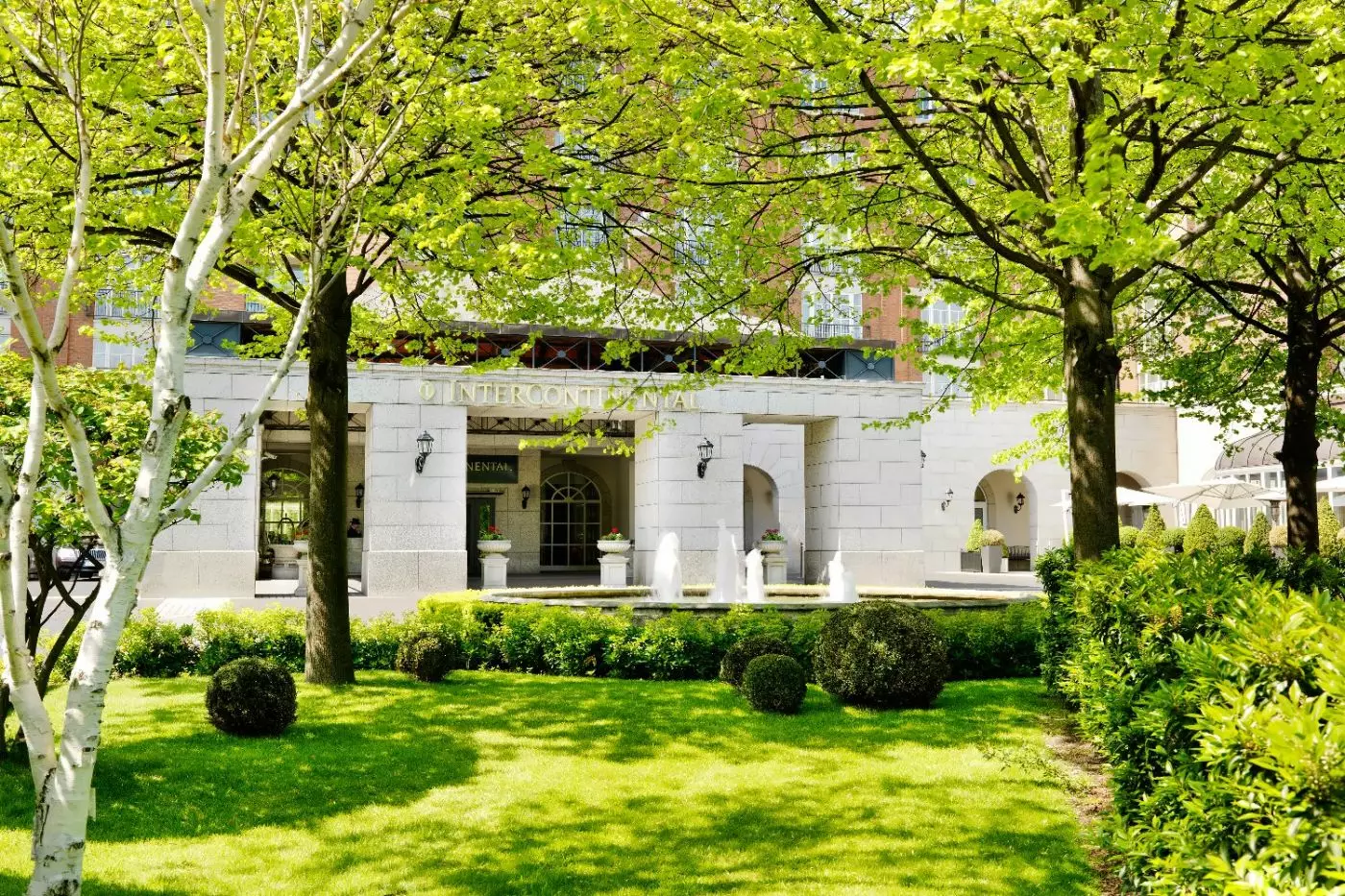
The two-acre garden setting is not just scenery. It changes how the public spaces feel. The arrival is slower, the lounge has more pause, and the hotel avoids the hard urban edge found in more central addresses.
The Lobby Lounge is one of the most useful rooms in the hotel. It works for coffee, lunch, a quiet meeting, a glass of wine, or the first hour after arrival when guests want to gather without committing to a full restaurant meal.
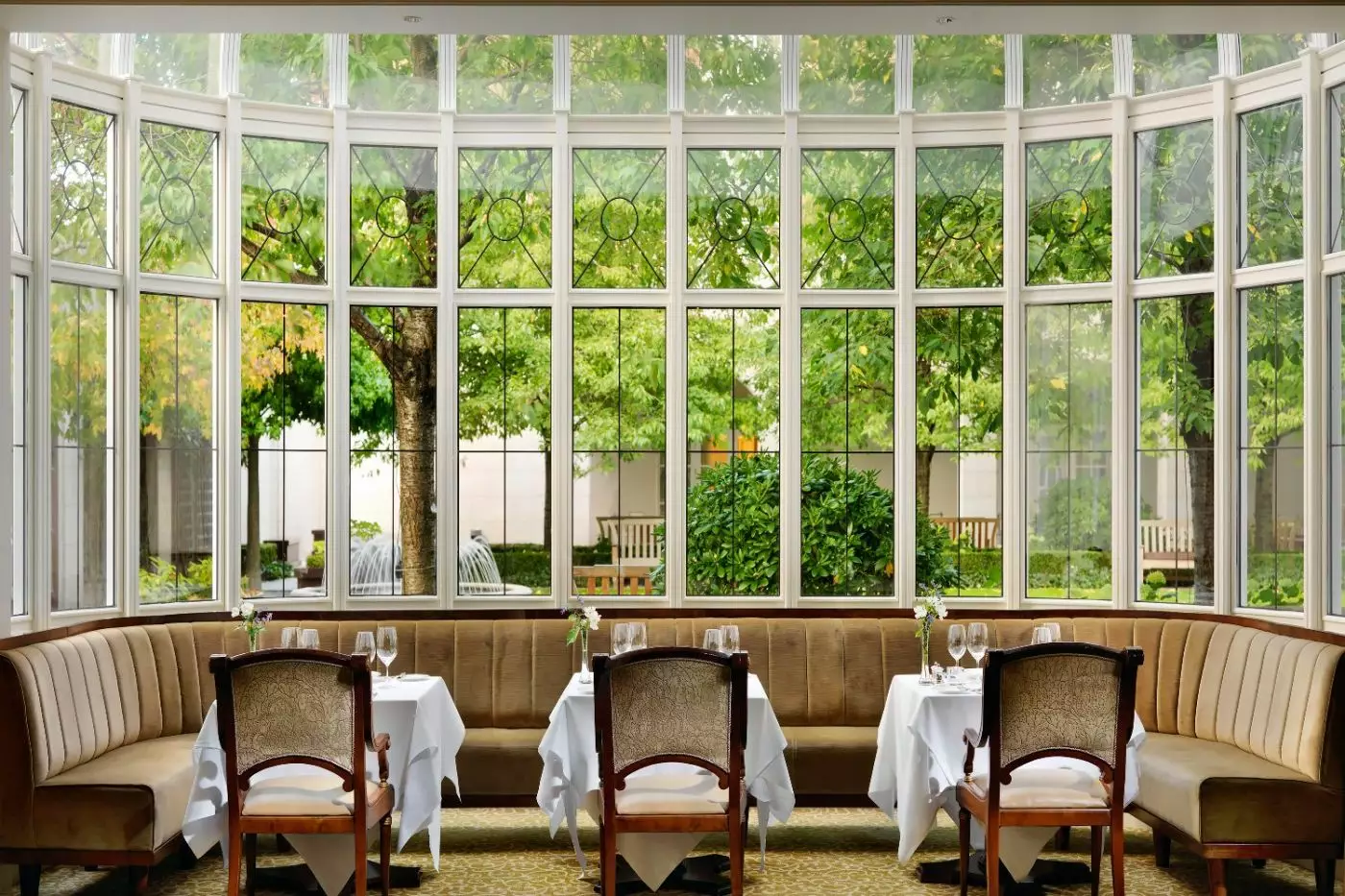
The Reading Room gives afternoon tea a more intimate setting overlooking the garden terrace. It is a better fit for conversation than for spectacle, which suits this hotel well.
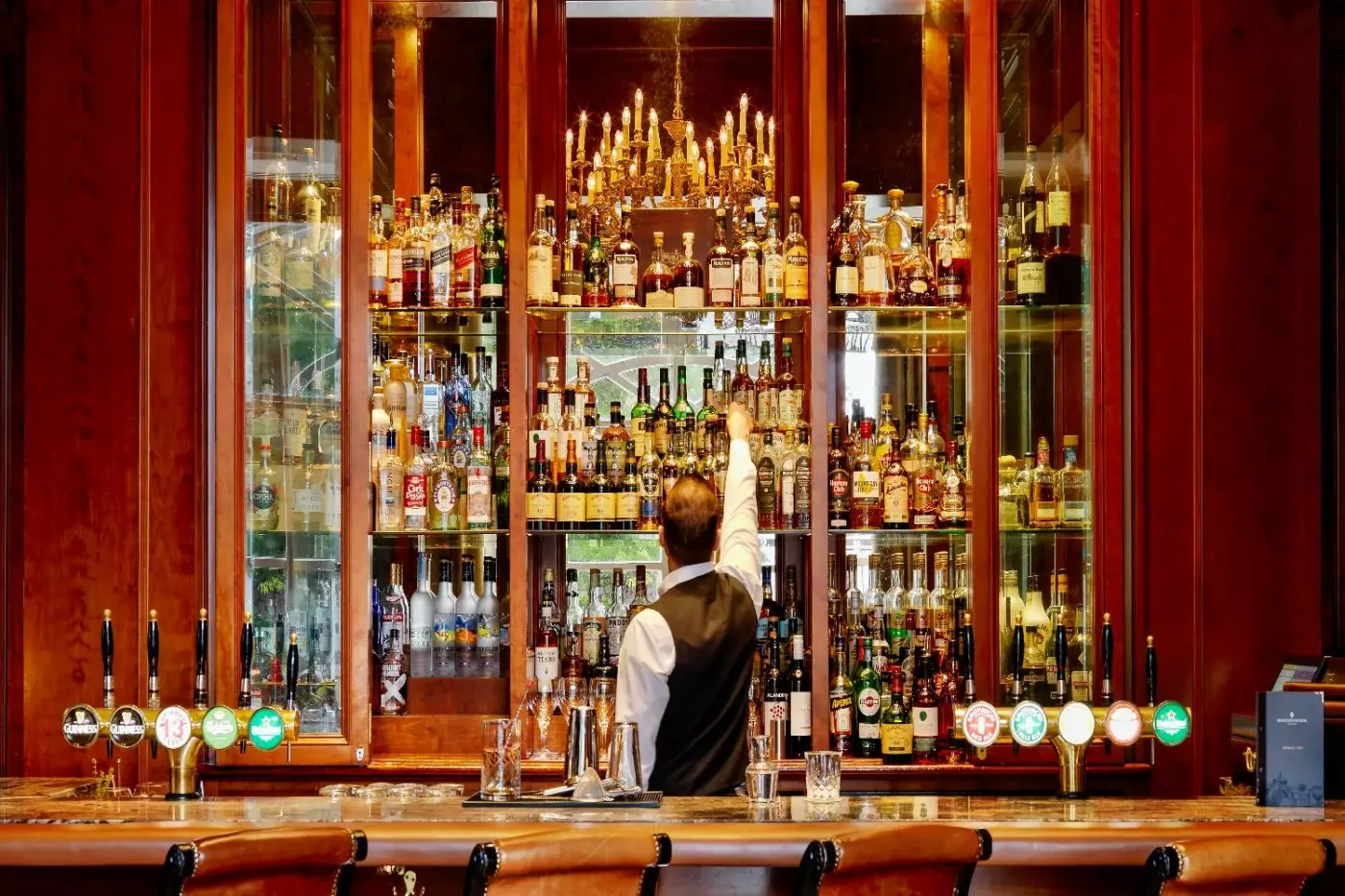
The Whiskey Bar adds a Dublin note without turning the stay into a theme. With more than 100 whiskeys often cited by travel guides, it gives guests a reason to stay on property for one last drink.
Seasons Restaurant carries the formal dining role, with breakfast and Irish-influenced cooking shaped by local produce. It is useful for both leisure mornings and business meals because the room feels controlled rather than hurried.
The hotel's dining story is not about having the largest restaurant scene in Dublin. For that, guests should go into the city. Its value is reliability: a polished breakfast, a lounge that works all day, afternoon tea, a bar with character, and room service when timing collapses.
That makes it a practical luxury hotel in Dublin for people with layered schedules. A family can eat early. A business guest can take a quiet meeting. A couple can start with tea and still head into town later.
The result is less dramatic than a destination restaurant, but often more useful. Not every Dublin stay needs every meal to be an outing.
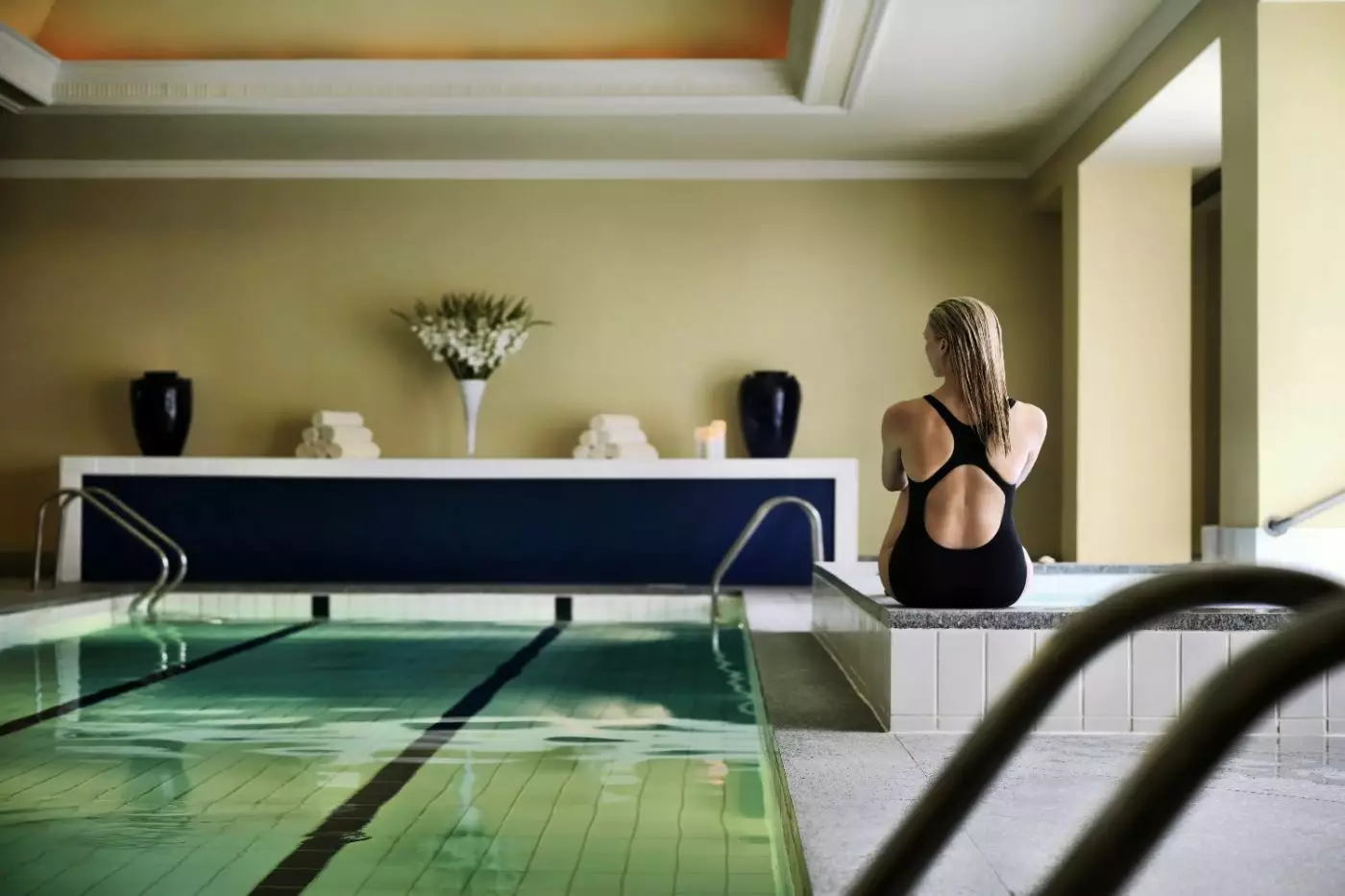
The 14-metre indoor heated pool is one of the details that separates the hotel from many city competitors. It is bright, protected from Dublin weather, and useful for both adults and families.
The Spa at InterContinental Dublin, sauna, steam room, whirlpool, and fitness facilities give the property an urban-resort layer. This is a strong point for guests arriving from North America, the Middle East, or Asia after overnight travel.
Some Dublin hotels are better for stepping straight into nightlife. This one is better for resetting. Swim, breakfast, meetings, museum, dinner, then a quiet return is the pattern it handles well.
Wellness here should not be oversold as a destination retreat. It is more valuable as daily recovery: a proper pool, treatment rooms, heat facilities, and enough calm to make a city stay feel less compressed.
InterContinental Dublin is a serious events hotel. Meeting rooms, ballroom space, garden views, and a Ballsbridge location make it useful for conferences, weddings, private dinners, launches, embassy-linked events, and incentive programs.
The RDS is nearby, and Aviva Stadium is close enough to make the hotel a strong base for rugby, football, concerts, exhibitions, and high-demand weekends. Staying in the area can save time when traffic and crowds build.
For weddings, the hotel has a softer advantage. Gardens, broad public rooms, and spacious bedrooms help guests move through the day without feeling squeezed.
Corporate travelers get a similar benefit. The address feels formal enough for business but comfortable enough for recovery, which is not always true of smaller city hotels.
The Merrion is stronger for Georgian heritage and museum-like intimacy. The Westbury is better for guests who want Grafton Street at the door. The Shelbourne has more historic theatre beside St Stephen's Green.
InterContinental Dublin wins on space, garden setting, indoor pool, family flexibility, and event scale. It is less romantic in a grand old-city sense, but more comfortable for long stays and mixed-purpose trips.
That distinction should guide the booking. Travelers who want to walk everywhere from breakfast may prefer a central hotel. Travelers who want Dublin with breathing room should look closely here.
The hotel is also a sensible first or final stop on an Ireland itinerary. It offers the capital, but with enough calm to help guests arrive, regroup, or prepare for onward travel.
Choose InterContinental Dublin if the main reason to book is space in the city: large rooms, gardens, a 14-metre indoor pool, spa facilities, polished lounges, and a Ballsbridge address near the RDS and Aviva Stadium.
It is ideal for business travelers, families, embassy visits, event guests, rugby weekends, longer stays, and leisure travelers who want Dublin close but not constant. It is also strong for guests who value a proper room over a tiny central address.
It is less suitable for travelers who want the buzz of Temple Bar, instant access to every central pub, or a small townhouse mood. Those guests should stay closer to the historic core.
The reason to book is not flash. It is control: a calm Dublin base with real space, strong service, garden views, pool time, and enough city access to make the trip feel easy rather than crowded.
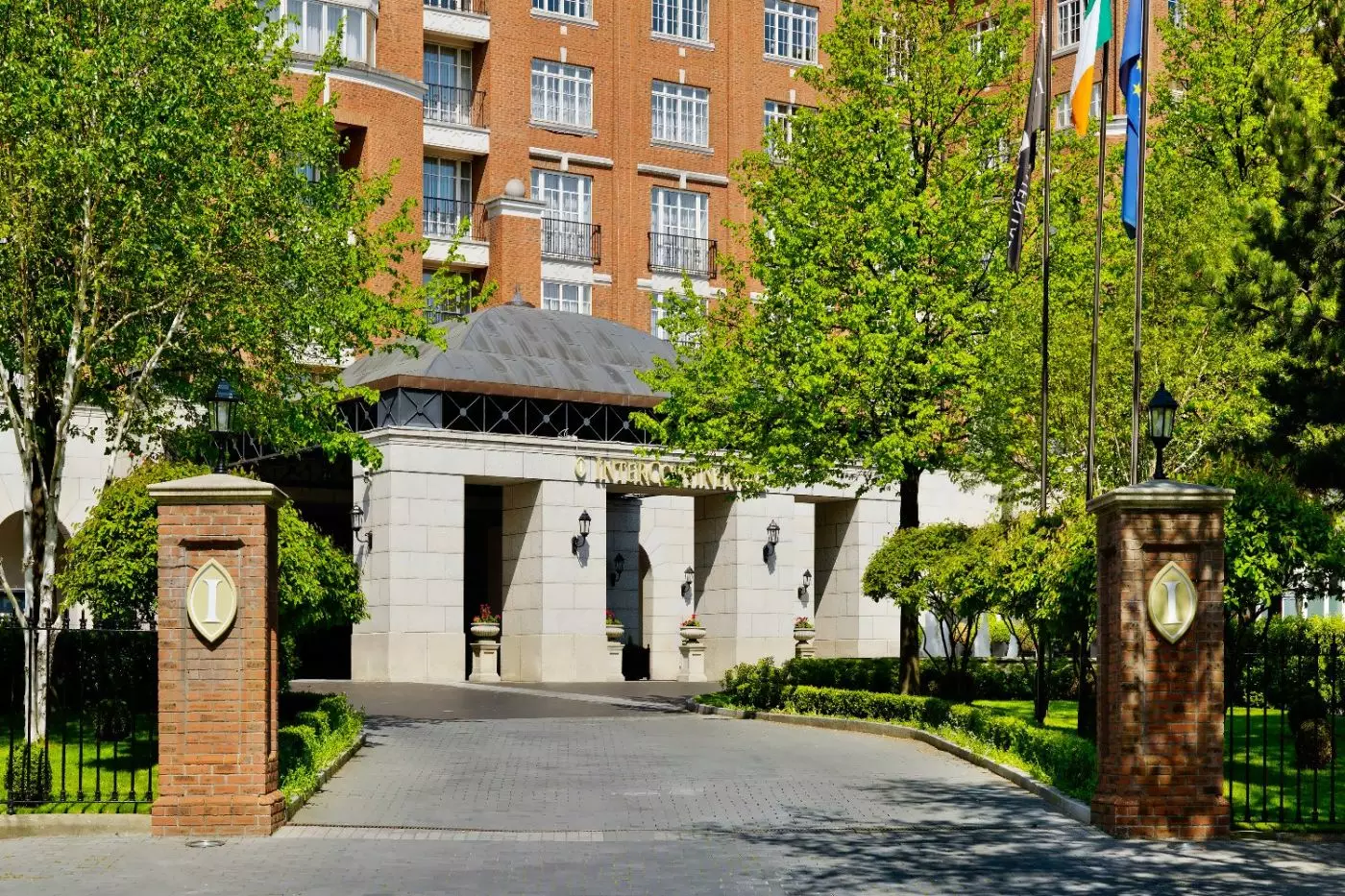
InterContinental Dublin Hotel is nestled on two acres in the - exclusive neighbourhood of Ballsbridge.
Indulge in Irish cuisine and cocktails. Or take a tour of some of Ireland’s famous whiskeys with the expert sommelier.
The 208 luxurious Rooms and Suites afford views of the city skyline coast and mountains. While the city centre is only a short stroll away.
SIMMONSCOURT ROAD
Playing this video may share data with YouTube. Please see our Privacy Policy.
Yes. InterContinental Dublin is worth it for travelers who want a five-star urban resort feel in Ballsbridge. It is strongest for spacious rooms, gardens, spa time, business stays, family trips, rugby weekends, and quieter Dublin visits.
InterContinental Dublin is in Ballsbridge, one of Dublin's most established embassy and residential districts. The hotel is close to Herbert Park, the RDS, Aviva Stadium, Grand Canal Dock, and short taxi rides from central Dublin.
InterContinental Dublin has 208 rooms and suites, with some of the city's more spacious guest accommodations. The room size is a major reason to stay here, especially for families, longer visits, and travelers with luggage.
Rooms and suites are classic, generous, and comfortable, with large windows and a calmer feel than many city-center hotels. Many guests choose this hotel for space, marble bathrooms, garden or city views, and a more residential Dublin setting.
Yes, but it is not in the busiest city-center streets. Ballsbridge is quieter and more residential. Guests can reach central Dublin by taxi, bus, or a longer walk, depending on weather and schedule.
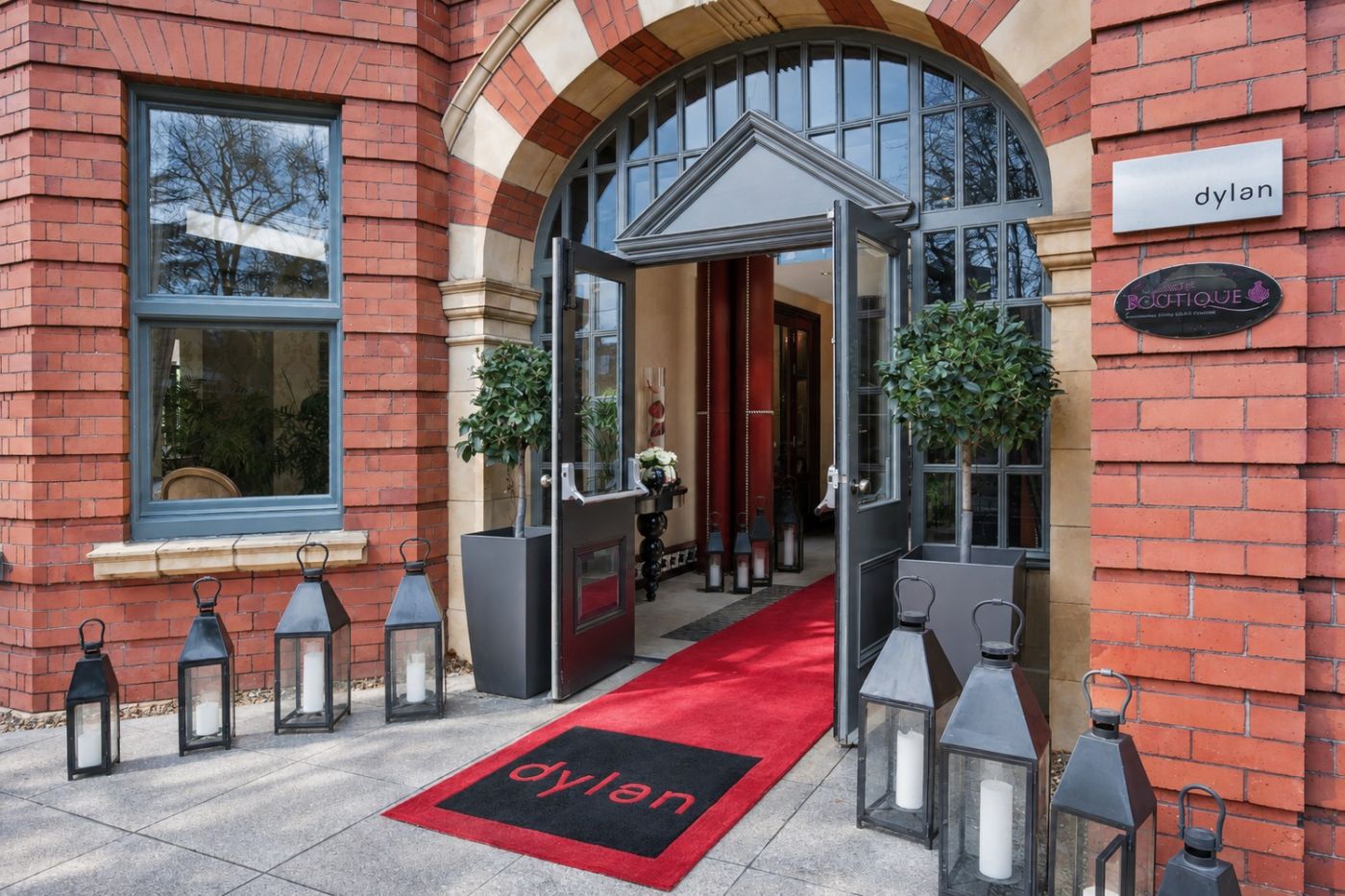
Dylan Hotel Dublin is a five-star boutique hotel on Eastmoreland Place in Dublin 4, just off Baggot Street. Behind its ornate...
More amenities
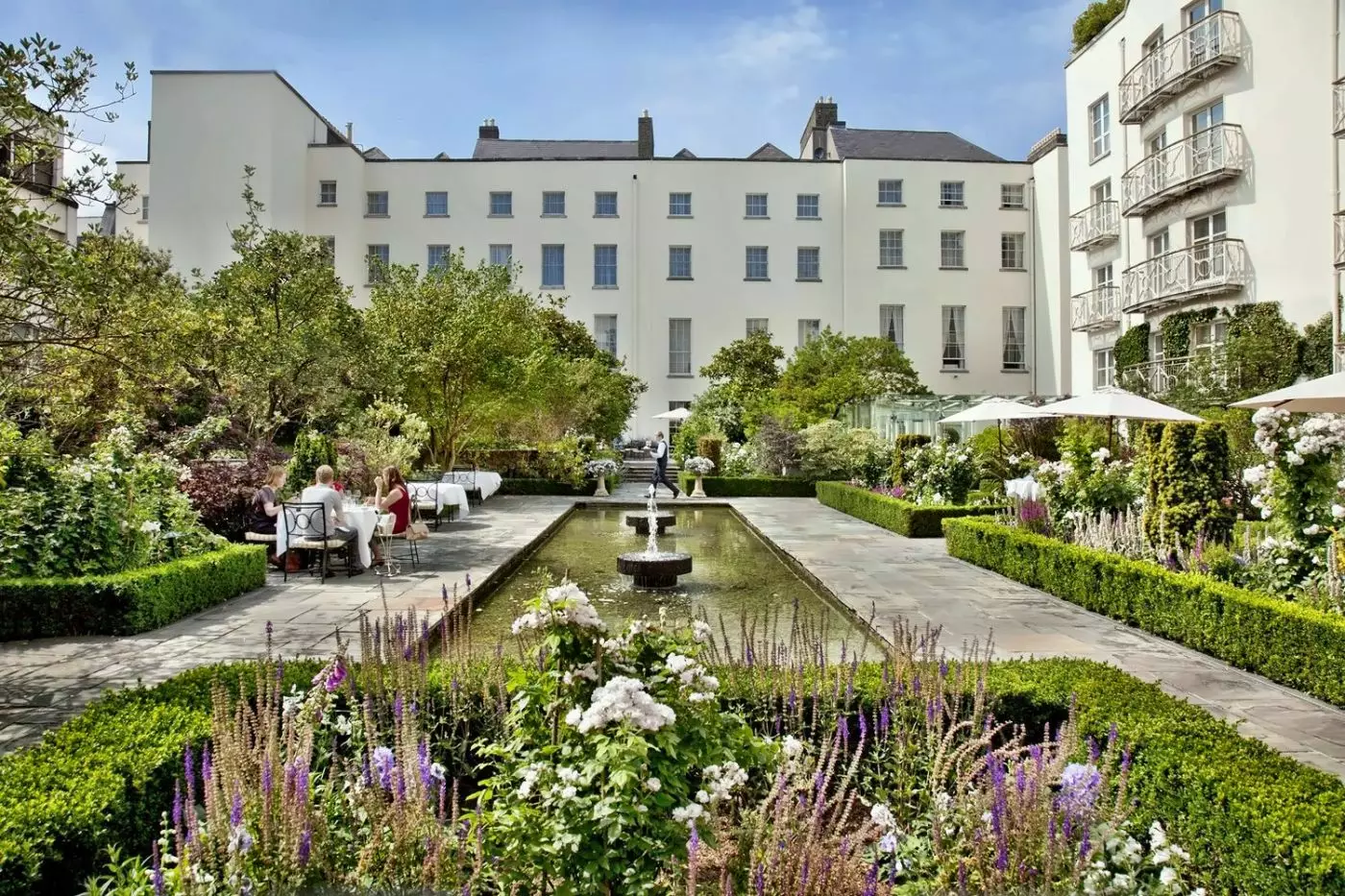
Merrion Hotel Dublin gives a stay in the capital a distinctly Georgian setting. Its Main House occupies four restored townhou...
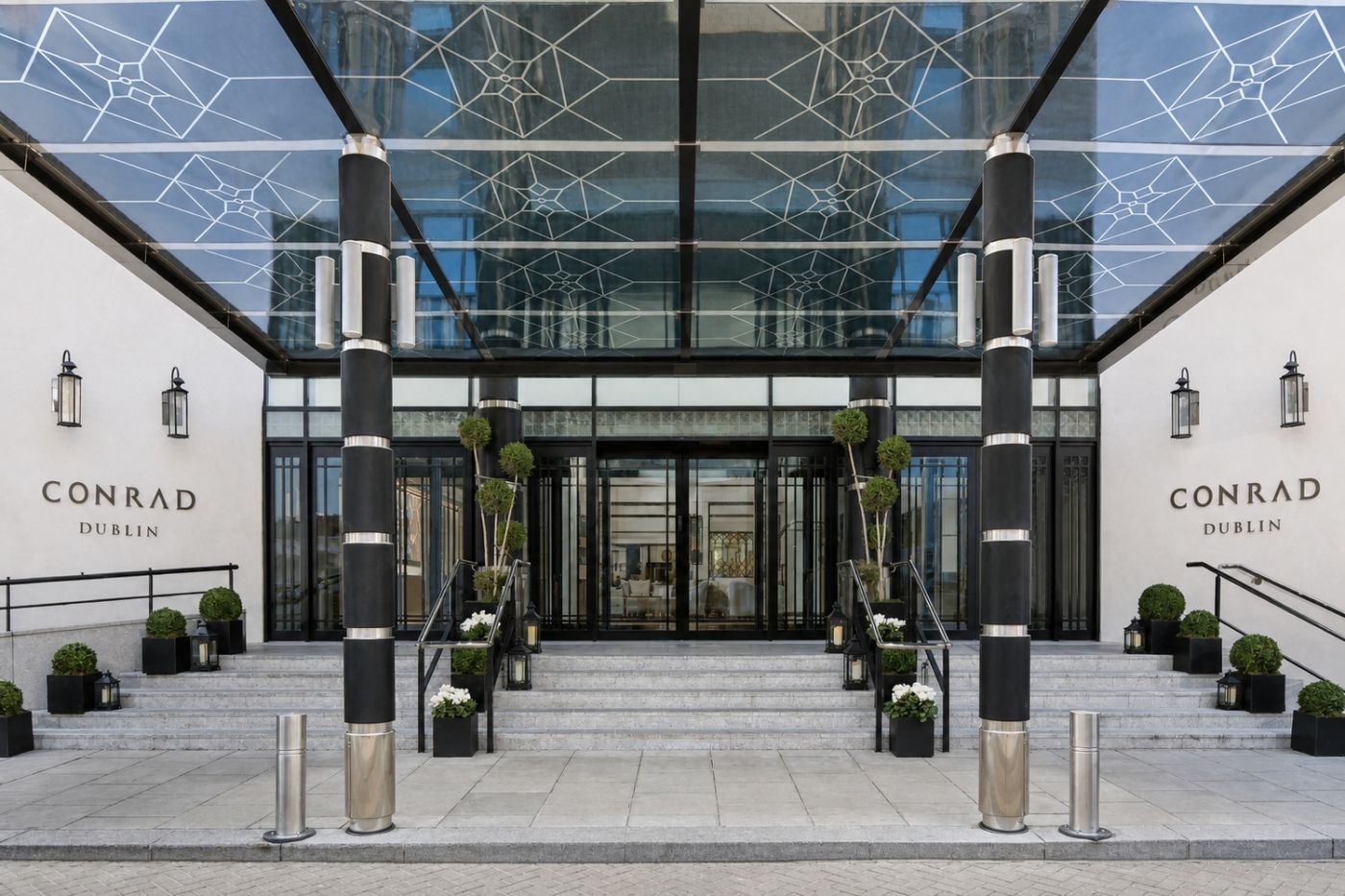
Conrad Dublin is a polished city hotel on Earlsfort Terrace, close to St Stephens Green and opposite the National Concert Hal...