

Best for
Choose Qianmen for a Beijing stay centered on hutong walks and courtyard living, with the historic neighborhood shaping your time outside the hotel.
Please choose a hotel or destination from the list.
We couldn’t open your search results. Please try again.
Your private search
Finding exceptional stays
Best for
Choose Qianmen for a Beijing stay centered on hutong walks and courtyard living, with the historic neighborhood shaping your time outside the hotel.
What makes it special
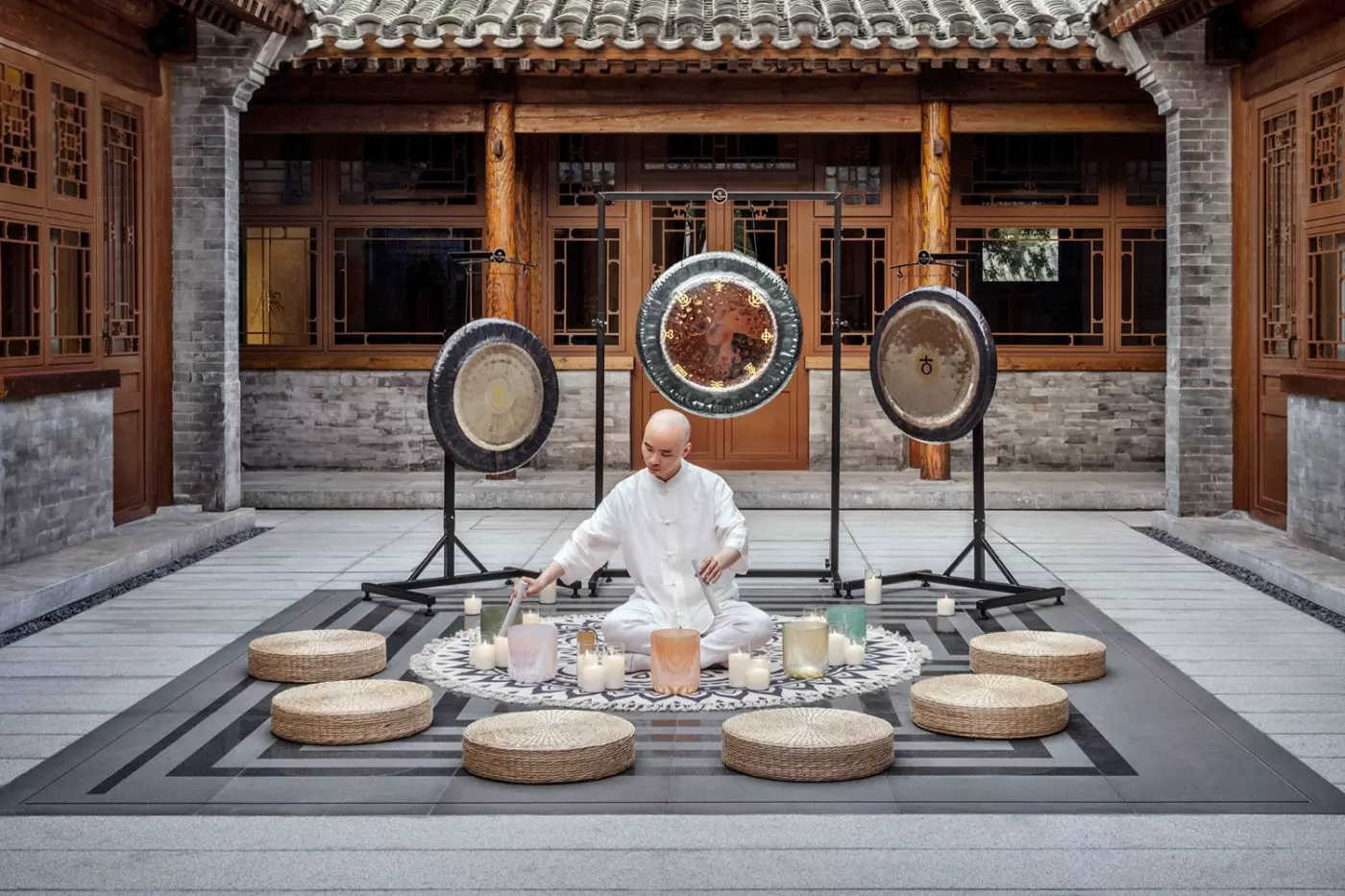
Make Tai Chi or yoga part of your stay if you prefer guided movement; this courtyard hotel has a fitness center but no pool.
Room to consider
Ask the hotel to match your courtyard residence to your mobility needs before arrival, as accessibility varies between individual houses.
Insider tip
Discuss allergies or dietary preferences before dining at Yan Garden or VICINI, so the chefs can plan suitable dishes for your visit.
Free membership gives you access to preferred rates, exclusive benefits and current promotions for your stay.
Mandarin Oriental Qianmen, Beijing is for travellers who want a capital-city stay built around hutong life rather than a tower lobby, a shopping mall or a standard palace hotel script. The hotel sits at No.1 Caochang Alley 10 in Dongcheng District, inside the Beijing Central Axis and the Qianmen East Hutong Quarter. It has just 42 courtyard houses. Key features include Yan Garden by Chef Fei, Vicini, Tiao, Maple Lounge, a spa, Qiyuan Healing Space and easy access to Qianmen Pedestrian Street, Tiananmen Square and the Forbidden City.
 42
42
 Charming
 Fitness
 Spa
Spa
 Sauna
Sauna
 Wellness
 Sustainable
 Pet Friendly
 Wheelchair Accessible
 Connecting Rooms

The Deluxe Room is a peaceful retreat where elegance meets tradition. With 110 square meters of space, it offers comfort for both rest and leisure....

The Premier Room is an ample and peaceful space with 148 square meters, giving plenty of room to relax. Its style combines Beijing’s old hutong...

The Executive Room mixes tradition with modern comfort in a spacious design. It measures 160 square meters, providing guests with ample space to relax. Every...

The 1 Bedroom Courtyard Residence is a stylish retreat. It combines traditional charm with modern comfort. The space ranges from 169 to 188 square meters....

The Grand Room is a stunning space. It starts at 196 square metres. This room mixes modern living with the charm of Beijing’s historic hutong...

The 2 Bedroom Deluxe Room offers a calm and stylish escape with plenty of space for relaxing, dining, and entertaining. It combines two elegant courtyard...

The 1 Bedroom Mandarin House offers a serene escape within the vibrant heart of Beijing. Each residence begins at 228 square metres, ensuring ample space...

The Grand Residential Suite is a spacious retreat in Beijing. Families can enjoy 256 square meters of comfort for an unforgettable stay. Guests enter through...

The 2 Bedroom Grand Residence blends space, style, and tradition into a chic retreat. At 372 square metres, it features two king-sized beds. It combines...

The 3 Bedroom Residence offers a blend of traditional hutong life and modern comfort. It offers over four hundred square metres of elegant space. Three...

The 2 Bedroom Grand Family Suite is a luxurious retreat. Here, families and friends can enjoy quality time together in comfort. They are also surrounded...

The 1 Bedroom Oriental Residence is a cozy home made for relaxation and tranquility. It is set inside an independent courtyard compound that keeps it...
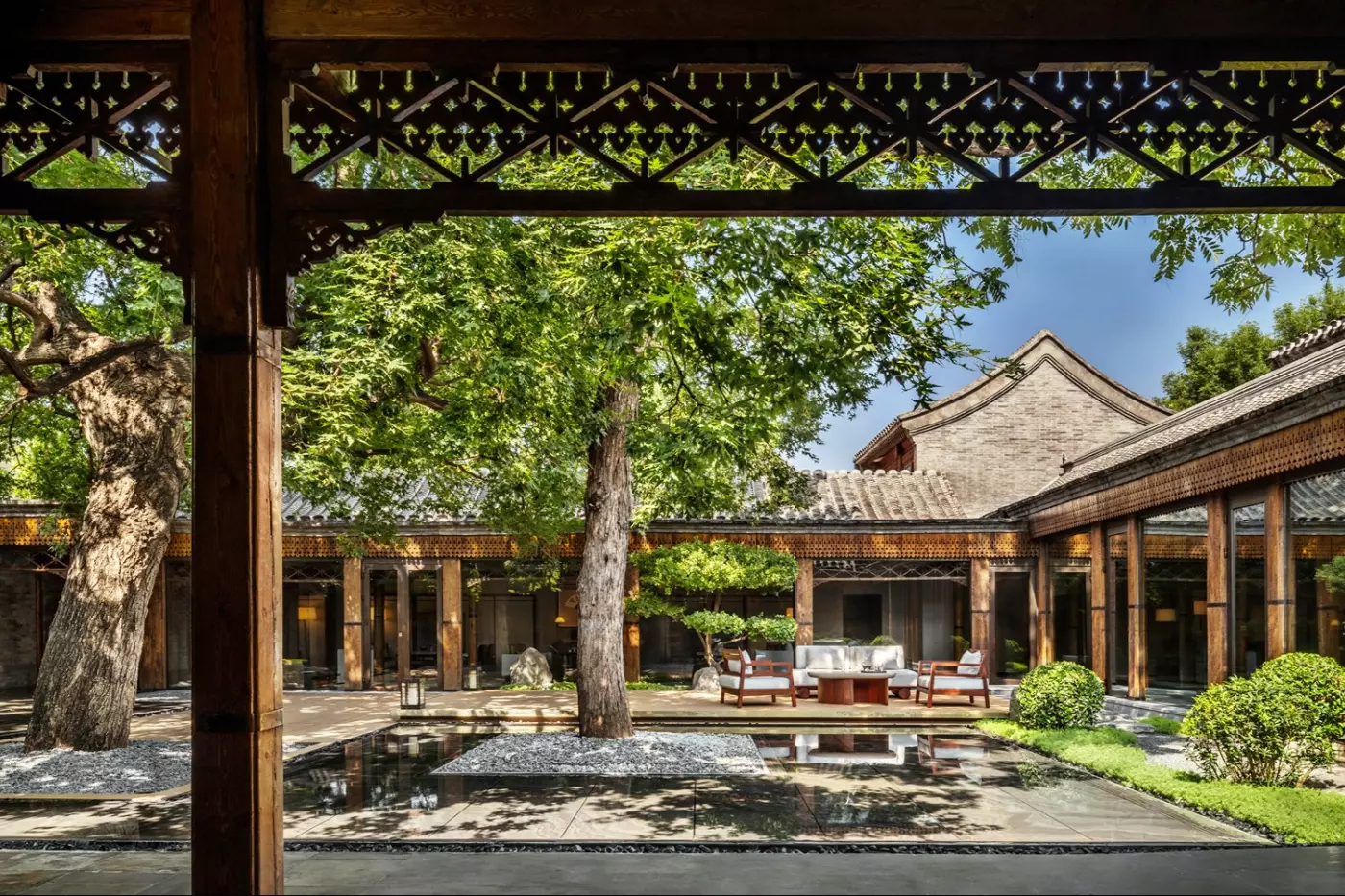
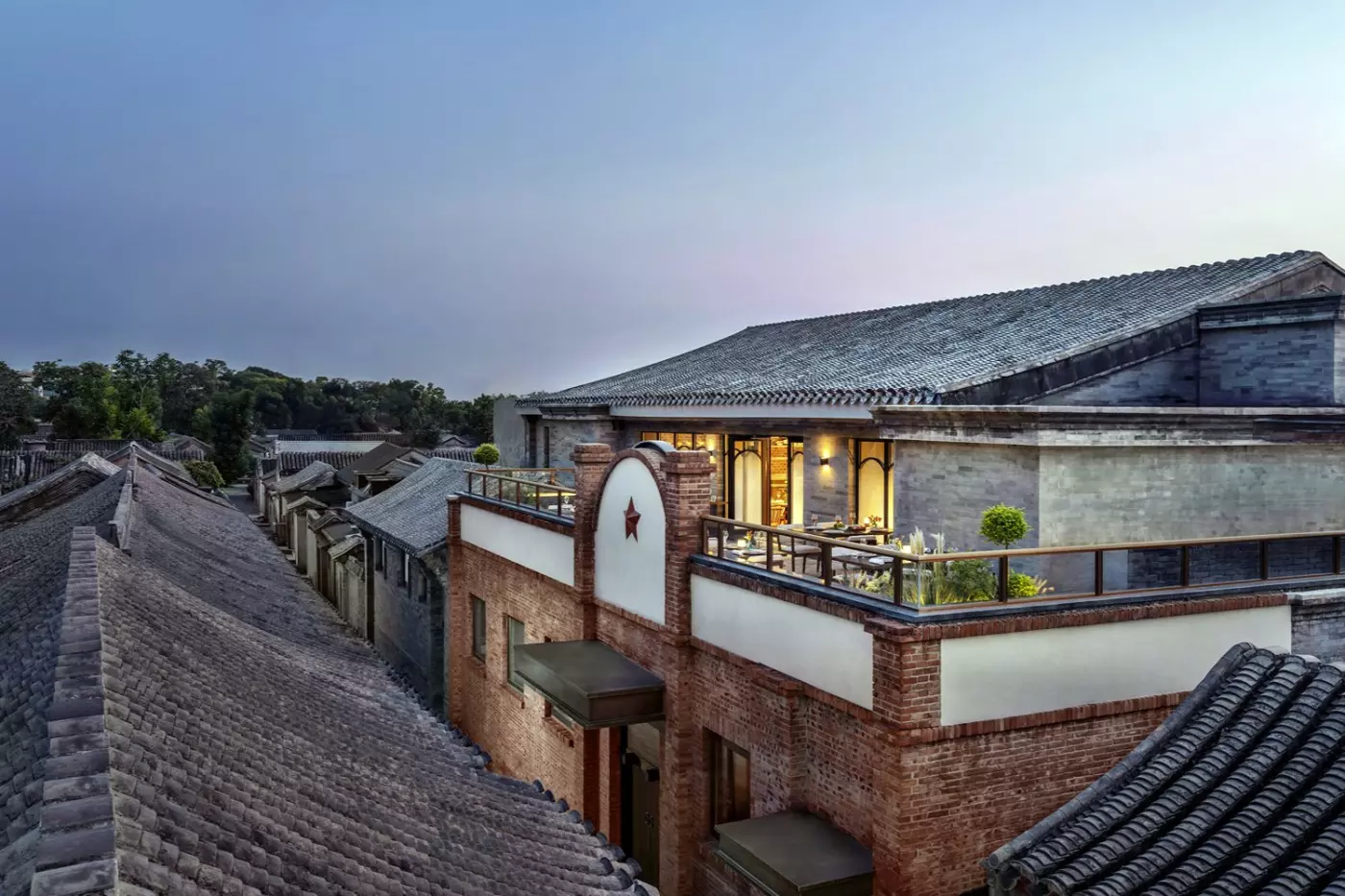
The location is the main reason to book. Qianmen is south of Tiananmen Square and tied to Beijing's historic north-south axis. The hotel is not a single tower. It is spread through a restored hutong neighbourhood. Guests move through alleys, courtyards and low-rise lanes rather than long hotel corridors.
This gives the stay a different logic from most luxury hotels in Beijing. The Peninsula Beijing is stronger for Wangfujing shopping and classic city-centre service. Mandarin Oriental Wangfujing, Beijing is better for Forbidden City views from a contemporary retail setting. Rosewood Beijing and Four Seasons Hotel Beijing suit Chaoyang business stays. Mandarin Oriental Qianmen, Beijing is for guests who want heritage, privacy and a residential sense of place.
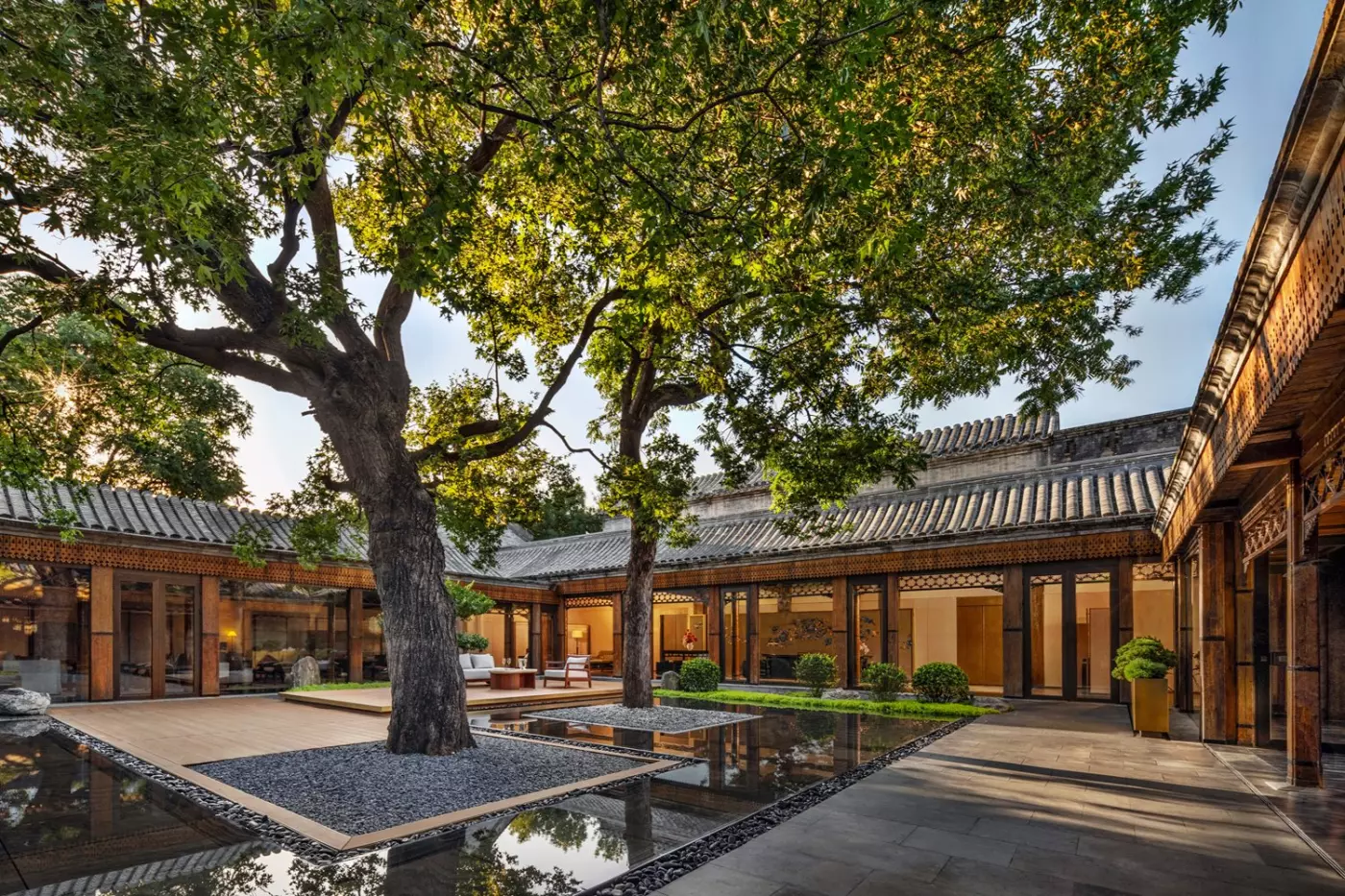
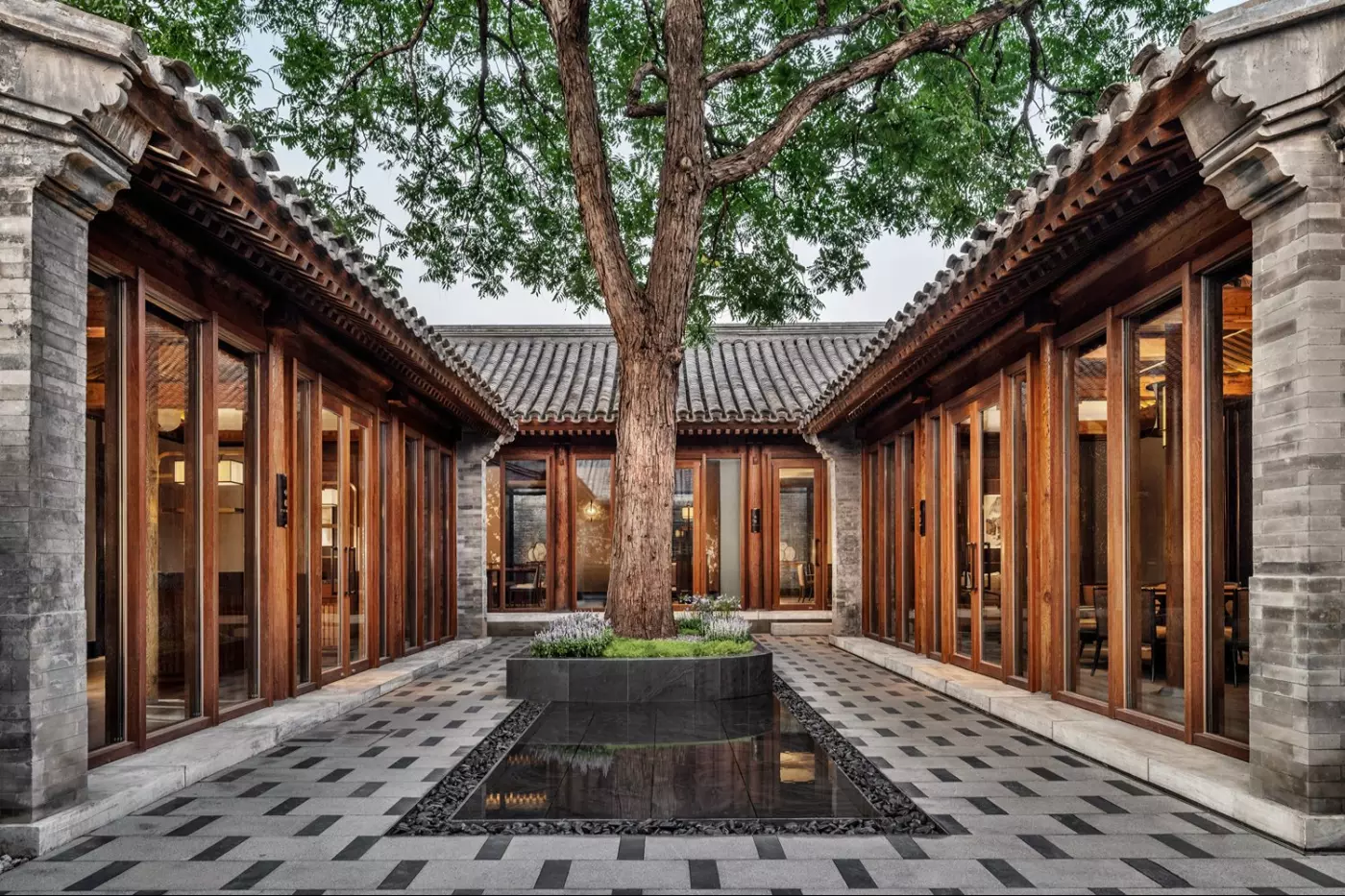
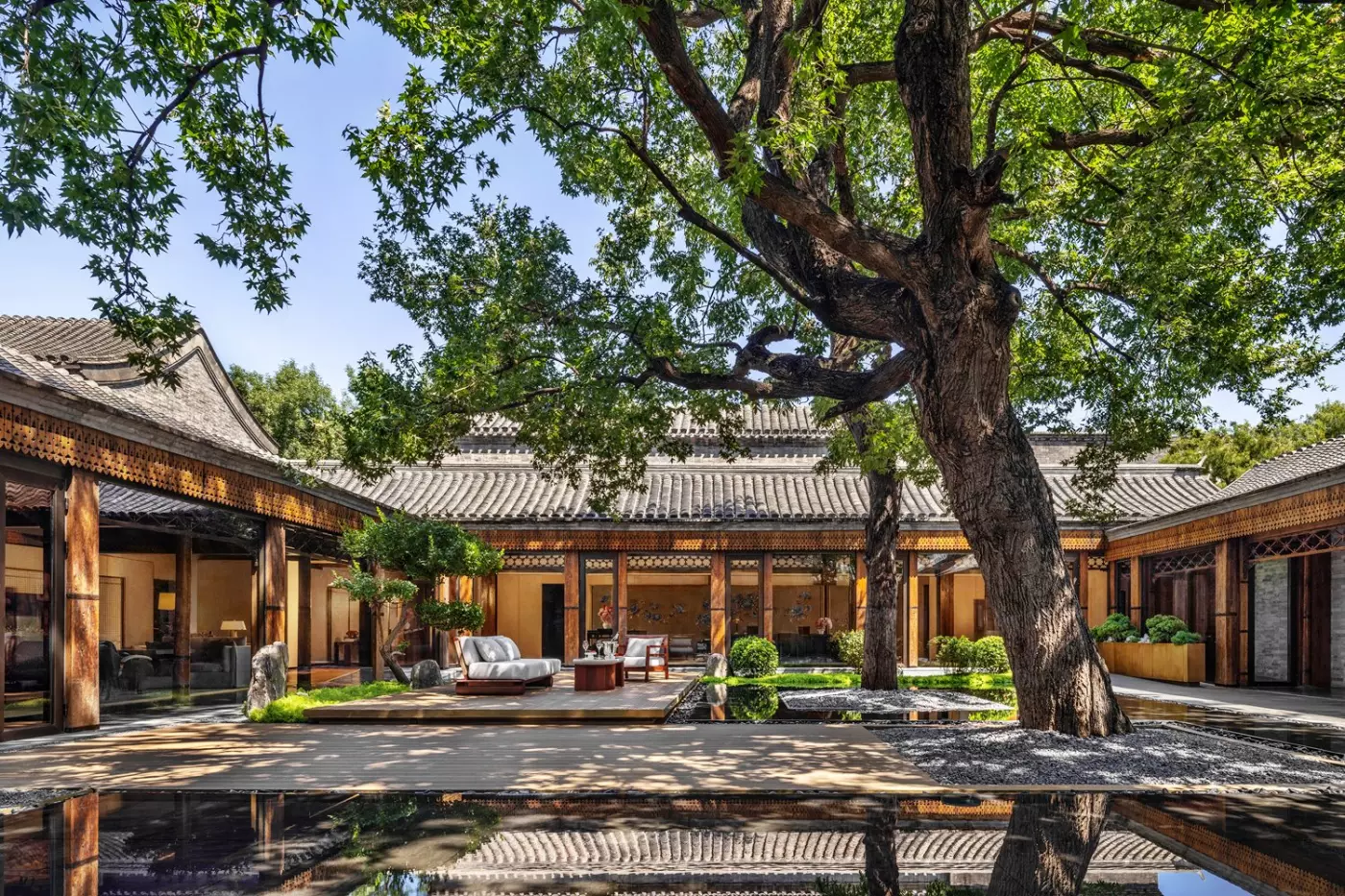
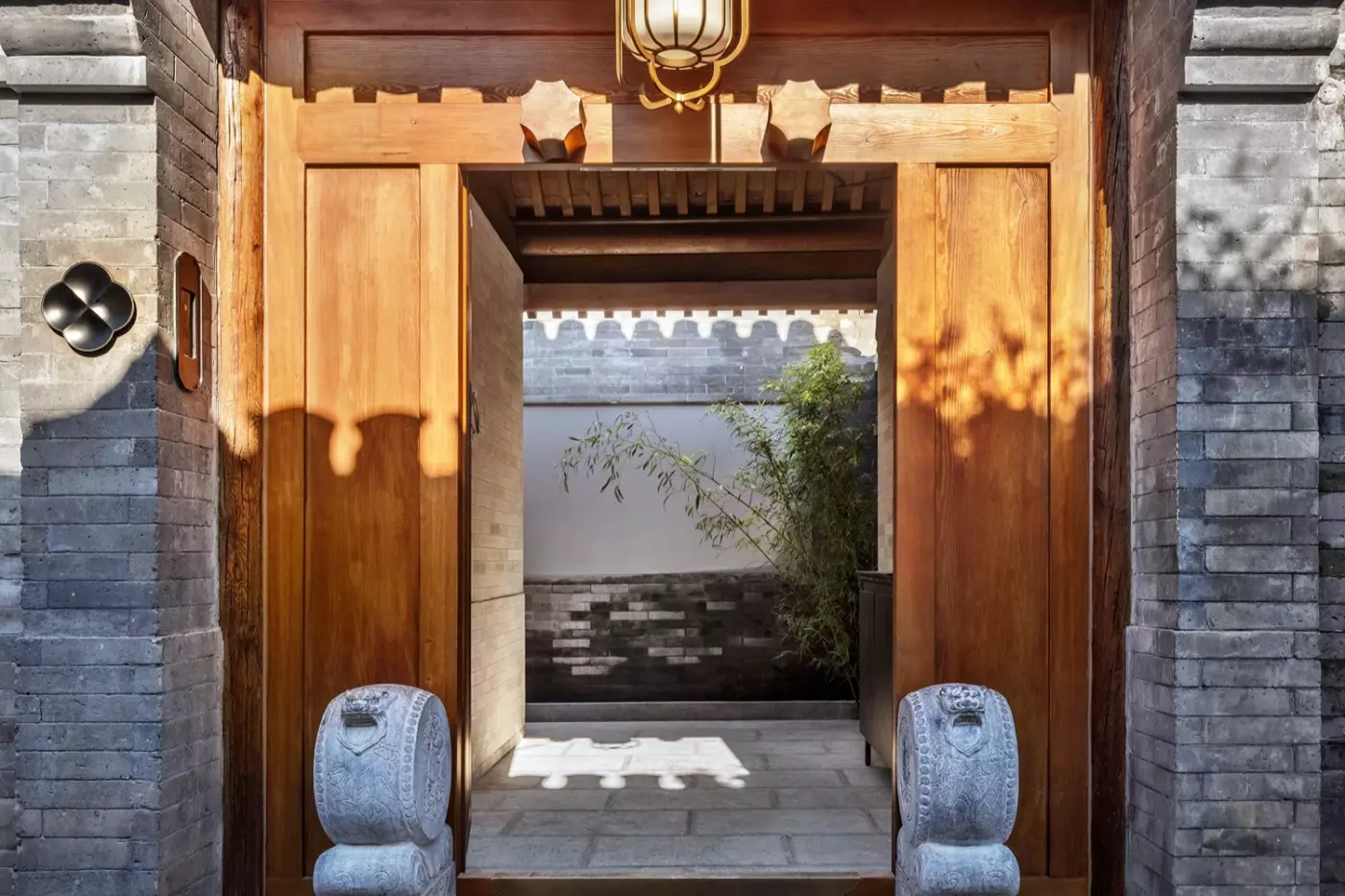
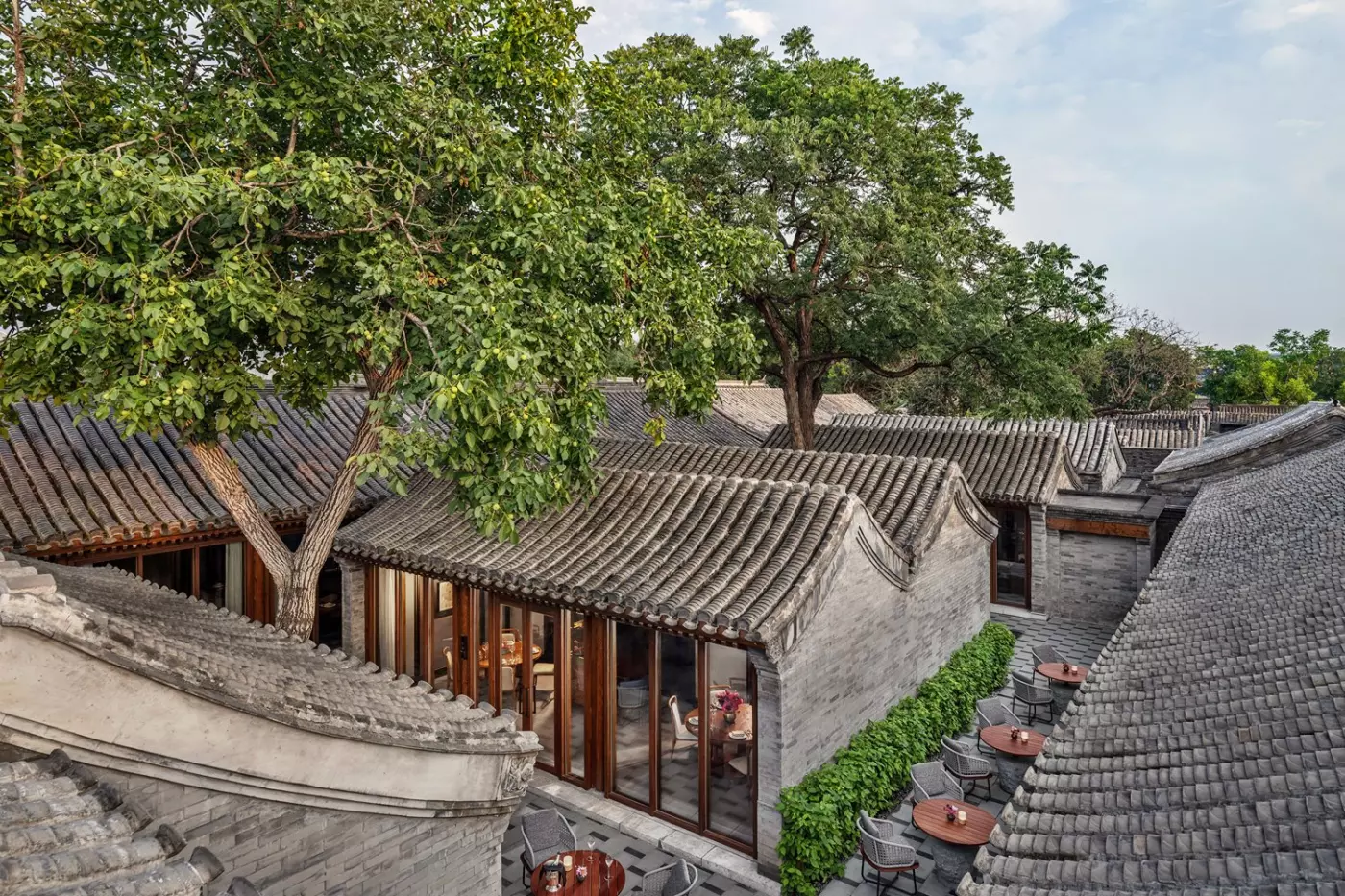
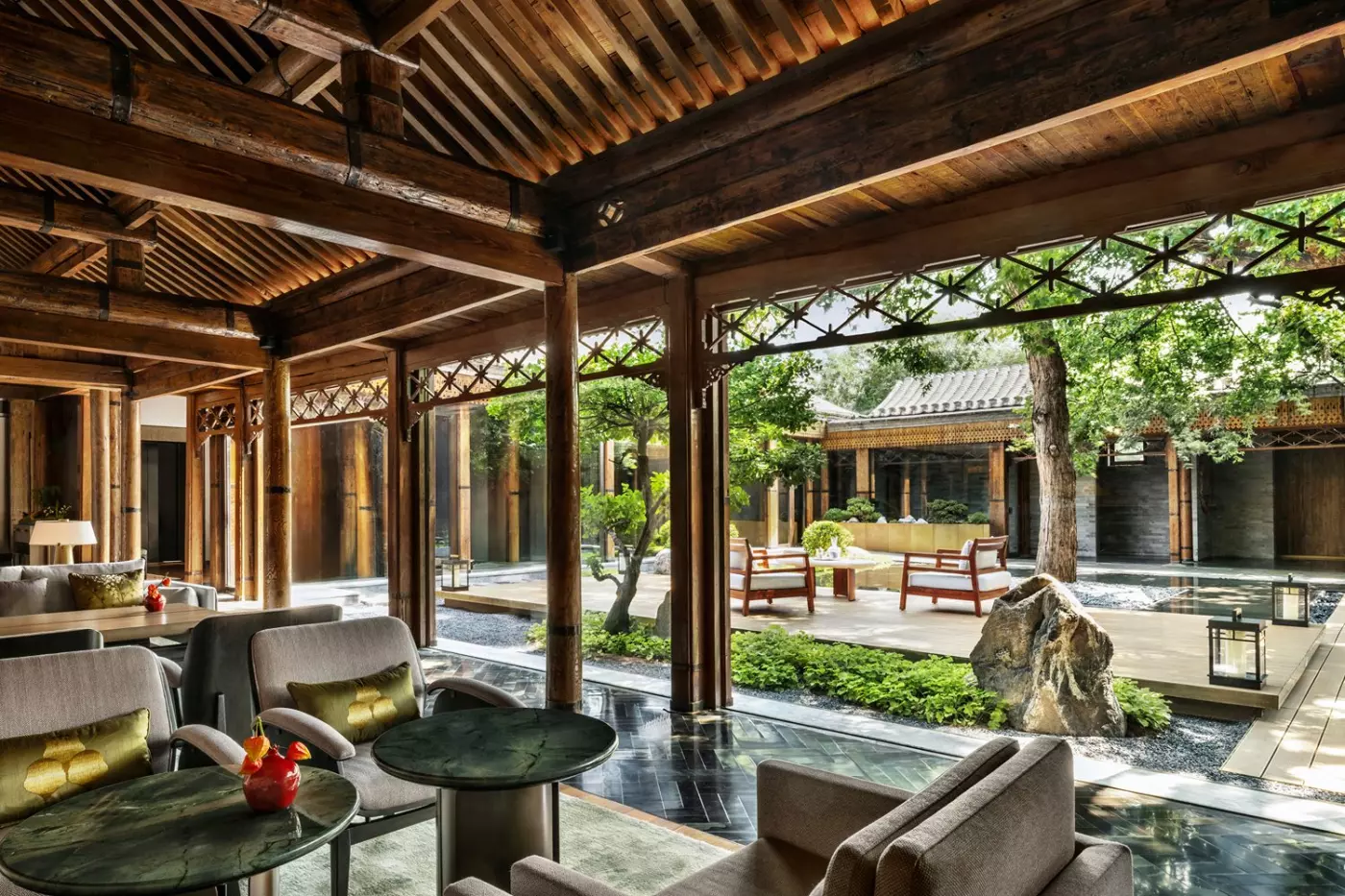
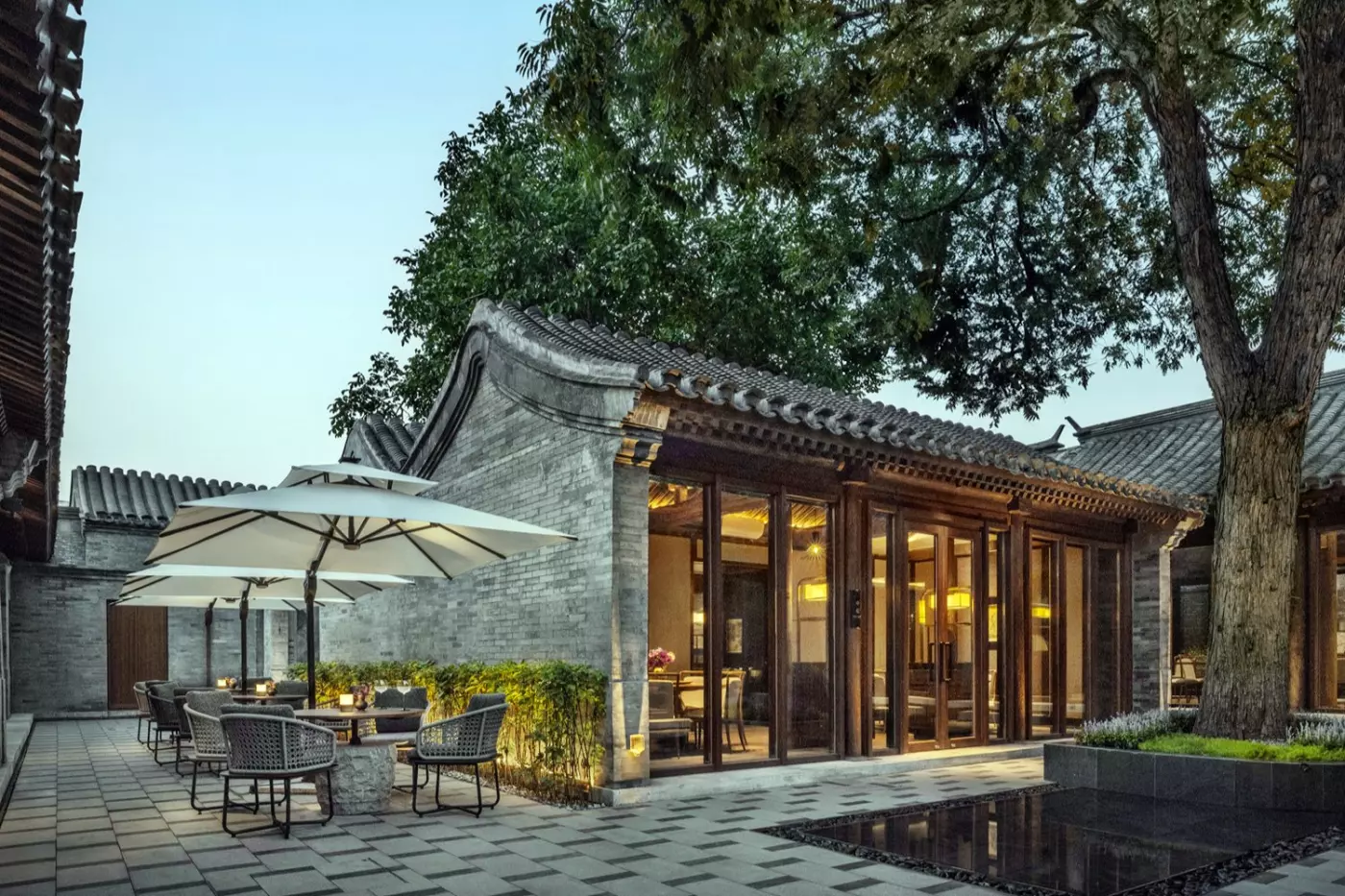
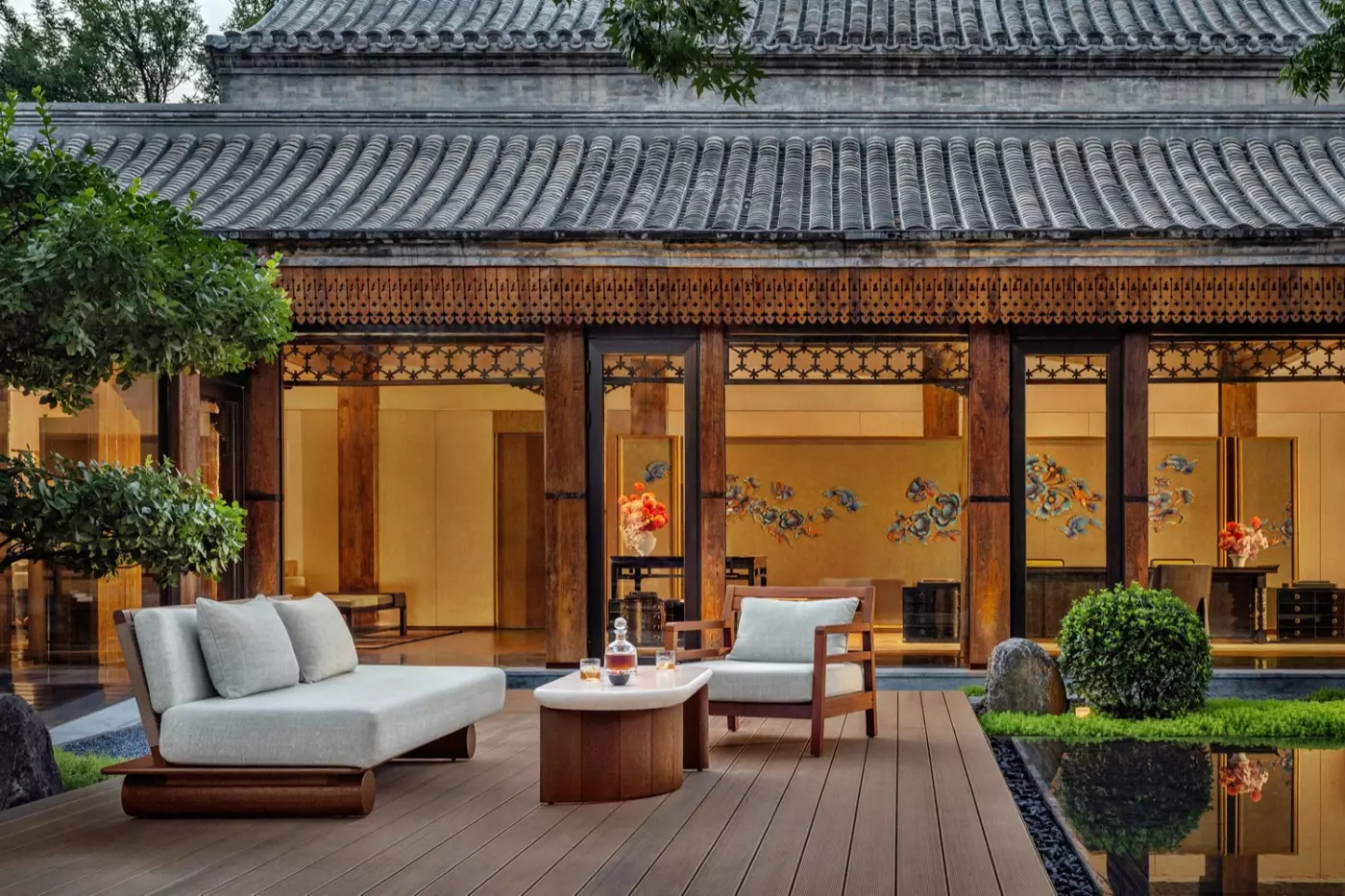
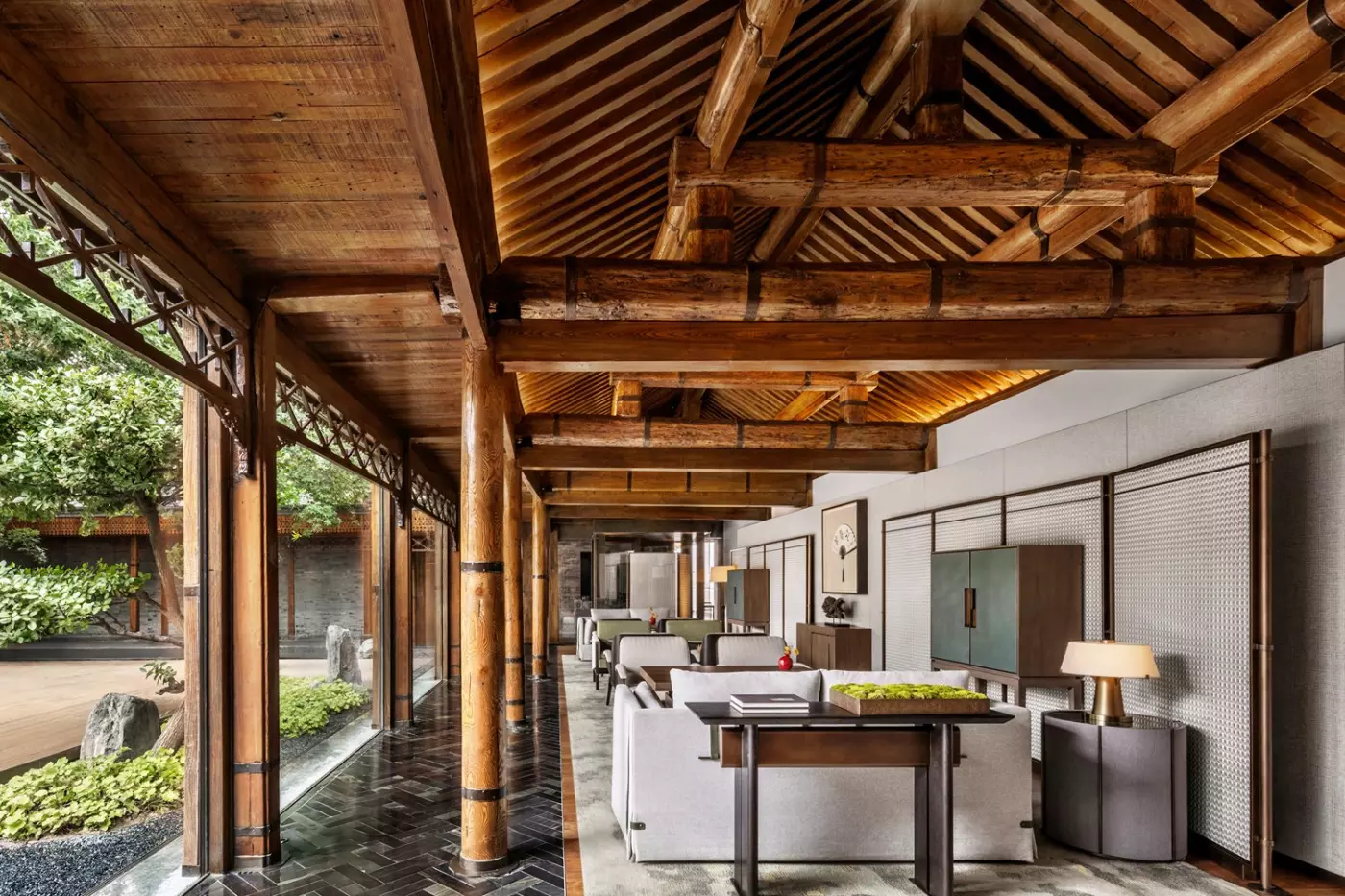
The hotel has 42 courtyard houses, each shaped by the siheyuan tradition rather than a conventional room block. This matters. A stay here feels more like living inside a restored Beijing neighbourhood than occupying a floor of a large hotel. Courtyards, grey brick, timber, natural light and quiet thresholds define the experience.
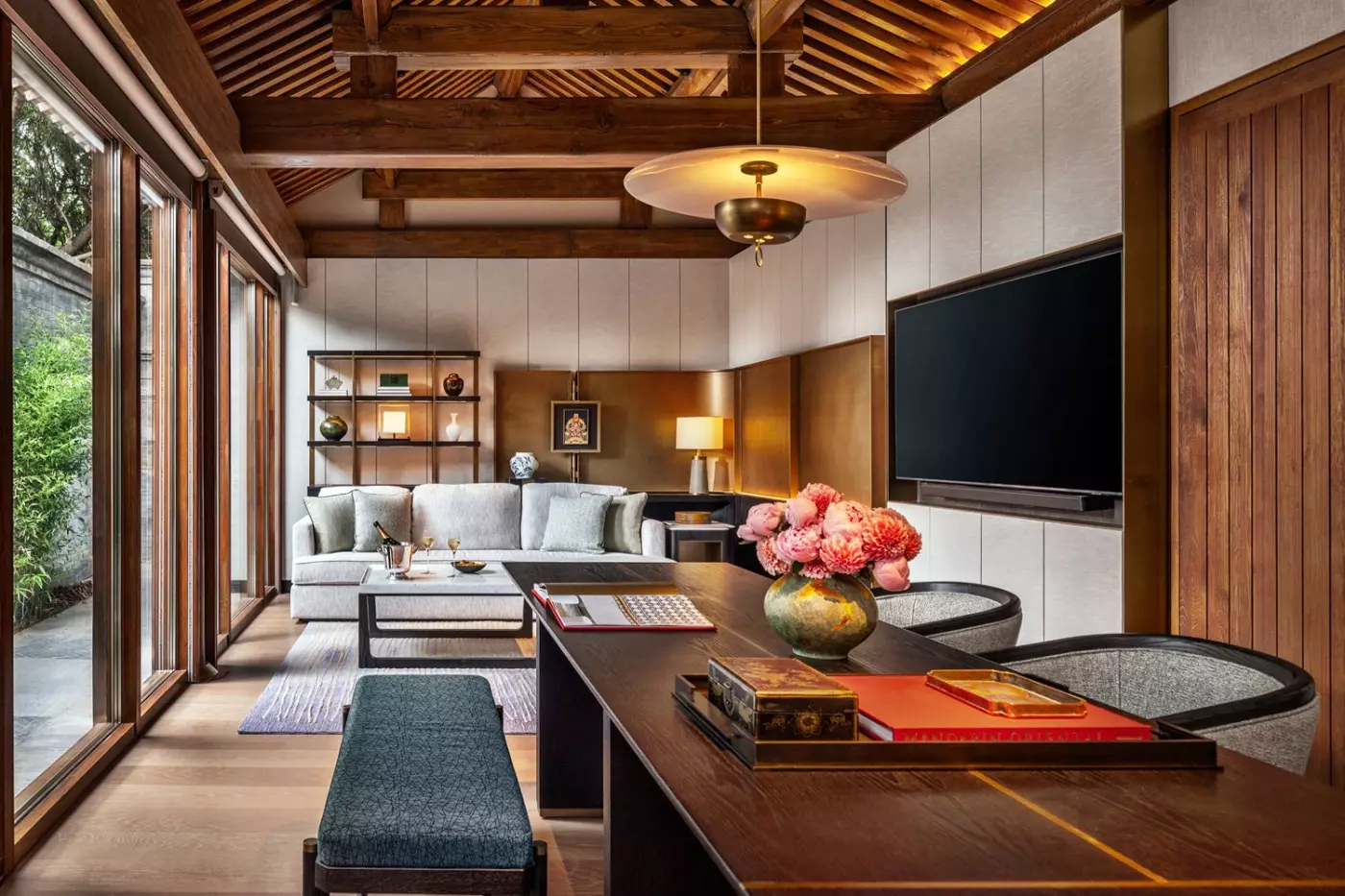
Categories vary by size and layout. Grand Courtyard rooms start from 196 square metres. The larger residences can be far more expansive. Some include private courtyards, living areas, dining space, tea rooms or garden views. For families, long stays or guests who host privately, that space changes the whole stay.
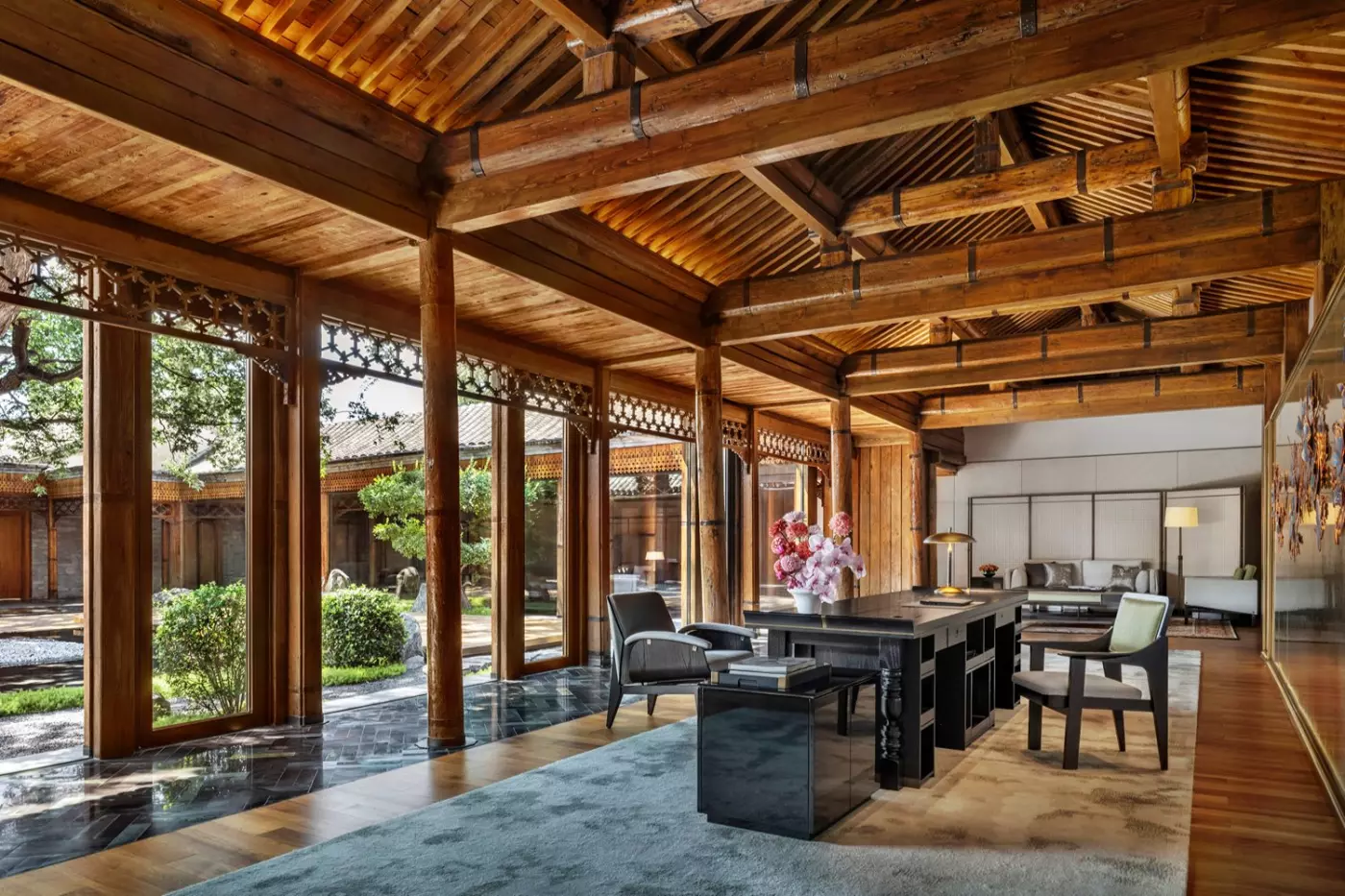
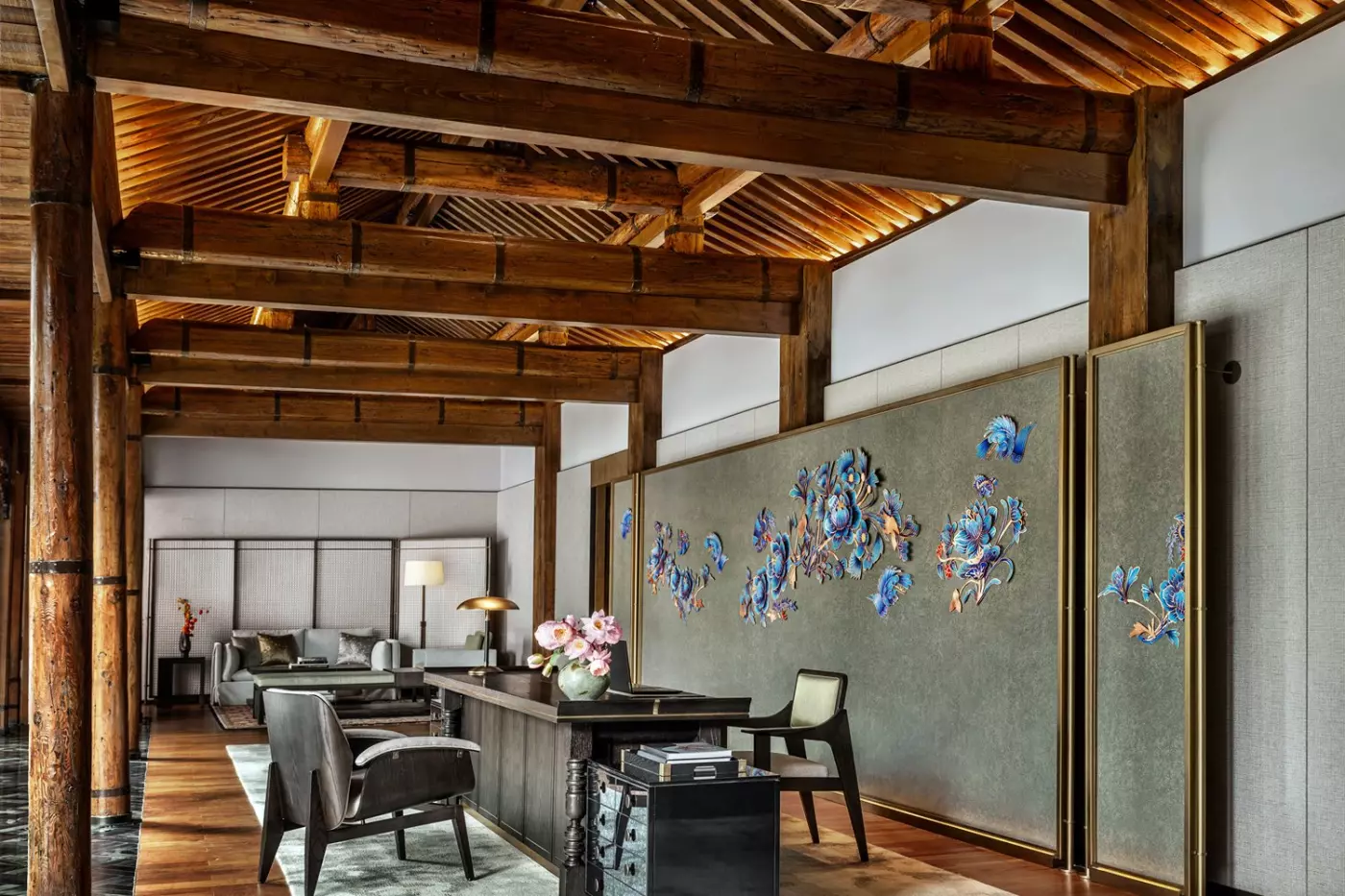
The design is polished but not anonymous. Contemporary furniture and art sit beside traditional materials. Details such as Bose Bluetooth speakers, Dyson hairdryers, Frederic Malle amenities, yoga mats and cocktail kits show that the hotel is not relying only on heritage. It is built for guests who expect modern comfort inside a historic framework.
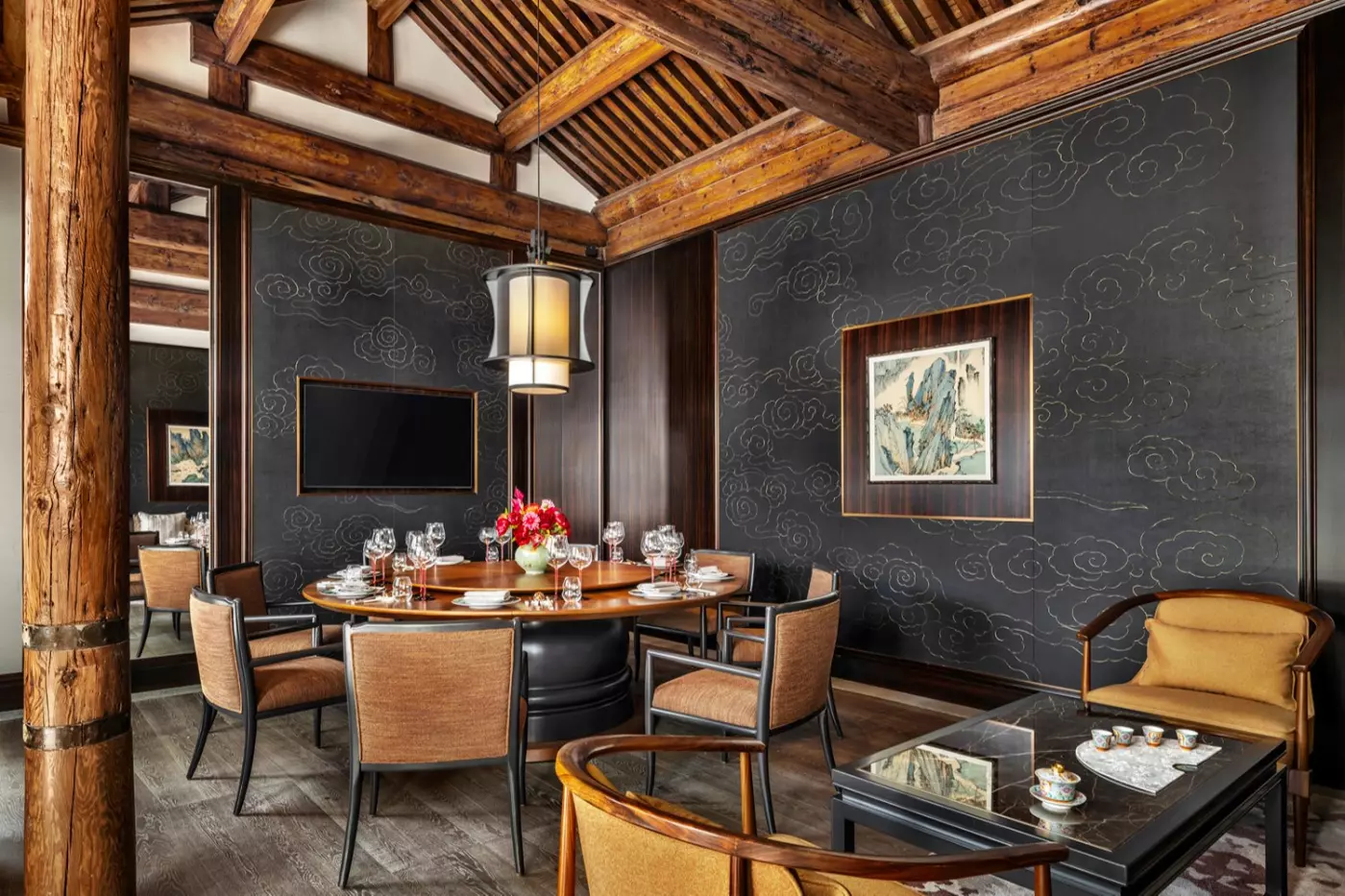
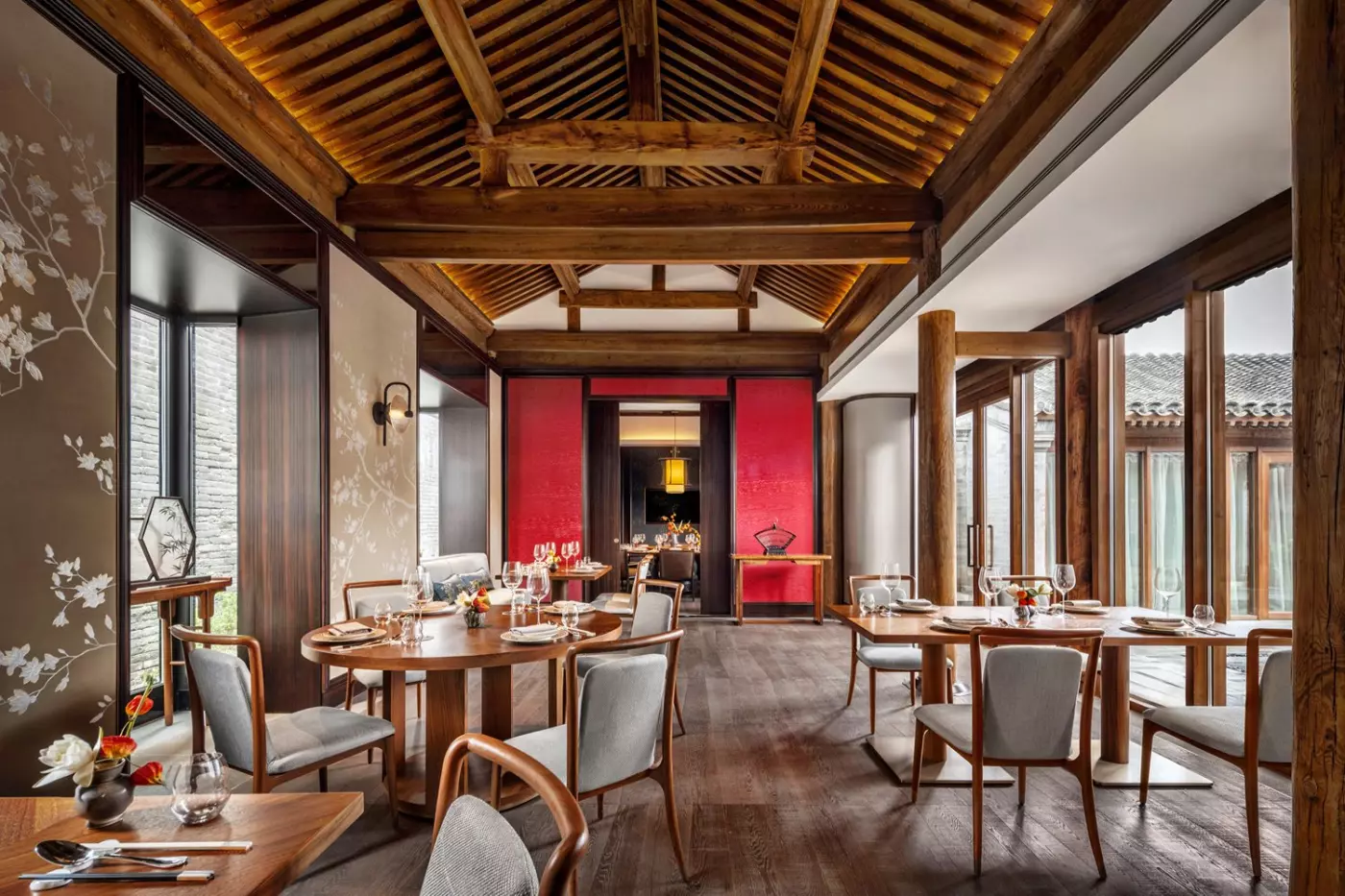
Yan Garden by Chef Fei is the main fine-dining draw. The restaurant serves Cantonese and Chaozhou cuisine under Michelin-starred Chef Fei, with seasonal ingredients and a calm courtyard setting. It gives the hotel a serious Chinese dining identity. That matters in a city where hotel restaurants can sometimes feel detached from local food culture.
The best reason to eat here is not only polish. It is the way the restaurant uses the courtyard-house setting to make a meal feel rooted in Beijing. Guests who want a refined Chinese dinner without leaving the hotel will find Yan Garden central to the stay.
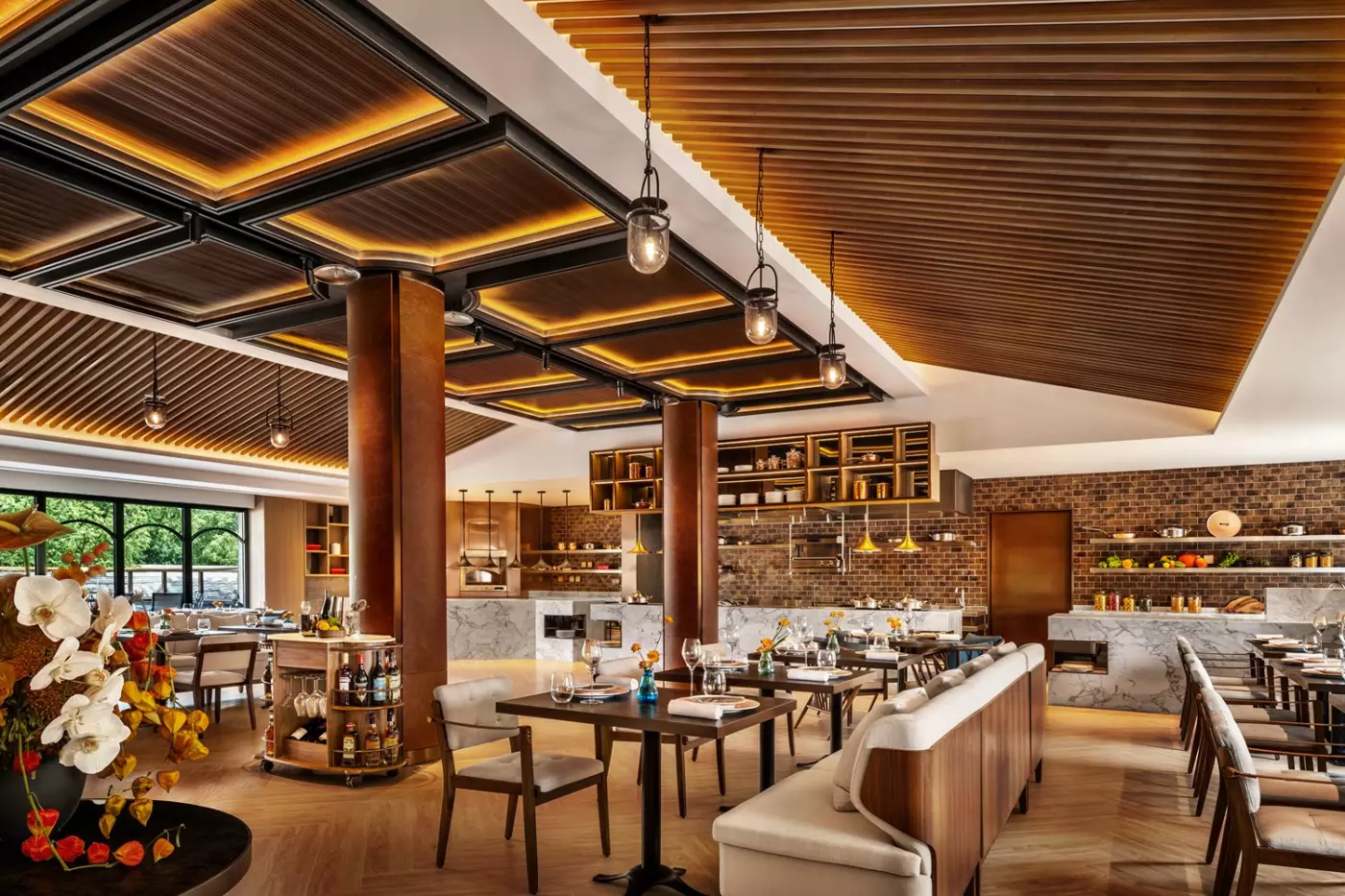
Vicini is the relaxed Italian bistro, open from breakfast through dinner. It is useful because not every meal in Beijing should be formal or Chinese fine dining. The terrace overlooking the hutong gives the restaurant a neighbourhood mood. The name itself points to the idea of neighbours.
Tiao is the cocktail bar, set in a traditional Beijing hutong alley with a two-floor layout and a more social rhythm. It is the place to see how the hotel behaves after dark. Maple Lounge is quieter, focused on Chinese and oriental teas, afternoon tea and a courtyard atmosphere. Together, these venues make the hotel feel like a small district. It is not one dining room with different menus.
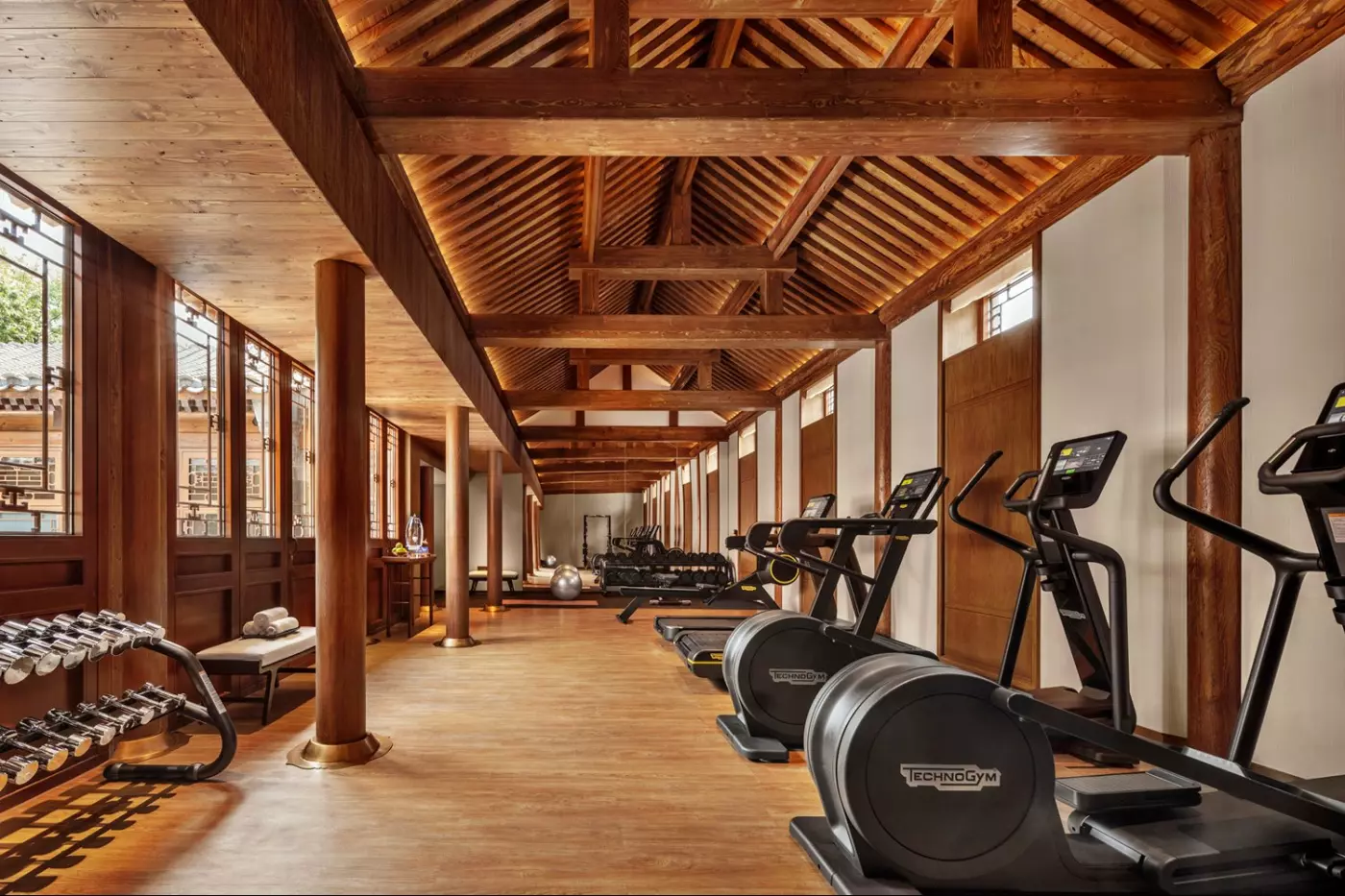
The wellness offer is calmer than a large resort spa, and that suits the property. The Spa at Mandarin Oriental offers treatments and private spaces. Qiyuan Healing Space adds a more reflective layer. The hotel also has a fitness centre for guests who want a regular routine.
There is no need to oversell the facility list. The real wellness value comes from the setting. After Tiananmen Square, the Forbidden City, Qianmen Street or long business days, returning to a courtyard house and a slower hutong rhythm is part of the recovery.
The hotel is close to Qianmen Pedestrian Street and well placed for Tiananmen Square, the Forbidden City, the National Museum of China, the Temple of Heaven and the National Centre for the Performing Arts. Wangfujing and WF Central are also within easy reach by car. Beijing South Railway Station and the CBD are practical transfers.
Guests should still understand the geography. This is not the easiest choice for a trip centred on Sanlitun nightlife, embassy meetings or Chaoyang business parks. It is better for travellers whose Beijing plan focuses on culture, history, food, walking and a rare hotel setting inside the old urban fabric.
Mandarin Oriental Qianmen, Beijing is a strong option for small events because the scale is intimate. Courtyard houses, private dining and cultural programmes can make a celebration feel personal rather than staged. It is not a convention hotel, and that is part of the appeal.
Families should look closely at the larger courtyard houses and connecting options. The privacy and space can be excellent, especially compared with standard city rooms. The layout also gives children a different view of Beijing, with alleys, courtyards and local texture just outside the door.
Mandarin Oriental Wangfujing, Beijing is the more obvious choice for a modern luxury stay close to retail and Forbidden City views. The Peninsula Beijing offers large suites and a classic Wangfujing location. Rosewood Beijing is stronger for Chaoyang business and a larger urban-resort feel. Four Seasons Hotel Beijing suits embassy-area and corporate travel.
Mandarin Oriental Qianmen, Beijing stands apart because it does not compete through skyline height, suite count or shopping access alone. It competes through format. A hotel of 42 courtyard houses in a historic hutong district gives guests something rare: Beijing at human scale, with Mandarin Oriental service wrapped around it.
Book Mandarin Oriental Qianmen, Beijing if you want a five-star hotel in Beijing with 42 courtyard houses, a Qianmen hutong setting, Central Axis context, Yan Garden by Chef Fei, Vicini, Tiao, Maple Lounge, spa facilities and access to Tiananmen Square, the Forbidden City and Qianmen Pedestrian Street. It is ideal for couples, culture-focused travellers, families wanting space and private celebrations. It also suits guests who have already seen the usual tower-hotel version of Beijing.
Choose another hotel if you need a direct business-district base, a high-floor skyline view, a huge spa complex or fast access to Sanlitun nightlife. The main reason to book here is the courtyard-house experience. It gives Beijing depth, texture and privacy in a way that few luxury hotels can match.
Mandarin Oriental Qianmen, Beijing is one of the most distinctive city hotels in the Mandarin Oriental portfolio. Its strongest facts are No.1 Caochang Alley 10, the Qianmen East Hutong Quarter, 42 courtyard houses, the Beijing Central Axis setting, Yan Garden by Chef Fei, Vicini, Tiao, Maple Lounge and Qiyuan Healing Space. The walkable link to major historic sights also matters. For travellers seeking a luxury hotel in Beijing that feels specific to the city, it is a rare and persuasive choice.
Floor-to-ceiling windows bring daylight into the courtyard houses, giving you a bright residential retreat within the fabric of Beijing's hutong neighborhood.
Yan Garden's Cantonese and Chaozhou cooking brings two regional Chinese traditions to your table in a courtyard setting suited to a considered dinner.
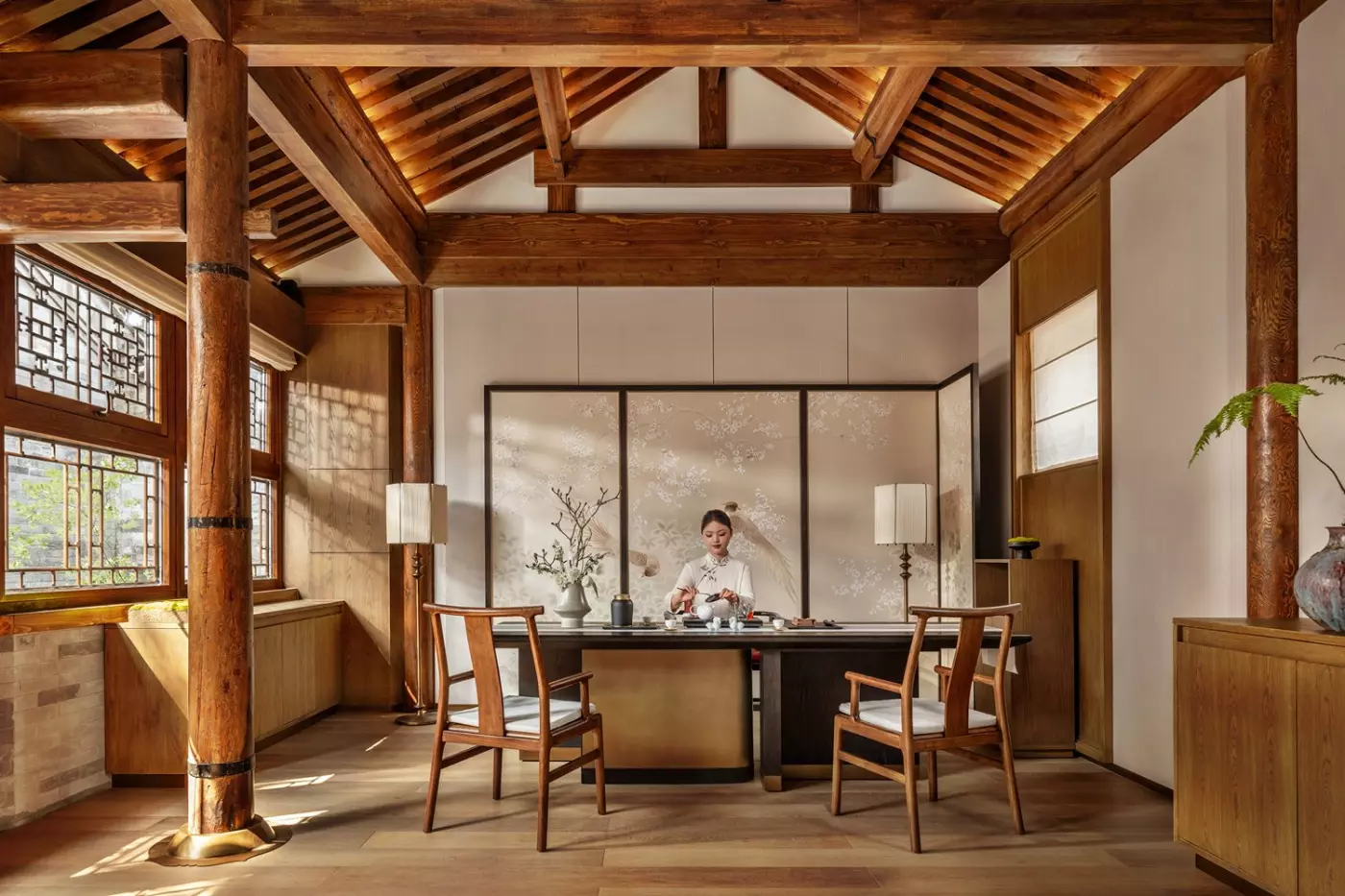
The Tea House's refined ceremonies offer a focused introduction to Chinese tea culture, giving you a contemplative experience beyond afternoon tea.
NO 1 CAOCHANG 10TH ALLEY BEIJING 100005 CN CHINA
Yes. Mandarin Oriental Qianmen Beijing is a strong choice for travelers who want a rare hutong luxury stay. It combines 42 courtyard houses, historic Qianmen surroundings, dining, spa facilities, cultural experiences, and Mandarin Oriental service.
Mandarin Oriental Qianmen Beijing is at No. 1 Caochang Alley 10, Dongcheng District, Beijing 100005. The hotel sits in the historic Qianmen hutong area, close to Tiananmen Square, the Forbidden City, and the Temple of Heaven.
Mandarin Oriental Qianmen Beijing has 42 courtyard houses rather than standard hotel rooms. This low-rise layout gives the hotel a private residential feel within old Beijing's narrow lanes.
The courtyard houses are inspired by traditional siheyuan homes and updated with modern luxury interiors. Many include private courtyards, generous living space, elegant bathrooms, Chinese design details, and a strong sense of place.
Yes. The hotel is woven into a restored hutong neighborhood in Beijing's Qianmen district. Guests should expect a more local, low-rise, residential atmosphere instead of a typical high-rise city hotel.
More amenities
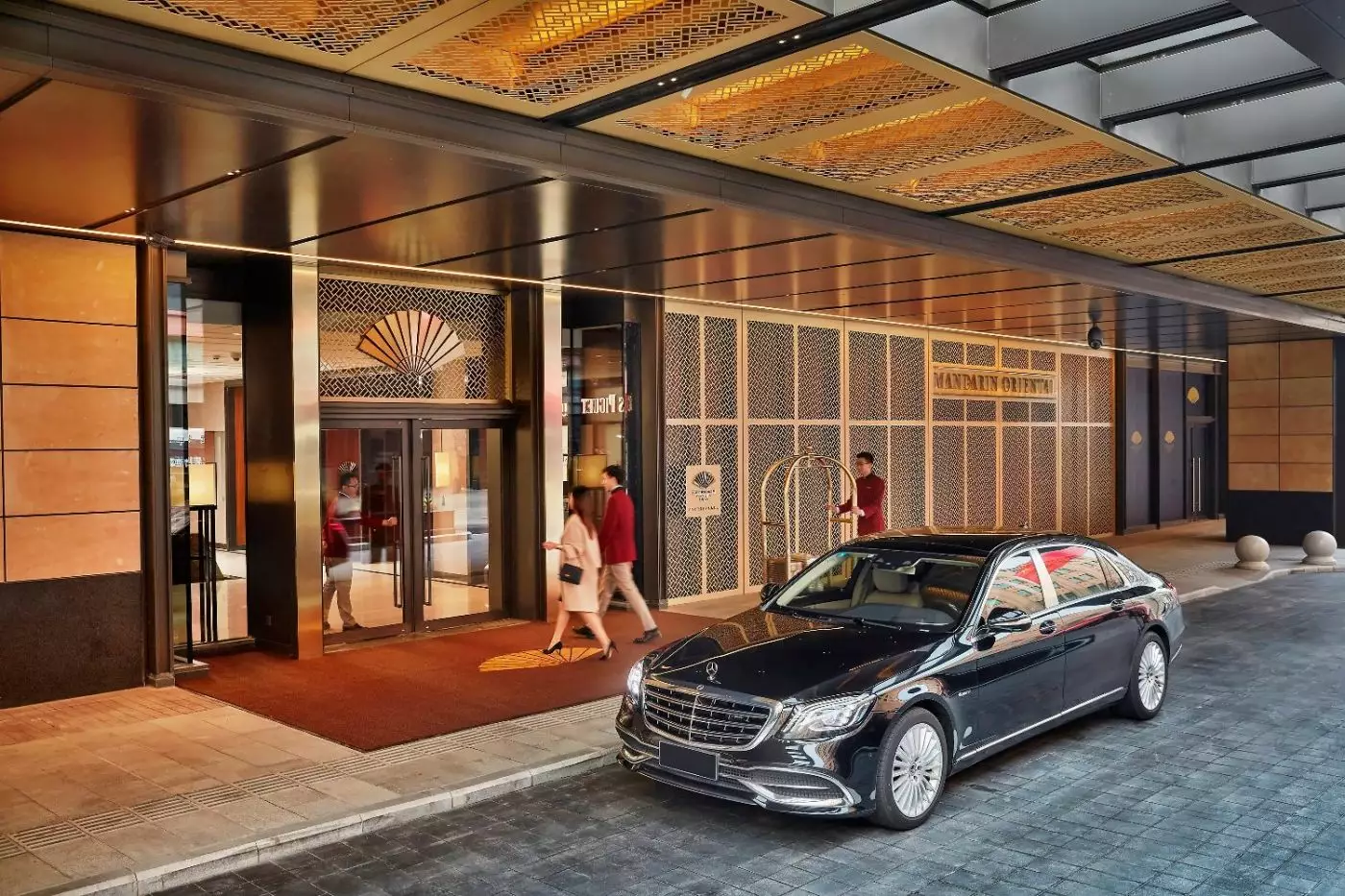
Mandarin Oriental Wangfujing, Beijing is a small, view-led city hotel above WF Central, at 269 Wangfujing Street. Its appeal...
More amenities
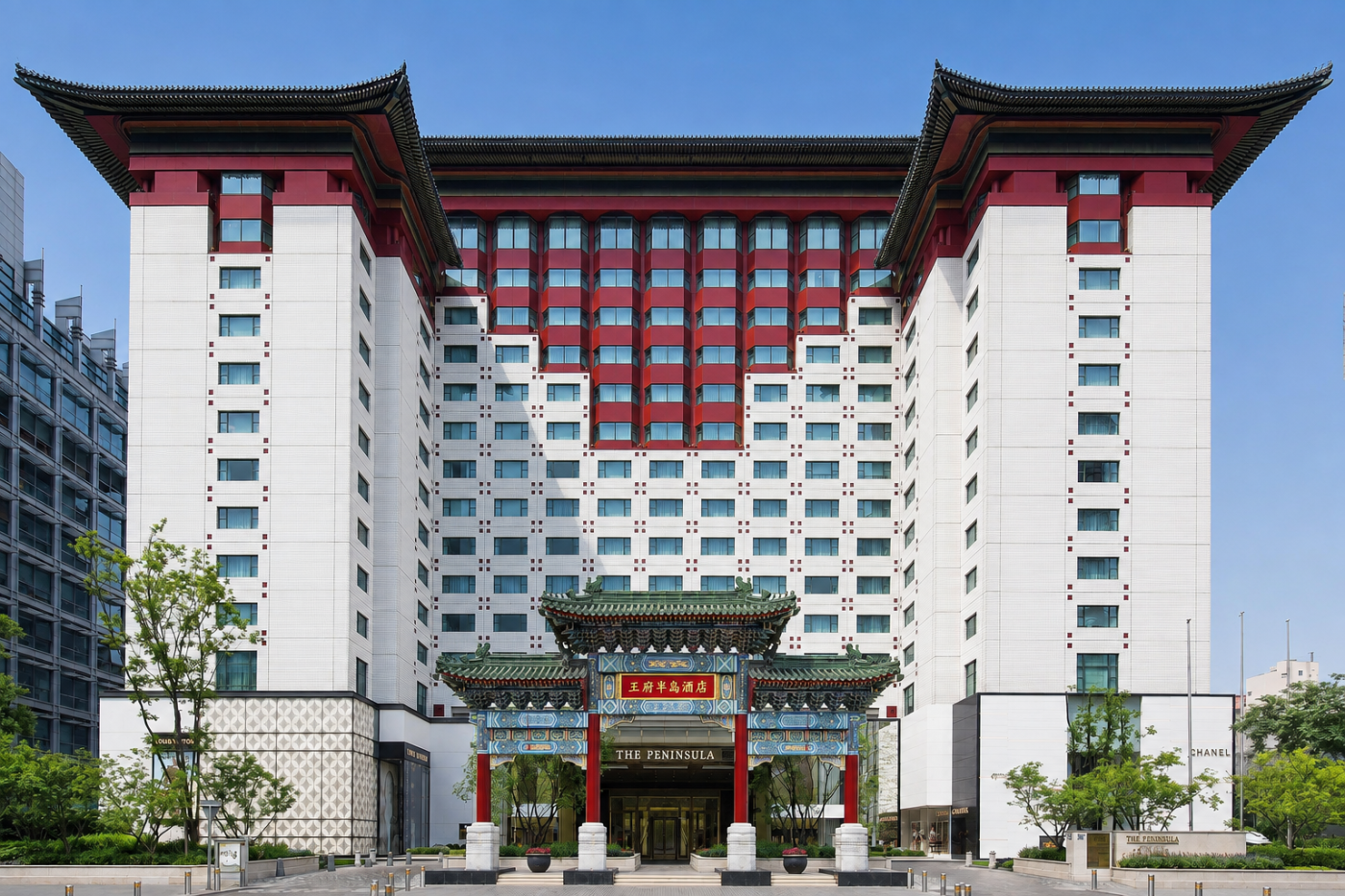
The Peninsula Beijing is an all-suite hotel in Wangfujing, with a Goldfish Lane address in the historic heart of the capital....
More amenities
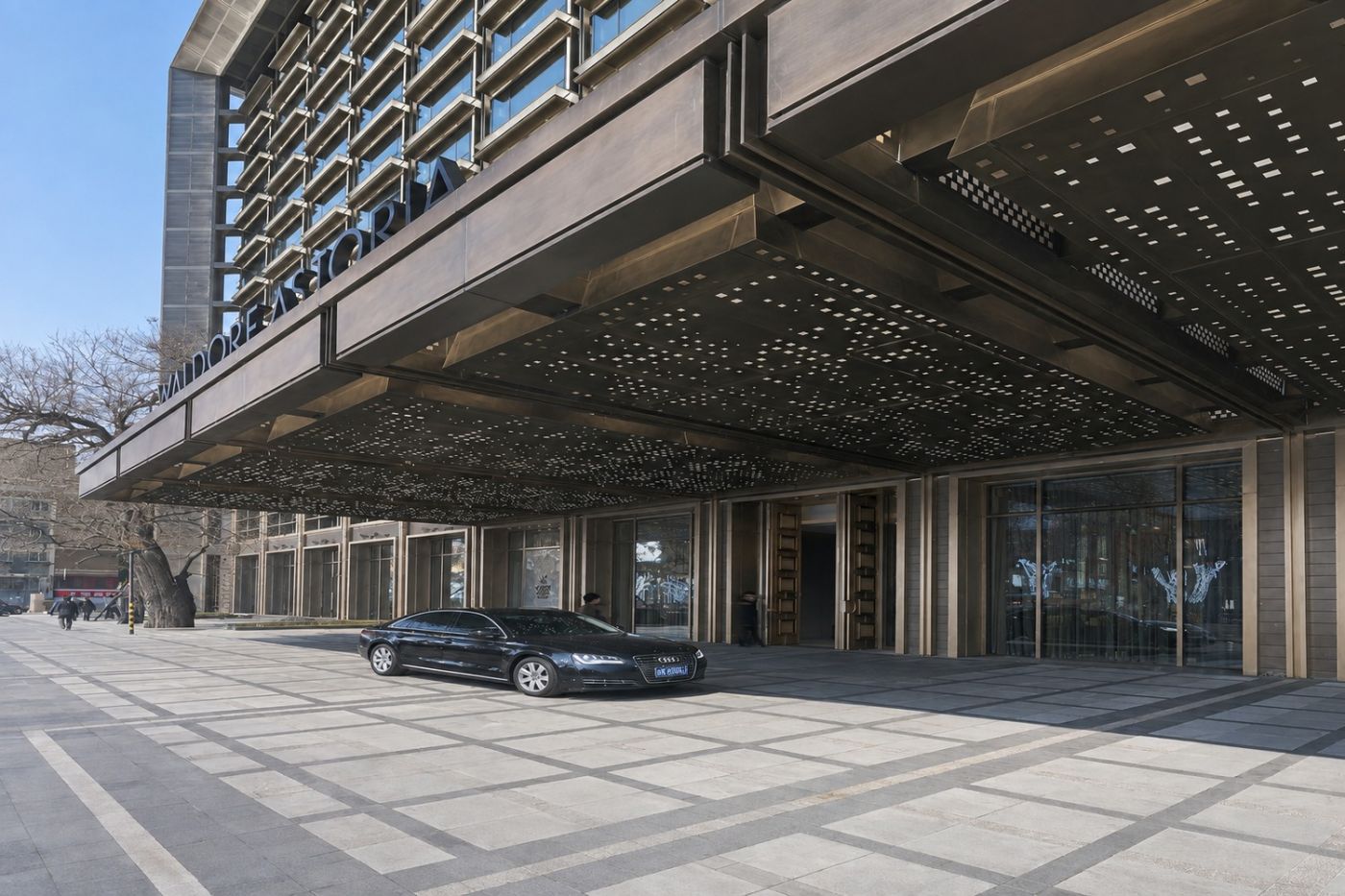
Waldorf Astoria Beijing sits on Jinyu Hutong in Dongcheng, close to Wangfujing and many of the capital's key historic sights....