Call your Travel Designer +1 617 778 2318
The Shikumen Villa is a historic one-bedroom villa built in the 1930s. It was once home to wealthy traders and expatriates in Shanghai. Over time,
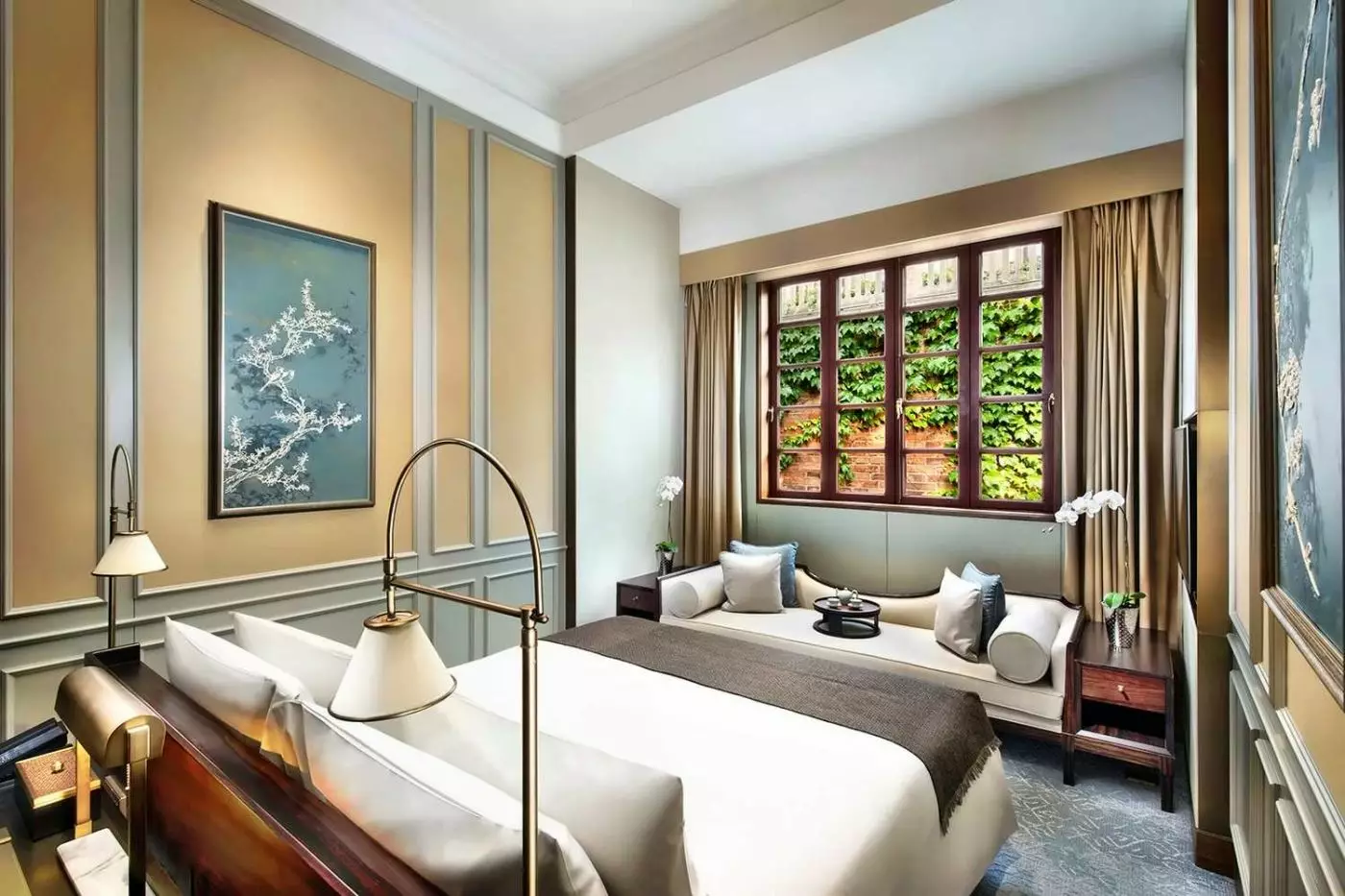
The Shikumen Garden Villa is a 111-square-meter, modern luxury retreat with traditional charm. It offers a king bed or twin bed catering to different preferences.
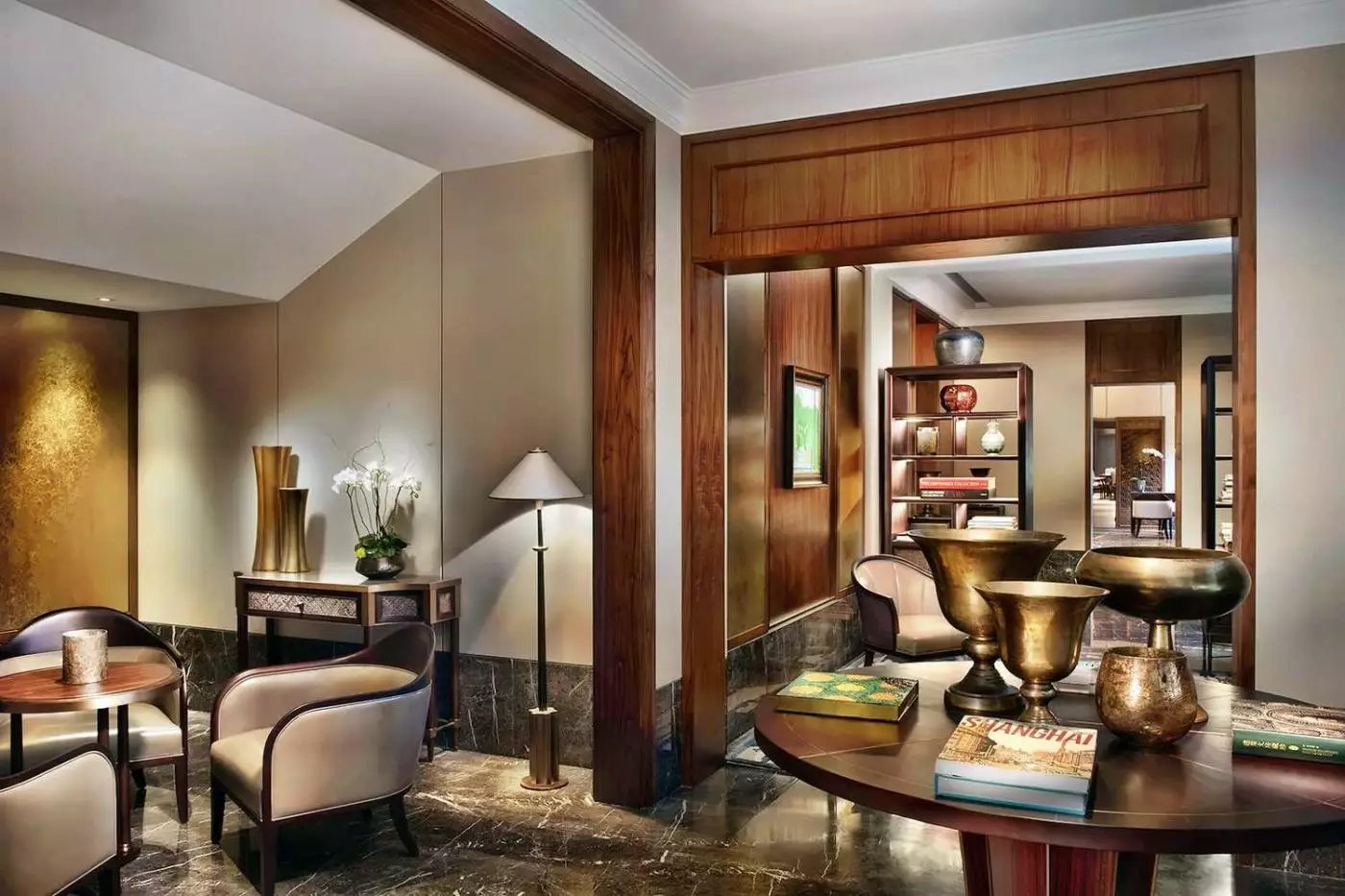
The 2 Bedroom Shikumen Deluxe Villa uniquely blends history and modern luxury. It is surrounded by lush greenery and traditional architecture. Inside, the villa combines
The 3 Bedroom Shikumen Grand Villa uniquely fused Shanghainese and Parisian design. Inspired by the 1930s communal living style, the villa spans 245 square meters
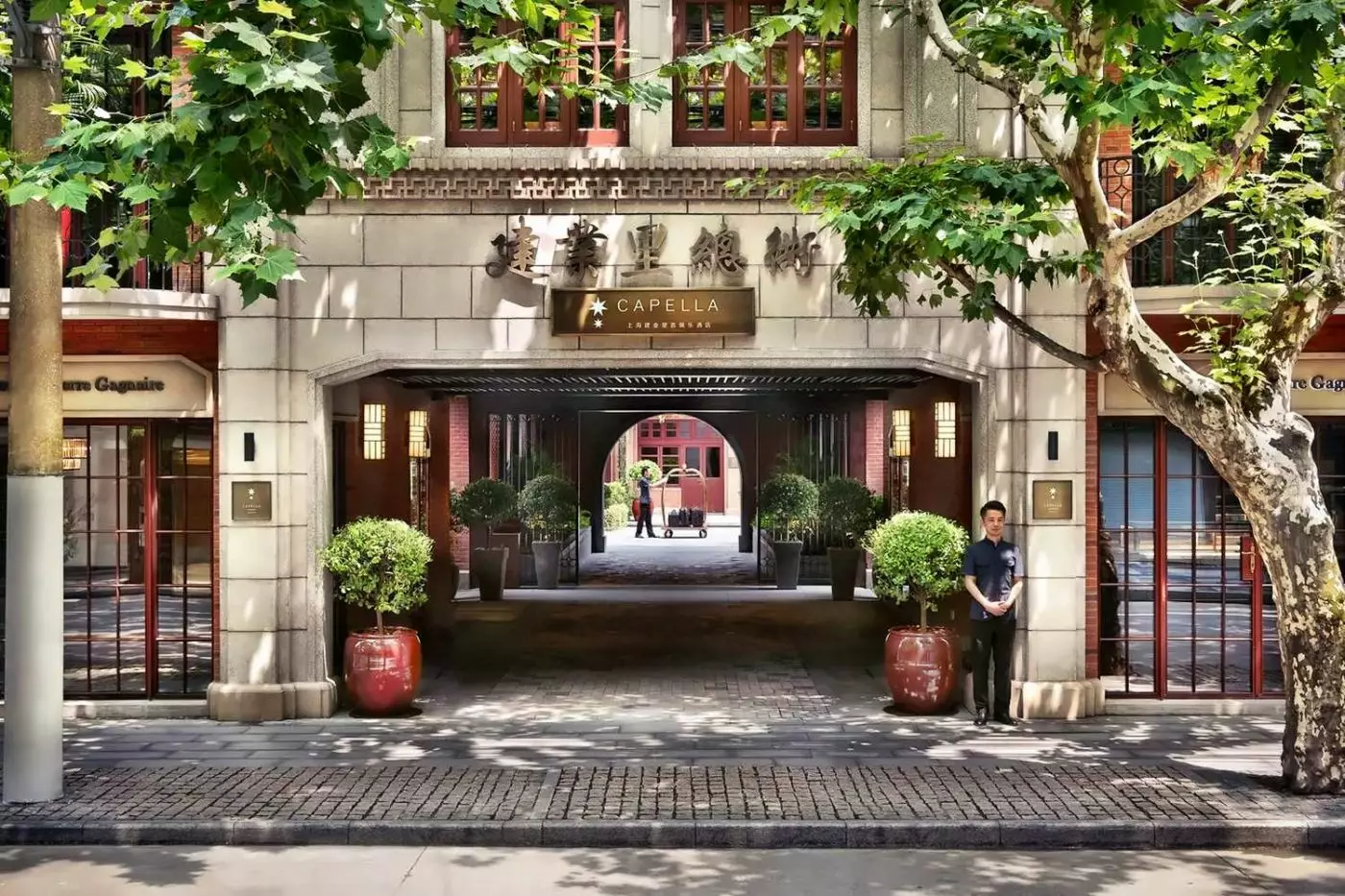
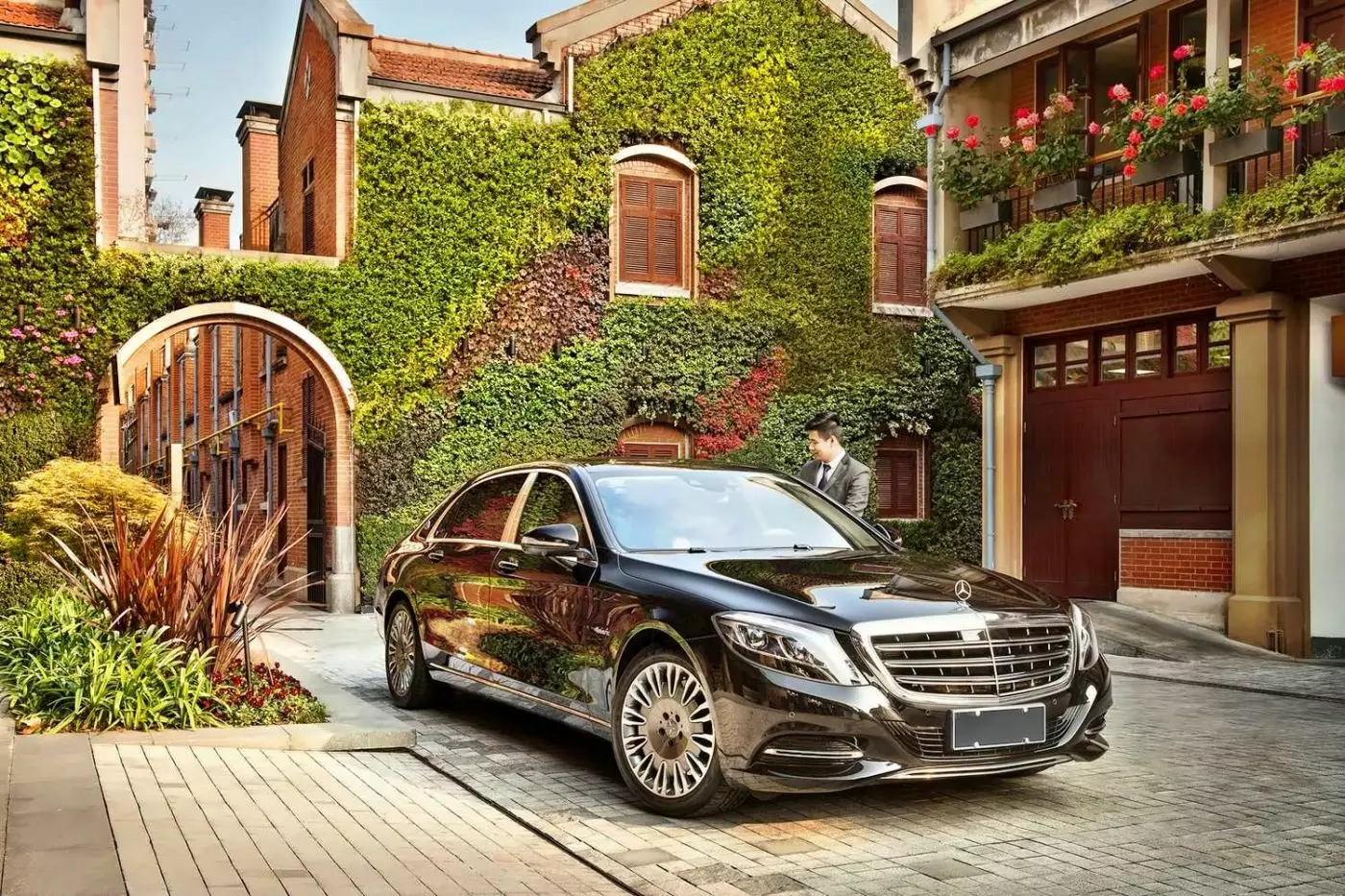
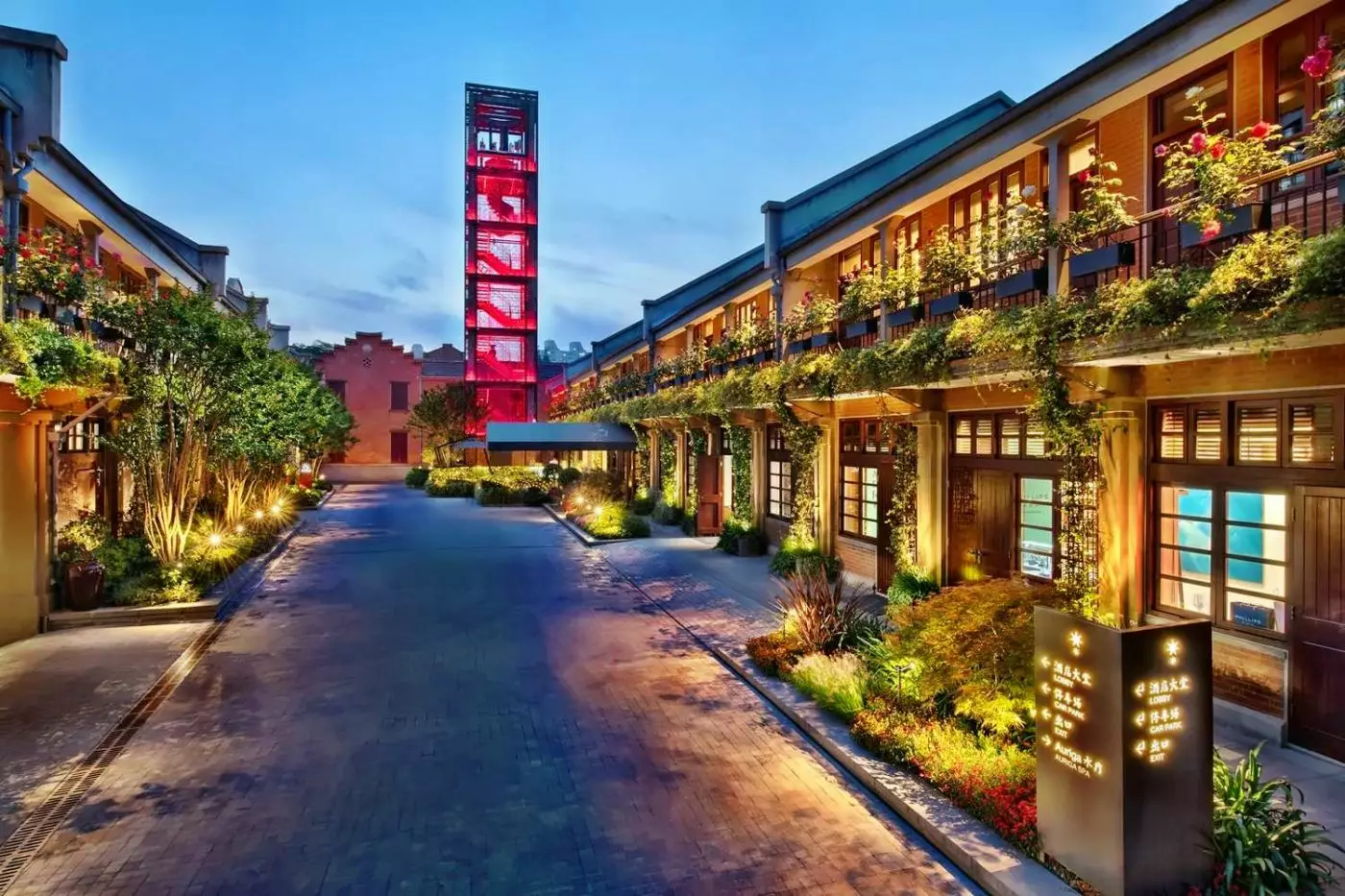
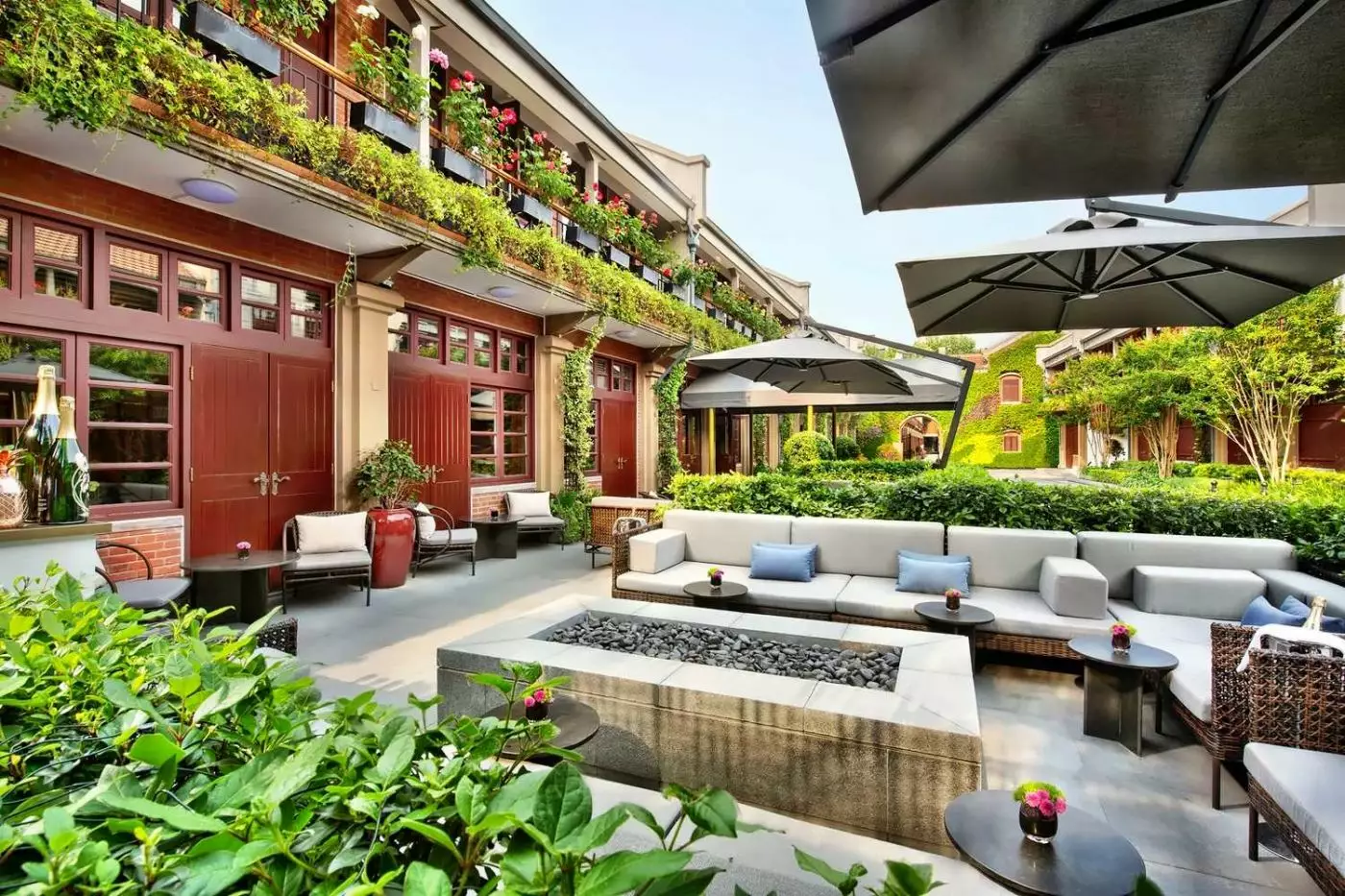
Capella Shanghai, Jian Ye Li is one of the most distinctive luxury hotels in Shanghai because it does not behave like a tower hotel. It is an all-villa urban resort set inside a restored shikumen lane compound in Xuhui. The hotel protects a piece of old Shanghai and turns it into a private, service-led stay with courtyards, rooftop terraces, narrow lanes, and the feeling of living inside the city rather than above it.
The address matters. Jian Ye Li is part of Shanghai's cultural preservation fabric. The hotel sits close to the former French Concession, Xintiandi, Tianzifang, leafy streets, boutiques, cafes, galleries, and restaurants. It gives travelers a quieter way to stay in Shanghai without moving them out of the city's most interesting urban texture.
Capella Shanghai, Jian Ye Li has also earned Two Michelin Keys, which fits the property's unusual character. The hotel is not only comfortable. It is singular. For travelers who care about design, history, and a real sense of place, it offers something that a standard high-rise luxury hotel cannot easily copy.
Shikumen houses are one of Shanghai's defining architectural forms. They blend Chinese courtyard life with Western townhouse influences. Many have disappeared as the city has changed. Capella Shanghai, Jian Ye Li works because it keeps that lane-house structure visible. Guests move through alleys, courtyards, steps, and roofs rather than anonymous hotel corridors.
The Xuhui location is practical and atmospheric. It is close to dining, shopping, creative neighborhoods, and heritage streets, while still feeling protected once inside the compound. Shanghai can be fast, vertical, and intense. This hotel slows the city down. It lets guests experience the scale of older Shanghai without losing modern comfort.
The setting is especially strong for travelers who plan to walk, eat, shop, and explore between appointments. It is also good for guests who have already stayed on the Bund or in Pudong and want a more intimate view of the city. The hotel makes Shanghai feel less like a skyline and more like a neighborhood.
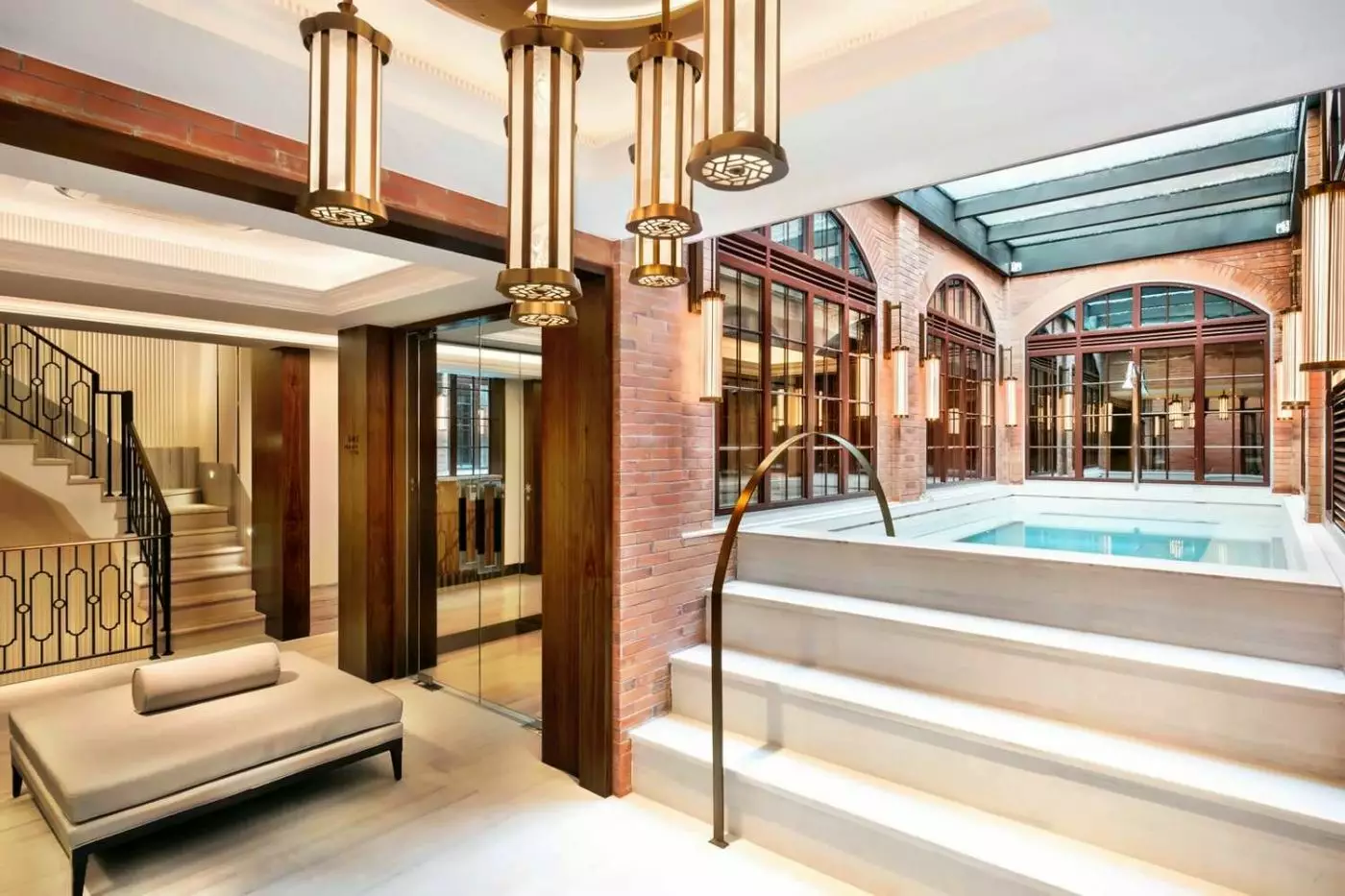
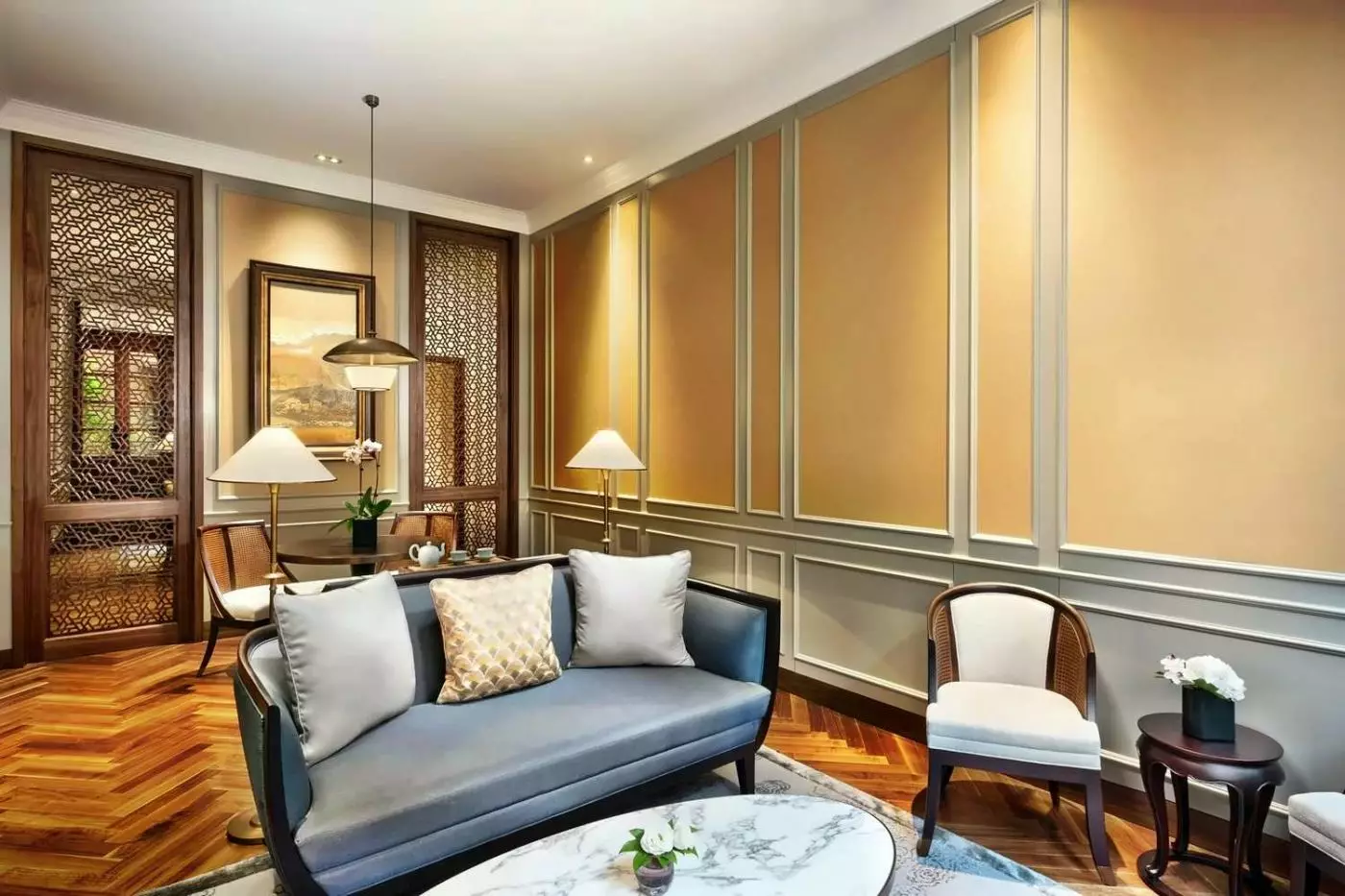
The hotel has 55 villas and 40 serviced residences. The villas range from one to three bedrooms and are set inside original lane houses. Each villa has multiple levels, a private courtyard, living spaces, an entertainment or tea room, and a rooftop balcony or terrace. This gives the stay a residential mood, but with hotel service behind it.
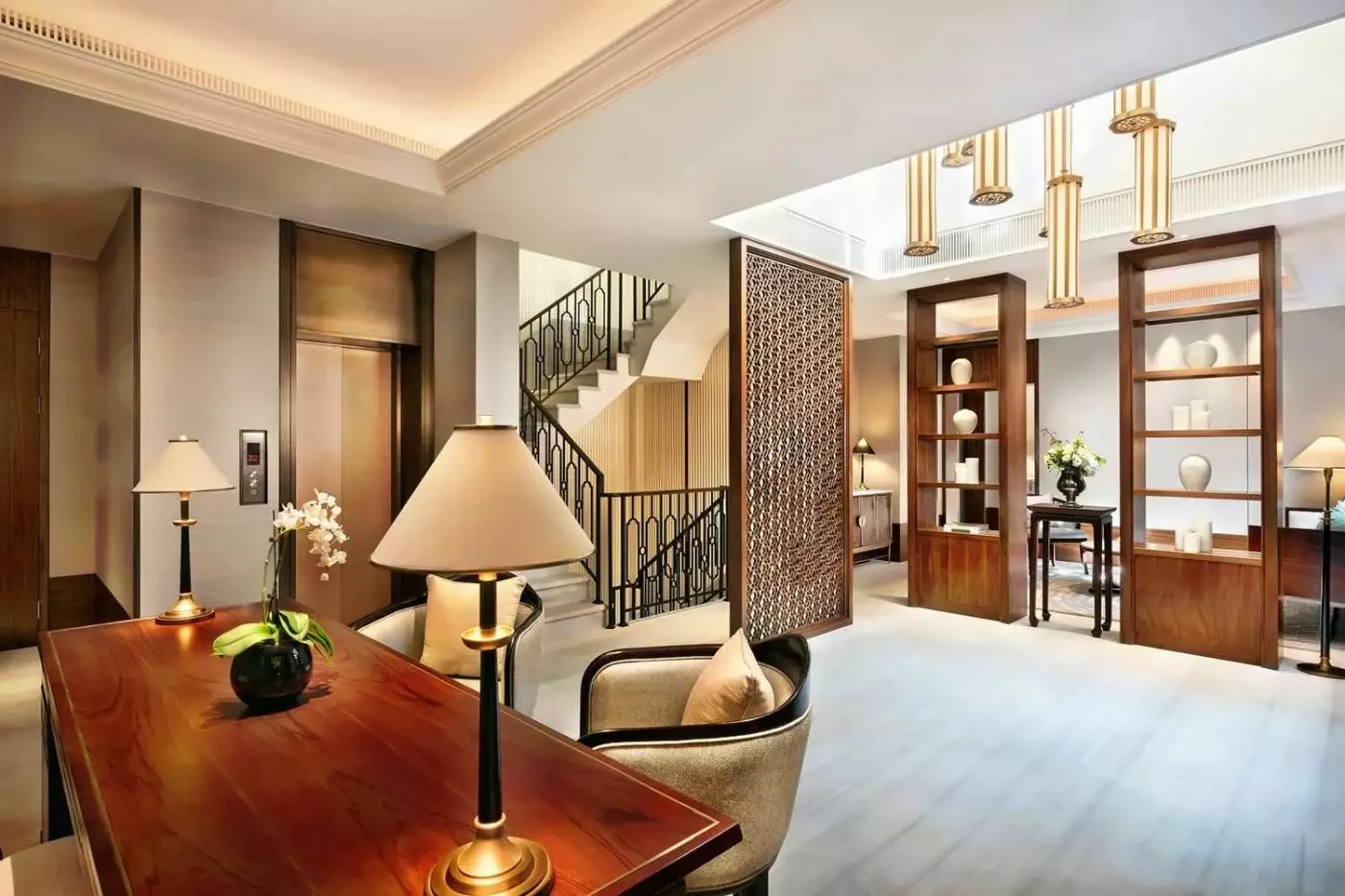
Room choice is important because the vertical layout is part of the experience. Traditional lane houses use stairs, so guests who prefer everything on one floor should consider this carefully. Those who enjoy the rhythm of a townhouse will likely love it. Moving between bedroom, bath, living room, courtyard, and rooftop makes the villa feel like a private address in Shanghai.
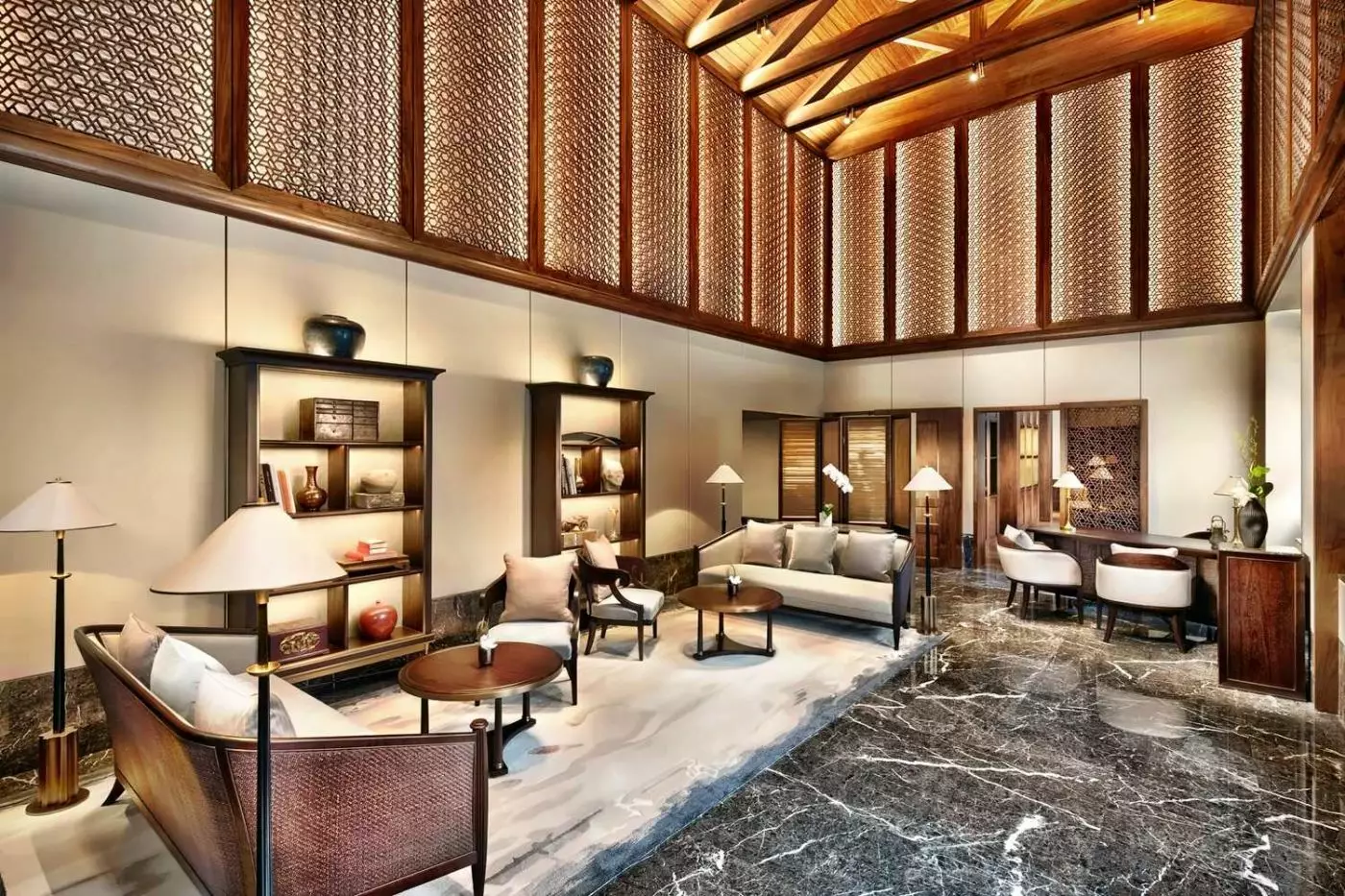
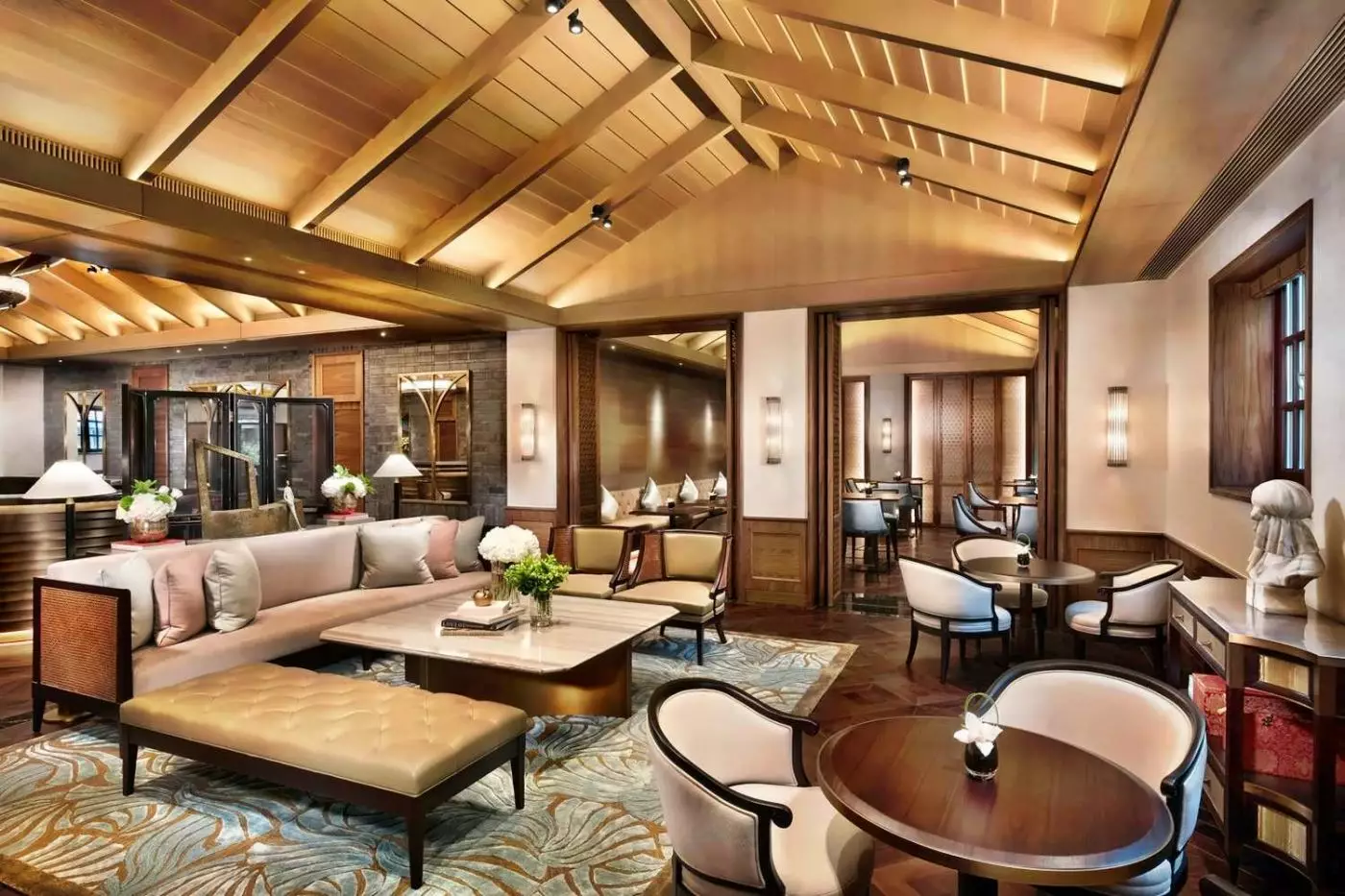
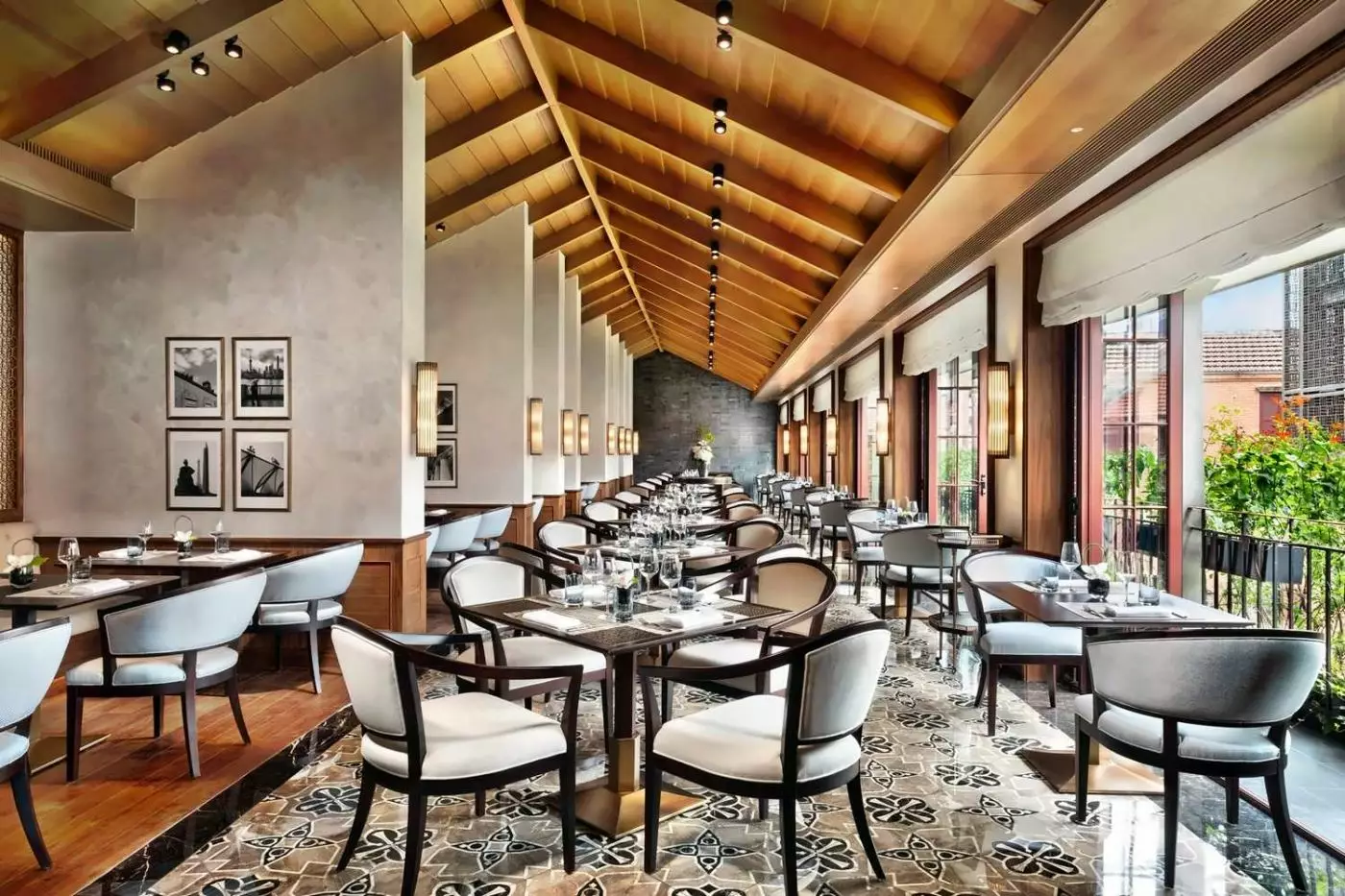
The interiors mix Chinese and European references, with silk, wood, high ceilings, carefully framed windows, and softer residential details. The design does not erase the building's past. It makes the shikumen history comfortable enough for a modern luxury stay.
The largest villas suit families or longer stays. One-bedroom villas are better for couples who want the feeling of a private Shanghai home without more space than they need. Either way, the rooftop and courtyard are not decorative extras. They are part of why the hotel feels so different.
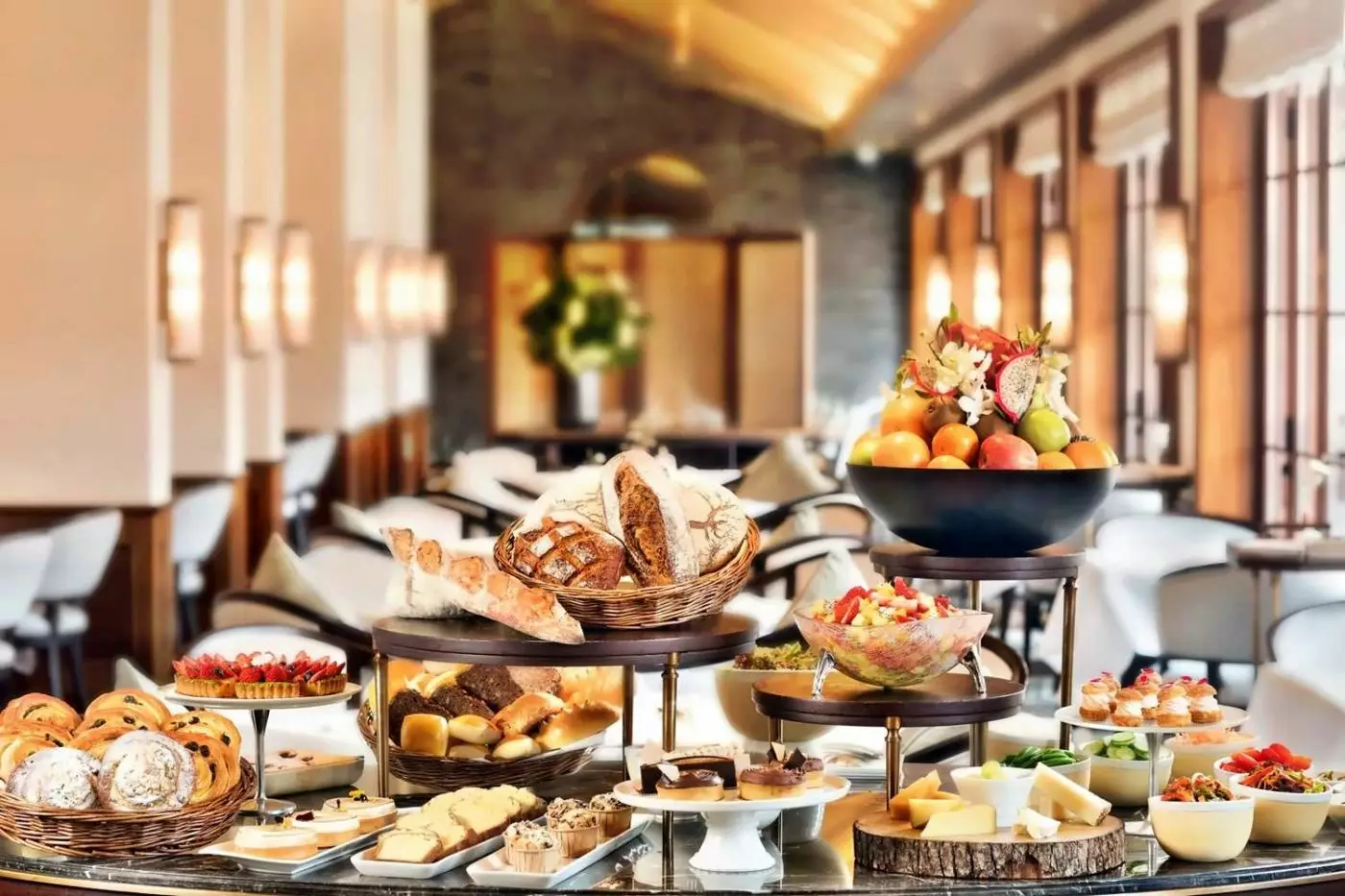
Le Comptoir de Pierre Gagnaire is one of the hotel's major strengths. It is the chef's first restaurant concept in mainland China and sits naturally within the Capella setting. The restaurant brings polished French cooking into a Shanghai villa environment rather than a formal tower dining room. Michelin has recognized it, and it gives the hotel a serious culinary anchor.
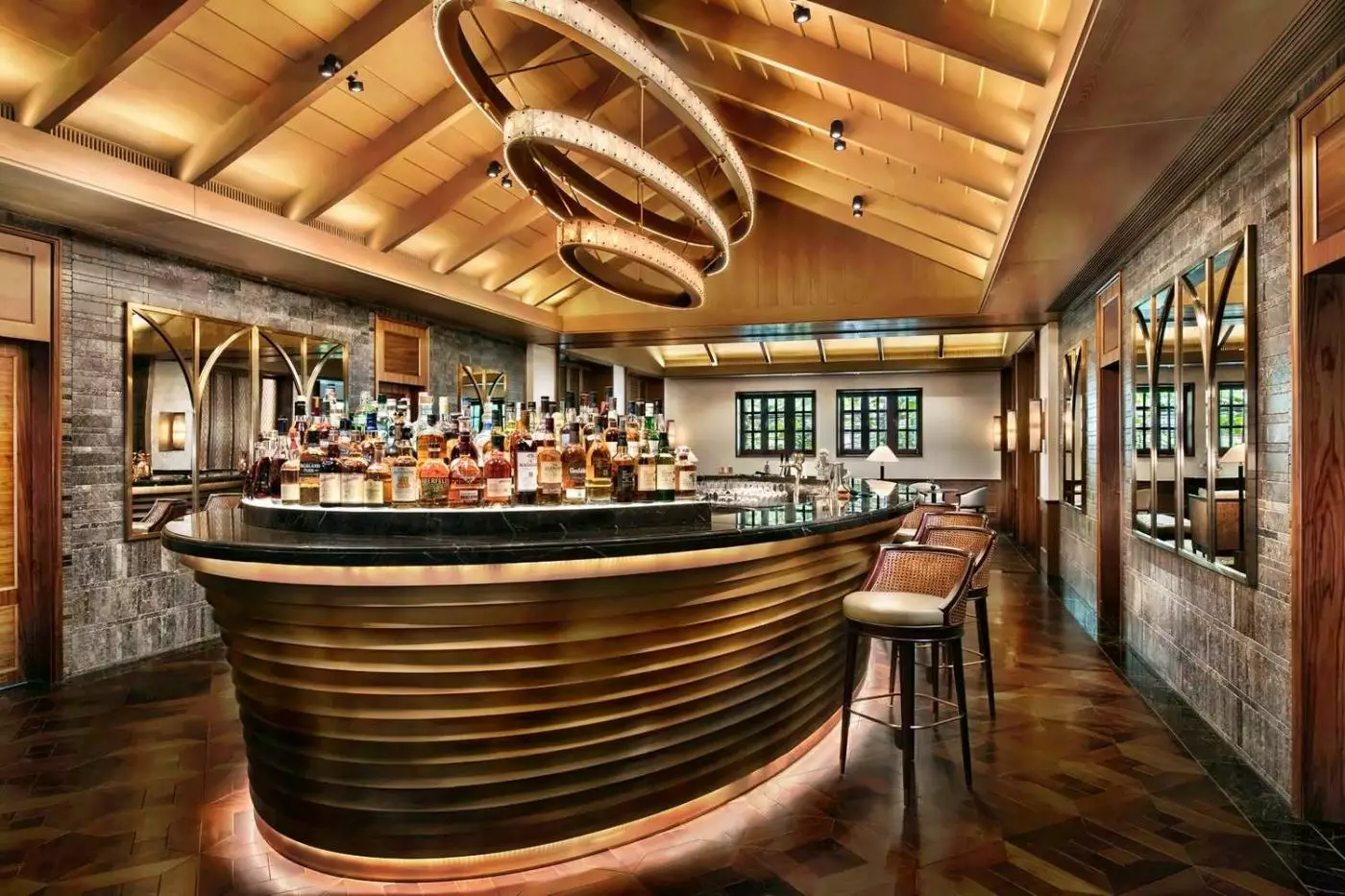
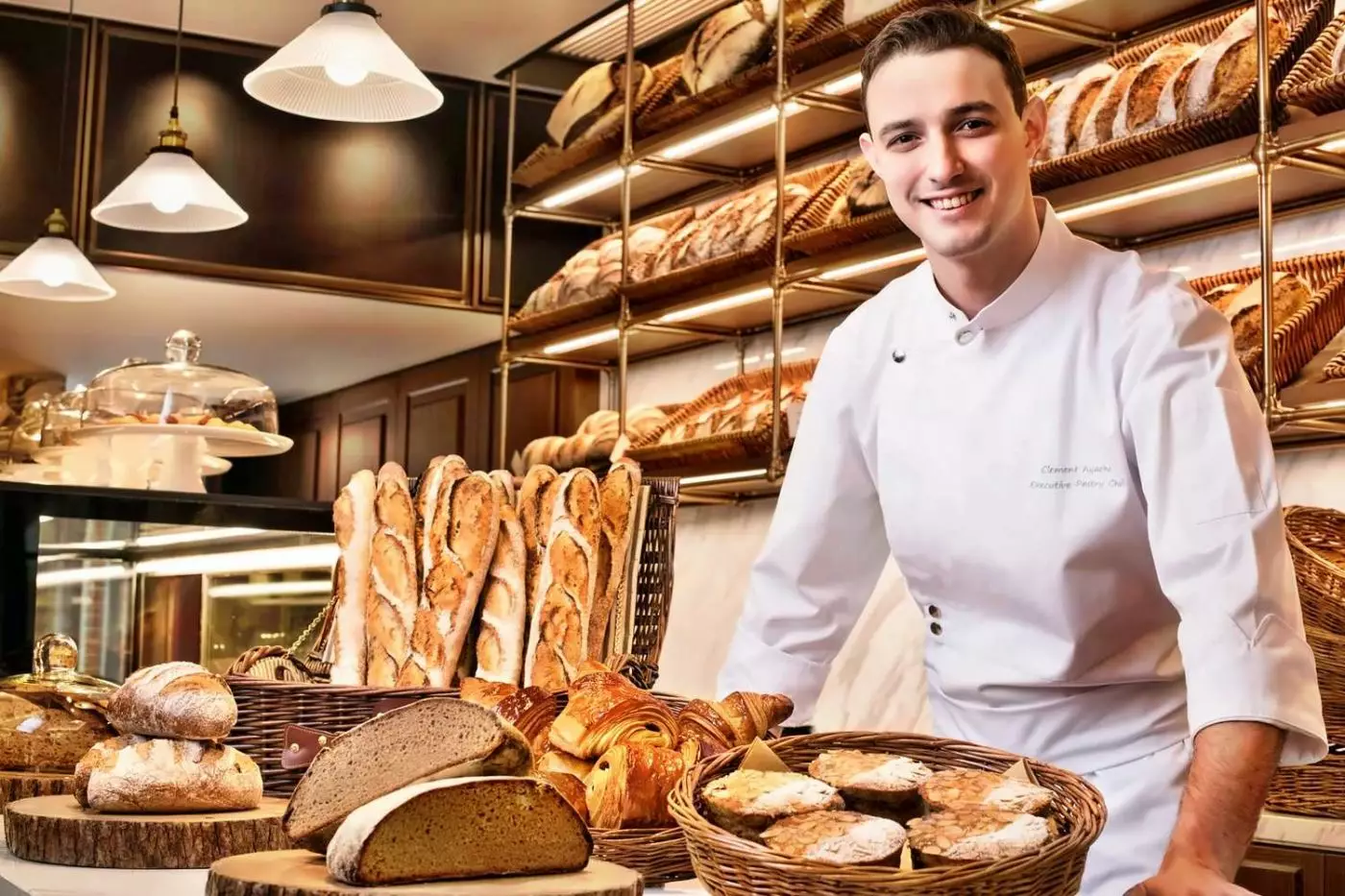
The Gallery adds another layer, with niche retail and dining around the compound. This matters because Capella Shanghai is not built as a huge resort with many large outlets. It works more like a small urban village. Guests can stay within the property for a quiet meal, a drink, a browse, or a slow afternoon, then step back into Xuhui when they want the city.
The food and retail mix suits the hotel's identity. It is refined, but not sealed off. The best version of the stay includes both Le Comptoir and the nearby neighborhood, from local breakfast stops to French Concession walks and Shanghai dining beyond the hotel.
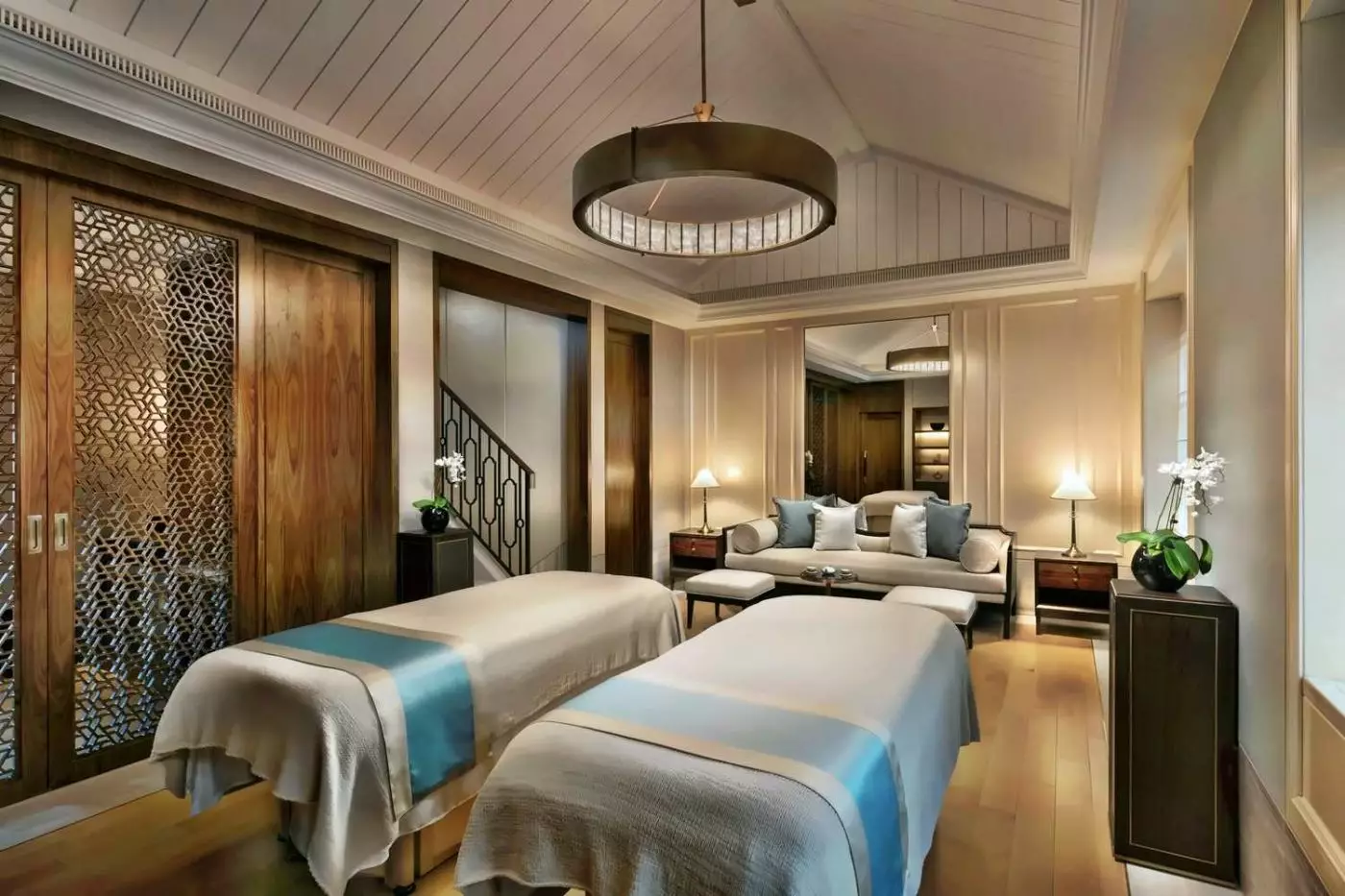
Auriga Spa gives the hotel a wellness layer that fits the quiet compound mood. The spa is known for treatments shaped around the phases of the moon and traditional Chinese wellness practices. That approach makes more sense here than a generic city spa. It connects the retreat feeling of Jian Ye Li with local ideas of balance and recovery.
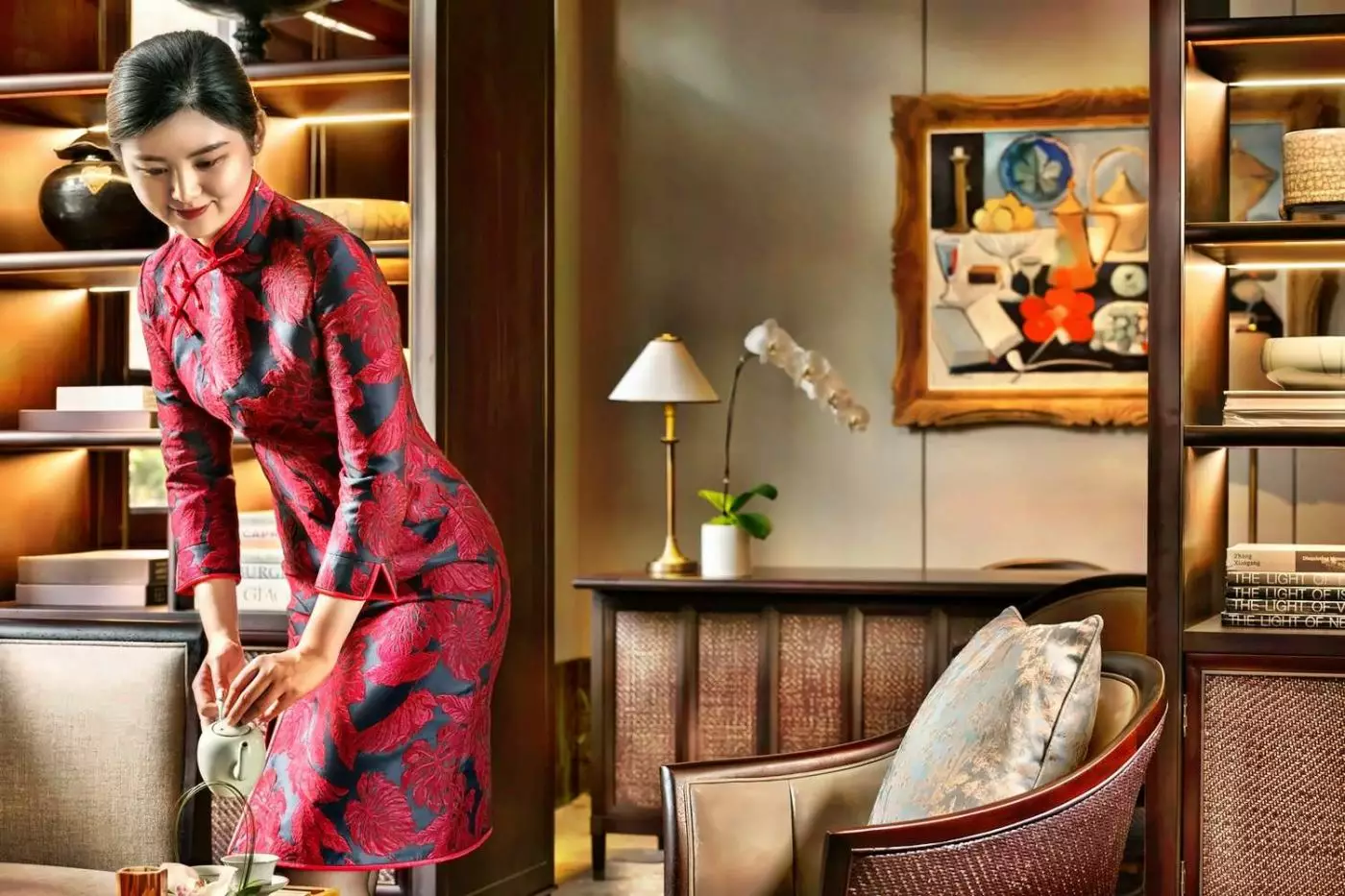
Capella Culturists are also central to the experience. They can shape walks, bike routes, tea ceremonies, dumpling classes, gallery visits, restaurant bookings, and local context. In a city as large as Shanghai, this kind of guidance has real value. It helps guests avoid a generic itinerary and use their time with more precision.
The service works best when guests arrive with a few interests rather than a long checklist. Architecture, food, fashion, contemporary art, history, or neighborhood life can each become a strong thread. The hotel is well placed for that style of travel.
Capella Shanghai, Jian Ye Li is best for travelers looking for a luxury Shanghai hotel with strong design, villa-style privacy, shikumen heritage, personal service, fine dining, and access to the former French Concession. It suits couples, design-focused travelers, longer stays, families in larger villas, and guests who want Shanghai to feel personal rather than purely corporate.
It is less suited to travelers who want skyline views, a high-rise room, direct Bund drama, or a hotel where all facilities are reached by elevator from one central tower. The charm here comes from lanes, stairs, courtyards, roofs, and the sense of staying in a restored neighborhood.
For travelers searching for a luxury Shanghai villa hotel with shikumen architecture, private courtyards, rooftop terraces, Auriga Spa, Le Comptoir de Pierre Gagnaire, and Capella service, Capella Shanghai, Jian Ye Li remains one of China's most memorable urban hotels. It gives Shanghai history a living form, not just a decorative backdrop.

Sign up now and benefit from VIP Status, Room Upgrades, free daily breakfast, 100 USD Hotel credit with every booking. Best Available Rates & Free Membership!
By watching the video, you agree that your data will be transmitted to YouTube and that you have read the privacy policy.
The information provided is circumstantial - and is not indefinite in accuracy. Changes may have occurred.
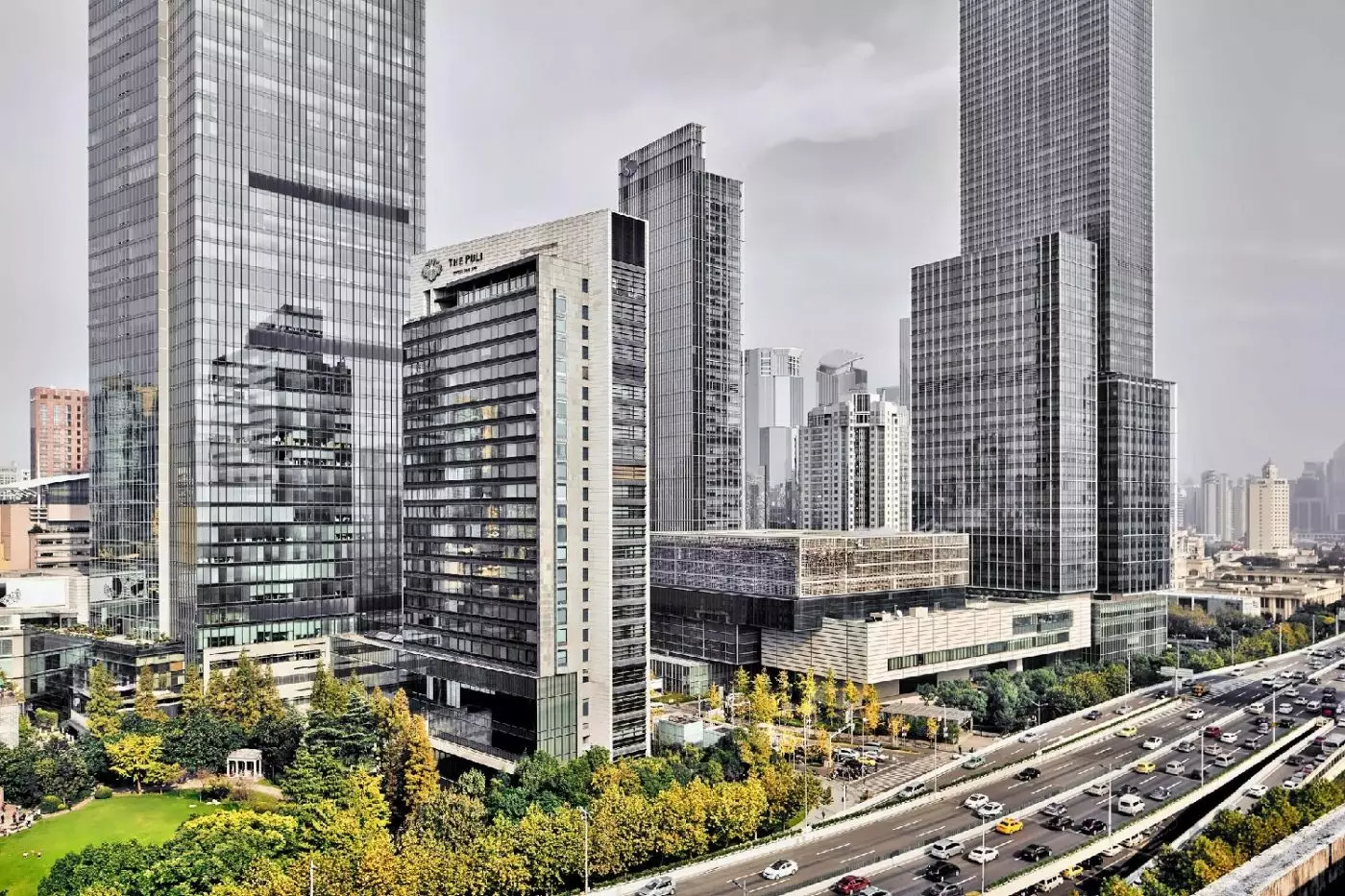
The PuLi Hotel & Spa is the first luxury hotel of its kind in Shanghai. A new Urban Resort Concept that blends the immediacy and convenience of being...
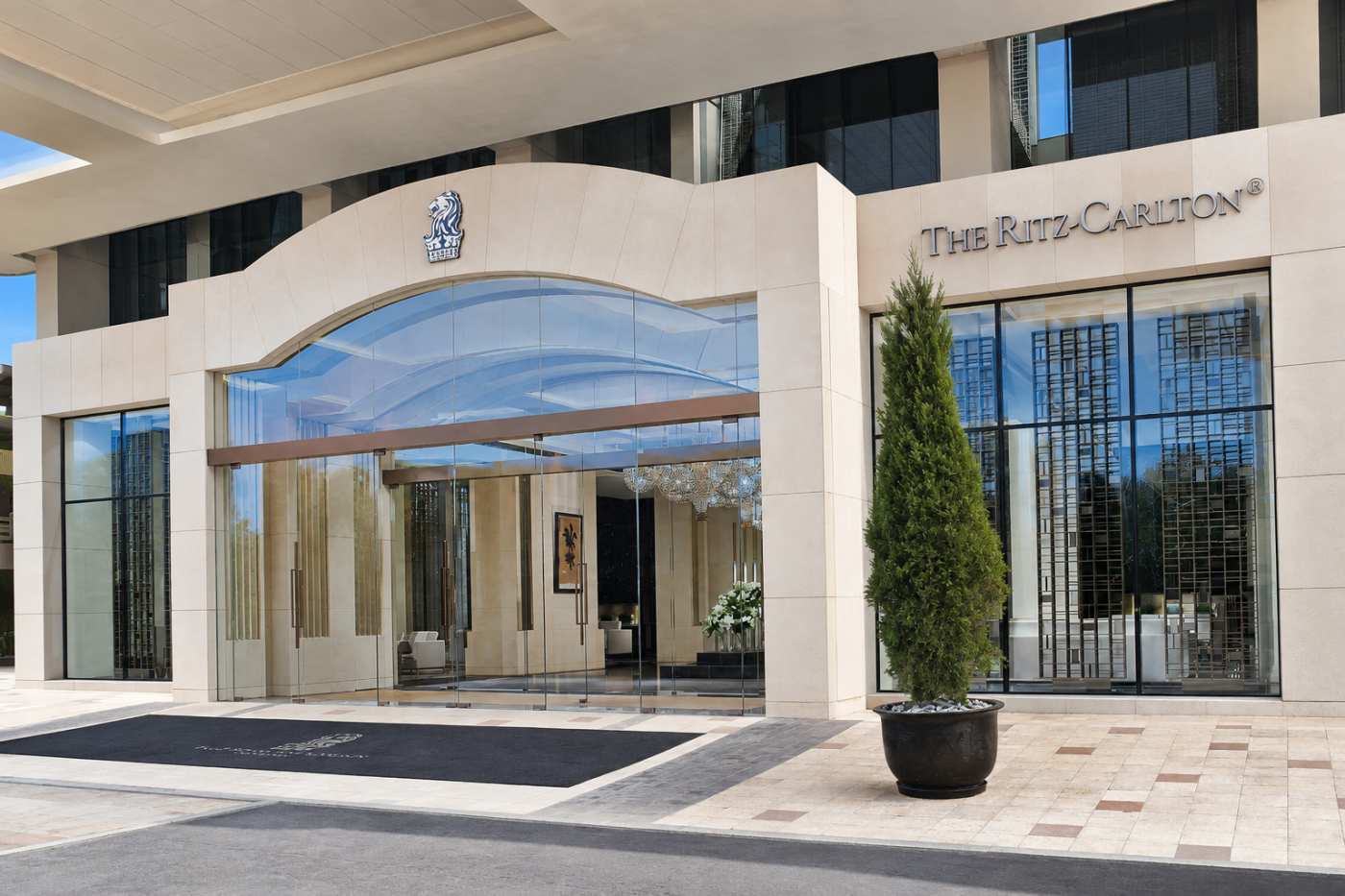
Set along West Nanjing Road in the heart of downtown, The Portman Ritz-Carlton Shanghai interweaves local cultural touches with contemporary design. T...
Jing An Shangri-La, Shanghai is best understood as a vertical city hotel rather than a classic destination hotel. It rises through the Jing An Kerry C...