Best for
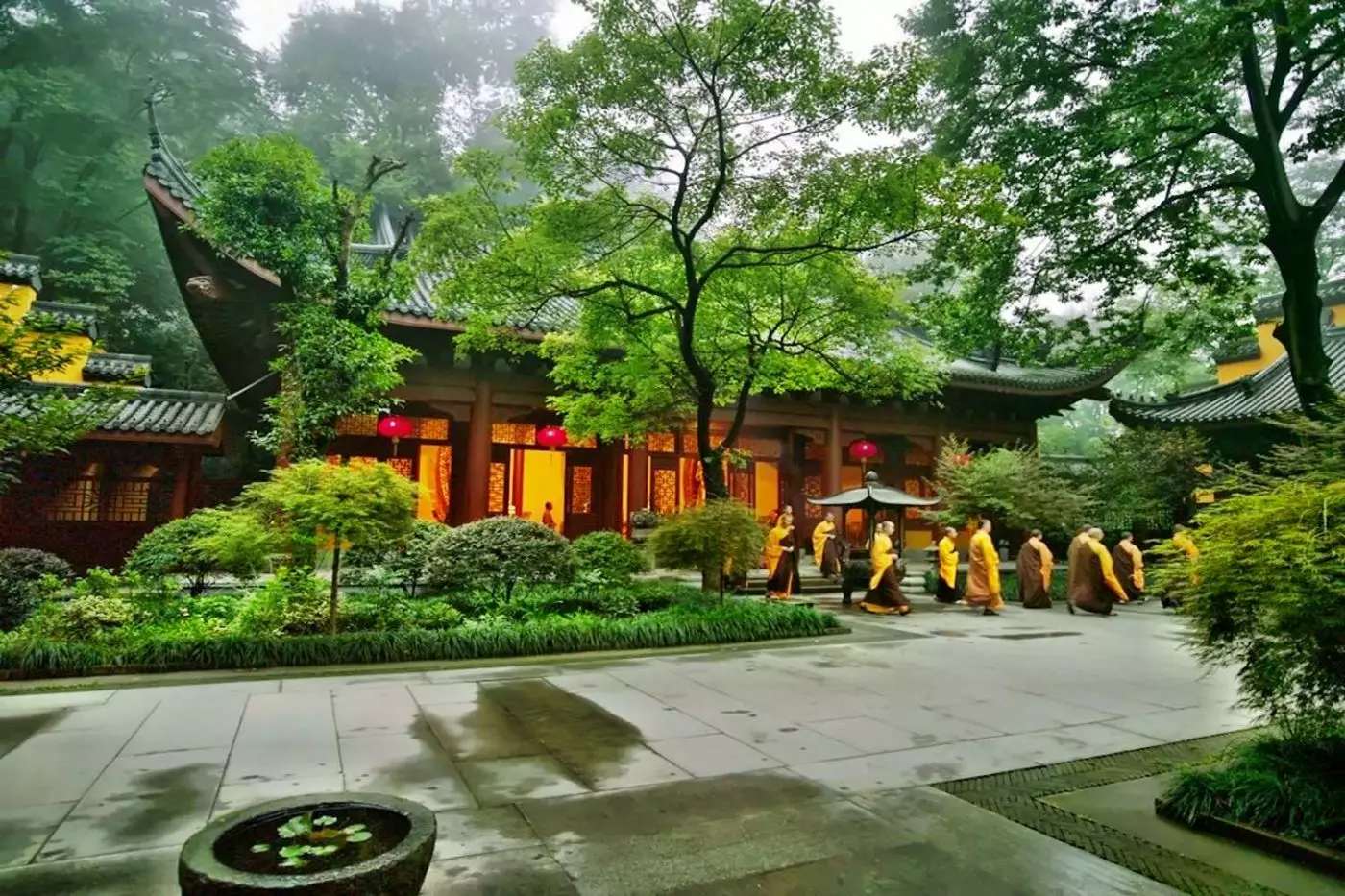
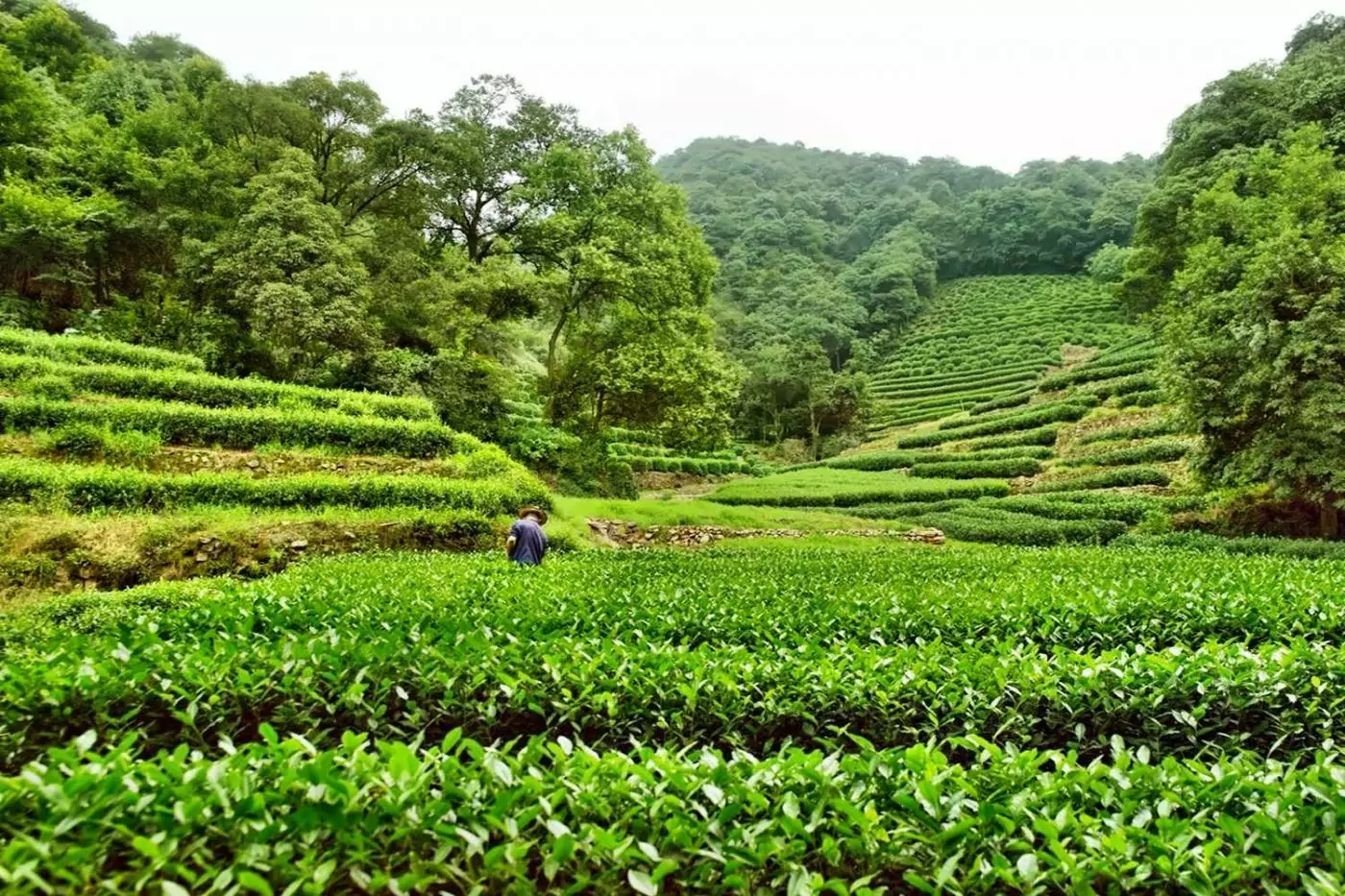
For a Hangzhou stay focused on temples and tea country, Amanfayun places you among woodland and tea fields beyond the urban center.
Please choose a hotel or destination from the list.
We couldn’t open your search results. Please try again.
Your private search
Finding exceptional stays
Best for
For a Hangzhou stay focused on temples and tea country, Amanfayun places you among woodland and tea fields beyond the urban center.
What makes it special
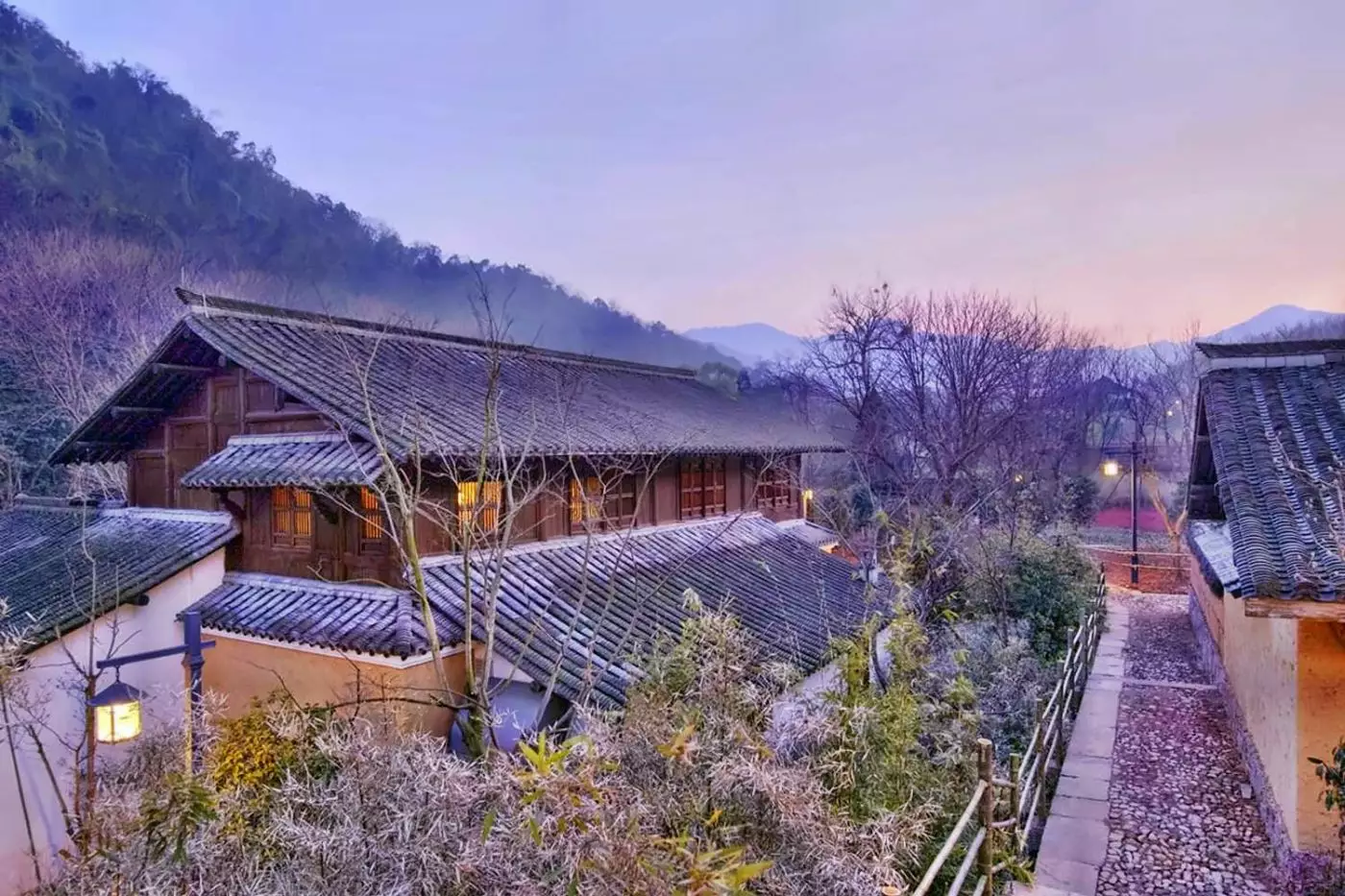
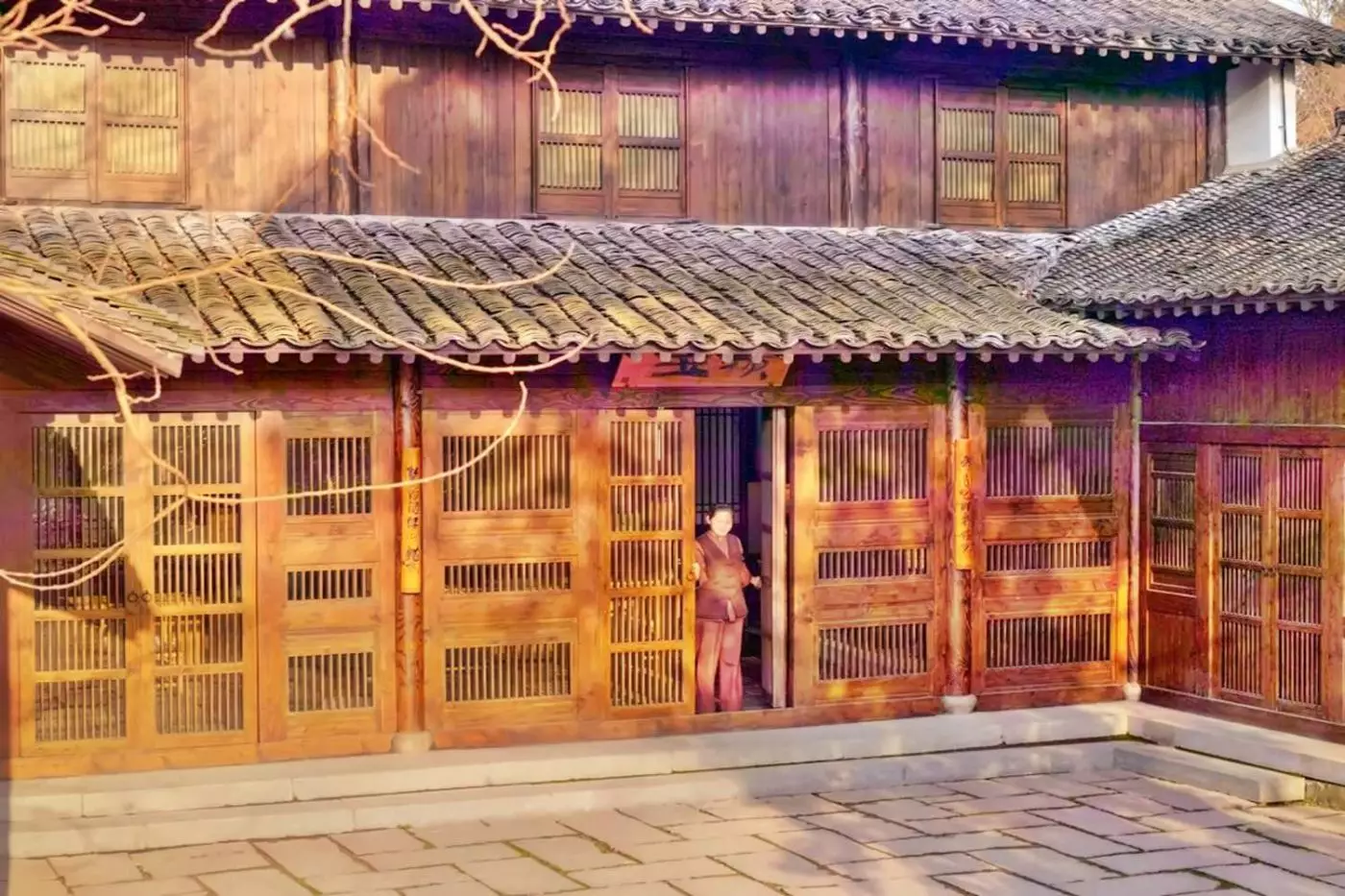
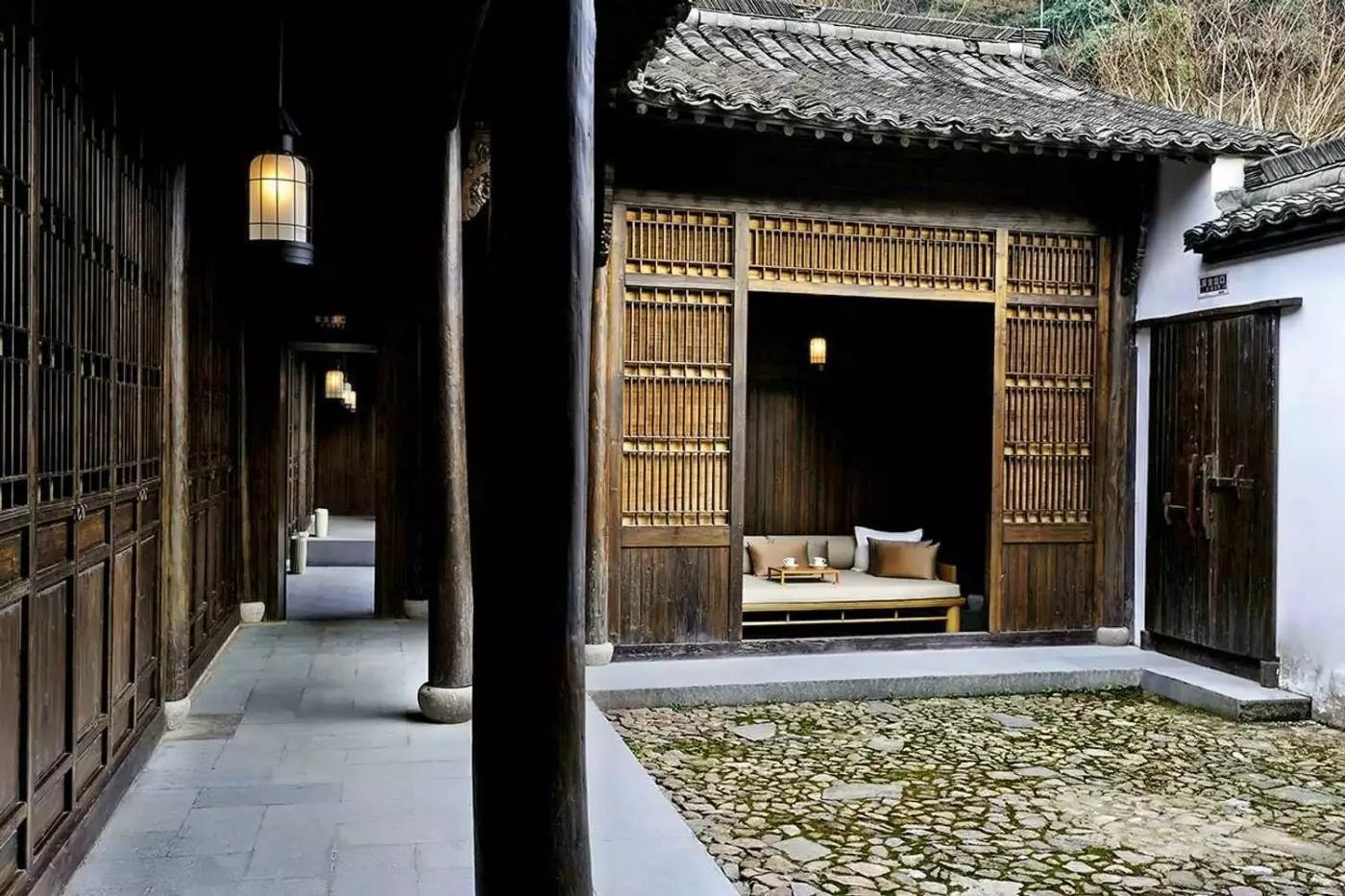
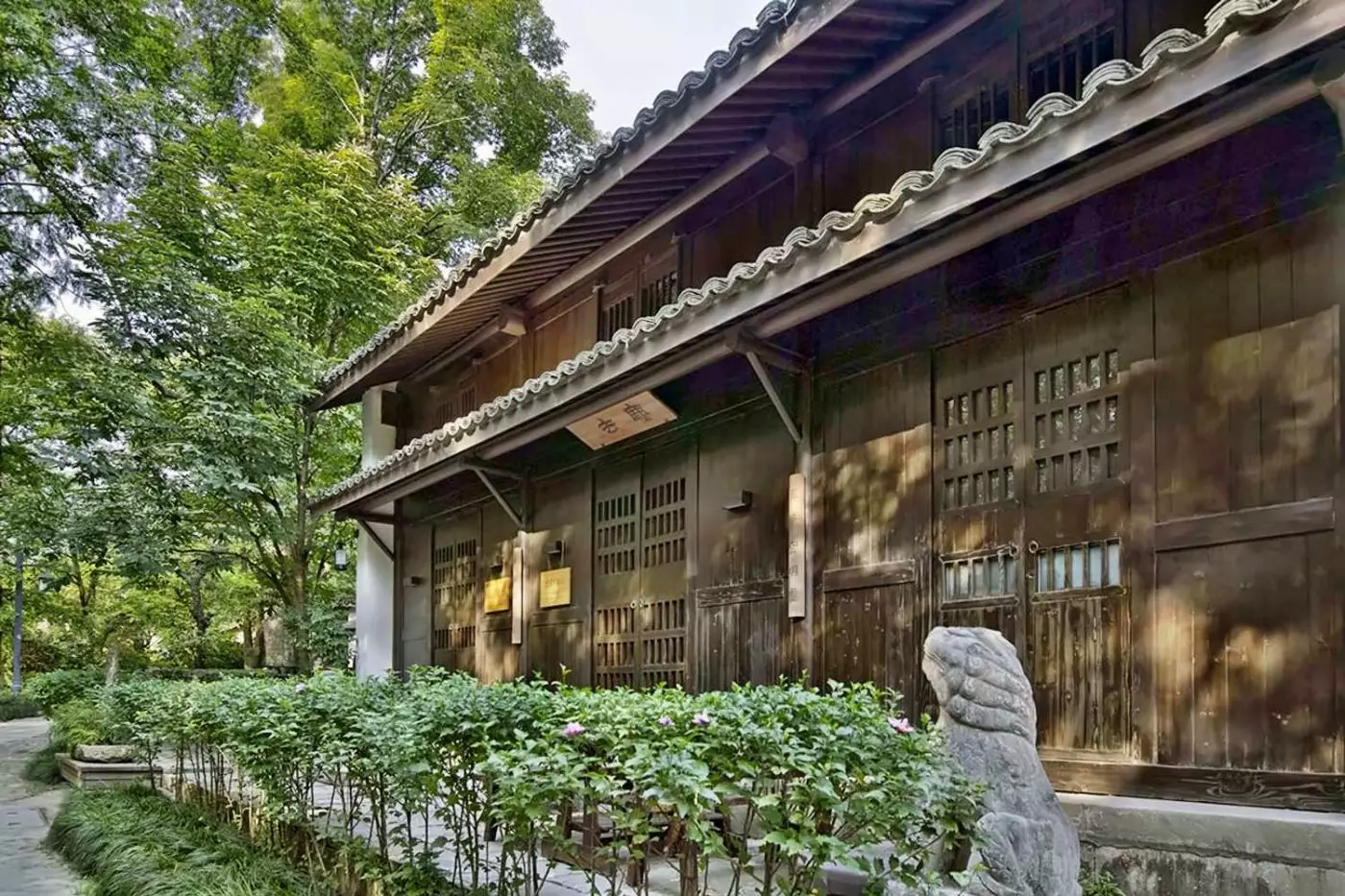
With some dwellings over a century old, Amanfayun gives you a connection to Hangzhou's village architecture within the hotel grounds.
Room to consider
Since accommodation layouts vary, request a floor plan and check where the bedroom sits in relation to the living spaces.
Insider tip
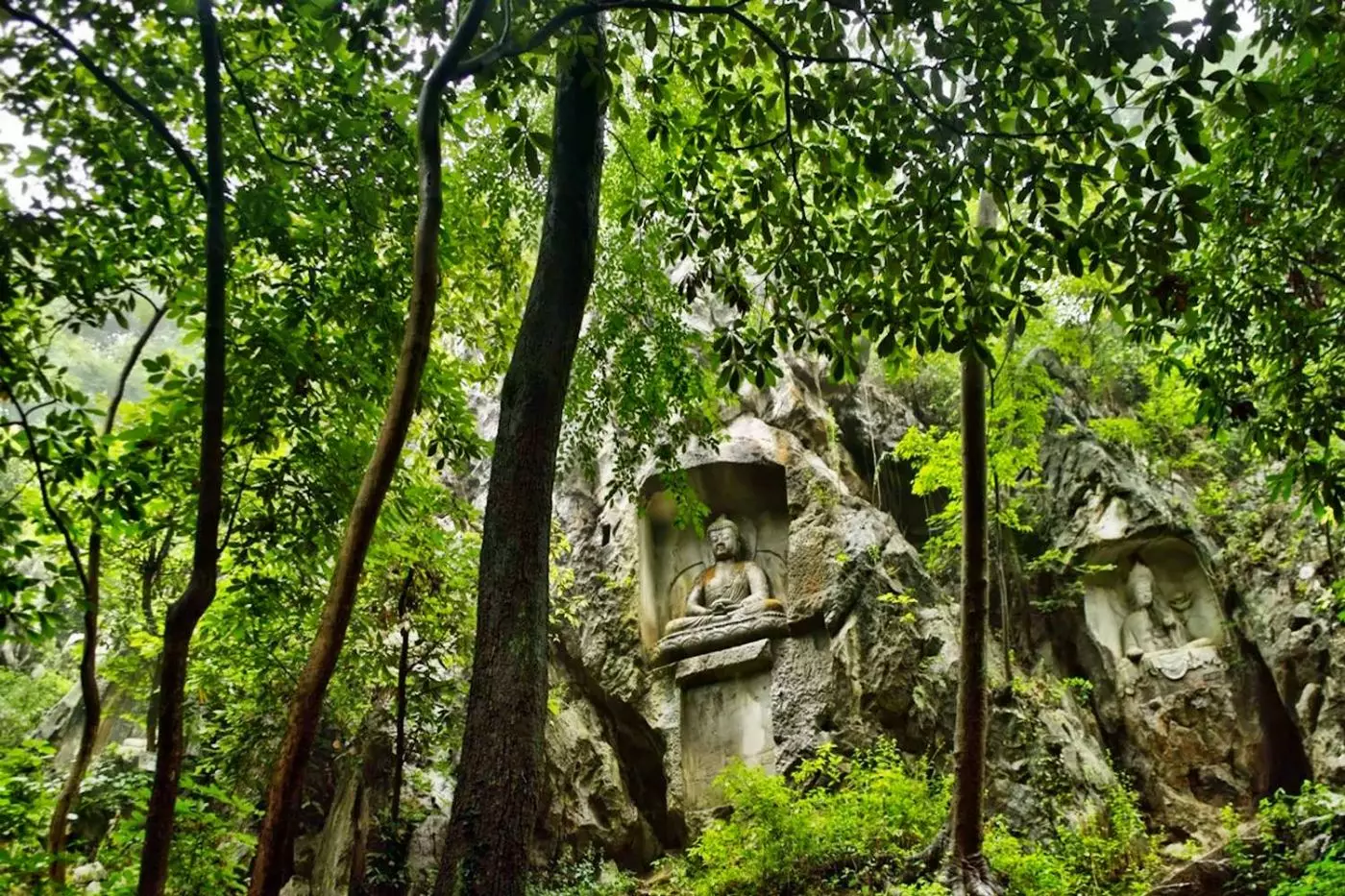
Before visiting Lingyin Temple, check the current entry and reservation arrangements, so the temple visit fits into your planned day.
Free membership gives you access to preferred rates, exclusive benefits and current promotions for your stay.
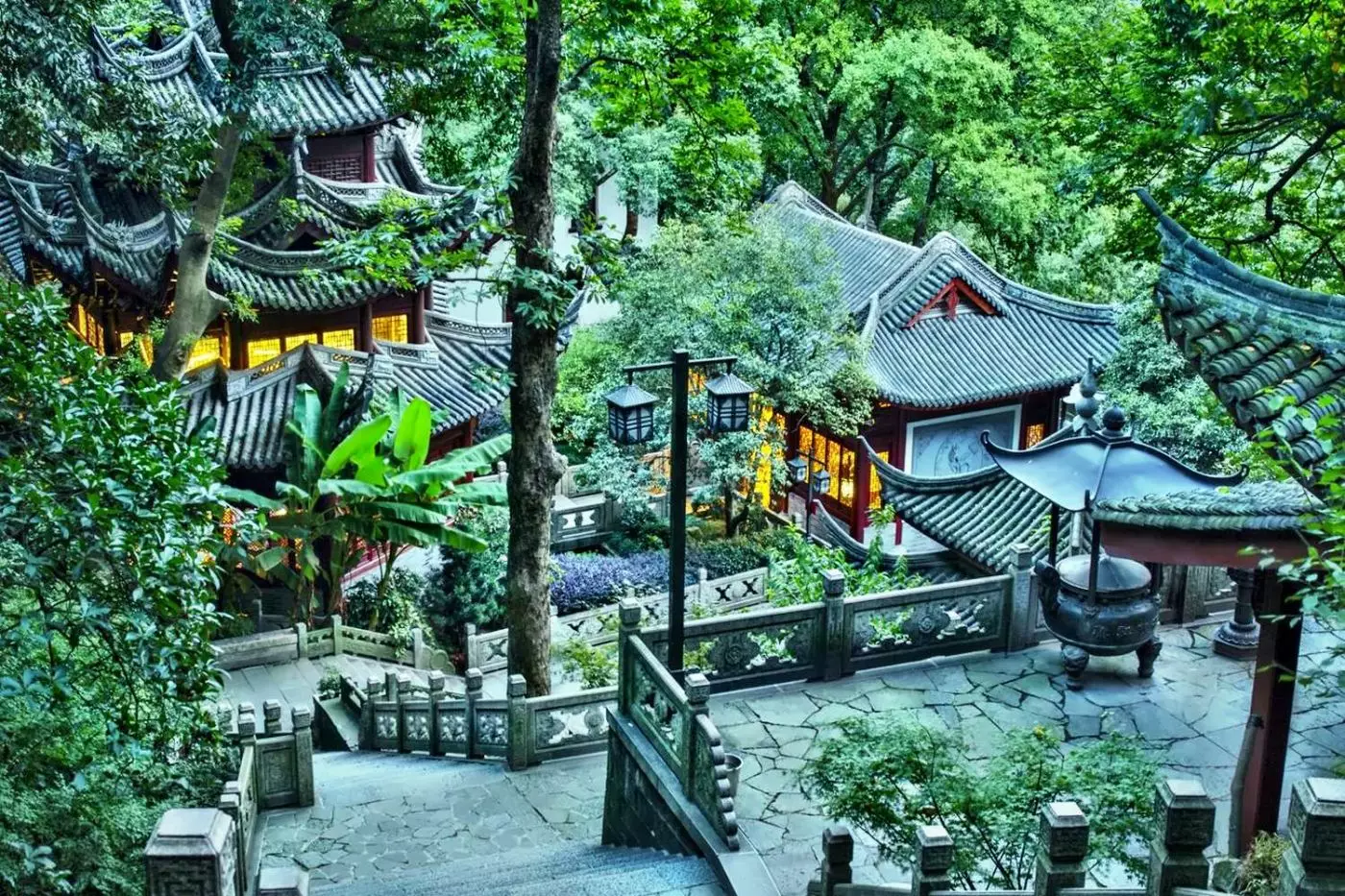
Amanfayun is one of Aman's most atmospheric city-edge retreats. It sits in a historic village setting near Hangzhou's West Lake Scenic Area, surrounded by tea fields, bamboo, woodland, and temple routes. The hotel is close to the cultural life of Hangzhou, but it feels far from a conventional city stay.
The resort works best for travelers who want Hangzhou through landscape, history, and quiet daily rhythm. West Lake is nearby. Lingyin Temple and other religious sites are close. Longjing tea country is part of the wider setting. Amanfayun gives guests a slower way to experience the area, with stone paths, courtyards, village-style rooms, and several dining spaces along Fayun Pathway.
This is not a glossy high-rise hotel. It is more textured, more inward, and more dependent on mood. Some buildings have the feeling of old village houses. Paths wind between shaded walls and trees. The stay rewards guests who enjoy walking, reading, tea, spa time, and cultural outings rather than a hotel built around spectacle.
 46
 Relaxed
 Fitness
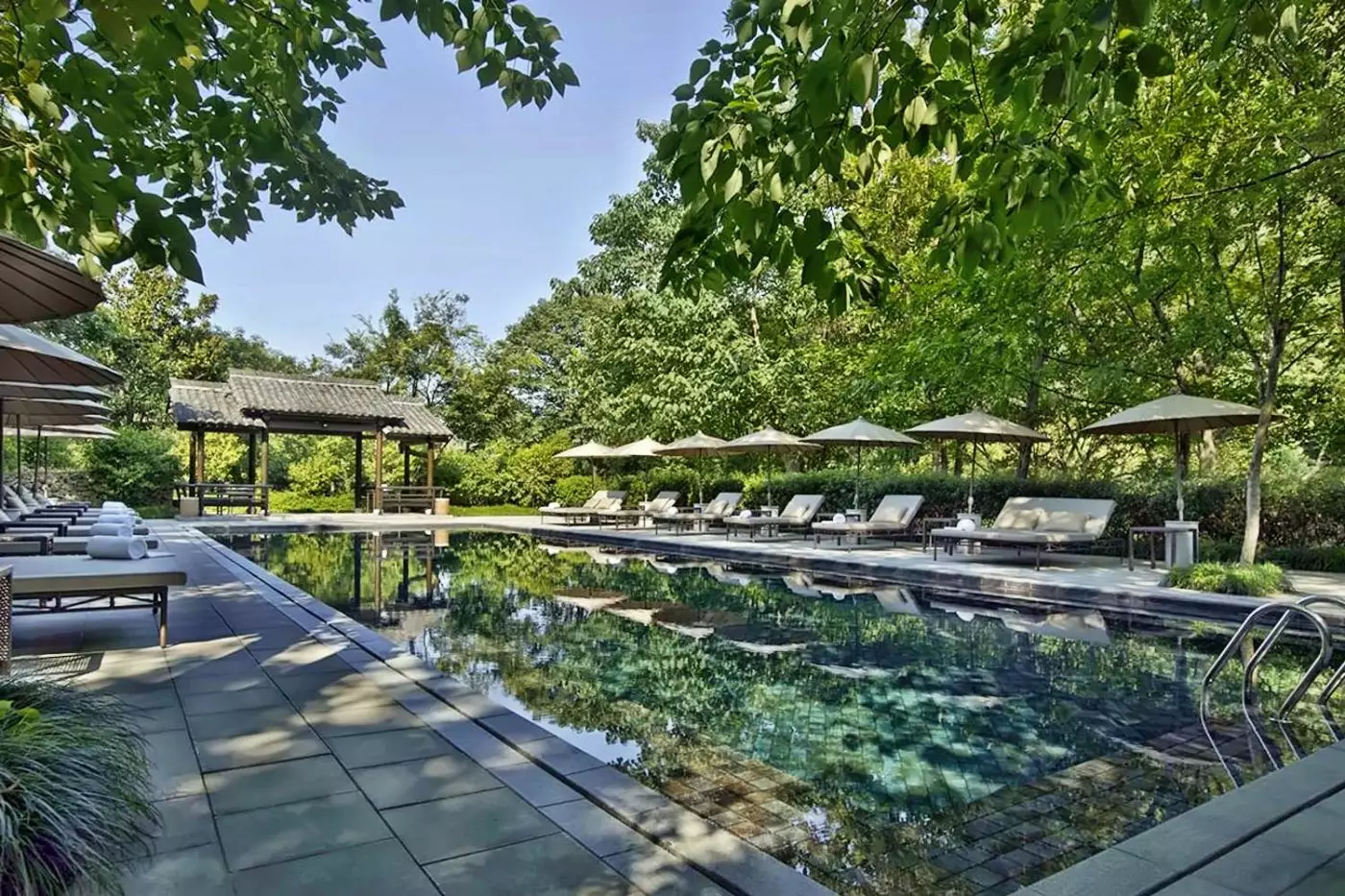
 Pool
 Spa
 Wellness
 Sustainable
 Wheelchair Accessible
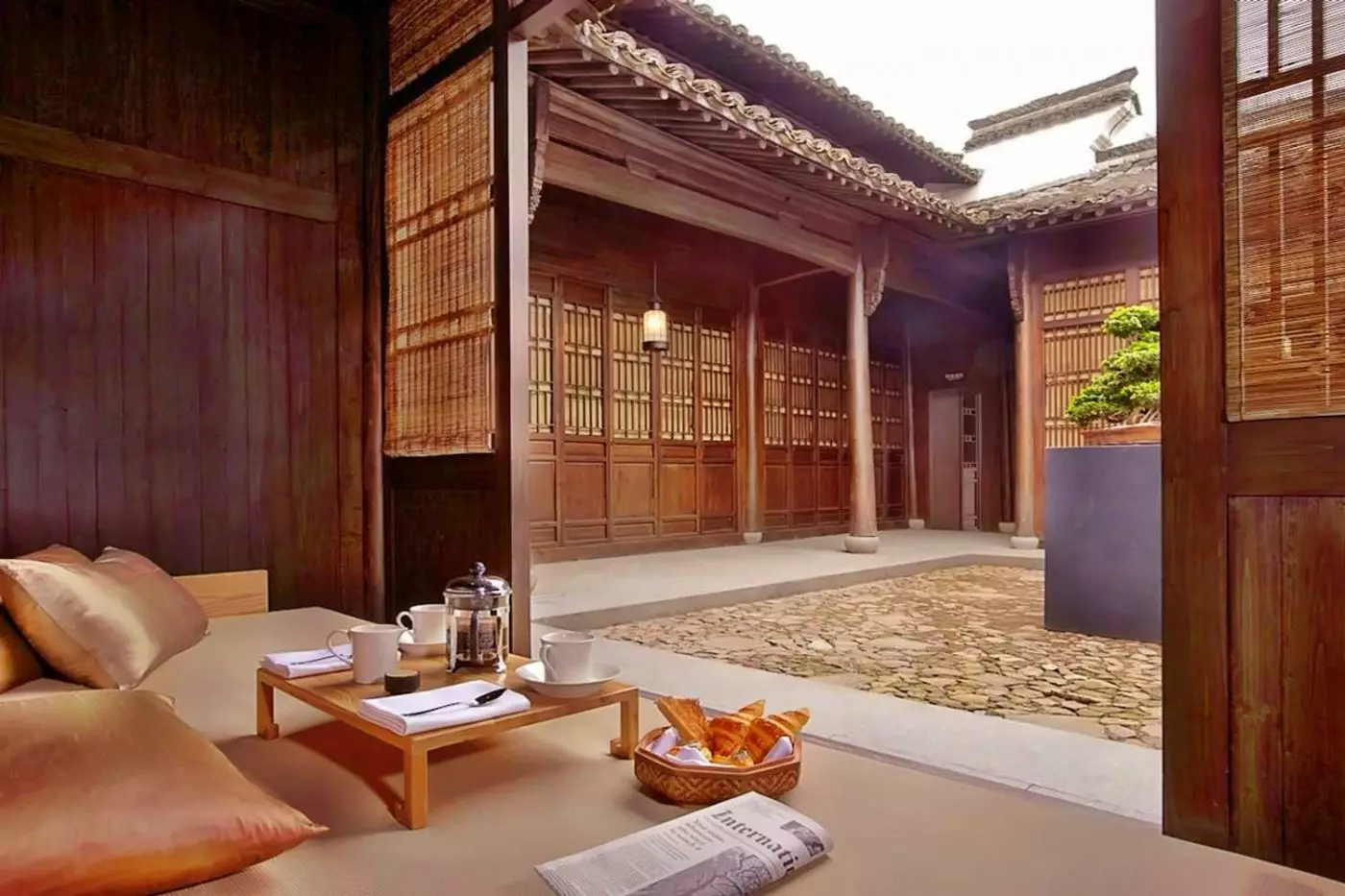
Some rooms open to a private courtyard. Others open to a semi-private courtyard.
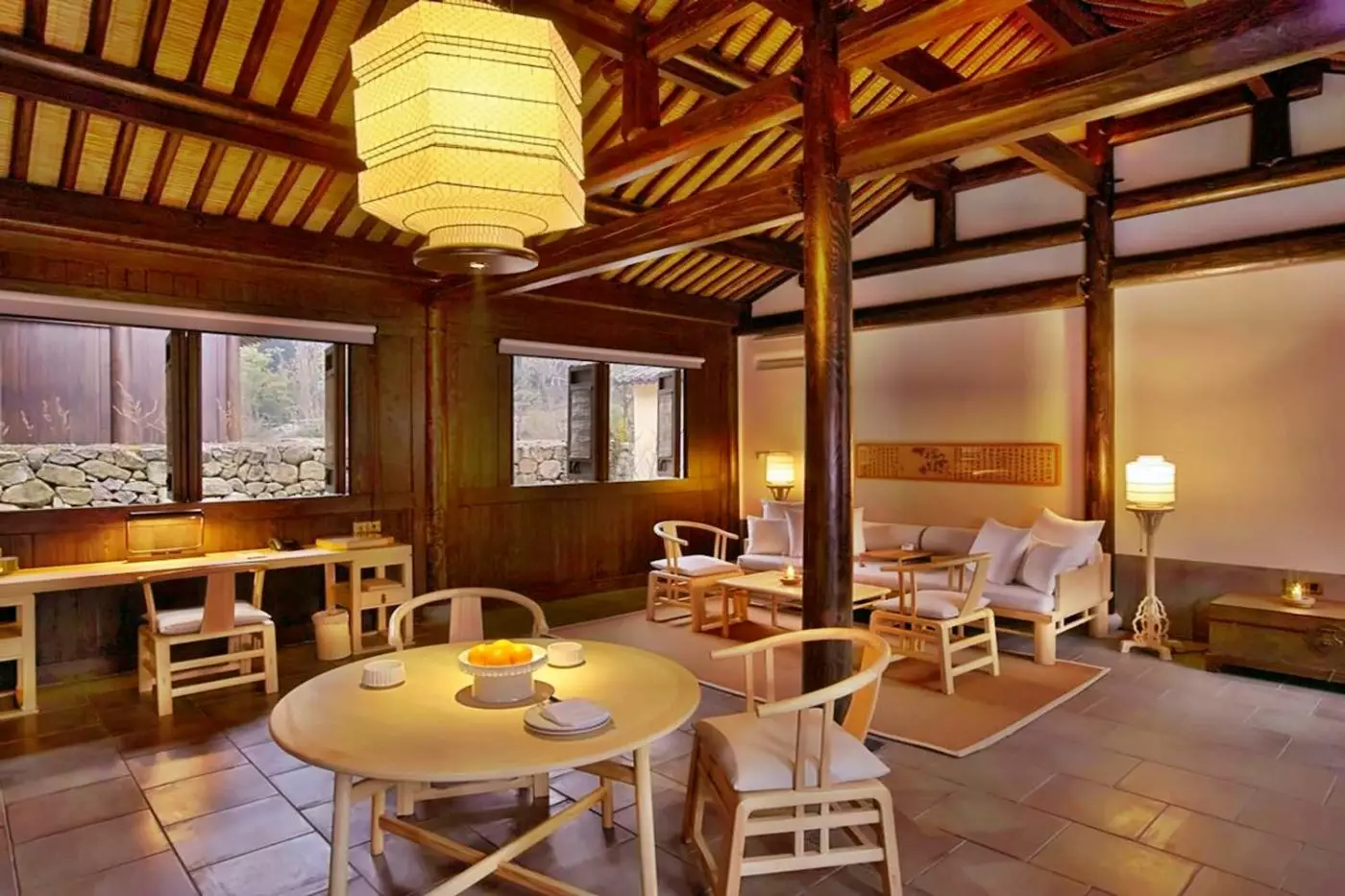
A timber ceiling rises above pale walls and stone floors, with a lantern hanging over the room. Light wood furniture includes a round table, a writing desk and wood-framed chairs. A daybed provides another place to sit away from the bed, while calligraphy decorates the walls.
Windows look onto a courtyard or the forest. Outside, dining and lounge areas extend the room into the open air. The bathroom has twin vanities, a dressing area and a shower separate from the toilet. Dark wood framing around the windows contrasts with the pale furniture and white bedding.

A timber ceiling rises above pale walls and stone floors, with a lantern hanging over the room. Light wood furniture includes a round table, a...
Wood, stone and tile shape the interior in traditional Jiangnan style. Dark timber posts and ceiling beams frame pale furniture, with a hanging lantern above a round table. The sitting area has a daybed and chairs, and a writing desk provides a separate place to work.
Fine calligraphy hangs on the walls, while windows frame views of the courtyard or forest. Cream fabrics and light wood stand out against the darker structure of the room. In the bathroom, twin vanities sit alongside a dressing area, with the shower and toilet in separate spaces.

Wood, stone and tile shape the interior in traditional Jiangnan style. Dark timber posts and ceiling beams frame pale furniture, with a hanging lantern above...
Layouts may be on one or two levels. Some suites also have a private double massage room.
A separate living area gives the suite room for a daybed, sofa and reading chairs. There is a writing desk as well as a dining area, with Jiangnan-style furniture throughout. Timber beams rise over pale walls, and lanterns hang beneath the pitched ceiling.
The bedroom and social spaces look towards the courtyard, village or woodland, depending on the suite. Calligraphy and paintings decorate the walls, with natural wood and stone used in the interior. The bathroom includes a dressing area and twin vanities. The shower and toilet are separate.

A separate living area gives the suite room for a daybed, sofa and reading chairs. There is a writing desk as well as a dining...
Some villas have their own courtyard. Others share a semi-private outdoor space.
The bedroom sits above the living room in this two-level village house. Below, wood columns divide the social space, where a round dining table stands near a sofa and daybed. A writing desk sits beside the windows, with dark beams overhead and lanterns hanging from the ceiling.
Wood paneling and calligraphy continue through the interior. The outlook takes in the village and surrounding forest, and the living spaces open towards a courtyard. The private treatment space has its own shower. In the main bathroom, twin vanities and a dressing area are paired with a separate shower and toilet.

The bedroom sits above the living room in this two-level village house. Below, wood columns divide the social space, where a round dining table stands...
The main bedroom has a sitting area of its own, while a larger shared living room contains twin daybeds, a sofa and a writing desk. A reading corner offers another place to sit. Both bedrooms have en-suite bathrooms, and the rooms are arranged over two levels.
In the dining space, a long wooden table sits beneath a pitched timber ceiling. Pale walls, lanterns and calligraphy contrast with the dark beams, and windows look towards the village and woodland. The double massage room includes a shower. Twin vanities and separate shower and toilet areas feature in the bathrooms. The villa also has underfloor heating.

The main bedroom has a sitting area of its own, while a larger shared living room contains twin daybeds, a sofa and a writing desk....
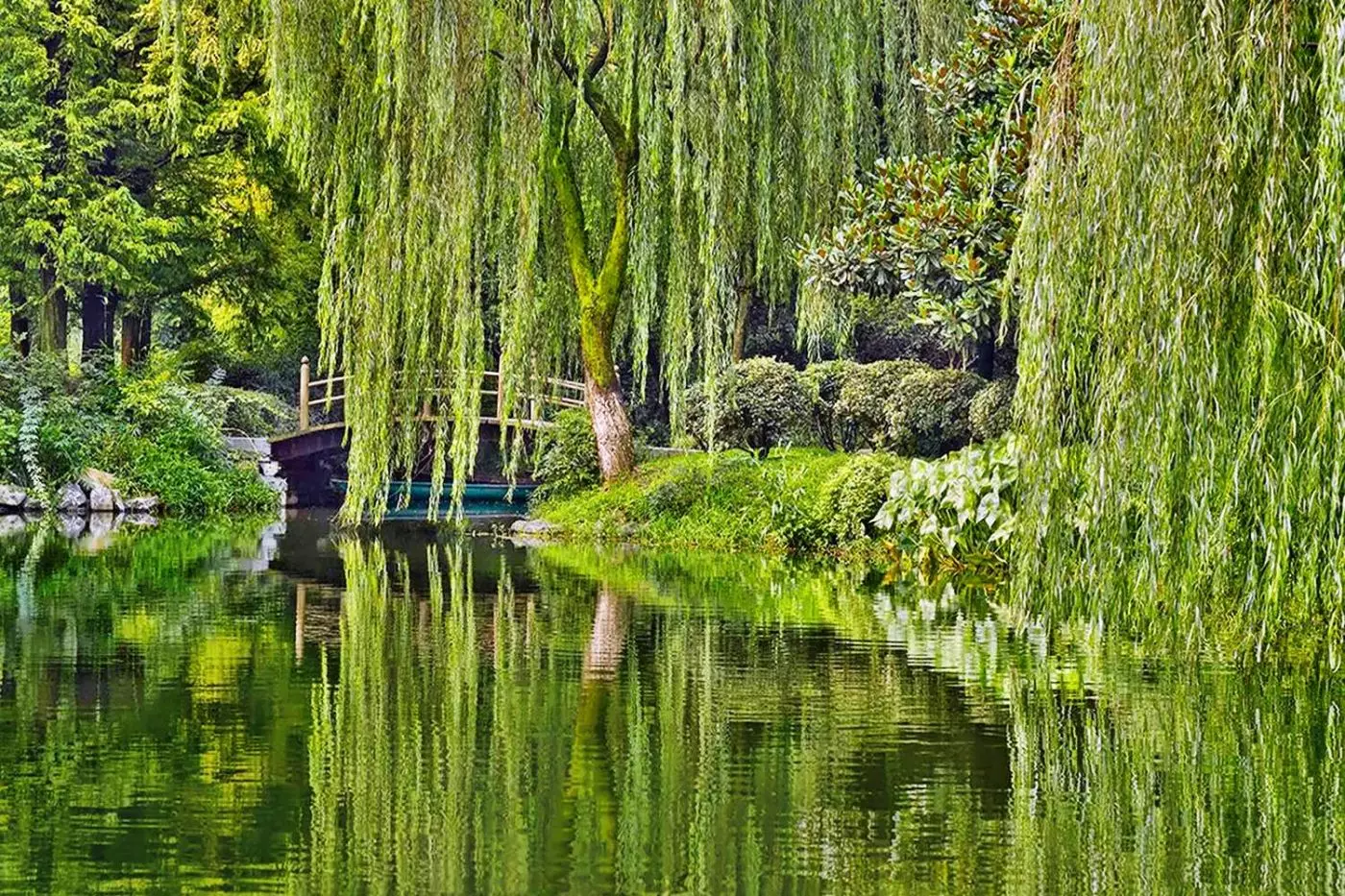
Amanfayun sits on 14 hectares near the UNESCO-protected West Lake area. The setting is one of its main advantages. Hangzhou is famous for its lake, gardens, temples, silk history, and tea culture. The resort places guests near these elements without putting them in the busiest part of the city.
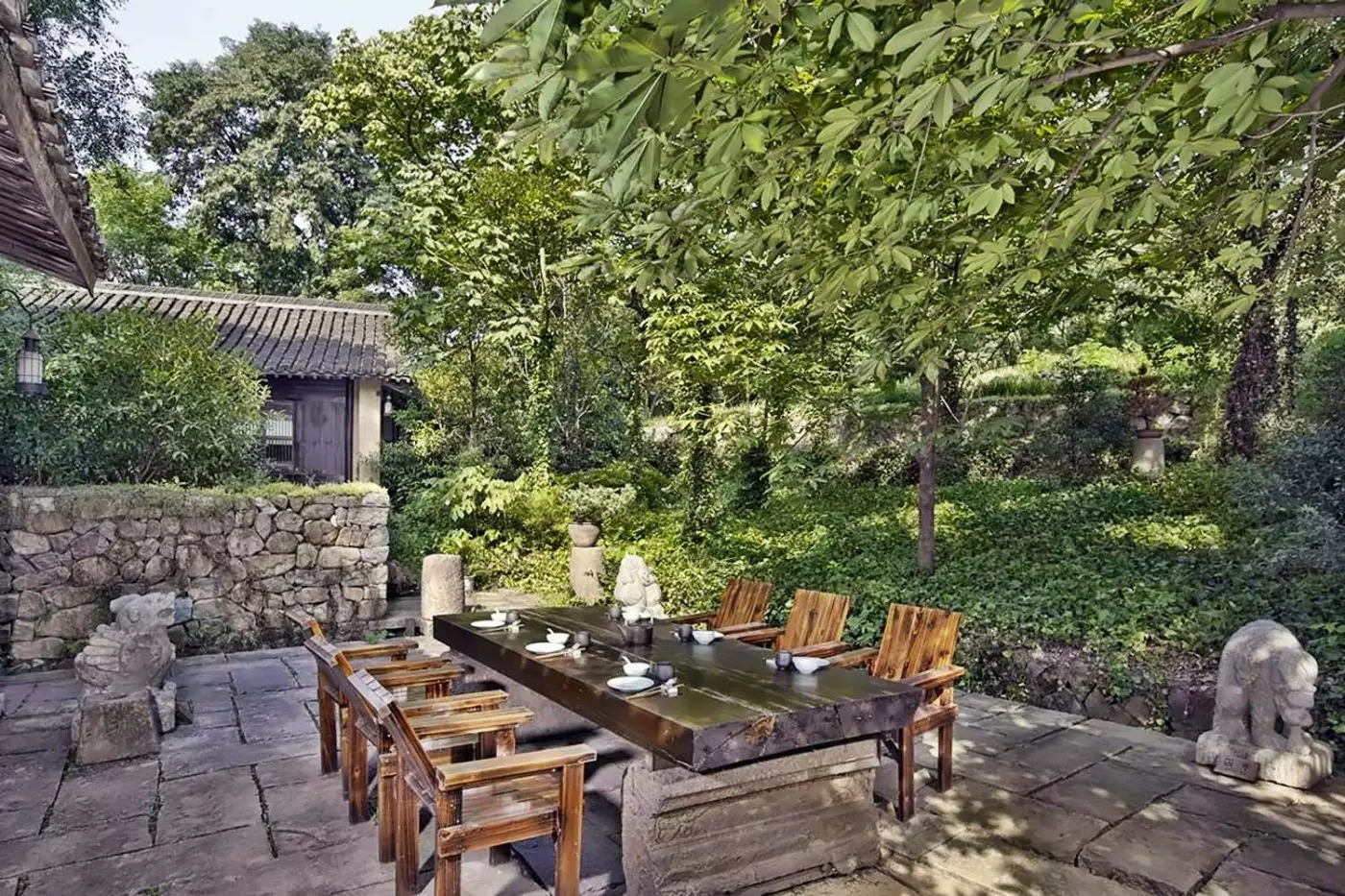
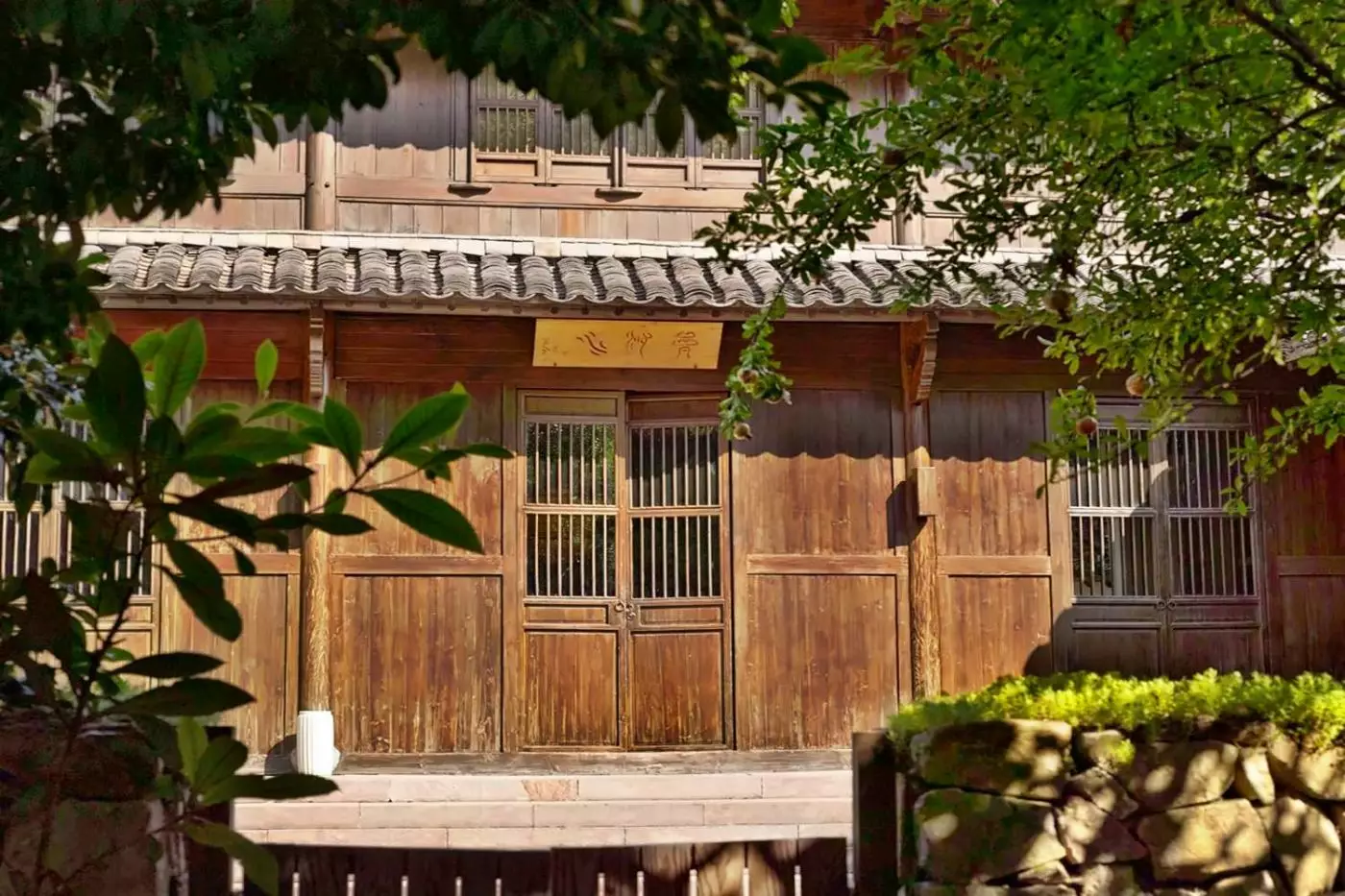
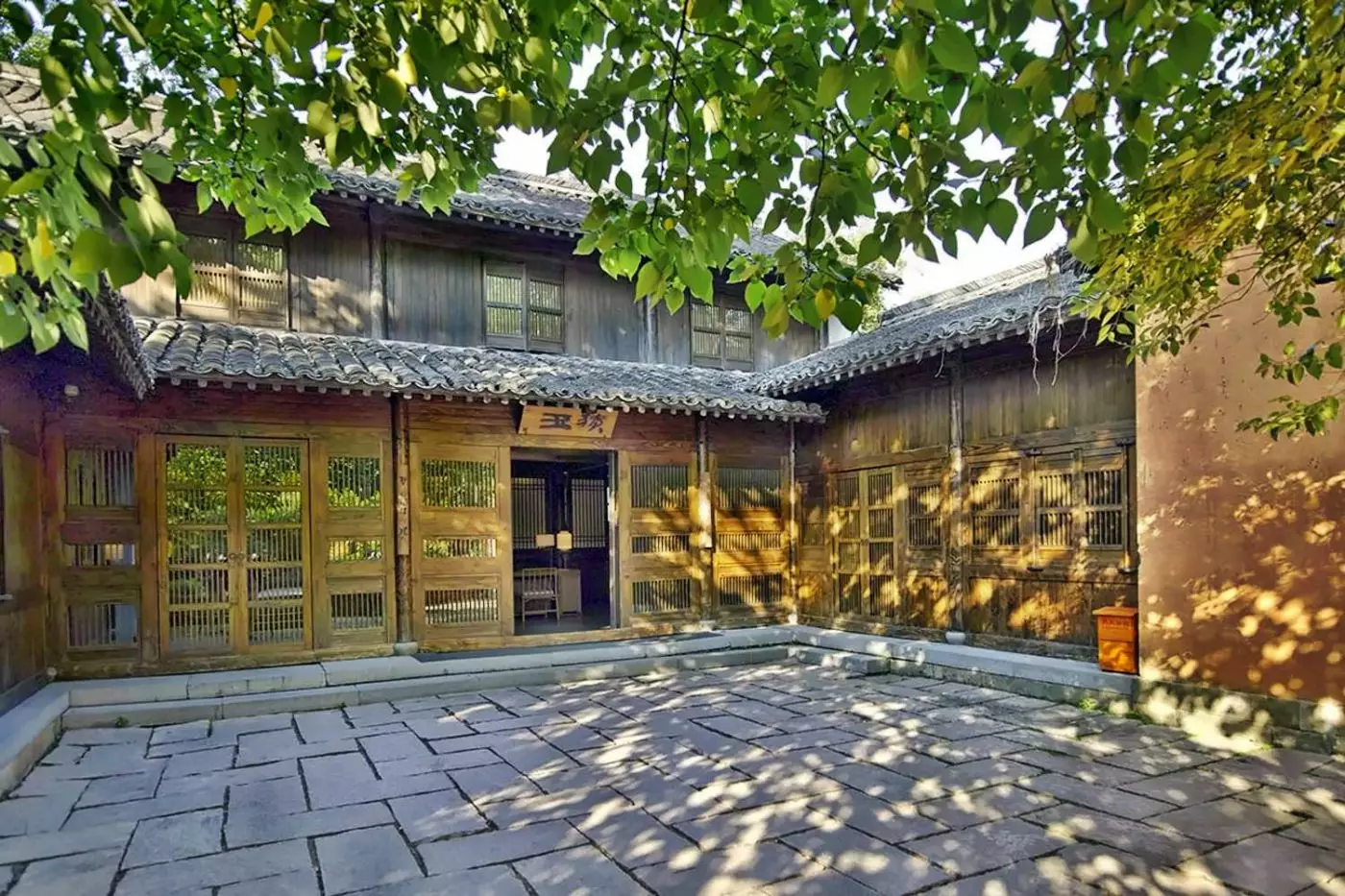
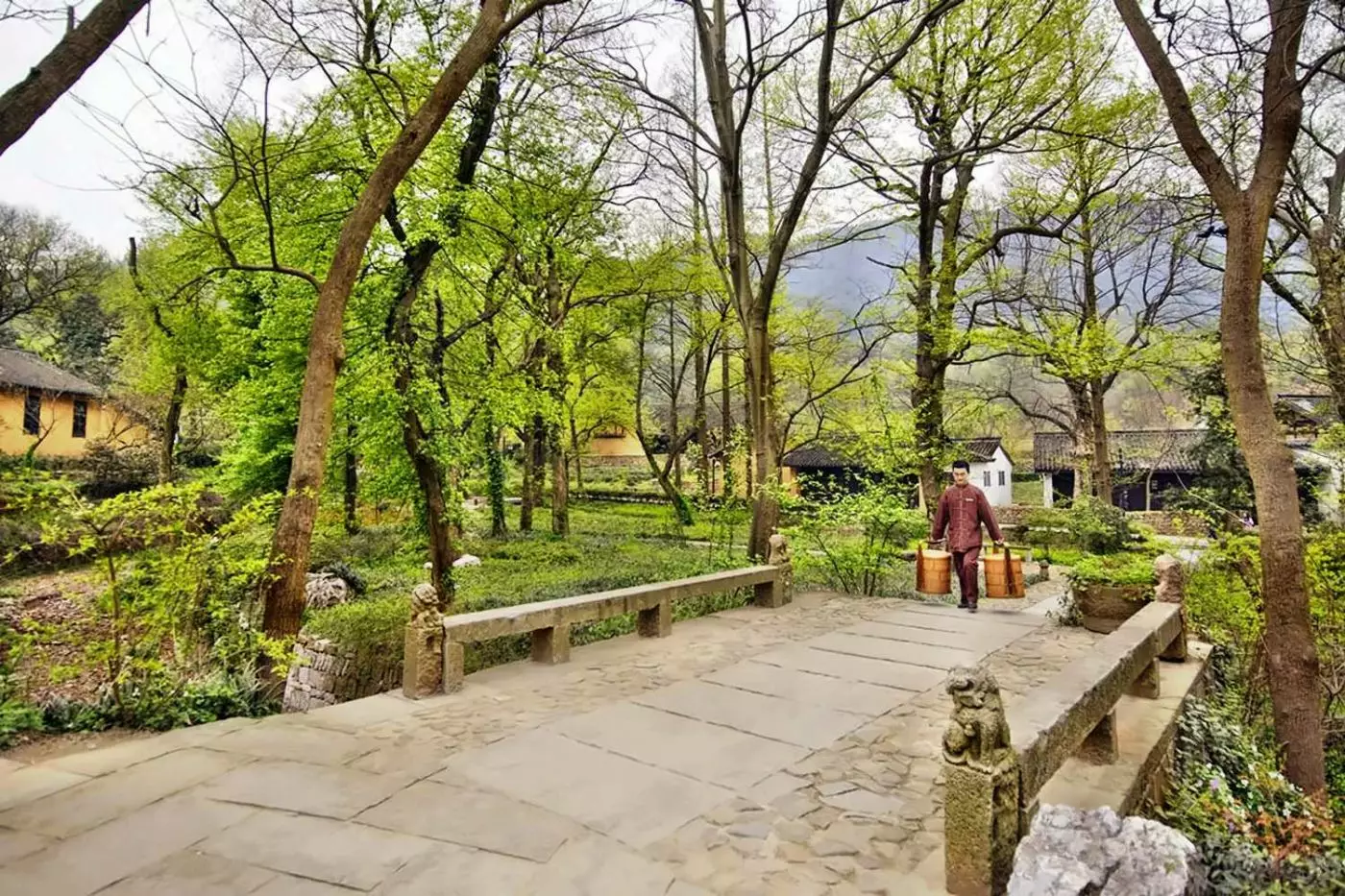
The village layout gives the property its character. Stone pathways connect rooms, courtyards, dining venues, and quiet corners. Clay-tile roofs and old walls create a sense of age. The resort is not sealed off like a large urban hotel. It feels more like a restored settlement with Aman service woven through it.
This atmosphere will not suit every guest. Travelers who want a simple elevator-to-lobby city hotel may prefer another address. Amanfayun is for people who enjoy a slower layout and a sense of discovery. The paths, gardens, and courtyards are part of the experience, not just a way to reach the room.
Rooms and suites at Amanfayun vary in layout because the resort follows the structure of an old village. Many have courtyard or forest views. Some feel more private than others. The design uses wood, stone, simple lines, and traditional Chinese references without making the rooms feel theatrical. The tone is quiet and grounded.
Room choice should be made carefully. A Village Room can work well for a short cultural stay. A Village Suite gives more space and a stronger residential feel. Larger categories suit guests who want privacy, longer stays, or more time inside the resort. Because layouts differ, it is worth choosing by feel, privacy, and position rather than only by size.
The best rooms support a slower Hangzhou rhythm. Morning tea, a walk through the grounds, time with a book, and a quiet evening can feel more important than a dramatic view. Amanfayun is not trying to impress in one instant. It builds its effect gradually.
The surrounding area gives Amanfayun real depth. West Lake can anchor a full day of walking, boating, garden visits, and historic sights. Lingyin Temple is one of the most important nearby cultural sites. Longjing tea fields add another layer, especially for guests who want to understand Hangzhou beyond the lake.
The hotel is well suited to guided experiences. A good guide can connect the temples, tea villages, gardens, and city history in a way that makes the stay richer. Hangzhou has a soft beauty, but it is not only scenic. It has long links to scholars, poets, monks, merchants, and tea culture. Amanfayun is a good base for that kind of trip.
The setting also works for guests who do not want to overplan. A simple day can include breakfast, a temple visit, tea, a walk near West Lake, and a return to the spa or courtyard. That kind of day is exactly where the hotel makes sense.
Dining at Amanfayun is spread through the village setting. The Restaurant & Bar offers a more familiar hotel dining anchor. Other eateries along Fayun Pathway bring variety, with local and regional flavors, tea, vegetarian cooking, and casual meals. The layout makes dining feel less centralized than in a normal resort.
This is useful on a longer stay. Some meals can be quiet and simple. Others can focus more on Hangzhou flavors or tea culture. The setting also changes the experience. Walking to dinner through a stone pathway and shaded village lane feels different from taking an elevator to a hotel restaurant.
Hangzhou has its own strong food traditions, so guests should also eat outside the resort when the itinerary allows. The best plan mixes Amanfayun's village dining with selected city restaurants, lake-area meals, and tea experiences. That gives the stay more texture and avoids making the hotel the whole story.
The Aman Spa is set across quiet garden spaces screened by bamboo, tea bushes, and trees. It reflects Chinese wellness traditions while also offering familiar Aman treatments. The spa is not only useful after travel. It fits naturally with the setting, where the whole property already encourages a slower pace.
Treatments, bathing, reflexology, movement, and quiet recovery all make sense here. Hangzhou days can involve walking, temple steps, city transfers, and long cultural visits. A spa appointment can help the day settle. For some guests, wellness may become the main reason to choose the resort over a more central hotel.
The spa also supports different travel styles. Couples can slow the trip down. Solo travelers can build a retreat around reading, tea, and treatments. Business travelers can recover from long flights or meetings. Amanfayun is flexible because its wellness side is integrated with the atmosphere rather than added on.
Amanfayun is a strong choice for travelers looking for a luxury hotel in Hangzhou with West Lake access, courtyard rooms, tea-field surroundings, temple routes, village dining, and a calm spa. It is not a standard city hotel. It is a village-style retreat near one of China's most important cultural landscapes.
Book Amanfayun when you want Hangzhou to feel slow, green, and layered. The best stays combine West Lake, Lingyin Temple, tea country, quiet meals, and time in the resort's courtyards. This is a place to move deliberately. Rushing through it would miss the point.
For travelers comparing luxury hotels in Hangzhou, Amanfayun stands out because it offers a sense of place that a tower hotel cannot easily match. The rooms, paths, dining venues, spa, and wooded setting all support the same idea. It is a refined base for guests who want culture, quiet, and access to West Lake without giving up privacy.
The Café prepares light dishes to take away, giving you the option of a picnic in the grounds during your stay.
Calligraphy and paper cutting at Fayun Place introduce Chinese arts through participation, giving time at the hotel a different cultural focus.
At Steam House, a semi-open kitchen lets you watch traditional cooking methods, adding another point of interest to a dumpling lunch.
22 Fayun Lane, West Lake Street, West Lake Scenic Area, Hangzhou, 310013, China
Choose Amanfayun if you want a secluded Hangzhou retreat near Lingyin Temple and West Lake, with 46 village-style abodes, tea fields, Fayun Pathway, Hangzhou House, The Steam House, Lingyin Vegetarian House, Chinese wellness traditions, and deep cultural atmosphere.
Amanfayun's spa reflects Chinese health and wellbeing traditions, with gardens screened by bamboo, tea bushes, and magnolia trees. It suits guests seeking a slower wellness rhythm shaped by Traditional Chinese Medicine, reflexology, bathing, massage, and quiet garden spaces.
Lingyin Vegetarian House is Amanfayun's temple-inspired vegetarian dining venue near the Lingyin Temple area. It is especially relevant for guests interested in Buddhist food traditions, lighter meals, and the spiritual character of the surrounding pilgrimage landscape.
The Steam House is Amanfayun's village-style dining venue for steamed dishes and casual regional meals. It suits guests who want a simpler, more local-feeling meal along Fayun Pathway between temple visits, tea, spa time, or West Lake excursions.
Hangzhou House focuses on local Hangzhou cuisine and regional flavours. It is the key dining choice for guests who want the food experience to feel rooted in Zhejiang culture rather than simply international resort dining.
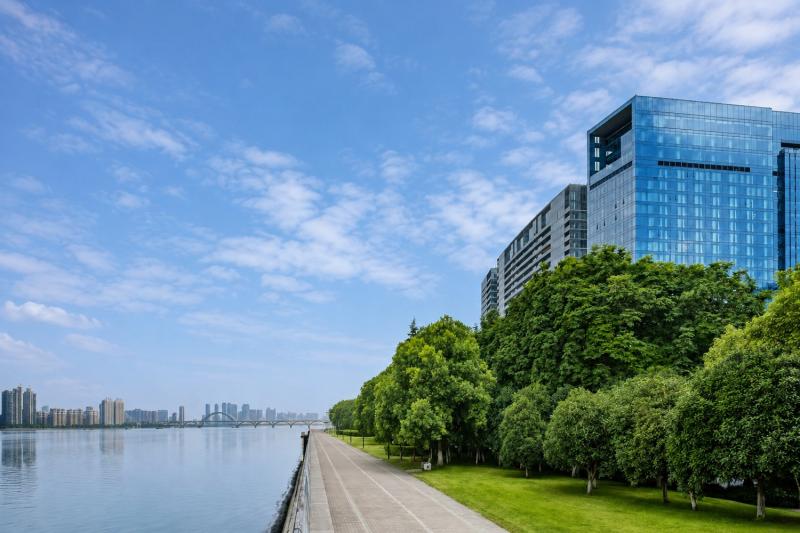
The Azure Qiantang is a Luxury Collection hotel in Hangzhou, set beside the Qiantang River in the city's Qianjiang New Town a...
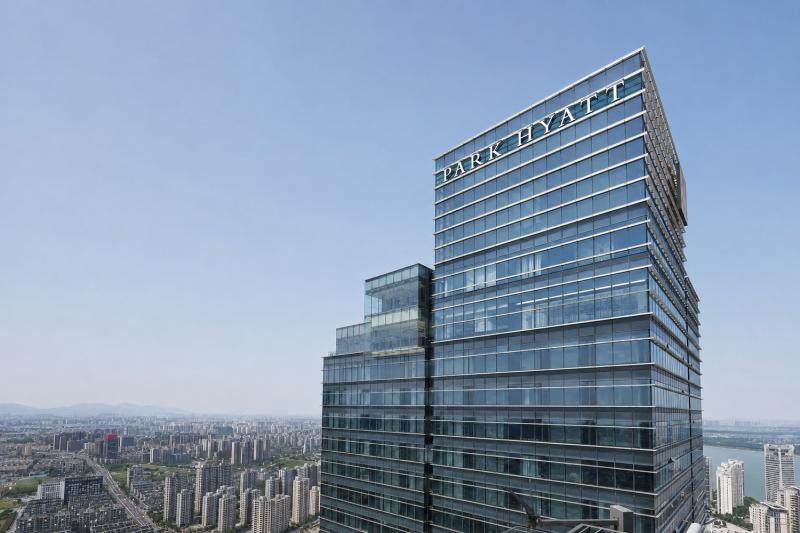
Park Hyatt Hangzhou is a contemporary luxury hotel in Qianjiang New Town, set high above Hangzhou in China with views toward...
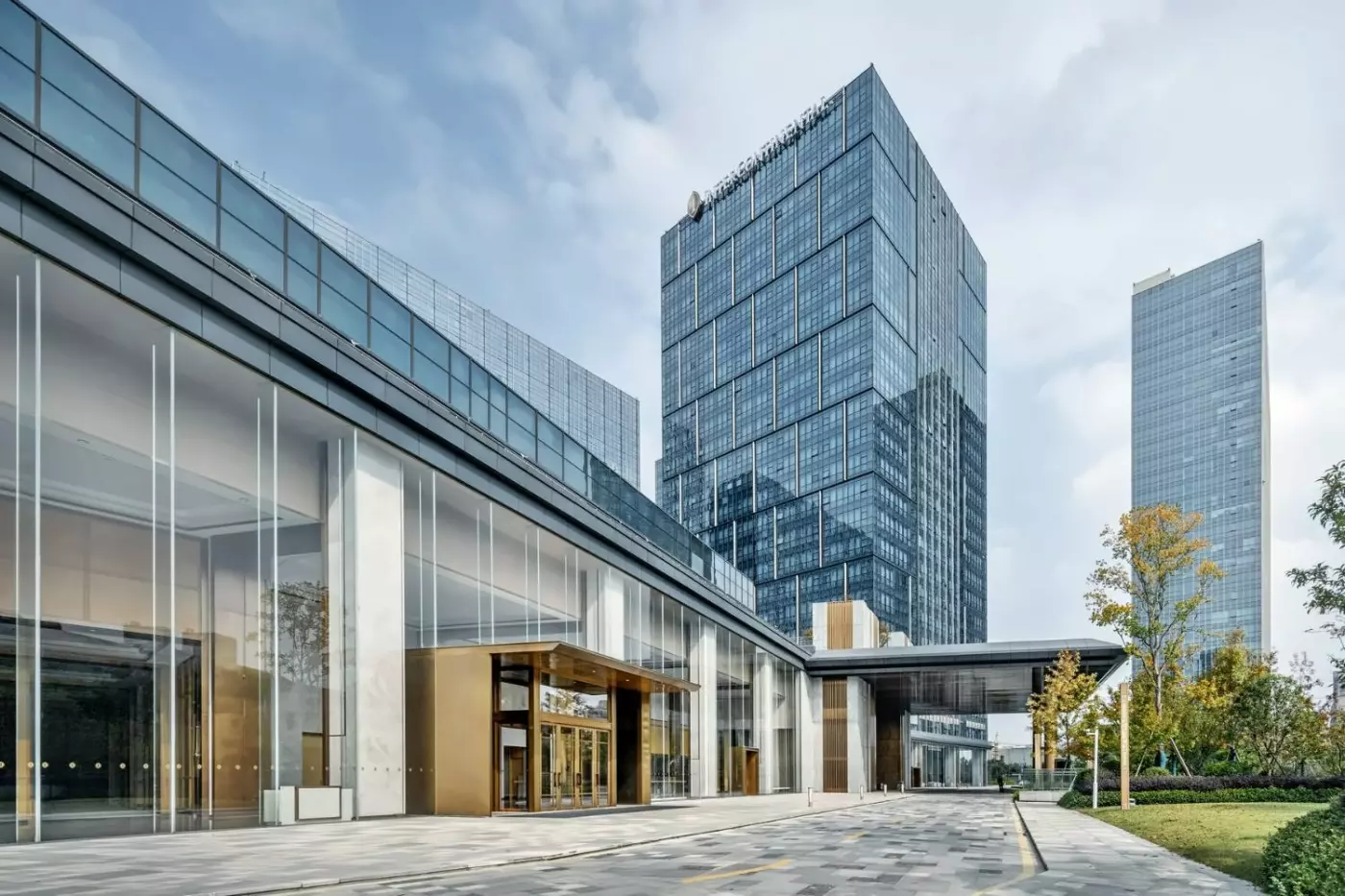
InterContinental Hangzhou Liangzhu is set in one of Hangzhou's most culturally significant districts. It sits close to the Li...