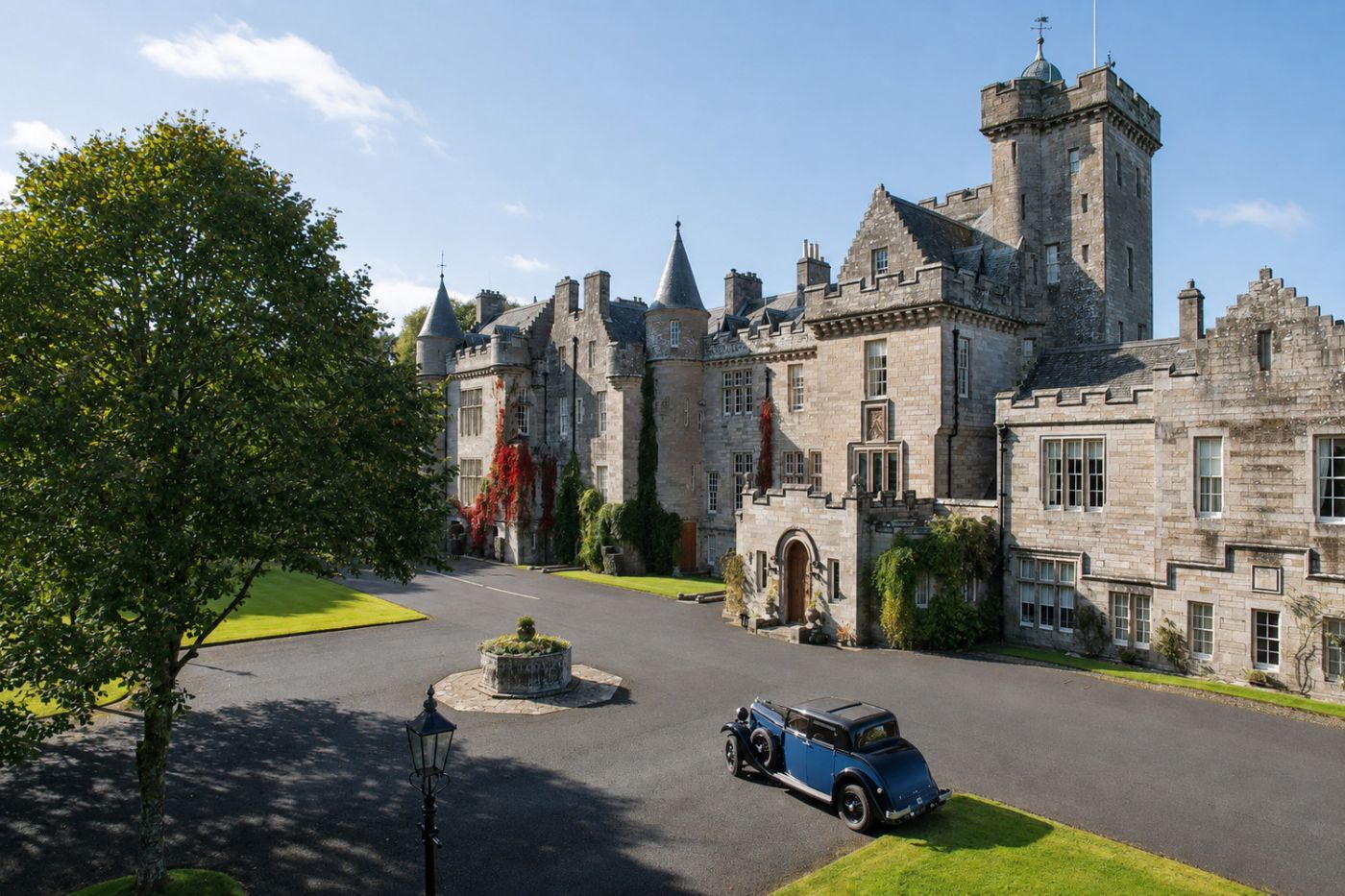
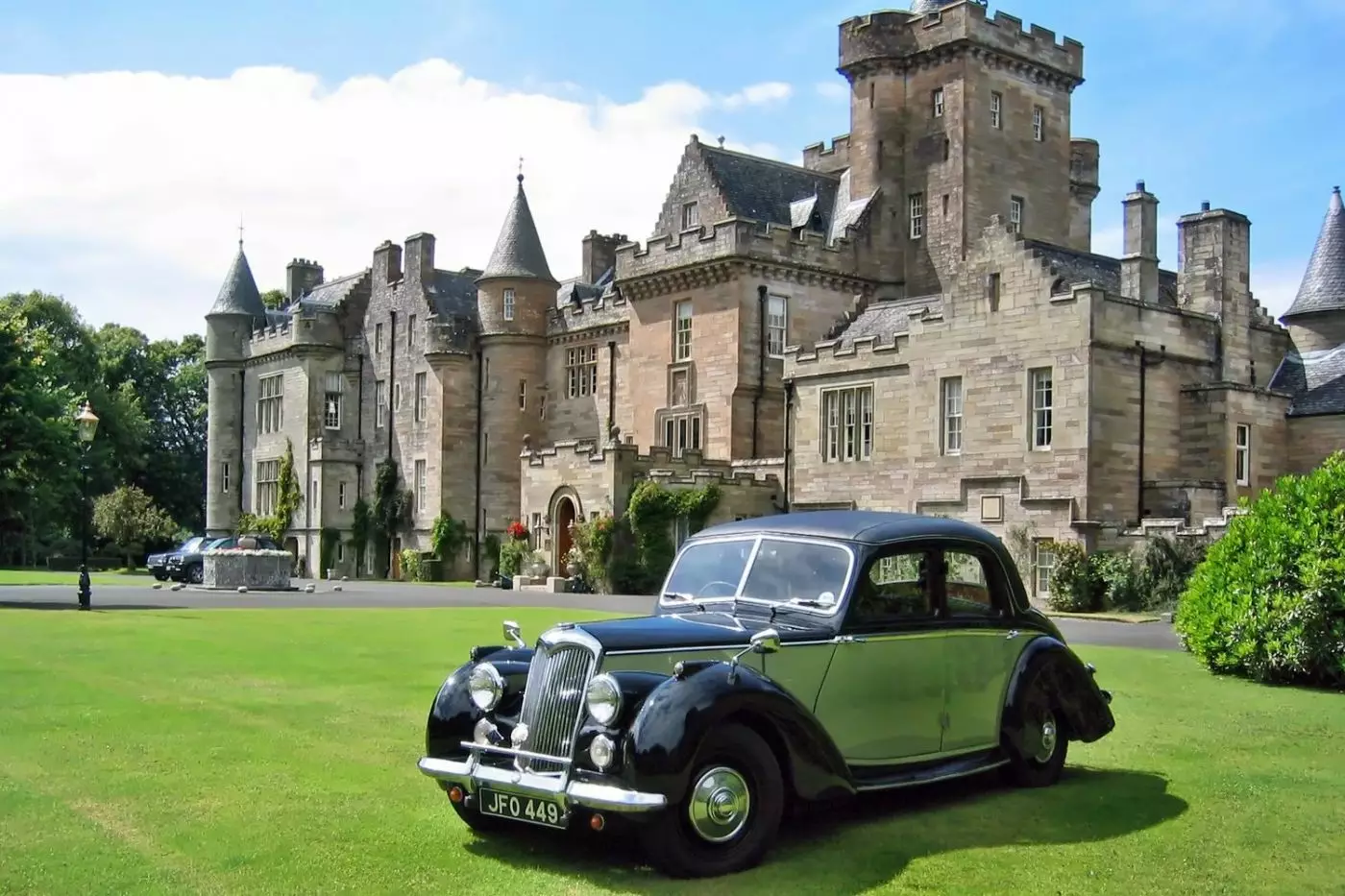
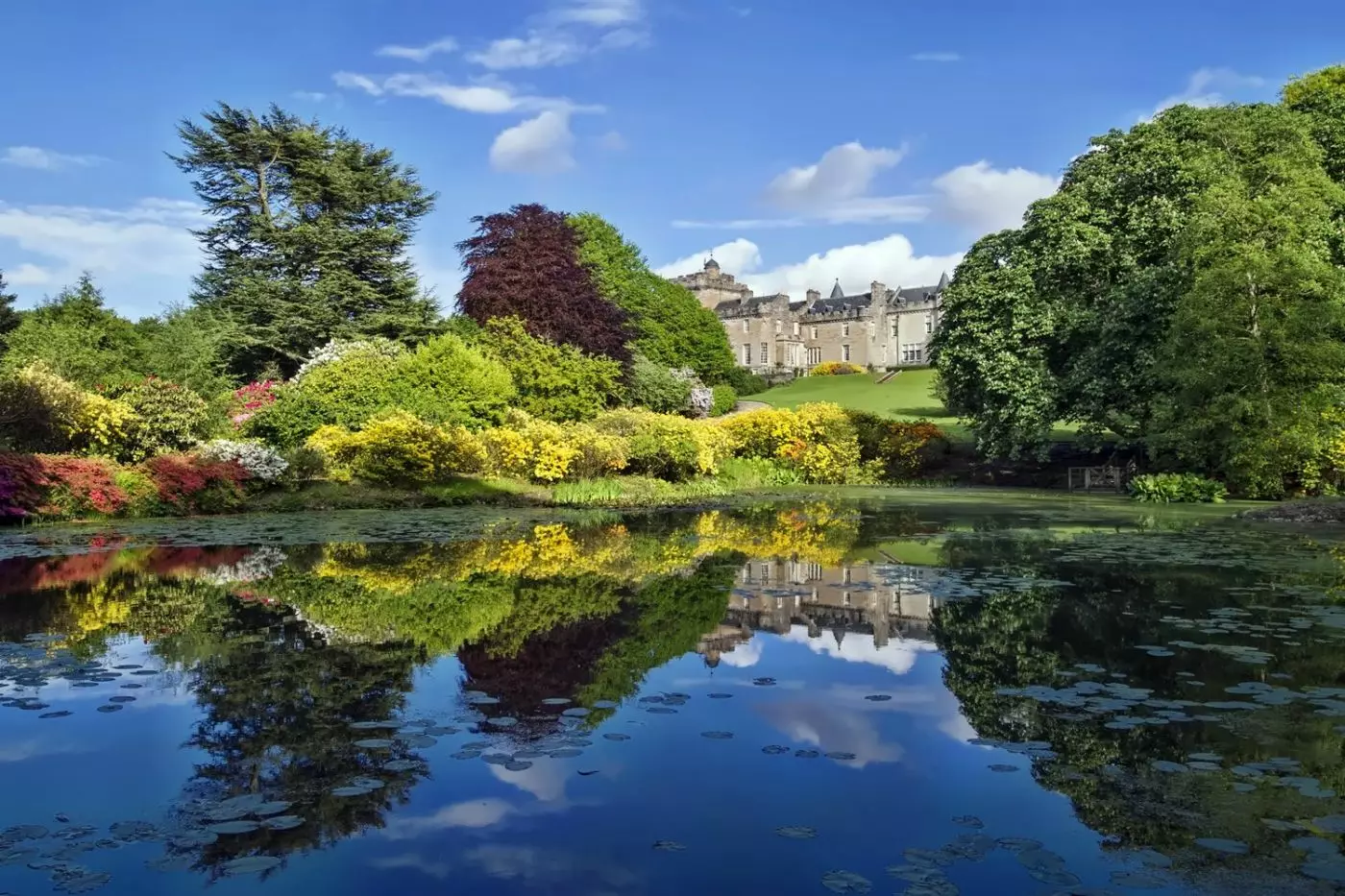
The estate and local woodland extend across 110 acres, with formal planting, lawns, and a wooded glen. Gertrude Jekyll designed the Italian Gardens, while the walled gardens hold rare trees and exotic plants collected since Victorian times. Paths lead between the planting and out toward the Azalea Pond, with views over the Firth of Clyde. These different garden spaces give a walk its own variety, moving between enclosed greenery and open coastal outlooks.
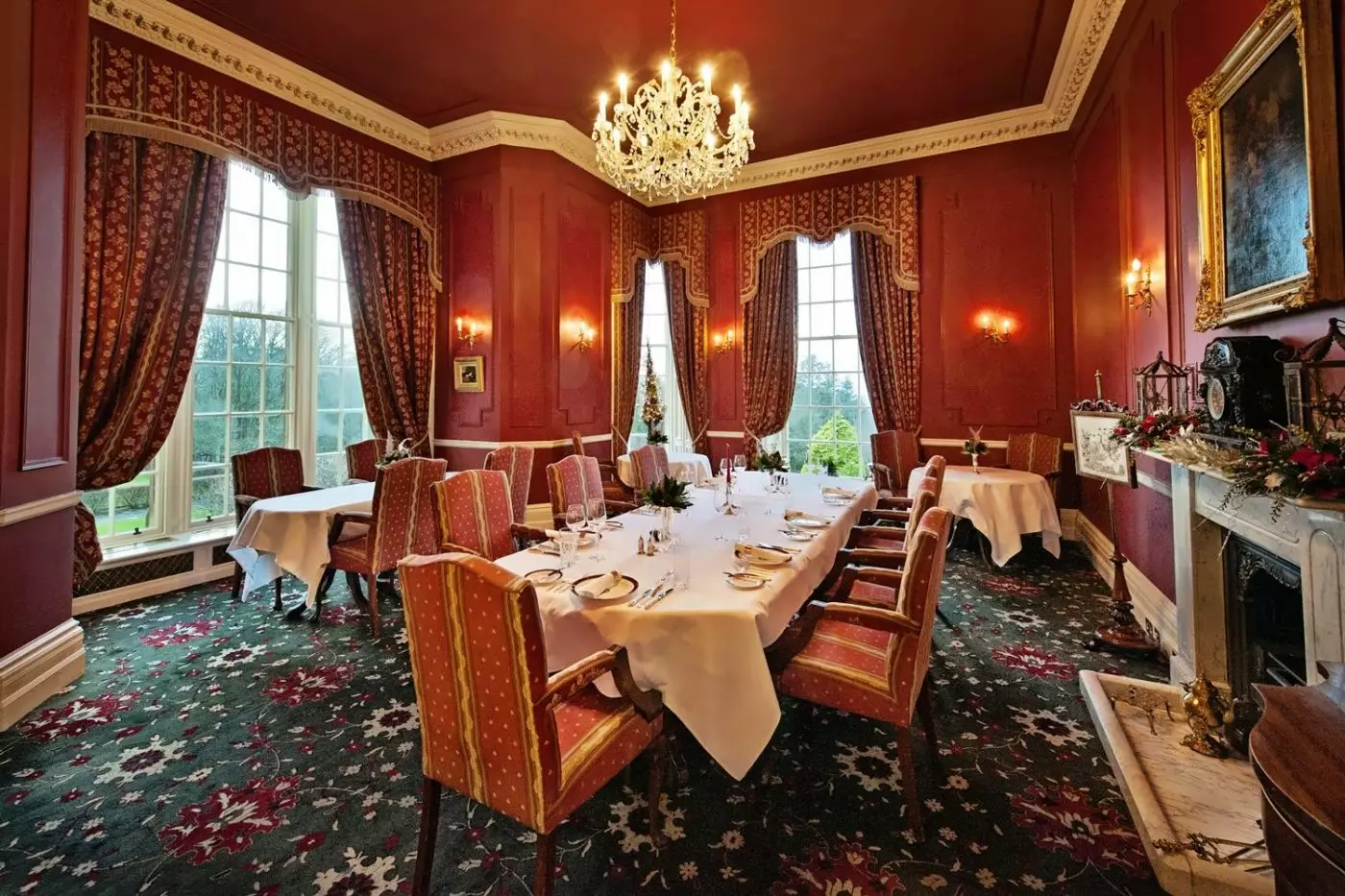
Castle Dining takes place in the main building's period dining rooms, where changing menus draw on Scottish ingredients. Three-course dinners and a longer tasting menu suit different appetites for an evening at the table. Afternoon tea follows the traditional pattern of sandwiches, scones, preserves, and pastries. Private dining rooms can bring a family or celebration together around one table.
The Azalea, by Glenapp Castle occupies a 150-foot Victorian glasshouse and adjoining bothy within the walled gardens. Vegetables, fruit, and herbs from the kitchen garden help shape its seasonal cooking. The glass structure makes the planting part of the dining room's outlook. Dinner and afternoon tea follow a spring and summer schedule, with Sunday lunch continuing into autumn and winter.
Private cookery lessons start in the gardens, where a chef introduces the produce and picks ingredients before returning to the kitchen. The session continues with practical cooking and a three-course lunch. A separate chocolate class explores tempering and filled chocolates, with time to make and taste the results. Guided foraging goes farther into the estate and surrounding countryside, examining edible plants and their culinary uses. These are hands-on appointments with a chef or specialist, extending the food experience beyond the restaurant table.