

Best for
The hotel suits business travelers who need central access, meeting spaces, polished service, and a calm base. Its location near key districts helps guests manage appointments while still enjoying a memorable heritage stay.
Please choose a hotel or destination from the list.
Your private search
Finding exceptional stays
Best for
The hotel suits business travelers who need central access, meeting spaces, polished service, and a calm base. Its location near key districts helps guests manage appointments while still enjoying a memorable heritage stay.
What makes it special
The Imperial New Delhi is a strong choice for travelers who want a grand heritage hotel in central India. It suits couples, culture lovers, business travelers, food-focused guests, and visitors who want history with five-star comfort.
Insider tip
The Janpath location works well for exploring Connaught Place, India Gate, museums, Old Delhi, and government landmarks. The hotel can also serve as a base for longer city touring or an early start toward Agra.
Free membership gives you access to preferred rates, exclusive benefits and current promotions for your stay.
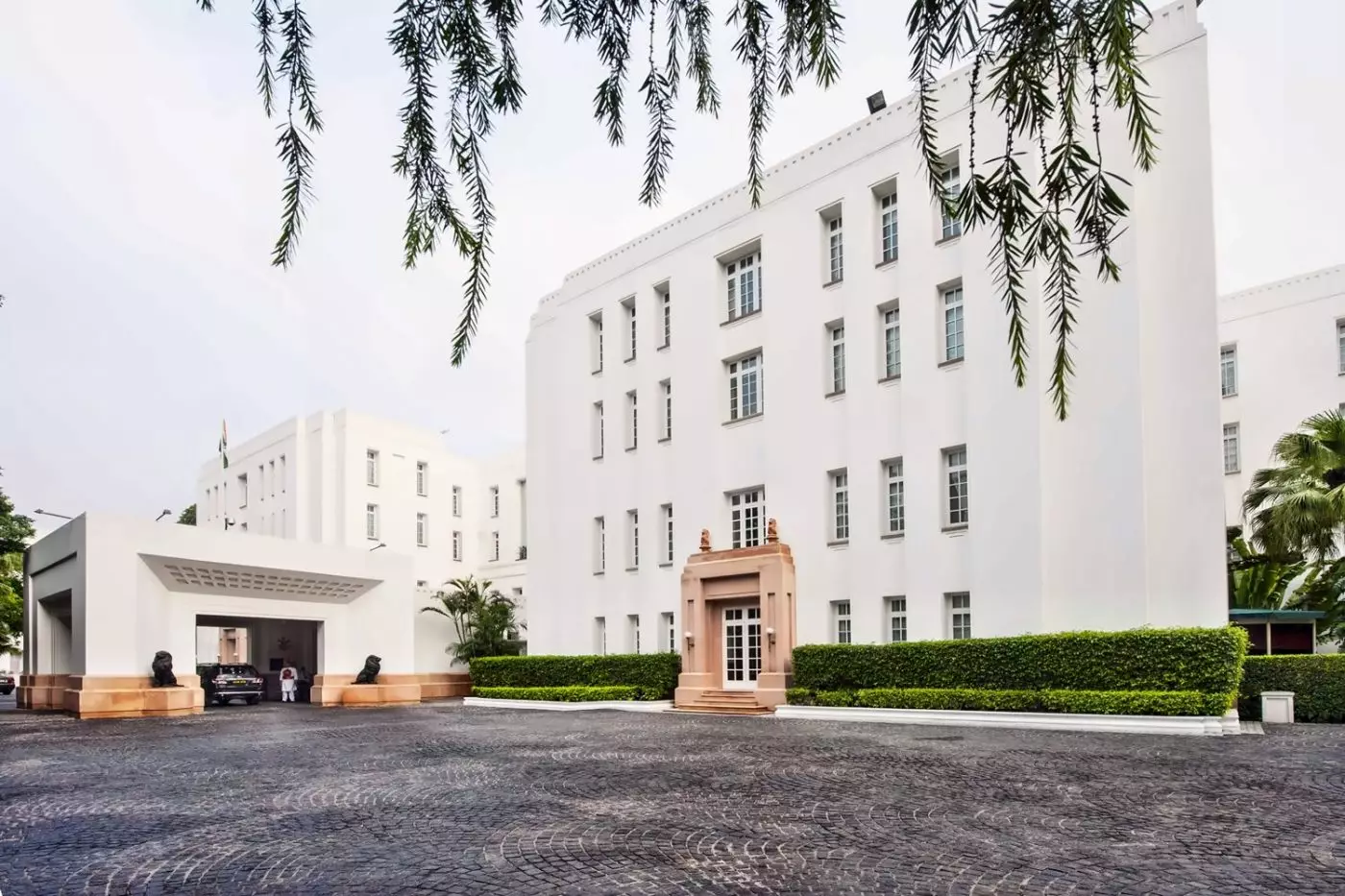
The Imperial New Delhi is one of the capital's landmark heritage hotels. It stands on Janpath, close to Connaught Place, the government district, India Gate, and several cultural addresses. Opened in 1936, the hotel still carries the scale of New Delhi's early city plan. It also works as a polished city retreat for today's travelers.
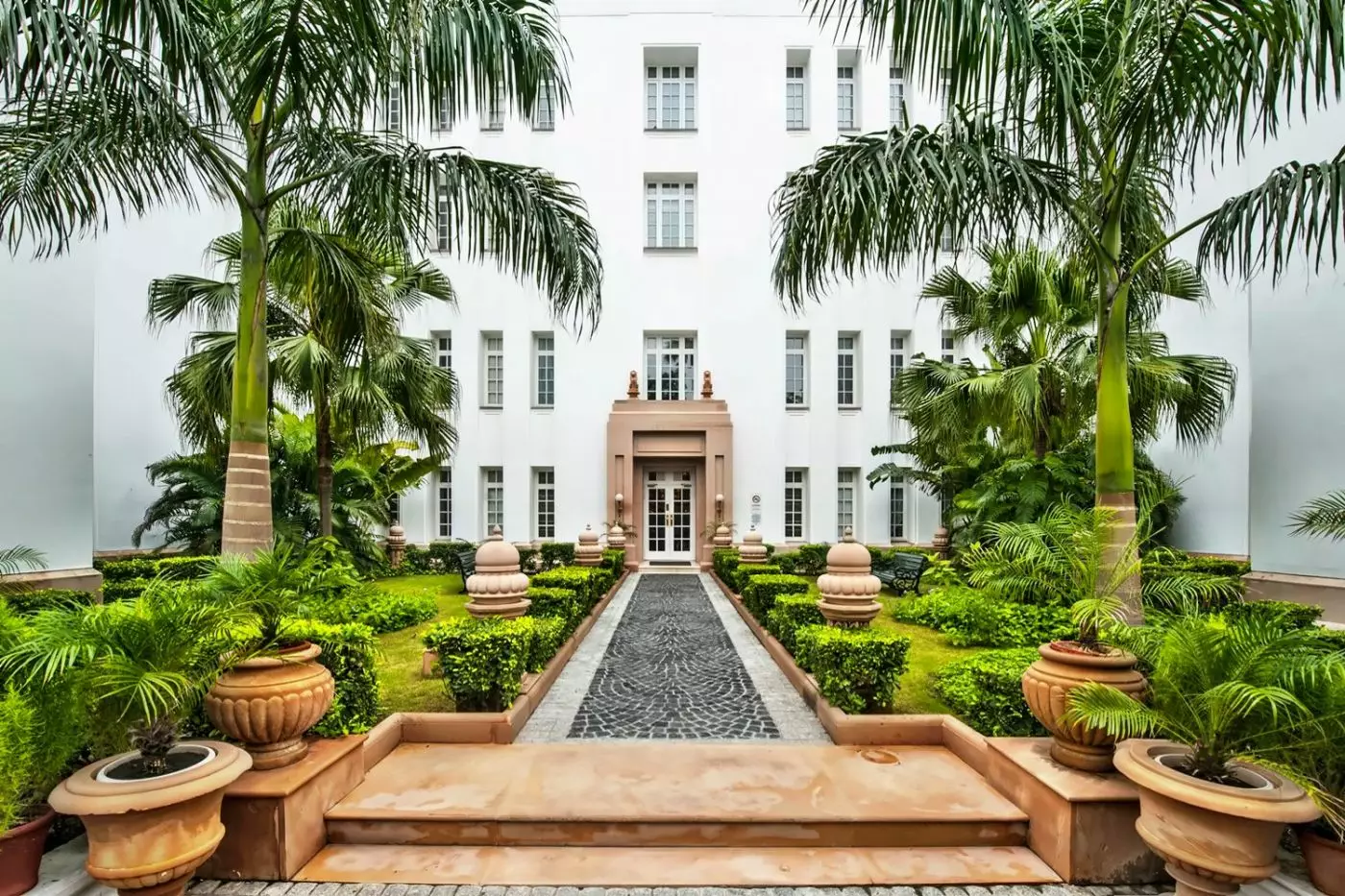
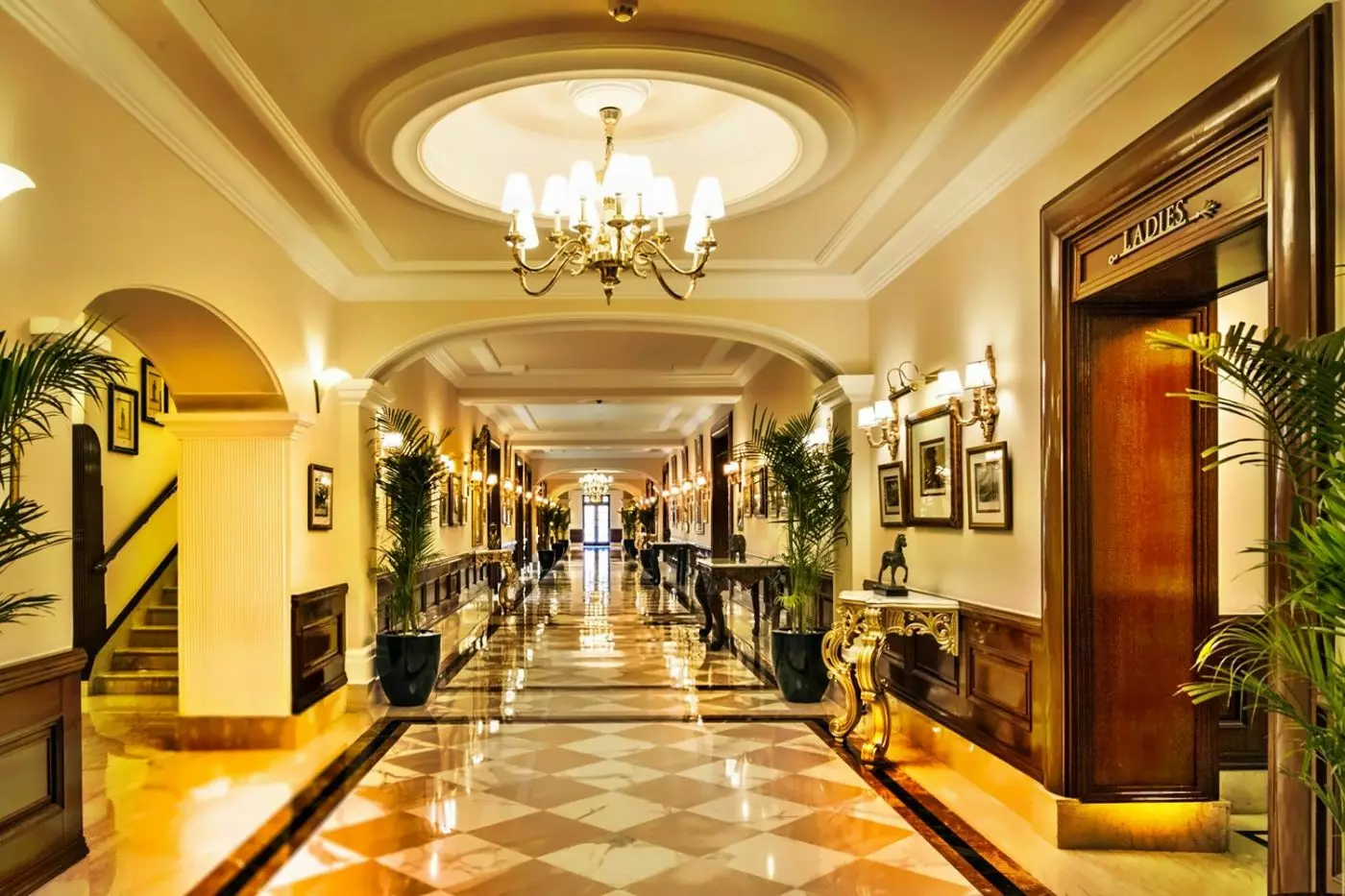
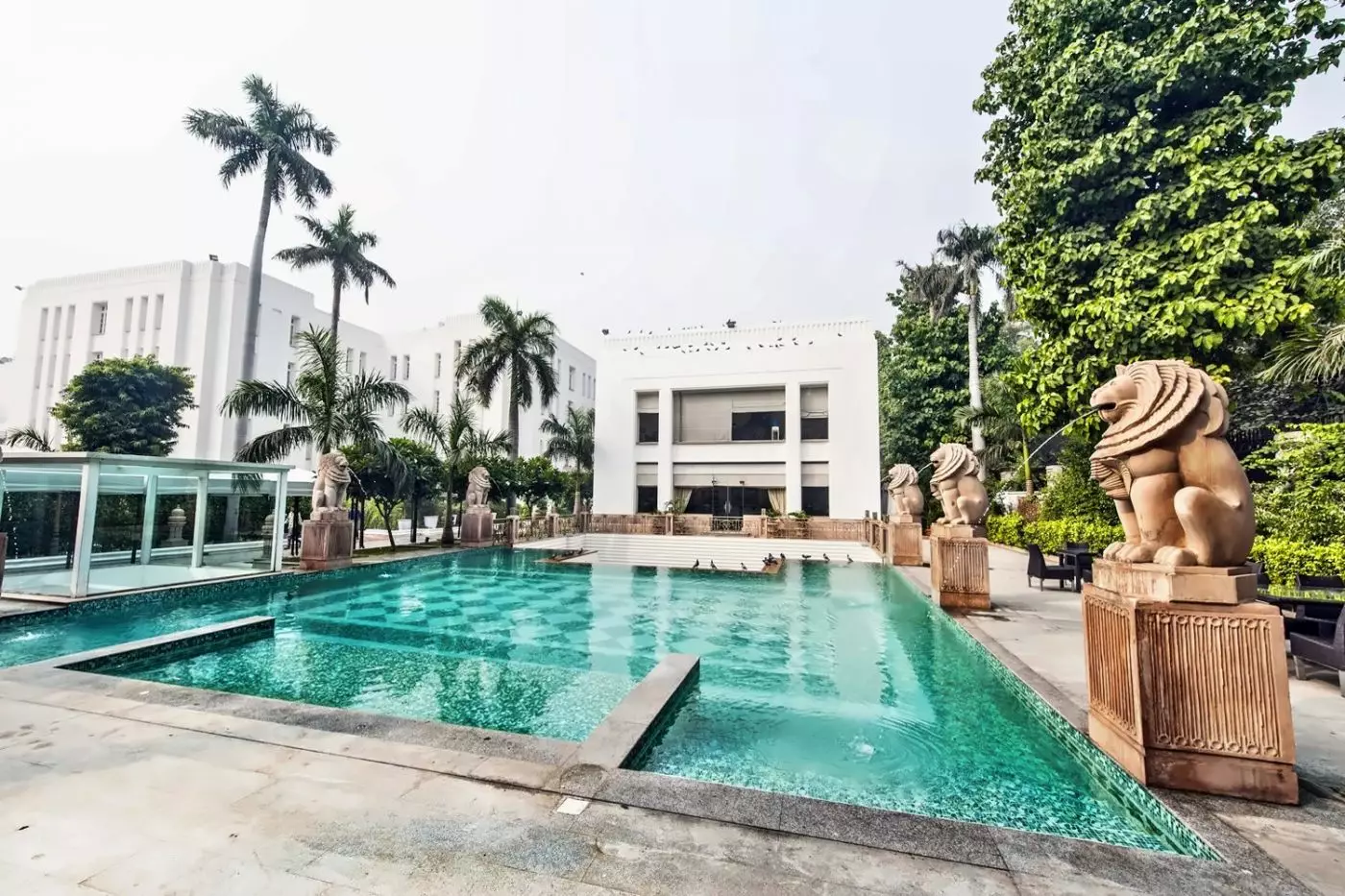
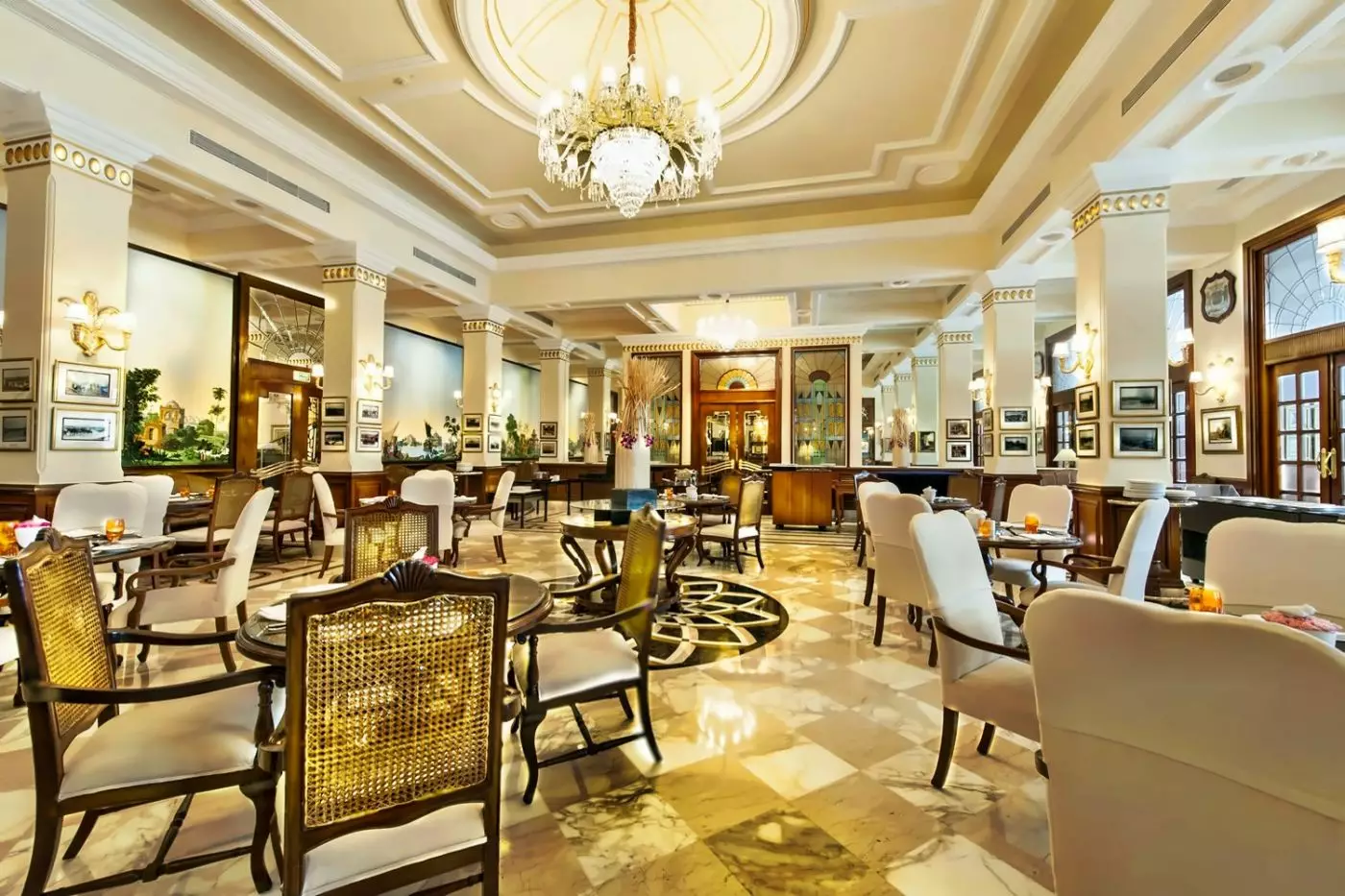
Arrival sets the tone with palms, white colonnades, broad lawns, and a pace that feels removed from the traffic outside. Inside, marble floors, high ceilings, deep verandas, period detail, and a large art collection give the hotel a clear sense of place. It feels rooted in Delhi rather than shaped like a standard city hotel.
This is a good address for travelers who want Delhi history, central access, and full-service comfort in one stay. Connaught Place, India Gate, Lodhi Garden, Rashtrapati Bhavan, the National Museum, and Khan Market are all practical by car. Old Delhi, Humayun's Tomb, Qutub Minar, and the airport can fit into a broader plan.
 235
235
 Charming
 Fitness
 Pool
Pool
 Spa
Spa
 Sauna
Sauna
 Wellness
 Culture
 Wheelchair Accessible
 Connecting Rooms

You're about to dive into the world of the Imperial Room. As its name suggests, it's a luxurious space reminiscent of the renowned hotel in...

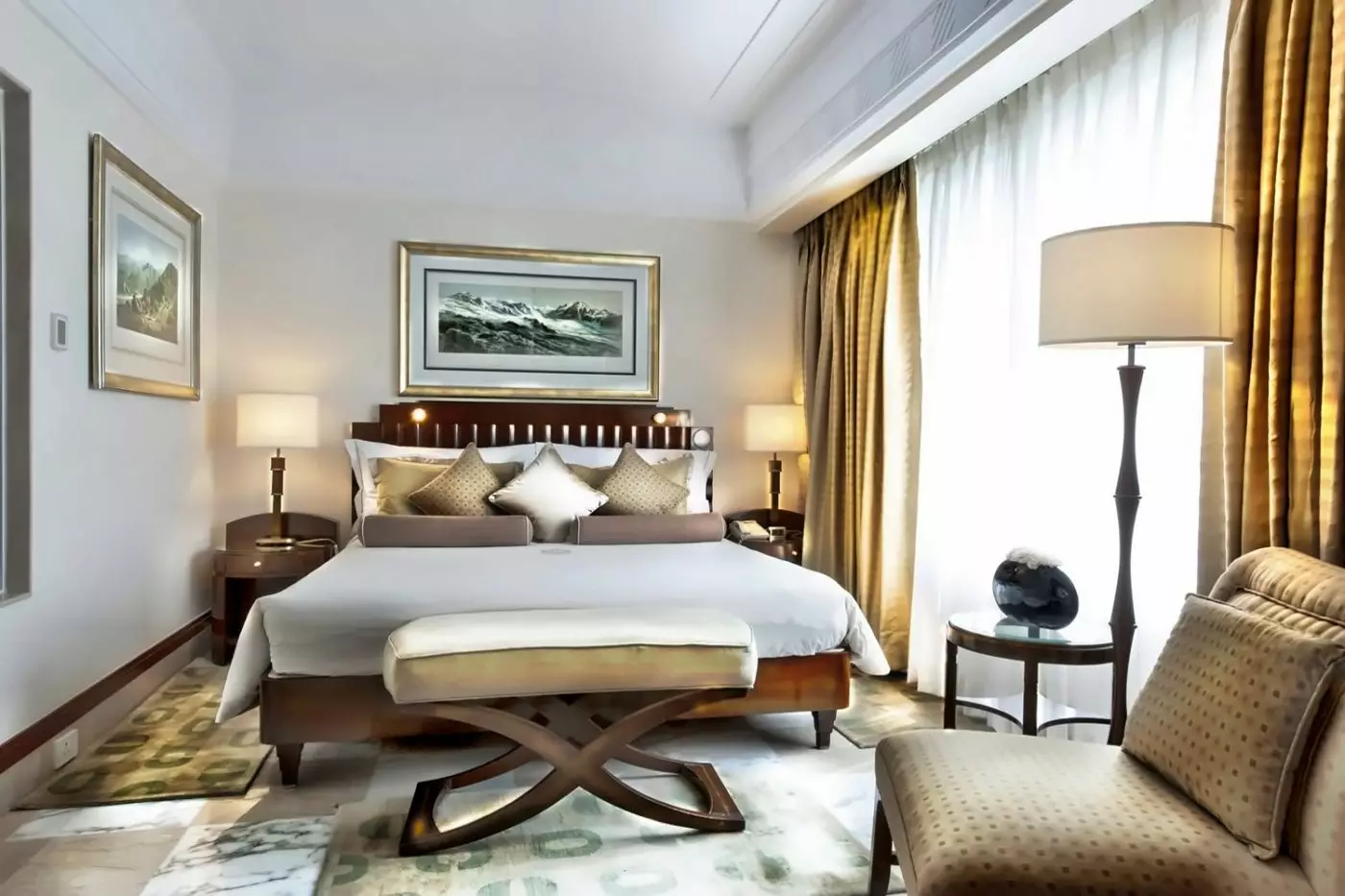
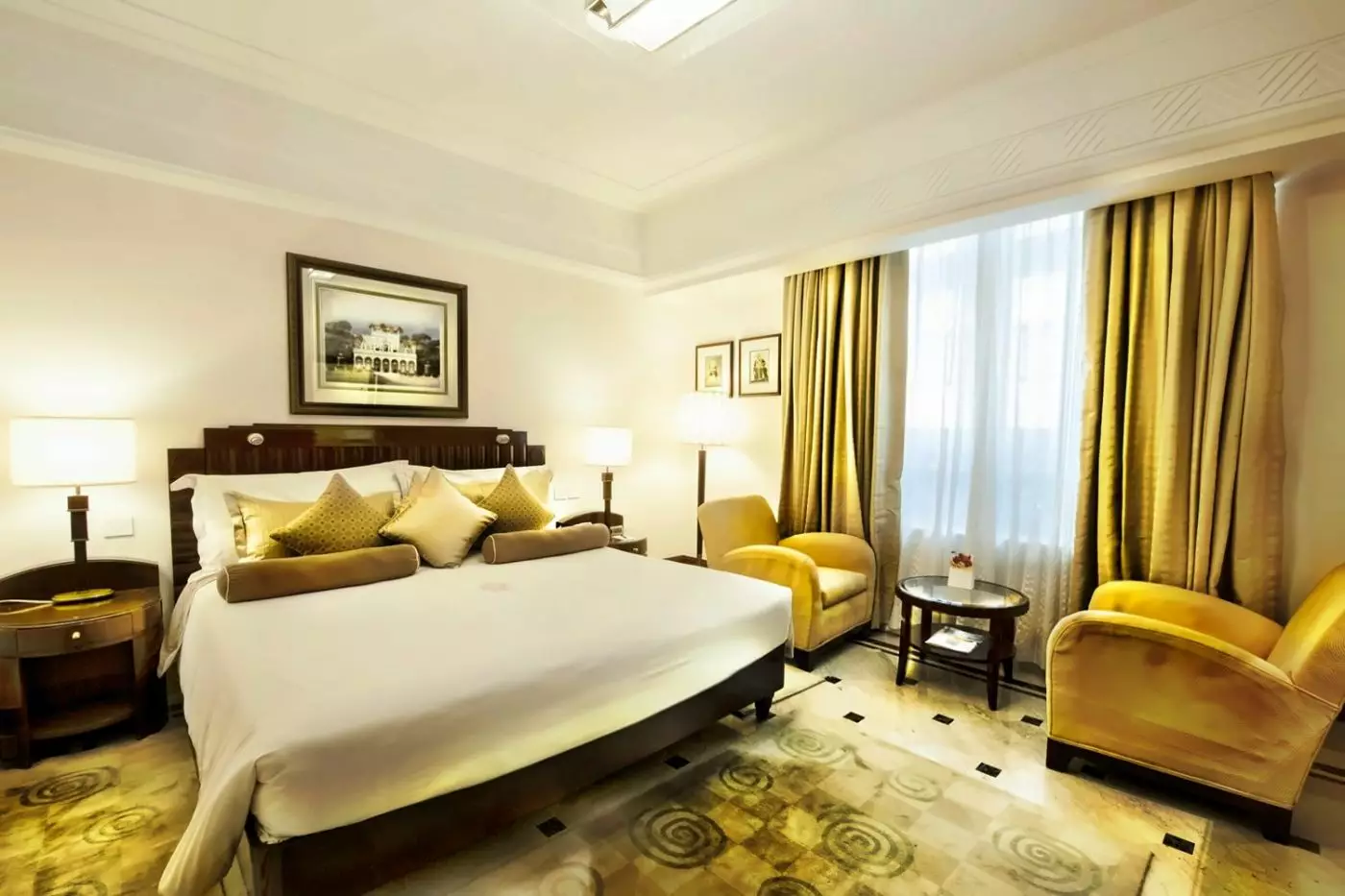
Architecturally impressive and elegant Deco rooms are well appointed, combining fine art deco artistry with an eye towards refinement and comfort. The rooms take luxury...

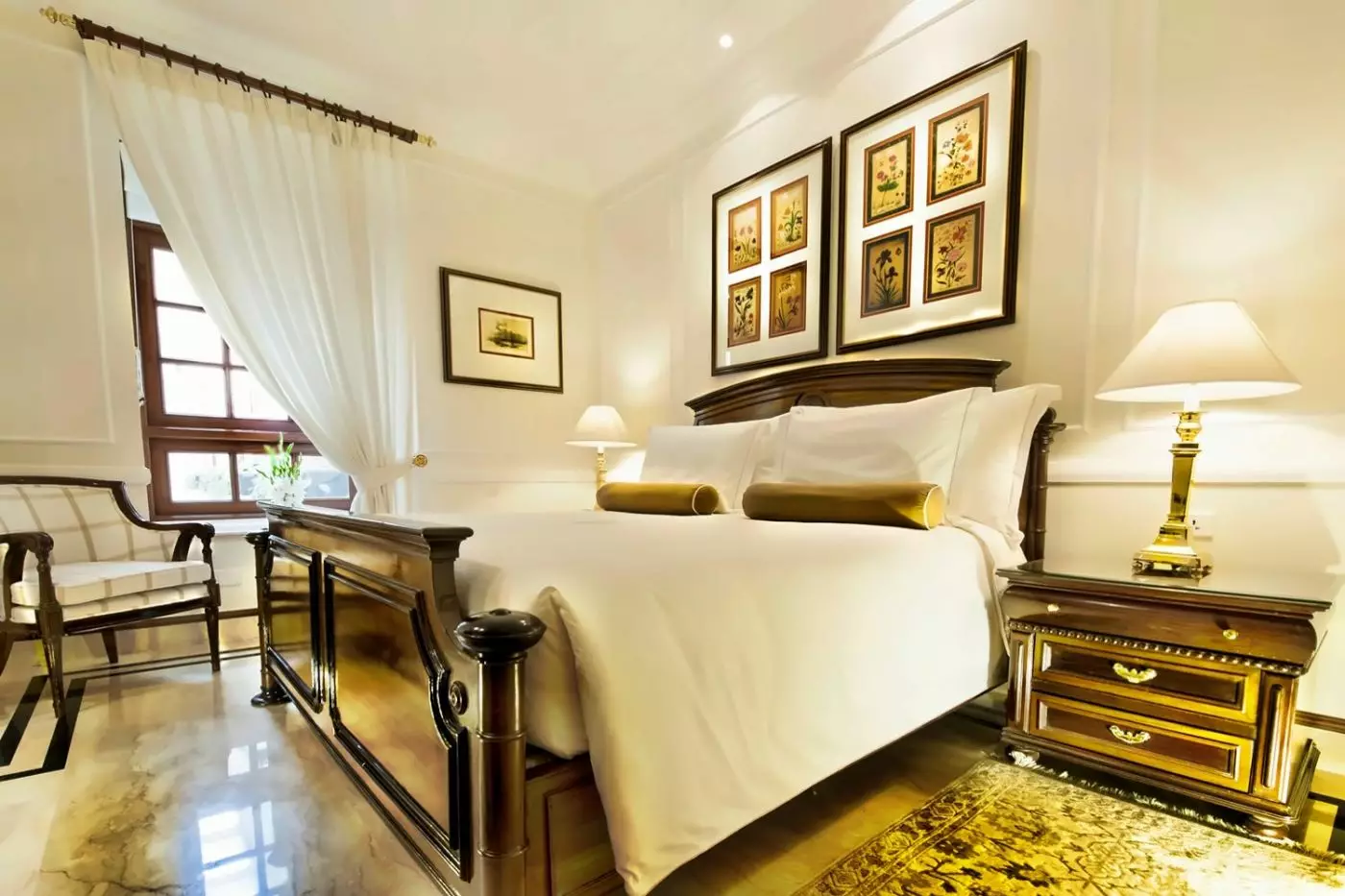
When you enter the Heritage Room, you'll immediately see the ample space 350-370 square feet. You can choose a plush king bed or two comfortable...

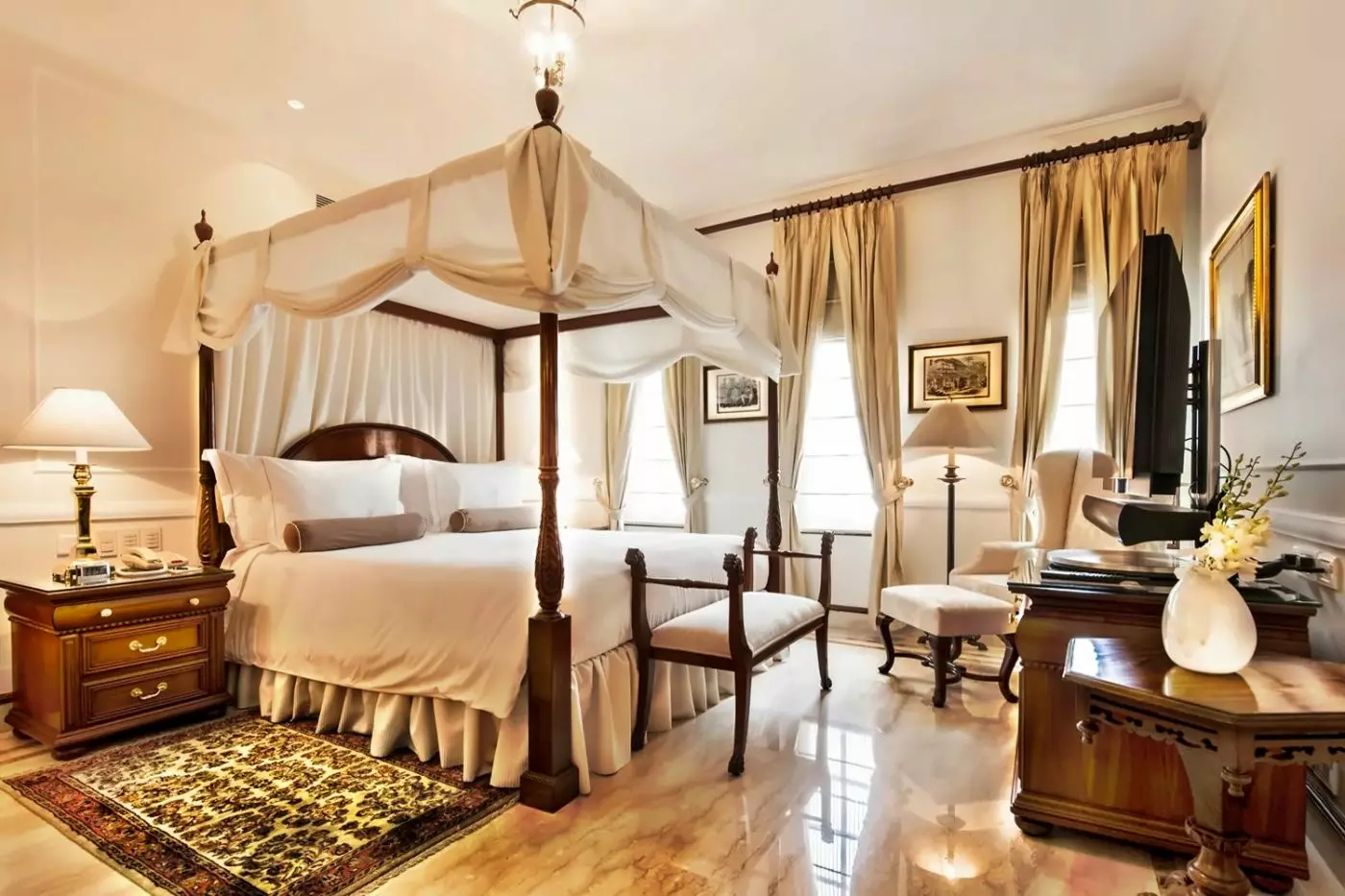
As you step into the Grand Heritage Room, you feel its history's weight and beauty. This room boasts a colonial layout, distinguished by its high...

You're about to explore the Heritage Suite. It's an extensive suite spanning 550 square feet. It's not just any suite; its design and features reflect...

Welcome to the Deco Suite. Imagine walking into a haven of contemporary elegance. As you step in, you'll be greeted by interiors inspired by the...

The Luxury Suite is thoughtfully crafted for the modern-day luxury traveler, Luxury suites in an area of 74/79 Sq. meter, beautifully marry the traditional craft...

The Royal Imperial suite is majestic in its design and architecture. Spread out in the 229 Sq. meter huge apartment-like suite, the entrance transcends one...
The Imperial's Janpath location places guests in the planned heart of New Delhi. The hotel is central without feeling exposed to the city's rush. Guests can move between government buildings, museums, markets, gardens, restaurants, and historic sites. Then they return to a calm and spacious property.
The address works for first-time visitors who want a composed base for sightseeing. It also works for repeat guests who value atmosphere. Business travelers get central access. Couples get a more graceful city stay. Dining, wellness, meeting rooms, and quiet public spaces are all close at hand.
The Imperial's character comes from its mix of Victorian, Art Deco, and Lutyens-era references. The building was part of New Delhi's grand civic plan. That history still shapes the mood of the hotel. Corridors are lined with paintings, prints, photographs, and memorabilia. A walk from room to restaurant can feel like moving through a private gallery.
The atmosphere is formal without being cold. Staff understand the rituals of a classic hotel, from arrival service to afternoon tea. They also know how to keep the stay easy for guests coming from long flights, full business days, or crowded sightseeing routes.
The grounds are a major part of the appeal. The eight-acre setting gives the hotel more breathing room than most central Delhi addresses. Lawns, gardens, and shaded paths create places to pause between meetings, meals, and city plans. This is valuable in a city as layered and energetic as Delhi.
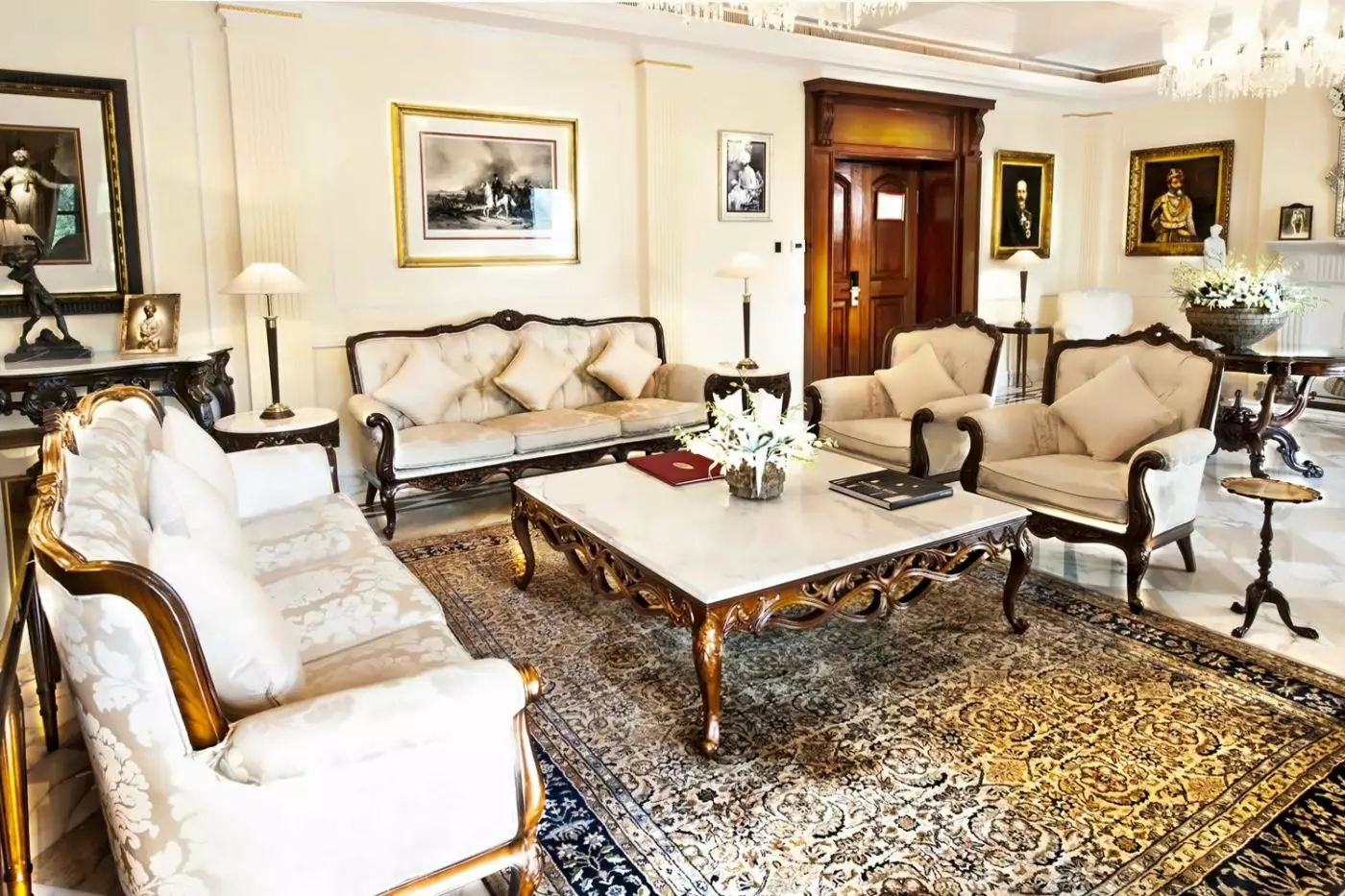
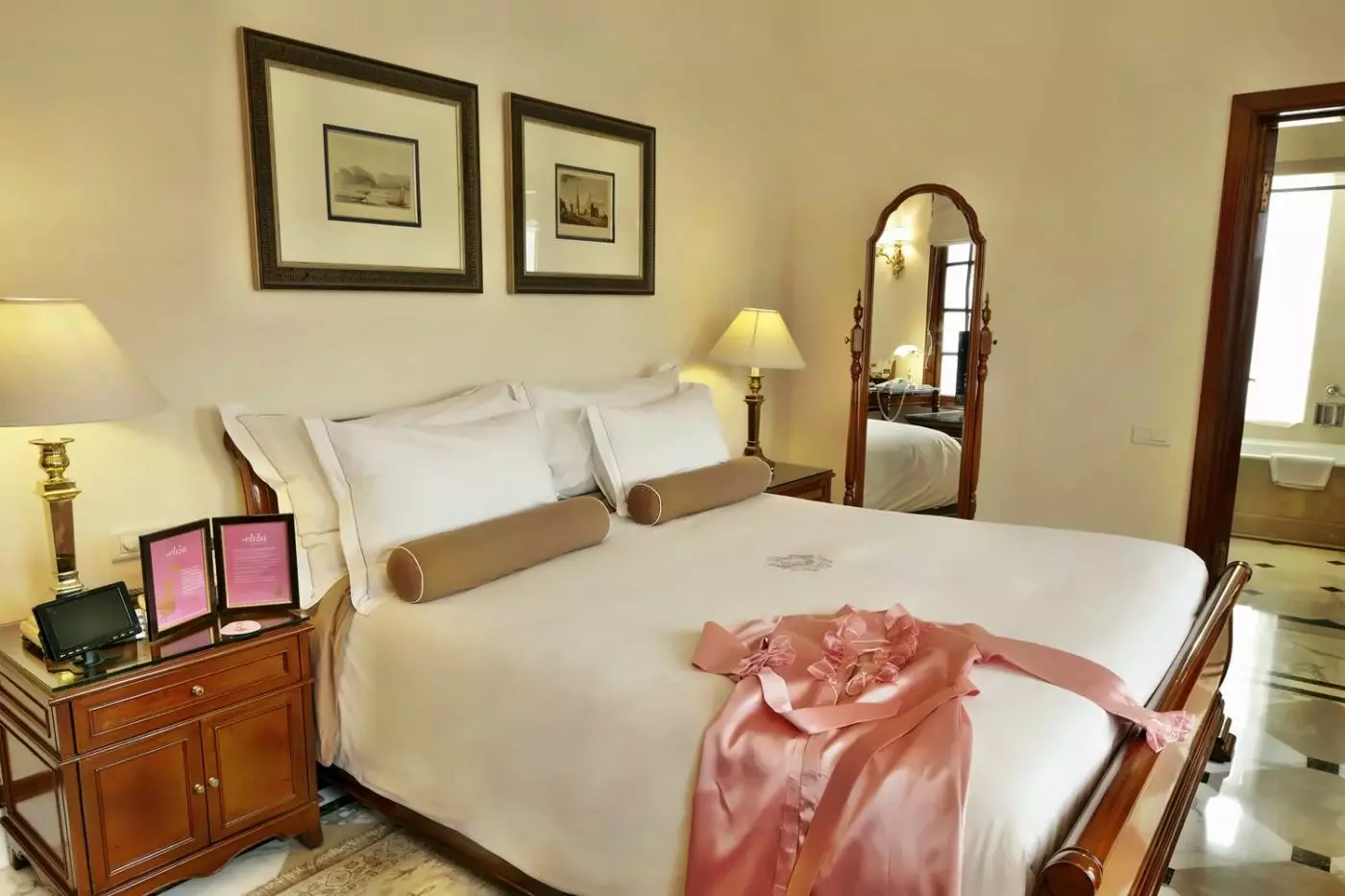
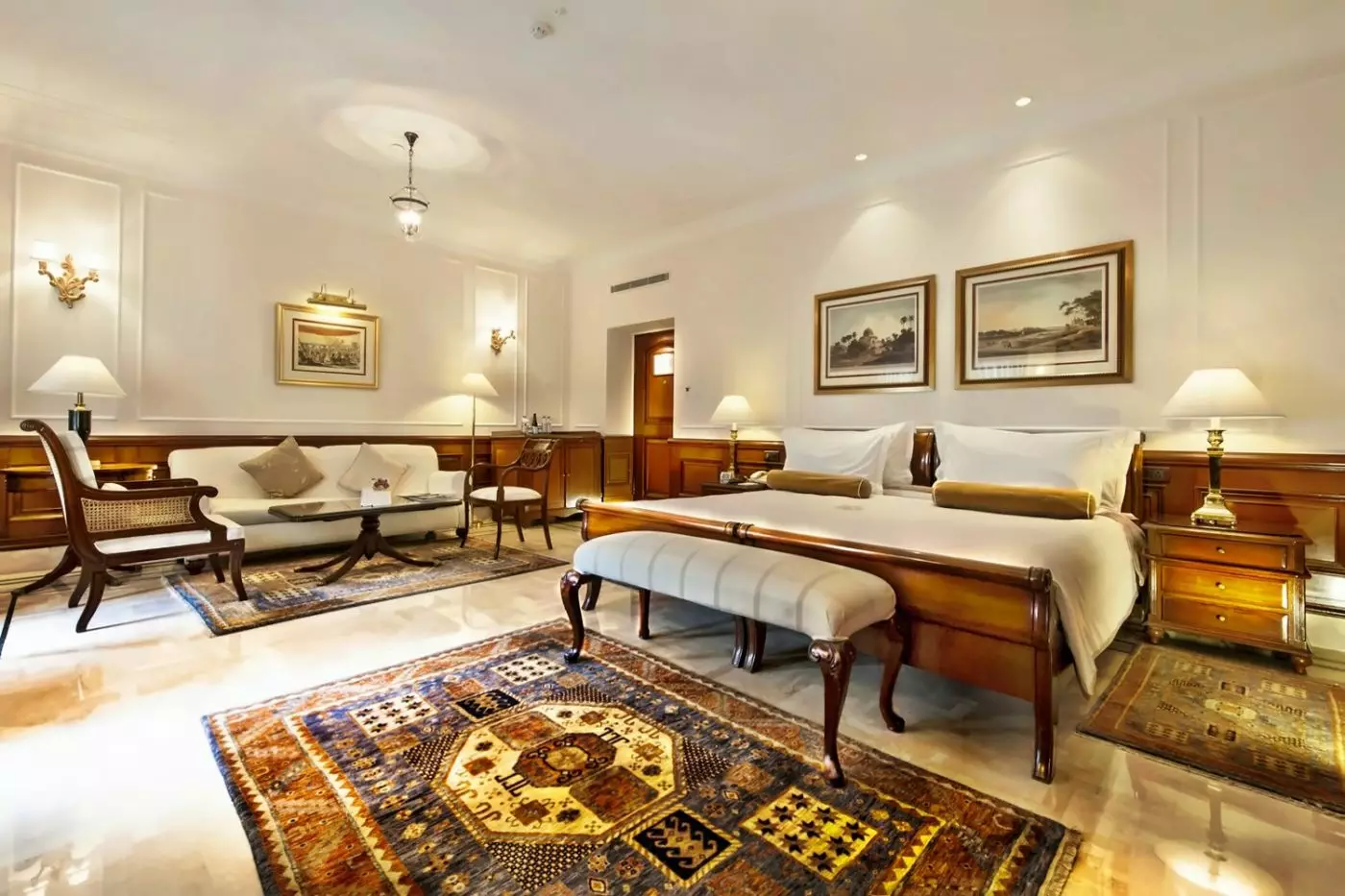
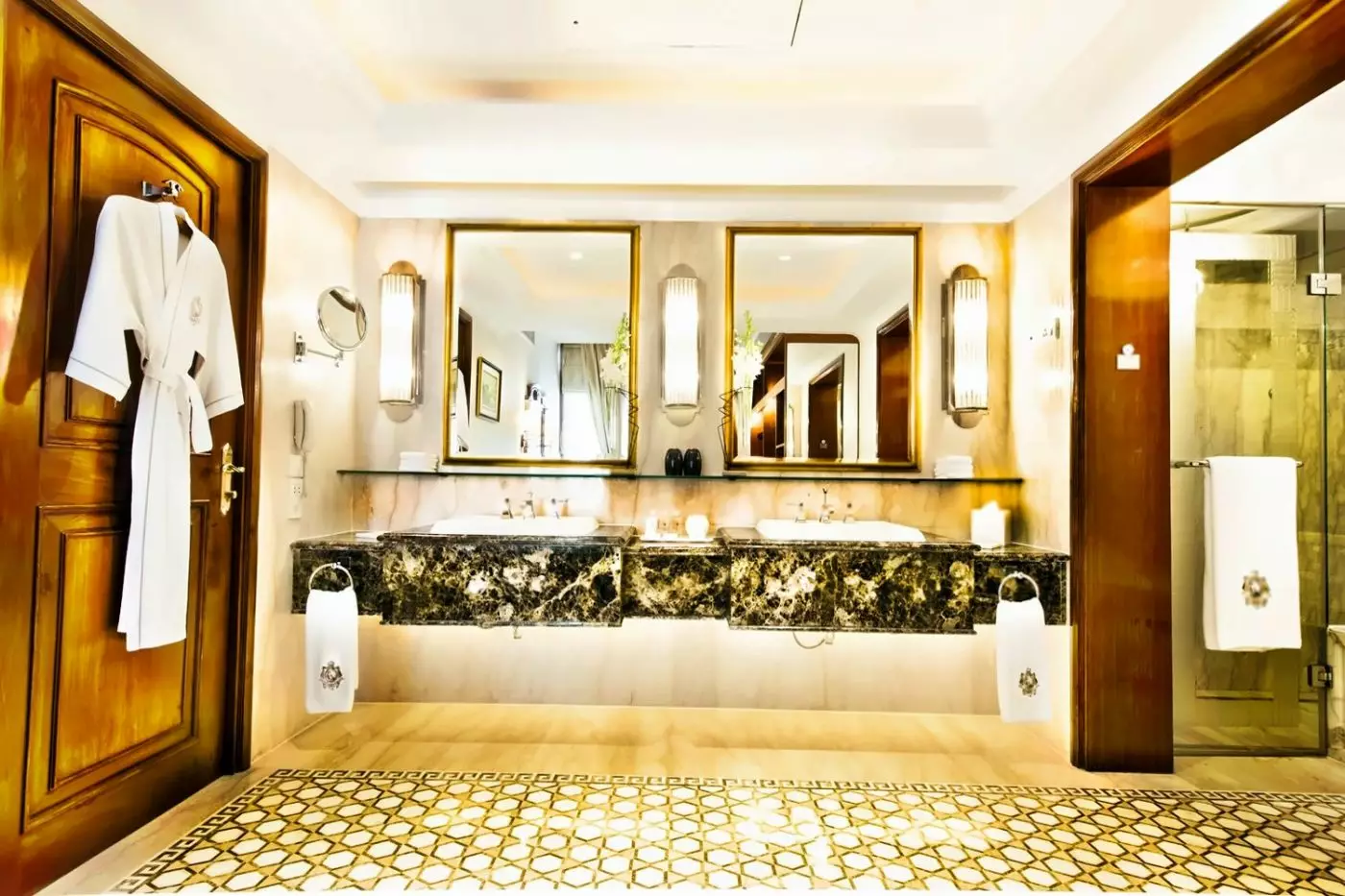
Accommodations range from Deco Rooms and Imperial Rooms to Grand Heritage Rooms, Heritage Suites, Deco Suites, Luxury Suites, the Viceroy Suite, and the Imperial Suite. The style varies by category. The common thread is generous proportion, period detail, polished wood, Indian textiles, marble bathrooms, and a residential sense of order.
High ceilings and large windows help many rooms feel brighter and more spacious than typical urban hotel rooms. Imperial Rooms work well for shorter stays. They also suit travelers who spend much of the day exploring. Grand Heritage Rooms add more space and richer detail. Deco Suites and Heritage Suites suit guests who want a stronger design statement.
Larger suites give more room for entertaining, longer stays, or a more private apartment-like setting in the center of the city. The Imperial Suite is the most elaborate expression of the hotel's old-New-Delhi personality. It has space to host, work, and unwind in a setting tied closely to the building's past.
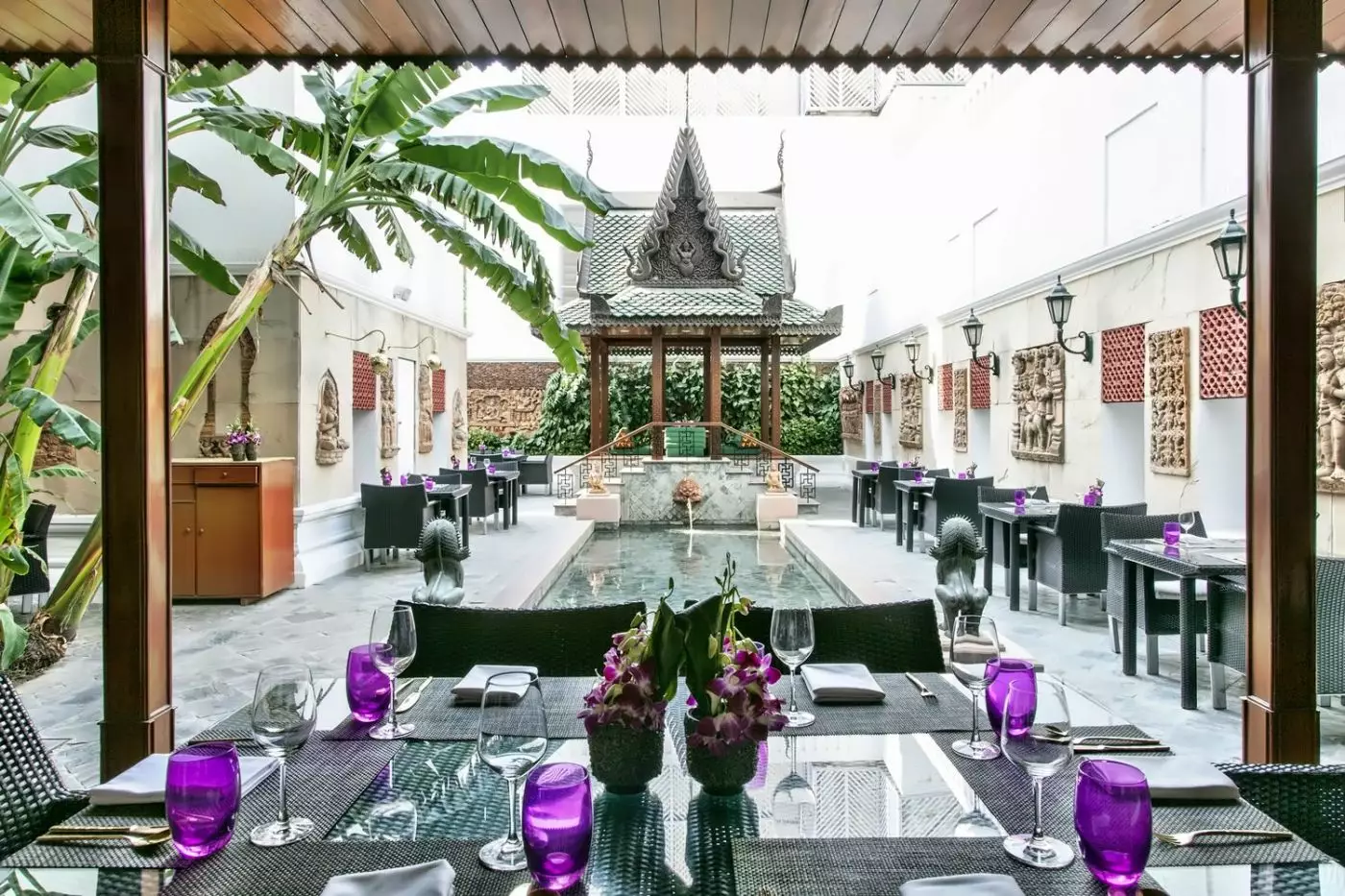
The dining program is one reason many Delhi residents know the hotel even if they are not staying overnight. The Spice Route is the signature restaurant. It is known for Southeast Asian and coastal Indian flavors served in a richly detailed setting. Its carved panels, murals, and layered interiors give the restaurant a destination feeling inside the hotel.
The Spice Route works for guests who want dinner with atmosphere without leaving the property. It is one of the hotel's clearest food identities and helps The Imperial feel more than simply historic. The restaurant connects design, flavor, and hotel ritual in a way that suits the building.
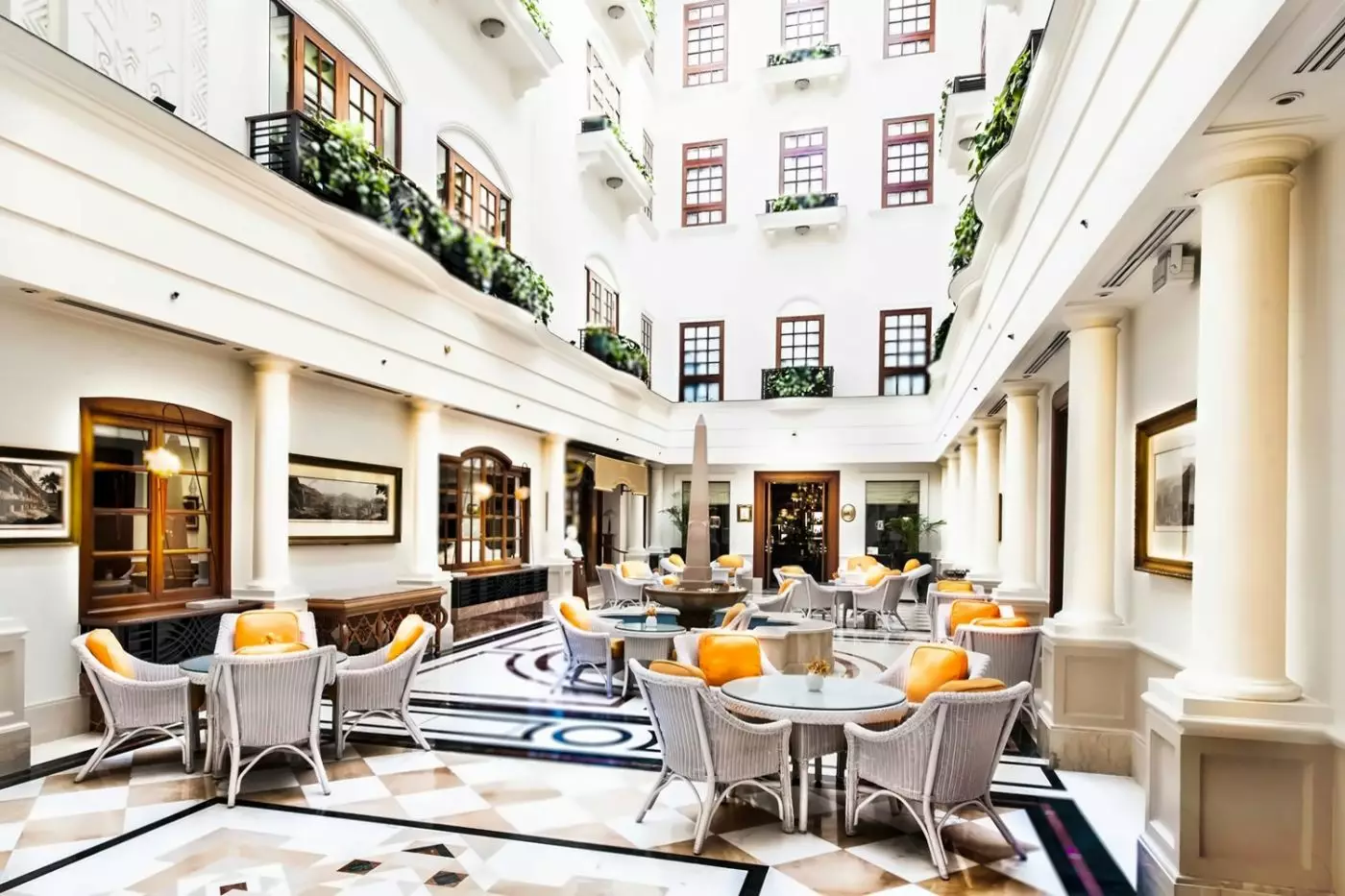
1911 Restaurant is the all-day venue for Indian and international dishes, breakfast, and relaxed meals between city plans. San Gimignano brings Italian cooking to the garden side of the hotel. The Atrium is the place for afternoon tea, coffee, and lighter pauses under the hotel's gracious public spaces.
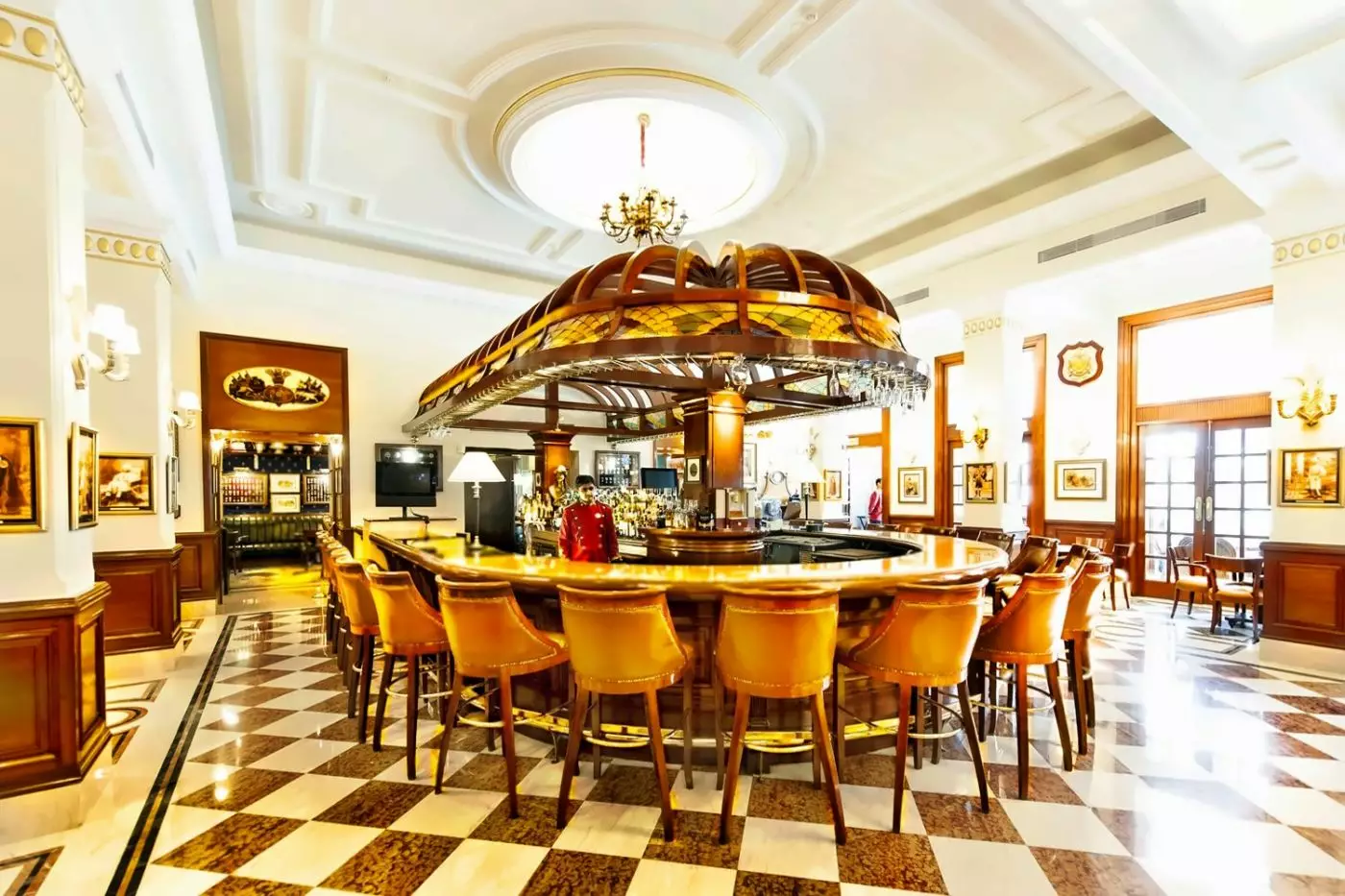
Patiala Peg has the feel of a clubby Delhi bar and is known for its namesake pour. 1911 Bar and The Hardinge Bar give guests more choices for cocktails and evening conversation. Haute Patisserie adds cakes, pastries, and refined sweets for a quiet treat or a gift to take away.
Together, the restaurants and bars make the hotel useful beyond a simple bed for the night. A guest can dine formally, meet privately, have a late drink, or keep the day easy. There is no need to leave the property for every meal.
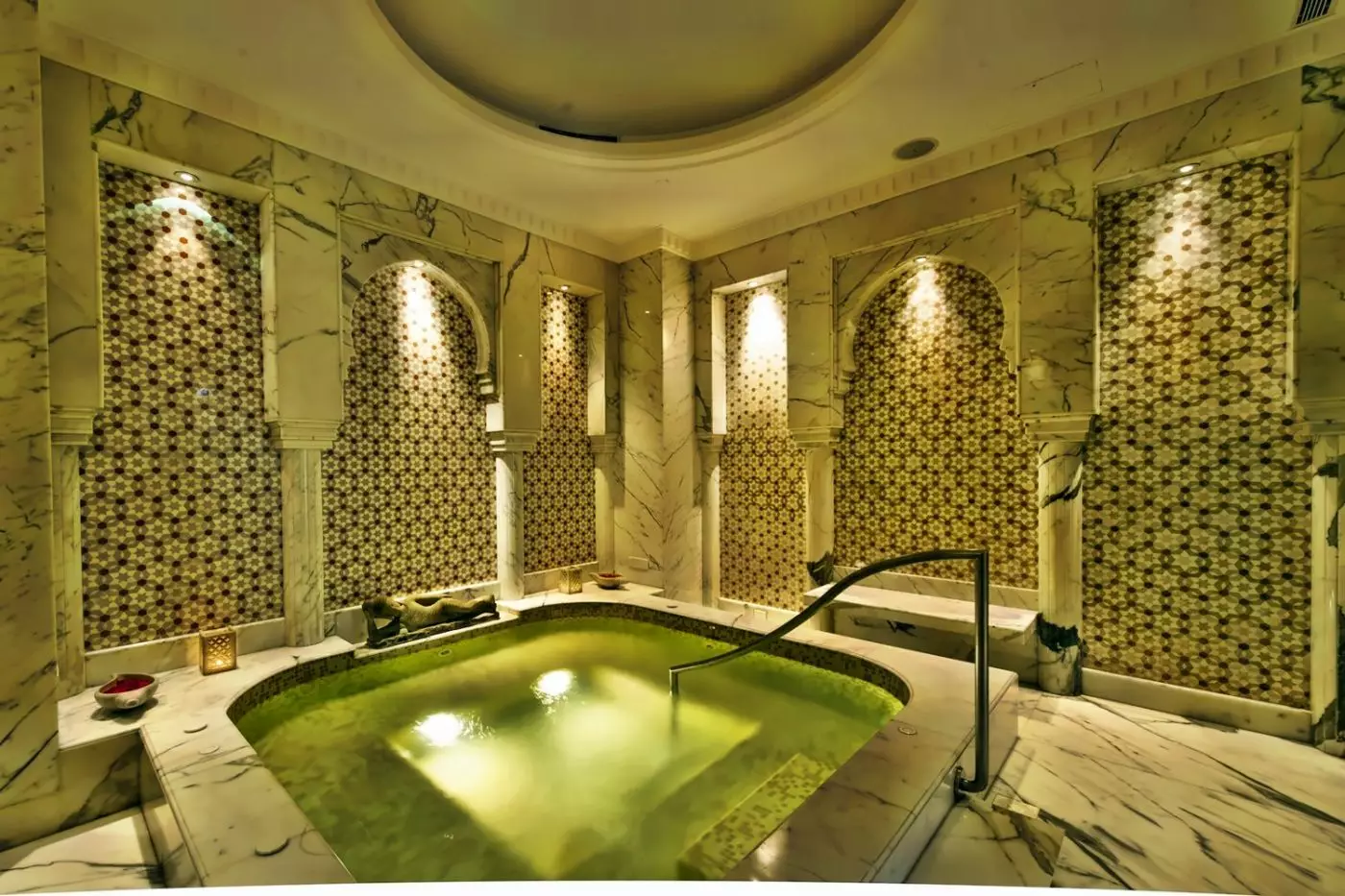
The Imperial Spa gives the hotel a resort-like dimension in the middle of the capital. Treatments include international therapies, Ayurveda-inspired rituals, beauty services, and longer wellness programs. The salon supports grooming before events, meetings, or celebrations.
The spa areas, steam, sauna, fitness facilities, and yoga options help balance the pace of Delhi days. They are useful for guests working through jet lag, heat, or a packed itinerary. The outdoor pool is another advantage. It feels welcome after sightseeing in warmer months. The surrounding greenery makes the area feel more private than the central location might suggest.
The Imperial has long been part of Delhi's social and diplomatic life, and its event spaces reflect that role. Meeting rooms, salons, and larger venues support private dinners, board meetings, receptions, weddings, and cultural events.
The service style is formal enough for important occasions. The setting gives events a sense of address that newer glass towers cannot easily match. For business travelers, the location is practical for the central government area, diplomatic meetings, financial offices, and cultural institutions.
The Imperial is well placed for guests who want to understand Delhi through monuments and daily life. Nearby Connaught Place brings colonial-era geometry, shops, restaurants, and metro access. India Gate and the ceremonial avenues of New Delhi show the capital's grand civic scale. Lodhi Garden, Humayun's Tomb, and Safdarjung's Tomb add greenery, architecture, and a quieter historic mood.
Farther out, Qutub Minar and Mehrauli bring older layers of the city into view. The hotel can also help shape city tours, art-focused walks, and a day trip to Agra for guests who want to see the Taj Mahal while based in Delhi. That can be a long day. It is still a common choice for travelers on a tight India schedule.
The Imperial New Delhi is strongest for travelers who want heritage, service, centrality, and a sense of Delhi's grand hotel tradition. It is more atmospheric than many modern business hotels. It is more complete than smaller boutique properties. Families can use the gardens, pool, and larger rooms to keep the stay comfortable. Couples may prefer the suites, spa, afternoon tea, and destination dining.
Compared with The Leela Palace New Delhi, The Imperial feels more historic and more connected to the center of the city. Compared with The Oberoi New Delhi, it is less contemporary and more heritage-led. Compared with Taj Palace New Delhi, it is smaller in resort scale but stronger in old-city atmosphere. Travelers choosing The Imperial usually value story, setting, and a sense of arrival as much as modern convenience.
The hotel is in a great location. You can easily visit Rajpath, Rashtrapati Bhavan, Old Delhi, and Connaught Place.
Indulge in delicious seafood from Kerala and tasty pad thai from Thailand. Dine at Spice Route Restaurant!
Relax by the garden's pool and enjoy the peacefulness of nature in the middle of the city.
JANPATH
Playing this video may share data with YouTube. Please see our Privacy Policy.
Yes. The Imperial New Delhi is a strong choice for travelers who want a grand heritage hotel in central India. It suits couples, culture lovers, business travelers, food-focused guests, and visitors who want history with five-star comfort.
The Imperial New Delhi is located on Janpath, close to Connaught Place in central New Delhi. The setting is practical for government districts, cultural sights, shopping, dining, and classic city touring around Old and New Delhi.
The Imperial New Delhi has 192 rooms and 43 suites, for a total of 235 keys. Room categories include Deco, Imperial, Heritage, and Grand Heritage rooms, while suites add more space and stronger heritage detail.
The Imperial New Delhi has welcomed guests since 1936 and is one of India's most important heritage hotels. Its architecture blends Victorian, Art Deco, and Lutyens-era influences, giving the hotel a strong sense of place.
The atmosphere is grand, cultured, and old-world, with high-touch service and a calm mood behind the city streets. Guests should expect formal public rooms, gardens, art, polished dining, and a slower pace than many modern city hotels.
More amenities
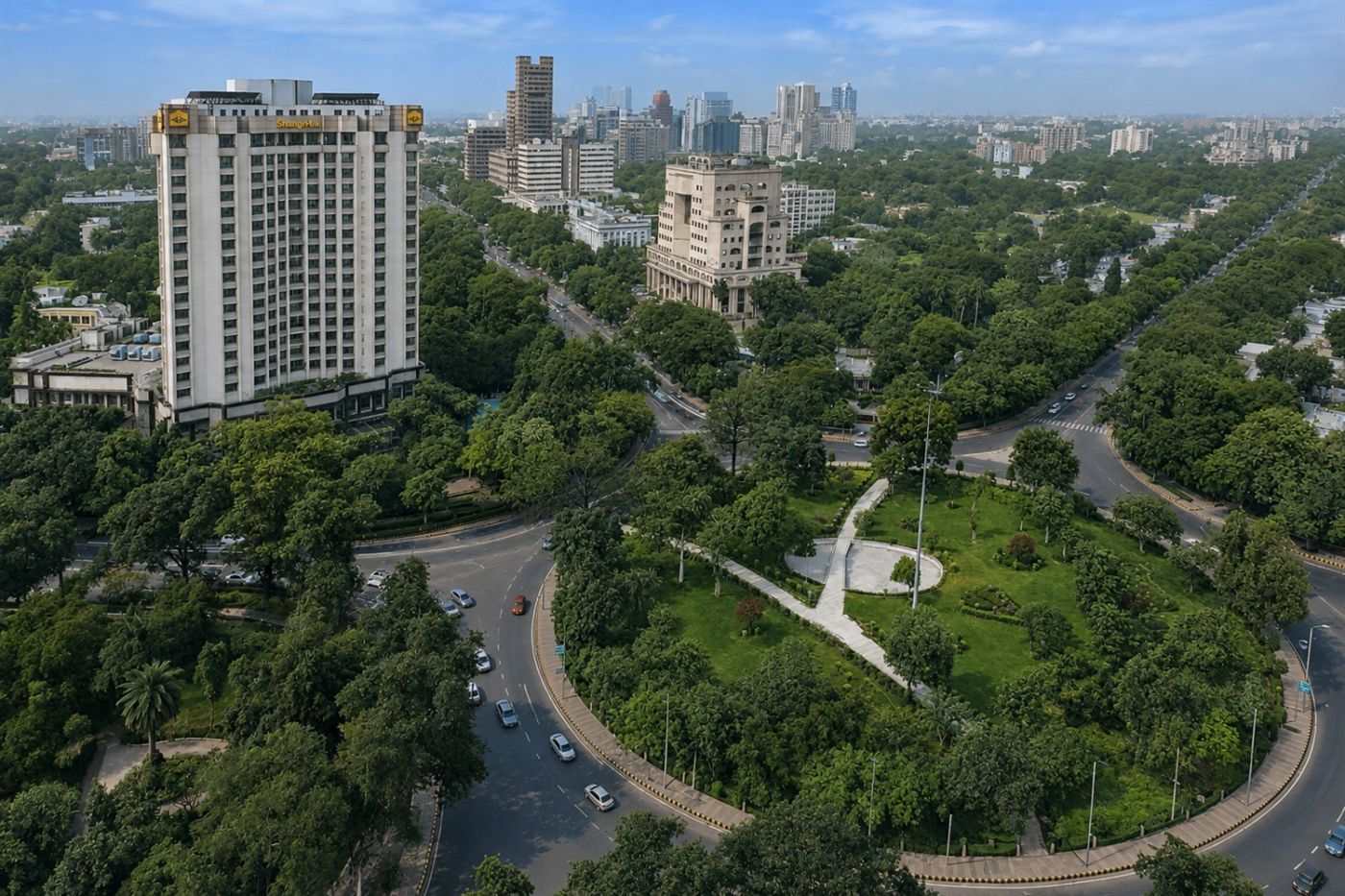
Shangri La Eros New Delhi stands at 19 Ashoka Road, close to Connaught Place, Janpath, government offices, shops, museums, an...
More amenities
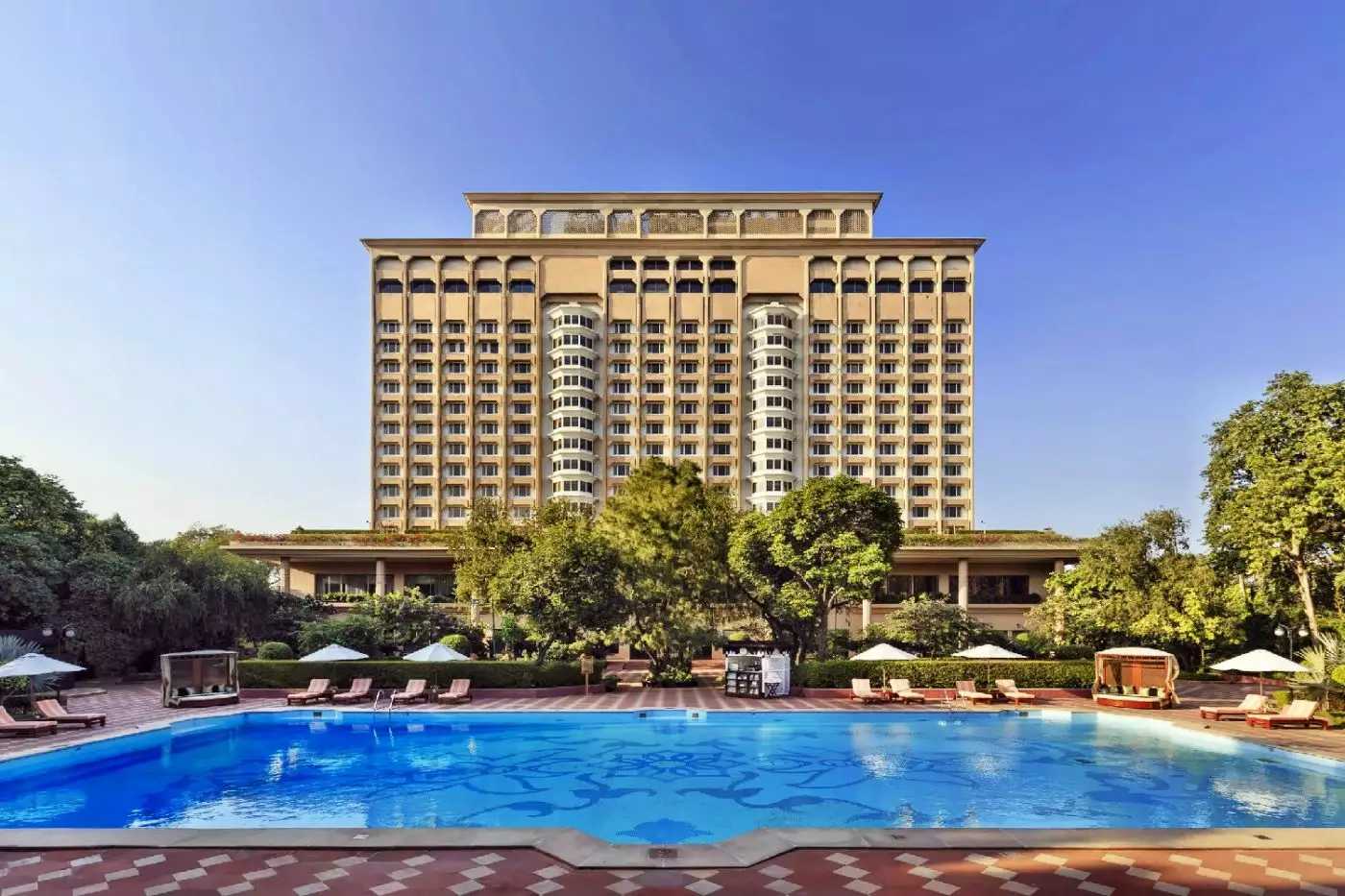
The Taj Mahal Hotel stands at Number One Mansingh Road in New Delhi, in the heart of Lutyens' Delhi. It is one of the capital...
More amenities
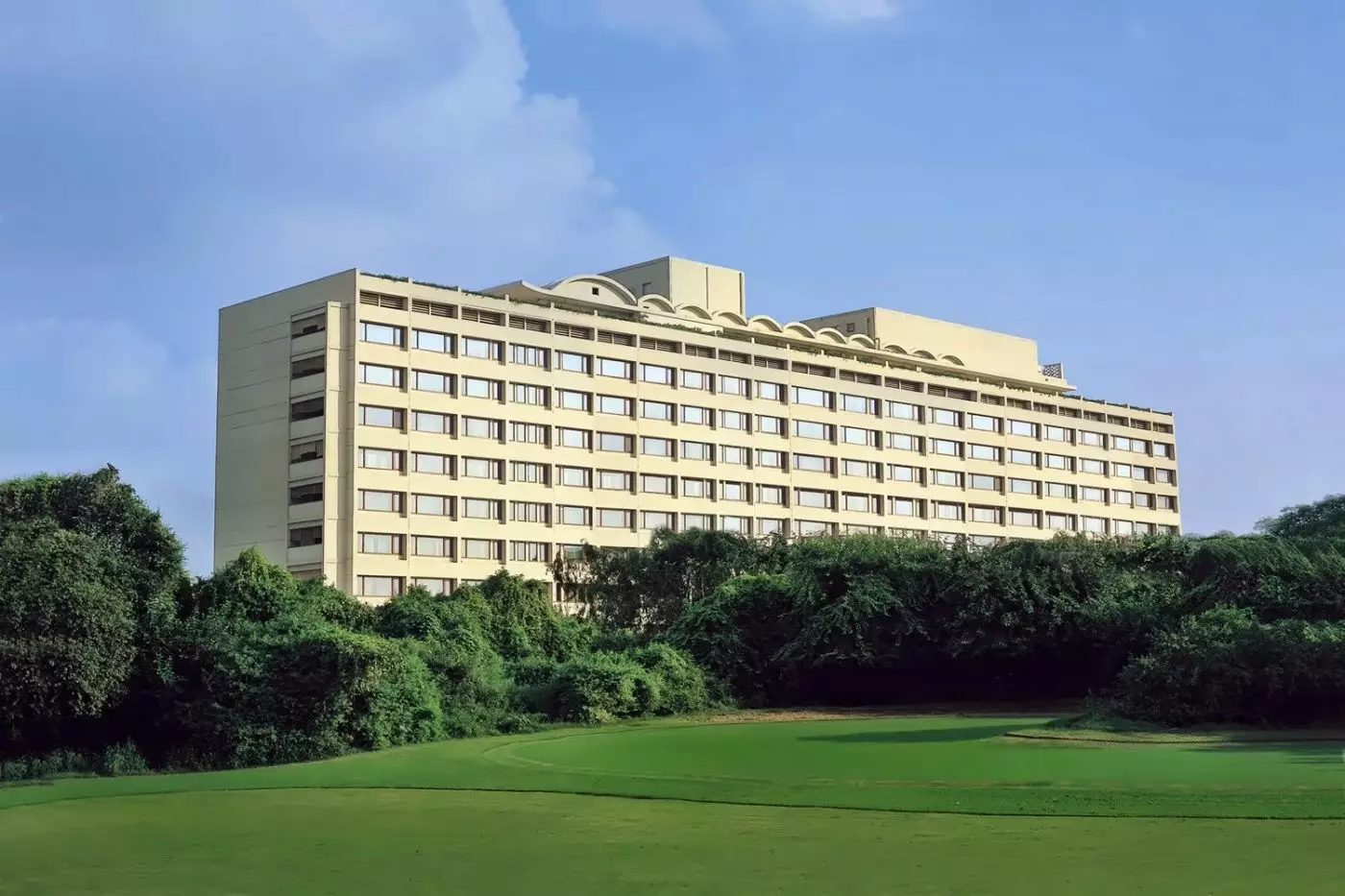
The Oberoi New Delhi is a leading city hotel on Dr. Zakir Hussain Marg, close to Delhi Golf Club, Humayun's Tomb, Lodhi Garde...