

Best for
Taschenbergpalais suits travelers planning museum visits and opera evenings, with Dresden's Zwinger, Royal Palace and Semperoper close to the hotel.
Please choose a hotel or destination from the list.
Your private search
Finding exceptional stays

Best for
Taschenbergpalais suits travelers planning museum visits and opera evenings, with Dresden's Zwinger, Royal Palace and Semperoper close to the hotel.
What makes it special
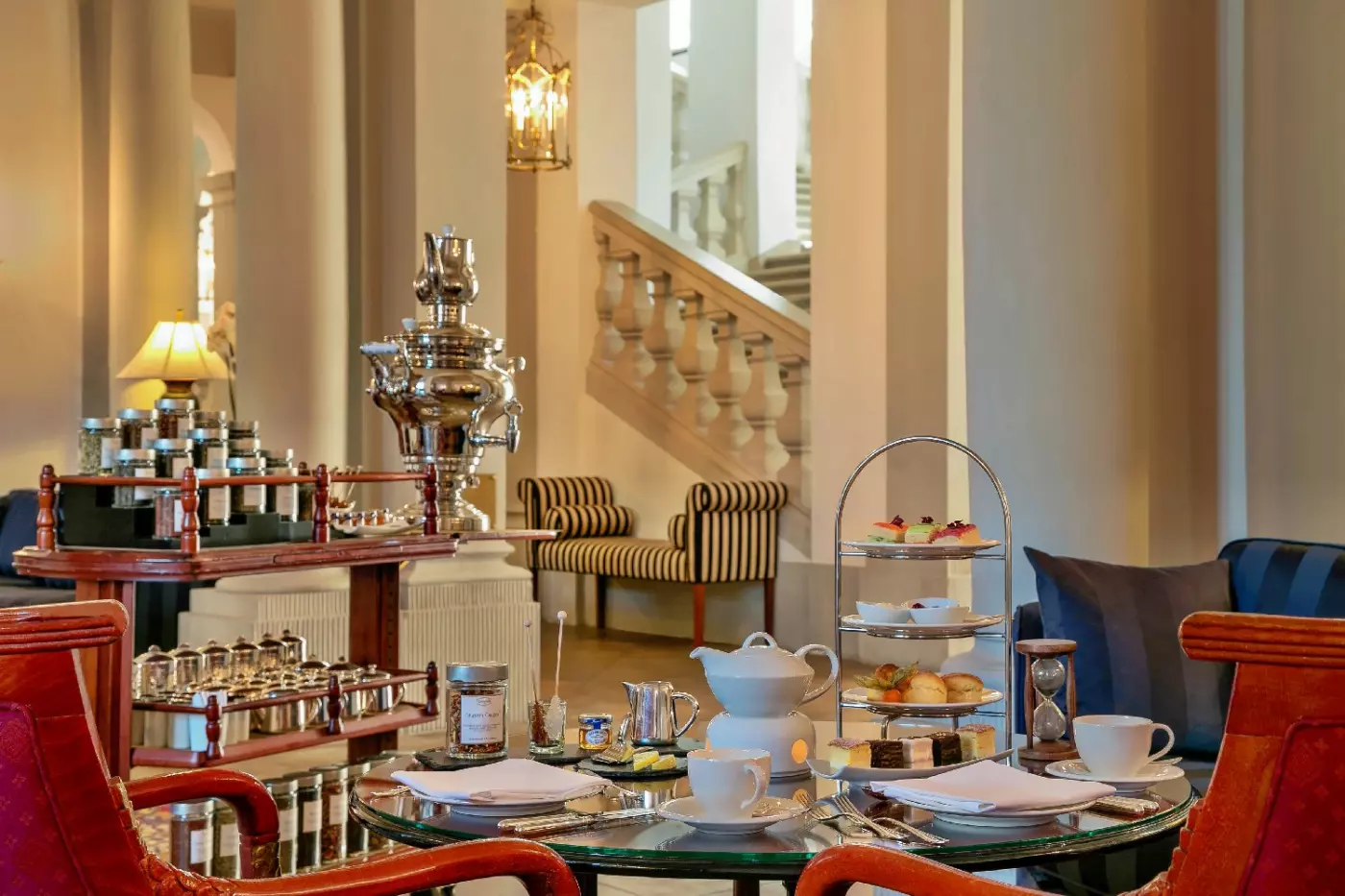
Stop at Amalie for coffee and pastries by the baroque staircase, a convenient pause between Dresden's museums and evening plans.
Room to consider
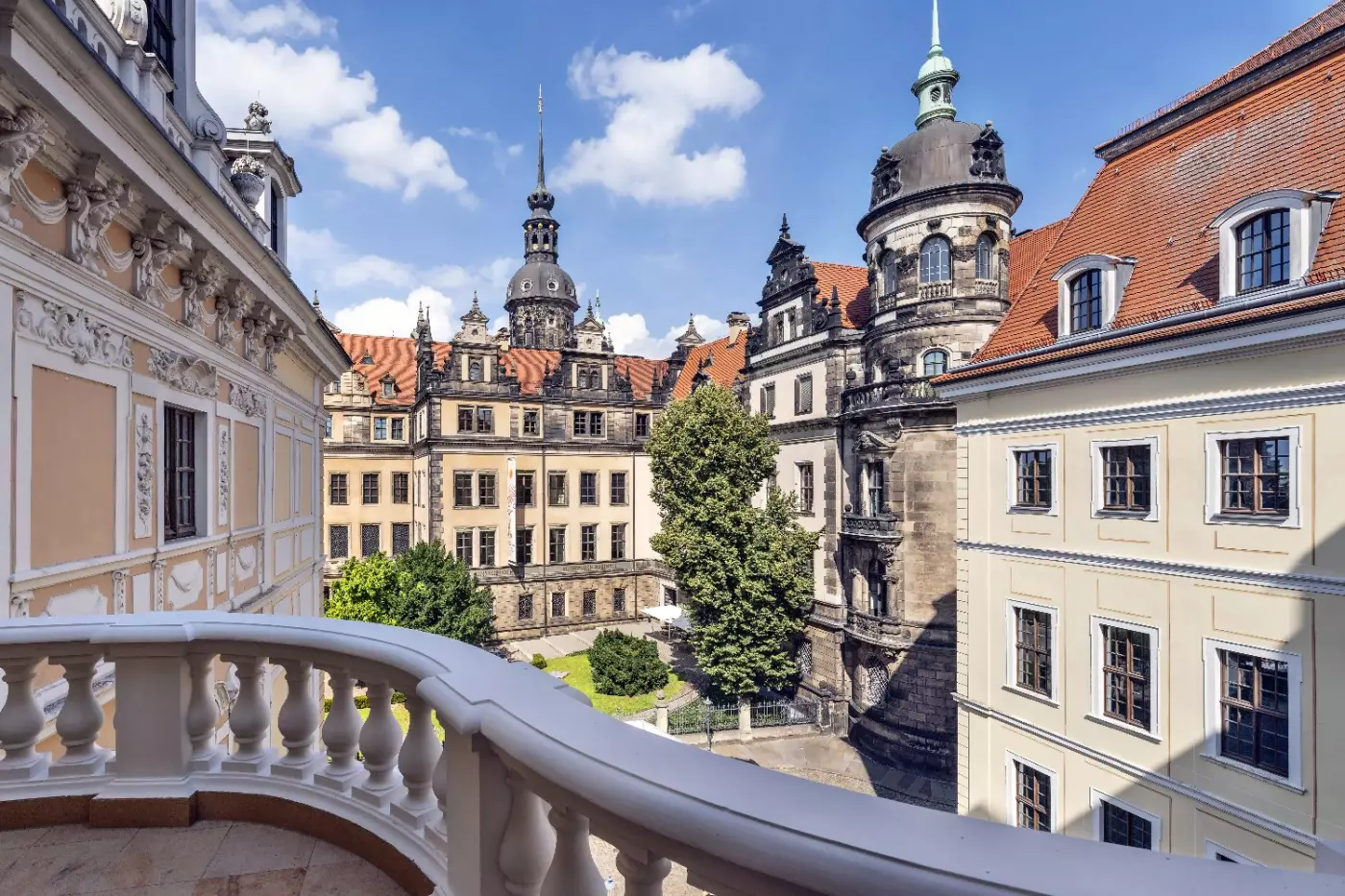
A Palais View Room pairs views across Dresden's historic center with a seating area, useful for reading between visits to nearby sights.
Insider tip
Plan family swims around the children's pool sessions: 10–11:30am and 3–4:30pm daily; children must be accompanied by an adult.
Free membership gives you access to preferred rates, exclusive benefits and current promotions for your stay.
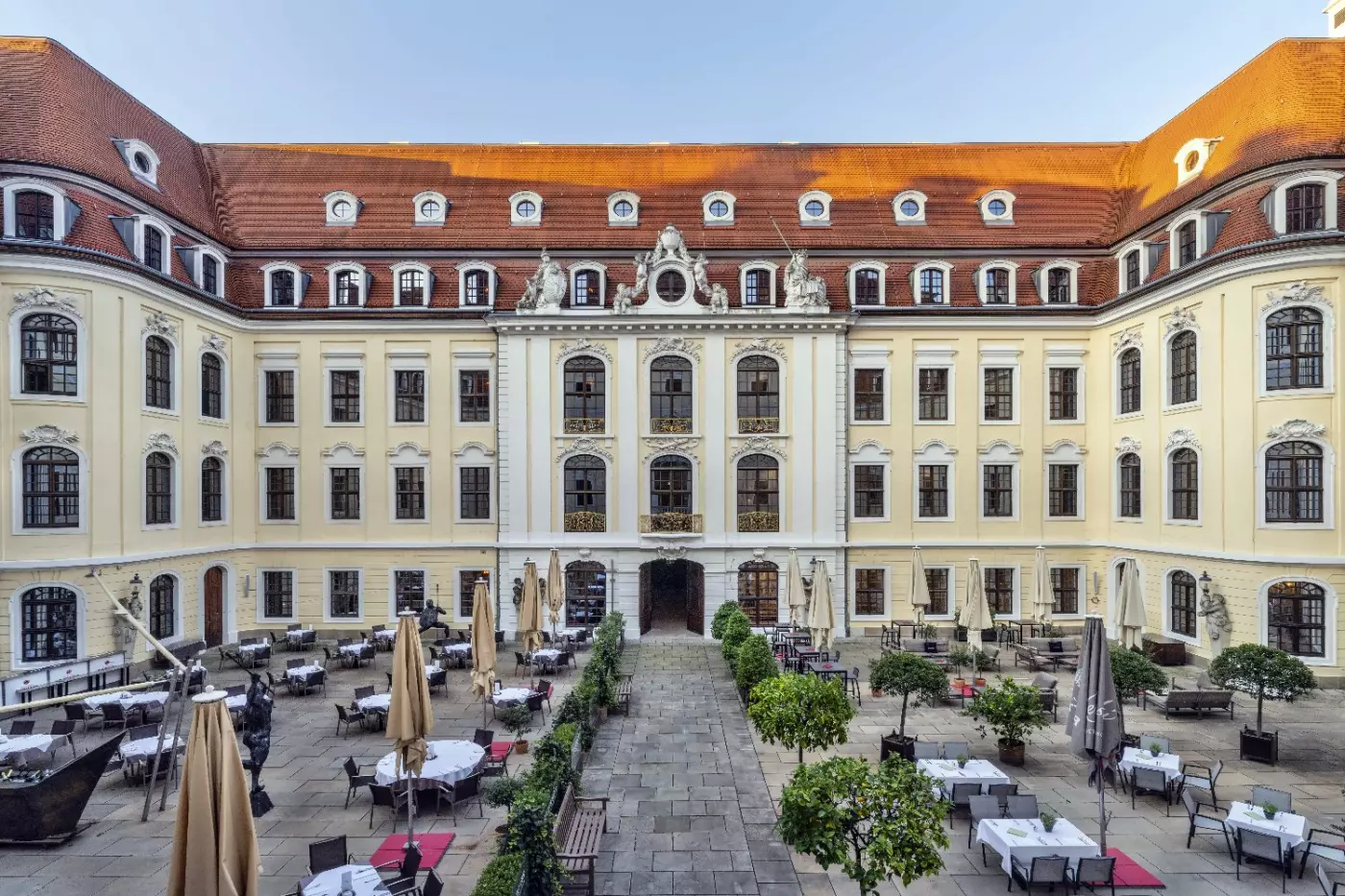
Hotel Taschenbergpalais Kempinski Dresden occupies a reconstructed Baroque palace in Dresden's Old Town. At Taschenberg 3, it stands among the Royal Palace, Zwinger and Semper Opera House, with the Frauenkirche and Elbe promenade close by. The hotel has 180 rooms and 31 suites, alongside a fifth-floor spa, restaurants and salons overlooking the historic center.
 211
211
 Charming
 Fitness
 Pool
Pool
 Spa
Spa
 Sauna
Sauna
 Wellness
 Culture
 Pet Friendly
 Wheelchair Accessible
 Connecting Rooms

The Palais Room beckons with its timeless elegance and royal ambiance. It offers unparalleled comfort, a testament to the rich history of Dresden. Each piece...

The Grand Palais Room stands as the epitome of luxury and history. It is the largest room offered, spanning an impressive 44 square meters. A...

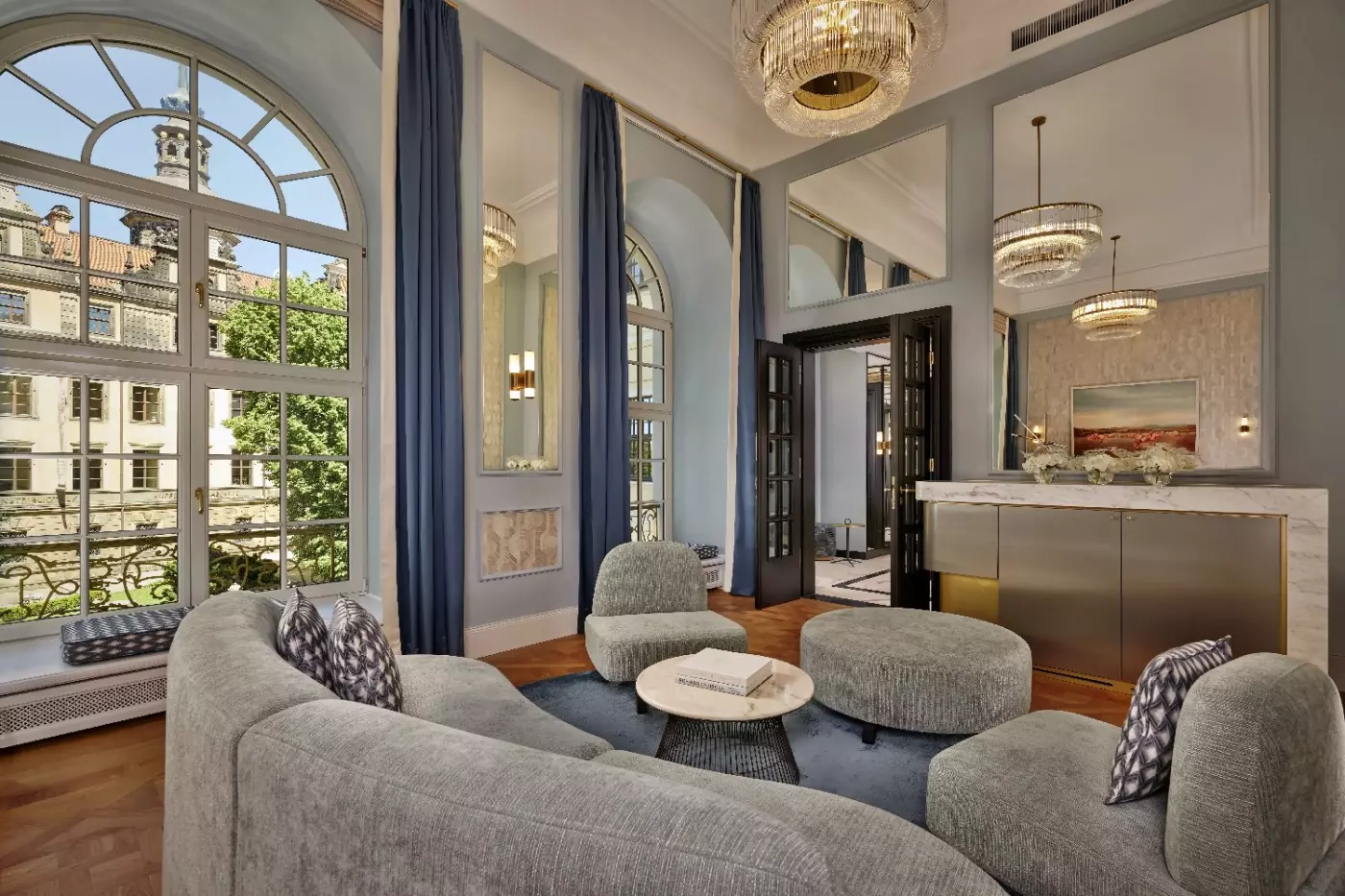
In the heart of a historic city center, the Palais View Room uniquely blends classic elegance and modern aesthetics. Each morning, guests see a stunning...

Guests find themselves in a splendid space in the Grand Palais View Room. It is the largest room available. Every piece of furniture tells the...

Nestled in the city's heart, the Junior Suite offers an escape into luxury. It spans 53 m² or 570 ft², ample space for up to...

Nestled in the heart of a historic city, the Castle View Junior Suite is a testament to luxury and elegance. This suite captivates with its...

In the heart of Dresden, the Deluxe Suite offers a regal experience. It spans 60 m² or 645 ft², perfect for up to four guests....

Indulge in the regal opulence of the Signature Suite, where refined elegance meets remarkable design. This suite, spanning 71 m² or 764 ft², accommodates up...

The Queen Suite, steeped in the aura of Countess Cosel, exudes royal opulence. Its 161 square meters of space are a testament to luxury, blending...

Step into the King Suite, where history and luxury intertwine. It's a realm that echoes the grandeur of Augustus the Strong's reign. Every inch of...
Augustus the Strong commissioned the Taschenbergpalais in 1705 for Anna Constantia, Countess of Cosel. Following the Second World War, the building remained in ruins for almost half a century. Reconstruction began in 1993, and the first hotel guests arrived in late 1994. The formal opening followed on March 31, 1995.
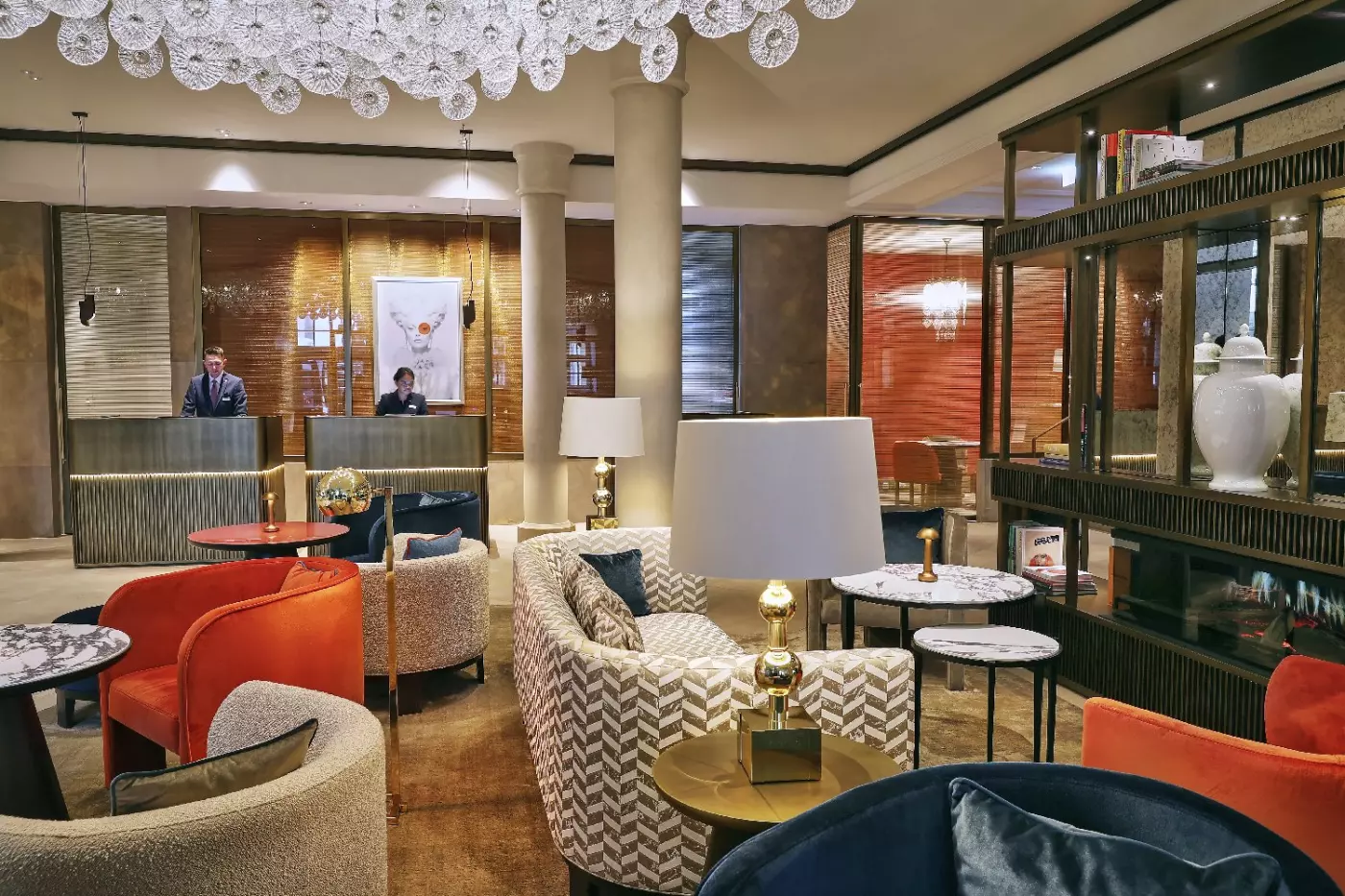
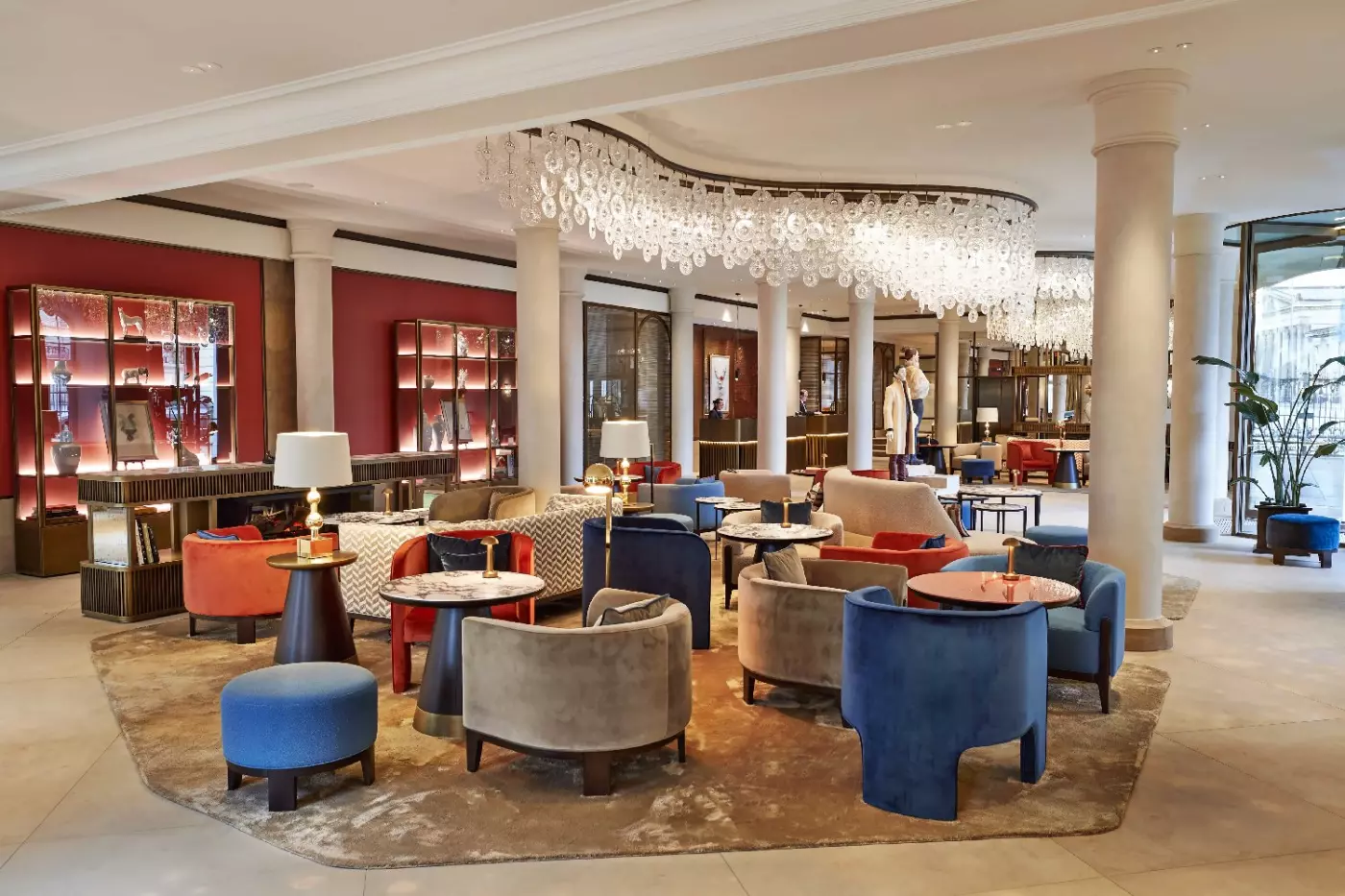
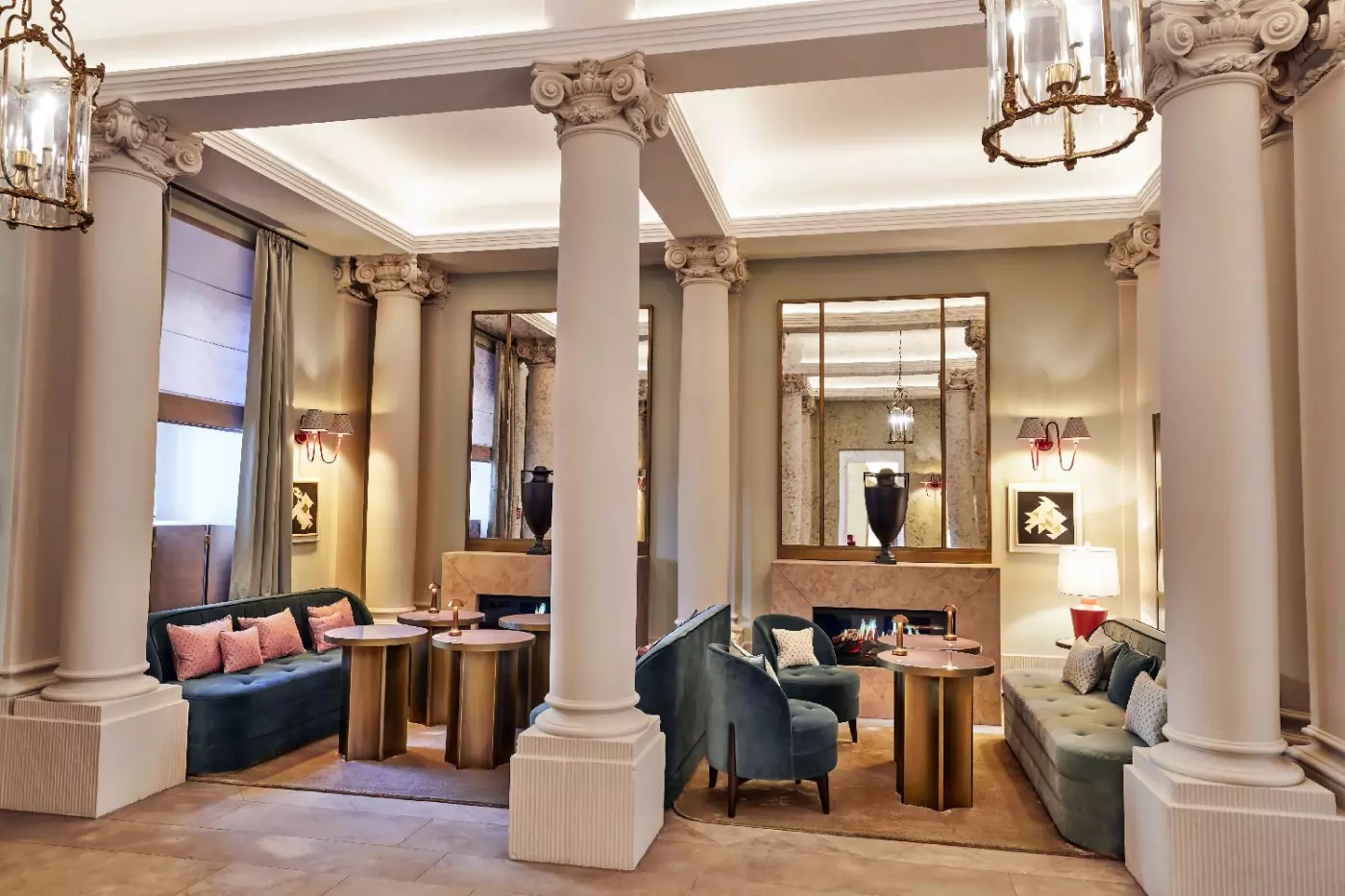
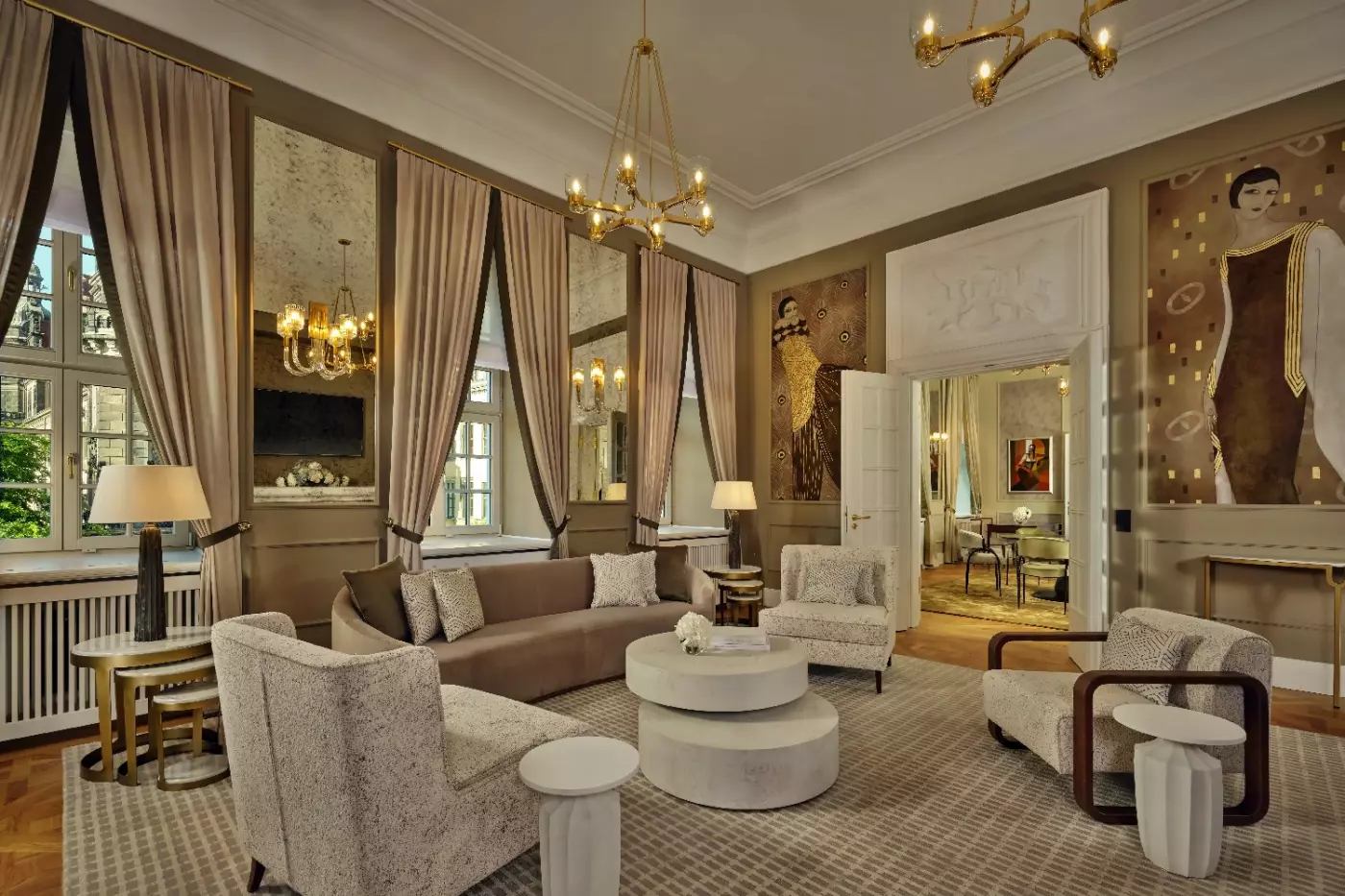
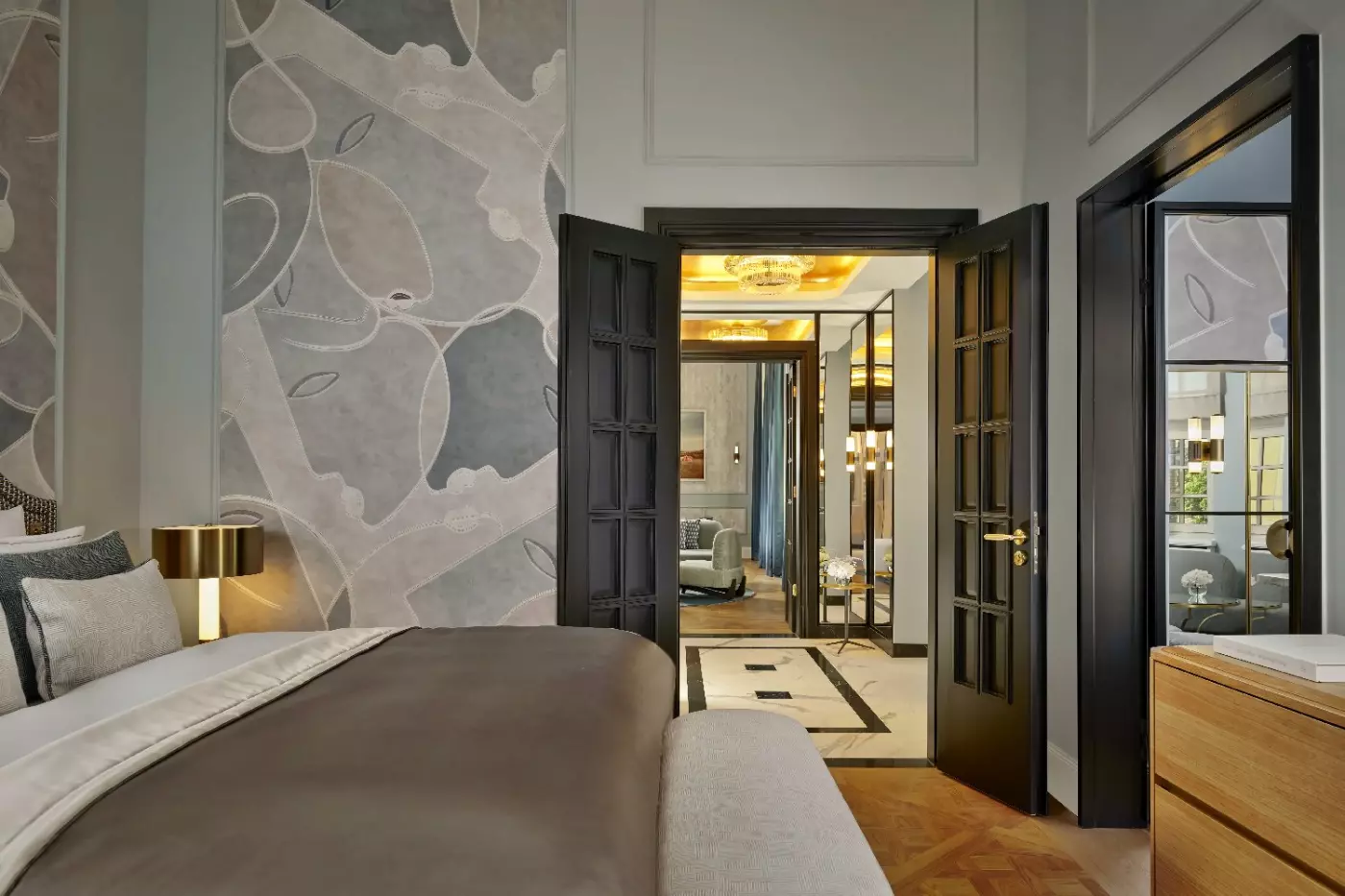
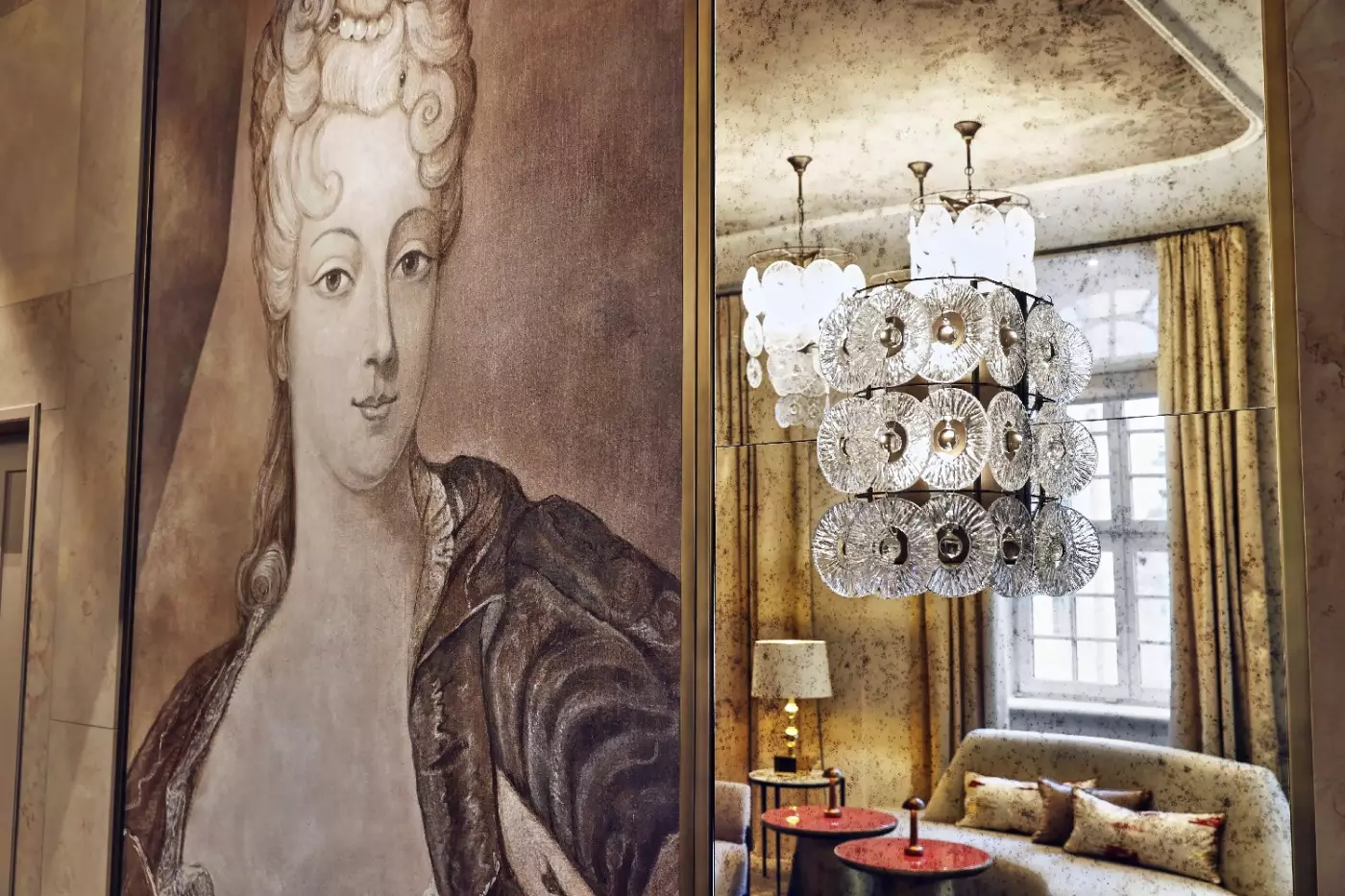
Berlin interior designer Markus Hilzinger used sandstone floors and textile wallpaper in the lobby, where a lighting installation traces the course of the River Elbe. The lights connect the main lounge with Amalie, the hotel's patisserie. Custom furniture and selected artworks continue through the guest rooms, giving the interiors a connection to Dresden beyond the palace facade.
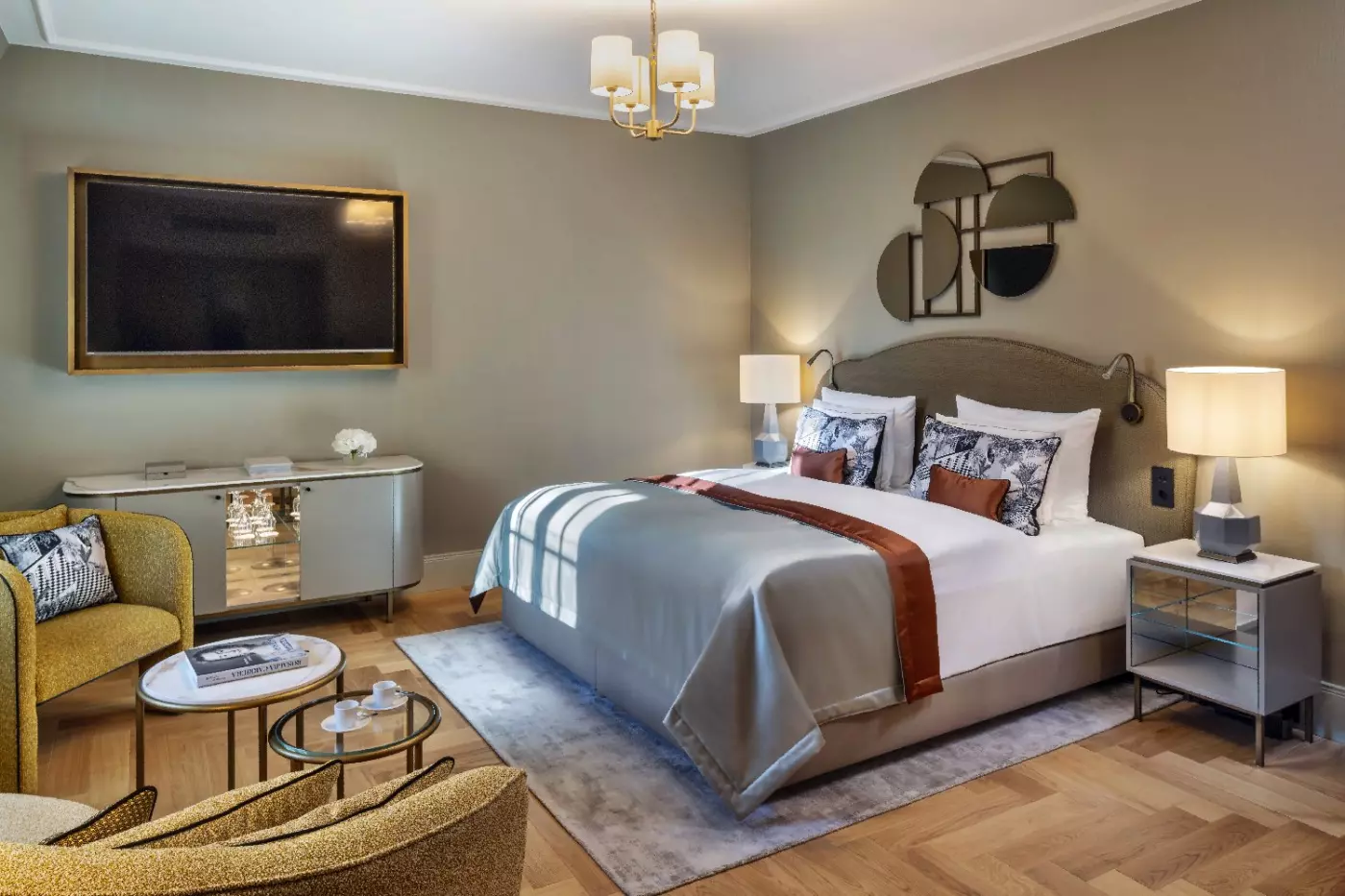
The room names distinguish size from outlook. Baroque Rooms are the smallest at 25 square meters, while Palais Rooms measure 35 square meters; both accommodate up to two guests and face a street or inner courtyard. A Palais View Room retains the 35-square-meter footprint but looks toward historic landmarks. It has a king bed, high ceilings and a seating area, with marbled ceramics in the bathroom.
Grand Palais Rooms have 44 square meters, a king bed and space for up to three guests. Their lounge area and desk sit within the room, while the bathroom has a rain shower and double sink. Extra beds and cribs are permitted in this category. Connecting rooms are available in the Palais View category, subject to the particular arrangement being confirmed.
For a separate bedroom, the Deluxe Suite provides 60 square meters and accommodates up to four guests. Its king bedroom is distinct from the living room, and the bathroom has both a tub and separate shower. The outlook is onto a street or courtyard. Connecting options, extra beds and cribs are available, though layouts within this category vary.
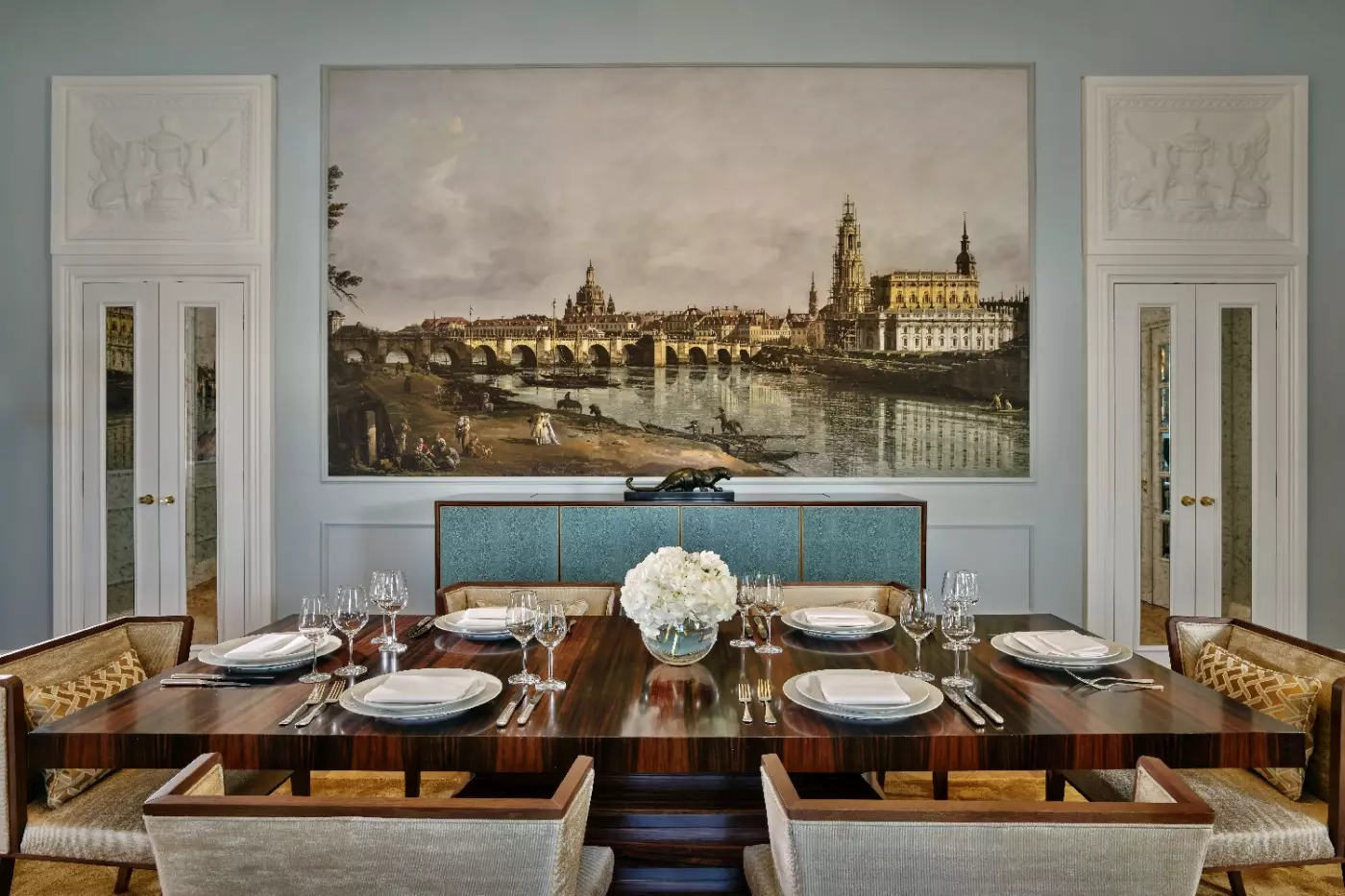
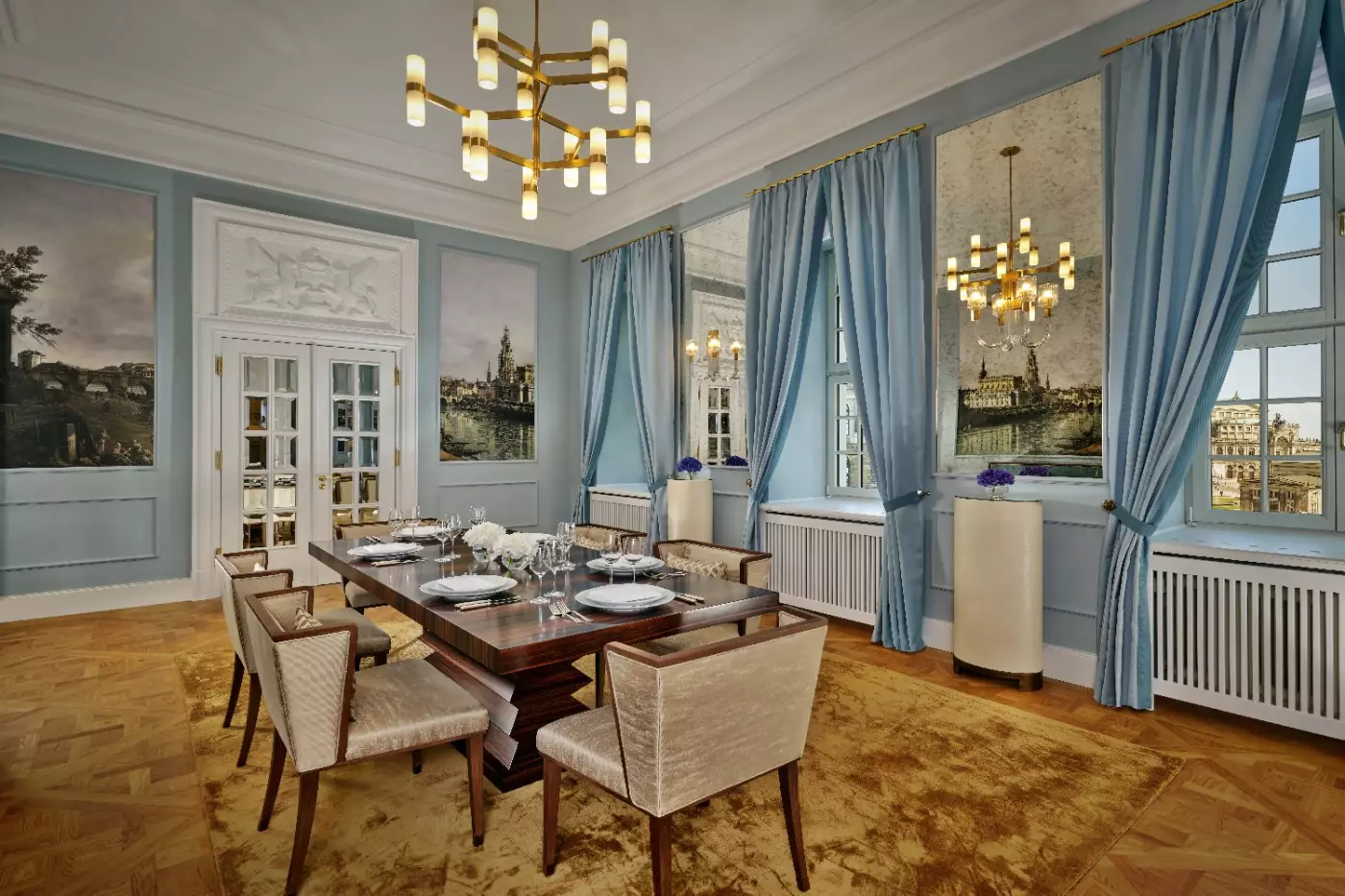
The Royal Suite combines the King and Queen Suites into 380 square meters, with two king bedrooms and a current maximum of six guests. Separate living and dining rooms are joined by kitchen facilities and private wellness spaces, including a Finnish sauna and steam shower. Oak parquet and a large reproduction of Bernardo Bellotto's Dresden cityscape give the interiors a local reference. The painting was reproduced in collaboration with the Dresden State Art Collections.
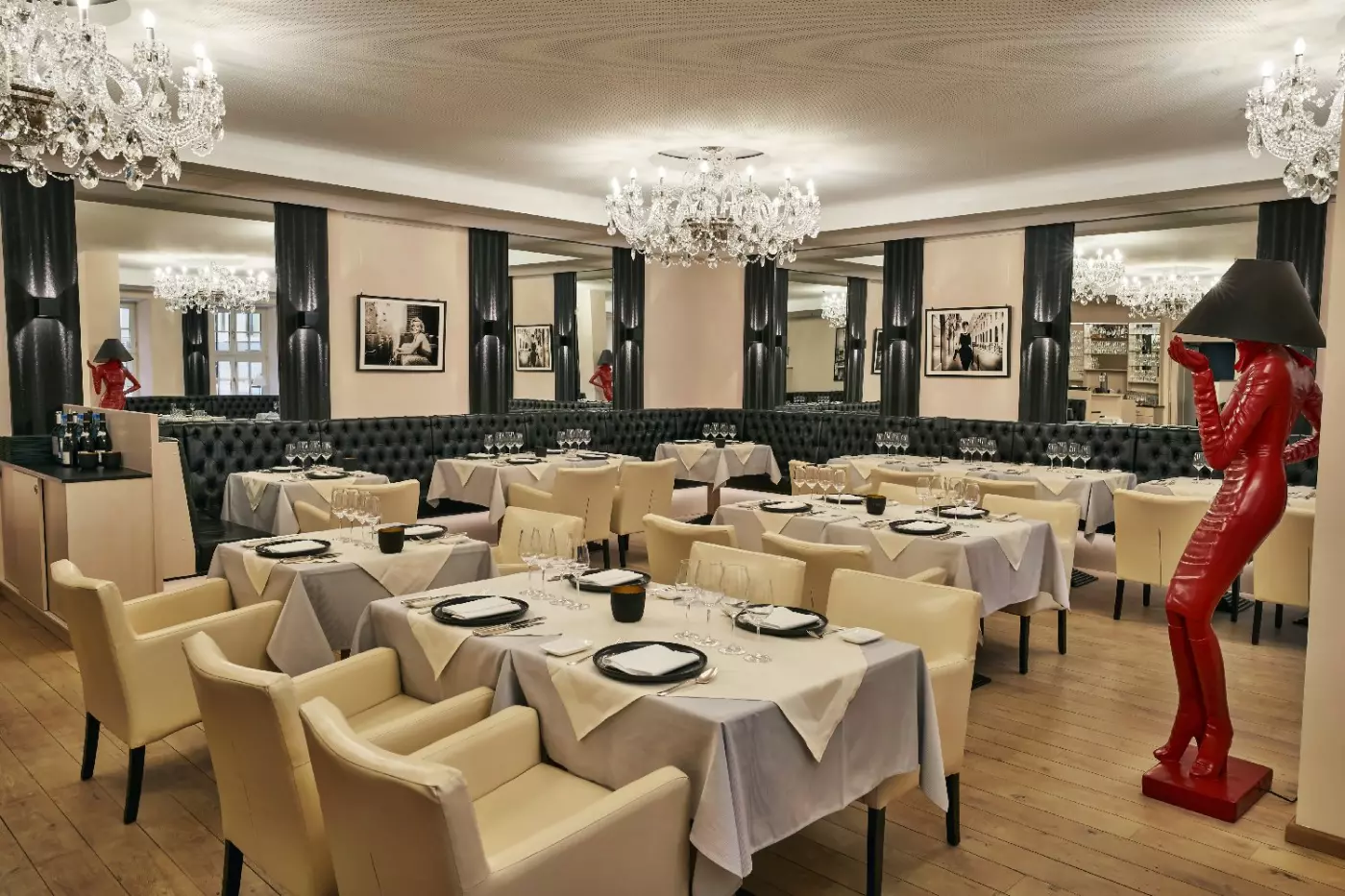
Kastenmeiers centers its menu on fish and seafood, with Gerd Kastenmeier using seasonal ingredients from the region. Freshwater and saltwater aquariums sit above the open kitchen, while clay-plastered walls display a changing selection of contemporary art. The works can be purchased. Alongside the regular menu, a four-course surprise menu gives the kitchen control of the sequence, with a wine pairing available. Dinner is served daily.
Kastenmeiers Wine and Champagne Bar has its own selection of smaller dishes from the restaurant kitchen. Rare wines are available by the glass through a Coravin system, and groups can arrange blind tastings. It is a distinct evening option within the hotel, particularly for guests interested in comparing wines without ordering a full bottle of each.
Amalie Pâtisserie & Lounge brings the focus back to the lobby. Tartlets, pralines and chocolate creations accompany coffee and tea, with takeaway available. Afternoon tea includes sandwiches, English scones and house-made pastries. The savory menu includes a club sandwich, Caesar salad and a vegan patty. Around the fireplace, armchairs and more secluded seating areas leave space for a lingering afternoon stop.
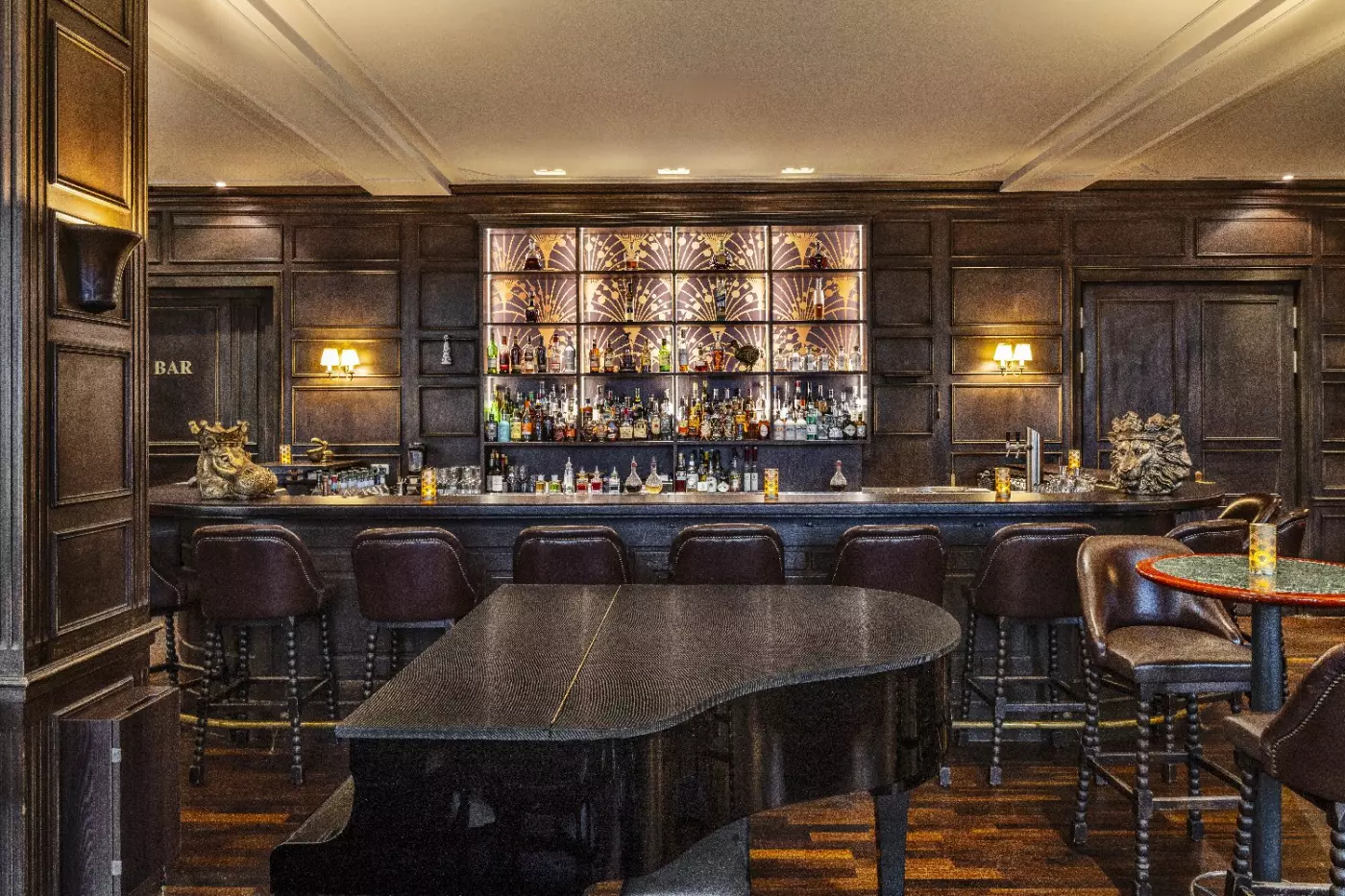
Bar 1705 takes its name from the palace's founding date, while its interiors look to the 1920s and New York's Oak Room. Whiskies and spirits line the bar, with cocktails and a menu of bar dishes. The historical reference and late-evening atmosphere make it a different setting from the patisserie and main lounge.
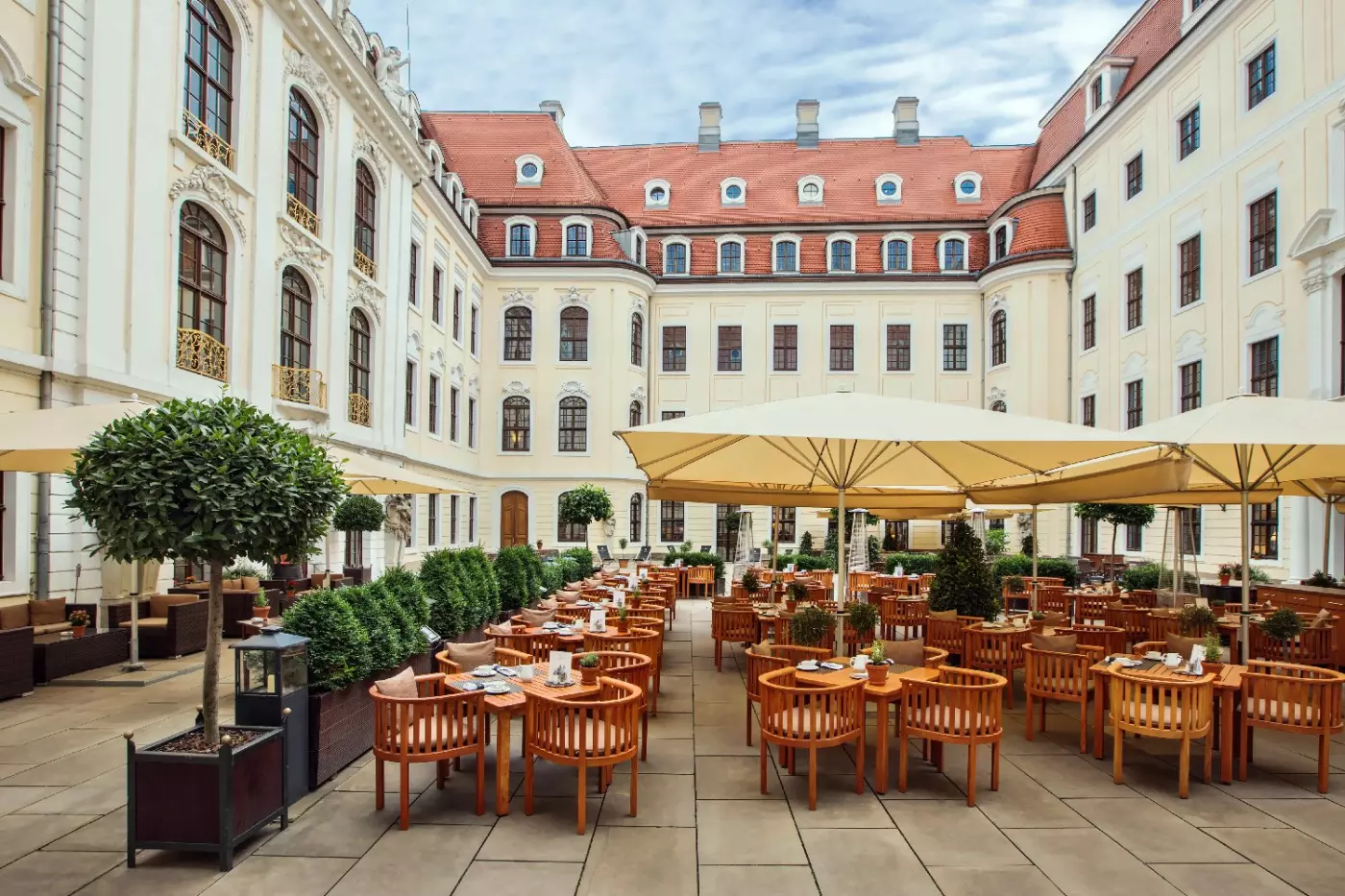
Breakfast is served in a separate restaurant, with courtyard tables available in summer. The buffet is supplemented by egg dishes, porridge and pancakes, and includes vegetarian and vegan choices. Weekend service runs until 11:30 a.m., an hour later than on weekdays. Coffee and tea are served at the table.
The indoor pool measures five by 11 meters and is maintained at 28 degrees Celsius. Loungers sit along both sides, and the sauna area includes two Finnish saunas, a steam room and an infrared cabin. Children's pool sessions, accompanied by an adult, are scheduled daily from 10 to 11:30 a.m. and 3 to 4:30 p.m. Confirm the applicable age restrictions before your visit. Treatments have a minimum age of 16. The Fitness Suite opens from 6:30 a.m. to 10 p.m.
Sandstone, wood and porcelain appear again in the treatment spaces. The menu includes partial-body massages concentrating on the back, legs or arms, as well as aromatic-oil and hot-stone massages. Facials and body treatments can also be booked. The saunas open at 2 p.m. Monday through Thursday and at 7 a.m. Friday through Sunday.
The house chapel has a nine-meter ceiling and a gallery that can accommodate musicians during a ceremony. It is available for personalized vows, while the historic staircase can host an aperitif or reception. Elsewhere, salons on the Bel Etage look toward the Semper Opera House and Royal Palace. The courtyard provides an outdoor setting for private events within the palace walls.
The Historic Green Vault in the neighboring Royal Palace requires a timed admission ticket. Its rooms recreate Augustus the Strong's treasury, with precious objects displayed within richly decorated interiors. A combined ticket can include the other Royal Palace collections on the same day. The Historic Green Vault is closed on Tuesdays, a useful detail when organizing a short stay around Dresden's museums and an evening at the opera.
From Dresden Airport, the hotel estimates a drive of 20 to 30 minutes, depending on traffic. The concierge can arrange a car transfer to the Taschenberg entrance.
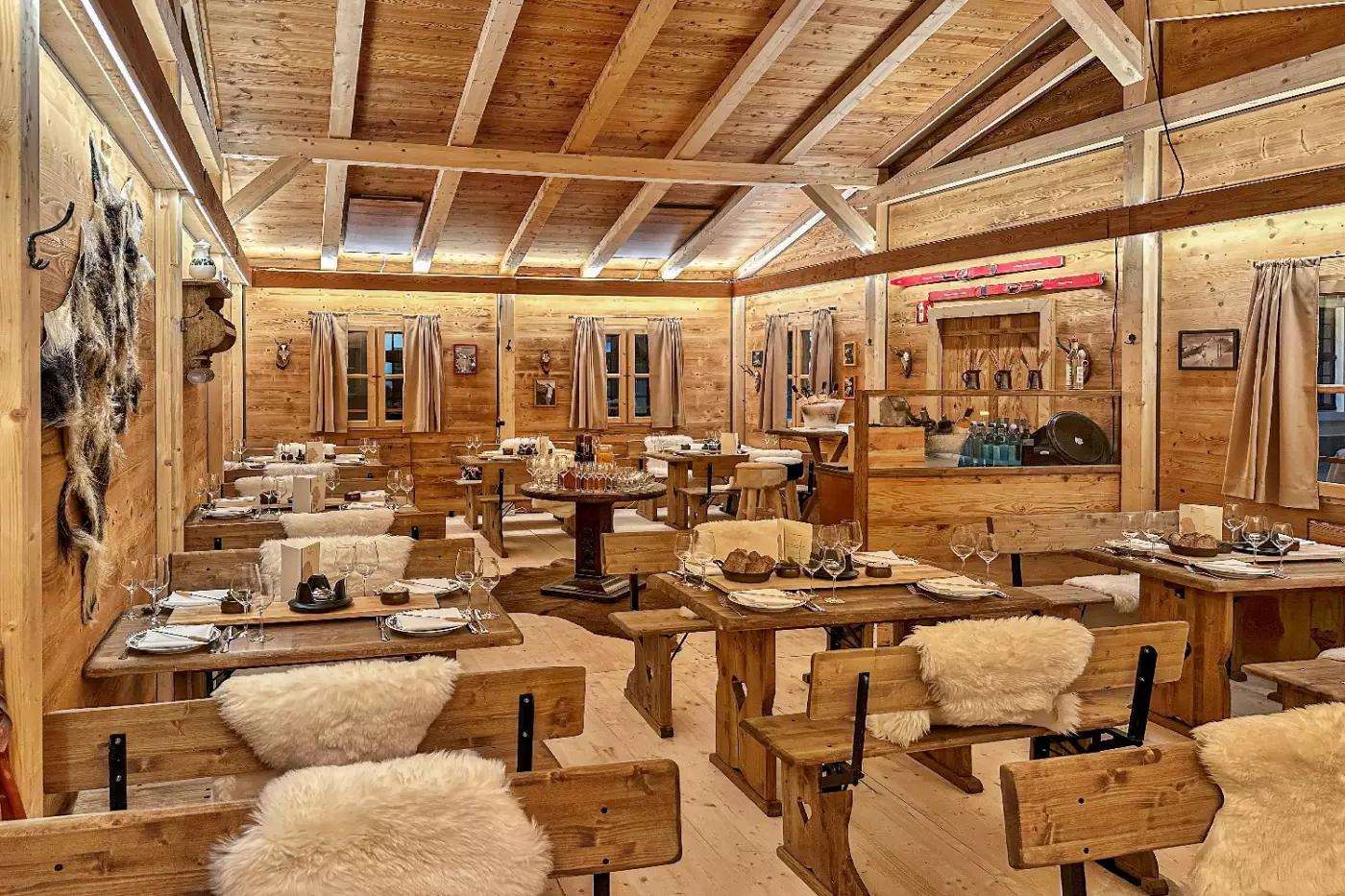
Kastenmeiers focuses on fish dishes at the hotel, giving seafood lovers a convenient dinner option after a day exploring Dresden.
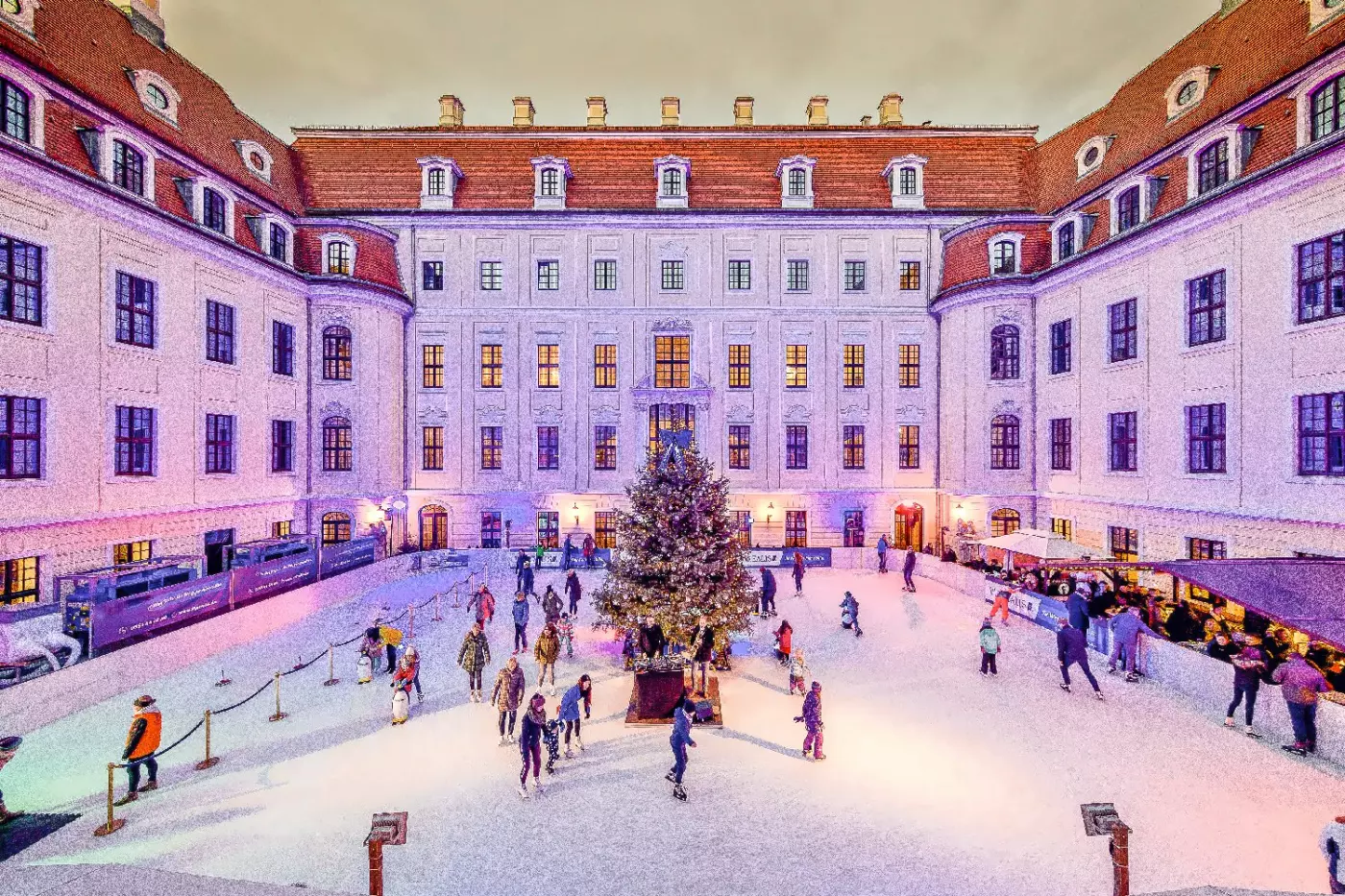
The inner courtyards and terraces provide outdoor space within the Old Town, giving guests somewhere to pause away from the surrounding streets.
Round-the-clock room service makes late arrivals and evenings after the opera easier, with meals available when guests prefer to stay in.
TASCHENBERG 3
Playing this video may share data with YouTube. Please see our Privacy Policy.
Yes. Hotel Taschenbergpalais Kempinski Dresden is a strong choice for travelers who want grand luxury in Dresden's historic center. It suits guests who value palace architecture, redesigned rooms, fine dining, a central Old Town setting, wellness, and polished service.
Hotel Taschenbergpalais Kempinski Dresden is in the Old Town, close to Dresden Castle and the Zwinger. The location is excellent for the Semperoper, Frauenkirche, Green Vault, Bruehl's Terrace, museums, shopping, and Elbe river walks.
The hotel is set in a reconstructed palace with deep ties to Dresden's royal and cultural history. After a major renovation, it combines baroque heritage with new interiors, modern comfort, restaurants, and a refreshed spa.
Hotel Taschenbergpalais Kempinski Dresden has 180 rooms and 31 suites. The redesigned accommodation gives guests a broad choice, from elegant city rooms to spacious suites for special stays.
Rooms and suites have contemporary elegance, custom furniture, fine materials, calm colors, and a sense of Dresden grandeur. Guests can expect modern comfort, refined bathrooms, quiet sleep, and views toward the courtyard or historic surroundings.
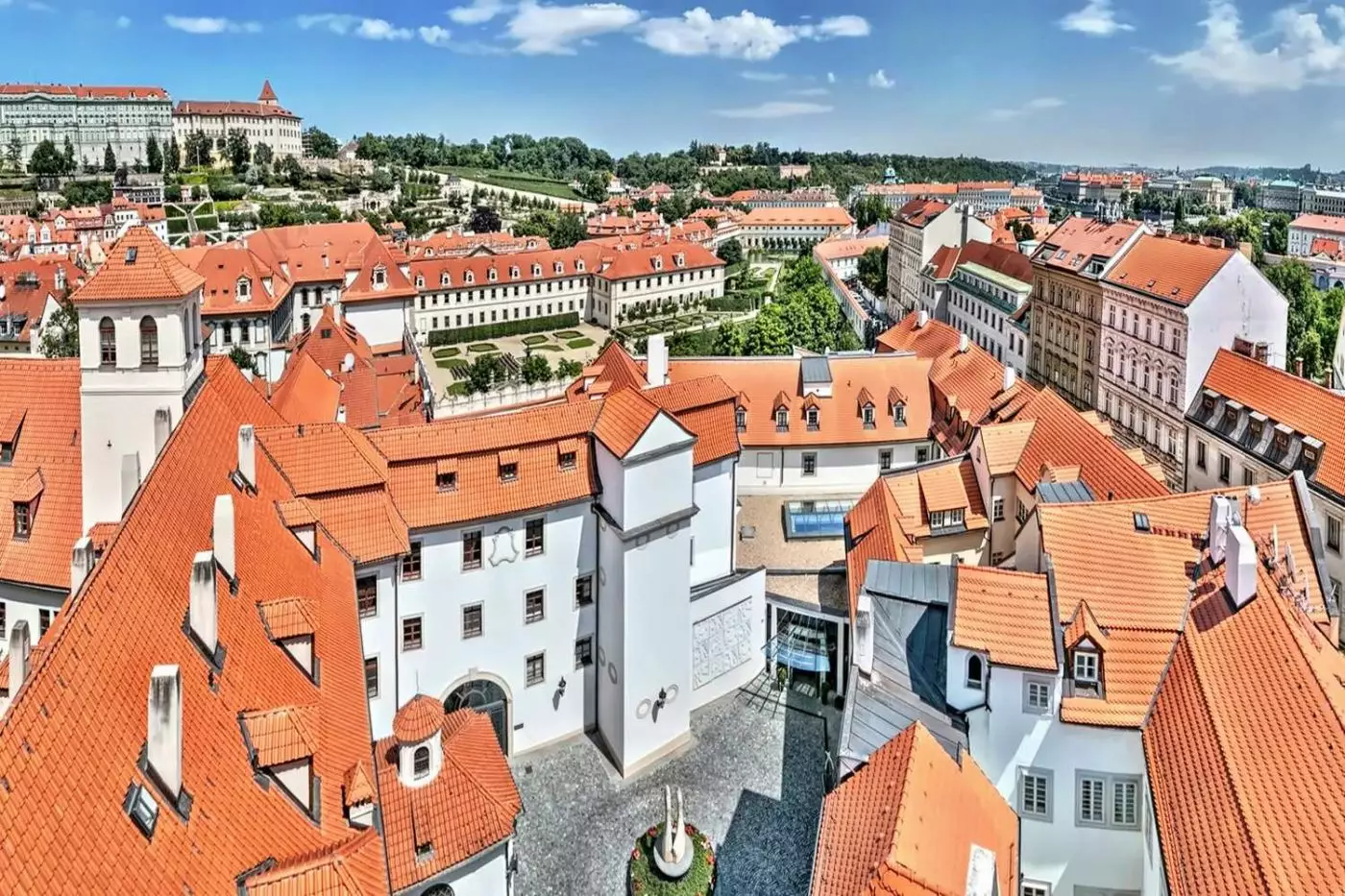
Augustine Hotel Prague stands within the active Augustinian Monastery of St. Thomas in Prague's historic Lesser Town. Its roo...
More amenities
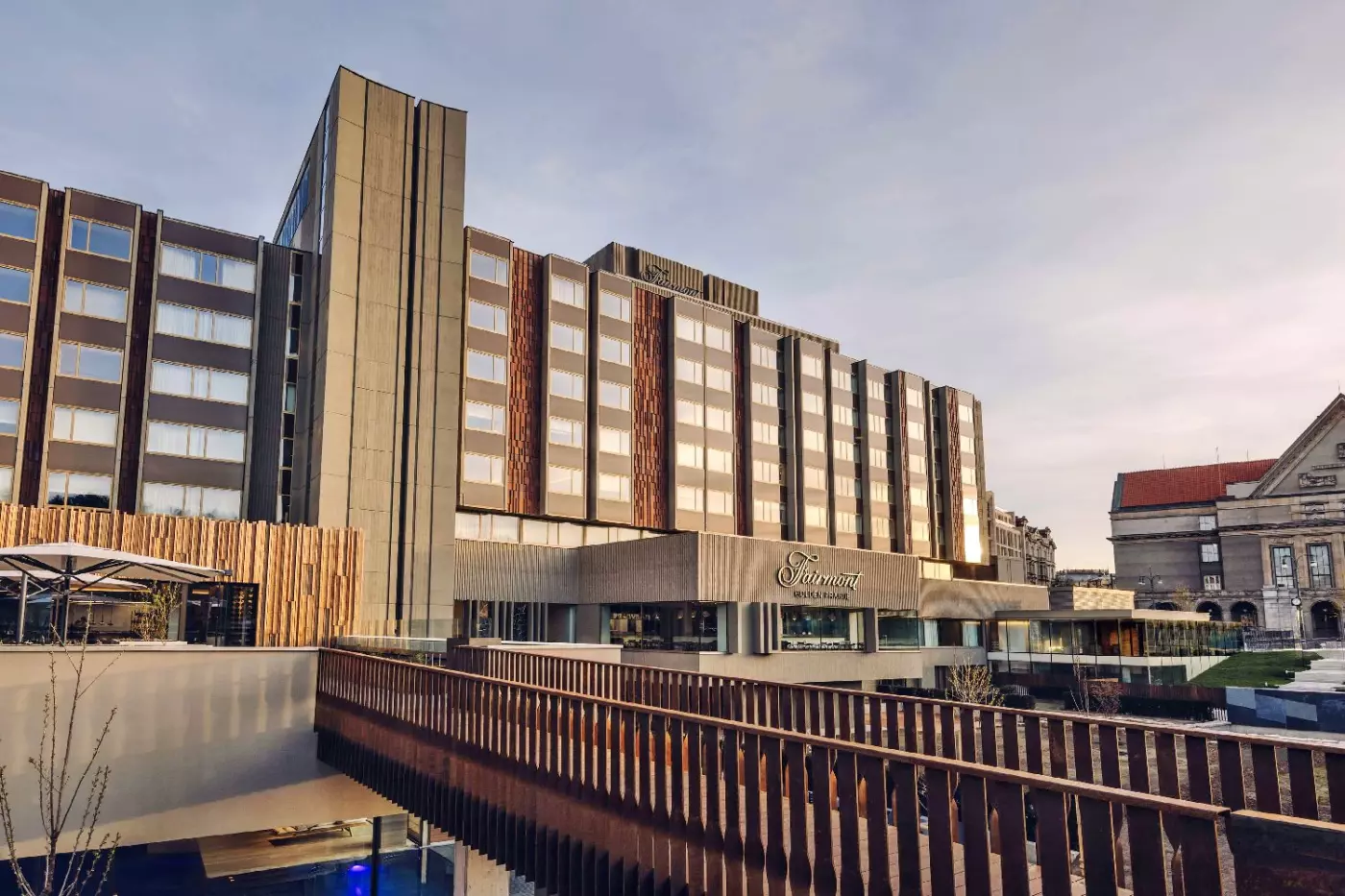
Fairmont Golden Prague is a luxury hotel in Prague at Parizska 30. It sits on the Vltava River near Old Town Square and the c...
More amenities
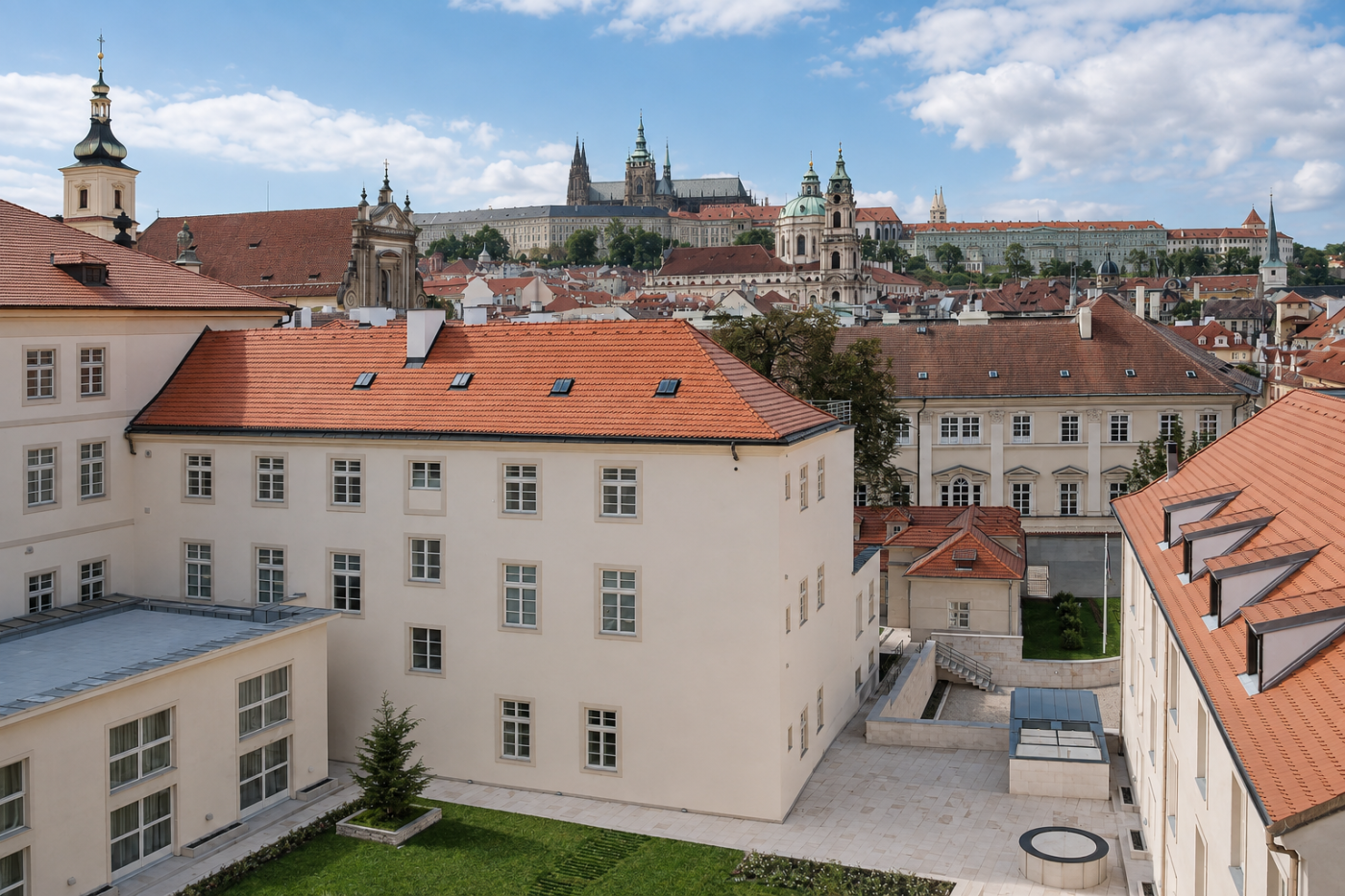
Mandarin Oriental, Prague is the right choice for travellers who want Prague's history close, but not a hotel directly in the...