

Best for
For appointments around Beijing's embassy district, Four Seasons offers a base in Liangma, within Chaoyang's concentration of diplomatic offices and international companies.
Please choose a hotel or destination from the list.
Your private search
Finding exceptional stays
Best for
For appointments around Beijing's embassy district, Four Seasons offers a base in Liangma, within Chaoyang's concentration of diplomatic offices and international companies.
What makes it special
Book the Seven Market excursion to explore produce stalls with an English-speaking guide, helping you discover local ingredients and meet the vendors.
Room to consider
Ask about connecting Premier Room Skyline View rooms when traveling together, so companions can stay close while retaining separate bedrooms, subject to availability.
Insider tip
Have the concierge translate your destination addresses into Chinese before taking taxis, so you can show drivers where you want to go.
Free membership gives you access to preferred rates, exclusive benefits and current promotions for your stay.
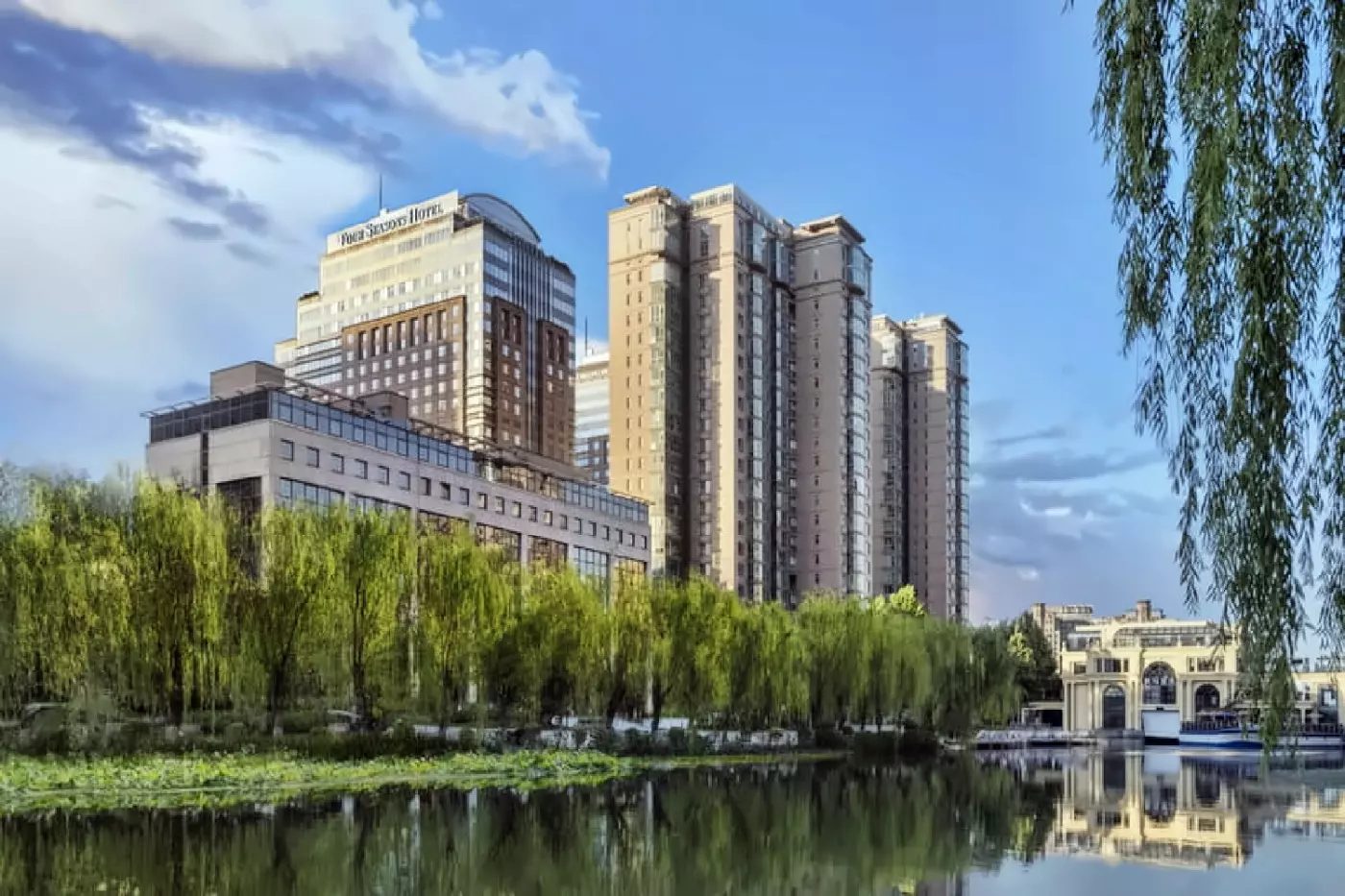
Four Seasons Hotel Beijing sits at 48 Liangmaqiao Road in Chaoyang District, close to the embassy area, international offices and Liangma River. Its address suits a visit that combines meetings with time exploring the capital. Inside, Chinese art references run through the public spaces and rooms, while Cai Yi Xuan and Mio give the hotel two distinct restaurant identities. The nearby river adds a walkable part of Beijing to the stay.
 313
313
 Charming
 Fitness
 Pool
Pool
 Spa
Spa
 Sauna
Sauna
 Wellness
 City Vibe
 Connecting Rooms

The Deluxe City View Room at Four Seasons Hotel Beijing is a stylish escape. It features one king bed or two twin beds. There’s also...

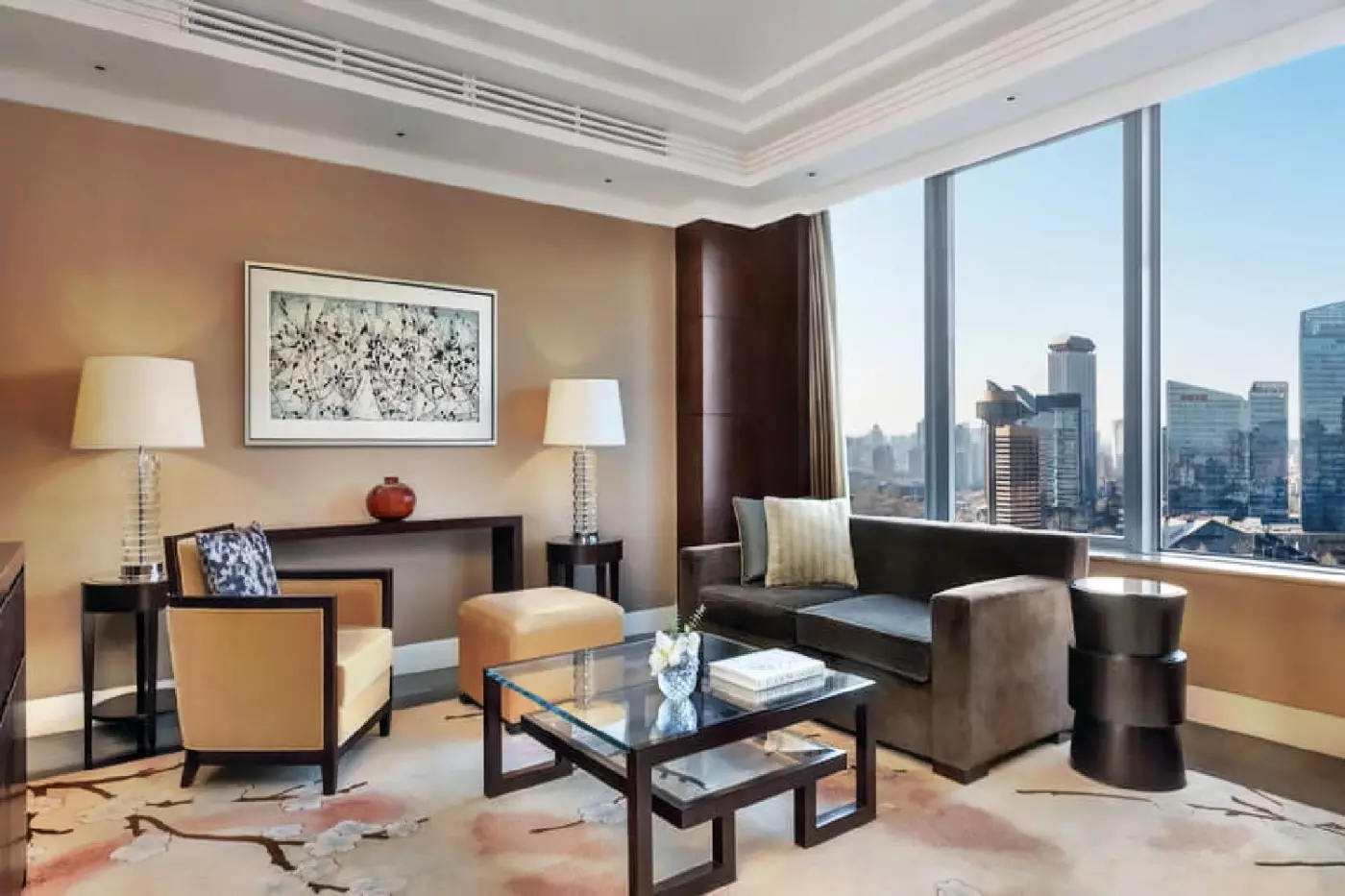
The Premier Skyline View Room offers a calm stay above the city on the 17th to 21st floors of Four Seasons Hotel Beijing. Large windows...

The Club Executive City View Room sits between the 22nd and 26th floors, offering a calm stay above the city. The layout feels open and...

The Club Executive River View Room opens to calm views of the Liangma River and city lights. The room sits on floors 22 to 25....

The Four Season Room opens with calm tones and warm mahogany furniture. The layout feels open, with space to move easily. Large windows draw in...

The Ambassador City View Suite is a peaceful retreat located on the 8th to 26th floors. It features a roomy layout, with the living room...

The Ambassador Skyline View Suite features stunning city views. A full wall of windows showcases the vibrant architecture of the embassy district. Natural light fills...

The Ambassador River View Suite provides a peaceful view of the Liangma River. Two large floor-to-ceiling windows in the bedroom let you see the river...

The Little Prince Theme Suite adds a sense of wonder to your stay in Beijing. It marks the 80th anniversary of the cherished tale in...

The Beijing Suite sits on the 25th floor, offering wide city views and a calm sense of space. The layout feels open and easy to...

The Chairman Suite sits on floors 9 to 16. Each suite has 114 square meters of peaceful space. There’s a clear divide between the living...

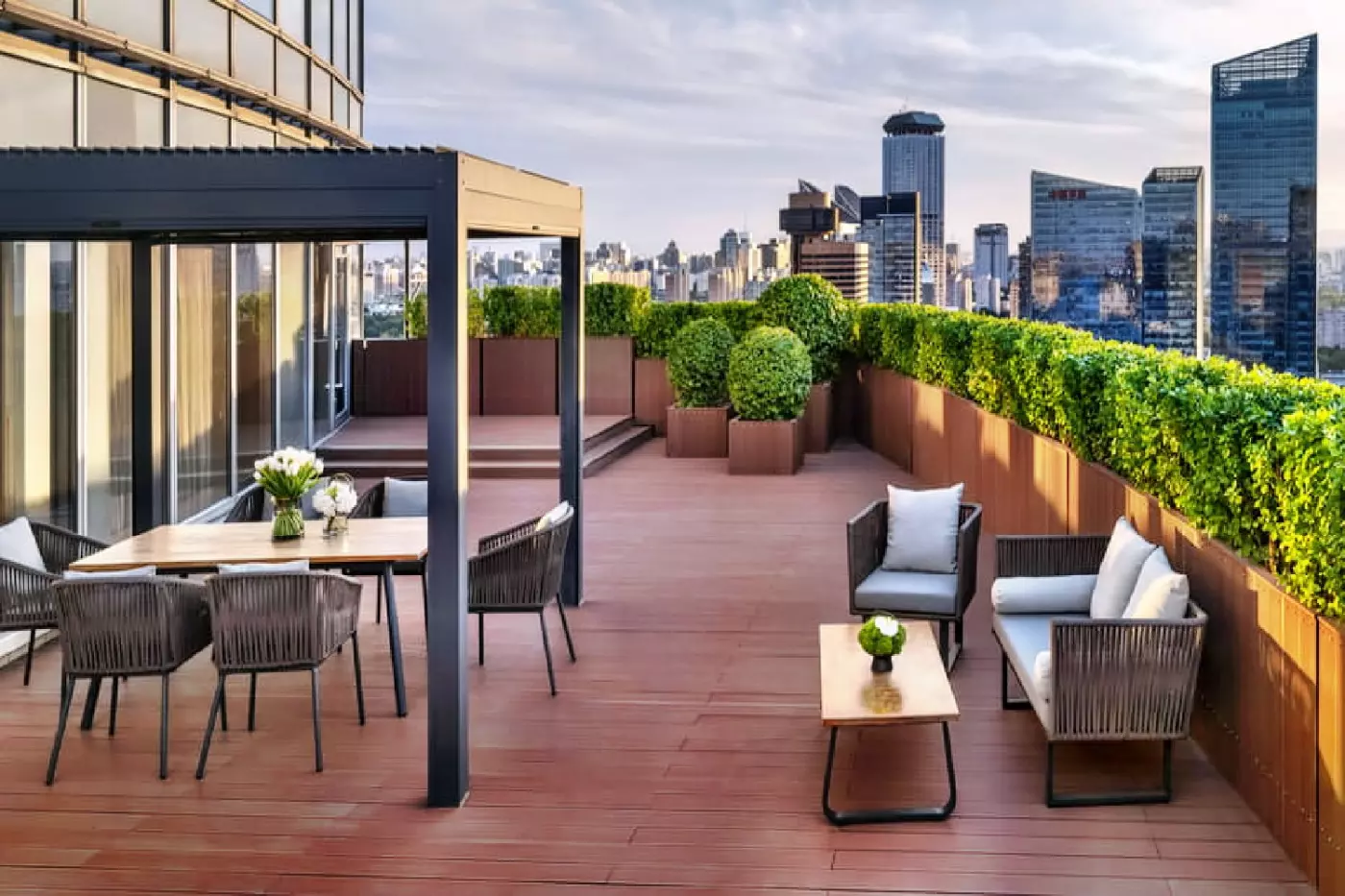
The Terrace Suite spans 241 square meters on the 23rd floor. Its apartment-style layout feels open and inviting, making it easy to settle in. A...
The central atrium is the hotel's defining architectural feature. A wall of 384 stainless-steel butterflies rises through the sky-lit space, with guest-room corridors looking into it. Artist Jayne Dyer created the installation, which extends up the 20-story inner atrium. Traditional Chinese motifs appear at a smaller scale in carved doors, ceramic vases and framed calligraphy. The architecture is by the Beijing Institute of Architectural Design, with interiors credited to Hirsch Bedner Associates, DiLeonardo and SPIN DESIGNS.
The hotel has 313 accommodations, comprising 247 guest rooms and 66 suites. Deluxe Room City View and Premier Room Skyline View categories both measure 46 square meters and have a king bed or two twin beds. Each accommodates up to three adults, or two adults and one child. The Four Seasons Room expands to 59 square meters with a sitting area, giving more space within a single guest-room layout.
Ambassador Suites measure 73 square meters, with separate city, river and skyline categories. In the Ambassador Suite City View, a pocket door separates the bedroom from the living area. A reading nook, deep soaking tub and separate shower make the layout useful beyond its extra floor space. There is also a guest powder room alongside the full marble bathroom. The River View version has a separate living room and two walls of bedroom windows, bringing the river and distant business-district landmarks into the outlook.
The Beijing Suite places a six-seat dining table in a residential-style interior of wood and gold tones. On the 25th floor, it measures 96 square meters and looks across the city. A full marble bathroom and separate powder room allow the living and dining areas to be used for guests without opening up the bedroom's bathroom. For a longer visit, the dining table is a practical place for a meal in the suite, while hotel laundry, dry cleaning and pressing services take care of clothes.
The Little Prince Theme Suite has a king bed and bunk beds within 73 square meters, accommodating two adults and two children. Story-inspired decoration, children's toiletries and an in-room tent give it a different character from the business-oriented suites. Families needing more bedrooms can request connecting rooms. Opus Lounge has a children's menu for breakfast and all-day dining, and younger guests can use the heated indoor pool. The family arrangements center on room configuration, dining and shared activities, with the concierge able to organize private cultural excursions.
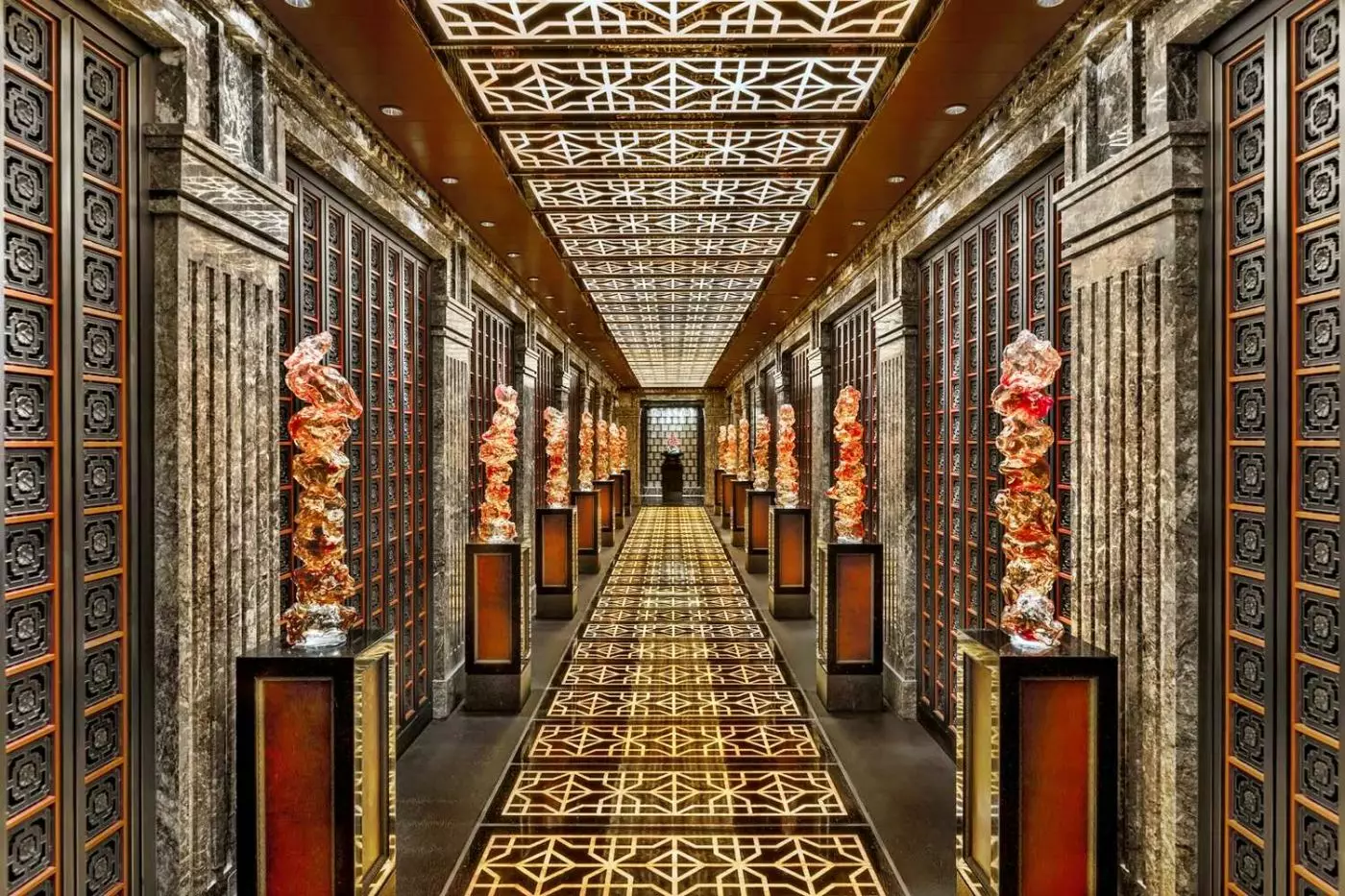
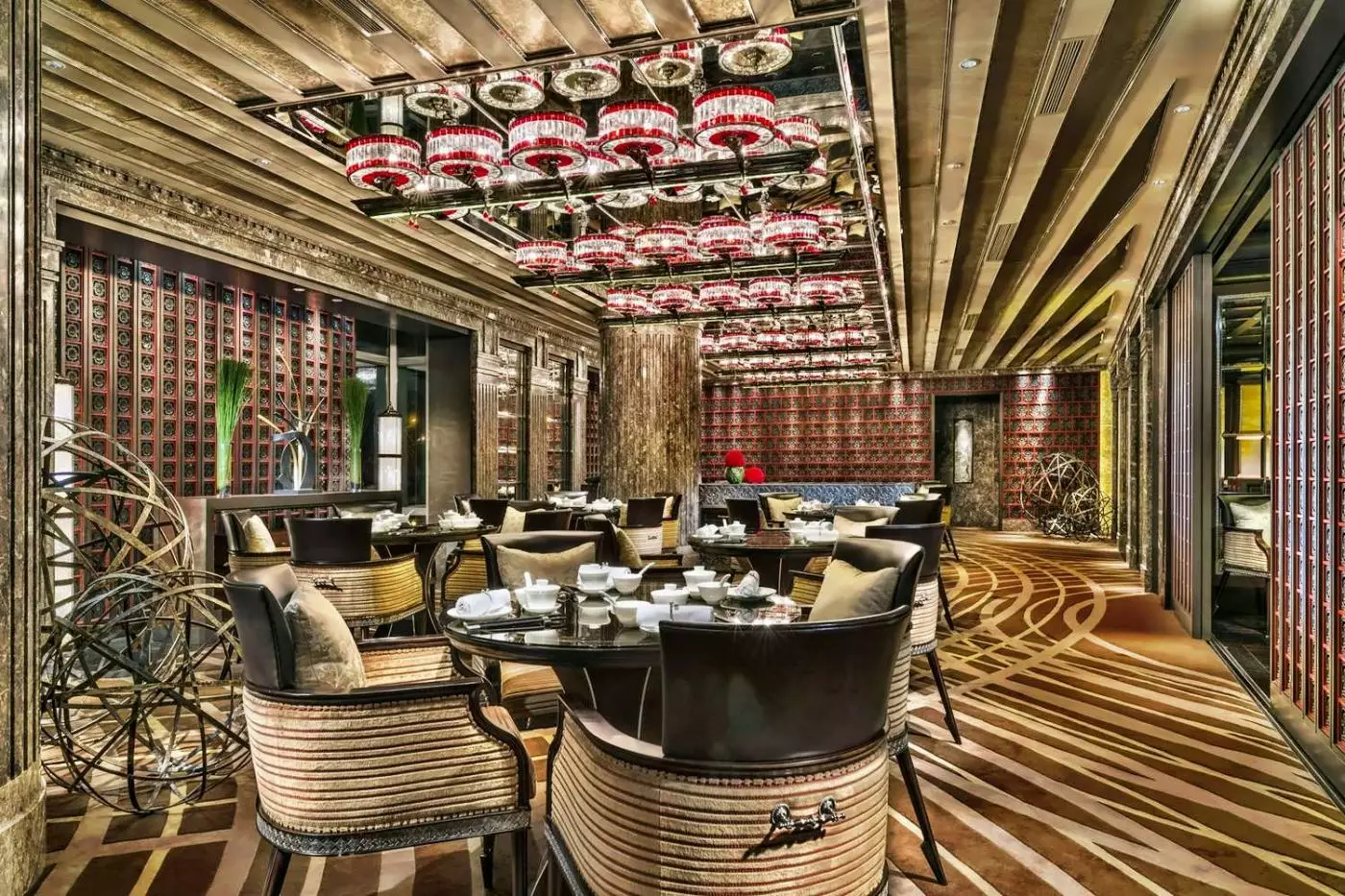
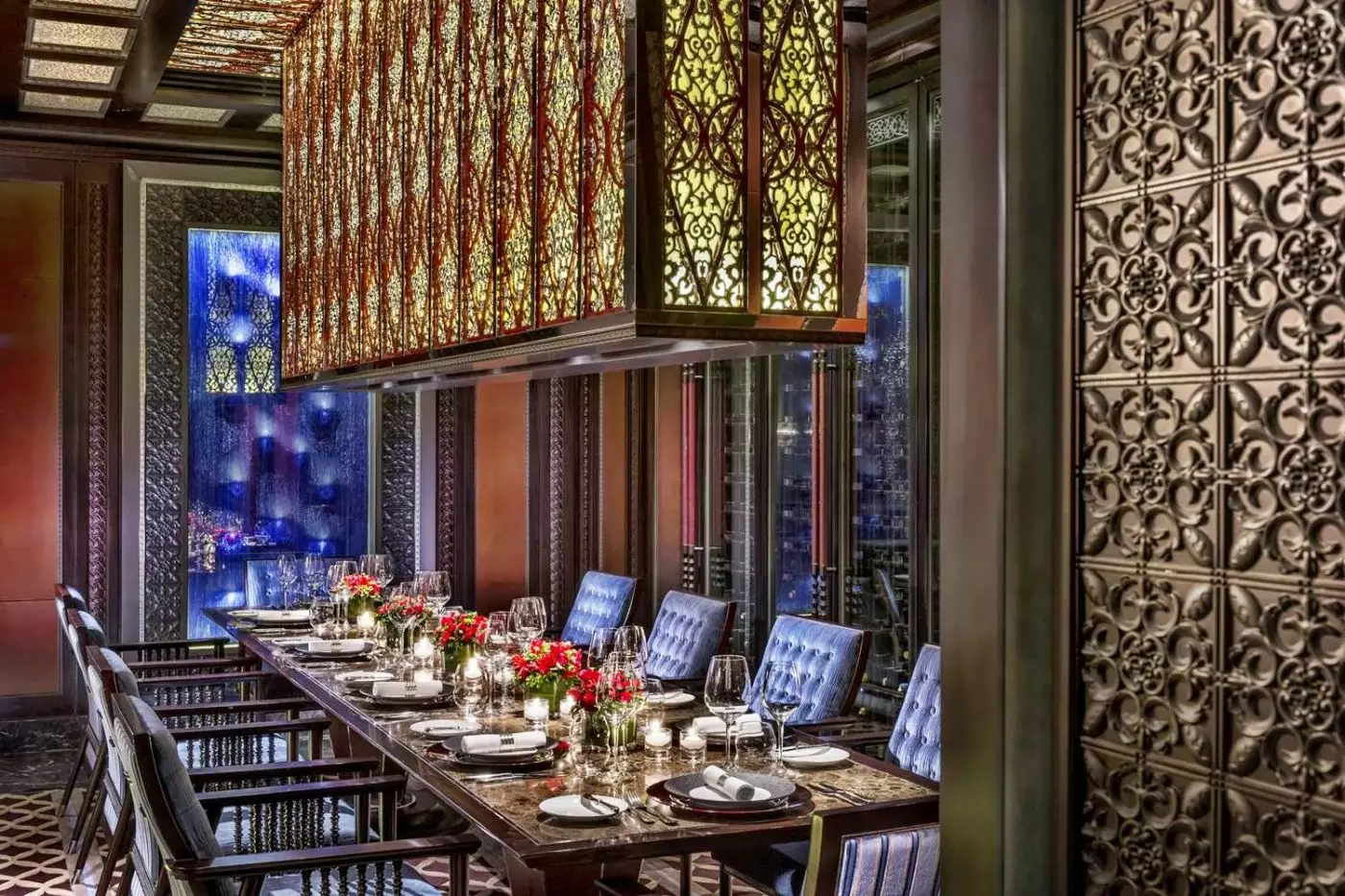
Cai Yi Xuan serves Cantonese cooking in a dining room approached through a geometric hall with orange glass sculptures. Chef Li Qiang's background spans Cantonese, Beijing, Tianjin and Teochew cuisines. Dim sum sits alongside dishes such as poached chicken with grated ginger and wok-fried beef with aged tangerine peel and lily bulbs. The cooking gives regional ingredients and techniques a clear place on the menu. Private dining rooms accommodate business meals and family gatherings, while the main dining room serves lunch and dinner.
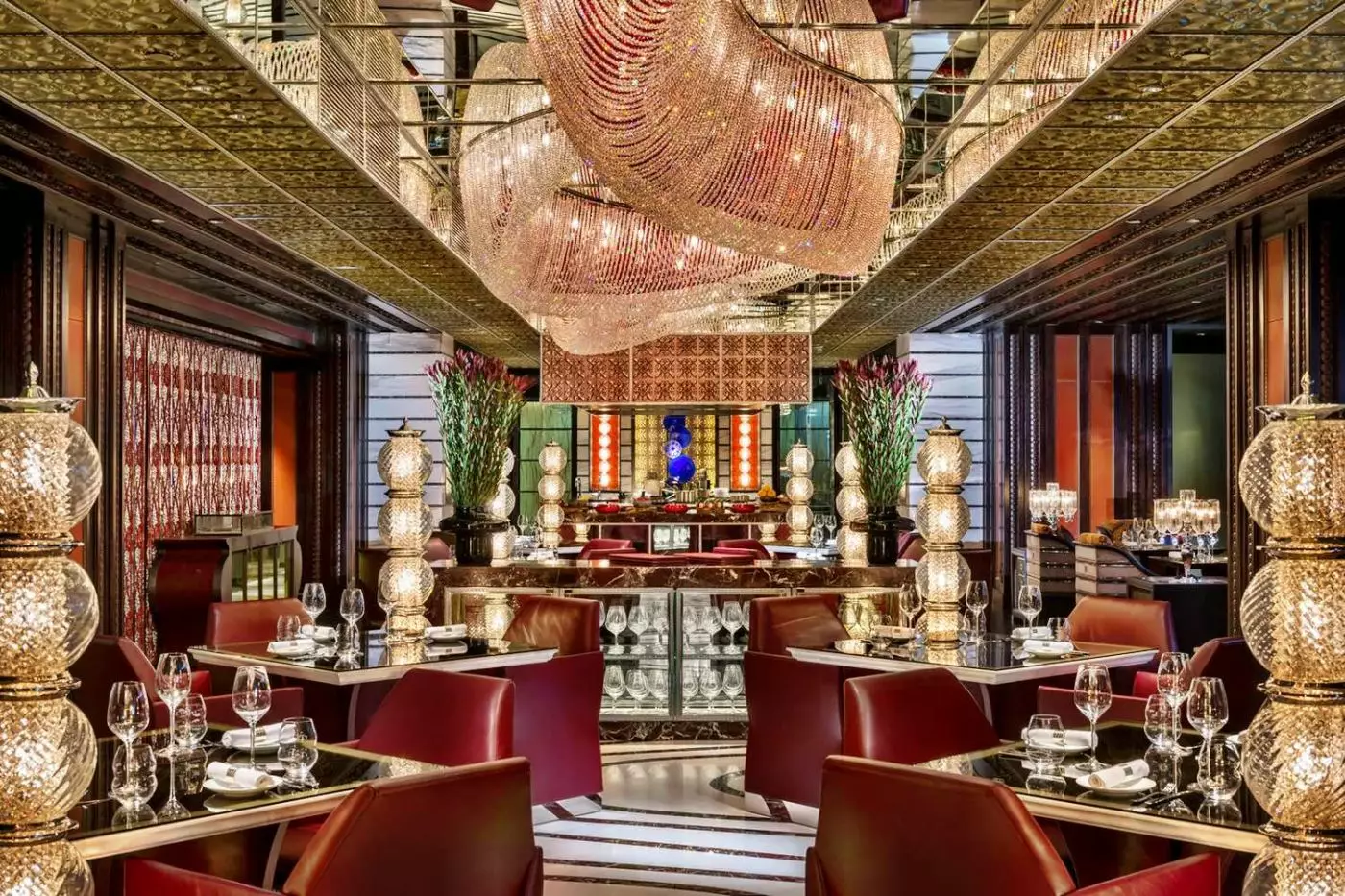
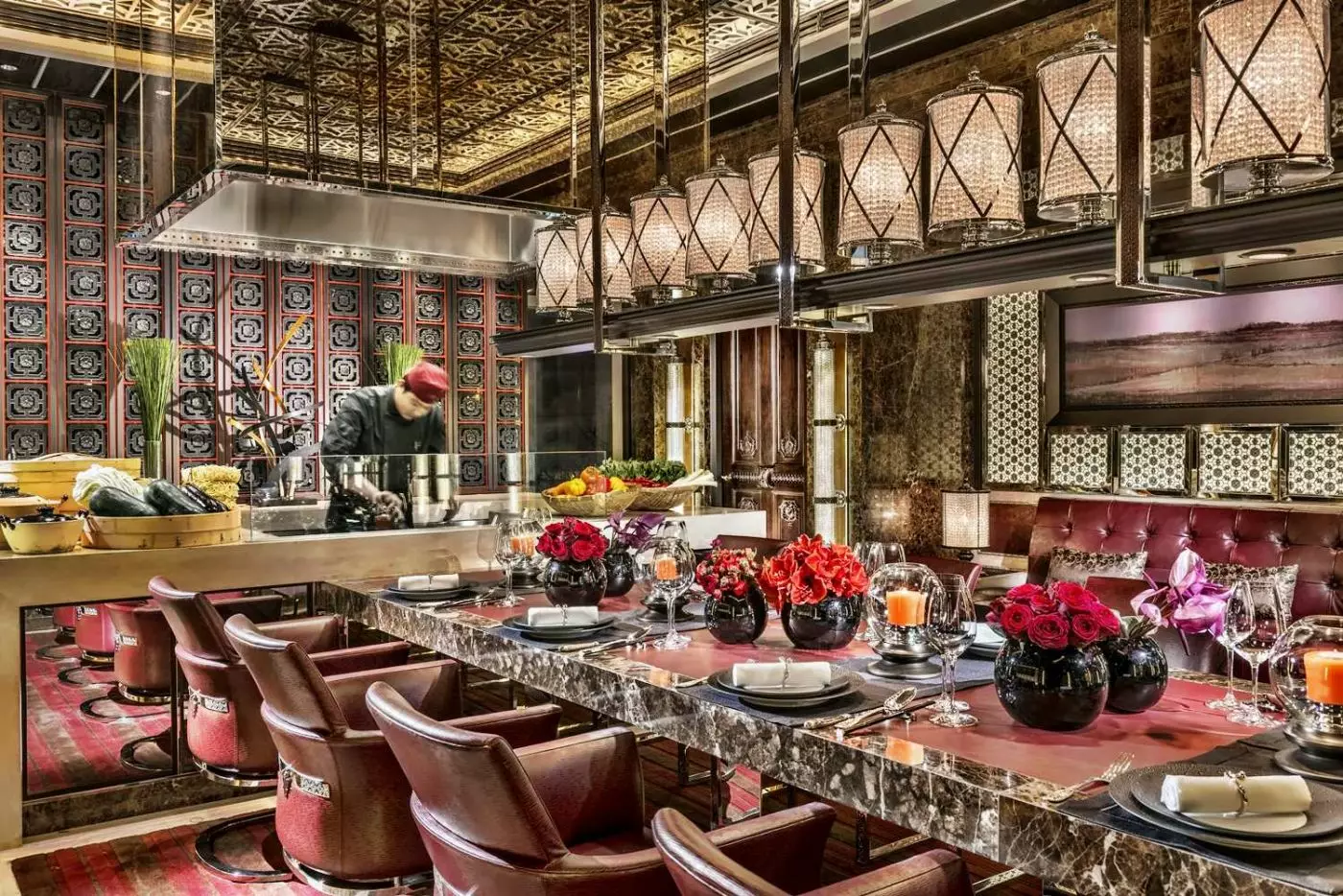
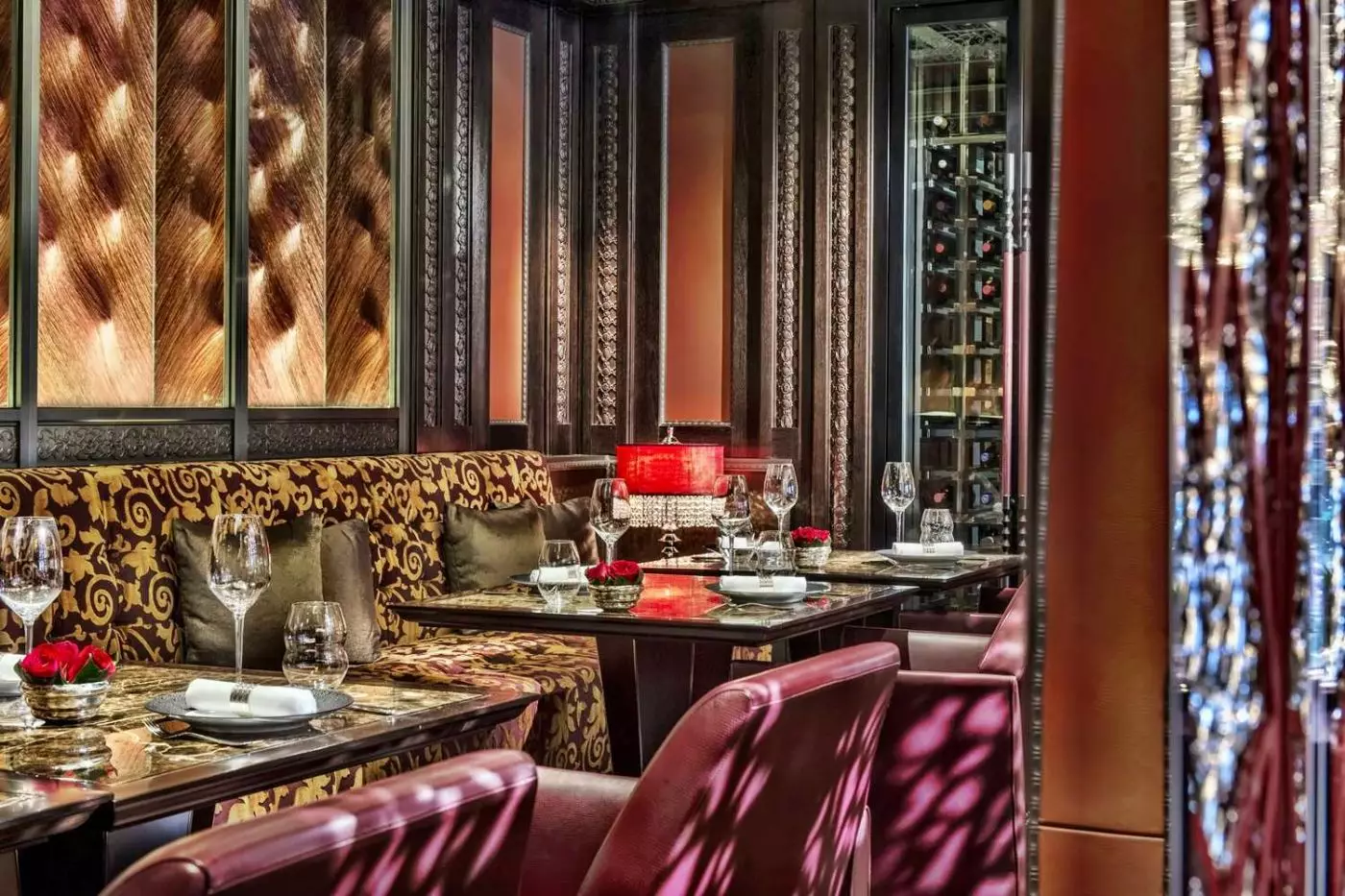
Mio brings Italian cooking and two open kitchens to the hotel. Sofa-style seating and upholstered banquettes soften the dining room, with dramatic lighting above the tables. The menu has a Tuscan emphasis, including tomato soup and a Livorno-style seafood casserole, alongside linguine with poached sea bass. Tiramisu and a Tuscan sponge cake with ricotta continue the Italian theme through dessert. Lunch and dinner can be ordered from set or à la carte menus, with the kitchens remaining part of the room's activity.
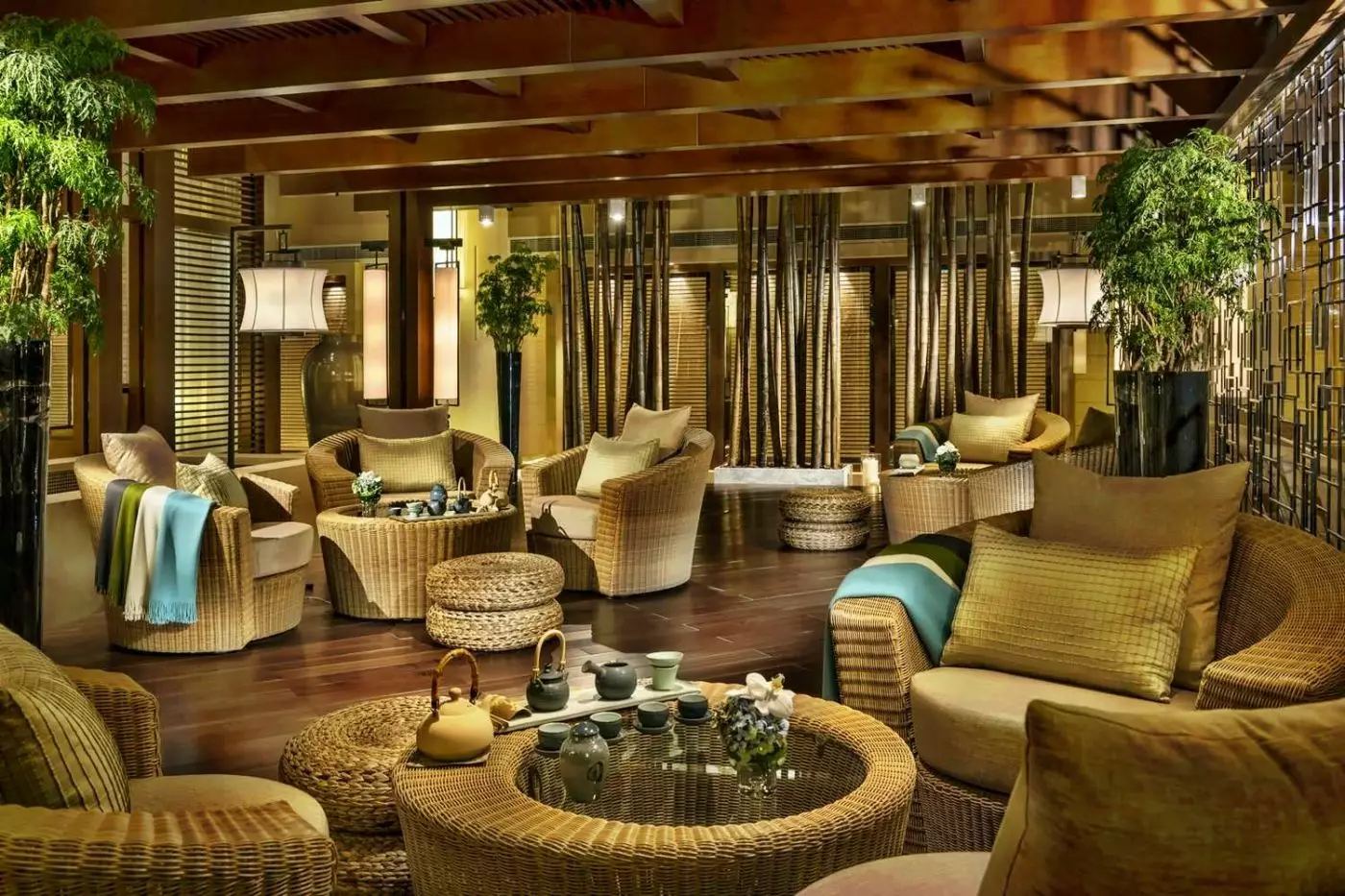
The Tea Garden sits beneath the butterfly wall in a space inspired by a traditional Beijing courtyard. Tea is the focus here, including Capital Four Seasons, an oolong from the Bull Pit area of Wuyi Mountain in Fujian. The garden makes the atrium a place to sit as well as an architectural feature to look up at. It also gives Chinese tea a dedicated setting within the hotel, distinct from the afternoon tea served in the lounge.
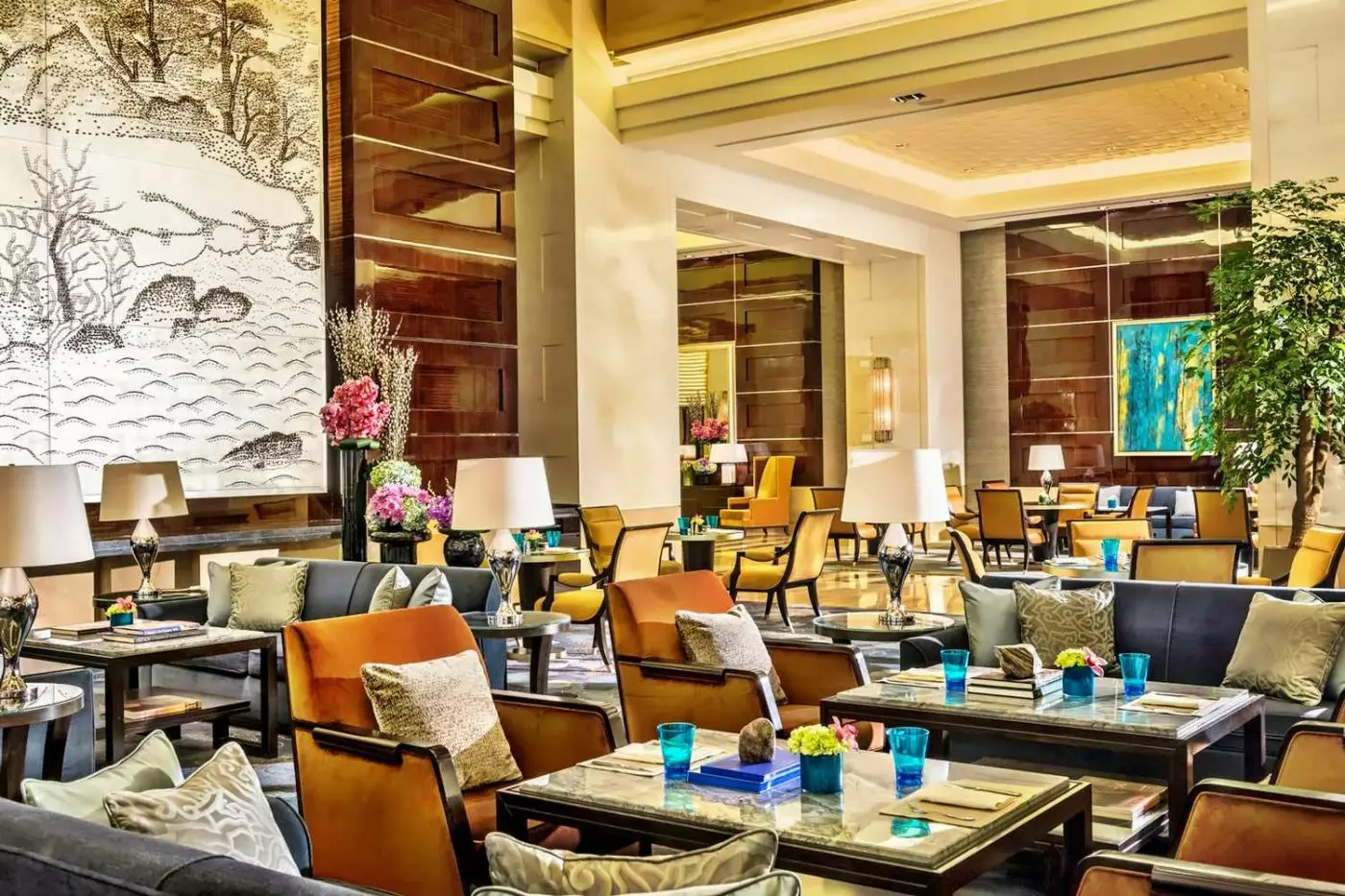
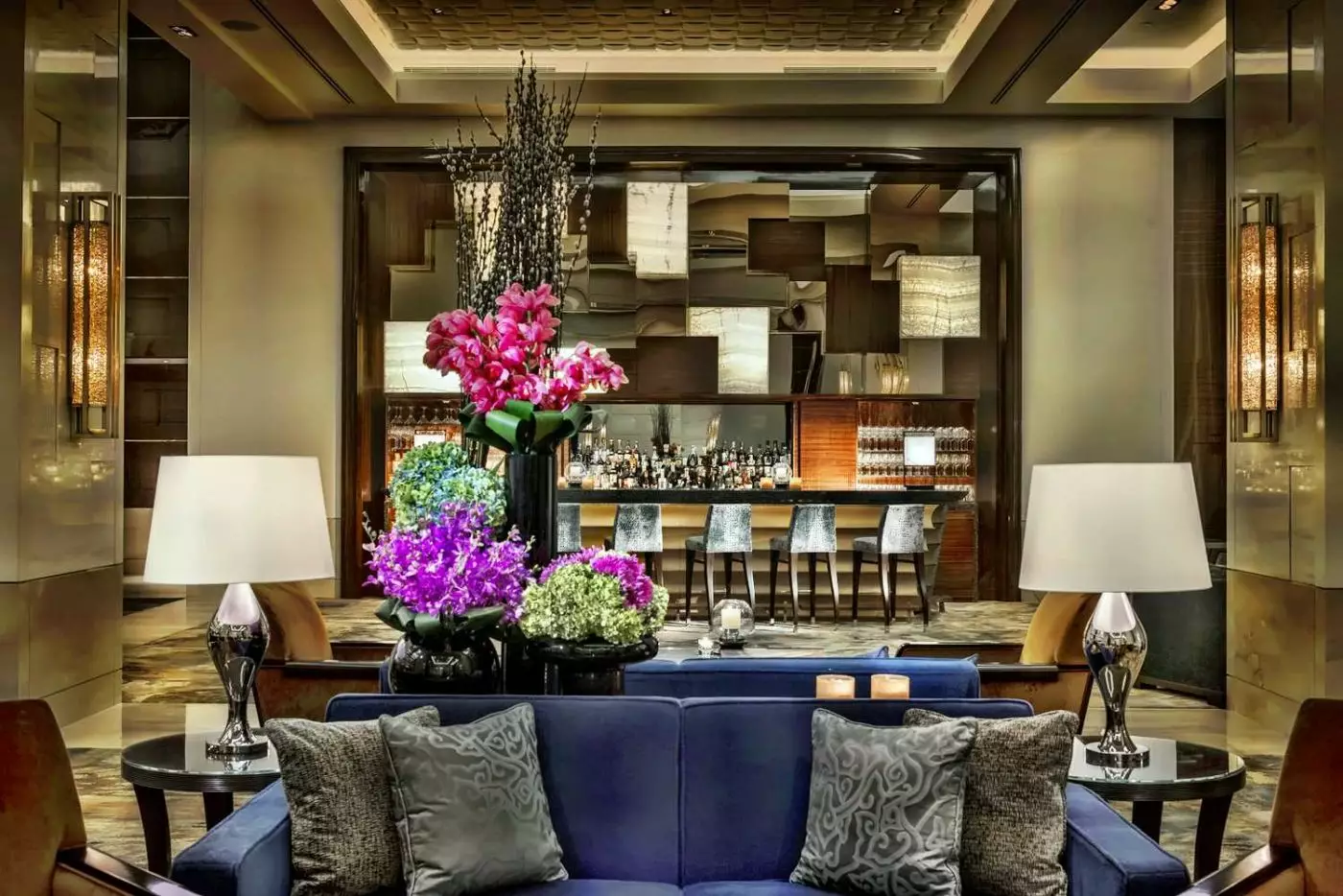
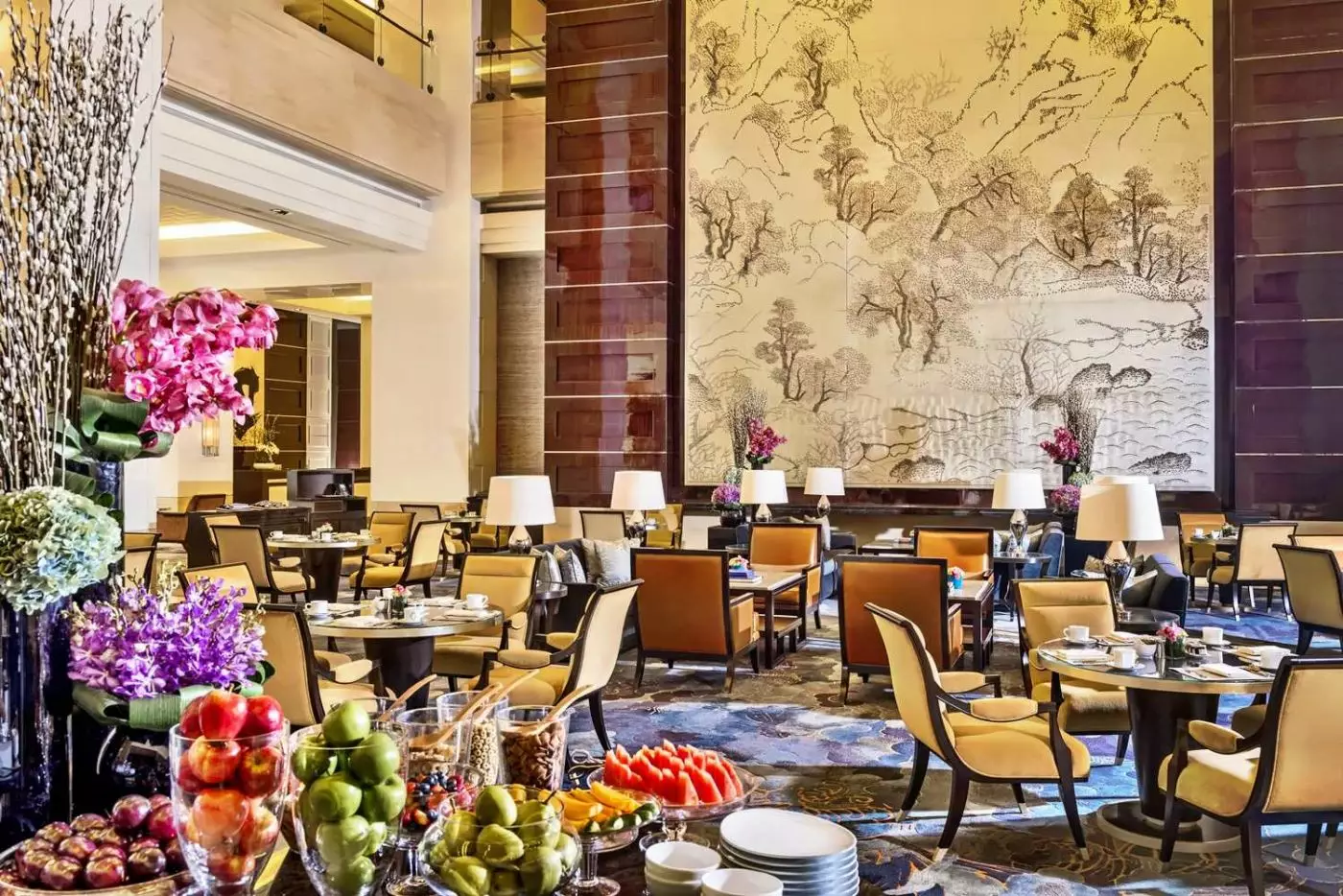
Opus Lounge serves all-day meals and afternoon tea against artwork inspired by Chinese landscapes. Opus Bar is a separate venue for cocktails and wine, with a club-style interior. In-room dining is available day and night, allowing dinner to be served in a suite when an evening is better spent there.
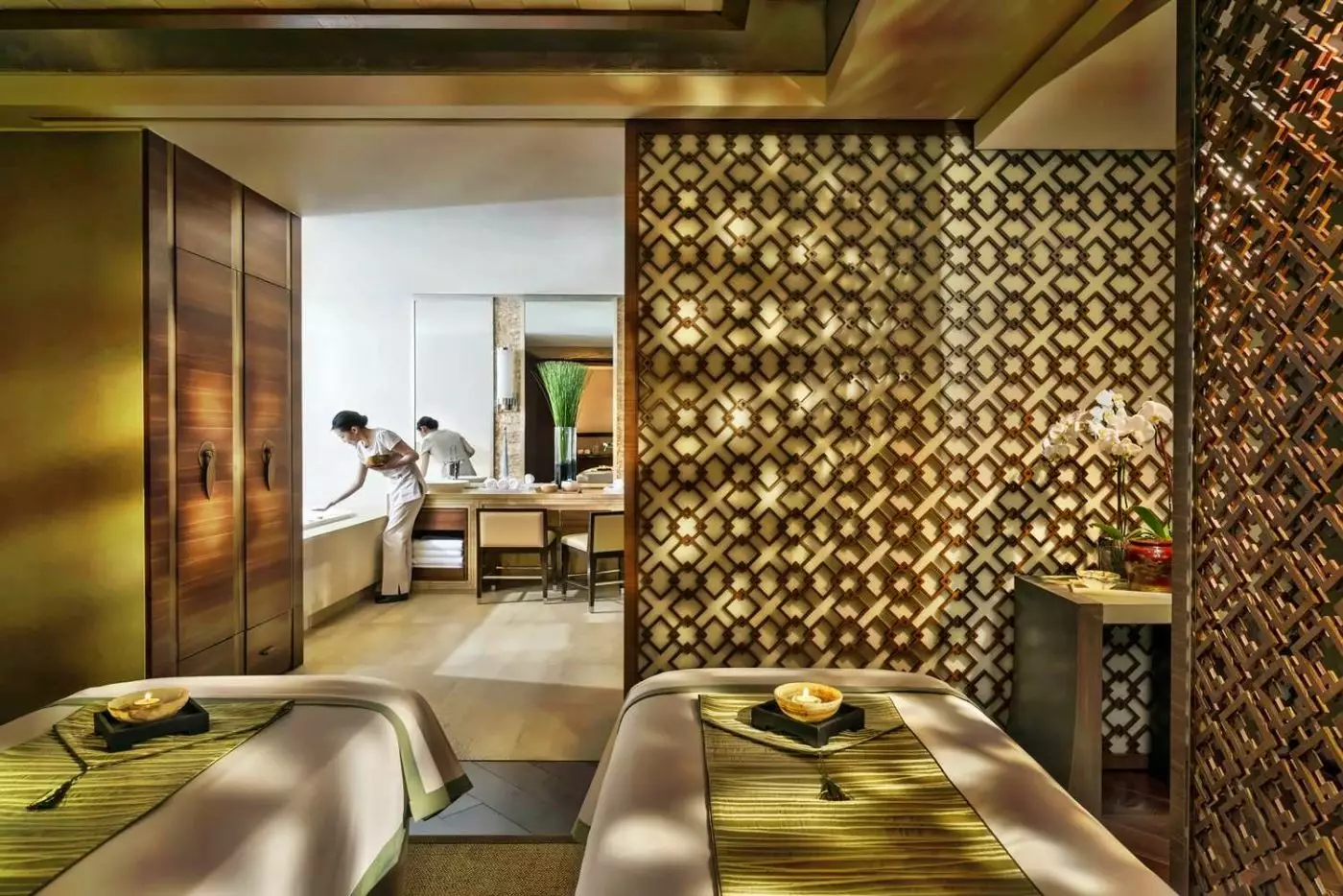
The spa occupies 1,700 square meters and has 11 treatment rooms. Its design draws on Chinese tea gardens and courtyards, with carved wood details continuing into the treatment spaces. The menu includes massage, facials and body rituals, with Biologique Recherche skincare among the options. A couples' suite has side-by-side treatment beds and a private bath. Steam rooms, saunas and ice fountains form the wet facilities, and personalized yoga sessions can be arranged. The emphasis is on a choice of treatments and dedicated spaces, with individual appointments available alongside sessions for two.
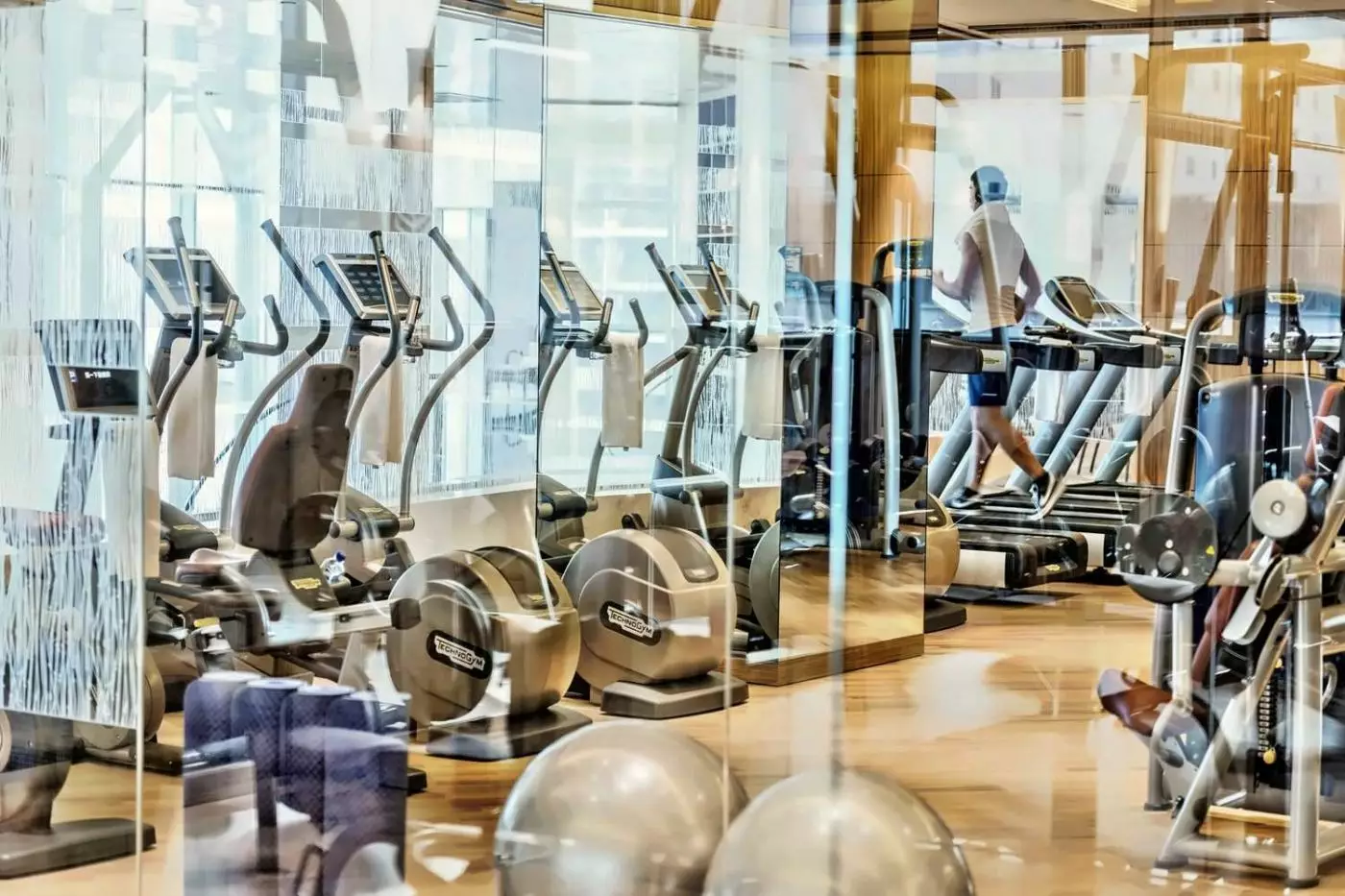
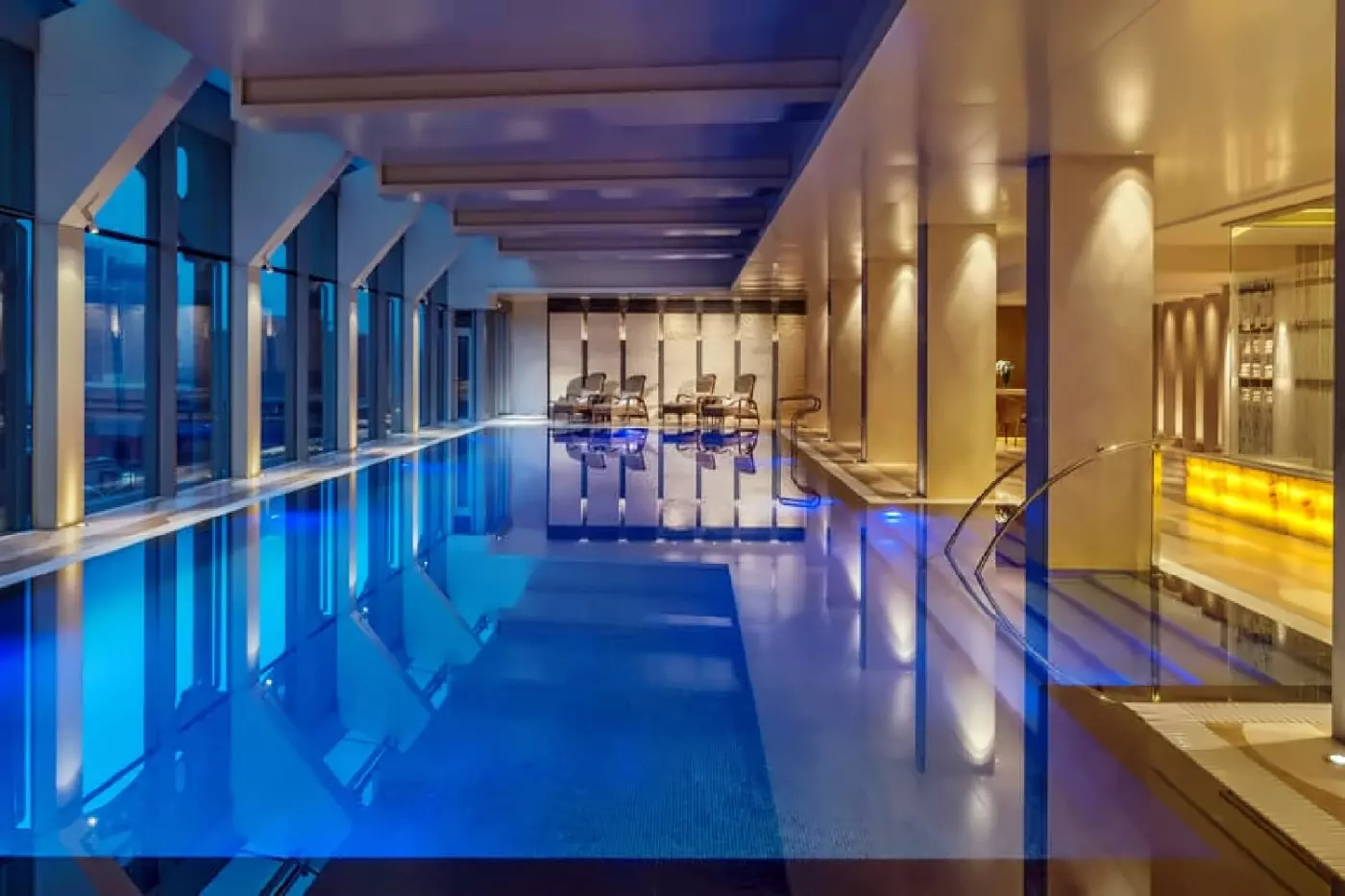
A naturally lit, 20-meter indoor lap pool provides space for swimming, with city views through large windows. A separate massage pool incorporates a whirlpool. The fitness center has cardiovascular equipment and weight-training facilities, with private instruction available from certified trainers. This gives guests several ways to maintain an exercise routine indoors, including lap swimming and one-to-one gym sessions. The pool is part of the hotel's family facilities as well as its fitness setup.
The Liangma River is about a five-minute walk from the hotel. Sanlitun adds restaurants, shopping and evening venues to the surrounding Chaoyang area, while Chaoyang Park provides nearby green space. For cultural days, the concierge can arrange private visits to the Forbidden City and Temple of Heaven, or a rickshaw journey through historic hutongs. The 798 Art Zone is another accessible destination from this side of Beijing. Great Wall excursions take the itinerary beyond the city itself.
Beijing Capital International Airport is approximately 21 kilometers from the hotel; Beijing Daxing International Airport is around 60 kilometers away. Private airport transfers can be arranged, and Liangmaqiao Station on Line 10 provides a rail connection via the respective airport express services. Road journeys depend on traffic. The concierge can supply addresses in Chinese for taxi journeys and arrange private guides, useful support for connecting the hotel's diplomatic-district location with Beijing's museums, monuments and neighborhoods.
Books on Chinese literature, art and handicrafts in the rooms let you explore local culture during downtime, without planning another outing.
Cai Yi Xuan brings Cantonese cooking to the hotel, with dim sum offering a way to try several dishes over lunch.
The Power of Tea Ritual combines a tea scrub, body mask and massage, giving you several stages of body care in one appointment.
48 LIANG MA QIAO ROAD
Playing this video may share data with YouTube. Please see our Privacy Policy.
More amenities
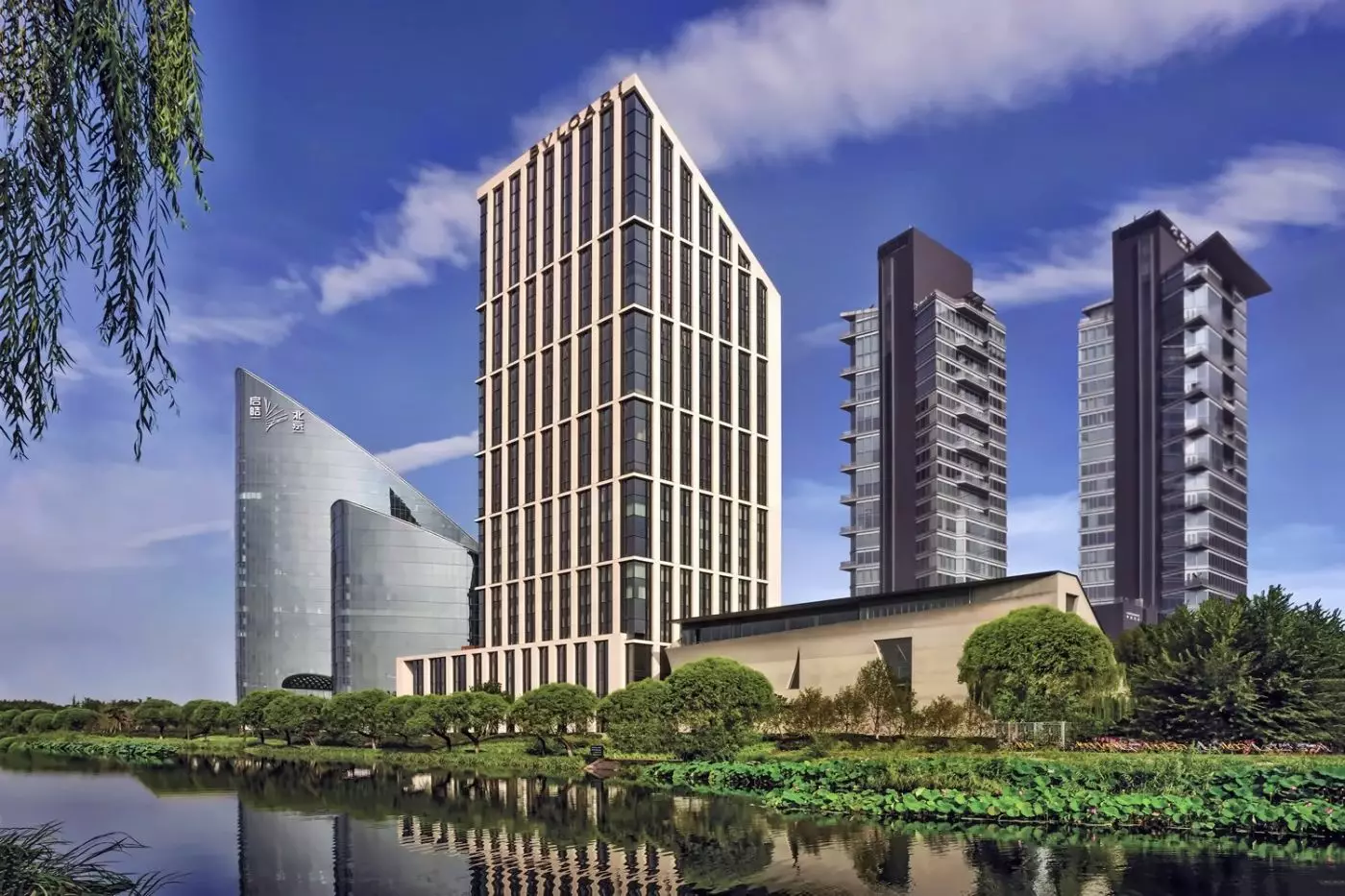
Bulgari Hotel Beijing sits beside the Liangma River in the city's Embassy District. This calmer pocket of the capital is shap...
More amenities
InterContinental Beijing Sanlitun is set in one of Beijing's most energetic districts, surrounded by fashion, dining, offices...
More amenities
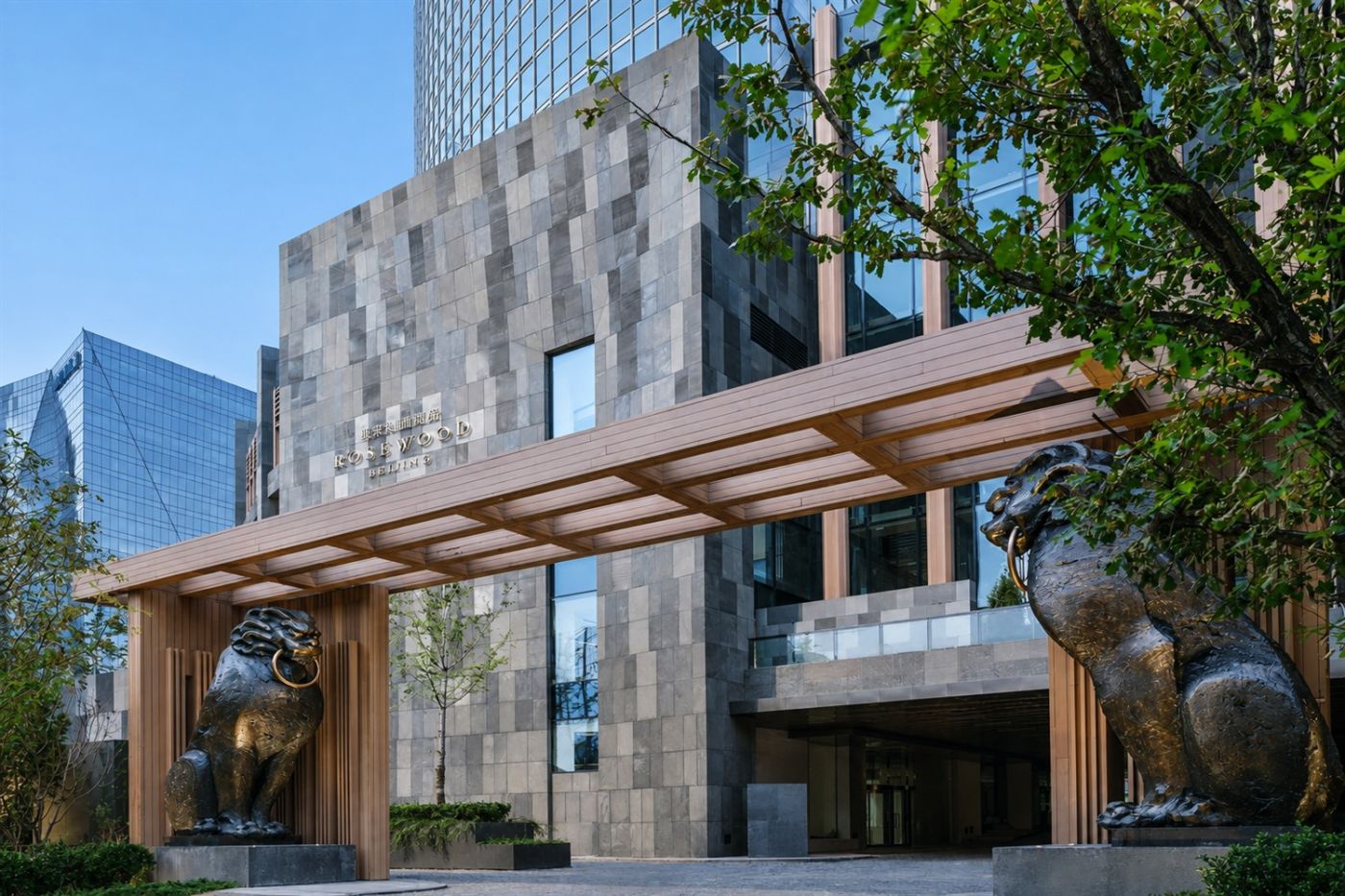
Rosewood Beijing stands in Chaoyang, close to the capital's Central Business District. Towers, embassies, offices, restaurant...