

Best for
The Jing'an location, suite mix, dining, meeting-friendly spaces, and central transport access make Alila Shanghai useful for business travelers. It also feels softer than many traditional corporate hotels.
Please choose a hotel or destination from the list.
Your private search
Finding exceptional stays

Best for
The Jing'an location, suite mix, dining, meeting-friendly spaces, and central transport access make Alila Shanghai useful for business travelers. It also feels softer than many traditional corporate hotels.
What makes it special
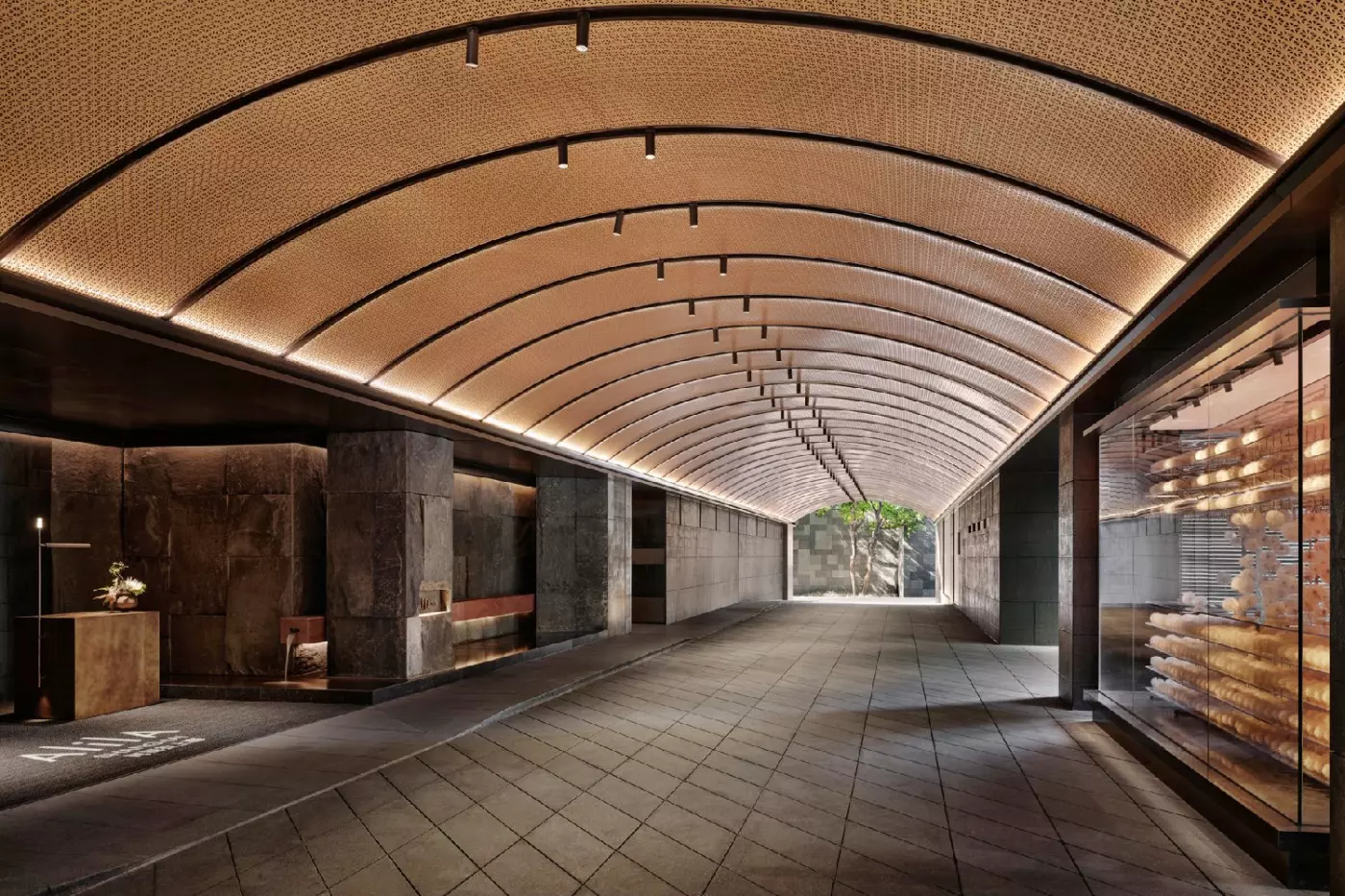
Alila Shanghai brings Alila's calm design language into a dense city setting. It combines a central Jing'an address, many suites, wellness facilities, dining, and access to Shanghai's culture and business life.
Room to consider
Book a room if you want a polished base for short city trips. Choose a suite if you want more space, a separate living feel, or a stay that suits business meetings and longer visits.
Insider tip
Dining includes 500 Weihai Road, Garden Pavilion, ChaYan @ 5TH, and Secret Roof. The mix gives guests options for Chinese flavors, relaxed meals, tea culture, and rooftop-style drinks.
Free membership gives you access to preferred rates, exclusive benefits and current promotions for your stay.
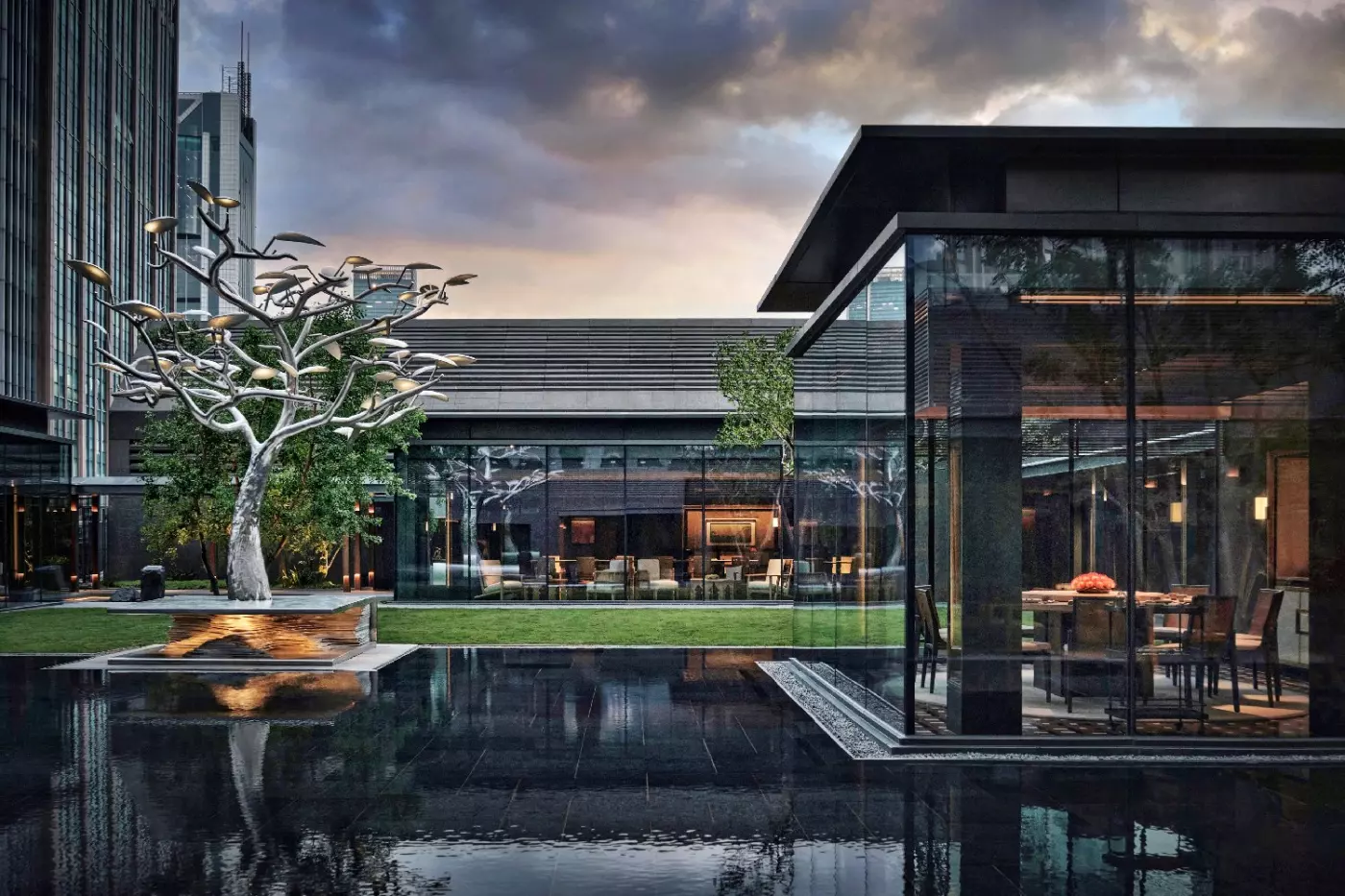
Alila Shanghai sits at 500 Weihai Road in Jing'an, one of the most useful districts for a modern Shanghai stay. The hotel is close to Nanjing West Road. Shopping, dining, galleries, offices, and the restored Zhangyuan shikumen quarter are nearby. That position gives the property a clear identity. It is an urban resort in the middle of the city, not a remote retreat dressed in city language.
The hotel opened under Hyatt's Alila brand after the former Four Seasons Shanghai Puxi left the building. That rebrand matters. The property is no longer trying to operate as an older international business hotel. It has been repositioned around quieter design, wellness, and local food. The result is a more contemporary reading of Shanghai's city life.
 186
186
 Relaxed
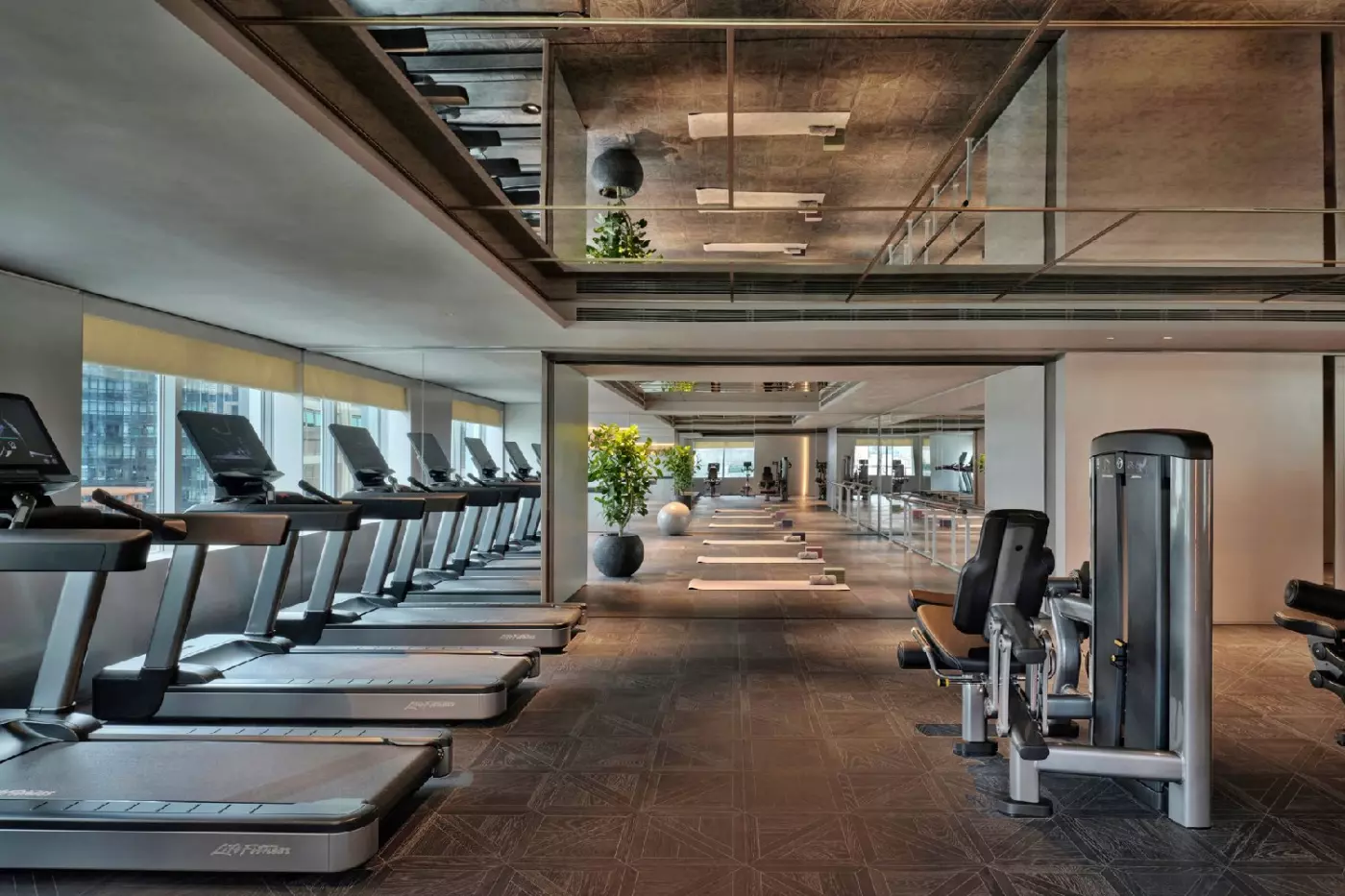
 Fitness
 Pool
Pool
 Spa
Spa
 Wellness
 Culture
 Wheelchair Accessible
 Connecting Rooms

The Shikumen View Room offers a calm space above Zhangyuan shikumen rooftops. The room measures 39 sqm. The view shows city rooftops from Zhangyuan. The...

The City View Studio presents a calm space above Shanghai. This room measures 66 sqm. Large windows frame the Shanghai cityscape. The layout includes a...

The Pavilion City View Suite defines a spacious corner accommodation. The suite measures 73 sqm. The suite covers 785 sq ft. Large windows frame Shanghai...

The Deluxe City View Suite offers generous space and clear city views. The suite spans 74-80 square meters. The layout provides 796-861 square feet of...

The Residence City View Suite offers a calm space with broad city views. The suite occupies a top-floor position. The suite measures 74-80 sqm. The...

The City View Room welcomes you to a generous 39-sqm retreat overlooking the Shanghai cityscape. Large windows bring natural light into the calm interior. The...
39 sqm room with Shikumen view and private terrace.
The Weihai Road address places guests in central Puxi, close to some of Shanghai's strongest daily-use neighborhoods. Jing'an works well because it is practical. It also feels less formal than the Lujiazui financial district. Caf?s, restaurants, boutiques, offices, malls, and historic lanes sit within a compact urban map.
For travelers, this is valuable. Alila Shanghai can work for business trips, short leisure stays, design-focused weekends, or longer visits where guests want to move through the city at street level. The hotel is central, but it still has a neighborhood texture.
One of the hotel's strongest local references is Zhangyuan, the restored shikumen heritage site nearby. Secret Roof looks toward this historic area. That gives guests a view that is more specific than a standard skyline. It connects the hotel to Shanghai's lane-house culture rather than only to towers and shopping streets.
Zhangyuan matters because Shanghai luxury can easily become generic if it only talks about city views. Here, the view points toward a layered piece of local history: restored stone-gate townhouses, retail, culture, and the older fabric of Jing'an.
The building's earlier life as Four Seasons Shanghai Puxi gives Alila Shanghai a useful context. This is not a completely new tower trying to invent a story. It is a known city hotel. It has been reshaped into a more wellness-led and design-conscious property.
That repositioning should be described carefully. It is a rebrand, not a closure case. The hotel is active, bookable, and operating under the Alila name, with a clearer focus on calm interiors, local dining, and urban retreat energy.
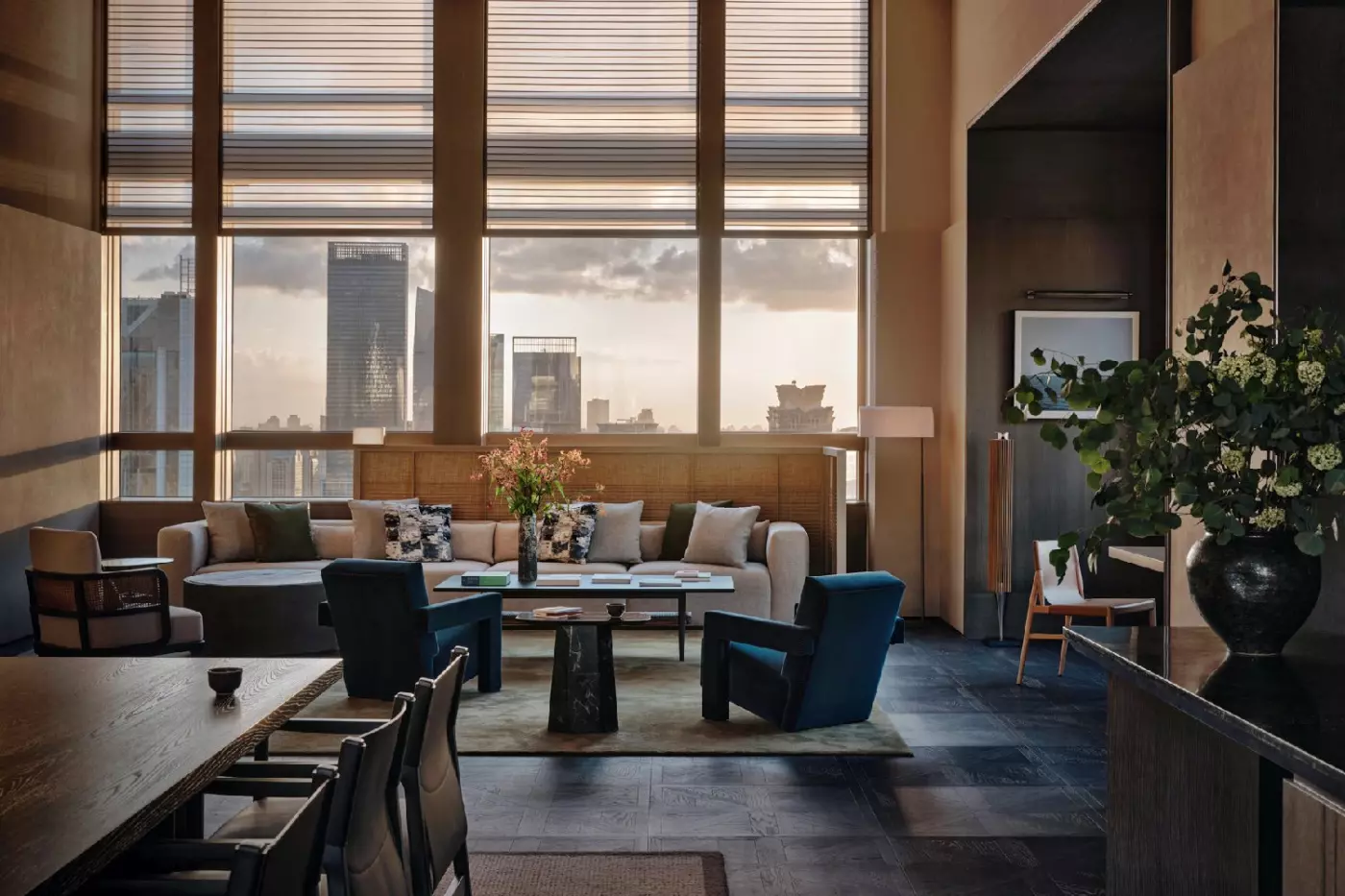
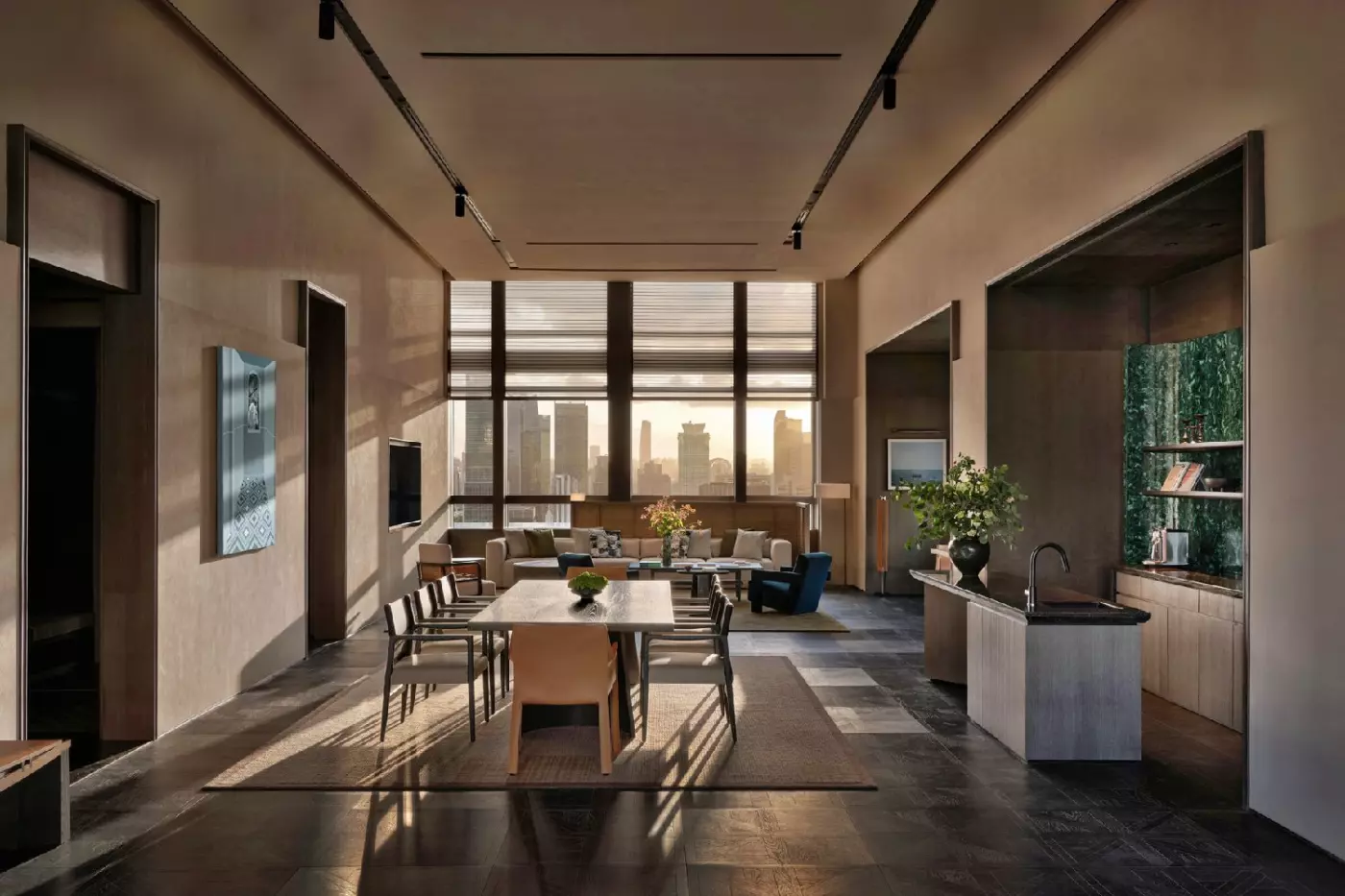
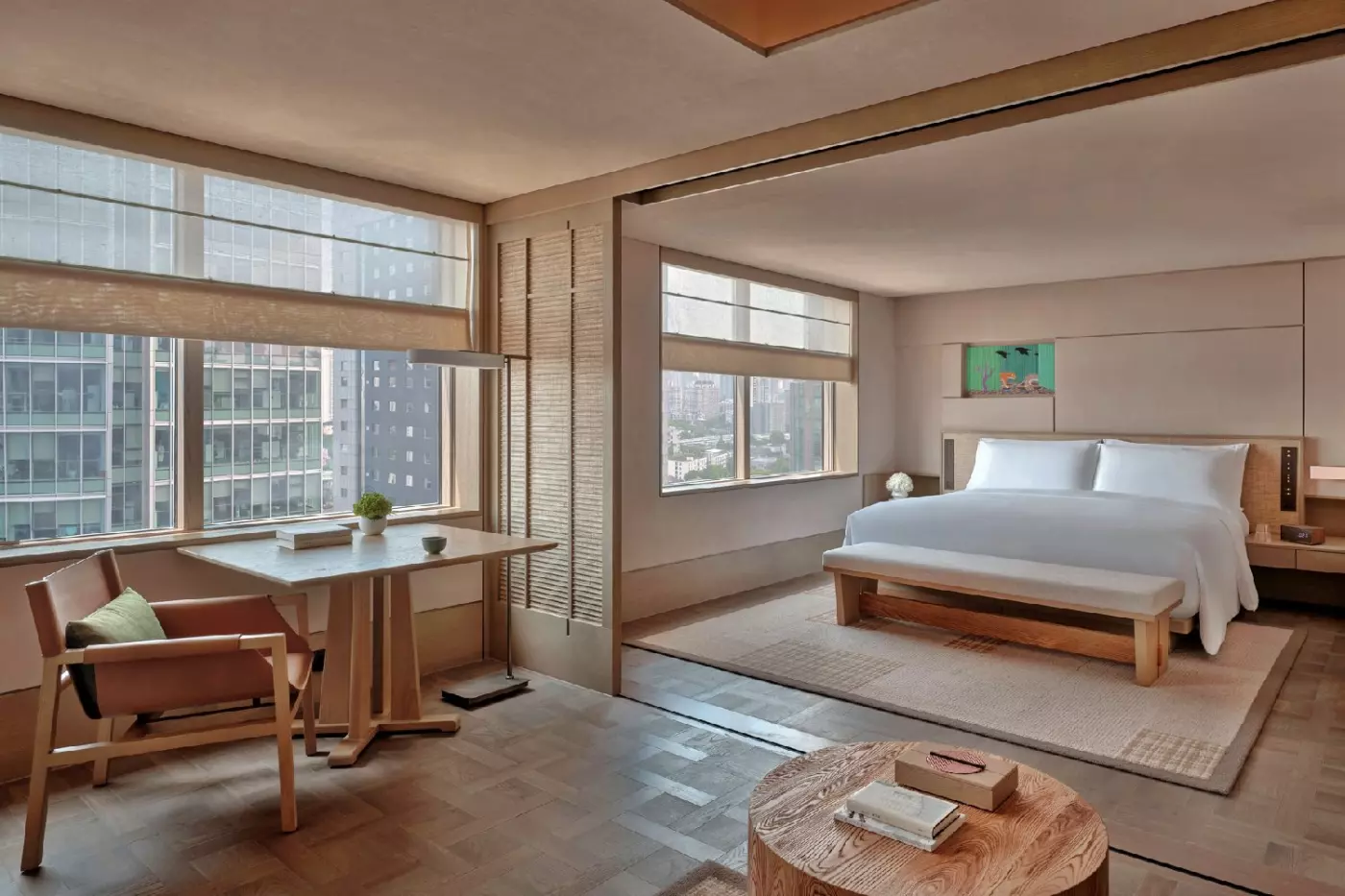
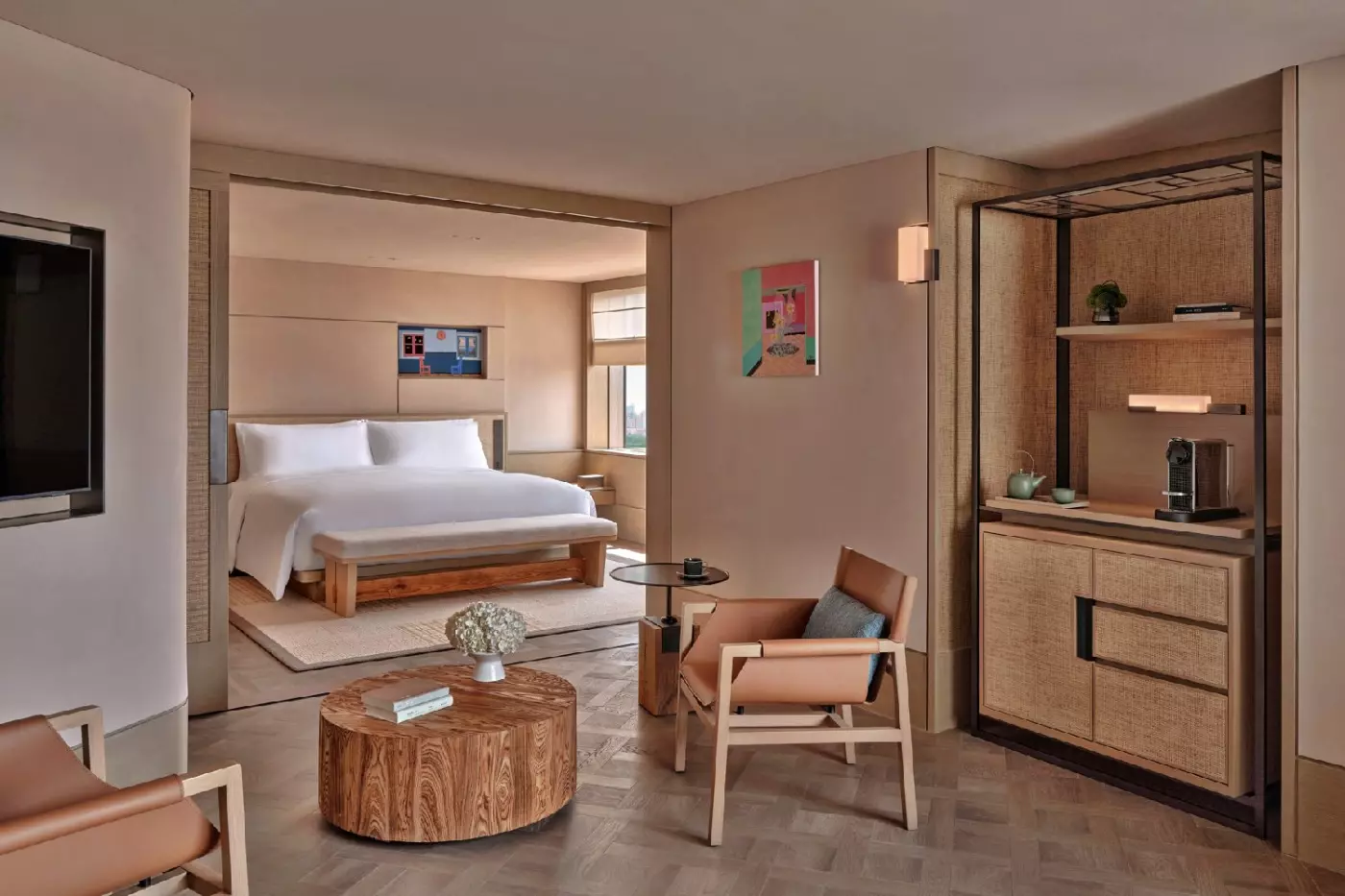
Alila Shanghai has 186 guest rooms. That count includes 94 suites. That suite count is unusually important because it gives the hotel more residential depth than many city properties. Guests can choose a compact urban room or a larger suite. The suites suit longer stays, work trips, or travelers who want more private space in central Shanghai.
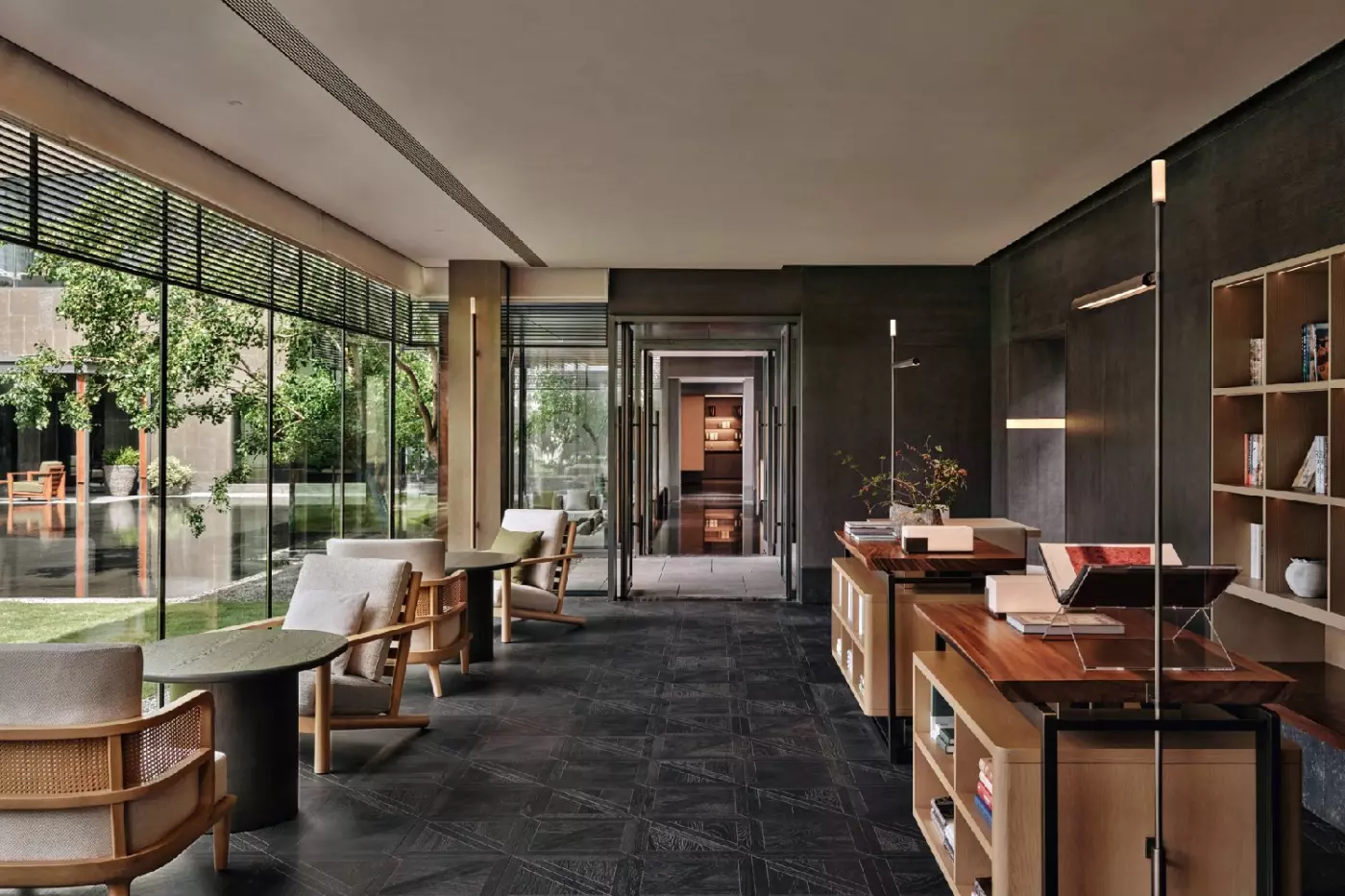
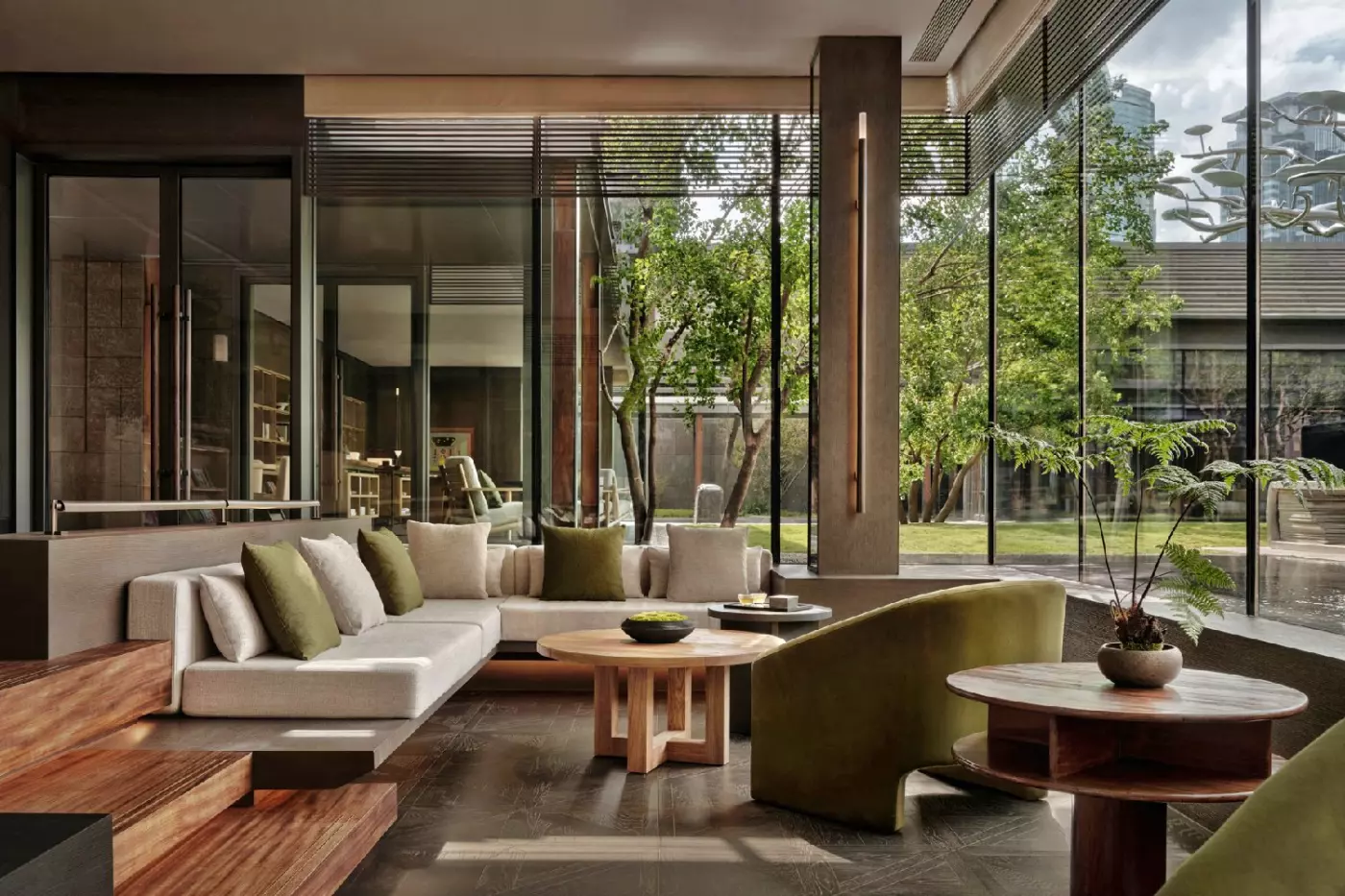
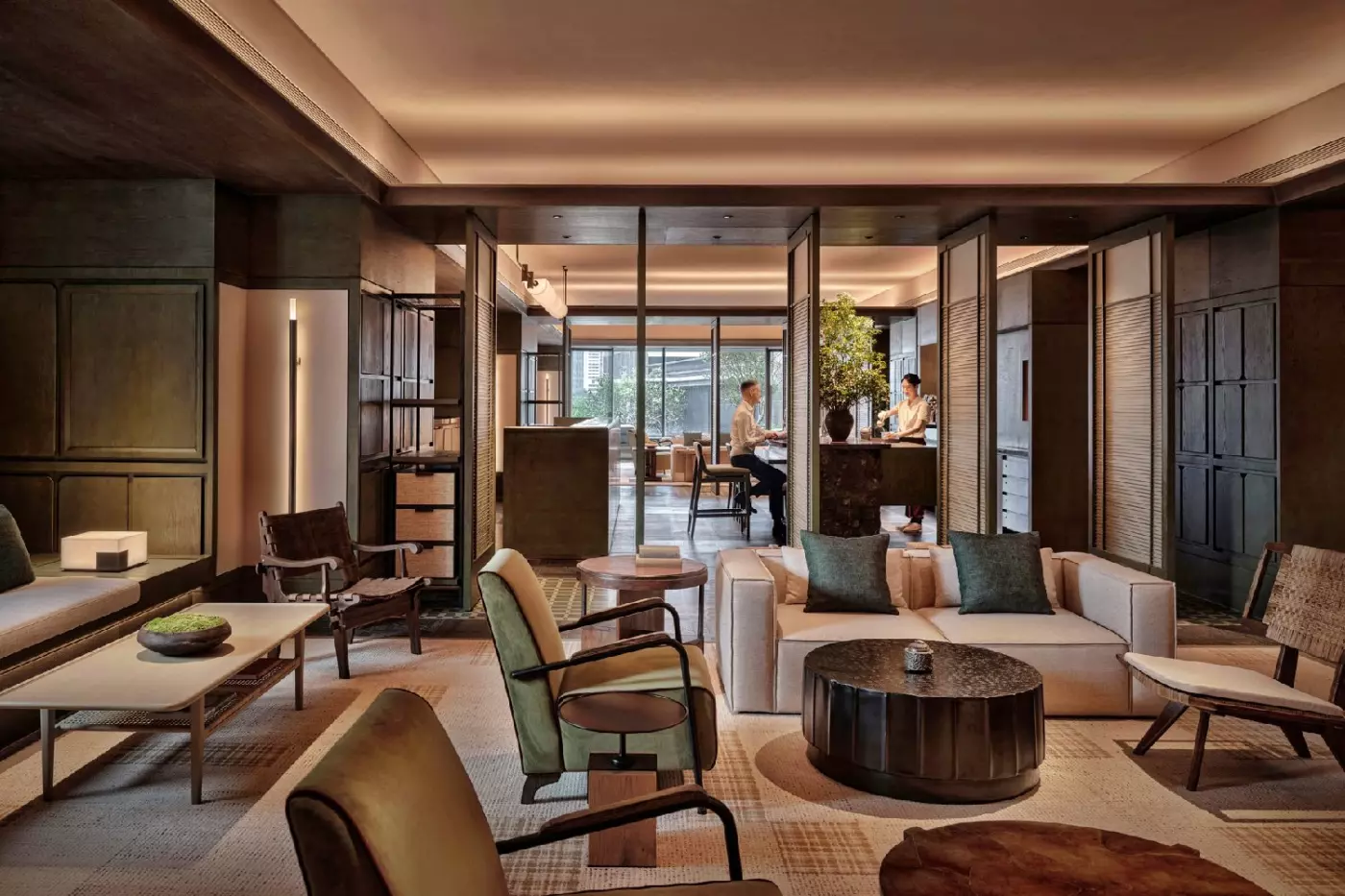
Rooms use natural finishes, soft textures, and a quieter palette than the building's earlier business-hotel identity. The best categories are those that make the room feel removed from the speed of Jing'an without disconnecting guests from the city.
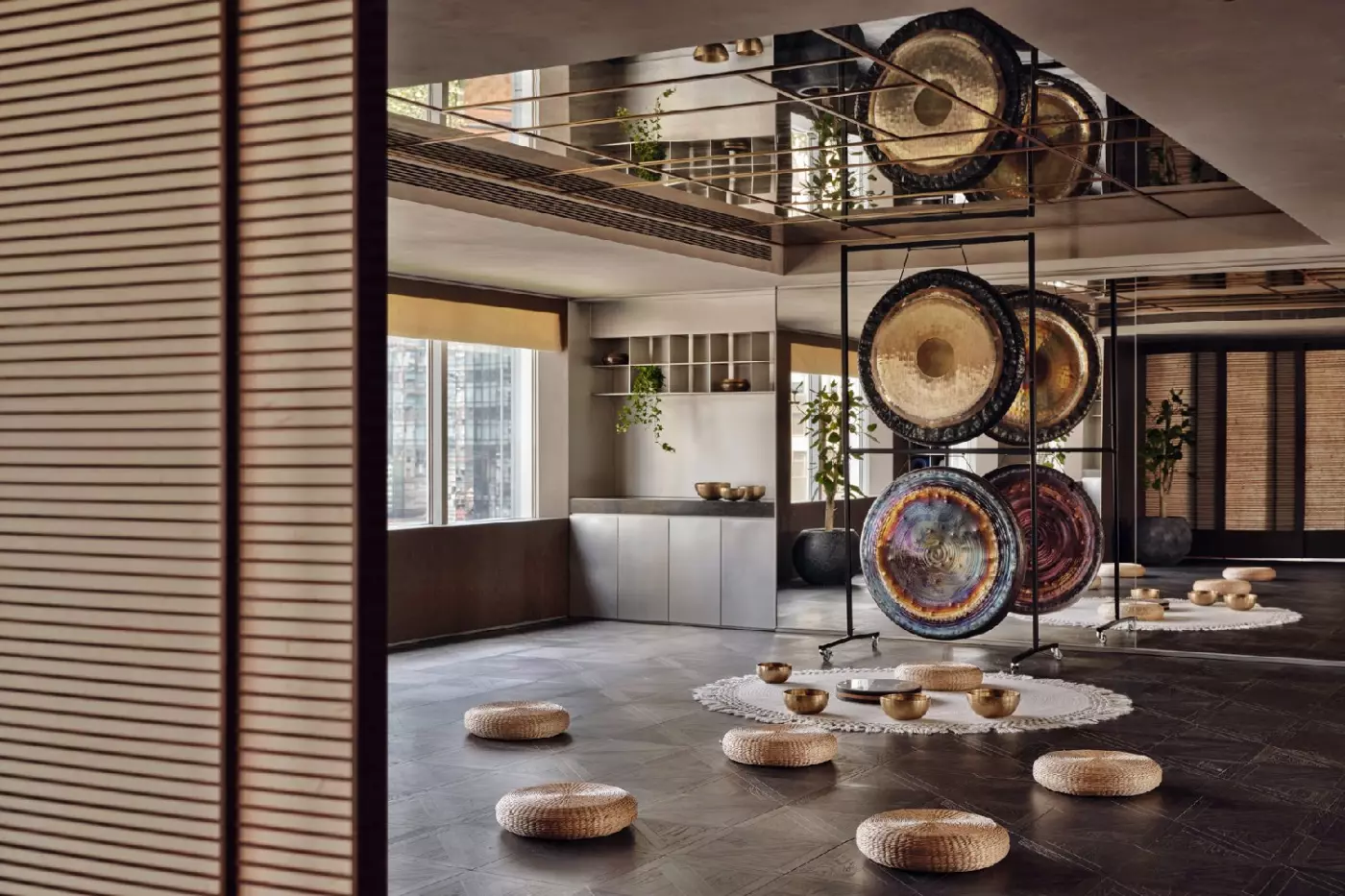
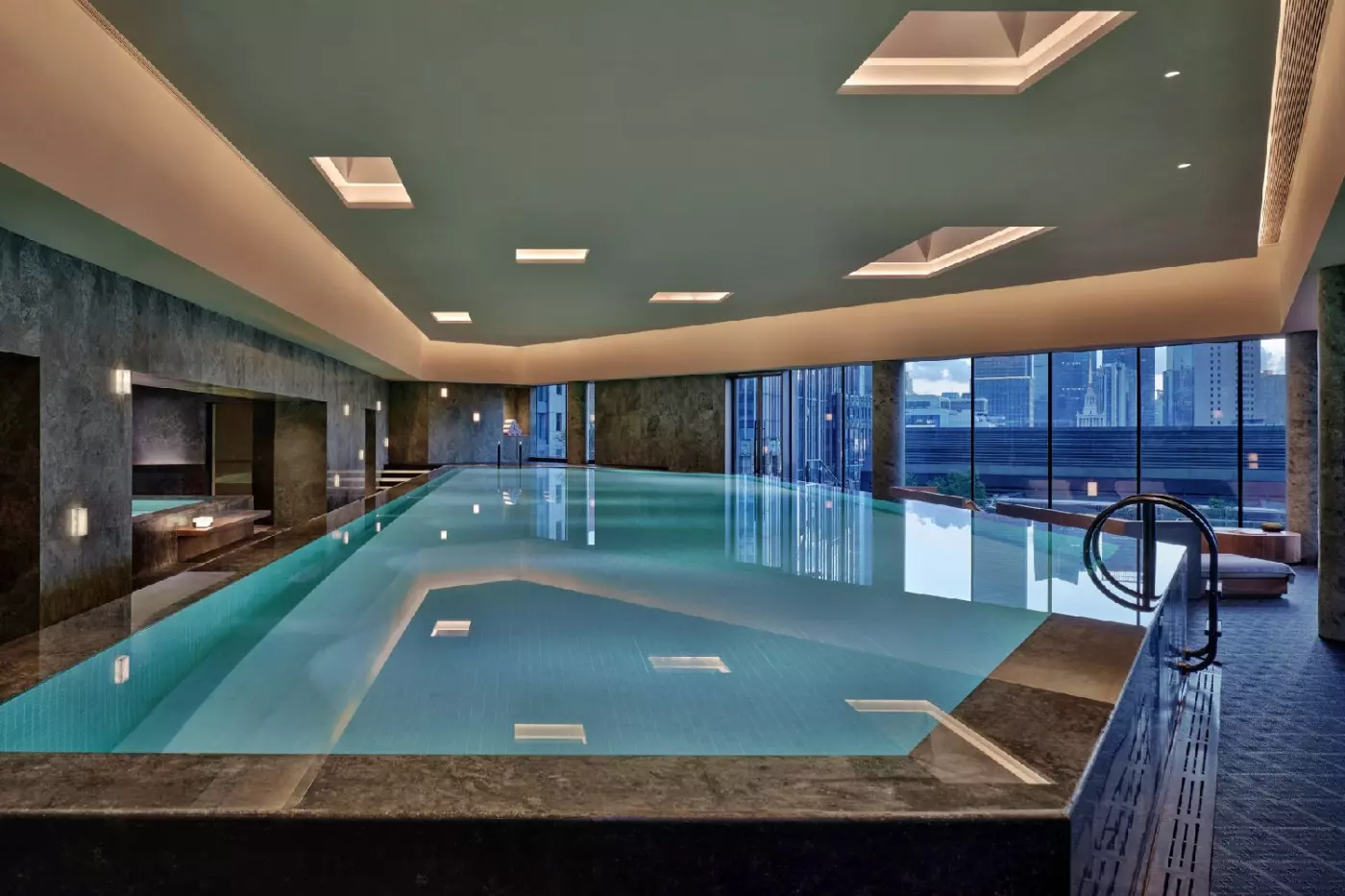
Spa Alila is one of the hotel's main anchors. It includes five treatment rooms, a Turkish bath, and a relaxation space. That gives the property more than a token wellness offering. This is important for an urban resort claim. Without a serious spa, the phrase would feel thin.
The spa also fits Shanghai travel patterns. Guests may be moving between meetings, shopping, dining, galleries, and long walks through busy streets. A proper recovery space inside the hotel gives the stay a clearer rhythm.
500 Weihai Road is the flagship Chinese restaurant and one of the strongest reasons the hotel feels local. The restaurant focuses on modern Shanghainese cooking, seafood, and seasonal ingredients. Produce comes from the hotel's rooftop vegetable garden as well as local farms and producers.
This gives the dining program credibility. It is not enough for a Shanghai hotel to say it has local flavor. The menu needs to show how it uses the region: seafood, seasonal vegetables, Chinese wine, and a kitchen rooted in Shanghai rather than a generic pan-Asian hotel concept.
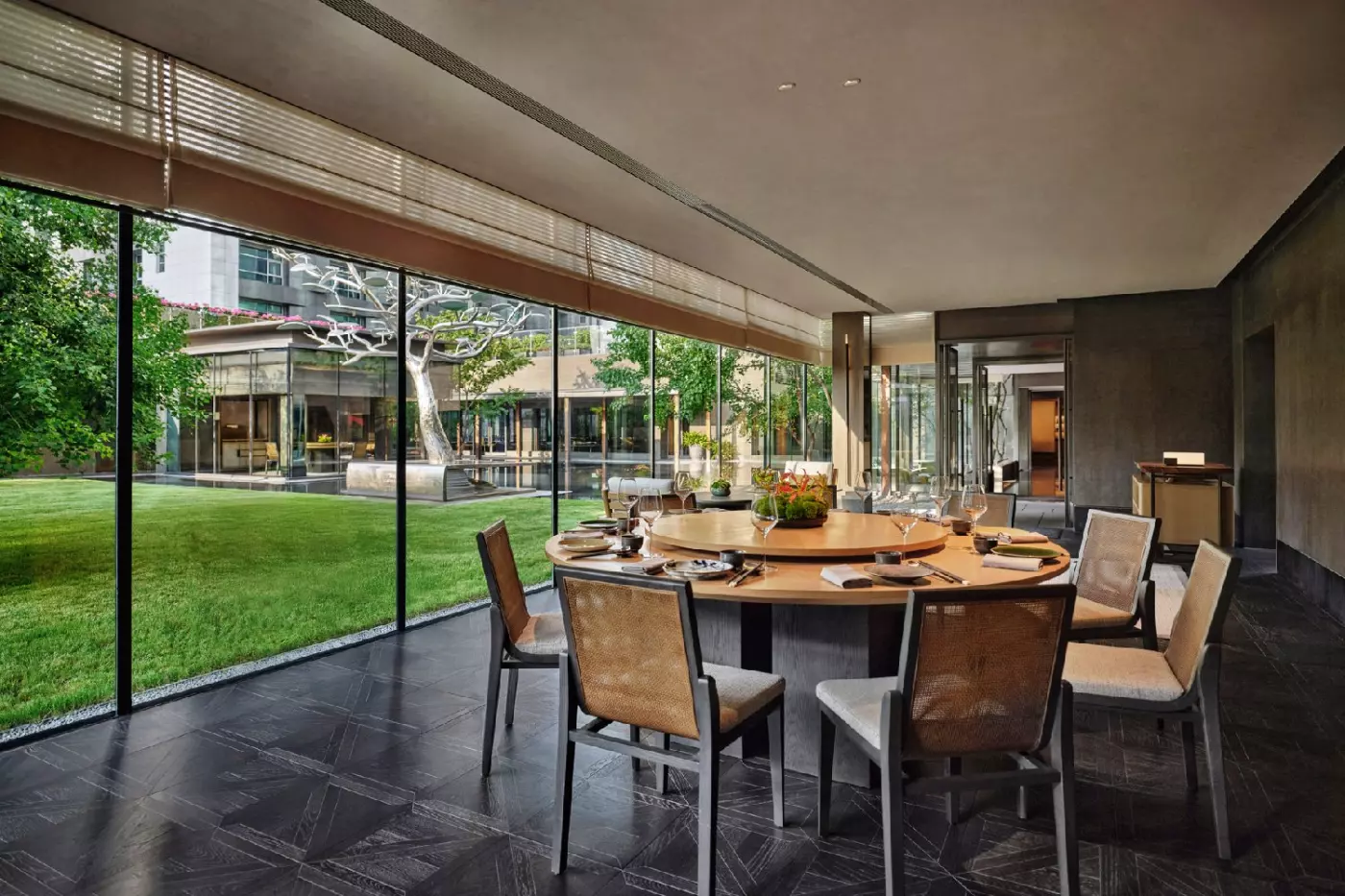
Garden Pavilion adds a different pace. It serves curated breakfast menus. Later in the day, it offers Japanese robatayaki with sake, shochu, and biodynamic wine. This gives the property a dining range that suits both hotel guests and local visitors.
The value is in contrast. 500 Weihai Road speaks to modern Shanghainese cuisine, while Garden Pavilion offers a more grill-led and Japanese-influenced setting. Together they make the hotel feel more complete.
ChaYan @ 5TH brings afternoon tea into the hotel in a way that connects to Shanghai habits rather than simply copying a Western tea ritual. The venue works with a resident tea master and reinterprets tea customs for a contemporary hotel setting.
This is a useful cultural detail because it slows the stay down. In a city known for speed, shopping, and business, a dedicated tea space adds a quieter layer to the guest experience.
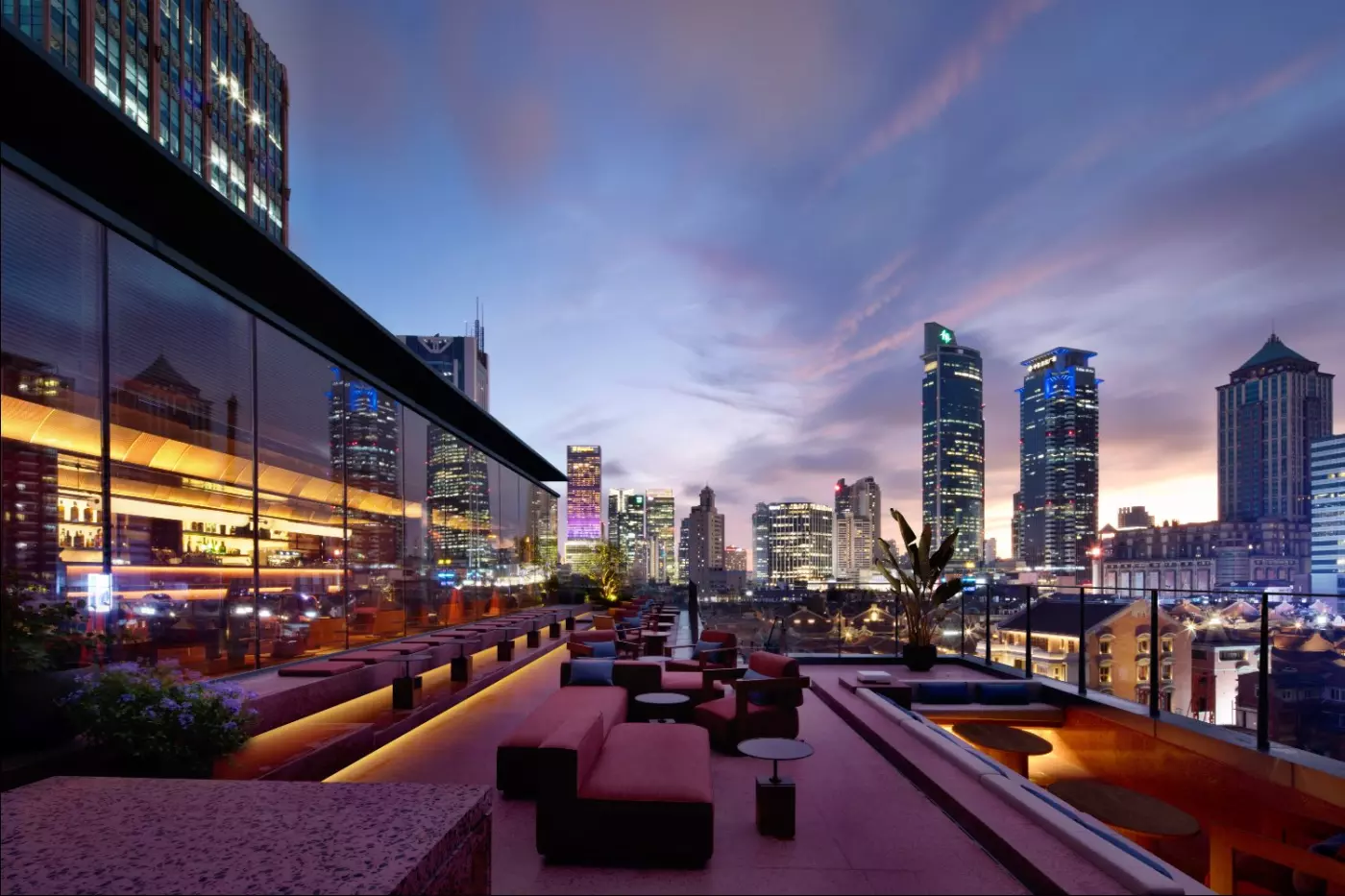
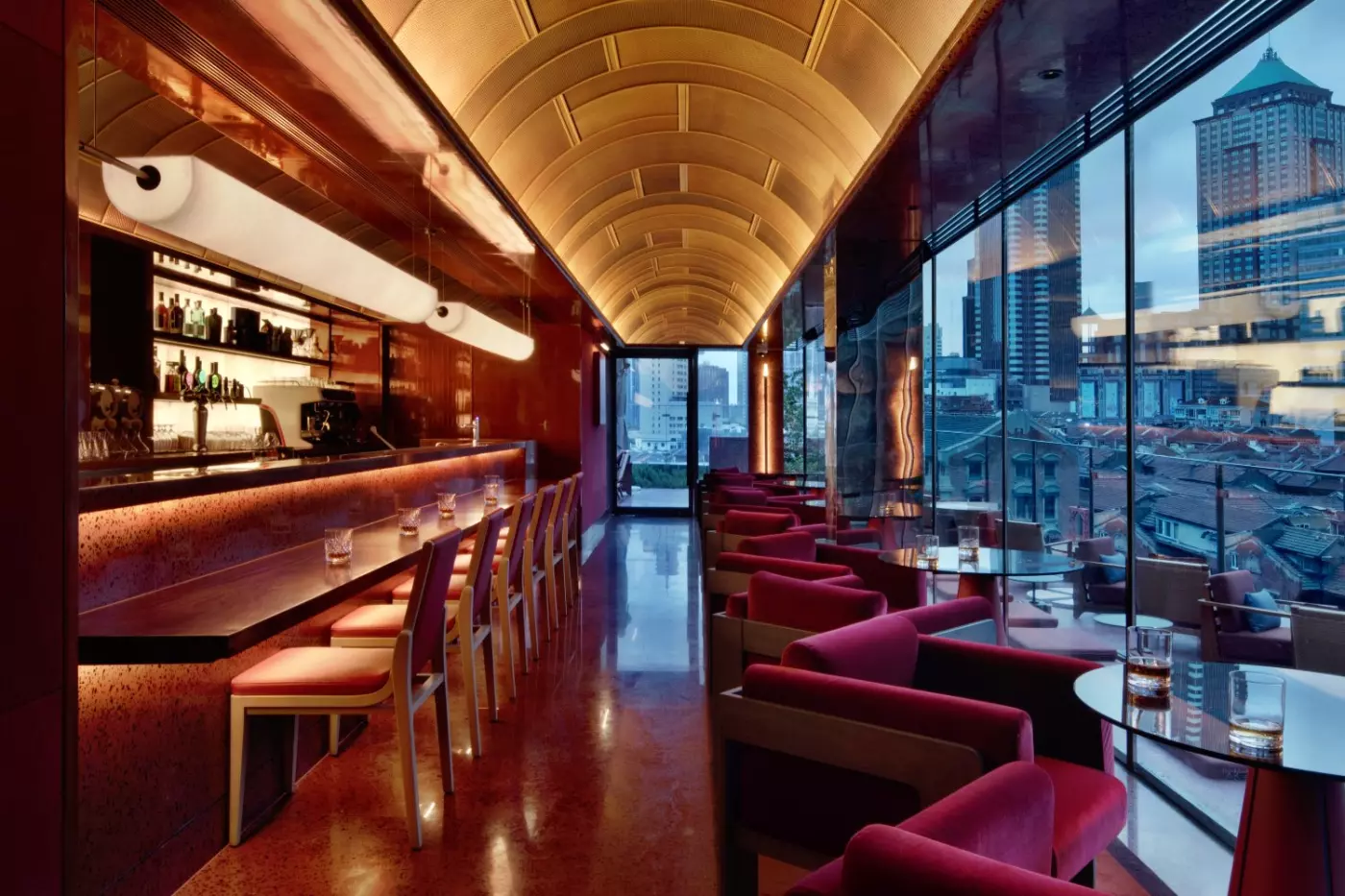
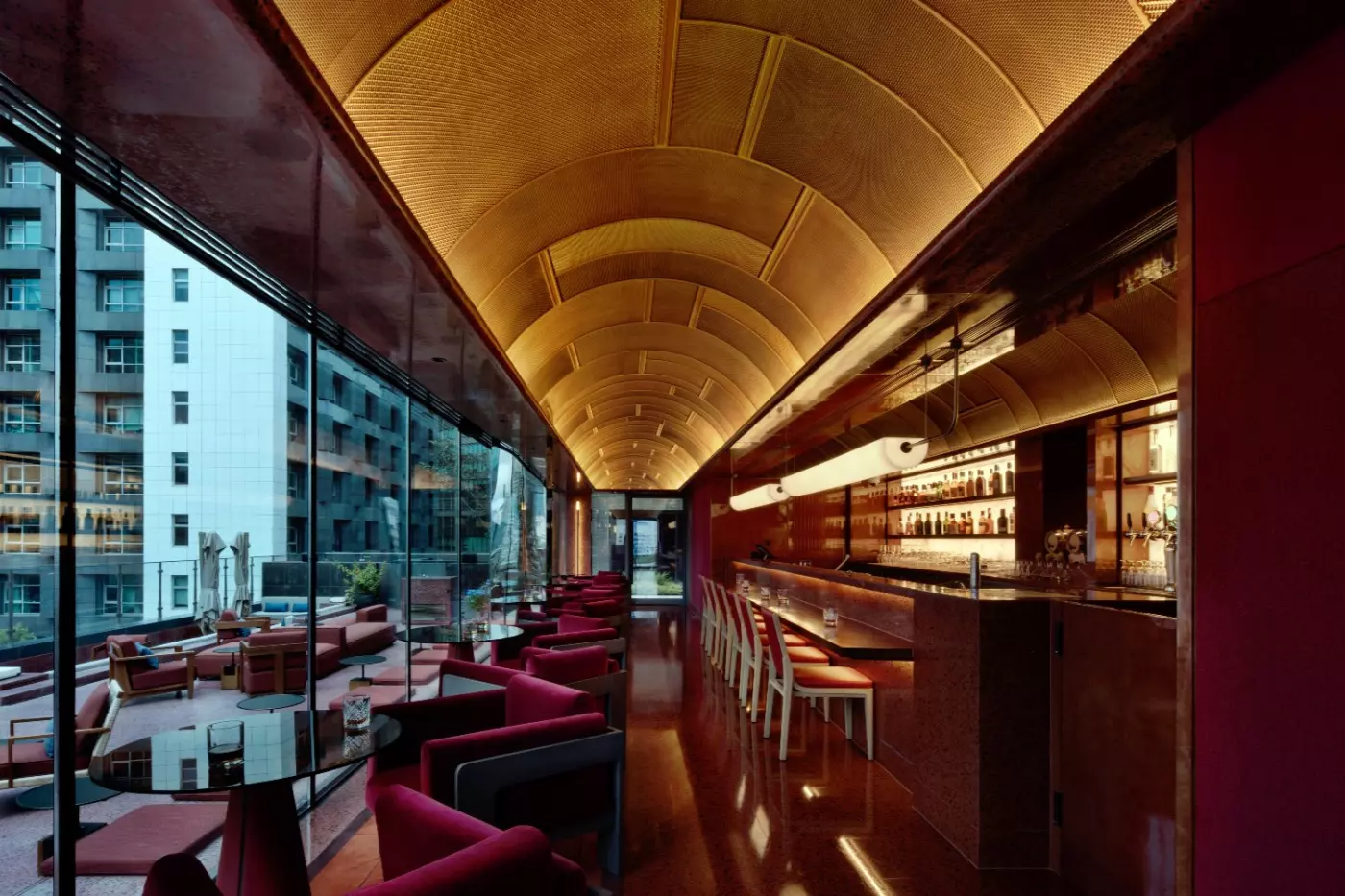
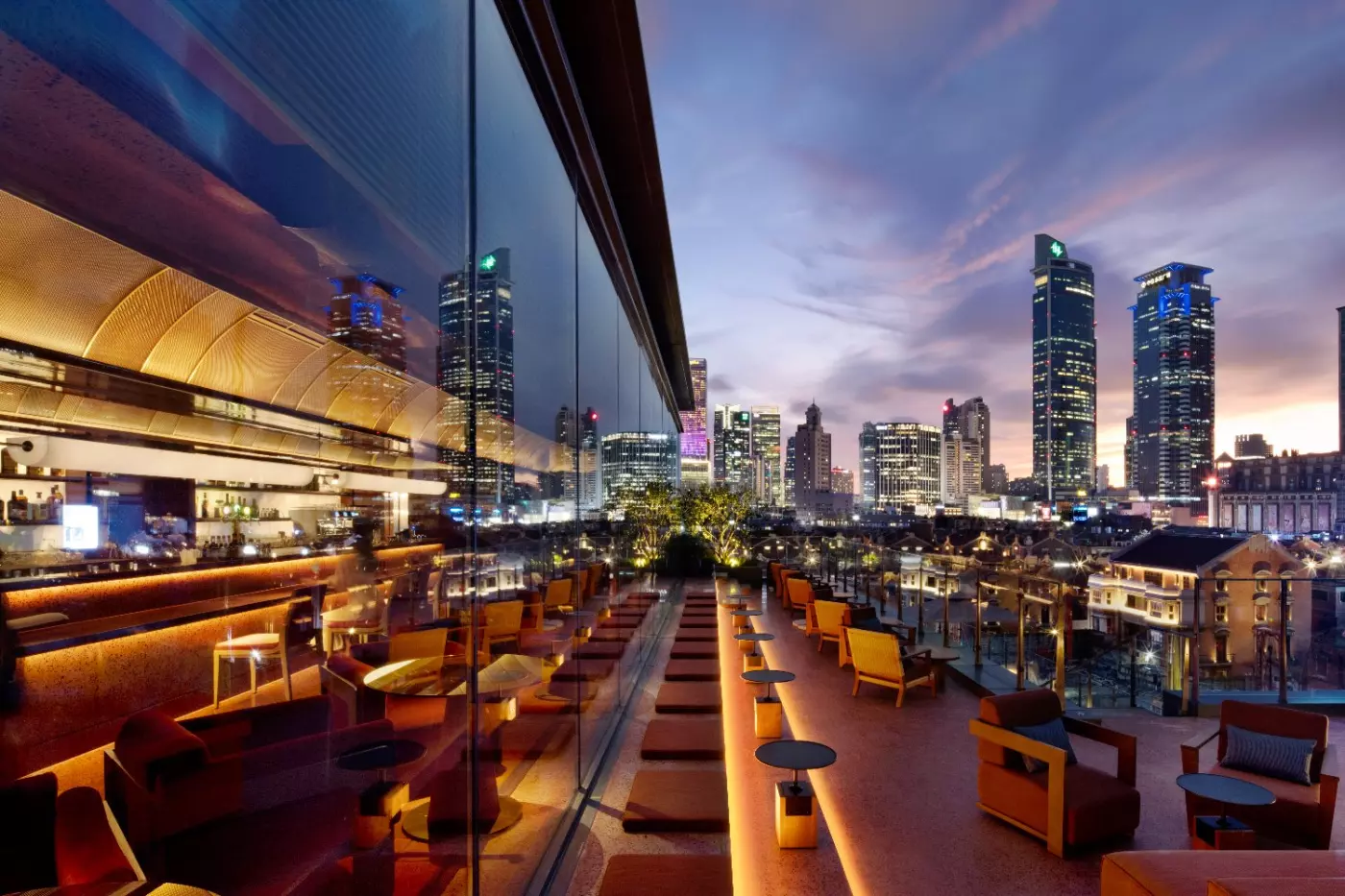
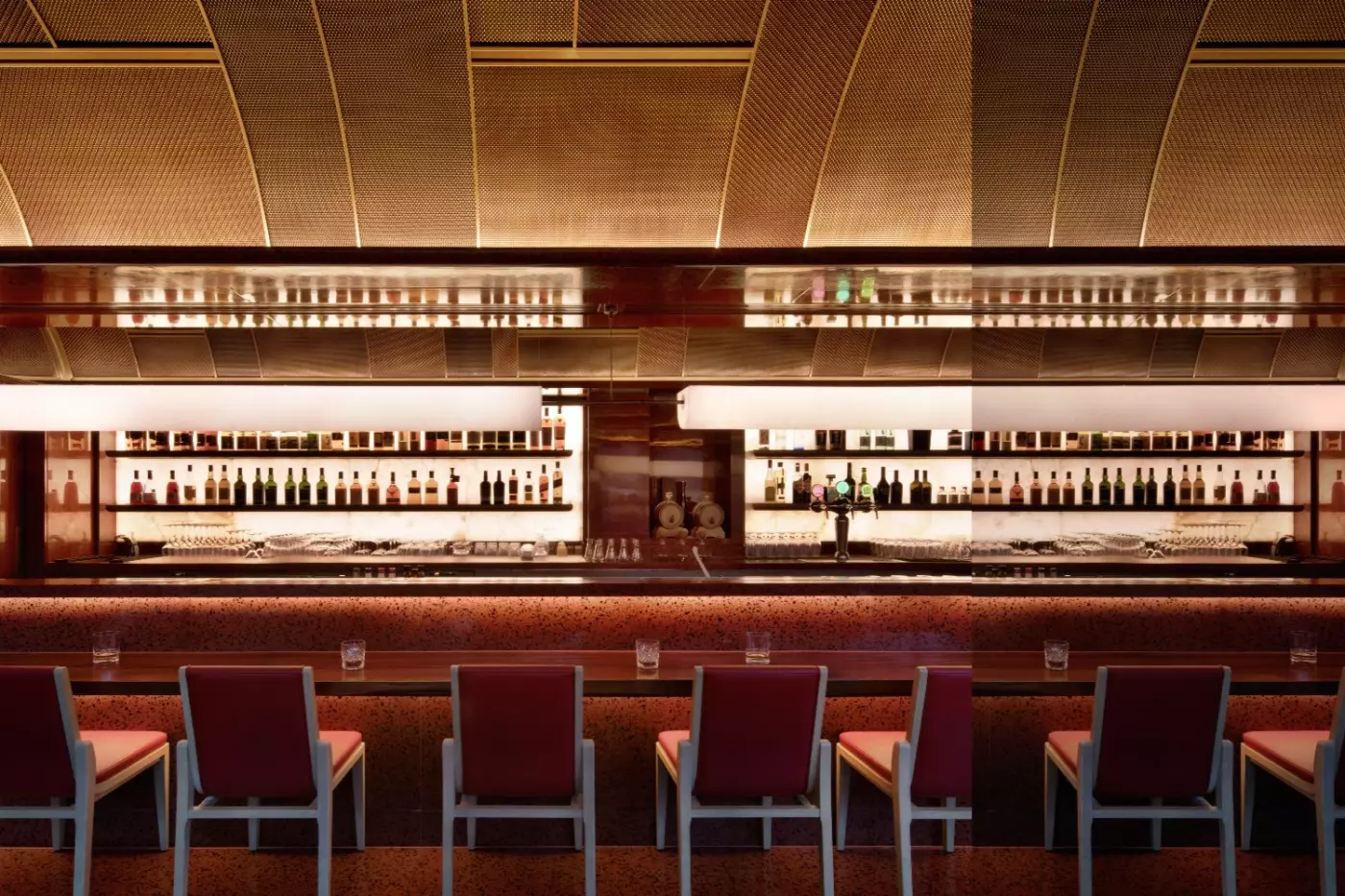
Secret Roof is the hotel's rooftop bar and one of its most memorable public spaces. By day, it works as a relaxed coffee and tea bar. By evening, it becomes a livelier bar with panoramic views toward Zhangyuan.
The rooftop is important because it connects the hotel to Shanghai's social rhythm. Guests can finish the day above the city without losing the local reference point below: Jing'an, Weihai Road, and the restored shikumen quarter.
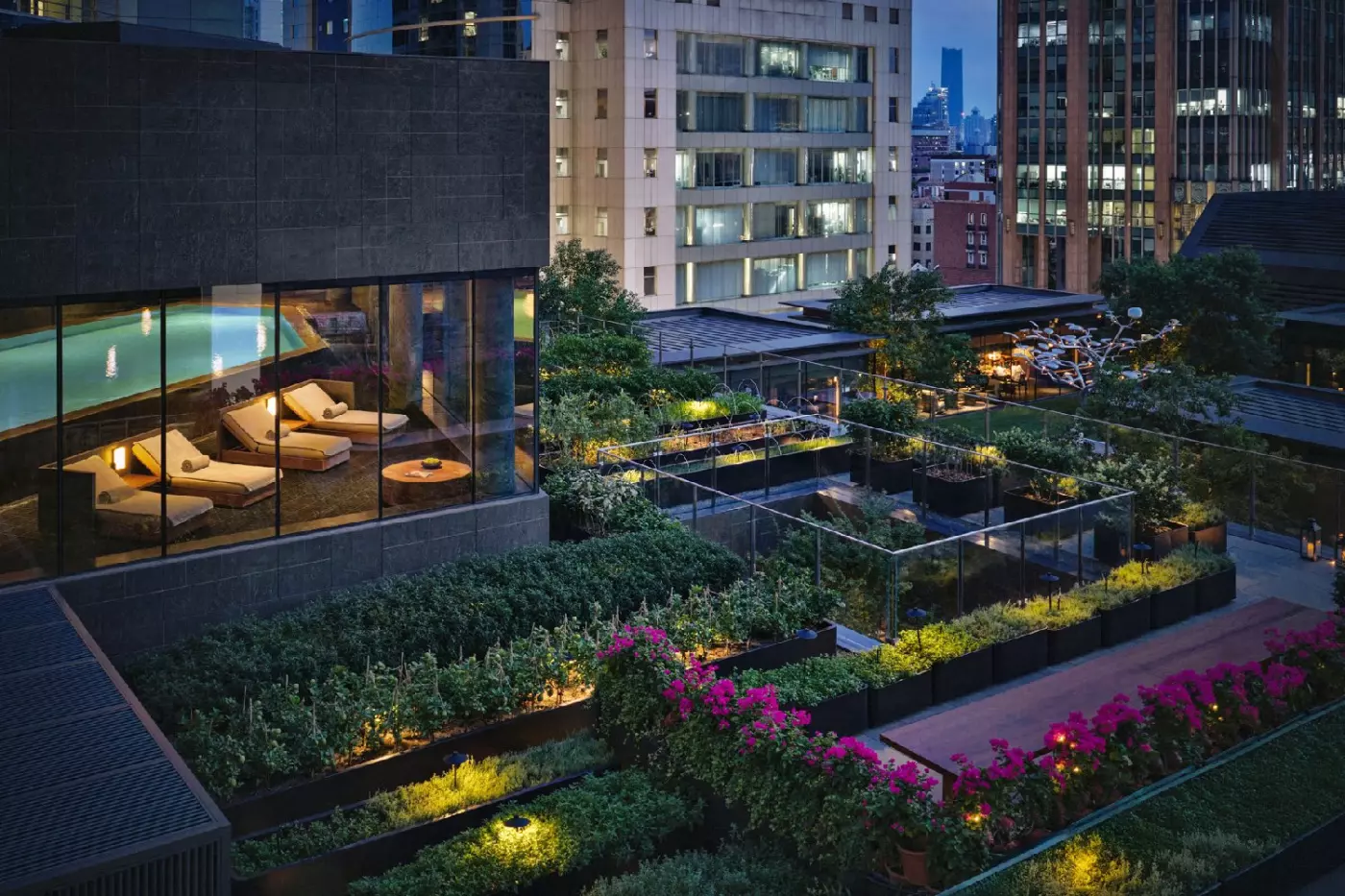
The rooftop vegetable garden is one of the details that makes the hotel more convincing. It supports the restaurant program and gives the sustainability story a working role inside the building. Produce does not need to travel far to appear on the menu. The garden gives the hotel a useful link between food, design, and daily operations.
Alila Shanghai is a strong choice for travelers looking for a luxury Jing'an hotel with wellness, modern Shanghainese dining, rooftop views, and easy access to central Puxi. It suits guests who want Shanghai to feel walkable, design-aware, and culturally layered. The stay is not only high-rise and corporate.
The hotel's advantage is specific: 500 Weihai Road, Zhangyuan views, Spa Alila, 186 rooms, 94 suites, Garden Pavilion, ChaYan @ 5TH, Secret Roof, and a rebrand that gives the former Four Seasons building a more contemporary purpose.
Alila Shanghai gives guests private access to Zhangyuan. The restored shikumen lanes put old Shanghai at the door.
500 Weihai Road has a sharp local voice. Rooftop garden produce and local farms shape modern Shanghainese seafood.
Secret Roof is the evening move. Cocktails come with panoramic views over Zhangyuan and Jing an.
NO 500 WEIHAI ROAD SHANGHAI 200041 CN CHINA
Playing this video may share data with YouTube. Please see our Privacy Policy.
Alila Shanghai is on Weihai Road in Jing'an, one of central Shanghai's most useful districts. The hotel is close to Zhangyuan, Nanjing West Road, dining, shopping, offices, and metro links.
Yes. Alila Shanghai works well for first-time visitors because it places guests near central shopping, restaurants, heritage lanes, and business areas. It is easier for city exploring than a remote resort hotel.
Alila Shanghai has 186 rooms, including 94 suites. The high suite count makes it a strong choice for travelers who want more space, longer stays, or a more residential city-hotel feel.
Book a room if you want a polished base for short city trips. Choose a suite if you want more space, a separate living feel, or a stay that suits business meetings and longer visits.
Alila Shanghai brings Alila's calm design language into a dense city setting. It combines a central Jing'an address, many suites, wellness facilities, dining, and access to Shanghai's culture and business life.
More amenities
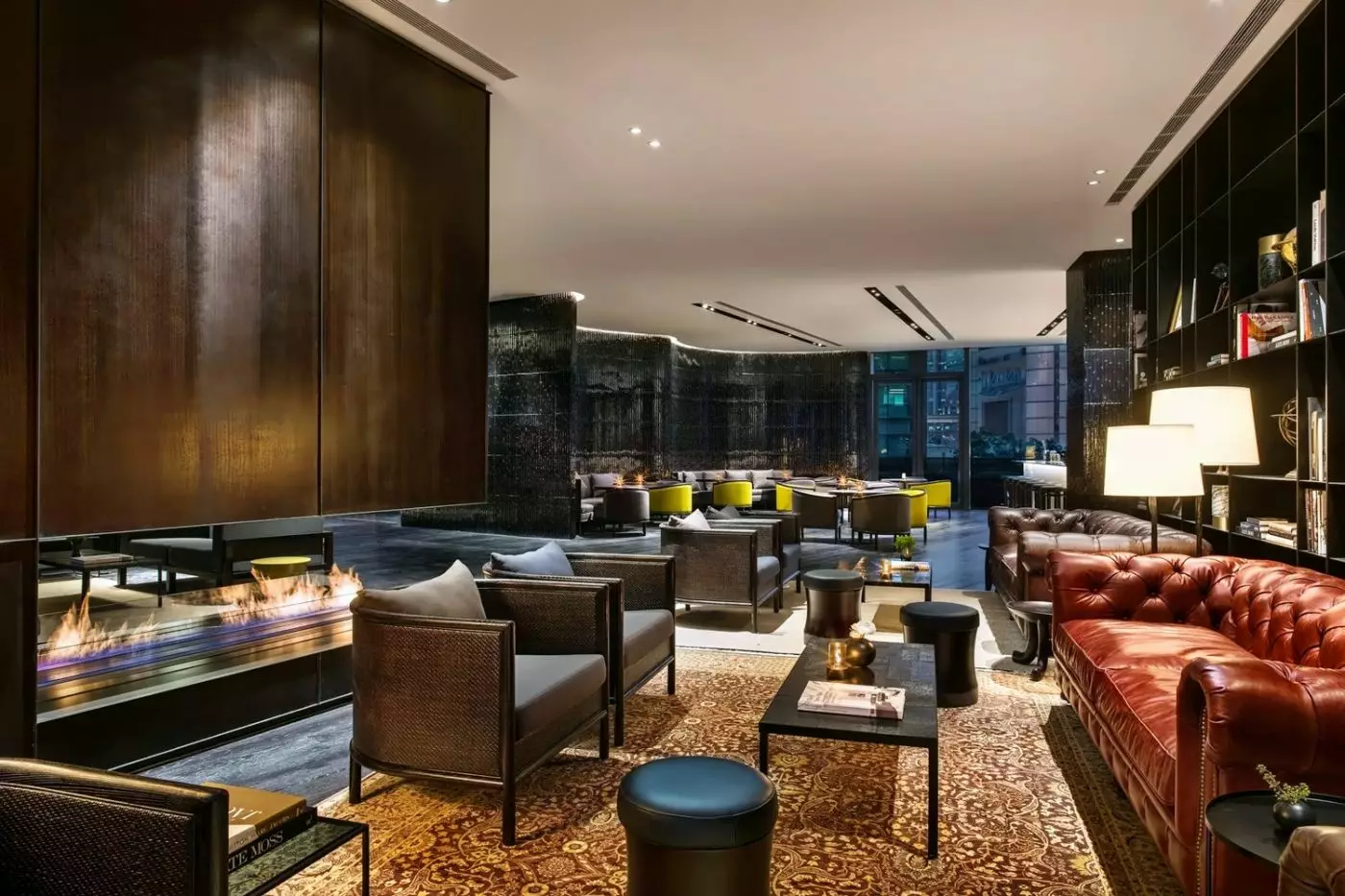
Upper House Shanghai is a design-led luxury hotel in Shanghai's Jing'an district. It sits within HKRI Taikoo Hui on West Nanj...
More amenities
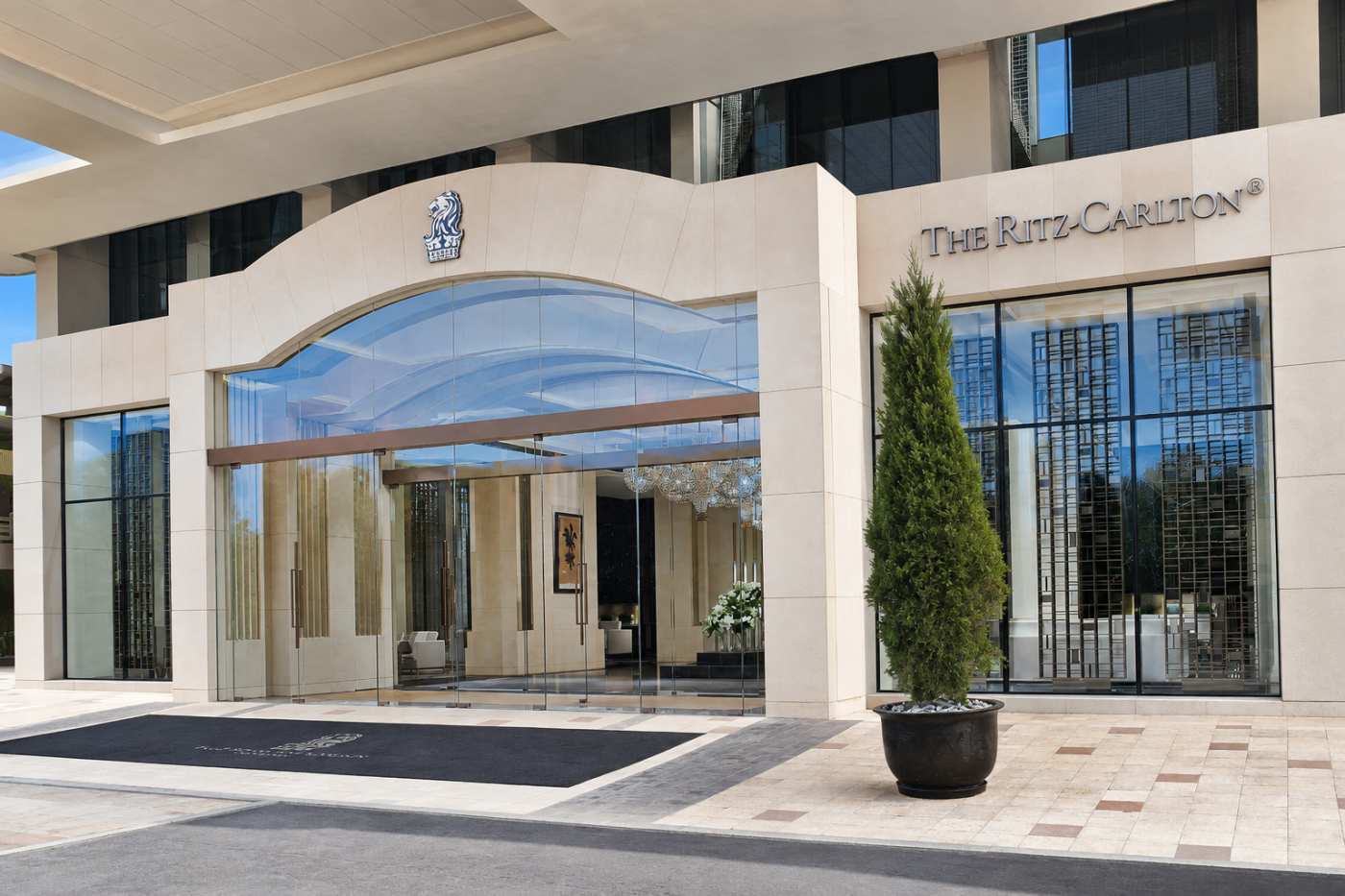
Shanghai Centre gives The Portman Ritz-Carlton Shanghai its defining advantage. At 1376 West Nanjing Road, the hotel shares a...
More amenities
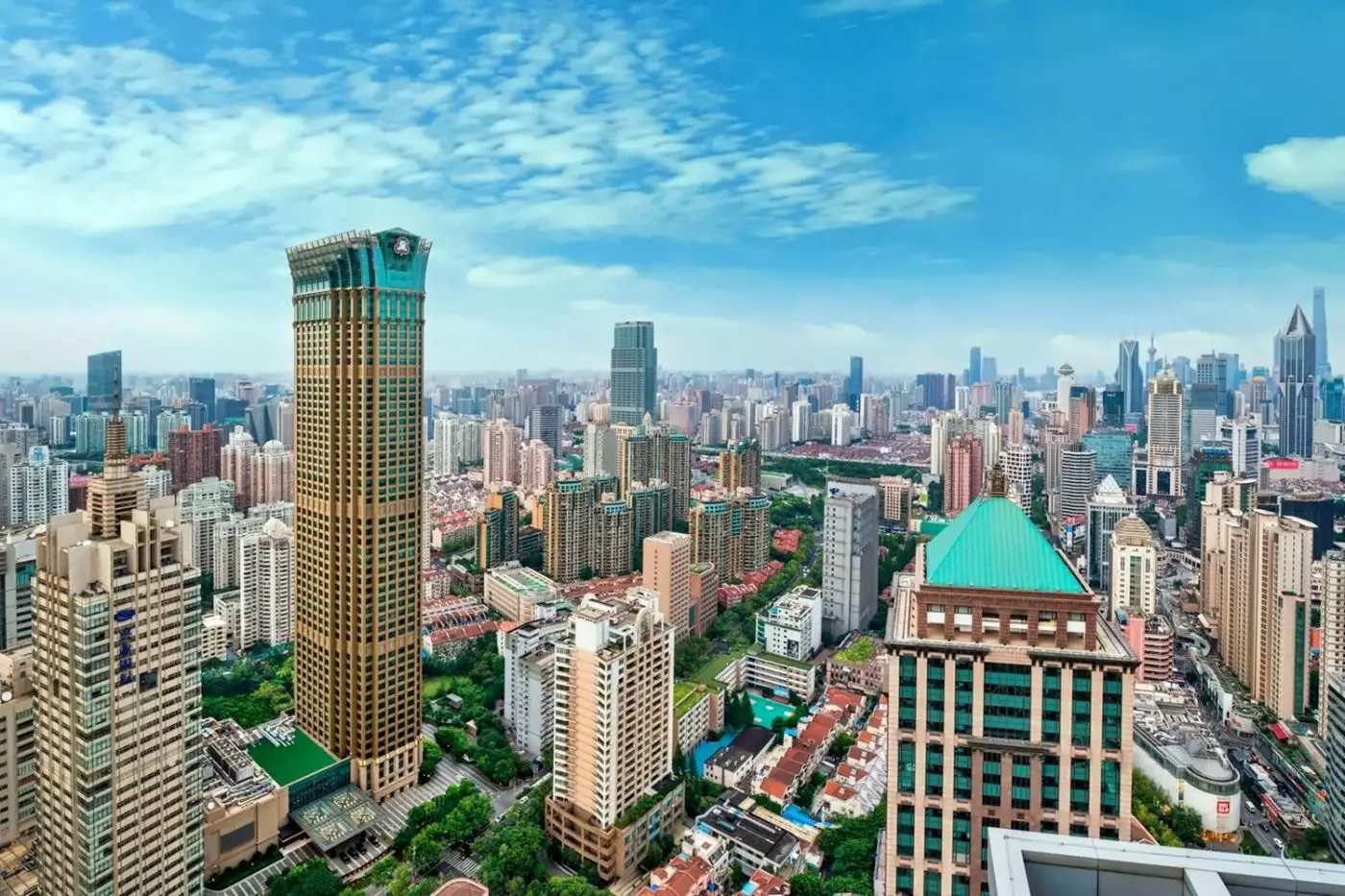
The St. Regis Shanghai Jingan stands on West Beijing Road in one of Shanghai's most central districts. Jing'an is known for o...