
Best for
For a music-focused Vienna visit, stay near the Musikverein and State Opera, keeping the journey back after a performance short.
Please choose a hotel or destination from the list.
We couldn’t open your search results. Please try again.
Your private search
Finding exceptional stays
Best for
For a music-focused Vienna visit, stay near the Musikverein and State Opera, keeping the journey back after a performance short.
What makes it special
Register for the hotel's heritage tour and Imperial Torte tasting to explore the former palace while sampling its signature handmade cake.
Room to consider
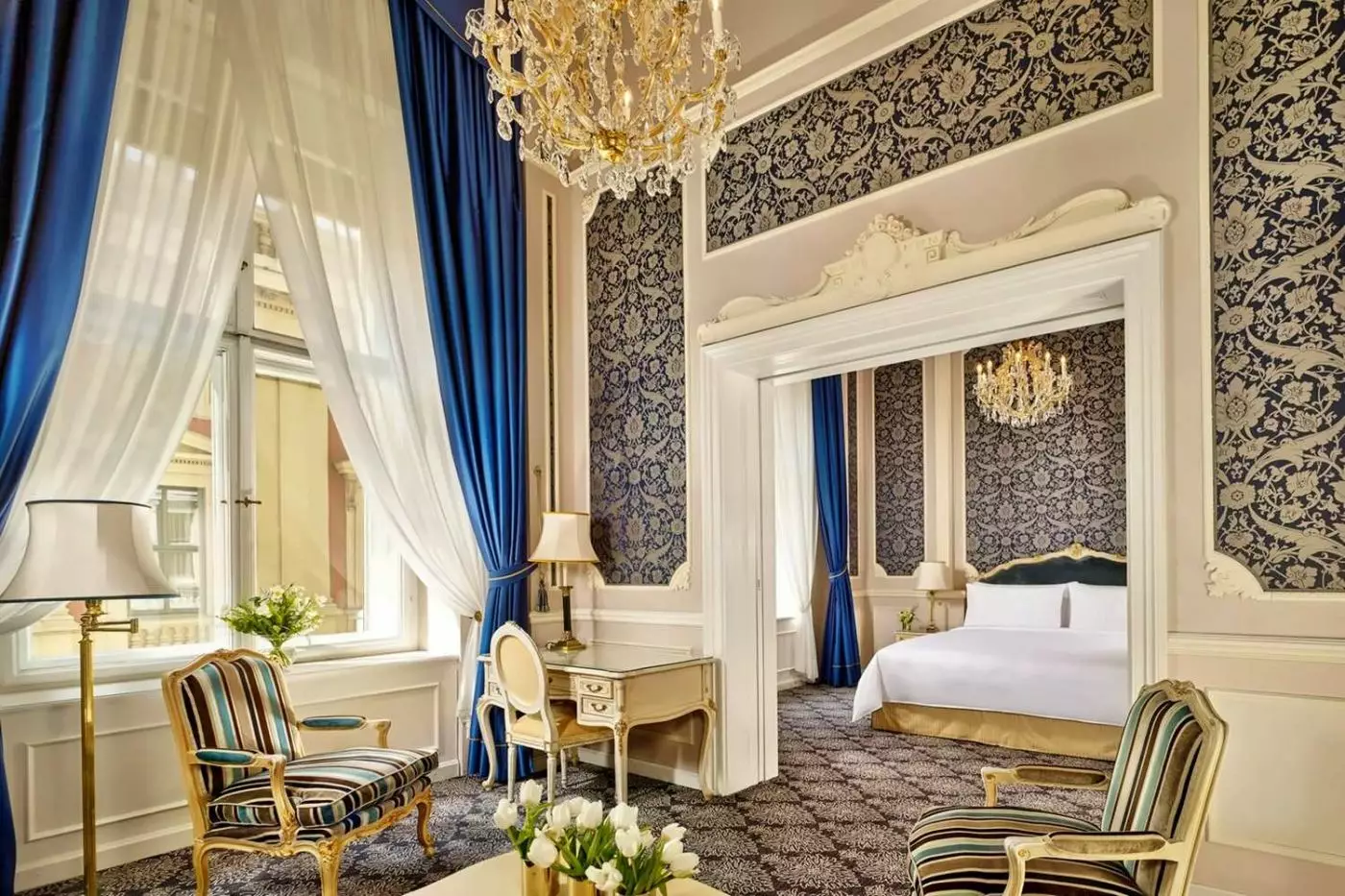
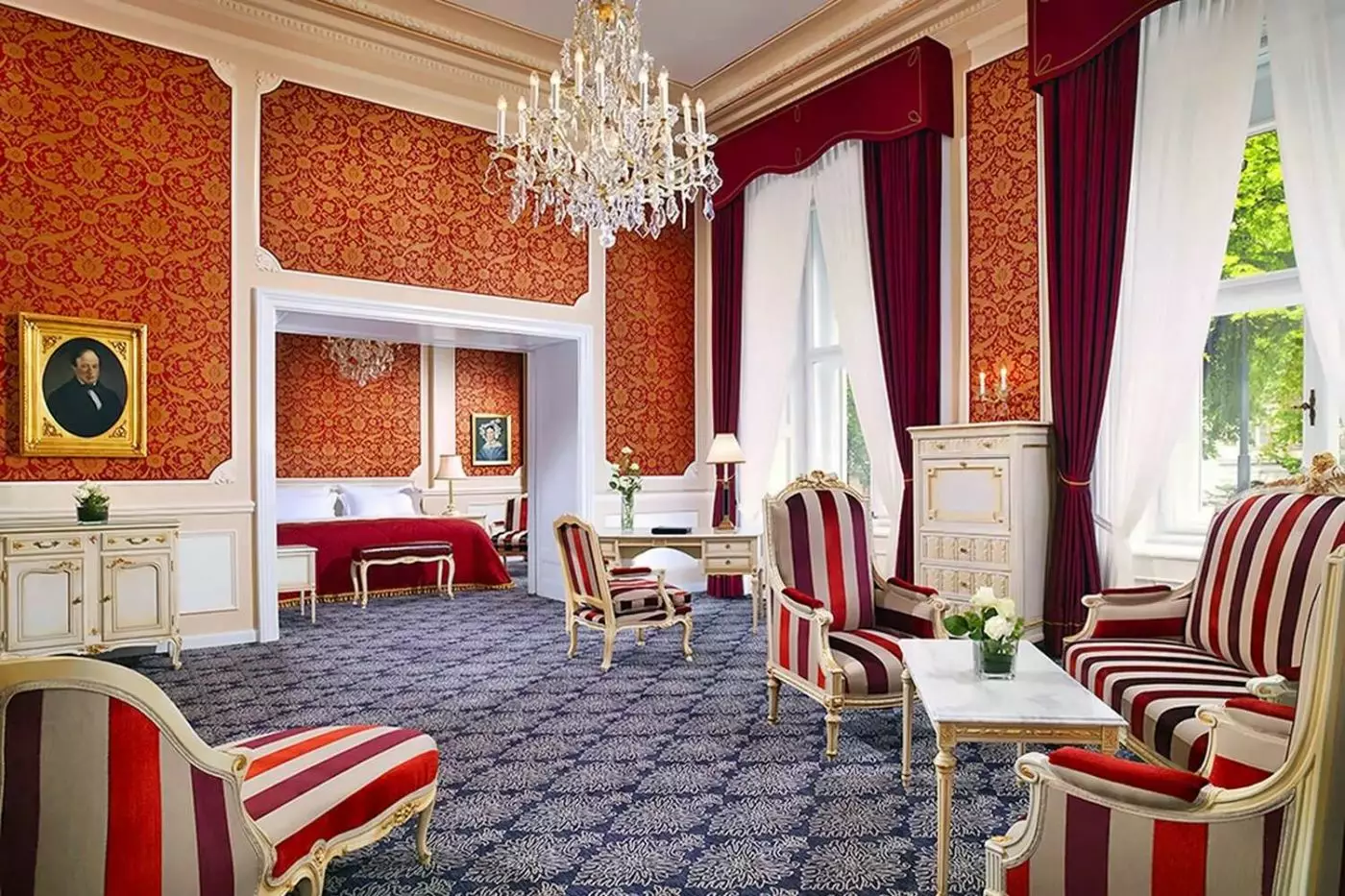
Choose an Elisabeth Suite for its sliding door between the living area and bedroom, useful when two guests keep different schedules.
Insider tip
Arriving by car? Ask the concierge to recommend a nearby underground garage before setting off, as the hotel's listed parking is off-site.
Free membership gives you access to preferred rates, exclusive benefits and current promotions for your stay.
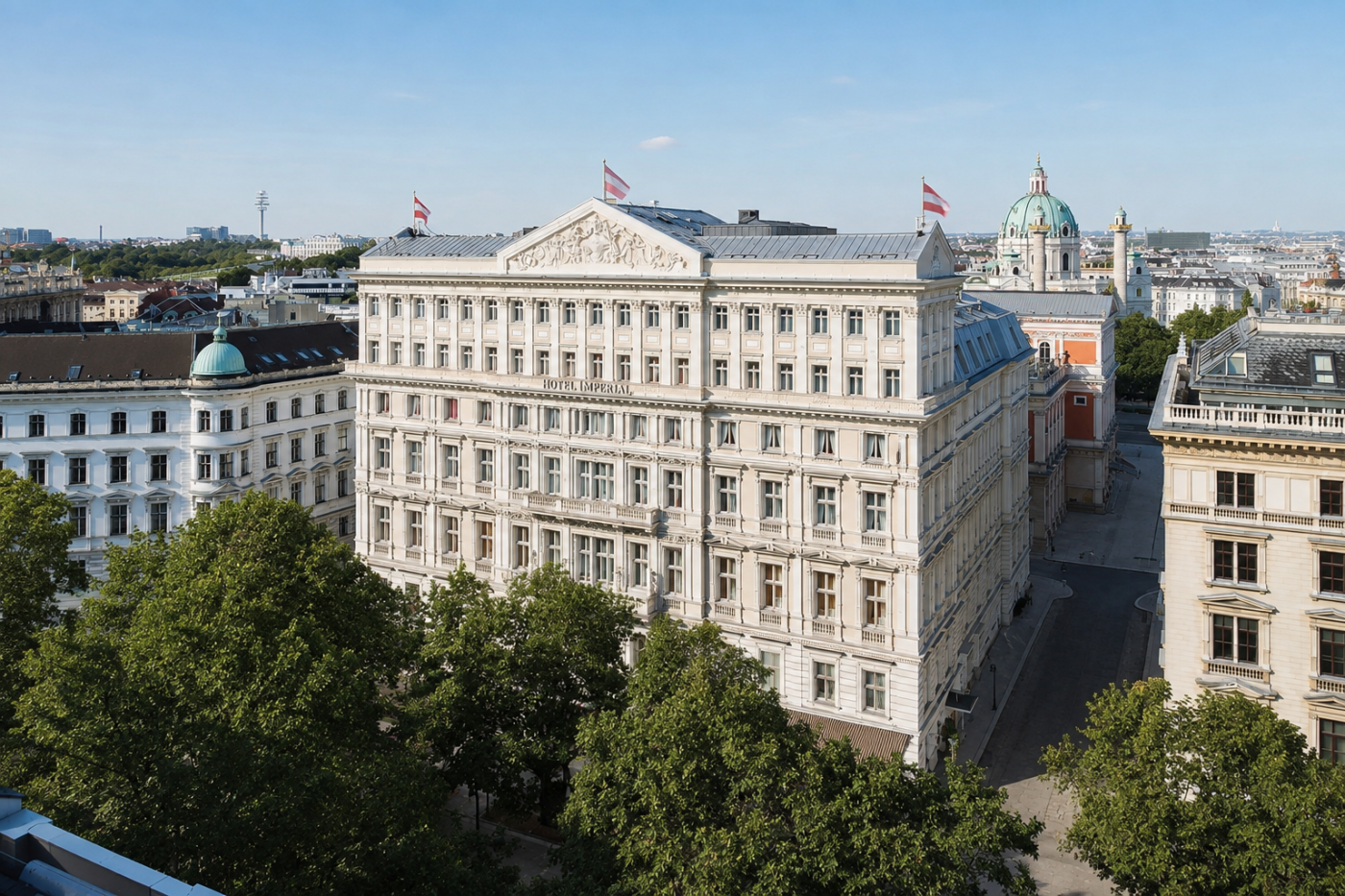
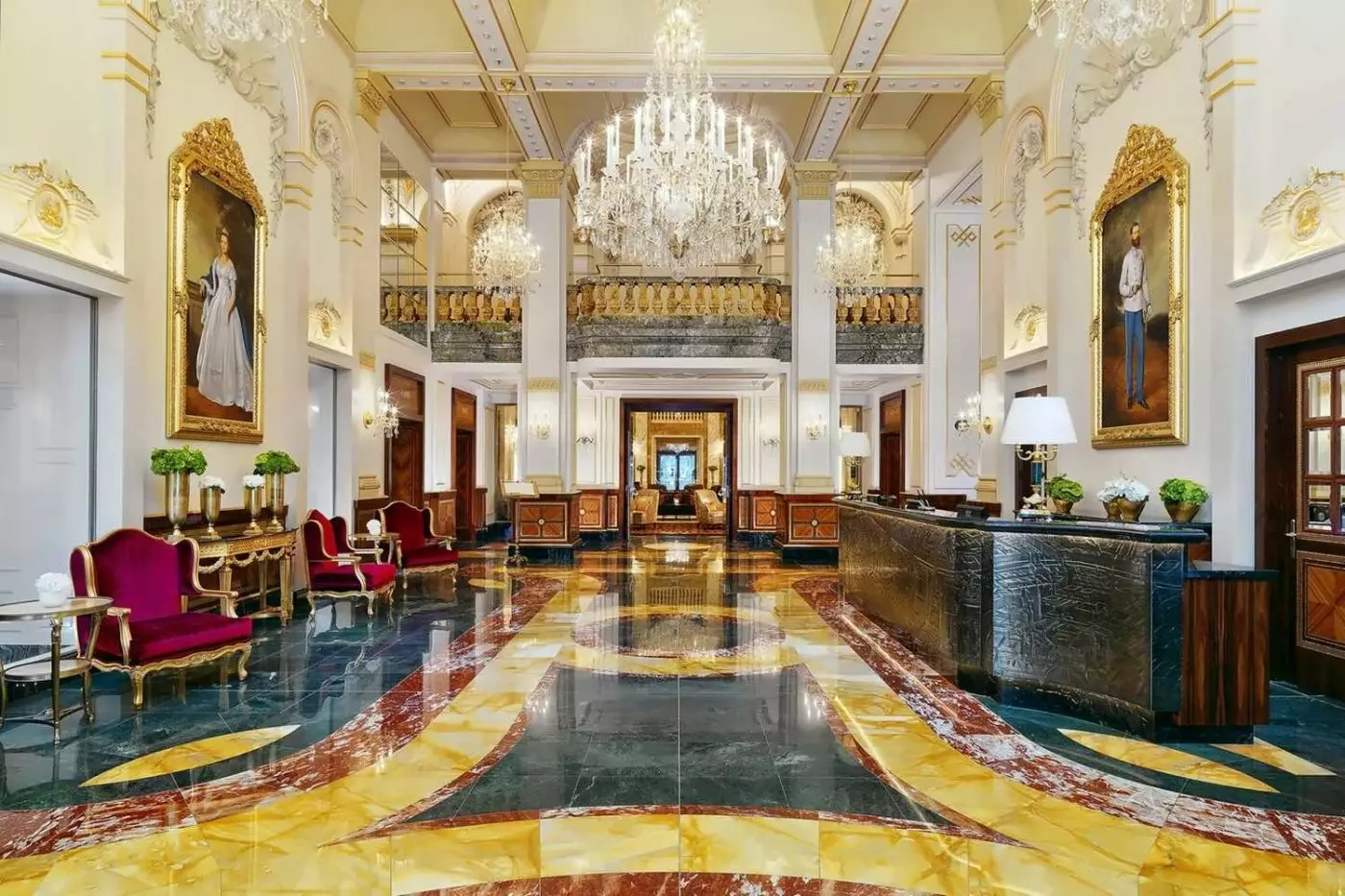
A former ducal palace houses Hotel Imperial, a Luxury Collection Hotel, Vienna, on the Ringstrasse. The address places the Musikverein and Vienna State Opera close to a hotel where paintings, antiques and elaborate interiors remain central to the stay. Its appeal is quite specific: time in Vienna's concert halls and museums, followed by a return to rooms that continue the city's interest in art and craftsmanship.
 138
138
 Charming
 Fitness
 Sauna
Sauna
 Culture
 City Vibe
 Pet Friendly
 Wheelchair Accessible
 Gourmet Restaurant
 Connecting Rooms
Selected rooms have a balcony. Accessible bathroom layouts are available in this category.
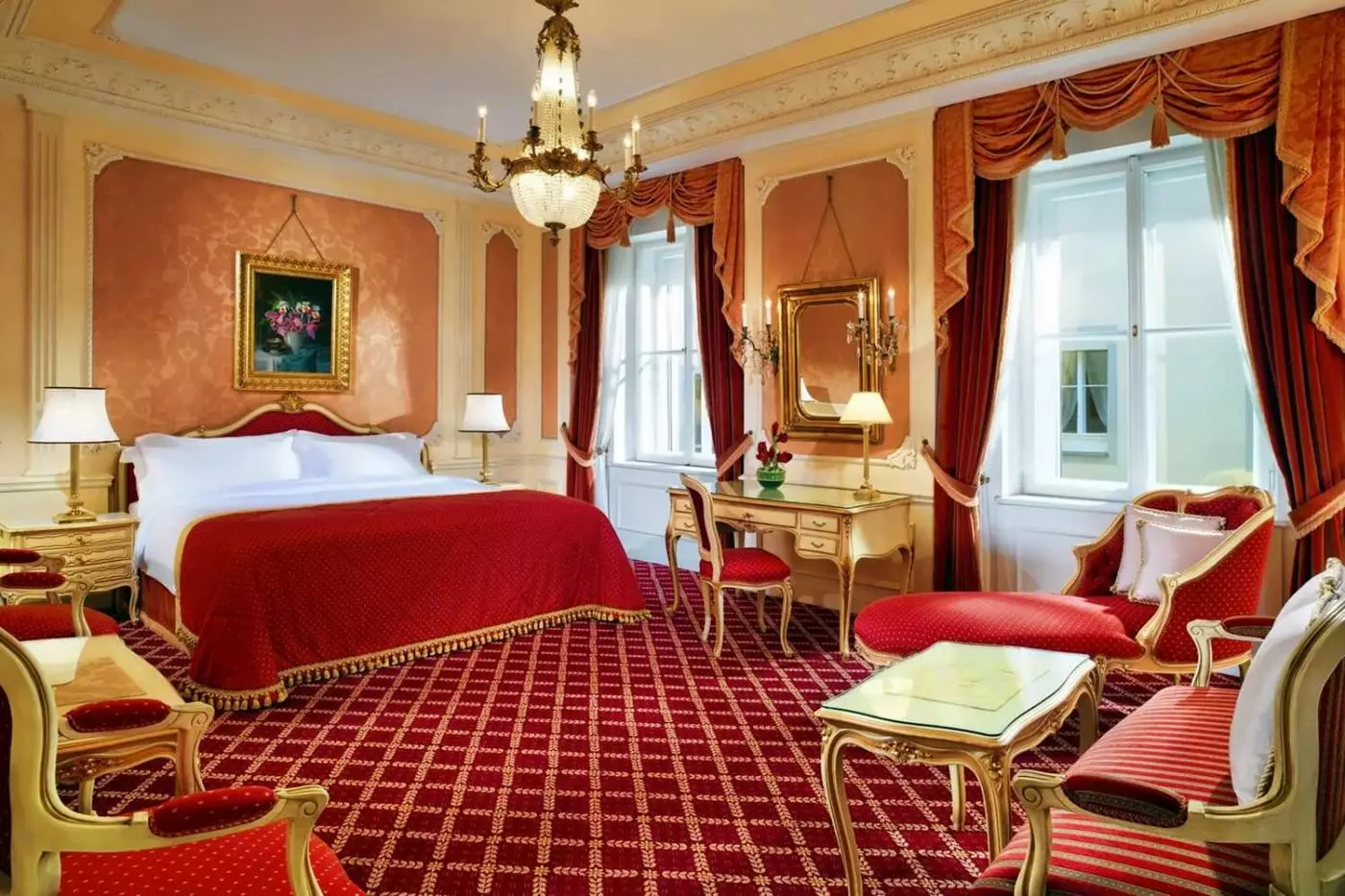
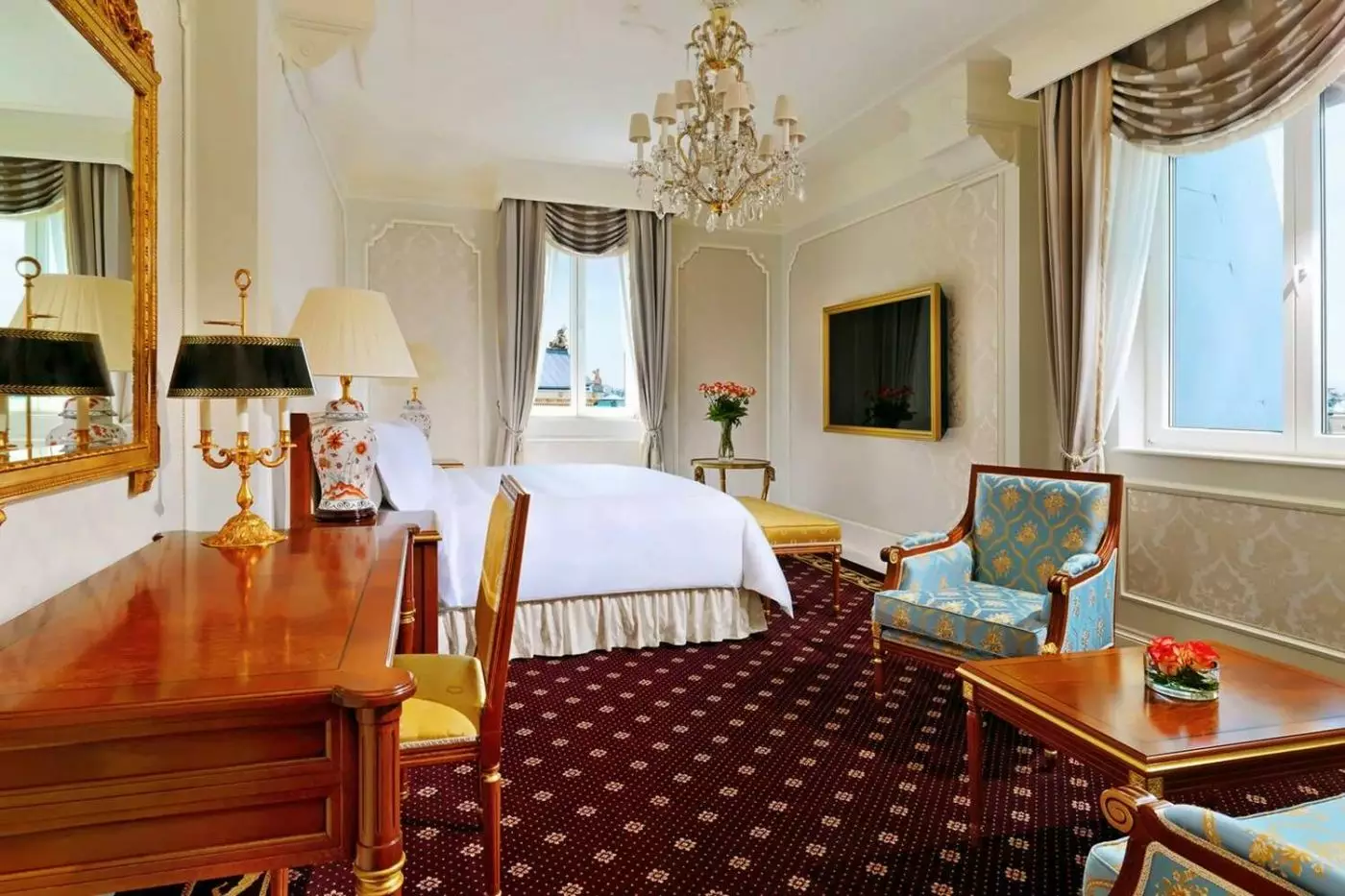
Patterned fabrics and classic furniture reflect the palace setting of these bedrooms. A writing desk joins the chairs in a sitting corner beside the bed. Some rooms pair blue armchairs with wood pieces, though ceilings and finishes vary.
In the regular layout, marble lines a bathroom with a bathtub and separate shower. Other fittings include a bidet and lighted makeup mirror.

Patterned fabrics and classic furniture reflect the palace setting of these bedrooms. A writing desk joins the chairs in a sitting corner beside the bed....
Rollaway beds are not available. Some rooms have a balcony or can connect with another room.
Traditional furniture and high ceilings give these bedrooms the scale of the hotel's historic rooms. A chair and writing desk stand within the sleeping space, with feather bedding and a duvet on the bed. Fabrics and decorative finishes vary between rooms.
The marble bathroom includes a bidet and lighted makeup mirror. Its bathing layout can combine a shower with the bathtub or provide a separate tub and shower.

Traditional furniture and high ceilings give these bedrooms the scale of the hotel's historic rooms. A chair and writing desk stand within the sleeping space,...
Twin-bed suites have Ring Boulevard views.
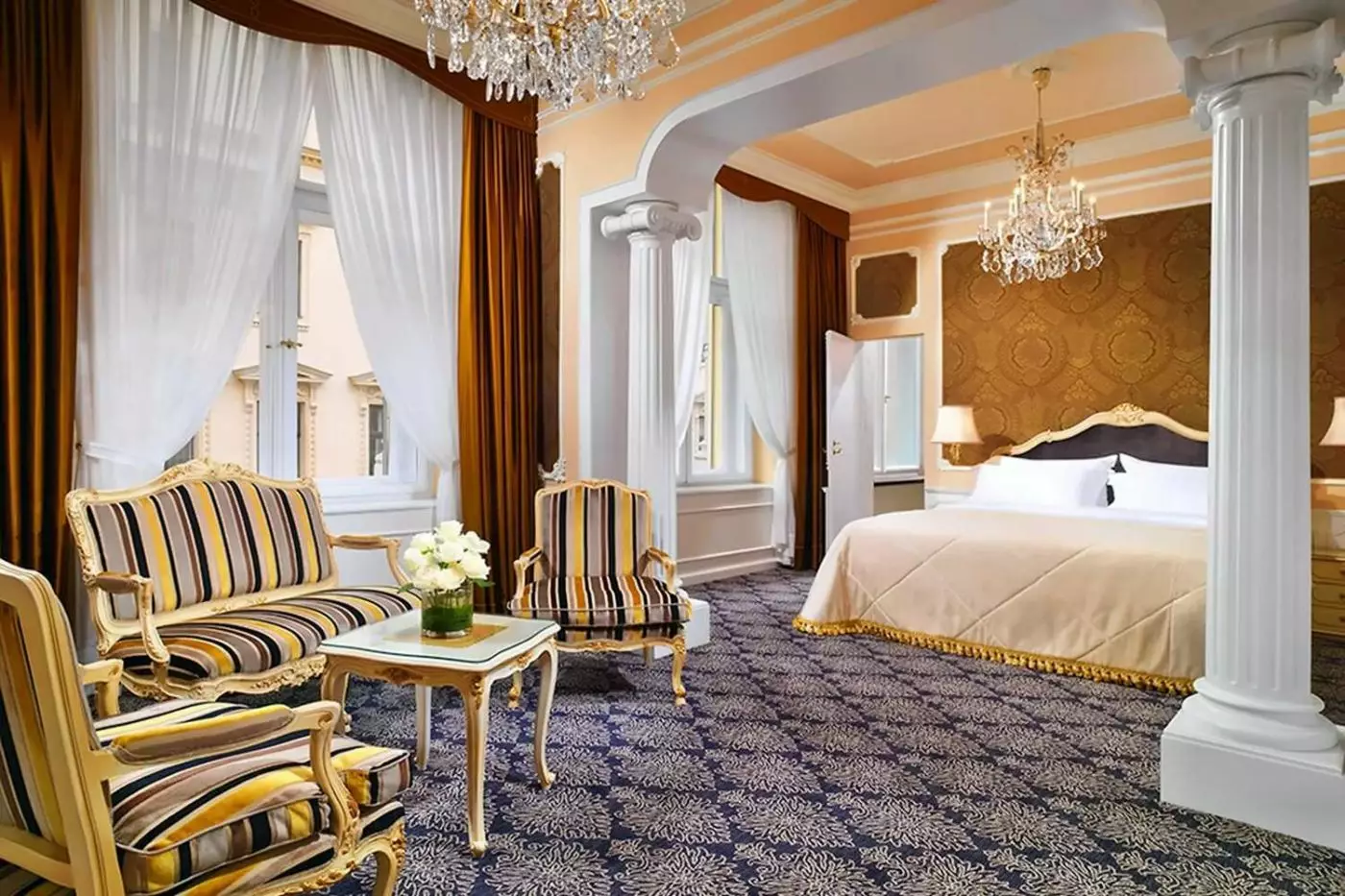
High ceilings and antiques set the tone in these open suites, where the bedroom shares its space with a sitting area. A chaise longue and chairs accompany a writing desk, and a walk-in closet sits beside the bed. Colors differ between suites: some have blue and gold fabrics and decorative columns, while others use red and green tones.
The bathrooms are lined with marble, though the bath and shower layout varies. Some have a shower over the tub; others have a separate bathtub and shower. A bidet and lighted makeup mirror complete the fittings.

High ceilings and antiques set the tone in these open suites, where the bedroom shares its space with a sitting area. A chaise longue and...
On a high floor, this suite brings the bedroom and sitting area together in one open interior. A parquet-floored foyer leads into the room, where chairs and a table accompany the bed. A wood writing desk is part of the furnishings, and selected interiors have sloping ceilings and blue fabrics.
The marble bathroom has a bathtub and separate shower, with a bidet and lighted makeup mirror.

On a high floor, this suite brings the bedroom and sitting area together in one open interior. A parquet-floored foyer leads into the room, where...
A spiral staircase made of solid wood leads from the bedroom to an open upper gallery.
This top-floor suite has parquet floors and traditional wood furniture. A bedroom and generous sitting space include a sofa and writing desk. Selected interiors pair blue chairs and a table with long curtains and patterned fabrics by the windows.
Marble lines the bathroom, which has two basins and a bathtub with a separate shower. A bidet and lighted makeup mirror are also provided.

This top-floor suite has parquet floors and traditional wood furniture. A bedroom and generous sitting space include a sofa and writing desk. Selected interiors pair...
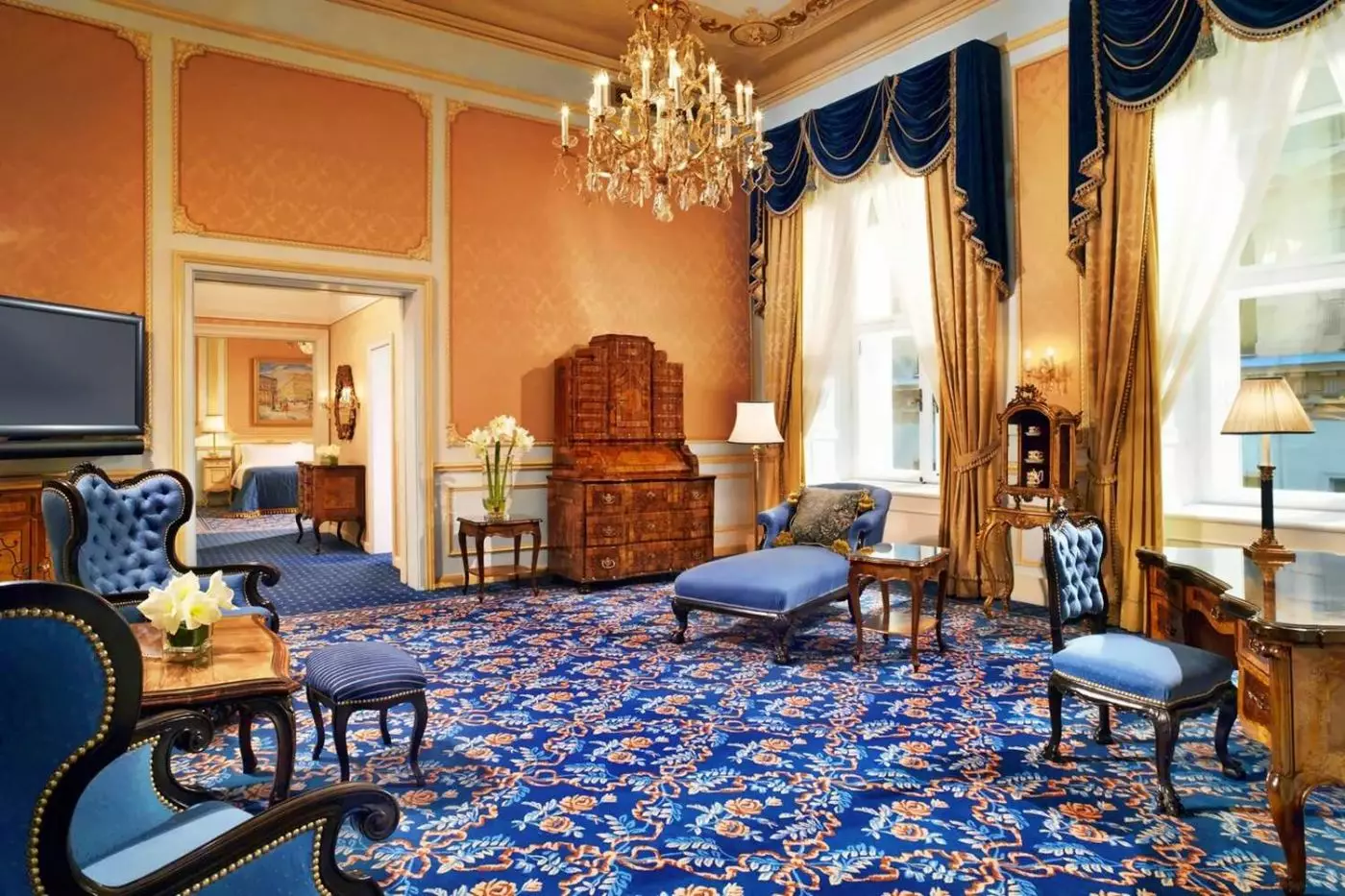
A separate lounge accompanies the bedroom, both with high ceilings and traditional furnishings. The lounge has a sofa, chairs, a table and a writing desk. The bedroom includes a walk-in closet, and fabrics vary between suites. Selected designs pair blue and gold, while others use yellow and green patterns.
The bathroom is lined with marble and has a bidet and lighted makeup mirror. Some layouts have a shower over the tub; others offer a separate bathtub and shower.

A separate lounge accompanies the bedroom, both with high ceilings and traditional furnishings. The lounge has a sofa, chairs, a table and a writing desk....
A mirrored sliding door links the bedroom with a separate living room. The lounge has a sofa and armchairs, along with a writing desk and table. High ceilings frame the rooms, whose colors and fabrics differ between suites. Some interiors use green and gold tones; others have blue patterned fabrics.
A walk-in closet is part of the bedroom, and marble lines the bathroom. Some bathrooms have a shower over the bathtub, while others have a separate tub and shower.

A mirrored sliding door links the bedroom with a separate living room. The lounge has a sofa and armchairs, along with a writing desk and...
High ceilings, crystal chandeliers and antiques shape these suites, whose designs vary. A bedroom with a walk-in closet sits apart from the salon, which has antique parquet floors. The salon has upholstered seats, sofas, chairs and a writing desk. A chaise longue and oil paintings feature in selected interiors.
Cut-glass windows and marble finishes give the bathroom its character. It has two basins, a bathtub and separate shower, plus a bidet and lighted makeup mirror.

High ceilings, crystal chandeliers and antiques shape these suites, whose designs vary. A bedroom with a walk-in closet sits apart from the salon, which has...
The suite can be extended with additional bedrooms.
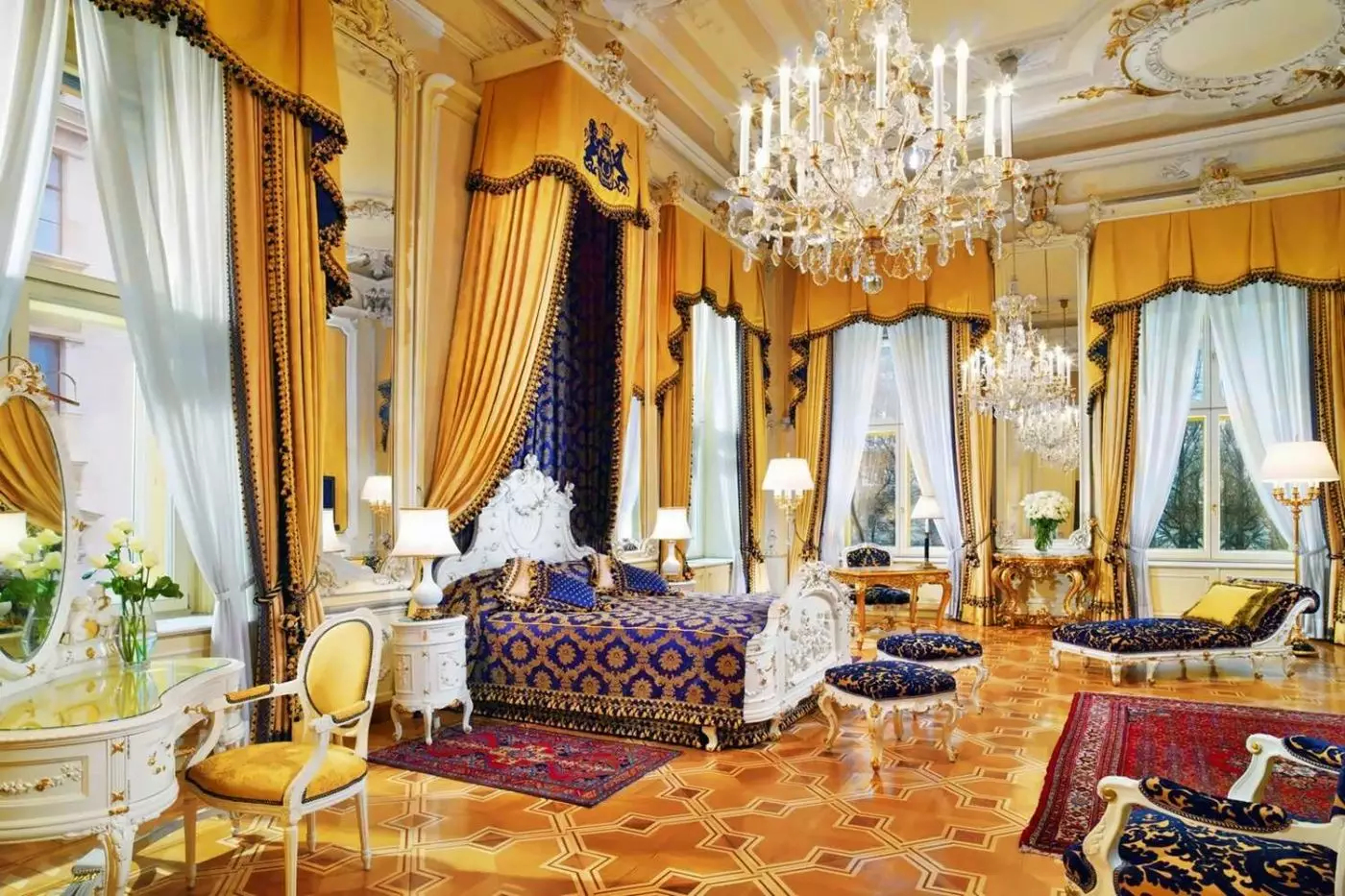
These first-floor rooms were the palace owner's private chambers, with a spacious salon set apart from the bedroom. Padded double folding doors connect the two rooms. Silk covers the walls beneath ceilings with stucco work and crystal chandeliers. Antique parquet floors and original porcelain ovens reflect the former palace home.
Sofas, chairs and tables furnish the salon. The bedroom has a chaise longue and walk-in closet. Two basins, a bathtub and a separate shower sit within the marble bathroom.

These first-floor rooms were the palace owner's private chambers, with a spacious salon set apart from the bedroom. Padded double folding doors connect the two...
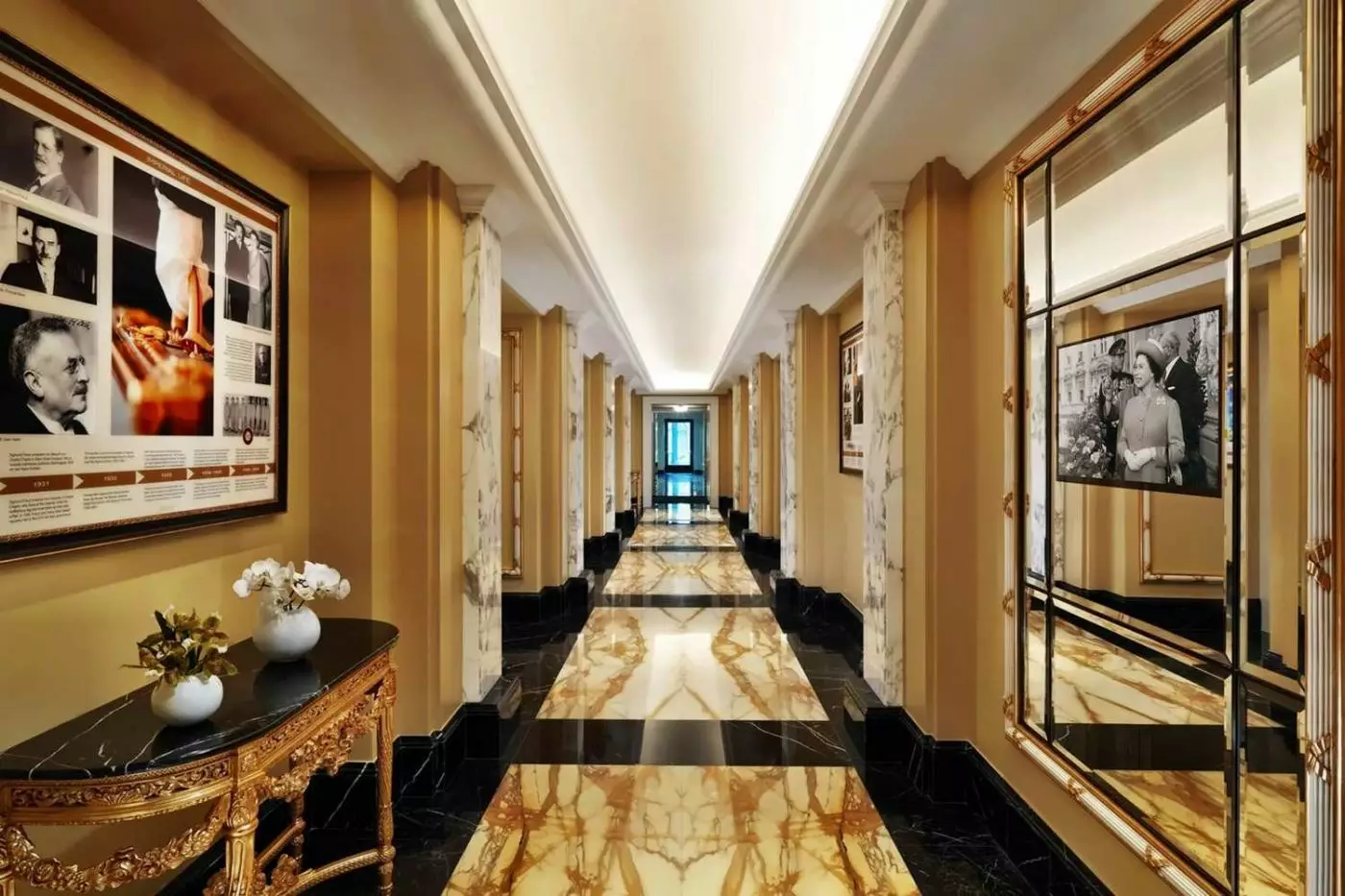
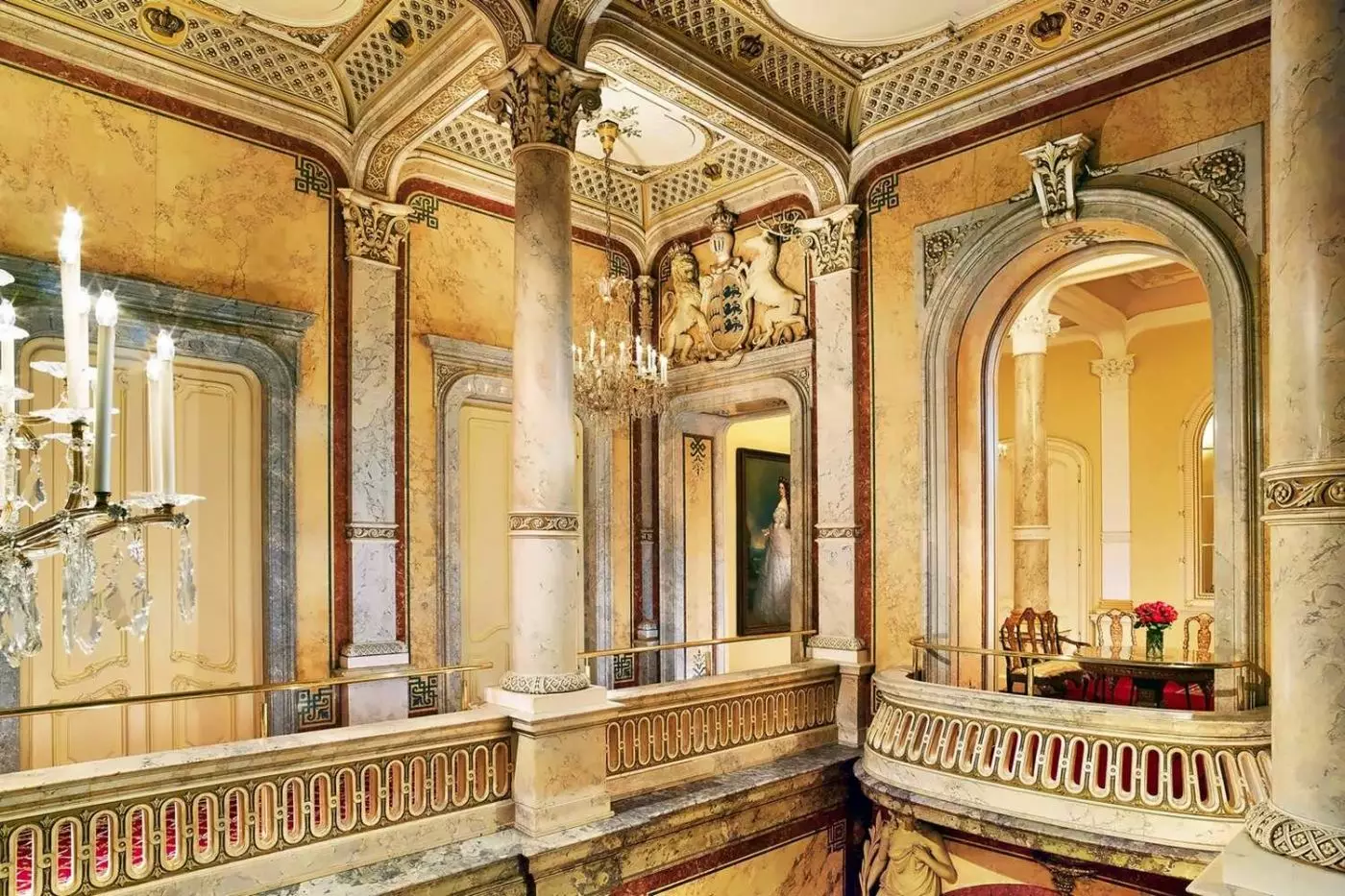
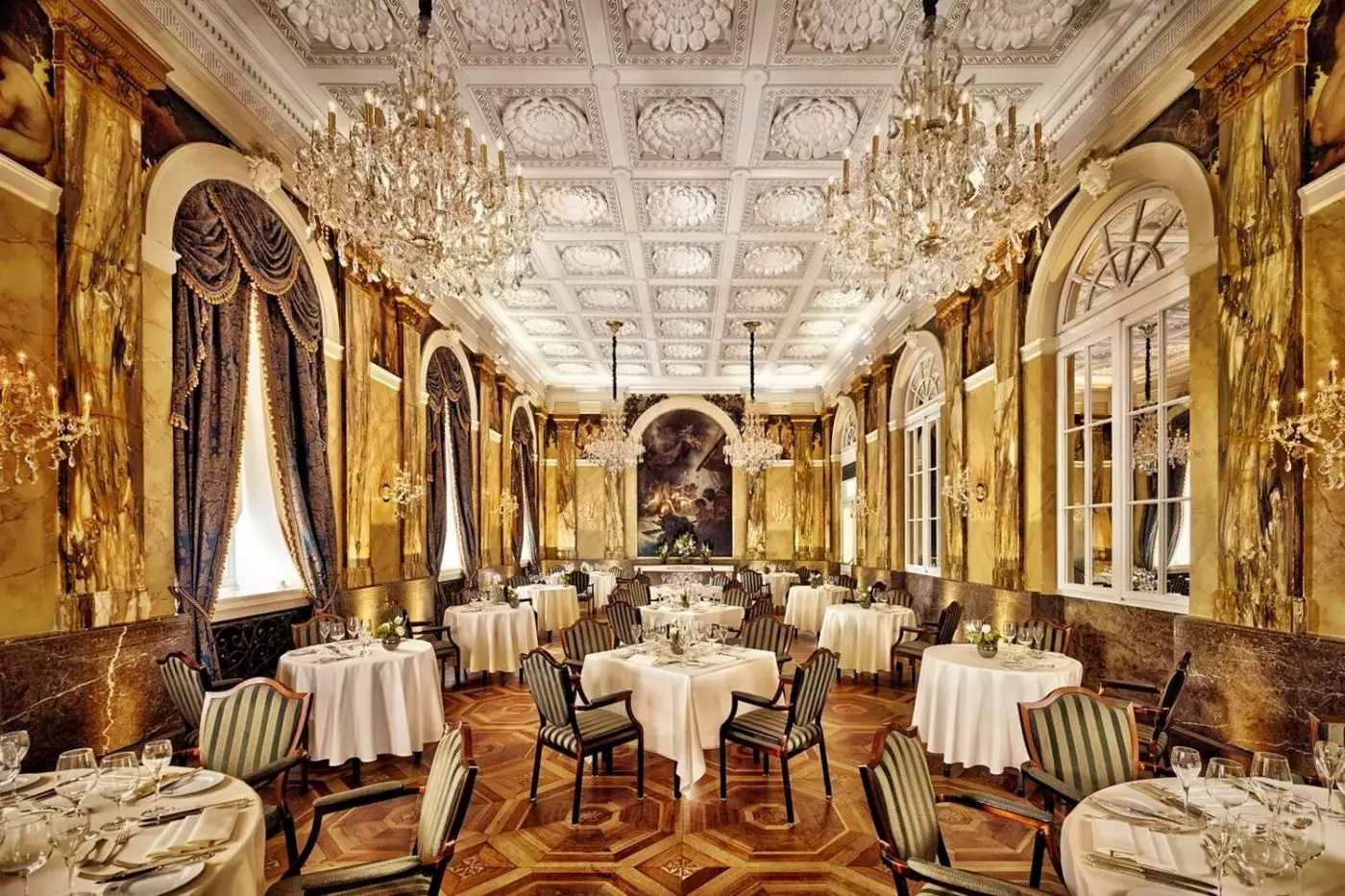
The building was created in the 1860s for Duke Philipp of Württemberg before its conversion for the Vienna World's Fair. It opened as a hotel on April 28, 1873. The Royal Staircase, lit by chandeliers beneath stucco ceilings, gives the public spaces their scale. The building's aristocratic origin is visible in features intended for a private residence, particularly the former apartments that now form the Royal Suites. Travelers who prefer minimalist design may find the style formal.
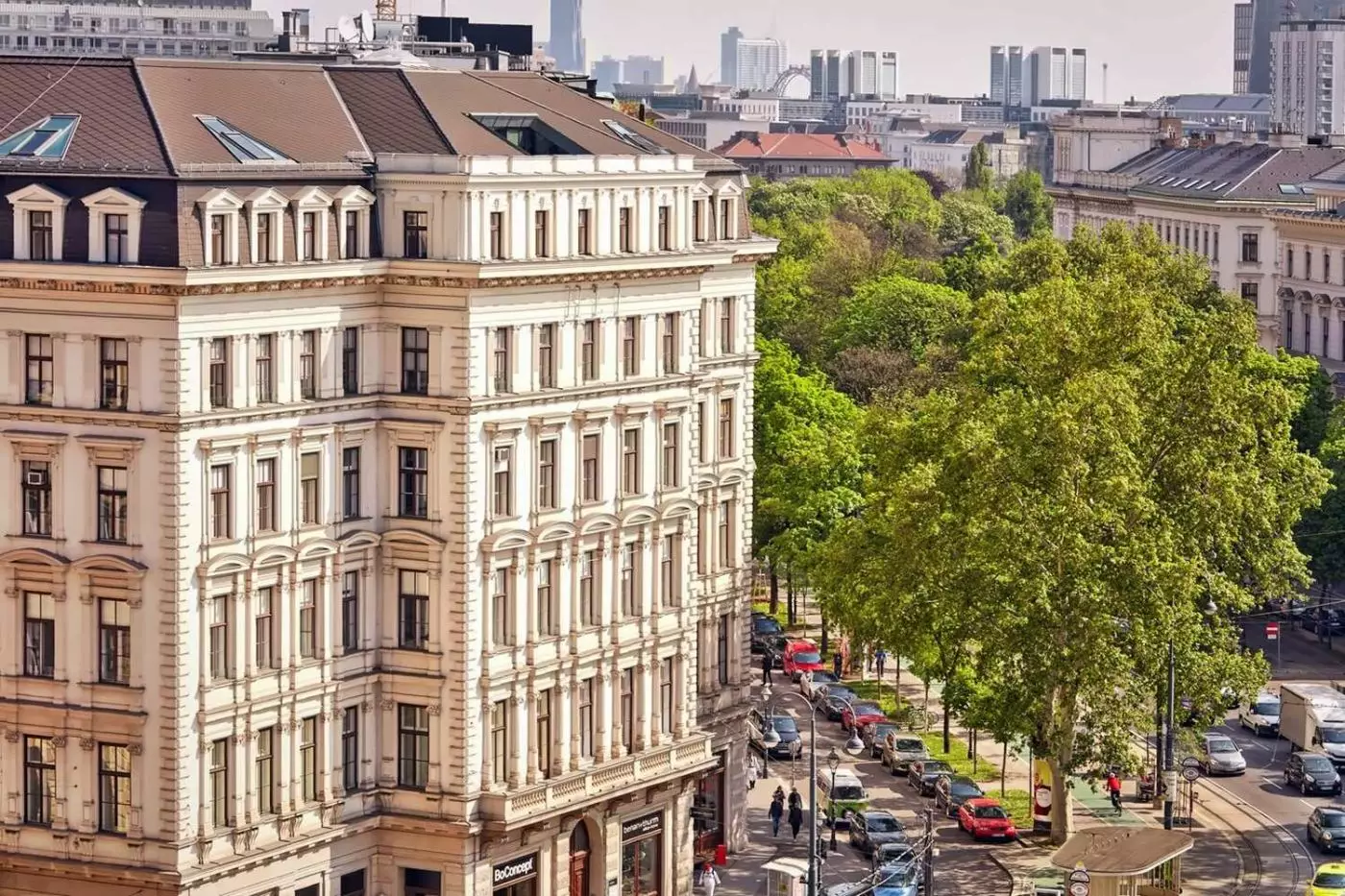
At Kärntner Ring 16, the hotel occupies a working city-center address, not a secluded estate. The first district is immediately accessible, and Karlsplatz provides a nearby subway connection for journeys beyond it. The location suits a visit with an evening performance at its center: returning to change does not have to mean withdrawing from the city for the rest of the day.
Hotel Imperial Vienna has 138 rooms and suites in total. Original paintings, antique furniture and fine fabrics establish the interior character, while the signature suites add silk-covered walls, marble bathrooms and crystal chandeliers. These are individually styled spaces, so the choice concerns the layout and decorative character as well as the category. Separate salons make larger suites useful for receiving visitors as well as longer stays.
The Elisabeth Suite has approximately 60 square meters, with a living room and king bedroom divided by a mirrored sliding door. That is a useful arrangement when two people keep different hours. Imperial Suites reach approximately 80 square meters and include salons, making them relevant for a private conversation or drinks before going out.
The Royal Suites occupy the former palace owner's private apartments. At more than 150 square meters, they can have up to three bedrooms and retain details such as antique porcelain stoves. Adjoining rooms allow larger arrangements. Their connection to the original residence, rather than simply their size, is the reason to consider them for a special stay.
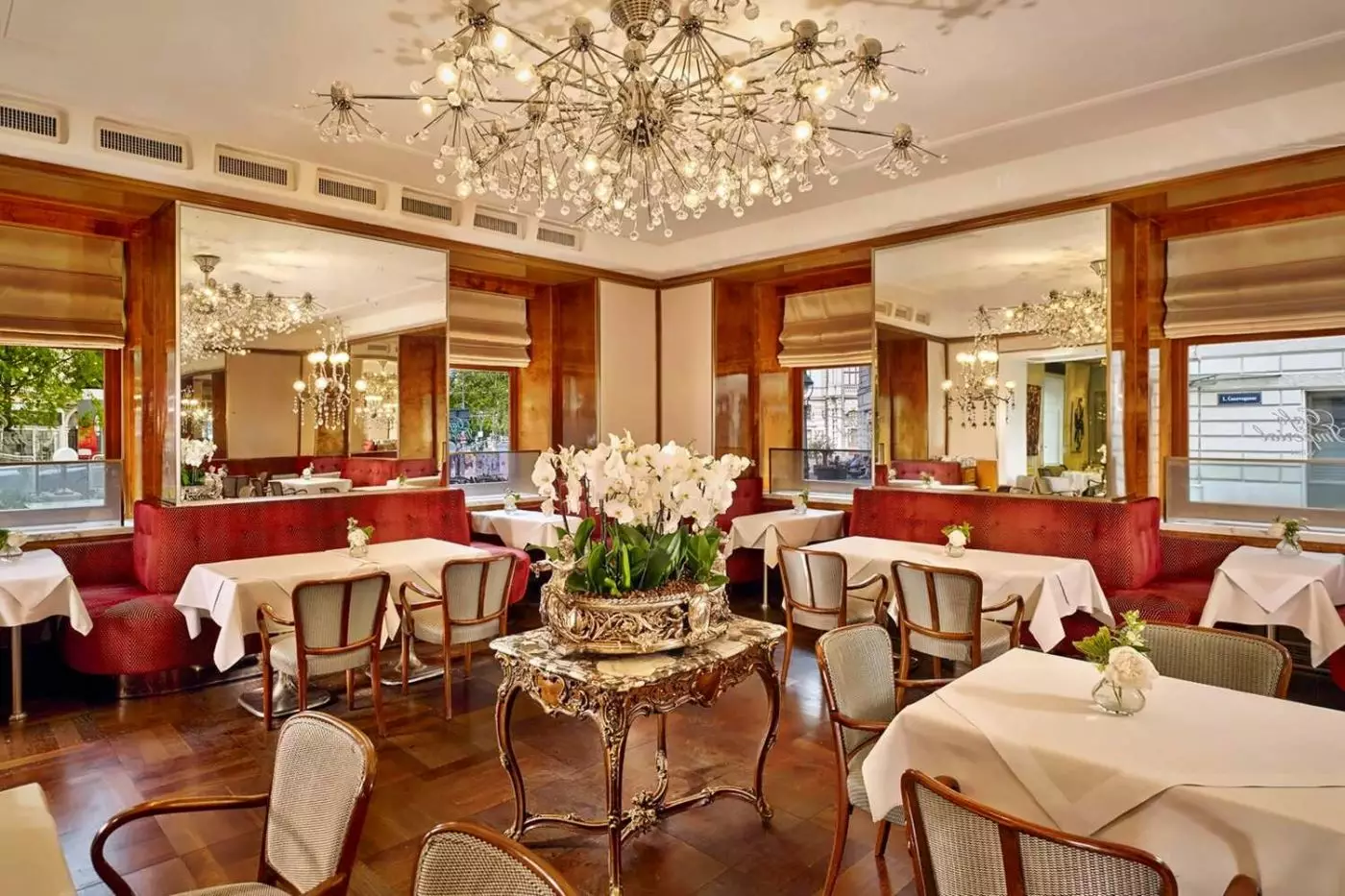
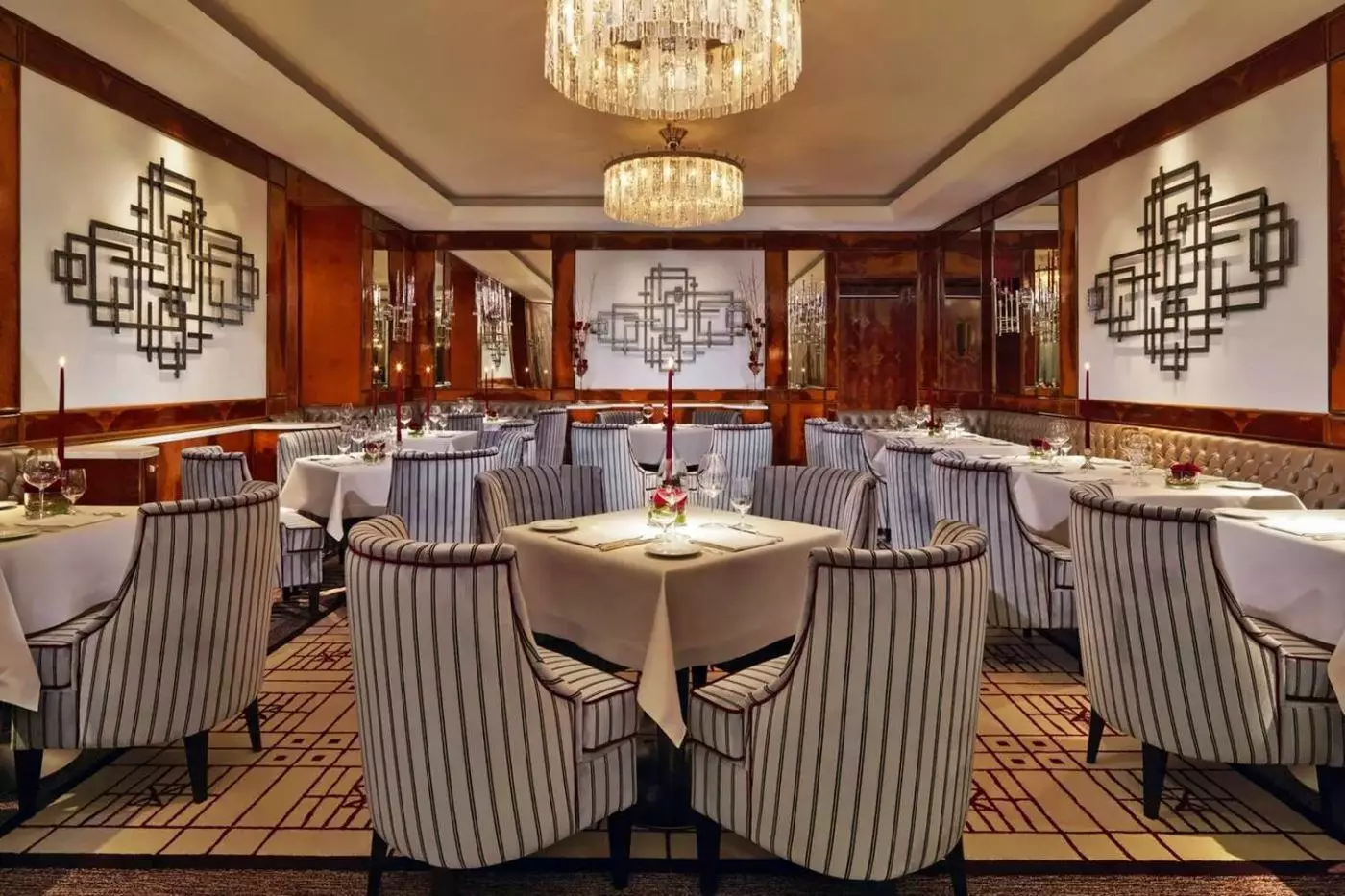
Guests can begin with breakfast, return for coffee, or sit down for dishes such as Tafelspitz and Wiener Schnitzel. Café Imperial Wien remains a practical part of the hotel throughout the day, with service from 7 am to 11 pm and breakfast until 11 am. Its evening cooking combines Austrian and international dishes with a classical French foundation. The coffeehouse setting makes it possible to dine within the palace without committing to a separate tasting-menu evening.
The current menu serves Wiener Schnitzel made with veal and Tafelspitz with potatoes, creamed spinach and apple-horseradish accompaniments. There is a separate children's menu, and Kaiserschmarrn, the torn pancake dessert, carries a 30-minute preparation time. Breakfast requires a little more attention on weekends and public holidays, when the café serves only its Champagne buffet. The same buffet-only arrangement applies to weekday breakfast table reservations for six or more.
Coffee is a reason to stop in its own right. A Wiener Melange combines coffee and milk, while Maria Theresia adds orange liqueur and whipped cream. Apple strudel and an Esterhazy slice sit alongside the house torte in the pastry selection.
The square Imperial Torte is still handmade, combining chocolate, almonds, cocoa cream and marzipan. Its origin story links a kitchen apprentice, Xaver Loibner, with Emperor Franz Joseph I and the hotel's 1873 opening, but the confectioner's own account presents this as a legend. It is served in the café and sold to take home. The range includes the Original, black-orange and raspberry versions. The Imperial Torte Boutique also carries handmade chocolates and gift sets, making it useful for a small souvenir rather than another shopping excursion.
Café Imperial Wien serves lunch and dinner as well as breakfast, making it a practical dining option across the day. A meal here can fit around a concert or a visit to the Ringstrasse museums without requiring another journey across the city.
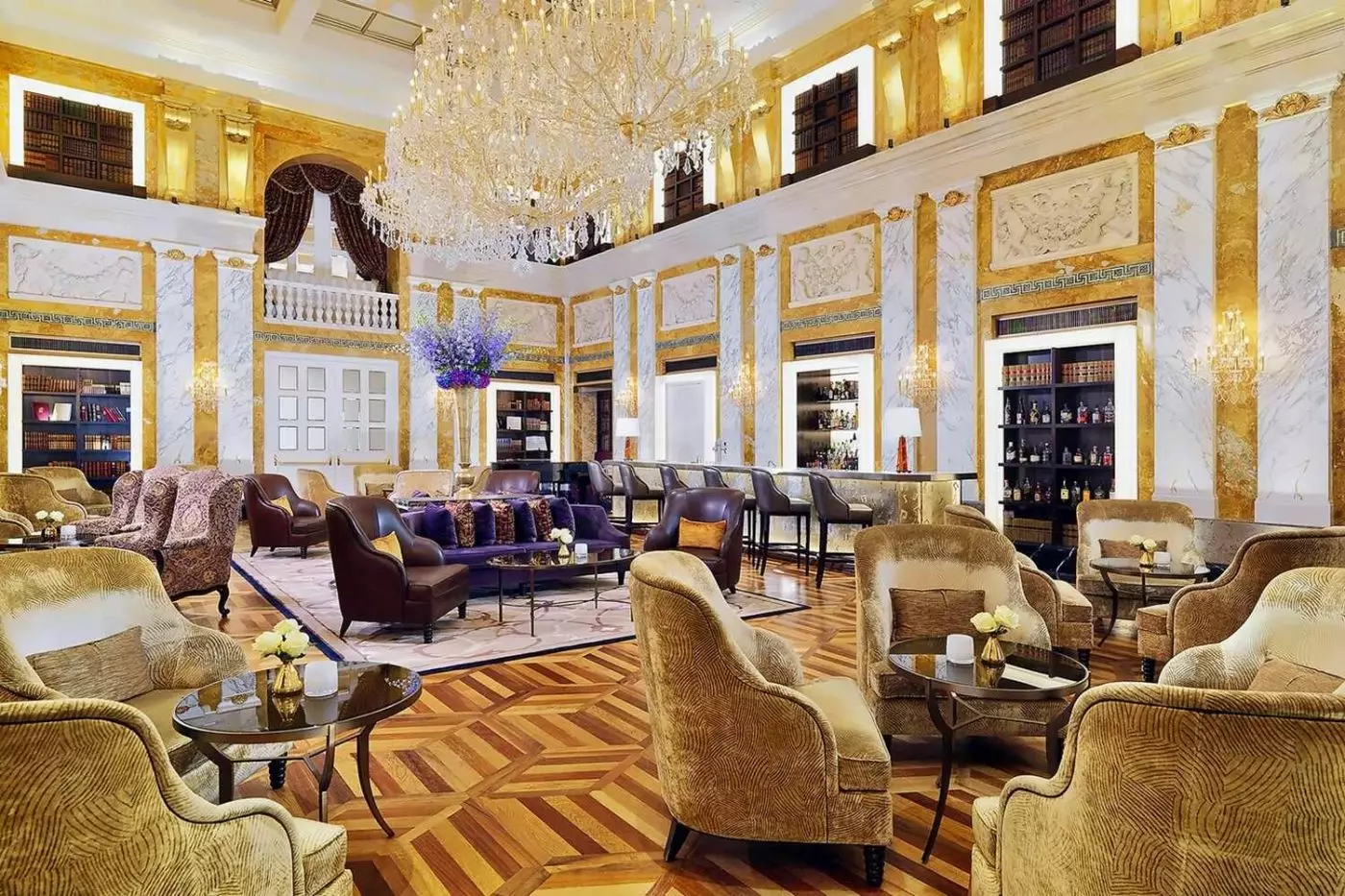
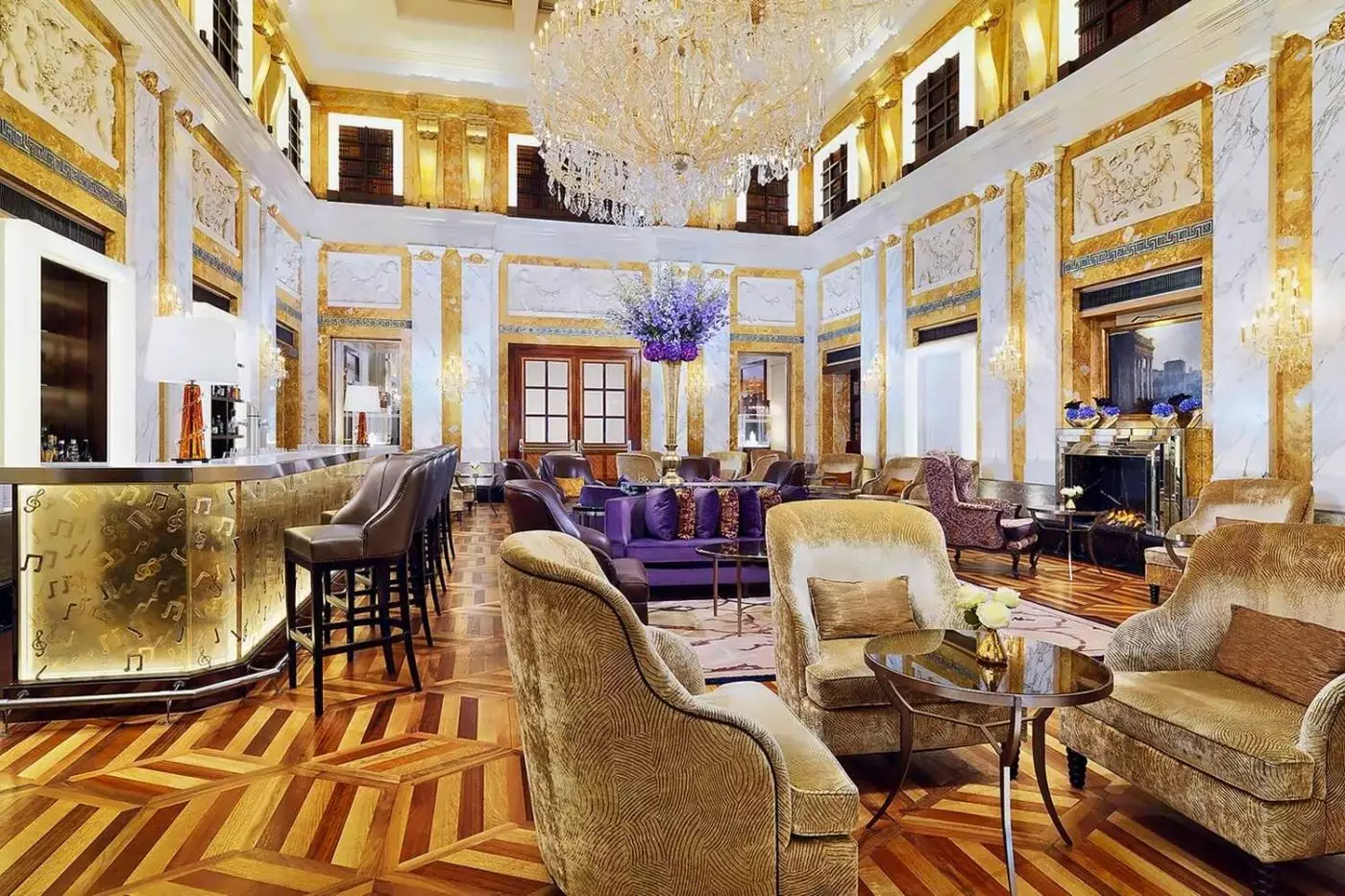
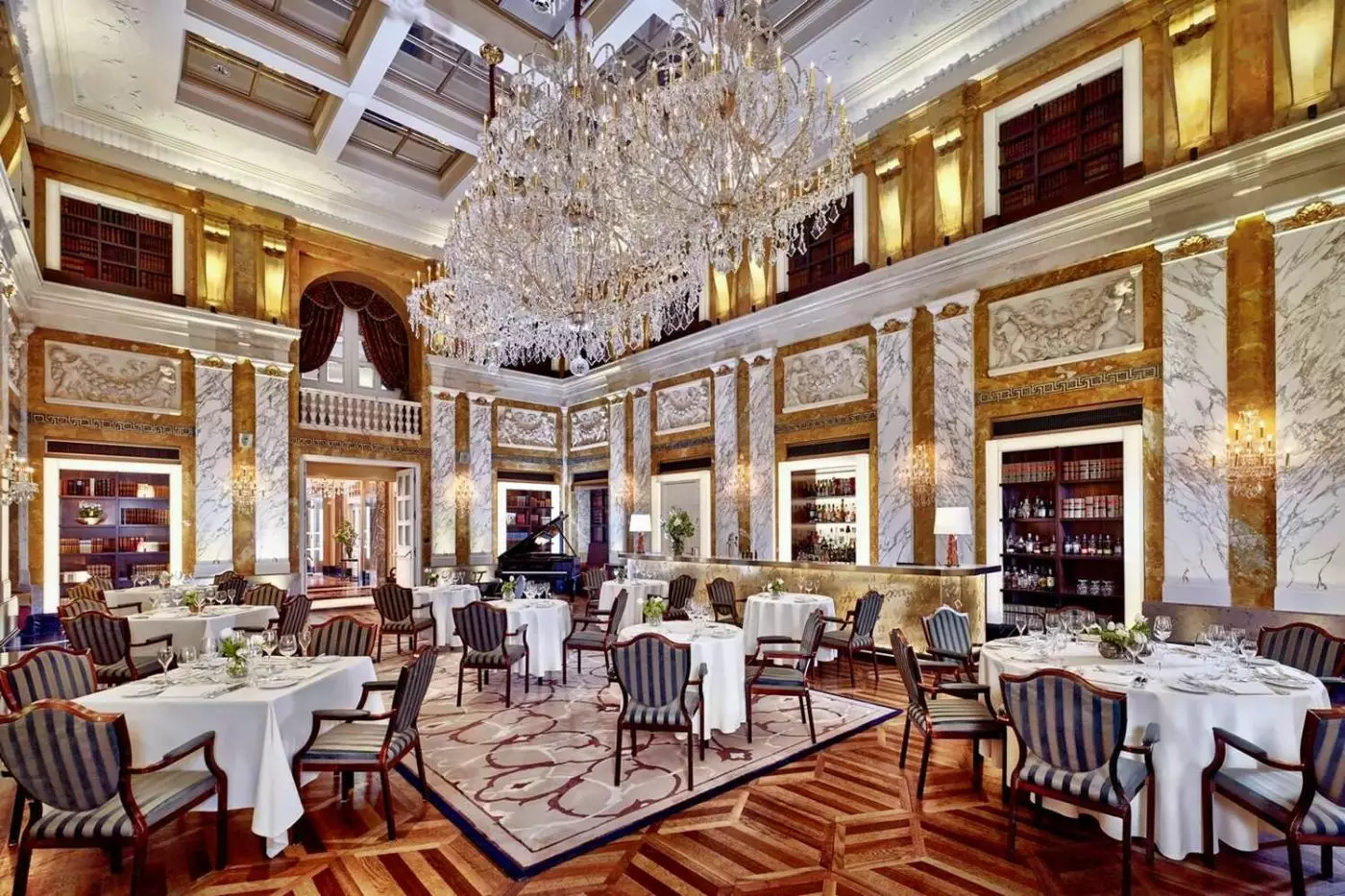
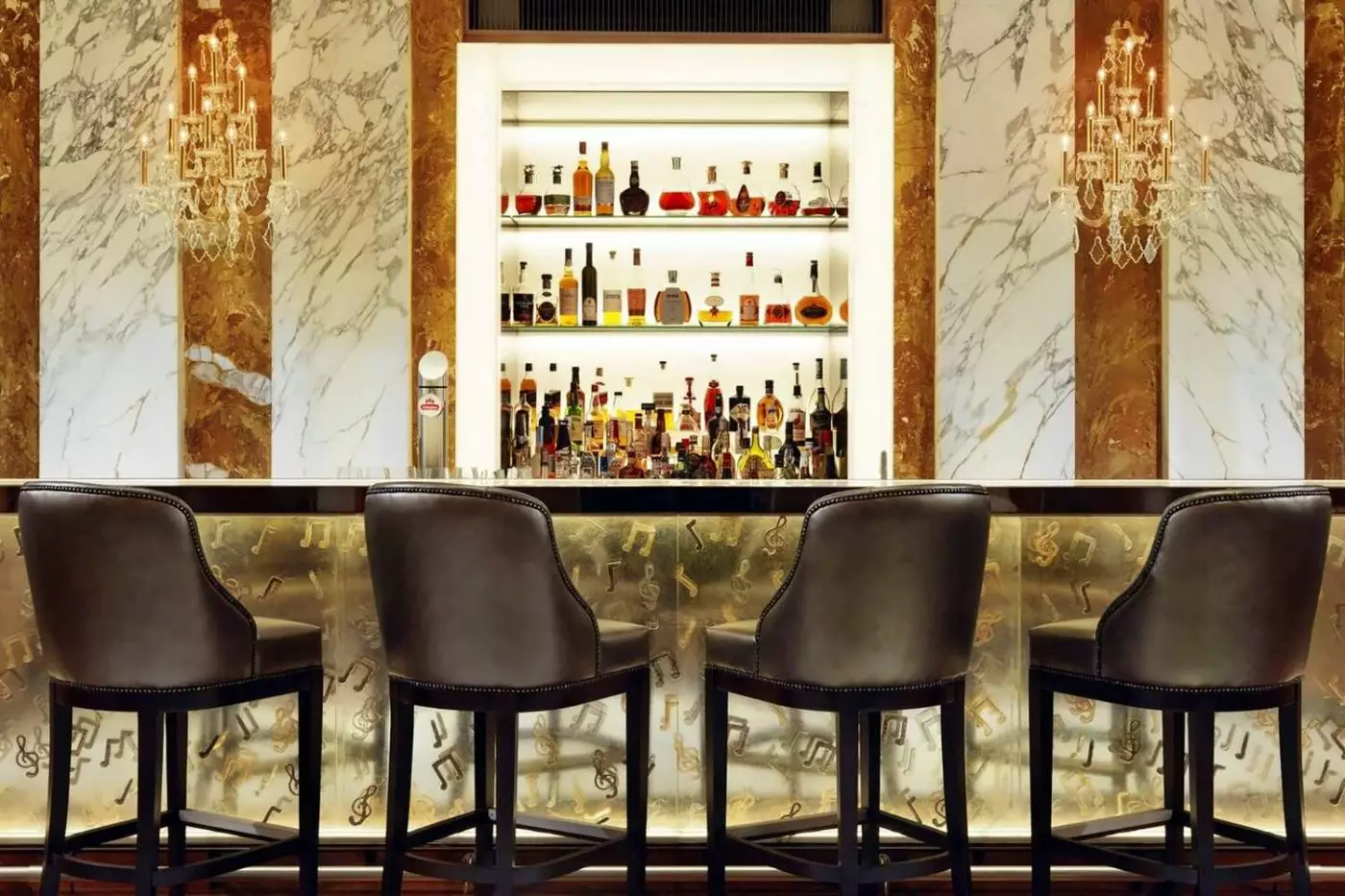
Imperial Bar Wien brings a different mood. Wing chairs and three crystal chandeliers furnish a room that serves regional wines, vintage Champagne and Champagne cocktails. The space began as an open courtyard and subsequently became a restaurant and lobby before its conversion to the bar in 2014. Open until 1 am, it is a useful address for a drink after a performance. Regular jazz nights also bring live music into the hotel, with the venue's current program centered on Thursdays.
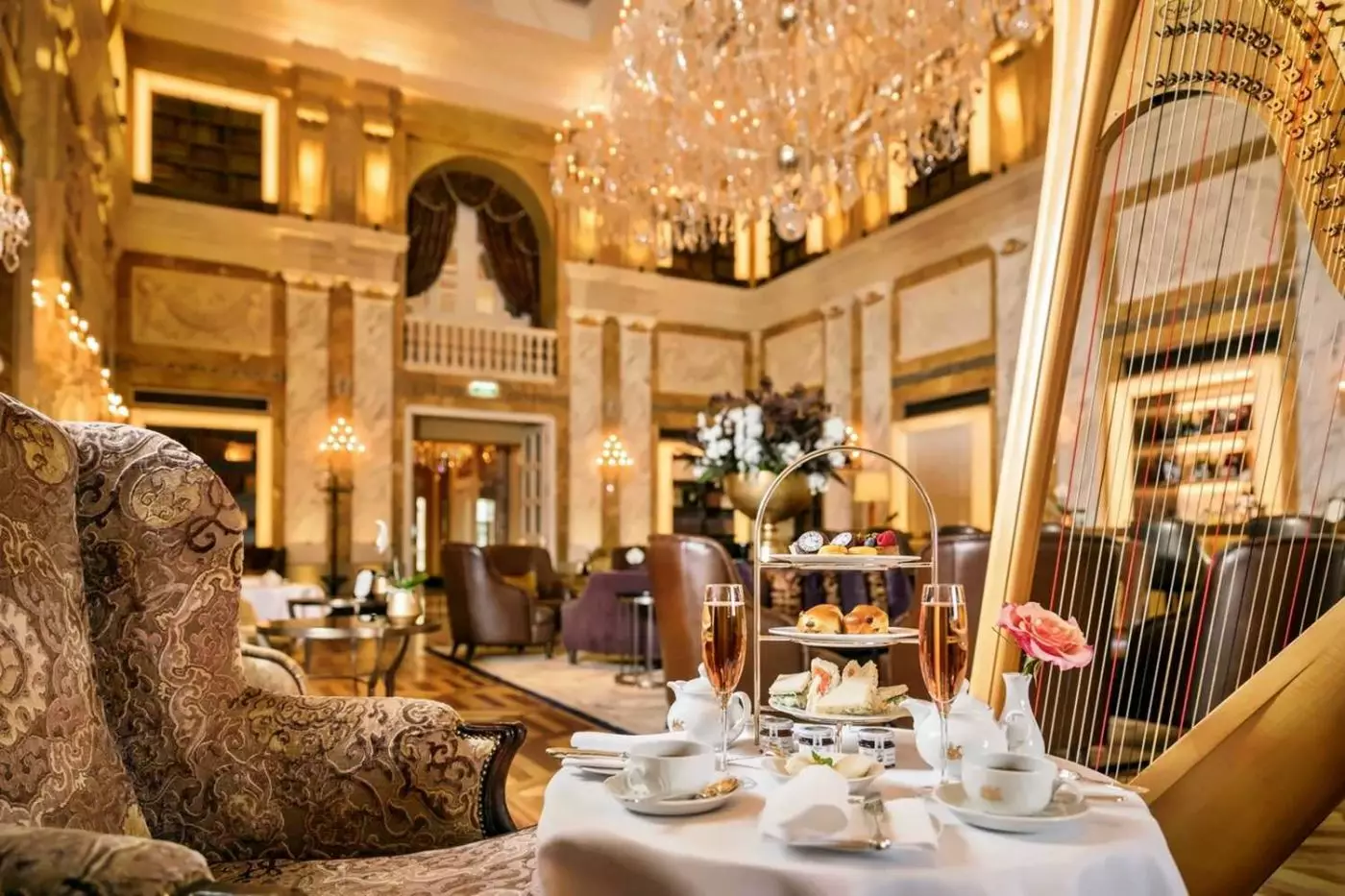
Afternoon tea is served daily from noon to 4:30 pm, with sandwiches, scones and sweet pastries; reservations are requested a day ahead. It is a seated afternoon occasion, distinct from a quick coffee in the café. Sunday Champagne brunch takes place on selected dates in the festive halls, accompanied by live jazz. It is not a standing event every Sunday, so the published calendar matters when making it part of a weekend visit.
The Musikverein, State Opera and Albertina give the immediate area a clear cultural focus. The concierge assists with restaurant plans and opera tickets, although tickets remain subject to availability. The hotel also describes a heritage tour with an Imperial Torte tasting, available by registration. It is a way to understand the building beyond the staircase and your own room, especially when the palace history was a reason for choosing the address.
A fitness studio with cardio and strength equipment, including free weights, is open around the clock. It supports a workout before sightseeing or after a late return. In-room dining is also available 24 hours a day, a practical detail when a concert finishes after your preferred dinner time.
The hotel does not operate an airport shuttle from Vienna International Airport, but private transfers can be reserved. For public transport, Railjet and Intercity trains connect the airport with Hauptbahnhof, where the U1 provides an onward connection toward Karlsplatz. Vienna Airport Bus also serves Karlsplatz. Compare the number of changes with the luggage you are carrying: a reserved car offers door-to-door arrival, while rail and bus options bring you into the city's public transport network.
Café Imperial serves Viennese classics such as schnitzel and Tafelspitz, bringing a traditional Austrian meal within easy reach of your room.
The fitness studio includes cardio machines and free weights, giving guests a practical way to keep their usual workout during a city break.
Round-the-clock room service allows guests to eat on their own schedule, particularly useful after a late arrival or an evening out.
Kaerntner Ring 16, 1010 Vienna, Austria
Playing this video may share data with YouTube. Please see our Privacy Policy.
Yes. Hotel Imperial Vienna is worth it for travelers who want a grand palace hotel on Vienna's Ringstrasse. It suits culture lovers, luxury weekend guests, and anyone who wants historic style, formal service, and an easy walk to major sights.
Hotel Imperial Vienna is located at Kaerntner Ring 16 in the Innere Stadt, Vienna's historic first district. The address places guests on the Ringstrasse, close to the Musikverein, the Vienna State Opera, Stadtpark, Kaerntner Strasse, and many museums.
Hotel Imperial Vienna has 79 rooms and 59 suites, for a total of 138 rooms and suites. The room count is useful for travelers who want a landmark hotel with a grand setting, but not a large resort feel.
Rooms at Hotel Imperial Vienna combine 19th-century Viennese character with modern comforts. Expect classic decor, silk-style wall details, marble bathrooms, antique-inspired furniture, chandeliers, and a formal sense of place.
Yes. The suites are a major reason to book Hotel Imperial Vienna, especially for milestone trips and longer cultural stays. Many suites feel more like private salons than standard hotel rooms, with generous space and a strong palace atmosphere.
More amenities
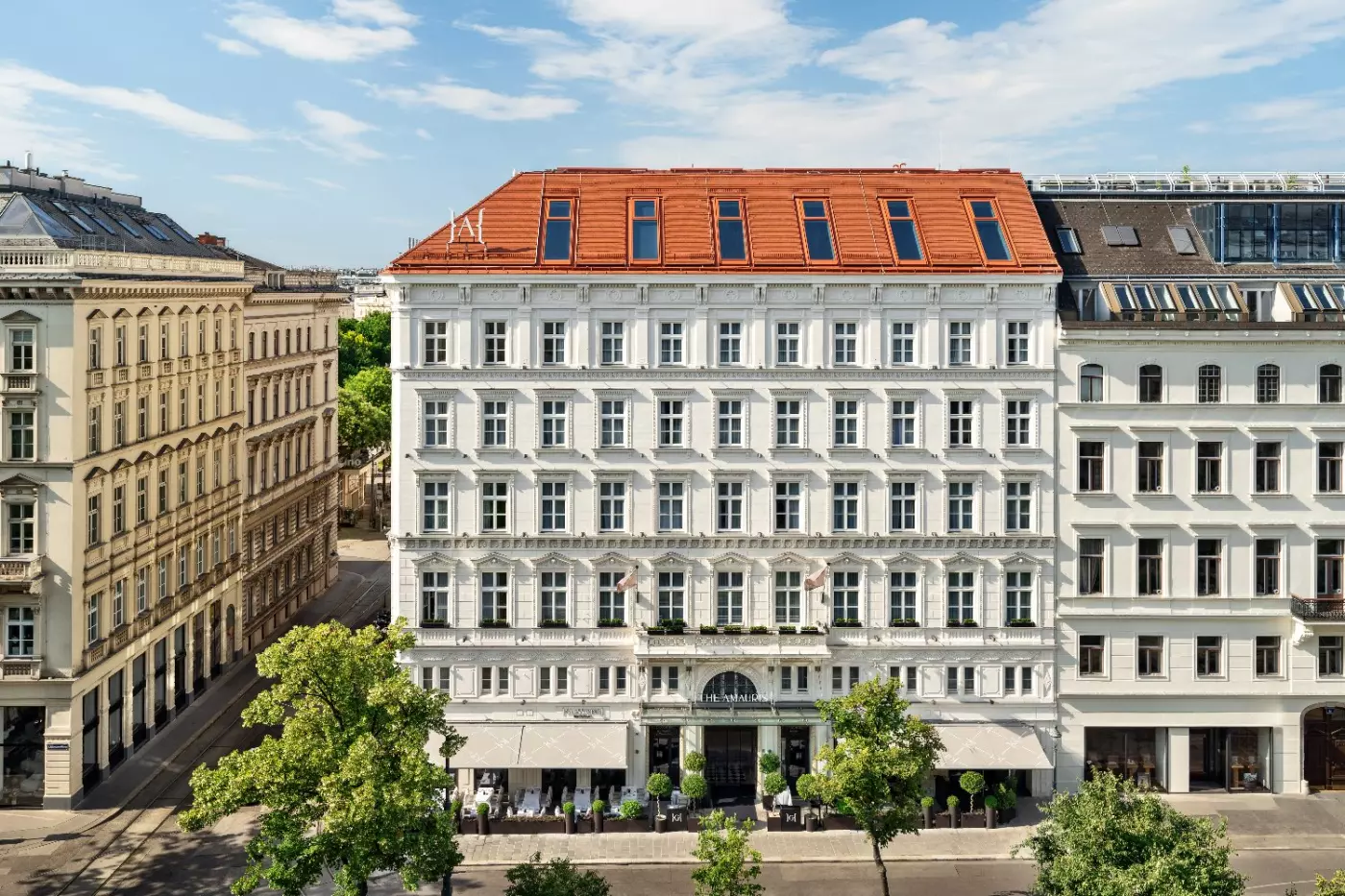
The Amauris Vienna is a polished boutique hotel on Kaerntner Ring, directly in Vienna's first district. It gives guests a ref...
More amenities
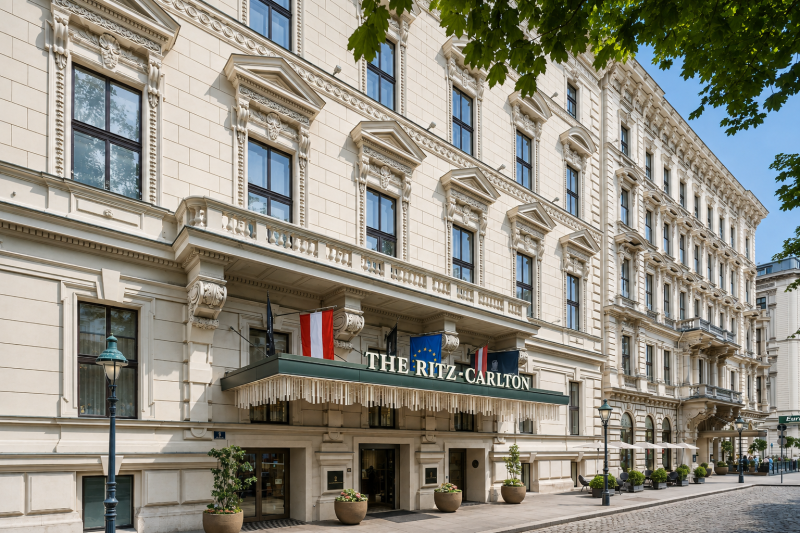
The Ritz-Carlton, Vienna occupies four connected 19th-century palaces on the Ringstrasse, placing a contemporary luxury hotel...
More amenities
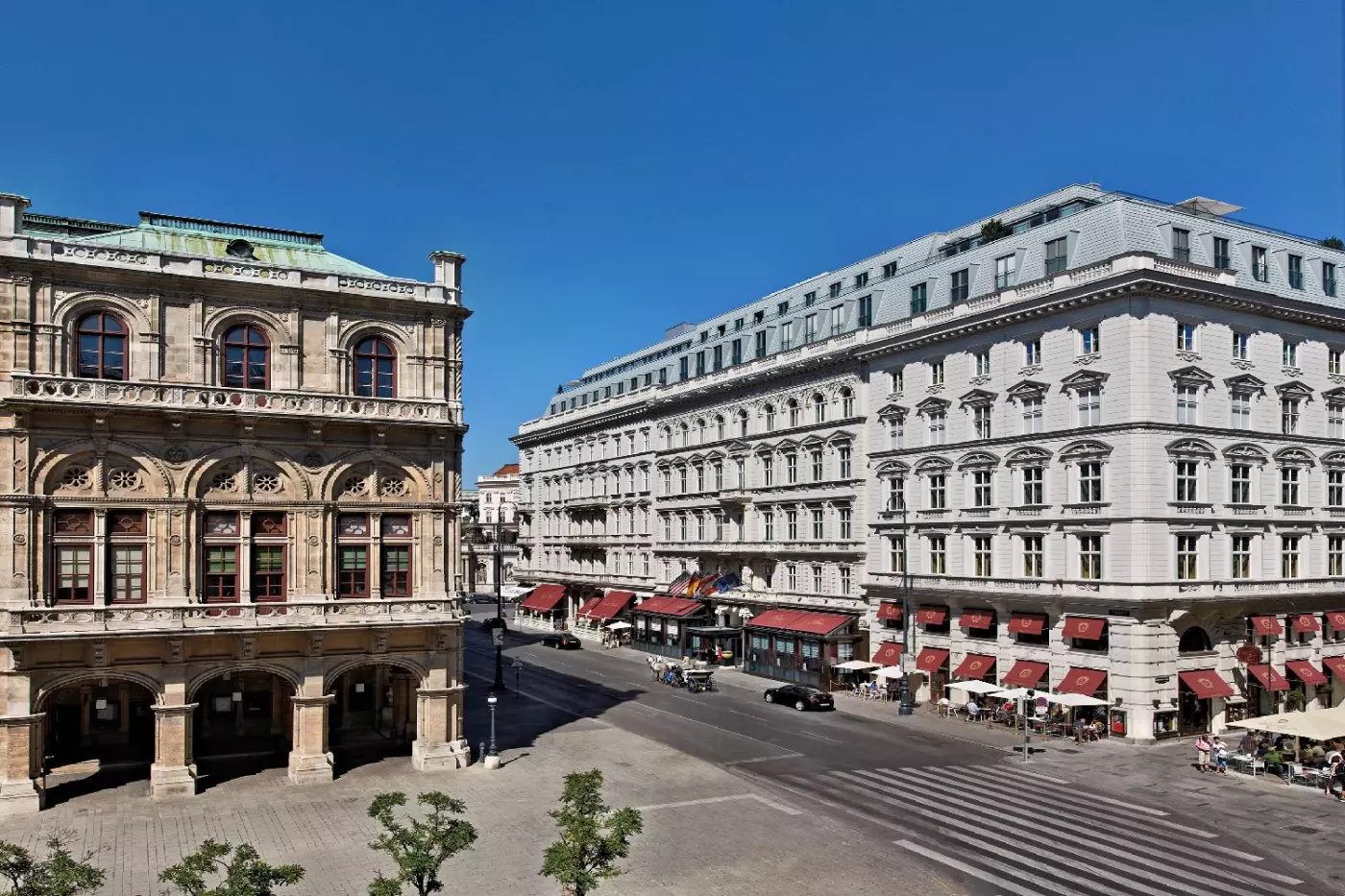
Hotel Sacher Vienna stands beside the Vienna State Opera, with its entrance on Philharmonikerstraße in the first district. Kn...